


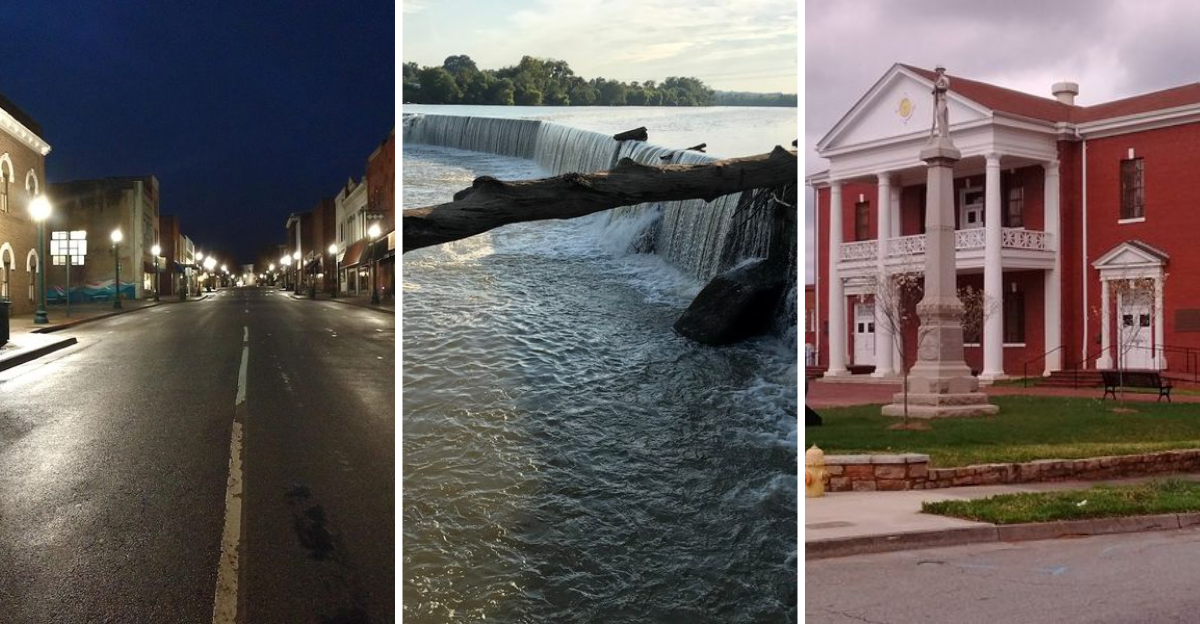
Retirement should feel like a long, peaceful exhale – not a financial juggling act. Virginia is home to dozens of quiet, welcoming towns where your dollar stretches further than you might expect.
From the rolling hills of the Appalachian highlands to the laid-back Southside communities, these spots offer real charm without the big price tag. If you are ready to slow down and enjoy life on a modest budget, these 15 Virginia towns deserve a close look.
Danville, Virginia
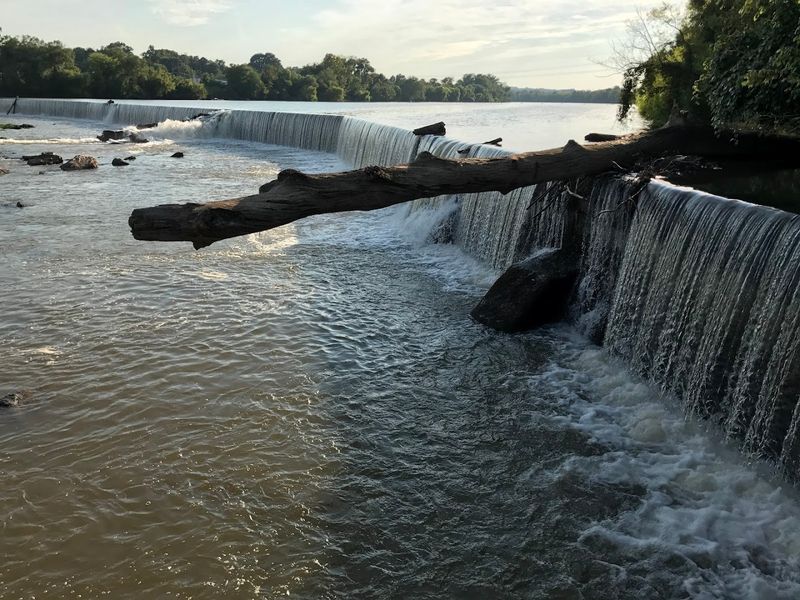
Danville sits along the Dan River and carries a rich history tied to tobacco and textiles. Monthly costs here are remarkably low, with one-bedroom apartments often renting for under $600.
Retirees enjoy the River Walk Trail, local farmers markets, and a growing arts scene.
Healthcare access has improved significantly with Sovah Health nearby. The mild four-season climate keeps outdoor activities enjoyable year-round, making Danville a well-rounded and budget-friendly choice for retirement living.
Martinsville, Virginia
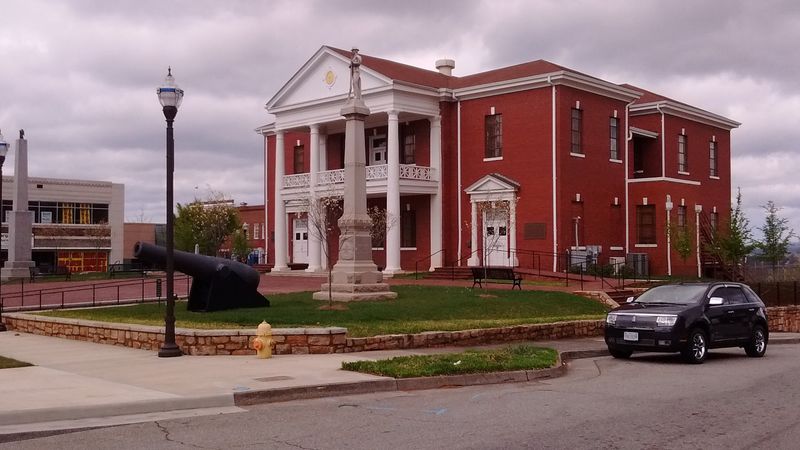
Known for its NASCAR heritage and furniture-making roots, Martinsville has a proud identity that longtime residents wear with a smile. Housing costs are among the lowest in the state, making it easy to keep monthly expenses well under $1,200.
The Blue Ridge Mountains sit close enough for day trips, and the Virginia Museum of Natural History is right in town. Grocery prices and utility costs are both below the national average, which adds up to real savings every month.
South Boston, Virginia
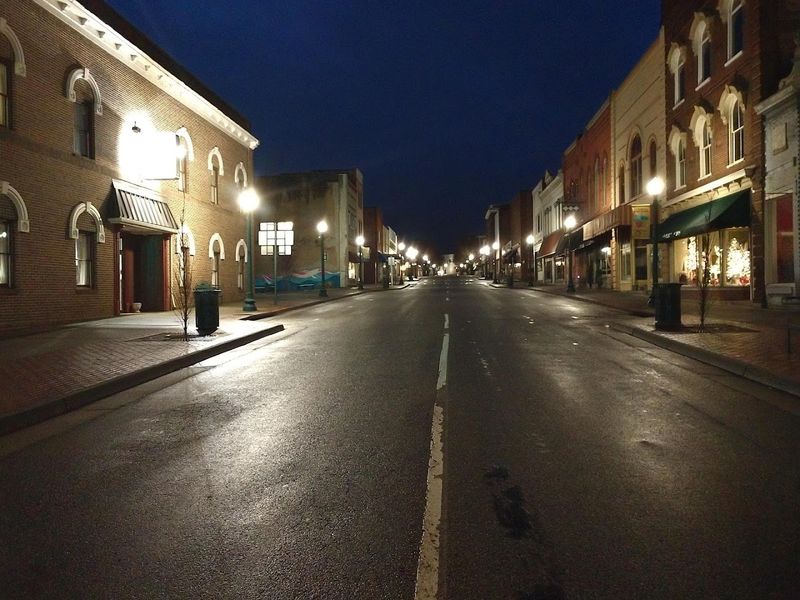
South Boston is the kind of place where neighbors still wave from the front porch and everyone knows the local diner by name. Nestled in Halifax County, this town offers affordable housing with median home prices well below $150,000.
Retirees can enjoy Hyco Lake just across the North Carolina border for fishing and boating. The cost of living here is genuinely low, and the community has a warm, unhurried pace that many retirees find deeply refreshing.
Emporia, Virginia
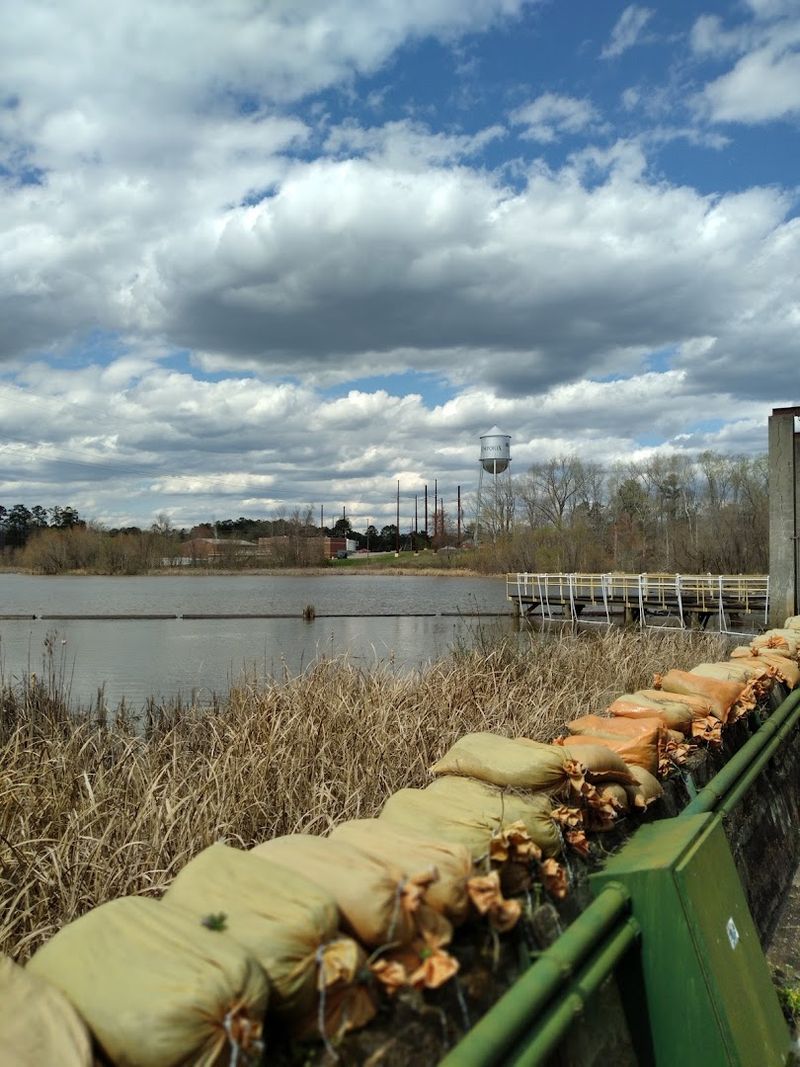
Emporia sits right at the crossroads of I-95 and US-58, making it surprisingly easy to reach larger cities when needed – but quiet enough to feel miles away from the hustle. Groceries, utilities, and rent are all very affordable here.
The Meherrin River runs through town and offers peaceful spots for fishing and walking. With a low property tax rate and a close-knit community feel, Emporia gives retirees a simple, comfortable life without stretching the budget thin.
Norton, Virginia
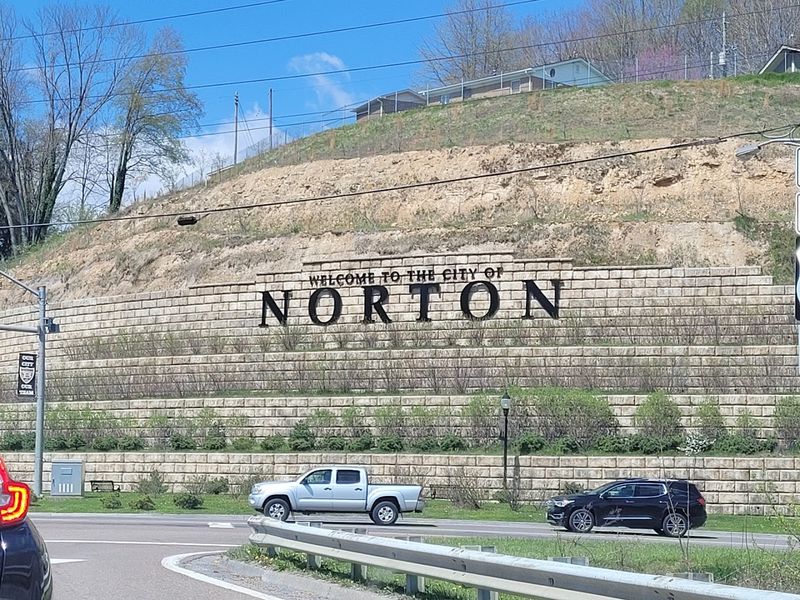
Tucked into the mountains of far Southwest Virginia, Norton is one of the most affordable small cities in the entire state. Rent for a comfortable apartment can run as low as $500 a month, leaving plenty of room in a $1,200 budget.
The surrounding Jefferson National Forest offers endless trails, waterfalls, and scenic drives. Norton has a quiet, mountain-town personality that suits retirees who love nature, fresh air, and a slower rhythm of daily life.
Big Stone Gap, Virginia
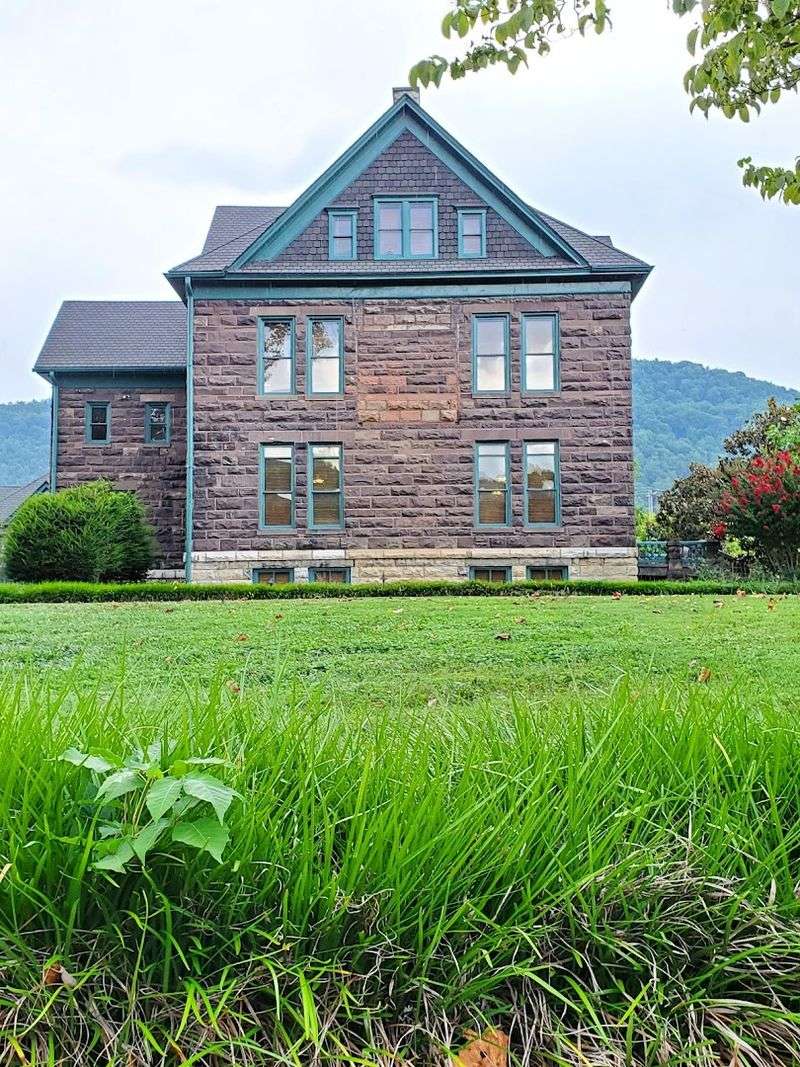
Big Stone Gap inspired the beloved novel and movie “Big Stone Gap,” and the real town lives up to its storybook reputation. Nestled in Wise County, this Appalachian community has housing costs so low that owning a home on a retirement budget is entirely realistic.
The Southwest Virginia Museum Historical State Park and the Trail of the Lonesome Pine Outdoor Drama bring culture and history to everyday life. Outdoor lovers will appreciate the proximity to High Knob Recreation Area for hiking and peaceful mountain views.
Clintwood, Virginia
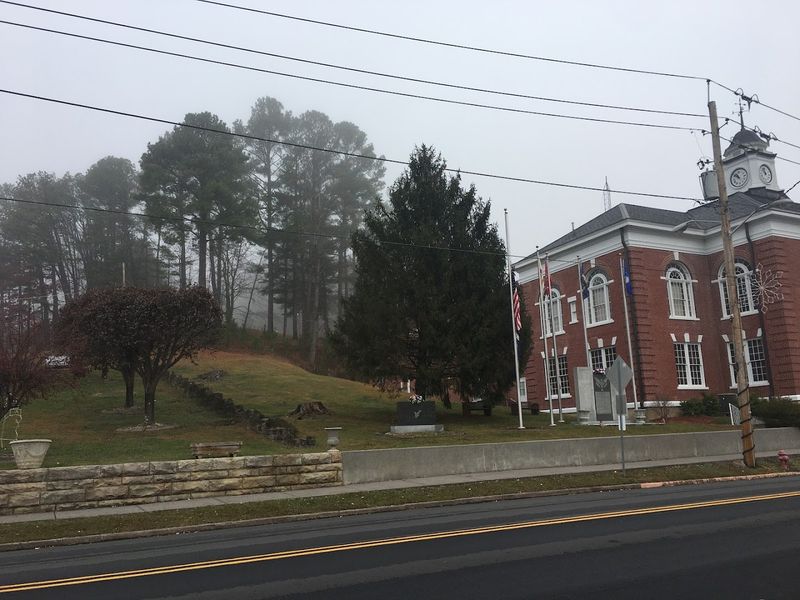
Clintwood is the county seat of Dickenson County and one of Virginia’s most tucked-away gems. Housing here is extraordinarily affordable – some homes sell for under $80,000 – making it one of the easiest places in the state to live on a fixed income.
The Ralph Stanley Museum honors the legendary bluegrass musician and adds genuine cultural character to this mountain town. Clean air, low traffic, and a tight-knit community make Clintwood a surprisingly satisfying place to put down roots in retirement.
Tazewell, Virginia
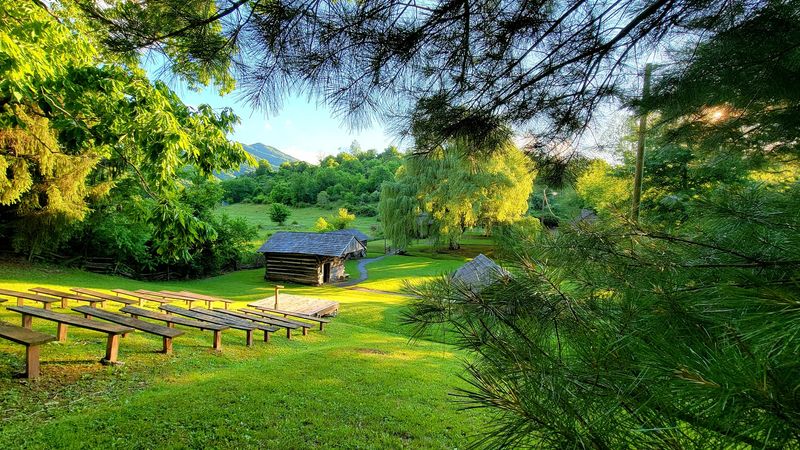
Sitting at over 2,400 feet elevation, Tazewell enjoys crisp air and stunning mountain scenery that never gets old. The cost of living is well below the Virginia average, and retirees report that $1,200 a month covers rent, food, and utilities with room to spare.
The Historic Crab Orchard Museum and Pioneer Park tells the story of Appalachian settlers and makes for a fascinating afternoon. Tazewell County also has a strong sense of community pride that makes newcomers feel welcome almost immediately.
Lebanon, Virginia
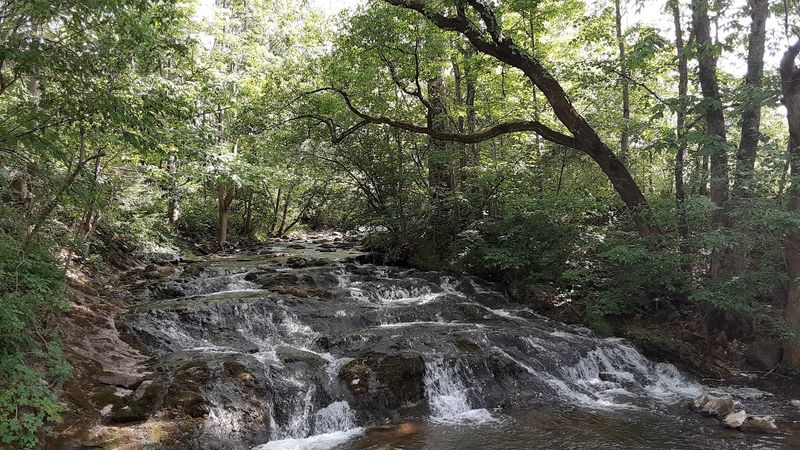
Lebanon is the kind of town where life moves at a pace that actually lets you enjoy it. As the seat of Russell County, it offers basic amenities without the noise and expense of city living.
Median home prices hover around $120,000, making homeownership very achievable.
The Crooked Creek Wildlife Management Area nearby is perfect for birdwatching, hiking, and fishing. Locals are known for their hospitality, and the low property taxes make Lebanon one of Southwest Virginia’s most retirement-friendly communities.
Pulaski, Virginia
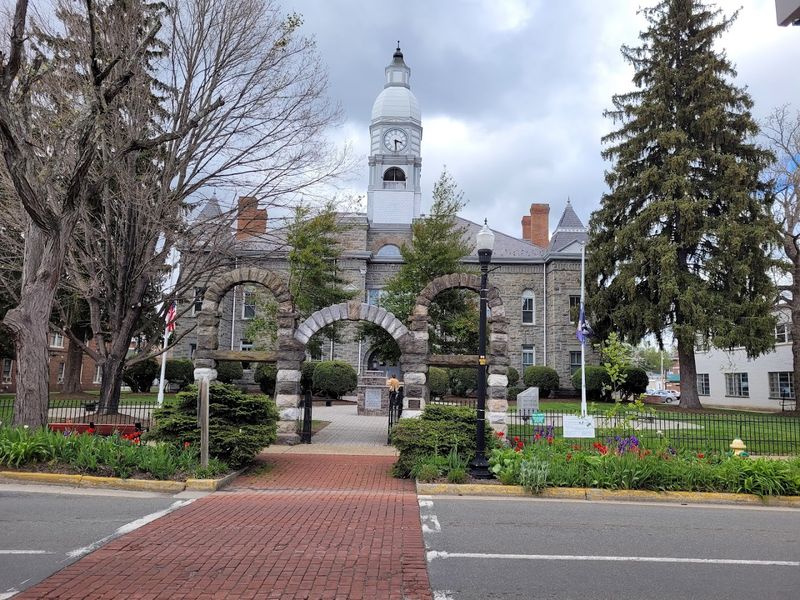
Pulaski has been quietly reinventing itself, and retirees are among those discovering its potential. The beautifully restored Pulaski Theatre and the historic train depot give the town a nostalgic character that feels both charming and genuine.
New River Trail State Park runs right through the area and offers 57 miles of multi-use trail for walking and cycling. Rent and groceries are both well below state averages, and the New River Valley Medical Center provides solid healthcare access for older residents.
Galax, Virginia
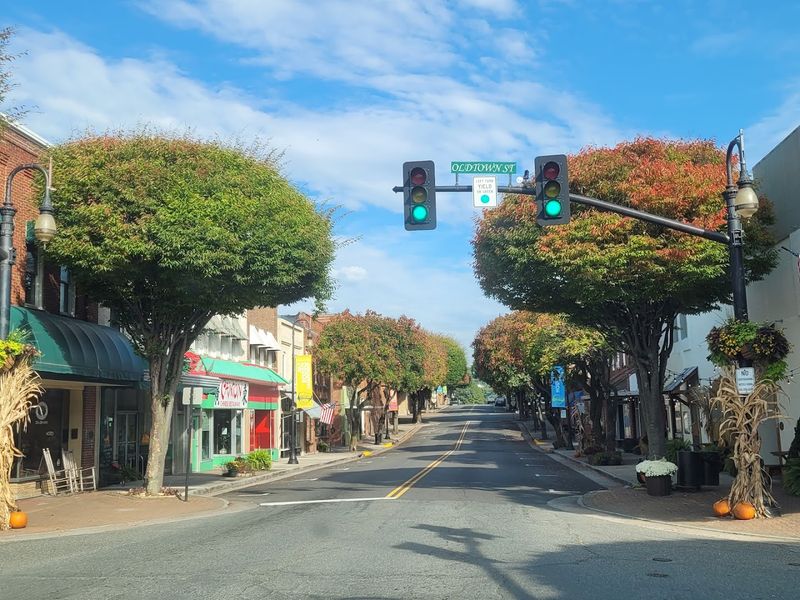
Every August, Galax hosts the Old Fiddlers Convention – one of the oldest and most celebrated old-time music events in the world. That alone tells you a lot about the soul of this town.
Galax sits near the Blue Ridge Parkway and offers retirees stunning scenery at no cost whatsoever.
Housing is very affordable, with rentals available well under $700 a month. The community is lively but unhurried, and local shops and restaurants give daily life a personal, small-town warmth that chain-filled suburbs simply cannot match.
Covington, Virginia
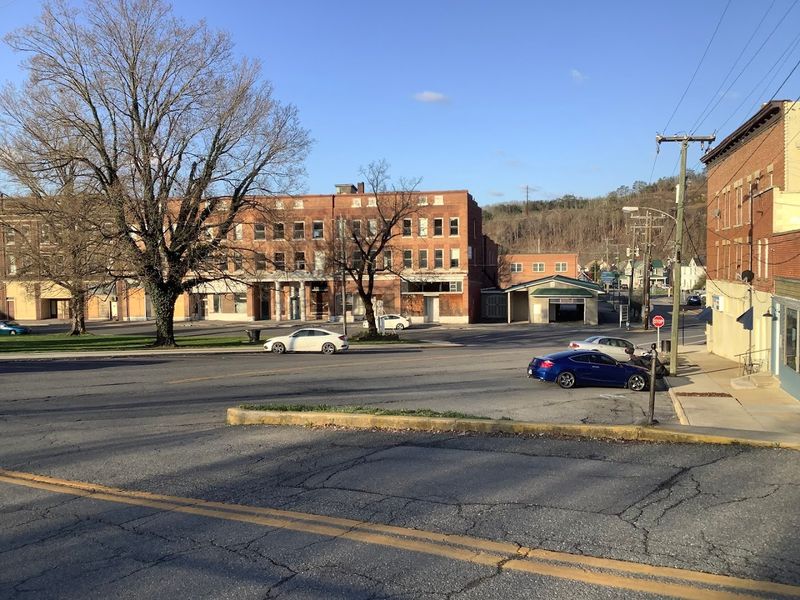
Covington sits in the Alleghany Highlands and is surrounded by some of the most beautiful mountain scenery in the eastern United States. The Jackson River flows nearby, offering excellent trout fishing that keeps outdoor-loving retirees happily occupied.
Monthly living costs are low enough that many retirees find themselves saving money rather than just breaking even. The Humpback Rocks area of the Blue Ridge Parkway is a short drive away, and the local community has a steady, dependable character that makes settling in feel natural.
Buena Vista, Virginia
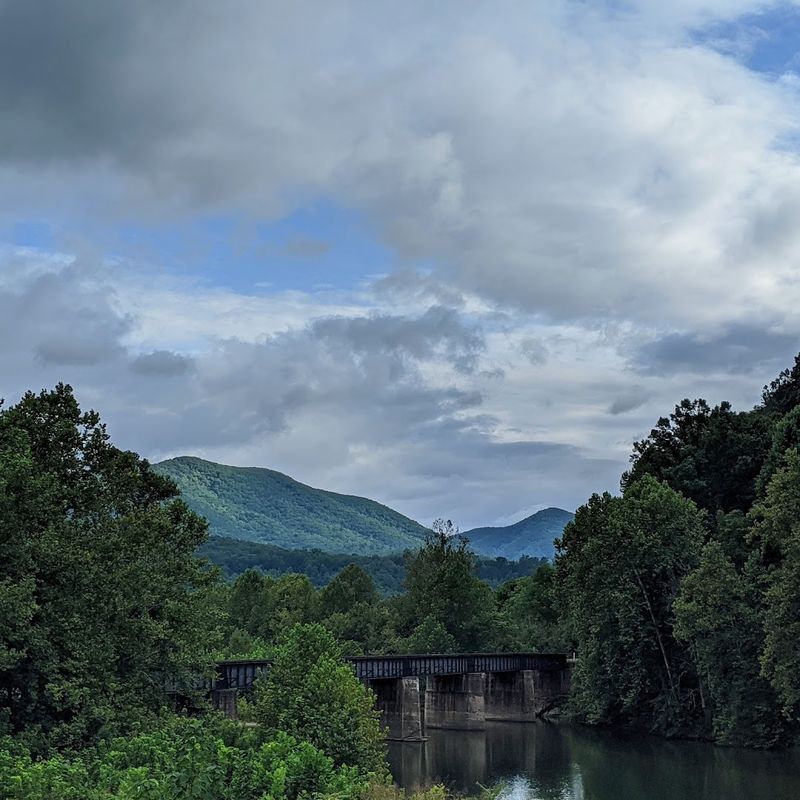
Buena Vista might be small – just about 6,000 residents – but it punches well above its weight in natural beauty. The Maury River winds through town, and the Blue Ridge Mountains frame nearly every view.
Southern Virginia University adds a youthful energy to the community.
Home prices and rents are both very manageable, and the proximity to Lexington means retirees have access to more dining and cultural options just minutes away. For those who want mountain beauty without mountain prices, Buena Vista delivers reliably.
Waynesboro, Virginia
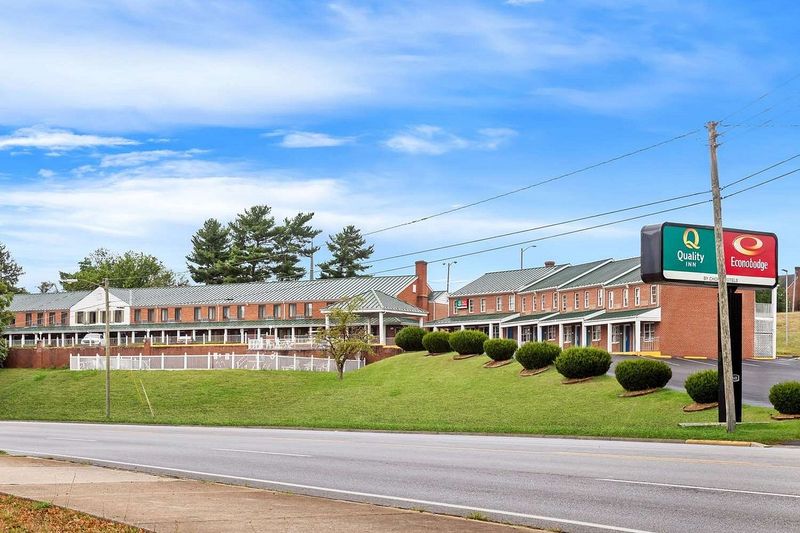
Waynesboro has blossomed into one of the Shenandoah Valley’s most appealing small cities, and retirees are taking notice. The downtown area features local restaurants, art studios, and a walkable layout that makes daily errands genuinely pleasant.
Skyline Drive and the Blue Ridge Parkway are both easily accessible, giving nature lovers an endless playground. Housing costs are reasonable compared to nearby Charlottesville, and Augusta Health provides quality medical care.
Living comfortably on $1,200 a month here is very realistic for a single retiree.
Farmville, Virginia
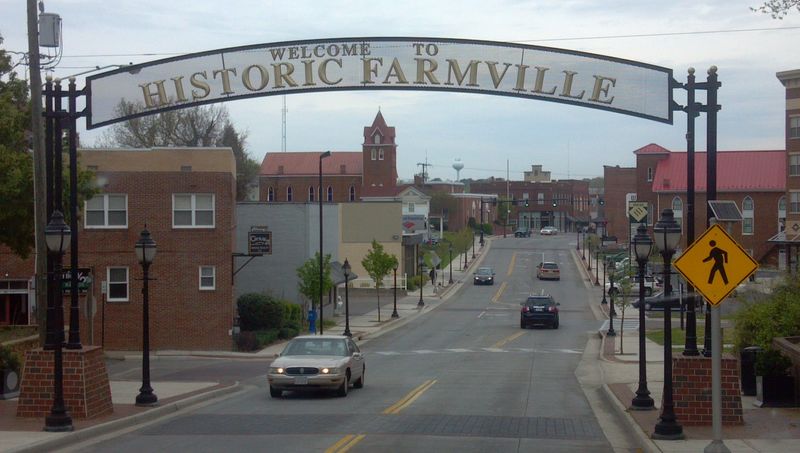
Farmville has a quiet college-town energy, thanks to Longwood University, but it never feels overwhelming or expensive. The downtown is walkable, friendly, and dotted with independent shops and cafes that give everyday life a pleasant rhythm.
The Appomattox River and nearby Twin Lakes State Park offer fishing, kayaking, and picnicking for active retirees. Housing costs are modest, healthcare options are accessible, and the mix of students and longtime locals creates a community that stays curious and engaged all year long.