


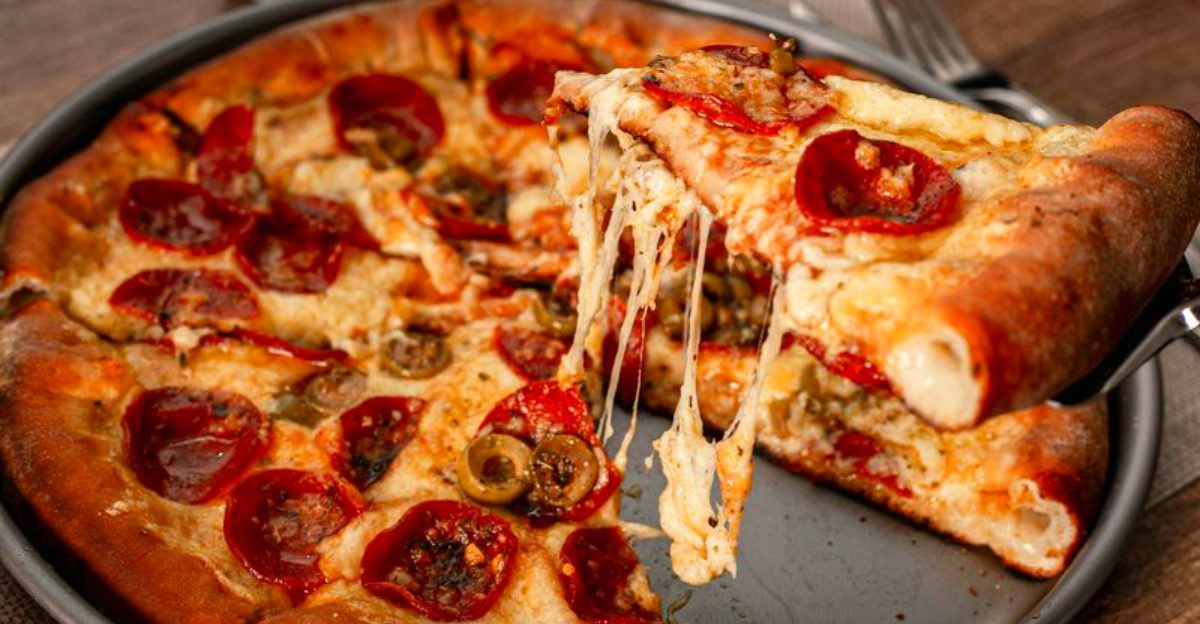
Some foods are delicious, but the real flavor comes from the debate they unleash. You know the ones that turn a quiet dinner into a lively roundtable and spark strong opinions in seconds.
This list dives into those divisive bites and sips, the meal moments that trigger friendly fire. Ready to see which side you pick and who at your table will disagree instantly?
Pineapple pizza
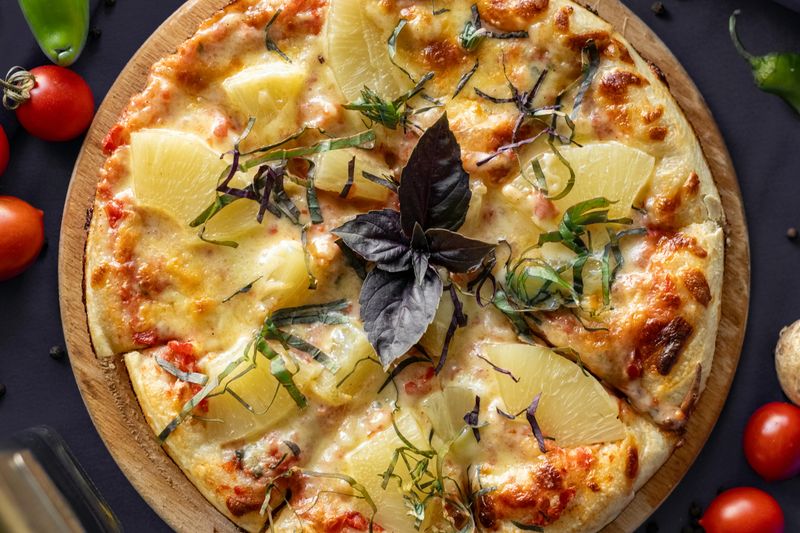
Pineapple on pizza sparks quicker reactions than hot ovens. Some adore the sweet burst cutting through salty cheese and savory ham, claiming balance and brightness in every bite.
Others say fruit belongs in desserts, not main dishes, and reject it outright.
If you crave contrast, this combo delivers juicy pops that keep slices interesting. But if you prefer classic pies, the sweetness can feel distracting.
In group orders, this choice can cause eye rolls, laughter, or full negotiation tactics. You might love it or loathe it, but it always gets people talking.
Well done steak
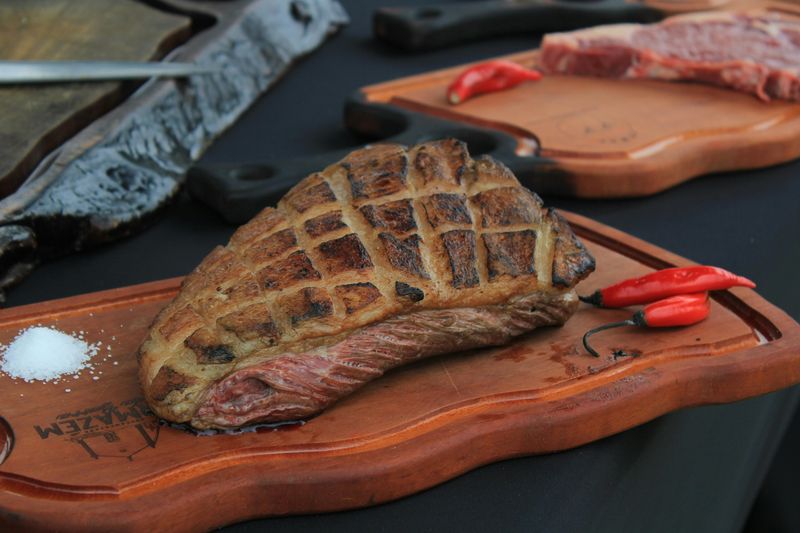
Well done steak is a lightning rod. Fans want no pink, a firm bite, and deep char that feels hearty.
They often claim safety, texture preference, or nostalgic comfort from childhood dinners where pink meant undercooked.
Critics say cooking steak past medium dries it out and erases nuance. In steakhouse settings, ordering well done can earn side glances, and chefs might groan.
Still, you are paying, so your plate should please you. If you like chew and uniform doneness, stand tall.
Just expect table debates to sizzle as much as the grill.
Rare steak
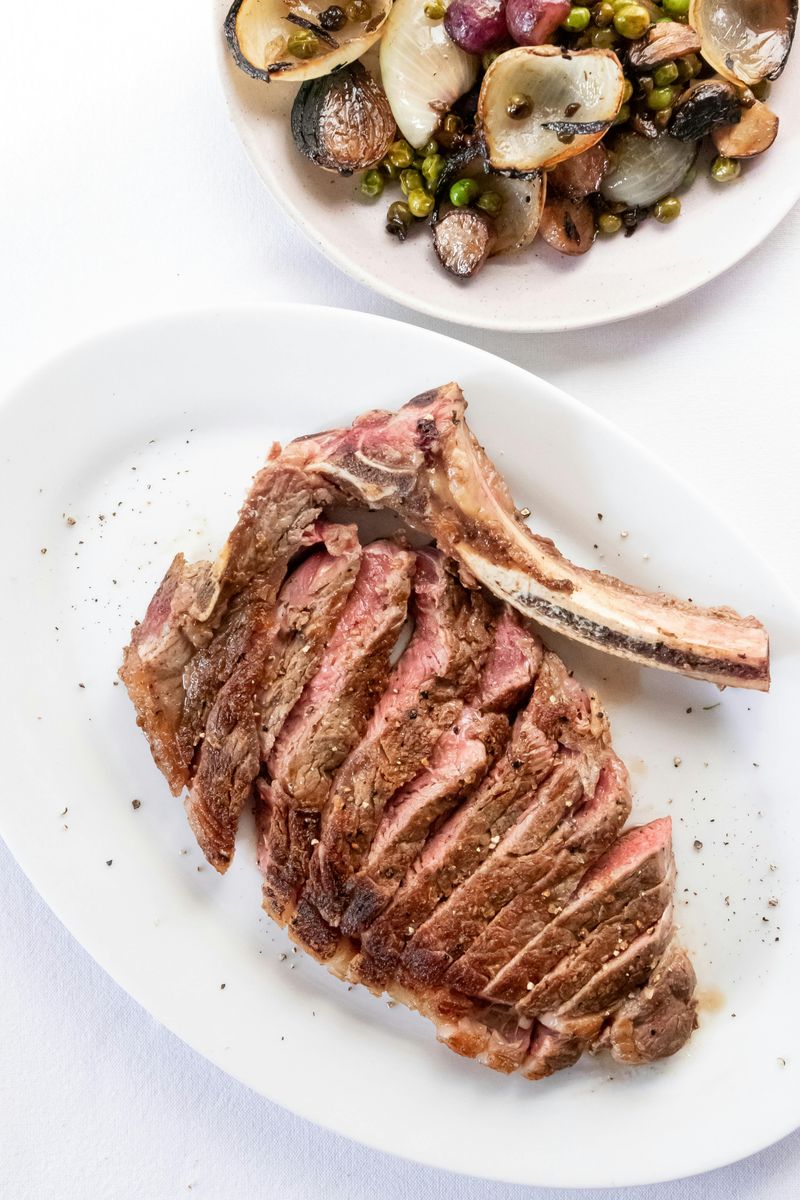
Rare steak fans chase tenderness and rich, buttery juices. The ruby center and hot seared crust deliver contrast that many find luxurious.
They say it showcases the cut’s character and respects the meat’s quality.
To others, rare reads raw and unsettling. Concerns about texture or safety can overshadow flavor.
At shared meals, rare orders spark education or eye squints, depending on the crowd. If you love melt-in-mouth bites, rare feels perfect.
If not, it looks like a dare. Either way, the color on the plate triggers instant discussion.
Ketchup on steak
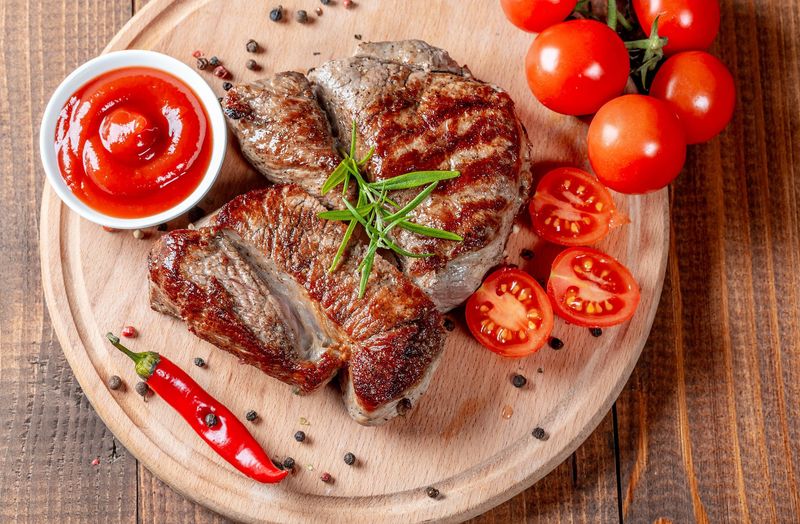
Ketchup on steak turns dinner into a courtroom. Some love the sweet tang cutting through char and richness, especially with well done steaks.
It feels familiar, playful, and comforting, like dipping fries.
Others consider it a flavor cover-up that masks expensive cuts and careful seasoning. In steakhouses, that red squeeze can draw gasps.
But your taste buds pay the bill, not the audience. If ketchup makes your bites sing, go for it.
Just know this move presses every culinary button and guarantees a spirited table debate.
Mayo on fries
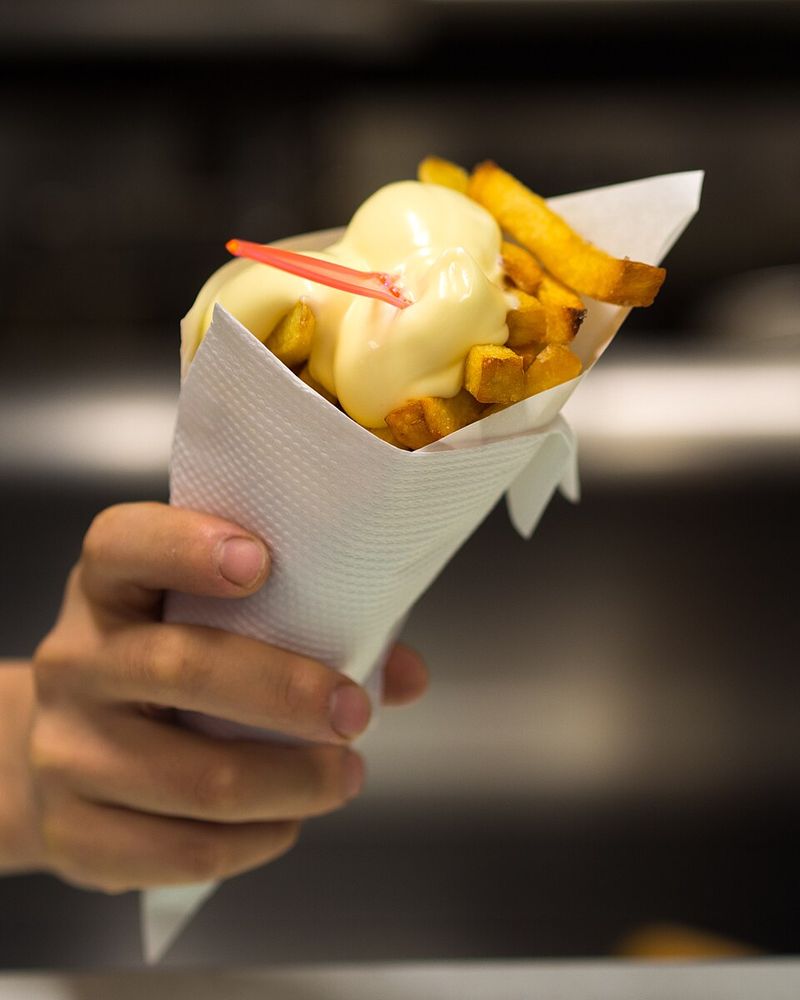
Mayo on fries feels luxurious. The creamy, tangy richness clings to each crisp fry, a beloved staple in Belgium and the Netherlands.
It is smooth, indulgent, and arguably better suited than thin ketchup.
Still, some find mayo heavy, slippery, or too eggy. They prefer ketchup’s sweet snap or vinegar spritz.
When a table orders fries, dipping sauce divides quickly. Offer both and watch alliances form.
You might convert skeptics with a garlicky aioli upgrade. Either way, fries serve as neutral ground for a surprisingly passionate condiment debate.
Ranch on pizza
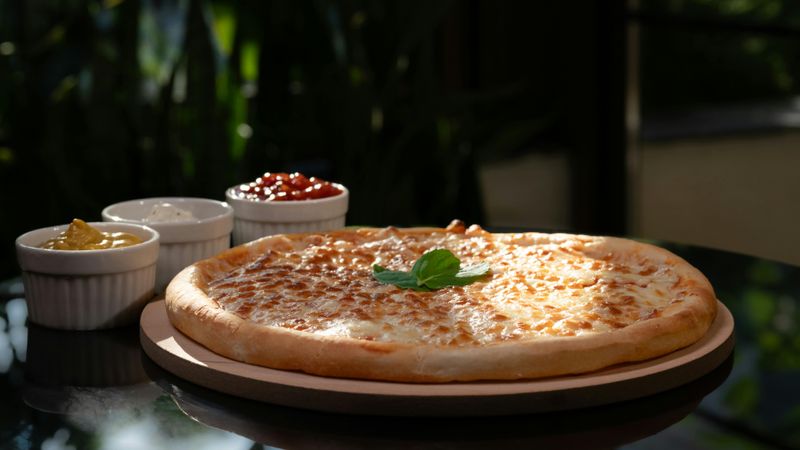
Ranch on pizza is a college classic turned adult habit. The cool, herby cream softens spice and salt, making crusts disappear faster.
For many, it is the ultimate late night comfort bite.
Purists call it sauce overload and say good pizza stands alone. In mixed groups, ranch cups mysteriously multiply on the table.
Try it with veggie slices or spicy pepperoni for balance. If you love it, dip proudly.
If not, consider it a fun side experiment. Either way, the ranch debate never stays quiet for long.
Onions
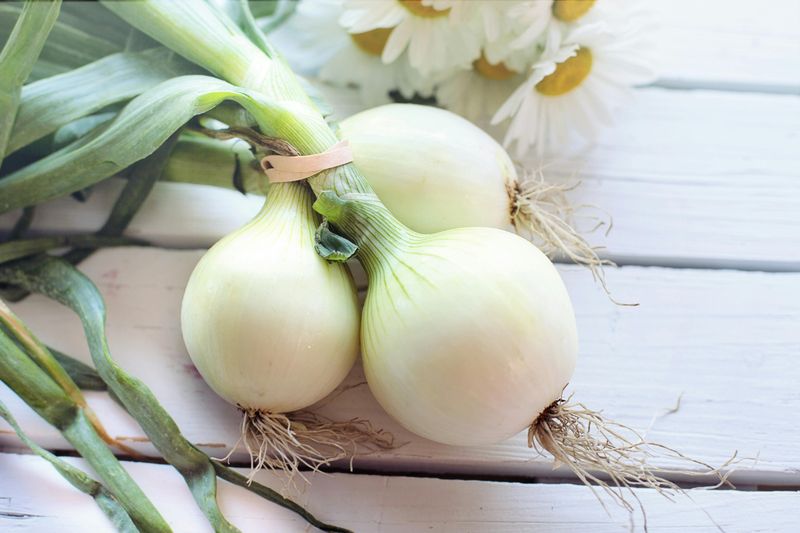
Onions bring sweetness, bite, and aroma that define countless dishes. Caramelized, they turn silky and jammy.
Raw, they add crunch and pep to salads and tacos.
But onions can overwhelm sensitive palates and linger long after dinner. Some love the tear-inducing prep and deep flavor rewards.
Others beg to hold them entirely. When ordering for a group, onions become a serious checkbox.
Try milder varieties or a quick soak to tame sharpness. Whether you crave them or avoid them, onions reliably split the room.
No onions
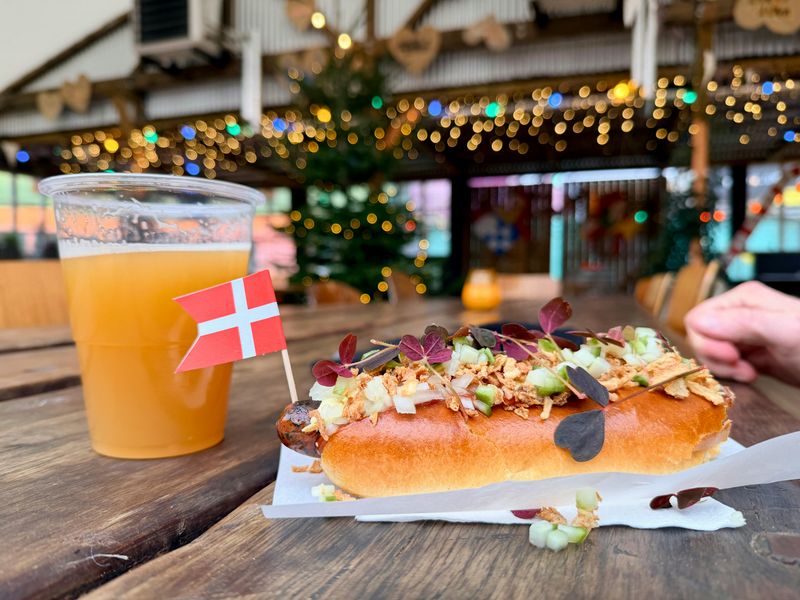
No onions can feel like a relief if you dislike sharp flavors or lingering aromas. Removing them gives cleaner bites and lets other ingredients shine.
For some, it also avoids digestive discomfort and awkward post meal breath.
However, onion lovers argue that dishes lose depth without that savory sweetness. At shared meals, specifying no onions can complicate orders or require special plating.
Compromise with cooked onions or scallions sometimes works. Still, if your taste buds say no, speak up.
The table debate will start, but your comfort matters more.
Pickles
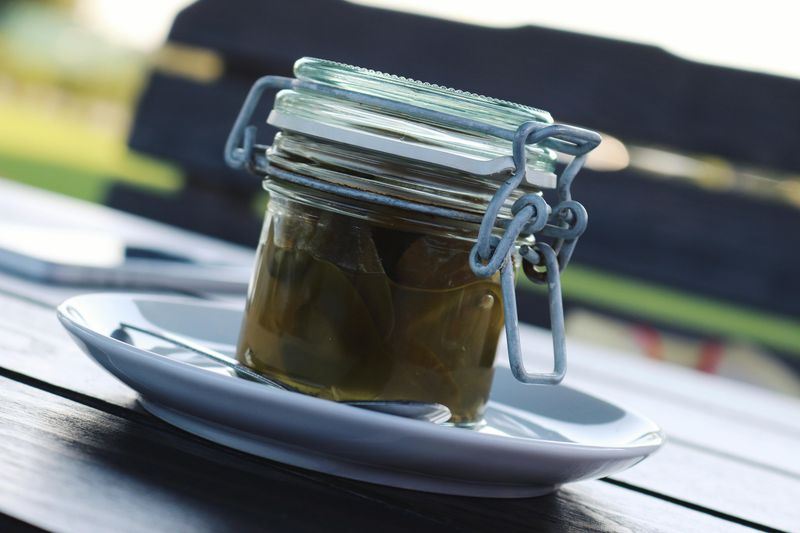
Pickles add snap, acid, and a refreshing crunch that cuts through fat. On burgers and sandwiches, they wake everything up.
Some people crave that briny hit and will steal extras from friends’ plates.
Yet pickles can dominate, turning bites aggressively sour or salty. Sweet pickles deepen the divide further.
In shared platters, pickle placement becomes a negotiation zone. Offer them on the side to keep peace.
If you are Team Pickle, pile them high. If not, slide them across the plate and watch instant alignment or outrage.
No pickles
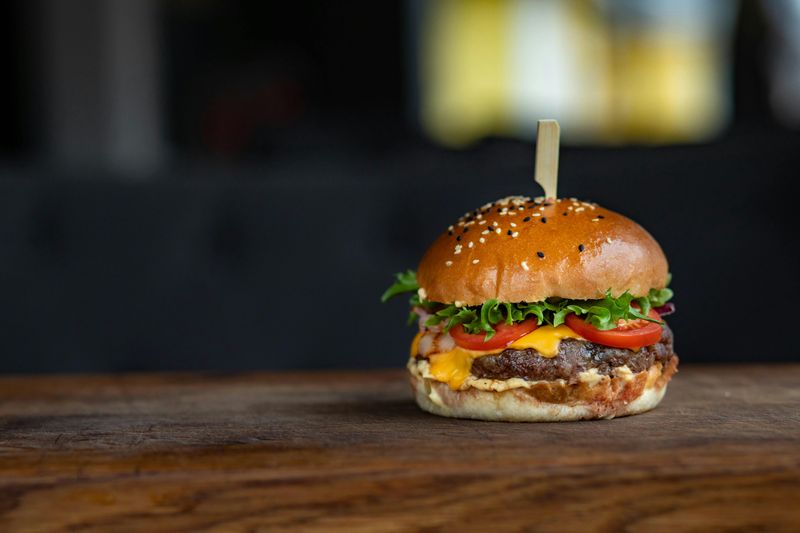
No pickles simplifies flavors and removes the vinegary punch that some find overwhelming. Without them, a burger tastes meatier and more balanced to certain palates.
It also prevents soggy bun spots and surprise sourness.
Pickle lovers might insist the acid is essential to cut richness. That is where debates flare.
A good compromise is pickles on the side. But if the smell or taste bothers you, pass with confidence.
The table will talk, but your sandwich should suit you first.
Spicy food
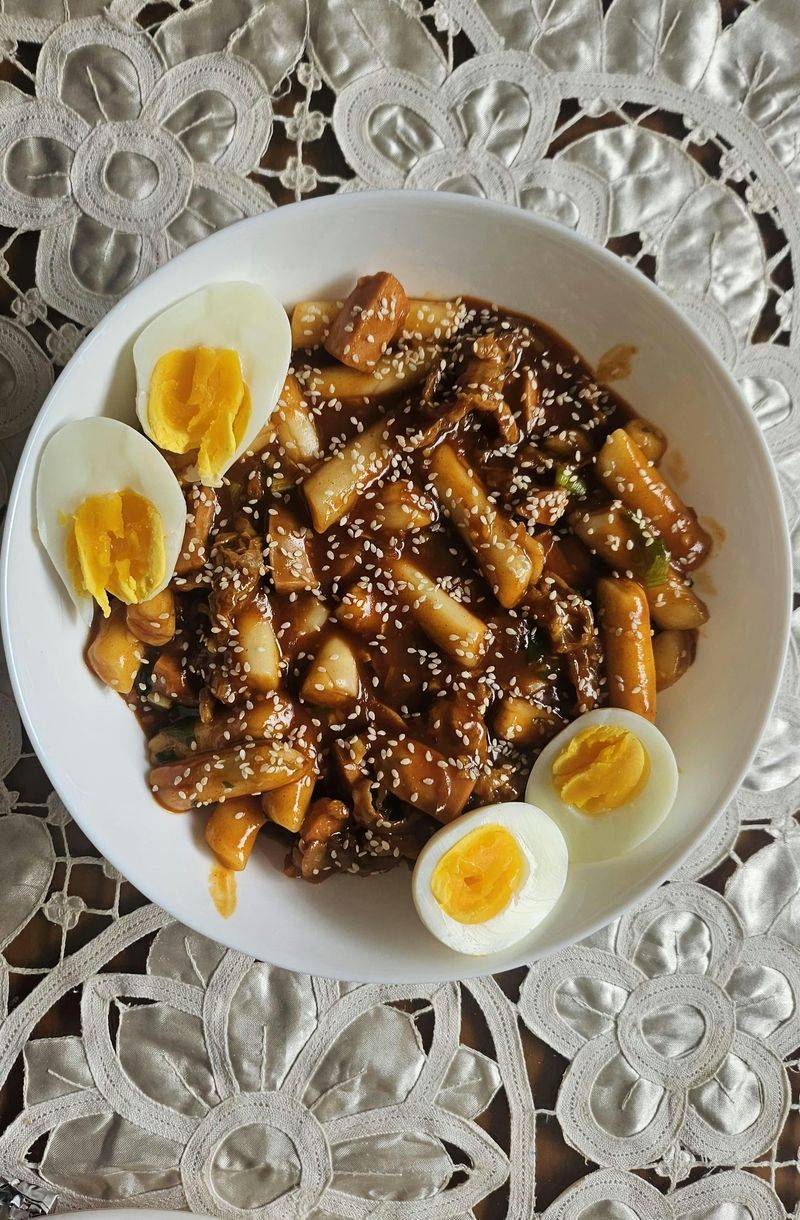
Spicy food thrills some and terrifies others. Heat seekers chase endorphins, layered chili flavors, and that satisfying nose-tingle.
They swear spice opens flavors rather than hides them.
For spice-sensitive diners, heat can bulldoze nuance and cause discomfort. At group meals, Scoville tolerance becomes a balancing act.
Offer hot sauce on the side or choose medium heat to keep everyone happy. If you love sweat on your brow, go bold.
If not, speak up early. Either way, spice turns dinners into lively temperature negotiations.
Mild food
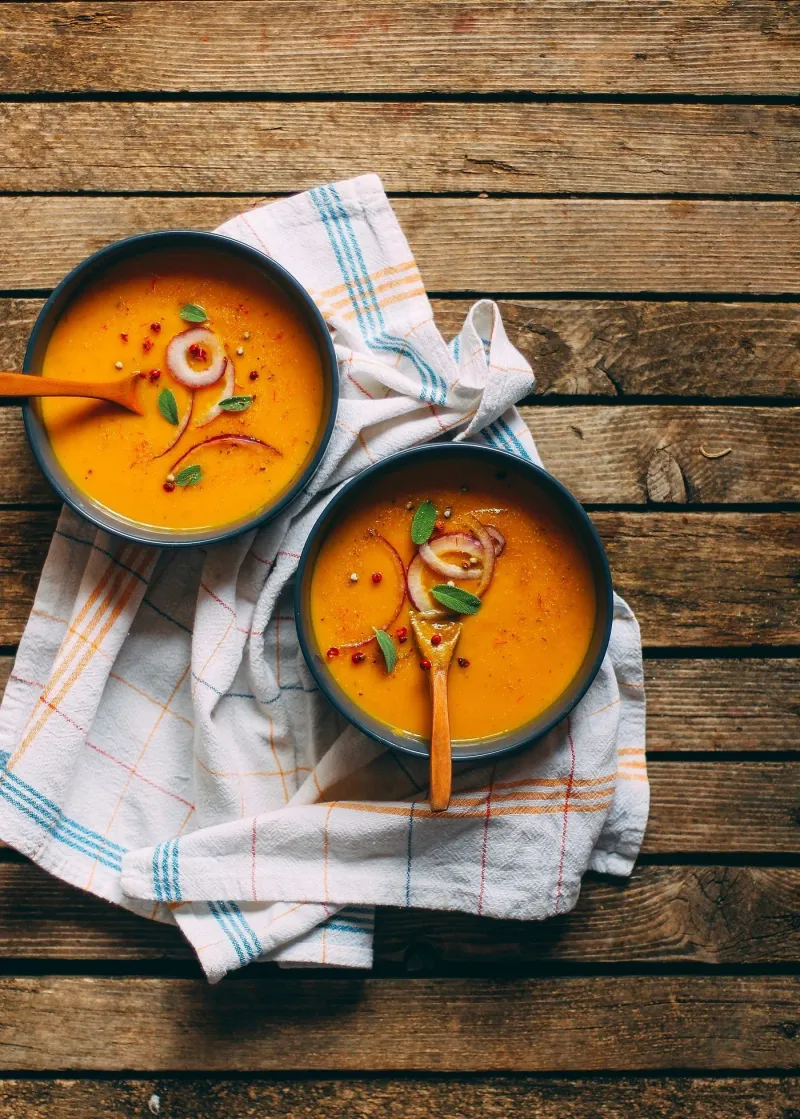
Mild food prizes comfort and clarity. Gentle seasoning lets ingredients shine without burn or distraction.
It is perfect for family tables with mixed preferences or sensitive palates.
Spice fans argue mild equals boring, but that is not fair. Subtle flavors can be complex and soothing.
When ordering for groups, choosing mild as a base with optional hot sauces keeps peace. You can still layer herbs, citrus, and textures.
If your goal is calm, mild delivers. Expect heat lovers to lobby for add-ons anyway.
Sugar in coffee
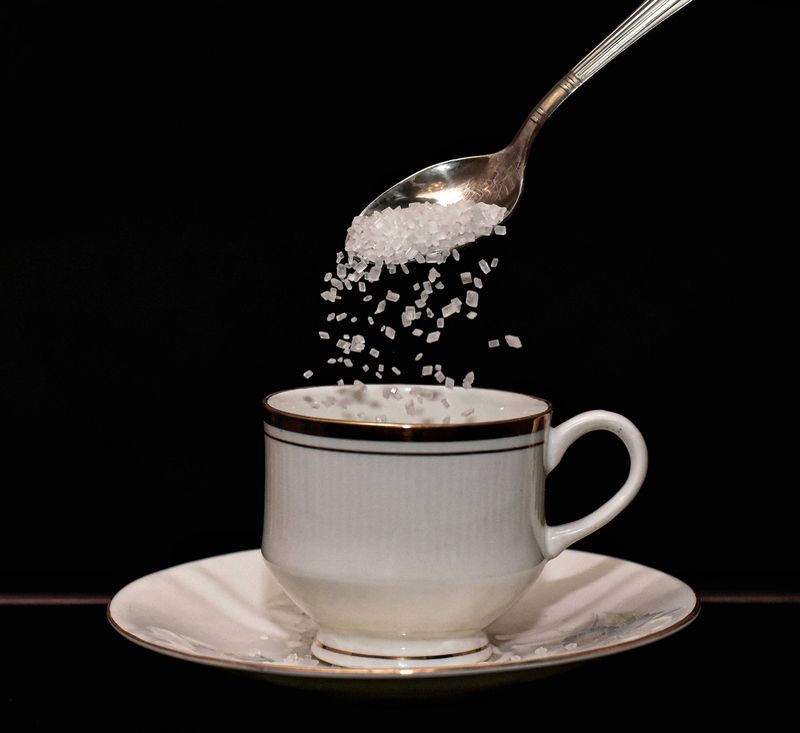
Sugar in coffee softens bitterness and adds a dessert-like comfort. For many, it turns a tough morning into something cozy.
A sprinkle or two can highlight chocolatey notes in darker roasts.
Purists say sugar hides flaws and masks the bean’s character. They prefer careful brewing and fresh roasts.
In offices, the sugar bowl becomes a declaration of taste. Use it if it helps you enjoy your cup.
Ditch it if you love the raw edge. The only wrong choice is one that makes you dread sipping.
No sugar
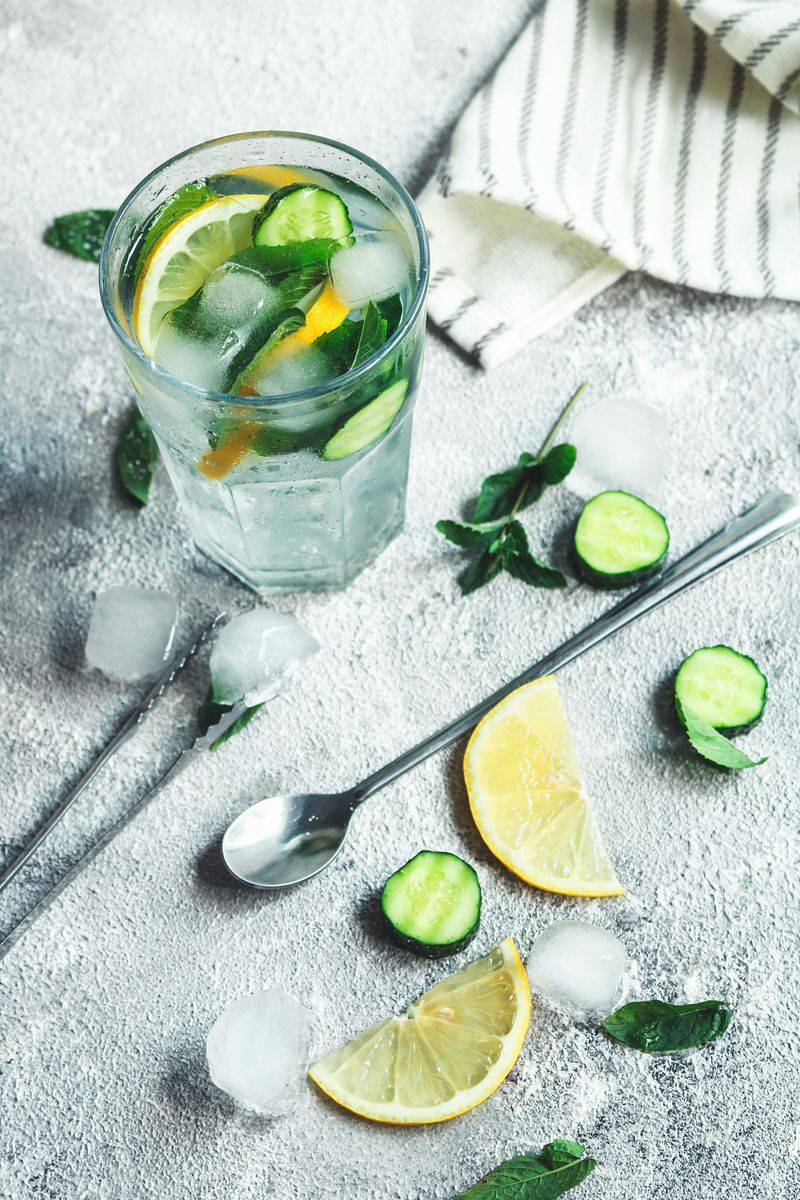
No sugar lets coffee speak clearly. You taste acidity, fruit, caramel, or smoke directly.
For some, that clean sip becomes addictive, especially with well roasted beans and proper extraction.
To others, unsweetened coffee feels harsh or joyless. The fix is technique, not sugar: adjust grind, ratio, and water temperature.
At breakfast tables, this divide shows up daily. If you love the pure profile, keep it black.
If not, no shame in sweetening. Preference rules, and that is the point of the debate.
Milk before cereal

Milk before cereal is a chaos move to some, a precision tactic to others. It keeps flakes crisper because you control dunk time.
It also helps measure milk exactly without overfilling.
Critics say it causes splashes and uneven distribution of crunchy bits. The ritual matters as much as the result.
At shared breakfasts, this choice sparks laughter and mock outrage. Try it if sogginess bugs you.
If the drama is the point, pour boldly and prepare for commentary from every seat at the table.
Cereal before milk
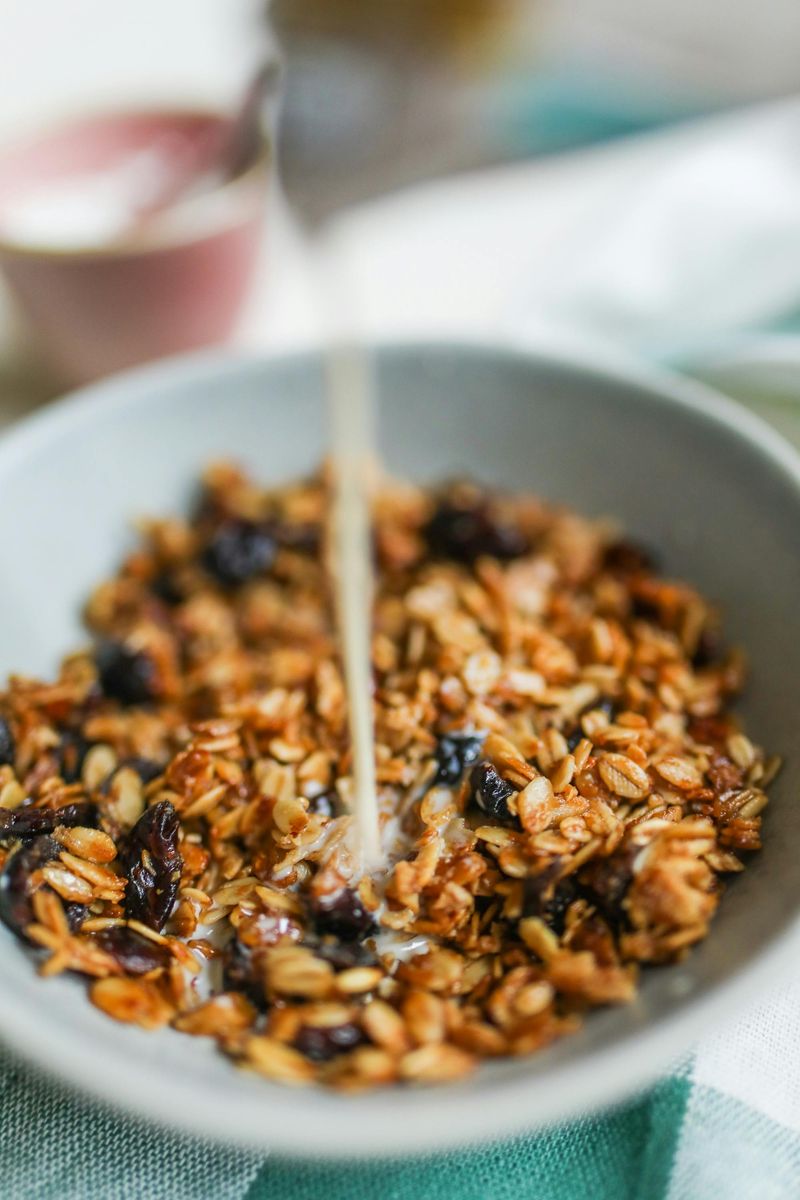
Cereal before milk is the classic move. It coats every flake evenly and avoids tidal waves.
You can judge portions and add just enough milk to suit your crunch tolerance.
Opponents argue it speeds sogginess and makes refills tricky. But tradition carries weight, and most kitchens default here.
At the table, the pour order becomes a playful identity test. If you love predictable texture and clean pours, this is your lane.
The debate endures, but breakfast still gets eaten.
Crunchy bacon
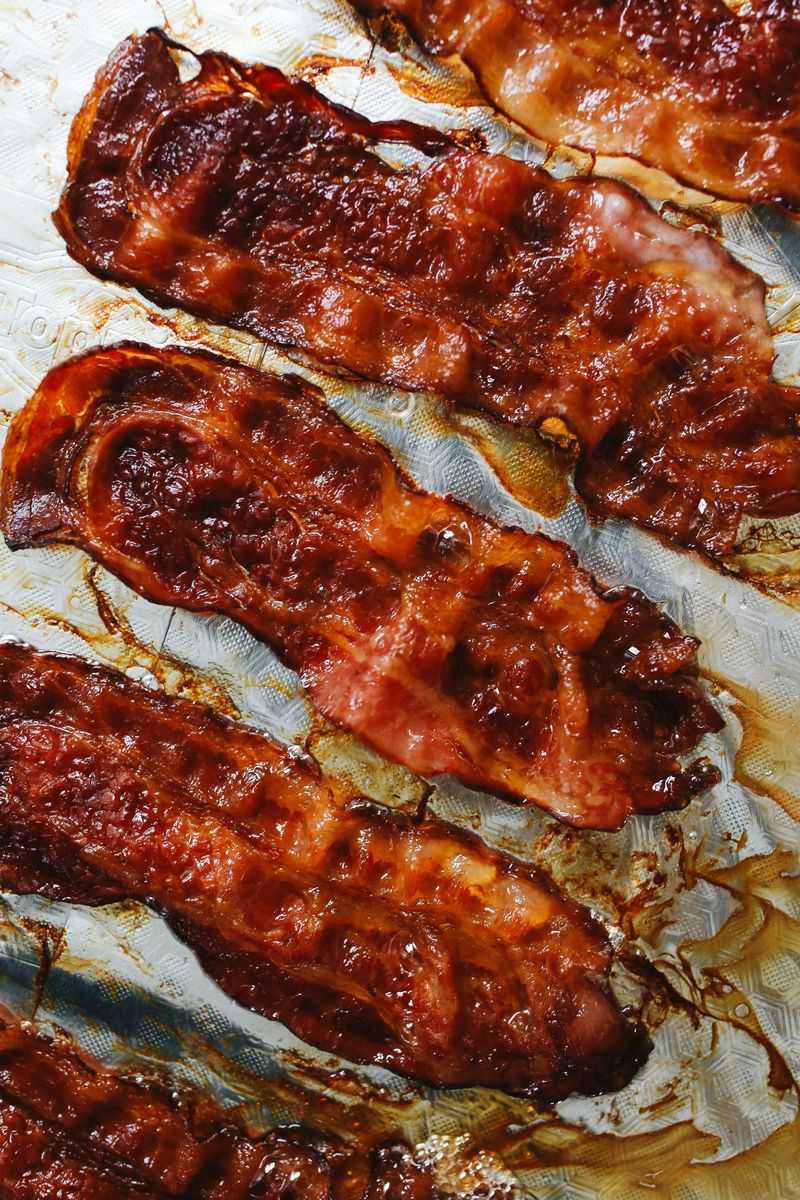
Crunchy bacon shatters delightfully. The salty snap pairs with pancakes, eggs, or BLTs like a charm.
Grease renders out, leaving concentrated porky flavor that feels clean and snackable.
Soft bacon fans argue crunch can taste dry or burnt. Cooking style affects aroma in shared spaces too.
If you roll crunchy, monitor heat to avoid bitterness. Lay strips on a rack for even crisping.
At brunch, the bacon texture vote splits the table. Luckily, a split batch keeps everyone happy, if you can resist eating it all.
Soft bacon
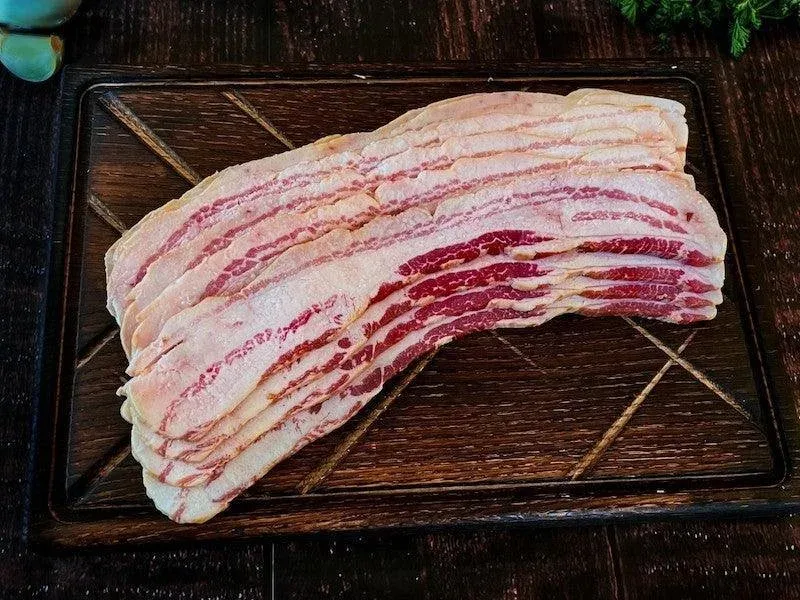
Soft bacon stays tender, glossy, and rich. The chew gives satisfying resistance, and the fat remains silky.
It melts into breakfast sandwiches and wraps beautifully without shattering.
Crisp lovers say it feels underdone or greasy. Technique matters: low heat renders fat slowly for safe, supple strips.
In group breakfasts, announce the plan so expectations align. Soft bacon proudly leans toward luxurious texture over crunch.
If you are team chew, claim your share fast, because the crispy crowd might try to keep it on the griddle longer.
Bone in wings
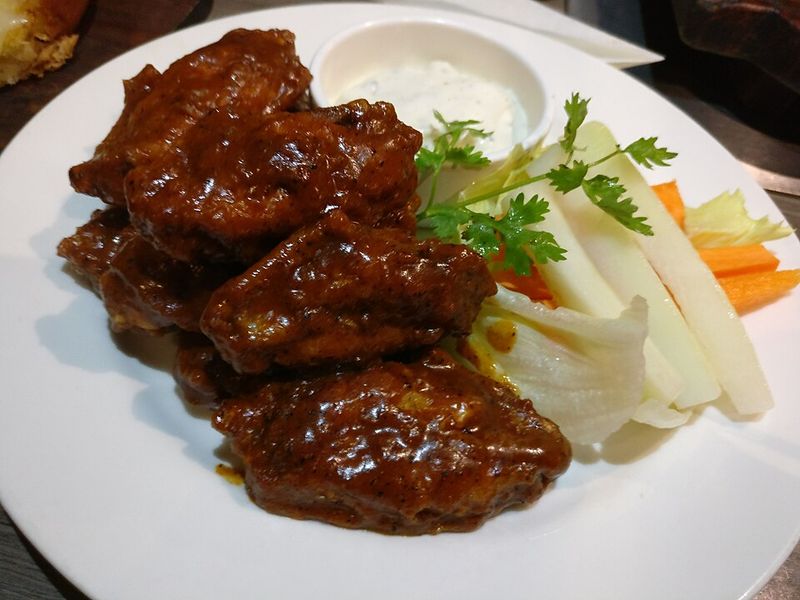
Bone in wings feel primal and satisfying. Gnawing around the bone yields juicy bites and deeper flavor.
Many swear the skin crisps better and the meat stays tender near joints.
Messiness is part of the fun, but not for everyone. Napkins stack high and sauces travel.
In wing circles, bone in fans claim authenticity and better value. Boneless supporters counter with convenience.
At parties, offering both prevents a saucy standoff. Still, the bone in team will argue that real wings come with anatomy attached.
Boneless wings
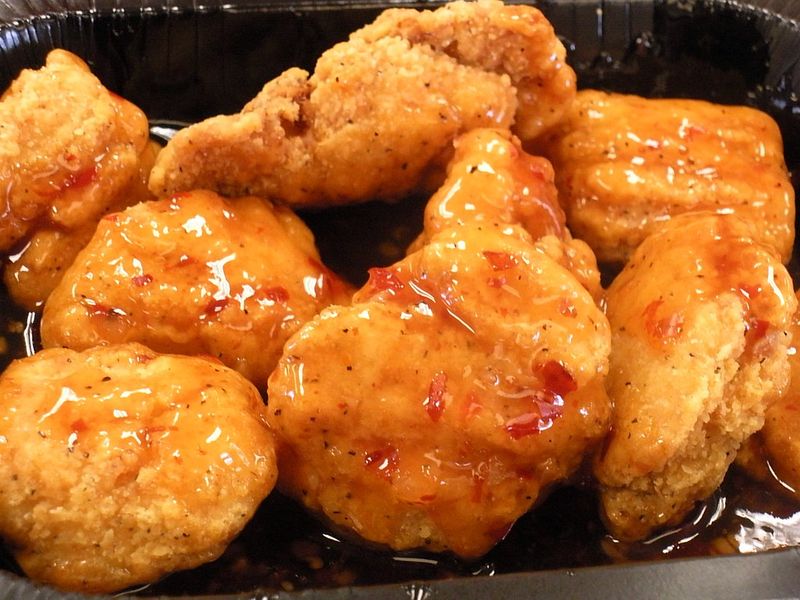
Boneless wings are tidy, fork friendly, and easy to share. They are basically saucy chicken nuggets, which explains the appeal.
Uniform bites mean less fuss and more dipping time.
Critics say they are not wings at all and miss bone driven flavor. Still, for office lunches and kid friendly tables, boneless wins.
If you want simple snacks without sticky fingers, this lane is perfect. Expect bone in loyalists to question your commitment to tradition, loudly.
Smile and keep dipping.
Cheese on seafood
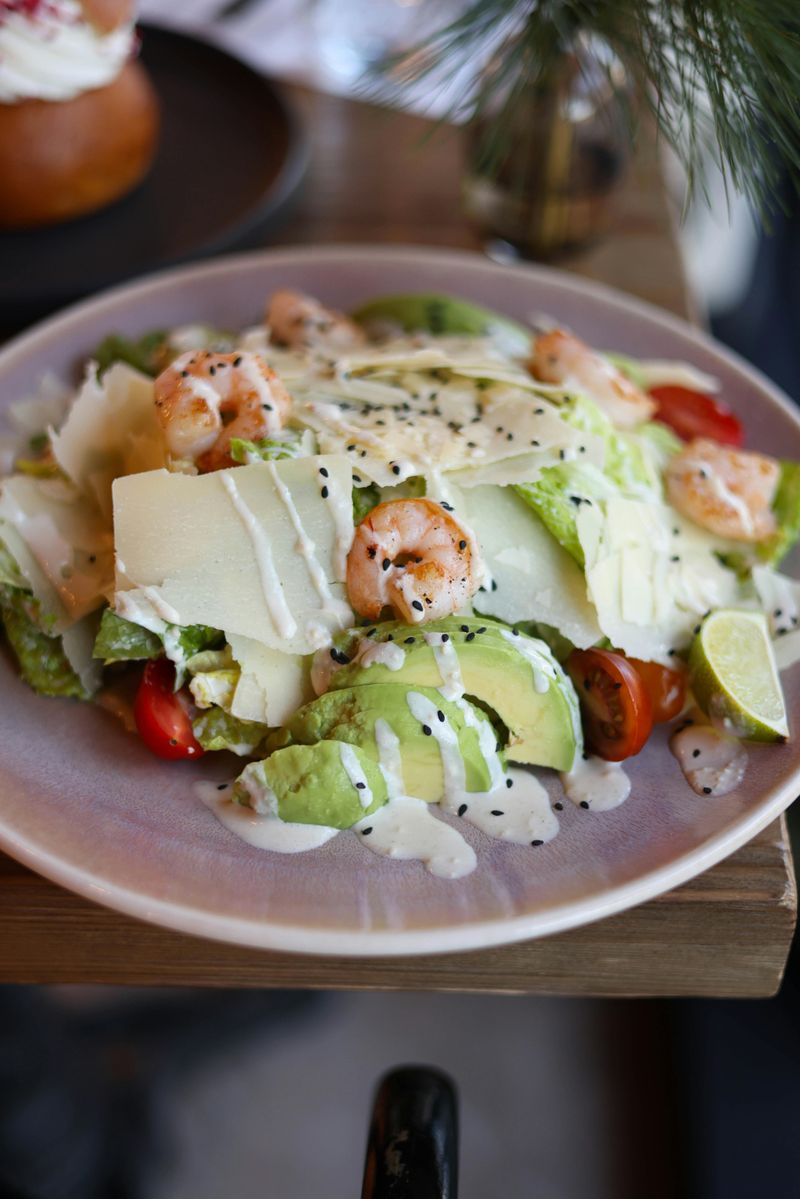
Cheese on seafood breaks some culinary rules. Still, dishes like shrimp parm, tuna melts, and crab mac prove it can work.
The trick is choosing gentle cheeses that complement, not smother.
Purists argue ocean flavors are delicate and should not battle dairy richness. In Italian traditions, this pairing is mostly avoided.
Yet comfort food bends rules for joy. If you enjoy it, grate lightly and pick flavors that play nice.
The table might groan, but your fork will keep moving happily.
Dessert first
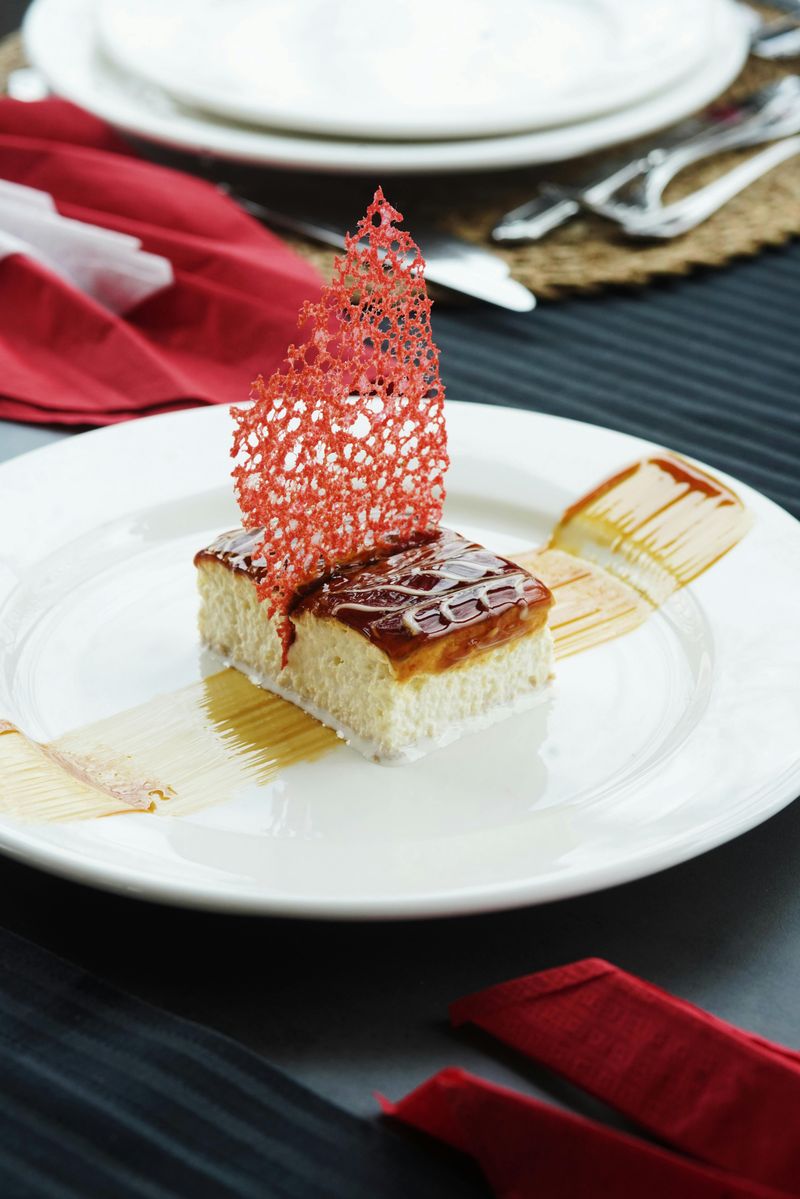
Dessert first feels rebellious and fun. It guarantees room for the sweet you really want.
For celebrations, starting with cake sets a playful tone that loosens everyone up.
Nutrition minded friends may worry about sugar spikes and lost appetite for balanced plates. You can counter by keeping portions small.
In family settings, this move becomes a memory maker. If joy is the goal, you will win the room or at least spark delighted debate.
Life is short. Sometimes eat the pie first.
Breakfast for dinner
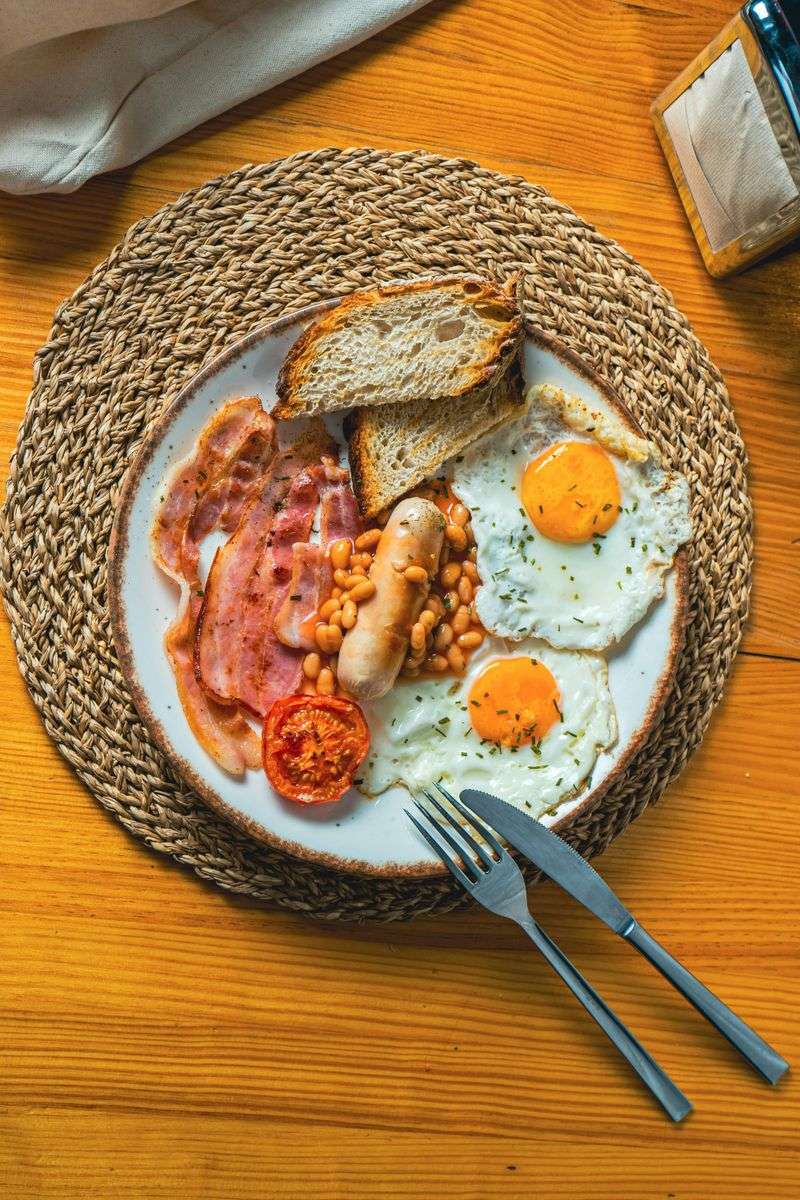
Breakfast for dinner is pure comfort. Pancakes at night feel like a small rebellion that pays off in syrup.
Eggs and hash make weeknights easy and crowd friendly.
Some argue it lacks variety or nutrition if repeated often. You can balance with fruit, greens, or savory add ons.
The tradition sparks nostalgia and smiles, which is half the meal anyway. If your crew needs a morale boost, flip pancakes after sunset.
Expect immediate approval, with a side of playful debate over toppings.
Sparkling water

Sparkling water divides like politics. Bubbles add bite and make hydration feel festive.
Citrus or herbal twists keep it interesting without sugar.
But some taste a mineral tang that reads odd or bitter. For soda lovers, it can feel like a tease.
At restaurants, ordering sparkling triggers quick opinions around the table. Offer both still and bubbly to dodge conflict.
If you crave fizz without sweetness, sparkle proudly. If not, no pressure.
Hydration should not require a debate, but here we are.
No pineapple pizza
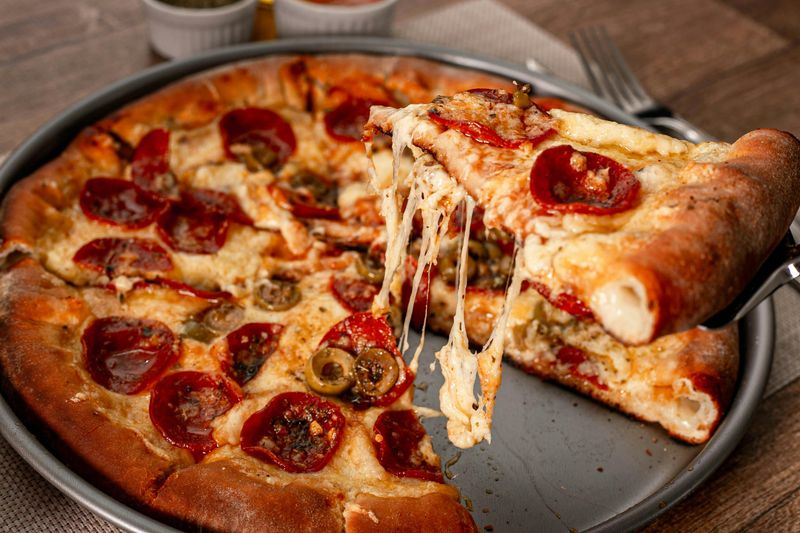
No pineapple on pizza sounds like a relief to purists. It keeps the spotlight on silky cheese, tangy tomato sauce, and crisped pepperoni edges.
Some say keeping fruit off preserves tradition, texture, and a clean flavor profile that feels timeless.
Still, insisting on no pineapple can provoke playful pushback from sweet-savory fans. They argue rules make food boring and creativity matters.
At parties, the no pineapple camp often orders separate pies to keep peace. Whether it is tradition or taste driving you, this stance can ignite friendly pizza politics fast.
Enjoyed this story?
Add Fast Food Club as a preferred source to see more of our reporting on Google.