


You can tell a lot about a restaurant before the first bite. The subtle warning signs quietly add up, and by the time you notice, it is already too late.
Learn how to spot the little cues that separate a forgettable meal from a stellar experience. Once you see these red flags, you will never unsee them.
Empty dining room
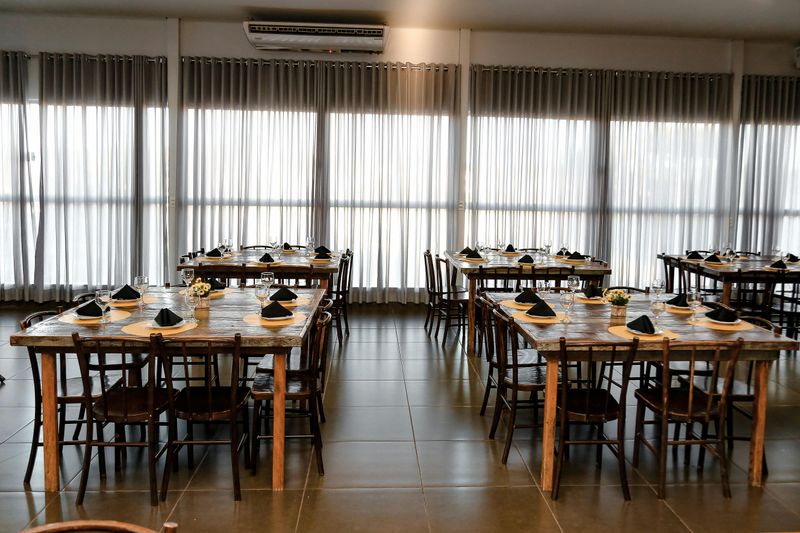
Walking into a dining room with no guests at peak hours should make you pause. A quiet room can mean inconsistent quality, slow service, or a reputation that regulars avoid.
Sometimes it is just a slow day, but consistent emptiness speaks volumes.
Trust your instincts and scan for context. Are nearby spots busy while this one sits silent?
If you still stay, temper expectations and order something simple. Empty rooms often signal corners cut in freshness, staffing, or care.
Sticky table
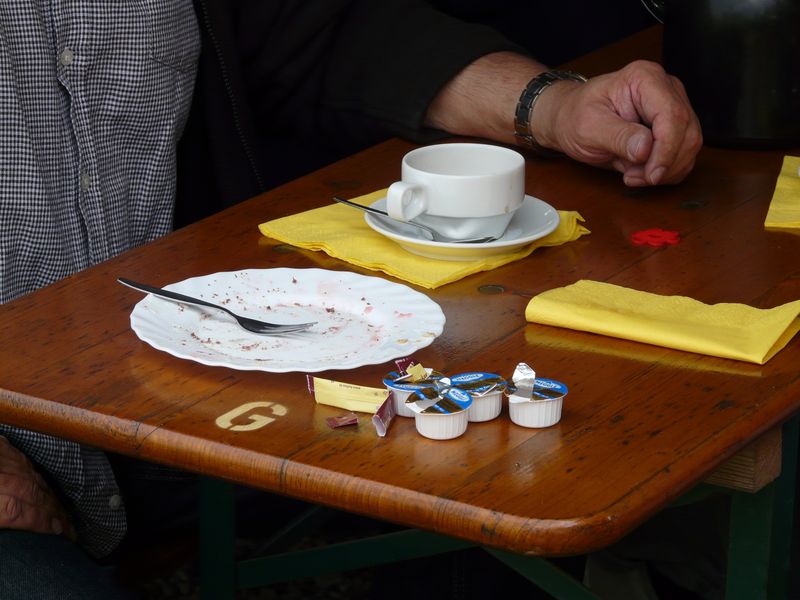
A sticky table tells you sanitation is not prioritized. If someone skipped a basic wipe-down, what else gets missed behind the scenes?
You should not need to peel your forearms off the surface just to read the menu or sip water.
Ask for a clean table, sure, but also notice patterns. Sticky salt shakers, tacky menus, and smeared condiment bottles add up.
Cleanliness is a habit, not a lucky moment. When tables feel syrupy, consider whether the kitchen standards will be any better.
Dirty menu

Menus are high-touch items, so they should be spotless. Grease, crumbs, and mystery stains suggest sloppy cleaning routines and rushed resets.
If management overlooks what you hold in your hands, imagine the attention paid to what you never see.
Disposable or wipeable menus are fine when kept fresh. When pages are sticky or laminated edges peel, it hints at deeper neglect.
You deserve a menu that invites confidence. If the menu is dirty, it is fair to question the kitchen’s hygiene and oversight.
Bad smell

Your nose is a powerful quality detector. Sour mop water, rancid fryer oil, or a sewer-like aroma signals poor maintenance and ventilation.
Fresh food rarely smells offensive from the doorway, so an off-putting scent should immediately raise concern.
Walk toward the kitchen or restrooms to see if the scent intensifies. Strong fragrances used to mask odors are not reassuring.
Good restaurants smell like food, not chemicals or decay. Trust your senses and consider leaving before you invest time and money.
Cold fries
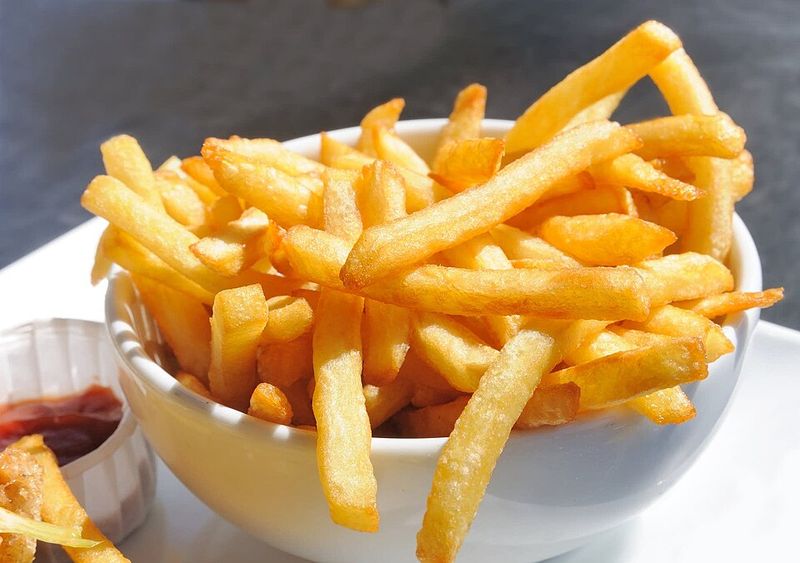
Cold fries usually mean food sat in the window while staff juggled tickets. It can also mean batch cooking, which destroys texture and freshness.
Fries should arrive hot, crisp, and lightly salted, not limp and lukewarm.
Send them back politely if you want, but consider the bigger picture. If fries are off, other time-sensitive dishes might be too.
Pay attention to pacing, heat, and seasoning. Consistently cold sides hint at poor coordination between kitchen and servers, an operational red flag.
Wilted salad
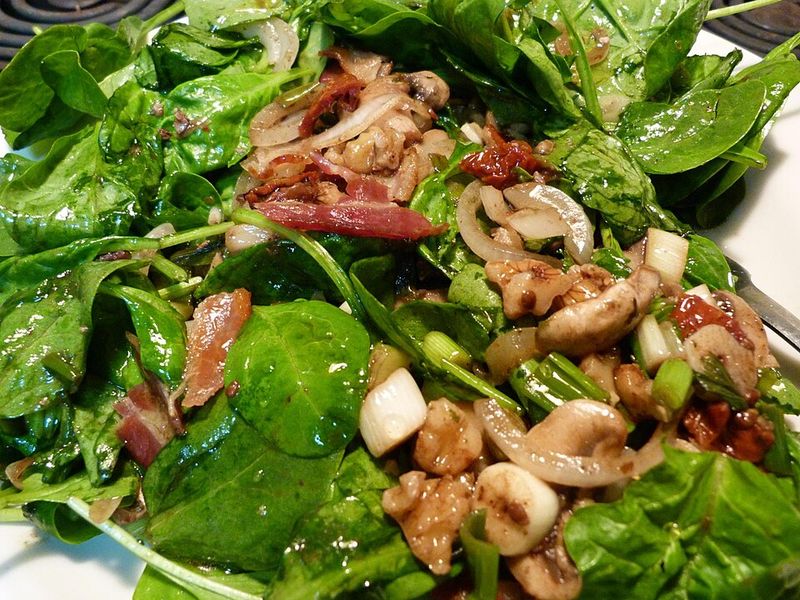
Greens should be crisp, vibrant, and cold. Wilted leaves, browning edges, and watery dressing indicate old product or poor prep.
When something as simple as a salad is tired, it signals questionable rotation and storage.
Look for lively color and snappy texture. If the salad looks sad, chances are produce management is, too.
You can ask for a replacement, but note the systemic clue. Good restaurants treat salad as a quality benchmark, not an afterthought tossed on the plate.
Rude staff

Everyone has tough days, but consistently rude staff reflect leadership problems. Hospitality is a culture that starts with training and accountability.
When you feel dismissed or mocked, it is unlikely the kitchen thrives under better standards.
Watch how staff treat each other and other tables. If tone stays curt despite gentle cues, consider cutting your losses.
Courtesy is part of the meal you pay for. A restaurant that cannot manage respect probably struggles with timing, quality, and care elsewhere.
Long wait

Long waits are not always bad, but unmanaged waits are. If quoted times keep slipping and updates vanish, that points to poor pacing and seating control.
You can forgive busy nights, yet communication should stay clear and honest.
Notice if walk-ins bypass you or tables sit empty. Organized teams adjust quickly and set accurate expectations.
If you feel trapped without water or menus, consider moving on. A chaotic wait often foreshadows slow service, cold food, and frayed tempers.
Wrong order
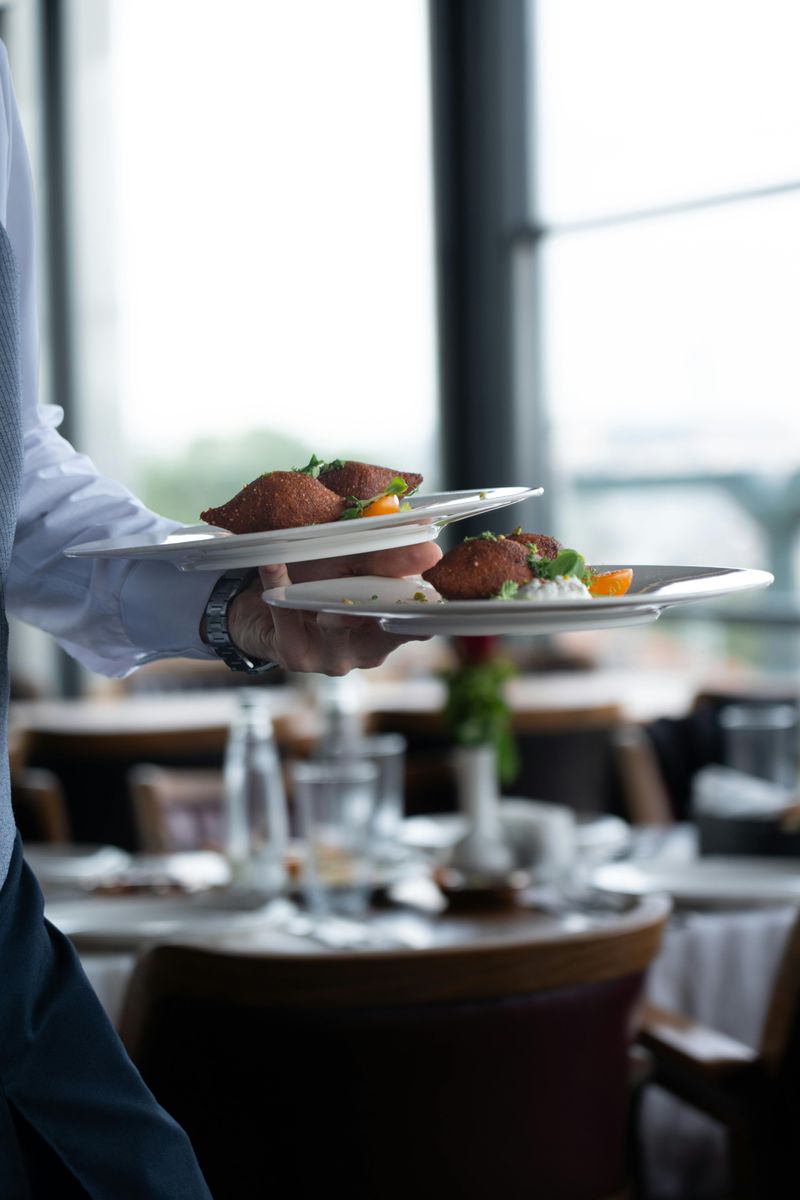
Mistakes happen, but repeated wrong orders hint at breakdowns between front and back. Sloppy ticket writing, rushed POS entries, or inattentive expo cause mix-ups that waste everyone’s time.
When plates ping-pong back to the kitchen, quality suffers.
How the team recovers matters. A quick apology, prompt fix, and hot replacement restores faith.
Defensive excuses or long delays do not. If wrong orders are common, accuracy is not valued, and your meal may ride a similar downward spiral.
Microwave sounds
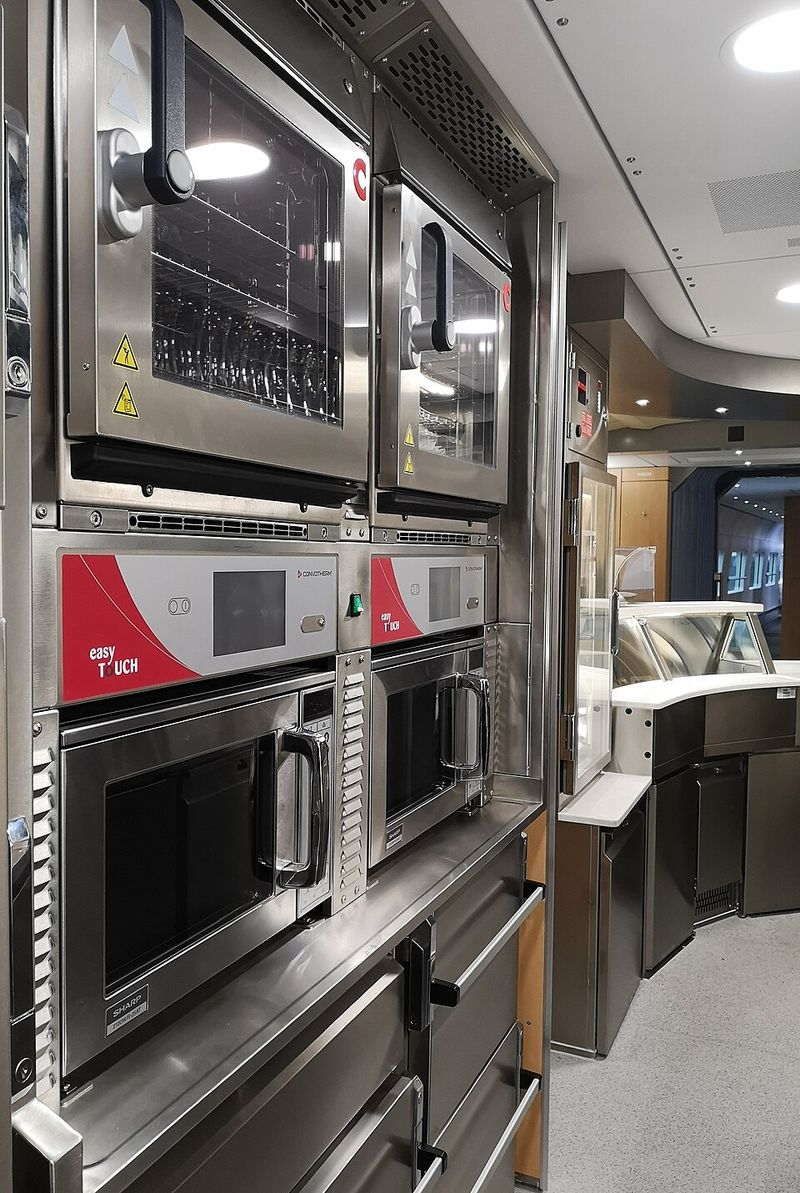
Hearing a microwave beep repeatedly suggests shortcuts. While microwaves are not evil, heavy dependence often means reheated, pre-made food.
You came for fresh cooking, not a warmed-over approximation.
Watch for identical plates leaving too quickly and sauces with a skin. If the kitchen line seems idle while the microwave never rests, adjust expectations.
Ask about house-made items or choose simpler dishes. Frequent beeping is a warning that speed, not quality, drives the operation.
Broken chairs
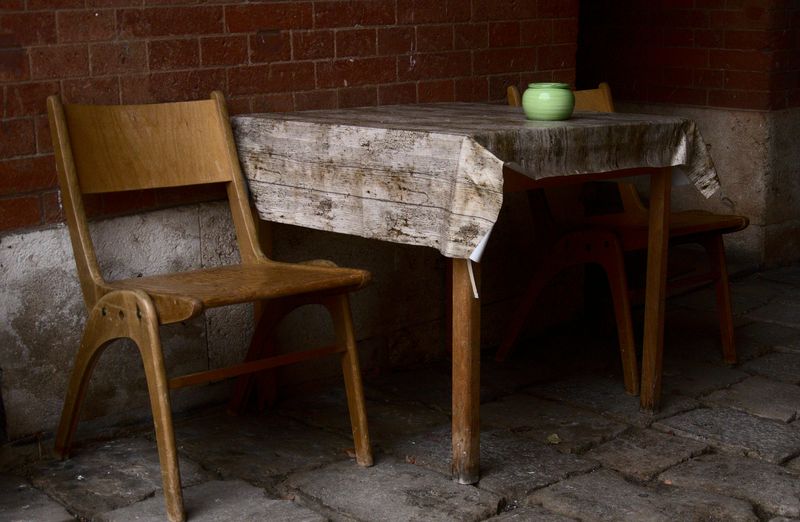
Broken or wobbly chairs are more than inconvenient. They show neglect and potential safety issues that management has ignored.
If seating is unsafe, what warranty do you have on kitchen maintenance or staff training?
Stable, clean seating is basic. When screws stick out or cushions sink, it means repairs are overdue.
A restaurant that overlooks comfort probably misses expiring ingredients and food safety checks, too.
Do not normalize flimsy furniture as “character.”
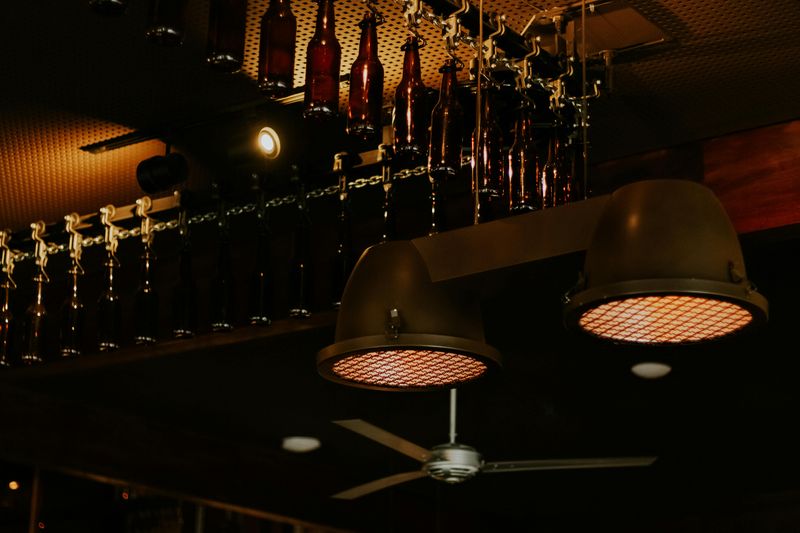
Dim lighting
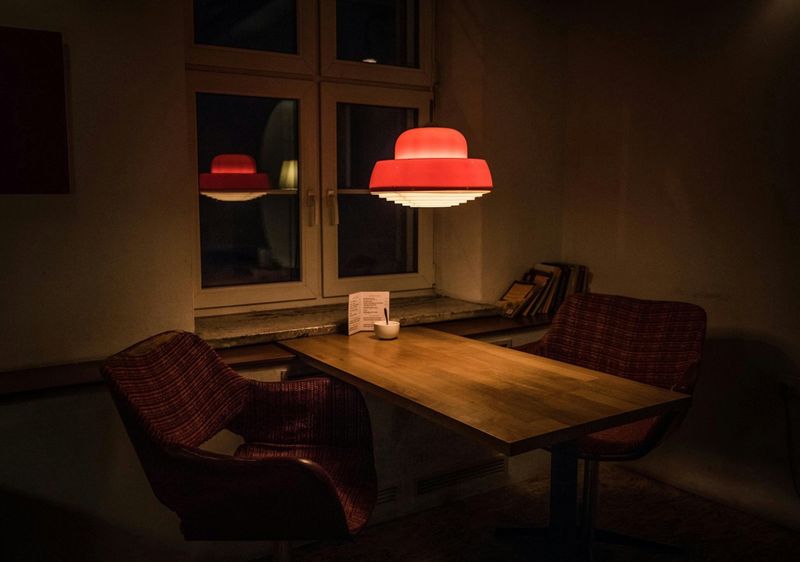
Dim lighting can be cozy, but too dark hides flaws. If you cannot read the menu without your phone, it might be intentional camouflaging of grime or faded decor.
Ambiance should enhance the experience, not obscure it.
Look at tabletops, floors, and corners. Excessive shadows can mask dust, stains, and neglect.
Good lighting balances mood with visibility. If you are straining your eyes, ask yourself what else they do not want you to see.
Messy restroom
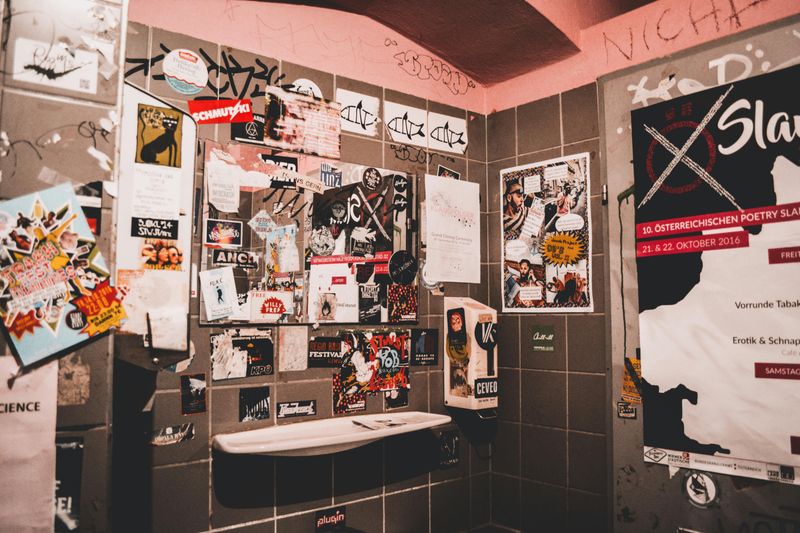
Restrooms reveal operational discipline. Overflowing bins, no soap, and wet floors imply staff are not checking on schedule.
If the bathroom falls apart during service, standards elsewhere likely slip too.
Clean bathrooms require consistent attention. Look for stocked supplies, dry counters, and a cleaning log with recent timestamps.
A messy restroom is not just unpleasant, it is a hygiene warning. You are justified in reconsidering your meal.
Faded decor
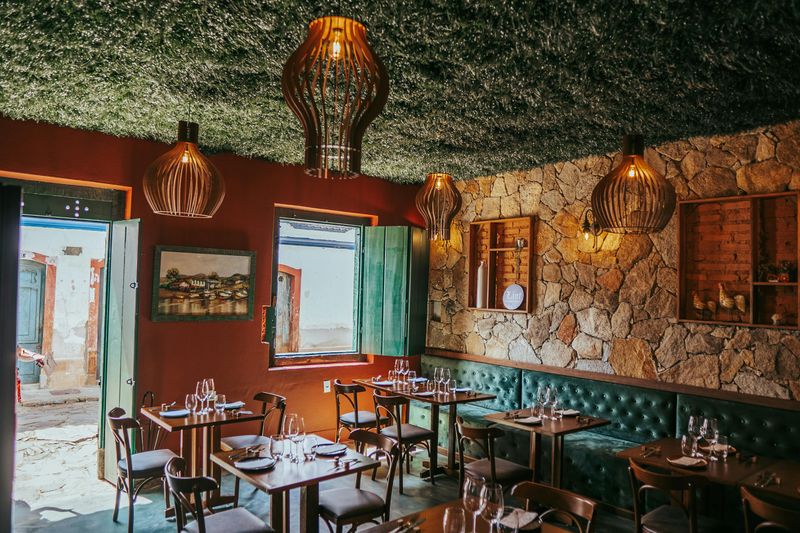
Decor ages, but care shows. Faded art, peeling paint, and scuffed corners suggest deferred maintenance.
When design elements languish, staff morale and guest experience often follow.
Look past nostalgia. If repairs stay unfinished, other priorities might be ignored too, like equipment calibration or refrigeration checks.
You do not need fancy, just maintained. Faded decor often telegraphs declining investment in the business.
Dusty shelves
Dust accumulates where hands rarely clean. Shelves coated with grit near food or drink service mean cleaning checklists are cosmetic at best.
If the bar is dusty, imagine the vents and back corners of the kitchen.
Run a finger along a visible ledge if you dare. Dust near glassware or garnish stations is especially troubling.
Clean operations keep detail zones spotless, not just shiny where you look first. Dust hints at deeper sanitation gaps you will not see.
Low ratings
Online ratings are not perfect, but patterns matter. Lots of recent one-star reviews citing the same issues are instructive.
Read a few and look for consistent themes like slow service, undercooked dishes, or rude staff.
Balance the feedback with your own observations. If what you see matches the complaints, believe the crowd.
Low ratings rarely come from nowhere. Protect your time and choose a better option nearby.
No customers
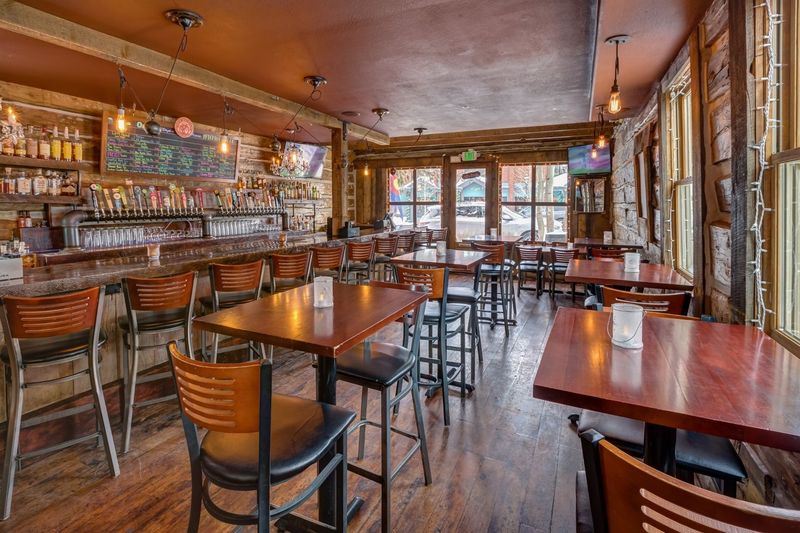
An empty house at prime time echoes a reputation problem. Maybe prices climbed while quality fell, or locals learned to avoid it.
You do not need a crowd to enjoy a meal, but total quiet can be telling.
Compare nearby spots. If others are lively and this one is vacant, proceed cautiously.
A hidden gem is possible, yet rare. Lack of customers often tracks with stale menus, poor service, or management drift.
Water stains
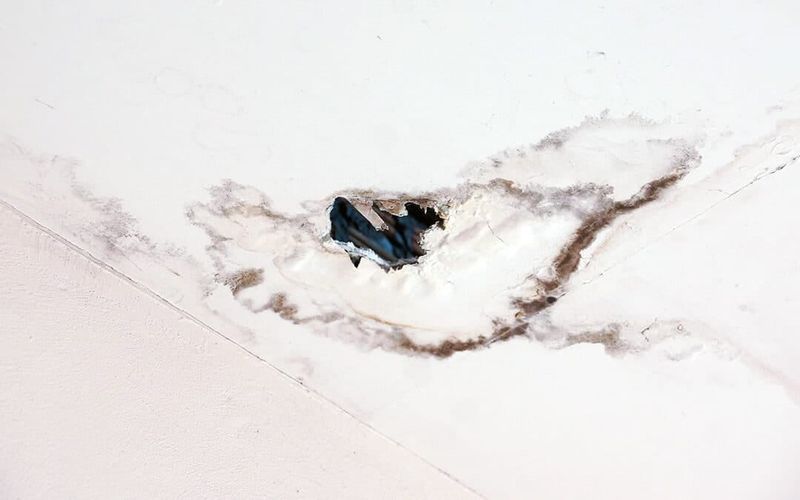
Brown ceiling stains or active drips suggest leaks and moisture issues. Water damage invites mold and compromises air quality.
If it is over the dining area, imagine the risk in storage or prep zones.
Repairs take time, but active neglect is different. Buckets catching leaks or warped drywall show hazards not being addressed.
Consider your health and choose a place that keeps the roof tight and the kitchen dry.
Old menu board
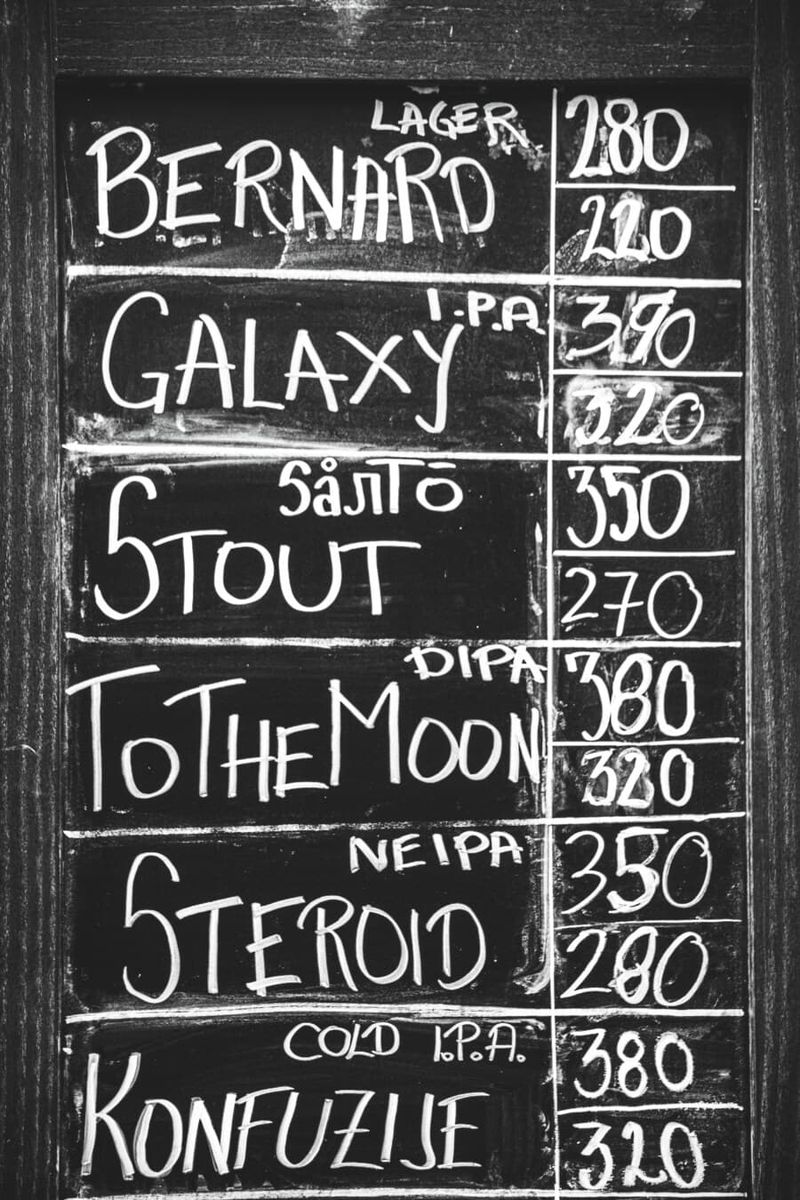
A dated menu board with smudged chalk and crossed-out dishes hints at chaos. If prices and items are not current, ordering becomes a gamble.
Good restaurants update signage promptly and retire what they cannot serve.
Ask what is actually available. Frequent “we are out” messages suggest poor purchasing and prep.
An old board is more than nostalgia, it is a window into planning and pride.
Stale bread
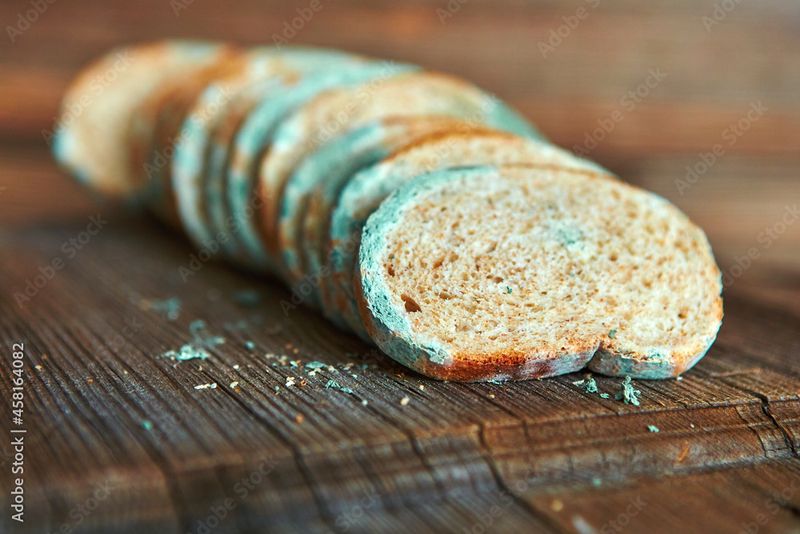
Bread should crackle or feel soft depending on the style, not chew like cardboard. Staleness screams poor rotation or reheating.
When the first bite disappoints, it is hard to trust the next courses.
Send it back or skip it, but note the signal. If they cut corners on a cheap staple, what happens with seafood or meat?
Fresh bread is hospitality 101, not a luxury.
Weak coffee

Watery coffee often means old grounds, wrong grind size, or lazy brew ratios. It hints at indifference toward basics and a lack of calibration.
Breakfast spots especially should respect the cup.
If the coffee disappoints, desserts and other beverages might too. Ask for a fresh brew, but calibrations should already be dialed.
Weak coffee telegraphs a broader tolerance for mediocrity.
Overpriced food
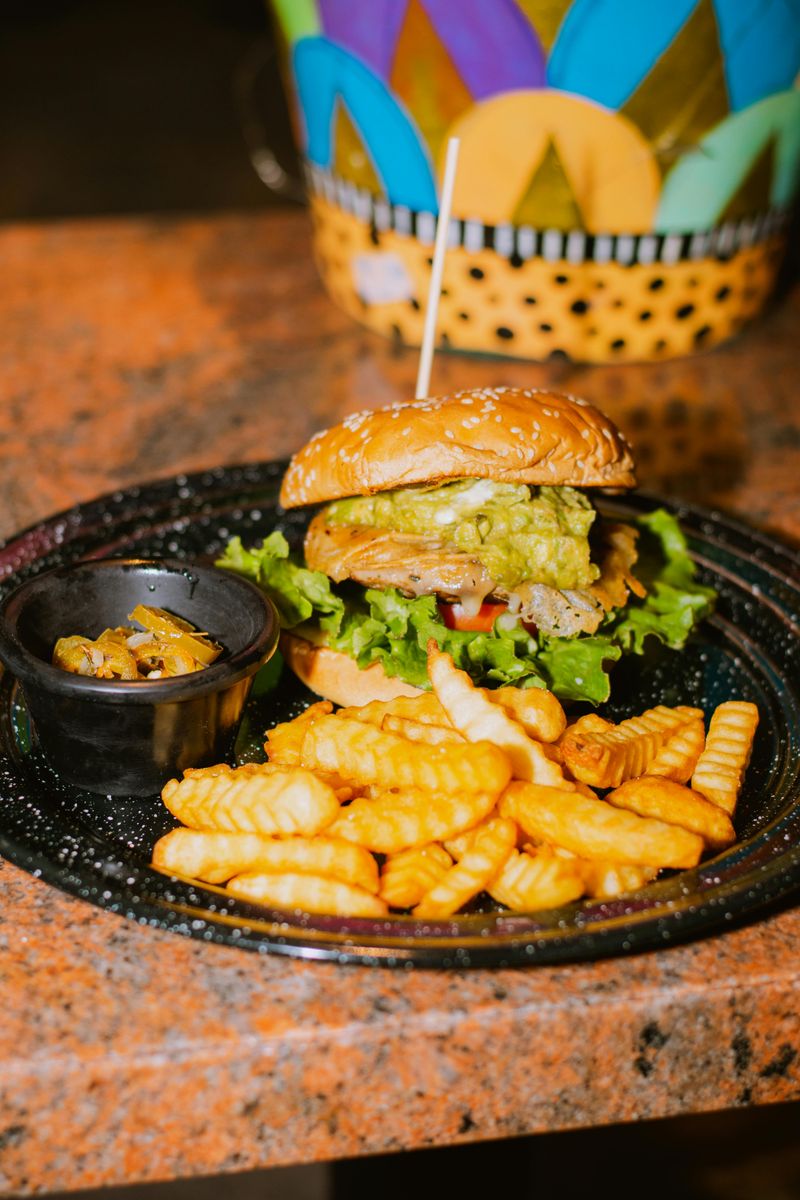
High prices are fine when quality, portion, and service align. Overpricing with tiny portions and average ingredients feels exploitative.
You should not leave hungry and annoyed.
Scan comparable spots in the area. If prices soar without clear value, the restaurant may rely on tourists or hype.
Vote with your wallet and find better balance elsewhere.
Frozen food
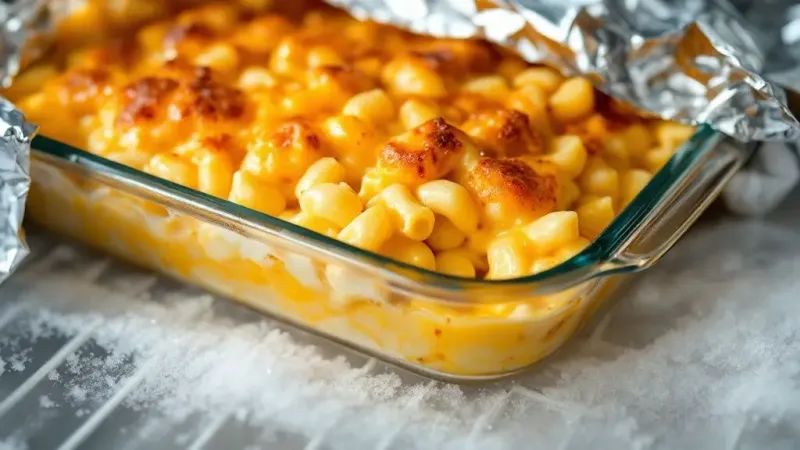
Freezers have a place, but menus built on heat-and-serve items shortchange you. Identical shapes and textures are telltale signs of frozen, bulk products.
Fresh cooking carries irregularities and life.
Ask what is house-made. If answers are vague, expect lifeless flavors.
Frozen shortcuts can rescue a rush, not define a restaurant. You deserve something cooked, not just thawed.
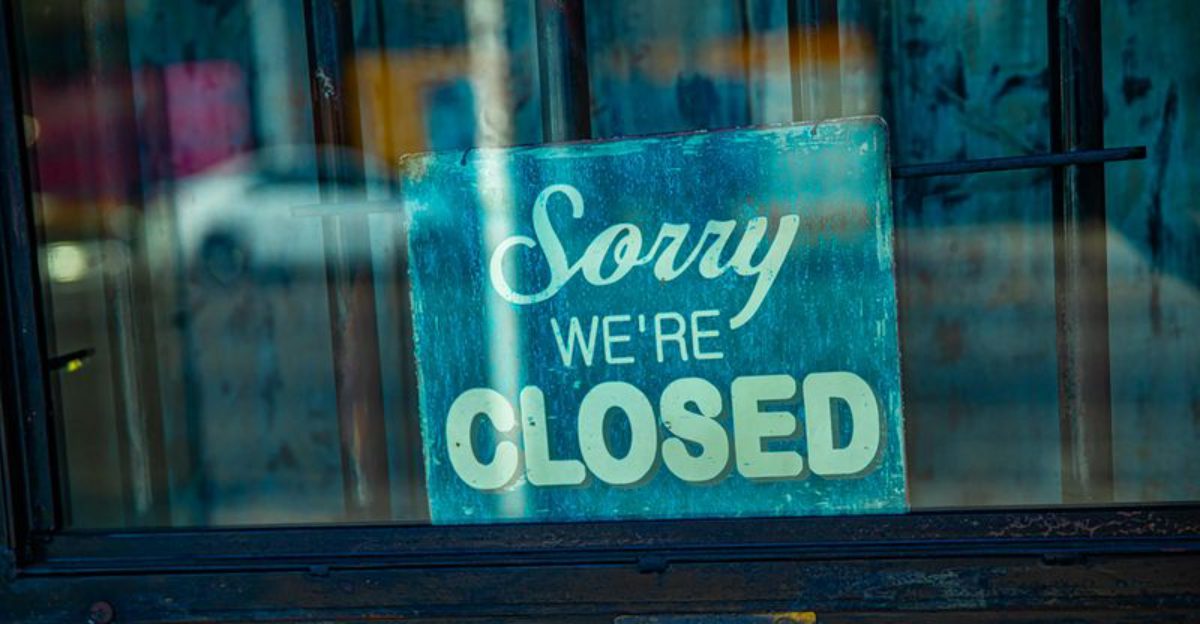
Closed sign
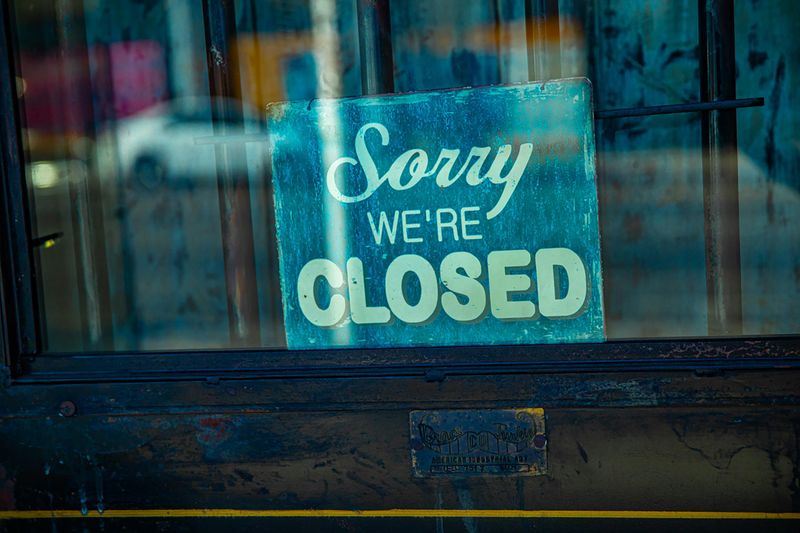
A Closed sign during posted open hours signals chaos. Staffing problems, supply issues, or management breakdowns can be lurking.
Reliability matters when you plan a meal, and inconsistent hours betray shaky operations.
Check social pages for updates. If closures are frequent without explanation, move on.
Restaurants that respect guests communicate clearly and keep promises whenever possible.
Enjoyed this story?
Add Fast Food Club as a preferred source to see more of our reporting on Google.