


You walk into the store determined to be healthier, and your cart fills with halos and promises. Then you get home, take a bite, and wonder why everything tastes like cardboard or disappears in two days.
These buys feel responsible until reality checks your cravings and your budget. Let’s unpack the sneaky pitfalls so you can shop smarter without losing your mind or your money.
Bagged salad
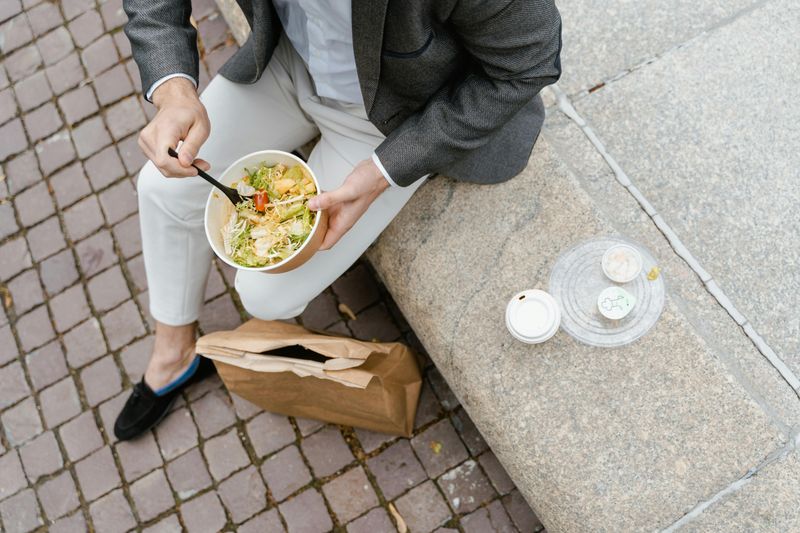
Bagged salad feels like the ultimate shortcut. You imagine effortless crunchy greens ready for dinner, until you discover wilted leaves and a suspiciously damp bottom.
The dressing packet tastes fine, but the portions vanish in two small bowls.
Quality swings wildly by brand and date, and those tiny toppings barely register. You pay a premium for washing and chopping you could do yourself.
If you do buy it, inspect dates, squeeze the bag gently, and plan to eat it the same day.
Pre cut fruit
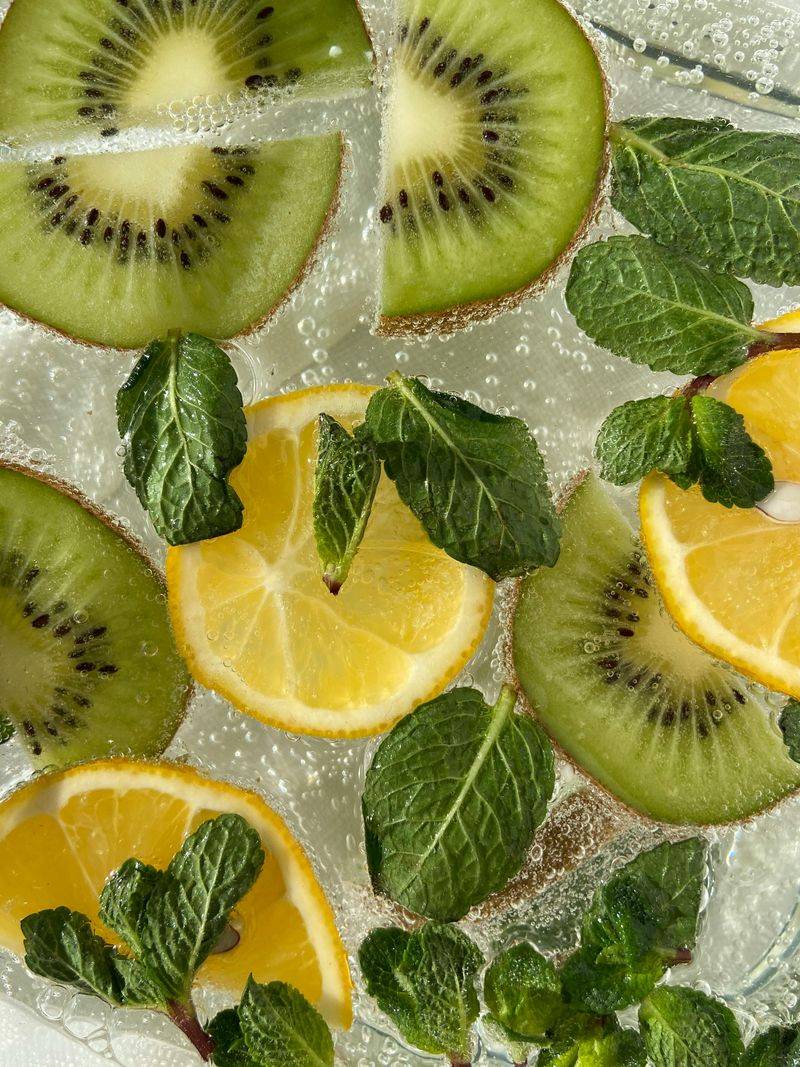
Pre cut fruit screams convenience and vitamins, but the math rarely works. You get watery melon cubes and mealy pineapple, all priced like luxury.
Once opened, it turns fast, leaving you scrambling to finish it before the funk arrives.
Whole fruit costs less, lasts longer, and tastes better when cut fresh. Yes, prep takes minutes, but you control ripeness and texture.
If convenience matters, choose firm, smaller packs and eat them same day. Otherwise, grab a knife and save cash.
Low fat yogurt
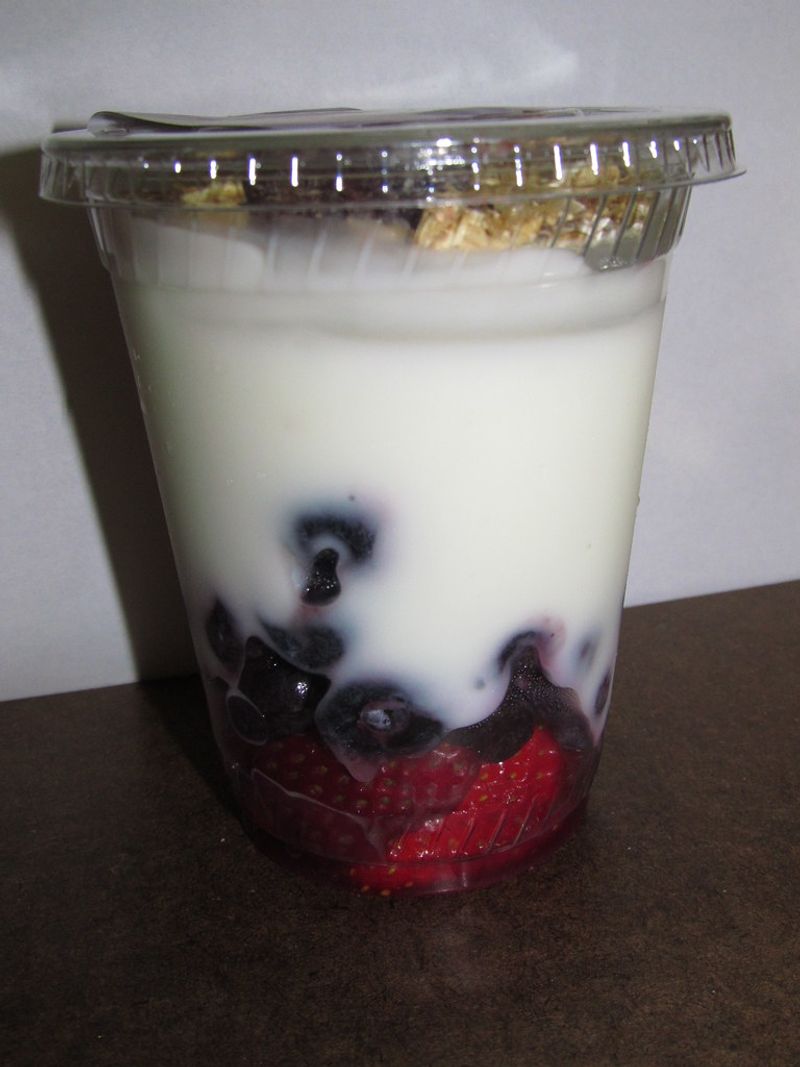
Low fat yogurt feels like a saintly swap, until the first tang gives way to sweetness. Many versions rely on gums or sugar to replace creaminess, leaving you full of hope but not actually full.
One cup later, you are rummaging for snacks.
Plain versions with real fruit or nuts are better bets. The trick is protein and satisfaction, not just removing fat.
Check labels for added sugar and protein grams. A small tub of plain Greek, plus honey and berries, outperforms the flashy cups.
Granola
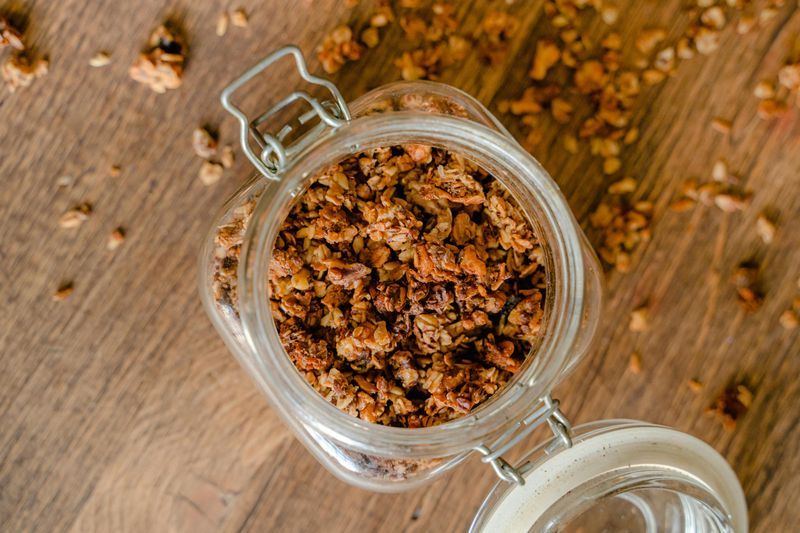
Granola sells a wholesome hiking fantasy in every crunchy cluster. Then you check serving sizes and realize those handfuls equal a dessert.
Oil, sweeteners, and mix ins add up fast, especially when the bowl keeps refilling itself.
It is not evil, just concentrated. Use it like a topping, not a cereal, and measure it once to calibrate your eye.
A sprinkle on yogurt can be perfect. Or make a sheet pan batch at home with fewer sweeteners and more nuts.
Veggie chips
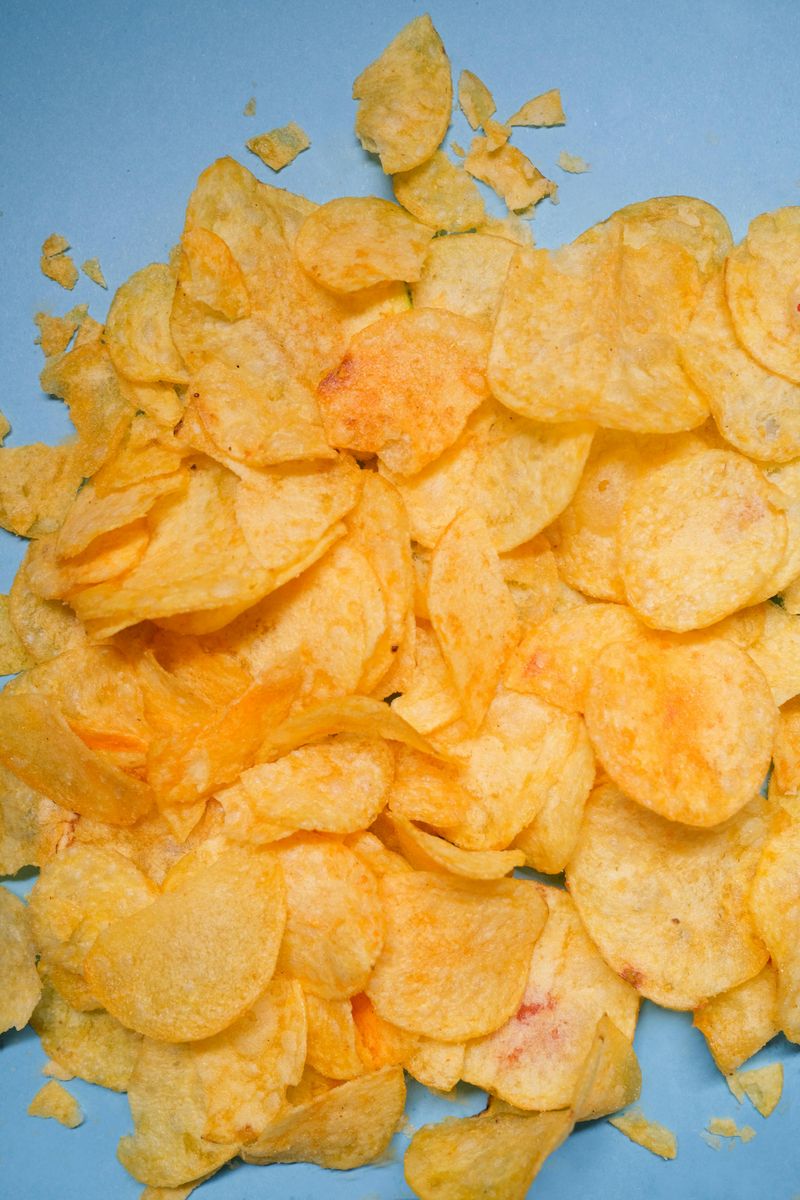
Veggie chips whisper eat your vegetables, but mostly deliver starch and oil. Beet or carrot powders do not equal a salad.
The crunch is great, and then the bag is mysteriously empty without actual fullness.
If you want chips, own it and enjoy a portion. If you want vegetables, roast the real thing with olive oil and salt.
Some baked versions are better, but still watch servings. Keep expectations honest so you do not confuse marketing with nutrition.
Rice cakes
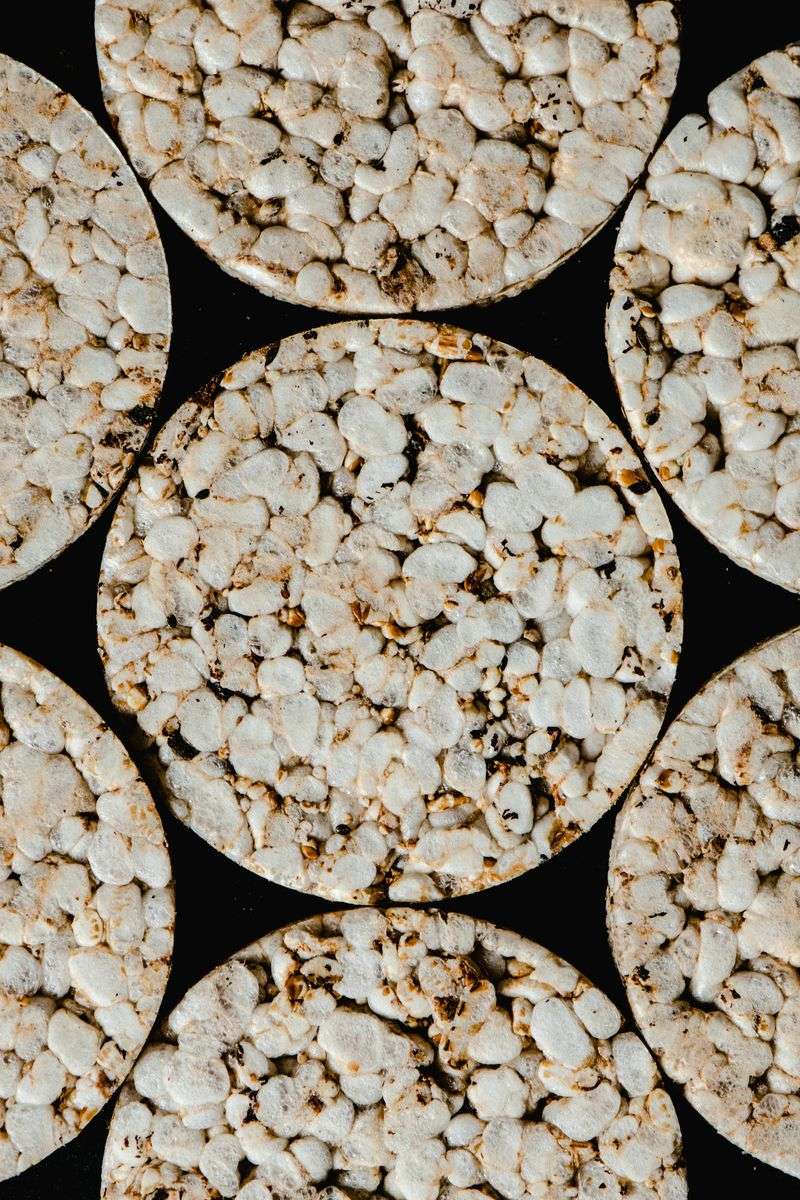
Rice cakes feel feather light and virtuous, until hunger returns in fifteen minutes. They vanish like air and taste like packing material unless you pile on toppings.
That is fine, but it means you are basically building another snack.
Use them as a crunchy vehicle for protein and fat, like cottage cheese, nut butter, or tuna. Otherwise, whole grain toast may satisfy better.
Do not pretend they are a meal. They are a crisp plate for actual food.
Smoothie bottles
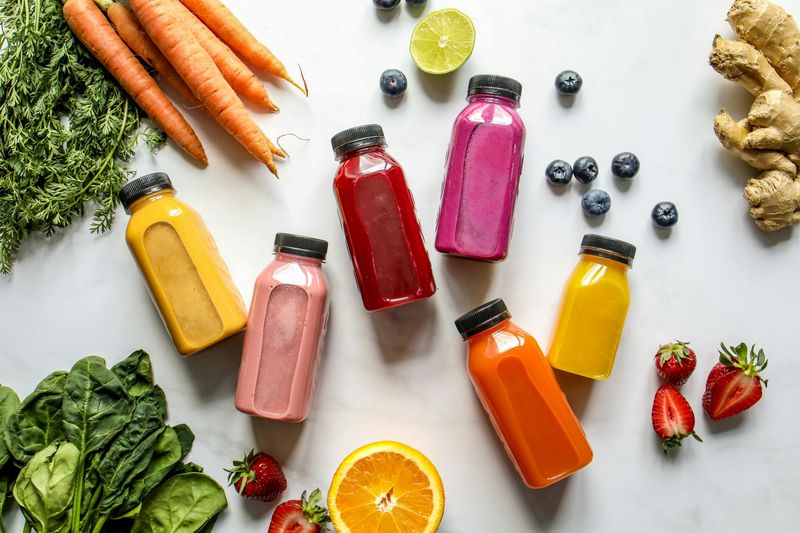
Bottled smoothies wear the fruit halo proudly. But blended fruit without fiber from skins and seeds can equal a sugar rush in a cute package.
You finish one and feel both wired and weirdly unsatisfied.
Some brands add veggies or protein, but many lean juice heavy. Check fiber and protein numbers, and treat them like snacks, not meals.
A homemade smoothie with frozen berries, spinach, Greek yogurt, and water gives better balance. Keep bottles for emergencies, not daily habits.
Frozen vegetables
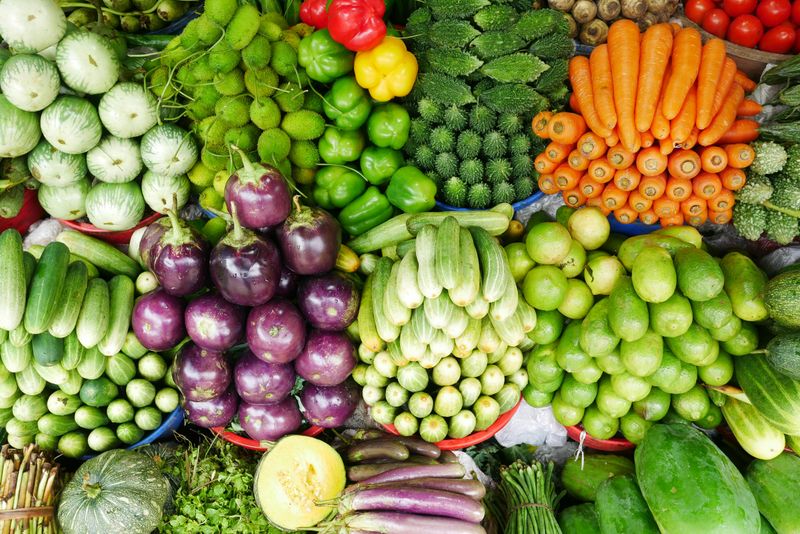
Frozen vegetables seem like a slam dunk, and often they are. The trap happens when bags linger in the freezer until texture turns mushy and enthusiasm fades.
Steam in bag sauces also sneak in sodium and sugar.
Choose plain versions and cook hot and fast to keep bite. Roast straight from frozen with oil and spices for caramelized edges.
Keep a few favorites you will actually use, not a rainbow museum. Convenience only works when it leaves the freezer.
Diet snacks
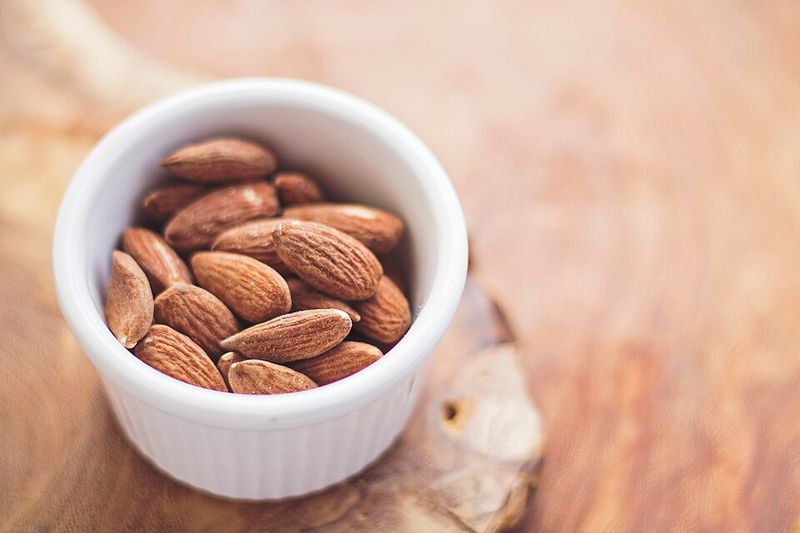
Those tidy diet snacks look safe, so you eat two. Tiny portions often backfire because hunger does not negotiate with branding.
You end up chasing satisfaction with more packages, and suddenly it is not a bargain.
Calorie counts matter, but protein, fiber, and volume matter more. Build snacks that combine all three.
Popcorn with nuts, yogurt with granola dust, or cheese with apples beat three pouches of air. Small does not automatically mean smart.
Sugar free candy
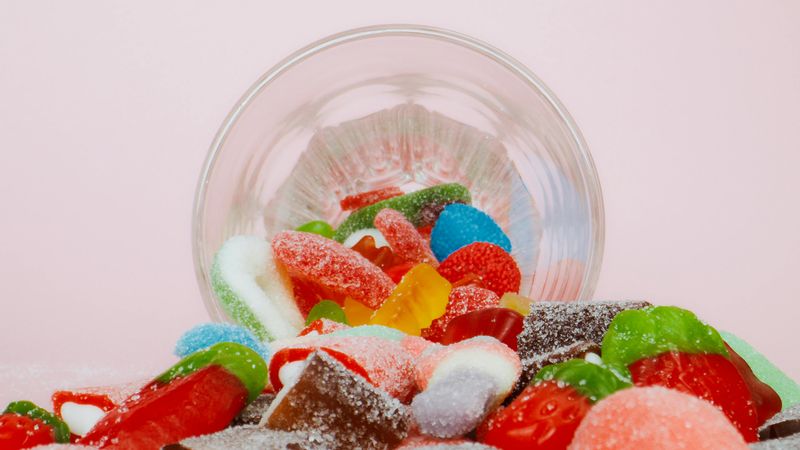
Sugar free candy promises sweetness without consequences. Then your stomach stages a protest, courtesy of sugar alcohols.
The serving size is tiny, and one handful later you regret everything.
If you truly want candy, a small portion of the real thing might sit better. Or choose options with stevia or monk fruit in sensible amounts.
Always read the fine print on serving sizes and ingredients. Your gut will thank you for moderation more than marketing.
Gluten free cookies
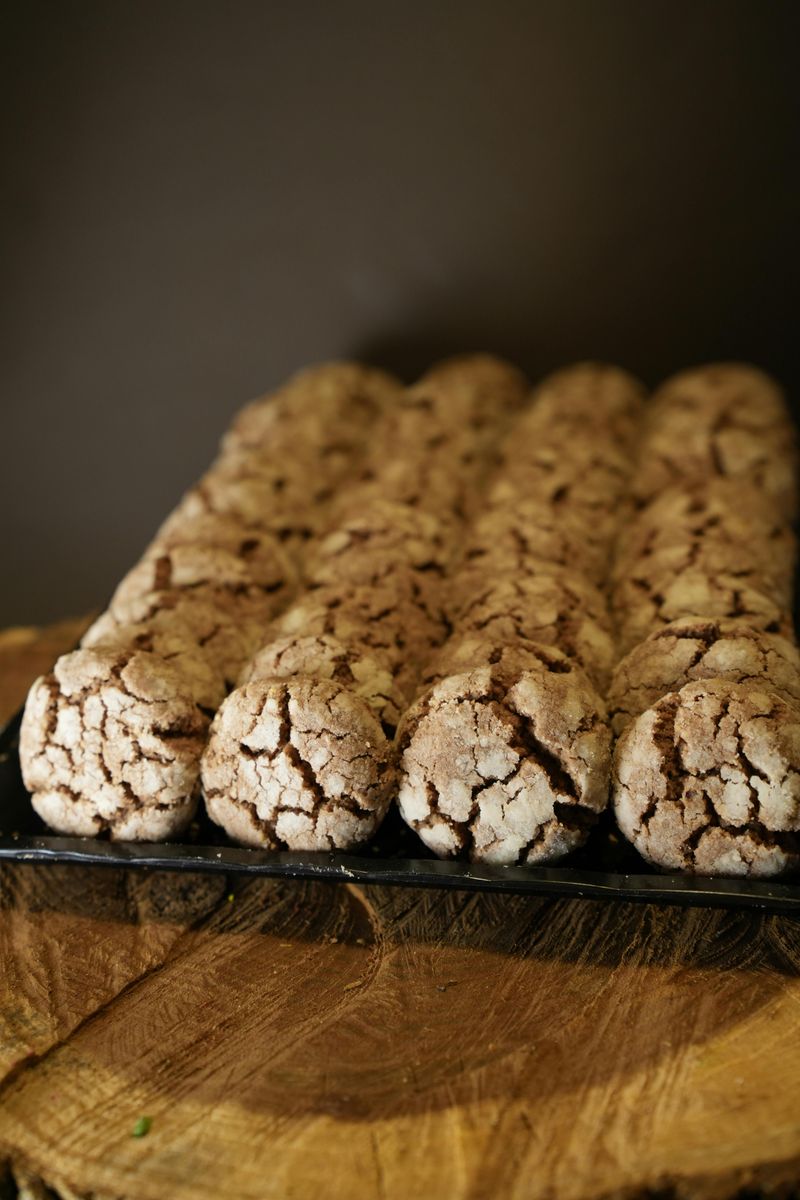
Gluten free cookies sound cleaner, but they are still cookies. Many swap wheat for starches and extra sugar to mimic chew.
You can inhale a sleeve thinking they are somehow lighter, and they are not.
If you need gluten free, choose brands with whole grain flours and reasonable sugar. Otherwise, pick the cookie you actually enjoy, and portion it.
Health halos fade quickly when crumbs are everywhere. Satisfaction beats loopholes every time.
Plant based meals
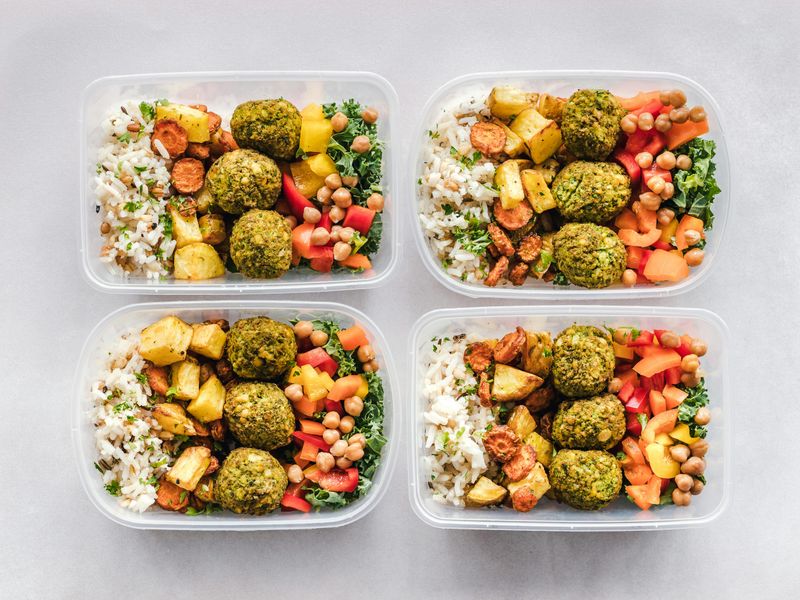
Plant based meals feel responsible and modern. Some deliver, but others lean on starch and sauces with barely any protein.
You microwave hope and get a polite puddle of lentils that fails to satisfy.
Flip to the back and check protein grams first. You want 15 plus, plenty of vegetables, and reasonable sodium.
Pair with a side salad or extra beans if needed. Plant based can be powerful when it is not just pasta in disguise.
Light ice cream
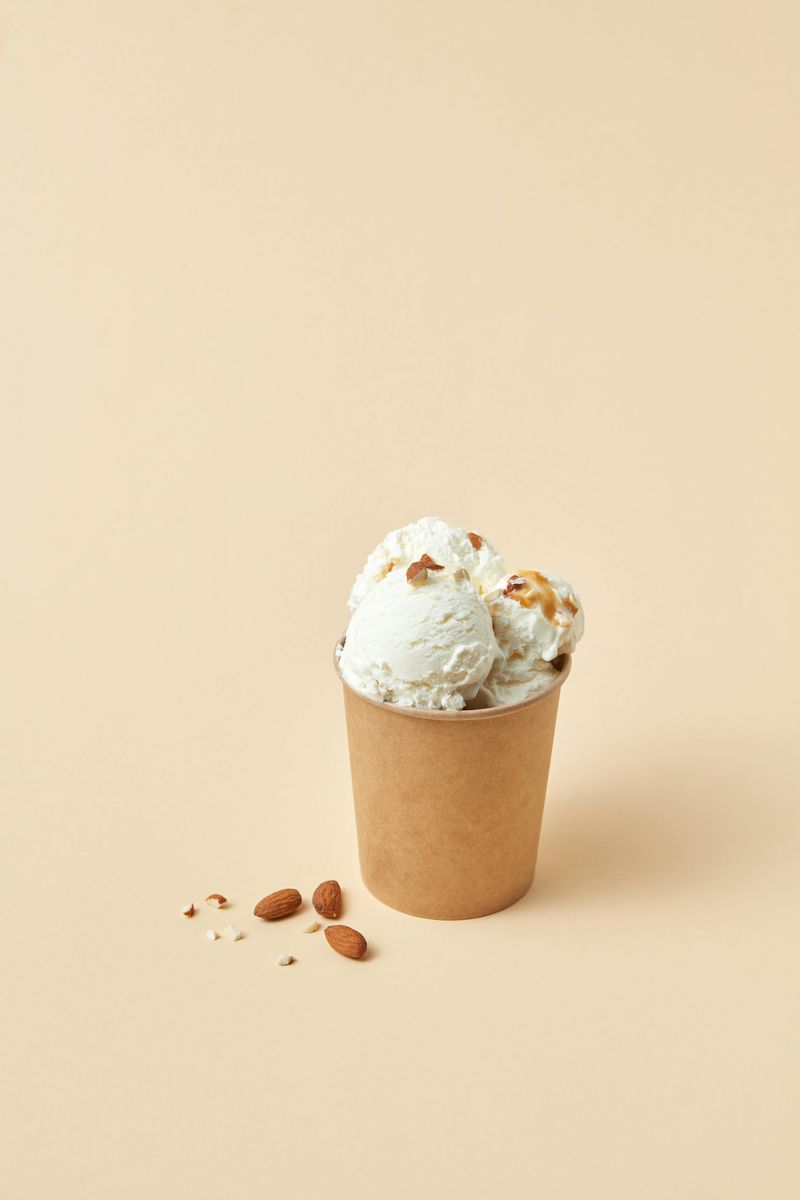
Light ice cream brags about calories per pint, inviting you to finish it. Air and sweeteners try to replace cream, and texture can be oddly fluffy.
You chase satisfaction and end up eating more for the same craving.
Sometimes a small scoop of the real thing solves it. If you go light, top with fresh fruit and stop at a measured serving.
Taste buds and stomach both appreciate honesty. Dessert works best when it feels like dessert.
Meal replacement shakes
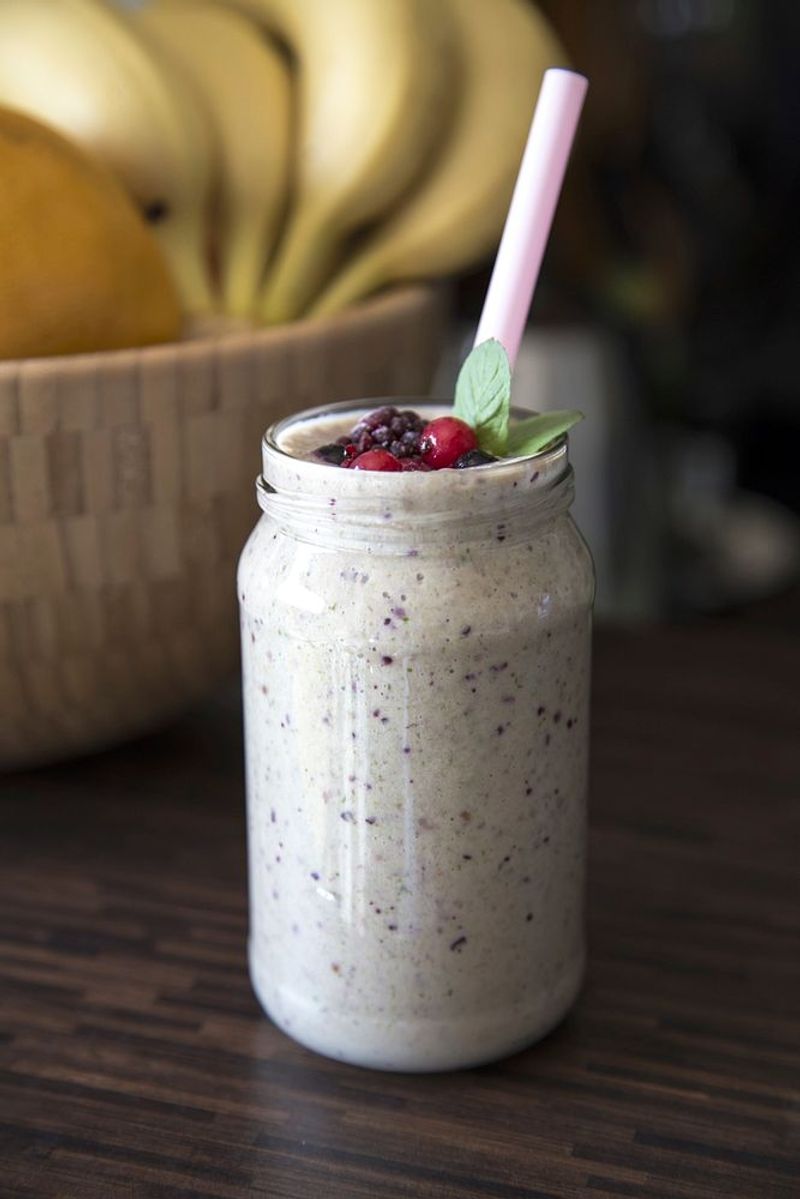
Meal replacement shakes promise control in a cup. They can help on busy days, but drinking dinner often leaves you hunting snacks.
Some have enough protein, yet still miss fiber and chew, which matters for fullness.
Use them strategically, not automatically. Add chia or oats, and pair with fruit or nuts for texture.
On calmer days, make a real plate. The best plan is one you can chew and enjoy, not just swallow.
Energy drinks

Energy drinks feel like productivity in a can. Then comes the spike, the sweat, and the crash.
Some pack sugar, others stack stimulants, and either way sleep pays later.
Coffee or tea with a snack is usually steadier. If you drink them, track total caffeine and keep them away from late afternoons.
Hydration plus protein often solves the slump better than fireworks. You want consistent energy, not a rollercoaster.
Snack packs
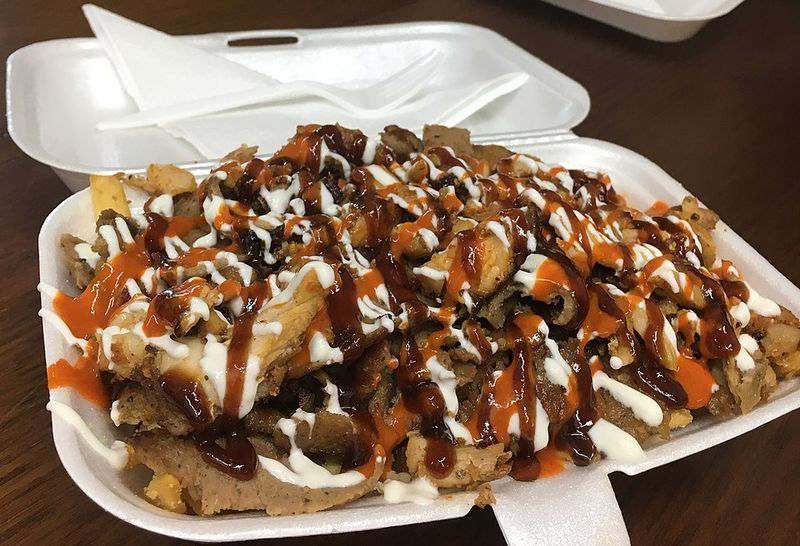
Snack packs look organized and grown up. But you are mostly paying for packaging and tiny servings.
Two trays later, hunger is still in charge and the recycling bin is full.
Build your own with containers and a weekly prep session. Pair carbs with protein and fiber for staying power.
Grapes, cheese, nuts, and popcorn beat mystery crackers. Convenience is great when it is not just smaller and pricier.
Flavored water
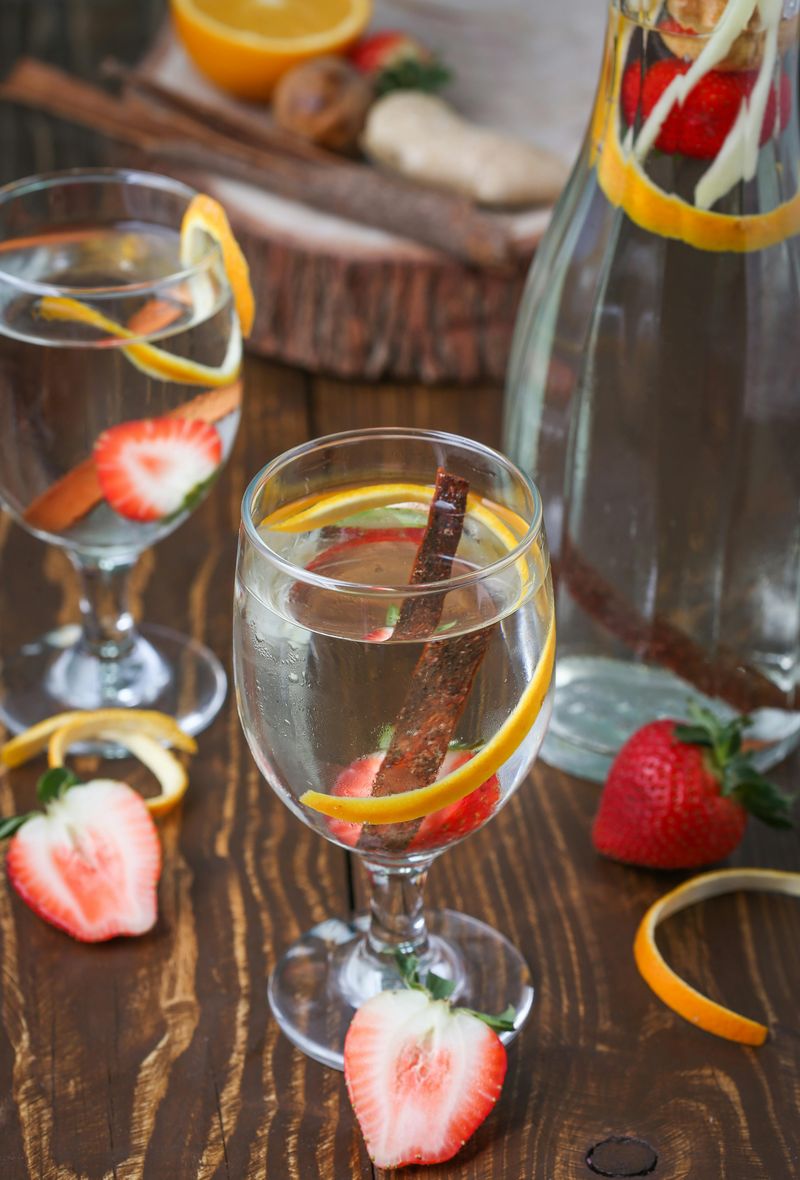
Flavored water makes hydration feel exciting, until the habit becomes an expensive collection. Some versions use sweeteners that leave a lingering aftertaste and nudge more sweet cravings.
You end up skipping regular water altogether.
Keep a reusable bottle and add lemon, cucumber, or a splash of juice. Rotate with plain water to reset your palate.
Save the fancy bottles for on the go or cravings. Hydration should be simple, not a hobby that empties your wallet.
Breakfast bars
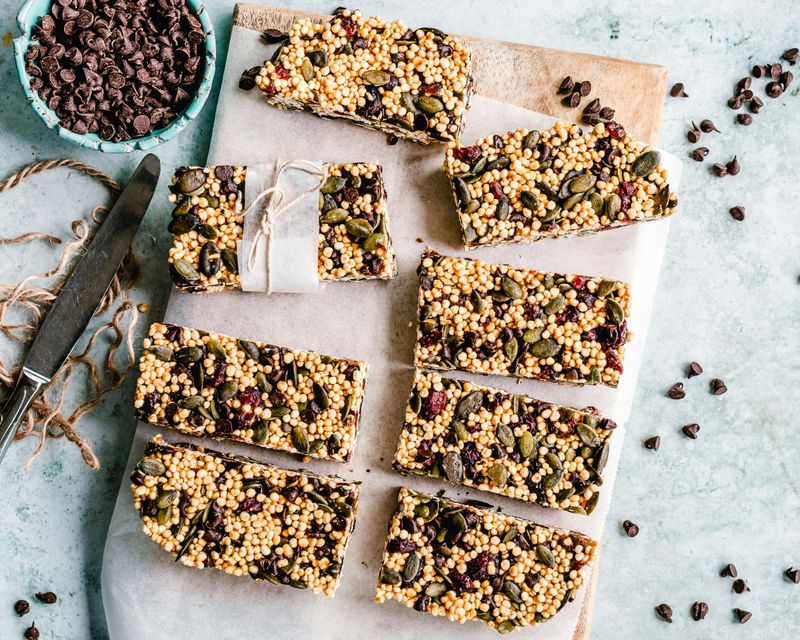
Breakfast bars look like a busy morning solution. Many are closer to cookies with vitamins, leaving you hungry before 10.
The wrapper disappears quickly and so does your plan.
If bars are your move, prioritize fiber and protein, not frosting stripes. Pair with a yogurt or a hard boiled egg to stretch staying power.
Or make a pan of oat bars at home and slice generous squares. Mornings deserve more than a sugar sprint.
Instant oatmeal
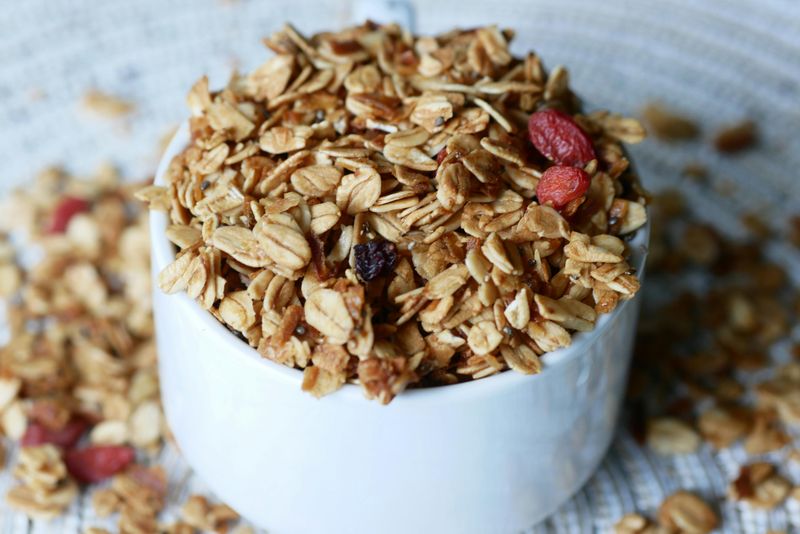
Instant oatmeal warms you up fast, but many packets carry as much sugar as dessert. Tiny portions turn gloppy, and you are hungry an hour later.
The wholesome image is real, yet the mix ins do too much.
Choose plain packets and doctor them yourself with milk, peanut butter, and fruit. Add chia or hemp for staying power.
It takes the same time and tastes like breakfast, not candy. Convenience can still be real food.
Frozen meals
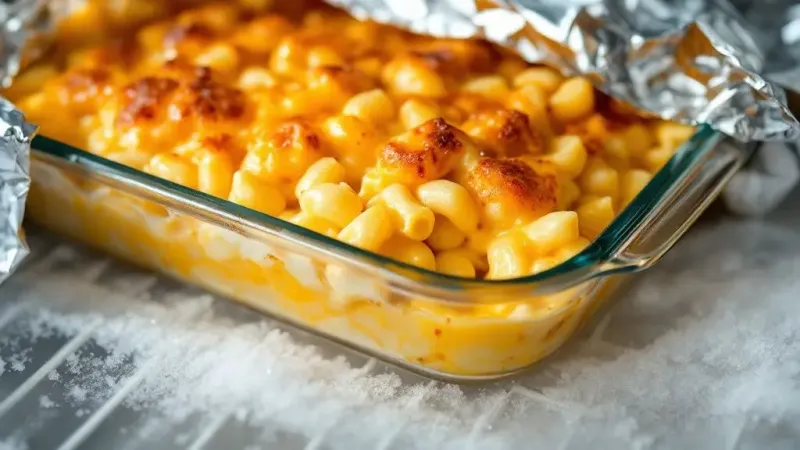
Frozen meals line up like tidy solutions. Portions can be tiny, sauces salty, and vegetables soft.
You finish, look at the plate, and consider a second course.
They work best as a base. Add a side salad, extra frozen veggies, or a microwave sweet potato to round it out.
Scan labels for protein and sodium before buying. A little customization turns a sad tray into an actual dinner.
Protein bars
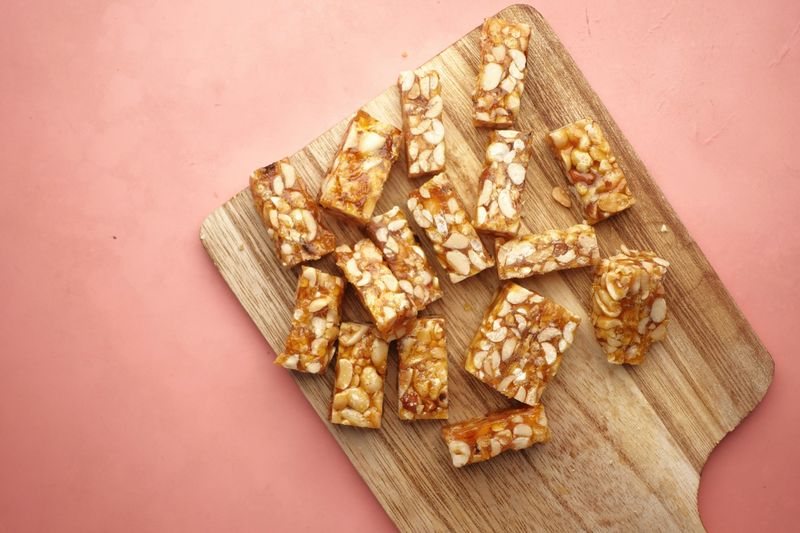
Protein bars promise fuel and focus, but many taste like perfumed taffy. Calories sneak up, fiber can be aggressive, and sugar alcohols sometimes fight back later.
You expect a meal stand in and get a candy bar in a lab coat.
Some bars do the job, but choose wisely. Look for 15 to 20 grams of protein, minimal added sugar, and ingredients you recognize.
Pair with fruit or yogurt for staying power. Or keep nuts at your desk and use bars as a true backup.
Enjoyed this story?
Add Fast Food Club as a preferred source to see more of our reporting on Google.