


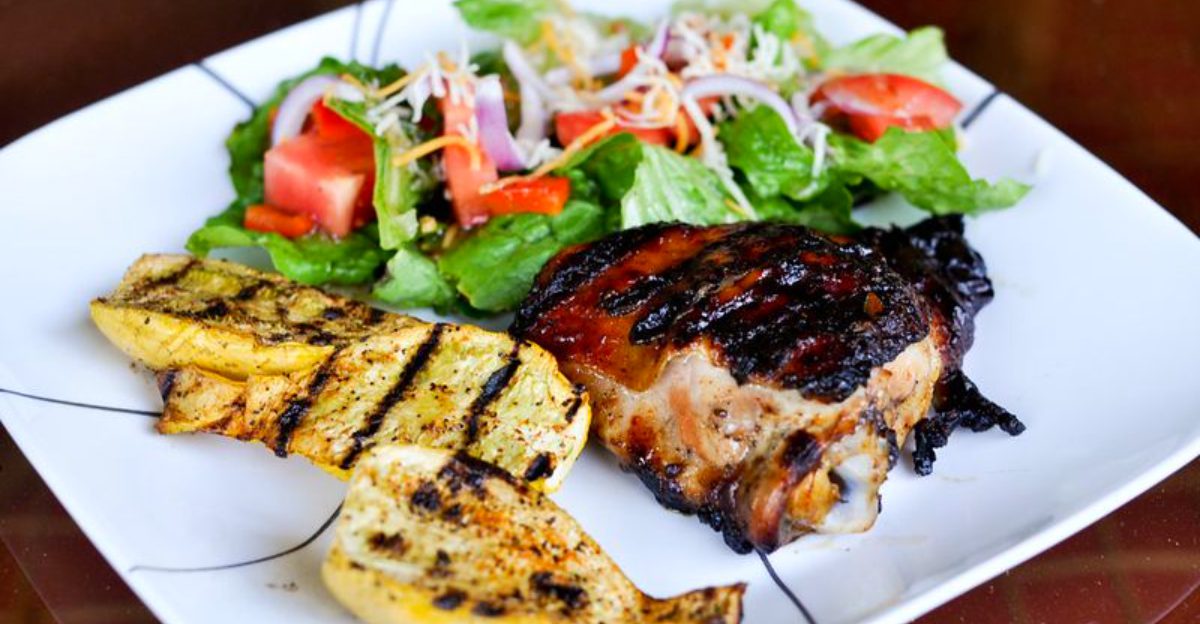
Ever ordered something simple, then watched the bill inflate with mysterious little upgrades? Restaurants are masters at dressing up add ons so they feel luxurious, even when they are barely worth the price.
You deserve to know which tweaks genuinely elevate your meal and which ones are just slick marketing. Let’s break down the common culprits so you can spend smarter and still savor every bite.
Add avocado
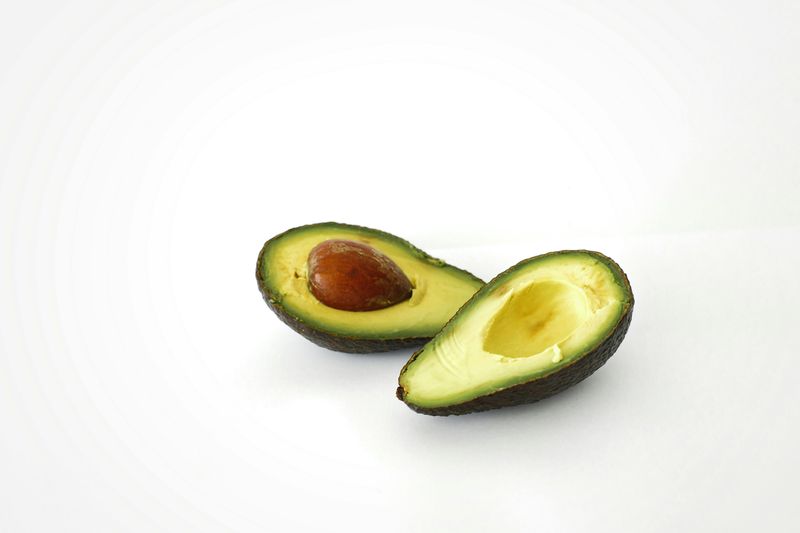
You love avocado, and restaurants know it. That creamy green slice feels like an instant glow up, even when it is barely a bite.
The catch is the surcharge often rivals the cost of a whole avocado at the store. It is convenience with a price tag.
If the kitchen adds generous chunks, maybe it is worth it. But when a few slivers appear, disappointment hits faster than the check.
Ask how much you get before saying yes. You are not cheap, you are informed.
Add bacon
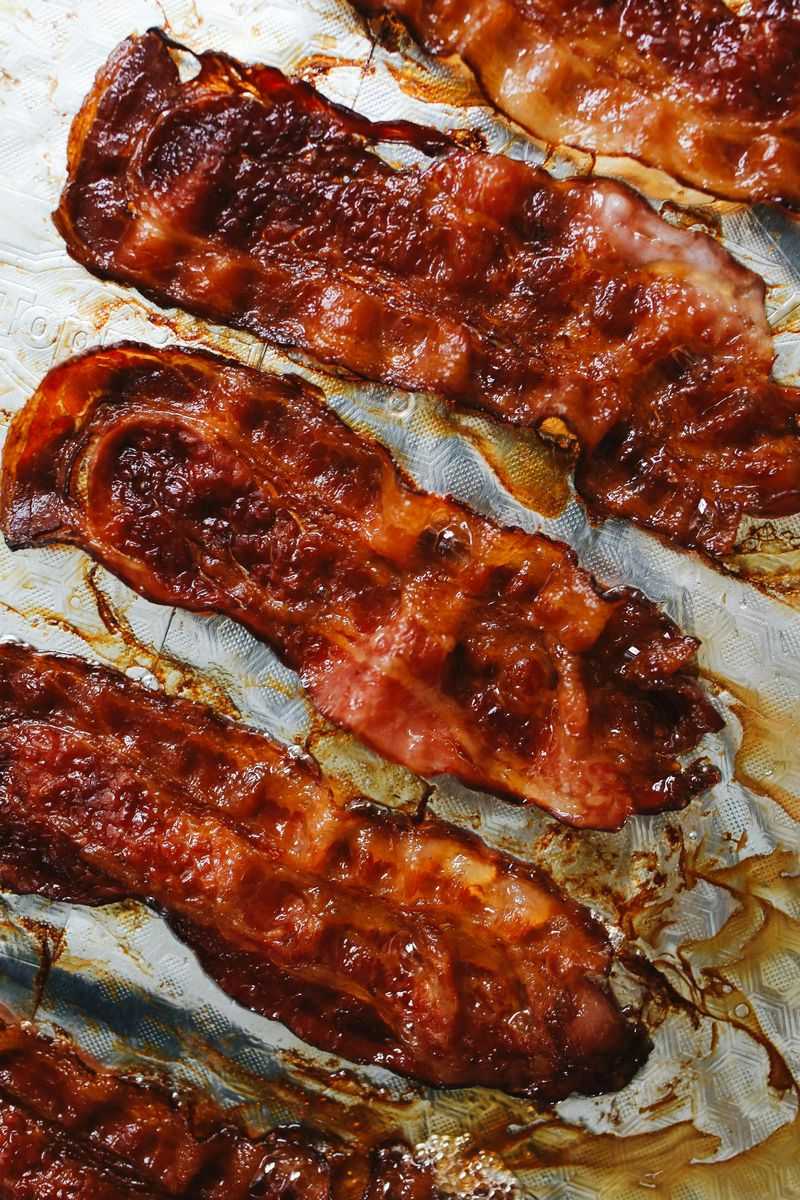
Bacon feels like a guaranteed win. Salty, smoky, crispy, it makes everything taste louder.
But the upgrade often means two skinny strips for a premium. You could buy a pack for the price of one add on.
Restaurants bank on the romance of bacon more than the portion.
If it is thick cut and plentiful, go for it. Otherwise, consider another topping that pulls more weight.
You are paying for flavor, not mythology. Trust your taste buds and your wallet.
Extra cheese
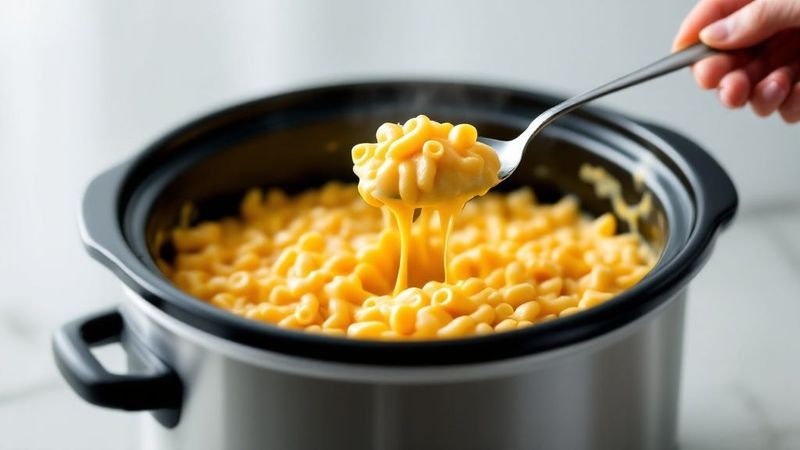
Cheese is the easiest yes, which is why it is a favorite upsell. Extra cheese often arrives as a light snowfall, not the avalanche promised.
You imagine oozy layers, but get a minor drizzle with a major charge. That gap between expectation and reality can sting.
Ask what type and how much you get. A quality cheese can justify the cost, but not a generic handful.
If richness is the goal, sometimes a different dish delivers better. You want value, not regret coated in dairy.
Double meat
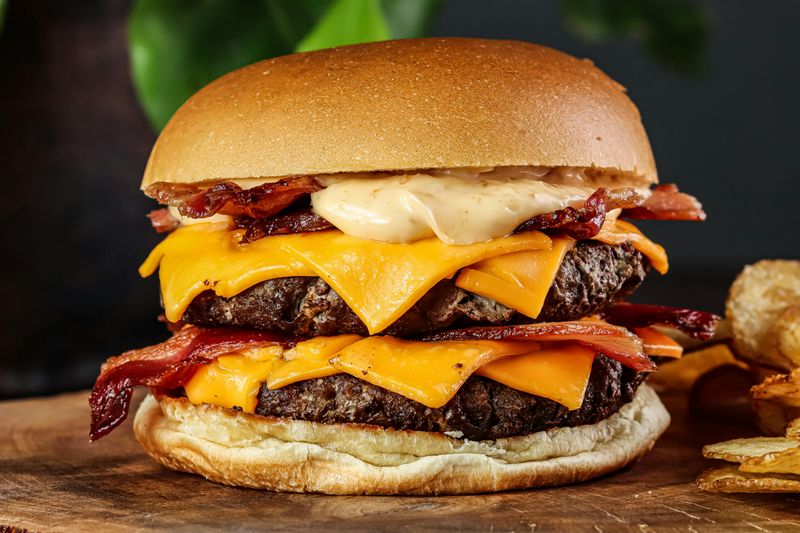
Doubling meat sounds like a feast. Sometimes it is, but often it crowds the dish and masks everything else.
You pay a big premium and lose balance, getting salt and heft instead of nuance. It can turn juicy into dry if the kitchen does not adjust.
Check the base portion first. If it is skimpy, double might be smart.
If the original is generous, spend that upgrade on something fresh and bright. Flavor needs contrast, not just volume.
Premium fries
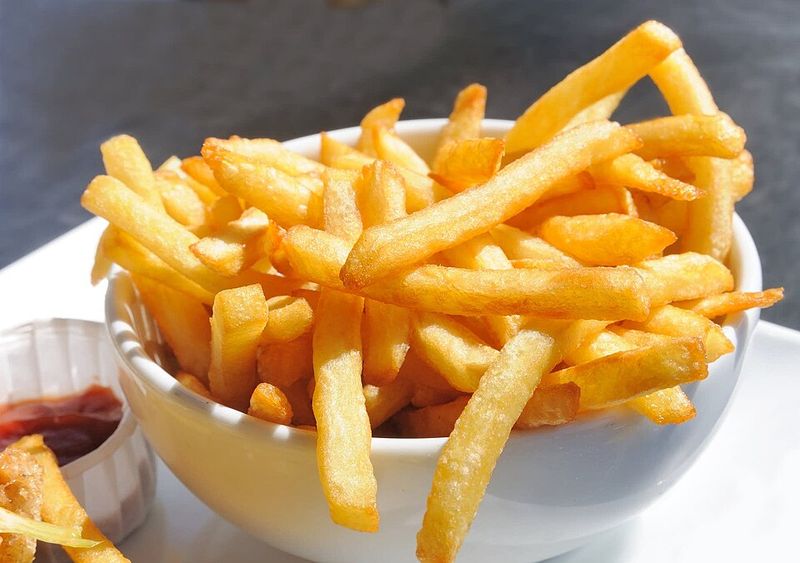
Regular fries are joy. Premium fries add herbs, cheese, maybe a fancy dip, and suddenly the price climbs.
Sometimes they are magic. Other times you are paying extra for a sprinkle and a new name.
The upgrade can mask lukewarm fries with toppings instead of fixing them.
Check crispness and portion size. A great sauce helps, but the fry should shine on its own.
If the baseline fries are stellar, the premium version may be overkill. Good potatoes do not need a crown.
Truffle oil
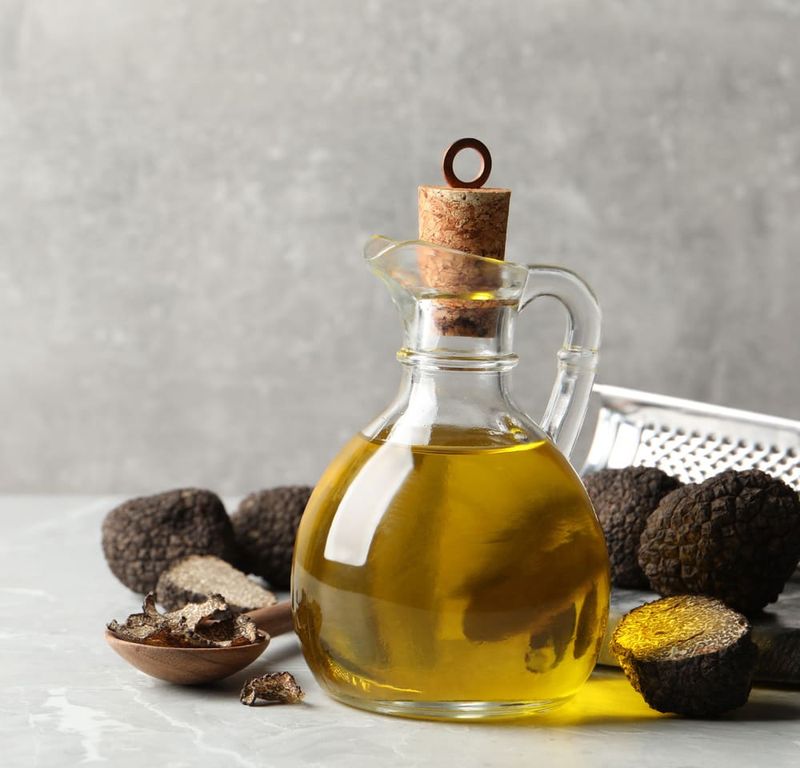
Truffle oil whispers luxury, but most of it is lab made aroma, not real truffle. The scent is bold, the price even bolder.
A drizzle can hijack the entire dish, overpowering delicate flavors. You end up paying for perfume, not depth.
If the kitchen uses real truffles, that is different territory. Ask and you will learn quickly.
Otherwise, skip the surcharge and let the food breathe. You can love earthiness without being steamrolled by it.
Fancy salt
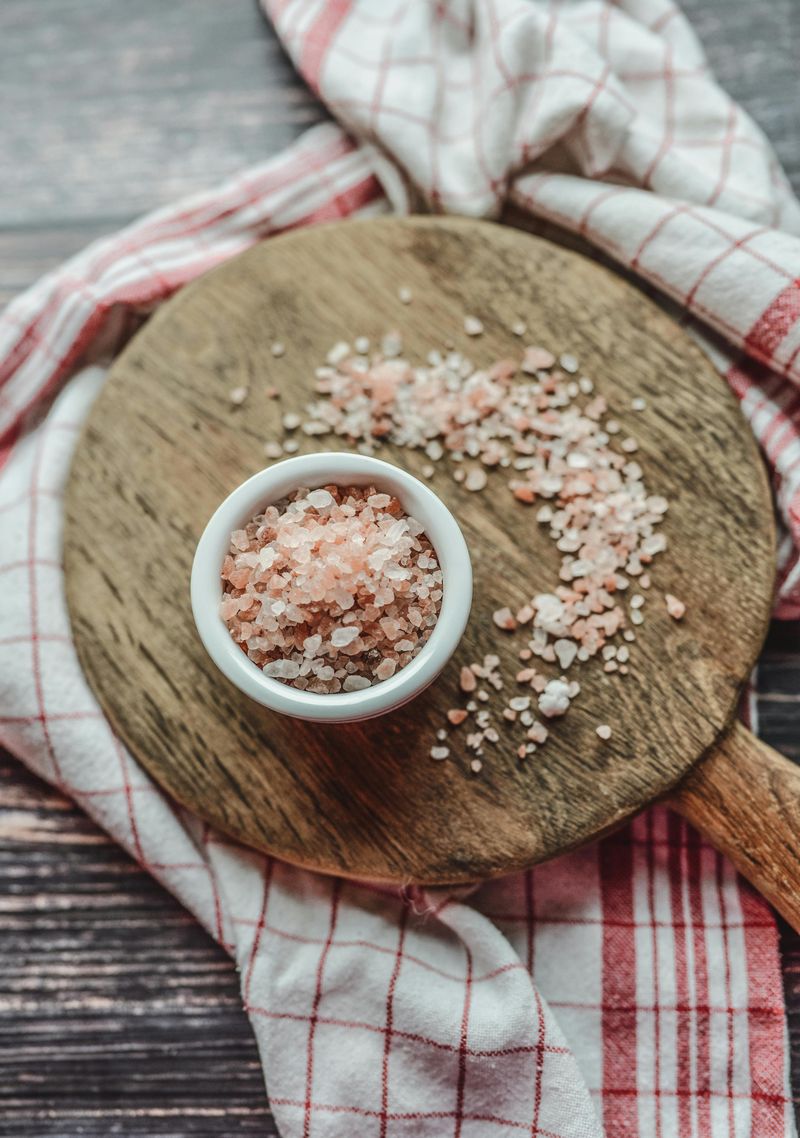
Salt is essential, but charging extra for a sprinkle feels theatrical. Whether it is Himalayan pink or smoked Maldon, the magic is mostly in finishing.
A few flakes can elevate, yet the cost rarely matches the impact. You are paying for ceremony more than substance.
If they finish tableside with confident technique, maybe it is entertainment. Otherwise, most kitchens should season properly by default.
Save the fee for something with real lift. Flavor should not be a luxury tax.
Special butter
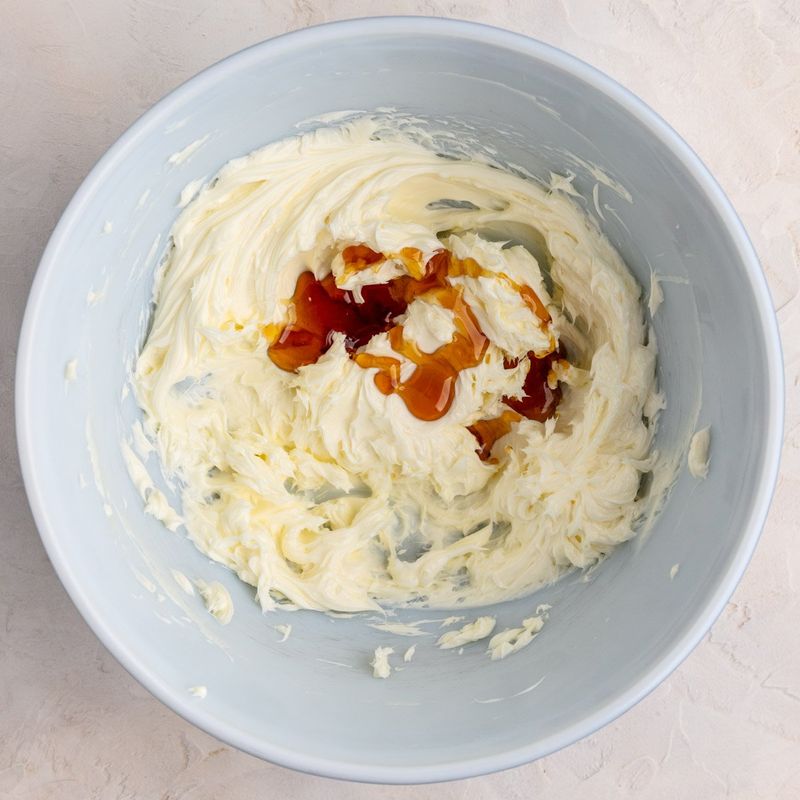
That whipped herb butter looks irresistible next to warm bread. But paying extra for what used to be complimentary stings.
Often it is a small smear with big aspirations. Delicious, sure, yet it vanishes in two bites and leaves your wallet lighter.
If the butter is house churned with bold flavors, you might smile. Just know it is more theater than necessity.
Consider asking for olive oil instead. You deserve generosity, not nickel and diming before the meal starts.
Bottled water

The question lands softly: still or sparkling? You say sparkling and suddenly the meter is running.
Bottled water feels fancy, but many places have great filtered tap. Without noticing, you refill twice and pay triple espresso money for water.
There is nothing wrong with bubbles, just own the choice. Ask if tap is filtered or if there is a house soda stream.
If yes, you can save and sip happily. Hydration should not hijack the bill.
Designer water

Designer water leans on branding to sell purity. The bottle is heavy, the label serene, the price surprisingly bold.
It tastes clean, but so does chilled filtered tap. You are buying image and a story about mountain springs, not a transformative sip.
If presentation matters for a special night, go for the ritual. Otherwise, ask for house sparkling or tap.
Your palate will not miss the logo. Save the cash for dessert that actually delights.
Premium ice

Clear ice is gorgeous and melts slower. Bars invest in molds and freezers, then pass the cost to you.
Paying extra for a single cube can feel silly, especially if the drink itself is mid. The ice looks like a gem while your budget shrinks.
If the cocktail is crafted and boozy, clear ice earns its keep. Otherwise, skip the upcharge.
The drink should shine without a vanity cube. Cool does not have to be costly.
Wine pairing

A sommelier pairing can be magical, but it is also a commitment. Small pours add up quickly, and not every match sings.
You are paying for curation and service, which is fair, yet sometimes the wines feel safe rather than thrilling. The cost can overshadow the meal.
Ask for half pairings or a couple glasses instead. A focused selection may fit your taste and budget better.
You want discovery, not fatigue. Keep the romance, lose the regret.
Dessert upgrade
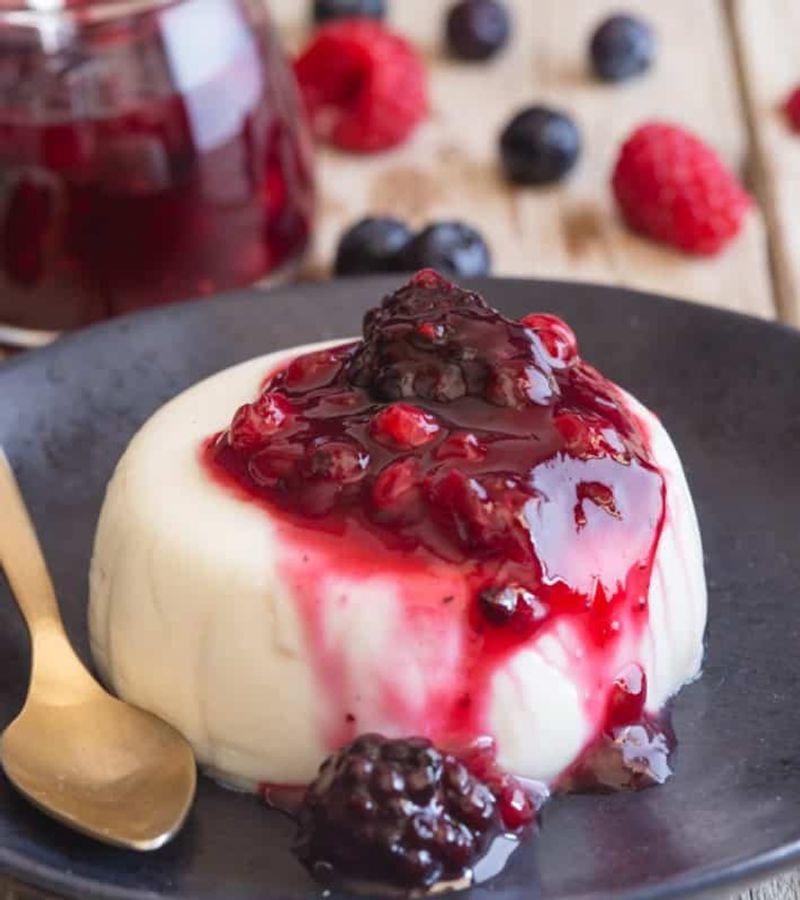
That “upgrade” turns a simple dessert into a spectacle. Maybe there is gold leaf, a micro scoop, or a sparkler.
It photographs beautifully, but the extra charge does not always add flavor. You are buying presentation and a moment, not necessarily more joy.
Consider sharing a full size dessert instead. Bigger portion, deeper satisfaction.
If theatrics thrill you, embrace it with eyes open. Dessert should feel indulgent, not like a small luxury tax.
Sauce flight
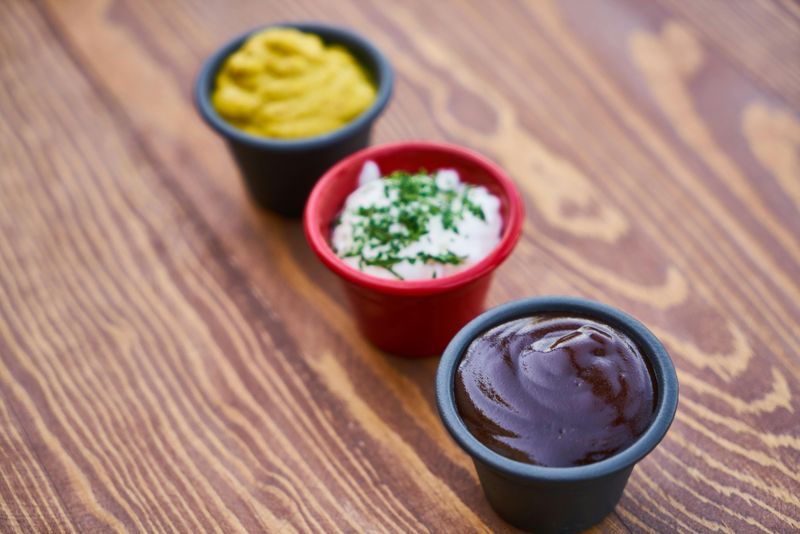
A flight sounds like exploration. In practice, it is often five thimbles of mayo wearing costumes.
Fun to taste, sure, but the price climbs fast for small portions you may not finish. It is variety for variety’s sake.
If you love sauces, ask for two favorites instead of the whole lineup. That way you pay for what you will actually use.
The goal is flavor that serves the meal, not distracts from it. Choose wisely and dip happily.
Side upgrade
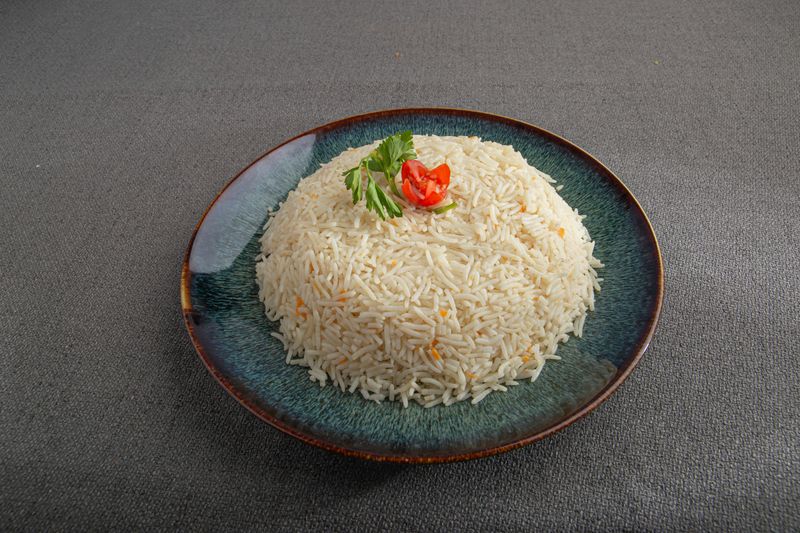
Swapping sides feels strategic, until the price jump hits. A simple veggie becomes premium the second it moves columns.
Often, the portion is modest and the seasoning minimal. You pay more for the swap than the satisfaction gained.
Ask about portions and prep. If it is roasted well and generously plated, the upgrade can make the dish.
Otherwise, stick with the standard and add a shared side for impact. Smart choices taste better.
Market price item
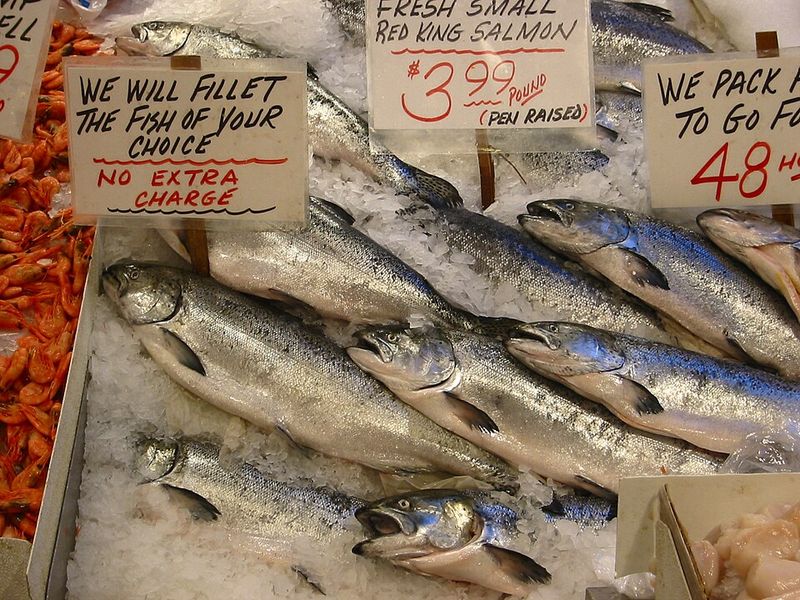
Market price is not a scam, but it can hide sticker shock. You think fresh and seasonal, they think fluctuation and margin.
If you do not ask, surprise arrives with the bill. The fish might be fantastic, yet the number can eclipse enjoyment.
Just ask for the price. There is no shame in clarity.
If it fits your budget, savor it proudly. Transparency tastes better than guesswork every time.
Chef special
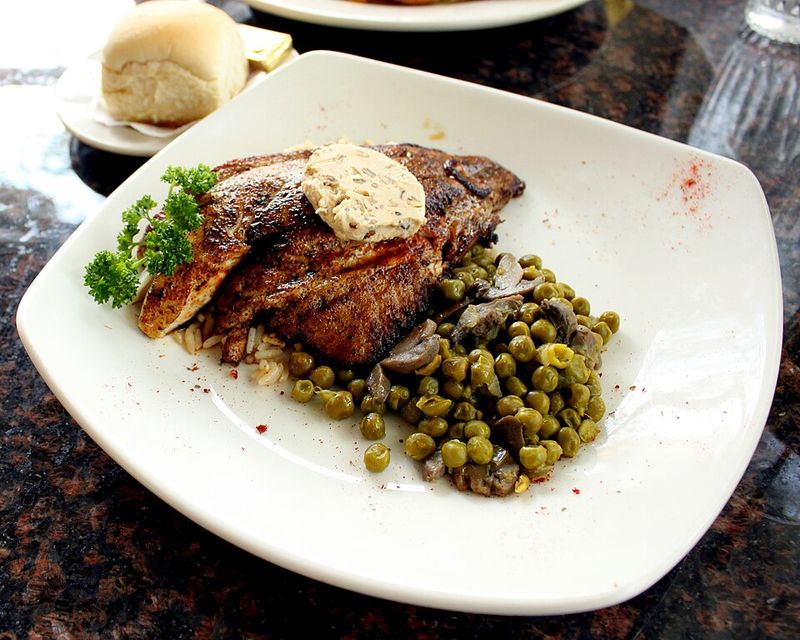
The chef special feels exclusive, like you unlocked a secret level. It might be incredible, or just a way to move inventory.
Without a listed price, your guard drops. You nod along, then the check bites back.
Ask what makes it special and what it costs. If details are vague, that is your cue to pass.
You deserve deliciousness without mystery math. Curiosity is great, but clarity is better.
Service charge
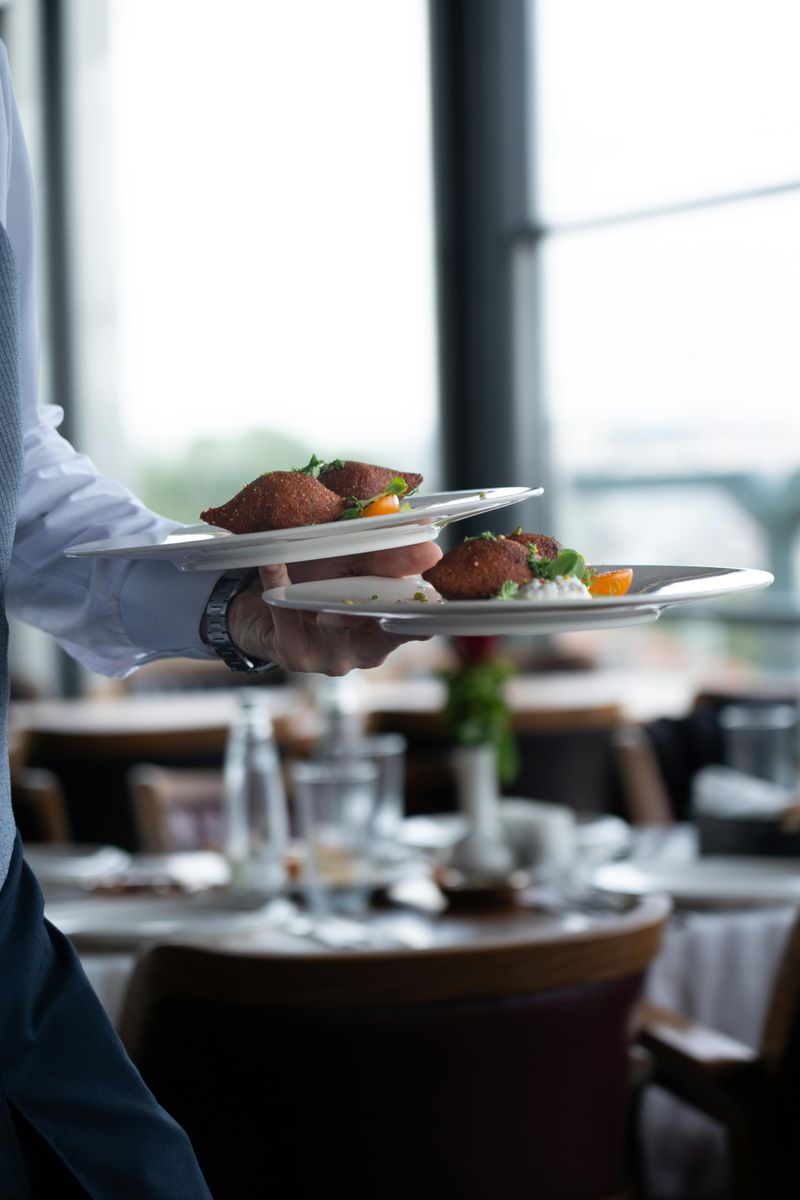
Service charges blur tipping norms. You think it replaces gratuity, then a tip line still stares back.
Sometimes it supports staff benefits, which is commendable, but the communication is murky. Confusion is not a great dining companion.
Ask what the charge covers and if additional gratuity is expected. Tip based on clarity and service quality.
You want to support workers while avoiding double paying. Transparency should be part of hospitality.
Kitchen fee
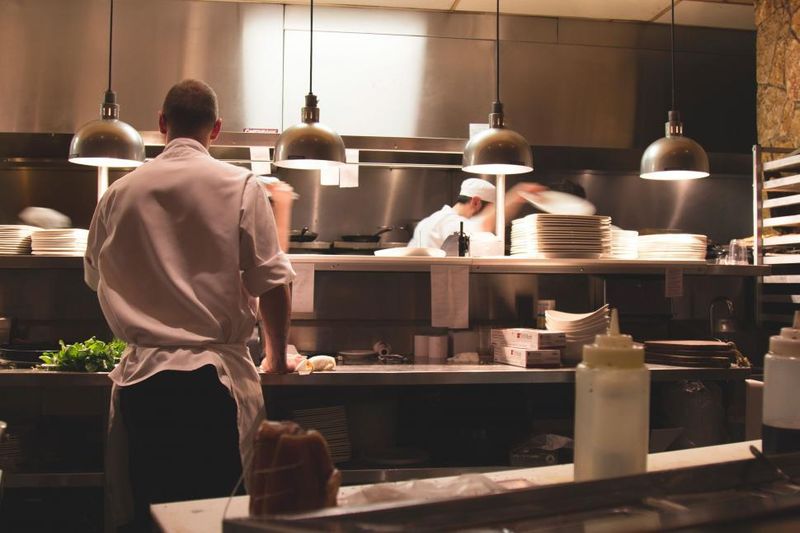
Kitchen fees are popping up to support back of house wages. The intention can be good, but the surprise stings.
It is better than raising menu prices, they say. Yet you are left doing math you did not plan for.
Ask politely if it is optional or revenue shared. If the policy feels fair and transparent, you might embrace it.
Otherwise, give feedback. Diners and staff both deserve sustainable, honest practices.
Reservation fee
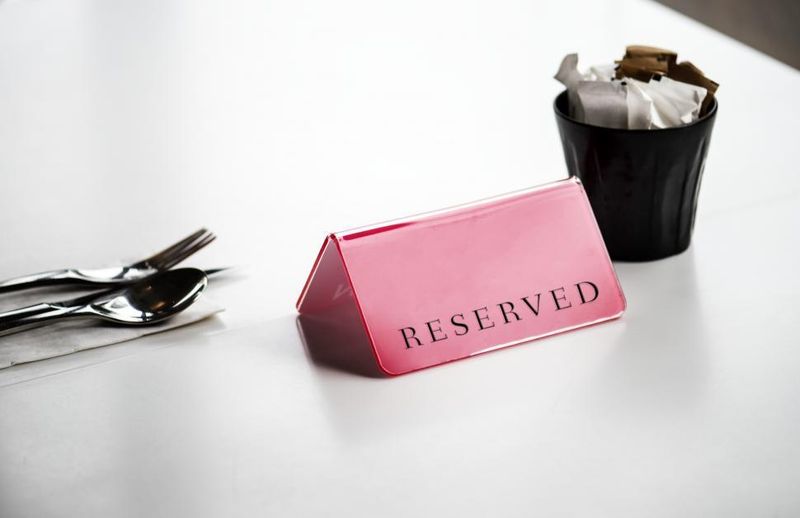
Paying just to hold a table feels backwards. A deposit that applies to your bill makes sense.
A fee that vanishes does not. It punishes commitment instead of no shows.
You should not spend money before tasting anything.
Look for spots that credit deposits or waive fees for timely arrivals. If a fee is nonrefundable, decide if the experience is truly special.
Your time and money both matter. Choose hospitality that respects both.
Auto gratuity
Auto gratuity can protect servers with large groups and complex service. The problem is when it is not clearly flagged, and you tip again by accident.
No one wants guilt tipping or awkward conversations. Clarity should be standard, not a surprise line item.
Scan the bill carefully and adjust if needed. If service soared, you can still add more.
Just make it intentional. You deserve control over your gratitude.
Processing fee
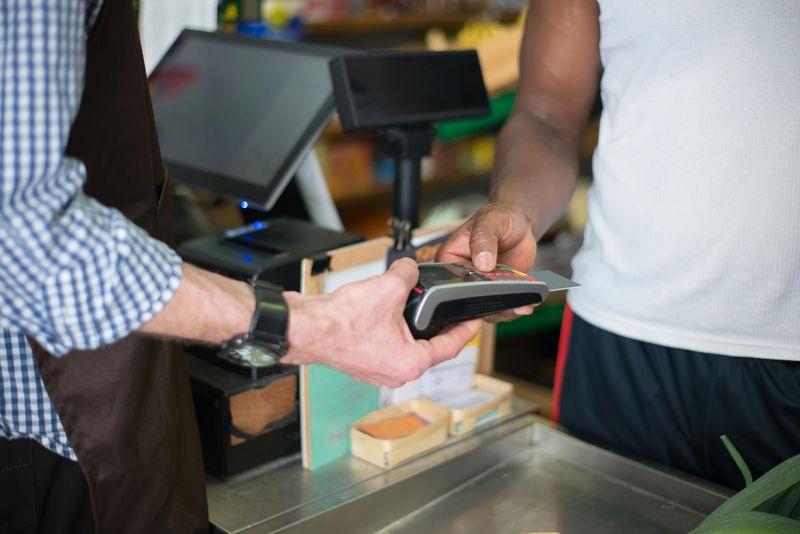
Card processing fees shift business costs onto you. It is a small percent that adds up over time.
Sometimes it is legal and posted, sometimes it is quietly tacked on. Either way, it feels like paying rent on your own money.
Check signage and ask about cash discounts. If the fee is new and unclear, mention it kindly.
Transparency changes how it lands. Good hospitality should never feel sneaky.
Protein upgrade
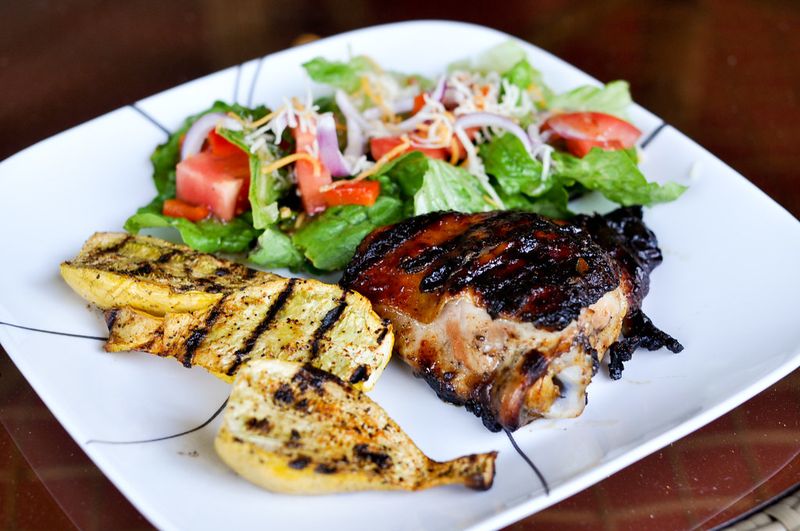
“Upgrade your protein” sounds like health and status combined. In reality, it is often a slightly nicer cut for a significantly larger cost.
The salad or bowl stays the same, just with fancier bites sprinkled in. If the portion does not increase, you are funding prestige, not satisfaction.
Ask about ounces and how it is cooked. Tender steak or fresh shrimp can justify the fee if quality is real.
Otherwise, the base protein usually holds its own. Your palate deserves honesty, not labels.
Enjoyed this story?
Add Fast Food Club as a preferred source to see more of our reporting on Google.