


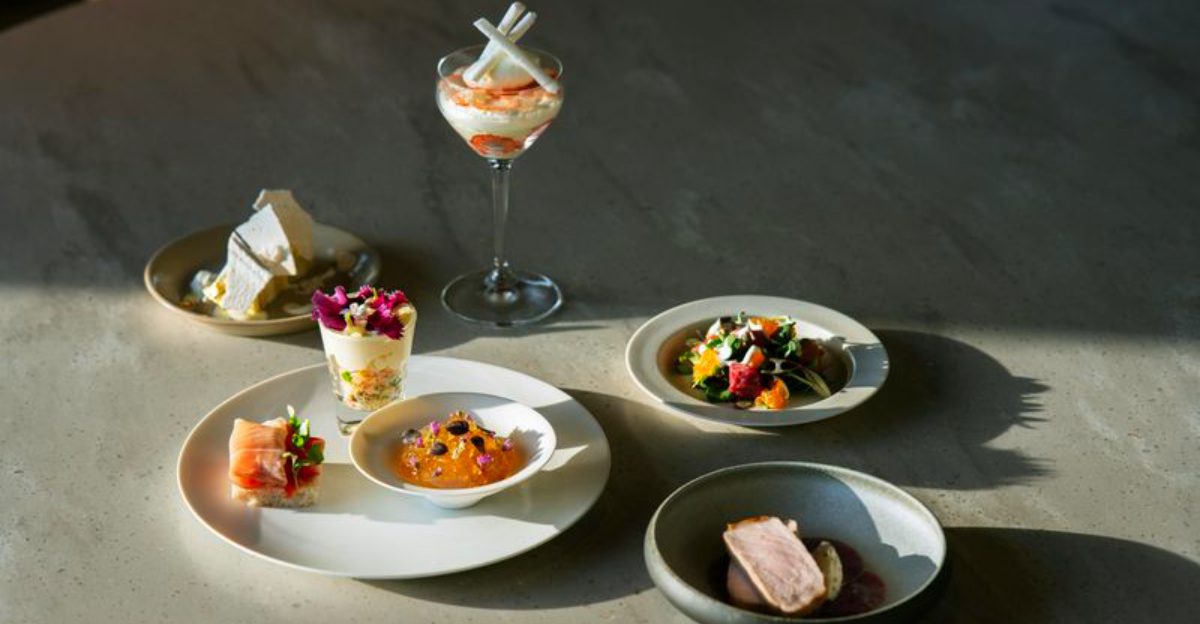
Ever notice how a menu can make something simple feel ridiculously elevated with a few buzzwords? This list peels back the glossy language to show what you are really getting, minus the mystique.
You will spot patterns, save cash, and still enjoy the flavors you love. Let’s decode the fancy talk together and have a little fun while we do.
Truffle fries
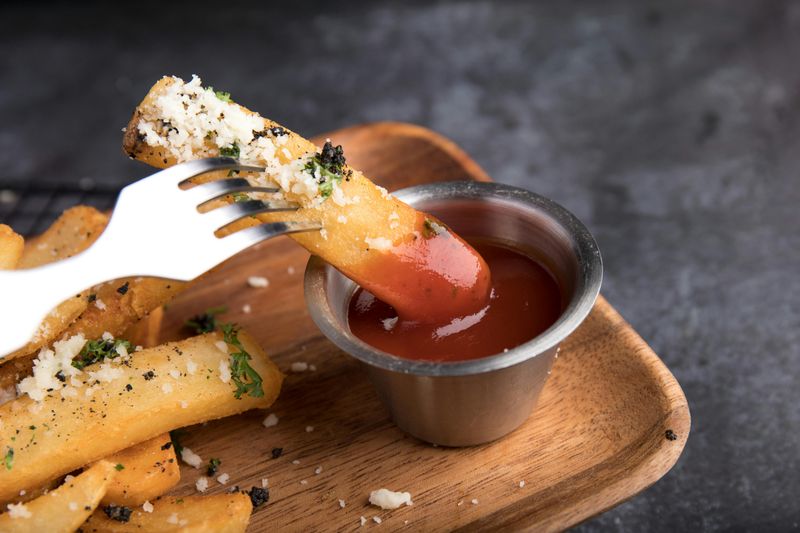
Truffle fries sound luxe, but they are usually regular fries tossed with truffle oil. That oil is often artificially flavored, not shaved truffles.
You are basically paying extra for aroma and a fancy word.
The fries themselves are the same crispy potato sticks you love with salt and maybe parmesan. If you prefer value, order plain fries and ask for garlic or herbs.
Your taste buds will likely notice minimal difference.
True truffle shavings are rare and costly, rarely used generously on fries. Manage expectations and enjoy the crunch.
Gourmet burger
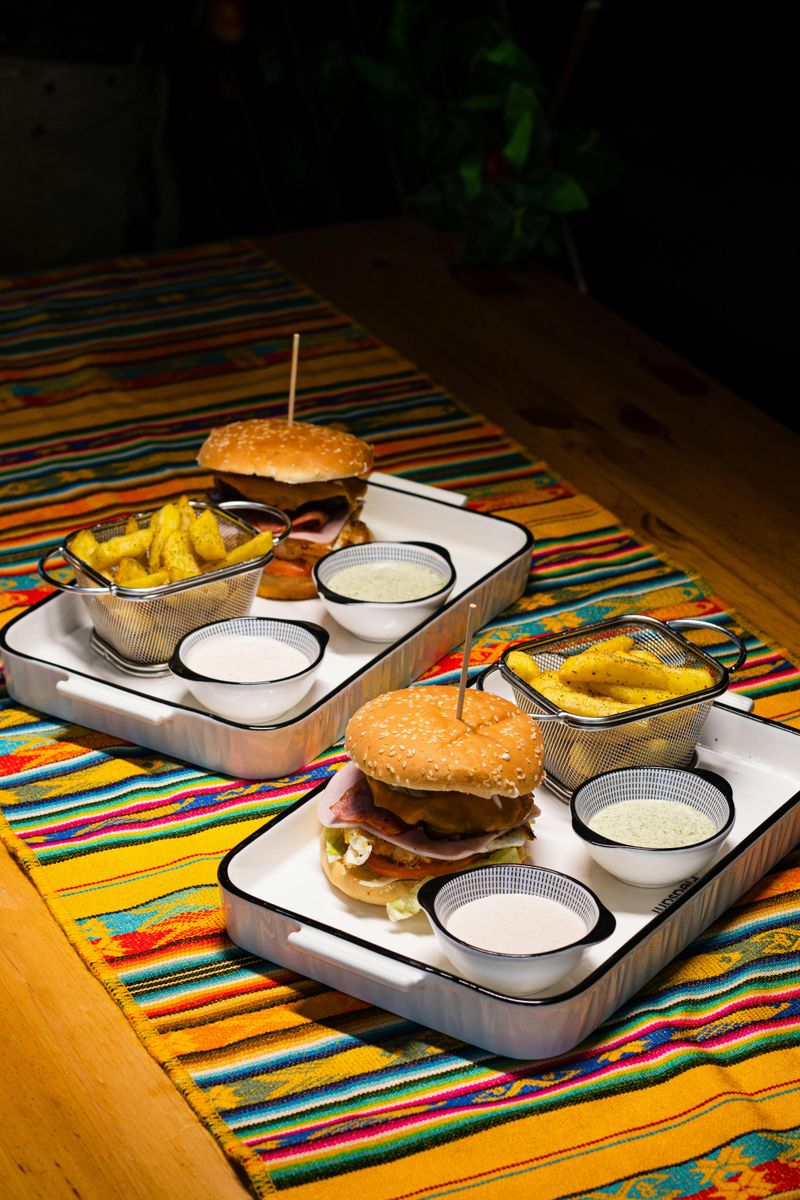
Gourmet burger usually means a standard burger with upgraded toppings and a brioche bun. The patty remains ground beef, sometimes just a larger portion.
Fancy names add perceived value more than actual transformation.
Aioli, onion jam, and truffle flavor deliver a flavor bump but not a new category of food. You still get beef, bread, cheese, and sauce.
If the patties are thin, it is basically diner fare in a shiny wrapper.
Crave satisfaction, not marketing. Choose good sear, proper seasoning, and a toasted bun.
Artisan bread
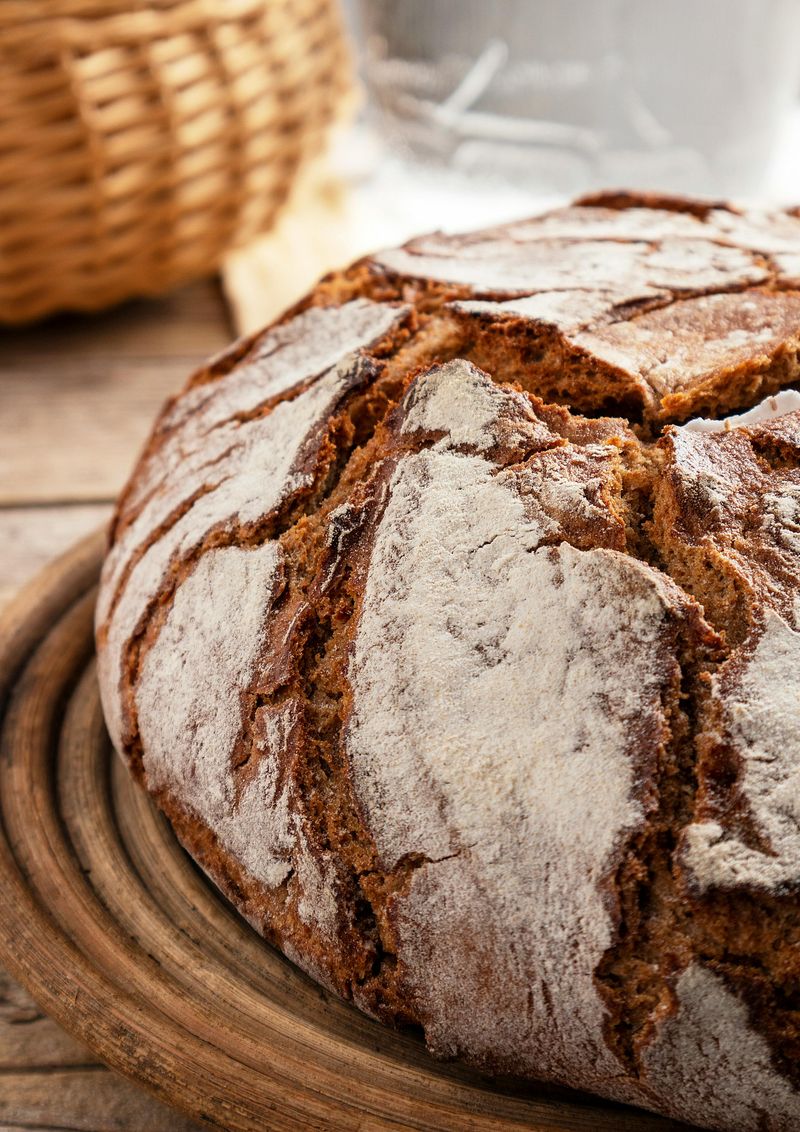
Artisan bread often means bread made with a starter, longer fermentation, or a rustic shape. That said, many store loaves use the label loosely.
At its core, it is flour, water, salt, and yeast, like any bread.
The difference is technique and time, not a new food. Sometimes it is baked in a steam oven for better crust.
But you can replicate similar results at home with patience and a Dutch oven.
Marketing adds romance. Your sandwich will still taste familiar, just crustier and chewier.
Fancy butter
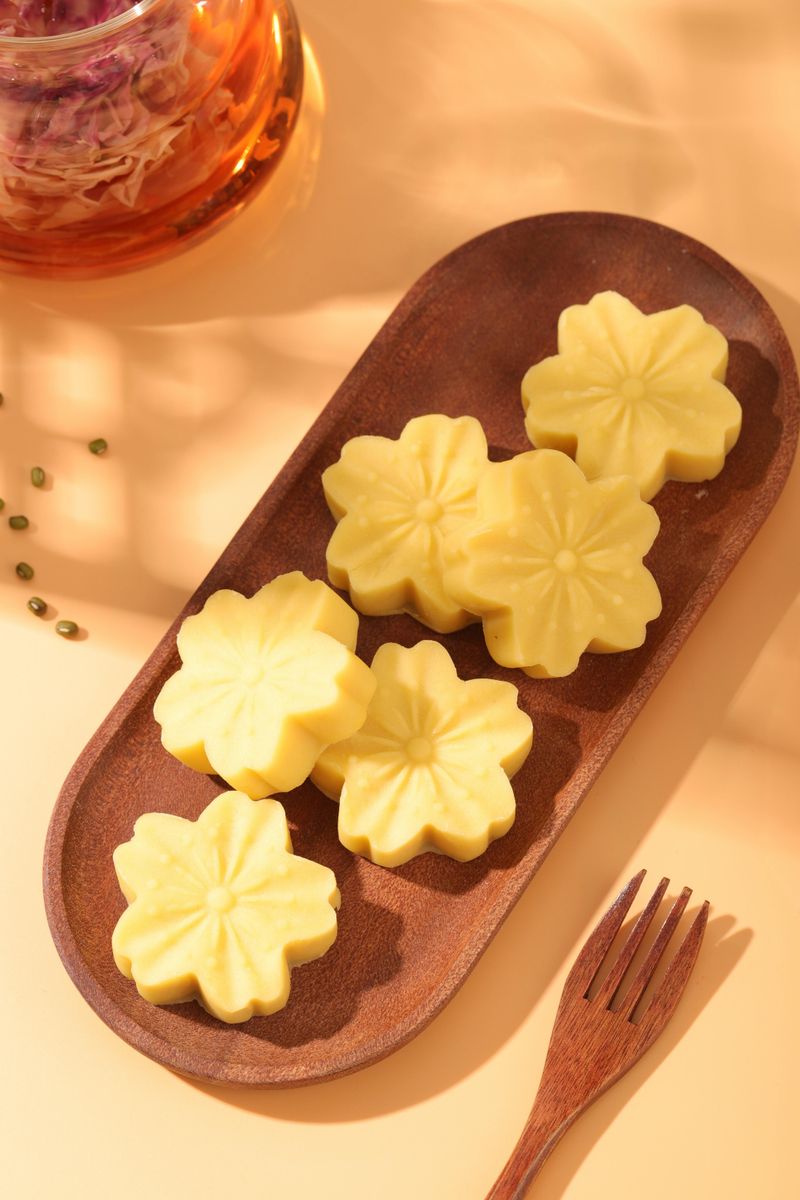
Fancy butter is often regular butter that is cultured, salted, or whipped. Whipping adds air, making it feel lighter without changing the base ingredient.
Add flaky salt or herbs, and suddenly it sounds boutique.
European style usually means higher butterfat and cultured tang. Still, it spreads on toast like any butter.
If price spikes, remember you can whip your own at home in minutes.
Flavor differences are subtle unless you add strong mix ins. The core experience remains creamy fat that melts deliciously.
Special salt
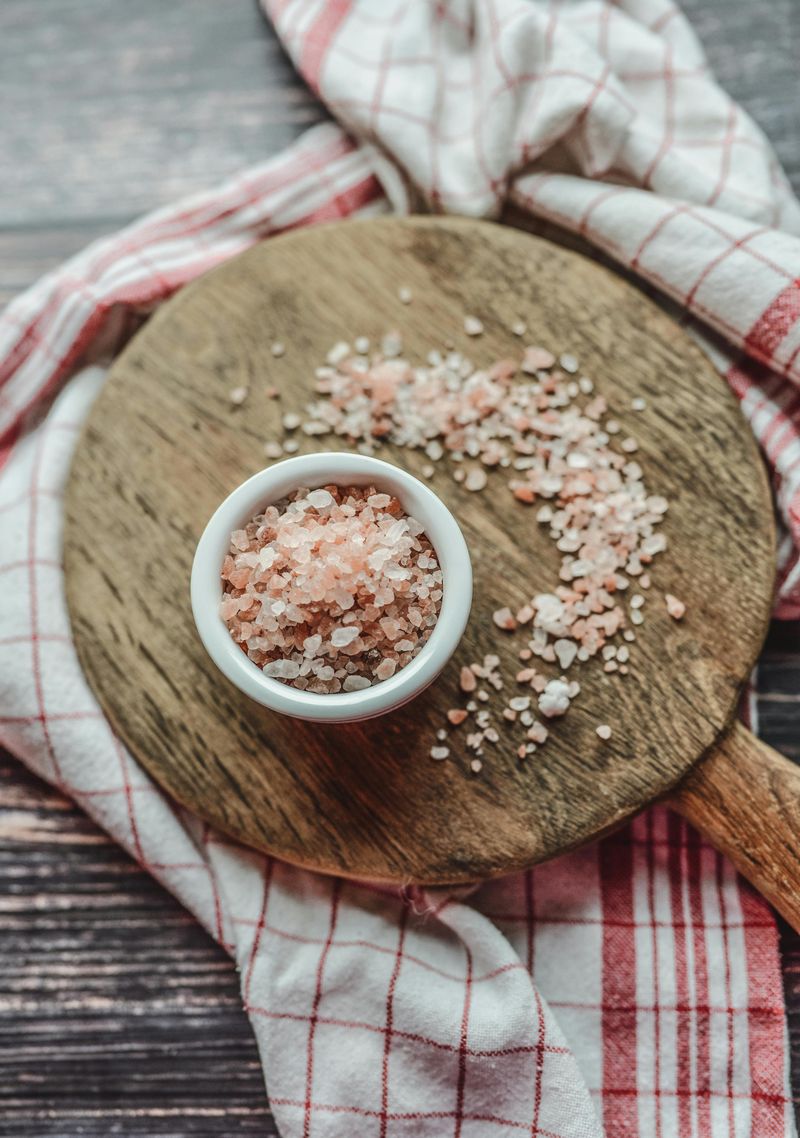
Special salt spans pink, flaky, smoked, and volcanic. Despite colors and textures, sodium chloride is sodium chloride.
Trace minerals change hue and flavor slightly, but the basic function is identical.
Flaky crystals deliver crunch and dissolve differently, great for finishing. Pink salt looks pretty on steak or chocolate.
Yet in boiling water or soup, most differences vanish.
If a recipe calls for salt by weight, any kind works. Save the fancy flakes for the final sprinkle, where texture shines.
Otherwise, regular kosher salt is your reliable workhorse.
Designer water

Designer water is bottled water with branding, a story, and sometimes added minerals. At the end of the day, it is still water meant to hydrate.
The packaging and provenance do the heavy lifting.
Some tout alkaline levels or glacier origins, yet most people cannot taste consistent differences blind. Tap water filtered at home often matches quality.
You are paying for convenience and image.
If taste matters, chill it and use a good filter. Hydration does not need a luxury label to work well.
Cold pressed juice
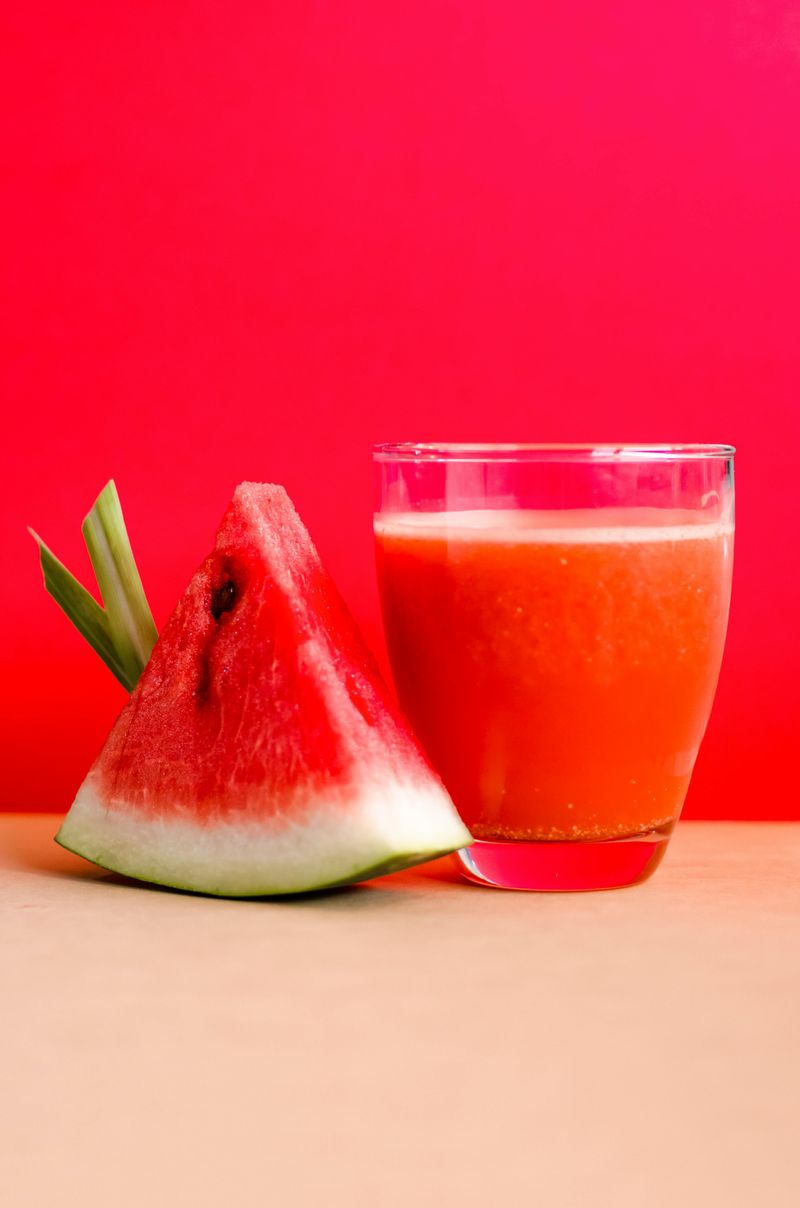
Cold pressed juice sounds high tech, but it is fruit and vegetables mechanically pressed. The method avoids heat, which marketers say preserves nutrients.
Yet juice is still sugar forward liquid produce without fiber.
A regular centrifugal juicer makes similar tasting juice. The main difference is yield and shelf life for commercial bottlers.
For daily drinking, blending whole produce gives more fiber and satiety.
Enjoy it as a treat, not a miracle. Your body benefits most from whole fruits and vegetables you actually eat.
Wellness shot
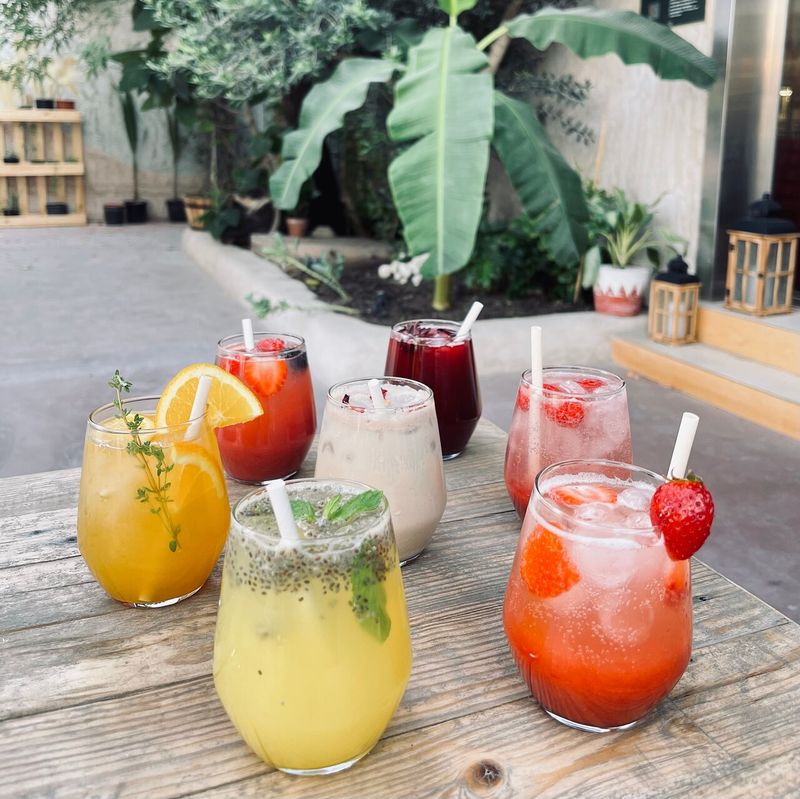
Wellness shots cram ginger, turmeric, cayenne, and citrus into a tiny bottle. They feel potent, but they remain concentrated juice with spice.
The ritual seems medicinal, yet it is still a quick sip of flavor.
Any benefits come from consistent healthy habits, not one spicy gulp. You could make the same thing at home with a blender and strainer.
Cost per ounce is the real sting.
If you like the kick, go for it. Otherwise, drink water, eat produce, and save your cash for meals.
Protein cookie
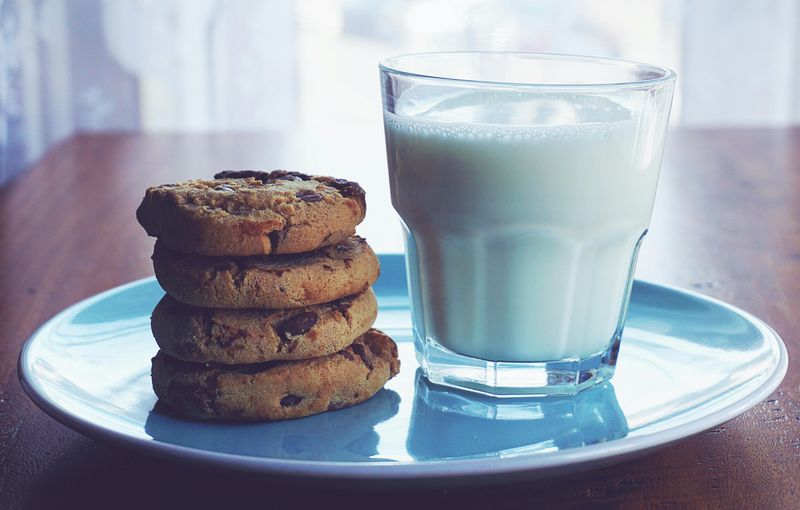
Protein cookies promise muscle fuel, but they are cookies with protein powder added. Texture is often dense or chewy to fit macros.
Sugar alcohols and fibers replace some sugar, changing taste more than nutrition.
Compared to a regular cookie plus a glass of milk, the swap is marginal. Protein still comes from whey, soy, or pea blends.
Your body treats it similarly to any protein source.
If it satisfies cravings, great. If not, a homemade cookie and yogurt may deliver similar satisfaction with fewer compromises.
Protein chips
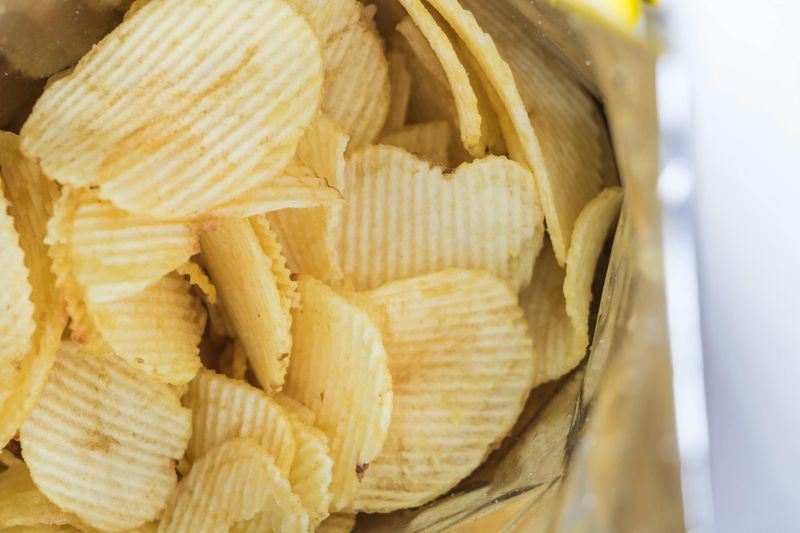
Protein chips are regular chips reformulated with protein isolates. They are baked or extruded to keep crunch while boosting macros.
Flavor dust and salt still do the heavy lifting for craveable taste.
Compared to plain potato chips, they might have fewer carbs, but they can be just as processed. You could eat nuts or yogurt for simpler protein.
Satiety depends on the rest of your meal.
If you enjoy them, fine. Just remember it is still a salty snack in a fitness costume, not a miracle food.
Vegan cheese
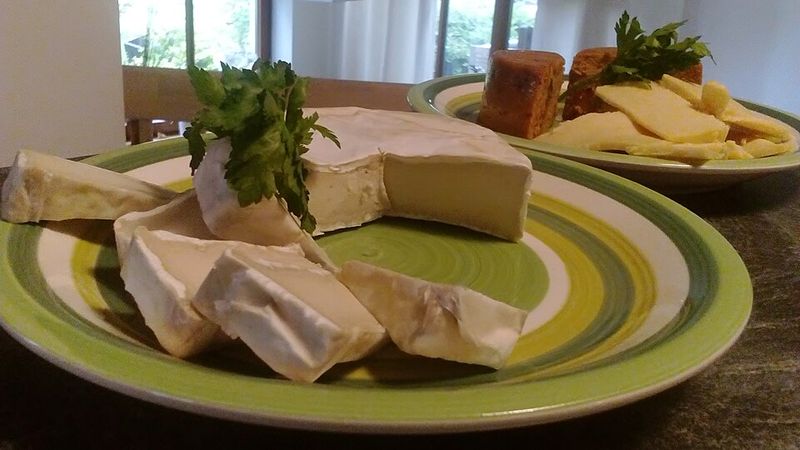
Vegan cheese replaces dairy with nuts, starches, and oils. The result aims to mimic texture and melt, but the core is flavored fat and binders.
It fills a role more than it replicates milk cheese perfectly.
Some aged nut cheeses taste great, yet they are not nutritionally identical. Protein can be lower, sodium higher, and ingredients processed.
Use it as its own category.
If you want true cheese experience, dairy still wins. If you are plant based, choose varieties that actually melt and complement your dishes.
Plant based burger
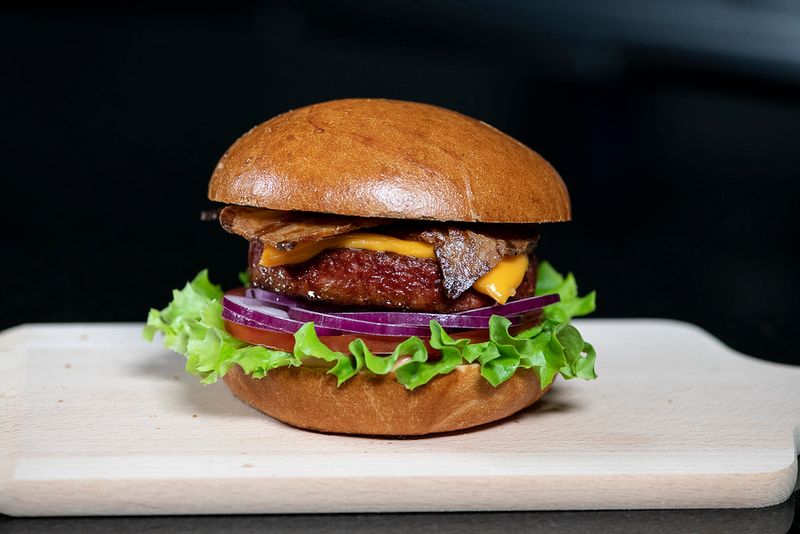
Plant based burger means a patty formulated to mimic beef using pea or soy protein, oils, and flavorings. It still functions like a burger in a bun with toppings.
The experience relies on condiments and sear.
Nutritionally, it can match beef in protein and calories, sometimes with more sodium. It is not a salad in disguise.
For environmental or ethical reasons, it fits nicely.
Cravings for char and juiciness are addressed by fat and seasoning. You are still eating a patty on bread, delicious either way.
Gluten free cookies
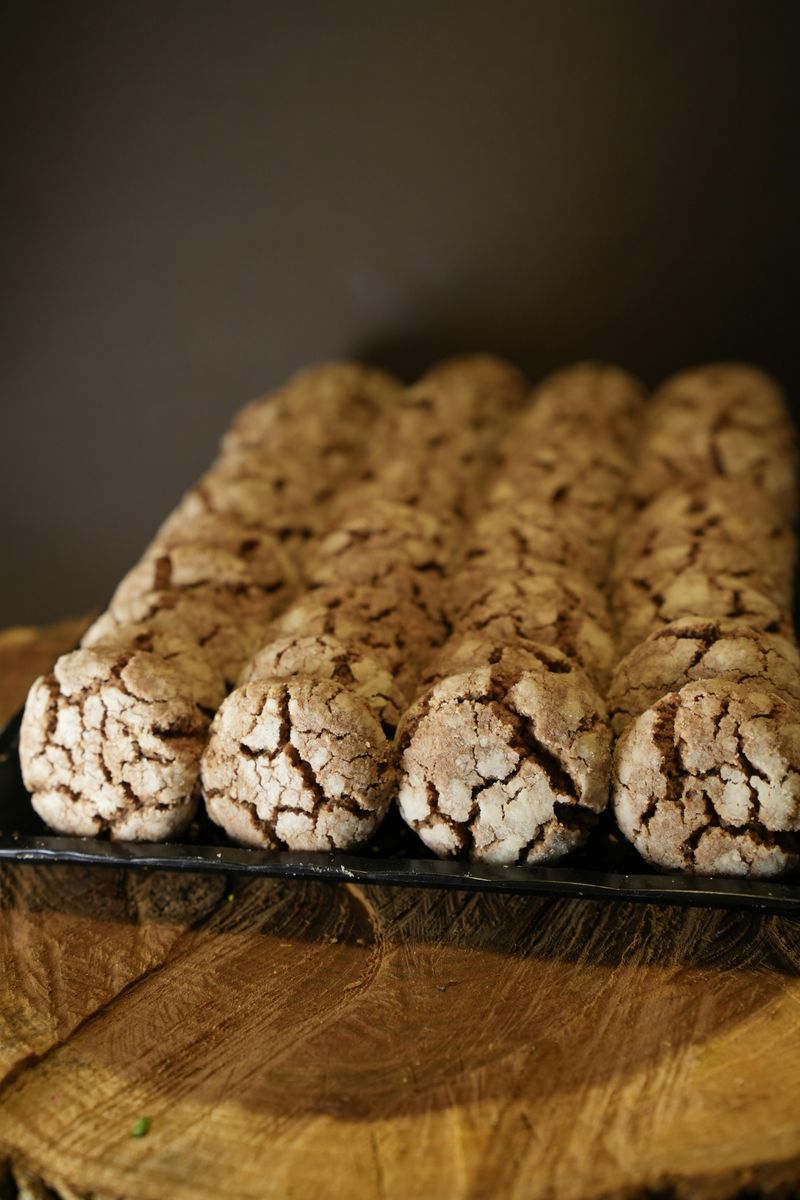
Gluten free cookies swap wheat flour for rice, almond, or oat blends. They can be just as sweet and buttery as regular cookies.
Texture varies from sandy to chewy depending on binders like xanthan gum.
Despite dietary needs, it remains a cookie with sugar and fat. Gluten free does not equal health halo.
Enjoy them for flavor, not virtue points.
If you do not have celiac or intolerance, choose what tastes best. For everyone else, these make treats accessible without missing out.
Keto snacks
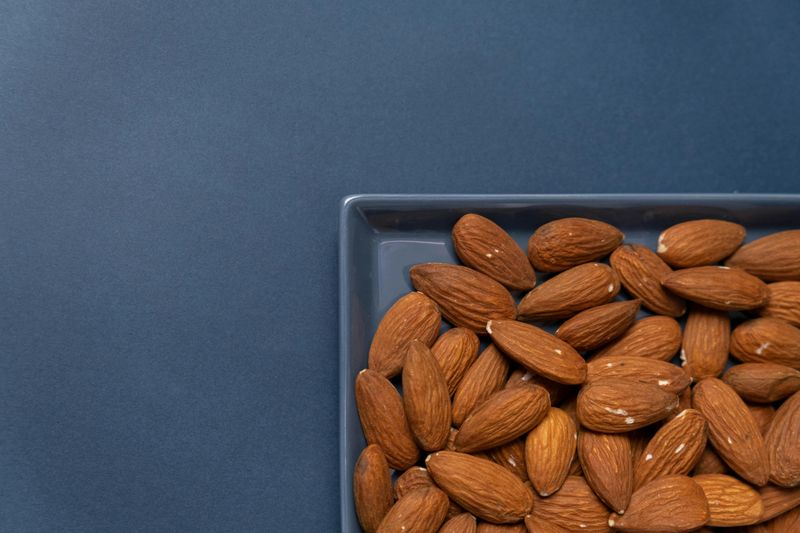
Keto snacks prioritize low carbs and higher fat, but they are still snacks. Cheese crisps, nut mixes, and meat sticks mimic crunch and salt.
Satiety depends on portions and overall diet, not the label.
Compared to regular chips or crackers, the difference is mostly carb count. Overeating still stalls progress.
Whole foods beat ultra processed bars for simplicity.
If you enjoy ketosis, great. Otherwise, balanced meals will likely satisfy more.
The fancy packaging mostly sells convenience and buzzwords.
Charcuterie board
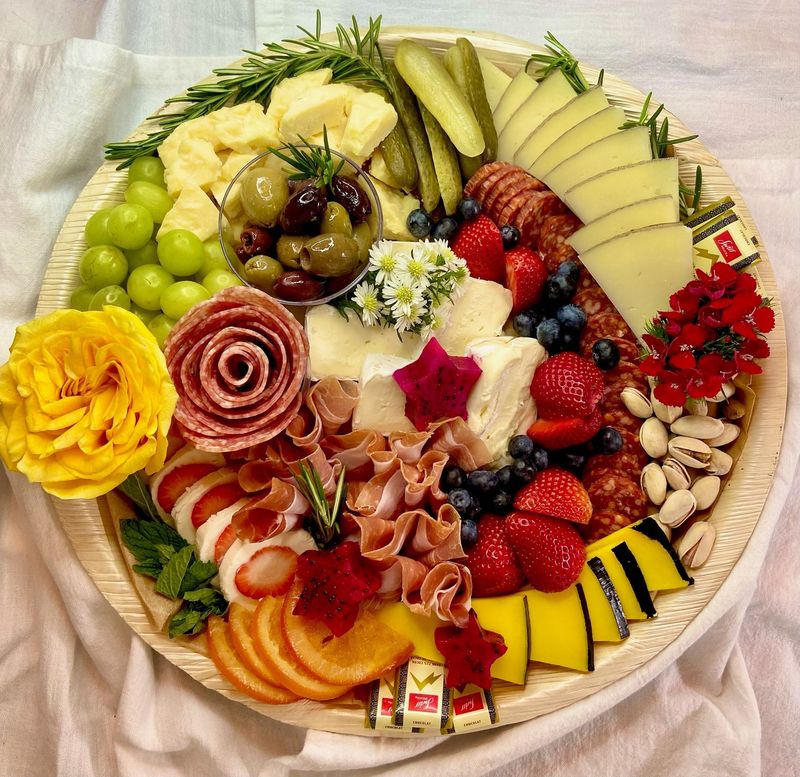
Charcuterie board is a platter of cured meats with pickles, olives, and bread. It sounds lavish, yet it is basically deli items arranged artfully.
Salami, prosciutto, and pâté are the stars.
Presentation elevates familiar flavors. You can assemble the same from supermarket sections.
Balance salt with sweet elements like fruit or honey.
Price creeps up with imported labels and wooden boards. Remember, it is still cold cuts and snacks.
Great for gatherings, but not fundamentally exotic.
Cheese board
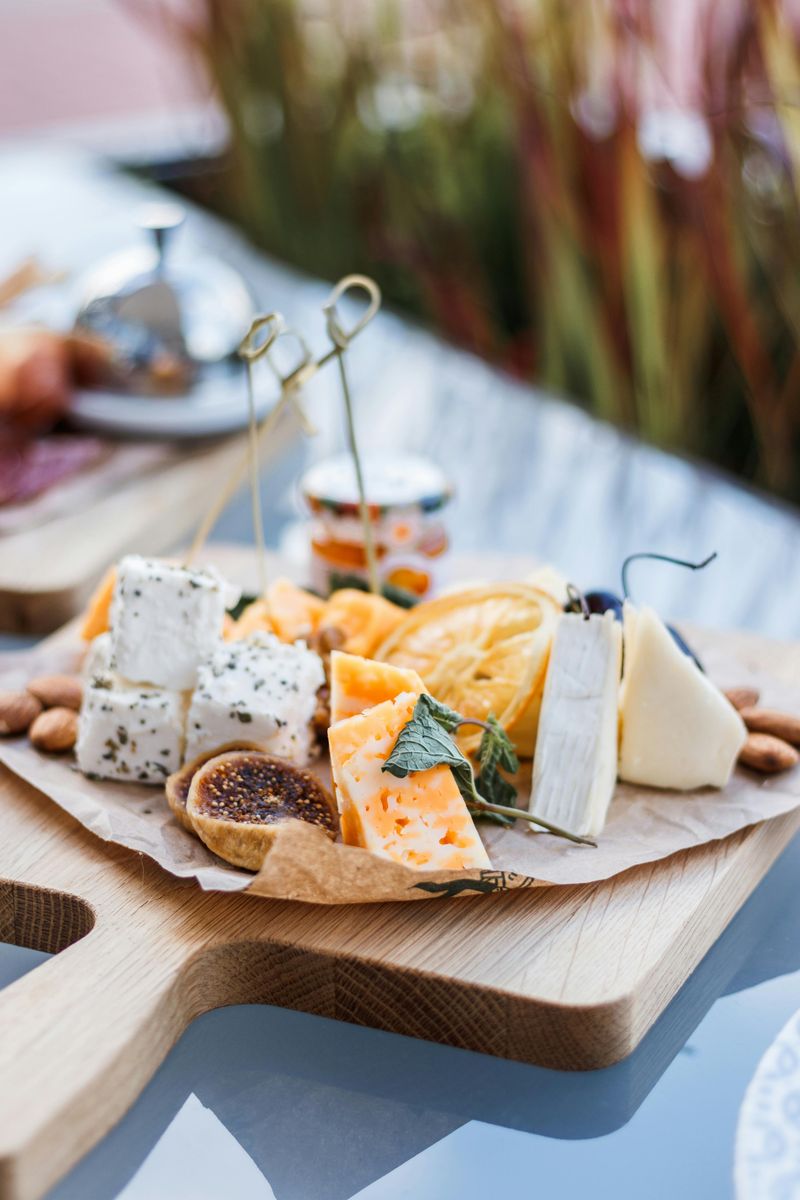
Cheese board feels fancy, but it is simply assorted cheeses with accompaniments. Think soft, hard, and blue styles for contrast.
Add fruit, nuts, and honey, and you are done.
It is the same cheese you might slice for sandwiches, just arranged thoughtfully. Portioning and texture play the role of elegance.
Serve at room temperature for best flavor.
If budget matters, buy smaller amounts of good cheese. The experience is communal snacking, not a culinary leap.
You are paying for variety and display more than transformation.
Reserve coffee

Reserve coffee means limited batches or special lots, often roasted slightly differently. It is still coffee beans brewed with water.
The distinction is scarcity and storytelling around origin.
Compared to house coffee, flavor may be nuanced, but your morning ritual stays the same. If you drink it with milk and sugar, differences blur further.
Freshness matters more than label.
Buy small amounts, grind before brewing, and use proper ratios. You will get great results without chasing every exclusive drop.
Single origin coffee
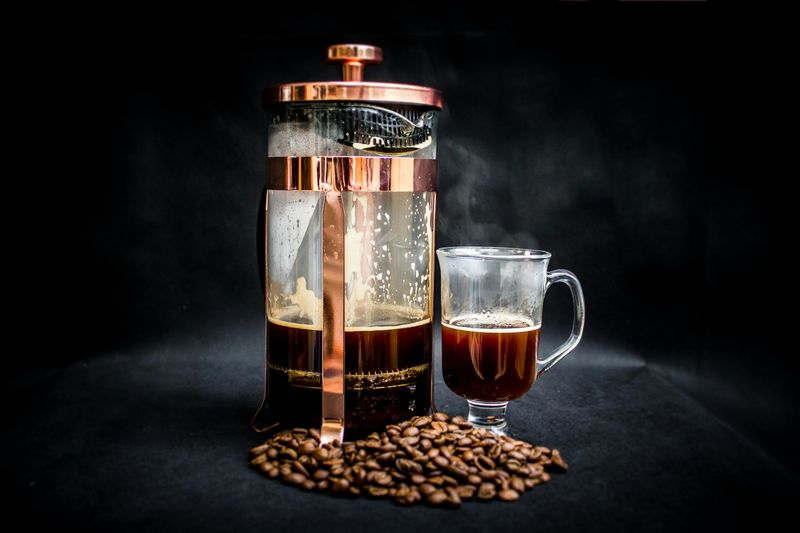
Single origin coffee comes from one region or farm rather than a blend. It is still roasted coffee brewed the usual ways.
Flavor notes can be more distinct, like citrus or cocoa.
If you add cream, many subtleties fade. Blends are designed for balance, single origins for character.
Neither is inherently superior.
Pick what you enjoy and brew consistently. Water quality, grind size, and freshness matter most.
Fancy labels help you explore, but the cup remains familiar comfort.
Matcha latte
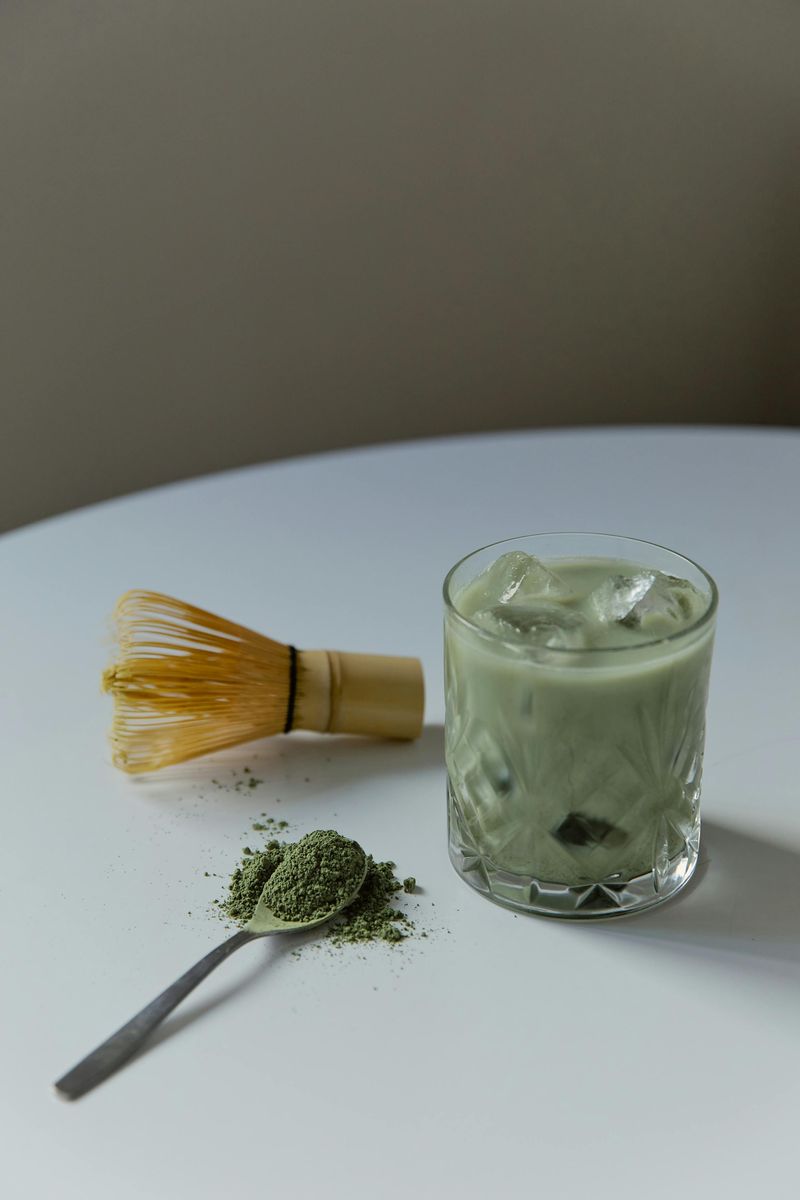
Matcha latte is powdered green tea whisked with hot water and milk. It feels ceremonial, but functionally it is a tea latte.
Sweeteners and vanilla often mask bitterness.
The caffeine is comparable to coffee, with a gentler lift for some. Quality varies wildly, influencing color and flavor.
A cheap grade can taste grassy and dull.
If you enjoy the ritual, great. Otherwise, it is just another creamy warm drink.
Use fresh matcha, sift, and whisk for the best texture.
Foam coffee
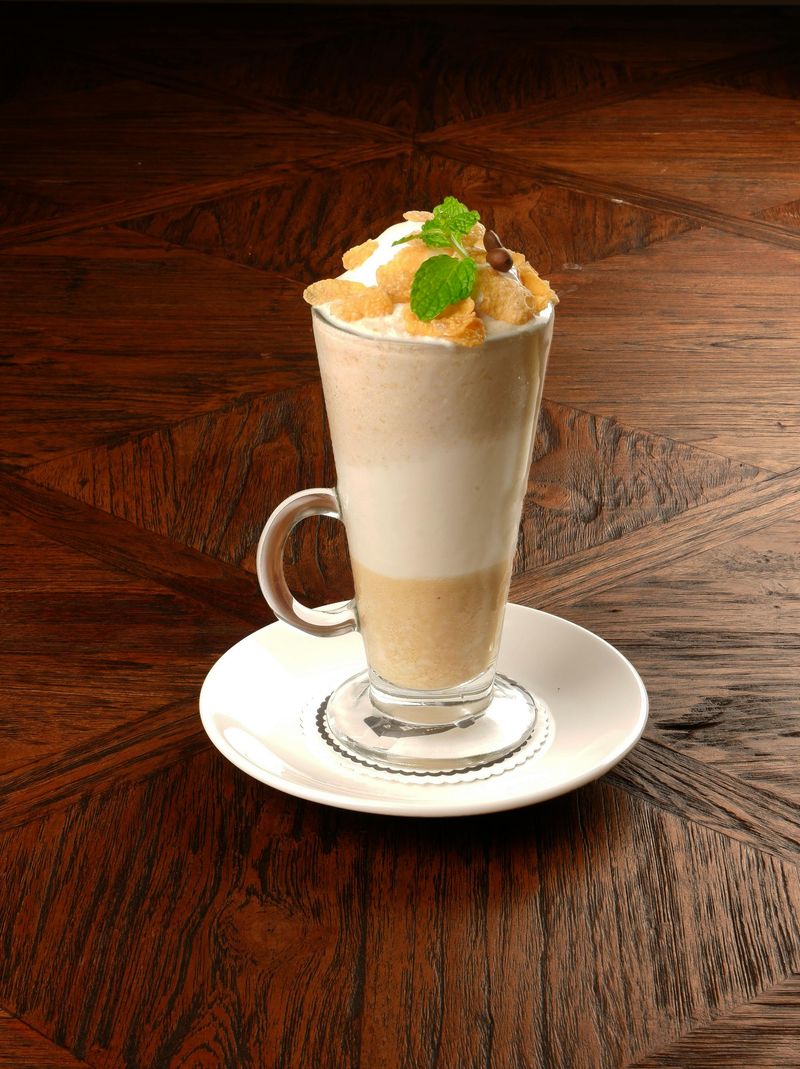
Foam coffee, like dalgona, whips instant coffee with sugar and water into froth. It looks impressive, but it is still coffee plus milk.
The texture sells the experience, not a new beverage category.
Use strong instant coffee and you will get dramatic peaks. Without sugar, the foam collapses quickly.
Underneath, the drink tastes like a sweet iced latte.
Enjoy the show on social media, then sip the familiar flavors. It is fun, simple, and basically a presentation trick.
Deconstructed dessert
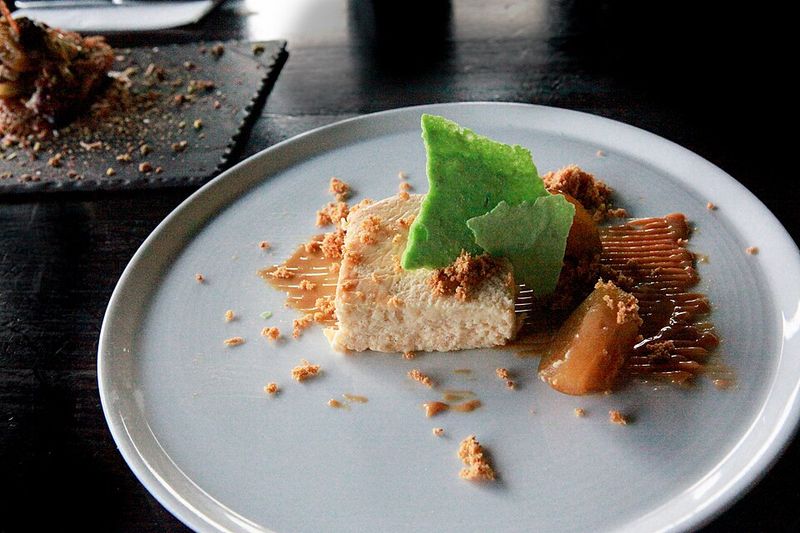
Deconstructed dessert takes a familiar sweet and serves components separately. Cake becomes crumbs, cream becomes a quenelle, and fruit turns into gel.
It looks avant garde, but you are still eating the same parts.
The fun is mixing bites yourself to find balance. When flavors are good, it works.
When not, it feels like a puzzle you did not ask for.
Classic plating tastes identical if ingredients match. The difference is style and control, not substance.
Market price fish
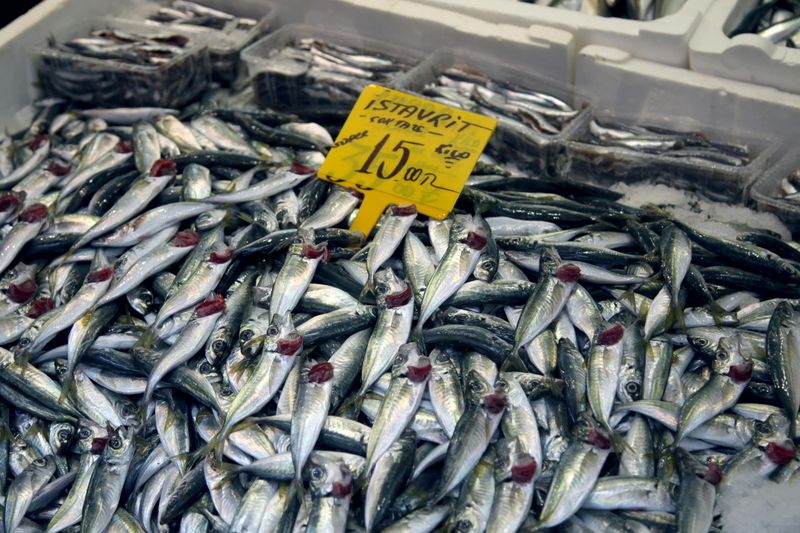
Market price fish sounds mysterious, but it is simply fish priced by availability. You are paying for freshness, seasonality, and sourcing.
The cooking method mirrors other menu items: grilled, roasted, or pan seared.
Ask the weight and preparation to avoid surprises. Often it is a familiar species you have seen before.
The label hides variability, not luxury.
If it looks appealing, go for it. Otherwise, a regular fish entree delivers a similar experience without suspense.
Knowledge beats guesswork every time.
Small plate
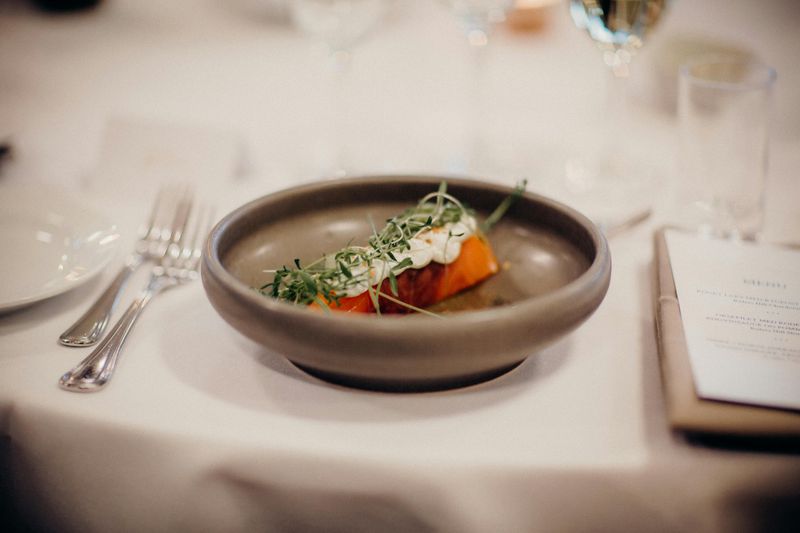
Small plate is a smaller portion designed for sharing. It is still the same dish you might order as an entree, just scaled down.
The format encourages sampling and conversation.
When costs add up, it can exceed a full meal price. You are paying for variety and pacing.
Great for groups, tricky for budgets.
If you are hungry, order a couple plus bread. Otherwise, treat it like appetizers with flair.
The food remains familiar, only the size shifts.
Chef tasting menu
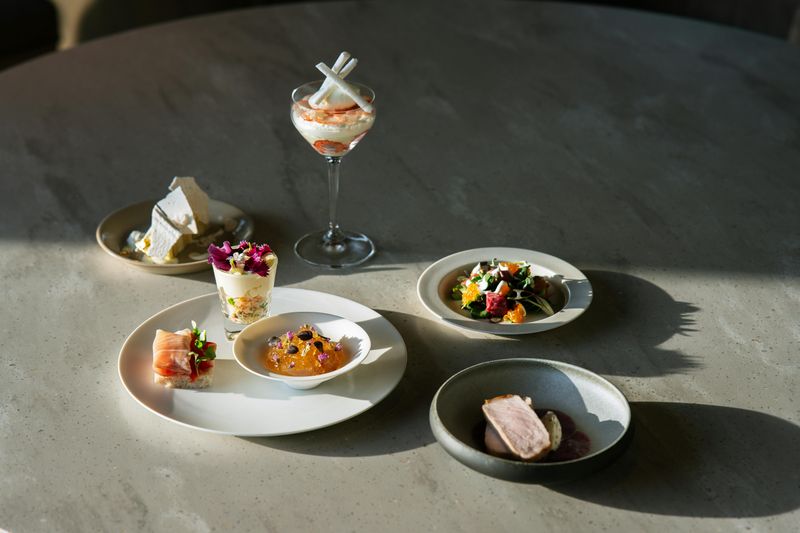
Chef tasting menu strings together many small courses to showcase technique. Despite the ceremony, it is still dinner composed of multiple bites.
You trade choice for curation and pacing.
Ingredients overlap with the regular menu, just portioned and sequenced. Value lies in storytelling and execution.
If you prefer control, a la carte might suit you better.
Either way, you get food, service, and ambiance. Splurge for special occasions, but remember the fundamentals drive satisfaction: flavor, temperature, and hospitality.
Enjoyed this story?
Add Fast Food Club as a preferred source to see more of our reporting on Google.