



If your grocery bill feels shocking lately, you are not imagining it. Everyday staples that used to be no-brainers now make you pause at the shelf and rethink dinner plans.
This list breaks down the quiet price creep on familiar foods and why your cart total keeps jumping. Stick around for smart context and relatable swaps that help you feel in control again.
Bacon
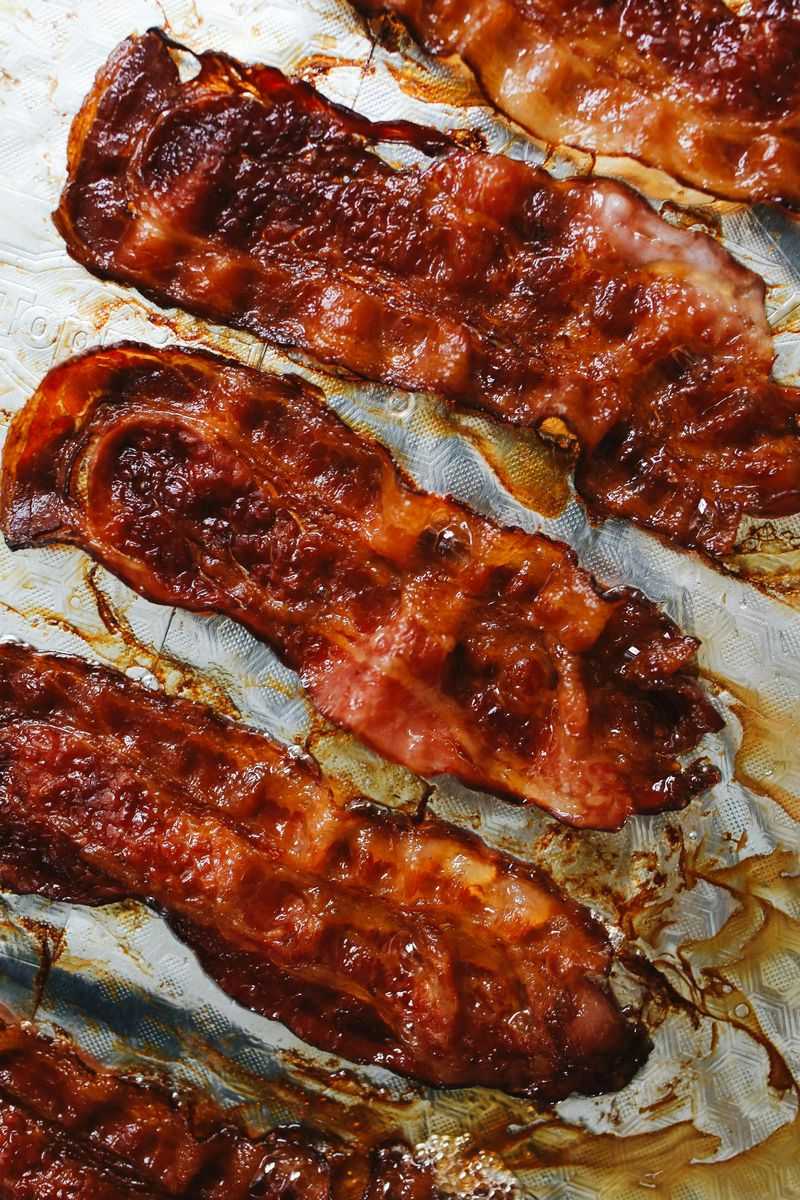
Bacon used to be tossed into carts like an impulse add-on. Now the per-pound price makes you weigh every sizzle.
Pork supply swings, processing costs, and premium branding nudged it from everyday side to weekend luxury. You might ration slices, use crumbles as garnish, or switch to pancetta ends to stretch flavor.
Cooking smarter helps. Bake sheets of bacon to save grease for vegetables and cornbread.
Try smoky paprika or liquid smoke to mimic depth in soups. Breakfast still feels special, just more intentional, with bacon showing up as a cameo instead of the star.
Butter
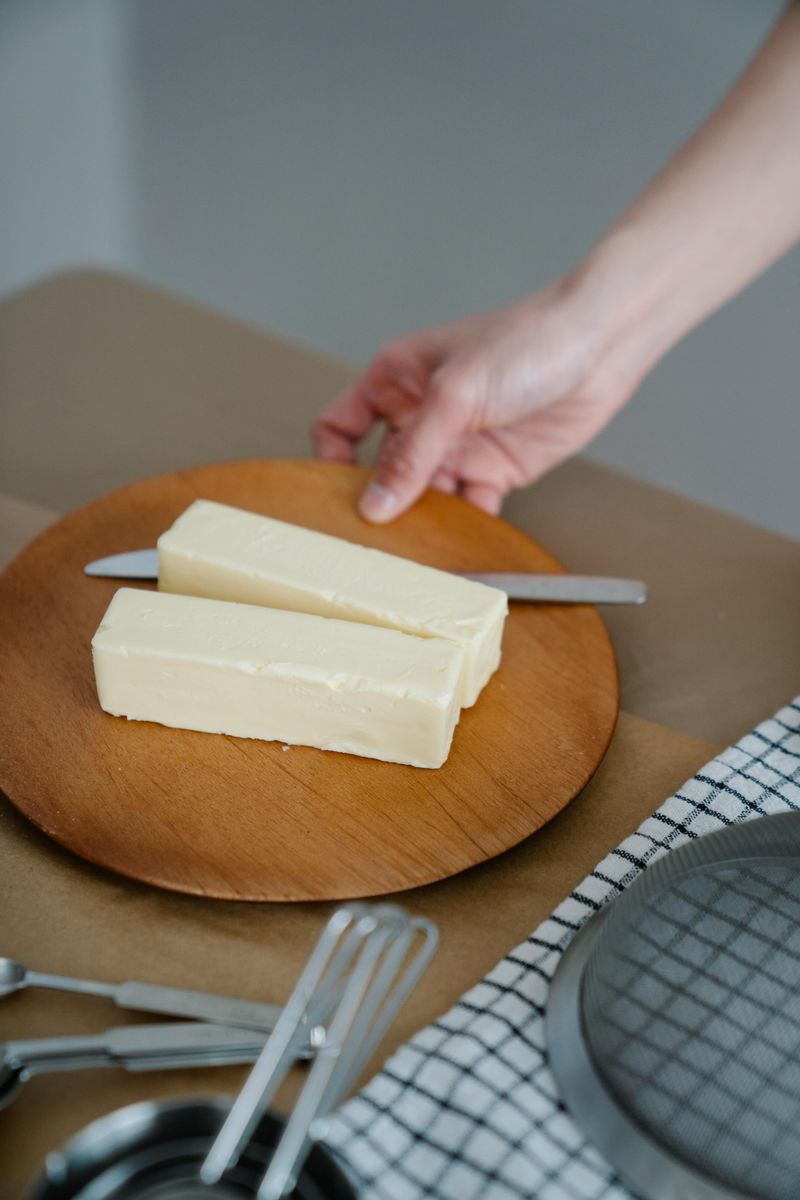
Butter crept up so quietly that your baking day suddenly felt extravagant. Dairy feed costs, labor, and packaging pushed prices higher, while holiday demand magnifies the pinch.
You still crave that rich flavor on toast and in sauces, but you plan bakes, freeze sticks, and watch sales like a hawk.
Smart swaps work. Use browned butter for bigger payoff with less, or blend with olive oil for sautéing.
For pastry, half-butter half-shortening keeps flakiness while trimming cost. You will savor every pat now, treating butter like a finishing touch instead of a casual default.
Olive oil

Olive oil feels like kitchen gold lately. Bad harvests, drought, and global demand turned a pantry staple into something you hide from heavy-handed pours.
You still love its peppery finish on salads and pasta, but each glug carries a tiny wince. Suddenly, decanting into a small cruet looks like smart strategy.
Stretch it thoughtfully. Use neutral oil for high-heat searing and reserve EVOO for finishing.
Buy quality in smaller bottles to protect freshness and avoid waste. Infuse leftovers with herbs or citrus peels to elevate simple dishes.
You are cooking intentionally, not carelessly, and flavor still sings.
Coffee
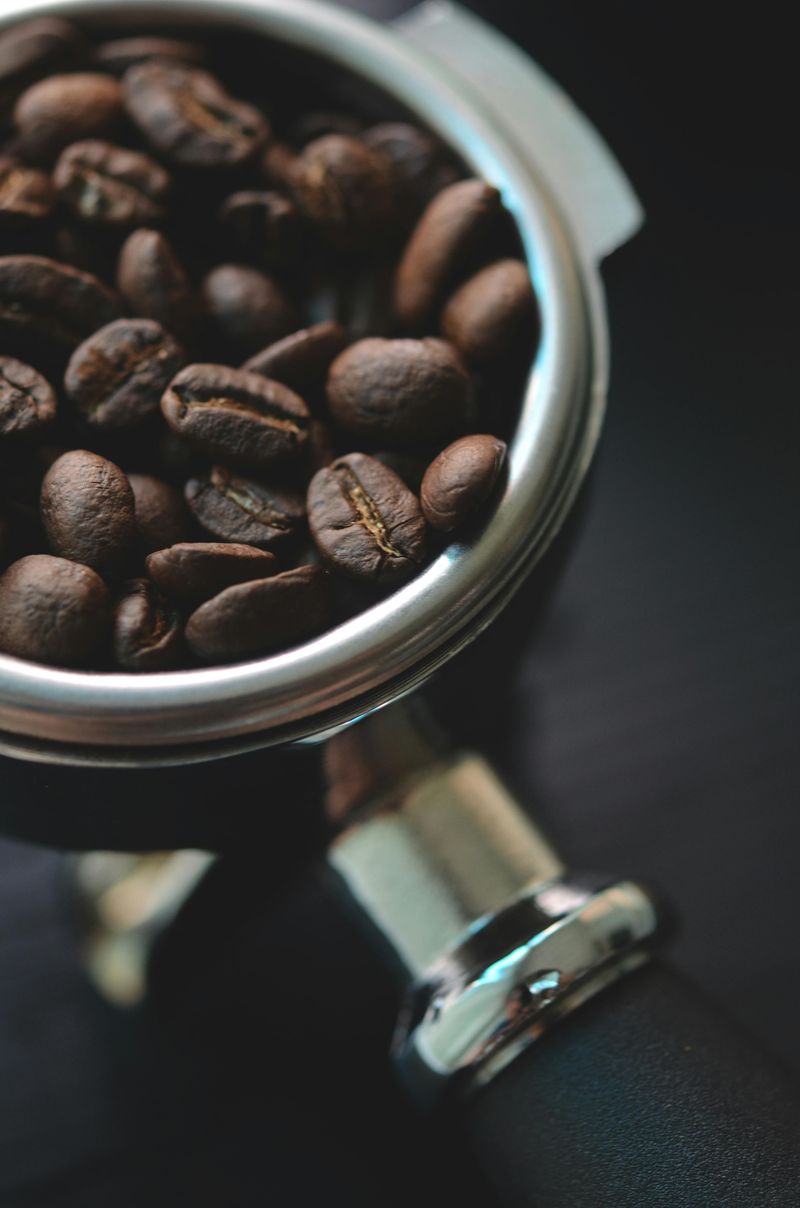
Your morning cup turned into a minor budget meeting. Climate swings, shipping, and specialty branding nudged beans from routine to treat.
You notice shrinkflation in bags and rising cafe prices, pushing you toward home brewing. Still, the ritual matters, so you refine your grind, water, and brew time to get the most.
Practical tweaks help. Buy whole beans on sale, freeze in airtight portions, and blend premium beans with a value roast.
A French press or pour-over maximizes flavor with less coffee. You get barista-level satisfaction without daily cafe costs, and mornings feel intentional again.
Cheese
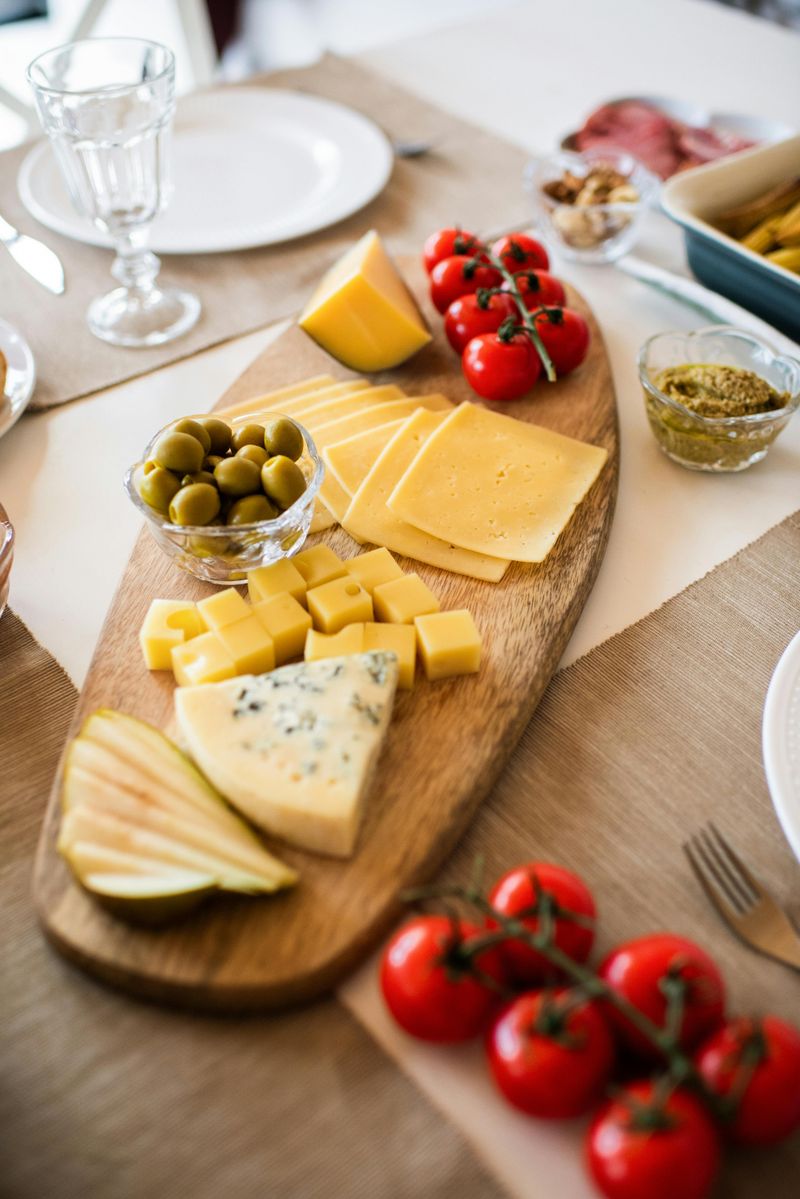
Cheese used to slide into the cart without debate. Now each wedge brings a moment of math.
Milk, aging time, and import costs stack up, especially for specialty varieties. You still crave that melty comfort and sharp bite, but you choose smaller portions and reach for multipurpose blocks that work across meals.
Smart habits help. Grate your own to avoid premium shreds and extend freshness.
Freeze portions of hard cheeses, and use parmesan rinds in soups for big payoff. Cheeseboards shift from casual snacking to intentional hosting, with fewer choices but every bite cherished.
Ground beef
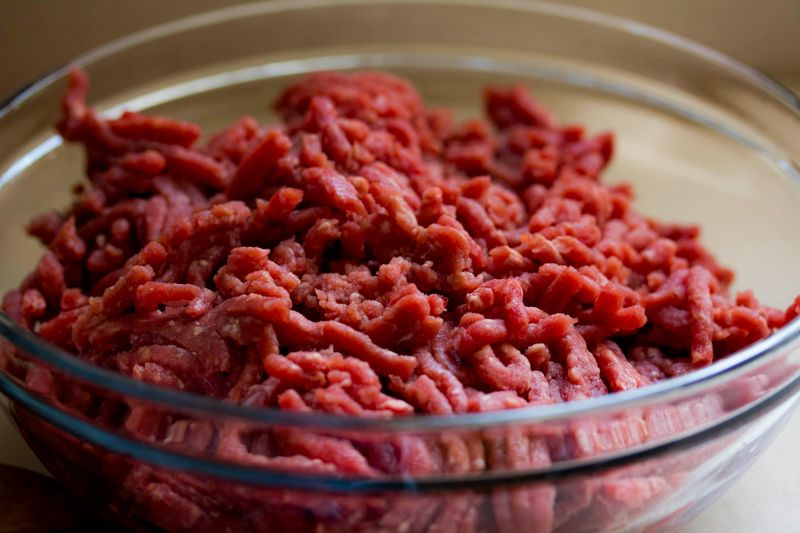
Ground beef once anchored budget meals. Between feed prices, processing, and demand for convenient lean blends, it no longer feels like a slam dunk.
Tacos, burgers, and meatloaf still tempt, but you stretch portions with beans, mushrooms, or lentils. Smaller patties and smashed burgers give texture and flavor without overdoing it.
Buying tips matter. Watch for family packs, portion and freeze flat for quick thaws.
Brown once, then season batches for flexible weeknight use. You will still enjoy juicy burgers, just crafted with intention.
The goal is satisfaction without shock at the register or waste in the fridge.
Chicken wings
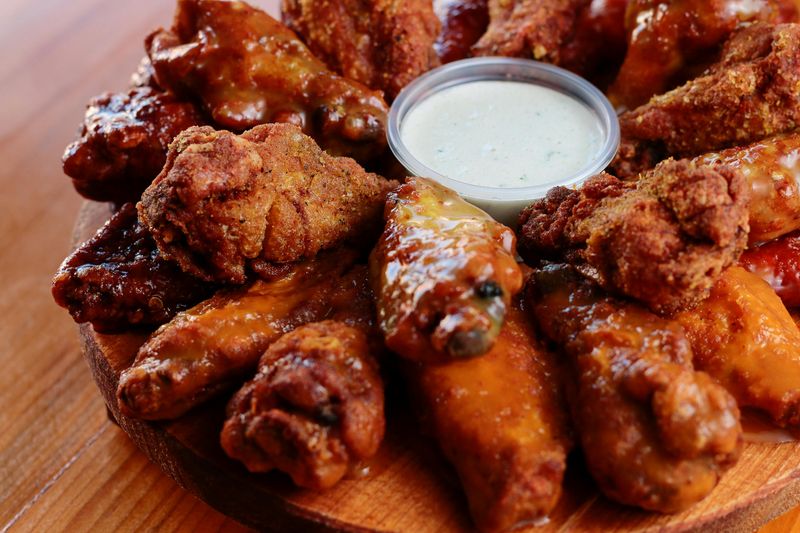
Wings used to be the cheap party hero. Now restaurants and stores both treat them like prime cuts.
Processing bottlenecks and demand from game days pushed prices up, while drumettes command a premium. You still crave that sticky heat, but you consider whole chickens and break them down to score better value.
Smart swaps help. Roast thighs for juicy meat and crisp skin, then toss in wing sauce.
Or try air-fryer cauli wings for a snacky fix. When wings are non-negotiable, buy plain and sauce at home.
The craving gets satisfied without paying top-dollar markup.
Beef steak
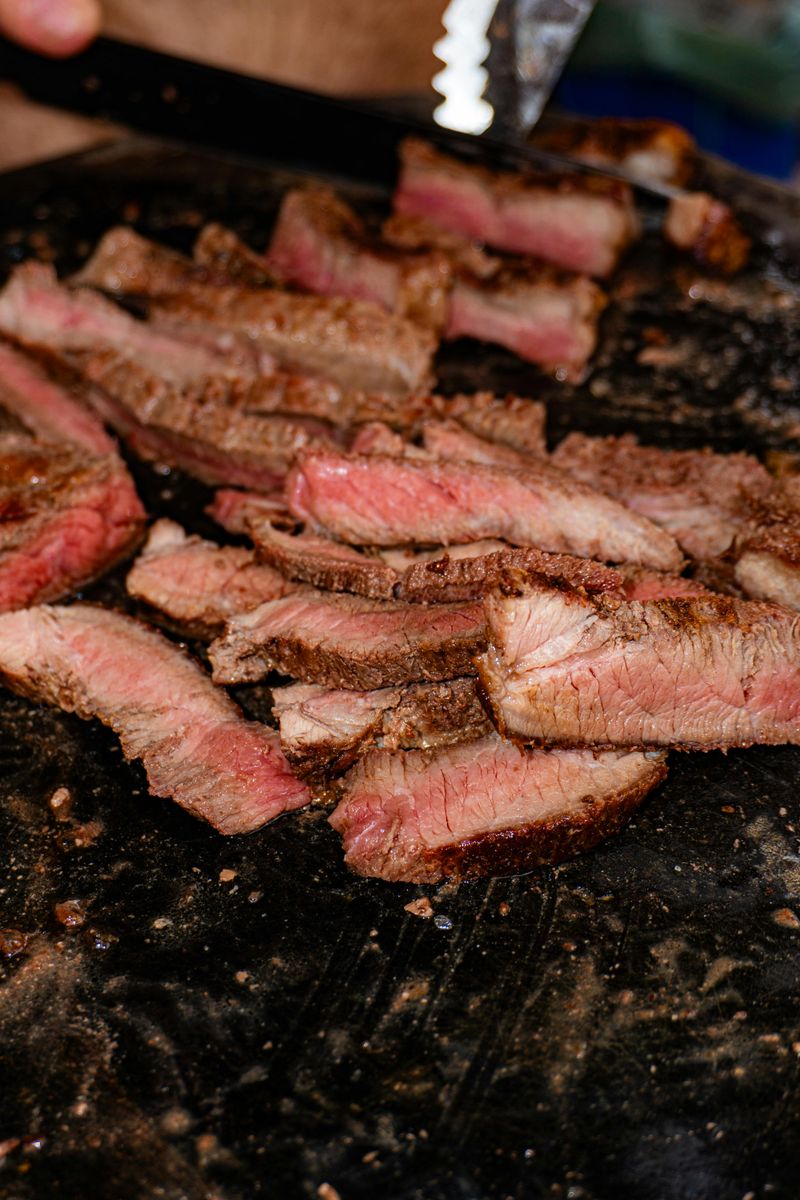
Steak night transformed from casual treat to calendar event. Feed costs, aging, and demand for marbled cuts made ribeye and strip feel luxurious.
You still want that sizzling crust, so you plan around sales, choose thinner cuts, or marinate sirloin for tenderness. Cooking becomes deliberate, with thermometers and rest times dialed in.
Value strategies matter. Reverse sear for precision, then slice thinly to stretch portions across bowls and salads.
Explore bavette or chuck eye for steakhouse vibes without the premium. When it is special, it is truly special, and every bite tastes like a plan coming together.
Salmon
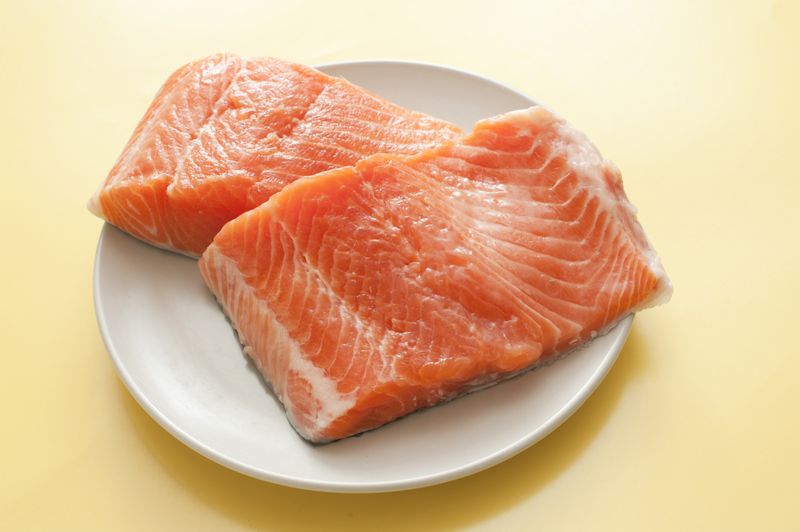
Salmon took a leap from weeknight regular to splurge. Feed, fuel, and environmental pressures raised prices on farmed and wild alike.
You still love its buttery flakes and omega-3 glow, but you portion carefully, choosing center cuts or frozen fillets to manage cost. Citrus, herbs, and a hot pan turn simple into special.
Smart moves help. Buy frozen when fresh spikes, and portion into two-ounce flake add-ins for salads and bowls.
Try tinned salmon for patties and lunches. You will still enjoy seafood nights, just with a keener eye on value and zero waste in the process.
Fresh shrimp
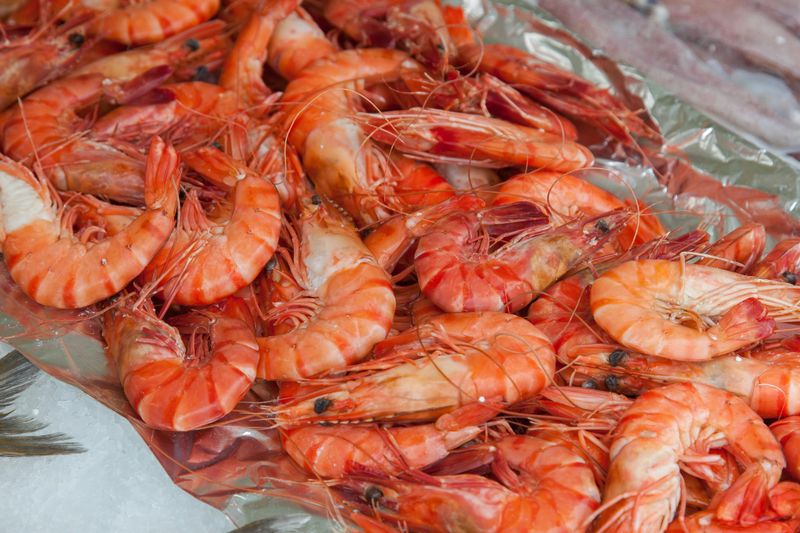
Shrimp used to feel like the affordable seafood that dressed up any dinner. Now per-pound prices make scampi a conversation.
Labor, import costs, and transport all add up, and peeled-deveined convenience climbs higher still. You pivot to frozen bags, defrost gently, and reserve the shells for stock to squeeze out every ounce of value.
Technique stretches flavor. Quick brines keep shrimp juicy, while high-heat sears give snap.
Mix with vegetables and noodles so a smaller portion goes further. When buying fresh, shop sales and buy by weight, not by package size games.
Dinner still feels classy without overspending.
Avocados
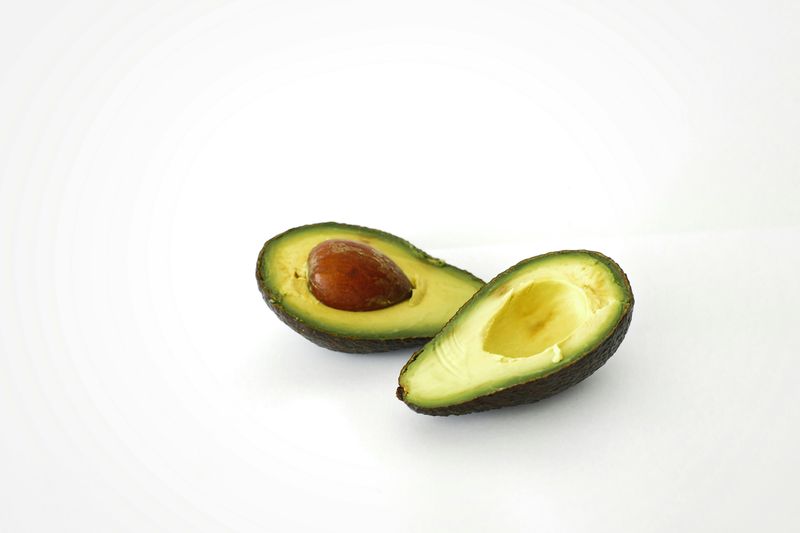
Avocados rode the popularity wave straight into premium territory. Weather, labor, and transport hiccups tighten supply, and ripe-ready branding nudges costs even higher.
You still want silky toast and guacamole, but you plan ripening windows and treat each fruit like treasure. No more forgotten browning halves hiding in the fridge.
Make them count. Buy firm, stagger ripeness, and store with other produce smartly.
Mash with peas or edamame to stretch guac without losing vibe. For sandwiches, thin slices deliver creaminess without using a whole fruit.
Avocado moments feel intentional now, and the payoff tastes like money well spent.
Berries
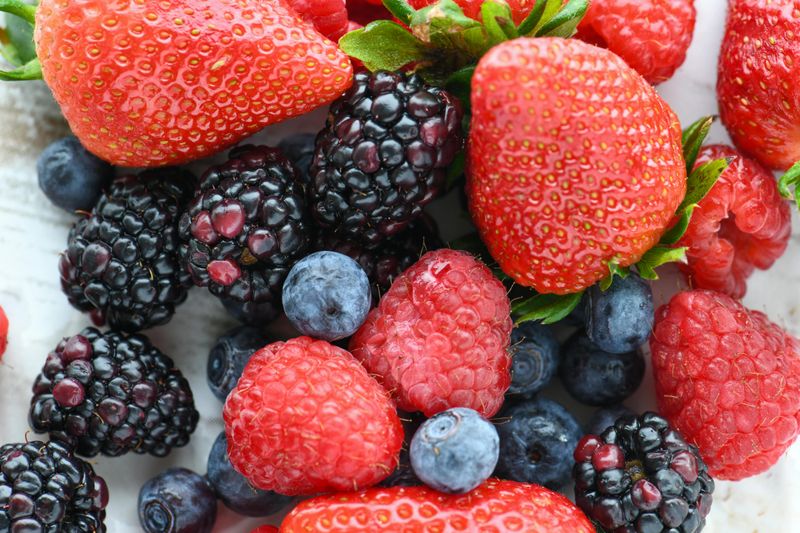
Berries promise sunshine in a bite, but prices can cloud the mood. Fragile fruit means careful handling, fast shipping, and higher losses, which you pay for.
You still crave them over yogurt or pancakes, so you buy smaller packs, freeze extras, and lean on frozen blends for smoothies. Waste is the real splurge.
Smart habits help. Rinse only right before eating, and use paper towels to wick moisture.
Macerate tired berries with a little sugar and lemon for sauce. Frozen berries bake beautifully, and a handful brightens oatmeal.
You still get the brightness without tossing money with moldy leftovers.
Cooking oil
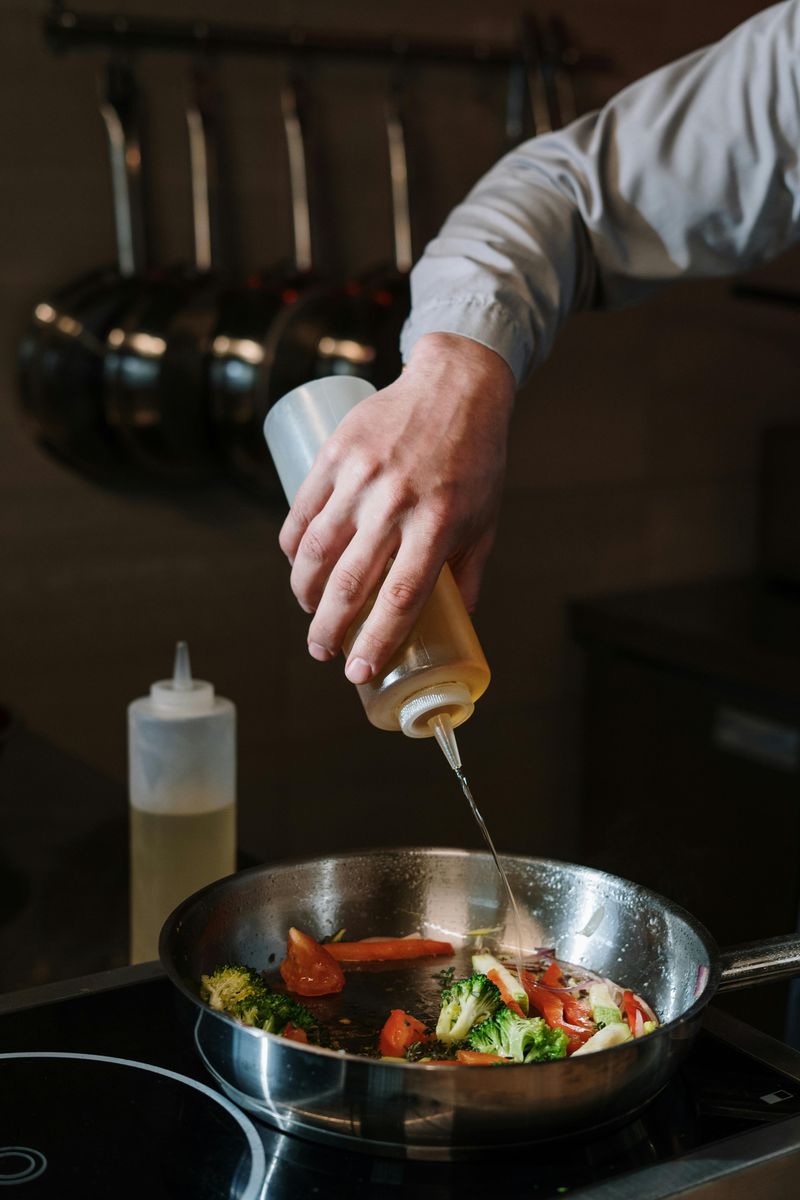
Even basic cooking oils climbed, squeezed by crop yields and global demand. The big jugs that once felt cheap now require a pause.
You still need them for frying and baking, but you pick versatile options, watch unit prices, and stash smaller bottles to avoid stale leftovers. Splurging on specialty oils becomes rare.
Use heat wisely. Save high-smoke-point oils for searing, and reuse fried oil after straining when appropriate.
For baking, substitute applesauce or yogurt in some recipes to reduce oil load. A measured pour and sharp eye on sales make a real dent without sacrificing your favorite crispy textures.
Bread loaf
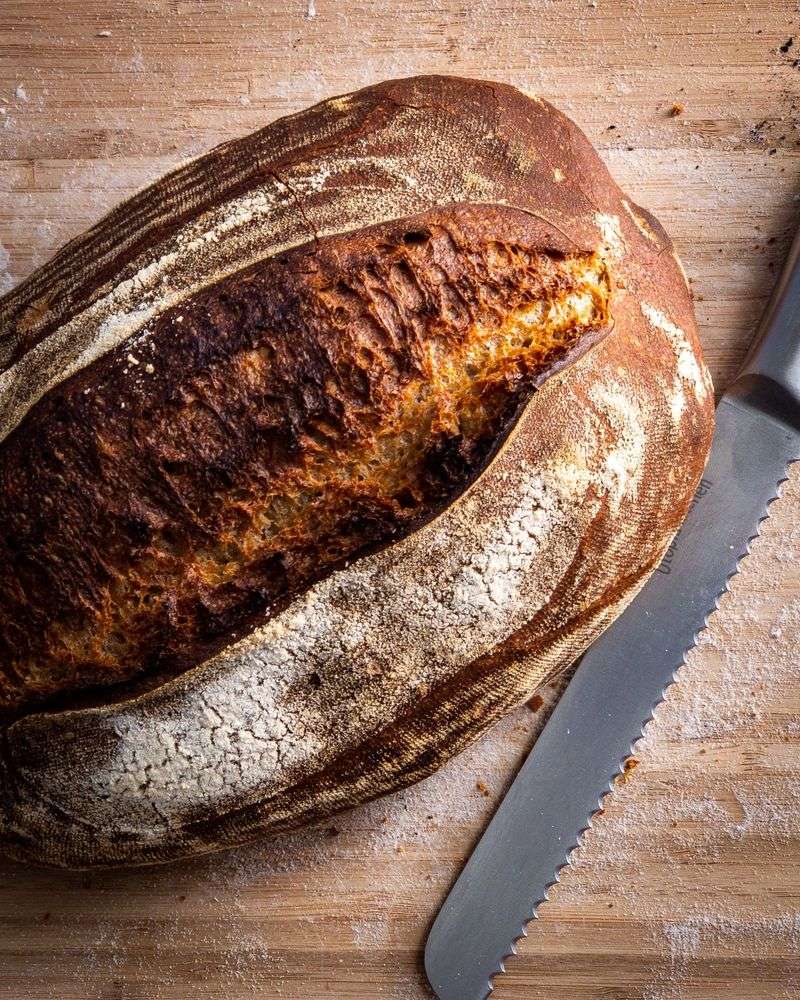
The humble loaf became a quiet splurge. Flour, labor, and bakery overhead raise costs, and artisanal trends push prices further.
You love the crackle of crust and soft crumb, but you freeze slices, revive with a toaster, and plan for zero waste. Still, a good loaf can turn soup into a meal.
Stretch it smartly. Stale ends become croutons, breadcrumbs, and savory strata.
Try no-knead home loaves when time allows. For sandwiches, thinner slices satisfy without shortchanging texture.
When you do buy premium, it earns its place, making breakfasts, lunches, and snacks feel comforting and complete.
Cereal
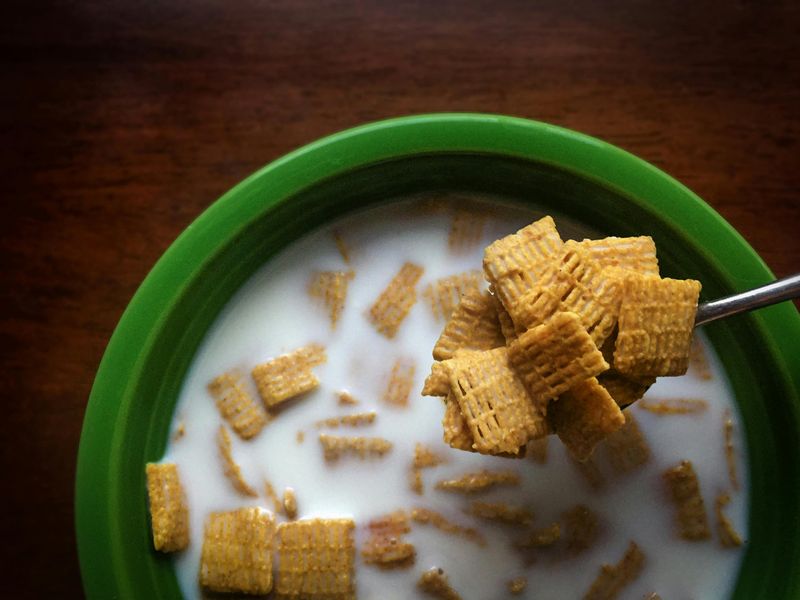
Cereal aisles now read like tiny luxury boutiques. Grain costs, branding, and endless flavors raise sticker prices, while boxes seem lighter.
You still love a fast bowl, but you track unit prices and stock up during sales. Pairing cereal with plain oats stretches sweetness and crunch without doubling your budget.
Choice matters. Go for simple, less-sugary options that satisfy with smaller portions.
Store in airtight containers to keep every ounce crisp. When breakfast needs speed, cereal remains handy, just not a mindless pour.
A little planning keeps the crunch while taming the creeping costs, especially for growing appetites at home.
Chocolate
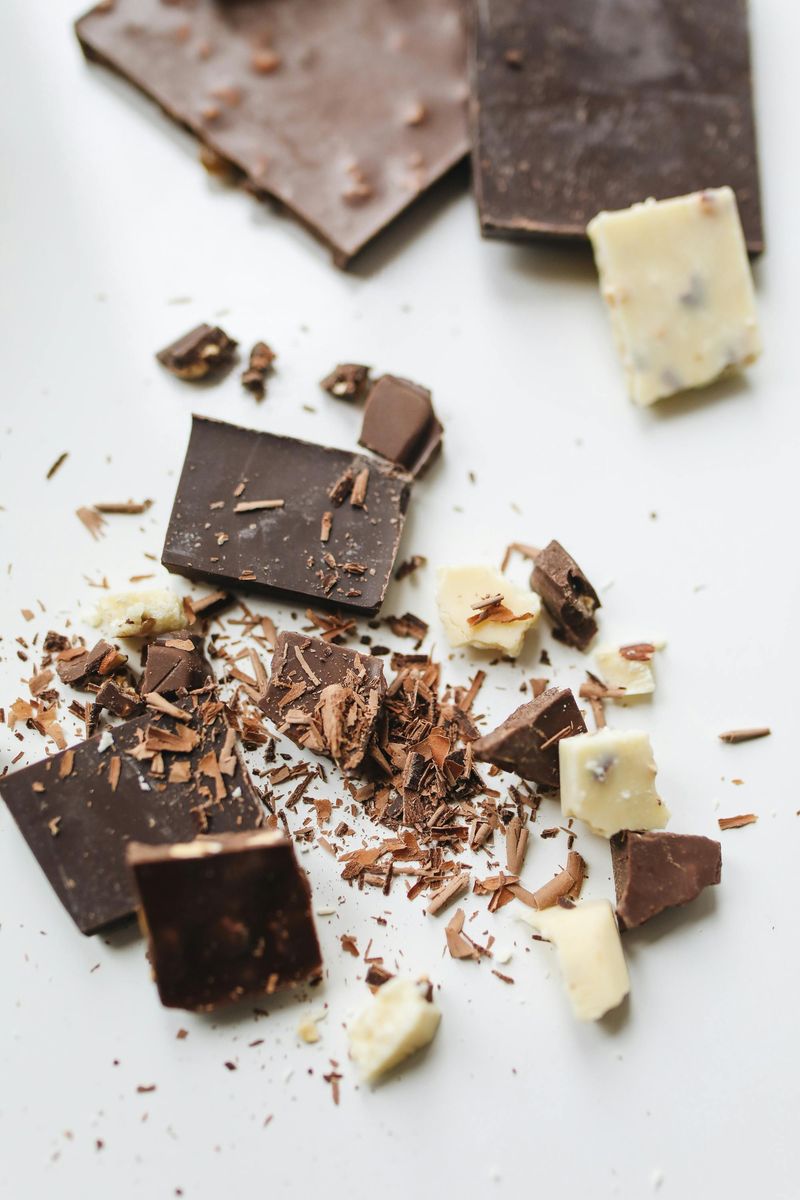
Chocolate turned into a tiny splurge with every square. Cocoa supply challenges, climate issues, and higher processing costs ripple into the final bar.
You savor it more slowly now, choosing darker varieties that deliver deeper flavor with less. Gone are the days of grabbing multiple bars thoughtlessly at checkout.
Make it count. Store properly to avoid bloom, and melt carefully for baking so none scorches.
Upgrade brownies with a small amount of high-quality chocolate for bigger payoff. If cravings hit, hot cocoa concentrates flavor efficiently.
Treats feel intentional, and a few mindful bites deliver the comfort you want.
Frozen meals
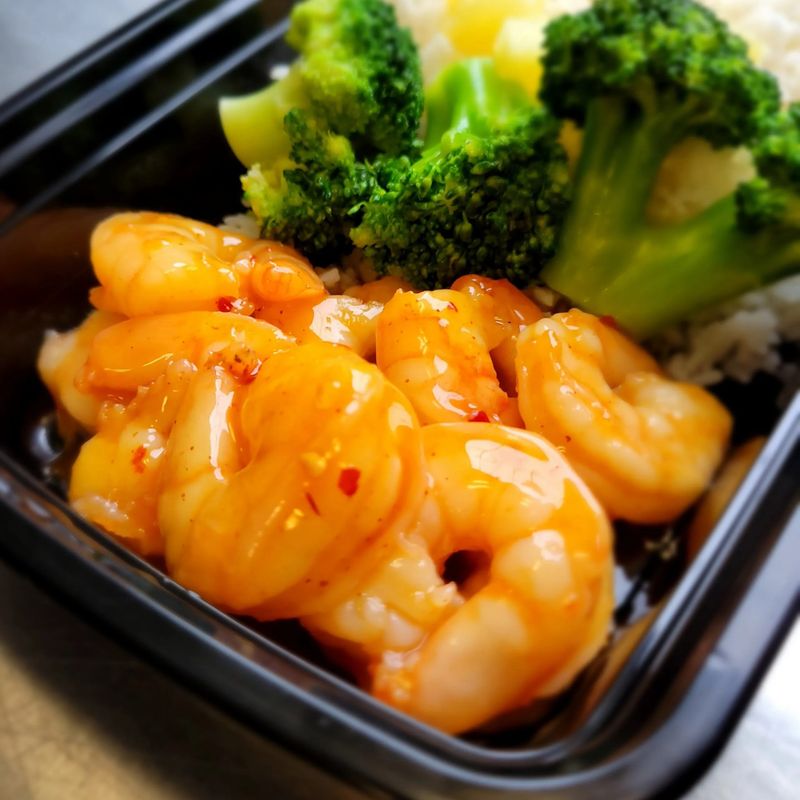
Frozen meals used to be budget backup plans. Now convenience carries a premium, especially for protein-heavy, air-fryer-friendly options.
You still appreciate the ease on busy nights, but you spot shrinking portions and rising prices. Batch cooking on weekends and freezing portions gives you that same convenience without the markup.
Smart picks help. Choose simpler ingredient lists and add your own vegetables.
Grab multi-pack deals and rotate flavors to avoid fatigue. When you do splurge, pair with a homemade side.
The freezer becomes a toolkit, not a crutch, and weeknights feel calmer without sabotaging your budget goals.
Snack cakes
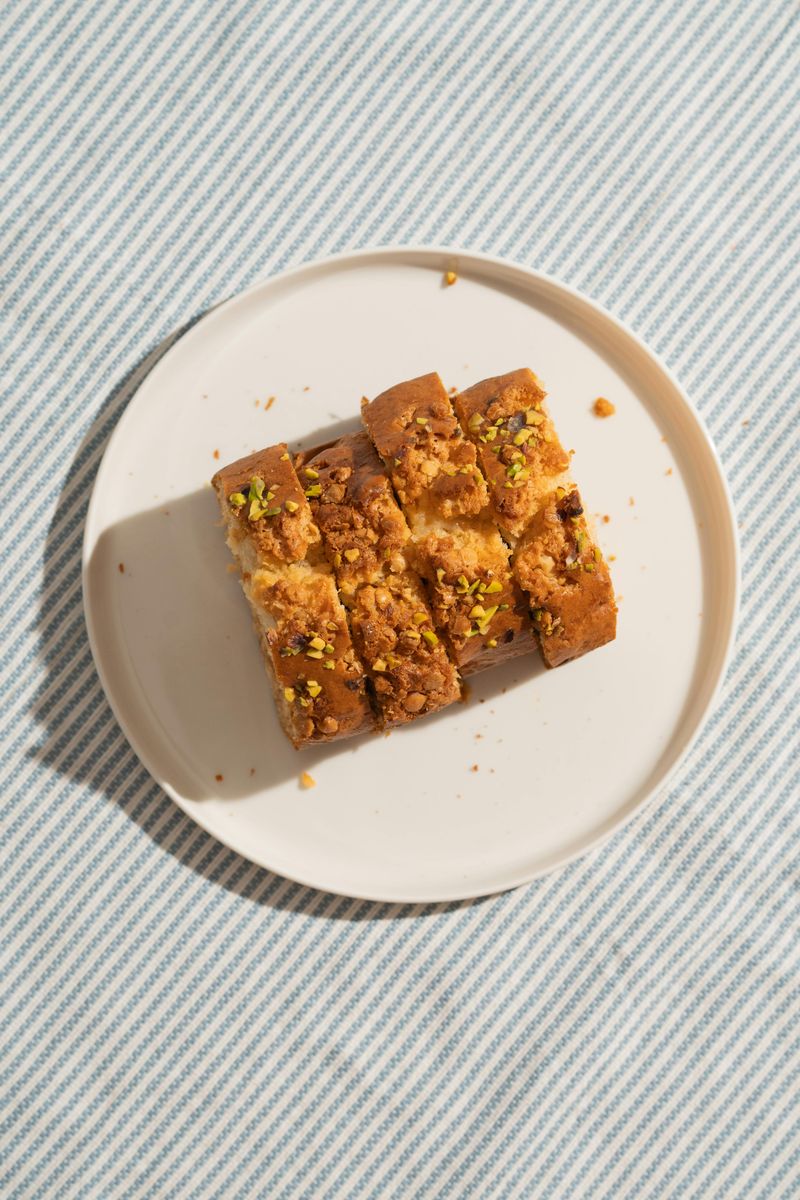
Snack cakes once felt like cheap little joys. Now boxes creep upward in price while portions seem smaller.
You still want that nostalgic bite, but you ration them for lunchbox surprises or Friday treats. Sometimes a quick mug cake or homemade batch satisfies the craving while keeping costs and ingredients in your control.
Strategy helps. Buy on sale and freeze individually for freshness.
Pair with fruit so one cake feels enough. When the mood hits, a bakery clearance rack can deliver delight without full price.
Small indulgences still fit your life, just more thoughtfully scheduled and savored.
Peanut butter
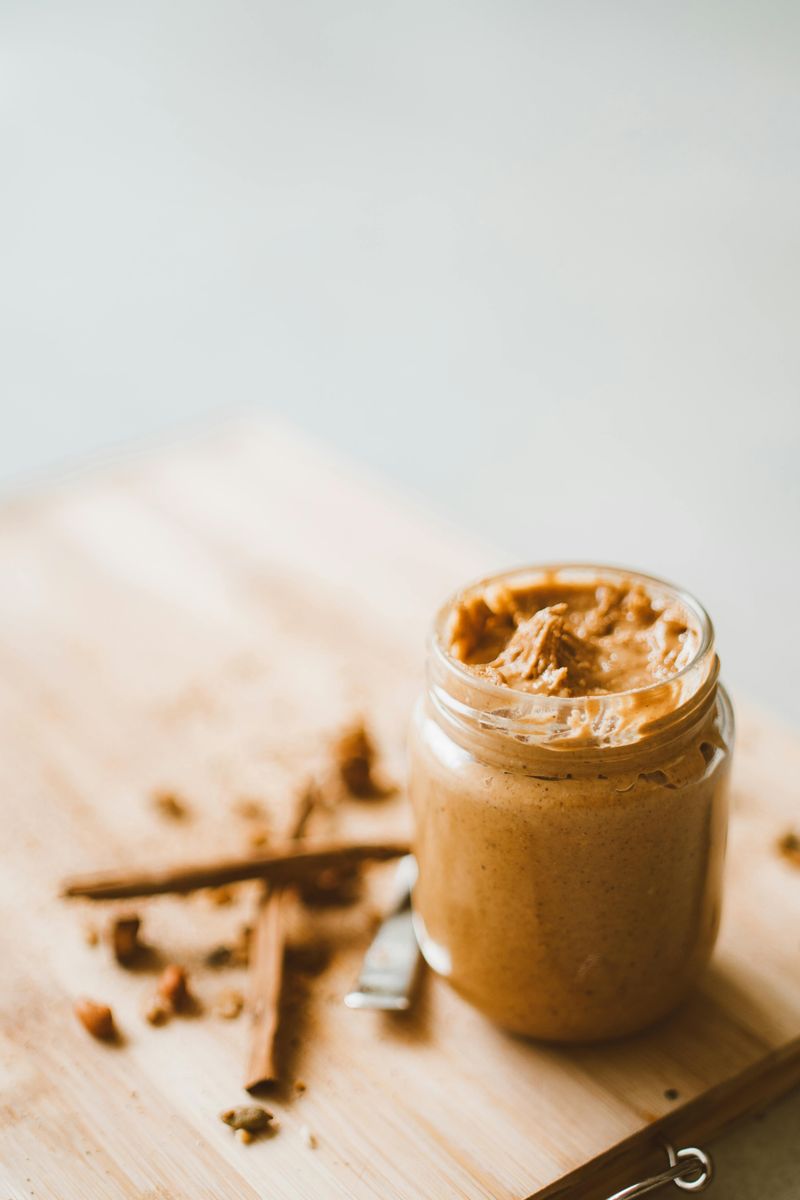
Peanut butter used to be the dependable budget protein. Crop swings, processing, and brand premiums nudged it upward, especially for specialty grinds and add-ins.
You still love PB on toast, smoothies, and noodles, but you track unit costs and consider store brands. Stir-in natural jars feel worth it when you use every spoonful.
Stretch the jar. Make sauces that blend peanut butter with soy, lime, and chili for bold payoff.
For snacks, pair with apple slices so a little goes far. Store upside down to help mixing.
Your sandwiches still slap, just with smarter scoops and fewer impulsive refills.
Eggs
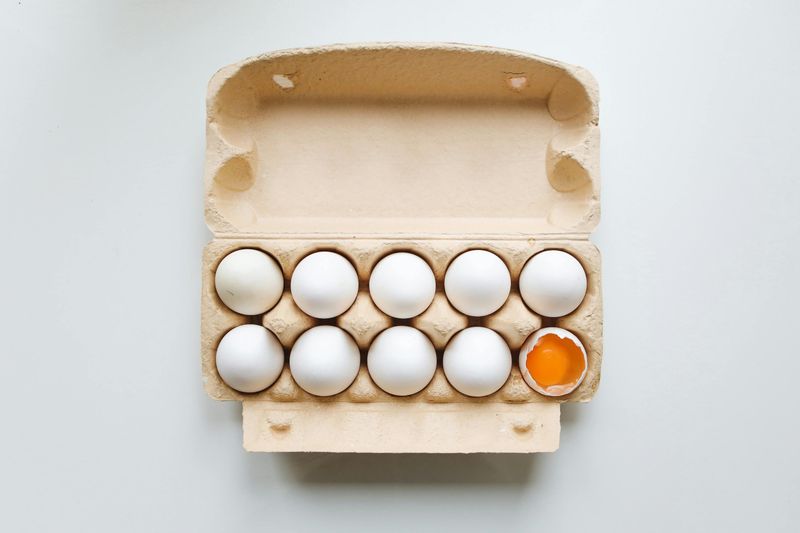
Eggs used to be the go-to budget protein, a reliable backup when everything else felt pricey. Lately, sticker shock hits before you even open the carton, thanks to supply disruptions, feed costs, and disease outbreaks tightening supply.
You still reach for them because they are versatile, but you plan omelets more carefully now.
Strategies help. Buy larger cartons when on sale, and freeze extra beaten eggs in portions.
Consider baking less often or swapping in flax eggs for some recipes to stretch cartons. When brunch cravings strike, breakfast-for-dinner becomes a planned treat instead of a default.
Enjoyed this story?
Add Fast Food Club as a preferred source to see more of our reporting on Google.