


Some foods feel like old friends you lost touch with. You loved them once, swore by them, and suddenly they just stopped showing up in your cart.
Maybe tastes changed, labels got longer, or the price outgrew the nostalgia. Here are the classics many people quietly let go of, and why you might have too.
Snack cakes
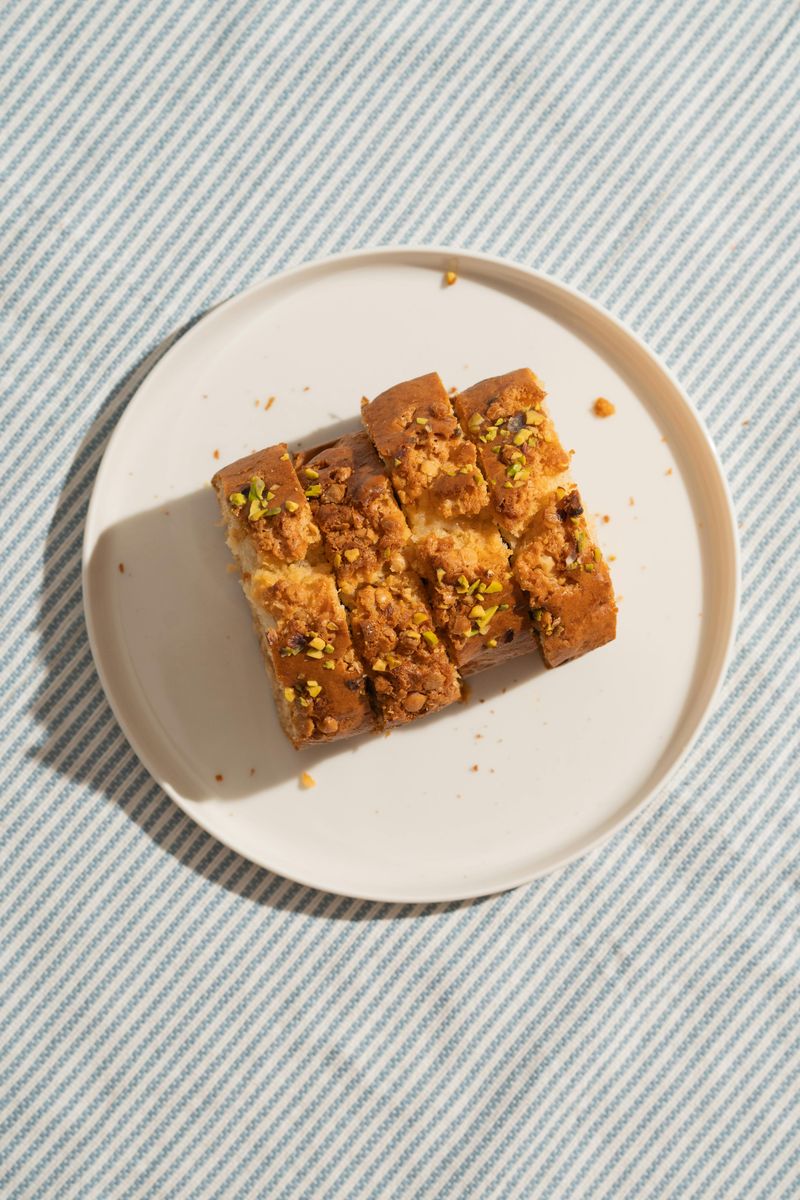
Remember those after-school snack cakes you could inhale in two bites. They delivered sweet relief, but also a sugar crash you did not notice back then.
As labels got clearer, the list of oils, syrups, and preservatives felt louder. Suddenly, that soft sponge seemed more like a science project than a treat.
Portions shrank while prices climbed, turning nostalgia into a budget decision. Plenty of people now reach for bakery items or fruit instead.
The convenience is tempting, yet the flavor feels flatter than memory. You might still crave one, but buying a whole box feels like committing to regret.
Pudding cups
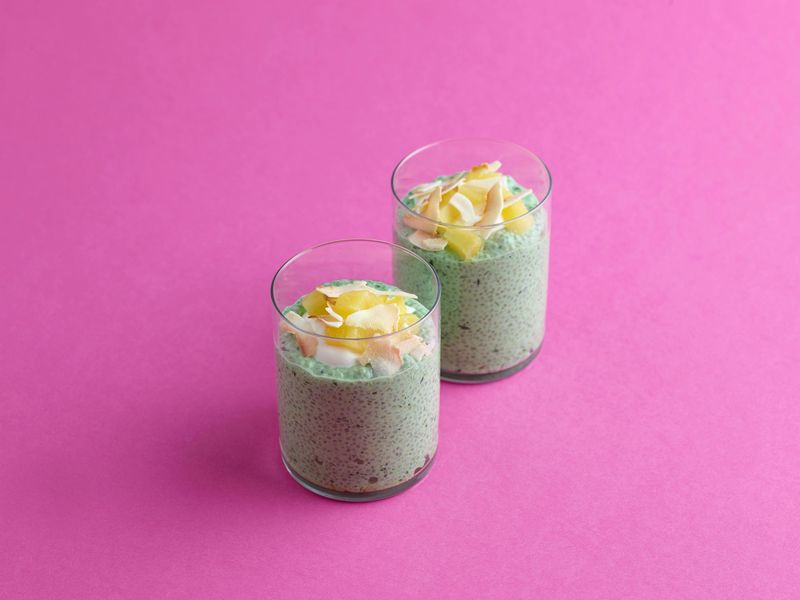
Pudding cups used to feel fancy in a lunchbox. Peel the foil and there was instant comfort, smooth and sweet.
Over time, though, the texture can taste oddly uniform, more thickeners than dairy. With rising interest in protein and simpler ingredients, many people swapped these for yogurt or homemade chia pudding.
They also take up space and create plenty of plastic waste. Reusable jars or larger tubs feel smarter and cheaper.
Add in flavor fatigue and the thrill fades. You still spot them in the store, but your hand drifts past, remembering how you never finished the last pack.
Fruit snacks
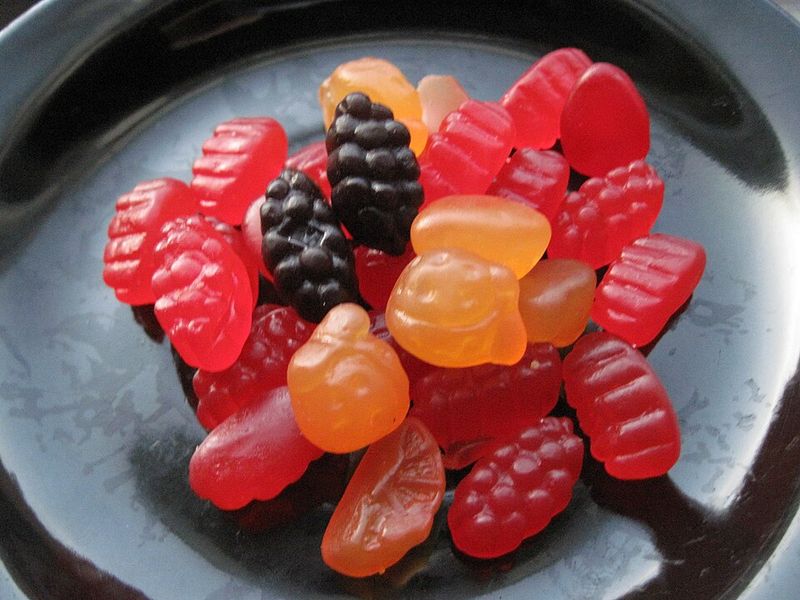
Fruit snacks once posed as fruit, but most of us figured it out. The bright colors and stick-to-teeth texture scream candy.
Labels listing concentrates and corn syrup turned off health-conscious shoppers. Parents especially traded them for real fruit, dried fruit without added sugar, or squeezable applesauce.
The pouches also vanish fast, making budgeting tough. And that gummy residue lingers, not dentist approved.
Nostalgia survives, but the everyday habit faded. When you crave something chewy, you might choose better-ingredient gummies or a handful of berries.
The fun shapes are still cute, yet the cart moves on.
Lunchables
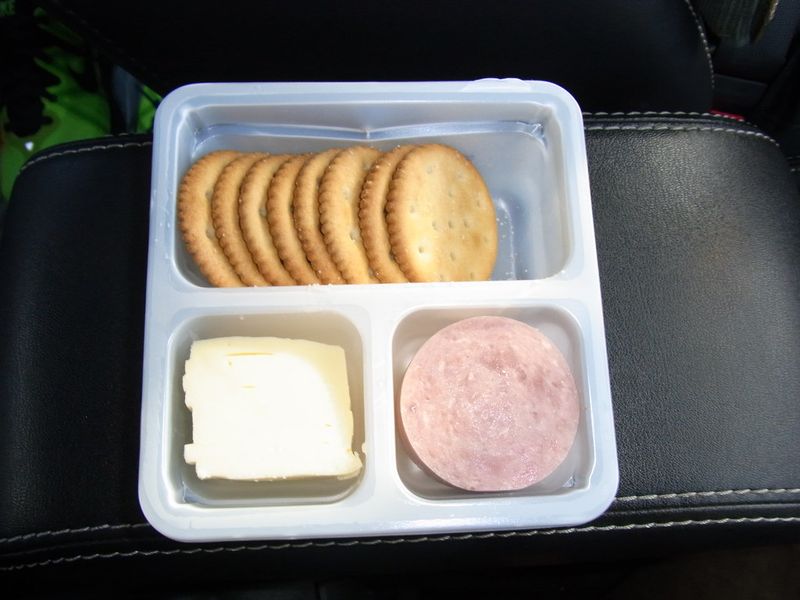
Lunchables felt empowering because you assembled your own meal. But the slices always tasted a little plasticky, and the crackers went stale fast.
As budgets tightened, paying for extra packaging and tiny portions felt silly. Many people now build bento-style lunches with real cheese, fresh fruit, and leftovers.
Ingredient lists with stabilizers and added sugars made the shine dull. Plus, the sodium hits hard.
Convenience is great, yet prepping a few grab-and-go boxes on Sunday saves money and tastes better. You might keep one for emergencies, but routine buying.
That quietly stopped when your taste buds grew up.
Canned ravioli
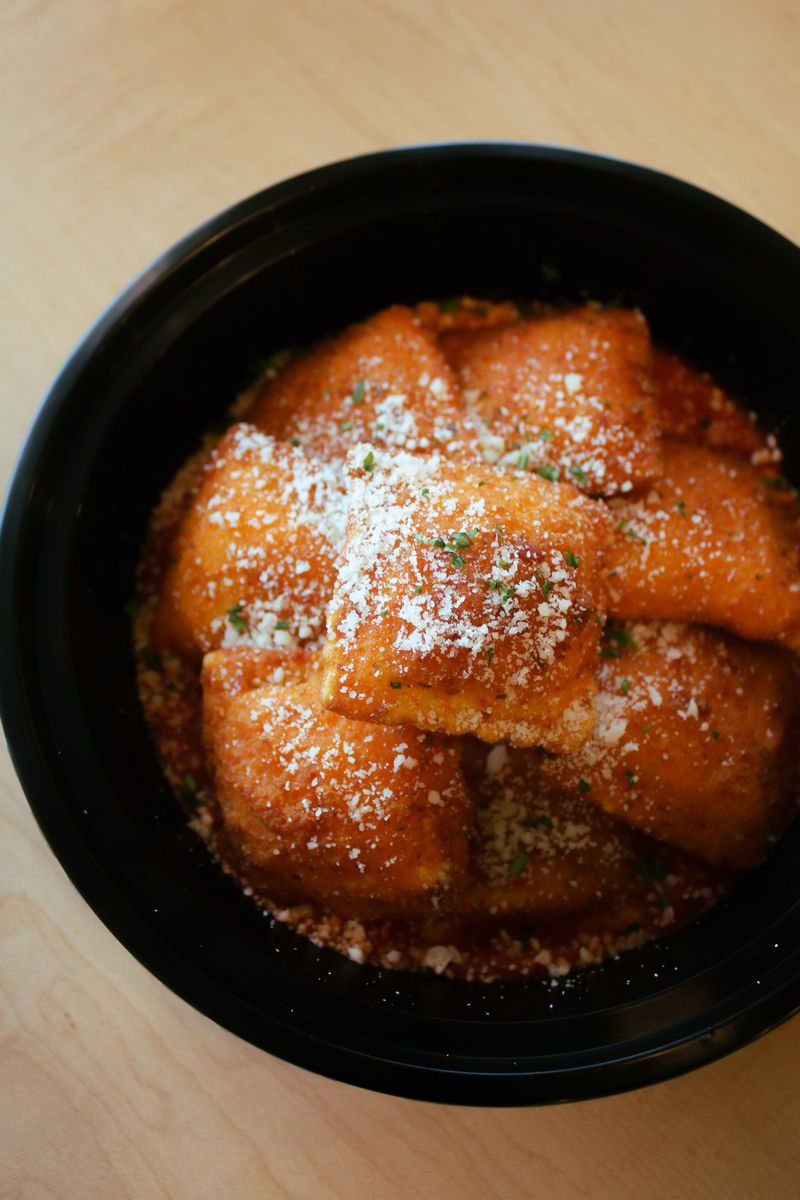
Canned ravioli offered weeknight relief, heat and serve with minimum thought. Then the sauce started tasting metallic, and the pasta edges felt mushy.
As more shelf-stable, higher-quality sauces and frozen pastas appeared, the compromise lost appeal. You can keep a jar of good marinara and boil real ravioli in minutes.
Price creep did not help. And sodium counts that rival soups make it a sometimes food at best.
Nostalgia for that orange-red sauce remains, but most palates prefer brighter flavors now. A quick pantry pasta with beans and greens delivers comfort without the can aftertaste.
Cheese spread
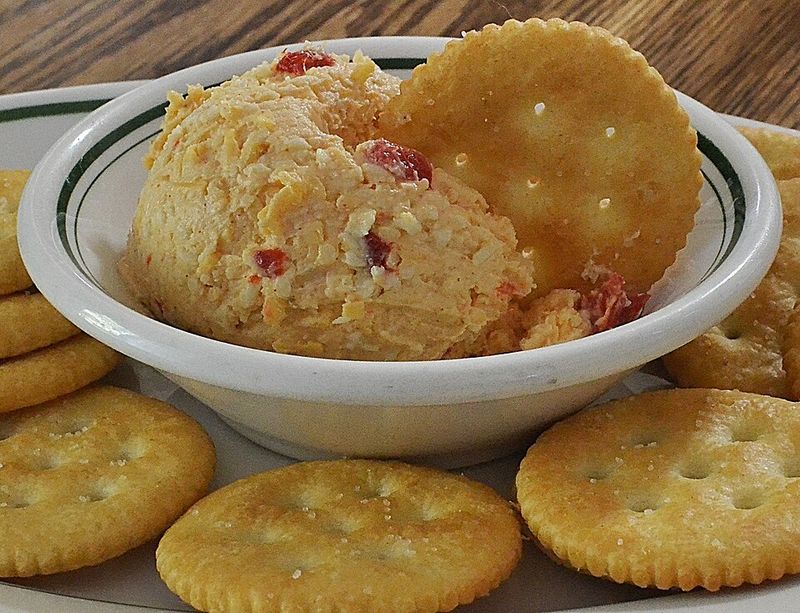
Jarred cheese spread lived on party trays and late-night snacks. It spreads smooth, but the flavor lands flat compared to real cheddar or brie.
Ingredient decks loaded with emulsifiers and colorings pushed many shoppers toward block cheese or whipped feta. Once you start grating fresh cheese, the jar gathers dust.
Prices rose, and the jar size shrank. Meanwhile, snack boards got trendier, rewarding real textures and variety.
Add a little honey or olives and you forget cheese spread ever held court. It still works in a pinch for retro dips, but weekly buying slipped quietly away.
Powdered drink mix
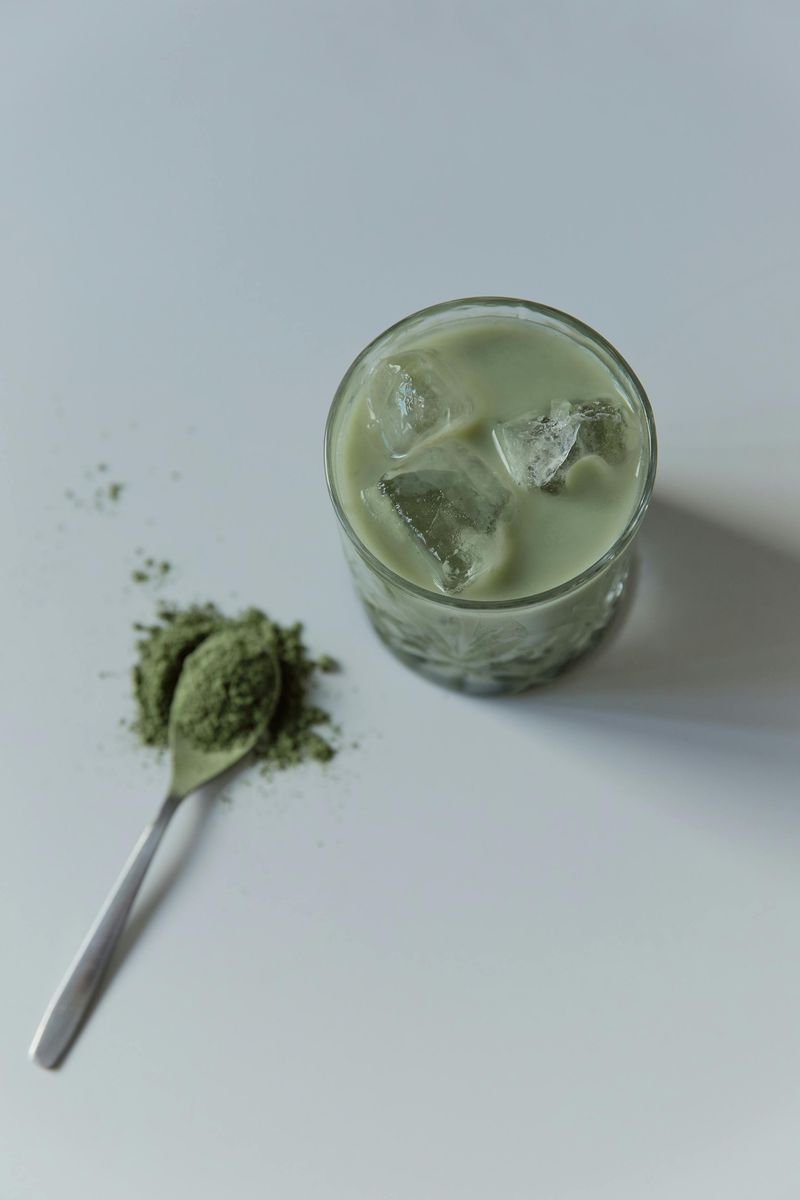
Powdered drink mix turned water into punch bowl fun. Then everyone started reading sugar grams and artificial color numbers.
Even the sugar-free versions can taste chemical, leaving a lingering aftertaste. With seltzers, infused water, and real citrus available, the rainbow powder lost its charm for many households.
Buying filters or a SodaStream-style setup made hydration easier without big tubs of mix. Kids also outgrew neon drinks.
You might keep a packet for camping, but routine stocking waned. These days, sliced lemons and mint give the same refreshment, minus the countertop dust cloud when you stir.
Instant pudding
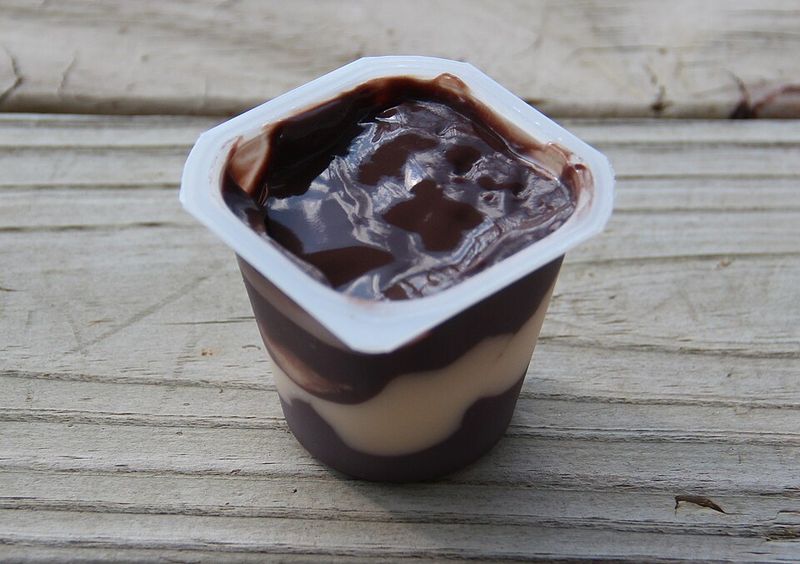
Instant pudding felt like kitchen magic: milk, powder, whisk, done. But the flavor can veer one-note, and the texture sometimes sets rubbery.
People swapped to cook-and-serve or from-scratch versions with cornstarch and real vanilla. Greek yogurt parfaits also steal the spotlight for quick creamy desserts.
As ingredient lists stretched, shoppers questioned the thickeners. And since it still requires milk and chilling, the time savings shrank.
Add rising prices, and it slipped off grocery lists. You might crave banana pudding now and then, but you will probably make it with ripe bananas and real whipped cream.
Microwave dinners
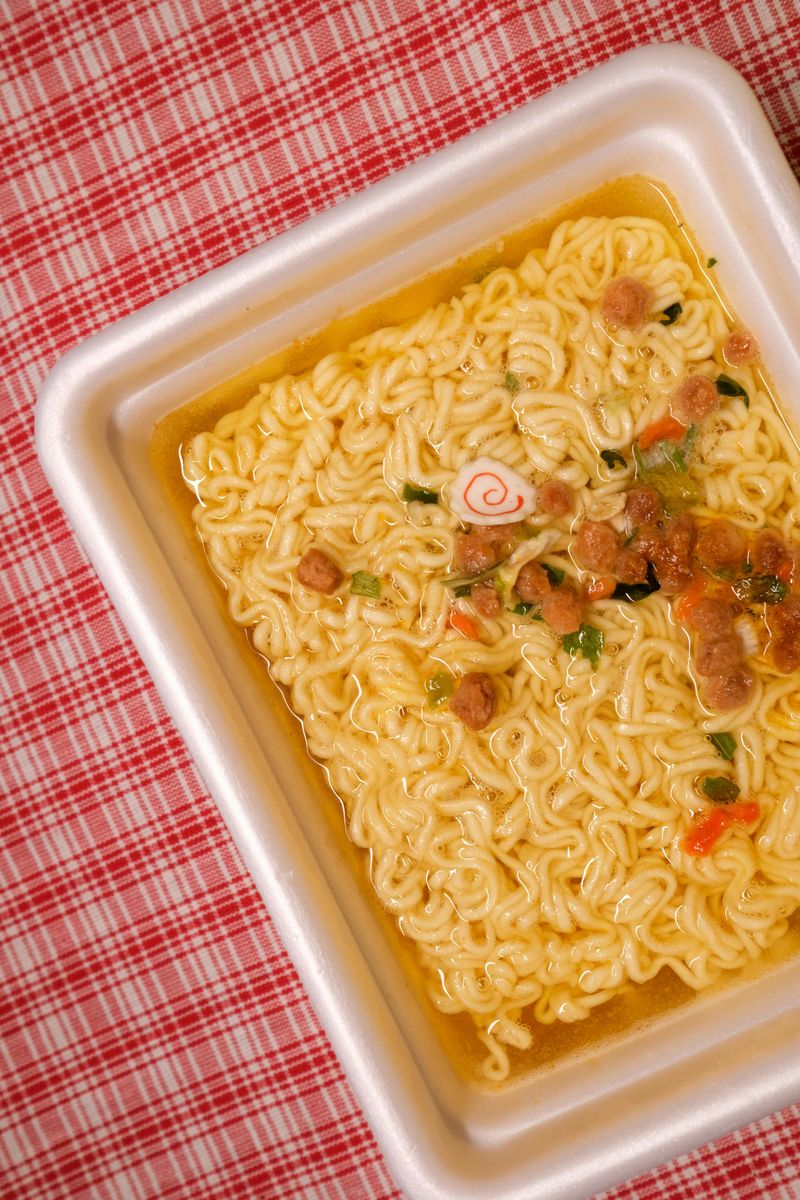
Microwave dinners promised balanced meals in minutes. The portions often felt small, the veggies watery, and the protein underwhelming.
As meal prep culture grew, people realized batch cooking tastes fresher and costs less. Tossing roasted vegetables and chicken into containers beats peeling back film to lukewarm mashed potatoes.
Labels with long preservatives lists added doubt. Some premium brands improved, but prices edged toward takeout territory.
Air fryers and instant pots made homemade speedier, too. Now, a frozen entree might live in the freezer for emergencies, but the weekly stack of boxes quietly disappeared from many shopping carts.
TV dinner tray
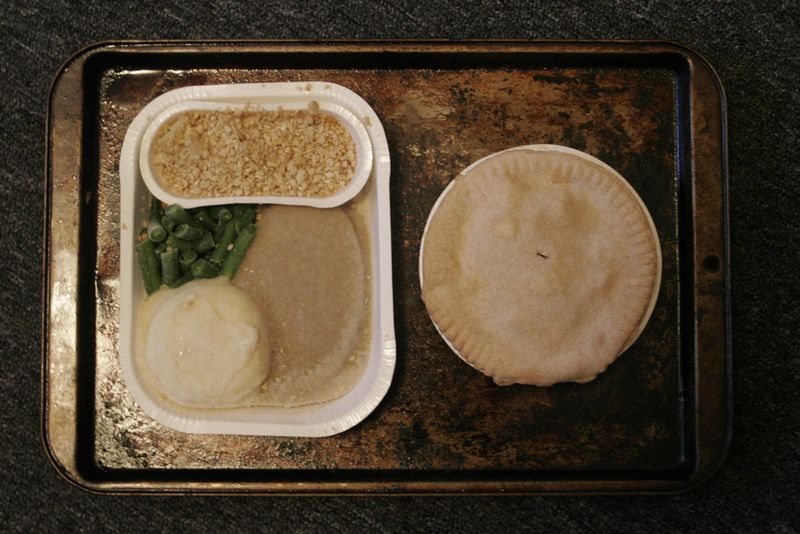
The old-school TV dinner tray was an icon, portioned comfort while sitcoms played. But aluminum compartments and mushy sides became less charming over time.
People want texture and freshness now, not peas that taste like steam. Reusable meal prep containers replaced the ritual, and streaming made schedules flexible.
The tray culture also echoed sedentary eating. With wellness trends encouraging mindful meals, dining at a table won back points.
Nostalgia survives in retro photos, yet the purchase cycle faded. You might thrift a tray for fun, but filling it weekly.
That habit slipped away as tastes modernized.
Fish sticks
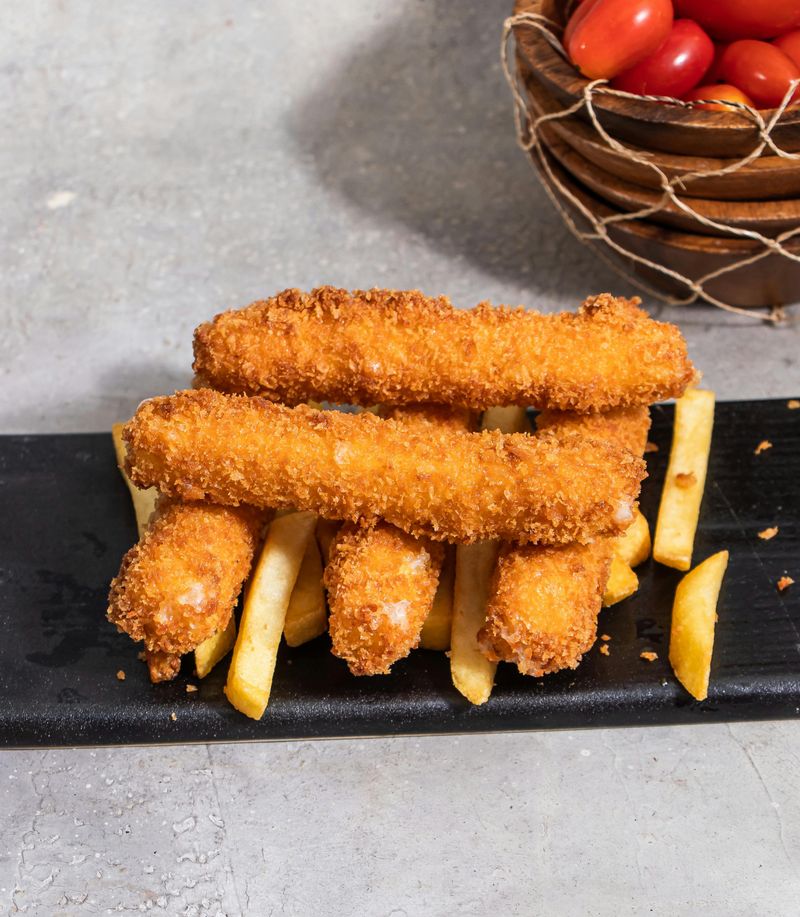
Fish sticks carried weeknight dinners for years, but palates evolved. The breading often dominates, hiding mild fish that sometimes tastes bland.
Air fryers revived them a bit, yet many shoppers pivoted to salmon fillets or shrimp for more flavor and nutrition. Labels with vague fish sources made people cautious, too.
Price increases narrowed the gap with better seafood. Kids who loved dunking sticks grew into tacos and poke bowls.
You may still crave that crunchy dip moment, but you will probably season fresh fillets instead. The freezer stash shrank, leaving room for vegetables and versatile proteins that cook fast.
Frozen waffles
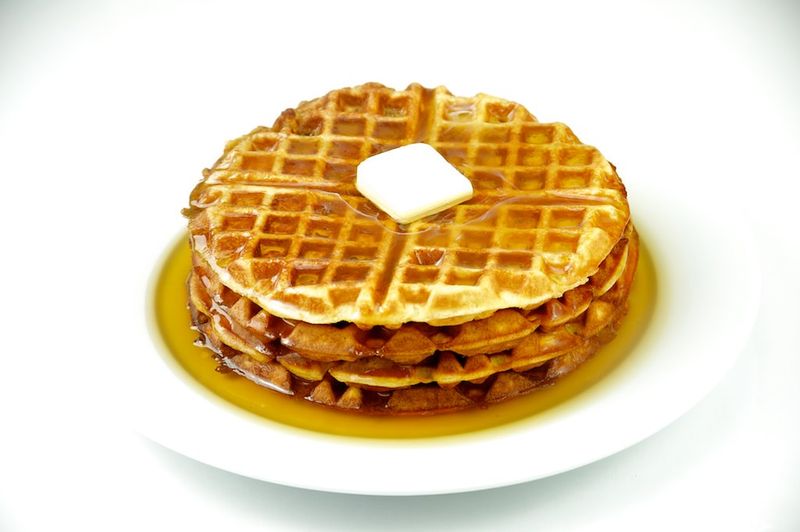
Frozen waffles were the weekday breakfast hero. Pop, toast, go.
But ingredient-conscious shoppers started reading labels and noticing added sugars and oils. Many people bought waffle irons or switched to high-protein pancakes and oatmeal.
The texture can feel dry unless drowned in syrup, which defeats balanced breakfast goals.
Prices also climbed, and the box disappears quickly with a hungry household. Batch-cooking waffles on weekends and freezing your own tastes better and costs less.
With toppings like yogurt and berries, you win crunch and nutrition. The store-bought kind still works in a pinch, but regular buying slowed down.
Pop tarts
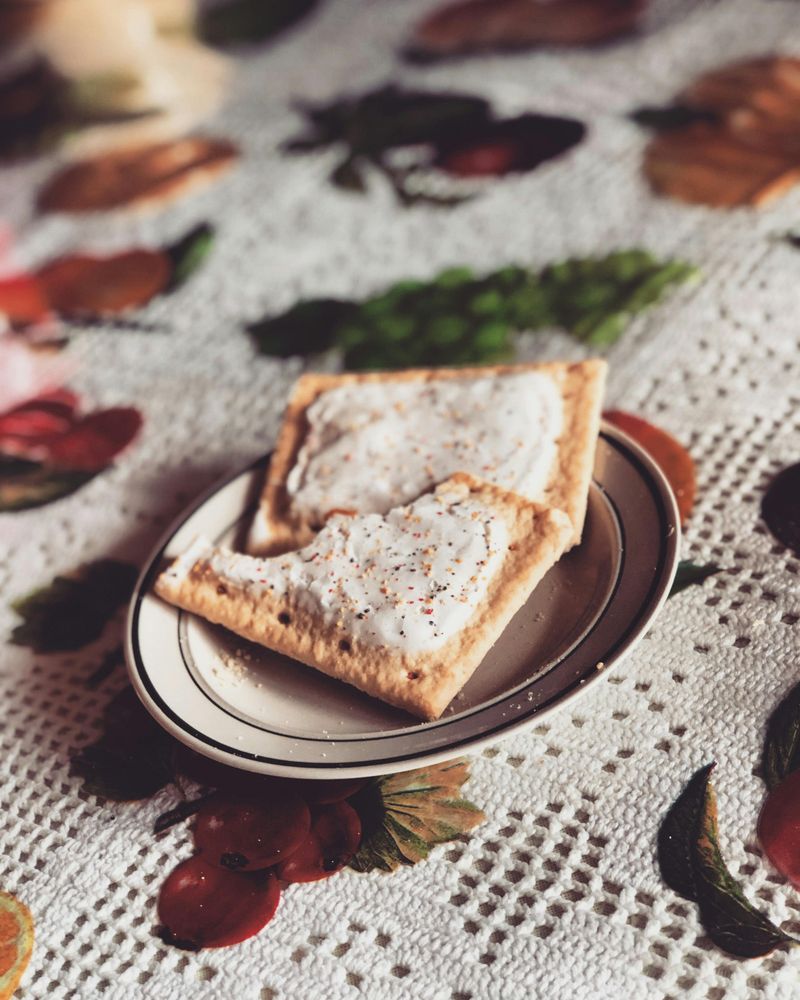
Pop tarts are childhood in a foil sleeve. Sweet frosting, hot filling, instant dopamine.
As adults, many of us taste mostly sugar and shortening now. The crust feels chalky, and the fruit flavors rarely taste like fruit.
With better granola bars and homemade toast options, the novelty wore thin.
They also crumble in backpacks, making them less practical than they seem. Portion sizes encourage two at once, doubling sugar.
Occasional treat status remains, especially on road trips. But weekly boxes stopped landing in carts, replaced by bagels, eggs, or quick smoothies that keep energy steady past 10 a.m.
Bagel bites
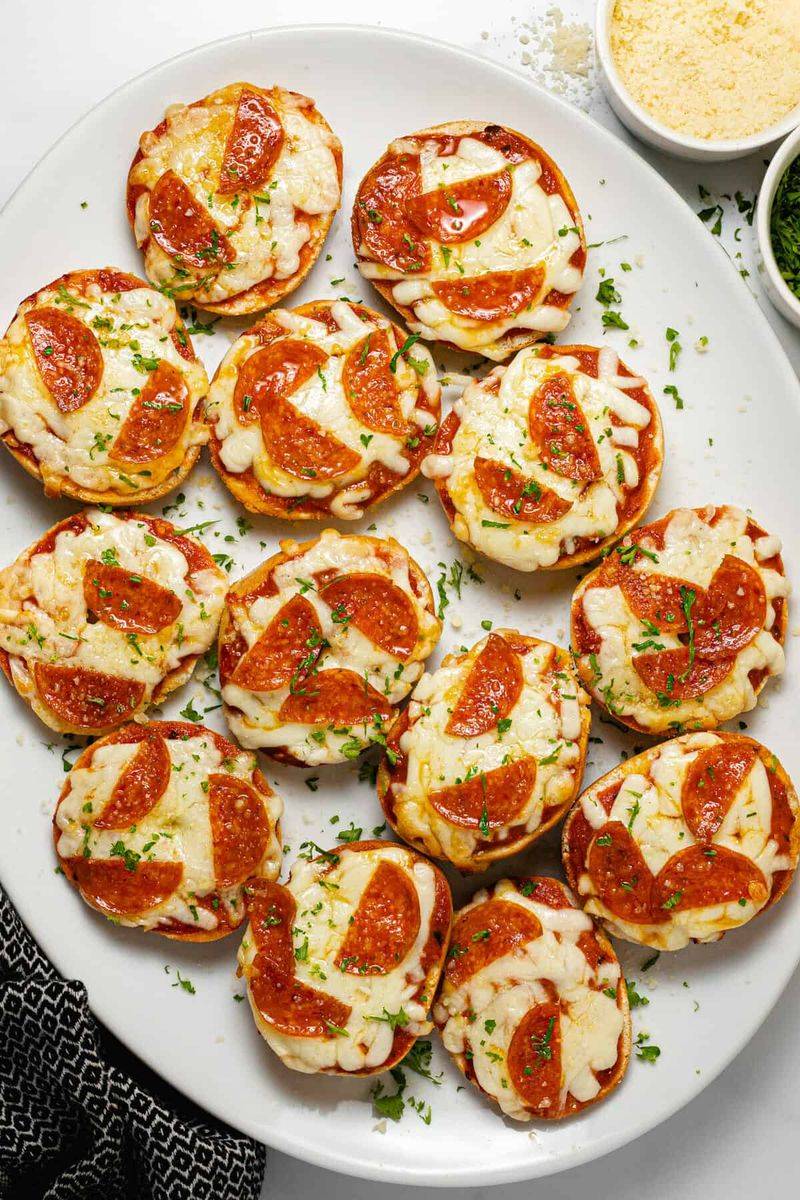
Bagel bites felt like party magic. Tiny pizzas you could eat by the dozen.
Then the bread-to-topping ratio started to disappoint, with dry edges and sparse sauce. Air fryers help, but many prefer real mini naan or English muffins with fresh mozzarella.
It is an easy upgrade that tastes fresher.
Prices crept up, while quality stayed the same. Freezer space is precious, and these little boxes do not stretch far.
When pizza cravings hit, a quick flatbread delivers better flavor. Nostalgia remains, yet the weekly stash disappeared, replaced by smarter freezer staples that multitask for snacks and dinners.
Pizza rolls
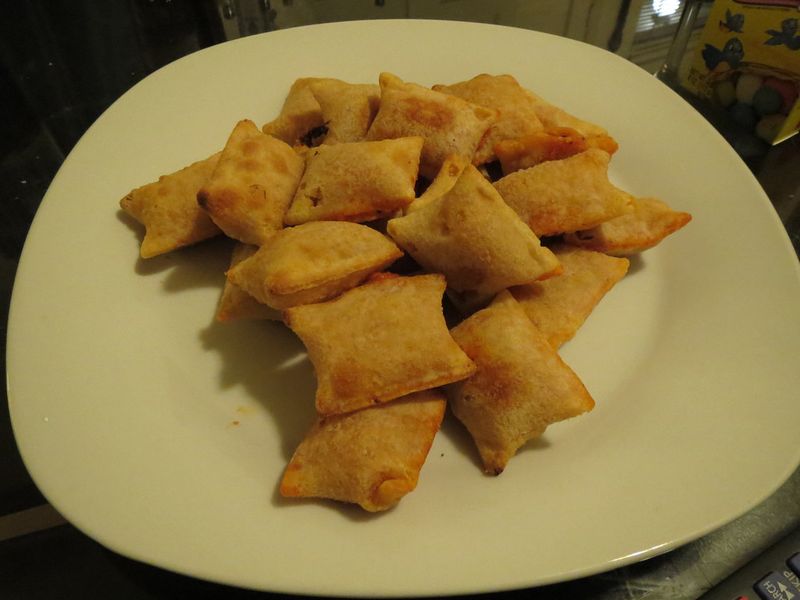
Pizza rolls defined sleepovers and game nights. The crunch and lava-center combo still tempts, but the grease and salt linger.
Many people now bake quick sheet-pan pizzas or use tortillas for fast, lighter bites. Air fryers keep rolls crispy, yet the bag lingers longer in the freezer before anyone finishes it.
Ingredient lists and price hikes also cooled enthusiasm. Portion control is tricky when they explode with heat and aroma.
You may keep them for a nostalgic gathering, but weekly refills faded. Homemade versions using wonton wrappers scratch the itch while tasting fresher and letting you choose the cheese.
Toaster strudel
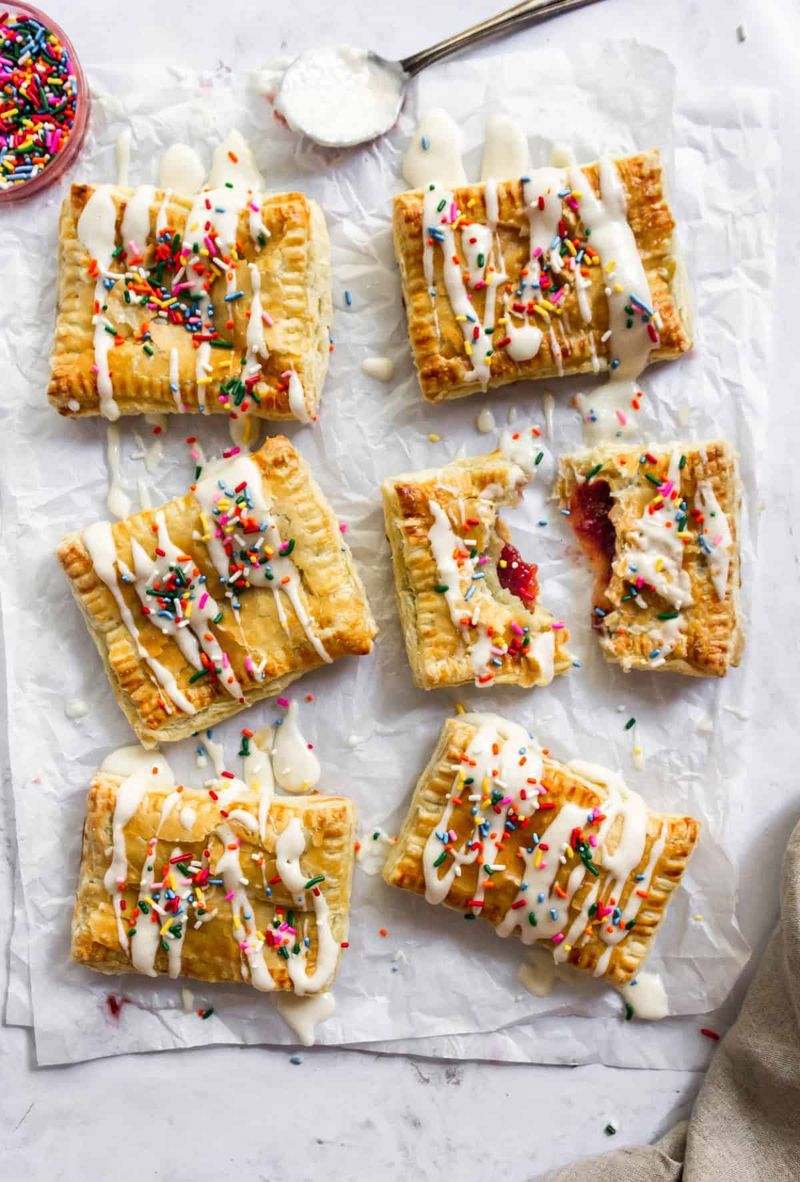
Toaster strudel felt elegant compared to other toaster pastries. The flaky layers and icing packet were theatrical.
But the filling can taste overly sweet, and the pastry sometimes bakes greasy instead of crisp. With frozen puff pastry and jam, you can make a better version on weekends and freeze extras.
People also shifted toward protein-forward breakfasts. The sugar rush without staying power lost fans.
When cravings hit, a bakery danish wins on flavor. So the box that once lived in the freezer door stopped reappearing, replaced by yogurt parfaits, eggs, and fruit that actually keep you satisfied until lunch.
Frozen burritos
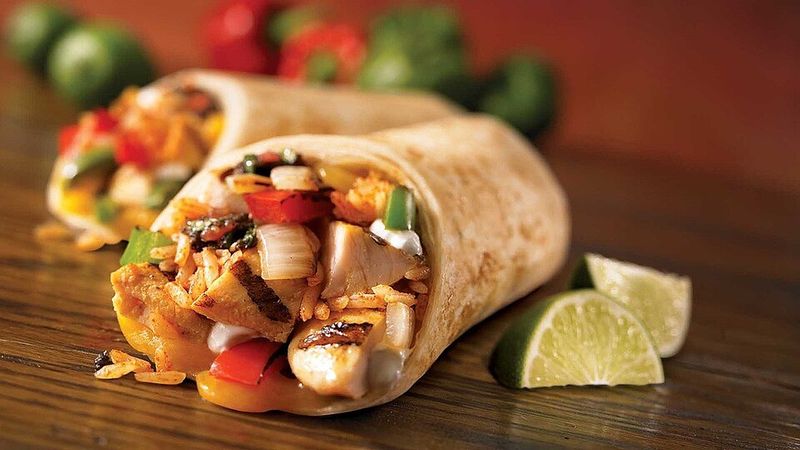
Frozen burritos saved countless late nights. Yet the fillings often lean heavy on beans and rice, light on seasoning and texture.
Soggy tortillas happen, too. As freezer cooking got popular, people started batch-making burritos with better ingredients and freezing them flat.
Tastes better, costs less, and avoids mystery flavors.
Microwave convenience still appeals, but air fryers and skillets make quick work of fresh versions. Add in sodium concerns and price creep, and the routine buy faded.
You might keep a couple for backup, but the bulk bag is gone. Homemade breakfast burritos especially made a strong comeback.
String cheese
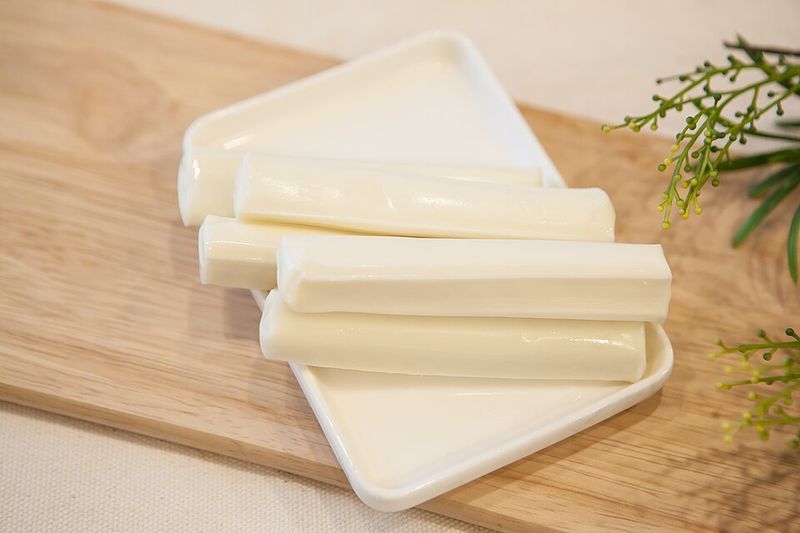
String cheese was the perfect desk or recess snack. Fun to peel, mild to a fault.
As tastes matured, many people wanted sharper flavors and less packaging. Buying a small block of mozzarella or cheddar delivers more flavor per dollar and cuts down on individual wrappers.
Protein-focused snacks still matter, but yogurt, nuts, or cottage cheese often win now. Some brands shrank portions, too, making them feel less satisfying.
The novelty of peeling fades when you are counting value and taste. So the giant bag stopped coming home, replaced by real cheese cubes that feel grown up.
Vienna sausages

Vienna sausages once lived in emergency kits and camping bins. Easy protein, no fridge required.
But the texture can feel mealy, and the flavor leans heavily processed. As shoppers looked for better shelf-stable options like tuna pouches or beans, these tiny links lost momentum.
Salt levels are hefty, and ingredient lists raise eyebrows. They still have die-hard fans and nostalgic recipes, but casual buyers moved on.
If you need road-trip protein, jerky or nuts travel better. The cans quietly stopped stacking up, making room for foods that offer more texture and a cleaner label.
Canned ham
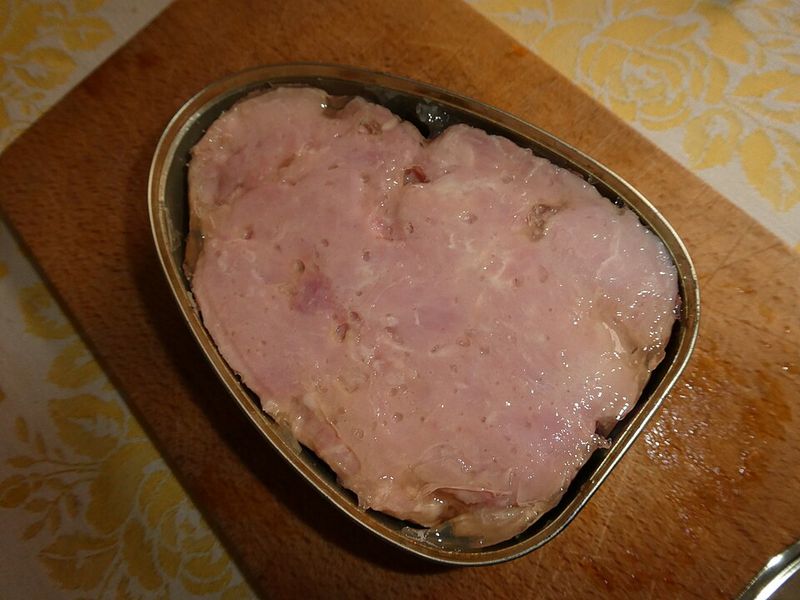
Canned ham felt like holiday insurance, shelf-stable and simple. Yet the texture is uniform, and the brine flavor lingers.
Fresh or deli ham tastes cleaner and has better chew. With improved refrigeration and easier grocery access, the need for a backup ham shrank, and so did enthusiasm.
Sodium and nitrates also nudged people away. When budgets allow, roasting a small fresh roast feels celebratory, not just convenient.
You still might cube canned ham for a quick hash, but most households stopped stocking it. Pantry space now goes to beans, tuna, and tomatoes that stretch meals further.
Canned pasta
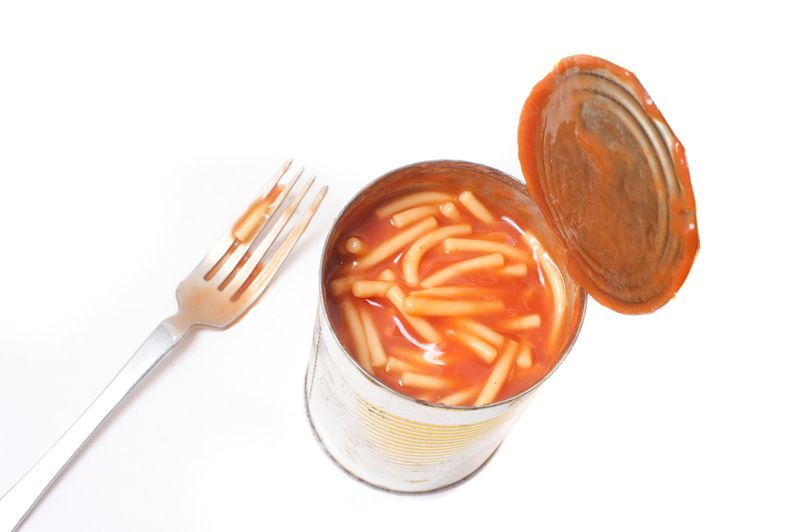
Canned pasta once felt like independence in a can. Open, heat, done.
Over time, people noticed the sameness: every shape tastes identical in that sweet, heavy sauce. Texture leans soft, sometimes past soft, and the sauce coats your mouth.
With better pantry staples available, the shortcut stopped feeling worth it.
Frozen options improved, too, giving you real al dente with little effort. Health goals pushed shoppers away as well, thanks to sugar and sodium.
Now, a box of dry pasta, olive oil, garlic, and canned tomatoes beats it on cost and flavor. Convenience redefined what you buy.
Diet cookies
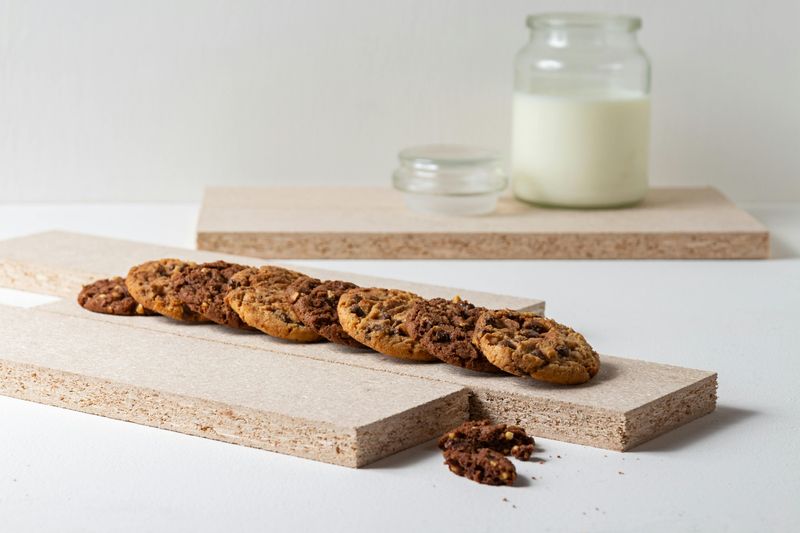
Diet cookies promised indulgence without guilt, but the taste rarely delivered. Chalky textures, strange sweetener aftertastes, and tiny portions frustrated people.
As nutrition advice shifted toward real foods and balance, the concept felt outdated. Instead of negotiating with low-cal snacks, many choose one good cookie and savor it.
Protein snacks and fiber-rich options crowded the shelf, making old-school diet claims seem flimsy. Label fatigue, plus premium prices, sealed the deal.
If you want crunch, almond flour cookies or dark chocolate satisfy better. The boxes stopped returning home, replaced by treats that taste like treats, not compromises.
Enjoyed this story?
Add Fast Food Club as a preferred source to see more of our reporting on Google.