


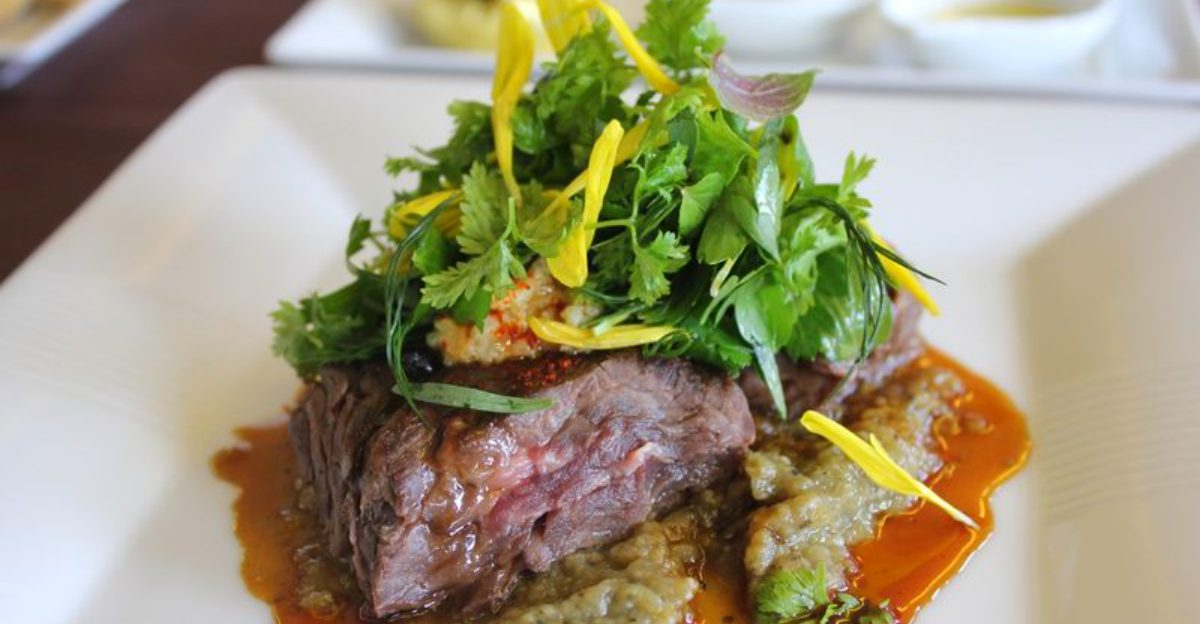
Nothing sparks friendly chaos at a dinner table like food opinions that feel oddly personal. You know the ones, where a single bite turns into a debate and everyone suddenly becomes a flavor philosopher.
This list rounds up the classics that ignite playful arguments and passionate defenses. Read on and see which side you claim with pride, and which one you’ll defend to the last crumb.
Pineapple pizza
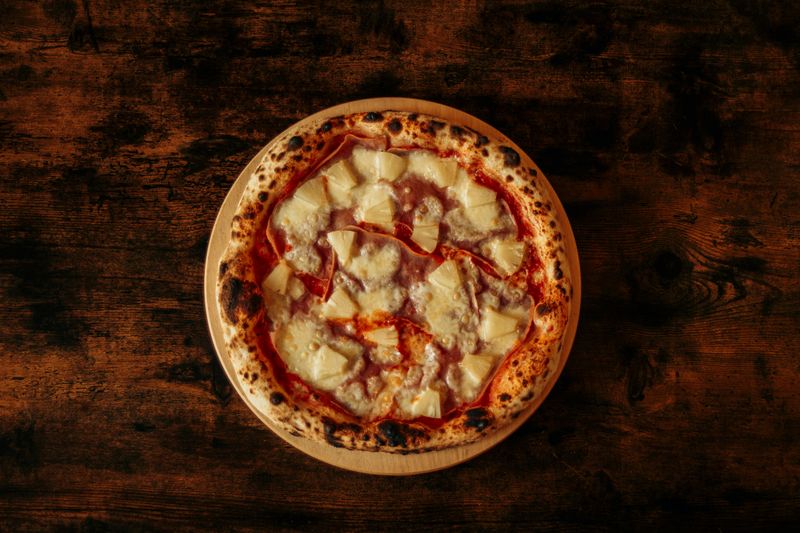
Pineapple on pizza is the ultimate friendship stress test. Some swear that sweet fruit balances salty ham and tangy sauce, creating a craveable contrast.
Others insist fruit belongs in dessert, not on a pie.
You taste sunshine and beach vibes, or you taste betrayal and sticky sweetness stepping on tradition. The heat caramelizes the pineapple, adding smoky brightness that can make cheese sing.
But for purists, it is culinary heresy.
If you love it, you champion bold combos and playful rules. If you hate it, you guard sacred pizza norms.
Either way, the table lights up instantly.
Thin crust pizza
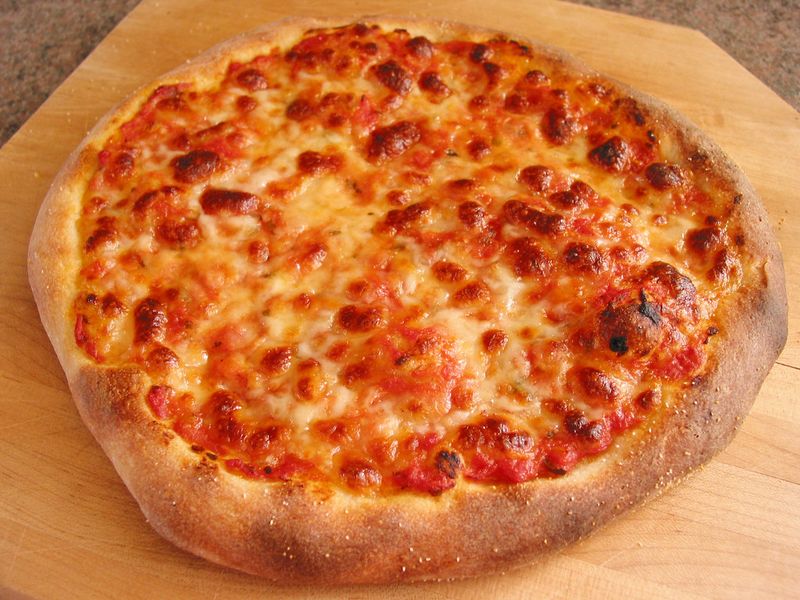
Thin crust lovers chase that shatter-crisp bite. The dough is stretched whisper-thin, kissed by high heat, and finished with delicate char that crackles under your teeth.
Toppings stay light so the base stays snappy.
Fans say it respects balance, showcasing sauce brightness and cheese salinity without heaviness. Critics complain it breaks like a cracker and lacks satisfying chew.
One person’s elegant restraint is another’s flimsy disappointment.
If you crave texture contrast and clean flavors, thin crust feels refined and modern. If you want heft and comfort, it feels stingy.
The argument usually starts at the first slice.
Thick crust pizza
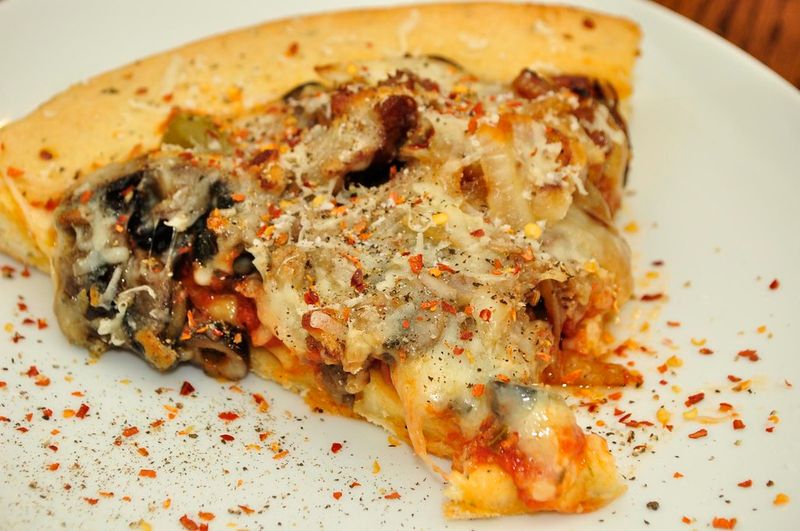
Thick crust pizza lands like a warm hug. It is plush, bready, and unapologetically filling, soaking up sauce until every bite is saucy and rich.
Cheese tunnels through the dough like lava.
Supporters celebrate the chew, the comfort, and the way it turns a slice into a meal. Detractors call it casserole-in-disguise, claiming the toppings drown the crust’s character.
You either admire its generosity or find it overbearing.
Share a pan and lines are drawn fast. If you like big bites and lingering indulgence, thick wins.
If you value crispness and lightness, you will protest fiercely, fork in hand.
Rare steak
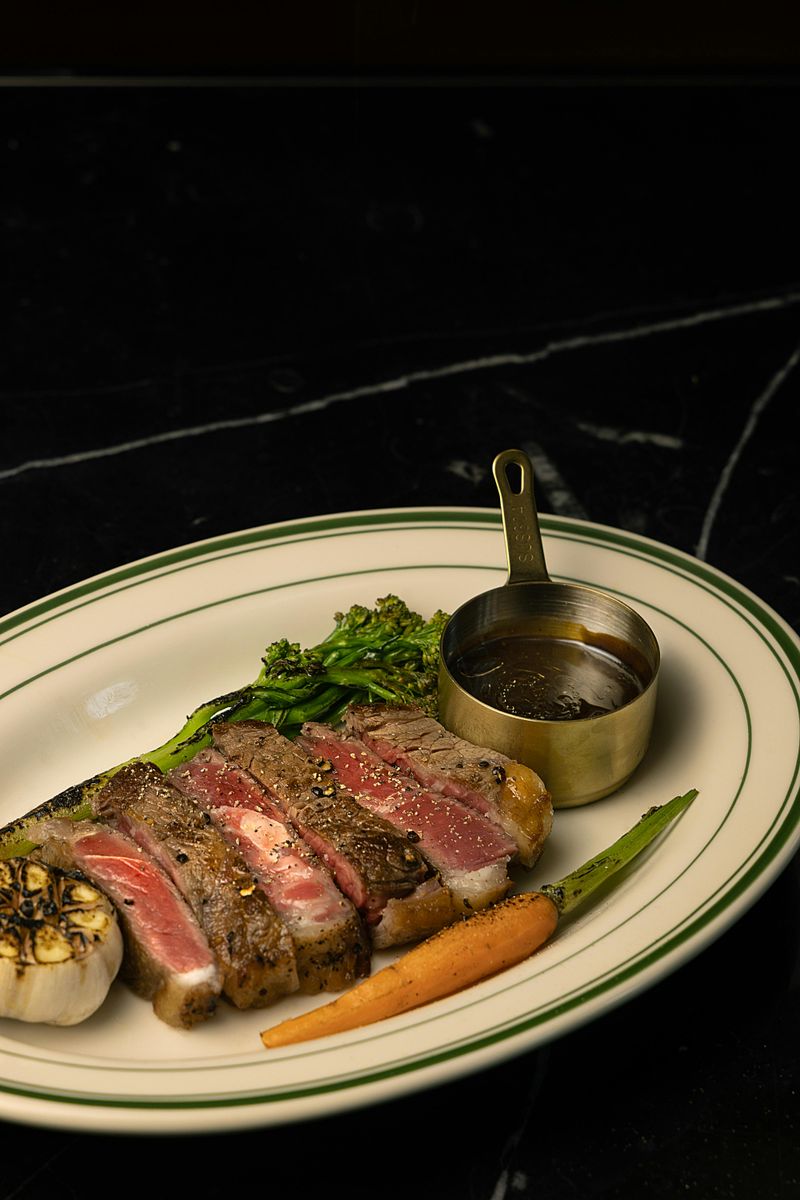
Rare steak fans chase tenderness and bold beef flavor. That ruby center promises buttery bites, gentle resistance, and a mineral-rich juiciness.
A hot sear outside, cool inside, makes contrast dramatic.
Enthusiasts say anything more risks drying and muting character. Skeptics worry about texture, temperature, or safety, finding it too soft and almost squishy.
The color alone can unsettle a crowd.
When a plate lands, sides form instantly. One camp celebrates purity and finesse.
The other craves certainty and heat. In the middle, someone suggests medium rare, hoping to keep peace while sneaking another slice.
Ketchup on steak
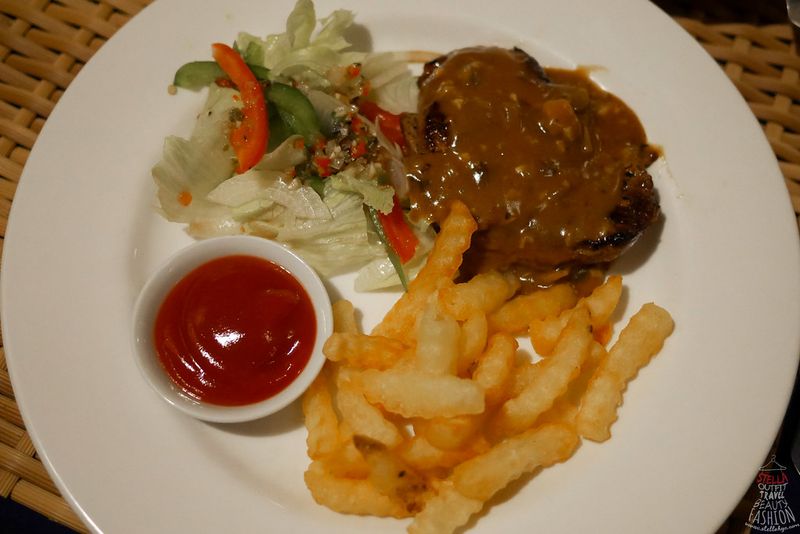
Ketchup on steak pokes culinary bears. It is sweet, tangy, and familiar, turning a fancy cut into diner comfort in one squeeze.
For some, that nostalgia is unbeatable.
For others, it steamrolls nuanced seasoning and careful searing. They argue steak deserves pepper, salt, maybe butter, not sugar-forward sauce.
The red streak looks rebellious on a white plate.
If ketchup helps you finish every bite, who is to judge your joy. If it feels like painting over art, your fork stays poised in protest.
Either way, the bottle on the table is an instant conversation starter.
Ketchup on eggs
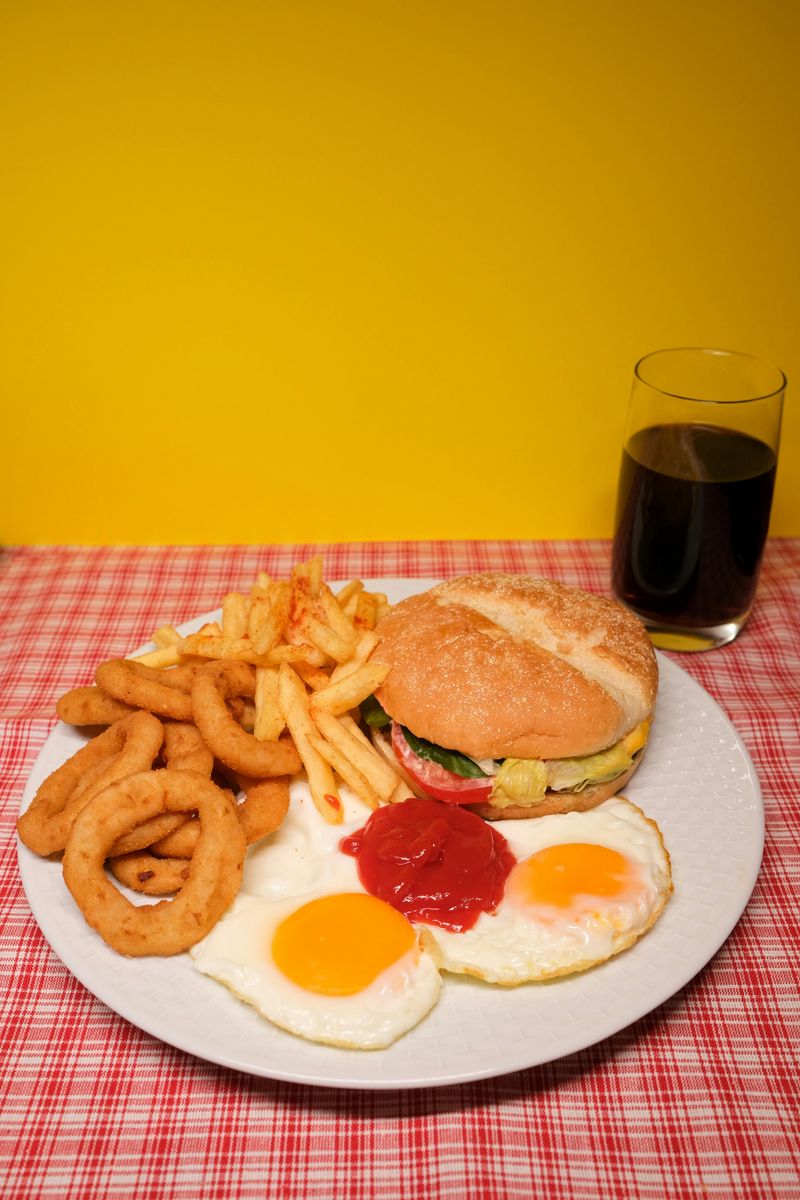
Ketchup on eggs is breakfast’s loudest divide. It lends sweetness and acidity that brighten buttery bites, especially scrambled or folded omelets.
Kids grow up with it, and the habit sticks.
Opponents argue it overpowers delicate egg flavor and turns texture oddly saucy. They prefer salsa, hot sauce, or just pepper.
The red color can feel theatrical before coffee kicks in.
If ketchup makes your morning, drizzle proudly. If you recoil, protect your plate and pass the salt.
Either way, brunch becomes a personality quiz, and the bottle’s presence guarantees lively table chatter before noon.
Mayo on fries
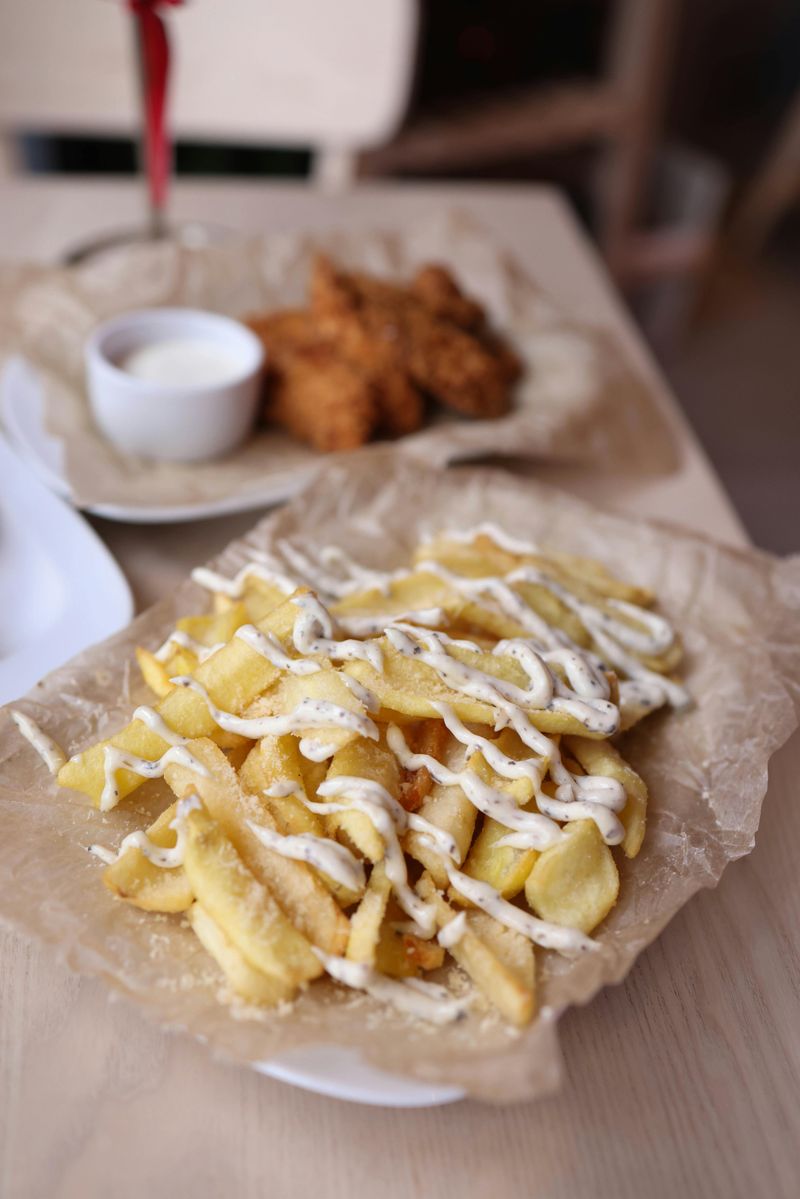
Mayo on fries feels luxe and European. The creamy fat softens sharp salt and hugs each crispy baton with silky richness.
Add garlic or lemon and it sings.
Fans call it superior to ketchup because it amplifies potato instead of masking it. Detractors find it heavy, slippery, and too bland for a fried snack.
You either dip eagerly or look for vinegar.
When a bowl lands, camps form fast. Some reach for aioli riffs and extra napkins.
Others wave the ketchup flag and guard the ramekin. The fry basket becomes a diplomatic summit with greasy handshakes.
Ranch dressing
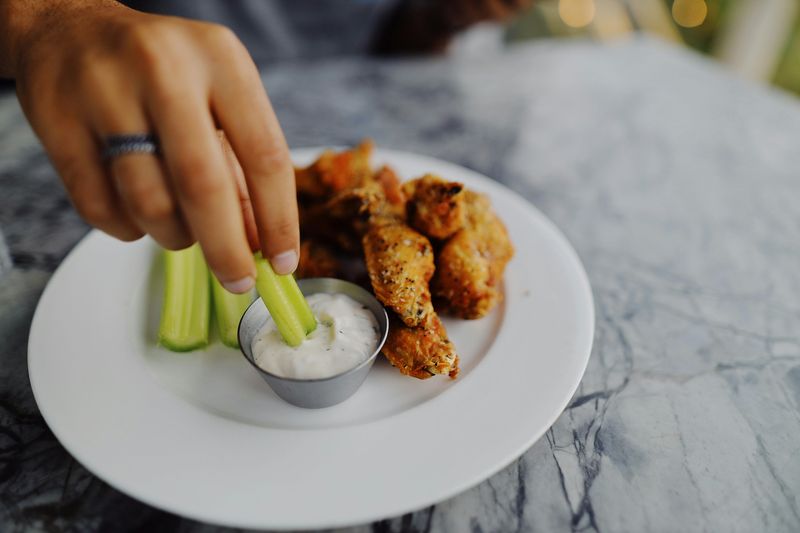
Ranch dressing is America’s comfort potion. Buttermilk tang, garlic, and herbs turn veggies, wings, and even pizza into dunkable fun.
For many, it is the default dip.
Critics say it smothers everything in creamy sameness and dulls brighter flavors. They call it training wheels for taste buds.
Fans counter that it cools heat, adds body, and makes leftovers lovable.
Offer ranch and watch alliances form. Someone will dip crusts with devotion while another refuses the ramekin.
The argument repeats across parties and tailgates, sealed with one more crunchy carrot stick disappearing into the white swirl.
Blue cheese dressing
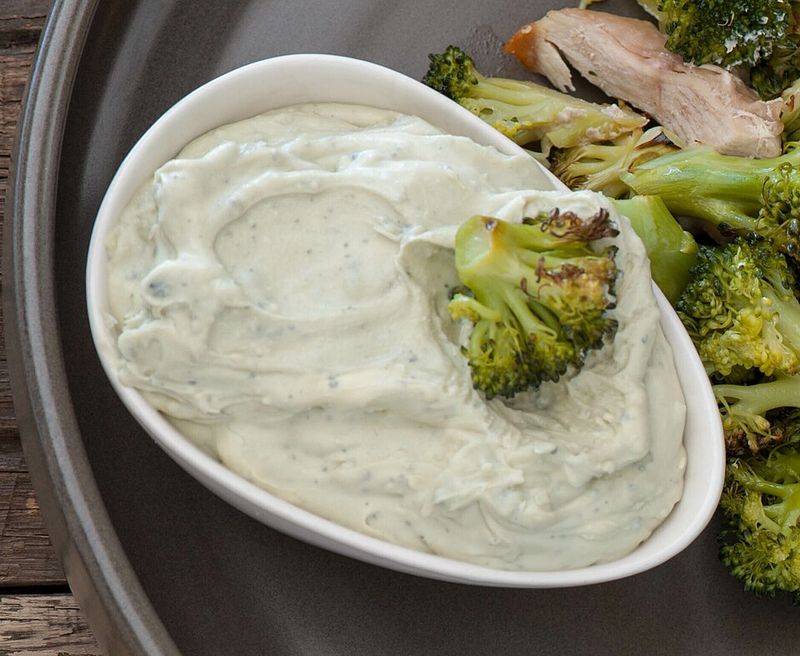
Blue cheese dressing divides with funk. Those veiny crumbles deliver sharp, earthy, and salty notes that clash or enchant.
On wings, it cools heat while adding character you cannot fake.
Fans savor the complexity, claiming it elevates salads from polite to unforgettable. Detractors call it gym-sock territory and push it far from their plate.
The smell alone can spark jokes and protests.
If you chase bold flavors, blue cheese feels like a victory lap. If you prefer clean and mild, it becomes a hard no. Either way, that speckled bowl will not go unnoticed at the table.
Onions
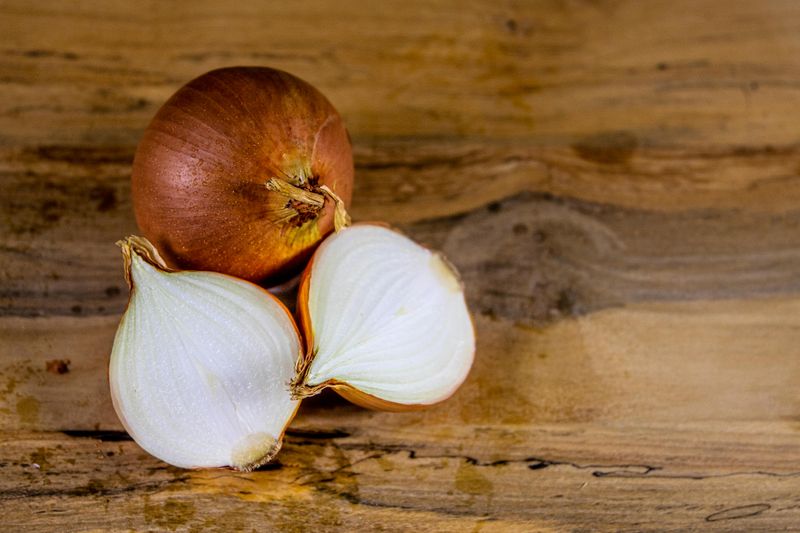
Onions carry the room. Raw, they bite and sparkle through tacos and salads.
Cooked, they melt into sweetness and depth that anchors soups, burgers, and stews.
Lovers appreciate their versatility and the way a quick sizzle unlocks magic. Haters point to breath, tears, and lingering aftertaste that hijacks conversations.
Texture can be a deal breaker, from crunchy rings to slippery strands.
Offer onions and someone cheers while another discreetly scrapes. They are culinary backbone or taste-bud bully, depending on your week.
Either way, onions decide whether a dish whispers or sings loudly.
No onions
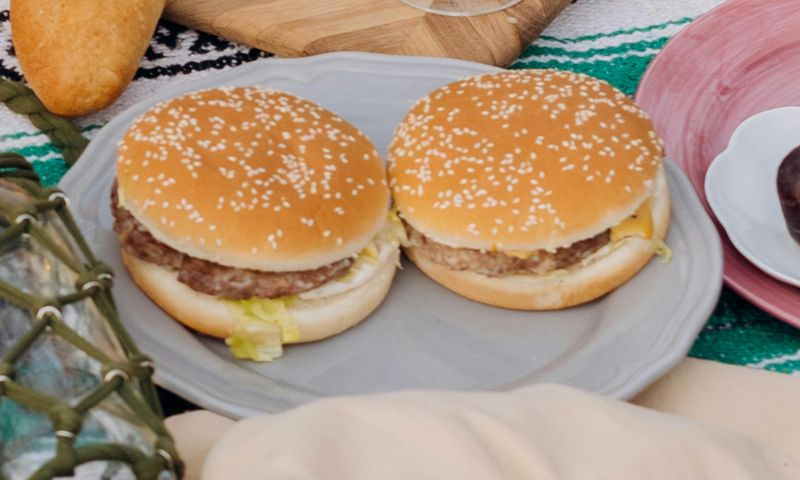
No onions is not just preference, it is peace of mind. Skipping them avoids tears while chopping, breath drama later, and that sneaky crunch mid-bite.
For some, it prevents stomach rebellion.
Fans of the onion-free life argue that other aromatics can carry flavor without the aftershock. Detractors think a dish loses backbone and smells lonely.
The request can sound picky to cooks who build layers carefully.
Still, a clean, onionless plate often tastes clearer and calmer. If that is your lane, order confidently.
The table will debate, but you will finish with zero regrets and minty confidence.
Pickles
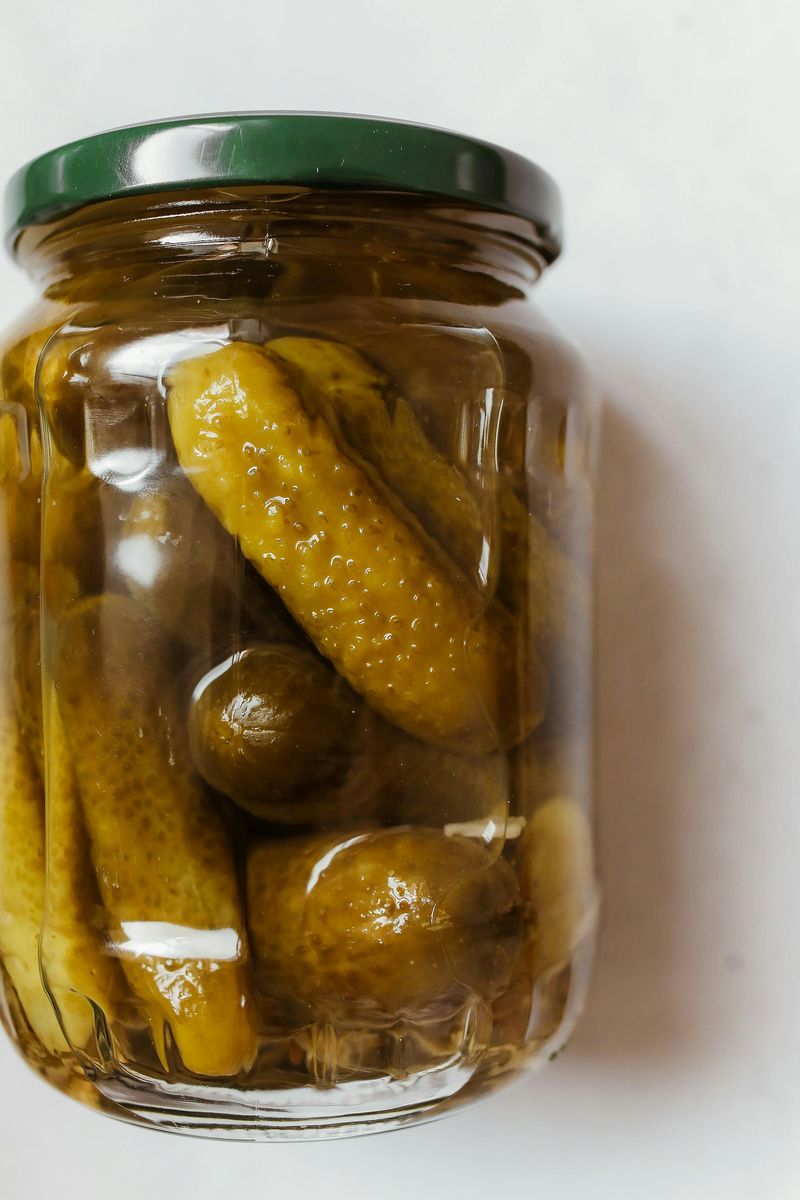
Pickles punch through richness with briny snap. A good spear brings garlic, dill, and a lip-tingling tang that wakes up burgers and sandwiches.
That crunch is half the joy.
Devotees crave the palate reset, claiming pickles rescue heavy meals. Opponents find them sour bullies that steal spotlight and sog bread.
The aroma alone can dominate a plate.
When a pickle cup arrives, hands move fast or not at all. Some barter spears for fries like lunchtime currency.
Others quarantine them to a corner napkin. Either way, pickles write their own subplot at every meal.
No pickles

No pickles means protecting texture and balance. Without them, buns stay dry, sauces shine, and beef or chicken claims center stage.
The sandwich feels calmer, less shouty.
Fans say vinegar hijacks subtle flavors and invites sogginess. They prefer crisp lettuce or onion for contrast, not brine.
Critics argue you lose brightness that cuts through fat.
Ask for no pickles and the table reacts. Someone offers theirs, another laments lost zing.
You just enjoy a focused bite. In the end, preference wins, and the wrapper closes neatly without surprise squish.
Crunchy bacon
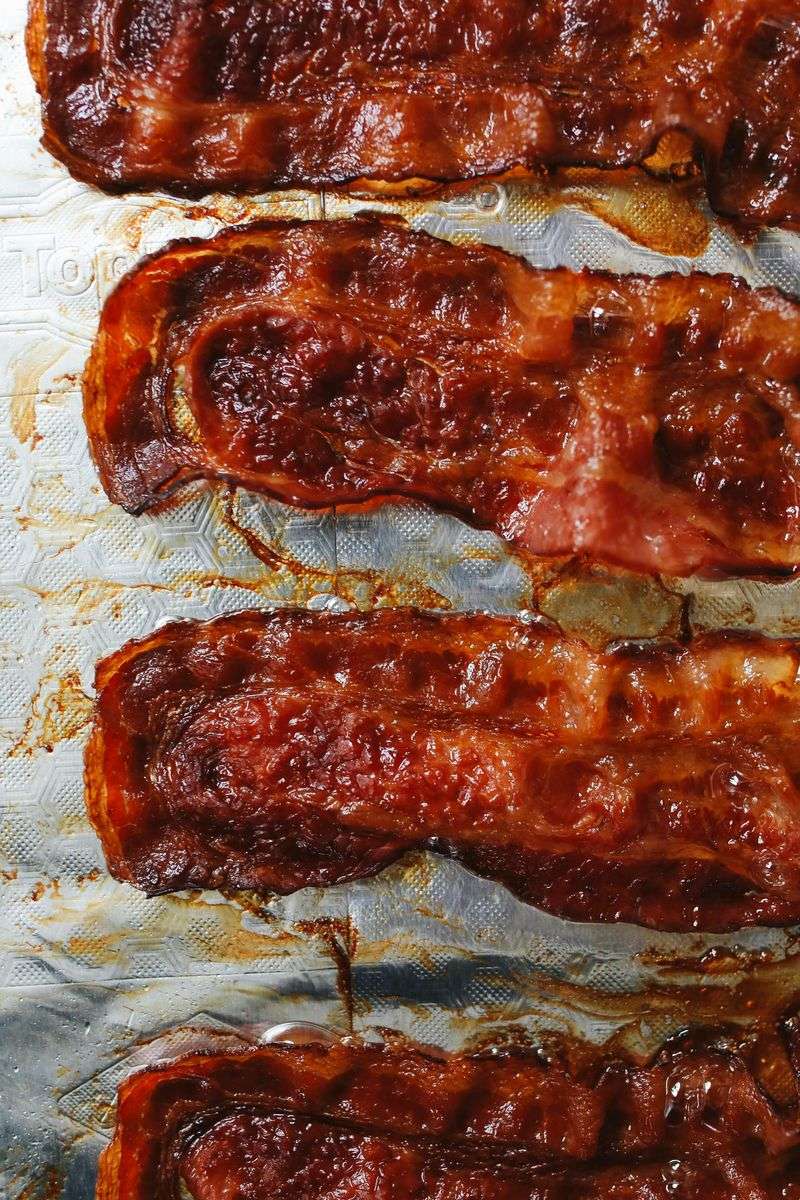
Crunchy bacon shatters like edible confetti. It adds salty crackle to eggs, sandwiches, and even salads, delivering a bacon-bit intensity in full strips.
Grease is mostly rendered, leaving tidy snaps.
Fans love clean bites and zero chew-fight. Detractors find it dry, brittle, and missing smoky succulence.
One camp chases crisp perfection, the other mourns lost tenderness.
Lay a crispy pile on the table and watch hands race. Crumbs fly, debates flare, and someone claims the best curled piece.
If texture rules your world, crunchy bacon wins every morning without apology.
Soft bacon
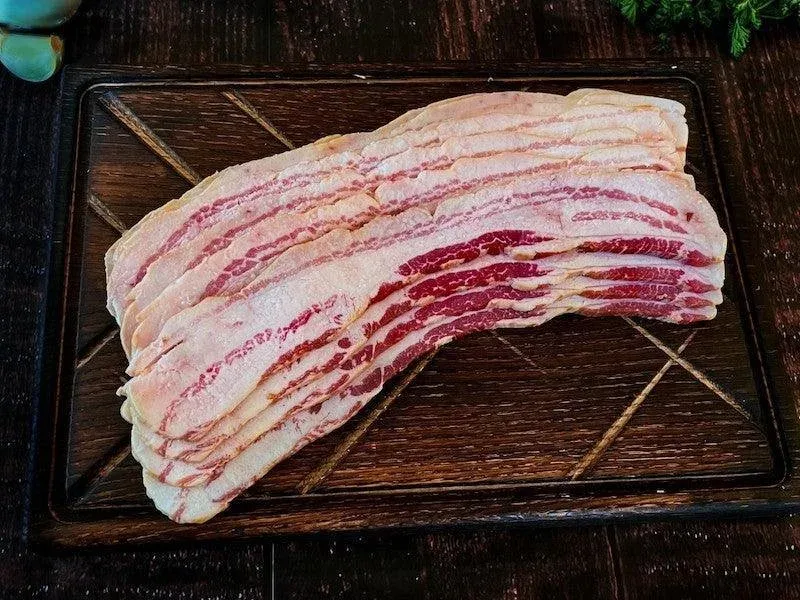
Soft bacon is a slow, smoky chew. The fat glistens, flavor lingers, and each bite feels indulgent, like a miniature pork belly moment.
It hugs breakfast rather than shattering over it.
Supporters swear this is where bacon’s soul lives. Detractors call it floppy, greasy, and underdone.
Texture expectations draw a hard line, especially on crowded brunch tables.
Serve thick, tender slices and sides form. If you savor melt-in-mouth richness, this style is bliss.
If you crave crunch, it is heartbreak. Either way, bacon remains irresistible, just marching to very different drumbeats.
Milk before cereal
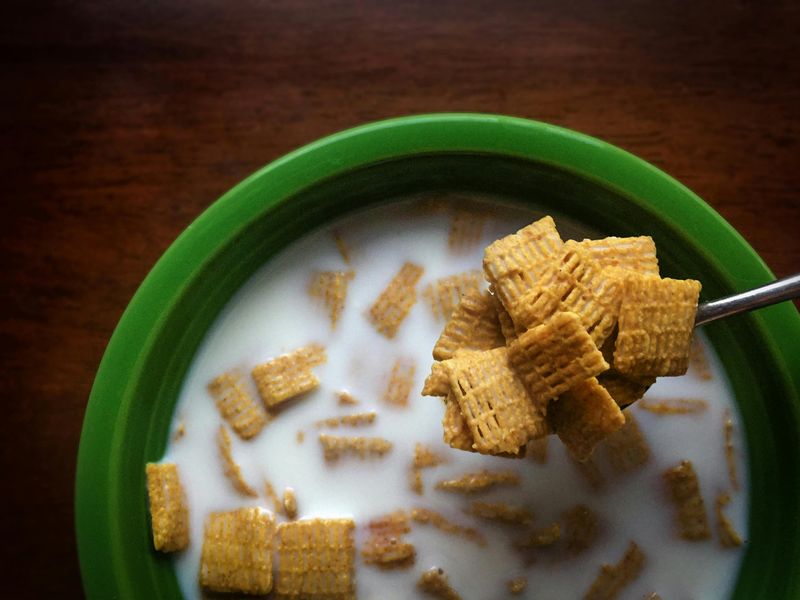
Milk before cereal is controlled chaos. You get to regulate crunch by sprinkling, keeping every bite freshly crisp.
The spectacle of splashes is part of the fun.
Advocates say it prevents soggy bottoms and makes portioning smarter. Critics complain flakes ricochet and measuring milk first is guesswork.
It also risks cold fingertips during the sprinkle.
If you like engineering breakfast for maximum crunch, this camp welcomes you. If you prefer simpler routines, it feels fussy.
Either way, the morning soundtrack becomes clinks, splashes, and a small argument about science.
Still water

Still water is quiet reliability. No bubbles, no bite, just clean hydration that never interrupts a meal.
It cools the mouth and resets flavors gently.
Supporters say it is the gold standard for tasting and digestion. Critics find it boring next to fizzy fun, calling it flat and joyless.
Yet its calm presence anchors the table.
If you drink for refreshment, not fireworks, still wins easily. If you need sparkle, you will keep reaching for cans.
Either way, a clear glass waits patiently, reflecting everyone’s choices without judgment.
Cereal before milk
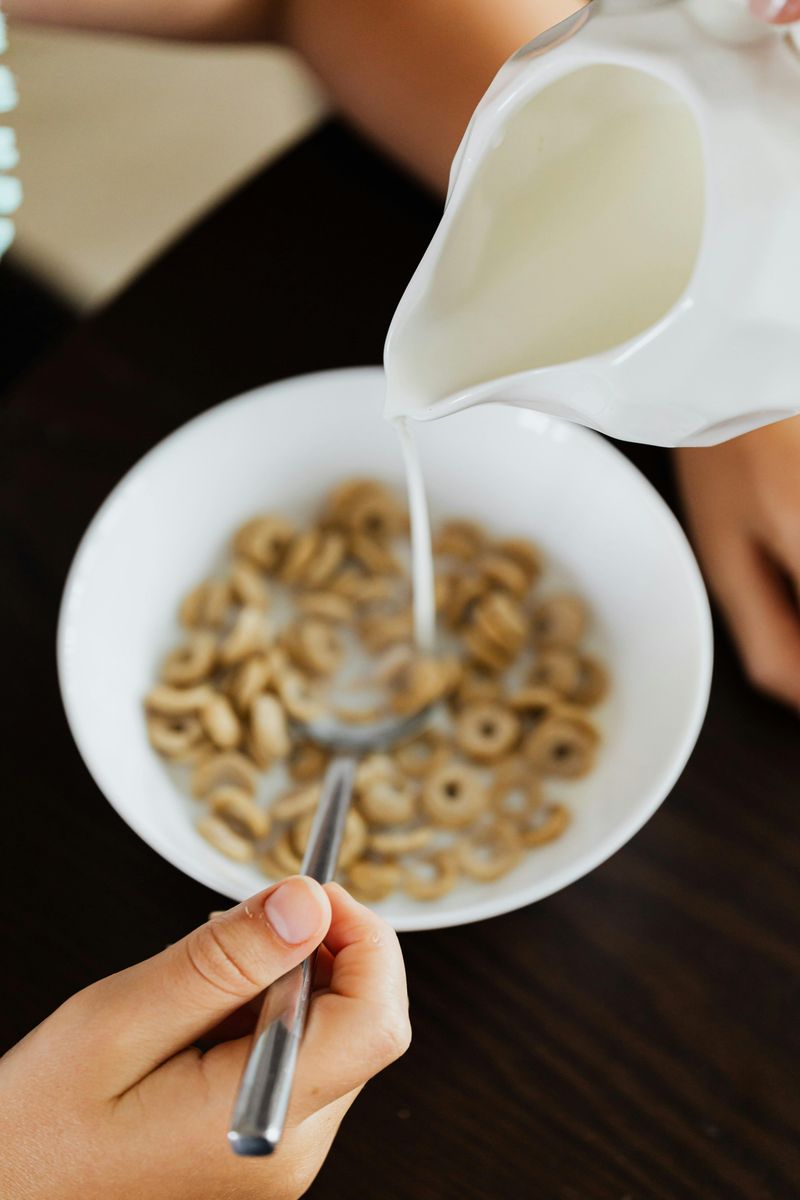
Cereal before milk is classic and calm. Pour, assess, then add just enough milk to float edges without drowning.
It is muscle memory for millions of mornings.
Fans say it controls sog and sweetness, since milk picks up flavor gradually. Detractors argue the bottom gets mushy too fast and late bites lose crunch.
The ritual is simple, but not perfect.
Still, most kitchens run on this order without debate. It is efficient, tidy, and kid-proof.
If predictability comforts you at dawn, this method wins. The clink of spoon against bowl says the routine is working.
Sugar in coffee
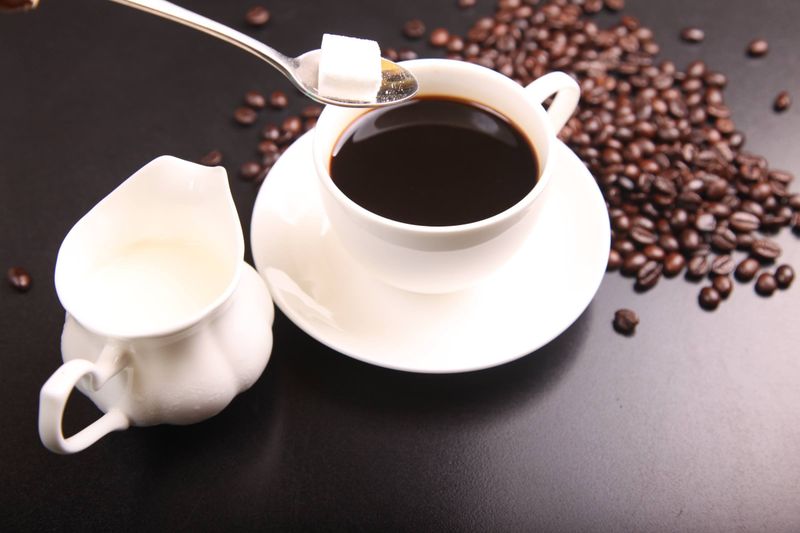
Sugar in coffee smooths edges and rounds bitterness. A spoon or two can turn harsh roast into cozy sip, especially for new coffee drinkers.
It makes lattes dessert-like and espressos approachable.
Supporters see it as seasoning, like salt for beans. Opponents say it masks terroir and sabotages nuanced roasts.
They argue sweetness should come from milk or skilled extraction.
If a little sugar makes you savor every cup, stir confidently. If you chase pure bean character, keep it black.
The mug becomes a mirror for your morning mood and taste philosophy.
No sugar
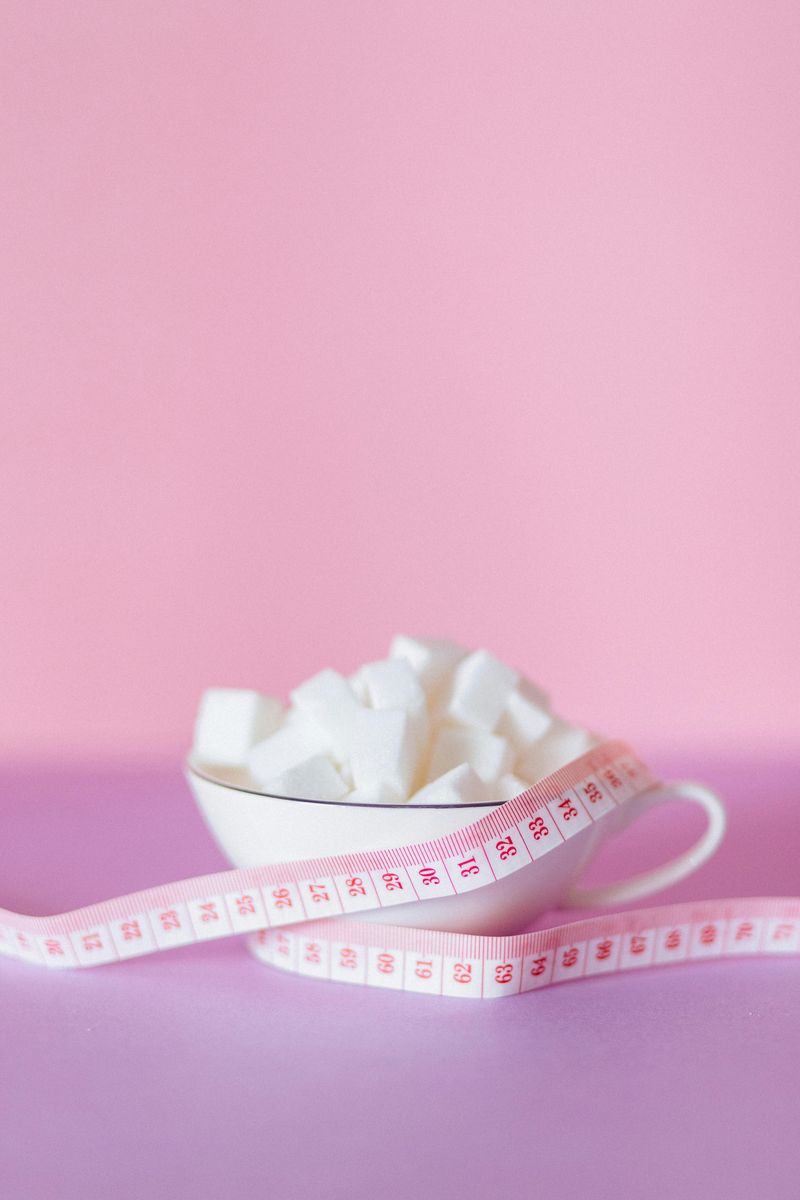
No sugar is the coffee purist’s creed. You get unfiltered notes, from chocolate to citrus to smoke, riding straight to your palate.
Every origin speaks clearly.
Fans savor clarity and control, believing sweetness should be earned by roast and brew, not added later. Detractors find it austere and unforgiving, especially with diner coffee.
The first sip can feel intense.
If you love learning through your mug, black is the path. If mornings need kindness, sugar has a role.
Either way, your cup tells a story about patience, preference, and priorities.
Sparkling water

Sparkling water is texture you can drink. Bubbles lift aromas, sharpen flavors, and add celebration to ordinary sips.
A citrus twist turns it into a tiny party.
Fans adore the tingling bite that curbs snack cravings and replaces soda. Detractors say it tastes like static or feels prickly on the throat.
The can opens and opinions fizz instantly.
If you enjoy sparkle and clean finishes, it is perfection. If bubbles annoy, it is needless fuss.
Either way, the glass becomes a mood ring, catching light while the table picks sides with a grin.
Well done steak
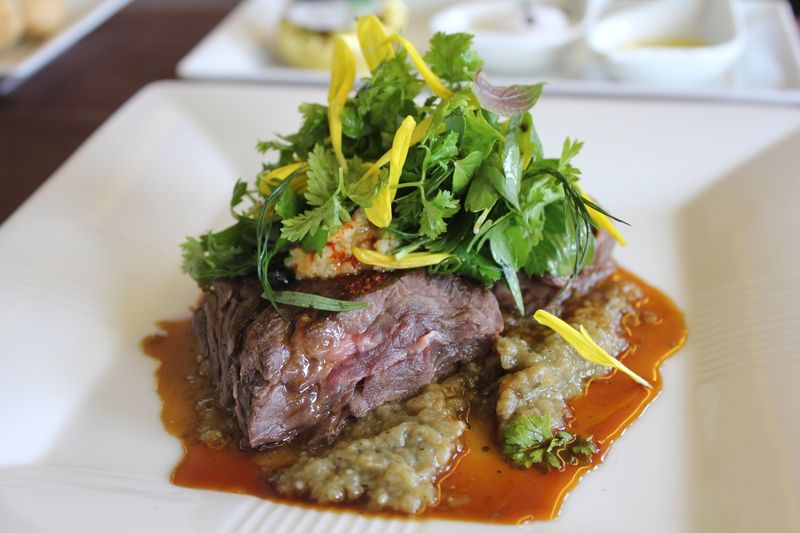
Order a well done steak and watch eyebrows jump. Some crave the uniform doneness, the firm chew, and the deep sear that pushes smoky flavors forward.
Comfort wins over juiciness.
Chefs wince because higher heat tightens fibers and squeezes moisture out. Fans argue seasoning sinks deeper and fat renders thoroughly.
Critics say it dulls premium cuts and erases nuance you paid for.
Yet for many, safety, texture preference, and nostalgia rule the plate. The table splits between culinary ideals and personal comfort.
If you choose well done, brace for lectures and enjoy every bite anyway.
Enjoyed this story?
Add Fast Food Club as a preferred source to see more of our reporting on Google.