


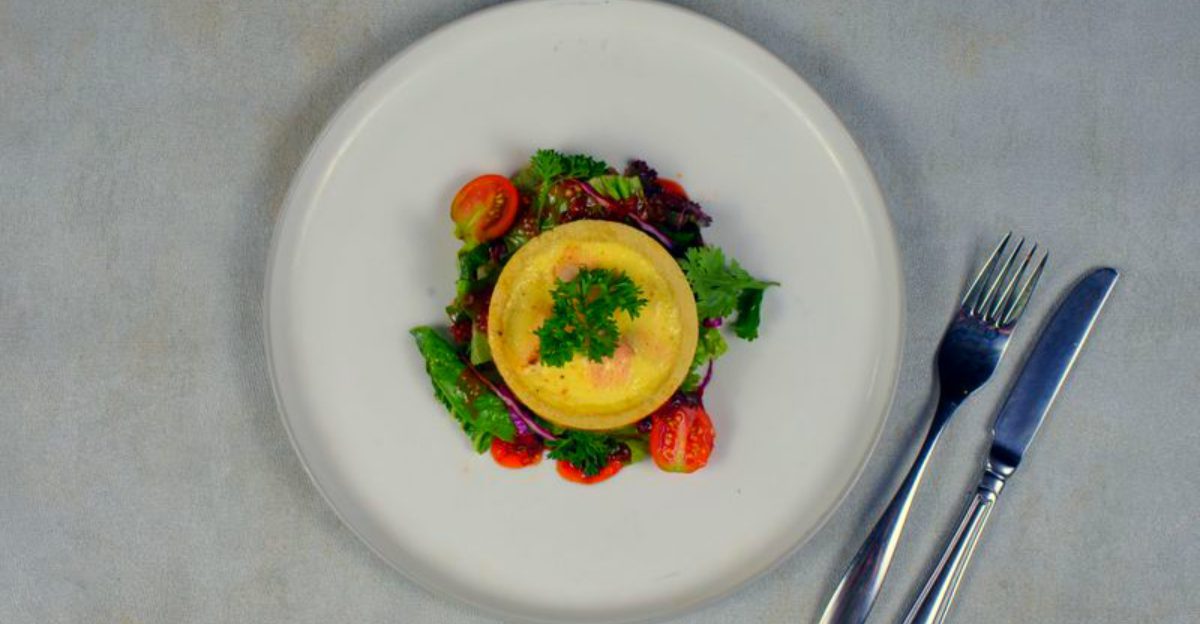
You know that moment when the bill lands and your eyebrows do a full workout? Somehow, we keep ordering the same tiny upgrades and flashy add-ons that feel suspiciously expensive.
Maybe it is the presentation, the promise of luxury, or just FOMO when the table next to you digs in. Let us call out the usual suspects so you can decide what is worth it and what is pure hype.
Tiny appetizer
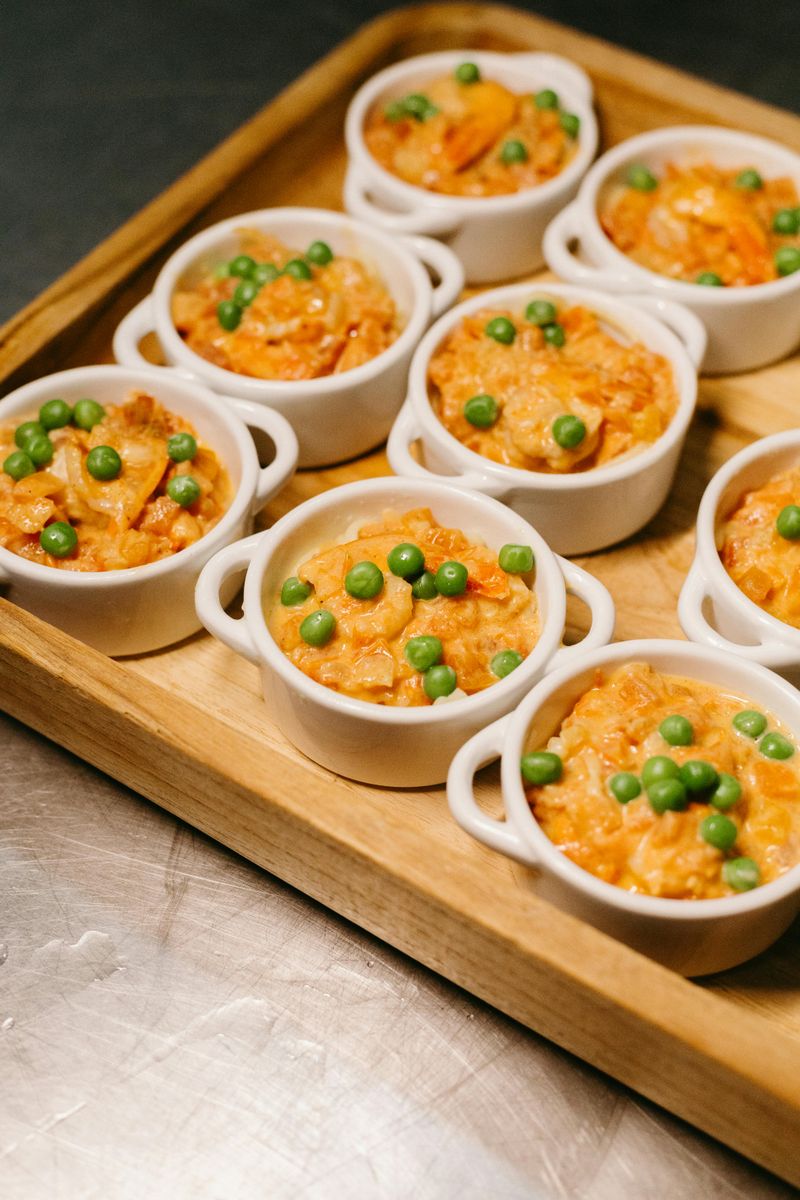
You get three perfect bites arranged like museum pieces, and the server calls it a journey. It is delicious, sure, but the portion is a whisper against your actual hunger.
The oversized plate just makes the food look even smaller, like a magic trick you paid for.
Restaurants love this because tiny equals premium in many minds. You pay for precision, plating, and a story about the chef’s inspiration.
Blink, and the appetizer disappears while the bill remembers everything.
Small plate
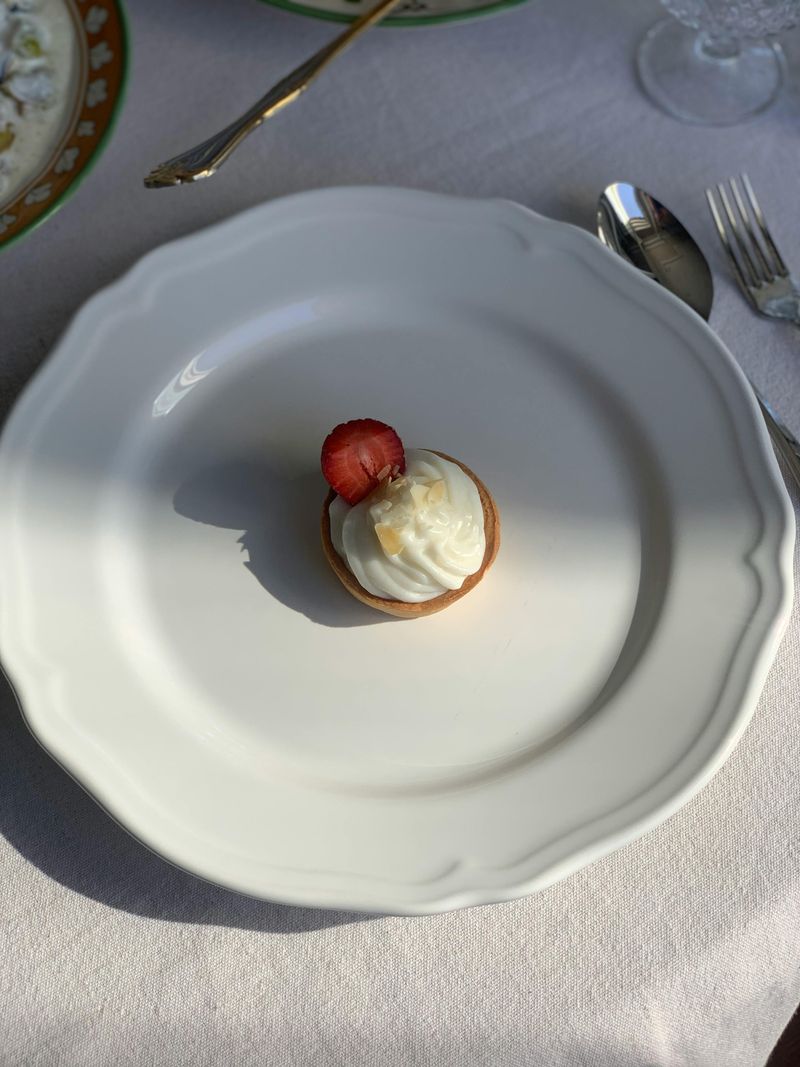
Small plates sound social and fun until you realize you need six to feel satisfied. The ritual of sharing makes every bite rarer, which somehow feels special and also vaguely costly.
You chase flavors around the table like they are playing hard to get.
Restaurants bank on momentum, ordering another round because the last one vanished too fast. Prices hide behind the word shareable.
Before you know it, your casual graze costs more than a full entree.
Tasting menu
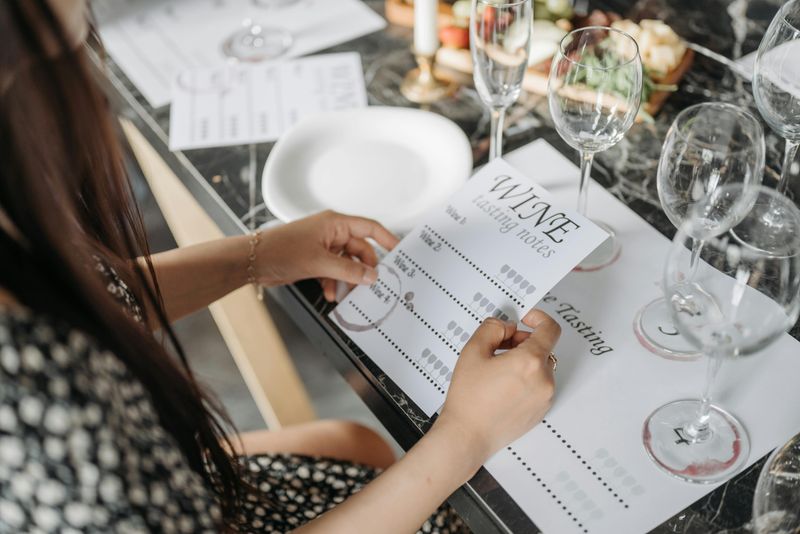
The tasting menu promises a curated journey through the chef’s imagination. You get ten exquisite moments, each smaller than the last, paced like a theatrical act.
It is beautiful, mind-bending, and occasionally leaves you thinking about a late-night snack.
Price-wise, you are paying for choreography, staffing, and prestige. Pairings stack the cost even higher with a nod from the sommelier.
If you value narrative and craft, it can feel magical, but your wallet knows it is not a casual dinner.
Market price fish
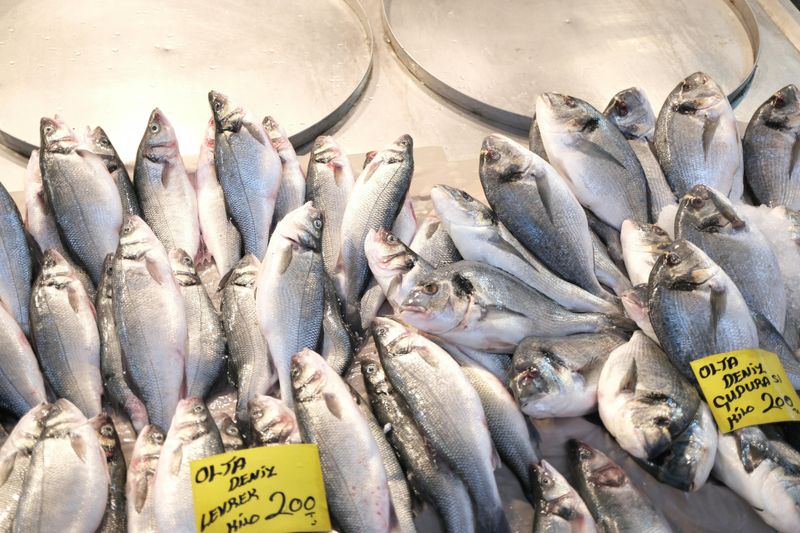
Market price turns ordering into a trust fall. You nod confidently, then do mental math when the bill arrives.
The fish is usually quality, but the ambiguity lets pricing float as freely as the catch.
Restaurants protect margins when supply costs spike, and diners accept the mystery for perceived freshness. Ask the number before committing, no shame in that.
MP can be fair, yet sometimes it swims into luxury territory without warning.
Reserve steak
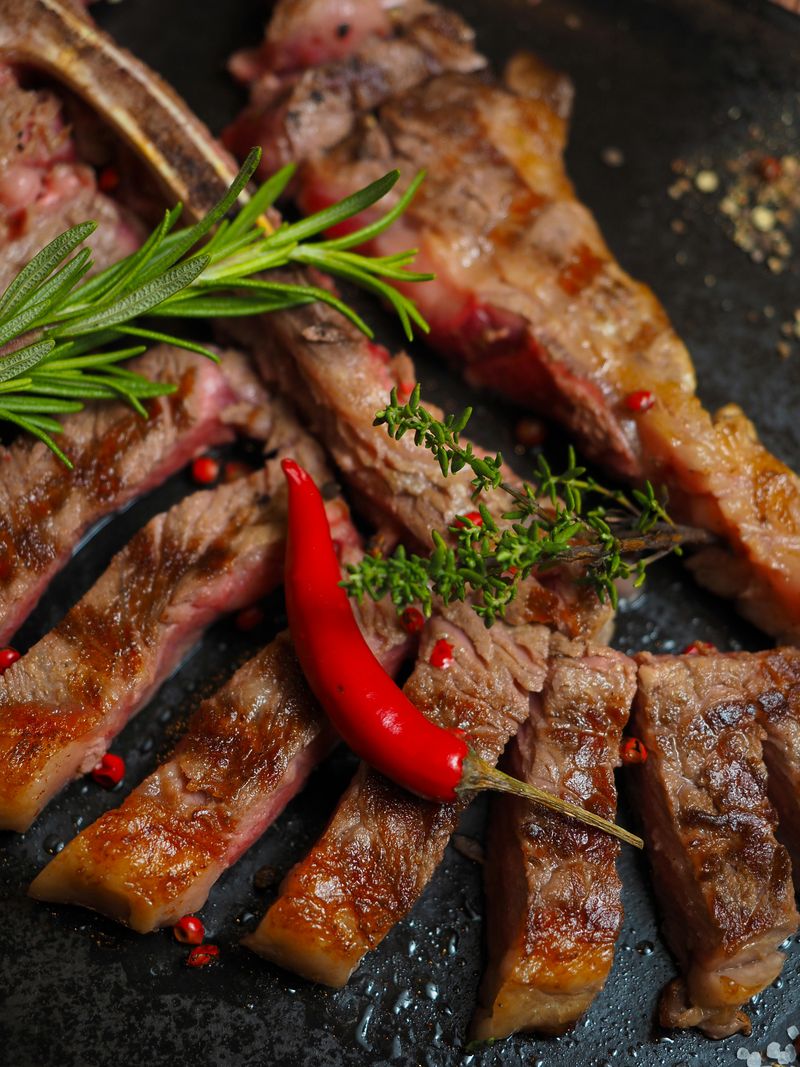
Reserve sounds like a secret vault for beef. You are pitched heritage breeds, special aging, and mystical marbling.
The steak arrives glorious, but the upcharge often leaps beyond what most palates can measure.
Yes, aging and sourcing cost more, but the branding casts a pricey spell. Unless you chase subtle differences, the standard ribeye might hit just as hard.
Your taste buds win, but your budget might feel tenderized.
Truffle fries
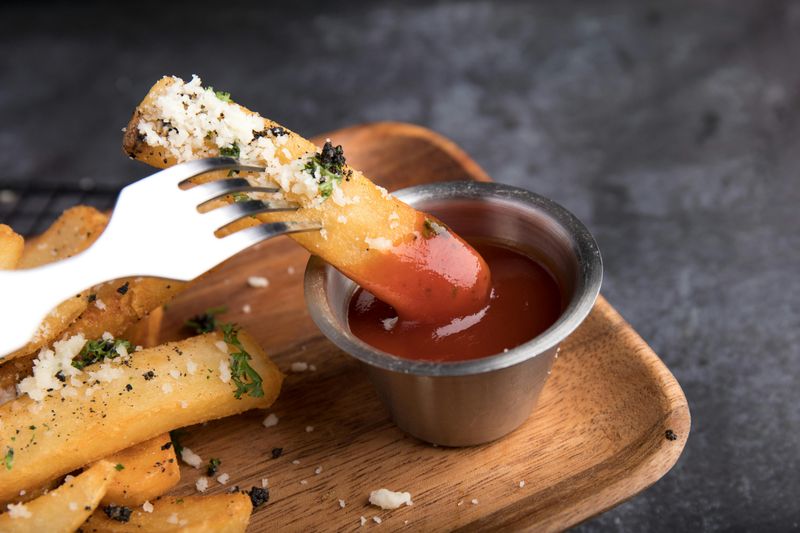
They smell like luxury from across the room, which is half the trick. Most places use truffle oil, not actual truffle, and that aroma does heavy lifting.
You get crispy fries upgraded with perfume and parmesan snow.
They are tasty, addictive, and wildly marked up compared to plain fries. Real truffle shavings cost a fortune, so oil becomes the stand-in.
If you love the vibe, order them. Just know you are paying for the aura more than the ingredient.
Gold flakes
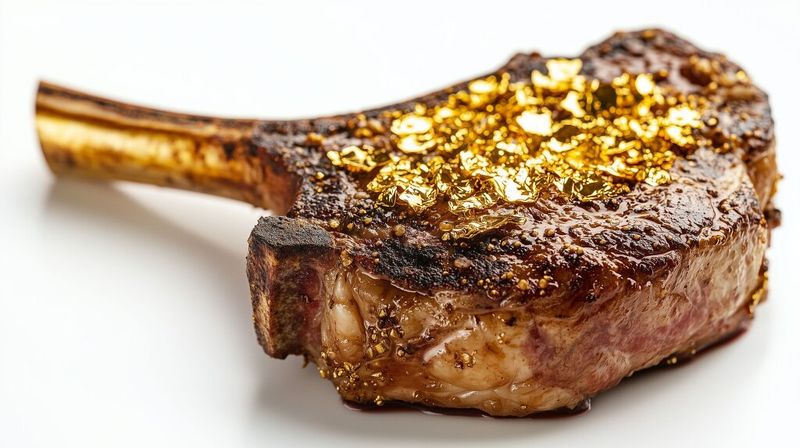
Edible gold adds exactly zero flavor, which is the most glamorous scam of all. It sits there glittering, whispering wealth while your taste buds shrug.
The price climbs because your Instagram will, too.
Restaurants use it as a prestige signal, a shiny exclamation point on anything sweet or savory. You are buying status and spectacle, not taste.
If that sparkle makes your night, have fun. Just know your wallet is funding pure theater.
Designer water

Fancy water arrives with a resume and a cork. The label describes alpine snowmelt and ancient rocks, and suddenly hydration feels couture.
You could have asked for tap, but the bottle looks gorgeous in photos.
Markup is massive because branding beats basic thirst every time. Mineral content can taste different, yes, but the price leaps far beyond the nuance.
If tap is safe, your budget will thank you. Otherwise, sip the story and enjoy the sparkle.
Premium ice

That perfect sphere melts slower, protecting your cocktail like a bodyguard. It looks stunning, refracting light and signaling craft.
But the upcharge for frozen water can feel bold, even if the technique takes effort.
Clear ice requires special freezing methods, molds, and time. Bartenders love it for dilution control, and you get a cleaner sip.
If aesthetics matter, it is worth the show. Otherwise, you are paying extra so your drink waters down a bit later.
Extra cheese
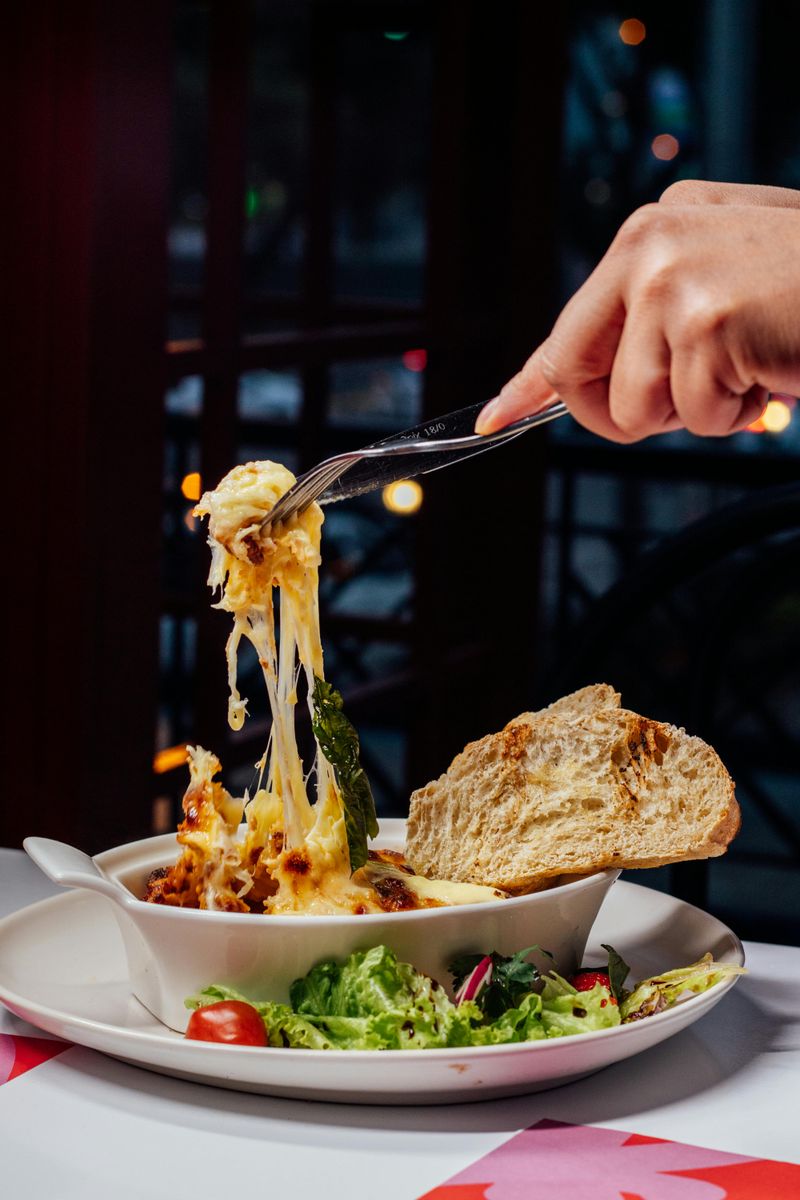
“Want extra cheese?” is the upsell that rarely fails. It feels small, friendly, and harmless until you see another few dollars on the bill.
The portion is often modest, too, just enough to justify the charge.
Dairy costs aside, cheese is a margin darling. It boosts flavor and satisfaction, making you more likely to return.
If you crave that gooey finish, go for it. Just know the sprinkle is doing big business.
Add avocado
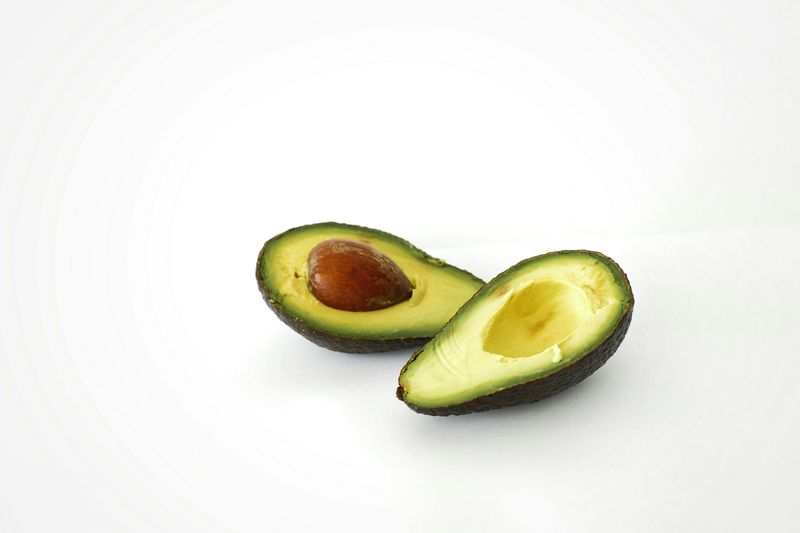
Avocado add-ons feel like a lifestyle choice at this point. The fruit has seasonal swings, sure, but the surcharge rarely swings down.
You get a few slices that transform the dish and the bill at the same time.
Restaurants count on your green devotion and the brunch culture halo. If it makes your plate perfect, the cost might be worth the mood boost.
Otherwise, consider ordering a full side and sharing. Economics taste better that way.
Add bacon
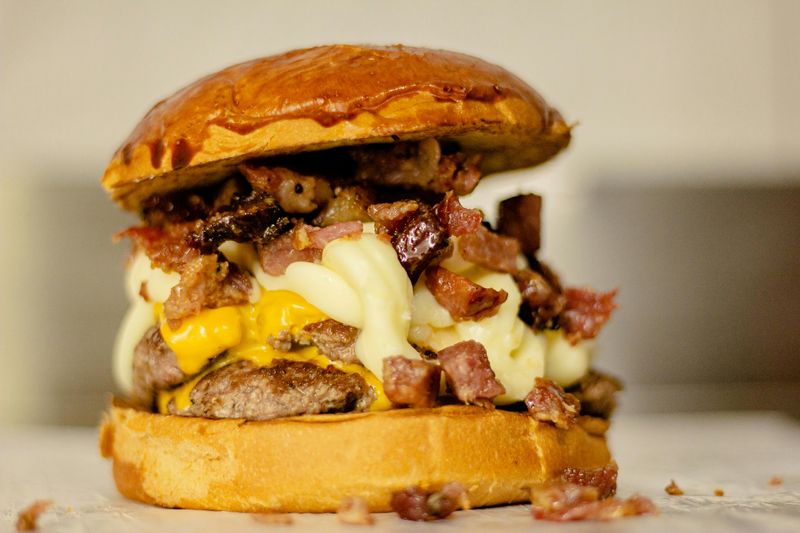
Bacon’s charisma needs no introduction, which is why the add-on flies. You pay a premium for two or three strips, expertly crisped and impossible to resist.
Suddenly every dish becomes bacon-enhanced and pricier.
Restaurants love it because the craving sells itself. Even with higher pork costs, the margin stays tasty.
If you want that smoky punctuation, live your truth. Just clock the math when a side becomes a splurge.
Side upgrade
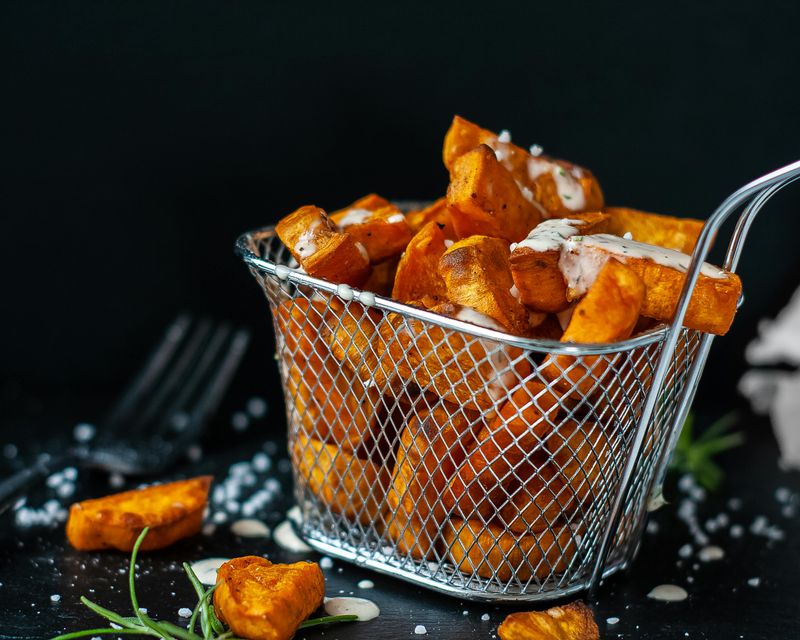
You trade basic fries for sweet potatoes or a side salad, and a tidy fee appears. The difference in cost to the kitchen is not always equal to the price jump.
Still, it feels healthier or fancier, so you hit accept.
Restaurants rely on the psychology of personalization. You are customizing a better meal, they are optimizing margin.
Sometimes it is worth it, but sometimes it is just a color swap on the plate.
Sauce charge
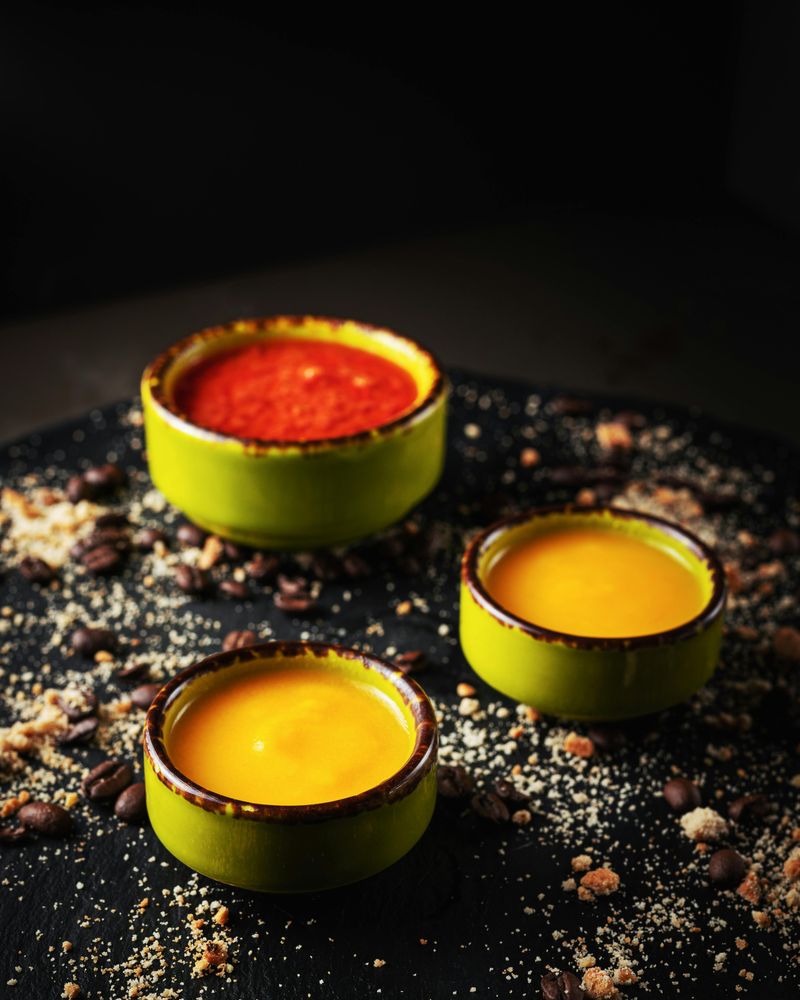
Asking for extra sauce seems innocent until it rings up like a mini entree. The ramekin looks tiny, the price not so much.
Sauces take time, yes, but the markup often drips beyond reason.
Some kitchens batch from scratch, justifying a little charge. Others use the fee as a gentle deterrent against sauce floods.
Pro tip: ask what is complimentary first. Your fries will still swim happily without sinking your budget.
Bread charge
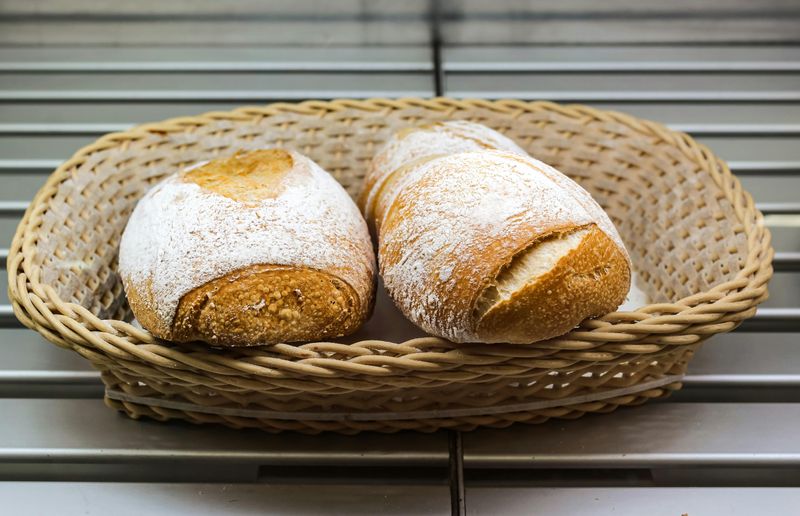
Remember when bread was free and bottomless? Now it arrives warm, artisanal, and mysteriously itemized.
The butter might be cultured, but so is the price.
Baker labor and quality flour are real costs, and waste adds up. Still, charging for a basket feels like rewriting tradition.
If it is outstanding, treat it like a course and savor every slice. Otherwise, save your appetite for the dishes you truly want.
Service charge
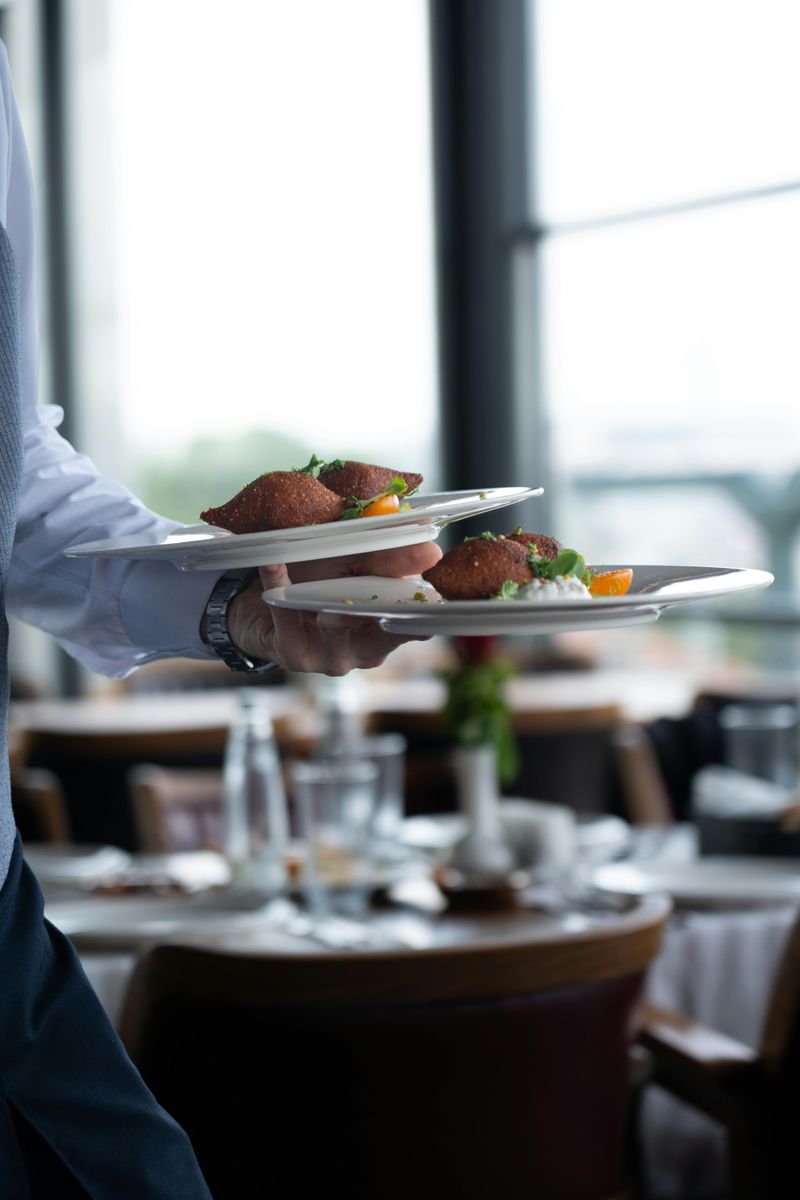
Service fees can appear where tips used to live, or on top of them. You squint at the fine print, wondering who actually gets it.
The number looks tidy and inevitable.
Restaurants use it to cover higher wages or benefits, which makes sense in theory. But lack of clarity can sour the experience.
Ask politely what it covers, then tip accordingly. Transparency tastes better than surprise math at the end.
Kitchen fee
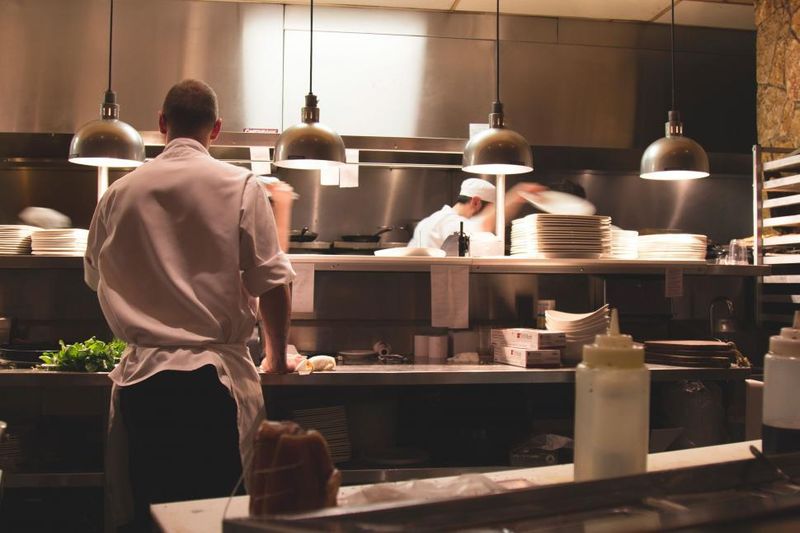
Kitchen appreciation fees sound noble, and sometimes they truly help back-of-house staff. Still, it feels odd to meet a new line item you never ordered.
You want workers paid fairly without playing invoice detective.
When restaurants explain clearly, most diners nod and accept. The sting comes from surprise, not support.
If the fee is disclosed upfront, it lands better. Otherwise, it reads like a quiet tax on your appetite.
Reservation fee
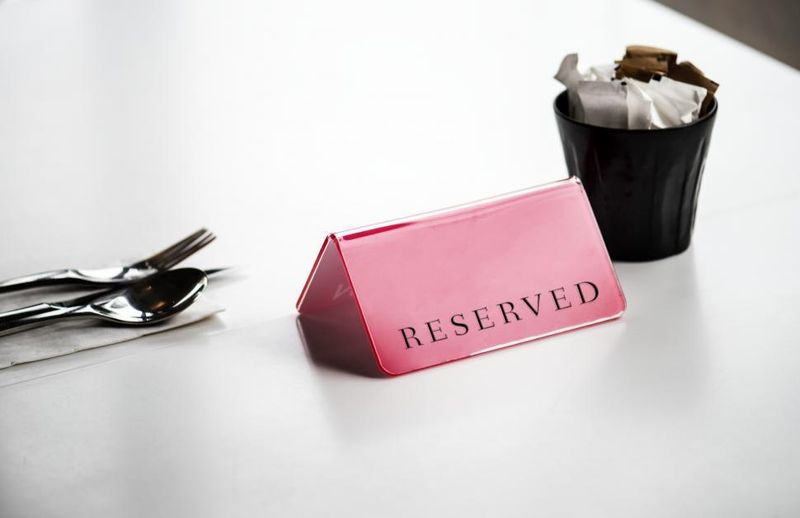
Paying to hold a table flips hospitality on its head. You book weeks out, hand over a card, and hope the privilege feels worth it.
When you arrive, you still wait five minutes at the host stand.
To be fair, no-shows crush restaurants, and deposits can protect them. But a fee for access feels elitist when poorly communicated.
If it credits your bill, great. If not, you just tipped the calendar.
Processing fee
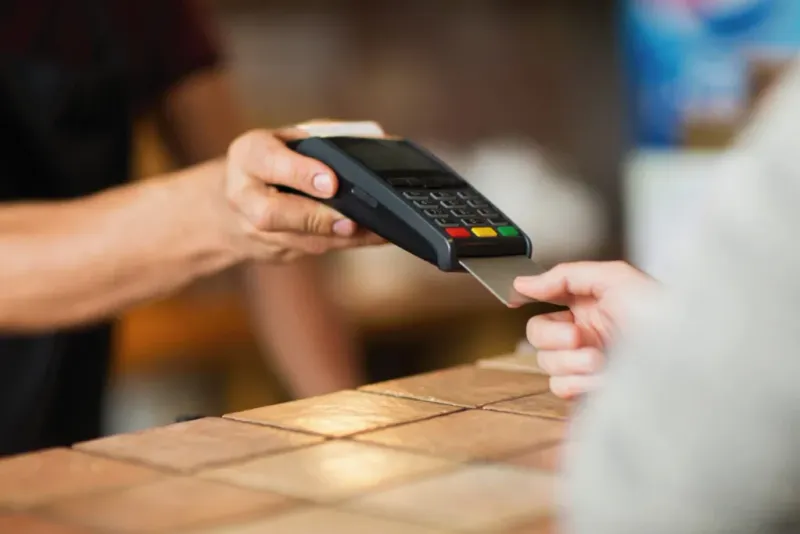
That little convenience fee is anything but convenient when you notice it after the fact. Restaurants pass card costs along, and suddenly your pasta pays for Visa’s vacation.
It feels small until it stacks across a table.
Cash discounts flip the script, but most of us tap and go. Ask in advance if fees apply, then choose your payment wisely.
Transparency helps, even when the math still stings.
Dessert upgrade
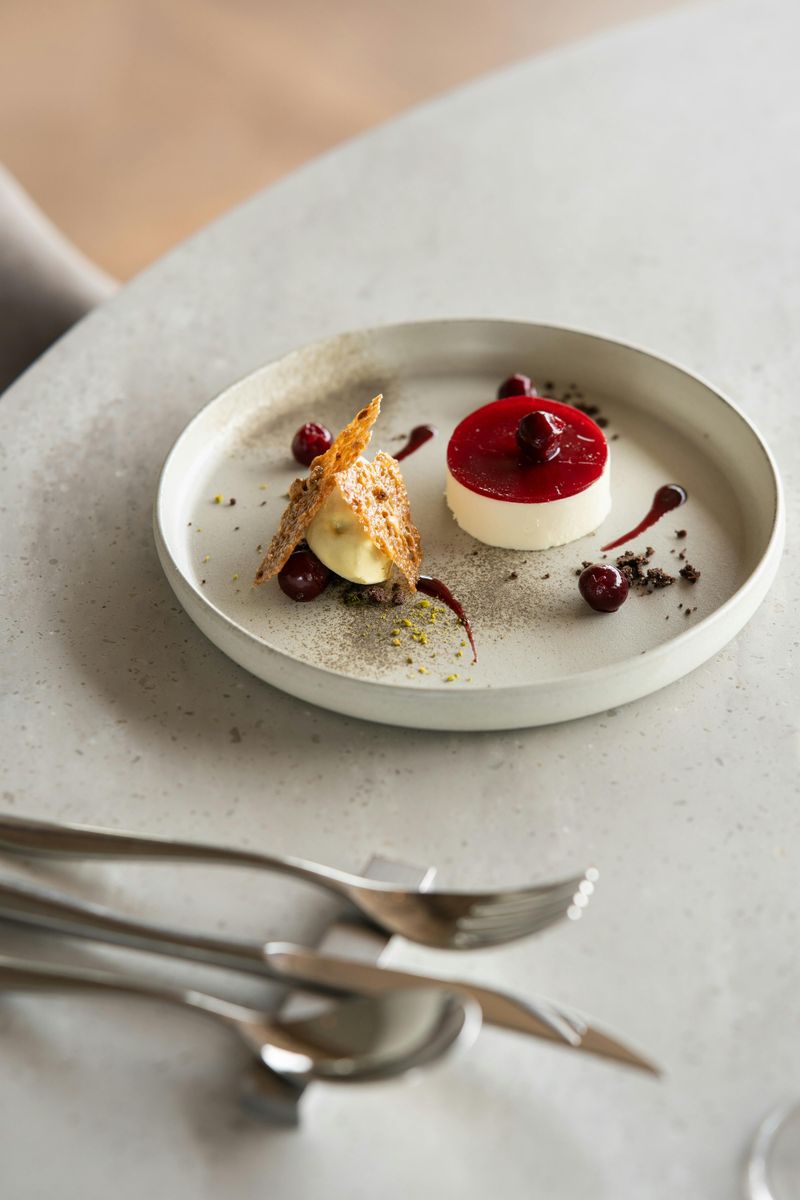
You wanted the cake. Now you want the version with berries, a quenelle of cream, and a flourish of sauce.
The base price balloons quietly behind the sugar rush.
Upgrades photograph beautifully and feel celebratory, which is half the goal. If the extras transform the dish, enjoy the splurge.
If not, the plain slice might deliver the same joy for less. Sweetness should not require a finance degree.
Shareable plate
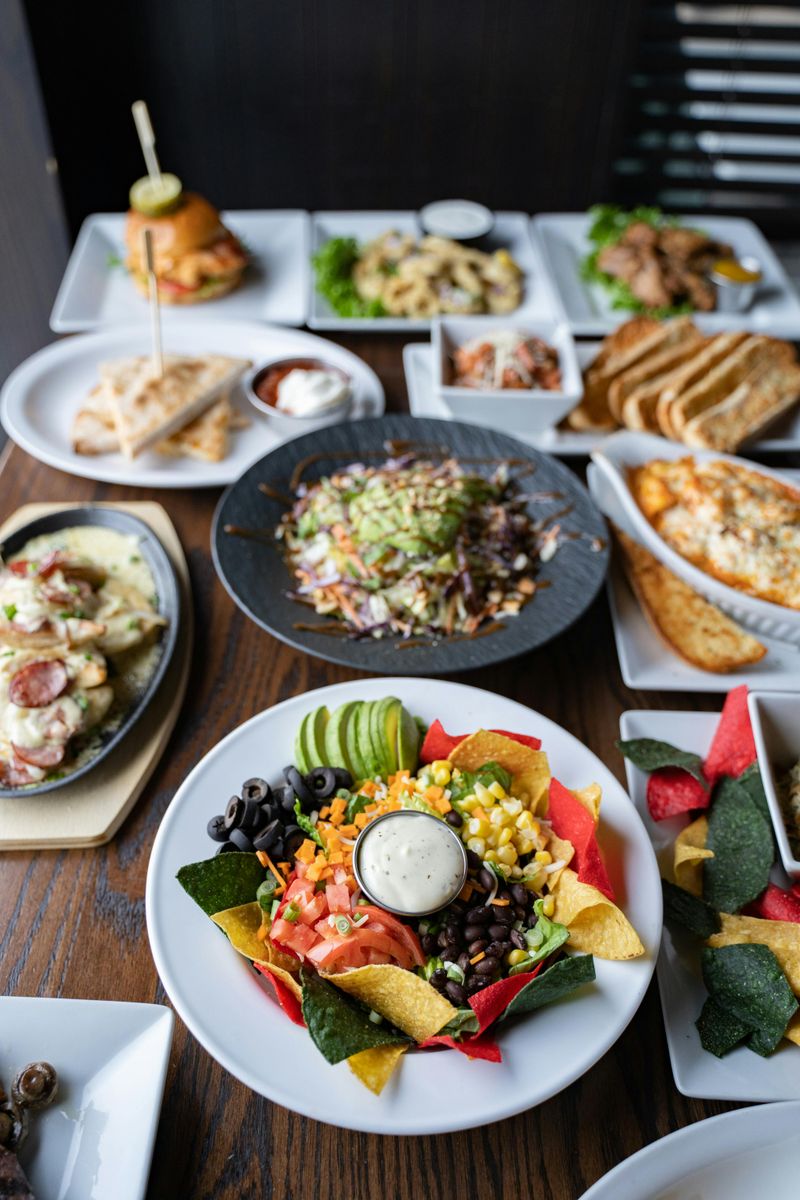
Shareable promises abundance, then often lands as a big plate with small food. You divide it politely and wonder who actually shared most.
The social moment is great, the math less so.
Restaurants price it between appetizer and entree to nudge extra orders. You feel communal, they feel profitable.
If the dish truly scales, it is a win. If not, order solo and share bites, not the bill shock.
Protein upgrade
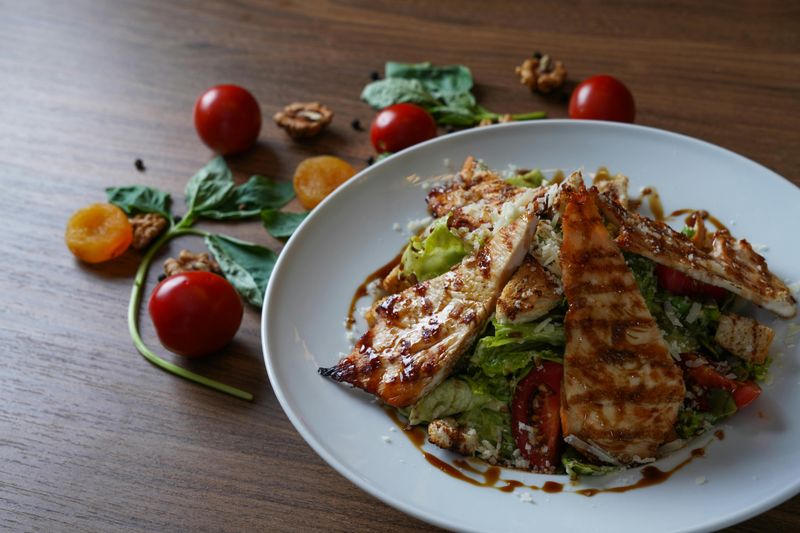
“Add chicken or salmon?” is the quiet budget trap. You nod, and suddenly your light lunch becomes a dinner-priced bowl.
The portion is often modest, calibrated to feel complete but not generous.
Proteins drive costs, but the margins still favor the house. If you truly need the boost, it can be worth it for balance.
Otherwise, consider a separate entree or share a side. Your wallet may feel stronger than your macros.
Mini dessert
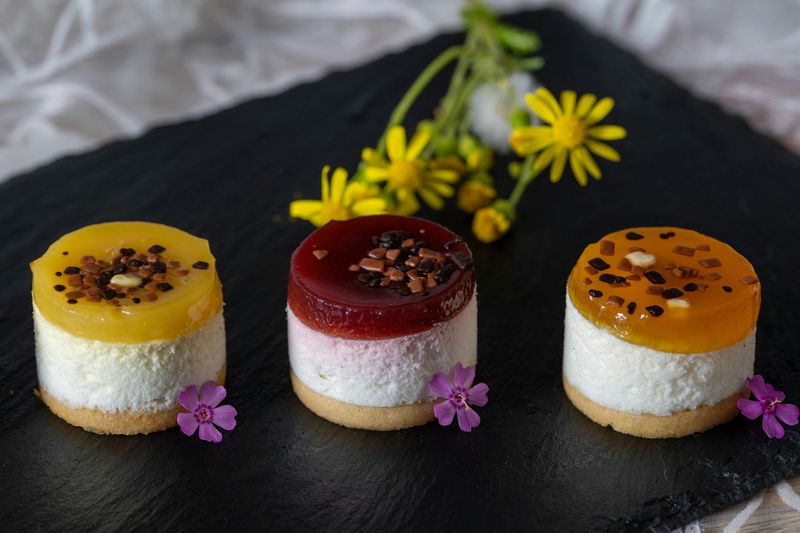
Bite-sized desserts promise guilt-free indulgence, then charge like full-size fun. You get three elegant nibbles and a soft lecture on restraint.
The price-to-bite ratio makes you do quiet calculus.
They are adorable and great for sharing, which is why they sell. If you crave variety over volume, minis deliver.
Otherwise, one normal slice costs less and satisfies more. Cute is not always cost-effective, even in pastry.
Overpriced salad
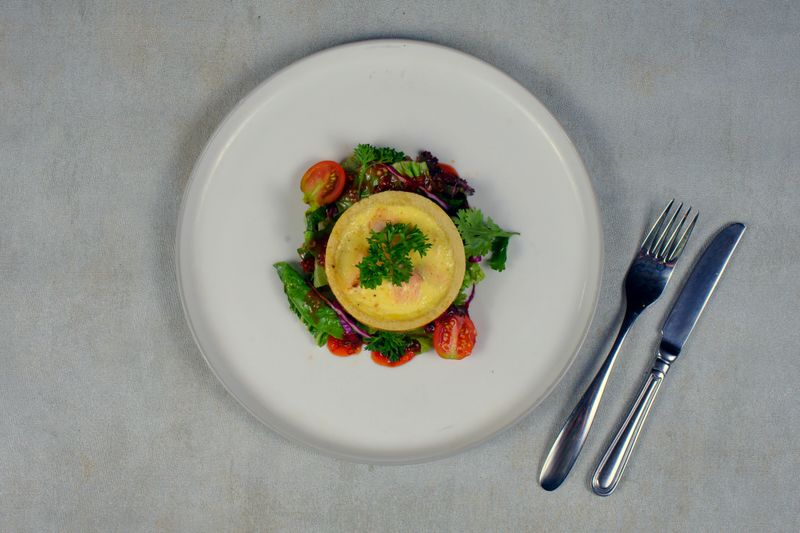
Salads wear a health halo that hides a luxury price tag. A handful of greens, artisanal cheese, and a sprinkle of nuts suddenly equal steak money.
You feel virtuous and slightly hustled at once.
Prep is labor-heavy, and good produce is not cheap. But the markup often leaps because lunch crowds default to salad.
Build your own wisely, or split one as a side. Health should not bankrupt your noon break.
Enjoyed this story?
Add Fast Food Club as a preferred source to see more of our reporting on Google.