


Some foods earn an unfair reputation simply because most people meet them in their worst form. When you finally try a version made with care, the flavors snap into focus and everything clicks.
Think crisp, fresh, thoughtfully seasoned, and sourced from people who love the ingredient. If you have been side eyeing these, the right preparation might change your mind for good.
Sardines
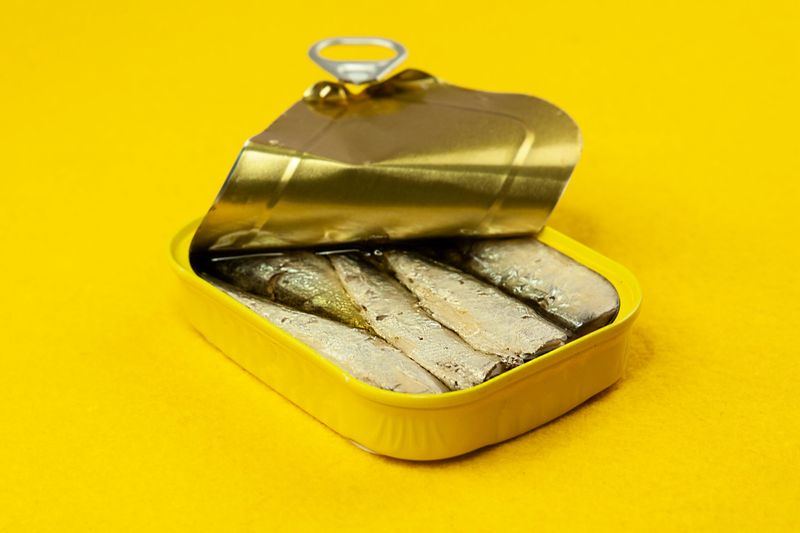
Tiny, oily fish can be glorious when handled right. Fresh grilled sardines with char, lemon, and flaky salt taste bright and meaty, not fishy.
Canned options vary wildly, so look for high quality tins packed in olive oil or tomato sauce from Portugal or Spain.
Toast thick bread, rub with garlic, and lay sardines on top with capers and herbs. The richness loves acidity.
If you grew up on bland supermarket tins, a premium brand can be eye opening. They are sustainable, affordable, and deeply satisfying.
Anchovies
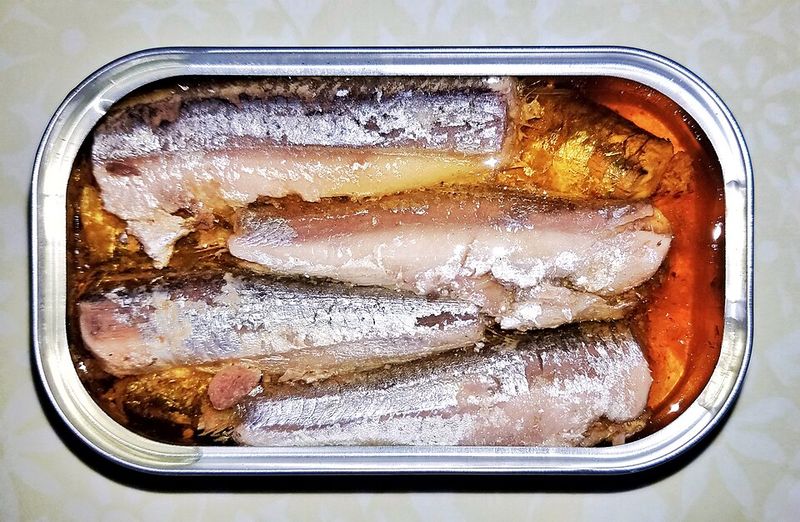
Anchovies are not the salt bombs you remember from childhood pizza. High quality fillets packed in olive oil are silky, savory, and complex.
Melt them gently with garlic and chili into pasta, or lay plump boquerones over crusty bread with butter and lemon.
They vanish into sauces, adding depth without fishiness. For salads, whole fillets on a proper Caesar are a revelation.
Rinse overly salty ones and pat dry. Learn the difference between preserved brown anchovies and vinegared white boquerones, and you might crave them daily.
Blue cheese
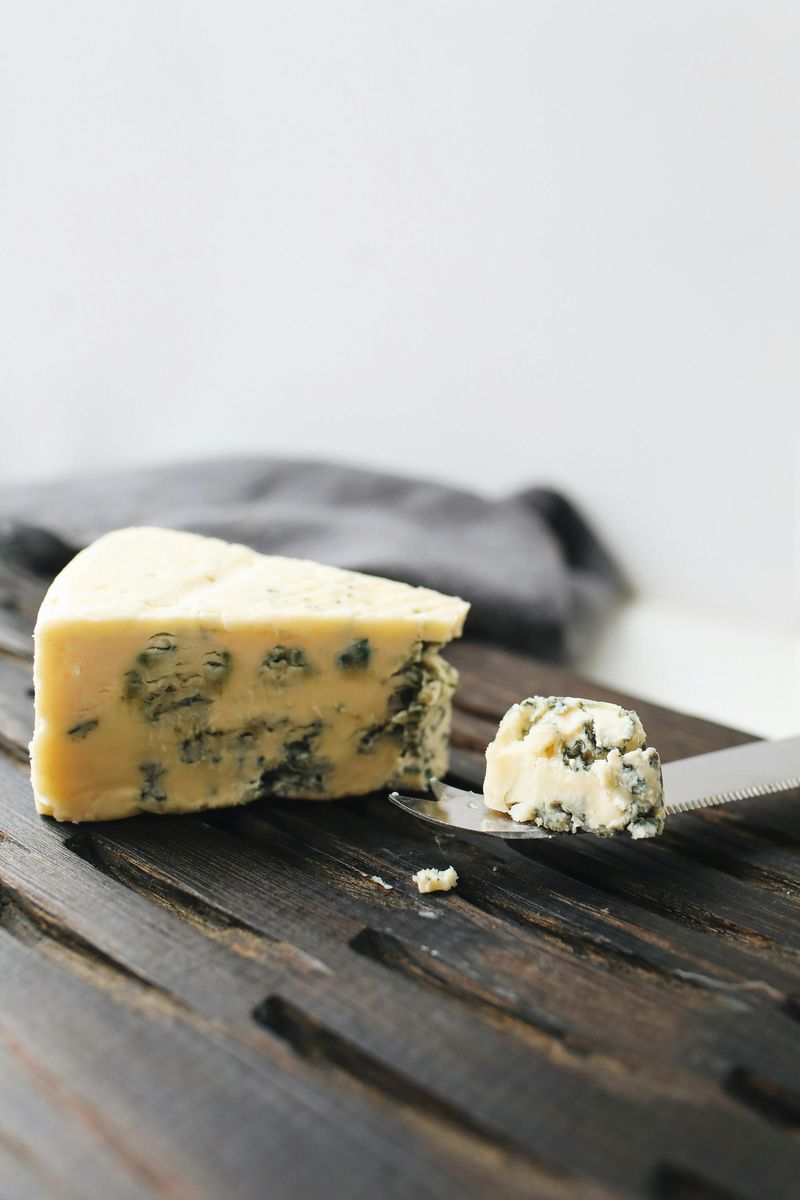
Blue cheese goes from harsh to heavenly when you choose the right style. Buttery, mild blues like Cambozola or Gorgonzola Dolce are gentle gateways.
Pair with honey, ripe figs, or pears to let sweetness frame the tang. Let it come to room temperature for a lush, spreadable texture.
A crumble on hot steak, or melted into cream for gnocchi, rounds the edges. Stronger varieties like Roquefort shine with crisp apples and toasted nuts.
Balance is everything. Once you taste the creaminess and minerality, the funk stops feeling scary.
Olives
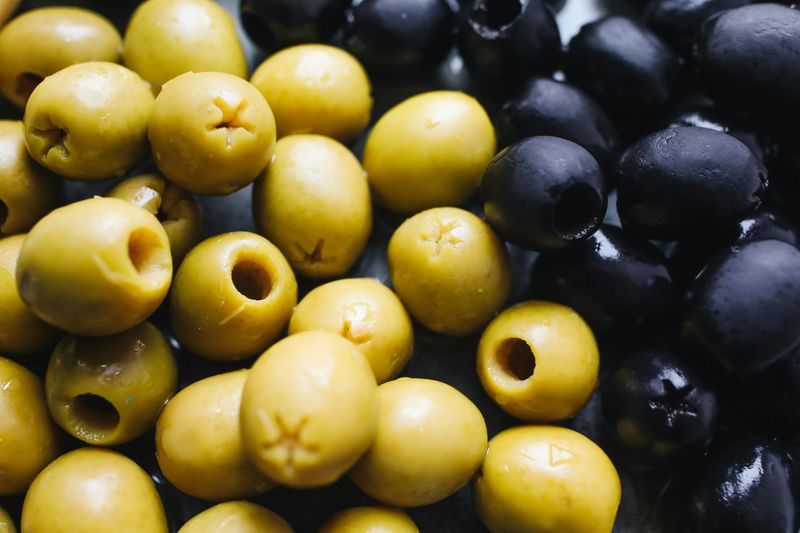
Not all olives are bracingly bitter. Start with plump, buttery Castelvetranos that snap with gentle sweetness.
Rinse brine and marinate with orange zest, garlic, rosemary, and good olive oil to soften sharp edges. Warm them briefly to bloom aromas and tame salinity.
Explore varieties: fruity Gordal, wrinkly oil cured, briny Kalamata, and delicate Cerignola. Pit them for salads and focaccia so the flavor blends rather than dominates.
Texture matters, and fresh barrels beat dusty jars. When seasoned right, olives become bright snacks rather than harsh medicine.
Mushrooms
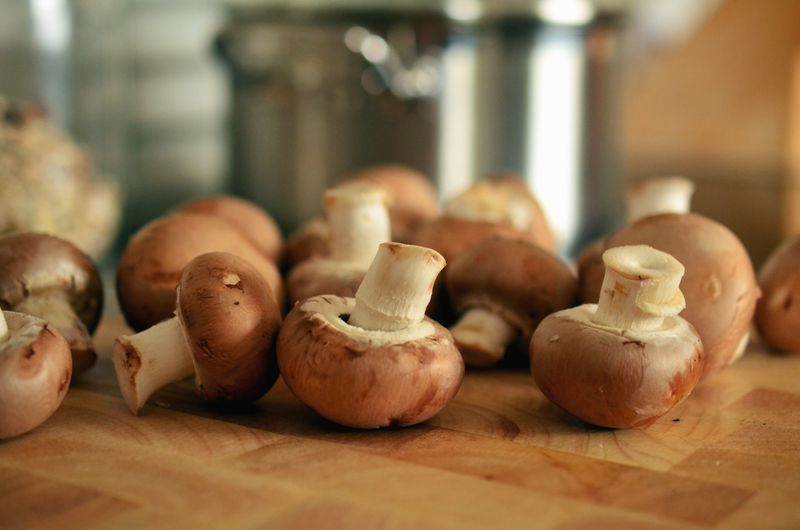
Soggy, pale mushrooms are tragic. High heat and patience give you browned, nutty caps with crisp edges and deep aroma.
Cook in batches, salt late, and finish with butter, thyme, and a splash of sherry. Good mushrooms like maitake, oyster, or shiitake bring umami without slime.
Roast whole portobellos for burgers, or slice thin and sauté for risotto. Do not overcrowd the pan.
A squeeze of lemon brightens everything. When you finally taste them properly caramelized, mushrooms go from squeaky to silky and deeply savory.
Brussels sprouts
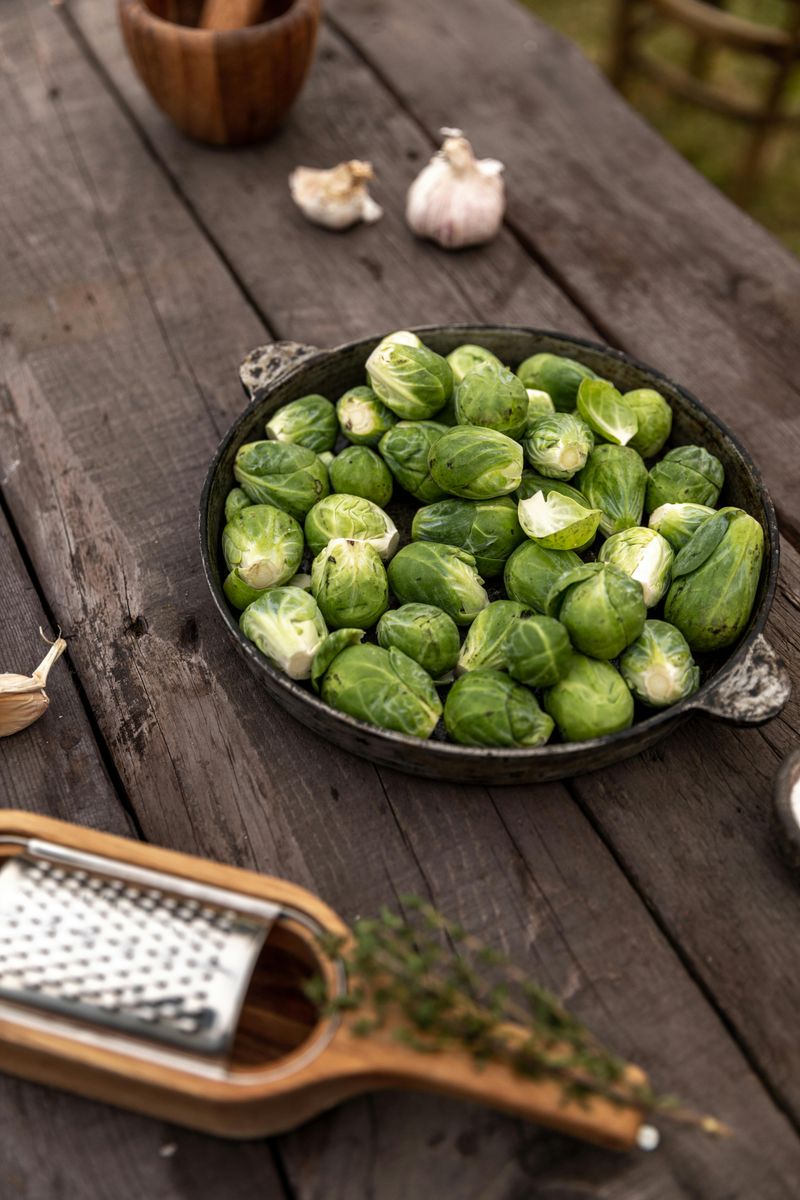
Boiled sprouts are why people think they hate Brussels. Roast them hot until edges char and centers turn sweet.
Toss with olive oil, salt, and a touch of maple before roasting, then finish with lemon or balsamic. Crispy leaves are the prize.
Shredded raw sprouts with parmesan, toasted almonds, and a bright vinaigrette make a crunchy slaw. Pan sear halved sprouts with pancetta for a smoky kick.
The sulfur fades when caramelization happens. Suddenly Brussels taste nutty, complex, and totally snackable.
Beets
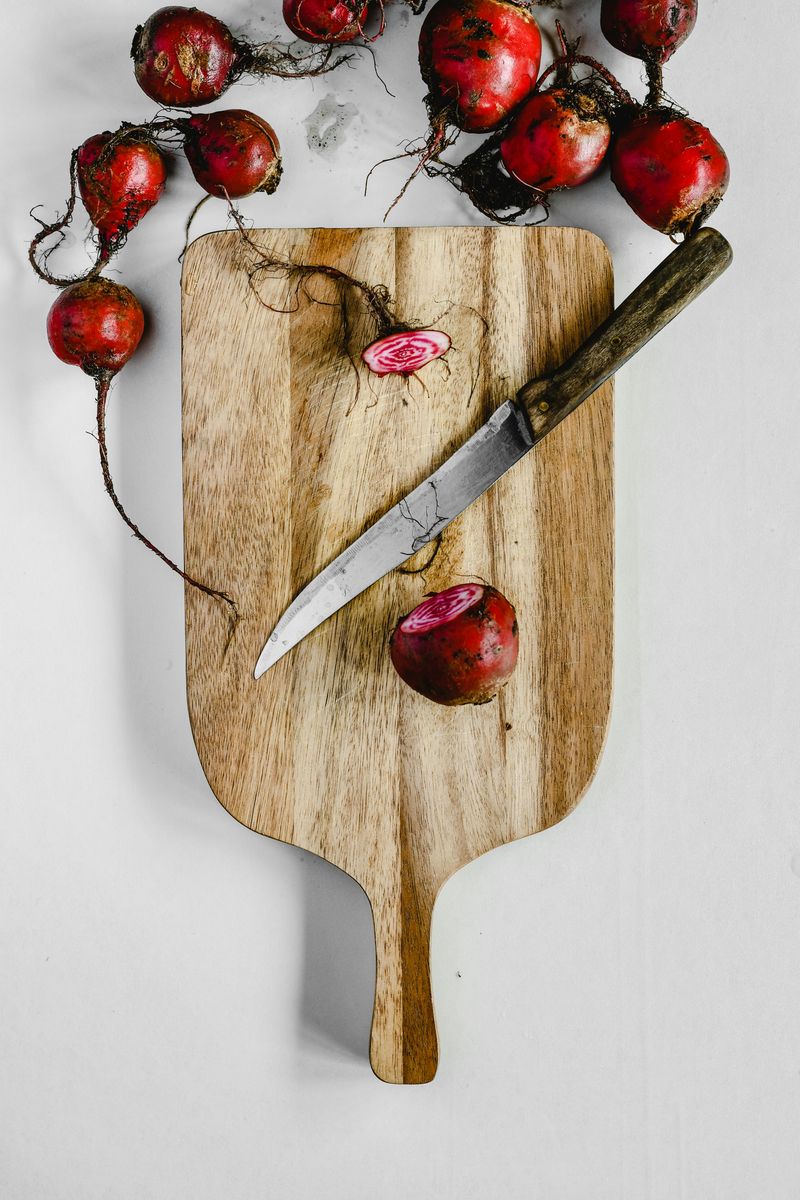
Beets can taste like dirt when undercooked or canned poorly. Roast them until tender and sweet, then peel while warm.
Pair with goat cheese, citrus, pistachios, and a sharp vinaigrette to spotlight their natural sugar. Golden and Chioggia varieties are milder and less earthy.
Grate raw beets into slaws for bright crunch, or blend into hummus for color and sweetness. Balance with acid and salt.
Once you try them properly roasted, the flavor turns from muddy to candy like, and you start planning beet nights.
Sauerkraut
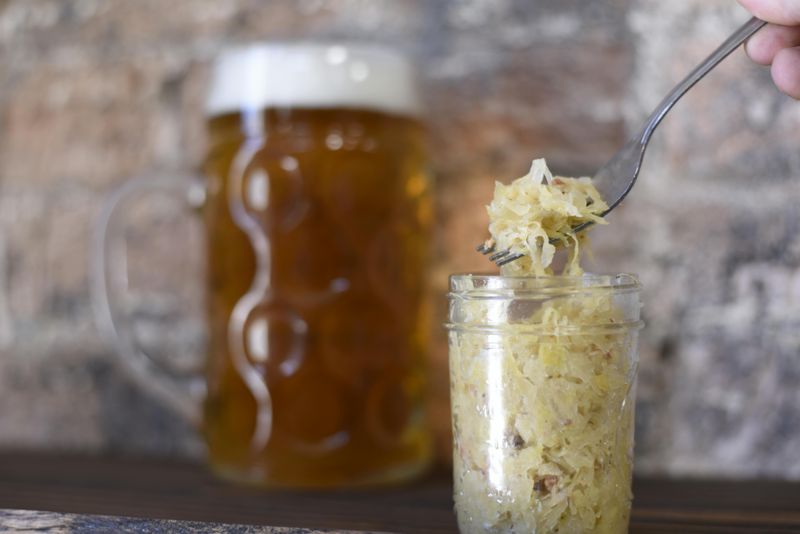
Store bought sauerkraut can be limp and sour without nuance. Fresh, raw kraut crackles with crunch and delicate tang.
Look for live cultured versions in the refrigerated section, or make your own with just cabbage and salt. Add caraway, juniper, or apple for personality.
Rinse and squeeze gently if saltiness overwhelms. Pile onto a Reuben, tuck beside roasted pork, or stir into warm potatoes with butter.
The probiotics add zip and life. Once you taste it crisp and bright, sauerkraut becomes refreshing rather than punishing.
Tofu
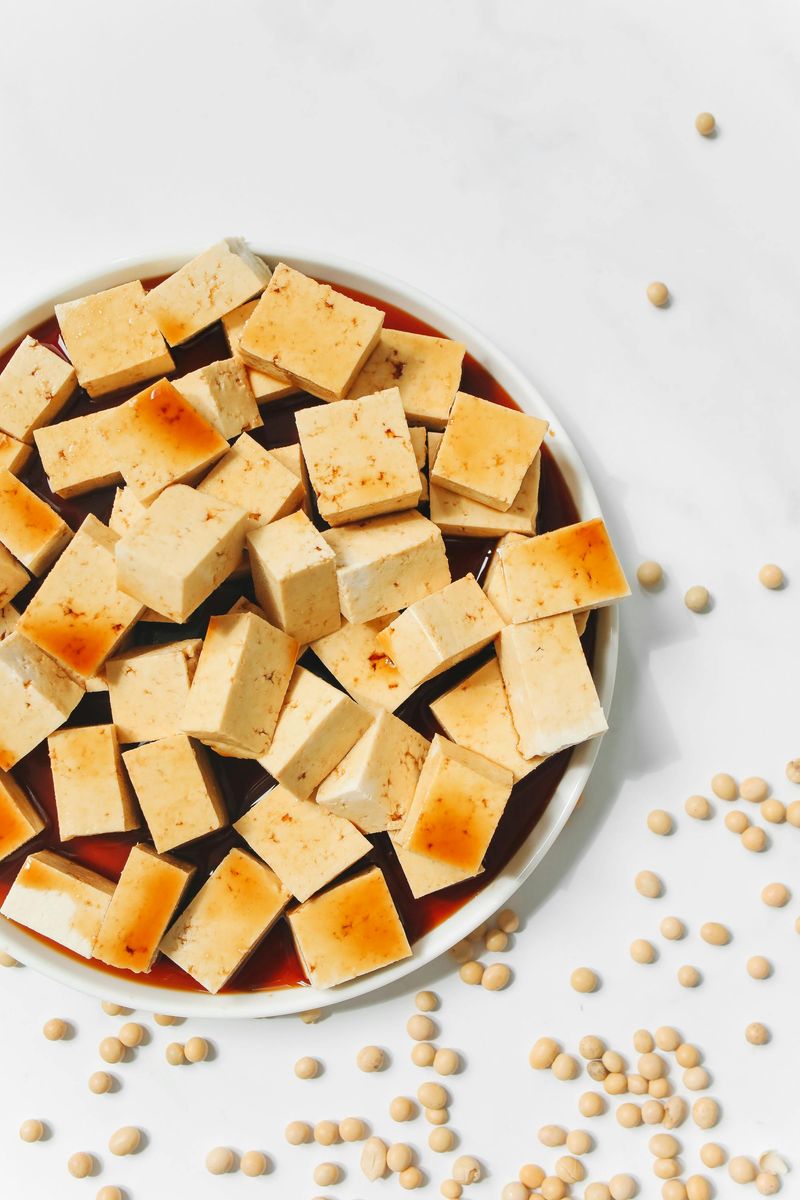
Watery tofu gives the wrong impression. Press it, marinate it, and use high heat.
Crispy baked or pan fried tofu develops a golden crust that soaks sauces beautifully. Silken tofu in soups or chilled with soy, scallion, and ginger is delicate and custardy, not bland.
Choose firm for stir fries, extra firm for frying, and silken for desserts or mapo tofu. Cornstarch helps crisping.
With proper seasoning, tofu becomes a texture playground that carries flavor like a champ.
Cottage cheese
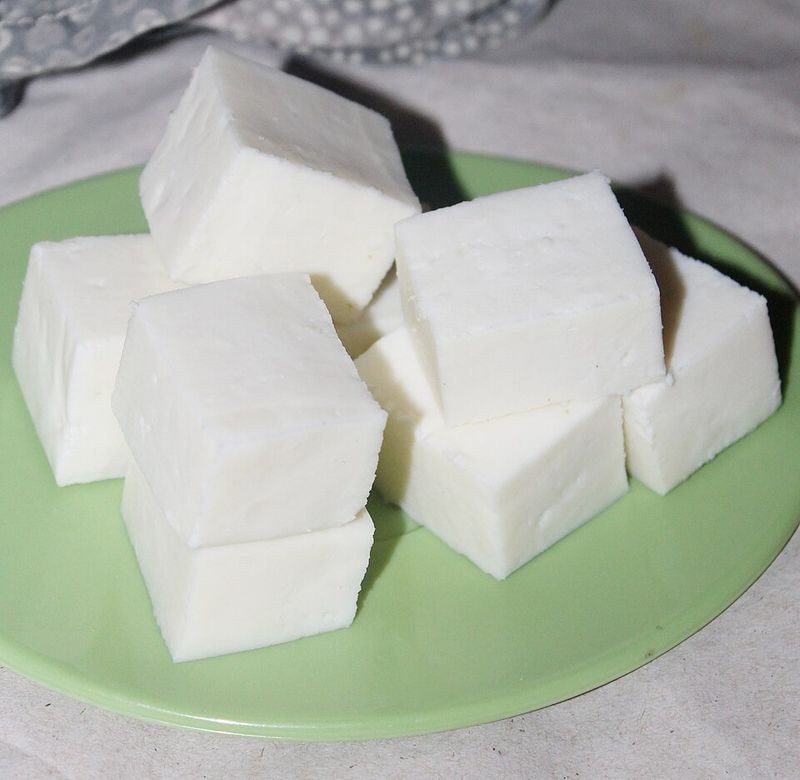
Lumpy, watery cups are not the full story. High milkfat cottage cheese tastes rich and clean, with curds that are tender, not squeaky.
Stir in a pinch of salt and olive oil for savory, or honey and fruit for sweet. Try whipped cottage cheese for a silky spread.
Quality brands use minimal stabilizers and shine on toast with tomatoes and pepper. It is high protein and versatile.
Once you find the creamy style, cottage cheese becomes a craveable snack instead of cafeteria dread.
Bone marrow
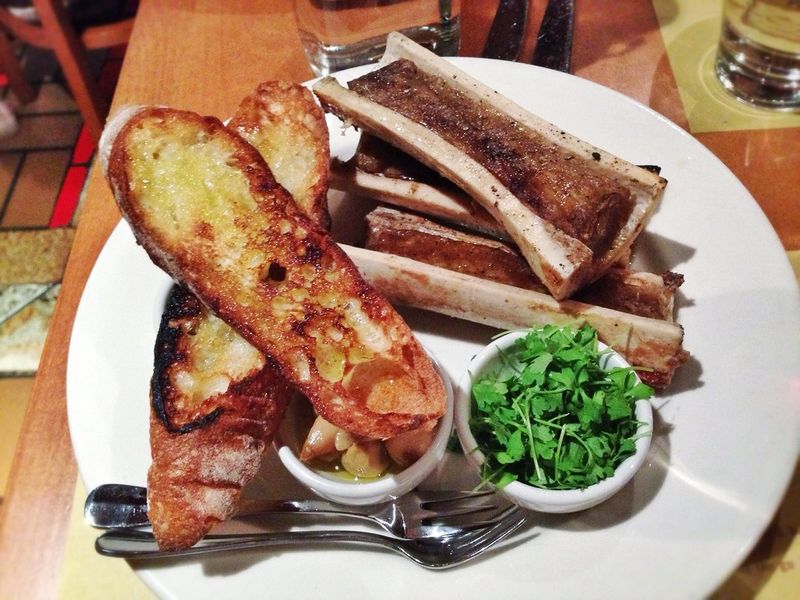
Marrow can seem intimidating, but it is just beef butter. Roast split bones until quivering and translucent, then scoop onto toast with parsley salad and lemon.
The brightness cuts the richness, leaving a luxurious, nutty flavor. Salt matters, and hot toast is non negotiable.
Ask your butcher for center cut canoe bones. A quick broil finish adds caramelized edges.
If it feels too rich, stir a spoonful into pan sauce for steak. It is decadent, savory, and surprisingly delicate when balanced.
Grapefruit
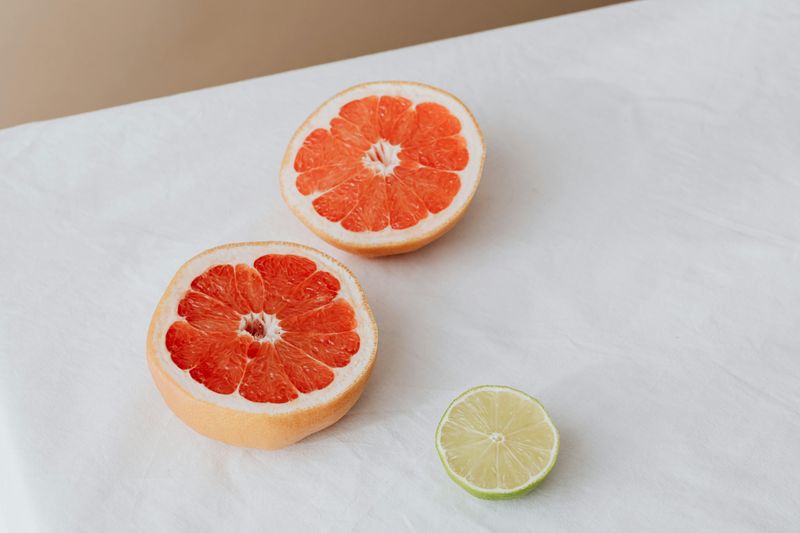
Grapefruit is not destined to be bitter punishment. Choose ripe ruby reds, segment away the pith, and add a pinch of salt to wake the sweetness.
Broil with a sprinkle of sugar for brûléed edges, or toss segments with olive oil and mint for salad.
Use honey instead of white sugar if you prefer softer sweetness. The trick is removing membranes and balancing with fat or salt.
Suddenly grapefruit tastes floral, juicy, and refreshing, not harsh.
Dark chocolate
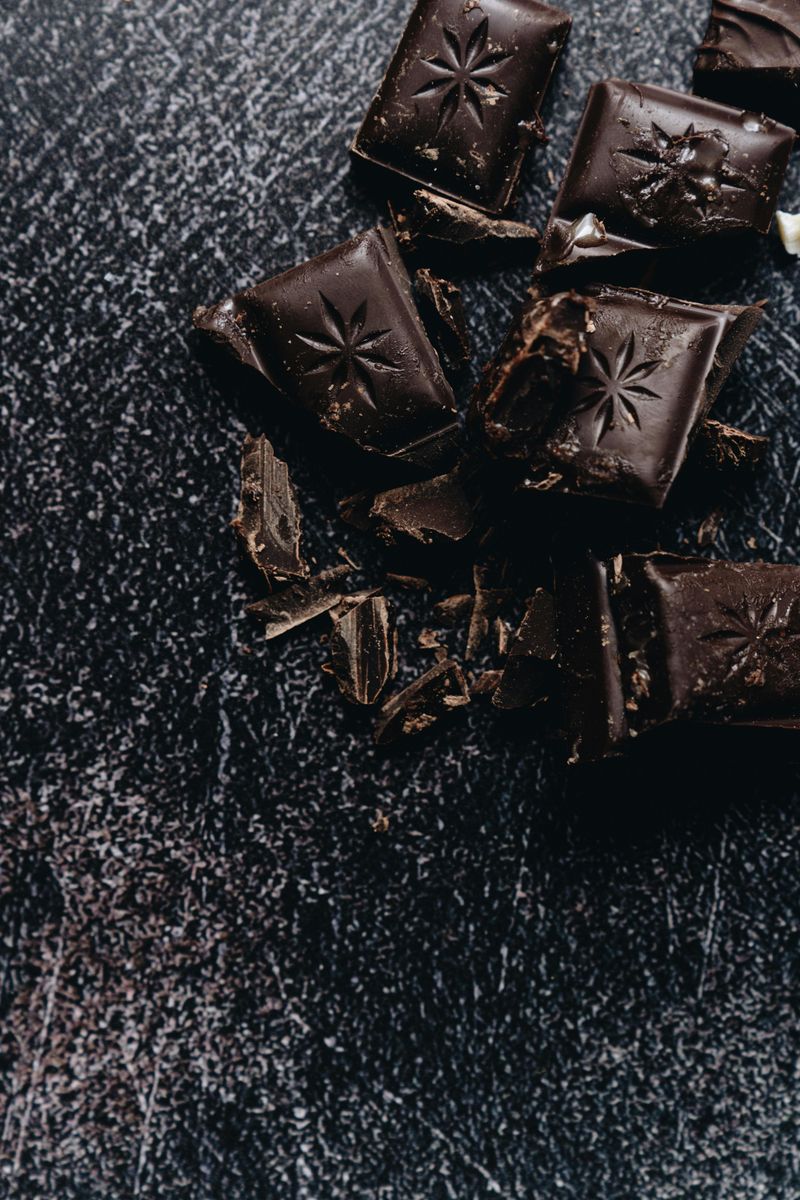
Cheap dark chocolate can taste chalky and sour. Good bars are balanced, with notes of cherry, caramel, or toasted nuts.
Start around 70 percent and look for single origin makers who roast thoughtfully. Let a square melt slowly to taste the layers rather than chewing.
Pair with coffee, orange peel, or flaky salt. Avoid waxy coatings and excessive vanilla.
Once you find a bar with proper conching and cocoa butter, dark chocolate turns from bitter chore to nuanced pleasure worth savoring.
Pickled herring
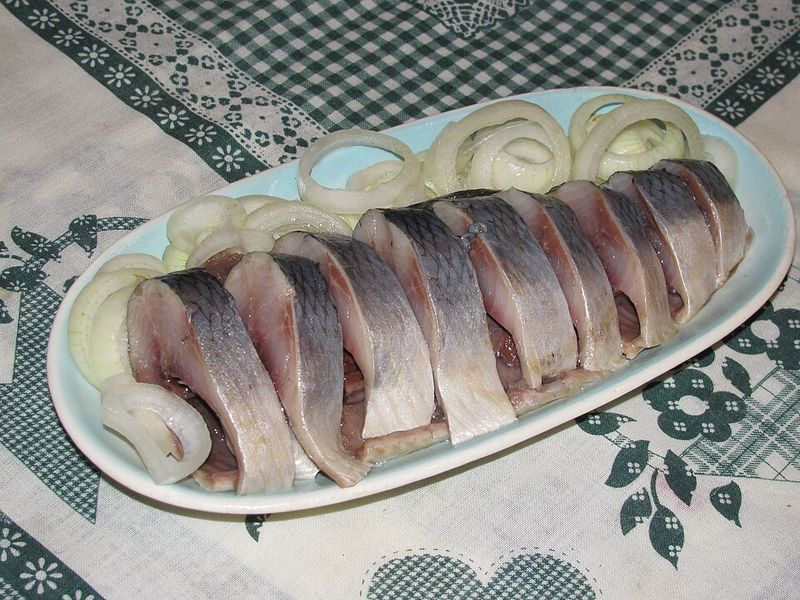
Rubbery, sweet syrup versions give herring a bad name. Quality pickled herring is tender, gently briny, and spiced with dill, allspice, and peppercorns.
Serve chilled with rye bread, butter, and quick pickled onions. The cream style can be lovely over boiled potatoes with chives.
Look for reputable Nordic brands or fishmongers who handle it carefully. Balance with acidity and fat so the flavor sings.
Once you taste the delicate texture, herring becomes comforting, not aggressive.
Seaweed snacks
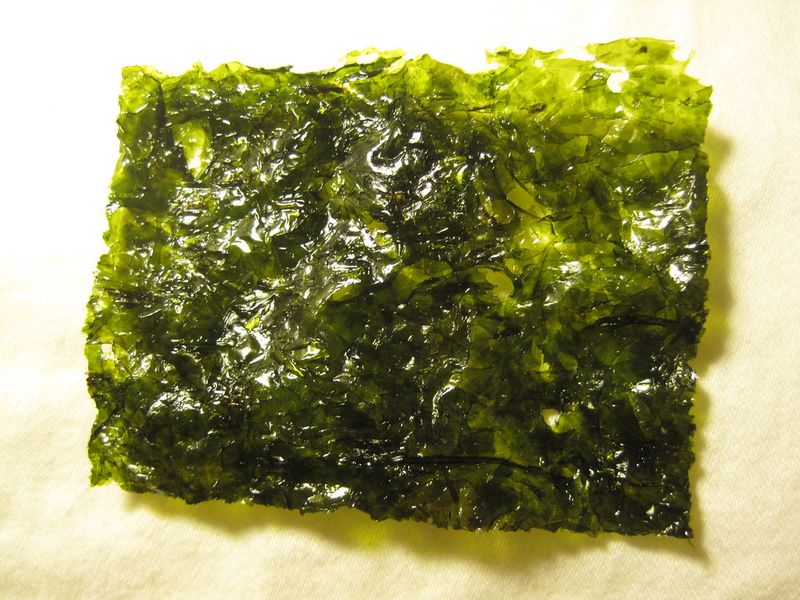
Stale nori tastes like a damp basement. Fresh roasted seaweed is crisp, toasty, and slightly sweet.
Look for snacks with sesame oil and sea salt, or buy high grade nori sheets and toast quickly over a flame. The snap is everything.
Pair with hot rice, avocado, or cucumbers for a simple hand roll at home. A sprinkle of furikake adds umami.
Once you try quality sheets, seaweed tastes like savory popcorn with ocean perfume rather than fishy paper.
Uni sushi
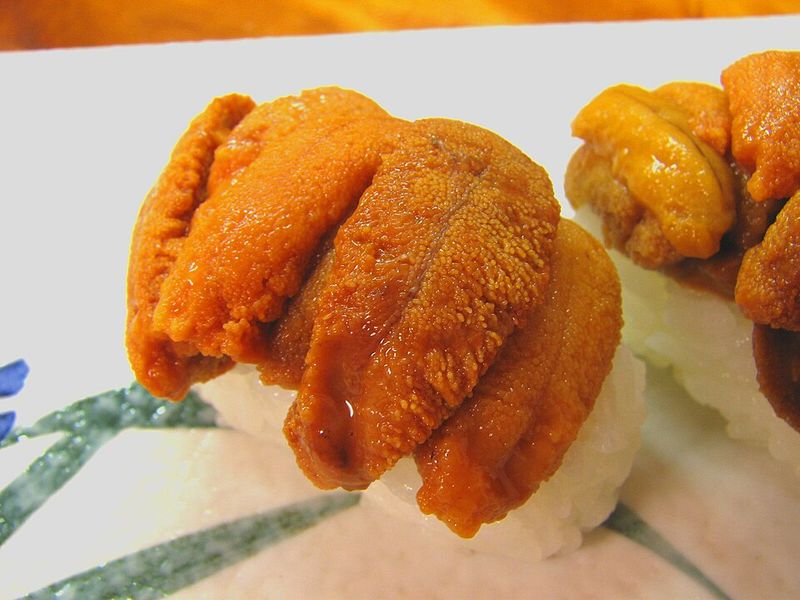
Bad uni is bitter and mushy. Good uni tastes like sweet custard with ocean breeze.
Seek high turnover sushi bars and ask which trays are freshest. Hokkaido or Santa Barbara uni can be stunning.
Chill matters, and a gentle soy brush is enough seasoning.
If texture worries you, start with uni pasta or a small gunkan bite. Freshness window is short, so trust your chef.
When it is right, uni feels luxurious, delicate, and unforgettable.
Black licorice
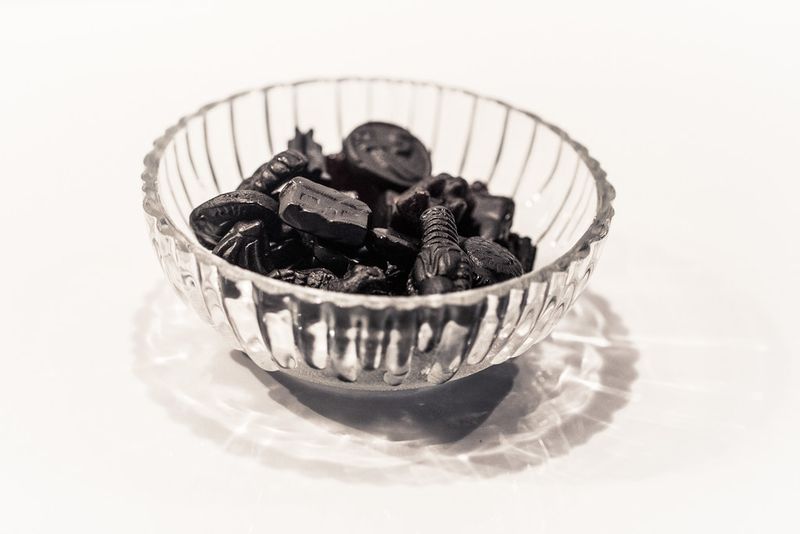
Those waxy Halloween bites do not represent real licorice. Artisan black licorice uses real licorice root, molasses, and sometimes salt for balance.
Scandinavian salted varieties are intense yet complex, with herbal, smoky notes. Start with softer, mildly salted pieces before jumping to salmiakki bombs.
Pair a small piece with coffee or dark chocolate. Texture should be chewy, not plastic.
Quality transforms the experience from cough syrup vibes to grown up candy with character.
Durian dessert

Durian can wallop you with aroma, but in desserts it turns plush and mellow. Try durian mousse, ice cream, or crepe cakes where cream, sugar, and coconut round the edges.
Quality frozen pulp is consistent and less intense. Chill thoroughly and serve in small portions first.
Pair with pandan or sticky rice to add fragrance and texture. Fresh durian varies widely by cultivar and ripeness.
In a refined sweet, the flavor reads custardy, almondy, and almost caramel like rather than overpowering.
Oysters
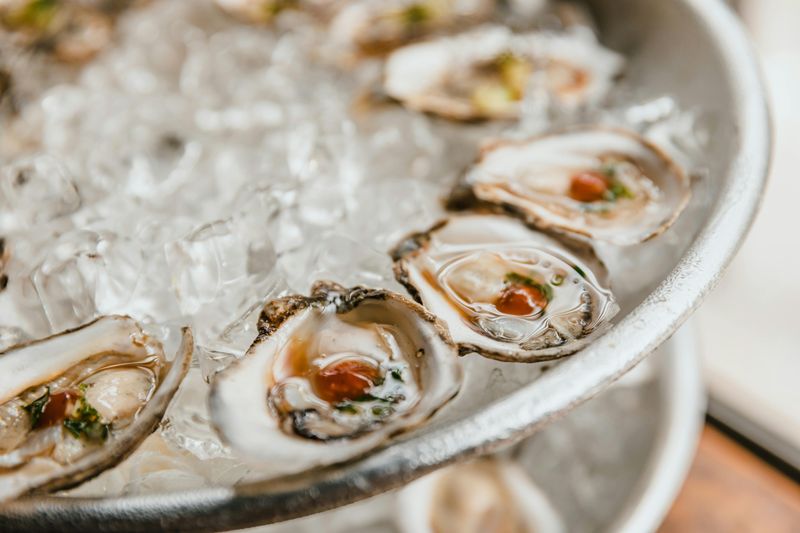
Bad oysters are warm, flat, or fishy. Good oysters taste like a clean ocean breeze, cold and briny with a sweet finish.
Ask for reputable, high-turnover spots and varieties like Kumamoto or Beau Soleil served with crushed ice, lemon, and a sharp mignonette.
Skip heavy cocktail sauce at first and taste them naked to catch their subtle minerality. Freshly shucked to order is crucial.
If texture worries you, try a crisp fried oyster po boy or a chargrilled version with garlic butter to bridge the gap.
Kimchi
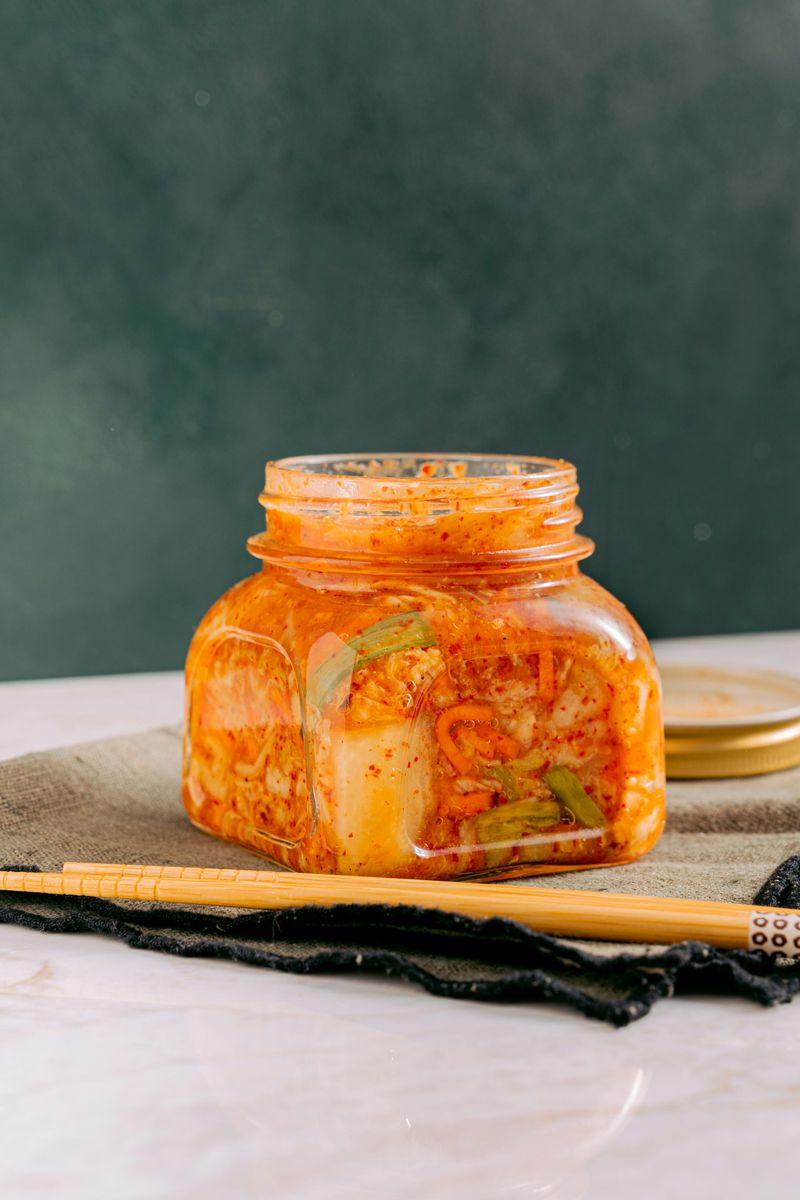
Old, funky kimchi can be intense. Fresh batches are sparkling with chili, garlic, and a clean lactic tang.
Try different styles like baechu, kkakdugi, or white kimchi with no heat. With rice, eggs, or grilled meats, kimchi acts like a lively condiment more than a dare.
For nervous palates, cook it into kimchi fried rice or pancakes to mellow the punch. Quality brands keep crunch and brightness.
Fermentation adds complexity, not just burn. The right kimchi tastes vibrant, refreshing, and addictive.
Liver pate
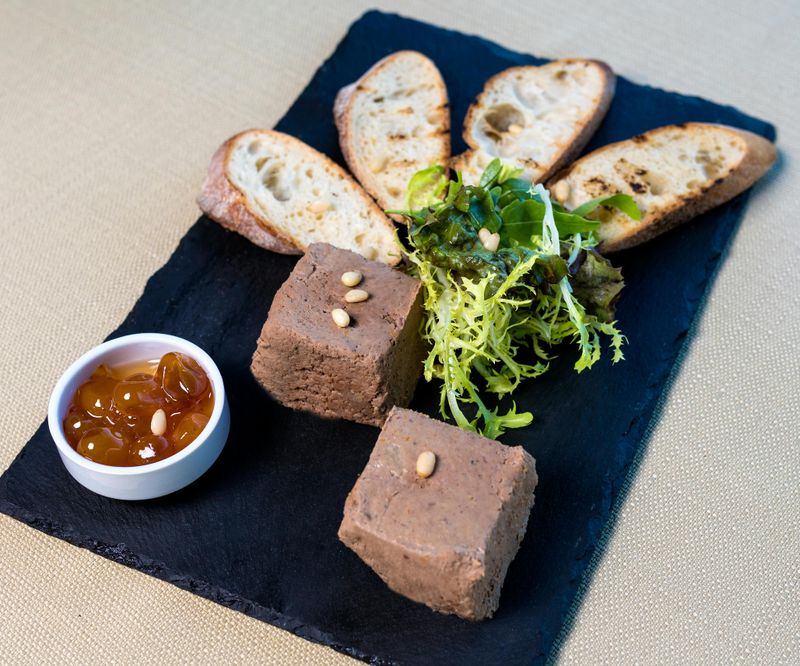
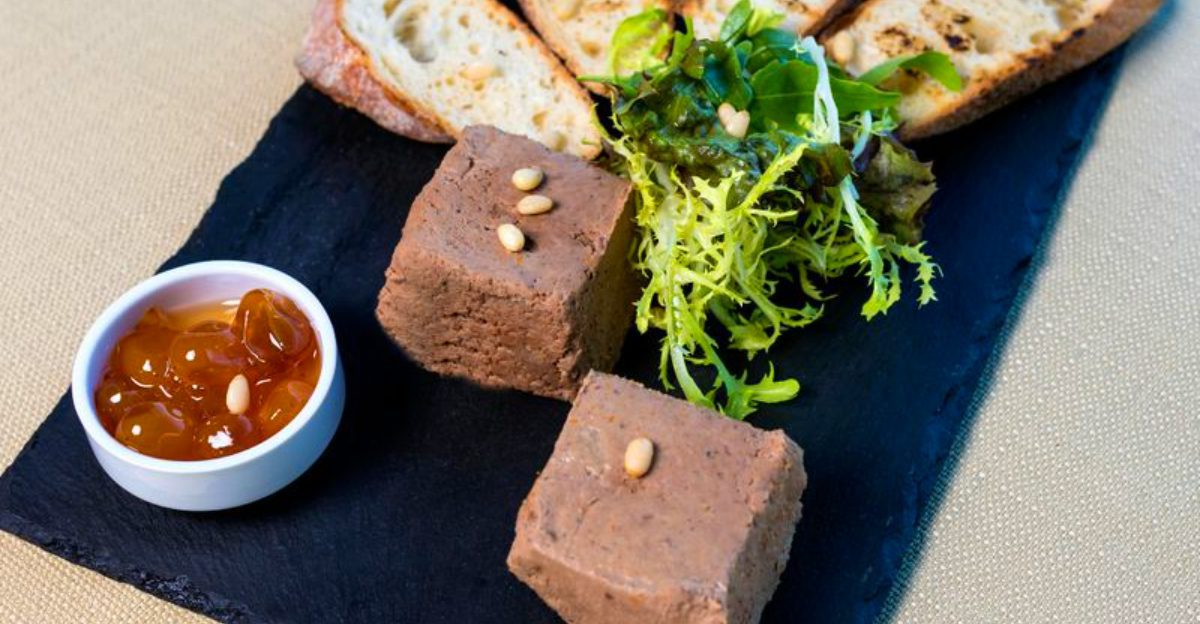
Liver can be chalky and metallic when overcooked. Proper chicken liver pâté is silky, gently pink, and perfumed with shallot, brandy, and thyme.
Chill under a butter seal so flavors settle. Spread thin on warm toast and finish with flaky salt and a touch of jam or cornichons.
Start with chicken before moving to duck or pork. Texture is everything here.
When seasoned right, pate tastes luxurious and mellow rather than livery. It is the appetizer that converts skeptics fast.
Enjoyed this story?
Add Fast Food Club as a preferred source to see more of our reporting on Google.