



Some foods get an unfair reputation, usually because we first met them overcooked, canned, or drowning in mystery sauce. But when you taste the homemade version, everything changes.
Fresh ingredients, proper seasoning, and the right technique turn skeptics into believers. Get ready to give these kitchen underdogs a second chance and maybe find a new favorite.
Brussels sprouts
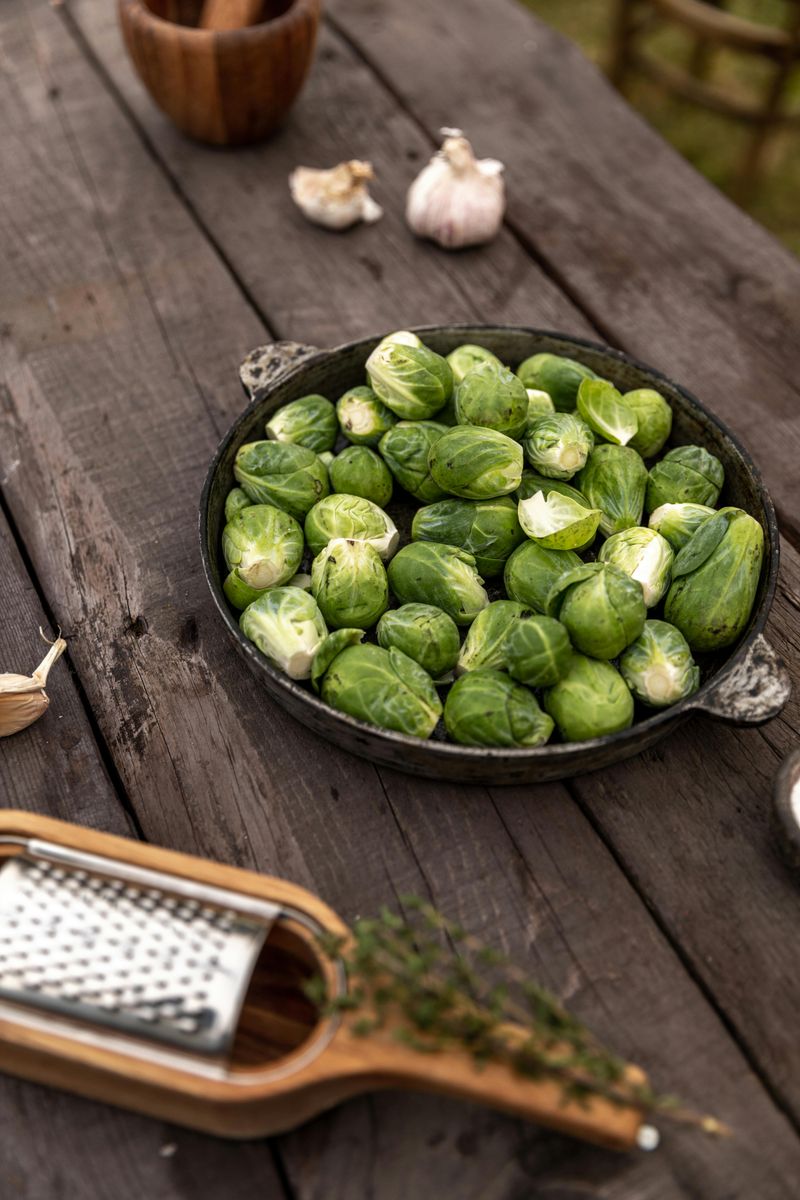
Brussels sprouts suffer when boiled into mush, but roasting unlocks sweetness and crisp edges. Toss with olive oil, salt, and pepper, then blast in a hot oven until caramelized.
Finish with lemon zest or balsamic for brightness.
Add crunchy bits, like toasted nuts or pancetta, and you suddenly have a snackable side. You can also shred them for a quick skillet sauté with garlic.
If bitterness was the turnoff before, homemade sprouts make a solid case for a second try.
Mushrooms
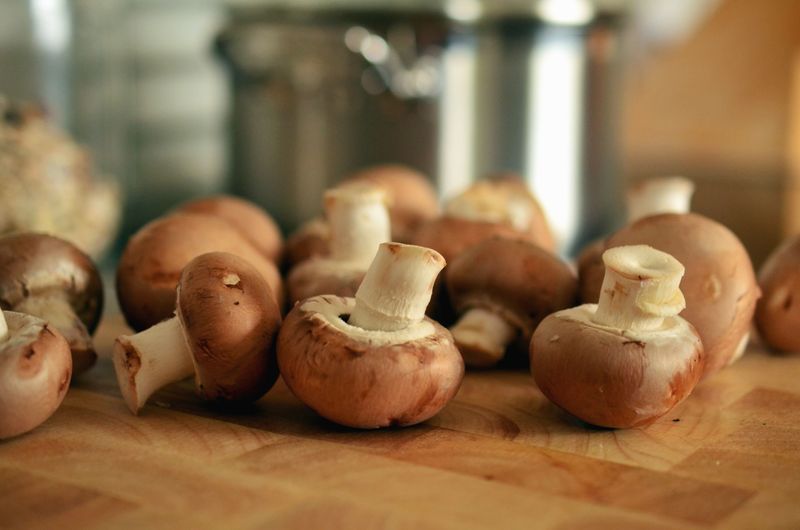
Mushrooms can seem rubbery or bland if steamed or under-salted. Give them room in a hot pan with butter or olive oil, and let them brown without stirring too much.
That golden sear concentrates flavor and makes them meaty.
Season with garlic, thyme, and a splash of sherry or soy sauce for depth. Finish with a pat of butter and a pinch of salt.
Suddenly they are savory, juicy, and perfect over toast, steak, or polenta.
Beets
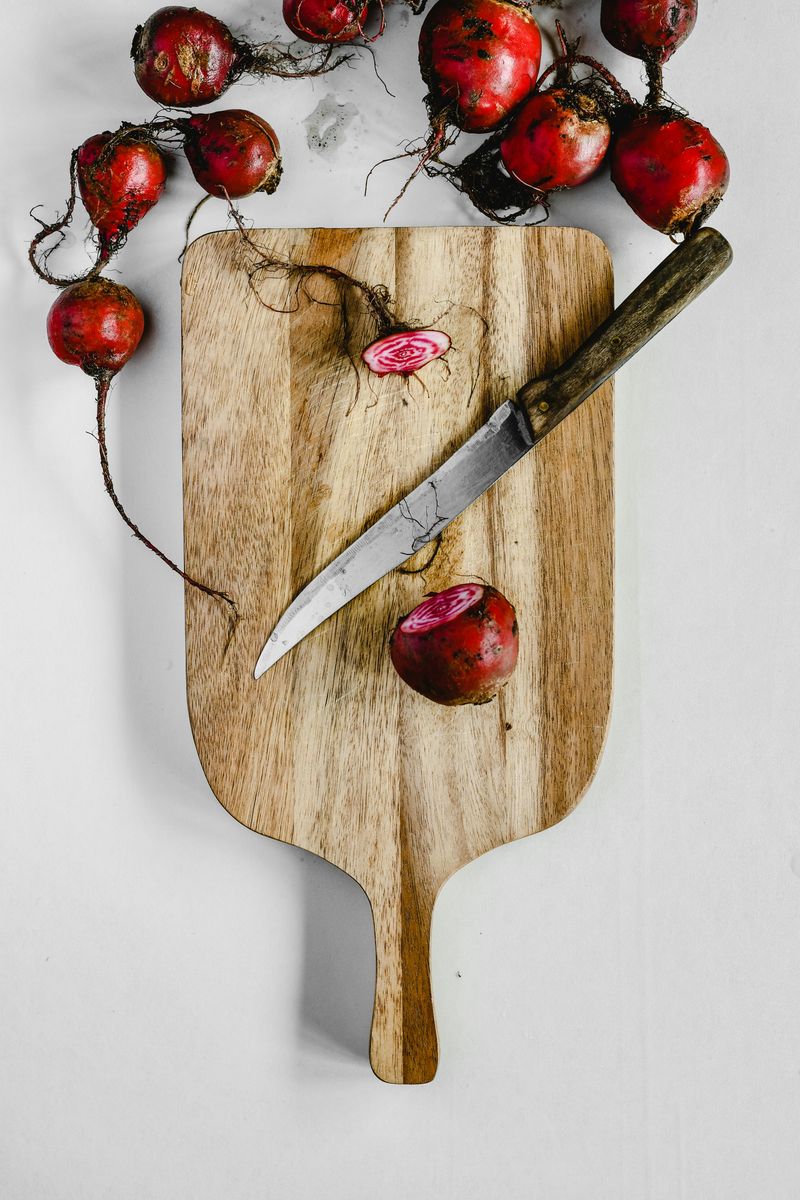
Many people meet beets from a can and never look back. Roast them whole in foil until tender, then peel and slice for a completely different experience.
Their natural sugars caramelize, giving earthy sweetness and a silky bite.
Toss with citrus, olive oil, salt, and herbs like dill. Add goat cheese for tang and toasted walnuts for crunch.
Homemade beets feel bright, clean, and surprisingly addictive when prepared with care.
Cabbage
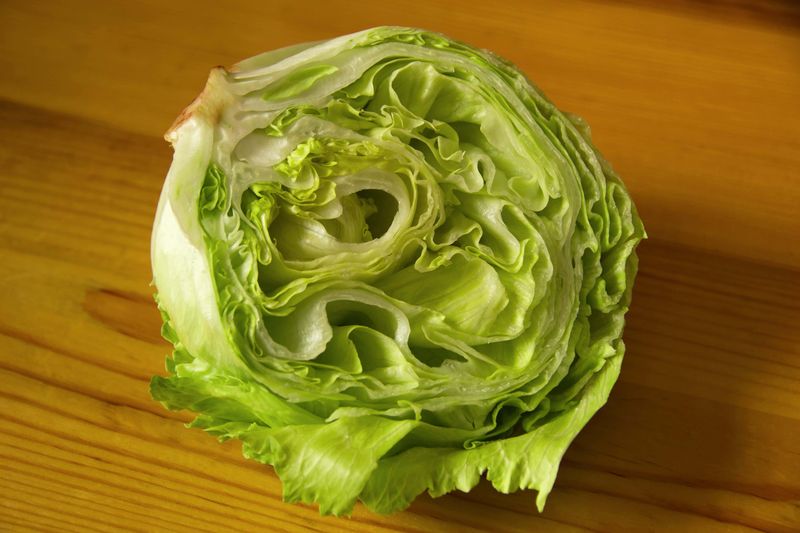
Cabbage gets a bad rap for sulfuric aromas, usually from long boiling. Try wedge-roasting or pan-searing with high heat for smoky edges and tender centers.
A drizzle of lemon butter, salt, and pepper makes it shine.
Shaved raw, it becomes a crisp slaw that stays bright for days. Stir-fry with garlic, ginger, and soy for quick comfort.
Homemade cabbage tastes sweet, toasty, and fresh, not funky.
Sauerkraut

Store-bought kraut can be flat or too sharp. Homemade sauerkraut ferments slowly with salt and time, building tangy complexity and satisfying crunch.
You control the flavor with caraway, juniper, or garlic.
Serve it chilled on sandwiches, warmed with butter, or tucked beside roasted meats. The live, probiotic bite feels bright rather than harsh.
Once you try a jar you made yourself, it is hard to go back.
Kimchi
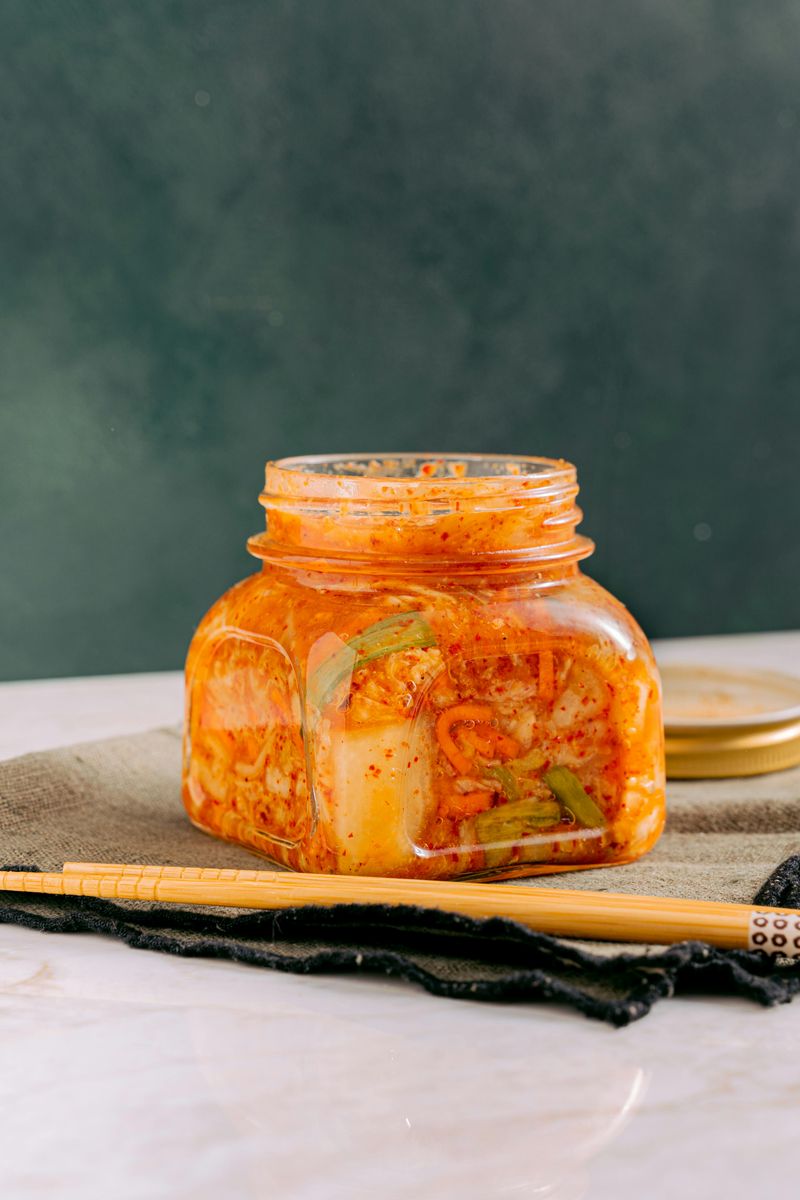
Jarred kimchi can taste one note or overly sour. Homemade lets you dial in spice, sweetness, and funk with gochugaru, garlic, ginger, and a little sugar.
The texture stays crisp and juicy when you salt and rinse the cabbage correctly.
Eat it fresh for a lighter crunch or let it age for deeper umami. Toss into fried rice, stews, or savory pancakes.
Once you find your preferred fermentation window, kimchi becomes a craveable staple.
Olives
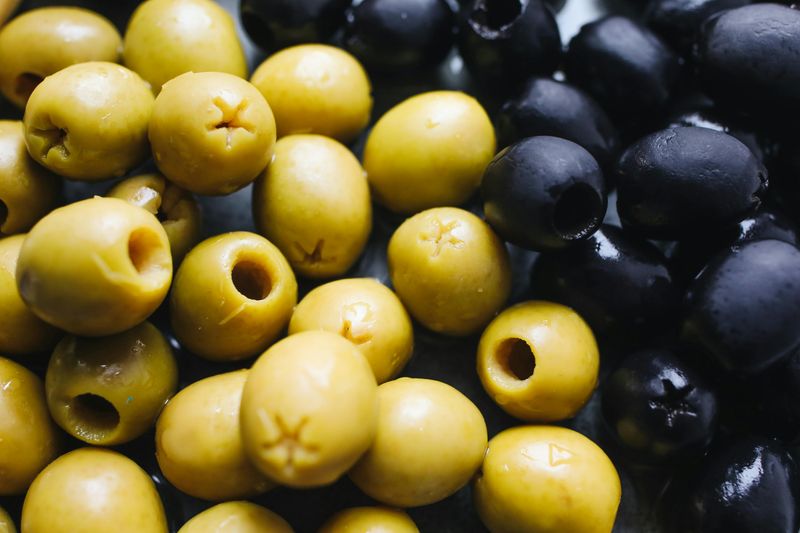
Bitter, briny olives can intimidate at first taste. Marinating them at home with citrus peel, herbs, and good olive oil mellows harsh notes and boosts aroma.
Gently warm the marinade to infuse flavor.
Serve with crusty bread and soft cheese, and you will notice fruitiness and depth. Pitting them yourself improves texture too.
Homemade marinated olives feel luxurious and surprisingly snackable.
Blue cheese
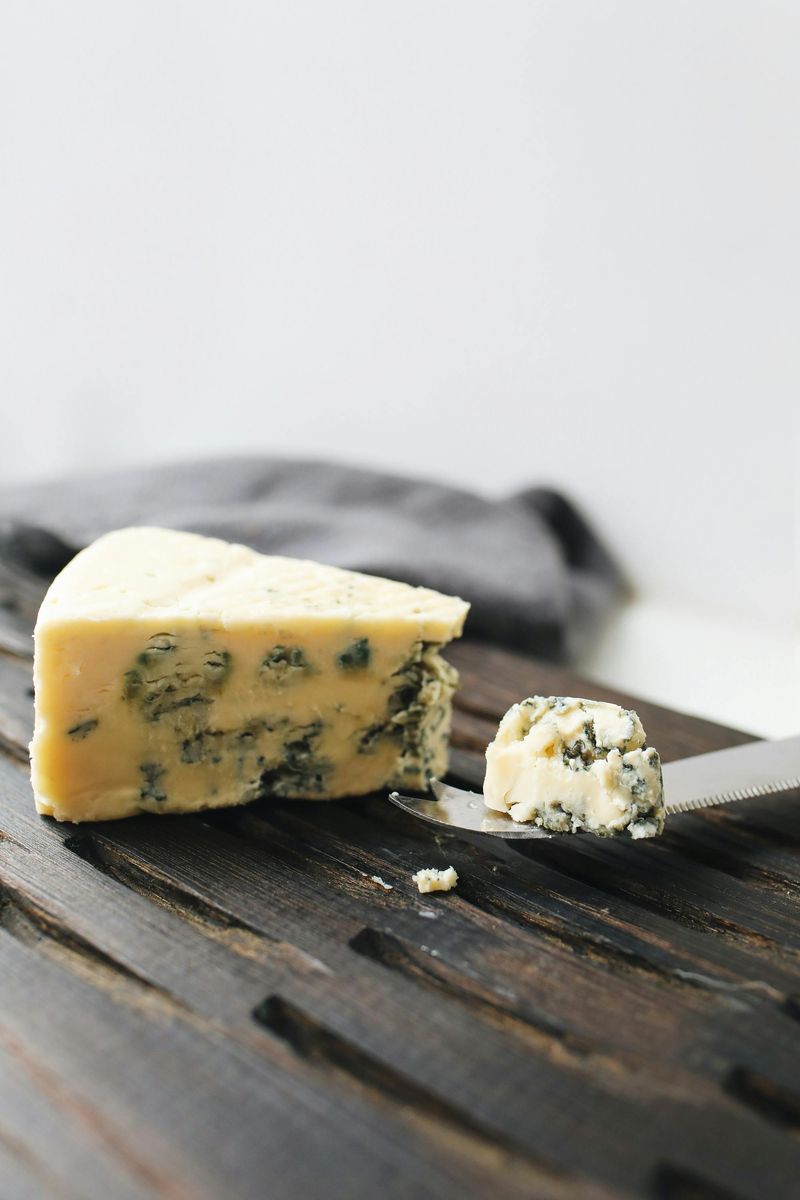
Blue cheese can read as sharp and barnyardy out of context. Pair it thoughtfully and it becomes balanced and lush.
Crumble into a homemade dressing with buttermilk, lemon, and cracked pepper, or melt into a cream sauce.
Serve with honey, pears, or roasted figs to highlight its sweetness. Freshly cut cheese tastes cleaner and less metallic.
The right companions transform it from confrontational to irresistible.
Anchovies
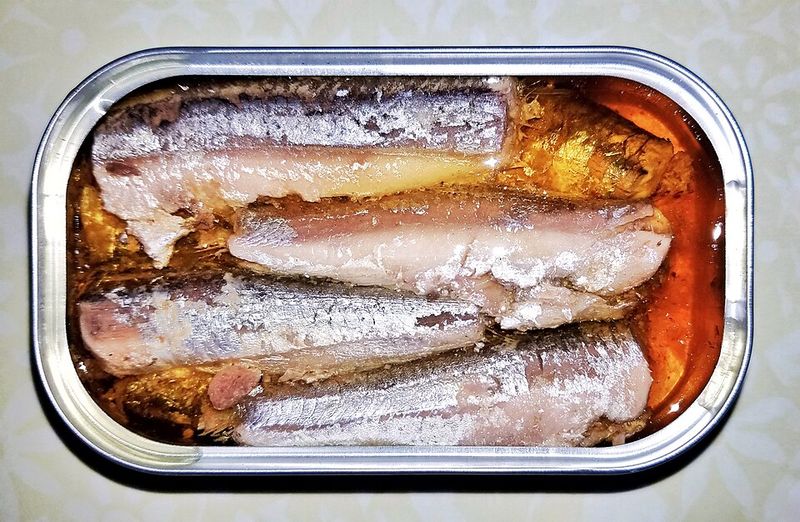
Anchovies often get dismissed as salty fish bombs. But mashed into dressings, sauces, or compound butter, they disappear and leave pure savoriness.
Think Caesar dressing, bagna cauda, or a quick pasta with garlic and chili.
Use good fillets packed in oil, then rinse and pat dry. Warm gently to bloom flavor without bitterness.
The result is deep umami that turns simple dishes powerful.
Sardines
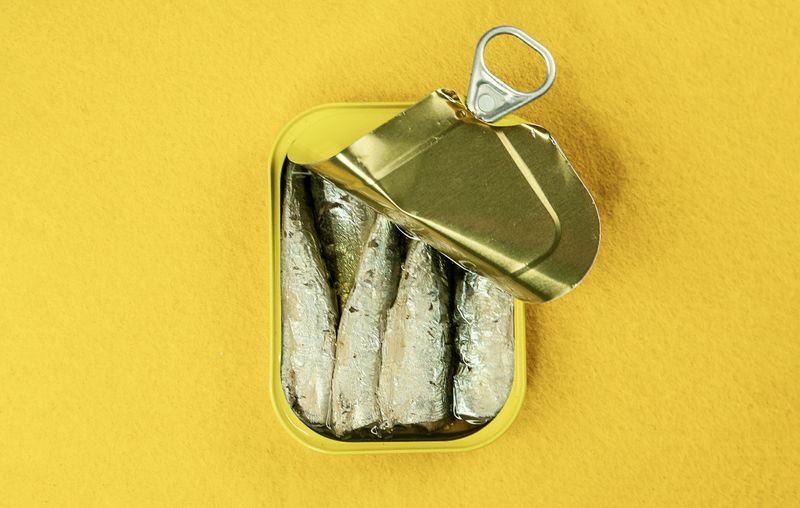
Canned sardines can feel intense if eaten plain. Try them on hot toast with butter, lemon, and pepper, or mash with herbs and a little yogurt.
Fresh sardines, quickly grilled, taste clean and smoky.
Pick bones carefully and finish with olive oil and flaky salt. The richness becomes pleasant rather than heavy.
Once you taste them prepared with care, sardines are an easy, affordable protein.
Oysters

Bad oysters are unforgettable, but good ones are briny and sweet. Source from a trusted fishmonger and keep them cold.
Shuck carefully and serve immediately with lemon or mignonette to let their character shine.
If raw is intimidating, try them lightly grilled with garlic butter. The heat firms texture while preserving ocean flavor.
With proper handling, oysters become delicate rather than daunting.
Pickles

Store pickles can be limp or overly sour. Quick refrigerator pickles stay crisp and vivid, ready within a day.
You control the balance of vinegar, sugar, and salt, plus dill, garlic, or chili for personality.
Use firm cucumbers, pack tightly, and pour over hot brine. They keep their snap and brighten sandwiches, boards, and snacks.
Homemade pickles convert skeptics fast.
Tofu
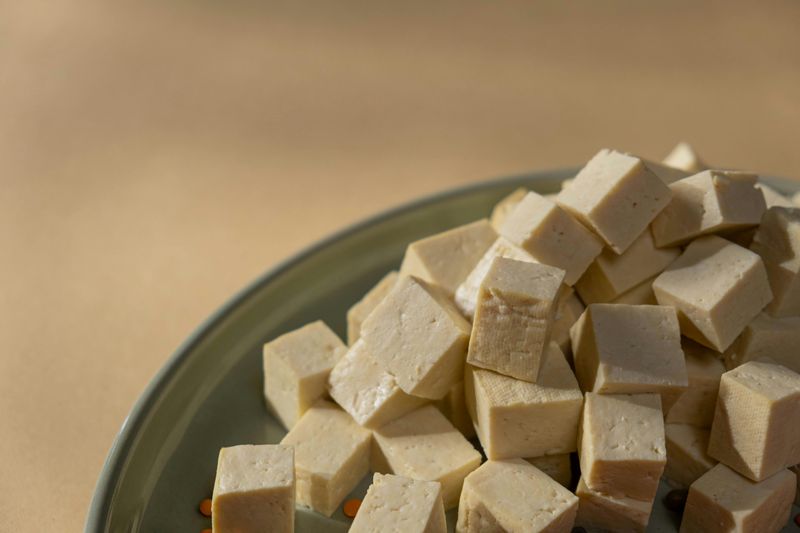
Tofu disappoints when watery and bland. Press it to remove moisture, then pan-fry or bake until crisp.
A cornstarch dusting helps form golden edges that soak up sauce.
Toss with a garlicky soy glaze, chili crisp, or peanut sauce, and it becomes satisfying and hearty. Crumble into a skillet for taco filling, or slide into soup for silkiness.
With technique, tofu delivers big flavor and texture.
Cottage cheese
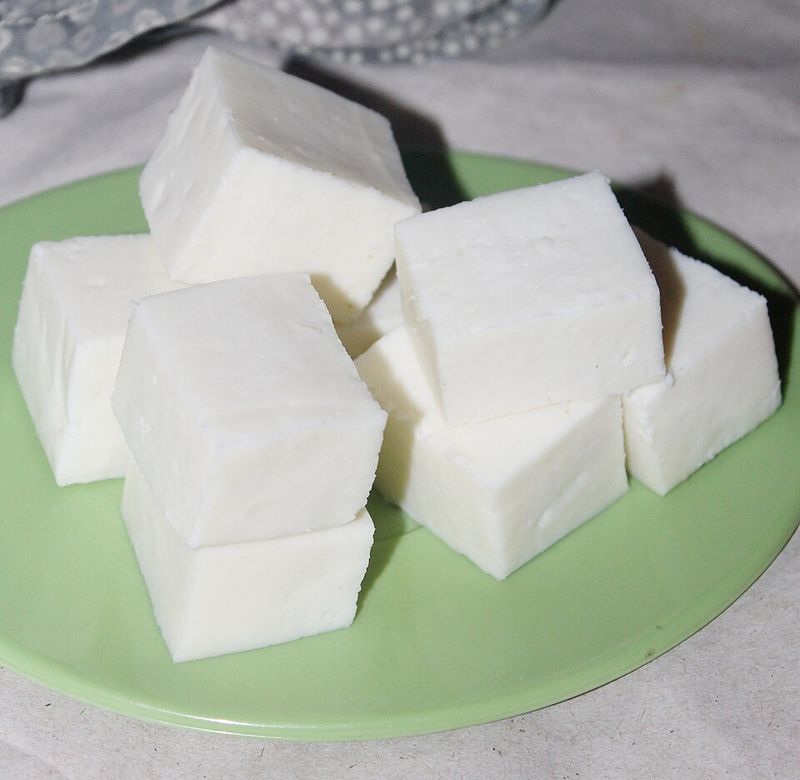
Watery cottage cheese can be a turnoff. Try a thicker style, or whip it in a blender for ultra-creamy texture.
A pinch of salt and a drizzle of olive oil or honey makes it luxurious.
Fold into pancakes, blend into protein-packed dips, or spoon over toast with tomatoes and pepper. When it is fresh and seasoned, cottage cheese tastes clean, rich, and versatile.
You might actually crave it.
Liver and onions
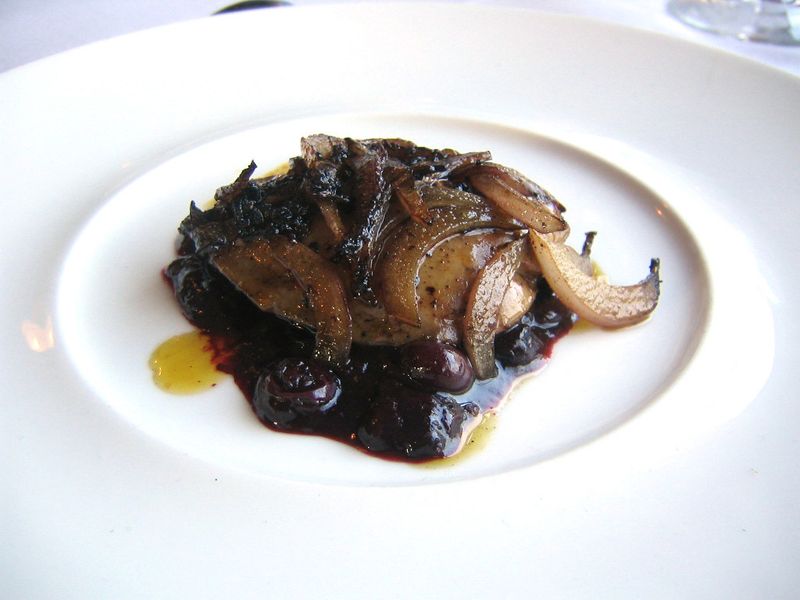
Liver goes wrong when overcooked into chalk. Soak in milk, dry well, and sear quickly in a hot pan to keep it tender.
Salt after searing to avoid toughness, then deglaze with sherry or stock.
Spoon over deeply caramelized onions for sweetness and balance. A squeeze of lemon brightens the richness.
Homemade, it is silky, savory, and surprisingly elegant.
Cornbread
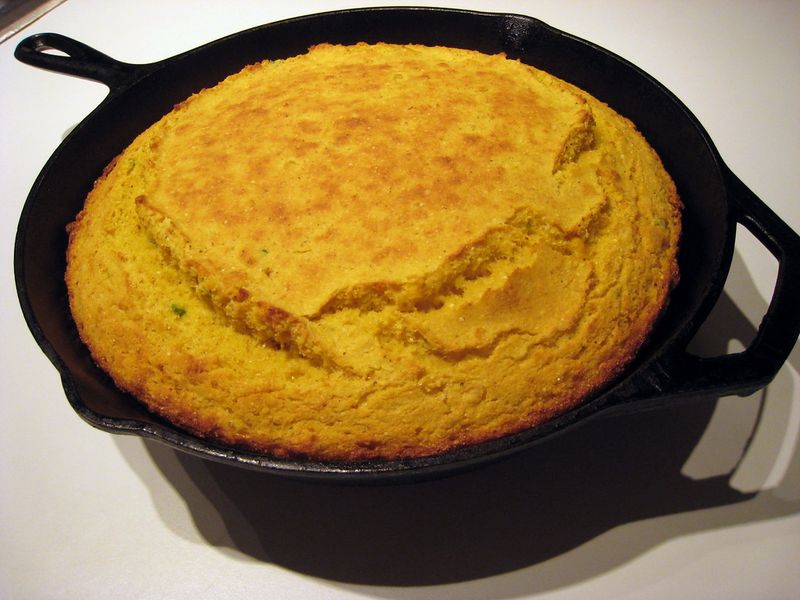
Dry, crumbly cornbread disappoints. Use buttermilk, a hot cast iron skillet, and enough fat to crisp the edges while keeping the interior tender.
Cornmeal quality matters, and a touch of honey or sugar balances flavor.
Fold in corn kernels or jalapeños for texture and kick. Serve warm with butter and a drizzle of honey.
Homemade cornbread walks the line between savory and sweet perfectly.
Rice pudding
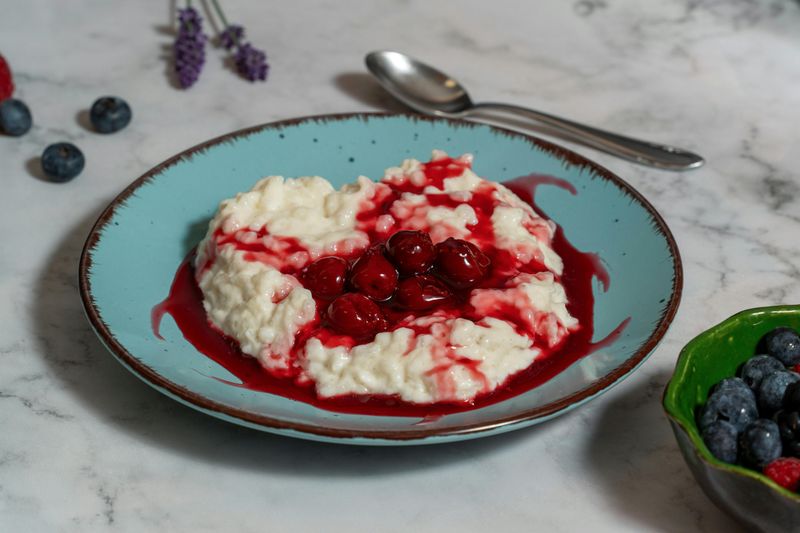
Gluey rice pudding can ruin the mood. Use short grain rice simmered gently in milk with sugar, vanilla, and a pinch of salt.
Stir patiently to coax creaminess without scorching.
Finish with cinnamon, citrus zest, or cardamom, and fold in plump raisins if you like. Serve warm or chilled with a dollop of jam.
Homemade rice pudding tastes nostalgic, soothing, and far from bland.
Split pea soup
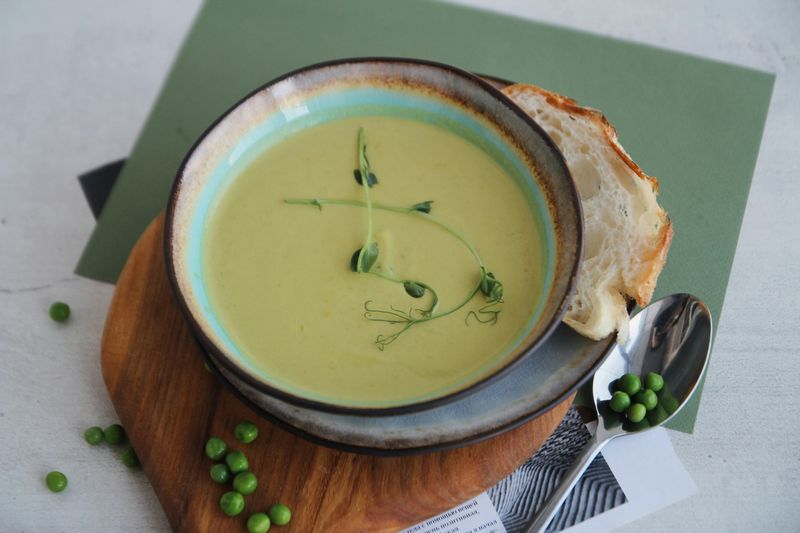
From a can, split pea soup can taste dull. Homemade gives you control over texture and seasoning.
Simmer peas with onions, carrots, celery, bay, and a ham bone or smoked paprika for depth.
Blend partially to keep some body, then finish with vinegar or lemon for brightness. A swirl of olive oil and cracked pepper on top helps.
The result is hearty and comforting without feeling heavy.
Enjoyed this story?
Add Fast Food Club as a preferred source to see more of our reporting on Google.