



Ever notice how some so called bargains do not feel like wins anymore? Shrinkflation, tricky packaging, and sneaky bundle pricing can turn a deal into a dud fast.
You deserve value that actually stretches your budget, not smoke and mirrors. Let’s break down the common “deals” that might be costing you more than you think, and what to do instead.
Family size chips
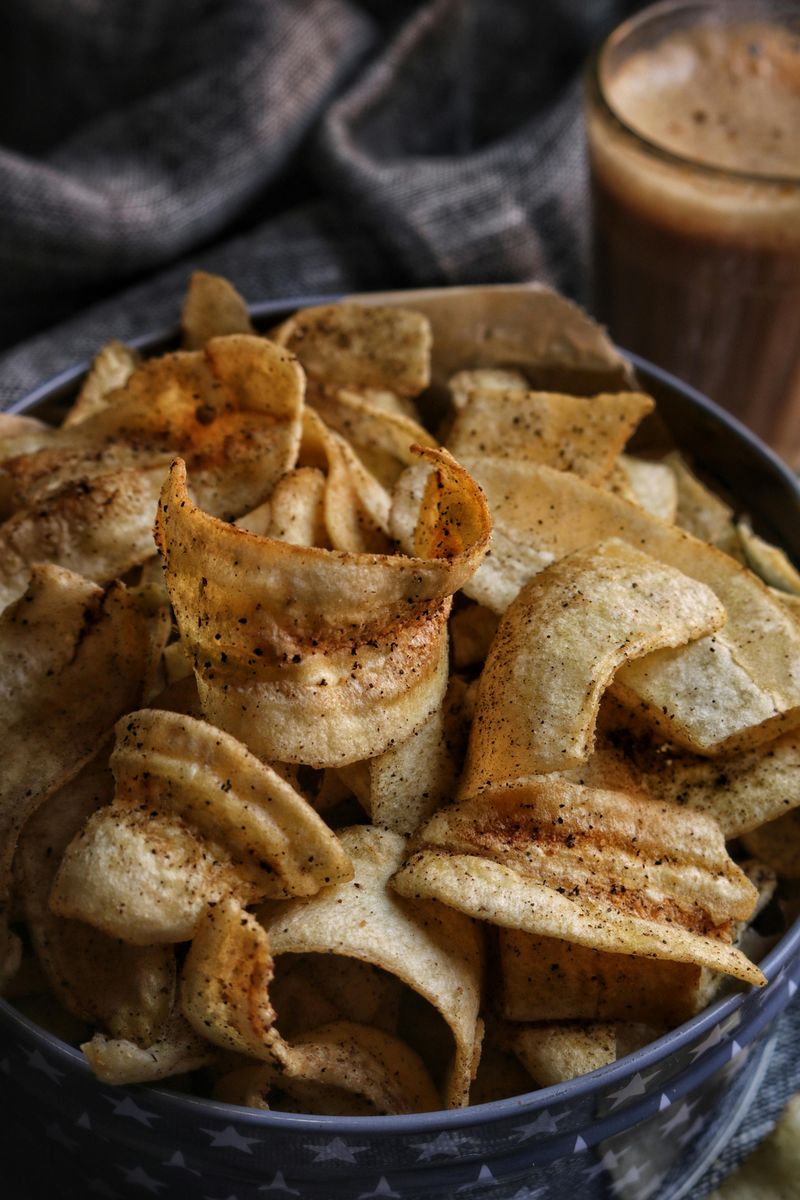
Family size looks tempting, but those bags often hide more air than chips. Unit price tells the truth, and lately it has crept up while ounces quietly slipped down.
You think you are saving, yet you are paying more per crunch.
Check net weight and compare to two regular bags on sale. Often, two smaller bags beat one giant one, especially with coupons.
Store brands can deliver better salt to dollar value.
If freshness matters, smaller bags reduce staleness and waste. Watch for buy one get one traps requiring full price.
Your best deal is the math you actually do.
Bulk cereal
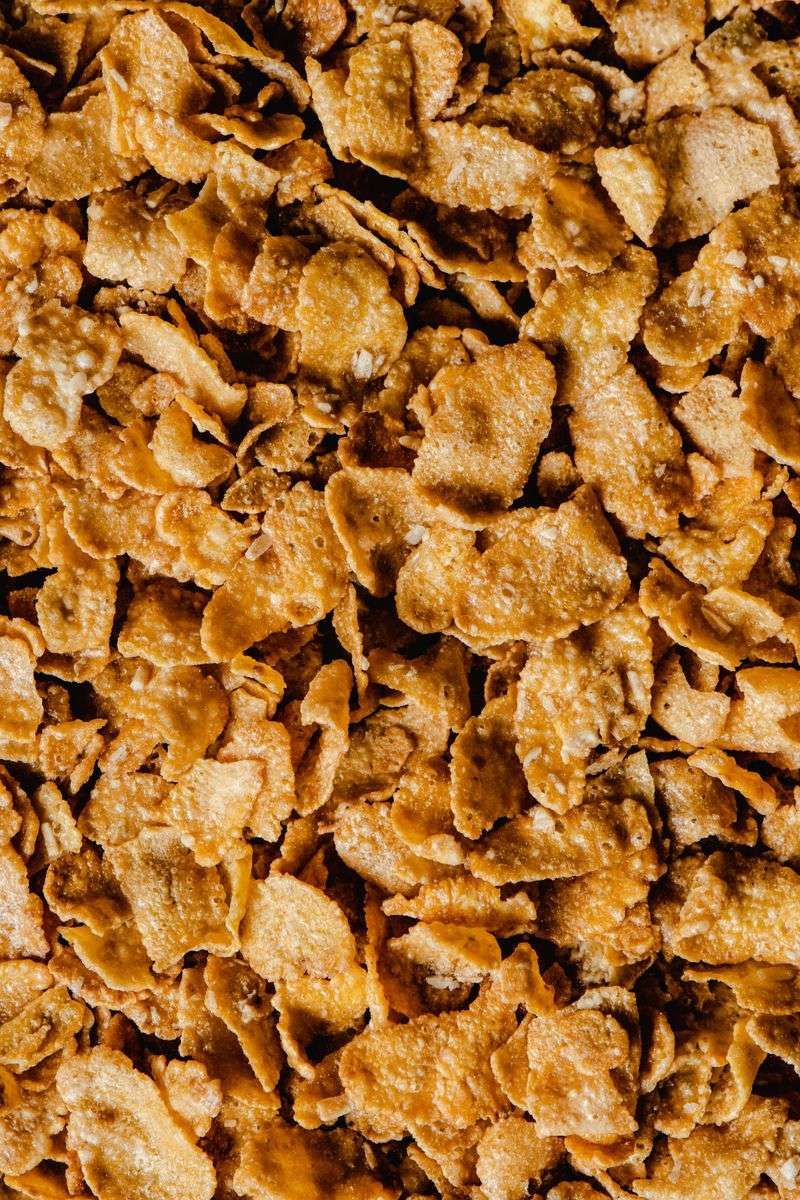
Jumbo cereal boxes promise savings, but stale flakes are not a bargain. If you do not finish before it softens, you are buying waste.
Unit prices sometimes beat bulk when smaller boxes are on promo.
Check ounces and divide by price on your phone. Consider two-for deals, especially on store brands with similar ingredients.
Resealable containers help, yet they cannot fix overbuying.
Kids tire of flavors, leading to half used boxes. Variety packs can hide higher per ounce costs.
Buy what you will finish in two weeks, not what barely fits the pantry.
Frozen dinners
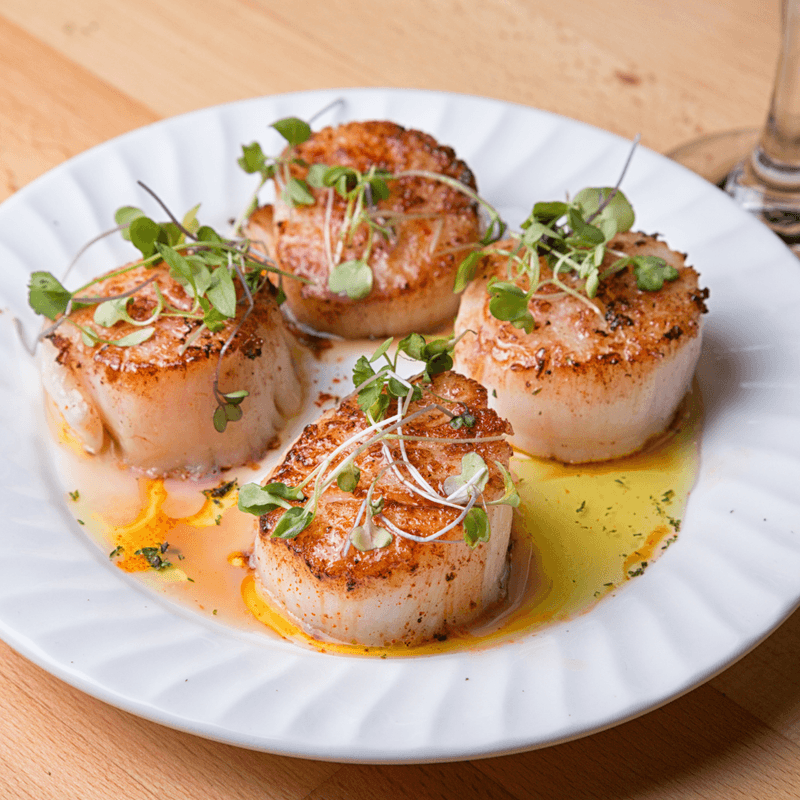
Convenience is priceless until you check unit costs. Frozen dinners keep shrinking while prices climb, turning a quick fix into an expensive habit.
Portions often leave you hungry, leading to extra snacks.
Compare cost per serving to a simple homemade meal like rice, veggies, and chicken. Batch cooking on weekends can beat price and flavor.
Look for family size trays only when guests or time truly demand it.
Watch sodium and fillers. Buying frozen veggies and a protein separately usually costs less.
Reserve frozen dinners for emergencies, not as a nightly solution.
Soda packs
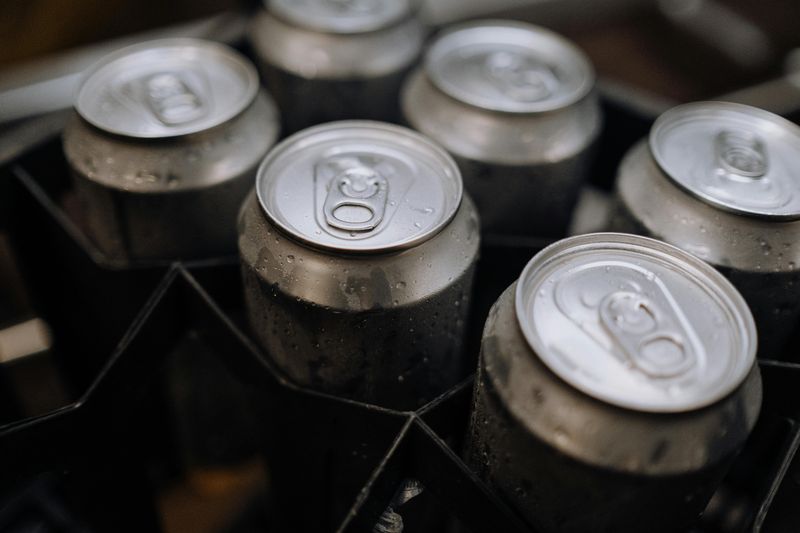
Buy more, save more sounds great until you read the fine print. Multi buy deals can require three packs at a time to get the sale price.
That is a budget trap when you only needed one.
Unit price by can often surpass single bottles on promo. Store brands or fountain fills may beat brand name cases.
Sugar taxes in some areas add surprise costs.
Check expiration dates and calculate per ounce. If you drink less, you save more.
Hydration is cheaper with a filter pitcher and reusable bottle.
Snack variety packs
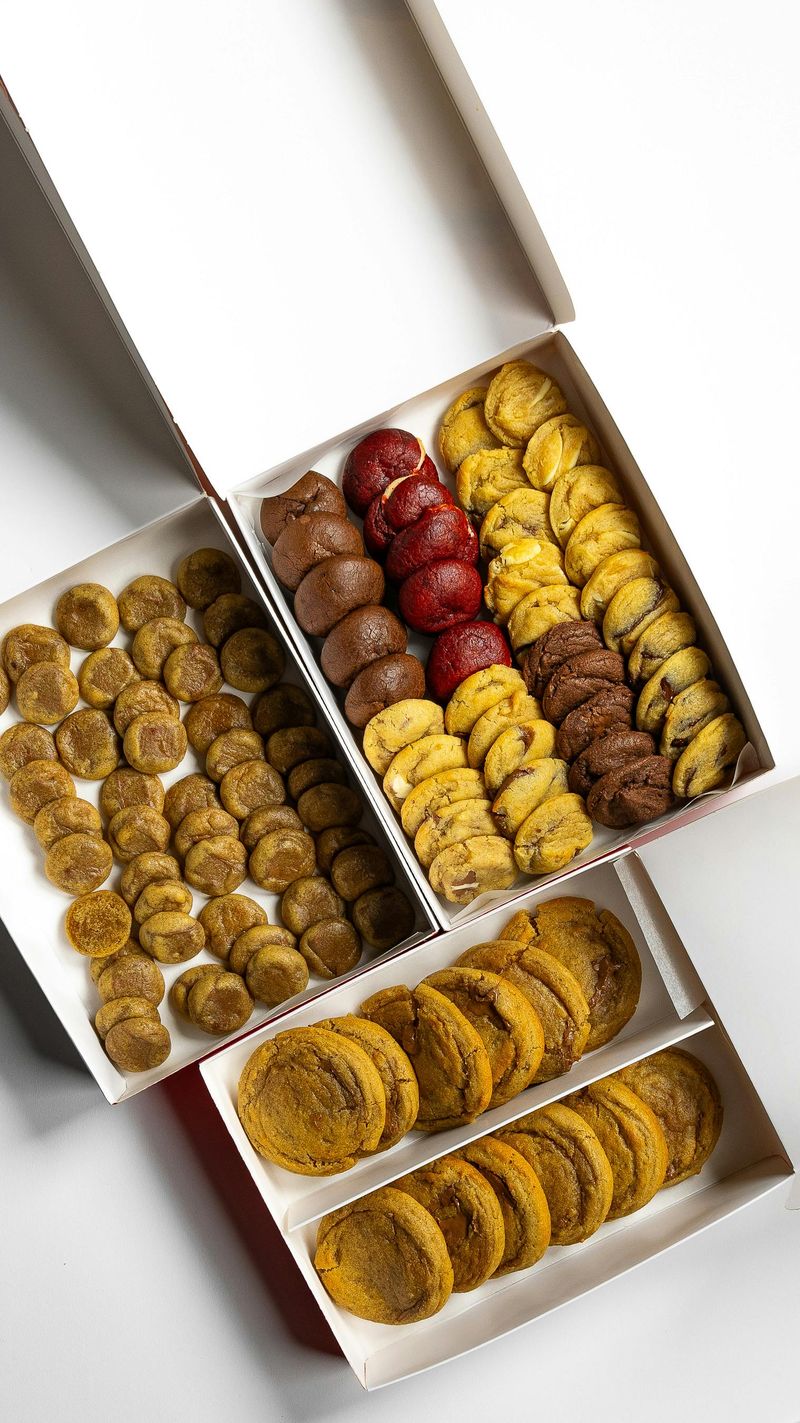
Variety packs feel fun until half the flavors sit unloved. Those tiny bags cost more per ounce than standard sizes.
Convenience is nice, but the premium adds up quickly.
Buy one big bag and portion into reusable containers. You control freshness and reduce packaging waste.
Check if the flavors you actually eat come cheaper in individual sales.
Schools and offices may require single serves, but compare coupons first. Sometimes separate small boxes on promo beat the mega case.
The best deal avoids paying for snacks nobody wants.
Protein bars
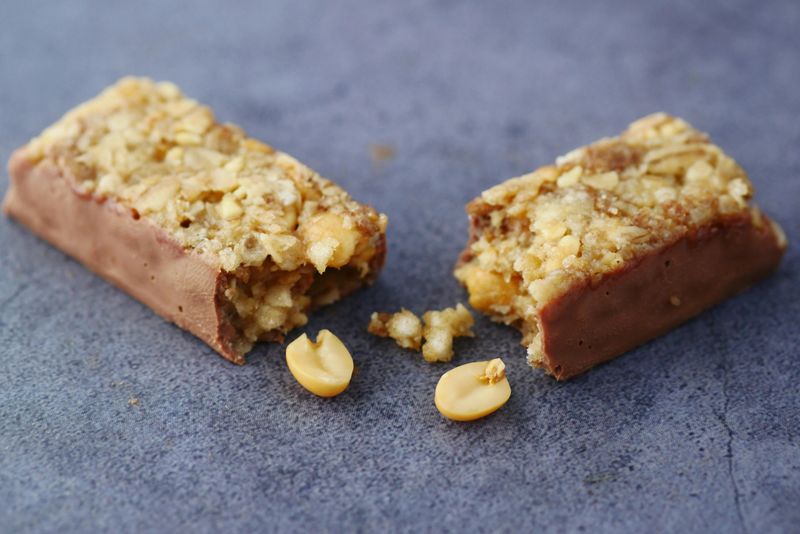
Protein bars market convenience, but costs per gram of protein often shock. Many bars are candy with better branding, loaded with sugar alcohols.
A tub of Greek yogurt or nuts offers better value.
Check protein per dollar and ingredient list. Buy singles during promotions to test flavors before committing to boxes.
Bulk online may help, yet shipping and waste can offset savings.
Keep a simple snack kit in your bag. Hard boiled eggs, trail mix, and fruit stretch budgets further.
Bars are for emergencies, not daily nutrition budgets.
Coffee pods

Pods promise speed, but every cup costs dearly. Per ounce, ground beans brewed in a drip or French press are cheaper and richer.
Waste from disposable pods adds environmental guilt too.
Reusable pods bridge convenience and savings if you measure well. Watch for sales on whole beans and grind at home for freshness.
Warehouse pods sometimes help, but compare per pod costs closely.
If flavor variety hooks you, rotate small bags instead. A simple pour over setup pays back quickly.
Your wallet and taste buds both win.
Energy drinks
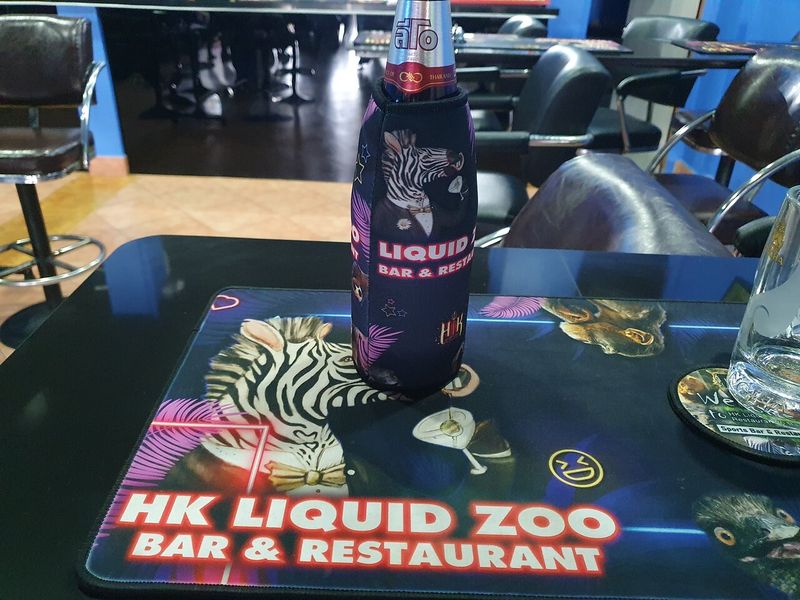
Energy drinks shine in fridges, not budgets. Per milligram of caffeine, they usually cost more than brewed coffee.
Sugar and additives bring health tradeoffs you did not bargain for.
Check caffeine per dollar and serving sizes. Multi buy sales often require three or four to unlock savings.
Store brand coffee or homemade cold brew beats them long term.
If you love the taste, watch clearance dates and loyalty coupons. Hydration plus sleep outperforms quick jolts anyway.
Save cans for long drives or finals week, not daily habits.
Bagged salad
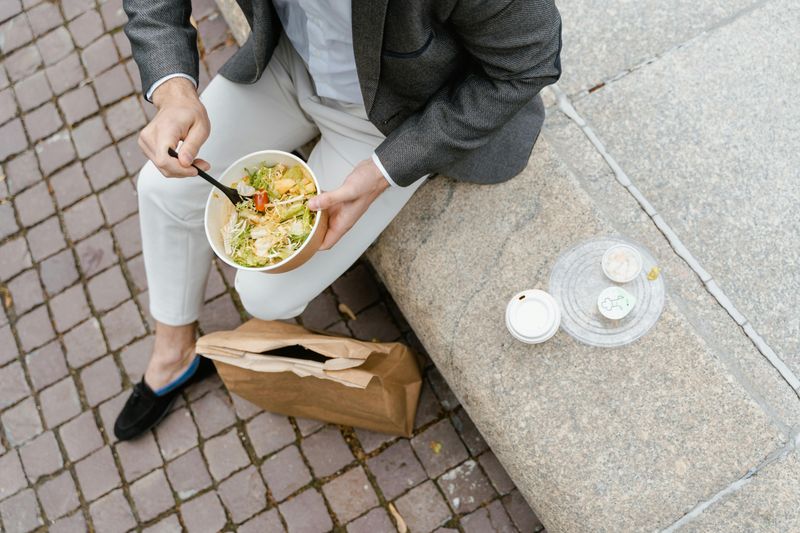
Bagged salad saves chopping time but steals dollars. Airy bags look big while weights shrink subtly.
Pre washed mixes often brown within days, leading to waste.
Buying whole romaine or spring mix tubs can cut unit cost. A salad spinner pays back fast with crisp greens.
Add prepped toppings in containers for grab and go ease.
When sales hit, still check the date stamp. Store brands vary widely in freshness.
You deserve crunchy greens that do not wilt your budget.
Pre cut fruit
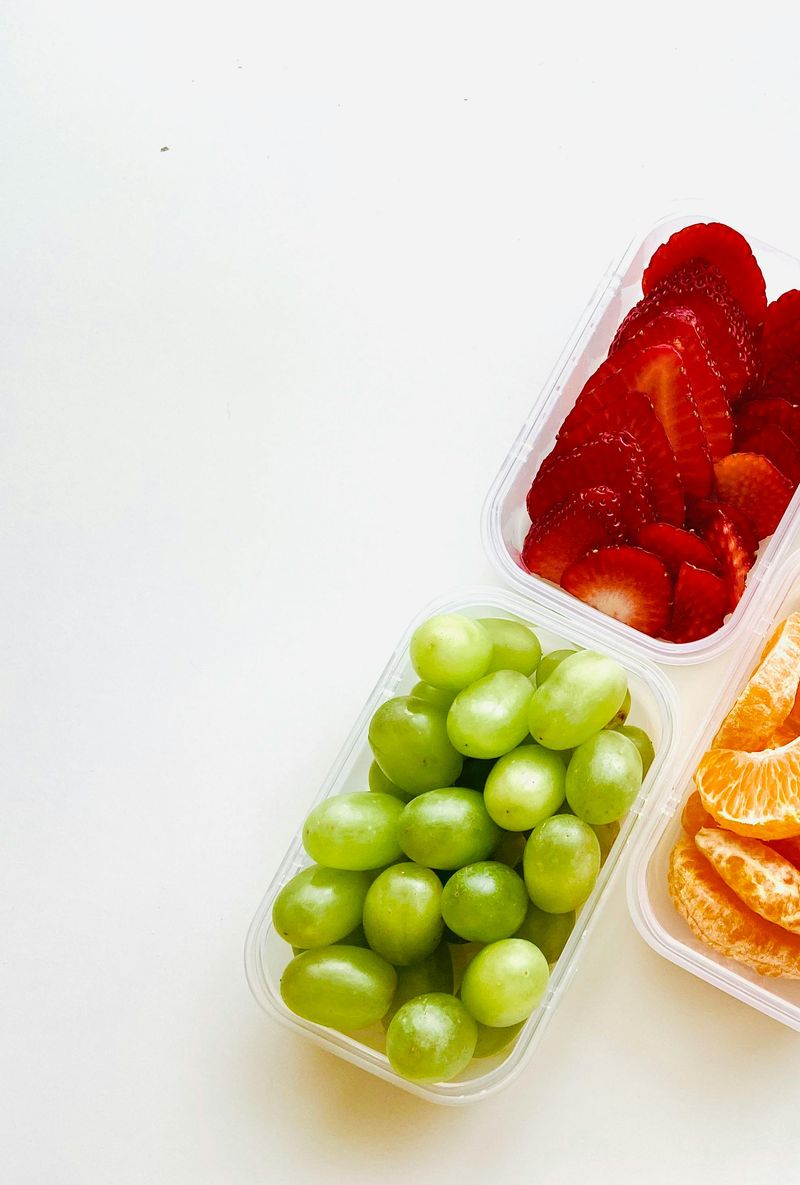
Pre cut fruit feels luxurious until the sticker shocks you. Labor and packaging create steep markups, sometimes triple the whole fruit cost.
Texture suffers fast once cut.
Buy whole pineapple, melon, or mango and prep a week’s worth in minutes. A sharp knife and storage containers change everything.
Frozen fruit for smoothies is another budget friendly win.
If time is tight, grab small cups only when truly needed. Watch for syrupy options that add sugar and weight.
Whole fruit keeps longer and tastes brighter.
Deli meals
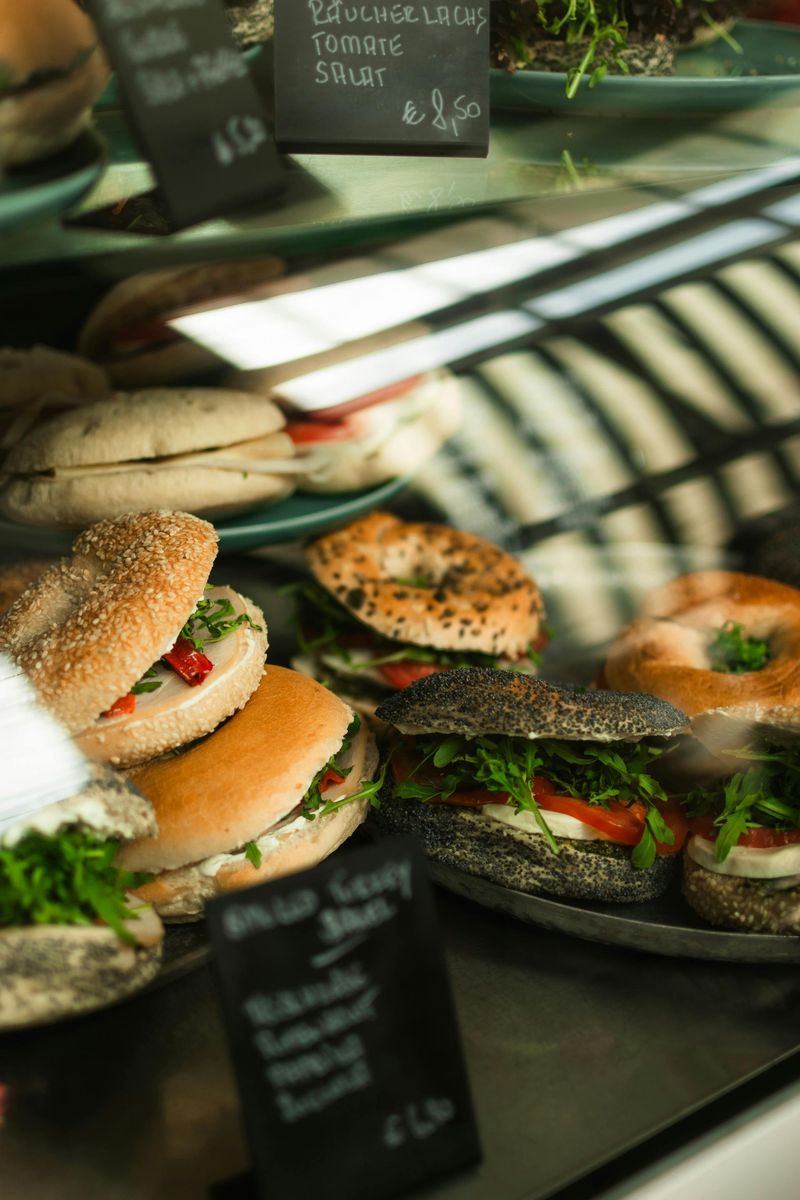
Deli meals promise comfort but charge like a restaurant. Per pound prices rival takeout, and sides add up fast.
Portions are unpredictable, and leftovers may not reheat well.
Rotisserie chicken with a bag of rice and steamed veggies stretches further. Ask for exact weights to avoid surprises at checkout.
Weeknight stir fries beat deli trays for cost and control.
Watch heat lamp times for quality dips. Loyalty coupons rarely apply to hot food.
Treat the deli as a backup plan, not your dinner routine.
Prepared sushi
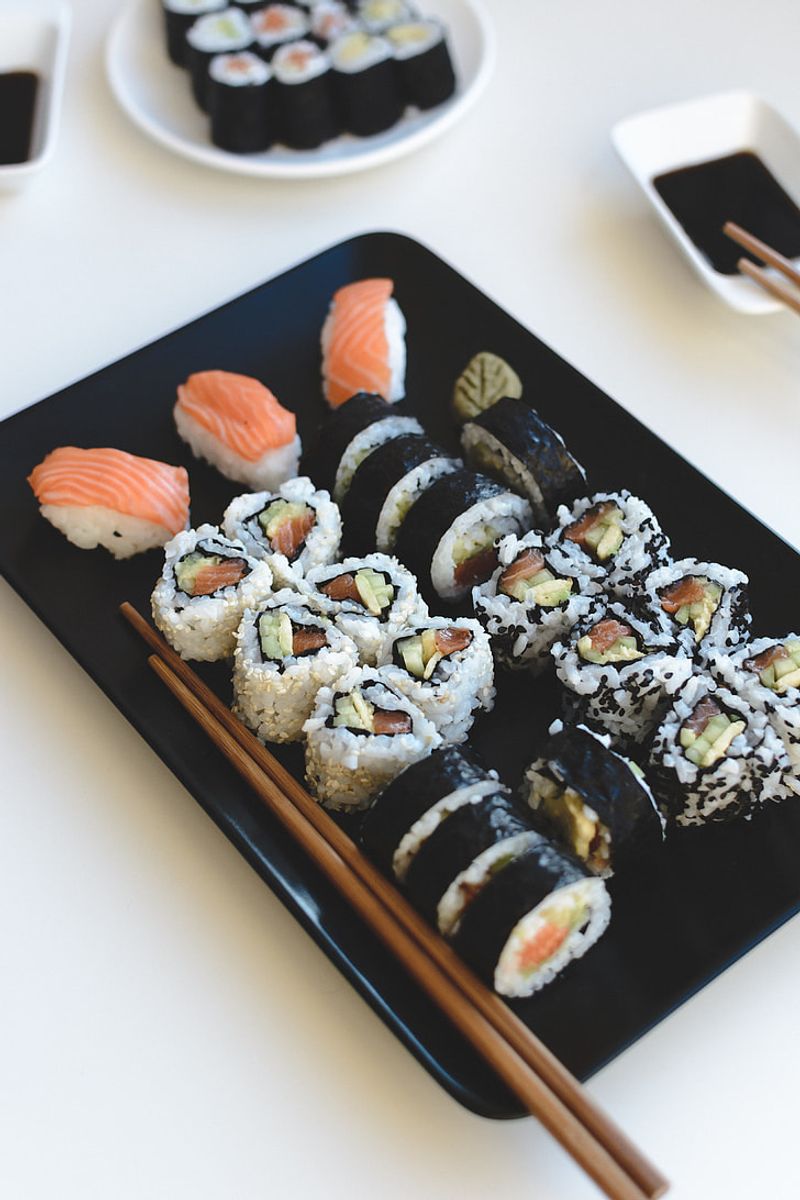
Grocery sushi rides on convenience, but rice texture declines quickly. For the price, rolls are small and fish quality varies.
Day old discounts help, though taste suffers.
Check local restaurants for lunch specials that outvalue supermarket trays. Brown rice or premium options cost even more per bite.
If you crave sushi, buy ingredients for simple rolls at home.
Seaweed, rice, and cucumber go far cheaply. Splurge on fish when freshness is guaranteed.
Your wallet and palate both notice the difference.
Frozen pizza
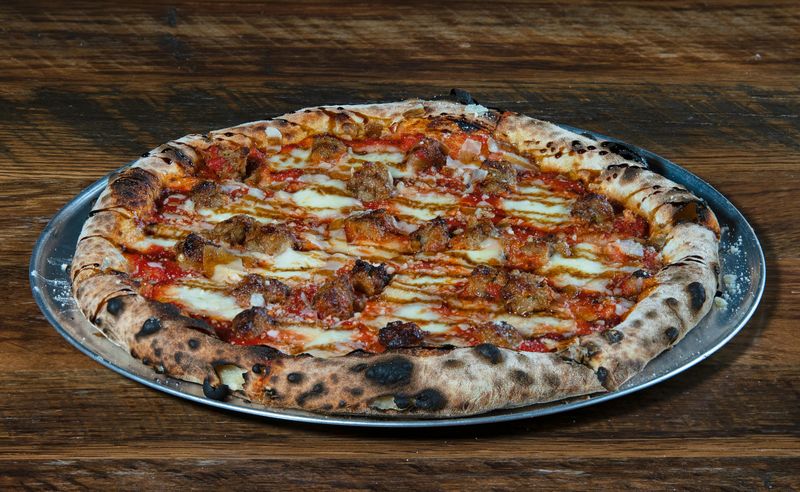
Frozen pizza used to be a steal, but sizes shrank while prices rose. Crust diameter and topping density tell the real story.
Multi buy sales entice you into buying more than needed.
Homemade dough and shredded cheese beat cost and flavor most nights. Keep dough balls in the freezer for instant dinners.
Add leftover veggies and meats for value toppings.
When you crave convenience, compare weight and inches, not box art. Store brands can surprise.
Do not let a flashy sale slice your budget.
Chocolate bar
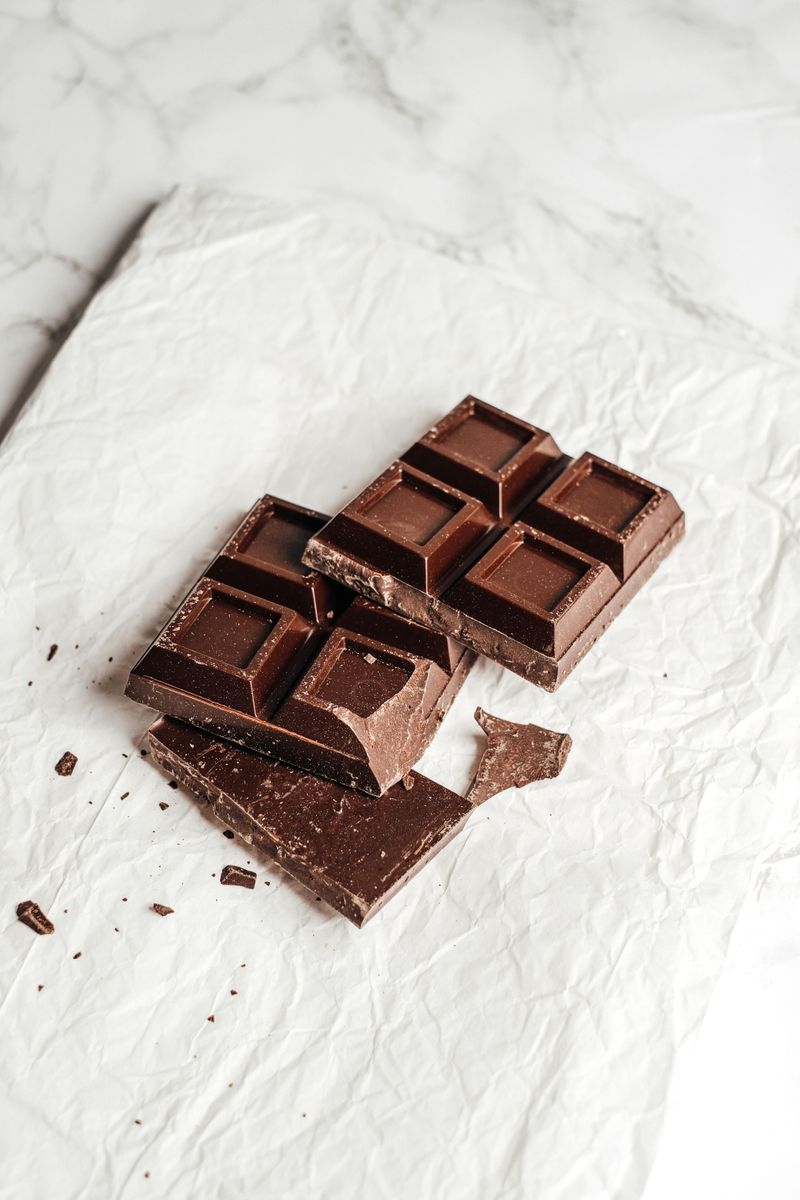
Impulse chocolate looks cheap, but grams tell another story. Many bars shrank while prices held or rose.
Two for deals lock you into spending more than planned.
Compare unit price with baking chocolate or bigger bars on sale. Store brands and fair trade options sometimes undercut fancy wrappers.
Keep a pantry stash to avoid costly checkout temptations.
Consider dark chocolate chips for controlled portions. Flavor per dollar improves when you skip the novelty add ins.
Sweet tooths thrive on strategic buys, not lane traps.
Butter sticks
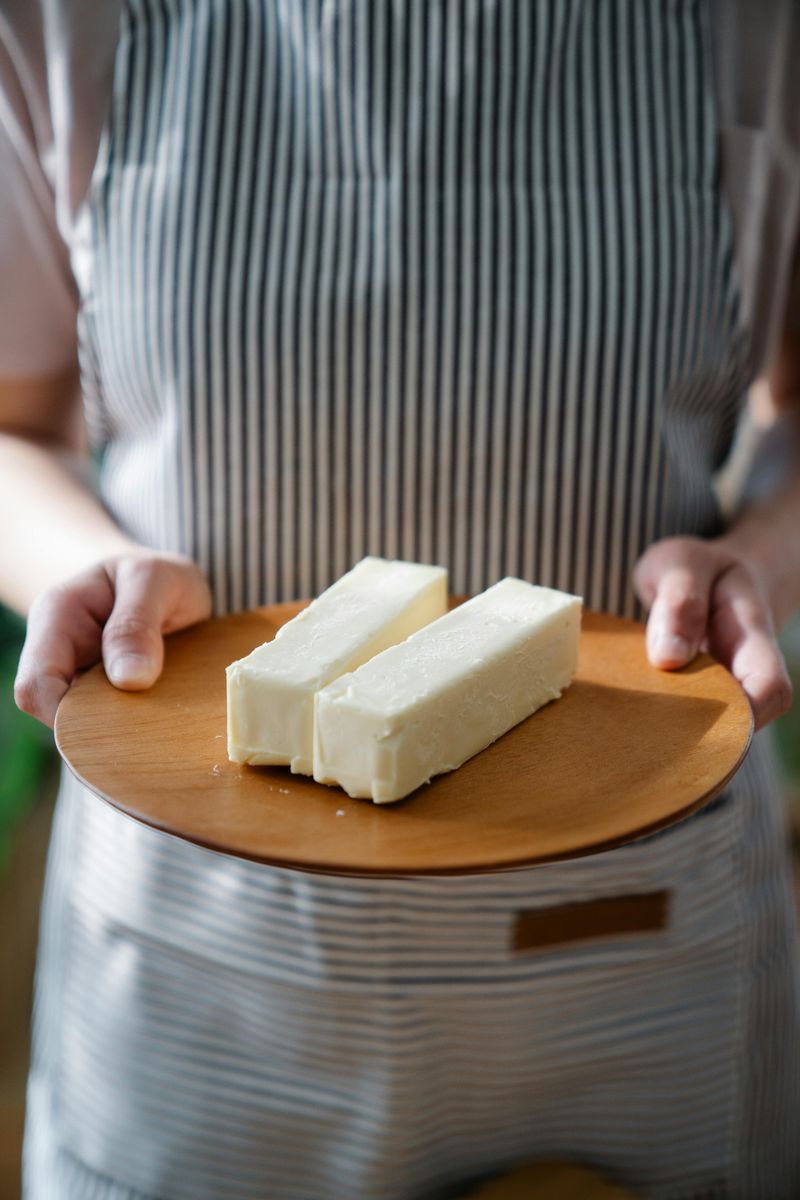
Butter used to be a full pound per box. Some brands quietly trimmed ounces, leaving bakes short and budgets strained.
Sales often exclude the creamier European styles you might prefer.
Compare unit price and watch holiday promos to stock up and freeze. Store brands can match quality at lower costs.
Consider unsalted for flexibility across recipes.
Clarify your own ghee for savings. If you bake often, larger restaurant packs may pay off.
Read labels closely so your recipes and wallet stay consistent.
Cheese slices
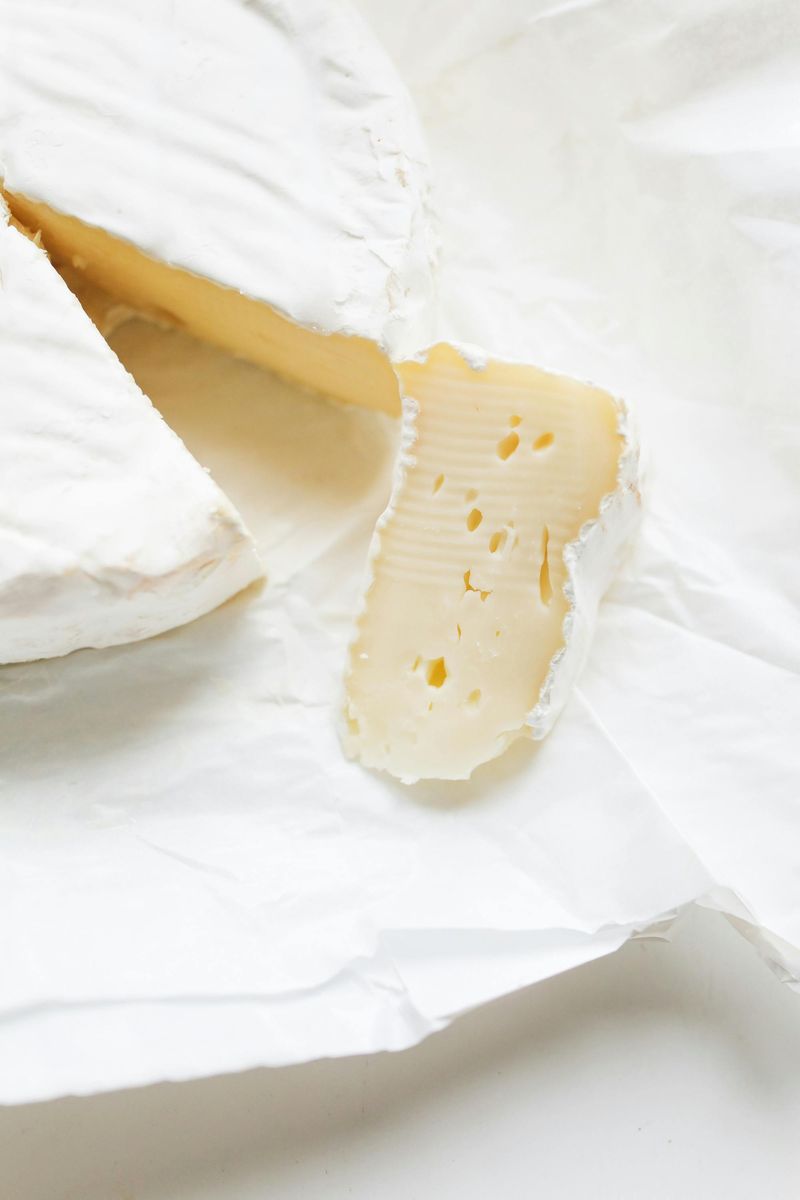
Pre sliced cheese adds speed but inflates cost. Ultra thin cuts mean more plastic and less cheese per sandwich.
Processed slices melt well yet offer less value than block cheese.
Buy blocks and slice or shred at home. A simple slicer pays for itself quickly.
Deli counter specials can beat prepacked prices by weight.
Watch moisture content and additives. Natural cheeses on sale freeze nicely in portions.
Choose thickness you actually want instead of what the pack dictates.
Yogurt multipack
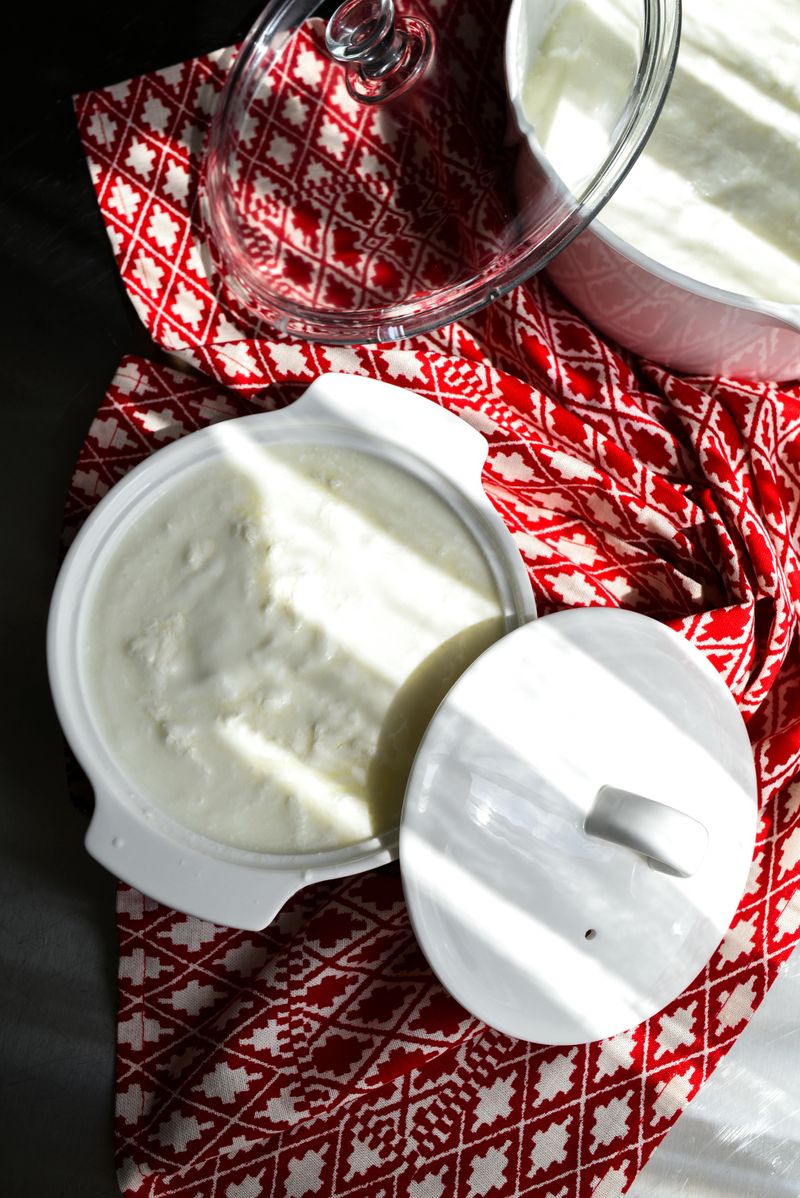
Multipacks look tidy in the fridge, yet tiny cups cost more per ounce. Flavors are often sugared up, making the premium even harder to swallow.
Packaging waste piles up quickly.
Buy a big tub of plain yogurt and swirl in fruit or honey. Portion into reusable jars for grab and go convenience.
Greek styles deliver more protein per dollar.
Watch for live cultures and dates to ensure freshness. Sales on large tubs occur often.
Customize sweetness and save your budget at the same time.
Canned soup
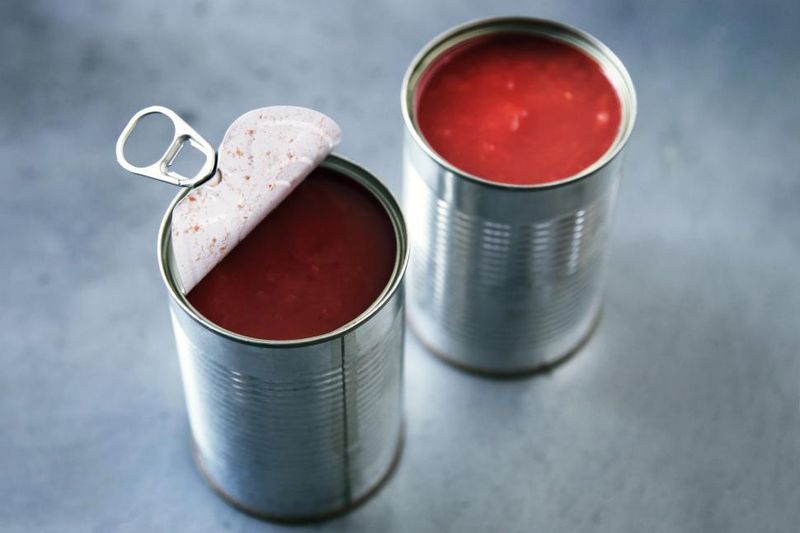
Ten for deals hide rising can prices and shrinking ounces. Sodium is sky high, and you often need two cans to feel full.
That doubles the cost fast.
Homemade soup from broth, beans, and veggies is cheaper and customizable. Batch cook and freeze in portions for busy nights.
Low sodium varieties sometimes cost even more.
Check unit price and compare to boxed broth plus add ins. Sales are fine for emergencies, not everyday lunches.
Your pot can simmer better savings.
Crackers box

Cracker boxes look big but hide fewer sleeves than before. Air gaps and tray inserts exaggerate volume.
Family size rarely equals family value anymore.
Compare per ounce to standard boxes on promotion. Store brands often match crunch for less.
Pair with homemade dips to stretch servings without buying more.
Stale crackers waste money, so store in airtight containers. Consider bakery clearance bread for toast points as an alternative.
Real savings come from what actually gets eaten.
Bread loaf
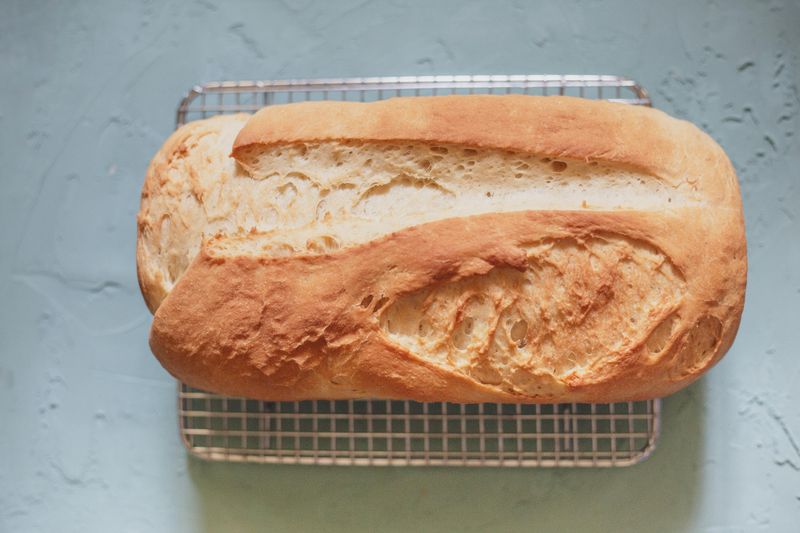
That sale loaf might have thinner slices and fewer grams, quietly cutting value. Two for deals tempt you into buying more than you can finish before staling.
Preservatives extend life, but flavor lags.
Compare slice counts and weight per loaf, not just brand names. Freeze half to prevent waste, or buy bakery clearance and freeze immediately.
A bread knife makes better portions than factory thin cuts.
Sourdough and artisanal options soar in price. Consider baking simple loaves at home occasionally.
Real savings rise with what you will actually eat.
Ice cream tub

Pints quietly became 14 ounces, turning treats into pricey indulgences. Premium brands sell air churned into texture, not extra cream.
Unit price reveals how splurgy that scoop really is.
Buy larger true half gallons when on sale, or try store brands with clean ingredients. Homemade no churn recipes stretch dollars and delight.
Portion control helps the budget too.
Watch seasonal flavors for limited time markups. Compare overrun and ingredient lists for quality clues.
Your sweetest savings come from reading the label first.
Enjoyed this story?
Add Fast Food Club as a preferred source to see more of our reporting on Google.