


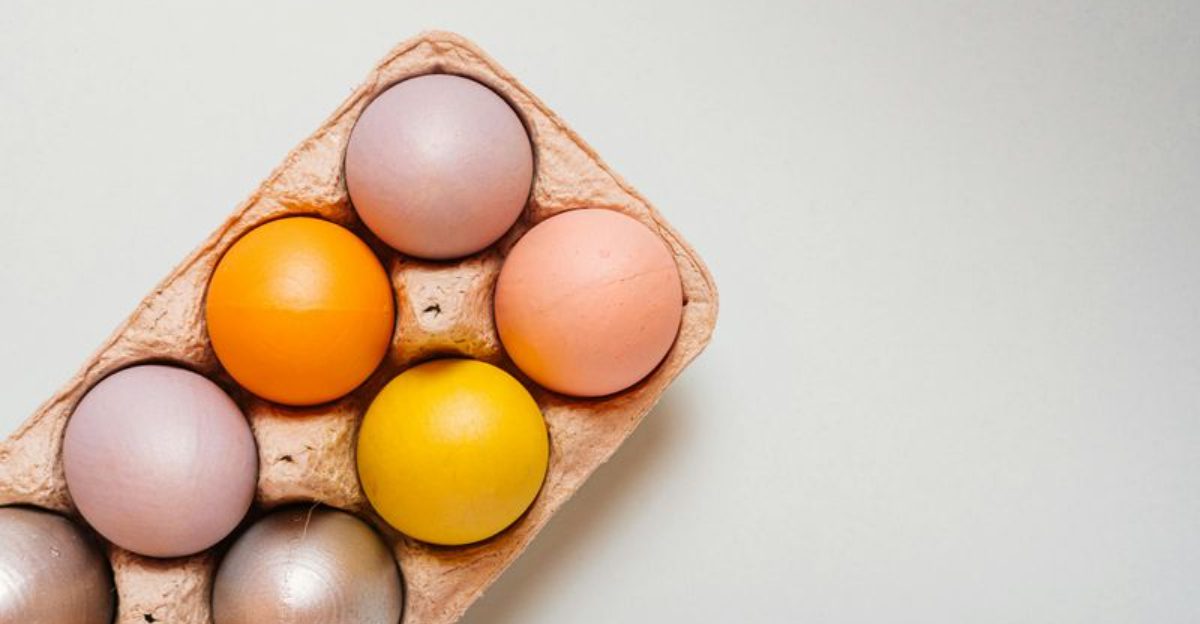
Remember when tossing half a loaf or ignoring leftovers did not feel like money down the drain. Prices have climbed, and suddenly every crumb, sip, and spoonful matters more than ever.
This list looks at everyday staples that once felt disposable and shows why your habits might need an upgrade. Get ready for smart, simple ways to stretch what you already buy without feeling deprived.
Bread loaf
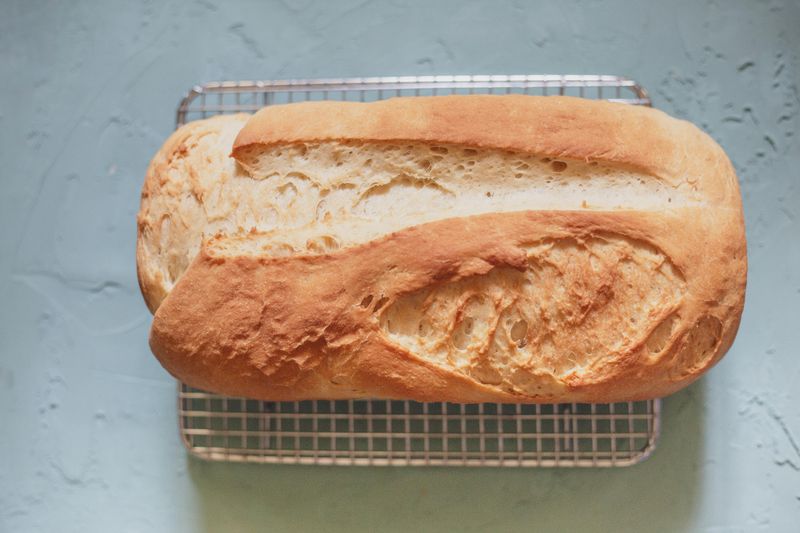
Whole loaves once went stale on counters without worry. Now, every slice feels like a budget decision.
Store bread in a breathable bag for a day or two, then freeze slices with parchment between layers so you can toast only what you need.
Revive day-old bread with a quick splash of water and a hot oven to restore crust. Turn heels into croutons, bread crumbs, or a savory strata.
Even sweet bread pudding rescues odds and ends.
Keep a bread basket for the week’s pieces. Label and rotate.
Little rituals protect flavor and money.
Milk
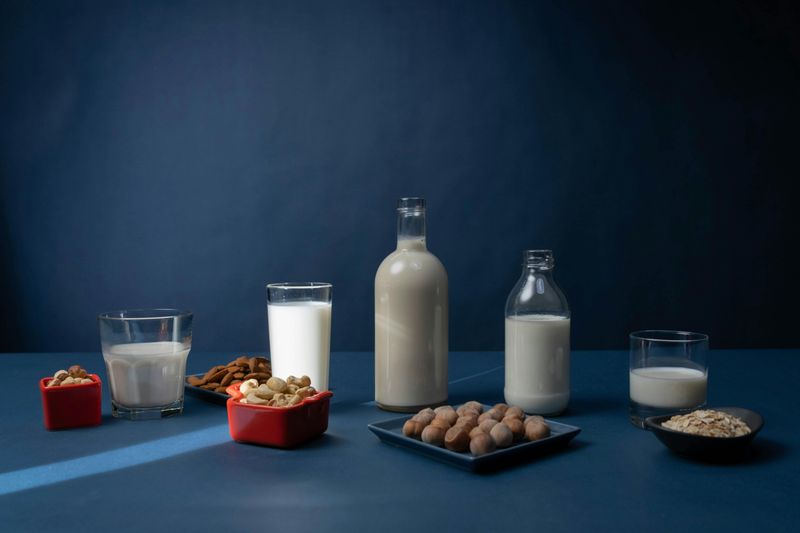
Milk once spoiled without much regret. With higher prices, freshness becomes a plan.
Keep your fridge at 37 to 40 degrees, store milk on a shelf, not the door, and write the open date so it gets used on time.
Portion leftovers into small jars for smoothies, custard, or overnight oats. Freeze in measured cups for baking.
When milk is near its date, make yogurt, ricotta, or white sauce for pasta.
Smell and taste checks beat guessing. Consider smaller containers if waste creeps up.
Consistent rotation turns rising costs into manageable choices.
Rice
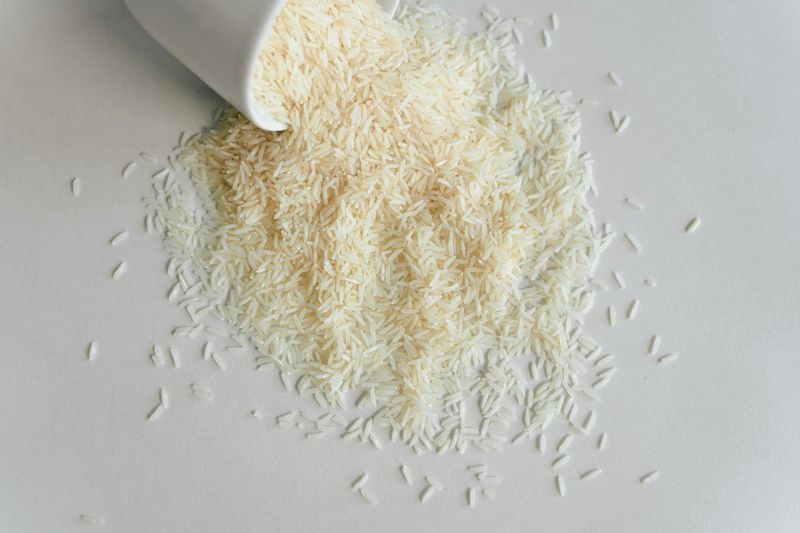
Rice felt endlessly cheap, so extra pots languished in the fridge. Now it is strategic.
Rinse well, choose the right water ratio, and fluff immediately to prevent clumping that leads to waste.
Cool leftovers quickly and refrigerate within an hour. Repurpose into fried rice, congee, stuffed peppers, or rice pudding.
Freeze flat in bags for quick sides that reheat perfectly with a splash of water.
Keep insect-proof jars for bulk storage. Date everything.
A weekly grain bowl night helps rotate odds and ends before they dry out or get forgotten.
Pasta
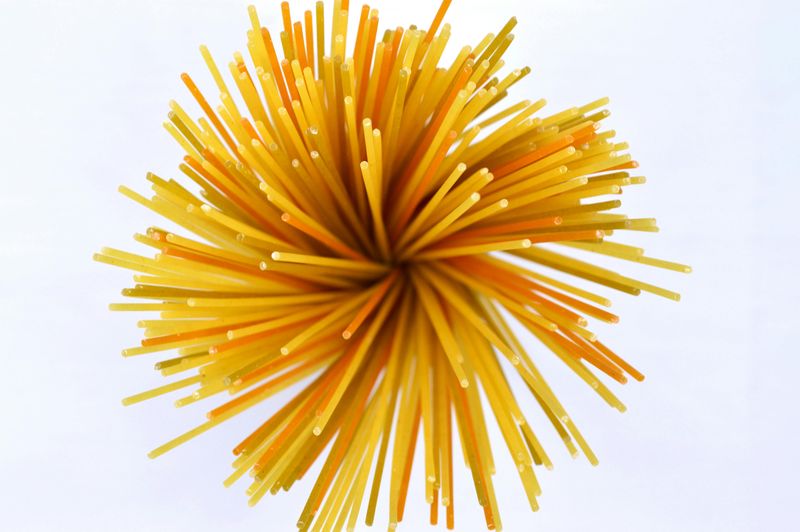
Pasta used to be pennies per plate, so overcooking extra barely mattered. Not now.
Measure portions with a scale or handful guide, and salt water generously for flavor that minimizes wasteful sauces.
Cool unused noodles with oil to prevent sticking. Turn leftovers into frittatas, pasta salads, or baked casseroles.
Freeze cooked pasta slightly underdone for quick reheats without mush.
Keep small jars for odd shapes to build a mixed-pasta soup. Save starchy cooking water to thicken sauces.
Planning portions and rescuing extras makes every box stretch further.
Potatoes
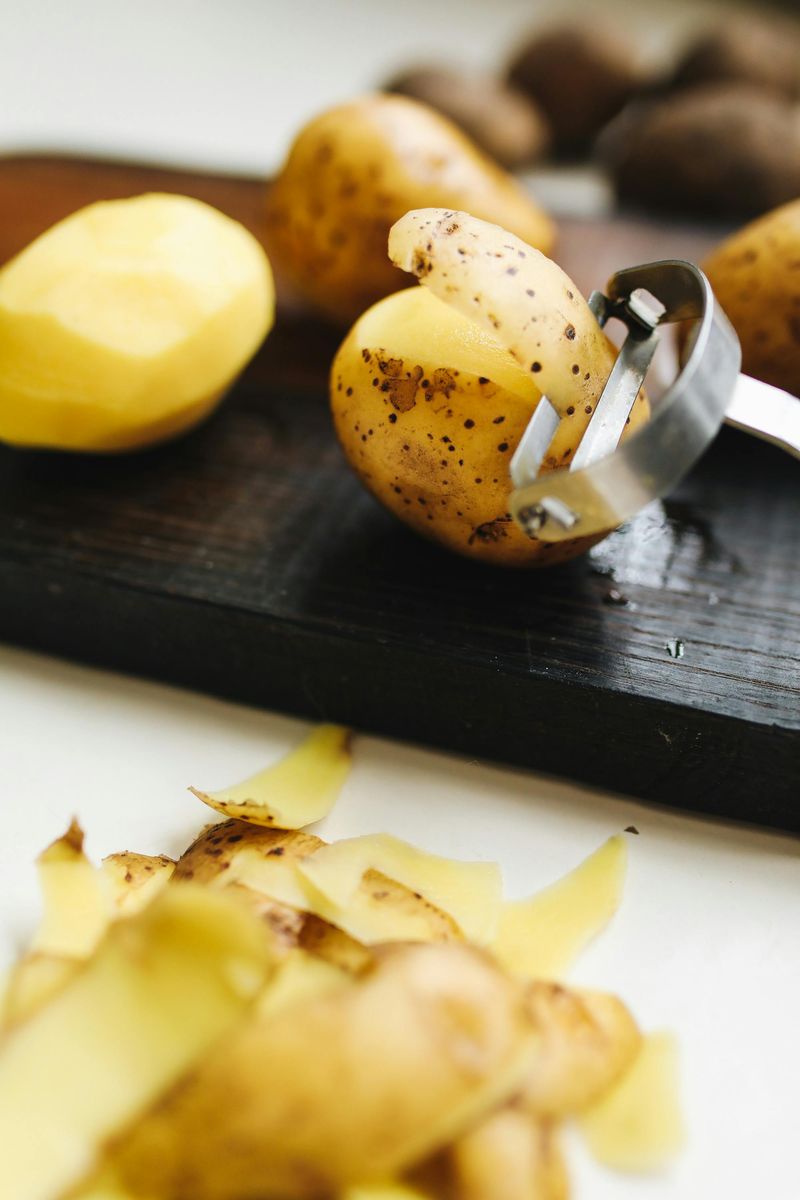
Potatoes seemed endless and cheap, so soft ones went ignored. Now, smart storage prevents costly tosses.
Keep them cool, dark, and ventilated, away from onions to slow sprouting.
Batch bake, then pan-fry for breakfasts, mash into croquettes, or blend into soup. Shred par-cooked potatoes and freeze for hash browns.
Rescue peels by roasting into crisp snacks or saving for broth.
Cut off small sprouts and green spots generously, discarding any bitter pieces. Label bins by purchase date.
A weekly potato night ensures older spuds become comfort food, not compost.
Onions
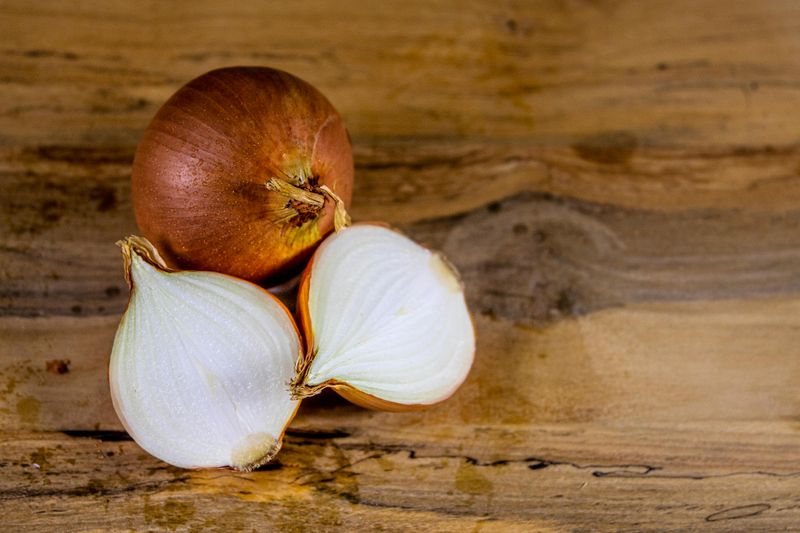
Onions were once so cheap that half-cut bulbs dried out without a thought. Prices nudged habits to change.
Store whole onions in breathable baskets, not the fridge, and keep them away from potatoes.
Wrap cut onions tightly and use within days for sautés, salsas, or stock. Caramelize big batches to freeze in small portions, transforming sandwiches, burgers, and sauces fast.
Save skins for golden broth. Quick-pickle rings to rescue stragglers.
A labeled freezer jar of cooked onions becomes the secret to zero-waste weeknights and deeper flavor on demand.
Beans
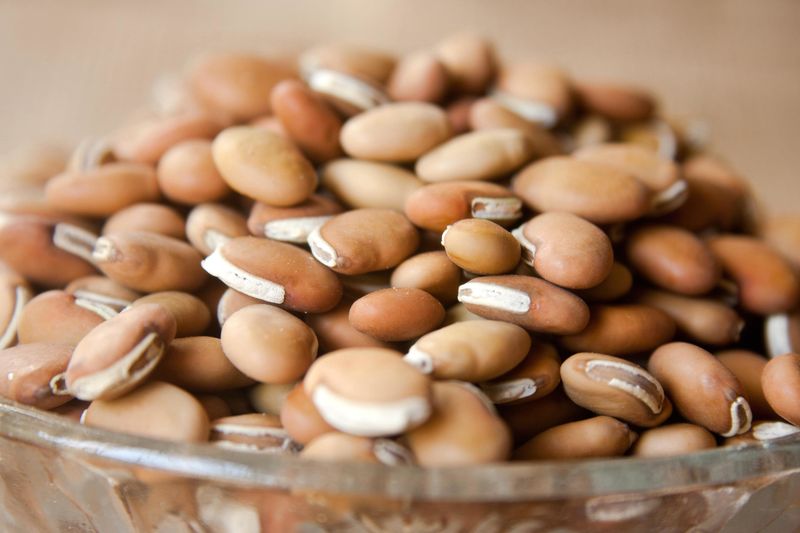
Bags of beans felt like endless value, so leftovers sometimes lingered. Now, a plan turns pennies into meals.
Soak or quick-cook, then pressure cook for consistent texture that invites repeat use.
Cool and refrigerate promptly. Portion into freezer-friendly cups with some cooking liquid to protect texture.
Transform extras into chili, hummus-style dips, tostadas, or bean-packed grain bowls.
Save aquafaba for vegan bakes or fluffy dressings. Label dates, rotate jars, and keep a spice kit nearby for variety.
With small systems, beans stay affordable, nourishing, and never wasted.
Lentils
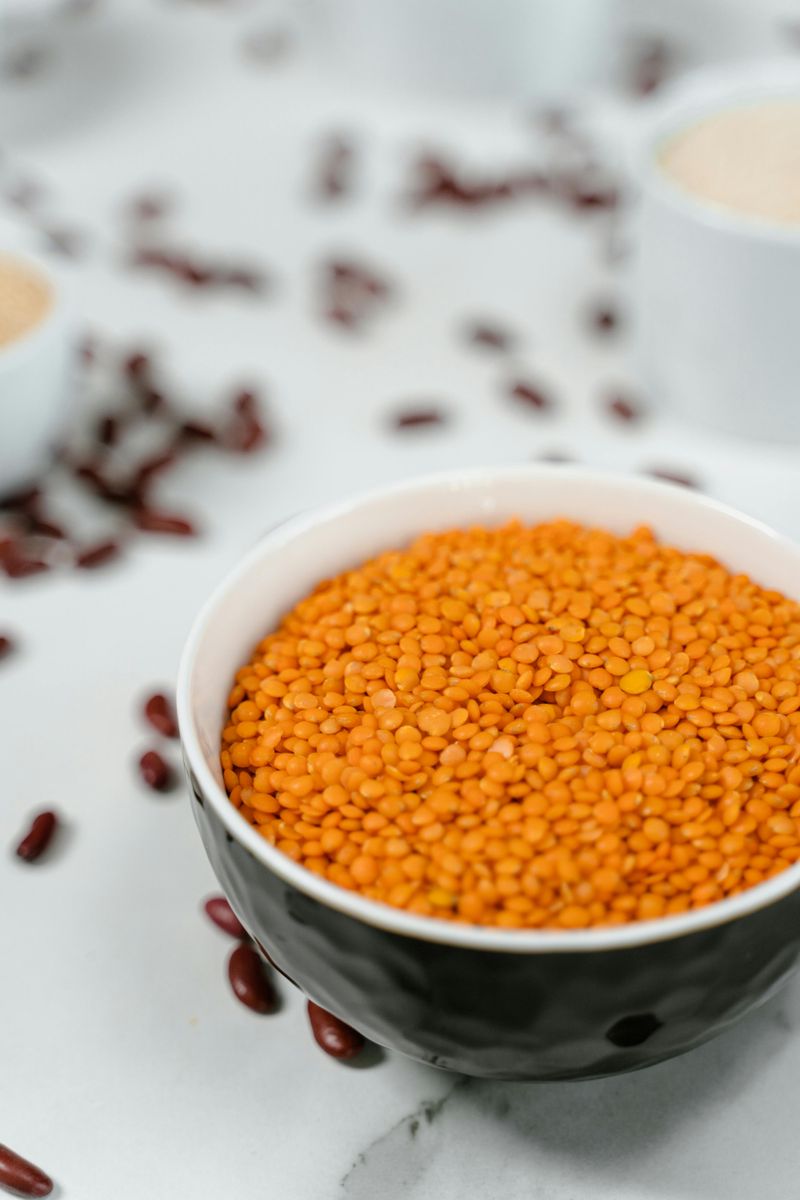
Lentils used to be the forgotten back-of-pantry hero. Prices and health goals brought them forward.
They cook quickly, so make extra for salads, curries, and hearty soups that welcome add-ins.
Store dry lentils airtight with date labels. Refrigerate cooked portions promptly, and freeze in thin layers for speedy defrosting.
Add leftover lentils to meatloaf, tacos, or veggie burgers to stretch pricier proteins.
Blend with herbs for spreads, or simmer with tomatoes for a weeknight sauce. Consistent seasoning rotation keeps bowls exciting.
With minimal effort, lentils transform from afterthought to dependable, zero-waste staple.
Ground beef
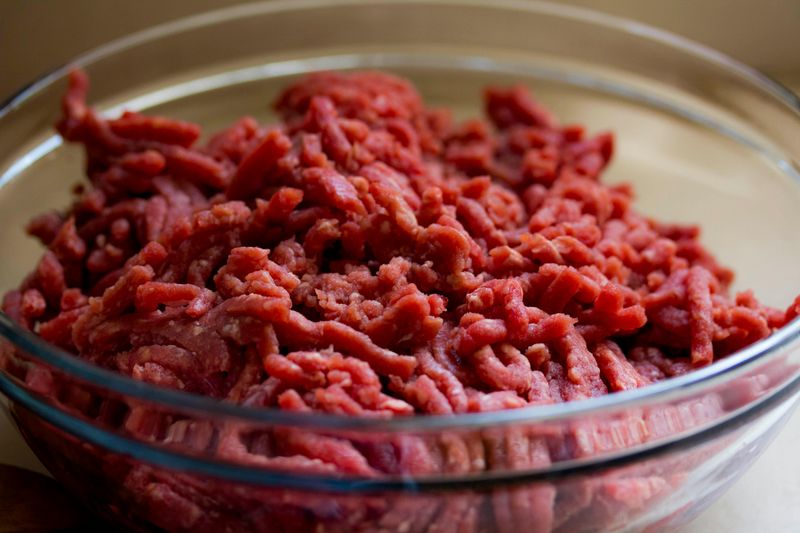
Ground beef once felt affordable enough for oversized portions. Now every ounce matters.
Buy family packs, portion flat for quick thawing, and label clearly with dates and fat percentage.
Brown extra with onions and freeze in meal-size bags for tacos, sloppy joes, or pasta sauces. Stretch with lentils, mushrooms, or grated zucchini to keep juiciness while cutting cost.
Render and save fat for skillet potatoes. Use a digital thermometer to avoid overcooking waste.
Smart portioning and flavor boosters protect both budget and satisfaction without sacrificing weeknight speed.
Chicken thighs
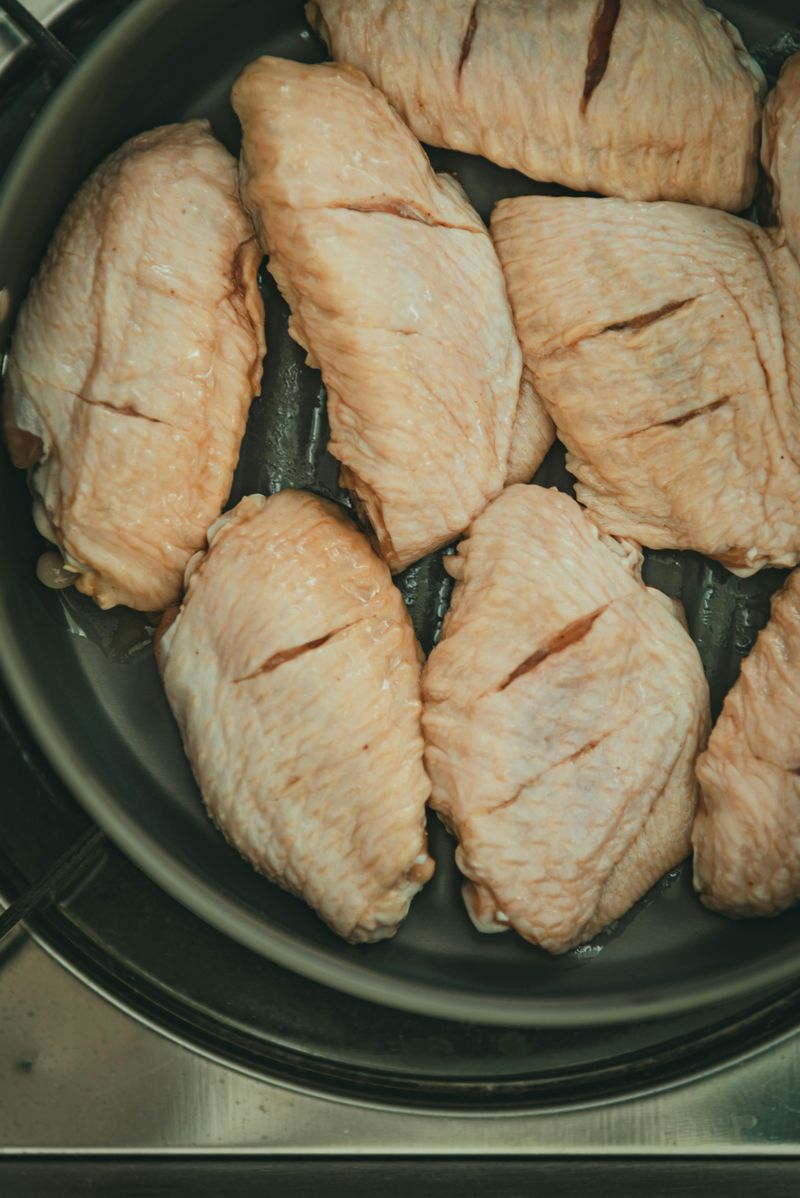
Thighs used to be the budget-friendly cut you did not think twice about. Now they are still value, but precision helps.
Marinate or dry-brine before freezing so flavor diffuses while thawing.
Batch-roast and shred leftovers for tacos, fried rice, or soups. Save bones and pan drippings for rich stock.
Portion cooked meat into small bags to avoid thawing more than needed.
Use a rack for crispy skin without wasteful overcooking. Keep a spice rotation to prevent boredom.
Thoughtful prep turns family packs into convenient, flavorful meals all week.
Peanut butter
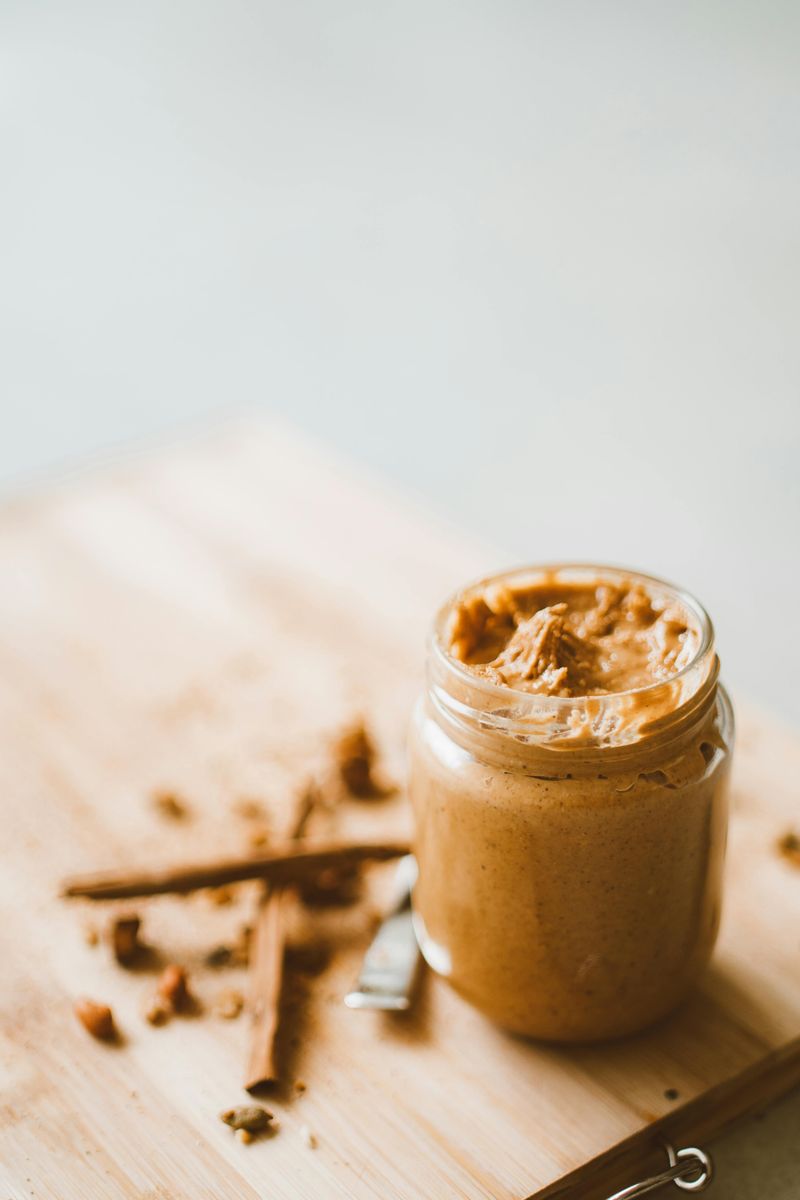
Peanut butter jars once sat forgotten, especially the natural kind that separates. With tighter budgets, none should go to waste.
Store upside down to redistribute oils, then stir thoroughly and refrigerate to slow separation.
Scrape every bit with a spatula. Blend into smoothies, sauces, cookies, or no-bake bars.
Whisk with soy sauce, lime, and chili for a quick noodle dressing that saves odds and ends.
Rinse near-empty jars with warm milk for instant hot cocoa. Label open dates.
These simple habits squeeze value from every spoonful while keeping snacks satisfying.
Oatmeal
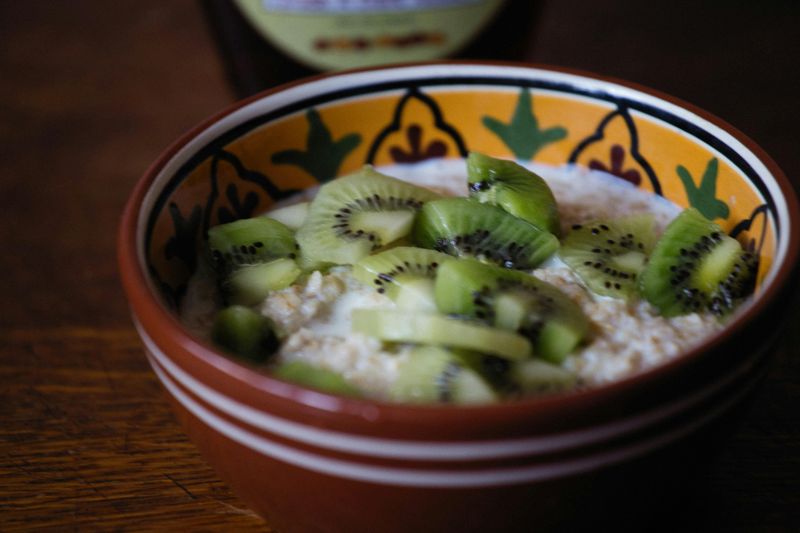
Oats used to be so cheap that stale canisters felt replaceable. With prices up, protect freshness.
Store oats airtight with oxygen absorbers if buying bulk, and rotate by date so older stock gets used first.
Cook big batches for the week and portion into jars. Transform leftovers into pancakes, muffins, savory oat risotto, or granola clusters.
Blend oats into flour for baking without buying extra.
Toast dry oats to revive flavor and extend life. Keep a toppings box that encourages variety so bowls never feel boring.
Small systems turn pennies into satisfying breakfasts.
Cornbread
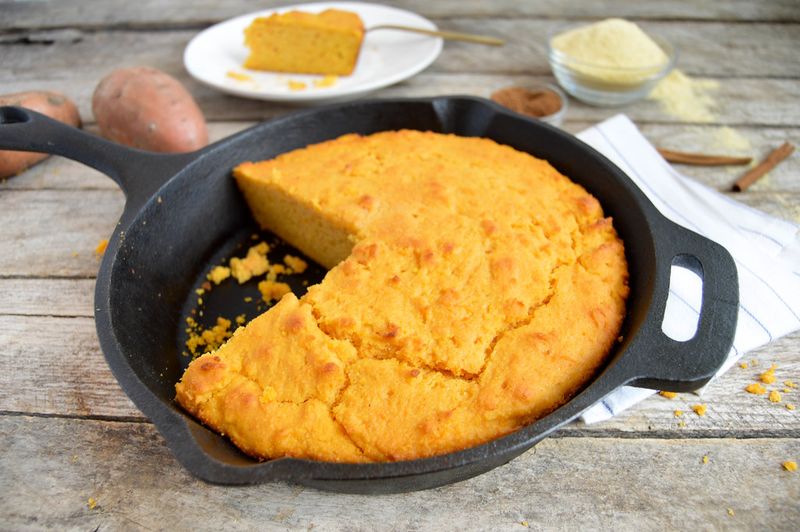
Skillet cornbread used to linger, then dry out. Now every wedge deserves a plan.
Wrap tightly in a towel while cooling to retain moisture, then store in airtight containers or freeze slices separated by parchment.
Refresh with a quick steam or a damp-paper-towel microwave burst. Crumble dry pieces into stuffing, bean-topping crumbs, or breakfast strata.
Cube and toast for rustic croutons that love chili nights.
Whip leftover batter into corn fritters. Keep honey butter on hand to revive day-old slices.
With a little care, cornbread shifts from fragile afterthought to steady, thrifty comfort.
Canned soup
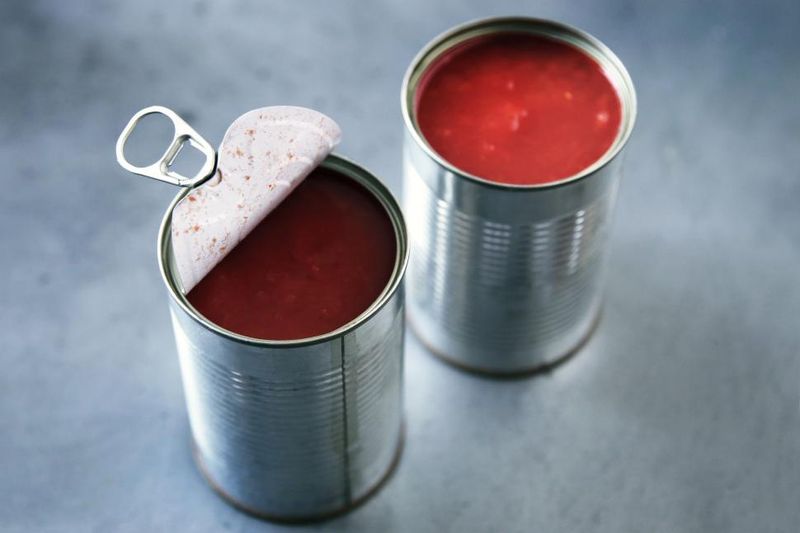
Canned soup once piled up during sales and sometimes expired unnoticed. Prices and awareness changed that.
Practice first-in, first-out rotation, and use a marker to note purchase dates on lids.
Boost value by adding rice, beans, frozen veggies, or leftover meat. Split one can into two meals with buttered toast or grilled cheese.
Simmer down slightly to make a flavorful sauce for casseroles.
Keep an emergency stash but set a calendar reminder to review quarterly. Donate unopened extras before dates creep up.
Thoughtful rotation keeps convenience affordable, not wasteful.
Hot dogs
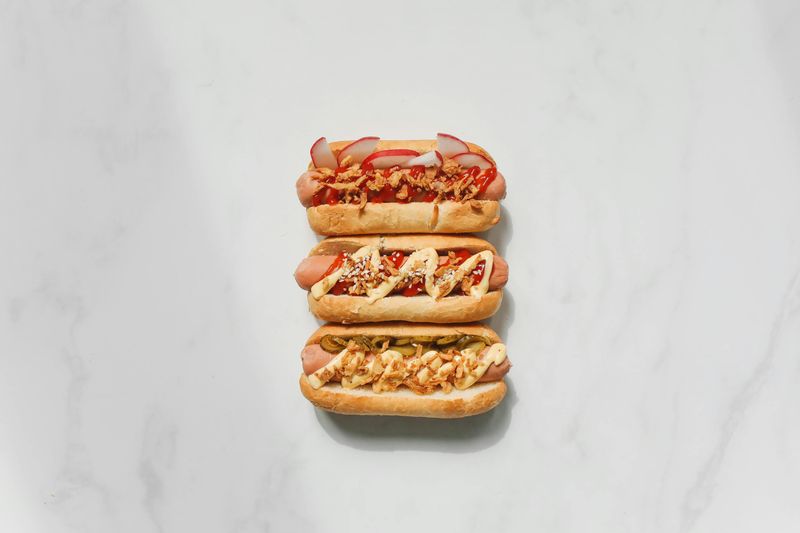
Hot dogs once felt throwaway-cheap, and half packs went slimy. Not anymore.
Rewrap tightly, squeeze out air, and date the package. Freeze extras individually so you pull only what you need.
Sear in a skillet for snap, then slice into fried rice, mac and cheese, or bean stews. Make quick corn dog bites with leftover batter.
Toast buns straight from the freezer to reduce stale losses.
Keep mustard and relish on hand to elevate odds and ends. A little planning turns impulse buys into versatile, low-waste proteins.
Cabbage
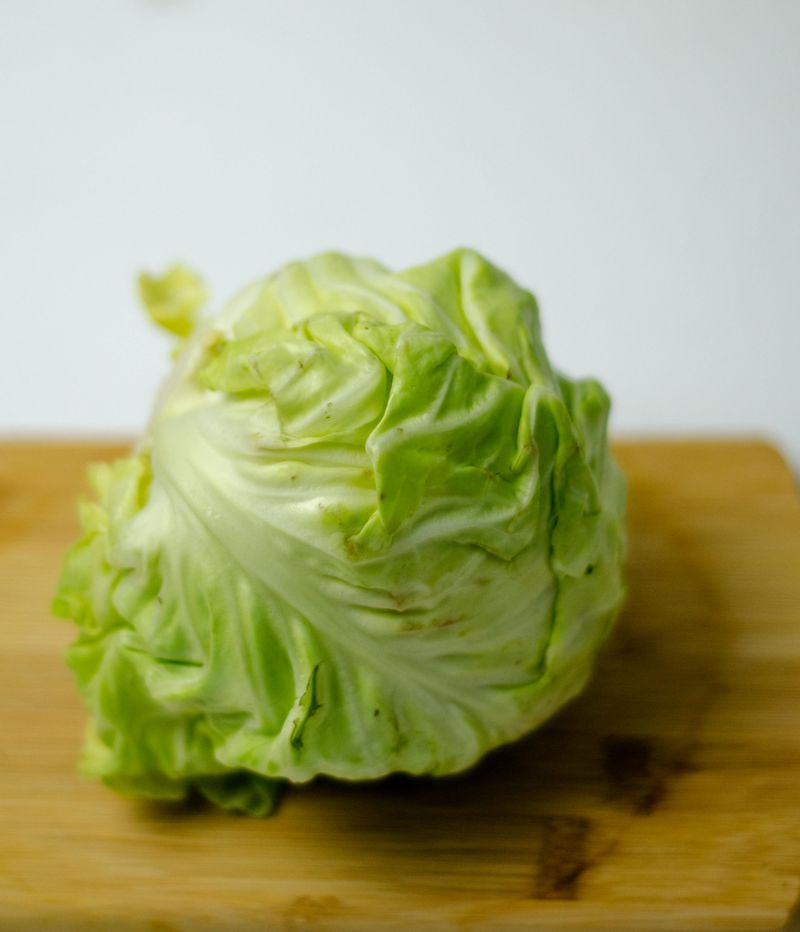
Cabbage used to linger because it seemed cheap and sturdy. Rising prices reward smarter handling.
Wrap cut sides tightly, place in the crisper, and use within a week for crunch.
Shred big batches and salt lightly to stay crisp for slaw or quick pickles. Stir-fry cores thinly sliced to avoid waste.
Simmer outer leaves in soups or stuff them with rice and lentils.
Roast wedges for a sweet, charred side. Keep a vinaigrette ready so shredded cabbage becomes instant salad.
With flexible prep, one head fuels many satisfying meals.
Butter
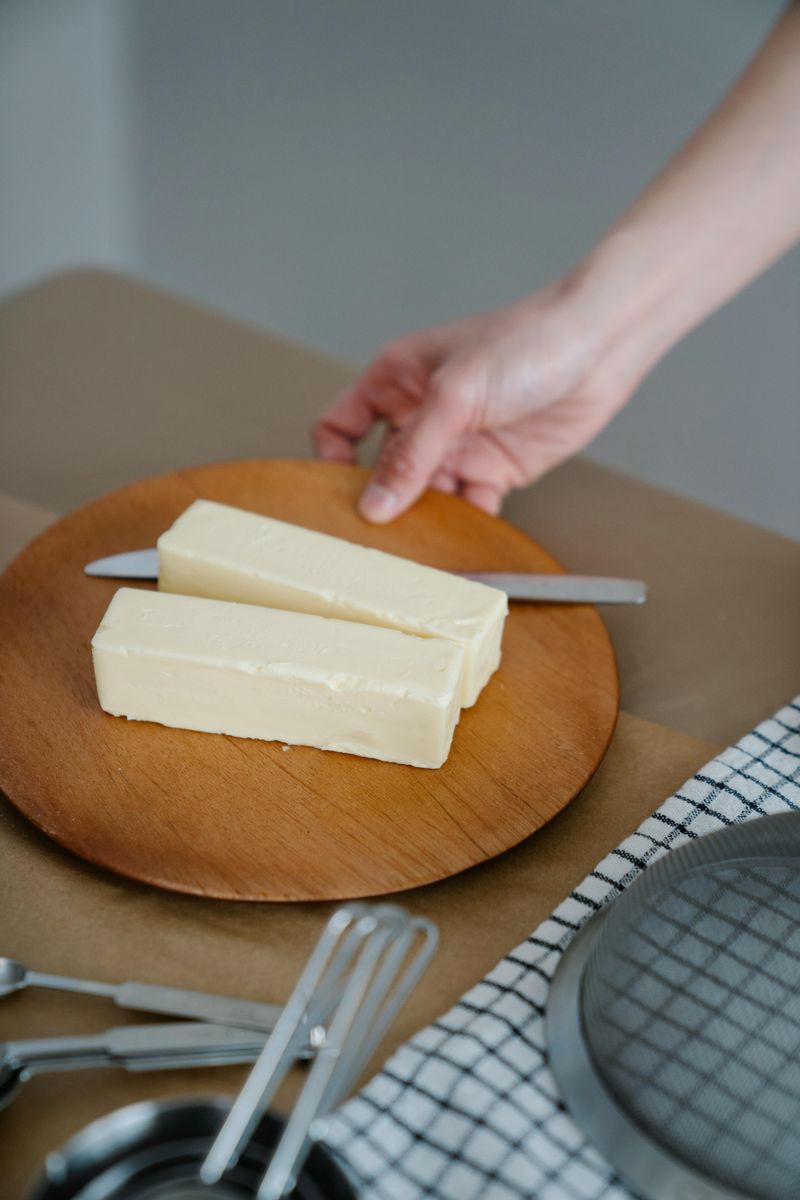
Butter felt plentiful, so stale or over-soft sticks sometimes got tossed. Now, portion wisely.
Keep one stick at room temperature in a covered dish if your kitchen is cool, and freeze the rest labeled by month.
Grate frozen butter into biscuits or pie dough for perfect flakes. Brown near-expiring butter into nutty sauce and freeze in cubes.
Scrape wrappers to grease pans or melt into rice.
Track salted versus unsalted for baking accuracy. With small habits, every pat gets used deliciously, turning premium fat into steady kitchen gold.
Cooking oil
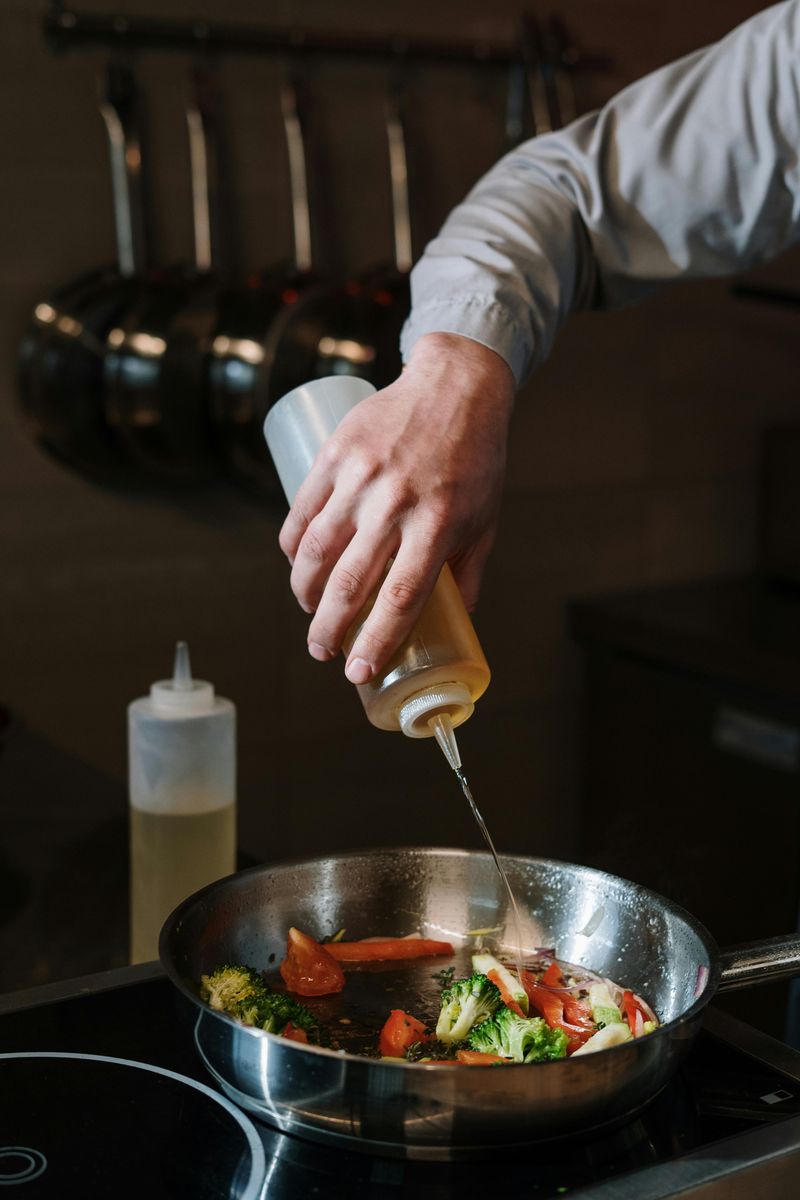
Cooking oil once felt cheap enough to change casually. Prices and quality shifts say store it right.
Keep bottles in a cool, dark spot, cap tightly, and label open dates to avoid rancidity.
Use small containers with pour spouts to reduce oxidation. Filter used frying oil through a coffee filter, store chilled, and reuse appropriately.
Rotate oils so none sit forgotten.
Wipe measuring spoons with bread before washing to capture every drop. Plan a stir-fry night to use the last of a bottle.
These tweaks protect flavor and your budget.
Eggs
Eggs used to feel like the cheapest protein, so skipping a few cracked ones did not sting. Today, every egg counts, and careful storage matters.
Keep them in the coldest fridge zone, pointy side down to preserve the yolk, and date cartons so rotation is easy.
Cook extra and transform leftovers into fried rice, breakfast burritos, or salads. Freeze whisked eggs in ice cube trays for later baking.
Save shells for garden calcium or to clarify homemade broth.
Plan a weekly egg night to use up strays. Tiny habits stop waste and stretch breakfasts beautifully.
Enjoyed this story?
Add Fast Food Club as a preferred source to see more of our reporting on Google.