


Remember when a quick grocery run felt painless? Lately, the total at checkout jumps higher than expected, even when you stick to basics.
Many everyday staples have crept up in price, reshaping how you shop, cook, and budget. Let’s break down the familiar items quietly getting pricier and what that means for your cart.
Eggs

Eggs used to be the ultimate cheap protein, but sticker shock has become standard. Supply swings, disease outbreaks, and higher feed costs pushed prices up, then kept them elevated.
Even when shelves look full, the price per dozen rarely returns to those comfort numbers.
You feel it in breakfast routines and baking days. Omelets, frittatas, and quick scrambles suddenly feel like small luxuries.
Buying in bulk helps sometimes, yet unit costs can still sting.
Some swap to fewer egg meals or stretch recipes with veggies and beans. Store brands help, but not always.
Smart timing your buys matters now.
Bacon
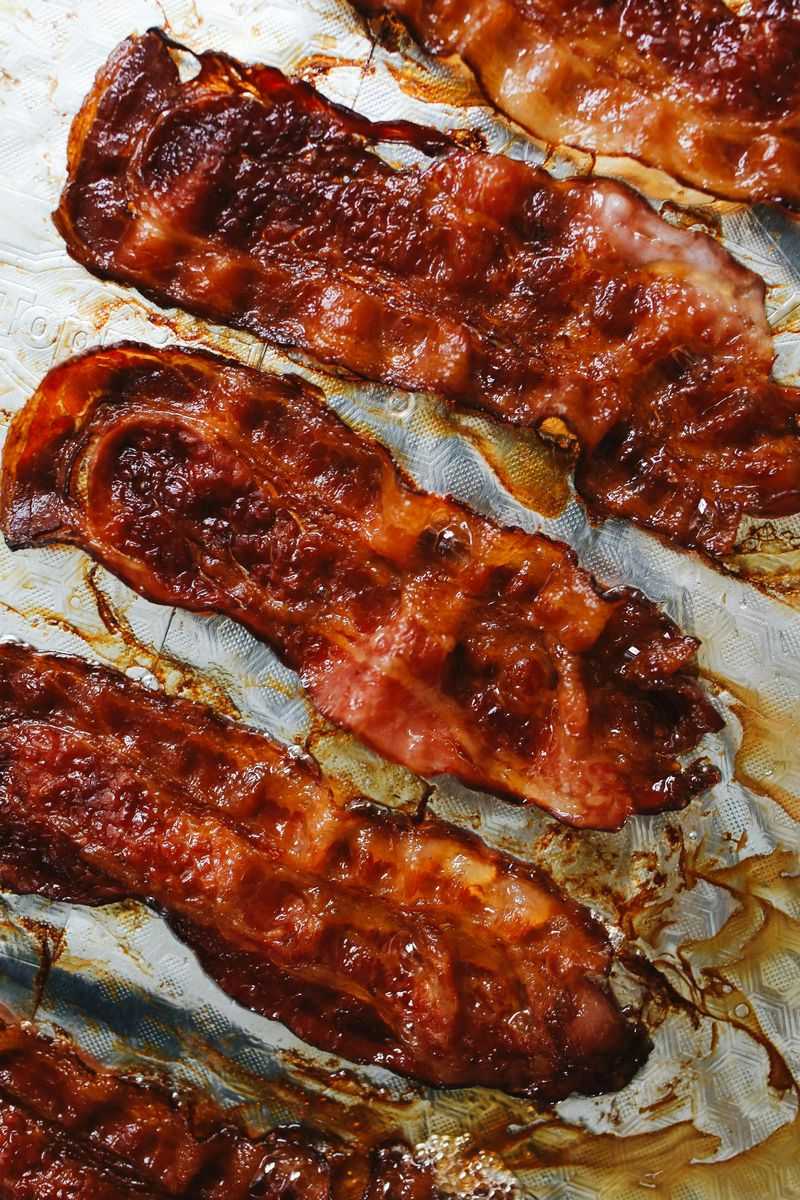
Bacon has drifted from weekend treat to borderline splurge. Hog herd cycles, processing bottlenecks, and packaging costs all filter into that per-pound price.
Even promo stickers feel less generous, making breakfast sandwiches and BLTs feel pricier than they should.
Shoppers notice thinner packs and fewer true discounts. You might ration strips or switch to turkey versions.
Still, the smoky comfort factor keeps it in many carts.
Consider buying bigger packs and freezing portions to cut waste. Watch unit pricing, not just flashy tags.
When prices peak, lean on other proteins and bring bacon back when sales actually deliver value.
Olive oil

Extra virgin olive oil took a notable leap, driven by poor harvests and climate stress in key regions. Fewer olives and higher processing costs translate to steeper shelf tags.
Even mid-tier bottles feel premium now, nudging everyday cooks to drizzle less.
You might reserve it for finishing and salads while sautéing with neutral oils. But flavor expectations make substitutions tricky.
Loyalty to favorite brands clashes with budget reality.
Hunt for credible blends, check harvest dates, and buy during import promotions. Larger tins can help if you store them properly.
Rotate with canola or sunflower for heat, saving olive oil for when its taste truly shines.
Coffee
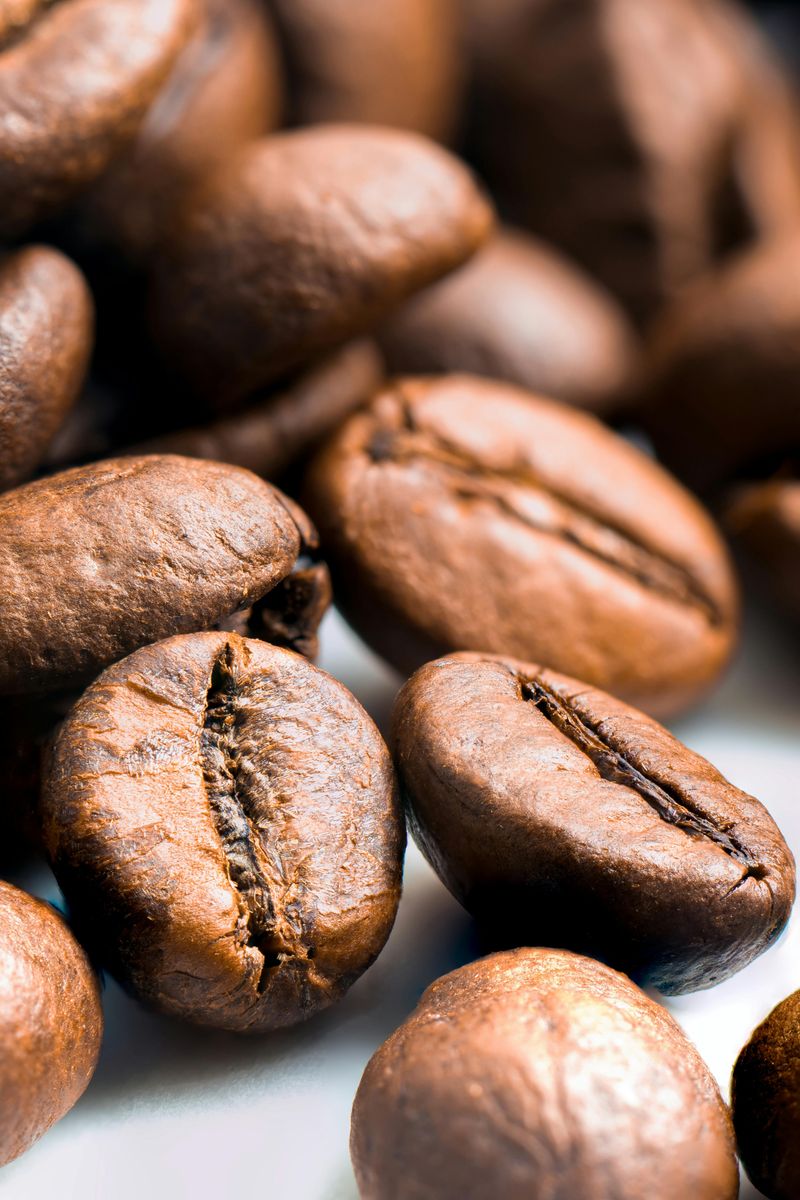
Coffee mornings do not feel cheap anymore. Weather volatility, plant diseases, and shipping costs have pushed green coffee prices higher, filtering into every bag.
Specialty blends stretch budgets, while even basic grounds feel inflated.
That daily ritual becomes a math problem: brew at home versus café splurges. Subscriptions help a bit, but increases sneak in.
Switching roast levels or origins might not solve the core price pressure.
Buy in bulk, grind fresh, and store airtight to preserve value. Consider blends over single origins for affordability.
Stretch with smaller pours or add chicory if adventurous, keeping flavor while taming those creeping costs.
Milk

Milk once anchored a budget cart, yet prices have climbed steadily. Feed, fuel, and processing expenses weigh on every gallon.
Regional swings add confusion, so you cannot always rely on last week’s deal or favorite store.
Families feel it most with daily cereal, cocoa, and baking. Even small jumps compound over months.
Some shift to different fat percentages or alternate sizes to cope.
Watch unit pricing and loyalty promotions. Store brands often track lower, but not always.
If consumption is steady, buy two when prices dip and freeze extra for cooking, minimizing midweek full-price runs that drain your budget.
Cheese
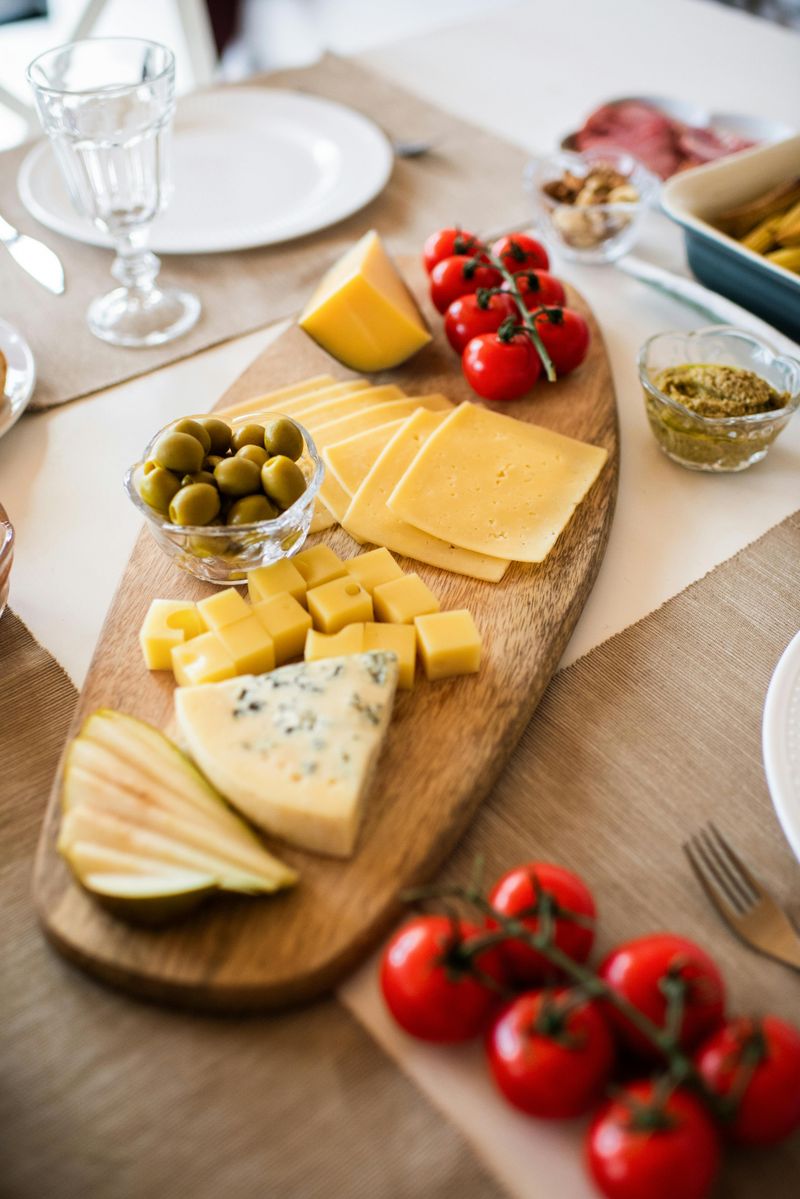
Cheese has shifted from everyday topper to measured indulgence. Milk prices, aging time, and import fees stack up behind those tidy blocks.
Even shredded bags seem lighter for the money, with fewer true markdowns.
You feel it when building snack boards or simple grilled cheese nights. Favorites like cheddar and mozzarella still land in carts, yet quantity shrinks.
Premium styles can feel out of reach.
Buy larger blocks and shred at home to save. Explore tasty but affordable varieties like young goudas.
Rotate premium wedges for special meals, and lean on cheese’s big flavor to stretch smaller portions across casseroles and pastas.
Ground beef
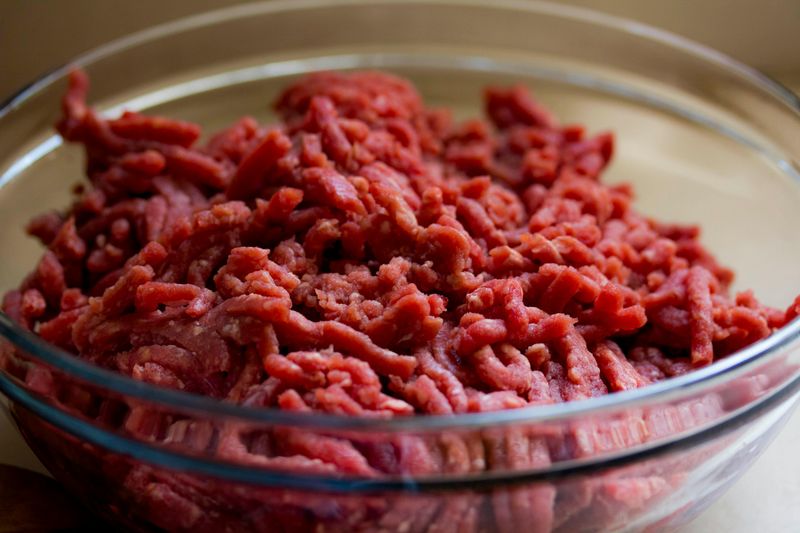
Ground beef used to be the thrifty dinner hero. Herd reductions, feed prices, and processing costs tightened supply, hiking per-pound costs.
Sales still pop up, but the floor price feels permanently raised.
Taco nights and burgers now demand budget math. You might buy leaner blends less often, or split packs across multiple meals.
Flavor persists, but affordability wobbles.
Shop family-size packs and freeze flat portions for quick use. Stretch with beans, lentils, mushrooms, or grains without losing satisfaction.
When prices spike, rotate in chicken thighs or plant-based options. Flexibility keeps weeknight dinners hearty without letting the meat aisle win.
Bread loaf

Even a simple sandwich loaf has crept up in cost. Wheat volatility, energy prices for baking, and packaging all add cents that keep stacking.
Those old two-for deals show up less, while specialty grains carry a bigger premium.
Lunchbox routines notice first. Toast, grilled cheese, and quick snacks now feel pricier per slice.
Some switch to store brands or buy day-old loaves to cope.
Freeze extra to prevent waste and toast from frozen for convenience. Compare unit prices by ounce, not just loaf size illusions.
If you own a mixer, occasional home baking can help, turning weekend batches into weekday savings.
Rice
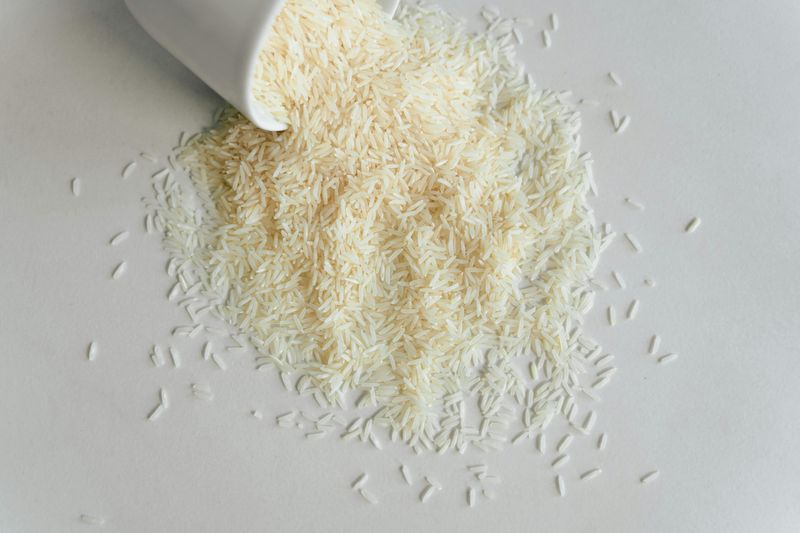
Rice long anchored frugal meals, yet prices trend higher. Weather disruptions, export limits, and shipping expenses all ripple into retail shelves.
Even budget bags feel less like bargains compared to a few years ago.
Stir-fries, curries, and burrito bowls rely on it, so you notice every bump. Smaller bags seem convenient but cost more per pound.
Bulk works if storage is dry and airtight.
Compare varieties and origins, and watch for warehouse club deals. Consider parboiled or broken rice for savings in certain cuisines.
Batch-cook and freeze portions to avoid takeout temptations, keeping your meal plan steady despite aisle-by-aisle inflation pressure.
Pasta
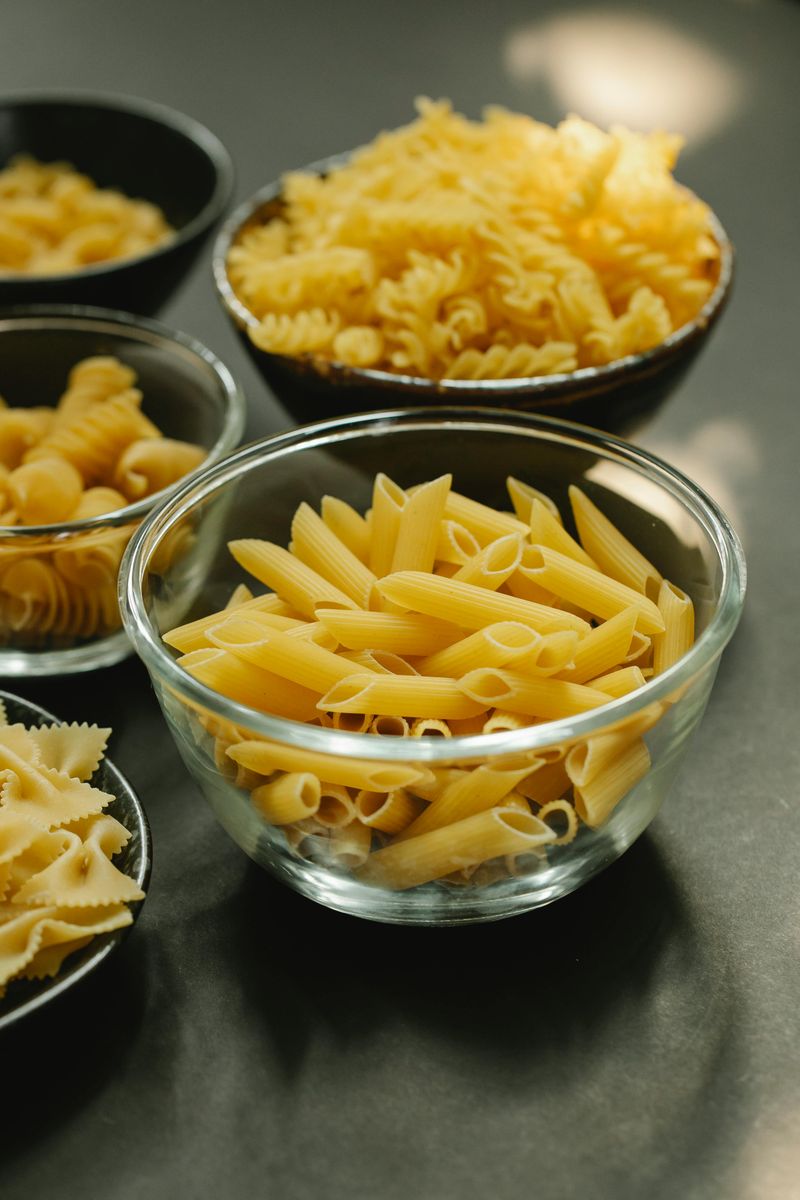
Pasta’s dependable cheap comfort has tightened. Durum wheat fluctuations and manufacturing costs pushed prices above old norms.
Promotions still exist, but the rock-bottom stock-up days are rarer.
That means fewer carefree carb nights. You notice it in lasagna, spaghetti, and quick weeknight bowls.
Premium bronze-cut boxes almost feel boutique now, even when they are not strictly artisan.
When deals land, buy multiple shapes. Pair with hearty vegetables and beans to stretch sauce and noodles.
Try store brands that surprise with quality. Cooking al dente and saving pasta water boosts texture and flavor, helping a smaller serving satisfy your cravings fully.
Cooking oil
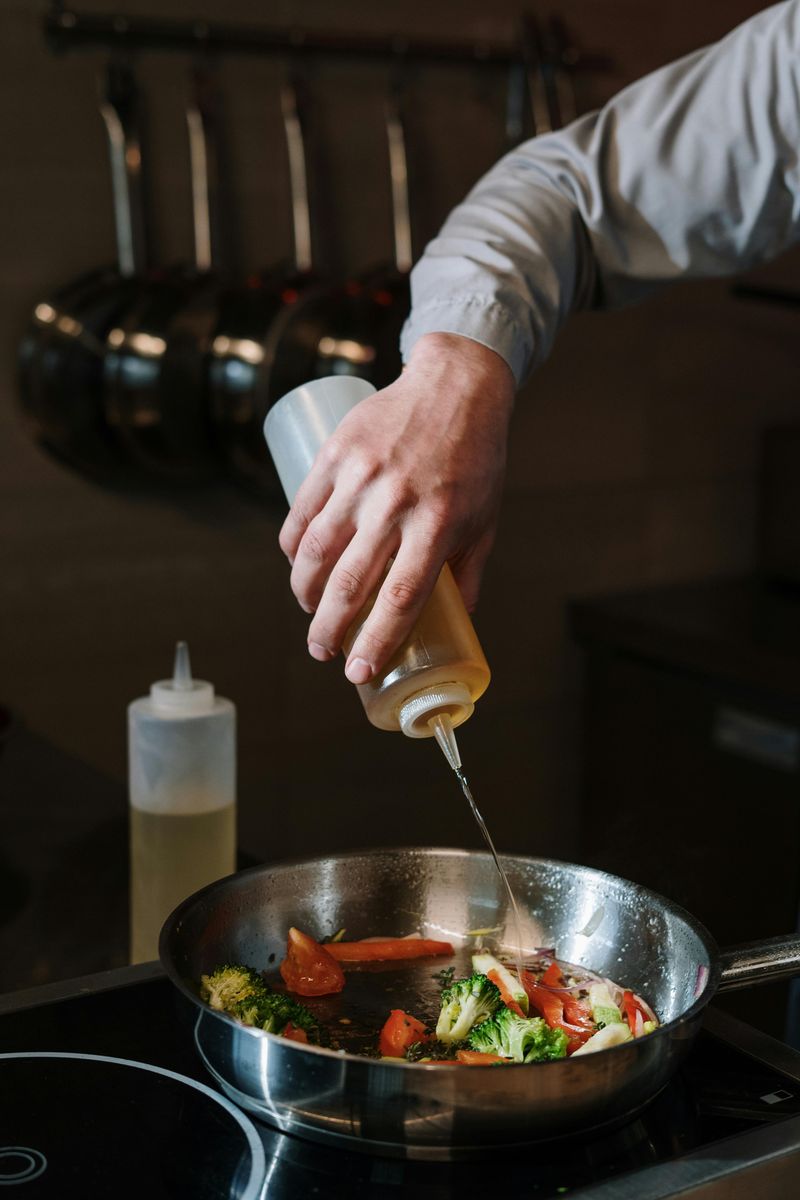
Neutral cooking oils jumped in price alongside global crop swings and processing costs. Bottles that once felt cheap now command caution, especially in large sizes.
Frying nights and big-batch cooking quietly cost more.
You may reach for smaller bottles to manage cash flow, but pay more per ounce. Sales help, yet inconsistently.
Mixing oils for different heat levels can stretch value while keeping results reliable.
Watch harvest reports and rotate between canola, soybean, and sunflower based on sales. Reuse frying oil when safe and filter carefully.
For dressings, consider vinaigrettes that emphasize acidity, reducing oil volume without sacrificing satisfaction or mouthfeel.
Cereal

Cereal aisles used to be coupon heaven, but prices climbed while box sizes sometimes shrank. Grain costs, shipping, and marketing all feed the increase.
Those playful breakfasts and late-night bowls feel like pricier comfort now.
Parents especially notice when kids cycle through favorites fast. Store brands can help, though flavor and texture vary.
Loyalty deals and digital coupons matter more than ever.
Compare unit prices ruthlessly and consider bulk bags if freshness is managed. Rotate oatmeal or homemade granola to cut costs.
Keep cereal as a treat rather than a daily habit, stretching each box without sacrificing that nostalgic crunch factor you crave.
Peanut butter
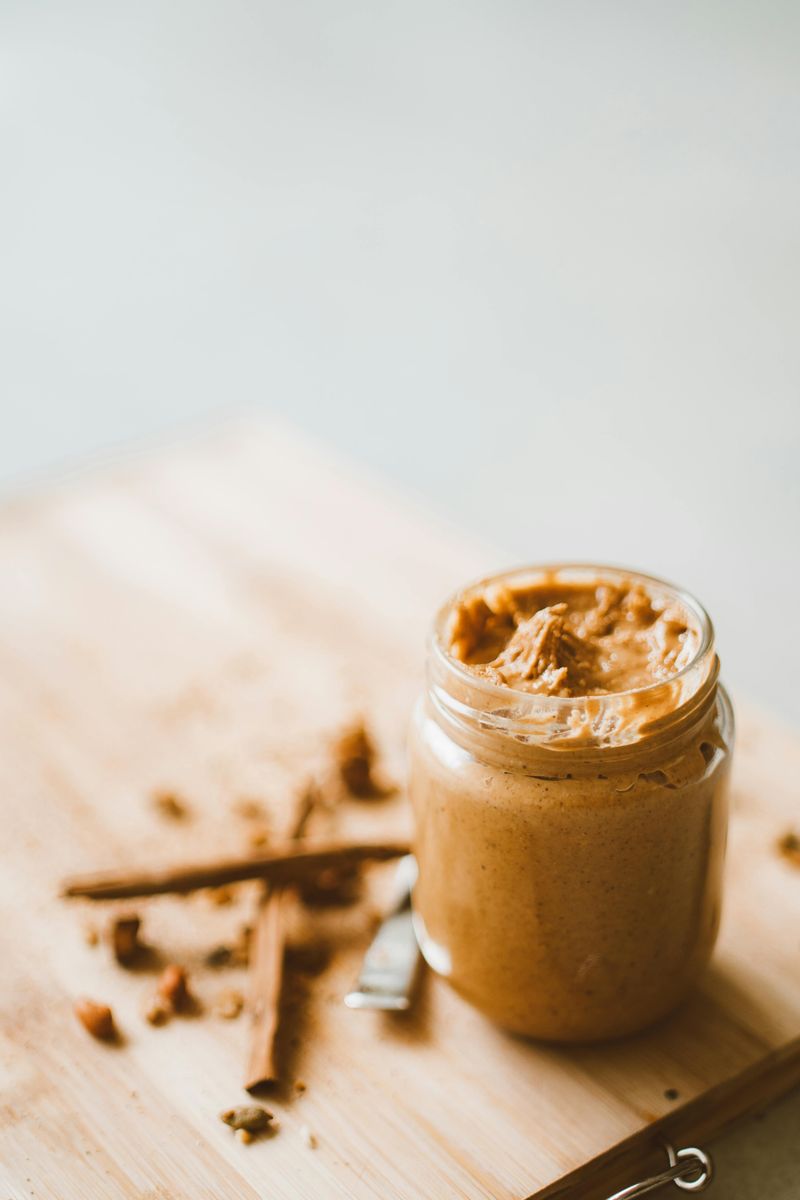
Peanut butter used to anchor budget snacks and sandwiches. Crop yields, processing, and branded marketing have nudged jars upward.
Even store brands feel firmer in price, and natural varieties often cost noticeably more.
Lunches, smoothies, and quick protein bites rely on it, so you notice the difference. Big jars can still save, but only if you finish them before quality dips.
Ingredient simplicity does not always equal cheaper.
Compare unit costs carefully and try powdered peanut options for smoothies. Keep jars inverted to reduce oil separation waste.
Rotate with other spreads like hummus or sunflower seed butter when sales align, balancing taste, nutrition, and budget sanity.
Yogurt

Yogurt prices crept up with dairy costs and packaging expenses. Single-serve cups especially sting, turning convenient snacks into small splurges.
Greek styles magnify the effect due to extra milk required per cup.
Breakfast routines and post-workout snacks feel the shift. Multi-packs can help, but flavors limit flexibility.
Large tubs are friendlier, though you trade convenience for scooping and portioning.
Buy plain in big containers and add fruit or honey at home. Strain regular yogurt for a thicker style.
Watch for rotating store-brand promos, and keep an eye on expiration dates to avoid waste that makes high prices hurt twice.
Frozen meals
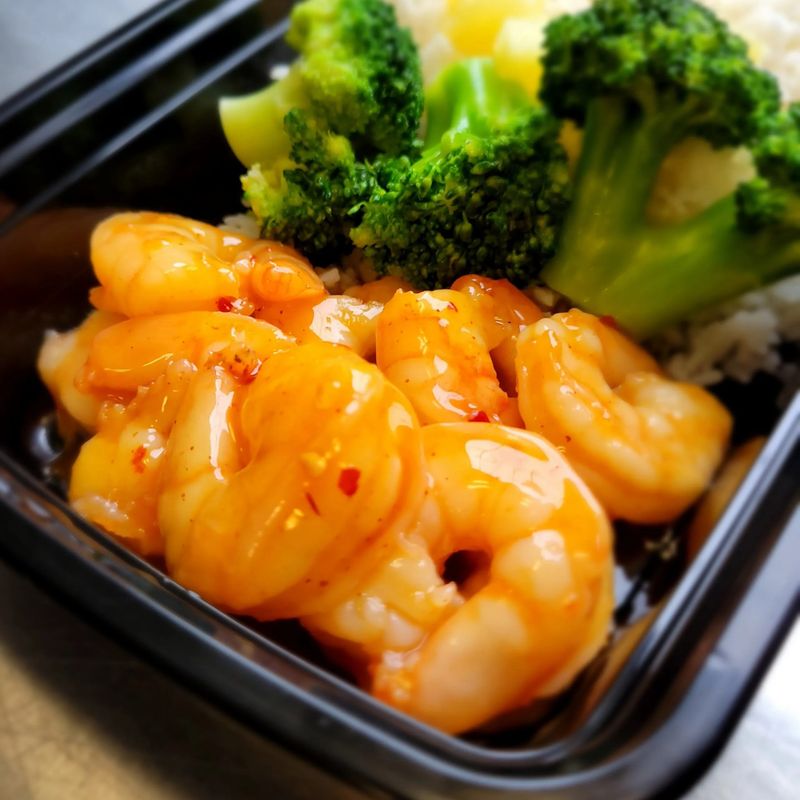
Frozen meals once offered cheap convenience, but price tags now bite harder. Ingredient costs, labor, and transport have lifted baseline pricing.
Portion sizes rarely justify the premium when compared to scratch cooking.
Still, on chaotic nights, they save time. You just feel the cost more at checkout.
Multi-buy deals help, although flavors you want are not always included.
When possible, batch-cook and freeze homemade portions for better value. Keep one or two emergency meals for true crunch times.
Compare calories and protein per dollar, aiming for options that actually deliver satisfaction without draining your budget on packaging and branding.
Chips bag
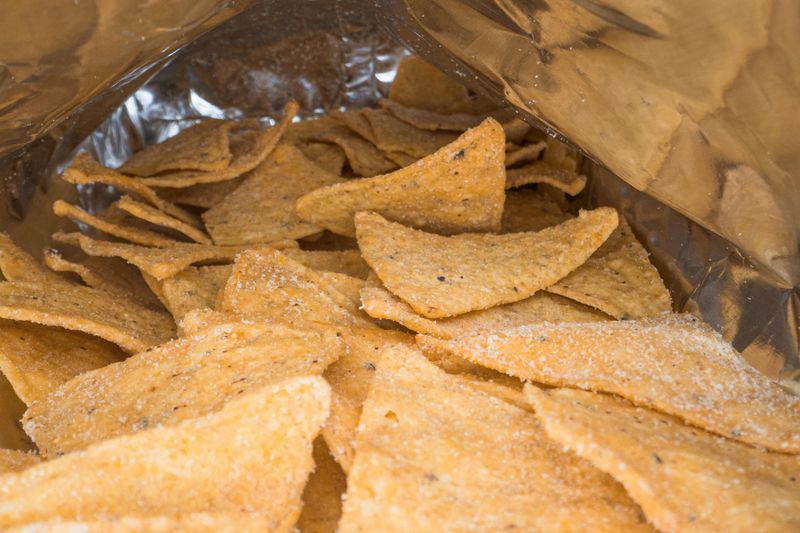
Chips are classic impulse buys, yet the price per bag has edged up while contents sometimes feel lighter. Potatoes, corn, oil, and packaging all ride broader inflation waves.
Promotions exist, but real savings are inconsistent.
Game nights and lunches notice first. You might downsize or buy store brands, but flavor loyalty can be stubborn.
Family-size bags are not always a better value anymore.
Check weight per bag and unit price to avoid shrinkflation traps. Consider popcorn or homemade baked chips for crunch cravings.
When deals land, grab a couple and stash them, resisting midweek full-price top-ups that chip away at your budget.
Chocolate bar

Chocolate bars now flirt with luxury pricing. Cocoa supply issues, climate pressures, and labor costs push manufacturers to raise prices.
Even mainstream brands feel upscale compared to a few years back.
That spontaneous checkout treat becomes a calculation. Smaller bars or higher cacao percentages can cost more per ounce.
Seasonal packaging also adds to the premium effect.
Hunt for multipacks, compare unit prices, and consider baking chocolate for recipes. Savor slowly to stretch indulgence without buying multiples.
When sales align, stock a few favorites and store cool and dry, so your sweet tooth does not keep surprising your receipt total.
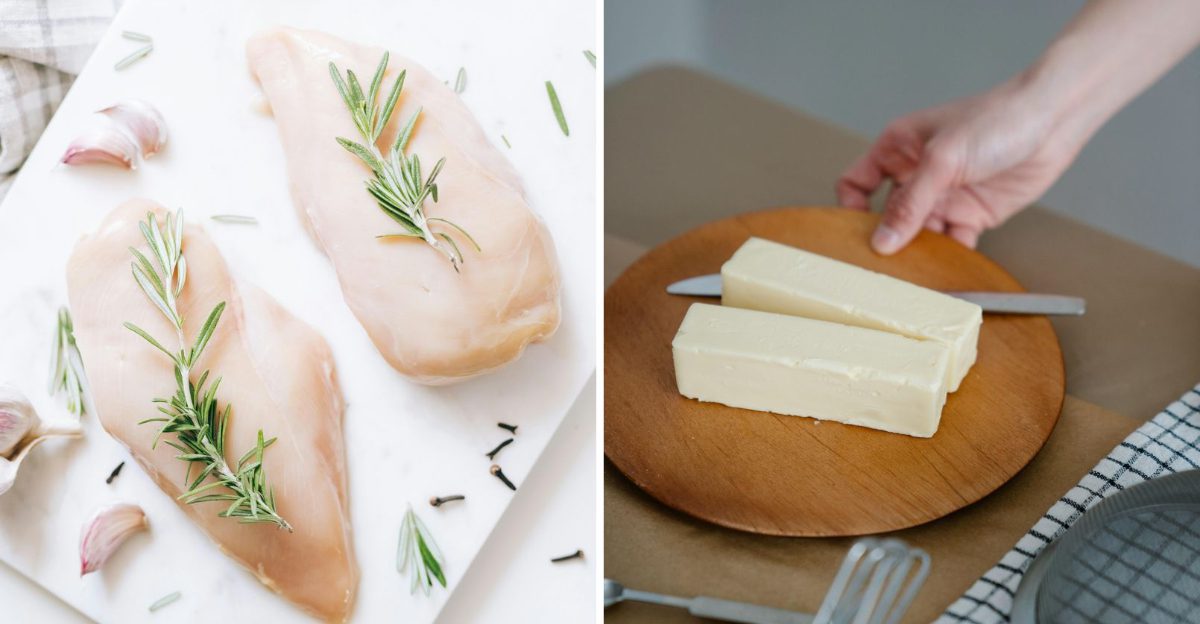
Butter
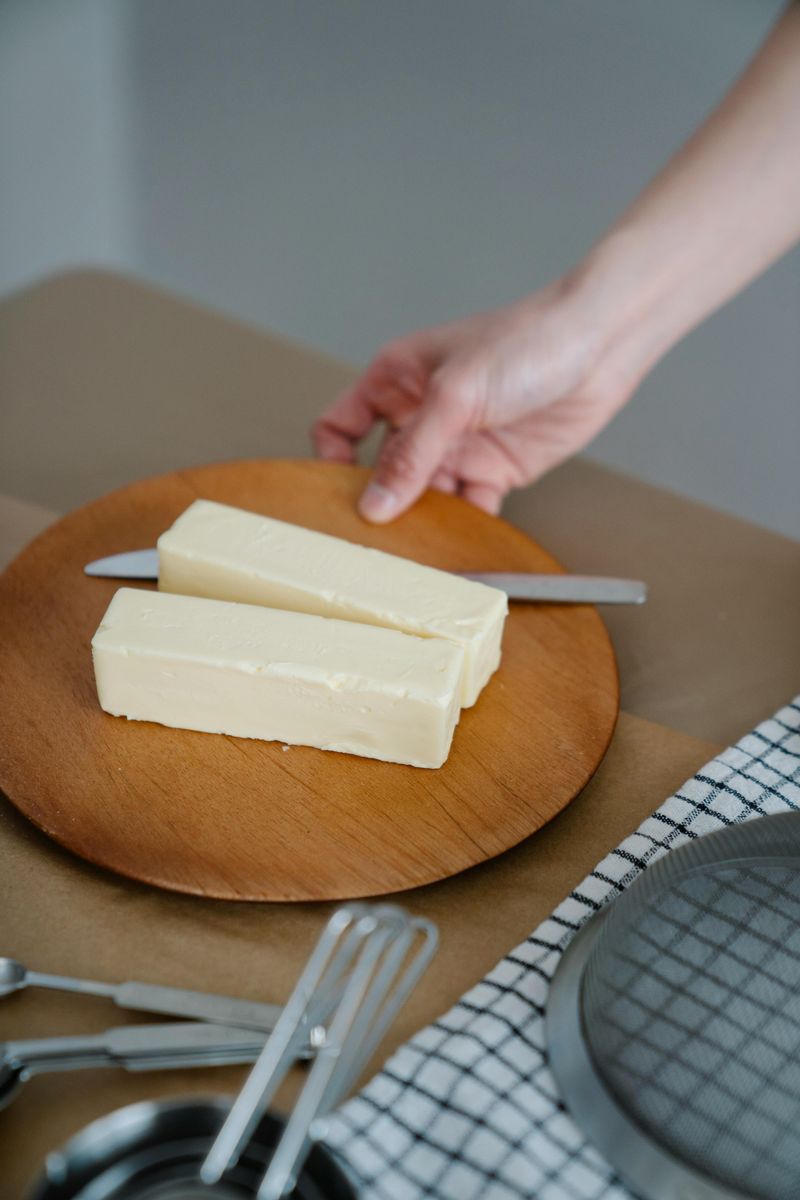
Butter’s cost jumps have turned baking plans into budgeting sessions. Dairy feed, labor, and transport costs ripple through every stick.
Holiday demand and seasonal production shifts only tighten the squeeze, making sales feel rare and fleeting.
If you bake often, you feel every uptick in pie crusts, cookies, and sautéed dishes. Some switch to oil in recipes, but flavor and texture differ.
Restaurant-style richness now carries a higher premium at home.
Stock up when real discounts appear and freeze extras. Compare store brand to national labels.
For daily cooking, consider mixing butter with oil to stretch flavor without overspending.
Chicken breast
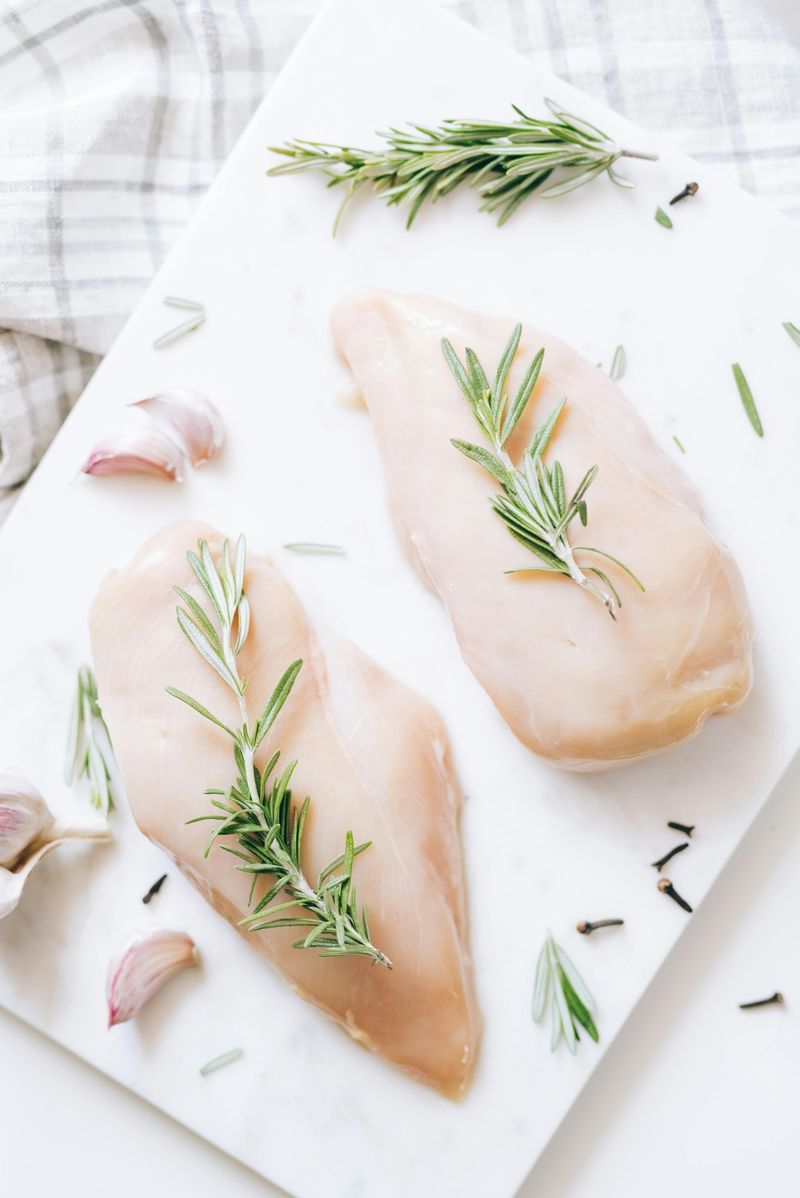
Chicken breast, the lean go-to, is not as friendly to budgets anymore. Feed costs, labor, and plant slowdowns nudged prices up.
While sales appear, average pricing still bites, especially for individually trimmed packs.
Meal preppers feel it when stocking lunches. Swapping to thighs helps, yet some recipes crave that lean texture.
Family packs can save, but require planning and freezer space.
Target true buy-one-get-one deals and check unit weights carefully. Pound-for-pound, thighs or whole chickens stretch farther.
Brine cheaper cuts for tenderness and slice thinly to maximize portions, keeping protein goals steady without letting your cart total spiral.
Enjoyed this story?
Add Fast Food Club as a preferred source to see more of our reporting on Google.