


You know that sinking feeling when a “deal” looks good, but your wallet says otherwise? Some grocery items seem designed to drain your budget with flashy packaging and tiny portions.
Even on sale, they rarely deliver the value you expect. Let’s call them out so you can shop smarter and keep more cash in your cart.
Single serve drinks
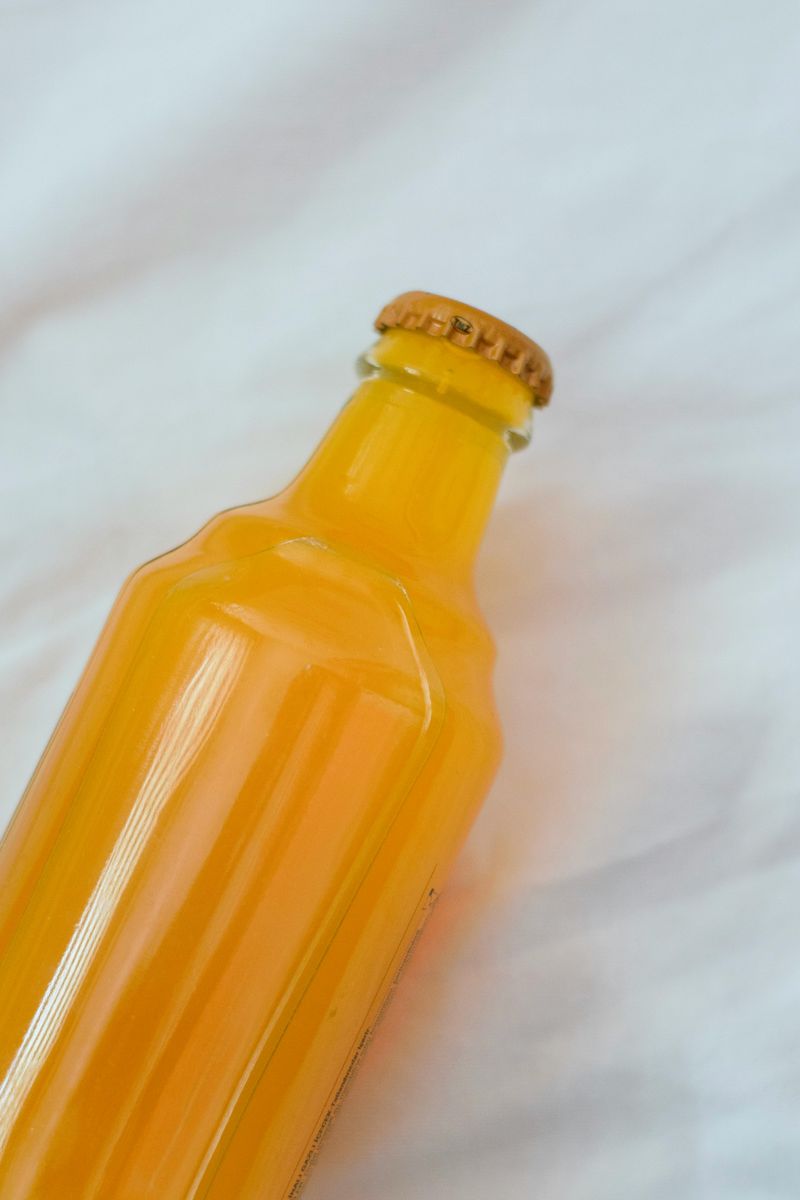
Single serve drinks look convenient, but they bleed your budget fast. You are paying for packaging and portability, not real value.
Compare per ounce cost, and it often doubles what a larger bottle would run.
Grab a reusable bottle and fill from a bigger jug instead. You get the same flavor, more flexibility, and a lower bill.
Even when they are discounted, single serves rarely beat bulk pricing.
Watch those mini juice bottles, too. Sugar adds up, and so does mark-up.
Convenience is nice, but not at this price.
Coffee pods

Coffee pods promise speed, but they tax your wallet every sip. Per cup, pods can cost multiples of ground coffee.
The trash adds up, too, with plastic and foil that are tough to recycle.
Brewing a pot or using a reusable pod saves cash and waste. You also get control over strength and roast.
Sales rarely bridge the price gap with beans.
If you love the machine, buy whole beans and grind fresh. Flavor improves, and so does your budget.
Pods are convenience first, value last.
Energy drinks

Energy drinks sell a promise in a flashy can, but the markup is intense. Caffeine is cheap, yet you pay premium prices for sugar and branding.
Even on sale, the per serving cost trounces coffee or tea.
Mix your own pick-me-up with brewed coffee, lemon, and a pinch of salt. You get electrolytes and kick without the fancy label.
Plus, fewer mystery ingredients.
Check ingredient lists and serving sizes. Many cans hide two servings, doubling sugar.
Your wallet and heart rate will thank you for skipping them.
Protein bars
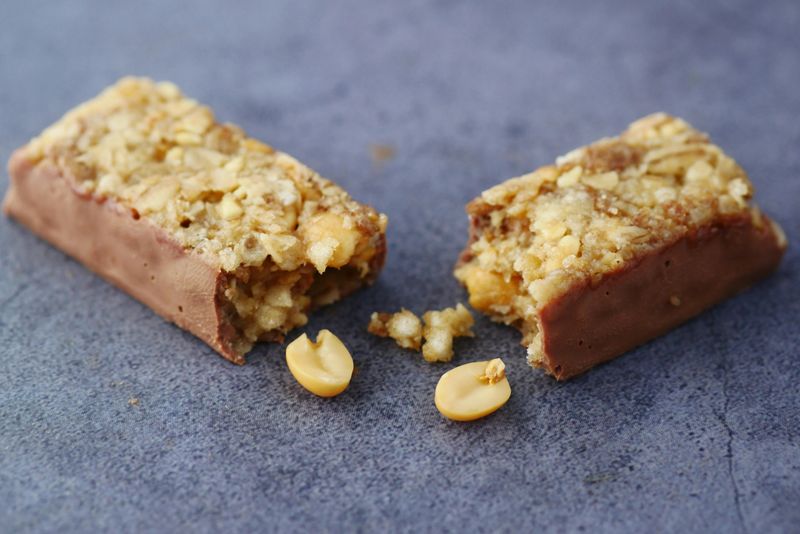
Protein bars feel like nutrition shortcuts, but you often buy candy in gym clothes. Price per gram of protein can be laughable.
Add syrups, fillers, and marketing, and the “deal” fades fast.
Compare to eggs, yogurt, or bulk nuts for cleaner protein at lower cost. Even a homemade oat-peanut bar beats the premium.
Sales rarely beat pantry math.
Scan labels for sugar alcohols and tiny bar weights. You might finish hungry and poorer.
Keep a few for emergencies, not daily fuel.
Snack packs
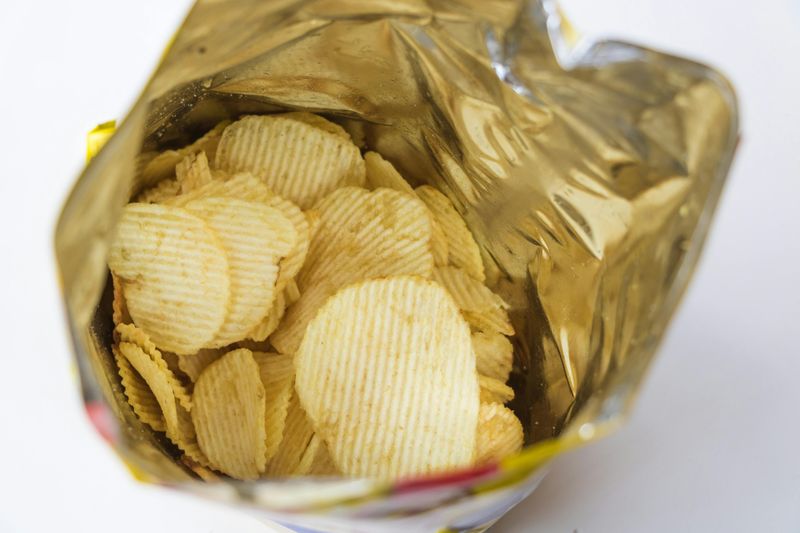
Snack packs scream convenience, but you pay extra for tiny compartments and plastic. Ounce for ounce, the cost can be triple buying full-size boxes.
Those cute trays add waste, too.
Make your own kits with reusable containers. Buy big bags of nuts, crackers, and dried fruit, then portion out for the week.
You control salt, sugar, and portions.
Even buy-one-get-one deals rarely fix the math. The price of pre-assembly is steep.
Convenience is nice, but your pantry can do better.
Pre cut fruit
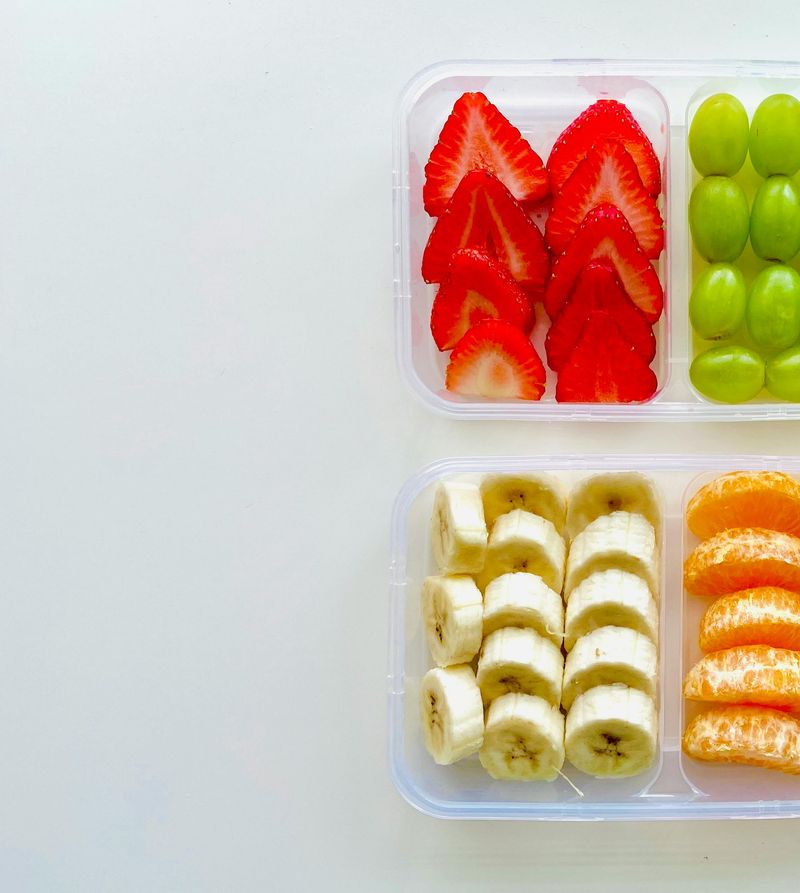
Pre cut fruit looks fresh and ready, but the premium hurts. You are paying for labor, packaging, and faster spoilage.
Measured by weight, it often doubles the cost of whole fruit.
Grab a knife and a ripe melon instead. Ten minutes saves serious money and gives bigger, juicier chunks.
Plus, less plastic in the bin.
Watch waterlogged pieces and dull edges that signal age. Even on sale, quality swings wildly.
Whole fruit wins on flavor, value, and shelf life.
Bagged salad
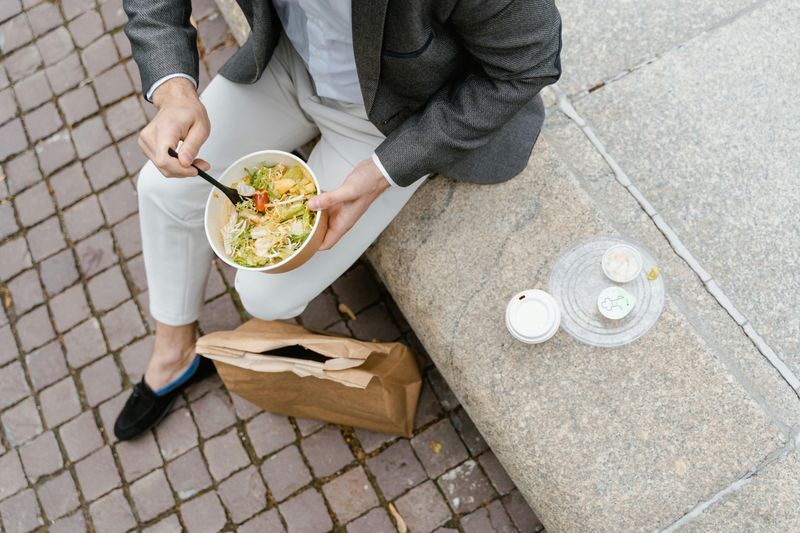
Bagged salad is fast, but the price sneaks up. Wilted bits and soggy leaves mean waste, and those little dressing packets are sugary.
Per pound, buying whole greens is a better bargain.
Wash a head of romaine or a bunch of kale on Sunday. Spin dry, store in containers, and you get fresher salads all week.
Flavor and crunch improve instantly.
Sales help, but short shelf life cancels savings. Check for browning at the seams.
Convenience wilted by cost is no win.
Prepared sushi
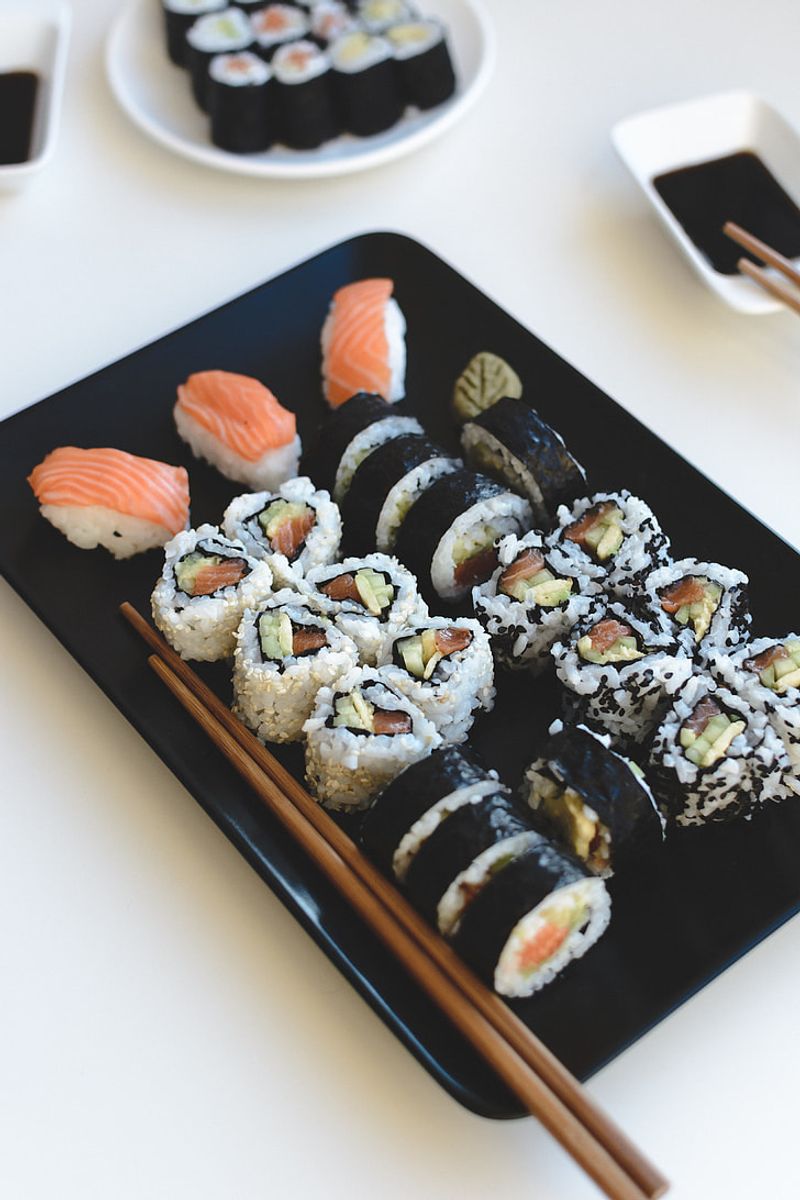
Grocery sushi can satisfy a craving, but value slips quickly. Tiny fish portions, heavy rice, and day-old texture are common.
Even discounted at night, you pay restaurant-adjacent prices for less freshness.
If sushi is the goal, pick a reputable spot during lunch specials. Or make simple rolls at home with canned tuna and cucumber.
You control portions and quality.
Check rice dryness and fish sheen before buying. If it looks tired, skip it.
Savings vanish when half the tray disappoints.
Deli meals
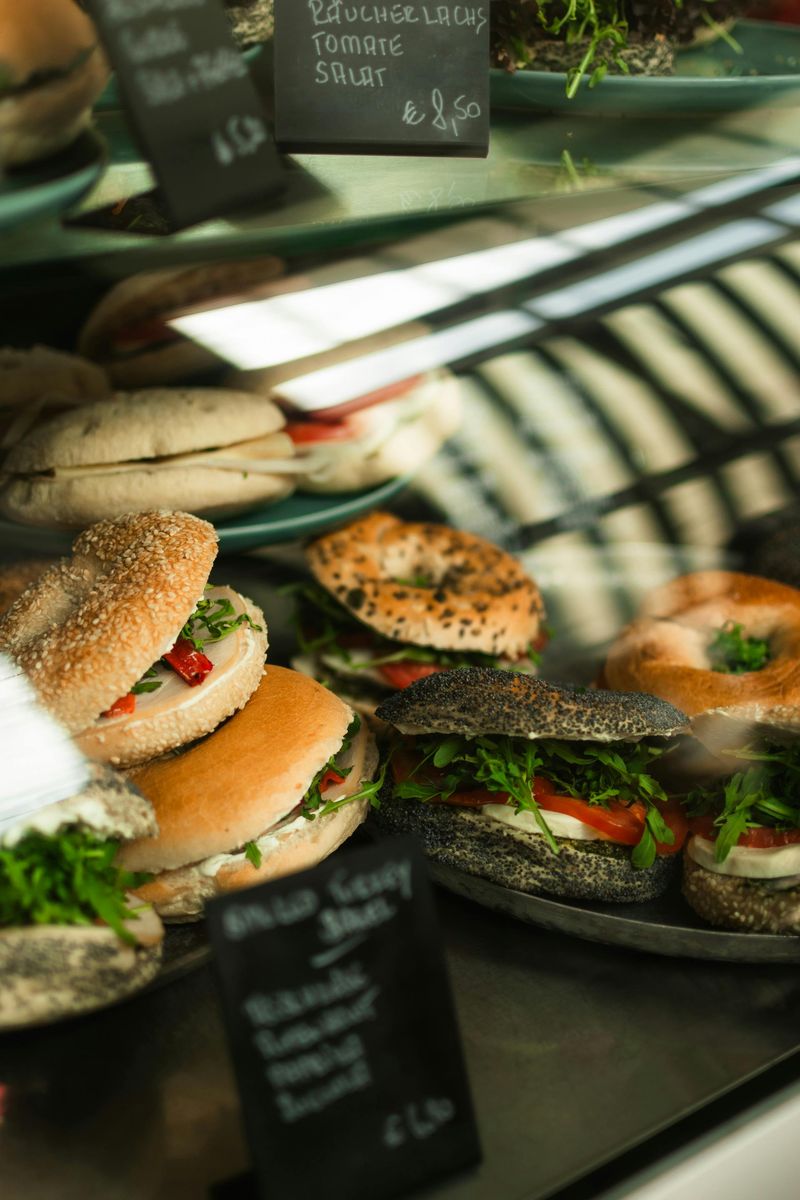
Deli meals feel comforting, but that per pound price bites. Sauces and starches pad weight, pushing cost without real nutrition.
Portions look generous until you realize it is mostly gravy and potatoes.
Rotisserie chicken with a side you cook at home beats the markup. You get leftovers and better ingredients for less.
Customize seasoning instead of paying for salt.
Sales rarely cover the premium on labor and waste. Ask for weights before deciding.
Your wallet prefers the hot pan at home.
Meal kits
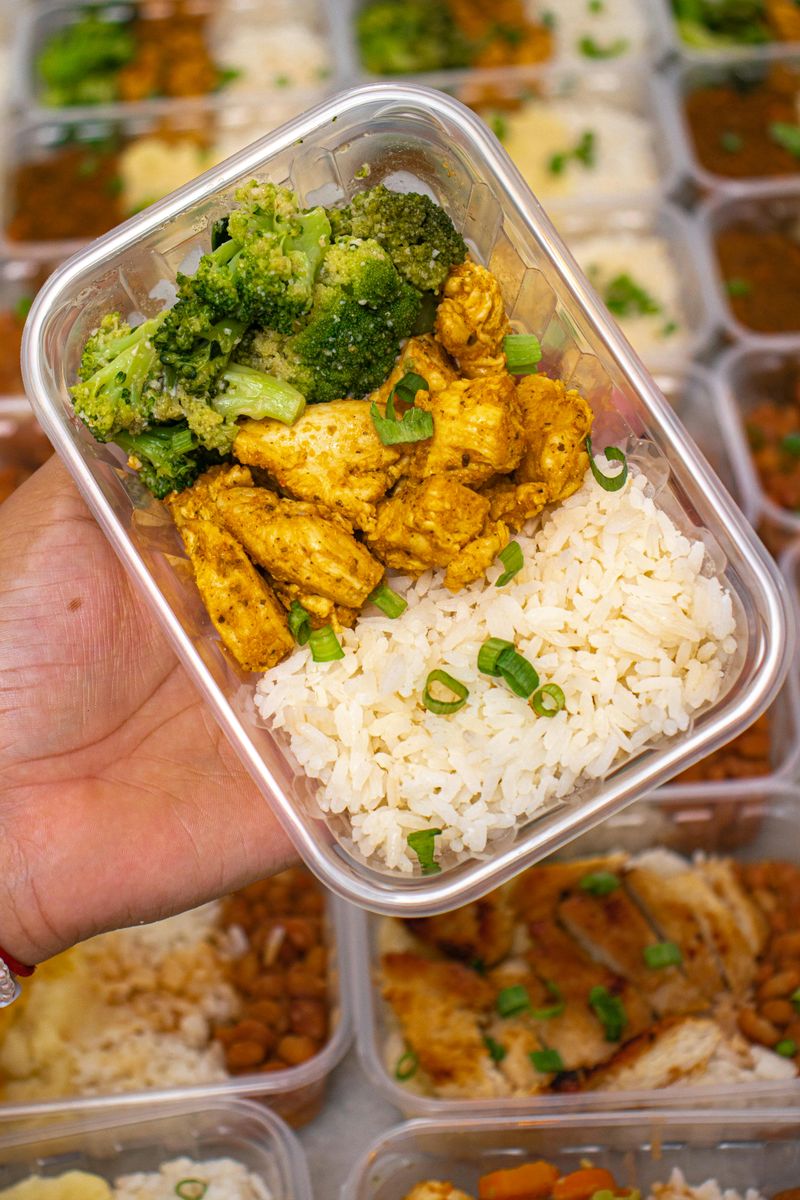
Meal kits teach techniques and reduce planning, but cost per serving stings. You are buying pre-measured ingredients, insulation, and marketing.
Even with promo codes, the regular price can top restaurant lunch specials.
Replicate recipes with grocery staples to slash costs. Keep a pantry of grains, spices, and frozen veg for flexibility.
Planning beats packaging every time.
Waste also stacks up with plastic sachets and ice packs. Convenience is real, but so is the bill.
Use them sparingly for skills, not staples.
Premium frozen meals
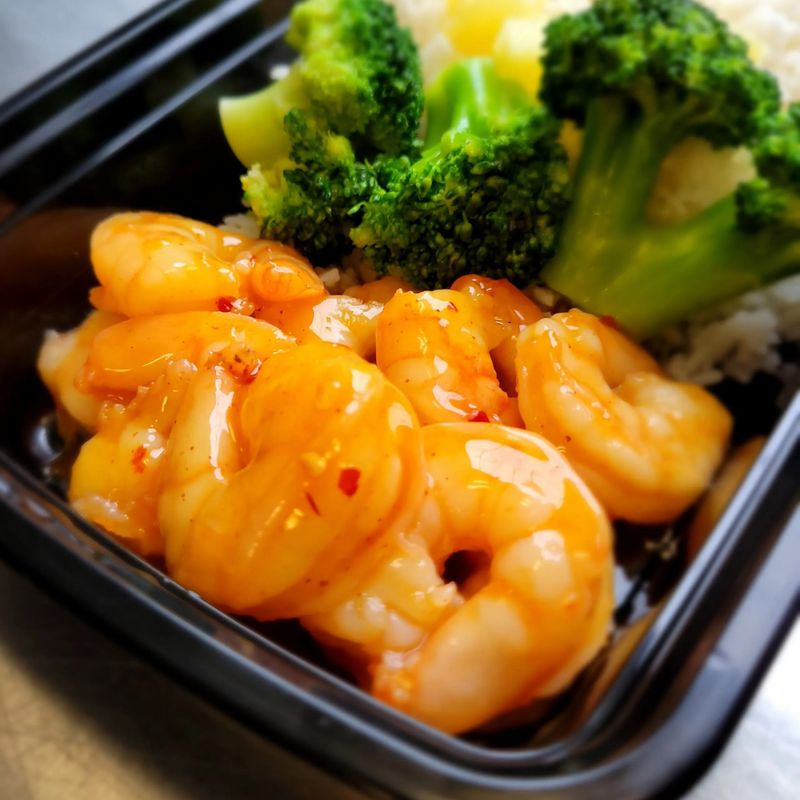
Premium frozen meals sell chef-y vibes in a box. Portions are modest, sauces heavy, and prices ambitious.
Per ounce, you are paying for branding and styled photos as much as food.
Batch cook a casserole or stir fry to portion and freeze. You get bigger servings and better ingredients for less.
Add herbs and heat to keep flavor bright.
Sales rarely offset the tiny trays. Read weight carefully before buying.
Your freezer deserves value, not just glossy cardboard.
Designer water

Designer water wraps H2O in lifestyle language and fancy glass. Minerals and origins sound impressive, but the price jumps wildly.
In blind tests, many people cannot tell the difference from cheaper options.
Use a good filter and a reusable bottle for daily sipping. Your wallet and the planet win.
If taste matters, add citrus or a pinch of sea salt.
Even sales barely dent the premium. You are paying for image, not hydration.
Thirst does not need a tuxedo.
Flavored water

Flavored water feels healthier than soda, but costs creep up. You are often buying carbonated water with a whisper of aroma.
Per ounce, it beats soda on sugar but not on value.
Make your own with sliced fruit, herbs, or a splash of juice. A soda maker pays off quickly if you love bubbles.
Customize sweetness and save cash.
Watch for artificial sweeteners and stealth sodium. Even at two-for-one, the math favors DIY.
Hydration should not empty your cart.
Mini chip bags
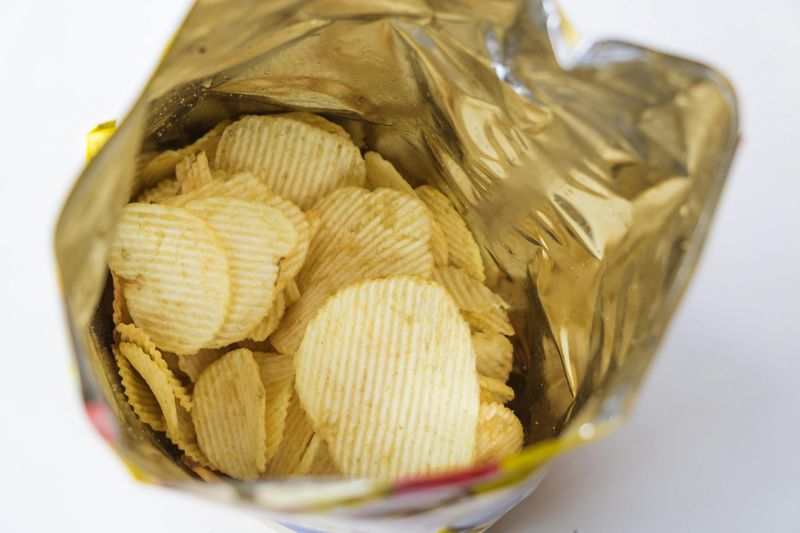
Mini chip bags make portion control easy, but at a painful premium. You pay for plastic, branding, and convenience.
The per ounce cost can be two to three times a large bag.
Buy full-size and portion into reusable pouches. Add popcorn or pretzels to dilute cost and salt.
You keep the crunch without the markup.
Even sale multipacks struggle against bulk pricing. Check the net weight before tossing them in the cart.
Tiny air, big price.
Checkout candy
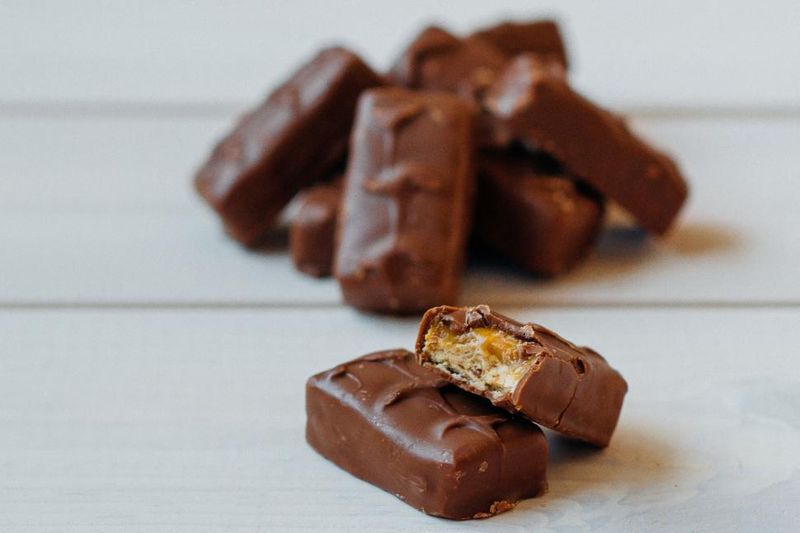
Checkout candy preys on impulse and fatigue. Prices are rarely competitive with the candy aisle.
Shrinkflation means smaller bars for the same sticker shock.
Plan treats from the main aisle or buy bakery chocolate chips for better value. Keep a small stash at home to curb impulse buys.
You control quality and cost.
Even two-for deals often mask higher base prices. Stay strong at the register.
Your budget deserves a goodbye to the grab-and-go trap.
Tiny ice cream tubs

Tiny ice cream tubs feel cute and controlled, but you pay dearly. Per ounce, they often beat even premium pints in price.
A couple spoonfuls vanish fast, leaving only regret.
Buy pints or quarts and portion into small bowls. Add fruit or nuts for satisfaction without extra cost.
Homemade no-churn is another easy win.
Sales rarely slash the luxury tax on mini sizes. Check net weight and do the math.
Cold delight should not melt your budget.
Shrunk chocolate bars
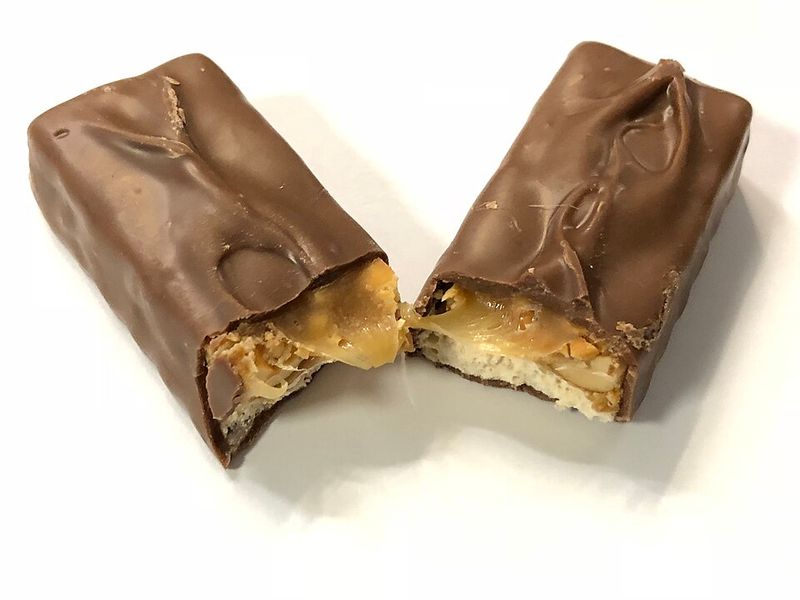
Shrinkflation hits chocolate hard. Bars look familiar, but weight quietly drops.
Price stays put or climbs, making sales feel like smoke and mirrors.
Check grams on the label and compare unit pricing. Sometimes store brand or bulk baking chocolate offers better value.
You can portion pieces yourself and still feel fancy.
Limited editions and seasonal wraps distract from size changes. Do not be fooled by shiny foils.
Real savings come from reading the fine print.
Frozen dinners
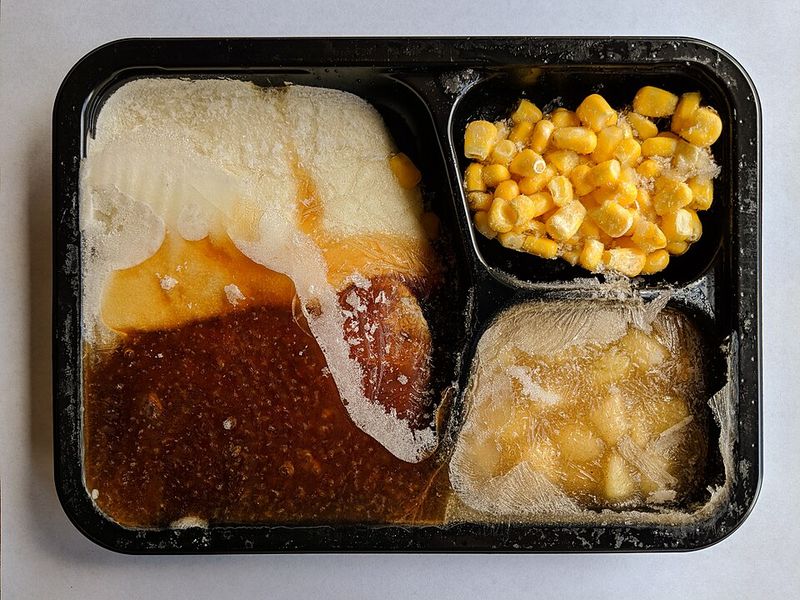
Frozen dinners promise easy nights, but value is thin. Portions are small and heavy on starch.
Even discounted, the per meal price rivals simple homemade dishes.
Cook double batches of chili, curry, or pasta and freeze. You get bigger servings, better nutrition, and lower cost.
Microwave convenience without the markup.
Scan sodium and added sugar before deciding. Many trays leave you hungry.
A stocked freezer of your own meals saves more.
Microwave meals
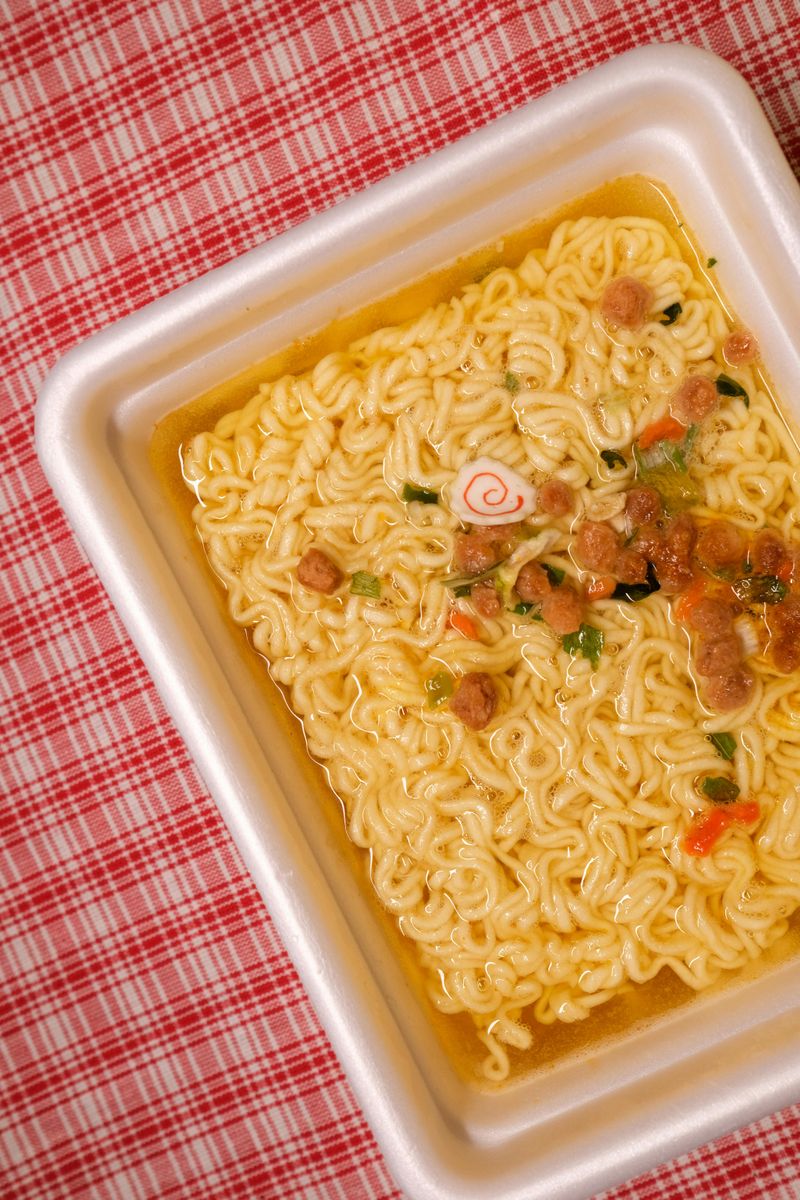
Microwave meals overlap frozen dinners in promises and pitfalls. You pay for portioned convenience, not culinary greatness.
The cost per calorie is rough, especially with tiny protein servings.
Prep microwave-friendly leftovers in glass containers. Rice bowls, roasted veg, and chicken reheat beautifully.
Flavor shines when you season it yourself.
Sales cannot fix skimpy sizes and high sodium. Read serving counts carefully.
Convenience should support your budget, not sabotage it.
Protein shakes

Ready-to-drink protein shakes hit hard on price. You are mostly paying for water, packaging, and shelf stability.
Gram for gram, powder plus milk or water is cheaper and often cleaner.
Keep a shaker and single-serve scoops in your bag. Mix on the go for better value.
Adjust sweetness and thickness to taste.
Even sales leave a gap against DIY. Watch for gums and oils that bloat calories.
Convenience should build muscle, not drain money.
Specialty yogurt

Specialty yogurt stacks costs with fancy jars, mix-ins, and dessert flavors. Sugar sneaks in while protein dips.
Per ounce, it often beats plain yogurt by a wide margin.
Buy large tubs of plain Greek yogurt and add fruit, honey, or granola. You get better macros and major savings.
Reuse small jars if you like the look.
Sales help, but watch net weight and fillers. Stabilizers and sweeteners add up.
Keep it simple and your breakfast budget breathes easier.
Gourmet cheese

Gourmet cheese is glorious, but tiny wedges cost a fortune. Moisture loss and rind weight skew value.
A sale tag on a $30-per-pound wheel is still pricey.
Ask for thinner slices or sample sizes to control spend. Pair with simple crackers and fruit so a little goes far.
Store properly to avoid waste.
Explore quality store brands or regional producers. Flavor can rival imports at half the cost.
Treat it as a splurge, not a staple.
Name brand snacks
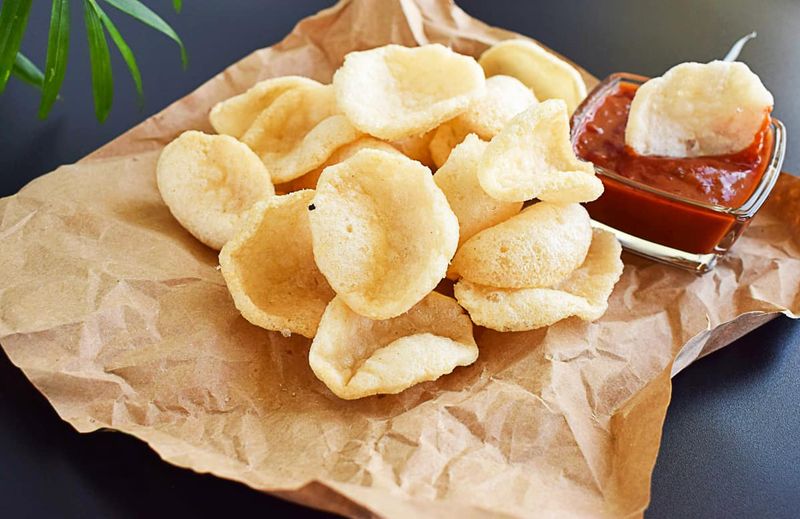
Name brand snacks dominate shelves with ads and loyalty. But unit pricing usually favors store brands.
Sales often anchor you to higher base prices than generics.
Blind taste tests can surprise you. Many store brands match flavor at a fraction of the cost.
Try small bags first before switching fully.
Watch shrinkflation and promo cycles. Coupons can help, but do the math.
Your cravings do not need a celebrity endorsement.
Small cereal boxes
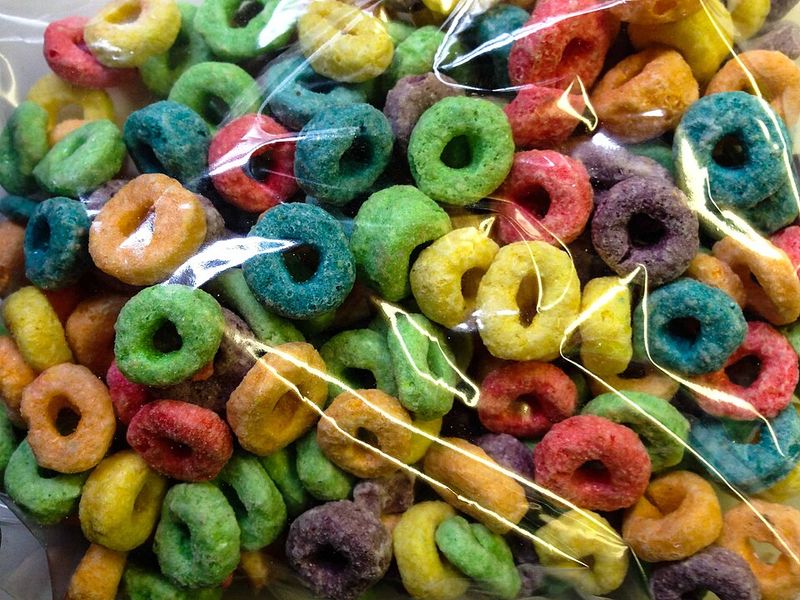
Those cute mini cereal boxes are nostalgia traps. Per ounce, the cost is sky high compared to family-size bags.
Portions are so small you often eat two, doubling price and sugar.
Buy bulk bags or store-brand family sizes and pour into containers. You get freshness and major savings.
Customize mixes with oats and nuts for better nutrition.
Even travel convenience rarely justifies the markup. Toss a portion into a small jar instead.
Fun packaging should not raise your grocery bill.
Enjoyed this story?
Add Fast Food Club as a preferred source to see more of our reporting on Google.