


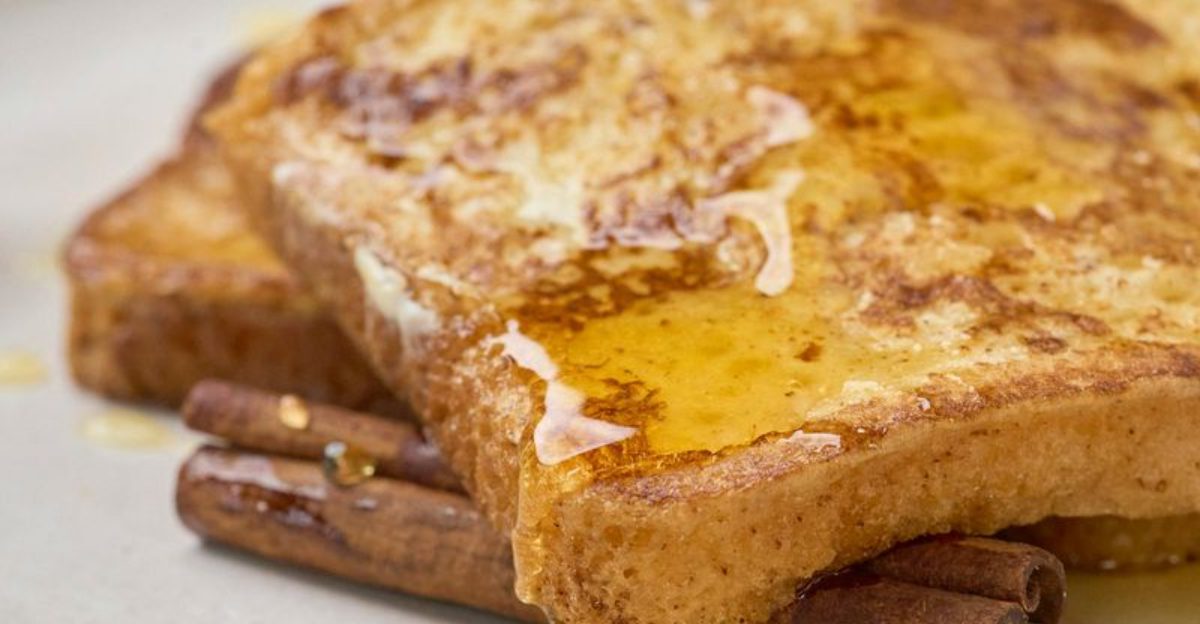
Remember when dinner was simple, hearty, and nobody argued about it online? These classics used to be weeknight staples, but now every bite seems to spark a hot take.
Whether it is nutrition debates, foodie snobbery, or changing budgets, the conversation got loud. Let’s revisit the plates you grew up with and decide what still deserves a spot on your table.
Meatloaf
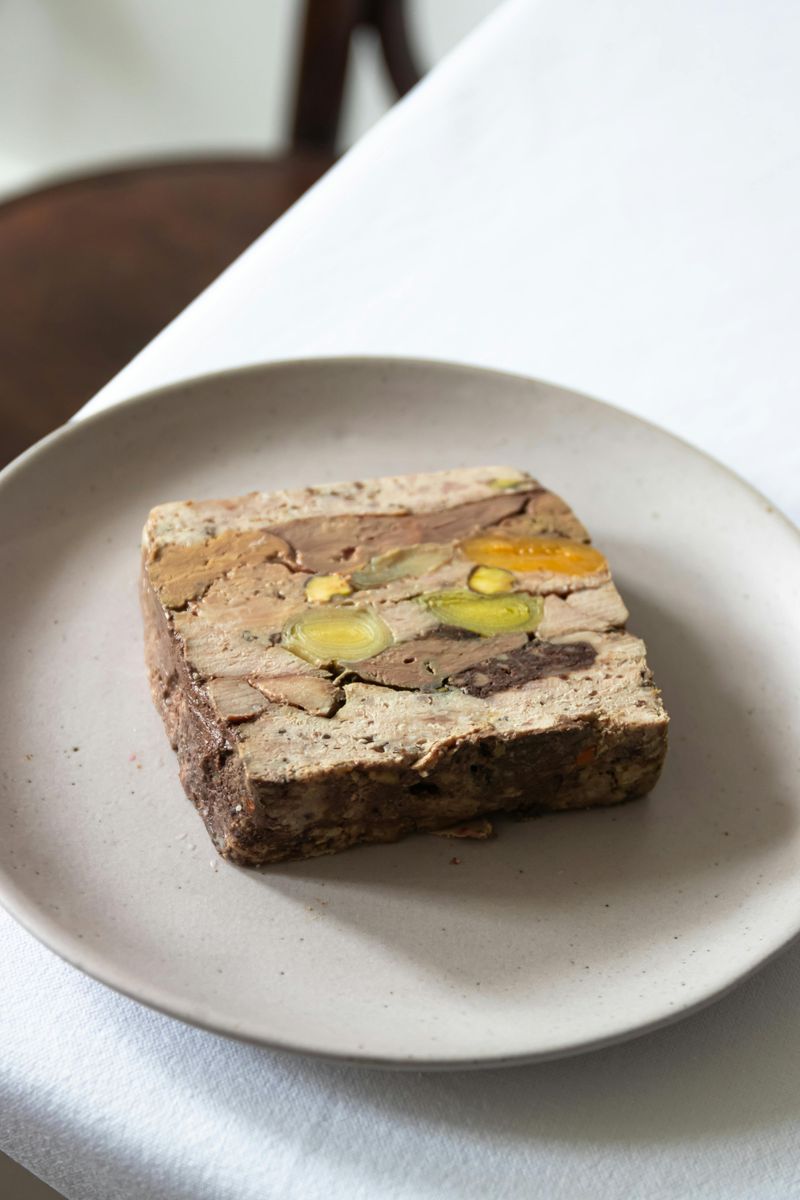
Meatloaf used to be the definition of weeknight comfort, cheap ground beef stretched with breadcrumbs and ketchup. Now it sparks arguments about fillers, fat content, and whether a tangy glaze is culinary heresy.
You hear claims that it is dated, wasteful, or secretly genius meal prep.
I say it is all about balance. Use good onions, fresh herbs, and a panade for tenderness, then slice thick.
It can be beef-heavy or half turkey and mushrooms, your call. Bake it free-form for caramelized edges, and do not skip resting.
Pot roast
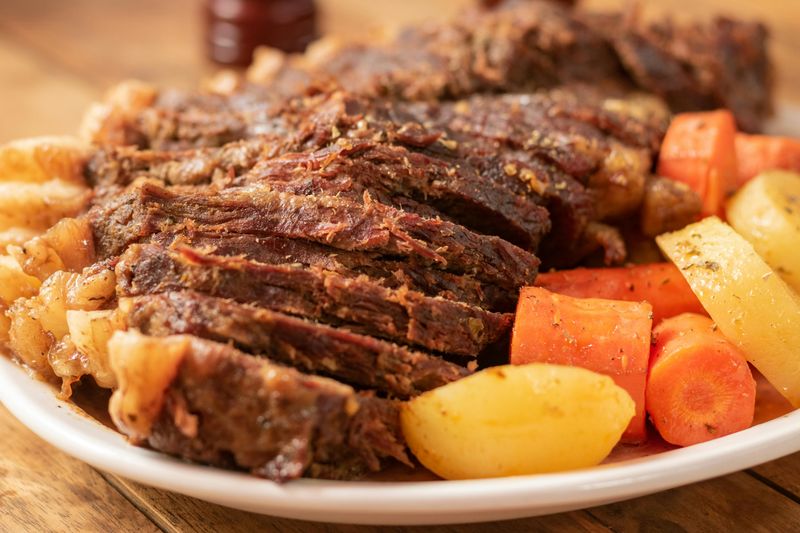
Pot roast once meant Sunday smiles and leftovers for sandwiches. Today, people argue about tough cuts, slow-cooker shortcuts, and whether searing is nonnegotiable.
Some say it is bland, others claim it is the ultimate low-effort feast. The debate even touches sustainability and nose-to-tail cooking.
Season boldly, brown deeply, then braise patiently with onions, garlic, and stock. Tuck in carrots later so they do not mush.
If you want silky slices, cool overnight and rewarm gently. Serve with potatoes or polenta, and spoon that glossy jus generously.
Beef stew
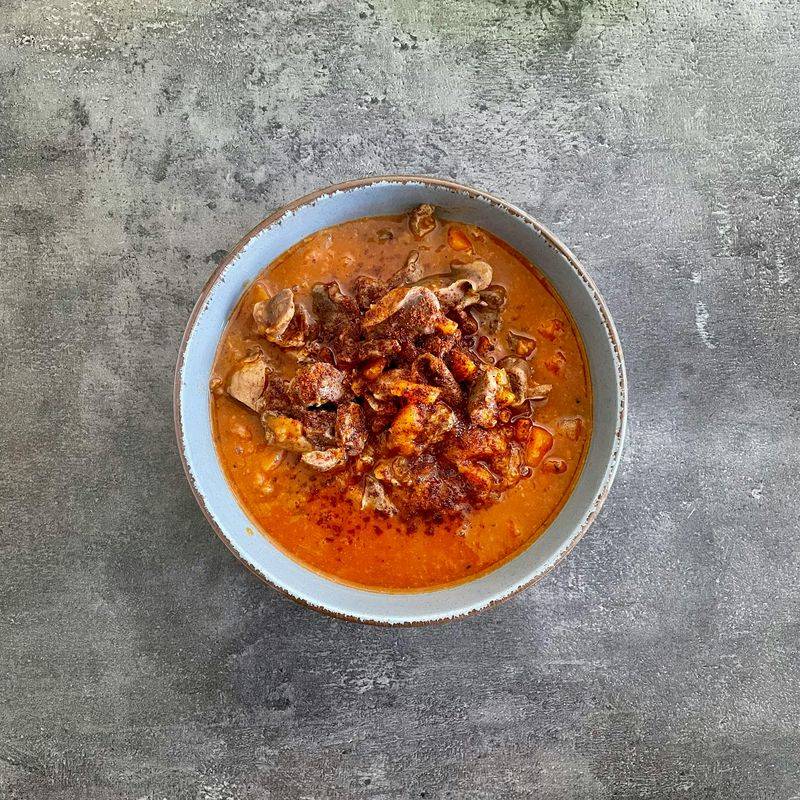
Beef stew used to be the catchall for odds and ends. Now it is a battleground over flour dredging, wine vs beer, and whether peas belong.
Some swear by pressure cookers, others insist on low-and-slow. The thickness debate can melt friendships faster than marrow.
Brown cubes well, deglaze with something tasty, and build layers with onions, tomato paste, and thyme. Add potatoes mid-cook to avoid glue.
Finish with vinegar or lemon for brightness. If it is too thin, reduce uncovered.
If it is too thick, a splash of stock saves dinner.
Chicken soup
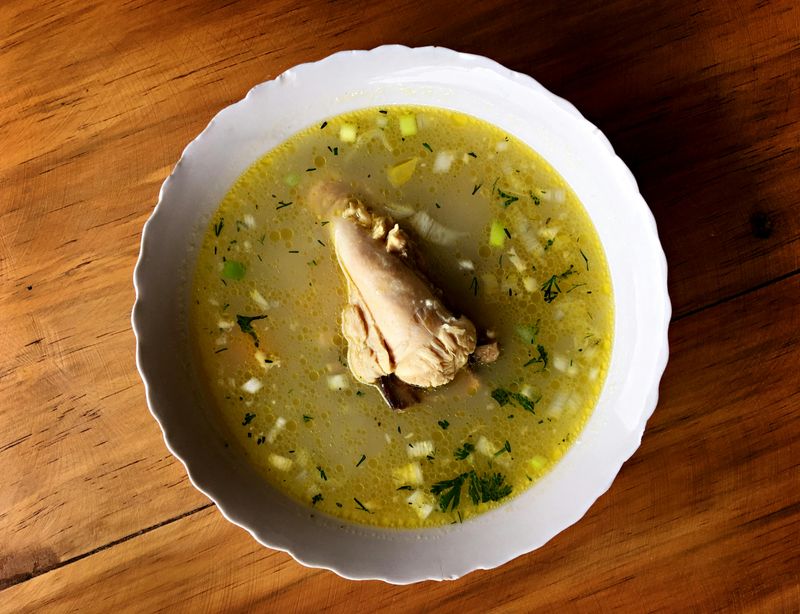
Chicken soup was once the universal cure. Now it sits in the crosshairs of bone broth culture, sodium panic, and noodle wars.
Some demand pristine consommé, others want a cloudy grandma pot. Store-bought rotisserie shortcuts get side-eye, yet they save weeknights beautifully.
Start with cold water and aromatics for a clean broth, or roast bones first for depth. Skim gently, salt in stages, and add noodles near the end.
A squeeze of lemon and fresh dill wakes everything up. Freeze extra broth in jars for sick days.
Ham and beans
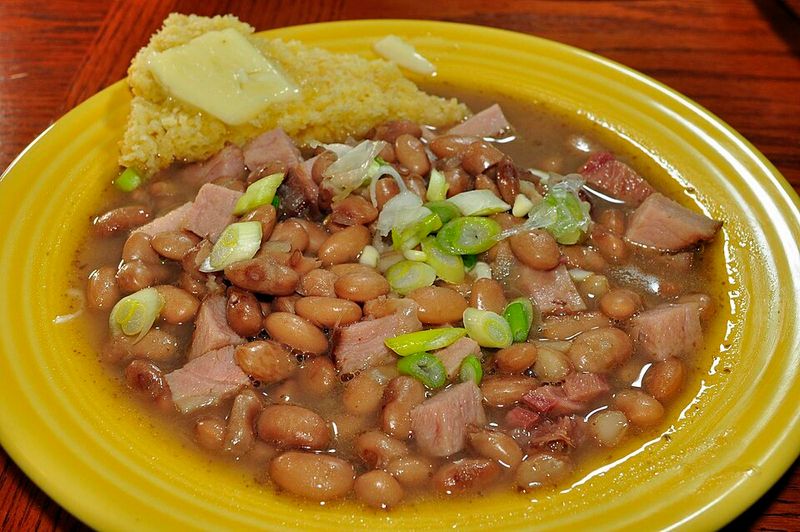
Ham and beans used to be thrifty comfort, born from a leftover bone. Now it raises questions about salt, nitrates, and whether soaking is essential.
Some consider it too humble for company, but a well-seasoned pot can silence critics fast. The aroma alone feels like home.
Rinse beans, soak if you like, then simmer gently with ham hock, onions, bay, and pepper. Skim foam, taste for salt late.
Mash a few beans to thicken naturally. Finish with vinegar or hot sauce, and pass chopped onions for crunch.
Split pea soup
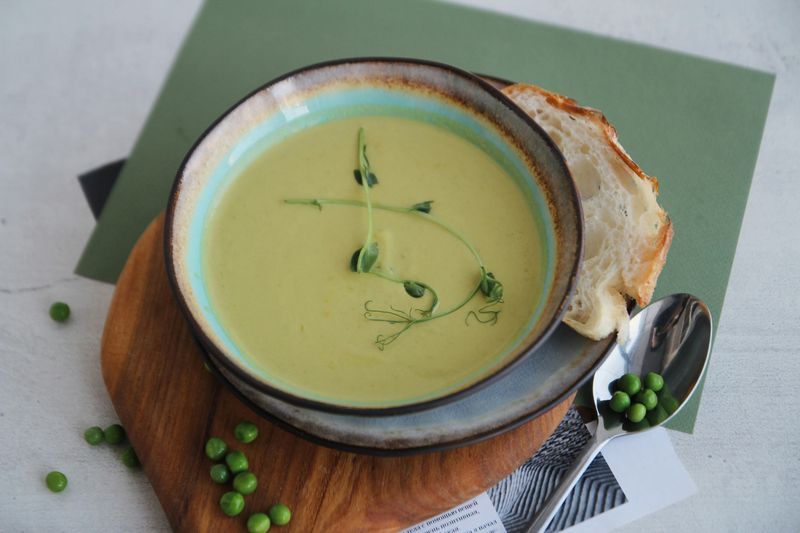
Split pea soup used to be cafeteria-basic. Now it is meme material for texture fights and color jokes.
Yet properly seasoned, it is velvety, smoky, and deeply satisfying. The argument often centers on smooth puree versus rustic chunks, and whether ham is mandatory or optional.
Sweat onions, celery, and carrots in fat, add peas, ham bone, and stock. Simmer gently until peas collapse.
Blend part for silk while keeping body. Finish with lemon zest, cracked pepper, and good olive oil.
Serve with dark bread for contrast.
Tuna casserole
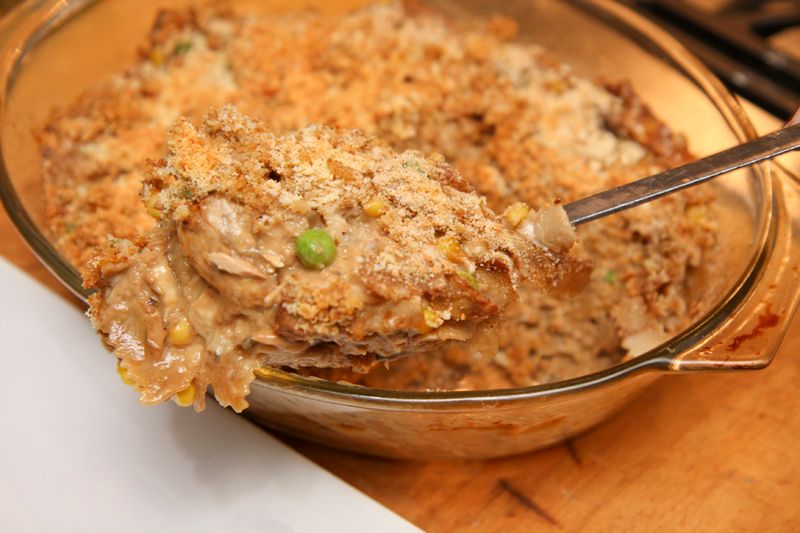
Tuna casserole was pantry magic, then became a punchline. People debate canned fish ethics, cream-of-soup shortcuts, and whether peas belong.
It can be soggy or transcendent, depending on technique. The trick is controlled moisture, real aromatics, and a crunchy, well-seasoned top.
Use oil-packed tuna flaked gently. Build a quick béchamel with onions, celery, and mushrooms, then fold in al dente noodles and peas.
Top with buttered breadcrumbs and sharp cheddar. Bake until bubbling and browned, then rest before serving.
Hot sauce on the side is perfect.
Cream soup casserole
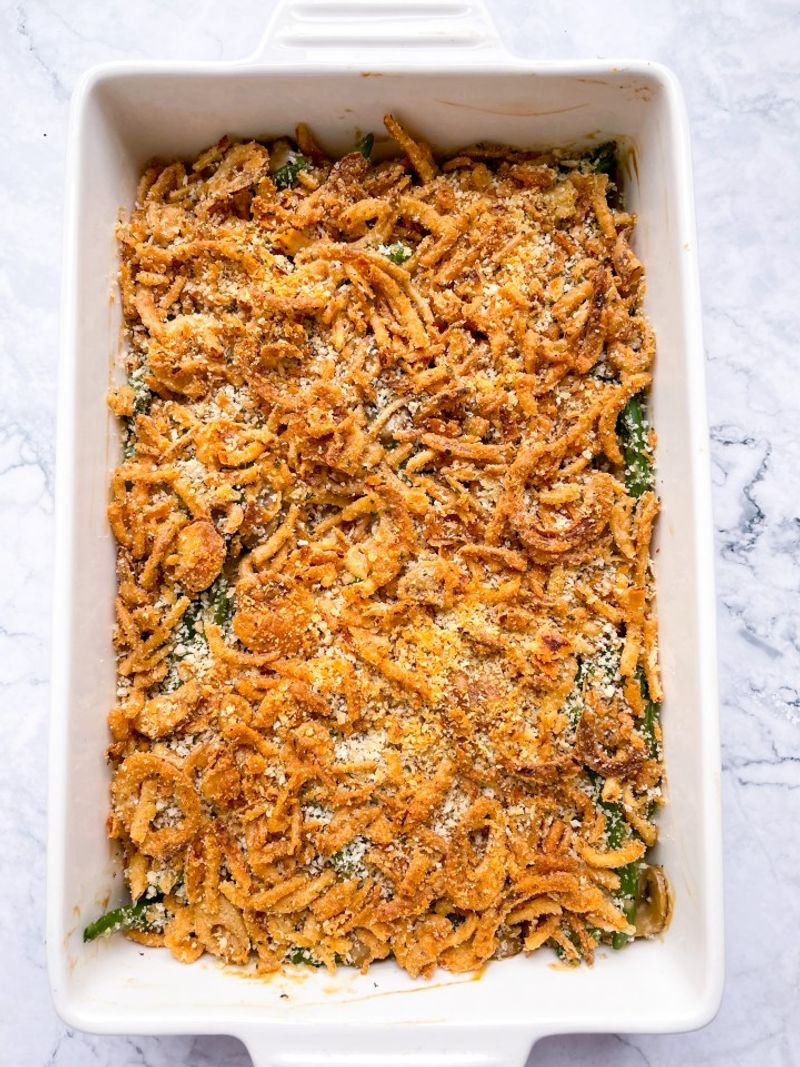
Cream soup casseroles used to be weeknight lifesavers. Now they are criticized for sodium, preservatives, and sameness.
Still, they belt out nostalgia when done thoughtfully. You can respect the shortcut while brightening flavors with fresh vegetables, herbs, and acidity.
Convenience and care are not enemies.
Sauté onions and mushrooms, fold in blanched green beans and shredded chicken. Stir in a smaller amount of condensed soup plus milk, and season assertively.
Top with crushed crackers or fried onions. Bake until bubbly and browned, then hit with lemon or parsley.
Fried chicken
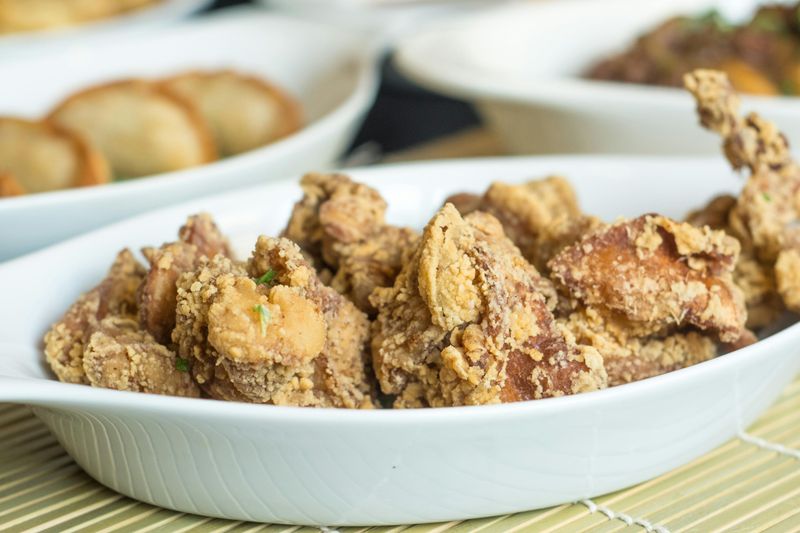
Fried chicken used to be picnic royalty. Now debates rage over brining, double dredging, pressure frying, and oil choices.
There are cultural roots to honor and shortcuts to question. When done well, the shatter of the crust and juicy interior make every argument fade.
Season the meat under the skin, marinate in buttermilk, then dredge in seasoned flour and cornstarch. Fry in steady oil, rest on a rack, and salt while hot.
Serve with pickles, hot sauce, or honey. Eat with your fingers and a grin.
Biscuits and gravy
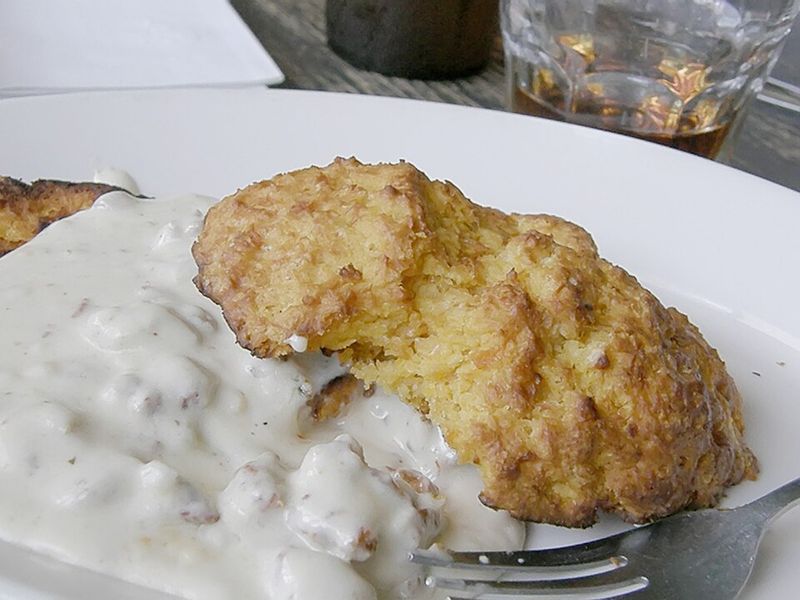
Biscuits and gravy used to be a simple breakfast. Now it is scrutinized for indulgence, portion sizes, and regional pride.
The biscuit wars alone could fuel a podcast. Still, when that peppery gravy hits a tender crumb, the plate becomes pure comfort, no apologies required.
Keep butter cold, handle dough lightly, and bake biscuits tall. Brown sausage, season aggressively, and build a roux with drippings.
Thin to velvet with milk and a dash of coffee. Finish with black pepper and chives.
Serve immediately.
Cornbread
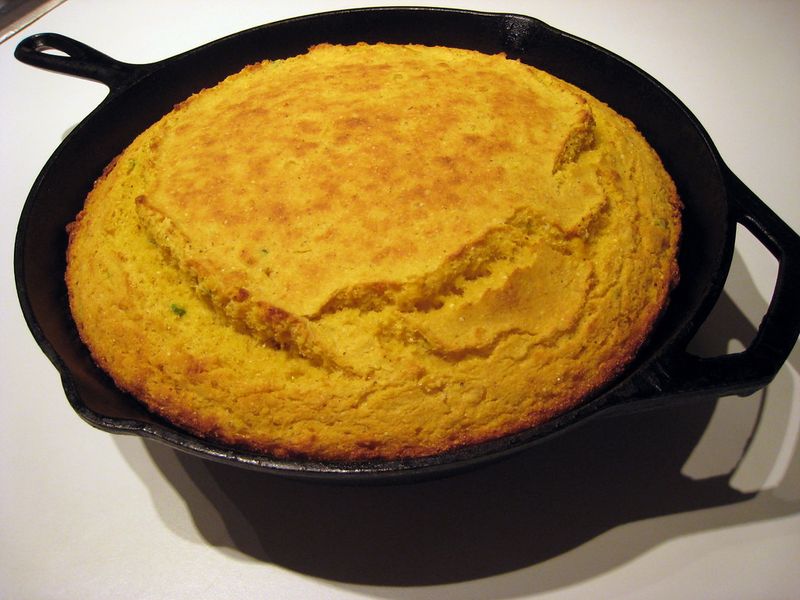
Cornbread used to ride alongside chili without fanfare. Now it is sweet vs savory, skillet vs pan, yellow vs white cornmeal.
People argue about flour ratios and whether sugar is a sin. The truth is texture and balance.
You want a fragrant crumb, crisp edges, and confident seasoning.
Preheat the skillet with fat until shimmering. Whisk cornmeal, a touch of flour, buttermilk, egg, and melted butter or bacon drippings.
Stir gently and bake hot. Brush with butter, serve warm, and do not apologize for your sweetness stance.
Mashed potatoes
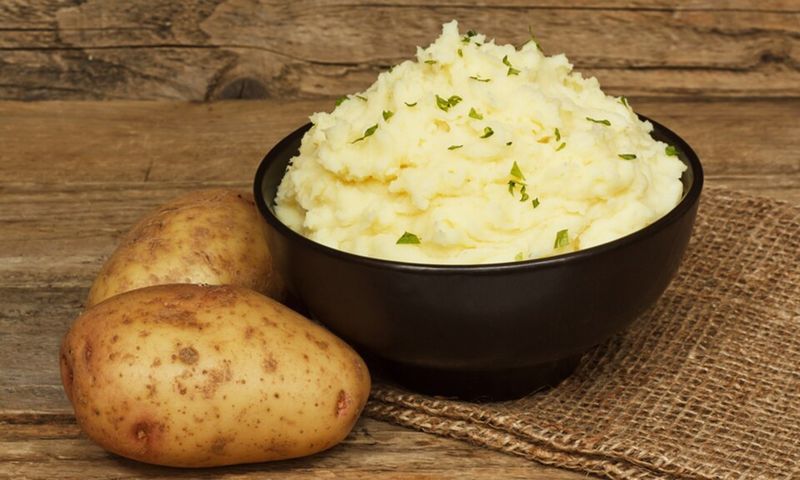
Mashed potatoes turned controversial when texture snobs arrived. Lumpy vs silky, ricer vs mixer, butter vs olive oil, and cream levels spark lively takes.
Some prefer skins-on for fiber, others chase cloudlike purity. No one agrees, yet everyone cleans the bowl.
Salt water generously and cook potatoes until tender. Dry them briefly in the pot, then rice or mash gently.
Warm dairy before folding for a plush finish. Season until it sings, and swirl in butter at the end.
Black pepper belongs here.
Gravy
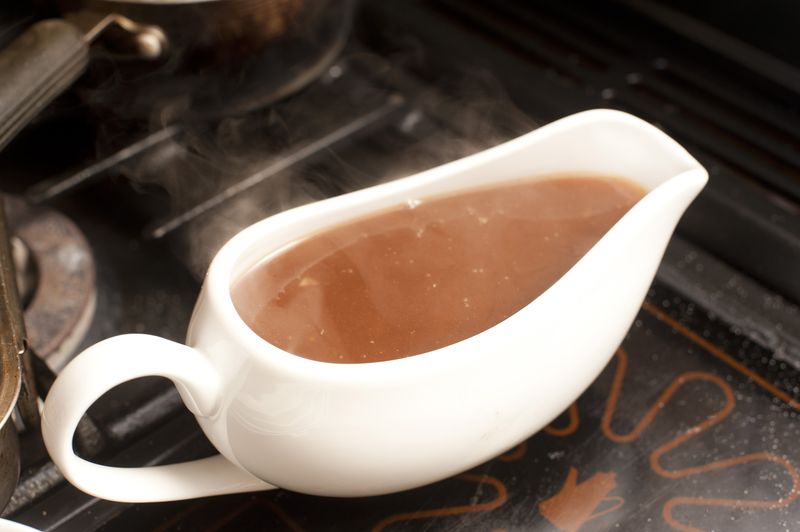
Gravy used to be automatic. Now it is a stress test with lumps, grease slicks, and flour-phobia.
People argue about cornstarch vs roux and pan drippings vs boxed stock. Good gravy is technique plus patience, nothing mystical.
Deglaze the pan, whisk flour into fat, and cook until nutty. Slowly stream in warm stock, whisking constantly.
Simmer to thicken, then taste for salt, pepper, and a splash of acid. Strain if you need elegance.
Keep warm and stir occasionally so it stays glossy.
Chicken pot pie
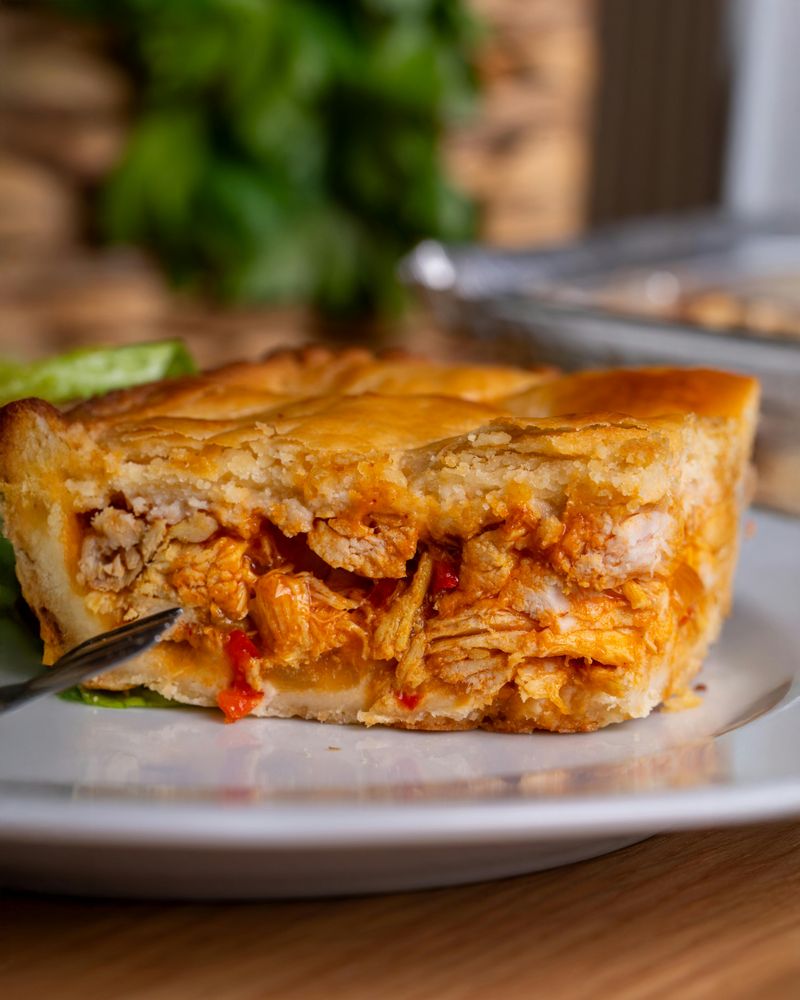
Chicken pot pie used to mean cozy nights and burned tongues. Now people debate store-bought crusts, puff pastry tops, and whether peas are essential.
Some say it is heavy, others call it perfect. The magic is seasoning, texture contrast, and a crust that sings.
Sweat aromatics, make a velvety roux, fold in poached chicken and blanched vegetables. Chill the filling so the crust stays crisp.
Bake hot for flake and color. Rest before serving, then crack through the lid and let the steam carry you home.
Shepherds pie
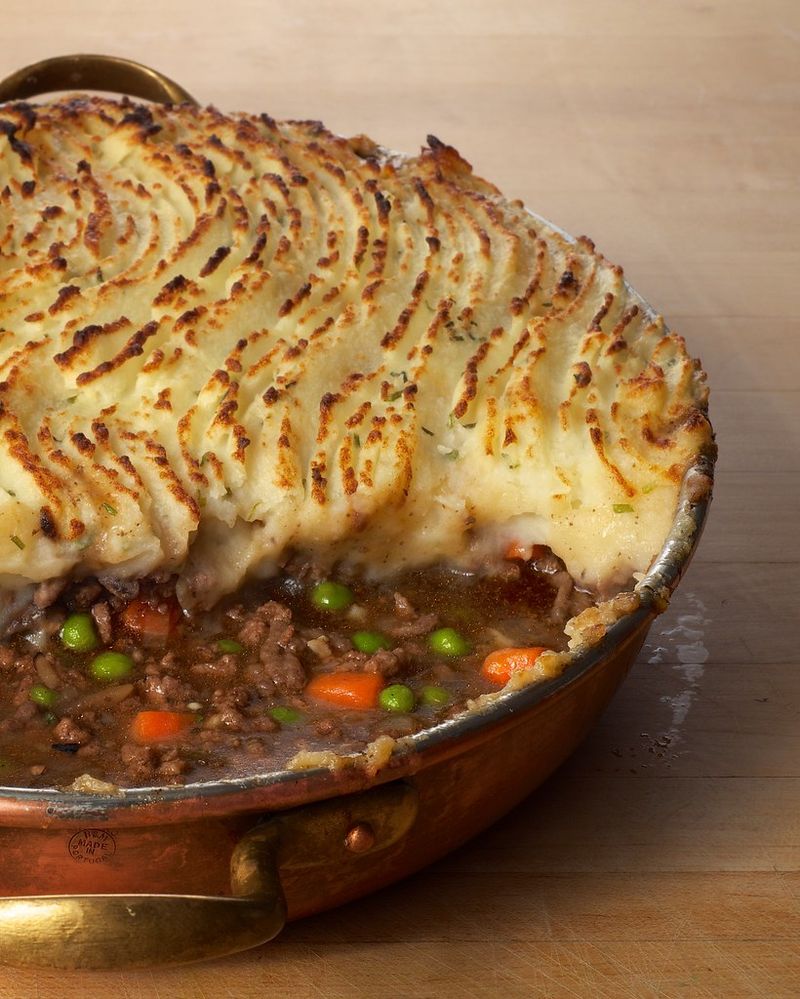
Shepherds pie was pub-staple comfort. Now it triggers naming wars: lamb for shepherds, beef for cottage.
People bicker over gravy thickness, potato ridges for browning, and sneaky cheese. Regardless, a savory base capped with buttery mash remains unbeatable on cold nights.
Sweat onions, carrots, and celery, brown lamb, then simmer with stock, tomato paste, and Worcestershire. Spread fluffy potatoes over, rake with a fork, and brush with butter.
Bake until bubbling and burnished. Rest so slices hold.
A splash of malt vinegar brightens everything.
Sloppy joes
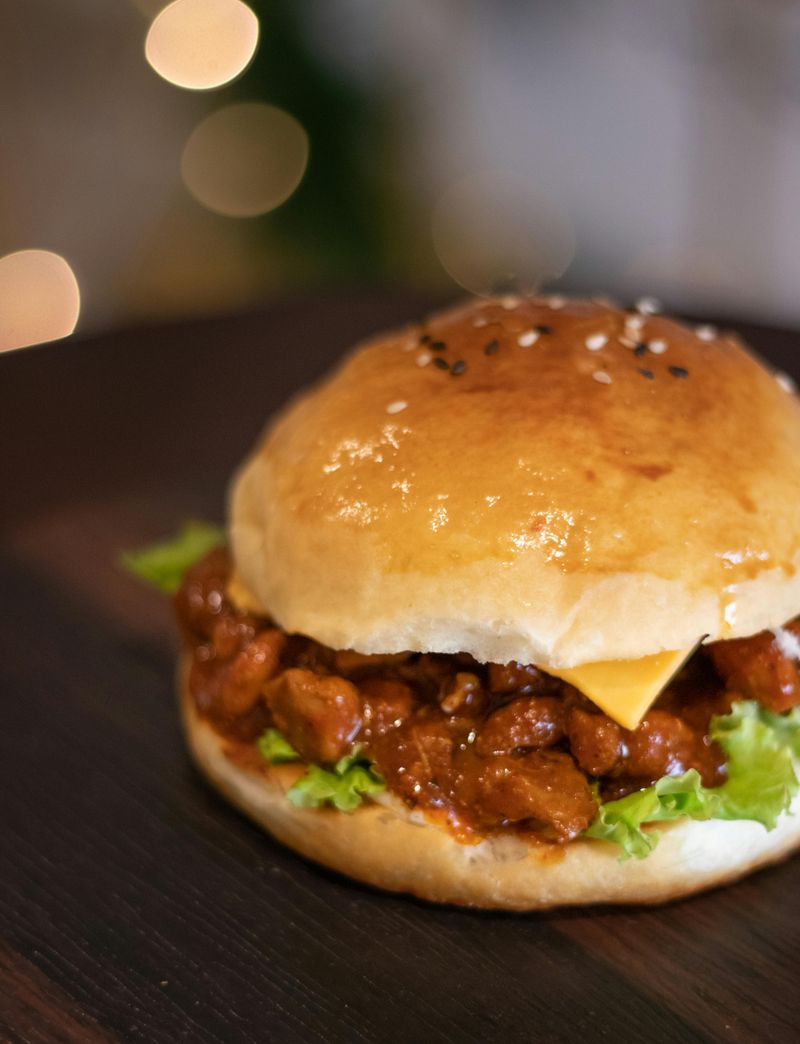
Sloppy joes were cafeteria legends, then became messy targets. Sugar content, canned sauce shortcuts, and bun integrity all get roasted online.
Still, when the filling hits that sweet-savory-tangy bullseye, you forget the napkins and smile. It is hands-only dining at its best.
Sweat onions and peppers, brown beef, and simmer with tomato paste, ketchup, mustard, and vinegar. Season assertively and reduce until spoonable, not soupy.
Toast buns for armor. Offer pickles, jalapeños, and a swipe of mayo.
Serve immediately while the balance sings.
Fish sticks
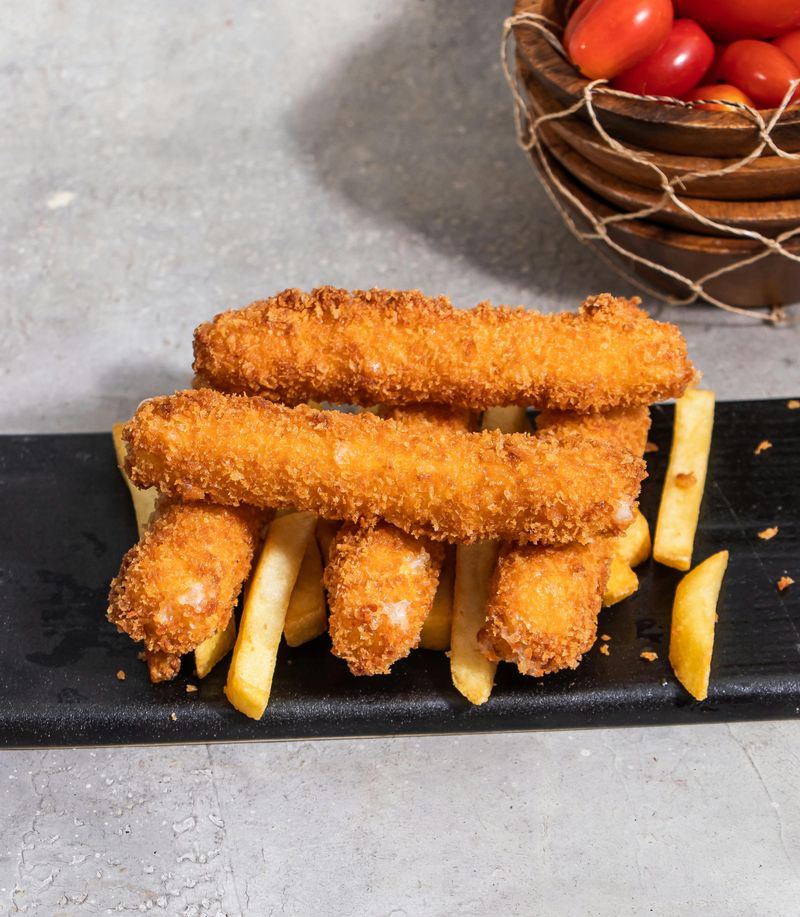
Fish sticks went from freezer savior to ingredient shame. People argue about mystery fish, breadcrumbs vs panko, and baking vs frying.
Sustainability questions complicate the nostalgia. Still, a crunchy exterior with tender flakes inside can convert skeptics, especially with good sauce.
Use cod or pollock, brine briefly, then bread with seasoned flour, egg, and panko. Bake on a rack or shallow fry for crunch.
Mix tartar with pickles, lemon, and dill. Serve hot with peas and lemon wedges.
Own the nostalgia proudly.
White bread dinner
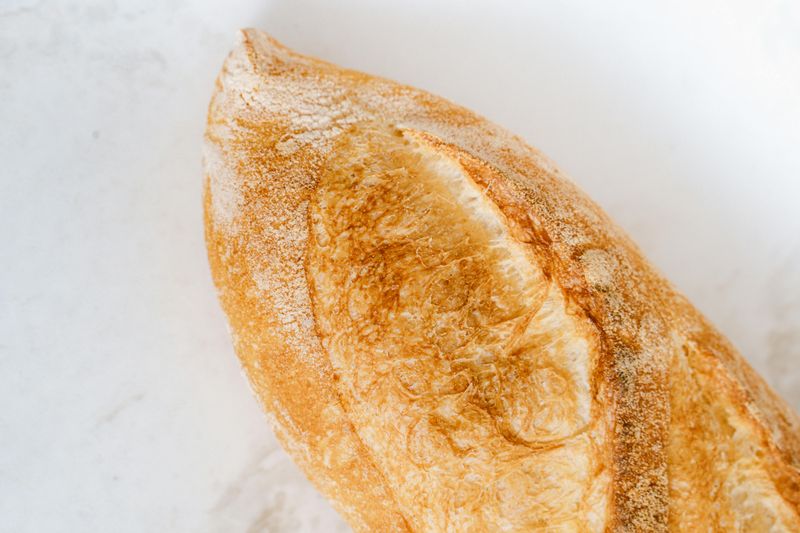
A basket of soft white bread used to greet every table. Now people side-eye it for carbs, sugar, and fiber debates.
Some dismiss it as flavorless, others adore that tender crumb with butter and salt. The controversy reflects changing health advice more than taste.
If serving, pick quality loaves without harsh sweetness. Toast lightly for aroma, offer salted butter, and consider a sprinkle of flaky salt.
Pair with soups, stews, or simple salads. It is comfort, not a manifesto.
Let it be bread.
Mac and cheese
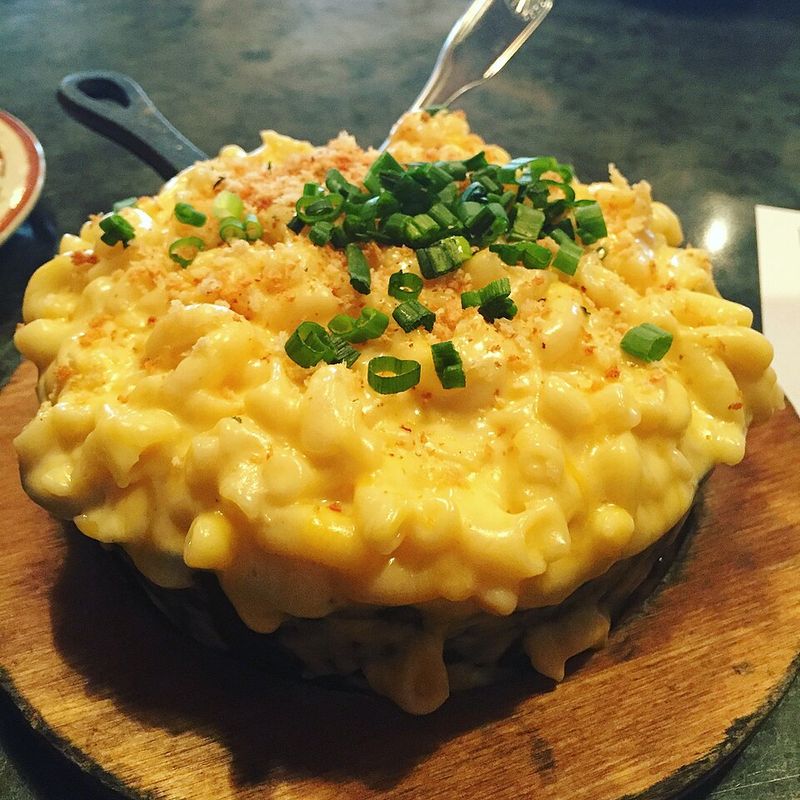
Mac and cheese used to be the nonnegotiable crowd-pleaser. Now it faces artisan cheese pressure, gluten-free swaps, and truffle drama.
Some want stovetop silk, others demand baked crunch. Either way, balance matters: creamy sauce, well-seasoned pasta, and contrast on top.
Cook pasta just shy of al dente, whisk a cheese sauce with sharp cheddar and gruyere, then fold together. Season with mustard powder and paprika.
Top with buttery crumbs and bake until bubbling. Rest ten minutes so it sets, then scoop generous bowls.
Pancakes
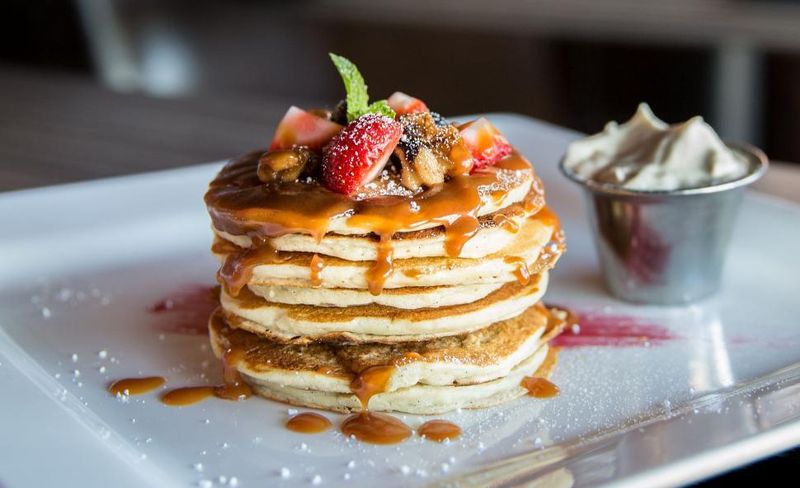
Pancakes once meant weekend joy. Now they are protein-boosted, sourdough-fermented, or shamed for being sugar bombs.
The flip timing and batter thickness spark endless tinkering. You just want fluff and a gentle tang, with syrup that pools slowly down the sides.
Whisk dry and wet separately, do not overmix, and rest the batter. A lightly oiled griddle at medium heat is your friend.
Flip when bubbles set. Serve with butter, warm maple syrup, and maybe blueberries or lemon zest.
Simple wins here.
French toast
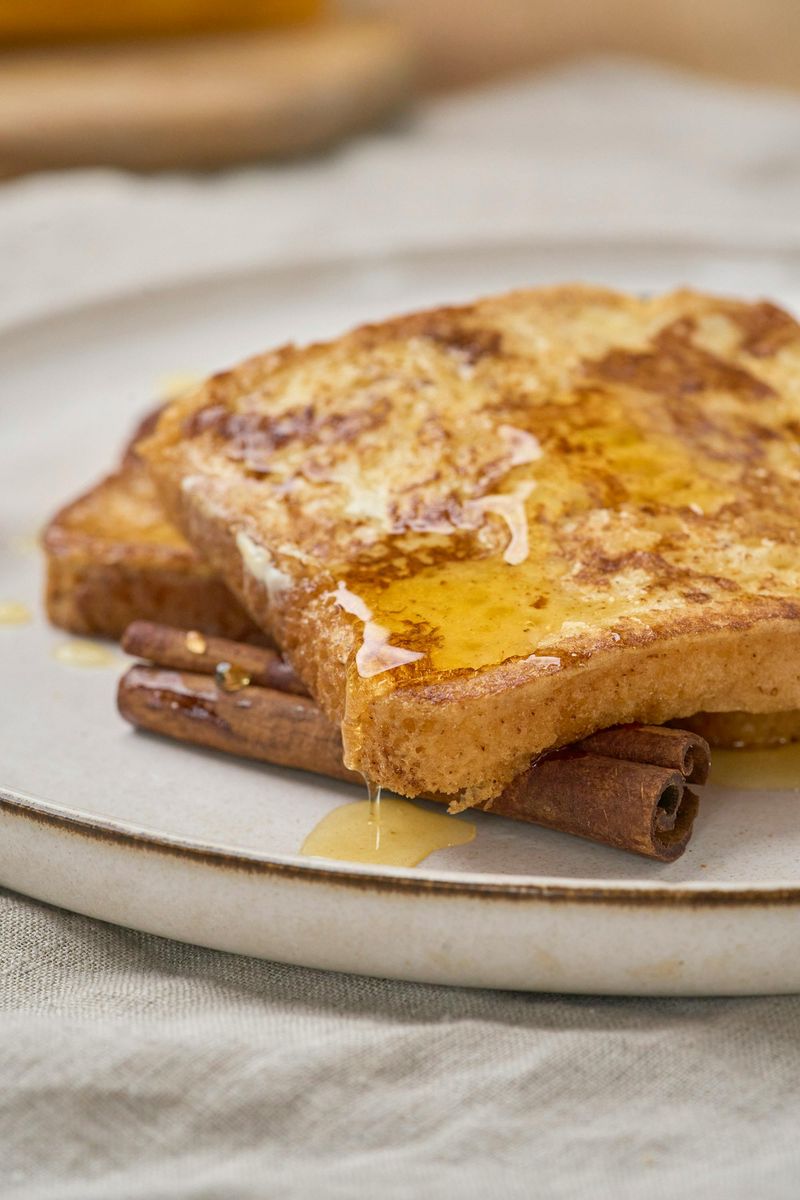
French toast used to rescue stale bread. Now it attracts debates over custard ratios, brioche vs sourdough, and whether syrup is required.
Some prefer brûléed edges, others want pillowy softness. The alchemy is soaking just right and searing in butter until caramelized.
Whisk eggs, milk, vanilla, and a pinch of salt. Soak thick slices briefly so centers stay tender.
Cook in sizzling butter, then finish with a dusting of sugar and a kiss of cinnamon. Serve with berries, maple, or lemon and powdered sugar.
Bread pudding
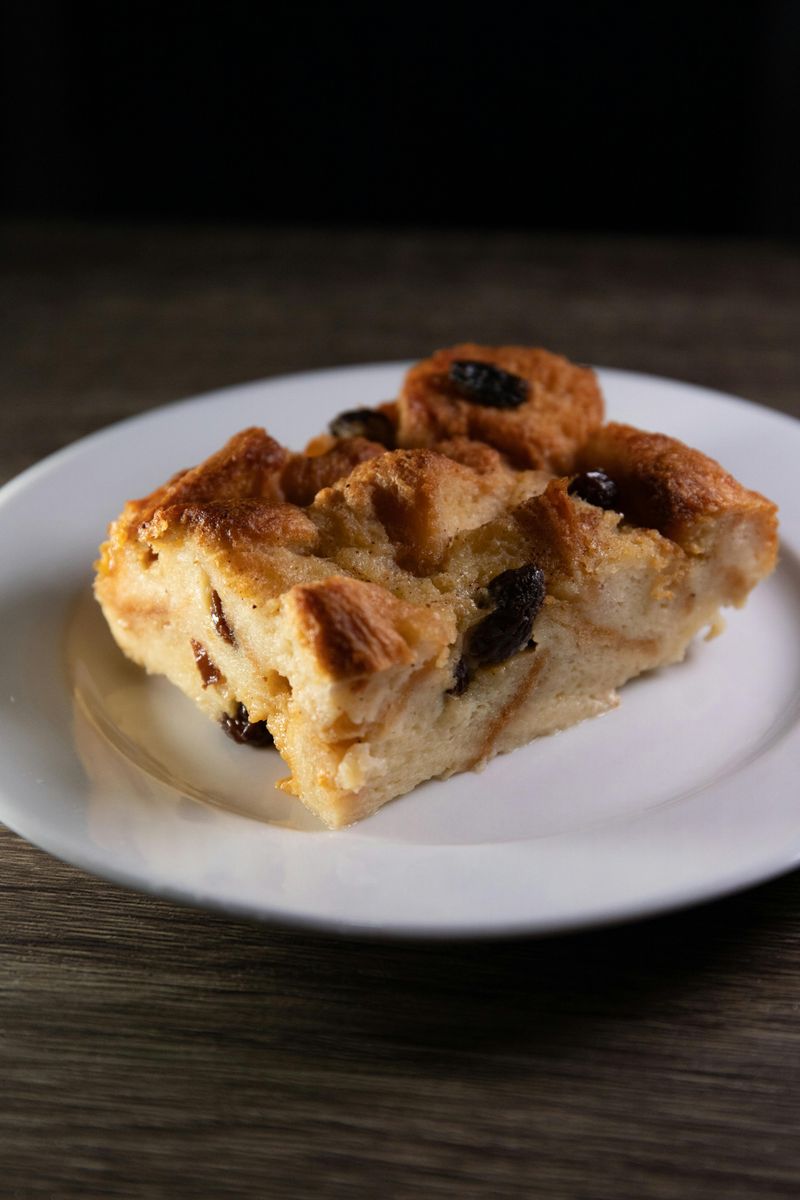
Bread pudding used to be thrifty dessert, now it is brunch royalty and still controversial. People argue about custard richness, bourbon sauces, and whether chocolate ruins tradition.
The heart is stale bread transformed by custard and heat into something deeply comforting.
Use day-old bread with structure, whisk eggs, milk, sugar, and vanilla, then soak thoroughly. Fold in raisins or chopped chocolate.
Bake until the center just wobbles and the top caramelizes. Rest before serving so the custard sets.
Sauce with crème anglaise or boozy caramel.
Rice pudding
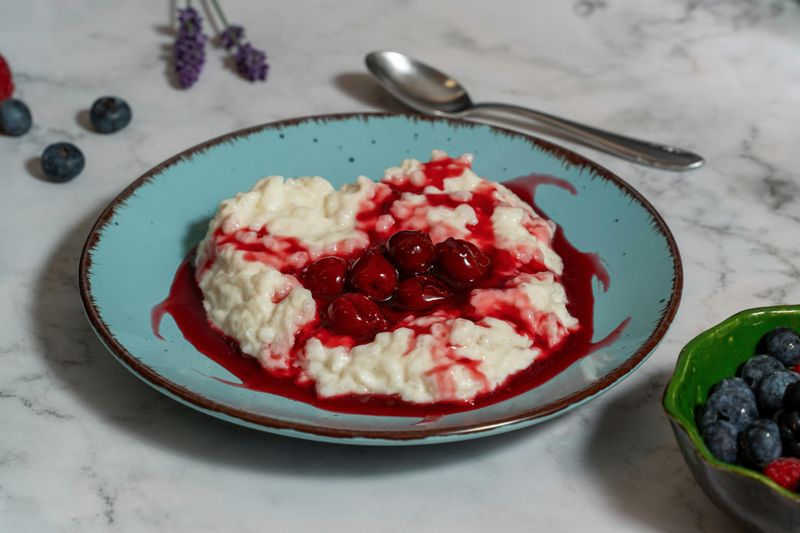
Rice pudding once whispered school-cafeteria. Now it inspires loyalty and eye-rolls in equal measure.
Debates focus on raisin inclusion, stovetop vs baked, and whether to use short-grain rice. Texture is everything, from silky spoon-set to thicker comfort scoops.
Simmer rice gently in milk with sugar, vanilla, and a pinch of salt. Stir often to prevent sticking.
Add raisins plumped in warm tea or skip them entirely. Finish with cream and cinnamon.
Serve warm or cold, with a bright hit of lemon zest.
Enjoyed this story?
Add Fast Food Club as a preferred source to see more of our reporting on Google.