


There is a quiet genius in old kitchens, where humble ingredients turn into unforgettable comfort. These timeless dishes feel like shortcuts to warmth, wisdom, and thrift, proving simplicity can outsmart trends.
Pull up a chair, breathe in the nostalgia, and let these flavors teach new tricks to modern habits. You will leave inspired to cook slower, savor longer, and love every bite.
Meatloaf
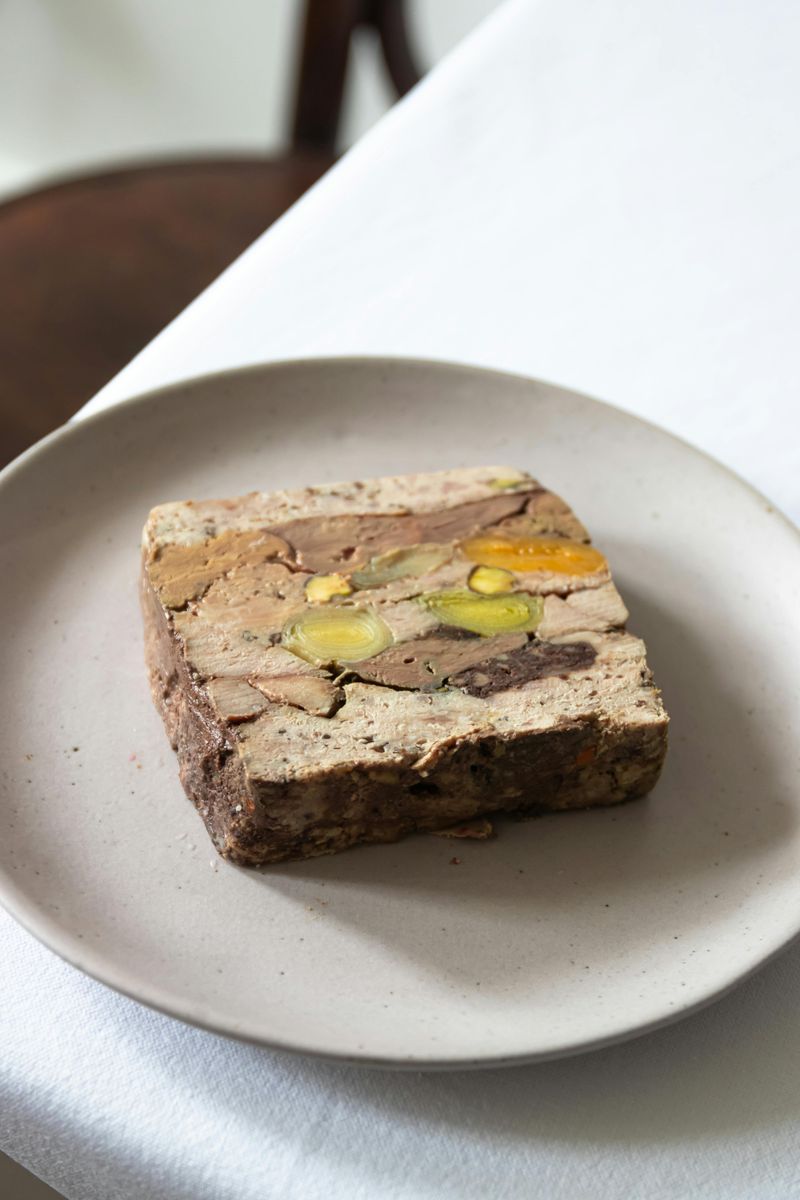
Meatloaf makes old kitchens feel like command centers of calm. A simple mix of ground beef, breadcrumbs, onions, and eggs turns into something tender and proud.
Slice it and you hear the soft thud that says dinner is ready, not flashy, just certain.
The glossy ketchup glaze signals thrift and love, stretching meat without losing comfort. Leftovers make legendary sandwiches, proof that planning can taste incredible.
You feel resourceful, like the recipe hands you a quiet budget tutorial.
Serve with pan drippings spooned over. Pair it with peas or a crisp salad.
You learn patience, and you win.
Pot roast
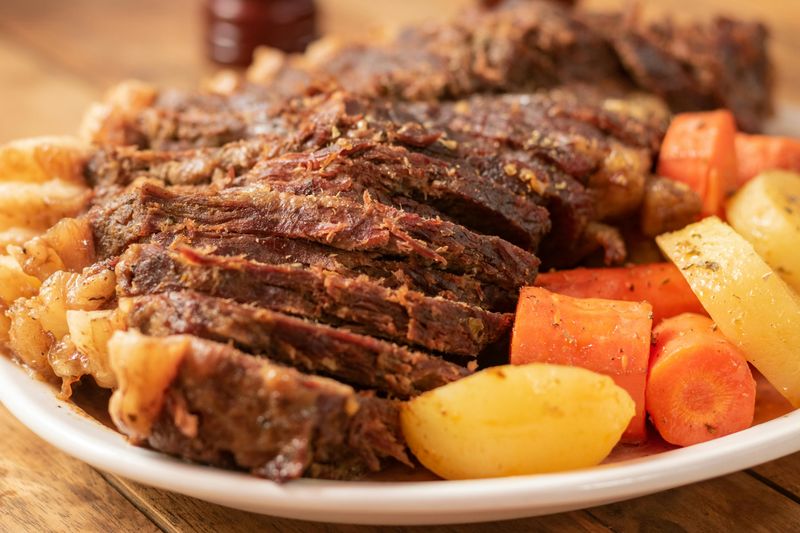
Pot roast turns time into an ingredient. You brown the beef deeply, nestle carrots and potatoes around it, and let low heat make the rules.
Hours later, the fork sighs through tender meat and the house smells like you made a promise and kept it.
Old kitchens know this dance. They teach you to trust a Dutch oven, to season generously, and to deglaze with patience.
Every bubble writes a note of flavor.
Skim, reduce, and pour the gravy back. Serve with bread to catch the shine.
It is weekend wisdom you can eat.
Chicken soup
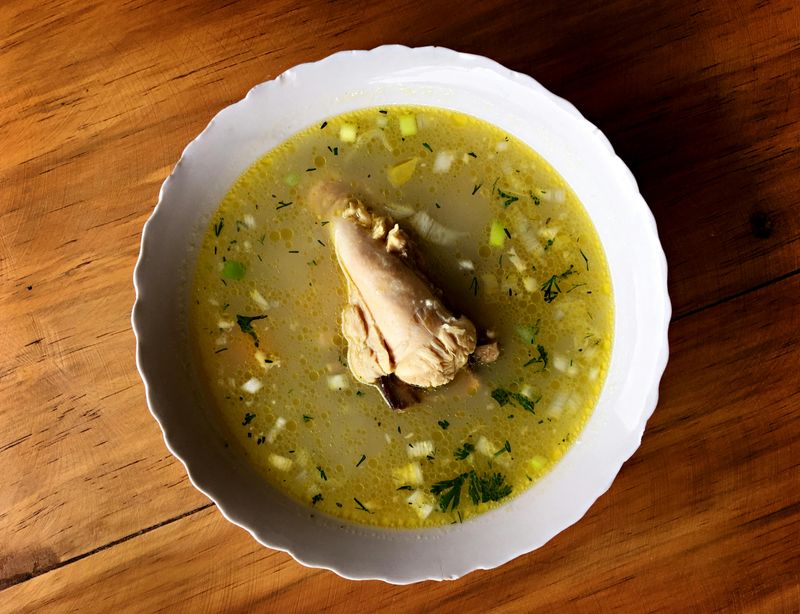
Chicken soup is a kitchen’s gentle doctor. Simmer bones, onions, carrots, and celery until the broth turns golden and honest.
The aroma softens moods and nudges everyone toward the table.
Add noodles or rice, scatter dill or parsley, and watch it brighten. Old kitchens know bones are treasure, saved and simmered into nourishment.
You learn to listen for the small boil, not the rush.
Skim carefully, salt with restraint, and squeeze a little lemon if needed. This bowl teaches proportion and patience.
You taste the past and feel better in the present.
Beef stew
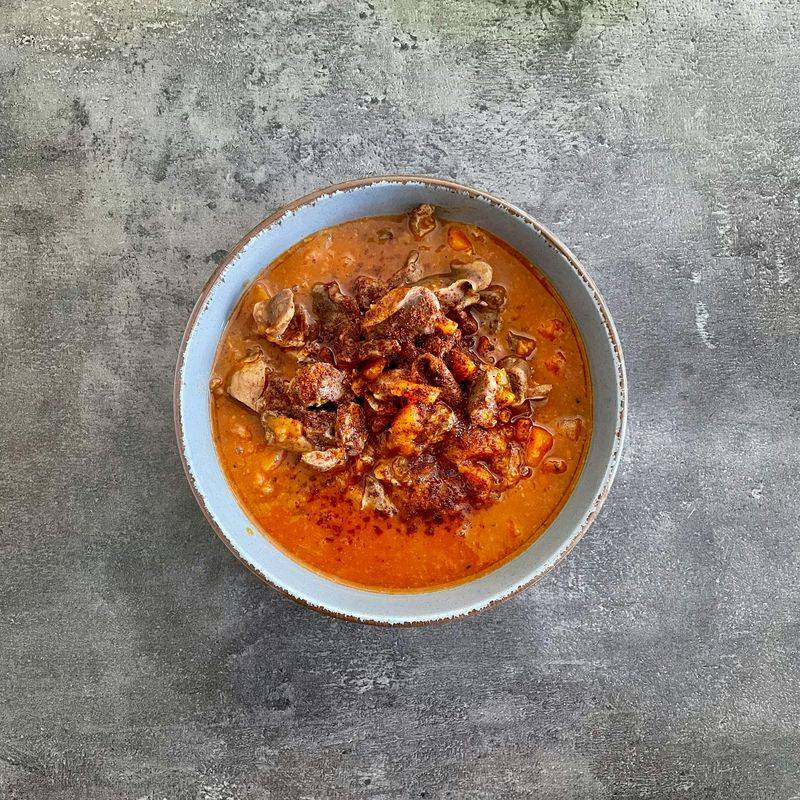
Beef stew proves browning is brilliance. You sear until the fond clings tight, then coax it loose with stock and a splash of something bold.
Vegetables join, and the lid hushes everything into agreement.
Old kitchens love this economy. Cheaper cuts become luxuriously tender, taught by time and patience.
The gravy turns spoon-coating, a quiet applause for your effort.
Finish with vinegar or Worcestershire for lift. Parsley wakes the bowl up.
Serve with crusty bread and feel entirely at home, like the clock slowed down just for dinner.
Mashed potatoes
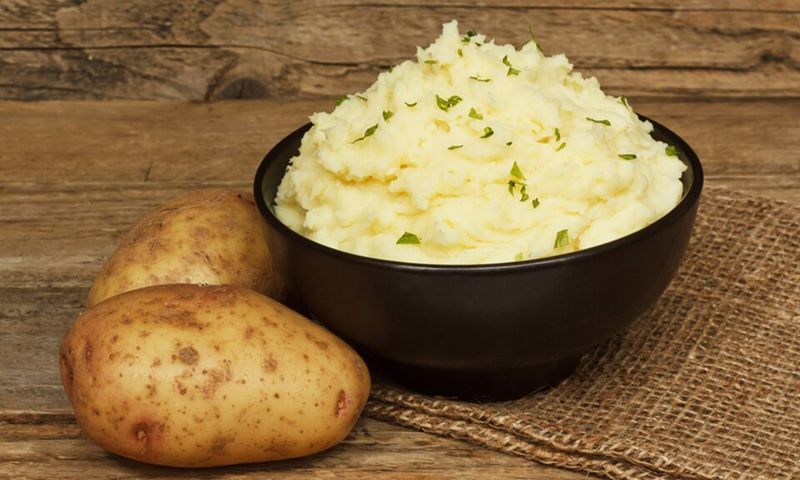
Mashed potatoes are cloud engineering for real life. Boil russets until tender, steam dry, then rice for fluff that feels like a small miracle.
Butter and warm cream make them sing in a soft, savory key.
Old kitchens whisper, do not overmix. They know gluey spuds are avoidable with a gentle hand.
Salt patiently, tasting until the flavor blooms.
Make a well for gravy, or drizzle browned butter with herbs. They anchor a plate, elevate leftovers, and soothe a long day.
You learn restraint and generosity in one bowl.
Gravy
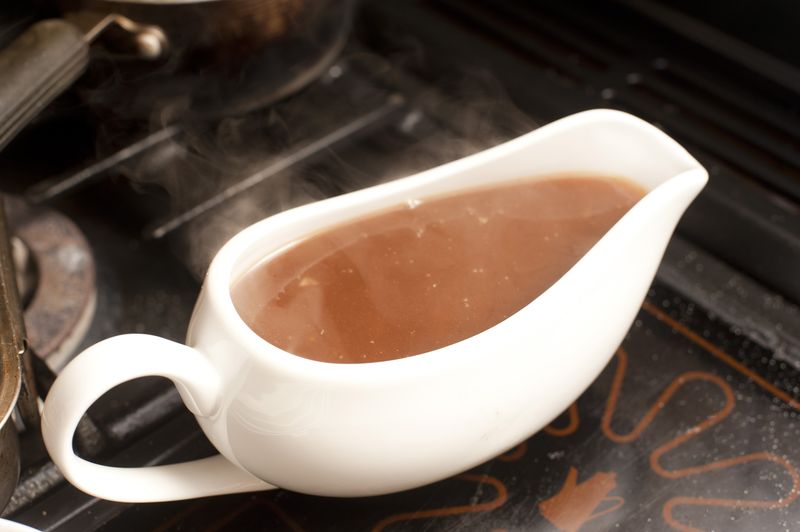
Gravy is kitchen alchemy in a saucepan. Fat and flour meet to form a nutty roux, then warm stock swirls in until satin appears.
Salt, pepper, maybe a splash of pan drippings, and suddenly the plate makes perfect sense.
Old kitchens taught this by feel. Stir, watch, wait for the bubbles to slow.
Adjust with more stock or time.
Strain for elegance, or keep rustic. A dash of vinegar brightens.
Gravy rescues dryness, unifies flavors, and whispers that nothing in the pan goes to waste.
Fried chicken
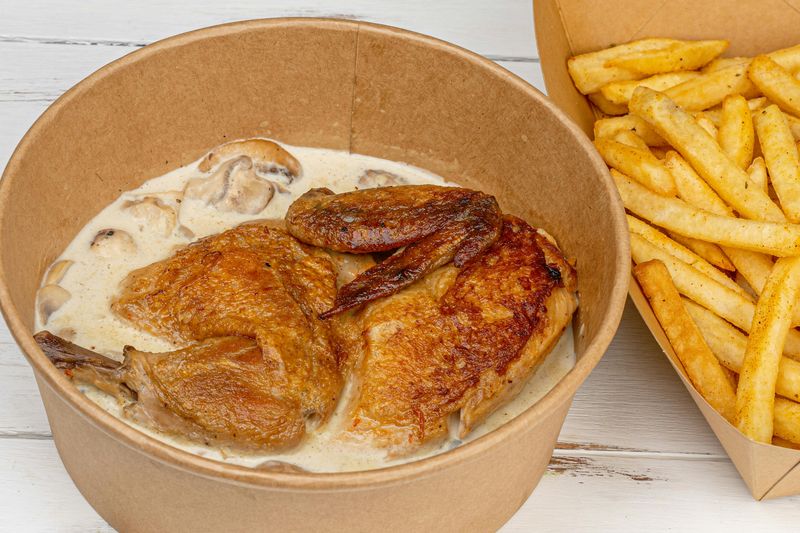
Fried chicken is a test and a triumph. Brine or buttermilk bath, seasoned flour, and confident heat turn humble pieces into crunch and juice.
You listen for the sizzle to steady, then flip with purpose.
Old kitchens know to rest on a rack, not paper towels, to keep that armor crisp. Spice blends are personal, but paprika and pepper never fail.
The reward is undeniable.
Serve with hot sauce, pickles, and quiet pride. Every bite crackles with lessons in temperature, patience, and courage.
It is celebration food, any day.
Roast chicken
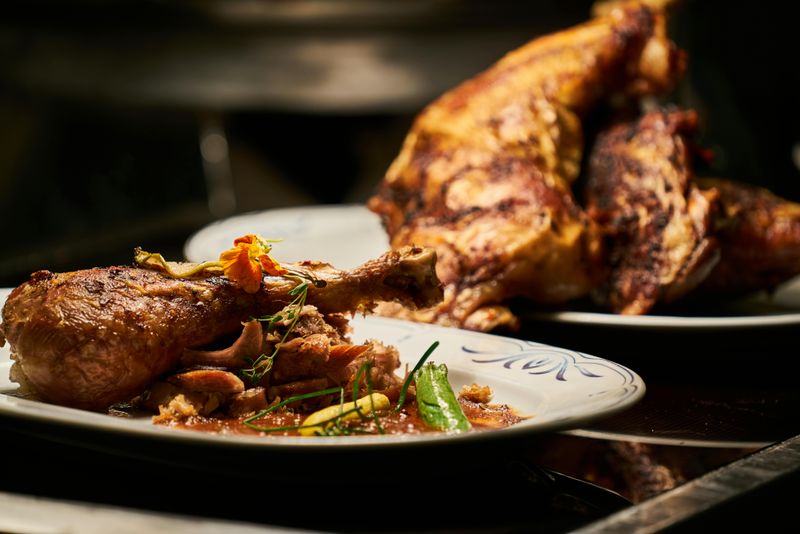
Roast chicken is the old kitchen’s thesis. Salt generously, dry the skin, and let heat do its steady magic.
The house smells like confidence, and the bird emerges bronzed, with juices that promise a fine little sauce.
Truss if you like, or keep it loose. Toss onions, carrots, and lemon beneath to catch drips.
Resting is nonnegotiable, the difference between good and glowing.
Carve with patience. Reduce the pan juices with a splash of wine or water.
You learn economy, respect for heat, and how to feed many beautifully.
Spaghetti and meatballs
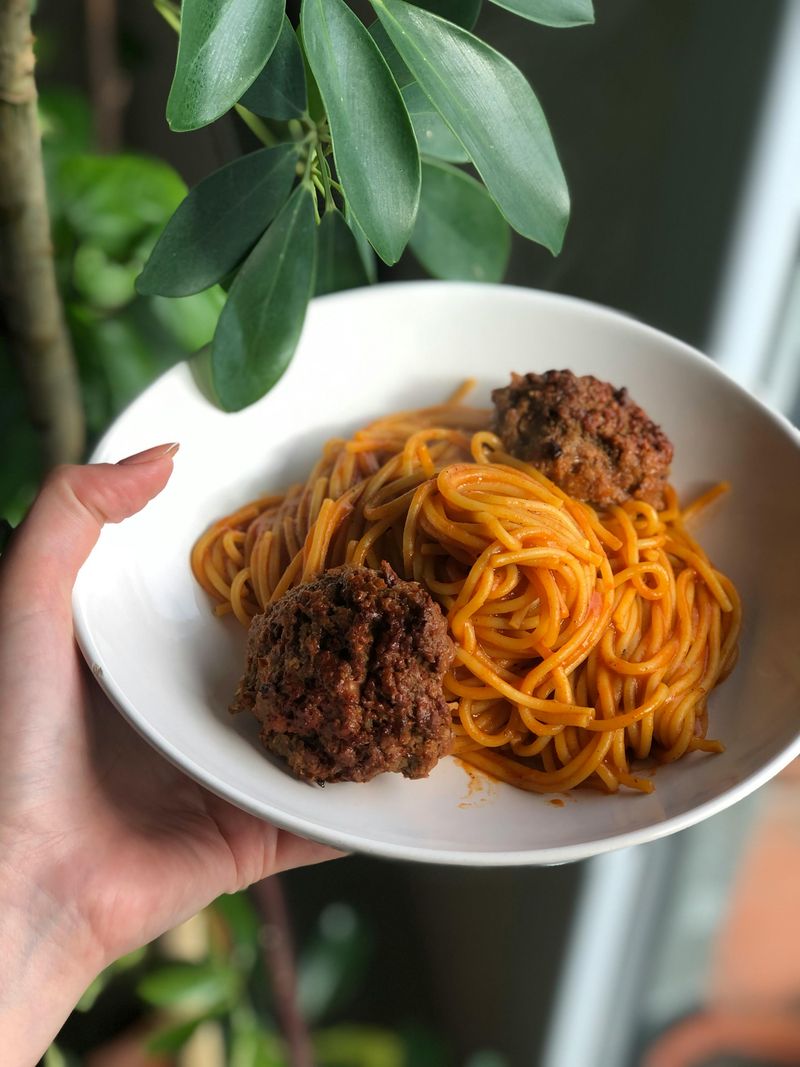
Spaghetti and meatballs feel like a handshake between thrift and abundance. Breadcrumbs stretch the meat while milk softens it, and browning seals in joy.
Simmering in sauce lets everything marry into a weeknight victory.
Old kitchens favor crushed tomatoes, garlic, and patience. Salt the pasta water like the sea, then finish noodles in the sauce for cling.
It is technique dressed as kindness.
Shower with parmesan, pass pepper flakes, and serve proudly. Leftovers become meatball subs that make tomorrow easier.
You taste comfort and strategy in every twirl.
Mac and cheese
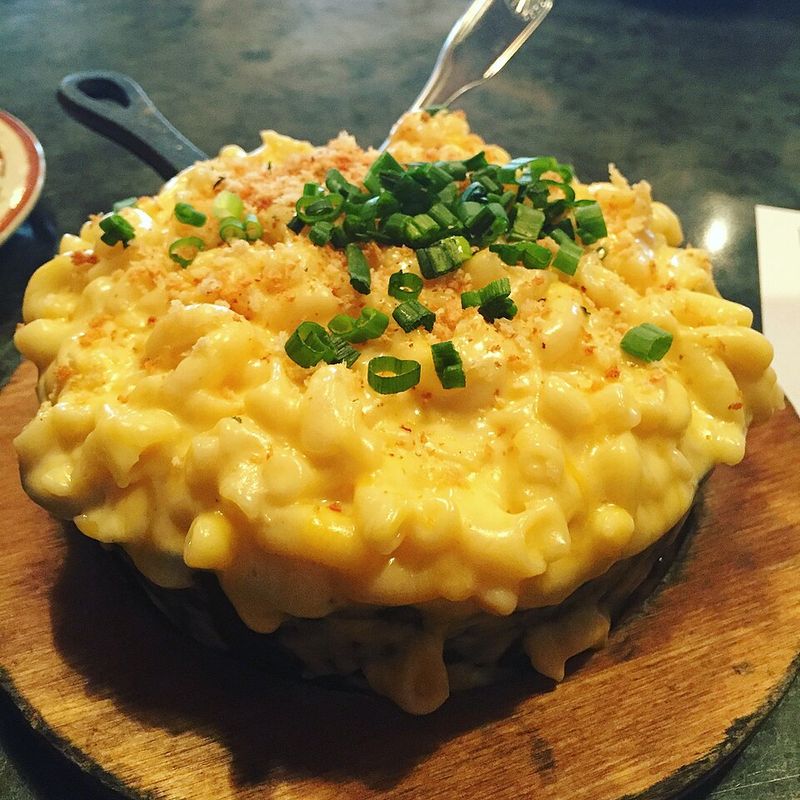
Mac and cheese is pure, practical joy. Start with a silky béchamel, melt in sharp cheddar and something nutty, then fold in elbows like they are old friends.
The oven adds a bronzed crust that shatters just enough.
Old kitchens whisper, season your roux. Mustard powder and a pinch of cayenne wake the cheese without shouting.
Bread crumbs bring texture and thrift.
Serve with a crisp salad to balance the richness. It reheats kindly, feeding late arrivals without complaint.
You taste generosity, planning, and the comfort of certainty.
Grilled cheese
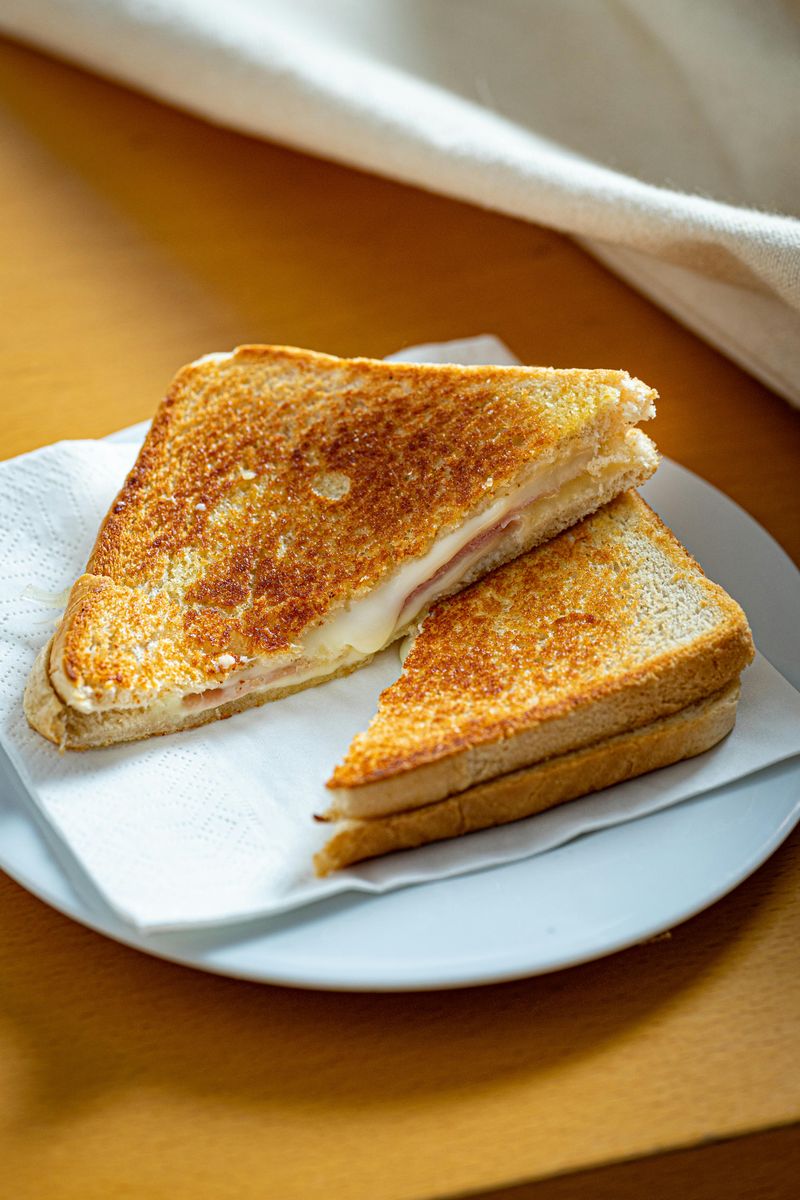
Grilled cheese turns two slices and a pantry cheese into a minor miracle. Medium heat, buttered bread, and patience create an even, golden crust.
Lid on for a minute steams the melt without scorching.
Old kitchens pair it with tomato soup, the color contrast as comforting as the taste. Add onion powder or a smear of mustard for personality.
Flip gently, let it rest.
Cut on the diagonal because details matter. Dip into soup and remember rainy days made better.
You learn control, restraint, and maximum reward from minimum parts.
Chili
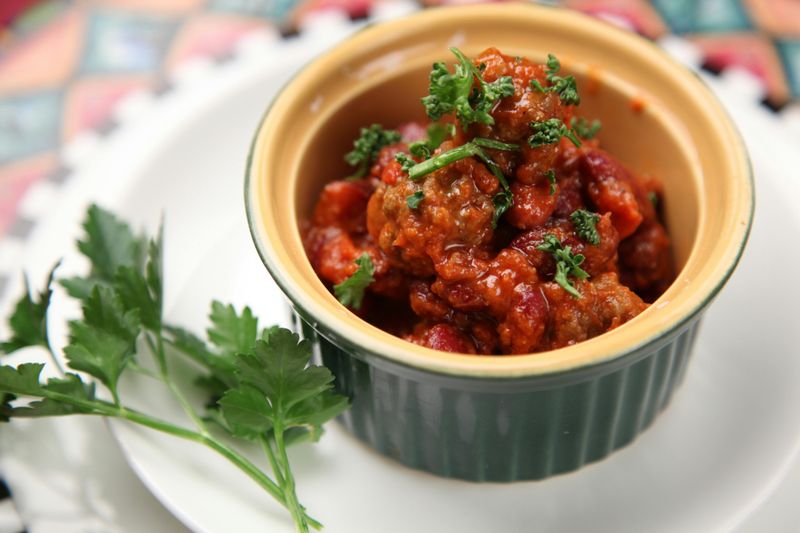
Chili is a slow-brewed opinion you can eat. Toast spices until fragrant, brown the meat deeply, then let tomatoes and beans get acquainted.
The pot murmurs for an hour or more, and the room grows friendlier.
Old kitchens balance heat with restraint, adding cocoa, coffee, or vinegar for depth. Salt late, taste often, trust your senses.
Cornbread on the side feels inevitable.
Offer bowls of toppings so everyone edits their own. Next-day chili hits its stride.
You learn layering, patience, and how a humble pot can command attention.
Biscuits and gravy
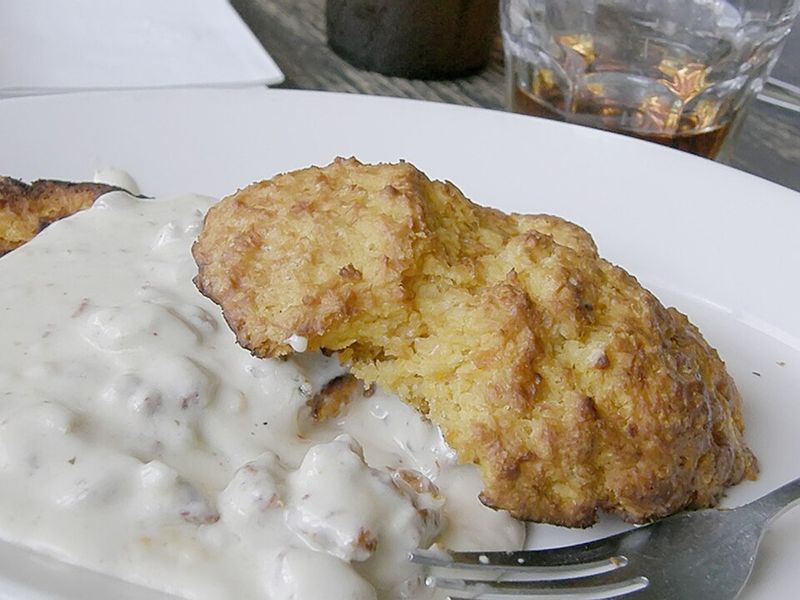
Biscuits and gravy make morning feel accomplished. Cold butter, light hands, and a hot oven give biscuits loft and layers.
Meanwhile, sausage surrenders drippings for a creamy gravy that blankets everything with comfort.
Old kitchens cut biscuits tall and do not twist the cutter. They season gravy with black pepper until it winks.
The plate becomes a warm handshake.
Serve with eggs or jam nearby for contrast. It is stick-to-your-ribs without apology.
You learn touch, timing, and how to turn simple ingredients into a feast.
Cabbage rolls
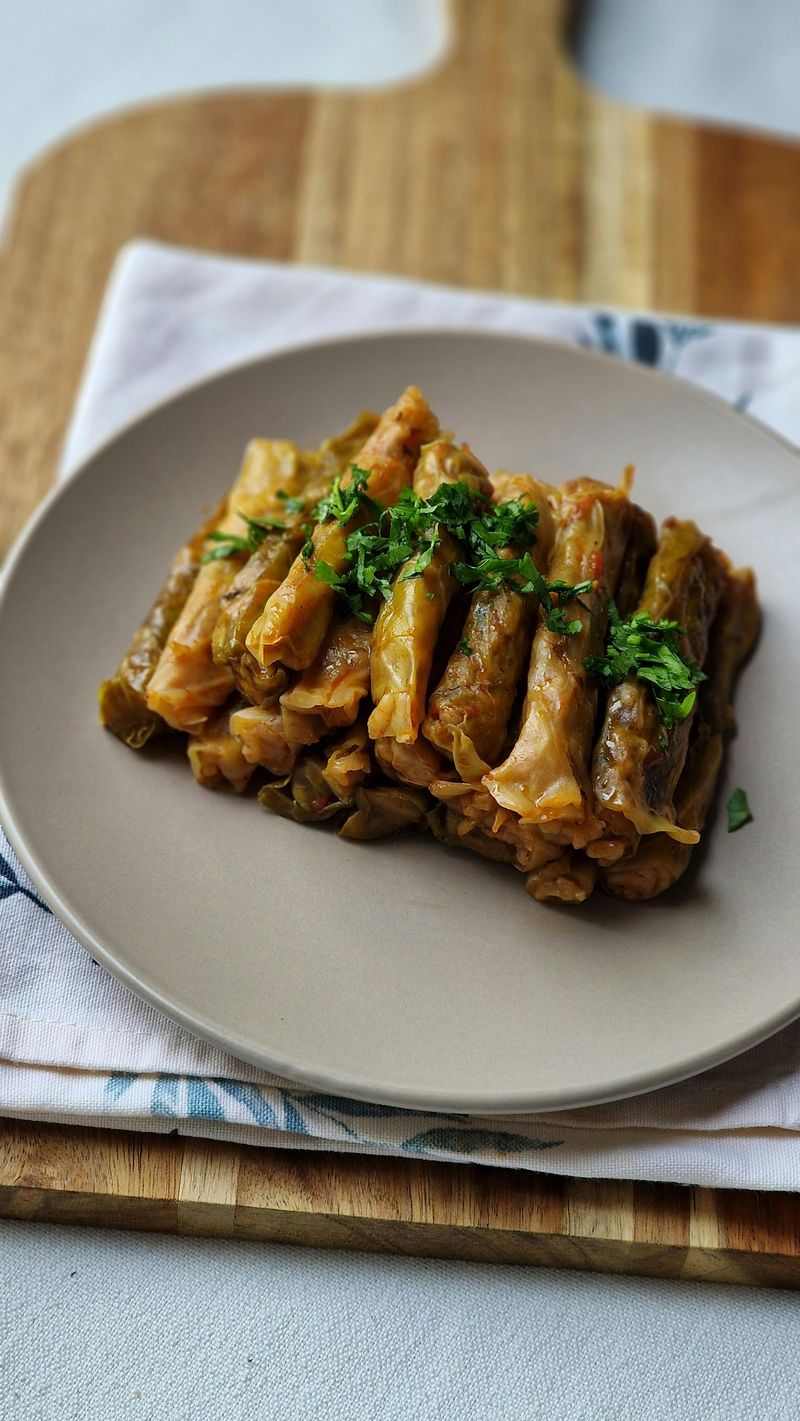
Cabbage rolls are patience wrapped and simmered. Leaves soften in boiling water, then swaddle a filling of rice, meat, onions, and herbs.
Tucked into tomato sauce, they braise until the seams relax and flavors settle.
Old kitchens turn humble cabbage into elegance. The dish feeds many and costs little, a kind of edible wisdom.
Gentle seasoning lets sweetness bloom.
Serve with sour cream or fresh dill. They freeze well, becoming future comfort with no fuss.
You learn wrapping, timing, and the calm of a simmering pot.
Apple pie
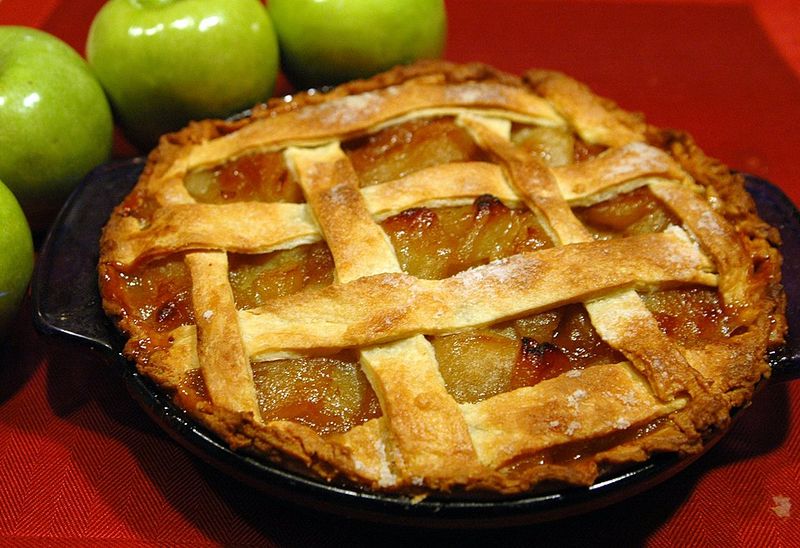
Apple pie is a love letter to good timing. Cold butter, quick hands, and a confident chill make crust that flakes like old paper.
Tart apples mingle with cinnamon and lemon, then bake until the lattice sings with bubbles.
Old kitchens cut vents like signatures. They brush with egg wash and trust the oven.
The room smells like a story worth keeping.
Serve warm with cheddar or vanilla ice cream. Let it rest so slices stand tall.
You learn patience, proportion, and how sweetness needs a little tang.
Rice pudding
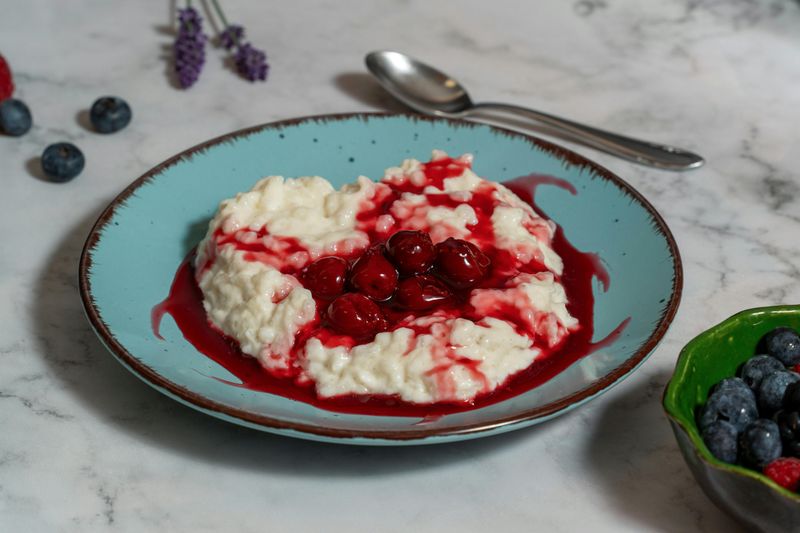
Rice pudding is a gentle way to use what remains. Simmer rice in milk with sugar and a whisper of vanilla until it thickens like a lullaby.
Raisins plump, cinnamon dusts the top, and spoons slow down.
Old kitchens love this thrift turned treat. Stir often so it will not catch, and respect the quiet simmer.
The reward is silk from scraps.
Serve warm or cold. A dollop of jam or a lemon zest twist wakes it up.
You learn stewardship, patience, and soft sweetness.
Bread pudding
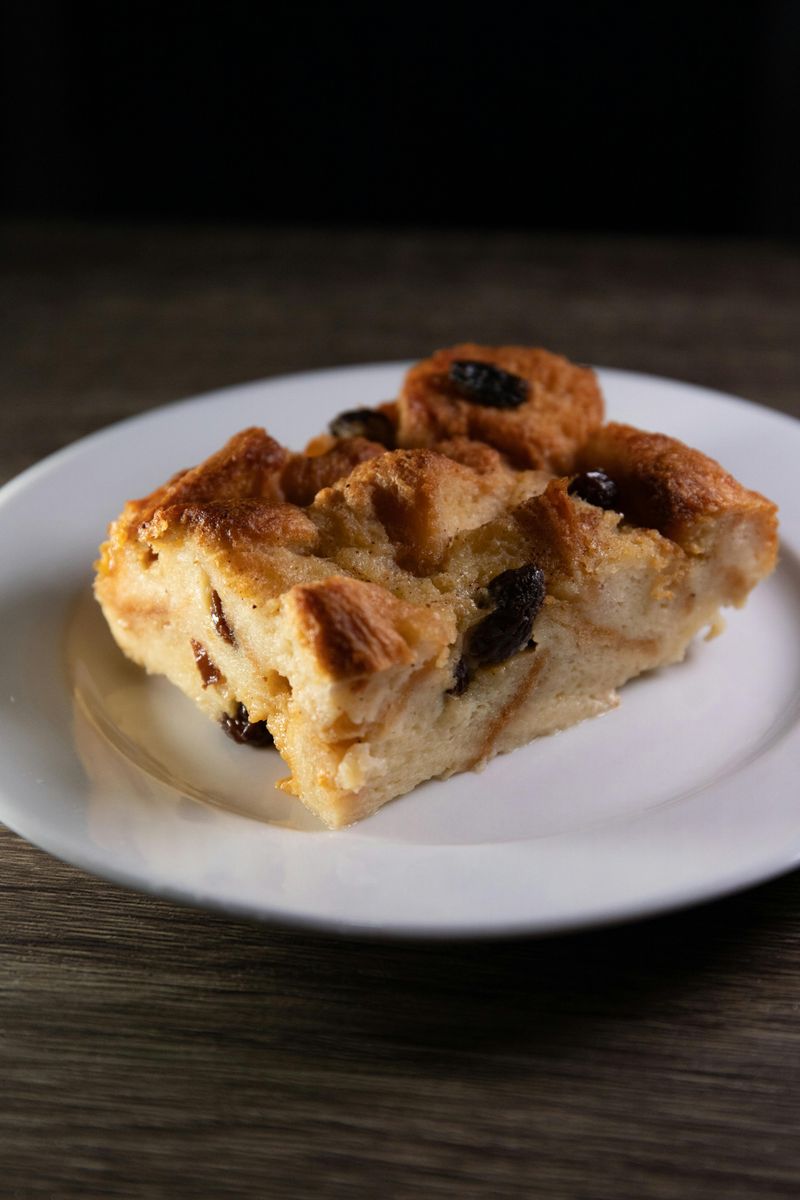
Bread pudding is redemption baked golden. Stale bread soaks in custard until it forgets its age, then puffs into tender, caramel-edged comfort.
A little bourbon or vanilla turns warmth into a wink.
Old kitchens waste nothing, and this dessert proves it beautifully. Butter the pan, dot with raisins, and listen for the gentle jiggle that says done.
Sauce is optional, but hard to resist.
Serve warm with cream or ice cream. Breakfast the next day is already solved.
You learn frugality, generosity, and how leftovers become legends.
Cornbread
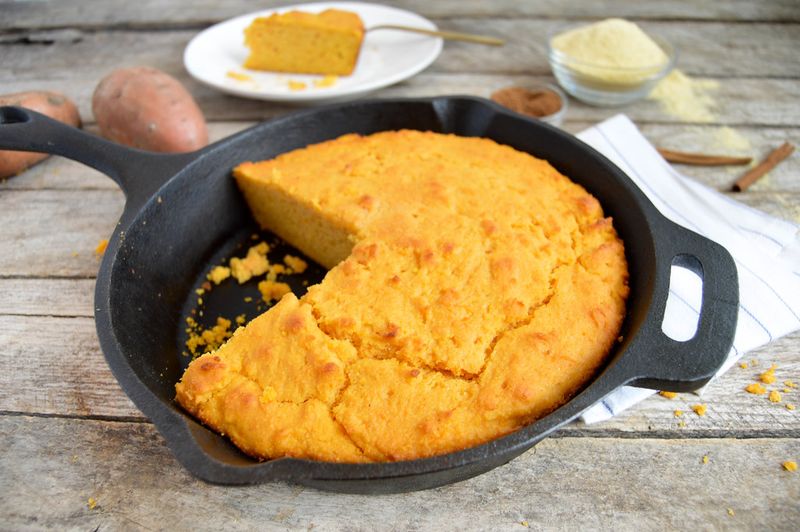
Cornbread is a skillet’s proud moment. Preheat cast iron until it smokes a little, then pour in batter so the edges sizzle.
That shock makes the crust irresistibly crisp while the middle stays tender and warm.
Old kitchens debate sugar or not, but all agree on buttermilk’s tang. A knob of bacon fat or butter adds swagger.
Crumble into chili or enjoy with honey.
This bread teaches timing and heat management. Slice into wedges and listen for the crunch.
It tastes like thrift, sunshine, and a porch swing after chores.
Stuffed peppers
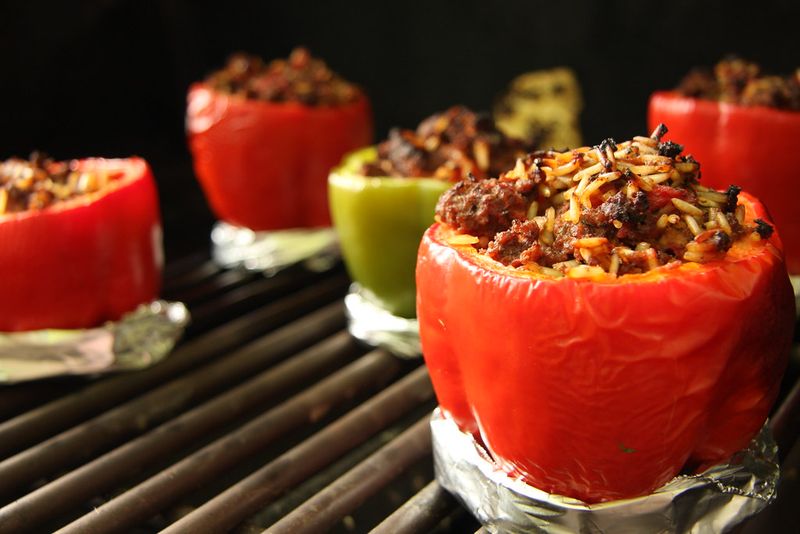
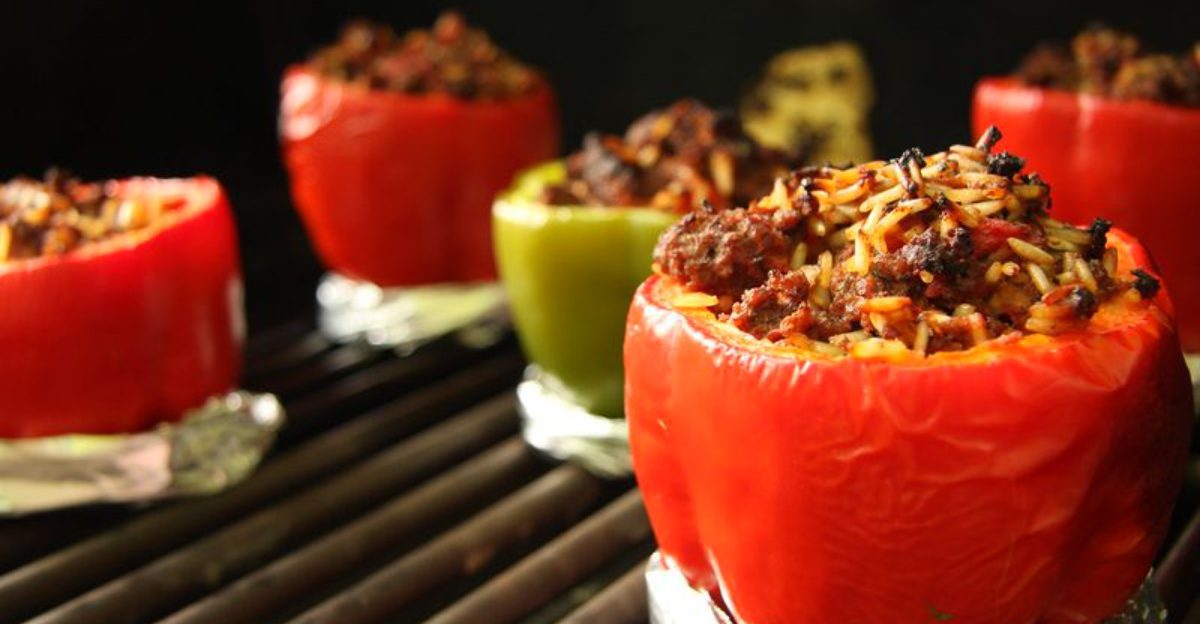
Stuffed peppers are tidy little lessons in balance. Hollow bells cradle a filling of rice, beef, onions, and tomatoes, then bake until tender and proud.
The peppers sweeten, the filling settles, and dinner stands upright with confidence.
Old kitchens stretch meat smartly with grains. A sprinkle of cheese adds comfort without excess.
Sauce in the pan keeps everything juicy.
Serve with a green salad and crusty bread. Leftovers reheat beautifully for tomorrow’s lunch.
You learn portioning, thrift, and how color on a plate changes mood.
Enjoyed this story?
Add Fast Food Club as a preferred source to see more of our reporting on Google.