


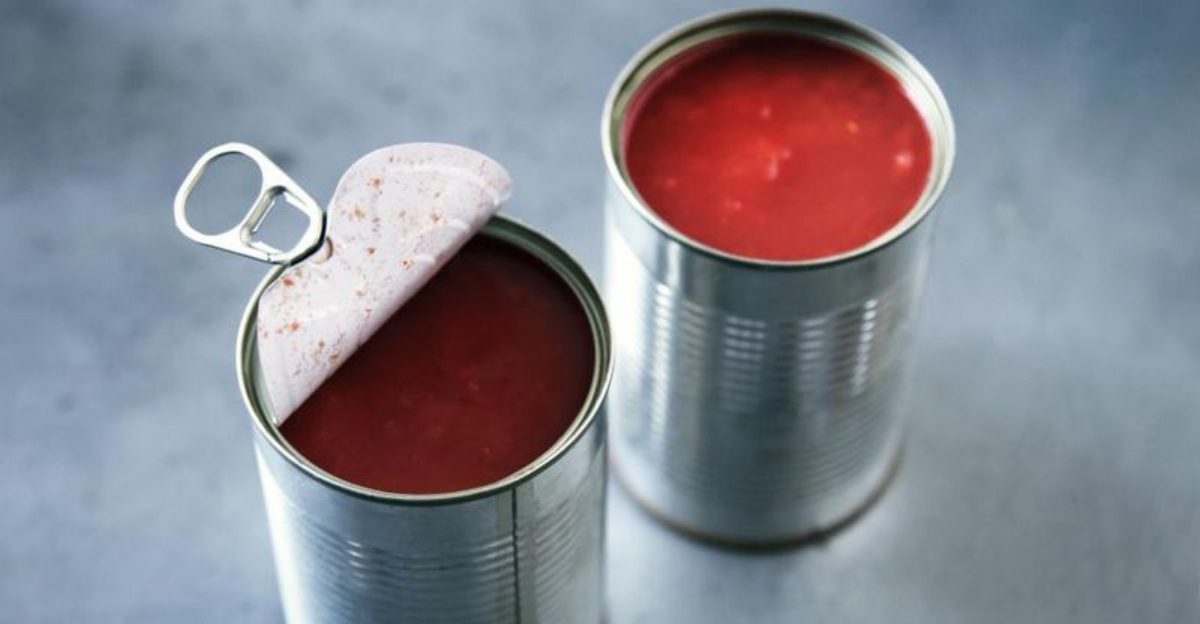
You grab something familiar, only to realize the label reads like a lab report now. Buzzwords promise wellness while the fine print tells a different story.
If you have ever felt duped by natural flavors, sneaky sugars, or gums you cannot pronounce, you are not alone. Here are the everyday foods that changed under our noses and how to spot the good stuff again.
Granola
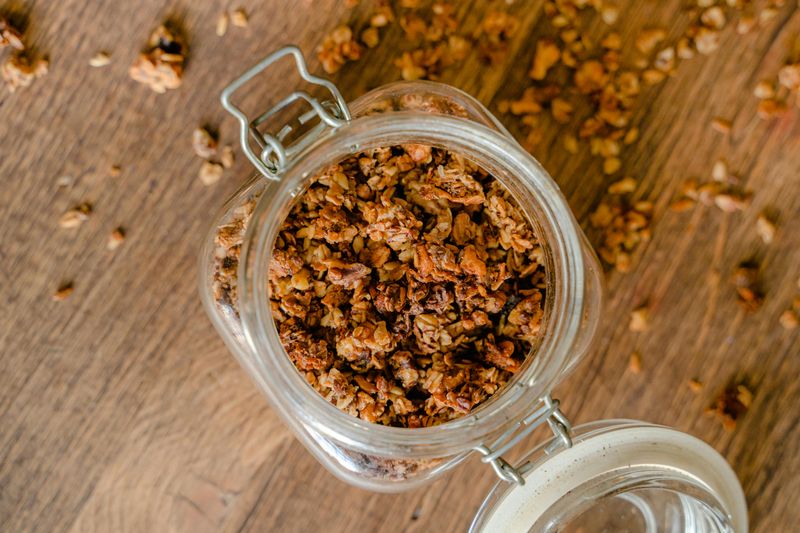
Granola used to feel like a virtuous breakfast, until labels started reading like science experiments. You think oats, nuts, honey, maybe some cinnamon.
Then you spot cane syrup blends, invert sugar, and flavor enhancers crammed between mysterious natural flavors.
Many bags hide seed oils that oxidize quickly. Added fibers and protein isolates seem helpful but often bloat.
When clusters stay unbelievably crunchy, thank glucose syrups and emulsifiers, not grandma style baking.
For granola that acts like food, scan for short ingredients you can pronounce. Choose unsweetened versions and add fruit.
A simple mix of toasted oats, nuts, coconut, and a little maple rebuilds trust.
Yogurt
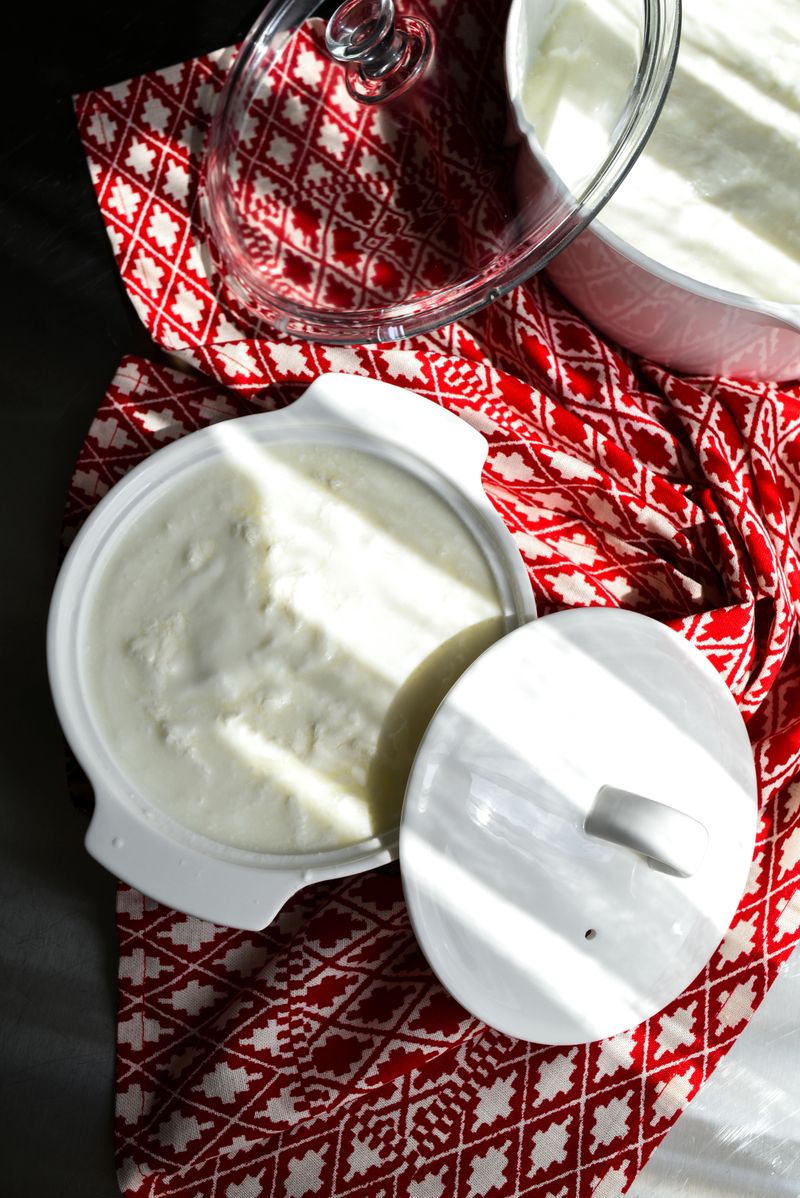
Yogurt sounds simple, right. Milk and cultures, maybe a little fruit.
Then labels pile on thickeners like pectin, gelatin, gellan gum, and carrageenan with sweeteners that promise fewer calories but leave a weird aftertaste.
Fruit on the bottom often hides concentrates, flavorings, and colorants. High protein options may include ultrafiltered milk and starches that change texture more than nutrition.
Low fat versions frequently add sugar to fake richness.
Look for whole milk or low fat with only milk and live active cultures. Add your own fruit or honey.
If you want extra protein, choose strained yogurt instead of powders and gums.
Protein bars
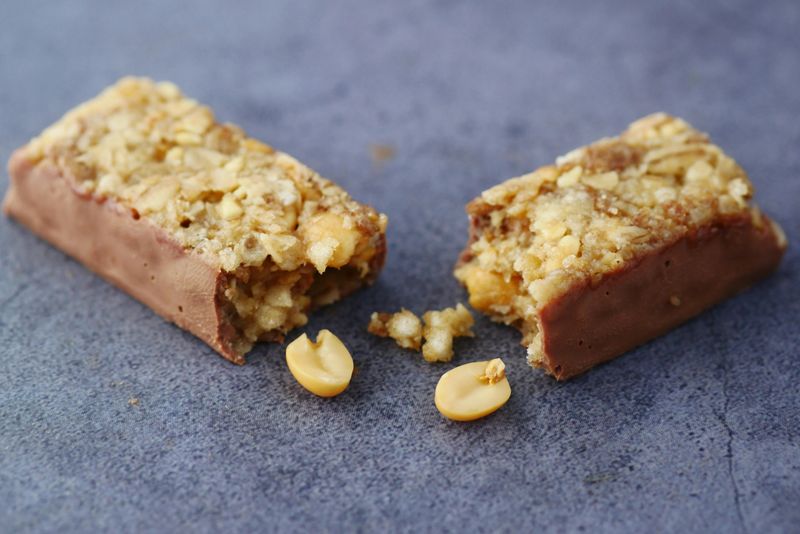
Protein bars used to feel like portable fuel. Now many read like chemistry sets with isolates, fibers, and sugar alcohols that can rumble your stomach mid meeting.
The protein number looks impressive, but digestibility tells the real story.
Look closely for maltitol, erythritol, and chicory root fiber if you are sensitive. Some bars swap sugar for syrups that still spike cravings.
Others rely on natural flavors to mask bitterness from added caffeine or sweeteners.
Choose bars with nuts, seeds, egg whites, or whey as the first ingredients. Fewer lines, better chew.
Or keep roasted nuts and fruit for simpler, predictable energy.
Salad dressing
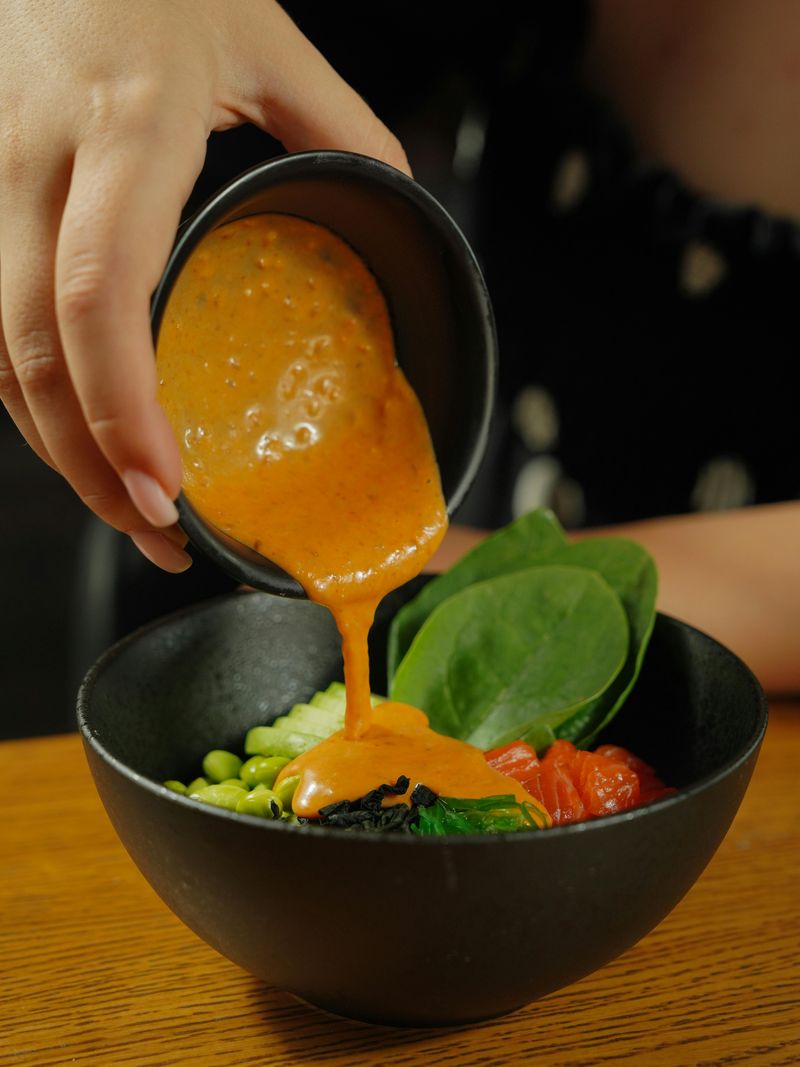
Bottled dressing used to be olive oil, vinegar, and herbs. Now many squeeze in seed oils, gums, and sweeteners that turn lettuce into dessert.
Natural flavors show up where basil and garlic should do the talking.
Creamy versions rely on starches and stabilizers to fake thickness. Light dressings cut fat and add sugar, which defeats the whole salad idea.
Shelf stable bottles often include preservatives that mute freshness.
Flip the label and look for olive oil first, not soybean or canola. Or whisk your own in minutes.
A simple mix of oil, acid, mustard, and salt tastes brighter and saves money.
Breakfast cereal
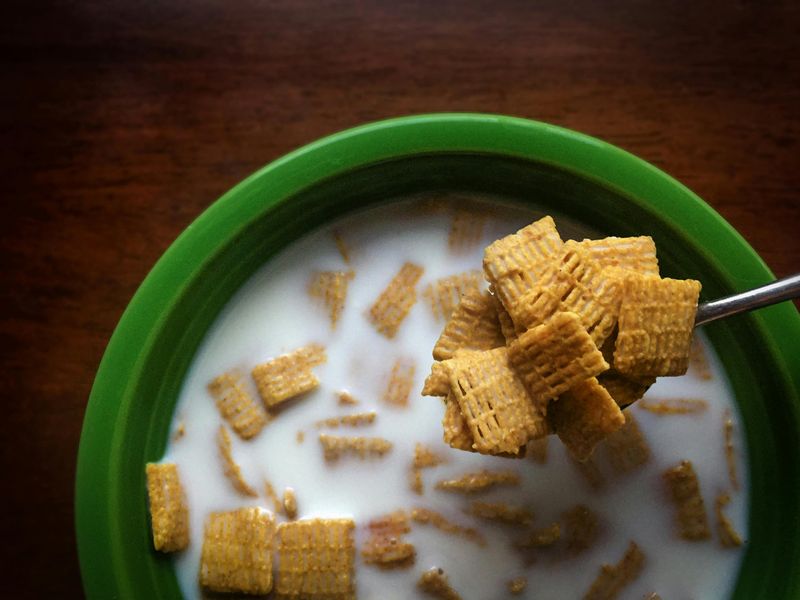
Cereal marketed as wholesome now hides multiple sugars under friendly names. You see whole grains but miss the coatings of syrups and flavorings that keep flakes crisp forever.
Fortification tries to backfill what processing stripped.
Even adult flavors sneak marshmallow energy in different costumes. High protein claims often rely on wheat gluten or added isolates.
Multigrain sounds healthy while the blend still leans heavily on refined starch.
Scan for single digit sugar per serving and short ingredient lists. Plain oats or shredded wheat play nicely with fruit.
If crunch matters, toast nuts and seeds to top a simpler base.
Flavored oatmeal
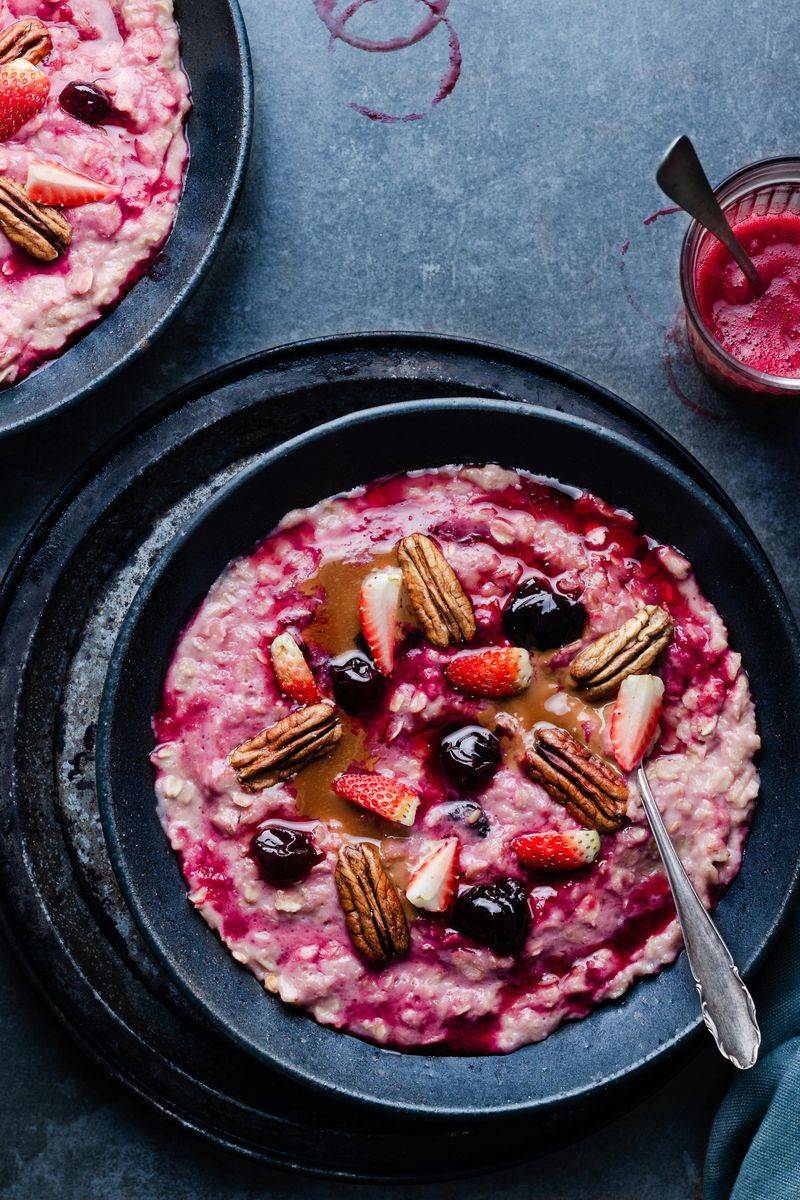
Those instant packets once meant oats and cinnamon. Now flavors often carry brown sugar, syrups, and natural flavors that taste like pie for breakfast.
Texture boosters and gums attempt creaminess without real milk.
Extra protein versions sometimes add powders that turn gummy. Fruit varieties may rely on tiny dried bits sweetened with juice concentrate.
Sodium can sneak in to amplify sweetness and hide bitterness from sweeteners.
Buy plain oats and build your own bowl. Stir in peanut butter, sliced banana, and a pinch of salt for balance.
A splash of milk, cinnamon, and nuts beats mystery flavors every time.
Plant based burgers
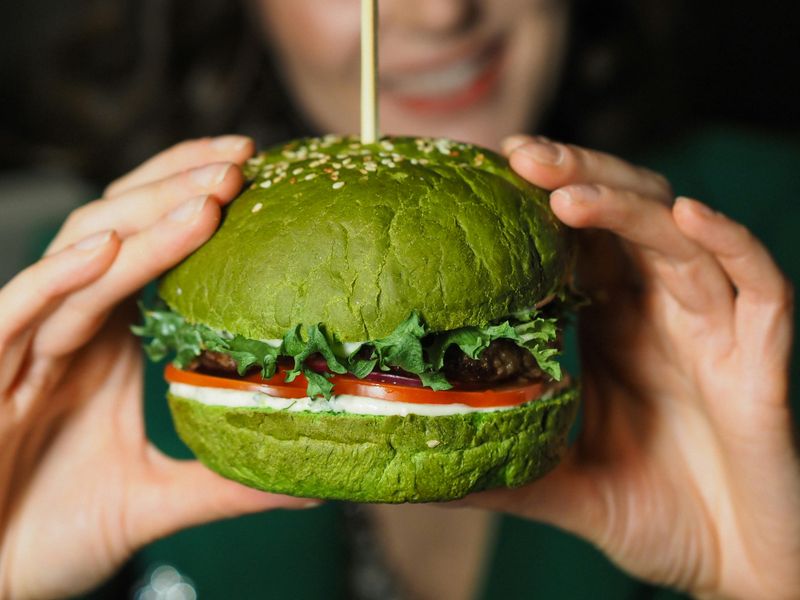
Plant burgers promised simple veggie goodness, yet labels got long fast. Protein isolates, methylcellulose, and flavor systems now stand in for beans, grains, and spices.
The sizzle often comes from refined oils and engineered heme flavor.
Sodium can rival deli meats, while the fiber you expect may be minimal. Some brands color with concentrates that fade in cooking, demanding more additives.
The burger shape sells convenience more than nutrition.
Seek patties built from whole beans, mushrooms, and grains you recognize. Or mash your own with spices.
If you want meaty bite, cook cast iron hot and keep toppings straightforward.
Deli turkey slices
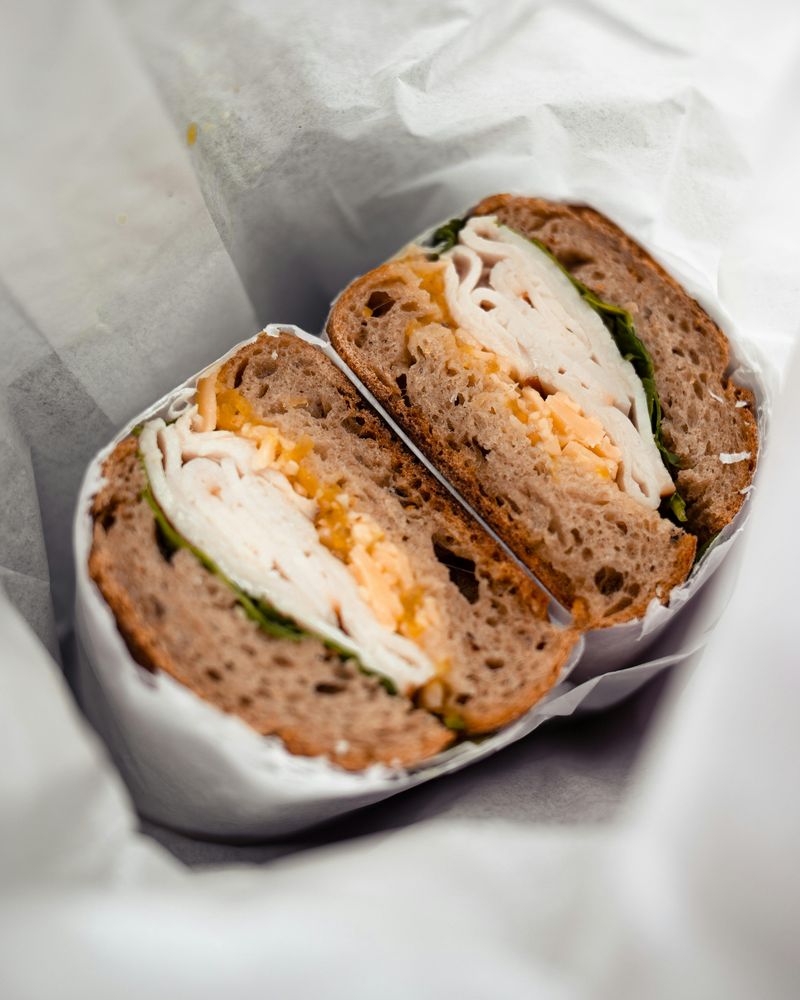
Turkey should be turkey, period. But sliced packs often include carrageenan, modified starches, and phosphates to keep water locked in and texture springy.
Low fat claims can mask a surprising sodium load.
Flavor boosters add smoke essence and natural flavors that read like shortcuts. The pinkish sheen is less farm fresh and more processing.
You expect lean protein, then get a sandwich that guzzles your daily salt quota.
Look for turkey, salt, and spices only. Better yet, slice leftovers or a simple roasted breast.
A sharp knife and airtight container beat slippery slices and label acrobatics.
Ham slices

Ham feels classic, yet packages can hide nitrites, dextrose, and smoke flavor. Water added products stretch meat with brines that dilute taste but keep slices glossy.
Sweet glazes sneak into savory options under gentle names.
Texture improvers help paper thin slices survive shipping. The result is bouncy rather than tender.
Even natural brands may use celery powder, which still behaves like nitrite for preservation and color.
Seek uncured options with simple brines, or buy a small roast and slice at home. Balance with crunchy veggies and mustard.
You will taste pork again, not lab work.
Frozen “healthy” meals
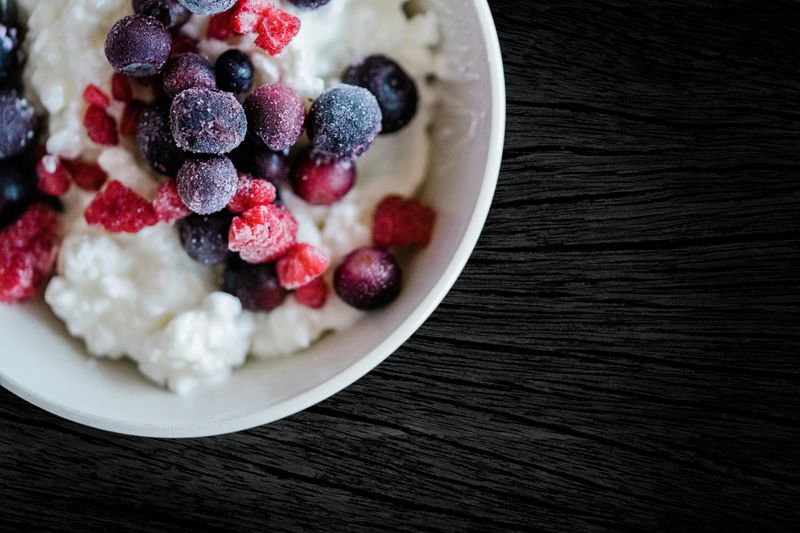
Healthy frozen meals promise balance, then pad sauces with starch, sugar, and gums. Portions look neat on the box but skimpy on a plate.
Veggies can be colored bright yet taste sleepy from overcooking.
Protein counts include breaded bits or textured soy that feel filling more than nourishing. Sodium rides high to wake up muted flavors.
Microwaves cannot fix dull ingredients masked by frosting sauces.
Scan the panel for protein above fiber and reasonable salt. Add a quick side salad or extra veggies.
When time allows, cook double portions and freeze your own bowls for honest convenience.
Almond milk
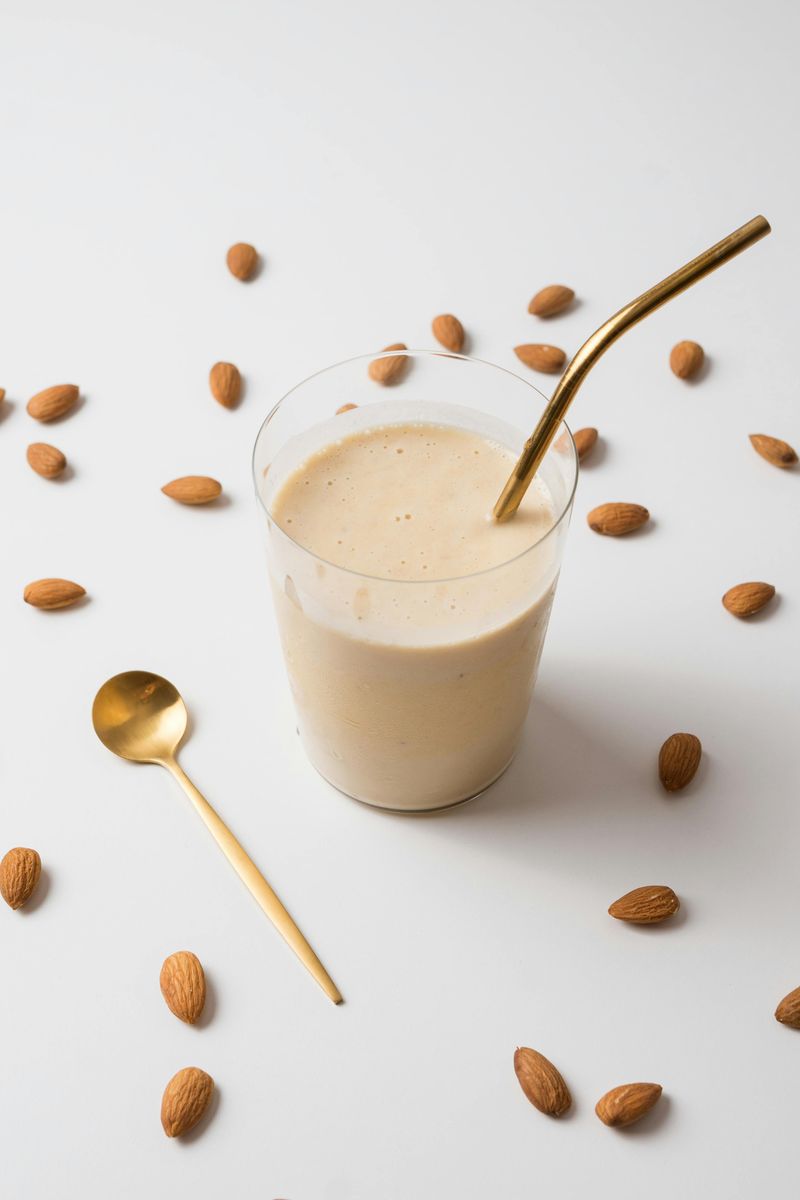
Almond milk sounds like nuts and water, but cartons often carry gums, lecithins, and flavors. Some have barely any almonds, leaning on thickeners for body.
The vitamin panel looks heroic to compensate for skimpy base ingredients.
Sweetened versions slide sugar into coffee and cereal. Barista blends pour great because of added oils and stabilizers.
If yours never separates, that is the additives doing the work, not almonds.
Pick unsweetened varieties with few additives, or blend your own. Soak, blend, strain, and add a pinch of salt.
Fresh almond milk tastes light, and you control what is inside.
Flavored coffee creamer

That splash of creamer once felt harmless, then labels grew wild. Many use vegetable oils and corn syrup solids to fake dairy creaminess.
Natural and artificial flavors carry the vanilla, caramel, or hazelnut you expect.
Zero sugar versions often swap in sucralose or acesulfame potassium with lingering aftertastes. Seasonal flavors can push colorings and gums for pourable drama.
A small habit becomes a daily chemistry drip.
Try half and half with a touch of maple or real vanilla. Or froth milk to add texture without tricks.
If you love flavors, infuse cold brew with cinnamon sticks.
Peanut butter
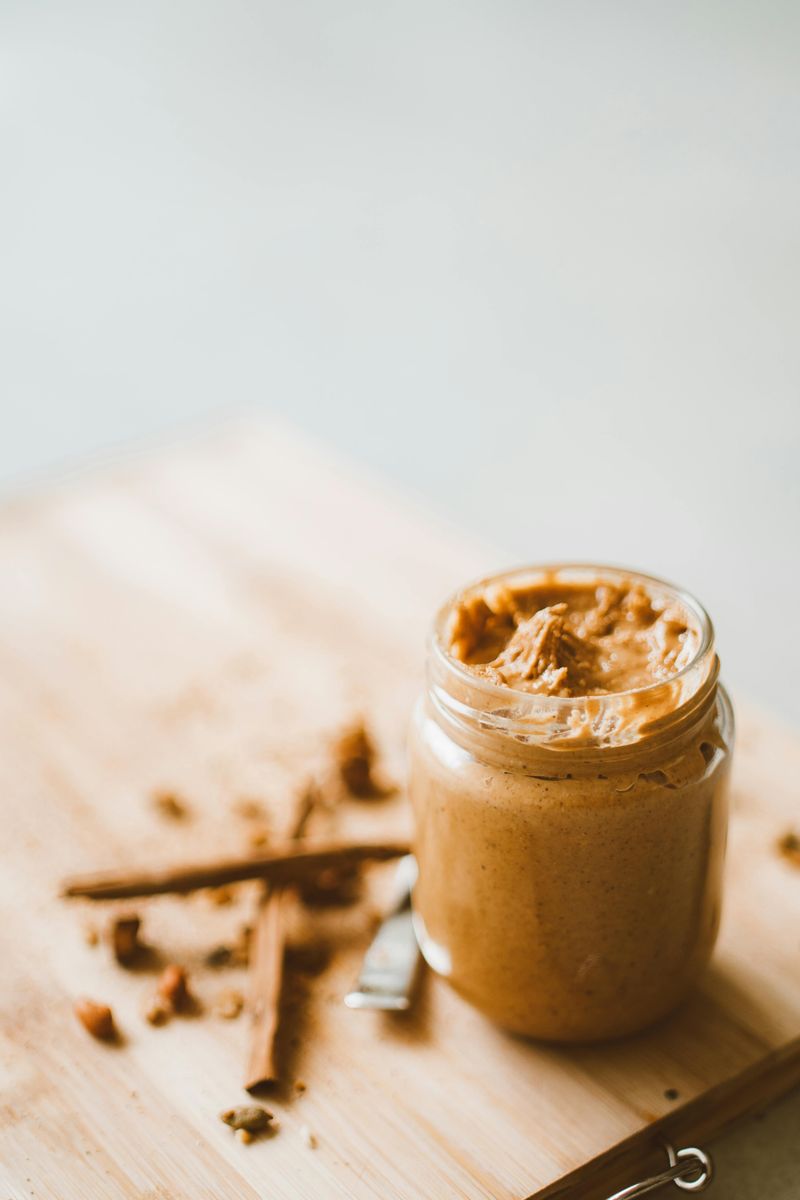
Peanut butter used to be peanuts and salt. No stir jars often mean sugar and stabilizers, turning spreadable into candy territory.
Hydrogenated oils keep it smooth but sidestep the point of peanuts.
Reduced fat versions add starches and sweeteners to replace flavor lost with fat. Flavored varieties stack syrups and chocolatey bits for dessert vibes.
You want protein and healthy fats, not a stealth frosting.
Choose jars that list peanuts, maybe salt. Stir once, store in the fridge, and it behaves.
For a treat, add honey yourself and keep control over sweetness and texture.
Trail mix
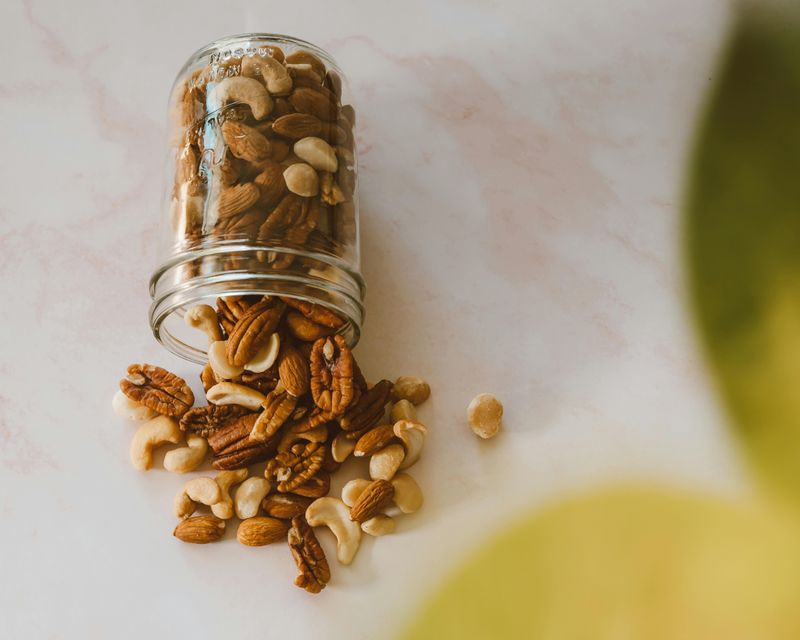
Trail mix sounds rugged until candy pieces and yogurt chips move in. Coated fruits carry added sugar and oils that melt in your backpack.
Salt and sweet creep up quickly when clusters hide syrups.
Roasted nuts often use seed oils that taste stale after a week. Tiny serving sizes make calories look gentler than reality.
Natural flavors try to simulate real vanilla while the mix leans heavily processed.
Buy raw or dry roasted nuts and plain dried fruit. Add dark chocolate sparingly for morale.
A pinch of salt and toasted coconut gives crunch without mystery coatings.
Jerky
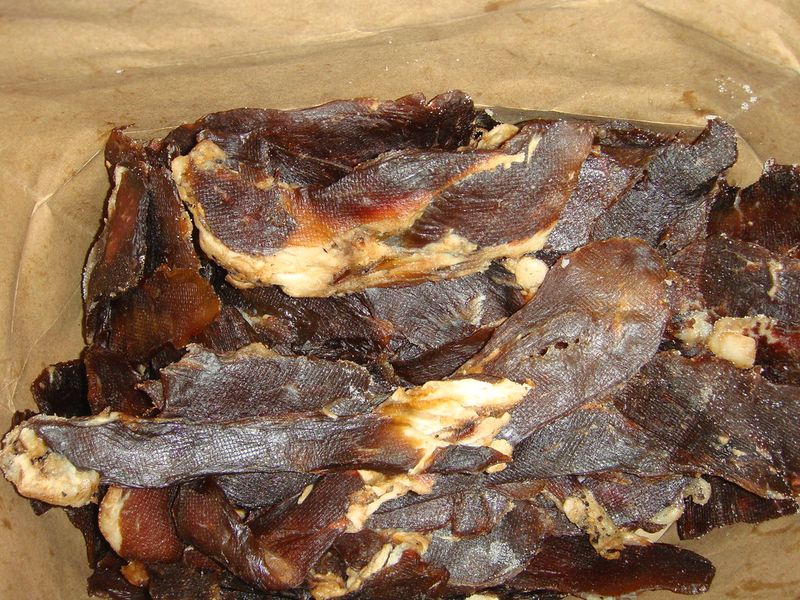
Jerky once meant meat, salt, and smoke. Modern bags pack sugar, soy sauce, and sometimes nitrites for chew and color.
Teriyaki and sweet heat flavors push it into candied territory.
Soft textures may signal added tenderizers or glycerin. Some turkey or plant versions lean heavily on flavorings to imitate smoke.
Sodium climbs fast, turning a snack into a stealth salt bomb.
Pick jerky with short, recognizable ingredients. Meat, salt, pepper, maybe vinegar or real smoke.
Or dehydrate your own slices and season simply for a clean, high protein bite on the go.
Marinara sauce
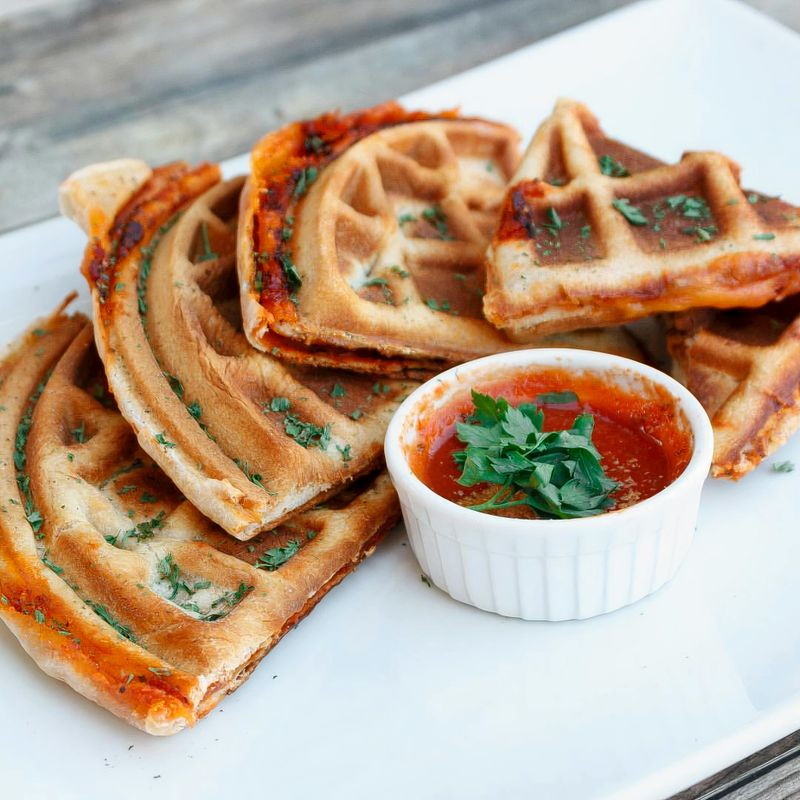
Tomato sauce should sing with tomatoes, olive oil, garlic, and salt. Many jars cut costs with puree, seed oils, and sugar to cover weak tomatoes.
Natural flavors and onion powder try to mimic simmered depth.
Creamy vodka styles sometimes skip cream and lean on starch for body. Low sodium versions taste flat unless herbs are real.
Acid control can include additives instead of a long cook.
Buy jars with tomatoes first, olive oil, and recognizable herbs. Taste for brightness and a little texture.
Or simmer canned tomatoes with garlic and basil for thirty minutes and win dinner.
Bread loaf
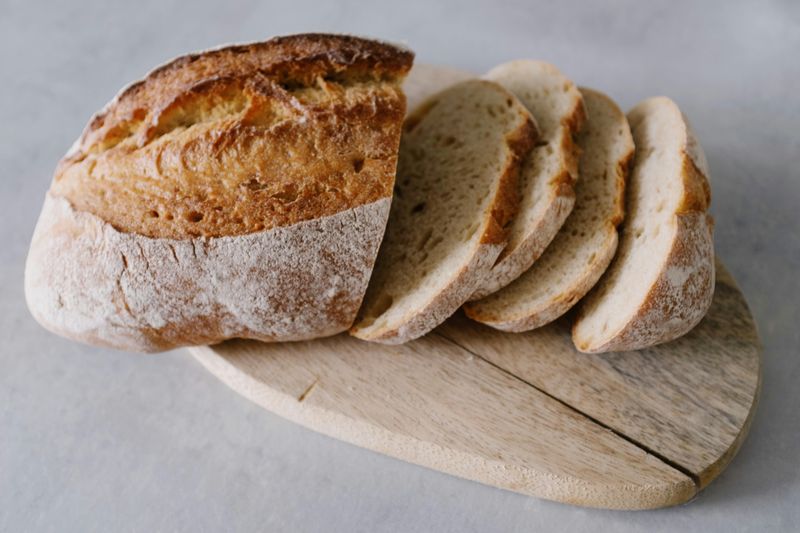
Bread feels basic, but packaged loaves add sugars, emulsifiers, and dough conditioners for softness that lasts weeks. Enriched flour replaces what milling removed.
Fiber claims may rely on added inulin that upsets some stomachs.
Whole grain labels can hide mostly refined flour. Seed toppings suggest hearty, yet the inside eats like cake.
Sweeteners pop up under several names to boost browning and flavor.
Choose loaves with flour, water, salt, yeast, and maybe seeds. Short shelf life means fewer tricks.
If you can, buy from a bakery or bake once a week and freeze slices.
Fruit snacks
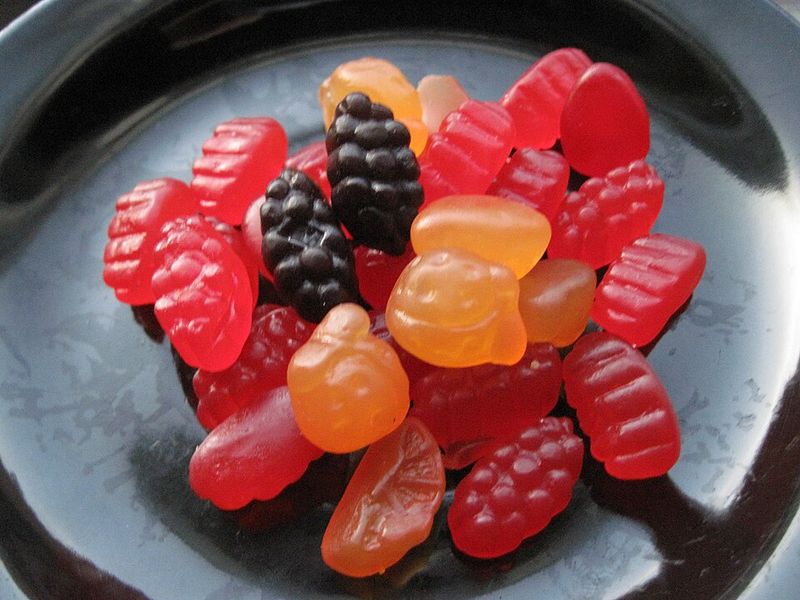
Fruit snacks wear a health halo but lean on juice concentrates and syrups. Shapes and colors distract from candy level sweetness.
Natural flavors and color extracts keep the vibe wholesome while the sugar rush stays real.
Added vitamins do not turn gummies into produce. Gelatin and pectin make bouncy textures kids love.
Portion pouches look small, yet a few add up faster than you expect.
Offer real fruit or dried slices without added sugar. If snacks are needed, pick options with fruit puree first and minimal extras.
Keep them occasional treats, not daily stand ins for apples.
Smoothie bottles
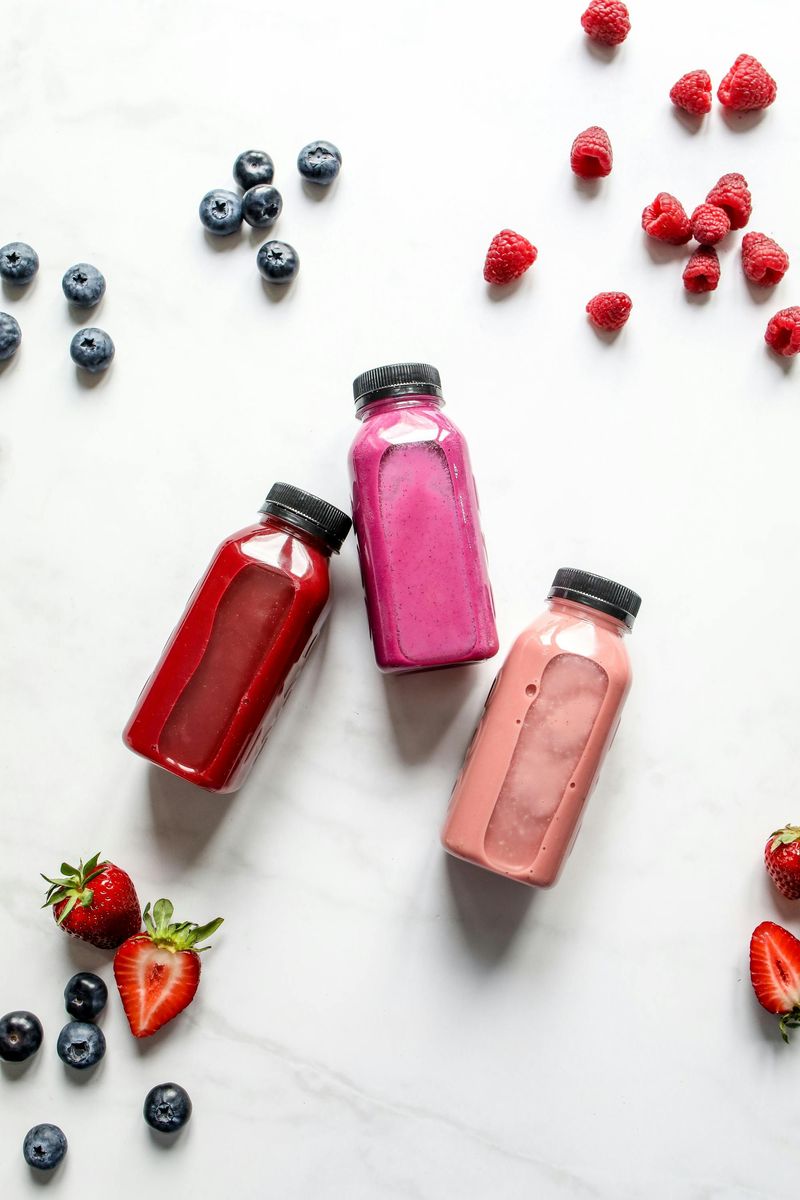
Bottled smoothies feel like shortcuts to wellness, but many are mostly fruit juice. Fibers get blitzed thin or added back as powders.
Natural flavors and vitamins help the health story while sugar grams climb.
Protein versions rely on isolates that can taste chalky. Green blends sometimes hide tiny spinach behind apple and pear.
The bottle looks thick, yet satiety fades quickly without real protein and fat.
Blend your own with yogurt or kefir, greens, and frozen fruit. Add nut butter or chia for staying power.
If you buy bottles, seek ones listing actual puree and lower sugar.
Soup in a can
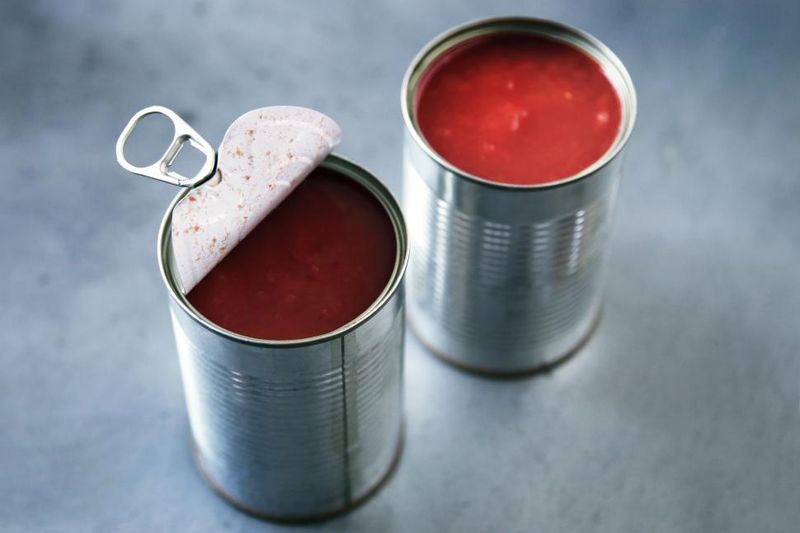
Soup once meant leftovers simmered slowly. Cans often balance water with starch, salt, and flavor enhancers to fake homemade depth.
Vegetables can be tiny and tired from long processing.
Light versions reduce fat and crank up thickeners. Creamy styles might not use much cream at all.
You finish the bowl thirsty, aware the salt did the heavy lifting more than stock.
Look for low sodium options and add your own seasoning. Stir in frozen veggies and leftover chicken to improve texture.
When you can, batch cook soup and freeze quarts for quick, honest comfort.
Enjoyed this story?
Add Fast Food Club as a preferred source to see more of our reporting on Google.