


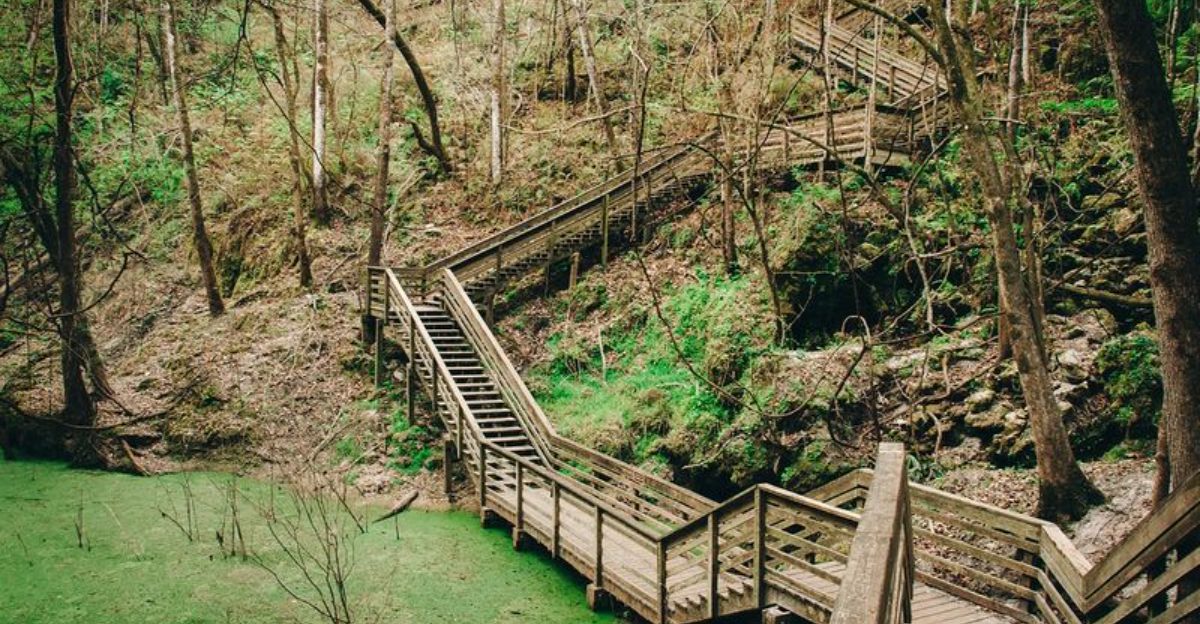
Tucked right inside the city of Gainesville, Florida, Devil’s Millhopper Geological State Park is one of those rare places that makes you feel like you’ve stepped into a completely different world. A massive sinkhole stretching 120 feet deep and 500 feet wide cradles a lush mini rainforest, complete with small waterfalls and unique wildlife found nowhere else in the region.
Visitors descend a winding wooden staircase to reach the bottom, making this trail unlike anything else in the Sunshine State. Whether you’re a nature lover, a curious explorer, or just looking for a cool escape from the Florida heat, this park delivers a truly one-of-a-kind adventure.
The Iconic Wooden Staircase: Your Gateway to the Deep
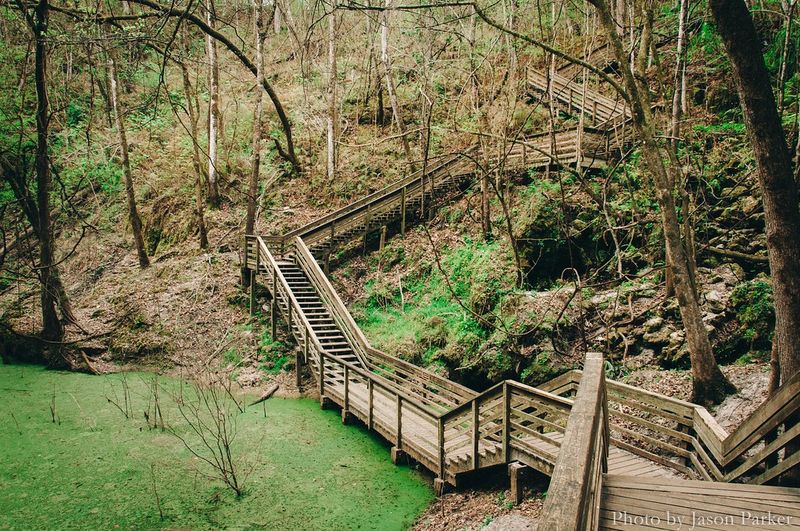
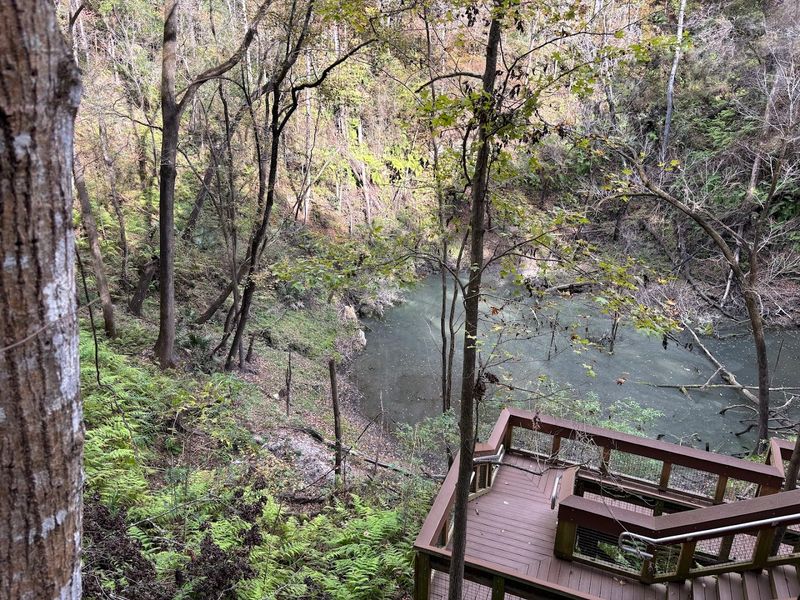
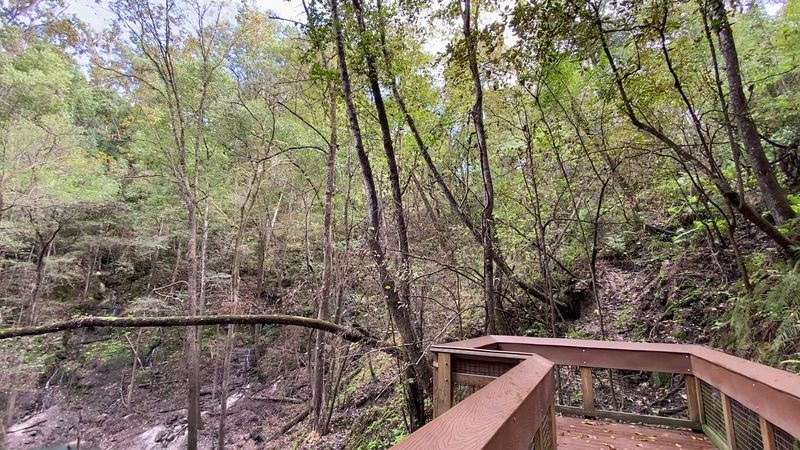
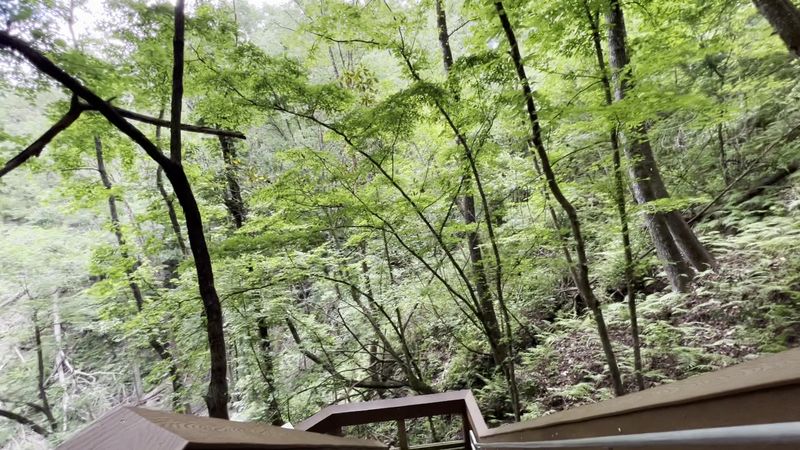
Few staircases in Florida carry the same sense of wonder as the one spiraling down into Devil’s Millhopper. The beautifully rebuilt boardwalk and stair system winds 132 steps down into the earth, with rest landings placed at regular intervals so you can catch your breath and soak in the scenery.
Even if you’re not in peak hiking shape, these thoughtful rest stops make the descent manageable for most visitors. Each landing offers a fresh view of the sinkhole’s layered walls, dripping with ferns and mossy growth.
Climbing back up is where you’ll really feel the workout — think of it as a natural StairMaster surrounded by breathtaking scenery. Many visitors say the climb down is worth every step of the climb back up.
Wear supportive shoes and take your time; there’s no rush when the view is this good.
The Sinkhole Itself: A Geological Marvel Hiding in Plain Sight
Geologically speaking, sinkholes form when underground limestone dissolves over thousands of years, causing the ground above to collapse. Devil’s Millhopper is a textbook example of this process — a funnel-shaped cavity stretching roughly 120 feet deep and 500 feet wide that formed long before Gainesville was ever a city.
What makes this sinkhole extra special is what grew inside it. Because the basin stays cooler and more humid than the surrounding land, plants and animals that typically live farther north have taken root here, creating a rare microclimate ecosystem.
Fossils of ancient sharks, camels, and giant armadillos have even been discovered in the sinkhole’s sediment layers over the years. Standing at the rim and gazing down into that green abyss gives you a real sense of just how powerful and patient nature truly is.
It’s genuinely humbling.
The Mini Rainforest Ecosystem Thriving at the Bottom
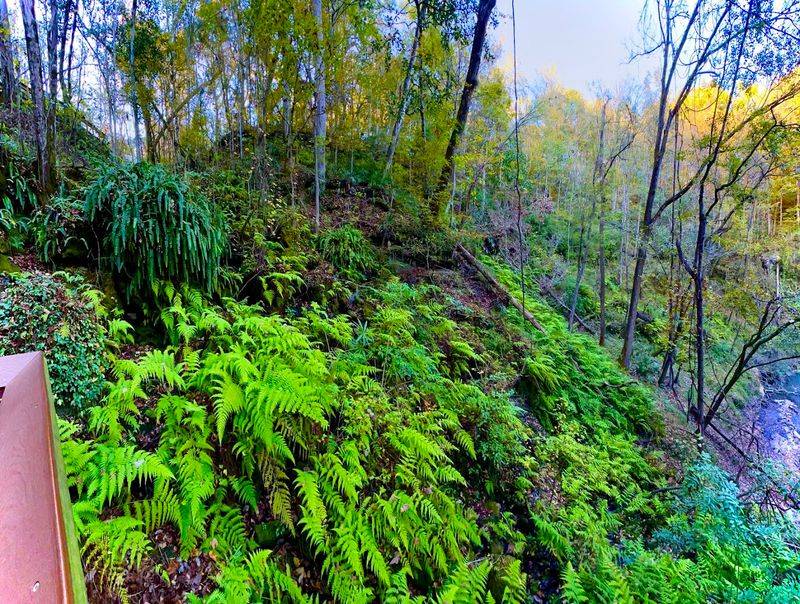
Stepping down into Devil’s Millhopper feels like teleporting to the Pacific Northwest — or even a tropical rainforest — while still being smack in the middle of Florida. The sinkhole’s depth creates a cooler, shadier microclimate that supports plant species rarely seen elsewhere in the state.
Thick ferns carpet the walls, mosses cling to every surface, and the air feels noticeably cooler and damper as you descend. Wildflowers, lichens, and delicate woodland plants thrive in conditions that the flat, sunny Florida landscape outside simply can’t provide.
Wildlife also calls this unusual ecosystem home, from salamanders and rare insects to birds that prefer the shaded forest floor. Rangers have documented species here that are more commonly associated with Appalachian forests hundreds of miles away.
It’s a living science lesson, and honestly, one of the most visually stunning surprises you’ll find anywhere in North Central Florida.
Small Waterfalls That Bring the Sinkhole to Life
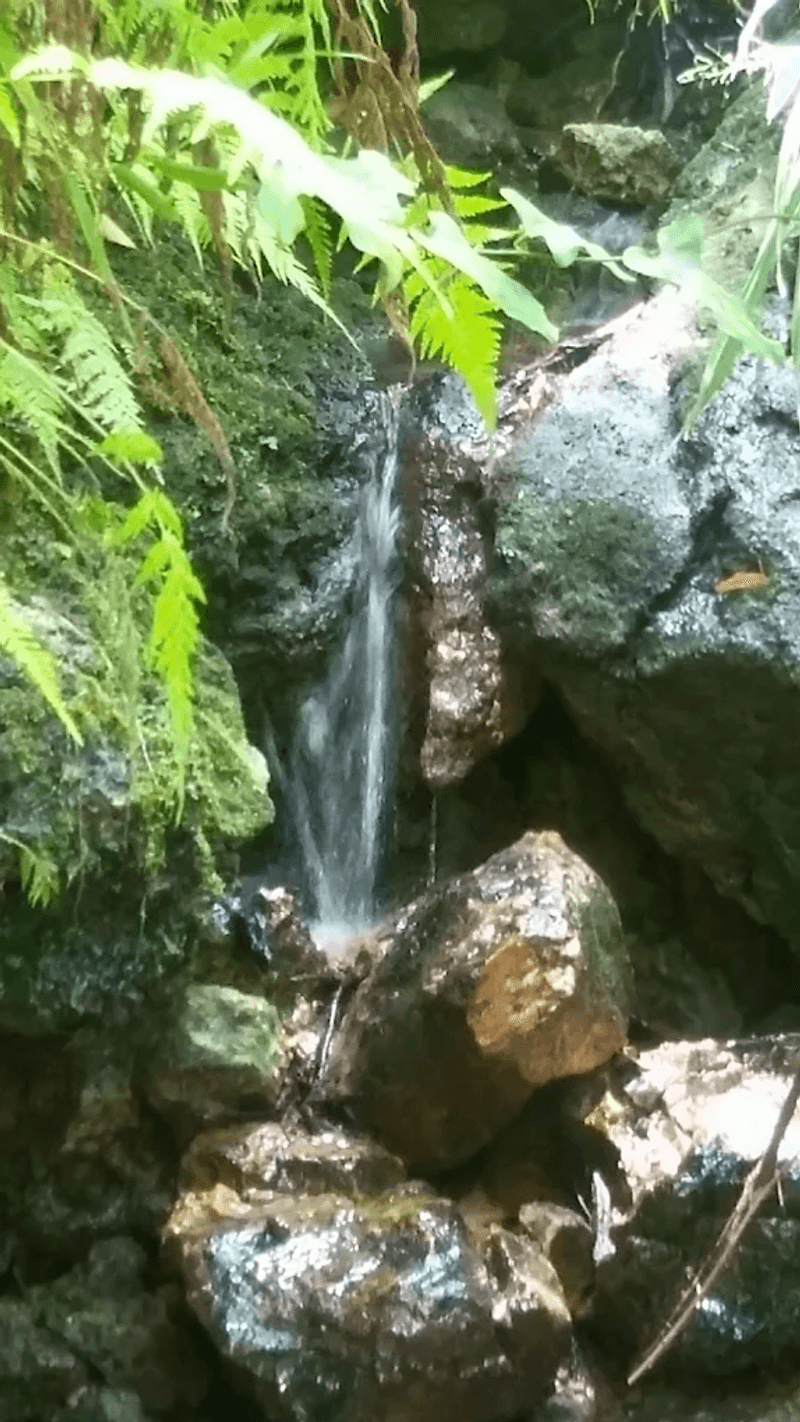
After a good rain, Devil’s Millhopper transforms into something almost magical. Thin ribbons of water trickle and cascade down the sinkhole’s sloped walls, feeding a small stream that collects at the basin below.
Visitors who time their trip after rainfall are often treated to a dozen or more tiny waterfalls at once.
Even during drier stretches, a few seeps and trickles usually remain active, keeping the walls damp and the ecosystem hydrated. One reviewer noted visiting during a drought and still finding the experience worthwhile, though they mentioned the waterfall action was limited compared to wetter seasons.
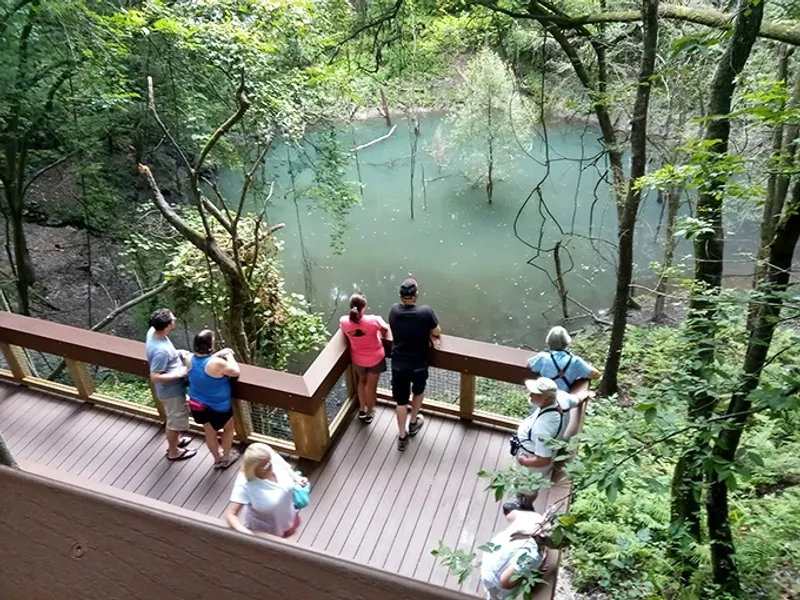
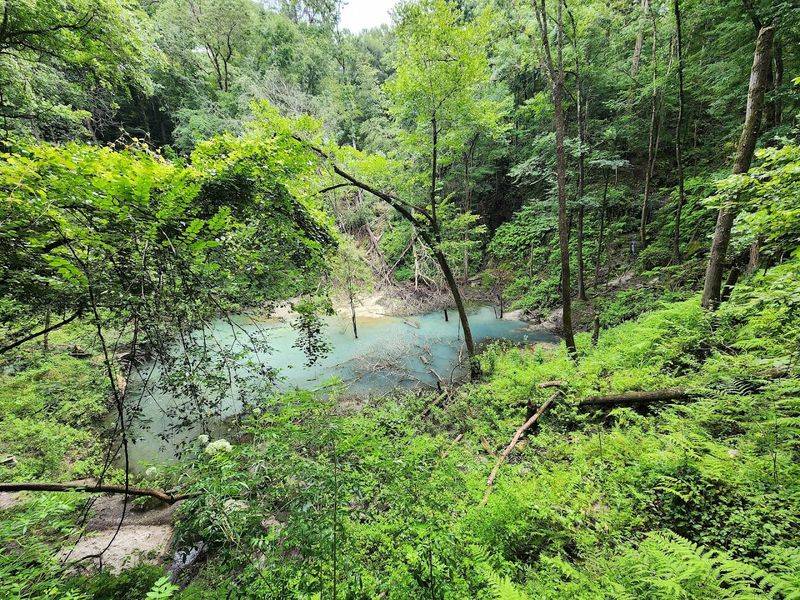
Early morning visits tend to show the water at its most striking — some guests have described the basin water appearing a beautiful bluish color in morning light before it shifts to a warmer brown tone during the day. Plan your timing wisely for the best visual payoff.
The Rim Trail: A Shady Half-Mile Loop Worth Every Step
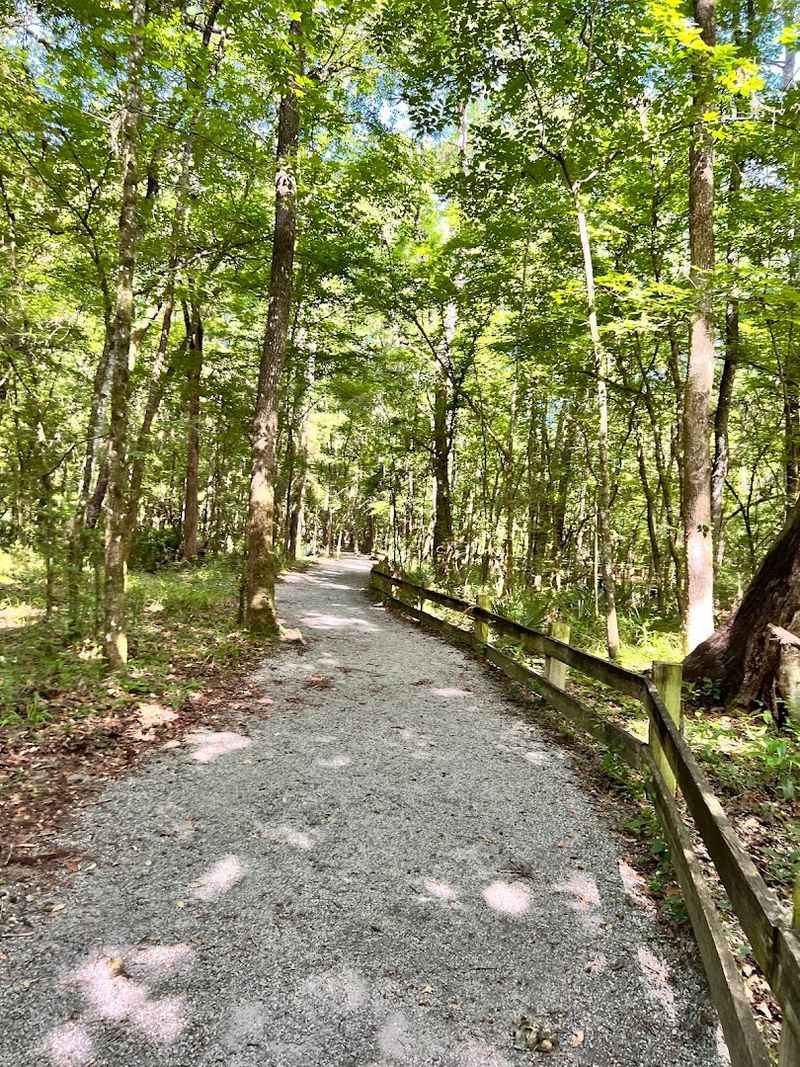
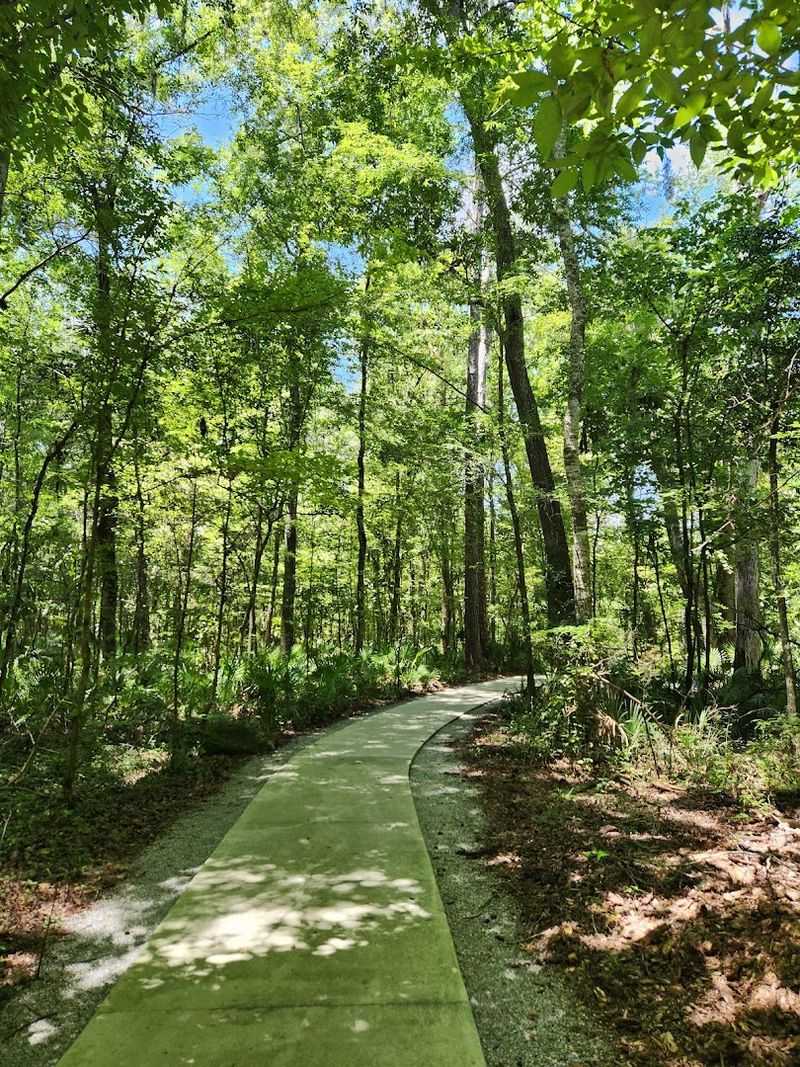
Not everyone wants to tackle the stairs, and that’s perfectly fine — the rim trail at Devil’s Millhopper offers its own quiet rewards. This easy half-mile loop circles the top edge of the sinkhole, weaving through tall trees and dappled shade that makes it pleasant even on warm Florida afternoons.
Wooden benches are placed at strategic points along the trail, giving you comfortable spots to sit, breathe, and listen to the forest around you. Several reviewers specifically mentioned how peaceful the trail feels, with almost no road noise filtering through the thick canopy overhead.
A charming wooden bridge crosses one of the small creeks that feeds into the sinkhole below, and if you watch your step around exposed roots, the walk is genuinely easy for most fitness levels. Bring a pair of binoculars — birding along this trail is surprisingly rewarding, with owls occasionally spotted in the trees.
The Visitor Center: Where Science Meets Storytelling
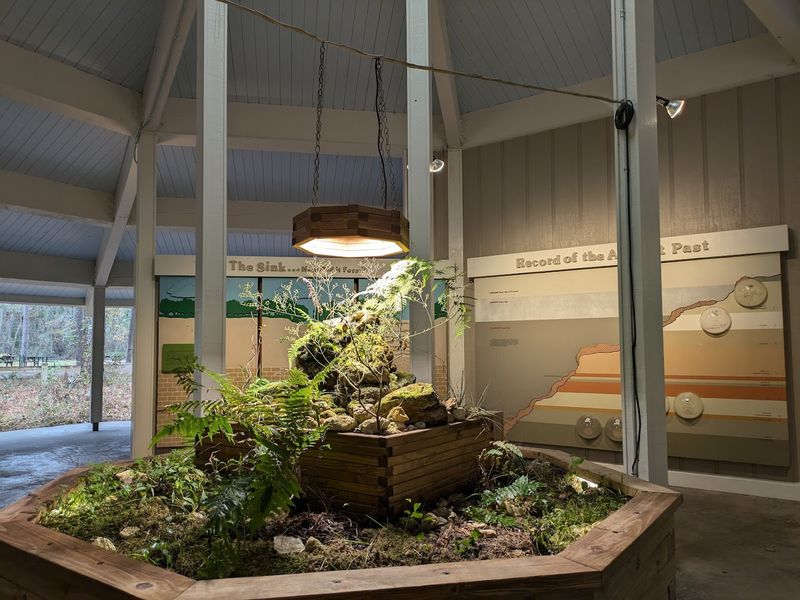
Before you even reach the sinkhole, the park’s visitor center sets the stage with genuinely impressive educational displays. The renovated center features exhibits that explain how sinkholes form, what fossils have been discovered here, and why this particular sinkhole supports such an unusual ecosystem.
Fossil discoveries from the site include remains of ancient sharks, giant tortoises, and extinct mammals — which makes the park feel like a window into prehistoric Florida rather than just a pretty hole in the ground. The displays are engaging enough to hold kids’ attention and detailed enough to satisfy curious adults.
Clean, spacious restrooms are located here too — multiple reviewers called them out specifically as being well-maintained and notably large. Rangers are typically on hand to answer questions and can add fascinating context to what you’re seeing.
If guided walks interest you, Saturday morning ranger-led tours are available and highly recommended for deeper insight.
Admission and Parking: Surprisingly Affordable and Stress-Free
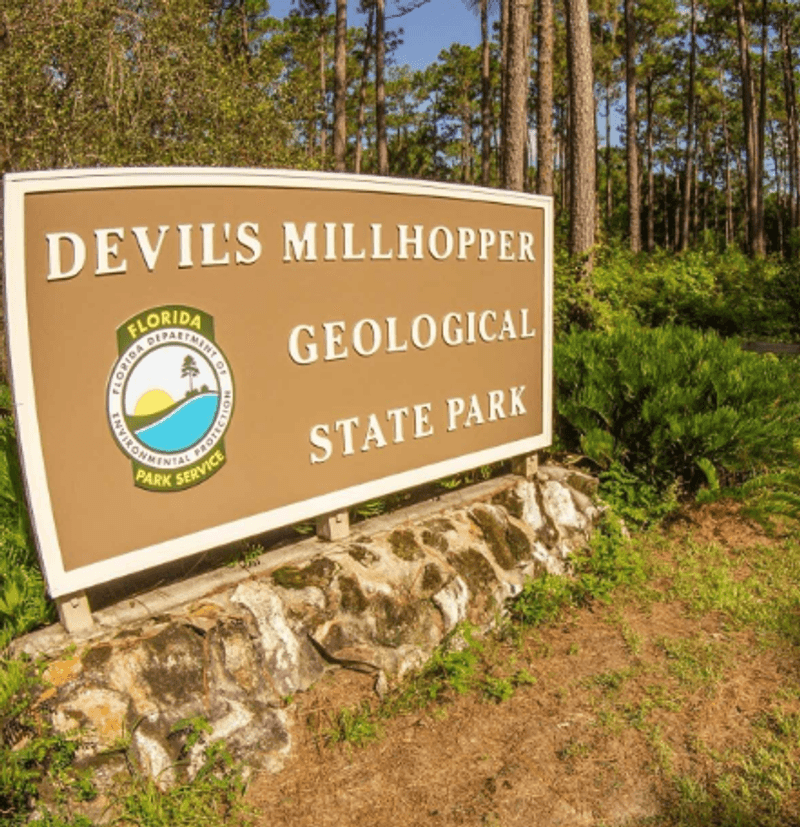
Visiting a geological wonder doesn’t have to break the bank. Entry to Devil’s Millhopper costs just $4 per vehicle, making it one of the most affordable state park experiences in Florida.
Payment is handled conveniently via a QR code at the park entrance, so you don’t need cash on hand.
Florida State Parks annual pass holders get in free, which is worth considering if you plan to visit multiple parks throughout the year. Several reviewers mentioned arriving on busy weekend mornings and still finding plenty of parking available — a welcome relief compared to more crowded Florida attractions.
The parking area itself is shaded by a generous tree canopy, which means your car won’t turn into an oven while you’re exploring. Picnic tables and grills are also set up near the lot, making it easy to pack lunch and turn a quick visit into a full relaxed morning outdoors.
Pet-Friendly Trails: Bring Your Four-Legged Explorer
Good news for dog owners — Devil’s Millhopper welcomes pets on leashes throughout the park. Several visitors have mentioned bringing their dogs along for the rim trail walk, and the shaded, cool environment makes it a comfortable outing for furry companions, especially during Florida’s hotter months.
The half-mile rim loop is easy enough for most dogs of any size or age, and the wooden bridge and forest path offer plenty of sniffing opportunities that will keep even the nosiest pup entertained. Just make sure to bring water for your pet, as there are no dedicated dog water stations on the trail.
Keep in mind that leash rules are strictly enforced, both for the safety of wildlife and other visitors. The sinkhole’s delicate ecosystem hosts sensitive plant and animal species, so staying on designated paths and keeping pets controlled is genuinely important — not just a formality.
Picnic Areas: The Perfect Spot for a Post-Hike Meal
After working up an appetite on 264 steps round-trip, the last thing you want is to drive somewhere for food. Luckily, Devil’s Millhopper has a picnic area right near the parking lot, complete with tables and grills that make it easy to set up a proper outdoor meal without any fuss.
The area is shaded by mature trees, so even on sunny days it stays comfortable enough to sit and relax. Families with kids especially appreciate having a dedicated space to spread out, eat, and decompress after the hike without needing to rush back to the car.
Pack sandwiches, snacks, or even something to grill — this is one of those parks where lingering is genuinely encouraged. A few reviewers mentioned making a whole morning of it, combining the trail with a leisurely picnic before heading back into Gainesville.
It’s a simple pleasure that feels just right in this setting.
Accessibility Features: A Park That Welcomes Everyone
Not every incredible natural landmark is easy to access for visitors with mobility challenges, but Devil’s Millhopper makes a genuine effort to be inclusive. The park offers handicap-accessible facilities near the visitor center, and the rim trail’s relatively flat terrain makes it manageable for many visitors with limited mobility.
The stairs into the sinkhole do present a challenge for wheelchair users or those with significant mobility restrictions, but the view from the rim is still impressive and well worth the trip. Rest benches along the trail also help visitors who need frequent breaks to still enjoy the full loop comfortably.
Rangers are friendly and willing to help visitors understand what areas are most accessible for their specific needs. One reviewer specifically highlighted the park’s accessibility as a positive feature, noting it caters well to a wide range of visitors.
Planning ahead by calling the park at +1 352-955-2008 can help you prepare for a smooth visit.
Guided Saturday Morning Walks: Learn From the Rangers
Self-guided exploration is great, but there’s something special about hearing the stories behind what you’re seeing from someone who knows this park inside and out. Every Saturday morning, park rangers lead guided walks through Devil’s Millhopper, sharing geological history, ecological insights, and fascinating facts that you’d likely miss on your own.
These guided tours are especially worthwhile for families with school-age kids, curious adults, and anyone who wants to understand the science behind the sinkhole rather than just admiring it visually. Rangers have a knack for making geology feel exciting and relevant, even for visitors who don’t normally geek out over rocks and soil layers.
Check the park’s official website at floridastateparks.org or call ahead to confirm tour times and availability. Arriving a few minutes early gives you a chance to chat with the ranger and ask questions before the walk officially begins.
It’s a low-key, genuinely enriching experience.
Best Time to Visit: Timing Your Trip for Maximum Wow Factor
Timing really does make a difference at Devil’s Millhopper. Early morning visits — especially on weekdays — tend to offer the most peaceful experience, with fewer crowds and softer light filtering through the canopy.
Morning light also tends to make the water at the basin appear a striking bluish color, which shifts to a warmer brown tone as the day progresses.
Visiting after rainfall is another strategy worth considering. The waterfalls become far more dramatic following a good storm, and the whole sinkhole feels even more alive and atmospheric when water is actively cascading down its walls.
Winter and early spring tend to bring more rainfall and cooler temperatures, making them ideal seasons for a visit.
Summer visits are still enjoyable thanks to the sinkhole’s naturally cooler microclimate, though the Florida heat above the rim can be intense. Arriving before 9 a.m. during summer months gives you the best chance of a comfortable, crowd-free experience.
What to Wear and Bring: Packing Smart for the Millhopper Trail
Proper footwear is the single most important thing to get right before visiting Devil’s Millhopper. The wooden stairs can be slippery, especially after rain, and the rim trail has exposed tree roots that can catch you off guard in flip-flops or casual shoes.
Closed-toe shoes with good grip are strongly recommended by park rangers and veteran visitors alike.
Water is essential, particularly in warmer months. While the sinkhole stays cooler than the surrounding landscape, climbing 132 steps back to the top will absolutely work up a sweat.
Bringing a reusable water bottle helps you stay hydrated without generating unnecessary waste in this sensitive natural area.
A light jacket or layer can be surprisingly useful — the temperature inside the sinkhole drops noticeably compared to the rim, and first-time visitors are sometimes caught off guard by the chill. Bug spray, a small camera, and a curious attitude round out the ideal Millhopper packing list perfectly.
Enjoyed this story?
Add Fast Food Club as a preferred source to see more of our reporting on Google.