


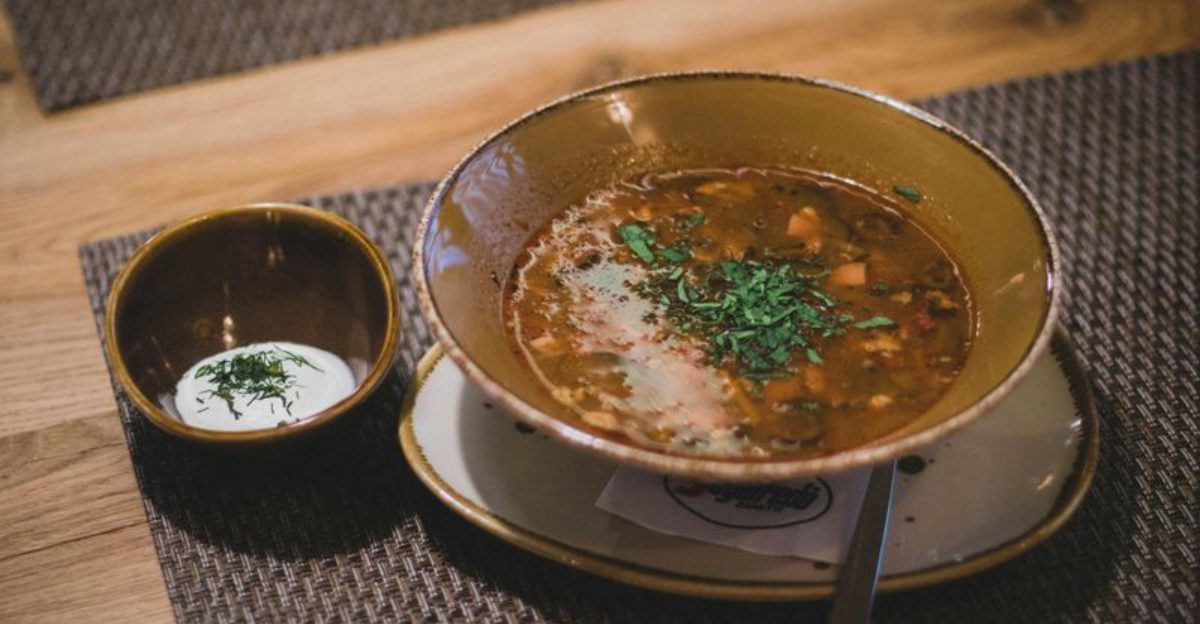
Ever wonder why some dishes arrive lightning fast and always taste the same, no matter where you order them? Many restaurant favorites are pre-cooked off-site, then reheated and dressed up to look homemade.
That is not always a bad thing, but it helps to know what you are paying for. Here is how to spot the common culprits and choose smarter without losing the flavor you love.
Chili
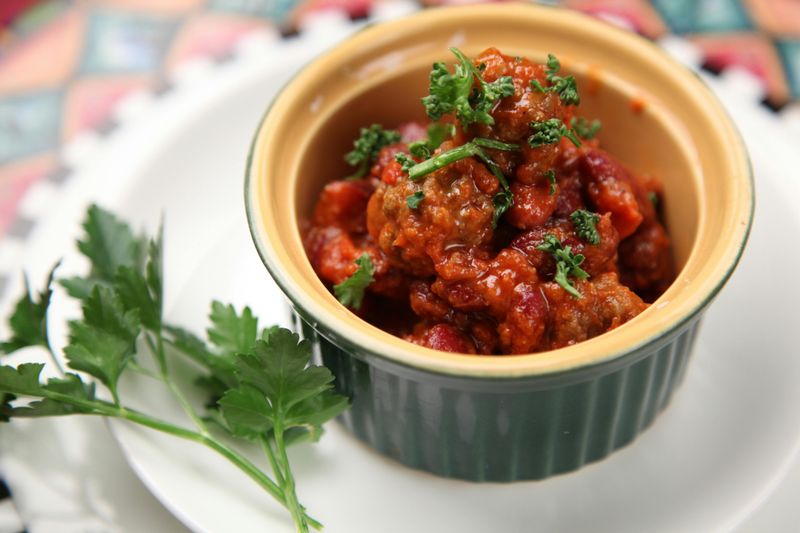
Chili is a batch-friendly dish, so many restaurants buy it in vacuum-sealed bags from commissaries. They keep cases frozen, then rethermalize in boiling water or steam wells before service.
Fresh toppings like scallions, cheese, and sour cream help disguise its off-site origins.
Tell-tale signs include perfectly uniform beans, identical beef crumbles, and a sweetness that tastes factory-balanced. Ask whether they simmer a house pot daily, or if it is delivered ready to heat.
If freshness matters, pick the soup or stew tied to today’s butchered meats.
Otherwise, enjoy the consistency and value. It will arrive fast and piping hot.
Mashed potatoes
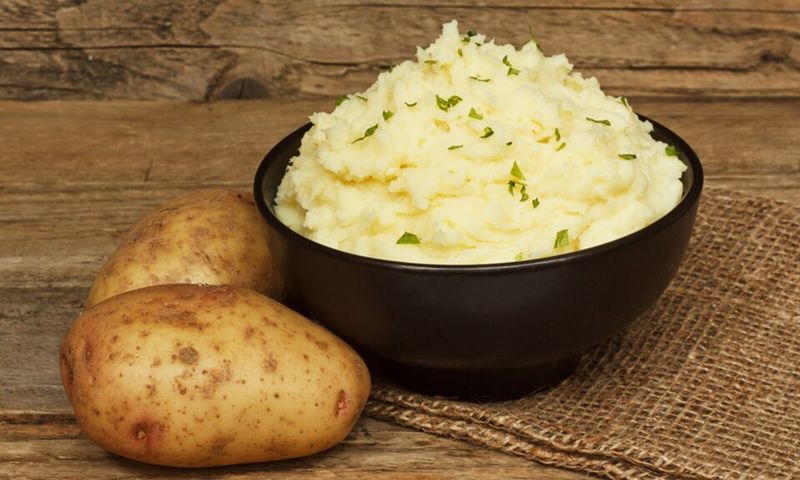
Those creamy mashed potatoes often start as dehydrated flakes or frozen tubs produced in giant kettles. Kitchens reheat them with milk, butter, and lots of seasoning, then fluff in a mixer.
A quick swirl of gravy and chives gives a homemade look.
Clues include ultra-smooth texture, zero lumps, and a uniform buttery color from batch to batch. Ask whether they mash in-house from whole russets, or if they start with prepared base.
Ordering baked potatoes or roasted sides can feel fresher.
If you love consistency, these deliver salt, comfort, and speed every time. No judgment here.
Gravy
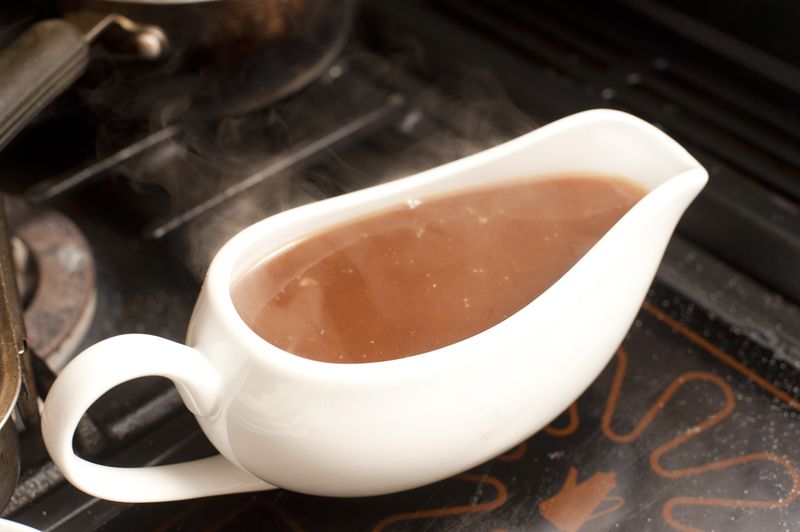
Brown gravies are frequently shipped as concentrated bases that kitchens thin and season to order. Powdered mixes are common, too, especially in high-volume diners and banquet halls.
A little pan drippings gets whisked in for credibility.
You will notice glossy texture, a uniform brown shade, and thickening that feels identical each visit. Ask whether they make it from roasted bones, or finish a base with scratch-made stock.
Choosing au jus, chimichurri, or compound butter can taste fresher.
Still, pre-cooked gravy is consistent, safe, and fast during rushes. It keeps plates moving and prevents lumpy disasters under pressure.
Mac and cheese
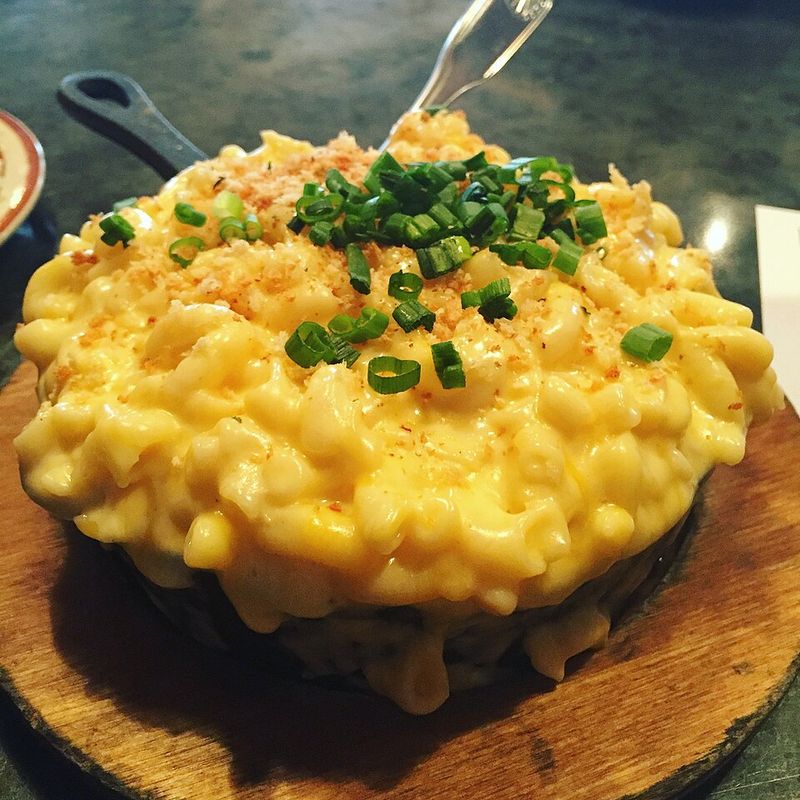
Mac and cheese often arrives as pre-cooked pasta with a heat-and-serve cheese sauce pouch. Kitchens combine, bake in hotel pans, then broil a breadcrumb crust to fake scratch vibes.
A drizzle of cream or extra cheddar on top seals the illusion.
Tells include identical noodle doneness, emulsified sauce that never splits, and relentless orange color. Ask whether they build a roux in-house and cook pasta to order.
Skillets listed as limited quantities usually signal scratch batches.
If not, you still get creamy comfort fast, plus nostalgia in every bite. No shame enjoying the bubbly, browned edges.
Lasagna
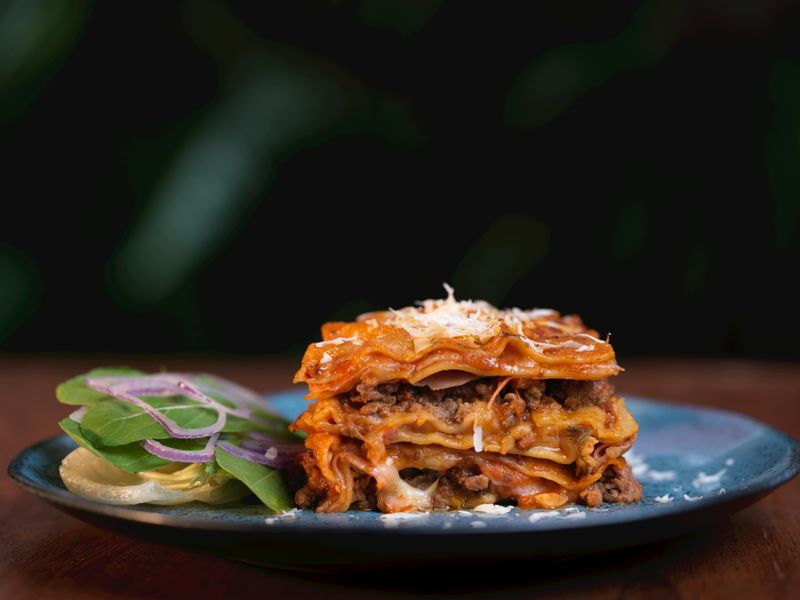
Lasagna is assembly-line friendly, so many spots buy par-baked slabs, then portion and reheat. Frozen layers of noodles, sauce, and cheese hold beautifully in freezers and convection ovens.
A quick ladle of fresh marinara and basil brightens the plate.
Look for perfect squares with tidy edges and identical height every time. Ask if they boil sheets and build pans daily, or rely on delivered pans.
Choosing baked ziti or specials labeled limited can suggest scratch work.
Pre-cooked lasagna still satisfies with structure, molten cheese, and value. It also speeds service during the slam, keeping wait times reasonable.
Meatballs
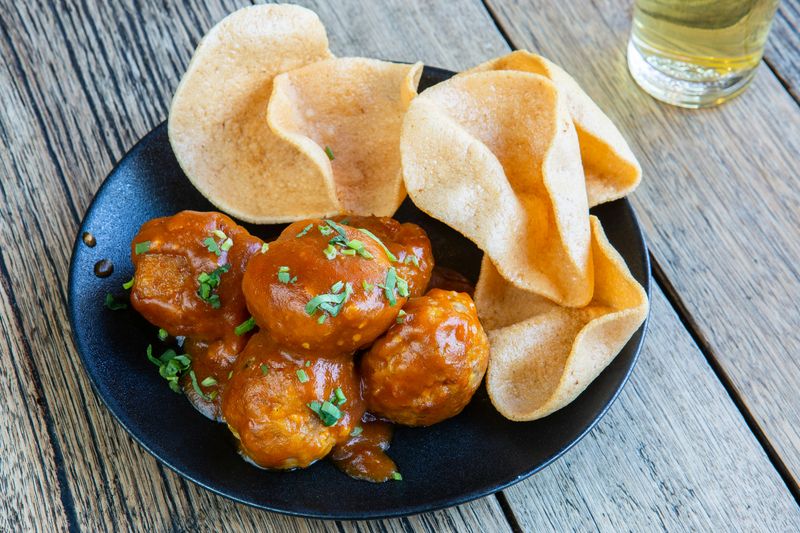
Meatballs are widely bought frozen, simmered in sauce to reheat, then finished with parsley and cheese. Factories nail texture, seasoning, and portion weight, which helps restaurants control costs.
House sauce and good bread can mask any shortcuts.
Signs include golf-ball uniformity, perfect roundness, and a dense bounce when cut. Ask whether they grind in-house or mix a signature blend of meats.
Daily limited quantities or irregular shapes usually mean scratch.
Even frozen meatballs deliver saucy comfort for subs, pastas, and late-night munchies. If you like predictability, they are a safe, tasty bet on busy nights.
Chicken wings
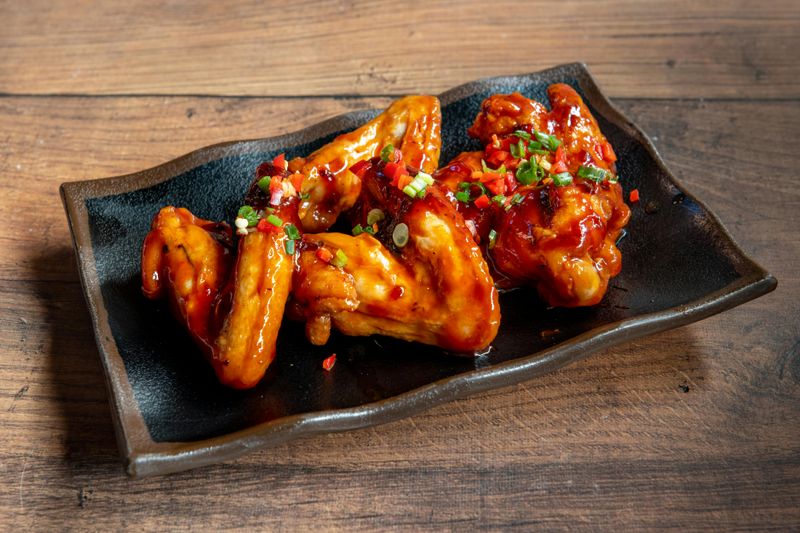
Most chicken wings arrive par-cooked and frozen, then get fried to order for speed and safety. Par-baking reduces pink bones and ensures consistent yield during rushes.
Restaurants toss them in sauces and finish with a final hot blast.
Giveaways include very even size, soft cartilage, and meat that slips cleanly off the bone. Ask if they smoke or double-fry fresh wings on-site.
Dry rubs and daily counts often signal scratch production.
Even pre-cooked wings are delicious when sauced properly and served screaming hot. Order them extra crispy for better texture and to push off any reheated vibe.
Ribs
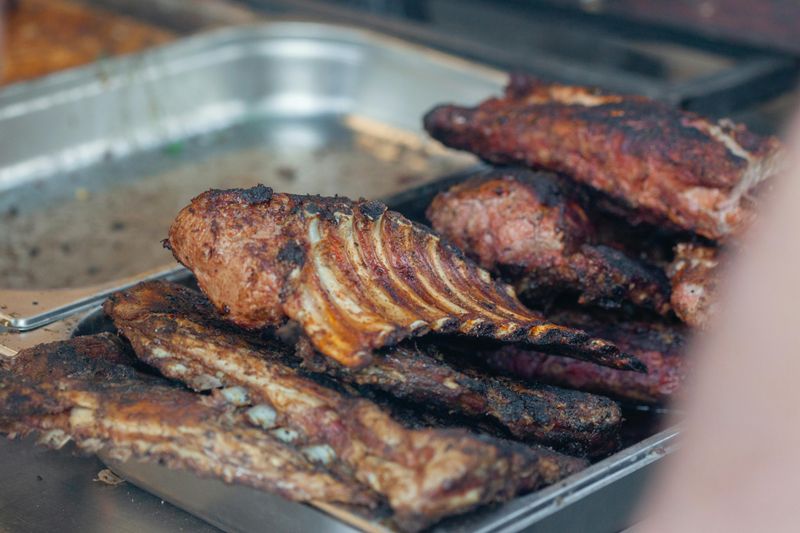
Ribs are typically slow-cooked off-site in combi ovens, chilled, then reheated on grills for caramelization. That is how you get tender meat in minutes instead of hours.
Sauce and a quick char sell the backyard illusion.
Uniform bend, clean bones, and perfect racks are signs of pre-cooked batches. Ask if they smoke on-site or finish house-smoked ribs each day.
Limited rib nights can indicate real smoking.
Even commissary ribs taste great when sauced well and served promptly. Order sauce on the side to judge the meat, or choose dry rub to emphasize texture and smoke.
Pulled pork
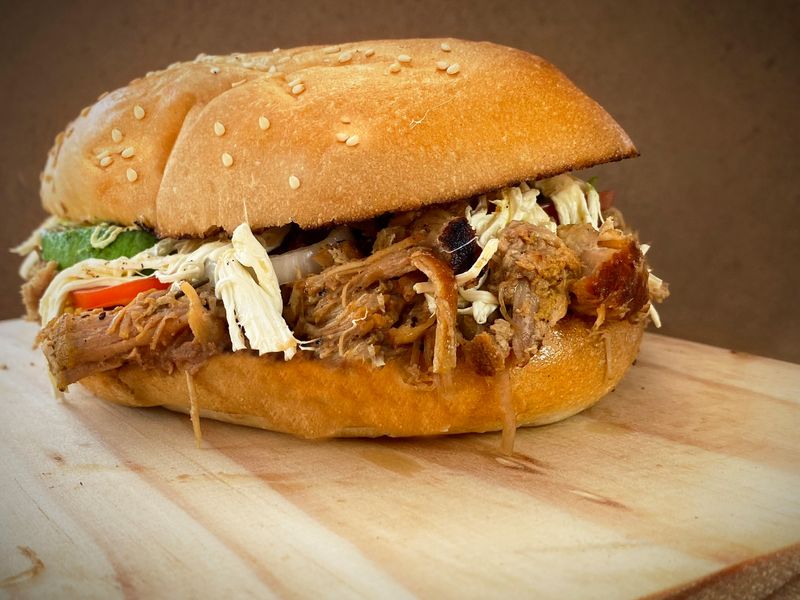
Pulled pork often arrives vacuum-sealed after being slow-cooked in a central kitchen. Restaurants reheat pouches in water baths, then toss with sauce and a splash of cider.
Coleslaw and buns finish the plate.
How to spot it: shreds that are too uniform, slightly watery juices, and sweet, balanced seasoning. Ask whether they pull pork from whole shoulders smoked on-site.
Limited runs sold until gone often mean real barbecue.
Pre-cooked pulled pork still hits cravings, especially piled on fries or nachos. Order sauce on the side to taste the meat, and ask for extra bark.
If available.
Brisket
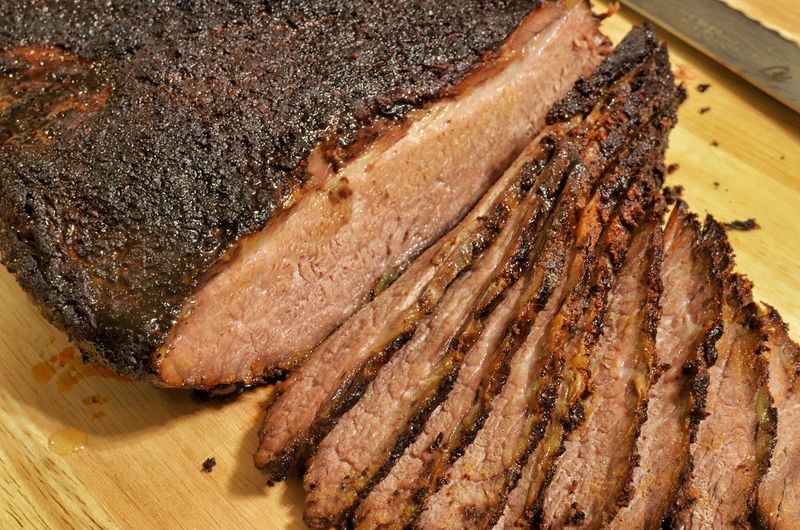
Brisket is time-consuming, so many places buy pre-smoked flats, then steam and slice to order. This keeps meat tender but can mute the bark and smoke ring.
A gloss of jus or sauce restores moisture and shine.
Clues include perfectly even slices, soft fat that lacks snap, and mild smoke aroma. Ask if they smoke whole packers overnight, and whether trays sell out daily.
Choose end cuts for more texture if offered.
Even pre-cooked brisket makes a satisfying sandwich with pickles and onions. Order sauce on the side, then season with salt and pepper to wake flavors.
Fish fillets
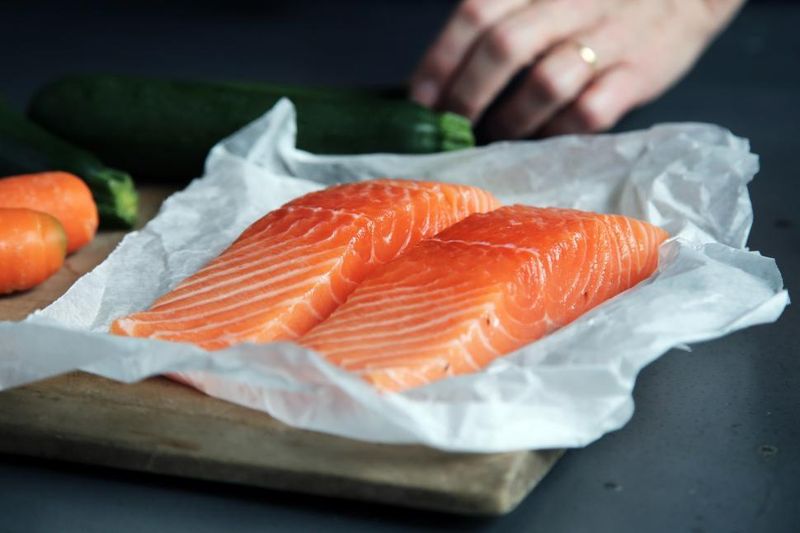
Many fish fillets are portioned, par-fried, and frozen at sea, then finished in the fryer. That ensures crisp results and consistent size, even far from the coast.
A squeeze of lemon and tartar completes the story.
Look for identical shape, uniform batter color, and steam billowing when cut open. Ask whether they source fresh fillets and hand batter daily.
Corners pubs sometimes do a true hand-battered special on Fridays.
Pre-cooked fillets still scratch the fish-and-chips itch fast. Ask for extra-crispy, and keep sauces on the side so the crust stays crunchy longer.
Squeeze lemon generously.
French fries
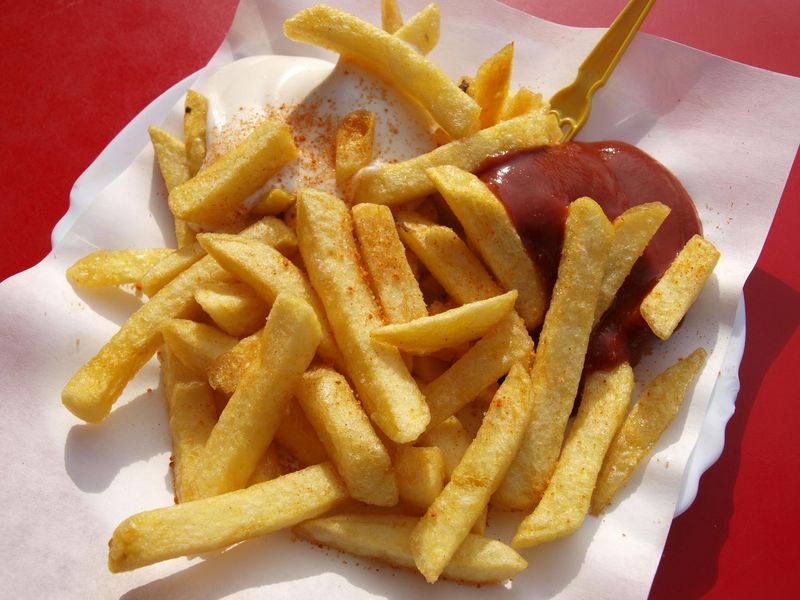
Fries are almost always pre-cut, blanched, and frozen, designed to crisp perfectly in restaurant fryers. Factories control starch and size so cooks get consistent color and timing.
Shakers of seasoning and fancy dips take them over the top.
Clues include perfect straight edges, soft centers, and identical length across baskets. Ask if they double-fry fresh-cut potatoes or use frozen.
Some gastropubs still hand-cut and blanch daily.
Frozen fries are reliable, salty, and satisfying with minimal wait. Request well-done for extra crunch, or try waffle and crinkle styles when you want more texture.
Dips make everything better.
Onion rings
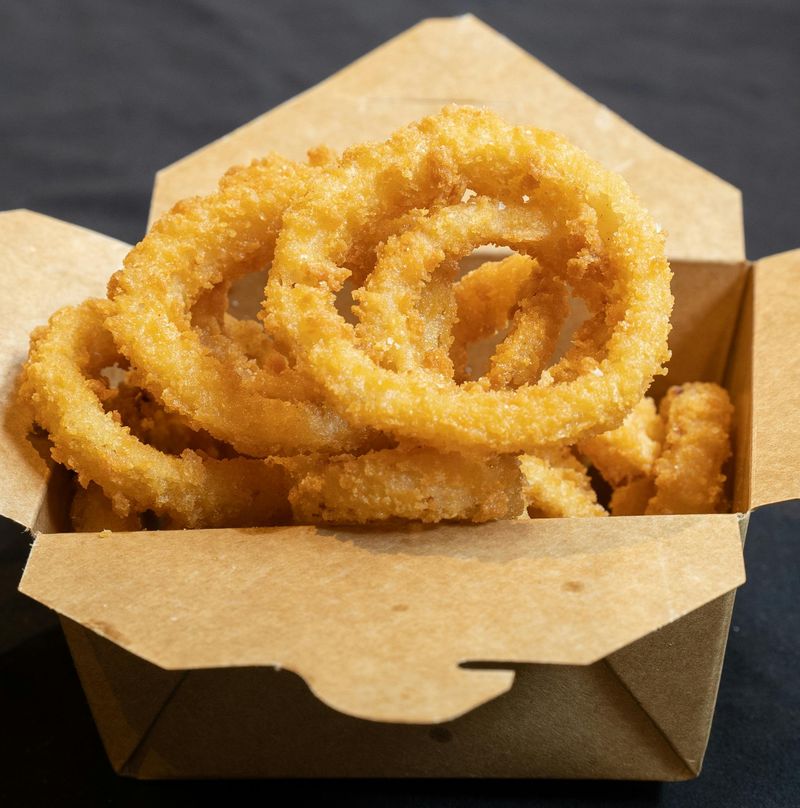
Onion rings commonly arrive pre-battered and frozen, built for tall, photogenic stacks. Kitchens fry them to order and sprinkle salt or parmesan immediately.
House sauces and herbs finish the picture.
Clues include perfect circles, batter that clings evenly, and sweet onions with low bite. Ask whether they cut fresh and dredge in buttermilk and flour.
Thicker, irregular rings usually mean scratch prep.
Pre-cooked rings still crunch loud and satisfy pub cravings. Ask for sauces on the side so they stay crispy, then dip lightly so the coating does not slide off.
Extra salt helps too.
Mozzarella sticks
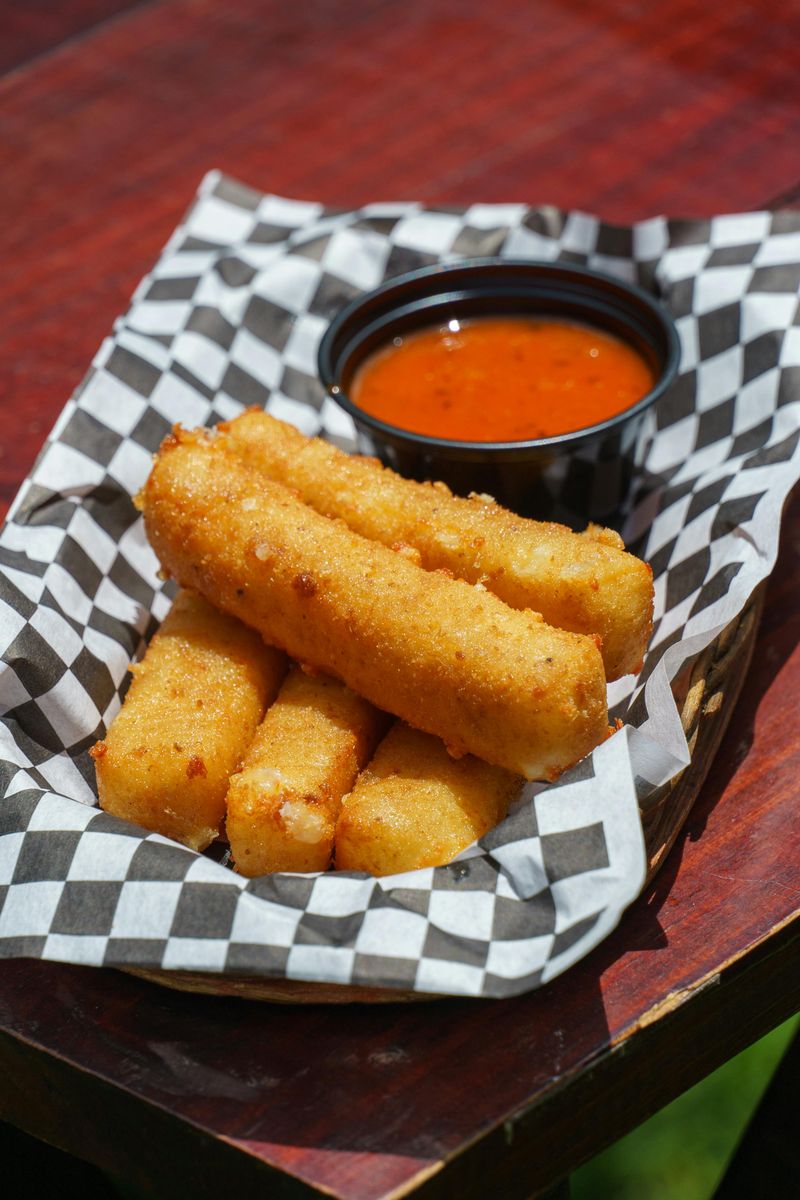
Mozzarella sticks are classic freezer-to-fryer fare, engineered to melt without bursting. Breading thickness, cheese moisture, and size are controlled at the factory.
Restaurants fry, season, and serve with marinara or ranch.
Giveaways include perfectly straight shapes, uniform crunch, and cheese pulls that stop abruptly. Ask if they hand-bread fresh curds or bocconcini.
Occasional pop-ups do that, but it is rare.
Pre-cooked sticks still hit the nostalgia button and pair well with cold beer. Ask for a double-fry for extra crunch, and let them rest a minute so cheese sets slightly.
Then dunk generously and happily.
Desserts
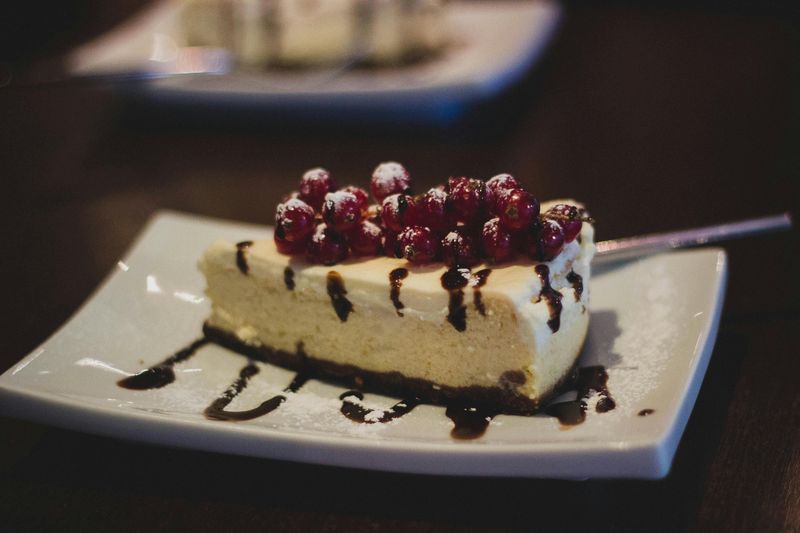
Dessert cases often showcase pre-made slices delivered frozen from central bakeries. Cheesecakes, tortes, and mousse cakes arrive perfect, then thaw in the fridge.
A dusting of cocoa, fruit sauce, or whipped cream customizes the plate.
Clues include pristine edges, identical portions, and labels on sheet boxes in the kitchen. Ask which desserts are baked in-house or rotate with the seasons.
Fruit crisps and puddings are more likely scratch.
Pre-made desserts still taste great and save time after a long meal. Share one, or ask for a half slice if available, so you can sample more flavors.
Cheesecake
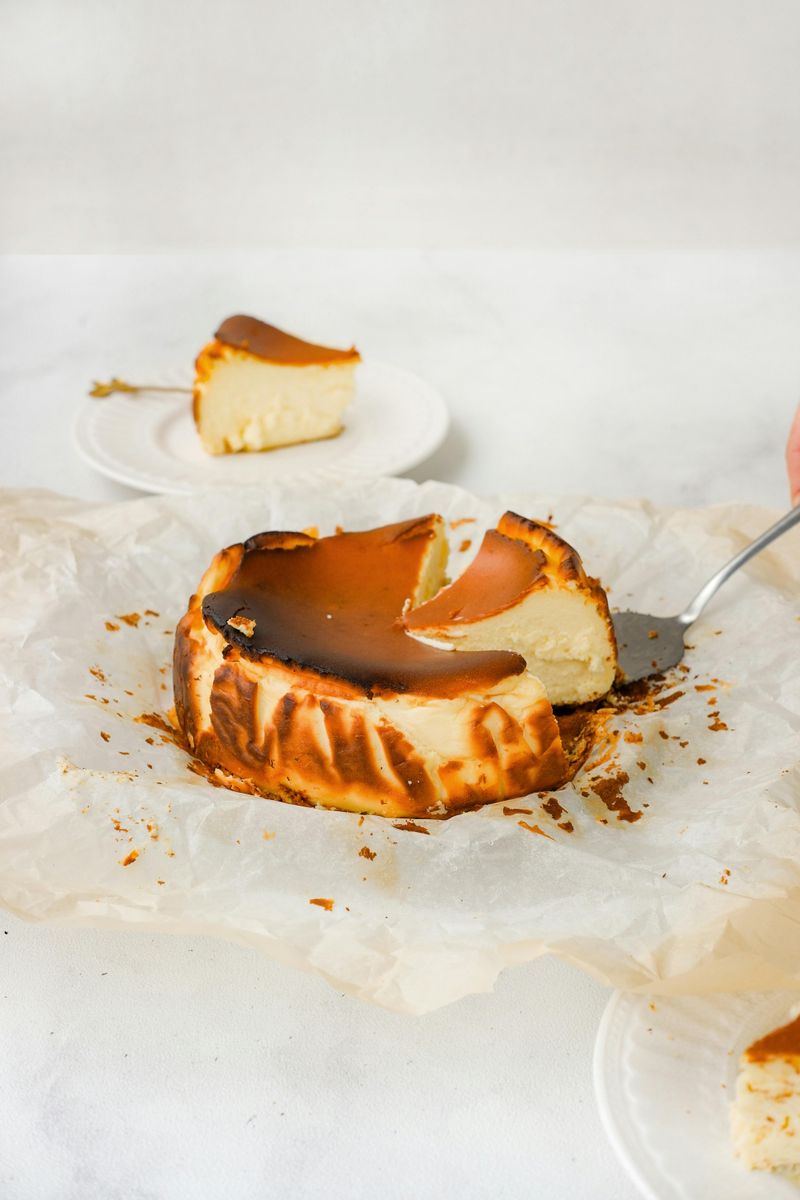
Cheesecake is so stable and rich that many restaurants buy it pre-baked and frozen. They thaw, slice with hot knives, and plate with sauces or berries.
A brûléed sugar top can add drama.
Giveaways include clean, machine-perfect edges and identical crust thickness. Ask whether they whip one in-house or use a local bakery.
Seasonal flavors might be the house-made ones.
Even pre-made cheesecake is luxurious, creamy, and deeply satisfying. Ask for a smaller slice or share to keep it from feeling heavy, and pair with coffee to balance sweetness.
A tart coulis brightens. Works every time.
Brownies
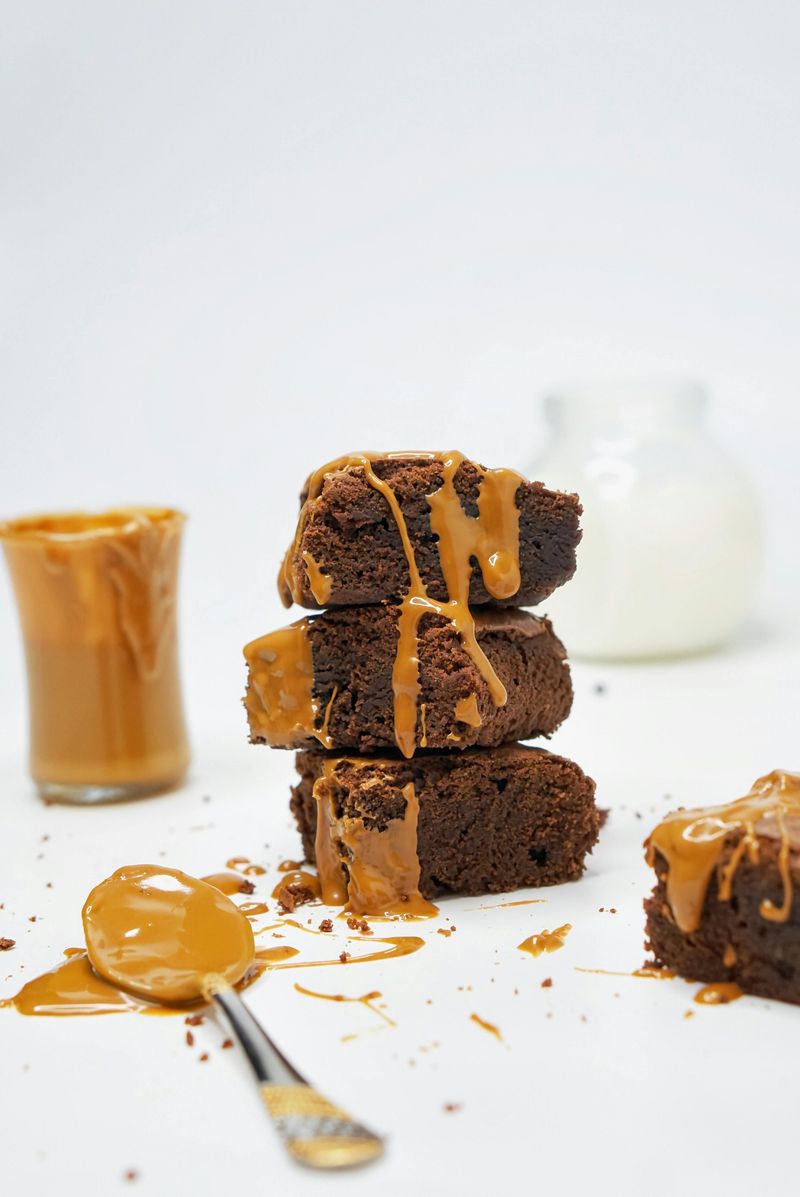
Brownies at restaurants are often pre-baked sheets portioned from large pans, then rewarmed. That keeps them fudgy and consistent while saving labor.
A scoop of ice cream and chocolate drizzle steals the show.
Clues include perfectly square edges and a shiny, papery crust every time. Ask if they bake daily or source from a local bakery.
Warm cookie skillets often signal scratch baking.
Pre-cooked brownies still deliver gooey comfort on demand. Order the center piece for maximum fudginess, or ask for an edge if you like chew and crisp.
Vanilla ice cream balances sweetness. Beautifully.
Pancakes
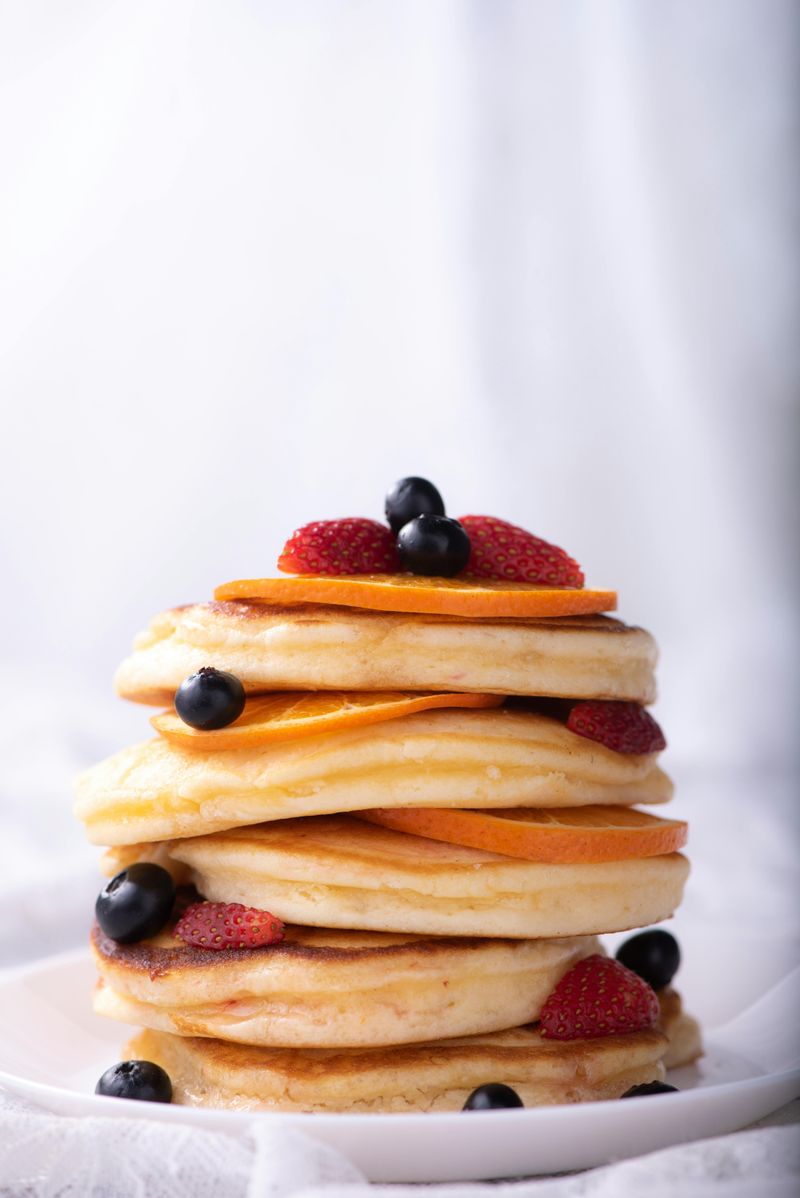
Many diners use pre-mixed batters or frozen griddle cakes that heat up fast. That guarantees fluffy rise, consistent size, and quick turns during breakfast rush.
Butter and syrup do the heavy lifting.
Look for perfectly round edges, identical browning, and a faint sweetness similar to boxed mixes. Ask whether they mill batter with buttermilk and rest it overnight.
Griddles at brunch spots sometimes do scratch specials.
Pre-cooked pancakes still soak butter beautifully and make mornings easy. Request them well-browned for better flavor, and add lemon to maple syrup for brightness that cuts richness.
You will notice.
Waffles
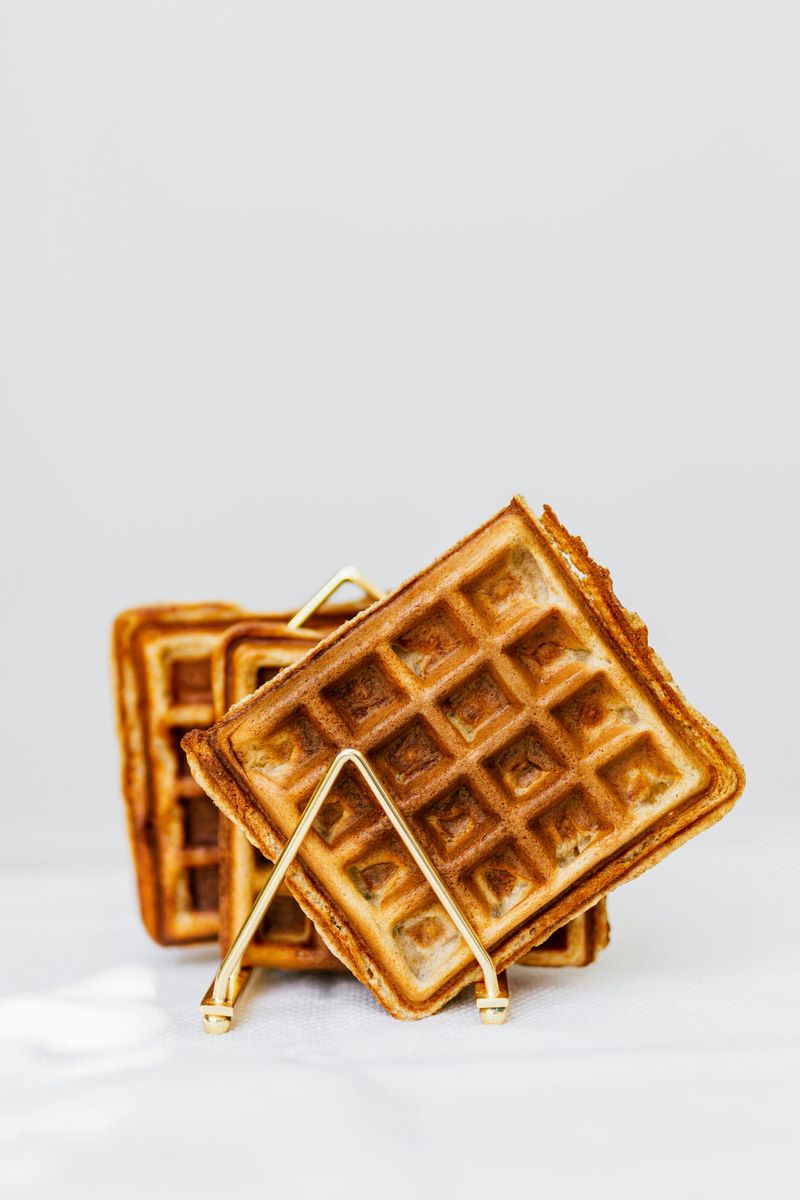
Waffles are commonly made from pre-mixed batter or frozen Belgian squares reheated in irons. That yields crisp pockets and uniform shape without constant batter prep.
Syrup, fruit, and whipped cream finish the look.
Clues include machine-perfect grids, sweet aroma, and very similar color across plates. Ask whether they mix batter daily, or if squares come frozen.
Brunch spots that brag about yeast-raised waffles may be scratch.
Pre-cooked waffles still delight, especially with salty butter and hot syrup. Ask for extra time in the iron for crunch, and keep toppings on the side to protect crispness.
Soup of the day
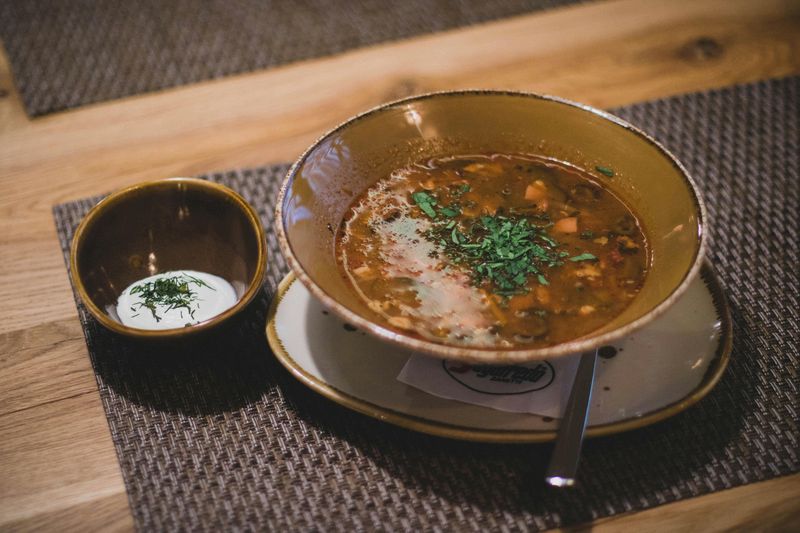
Soup of the day sounds homemade, but many kitchens reheat bagged, par-cooked batches from a supplier. They thaw it in the walk-in, warm it to a safe temperature, then finish with cream, stock, or garnishes.
Croutons and herbs make it feel fresh.
You can spot it by uniform texture, consistent saltiness, and the exact same flavor all week. Ask if it is house-made that morning, or which soups rotate seasonally.
If provenance matters, choose the special that uses trimmings from today’s prep.
Otherwise, enjoy it knowing you are paying for convenience, speed, and reliable safety. That is not a bad trade on a cold night.
Enjoyed this story?
Add Fast Food Club as a preferred source to see more of our reporting on Google.