


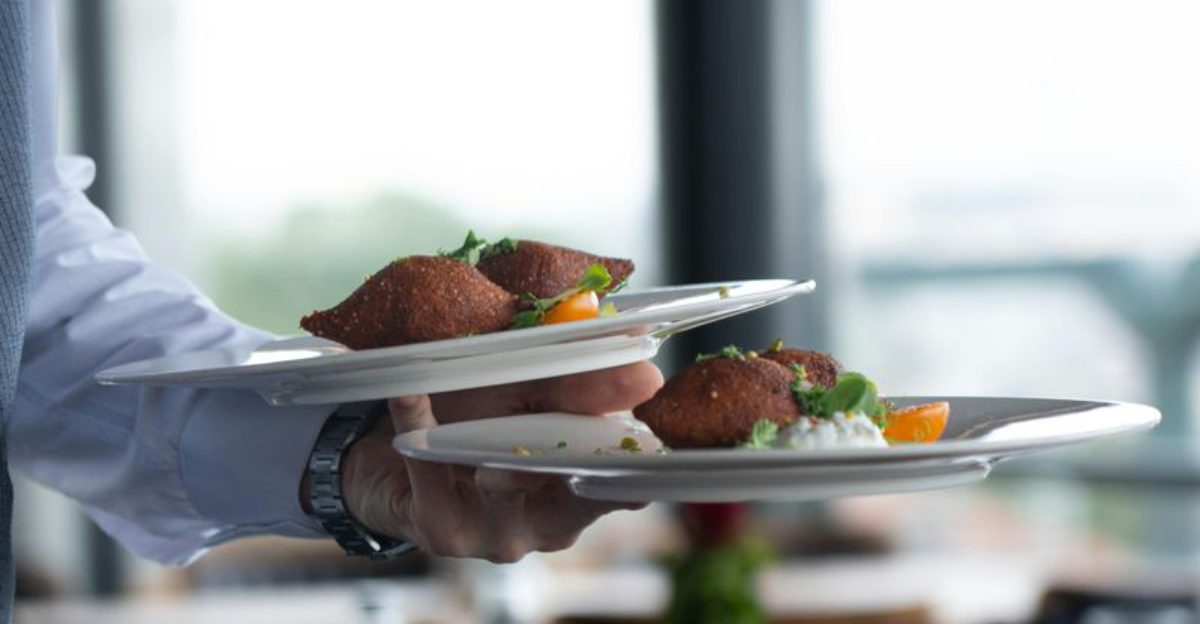
Ever wonder how regulars always seem a step ahead at restaurants? They spot tiny tells that reveal what is fresh, what is worth skipping, and what is quietly costing you more.
Once you know what to look for, you will taste the difference and feel empowered to order smarter. Here are the little secrets that regulars notice right away, so you can, too.
Microwaved sides
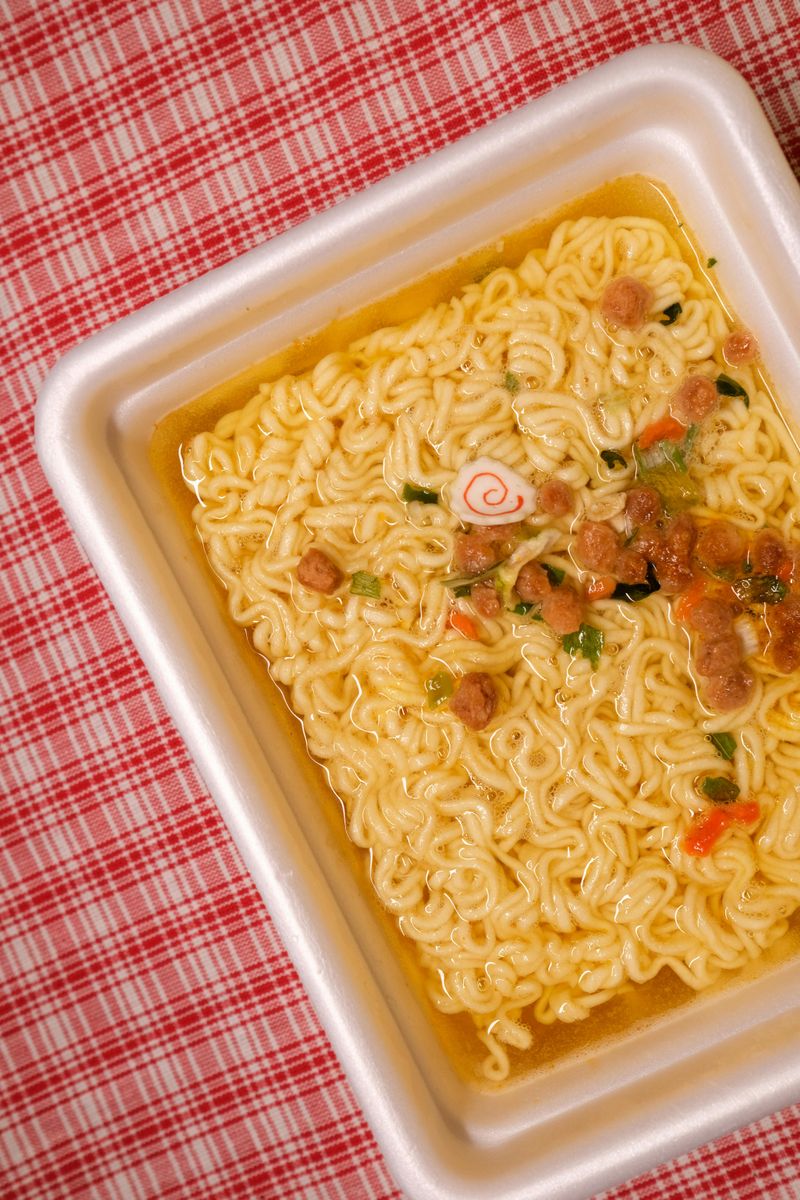
You can taste when sides were zapped in a microwave instead of kissed by heat on the line. Potatoes come out hot on the surface yet oddly cool inside, with skins turning leathery.
Veggies look shiny but slump immediately, missing that sizzle or sear you expect.
Watch for plates landing in under two minutes, steam that fades too fast, and inconsistent textures bite to bite. Ask whether sides can be grilled or pan heated, and see if the server hesitates.
Regulars know: real heat leaves marks, aromas, and timing that a microwave cannot fake ever.
Frozen desserts
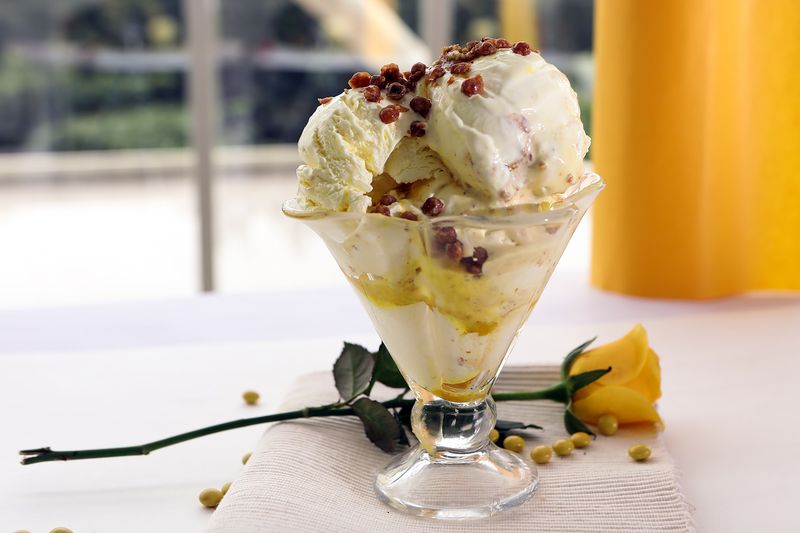
Frozen desserts give themselves away with frosty edges and a watery sheen as they thaw. Cheesecake feels cold in the middle but soft at the rim, and ice crystals hide in fruit toppings.
The plate may pool liquid, and flavors taste muted until they finally warm up.
Ask when the cake was cut and how often desserts are made in house. If everything arrives pre-sliced and wrapped, you are likely paying freezer prices for average flavor.
Regulars order coffee first, wait a bit, then share one dessert that actually benefits from a chill, like gelato.
Pre made sauces
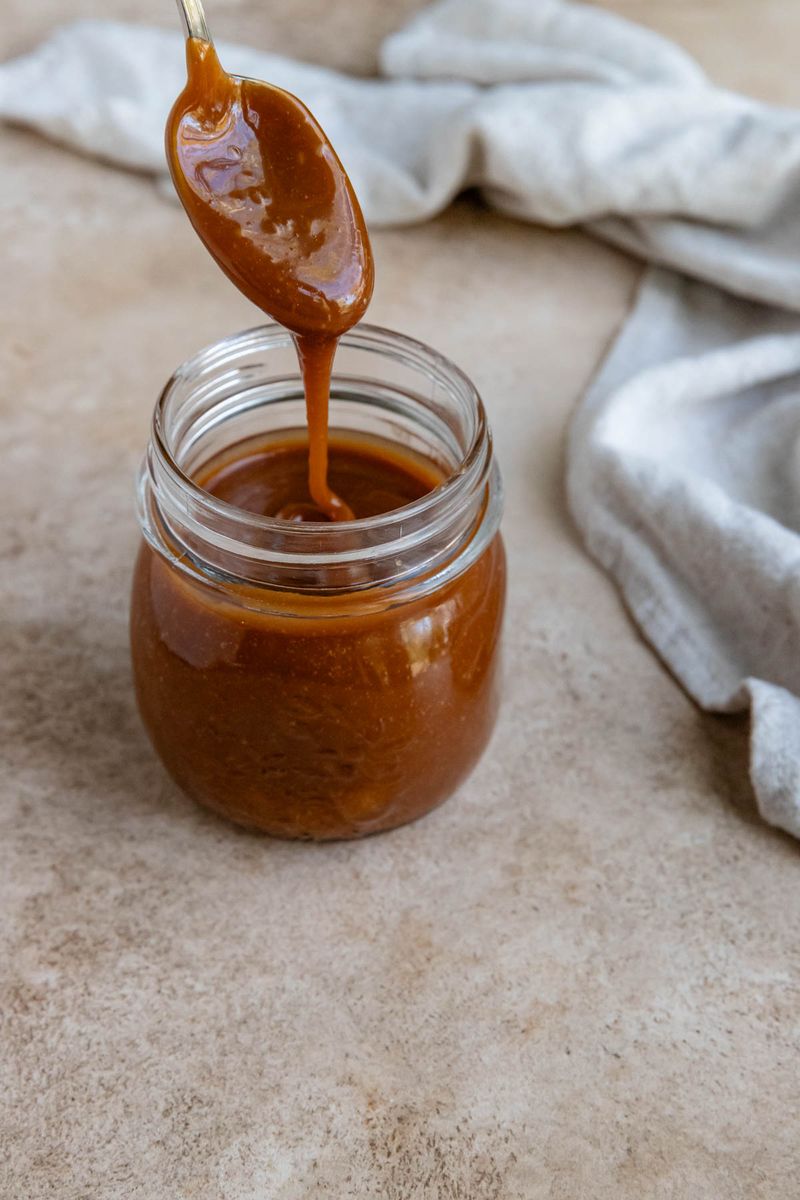
Pre made sauces look perfectly smooth and taste oddly consistent, night after night, across different dishes. If the pesto on pasta matches the pesto on chicken exactly, chances are it comes from a bulk tub.
Fresh sauces separate slightly, smell vibrant, and evolve as they hit heat.
Listen when servers describe sauces. If they say house recipe but cannot name herbs, aromatics, or prep details, be skeptical.
Ask for sauce on the side to test thickness and aroma. Regulars watch for flecks of herbs, little oil separation, and brightness that suggests someone whisked it today.
Bagged salad mix
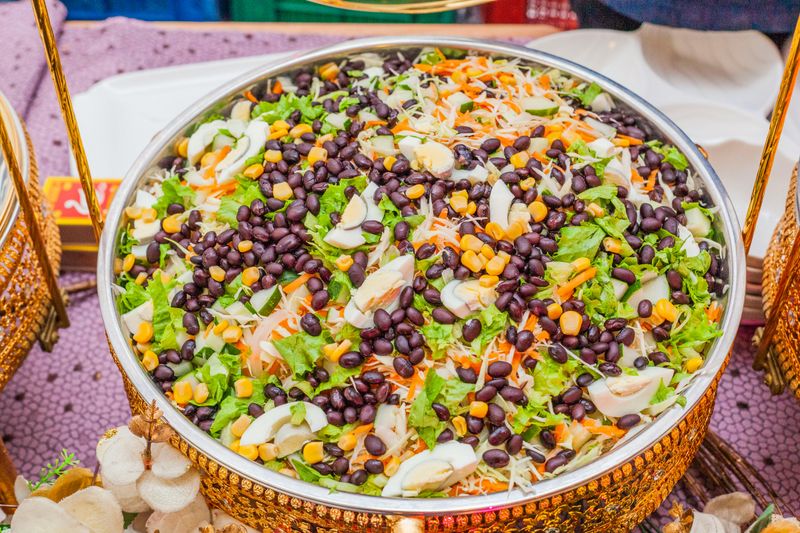
Bagged salad mix crunches loudly but lacks fragrance, with pale ribs and exact match shreds of carrot and cabbage. The bowl weeps water, and dressing struggles to cling to the leaves.
You might spot red edges on cut lettuce, a hint it was processed days ago.
Ask for a side of herbs or upgraded greens if available. Regulars notice when romaine looks identical plate to plate, even at lunch rush.
A kitchen that trims whole heads and spins greens dry serves salads that grip dressing and sing. Bagged mix saves labor, not flavor or texture.
Over salted soup
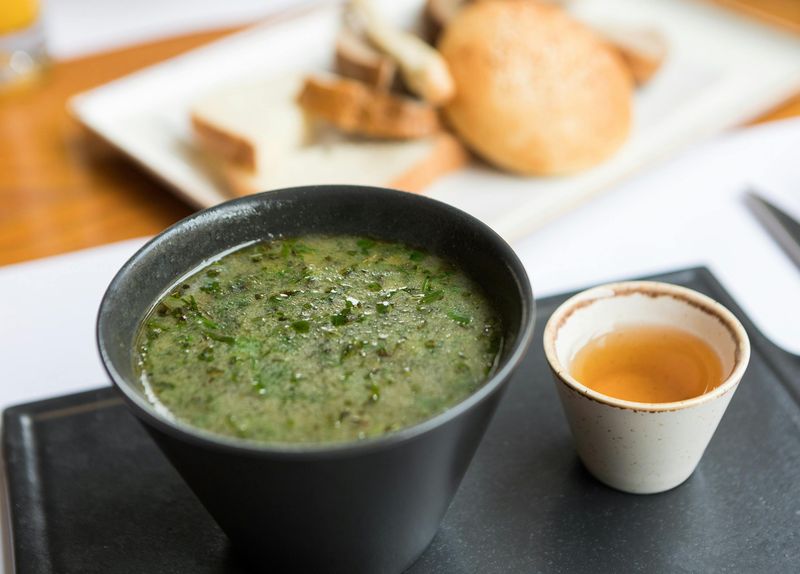
Over salted soup is a classic cover for tired stock. You feel instant thirst after a few spoonfuls, and subtler flavors vanish under brine.
Bread suddenly becomes necessary to keep going, and lemon water starts sounding like a plan to reset your palate quickly.
Ask whether the kitchen can thin or rebalance with cream, stock, or acidity. A good spot will adjust without attitude.
Regulars taste before adding salt and request a small side of rice or potatoes to rescue it. If every soup leans salty, the base stock likely arrives pre seasoned from a bag.
Reheated bread
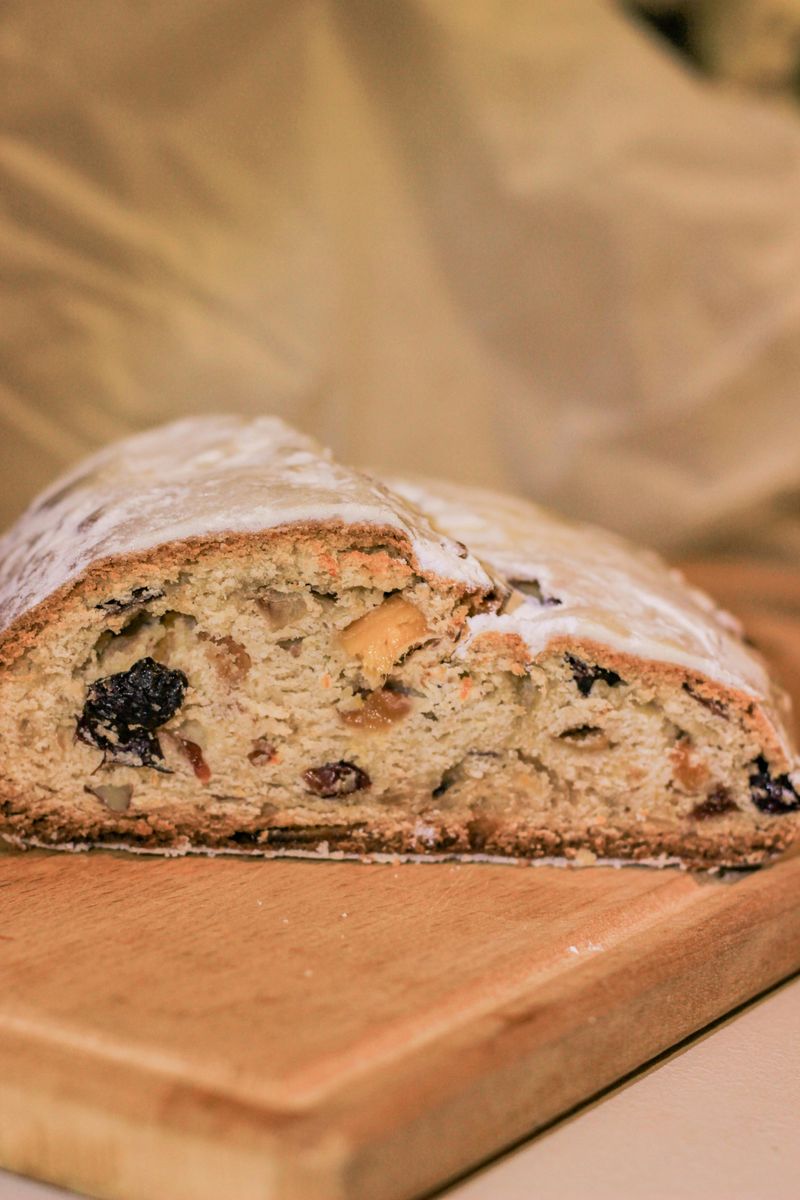
Reheated bread looks glossy and feels rubbery, especially moments after tearing. The crust loses its crackle, and the crumb compresses instead of springing back.
Butter beads on top rather than melting in, hinting the loaf warmed too fast and unevenly, likely in a microwave or toaster oven.
Regulars tap the bottom of rolls to hear that hollow, fresh-baked sound. Ask if bread is baked on premises or delivered par baked.
If it arrives scorching hot within seconds, be suspicious. Request olive oil and salt to compensate, or skip the basket entirely and save room for something better.
Shrinking portions
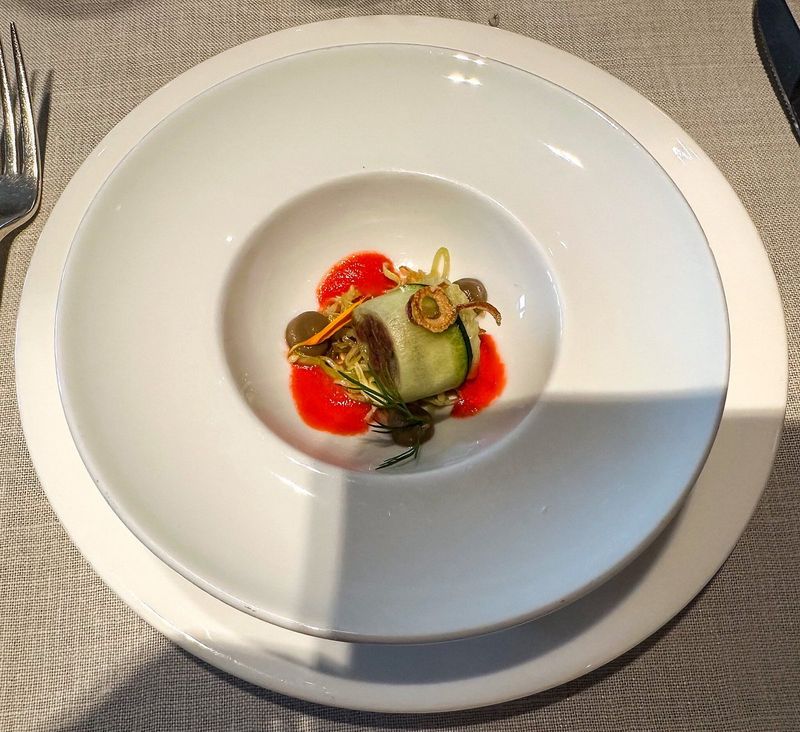
Shrinking portions hide behind taller plating, smaller bowls, and decorative greens. Protein gets sliced thinner and fanned out to look generous, while sides creep larger to fill space.
Regulars clock portion drift over months, not days, and remember when that entree once felt comfortably satisfying.
Check historical photos, reviews, or your own camera roll. Compare ounces listed for steaks or fish, if provided, and ask about weight before cooking.
Splitting plates can also reveal reality. When value shrinks quietly, consider appetizers instead or ask the server which dishes still deliver hearty portions without sneaky styling.
Old frying oil
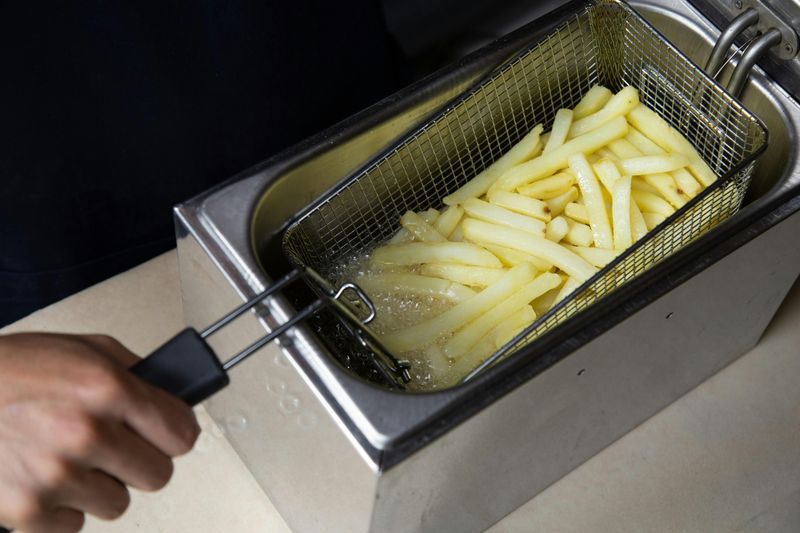
Old frying oil smells heavy and coats your mouth. Fries look deep brown rather than golden, and breading darkens before the interior cooks through.
You may notice a lingering aftertaste and quick sogginess on the plate, plus smoke that stings slightly when the kitchen is busy.
Regulars peek at color and aroma. Ask when the oil was last filtered or changed, and whether different fryers handle fish, chicken, and desserts separately.
Good spots rotate oil daily and skim religiously. If fried foods all taste similar, like a greatest hits of yesterday, you have your answer and a reason to pivot.
Watered down drinks

Watered down drinks arrive pale, with fast melting ice and flavors that fade by the third sip. Cocktails might be shaken too long or poured over mountains of ice to stretch volume.
Soda from guns can taste flat if the syrup to water ratio is off or lines are dirty.
Ask for less ice or a double if value matters, and watch the pour. Regulars choose stirred drinks in rocks glasses or neat pours to avoid dilution.
A good bar measures cleanly and tastes samples. If every drink seems weak, consider beer, wine, or a classic that is harder to dilute.
Pre portioned pasta
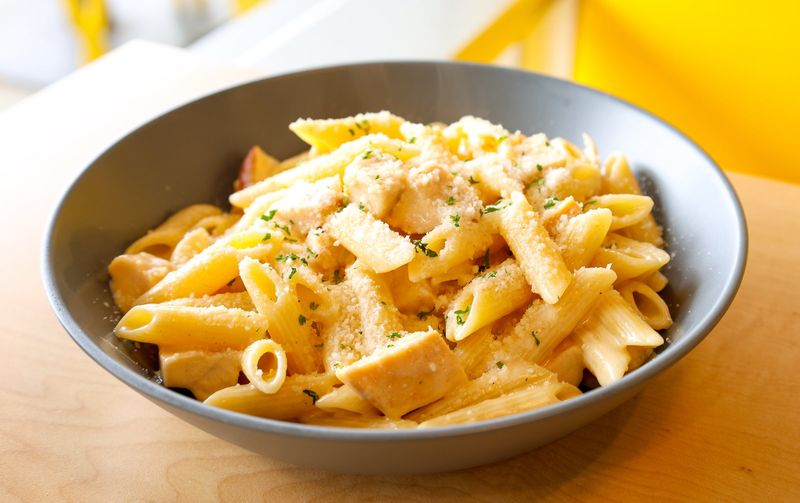
Pre portioned pasta speeds service but can dull texture. You will notice noodles that are soft outside yet firm in the core, as if they were par cooked and shocked in water.
Sauces sometimes slide off instead of emulsifying, leaving puddles rather than a glossy, clinging finish.
Ask if pasta is finished in the pan with sauce. Regulars listen for that hiss as starch water meets fat.
If the kitchen reheats in hot water and tosses quickly, flavor suffers. Choose shapes that hold sauce better or order fresh specials.
Texture tells the truth long before the check arrives.
Premade burger patties
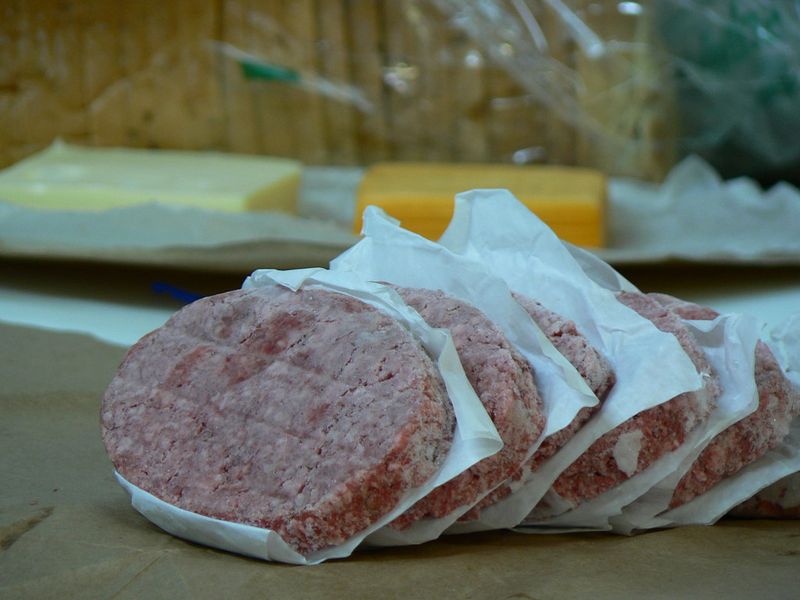
Premade burger patties are too uniform, with identical thickness and tidy edges. The bite can feel dense, and juices run clear instead of rich and beefy.
You may taste heavy seasoning to compensate, or see minimal sear because the surface was wet from thawing before it hit the grill.
Ask if burgers are hand formed daily and what blend they use. Regulars watch for irregular edges and a deep crust from high heat.
A great patty puckers slightly and renders fat. If everything looks cookie cutter, consider a different protein or splurge on the house special grind.
Reheated rice
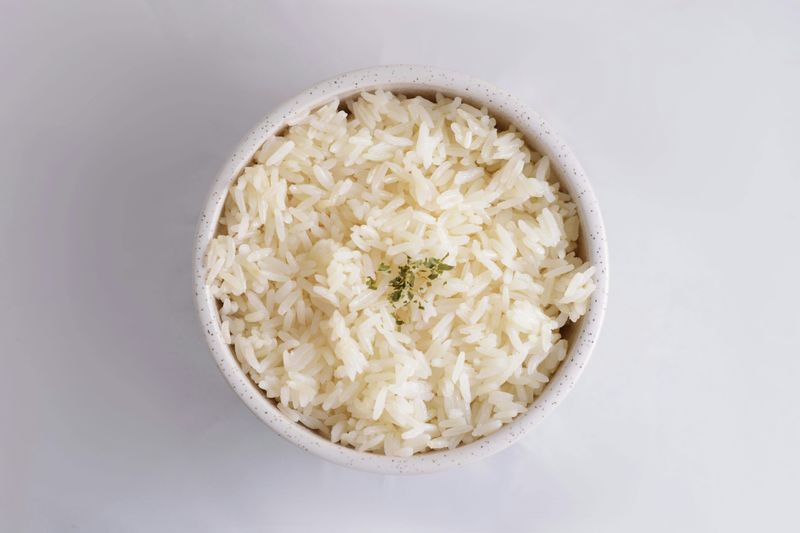
Reheated rice tells on itself with clumps and brittle bits. Grains stick together yet feel dry at the edges, and steam fades as soon as the bowl lands.
Fried rice turns greasy without that wok perfume, because cold rice was not revived properly or seasoned confidently in the pan.
Ask for fresh steamed rice during slower hours, or request extra moisture like a splash of broth. Regulars time rice orders with entrees to avoid holding.
A good kitchen rewicks rice with steam. If texture never improves, lean toward noodles, which handle reheating far more gracefully during a rush.
Sauce from squeeze bottles
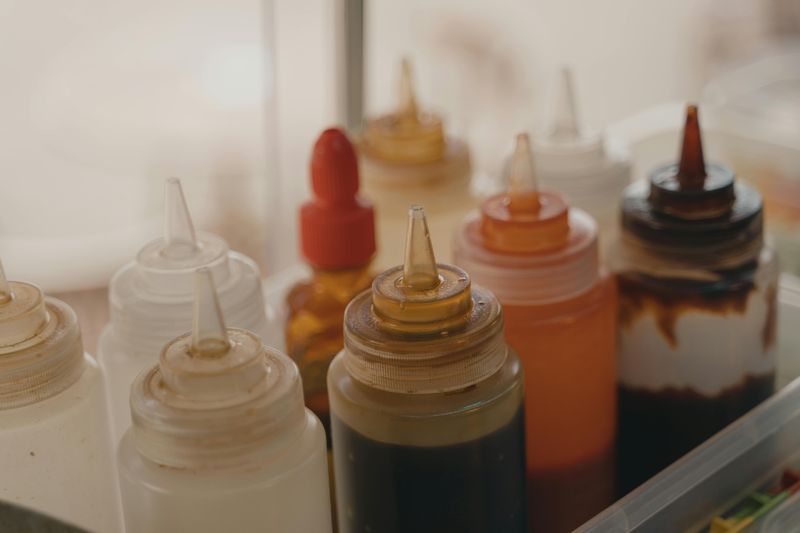
Sauce from squeeze bottles can be lovely garnish, but sometimes it hides shortcuts. Identical zigzags on every plate suggest the same base used across dishes, not tailored seasoning.
You might taste sweetness or thickener before herbs or stock, especially when color looks vivid yet flavor feels one note.
Ask for sauce on the side to judge aroma and balance. Regulars notice when garnish becomes the flavor crutch.
Real pan sauce smells like the protein. If decorative lines replace seasoning in the food, choose simpler dishes that rely on proper sear, salt, acid, and good resting time.
Extra ice in drinks
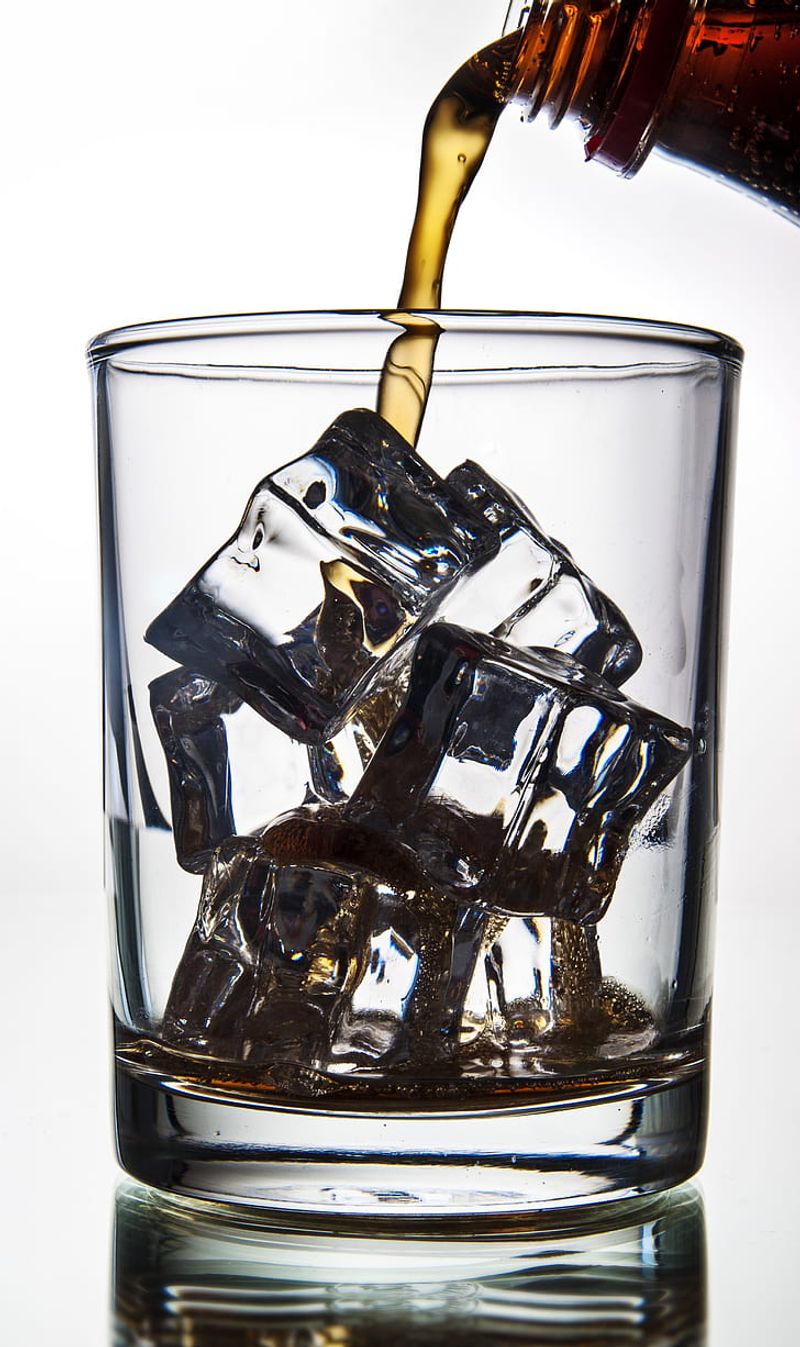
Extra ice in drinks looks generous but steals sips. The glass arrives overflowing with cubes, and the liquid settles quickly below the straw.
Flavor weakens as you linger, and refills might not be free. It is a subtle way to stretch syrup and mixers while keeping glasses looking full.
Ask for light ice or no ice when appropriate. Regulars also order smaller glasses more often to keep flavors sharp.
For cocktails, choose spirit forward options served up or neat. If the bar resists, that tells you plenty about priorities and pour costs versus guest experience that night.
Upsold appetizers

Upsold appetizers come with glowing descriptions and time pressure. A server might say the kitchen is about to run out or that a special pairs perfectly with your entree.
These plates can be tasty, but sometimes they bridge slow ticket times or pad checks when mains are lighter.
Ask if the dish is house made, when it was prepped, and how big it is. Regulars request honest sizing.
If an app sounds vague, choose a simple classic or bread service to pace the meal. Let hunger, not hype, set the order, and you will enjoy dinner more.
Limited refills
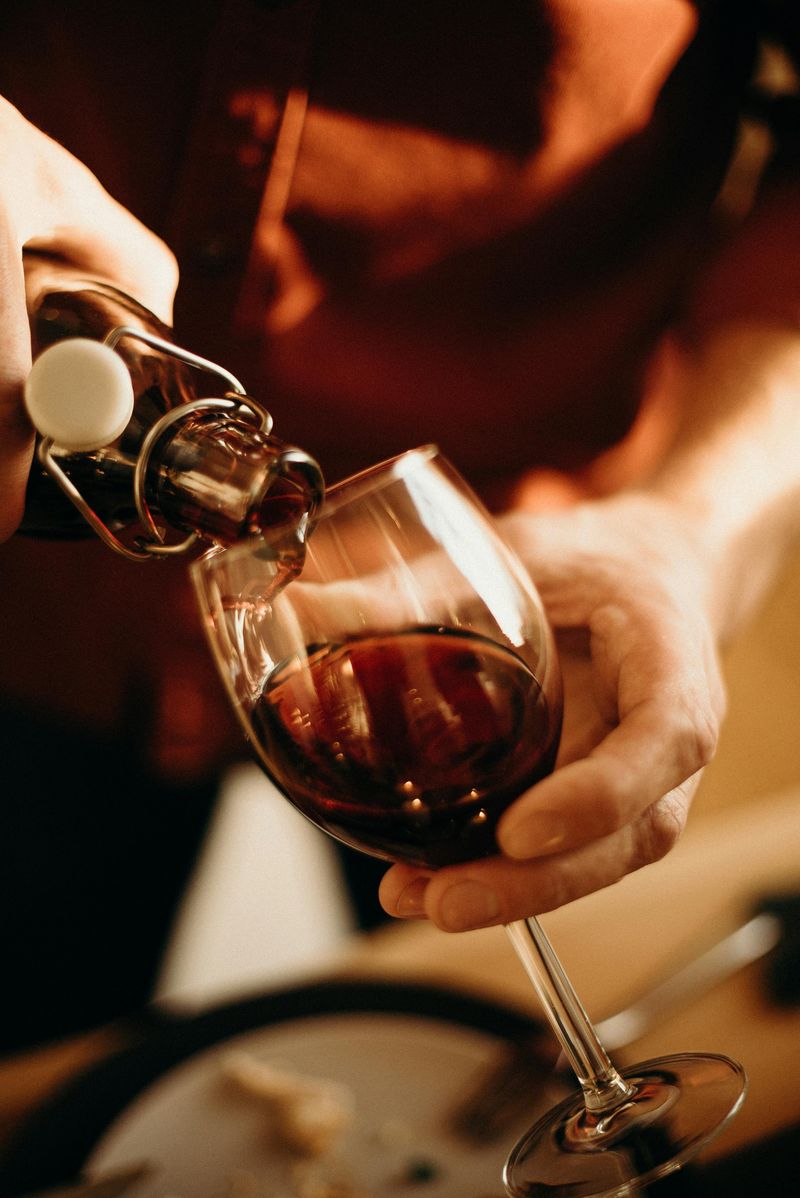
Limited refills hide on menus in tiny fonts. You expect bottomless soda, then discover refills cost nearly as much as the first pour.
Coffee might be the only unlimited option, or iced tea gets one refill before charges start. It is not illegal, just something to watch before sipping quickly.
Ask about refills right when you order. Regulars choose pitchers for the table or water to stay flexible.
If you are lingering, order a drink that lasts longer, like a spritz or mocktail. The best spots state policies clearly, so you can enjoy without surprise charges later.
Menu price creep
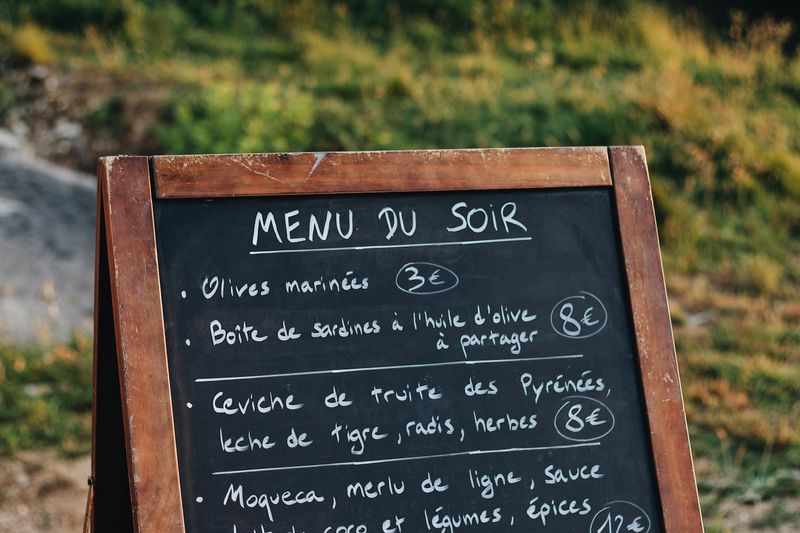
Menu price creep happens in tiny steps. A dish rises fifty cents here, a dollar there, and portions quietly shift.
Specials shift toward cheaper cuts, and premium items disappear. Costs do rise, but regulars notice when increases outpace quality, service, or ingredient transparency over a season.
Track your favorites and compare with past photos or reviews. Ask what changed in the recipe to justify price changes.
If the answer is thin, pivot to great value plates that still deliver. Good restaurants communicate openly about sourcing and labor, making the higher price feel honest, not slippery.
Forced gratuity
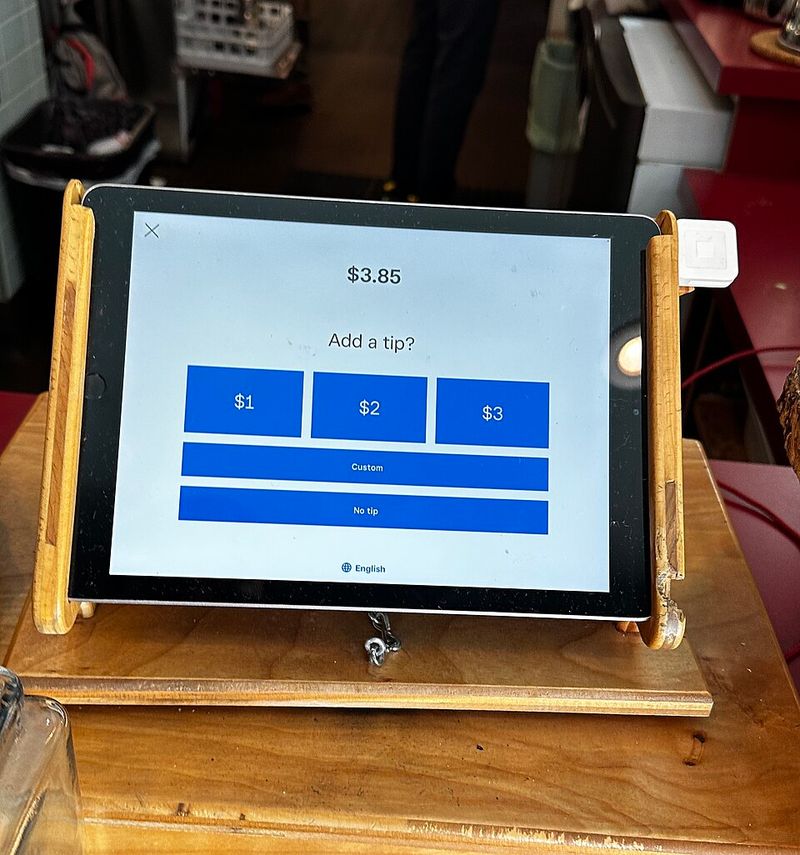
Forced gratuity shows up as automatic service charge, sometimes even for small parties. It can be fair when shared with staff, yet frustrating when you expected choice.
The real issue is clarity. If it replaces a tip, great.
If not, guests may double tip accidentally and feel burned later.
Ask how the charge is distributed and whether the tip line should be left blank. Regulars confirm before paying and tip extra only for standout service.
Good venues train servers to explain. If policies feel murky, that is your sign to slow down, read closely, and decide accordingly.
Cheap side swaps
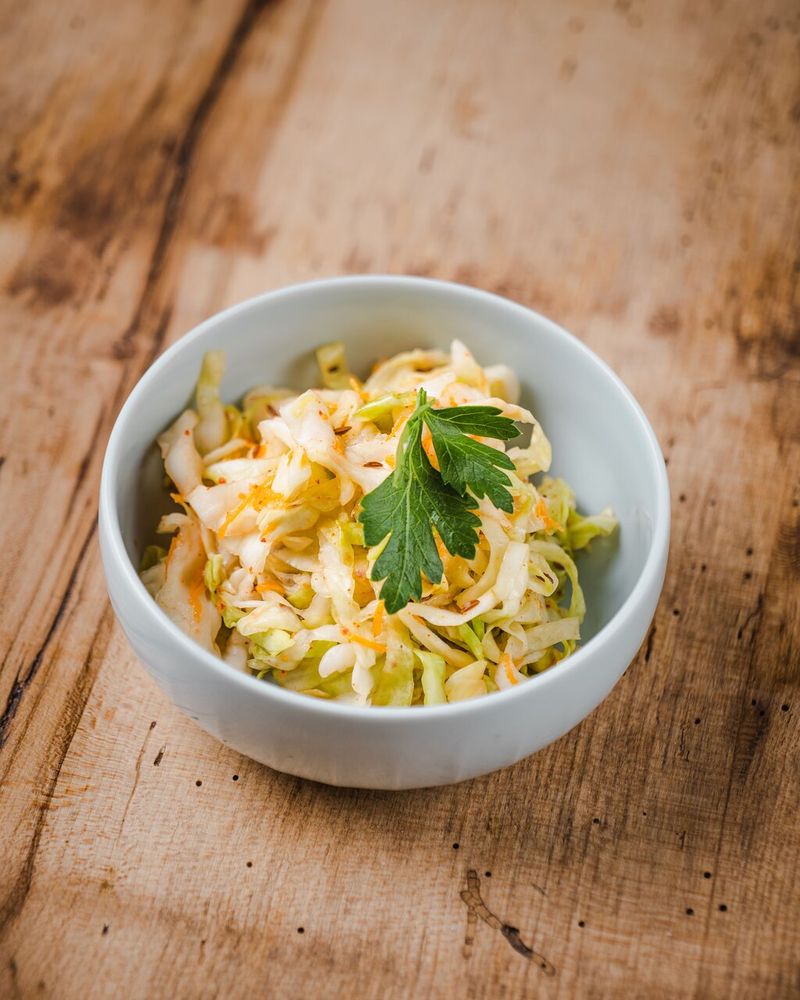
Cheap side swaps seem generous but often downgrade value. You ask for a salad instead of fries, and receive a tiny scoop of bagged greens that cost the kitchen pennies.
Or mac and cheese becomes plain rice, billed the same. The trick is subtle math dressed up as flexibility.
Before swapping, ask the portion size and any price differences. Regulars learn which swaps are upgrades and which are downgrades.
Sometimes paying a small upcharge nets better nutrition and satisfaction. If the server hesitates or uses vague language, that is your cue to keep the default or pick another entree entirely.
Hidden fees
Hidden fees linger in fine print, turning a fair meal into an eyebrow-raising bill. You might spot kitchen appreciation fees, wellness charges, or credit card surcharges tucked at the bottom.
Sometimes a small service fee appears even before you tip, making totals confusing if you are not careful.
Ask upfront about add ons, especially for large parties or credit card payments. Regulars scan receipts before signing and politely question mismatches.
Transparency matters. If a fee replaces tip, confirm whether staff receives it.
Otherwise, budget accordingly or choose places that price honestly and fold costs into menu items you actually ordered.
Enjoyed this story?
Add Fast Food Club as a preferred source to see more of our reporting on Google.