


Some grocery deals are designed to look generous while quietly draining your budget. The packaging screams value, but the math and behavior tricks tell a different story.
Once you know the games, you can dodge waste, shrinkflation, and sneaky unit prices without feeling deprived. Let’s unpack the offers that rarely pay off and what to buy instead.
Family size chips
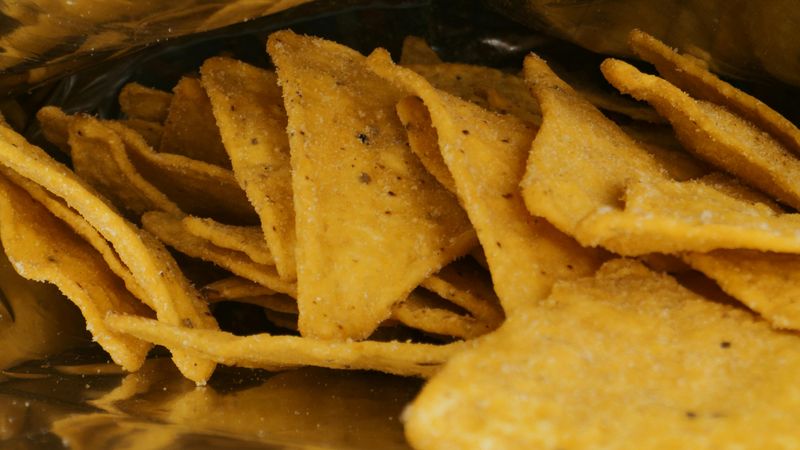
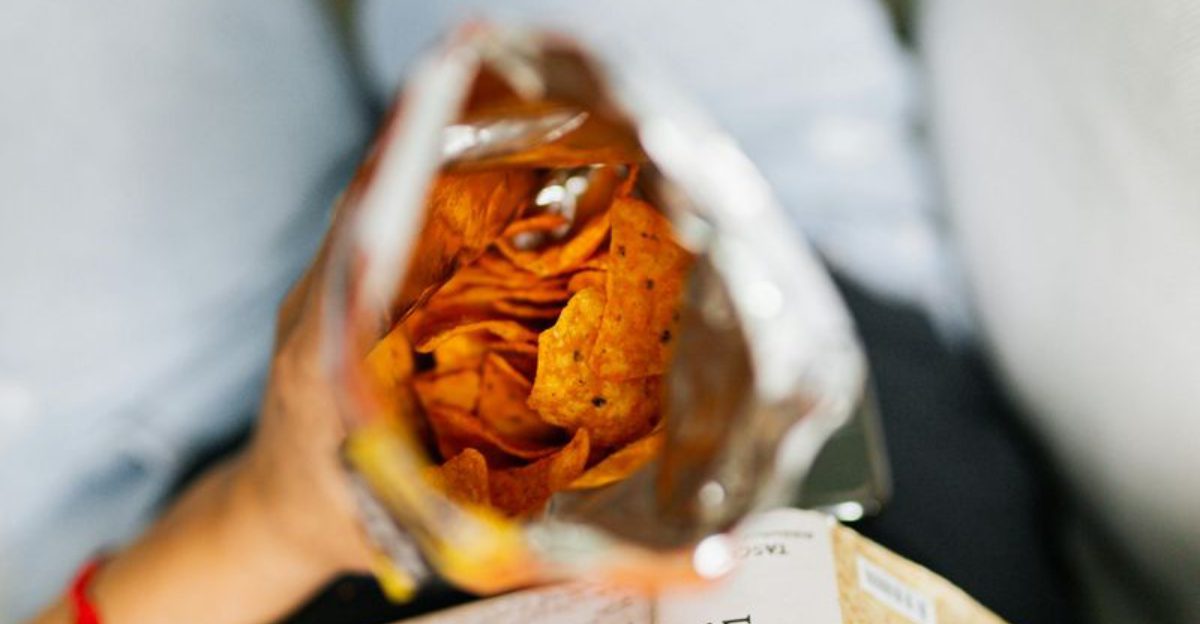
Family size chips look like a bargain, but you often pay for air and waste. The bag encourages mindless snacking, so you eat more than planned and rebuy sooner.
Unit prices can be higher than two smaller bags on a true sale. Flavor dust can tempt you into finishing the bag faster than planned.
Check weight, not the dramatic packaging. Compare price per ounce and consider staleness once the seal breaks at home.
If you love crunch, portion immediately into smaller bags, or buy a modest size and pair it with fresh dips and crunchy vegetables.
Party size snacks
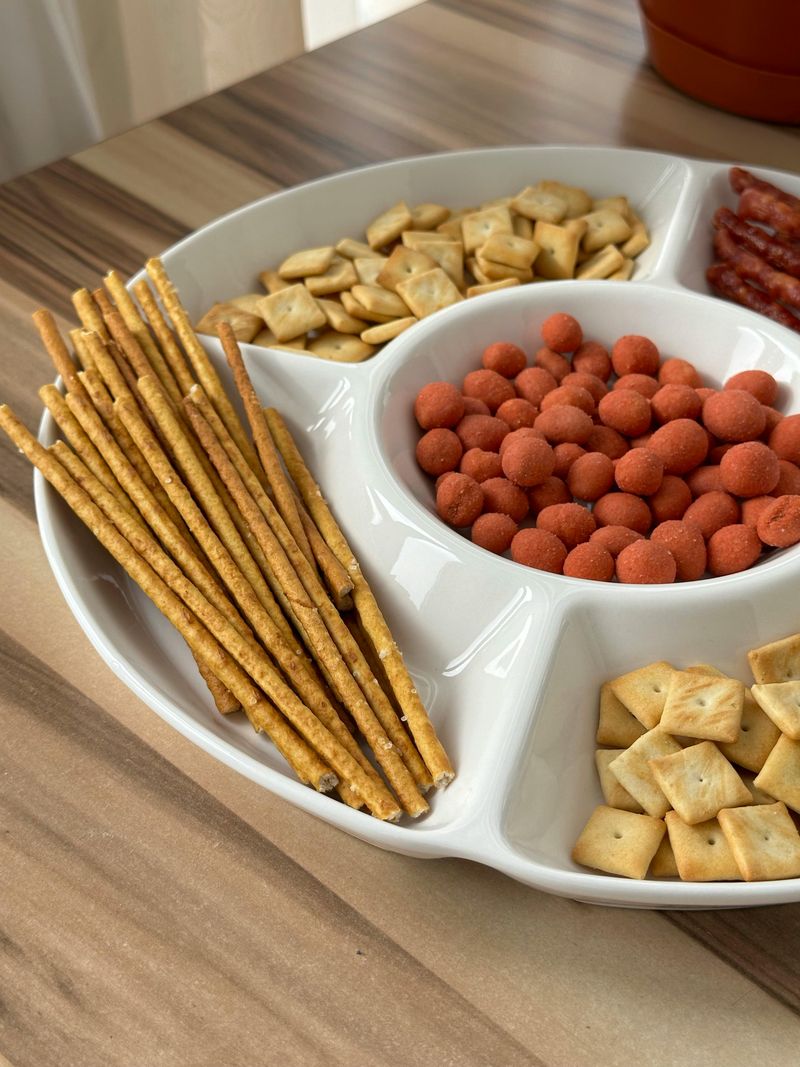
Party size snacks sound perfect for gatherings, but the math often punishes smaller households. You pay for branding and oversized packaging while freshness declines after opening.
Stale pretzels or crackers end up tossed, which erases any savings you hoped for.
When hosting, buy a few modest bags in flavors people truly eat. Refill bowls as needed, and stash unopened backups to return or save for later.
Check unit prices and consider store brands, which frequently taste the same once plated. If you really need bulk, plan airtight storage and freeze what you can to preserve crunch and value.
Bulk cereal box
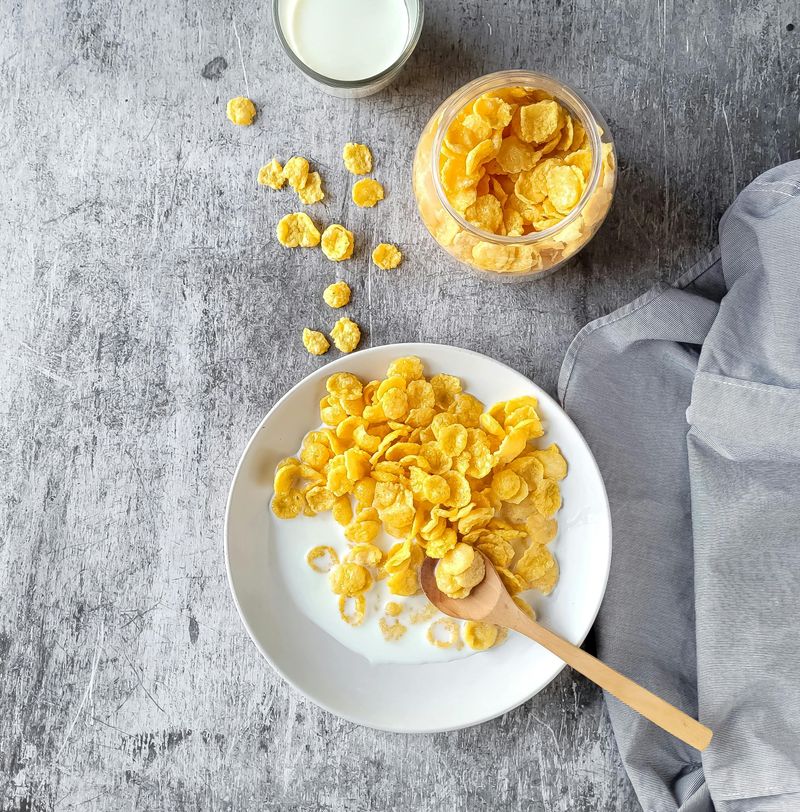
Bulk cereal boxes promise big savings, but stale flakes and sugar cravings can sabotage your budget. Oversized boxes encourage bigger bowls, and you run through milk faster too.
Meanwhile, sales on normal sizes often beat the bulk unit price when stacked with coupons.
Check price per ounce and the number of servings you will realistically use before staling. Store portions in airtight containers, not the flimsy inner bag.
Consider store brand oats or muesli and add fruit for flavor. If kids insist on a favorite, buy the smallest sale size and mix half with a simpler cereal to stretch sweetness.
Soda multipack
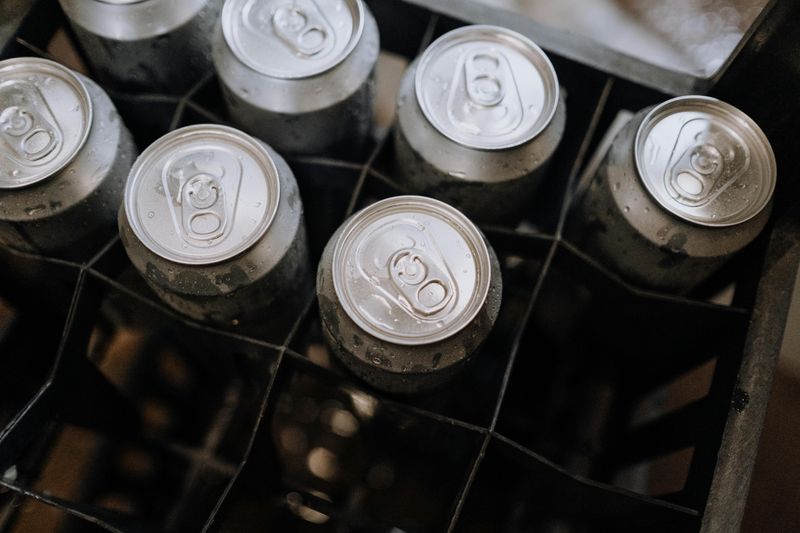
Soda multipacks lure you with flashy sale math, but deposits and limits complicate the true cost. You might drink more simply because it is cold and ready, then restock sooner.
Health aside, multipacks often tie you to one brand when single-bottle promotions run cheaper per unit.
Check shelf tags for price after deposit, and compare cans to bottles by ounce. Consider buying a smaller case and supplementing with seltzer, syrup, or a soda stream alternative.
Keep fewer chilled at once to slow consumption. When sales stack, buy only enough to bridge to the next discount rather than loading your entire pantry.
Single serve drinks

Single serve drinks feel convenient, but you pay a steep premium for plastic, shipping, and branding. Those bottles multiply quickly in the trash and in your budget.
A larger jug, powder, or concentrate often delivers the same taste for a fraction of the cost.
Use a reusable bottle and chill a pitcher of your favorite flavor at home. Add fruit slices or a splash of juice for variety.
For caffeine, brew in batches and portion for the week. You will cut impulse buys and still get grab-and-go ease, all while shrinking both waste and your spend.
Buy one get one deals

BOGO deals can be clever traps when the regular price is inflated or the item expires quickly. You buy two when you only needed one, doubling cost and waste.
Limits, exclusions, and mix-and-match confusion also mask higher unit prices.
Check the non-sale price and compare store brands. If it is truly a need, and you can freeze or store safely, then maybe grab both.
Otherwise, take the single at the sale price if allowed. When it is a want, leave the second on the shelf and keep your cart focused on staples you will actually finish.
Frozen meal bundles
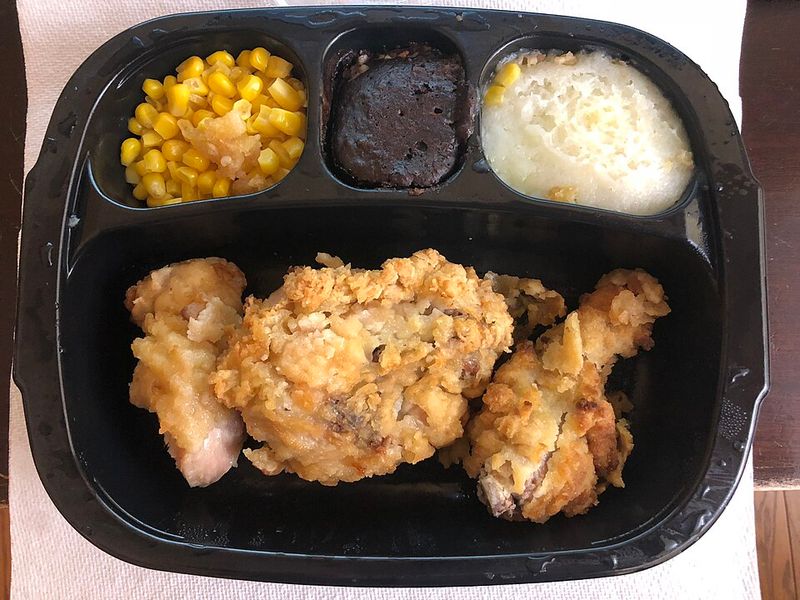
Frozen meal bundles promise convenience, but the math adds up fast. You pay for packaging, sauce, and marketing while portions stay small.
Many bundles push sides you did not plan to eat, raising calories and cost without real satisfaction.
Skip bundles and buy single entrees only when discounted below a fair unit price. Supplement with frozen vegetables, rice, or beans you season yourself.
You will build quicker, cheaper bowls with better control. Batch cook on weekends and freeze individual portions to rival convenience.
Label containers by date so you rotate wisely and stop falling for chilly bundle hype.
Meal kits
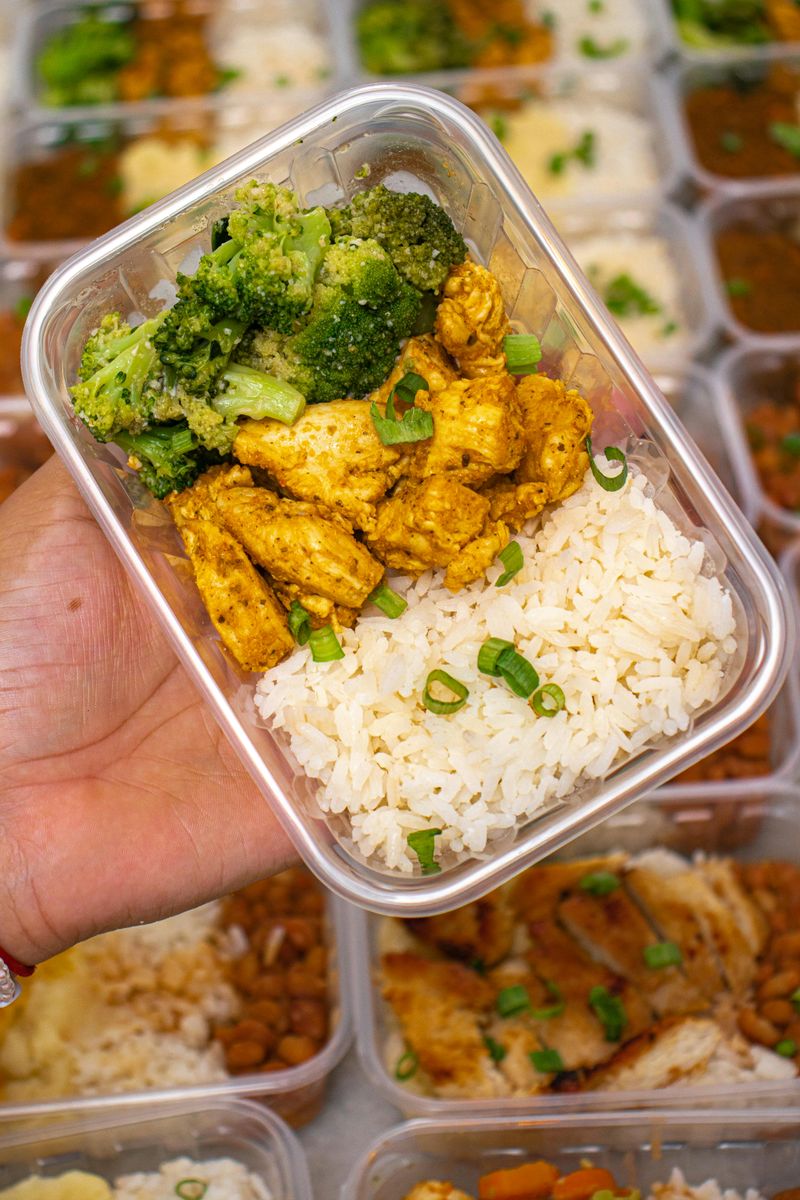
Meal kits feel like chef-level ease, but per-serving prices rival takeout. You pay for tiny packets, insulated shipping, and heavy marketing.
Produce may be portioned awkwardly, leaving you with food fatigue or missing staples when plans change.
Recreate favorite kit recipes by saving the cards and buying full-size pantry ingredients. Batch the sauces, then freeze or refrigerate portions for later.
Shop seasonal produce and proteins on sale for fresher flavor and lower cost. Use a simple template bowl or sheet-pan method.
You keep the variety, skip the premium, and actually build skills you can reuse every week.
Pre cut fruit
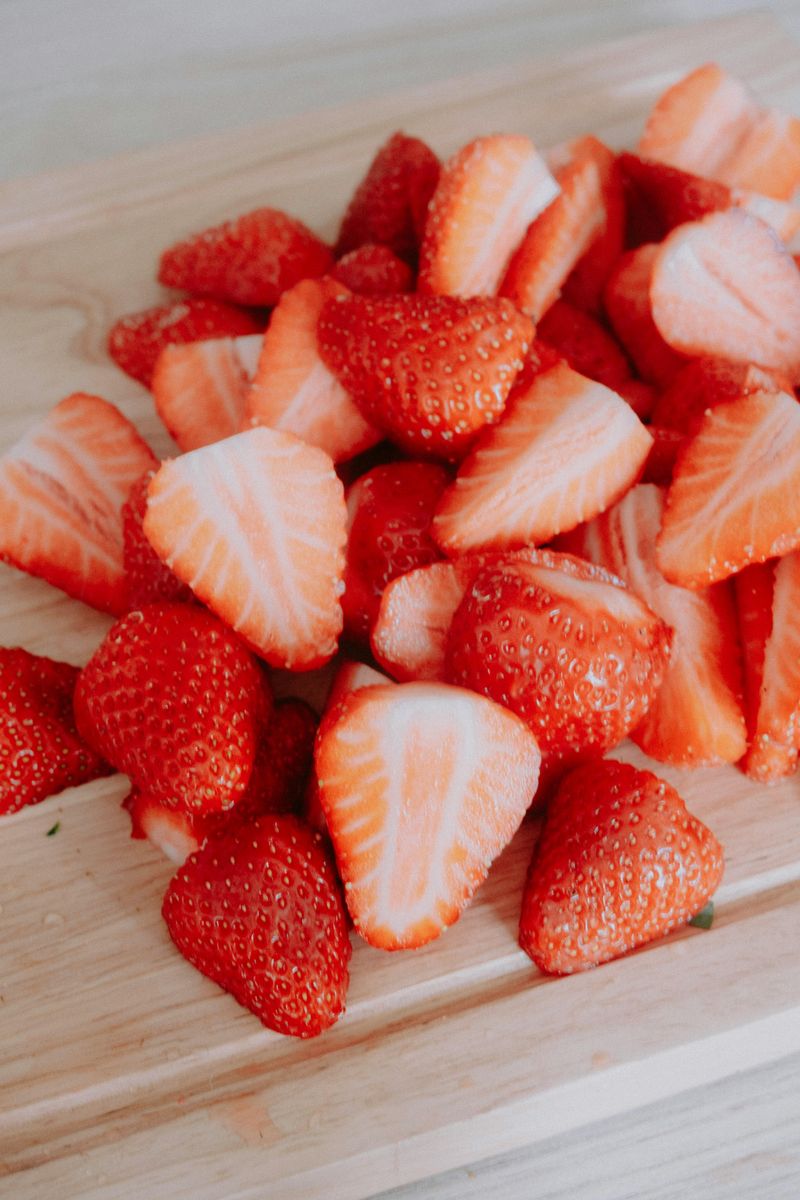
Pre cut fruit is undeniably handy, but you are paying for labor, packaging, and faster spoilage. The clock starts once it is sliced, so flavor and texture drop quickly.
Juices leak, and you toss half a container just as the week gets busy.
Buy whole fruit, then batch prep right after shopping. A quick wash and slice session gives you freshness for days at a lower price per pound.
Store in breathable containers with paper towels to manage moisture. If convenience is vital, reserve pre cut for travel days only.
Your wallet and taste buds will both be happier.
Deli prepared meals
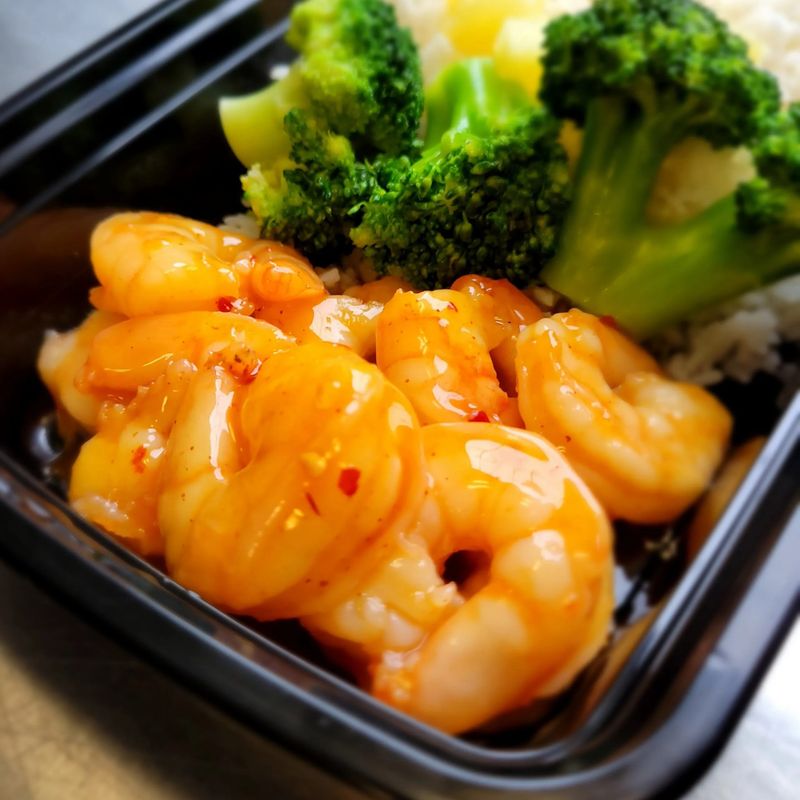
Deli prepared meals deliver speed, but you pay restaurant-level markups for salt and sauce. Portions can be tiny, pushing you to add sides that inflate totals.
Quality varies by hour, so late-day buys may be soggy or dried out.
For busy nights, grab a rotisserie chicken and add frozen vegetables and microwave rice. You get the same speed with far more servings.
Ask for half-portions if you do choose deli items, and verify price per pound. Pair one indulgent entree with homemade sides to stretch value.
You still win on time without throwing money at lukewarm trays.
Bakery cakes
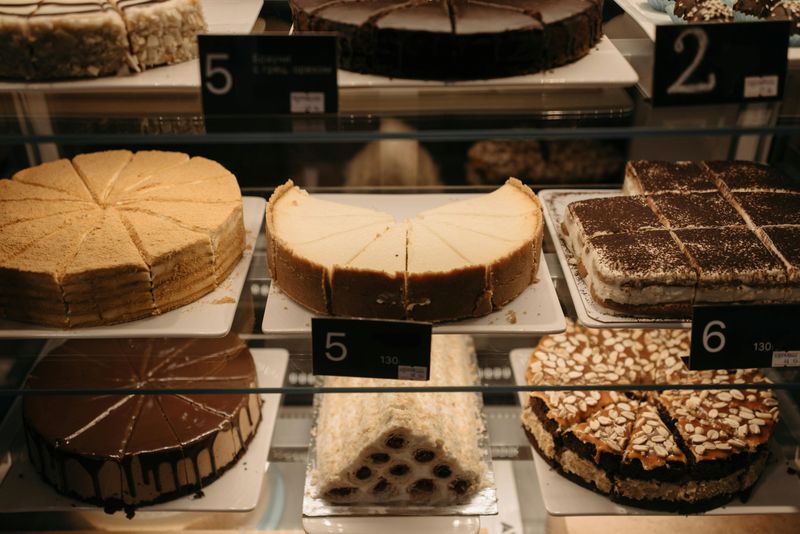
Bakery cakes look stunning, but decoration and thick frosting drive the price. Leftover slices dry out overnight, and custom orders add fees for colors and toppers.
You might overbuy size to be safe, then pay again when you toss extra.
For celebrations, consider a small decorated cake plus a tray of cupcakes or a sheet cake from a warehouse club. You get easy serving, better portion control, and fewer leftovers.
Compare price per slice before ordering. If you bake, a boxed mix with homemade frosting gives crowd-pleasing results at a fraction of the cost.
Name brand coupons
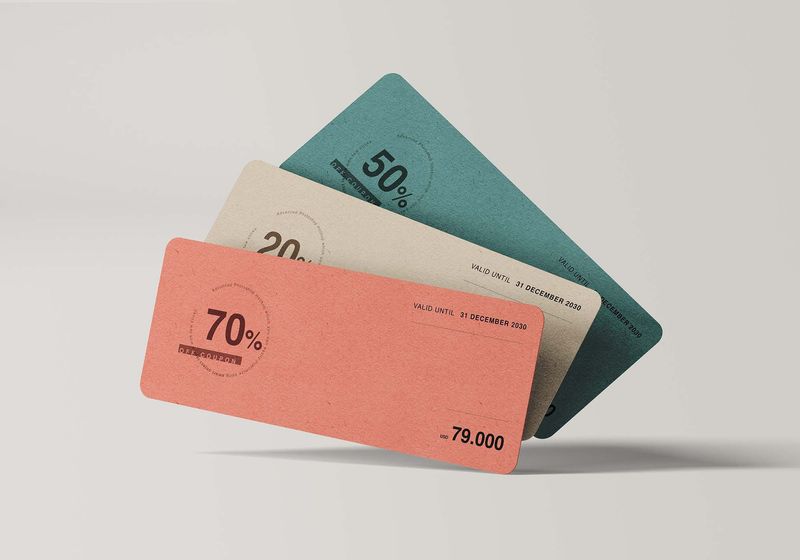
Name brand coupons feel like free money, but they often anchor you to pricier products. Even after discounts, store brands can beat them on unit price.
Coupons may require buying multiple items, locking you into unneeded volume.
Compare after-coupon cost per ounce against the generic. If the name brand still wins and you truly love it, then stock within reason.
Stack store loyalty discounts only when you planned to buy anyway. Otherwise, keep a running list of dependable generics you trust.
Your pantry stays flexible, and your receipt finally reflects how you actually eat.
Store loyalty bundles
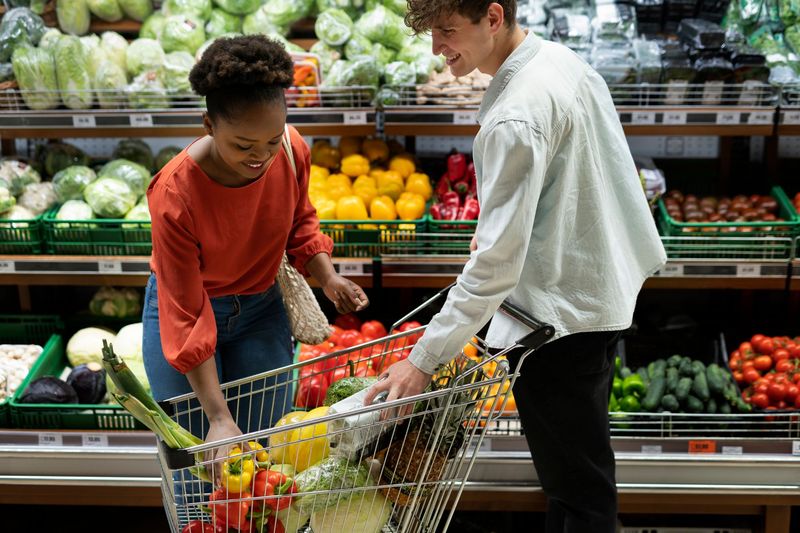
Store loyalty bundles push you to meet tricky thresholds, mixing items you do not need. You chase points and miss cheaper options elsewhere.
The fine print might require specific sizes or flavors, quietly raising your total.
Use loyalty for straightforward discounts on staples, not scavenger hunts. Compare across stores with a simple price list for milk, eggs, rice, beans, and produce.
If a bundle truly aligns with your meal plan, grab it. Otherwise, opt out and buy the best unit prices without hoops.
Your budget favors consistent habits, not puzzle solving at checkout screens.
Pre marinated meat
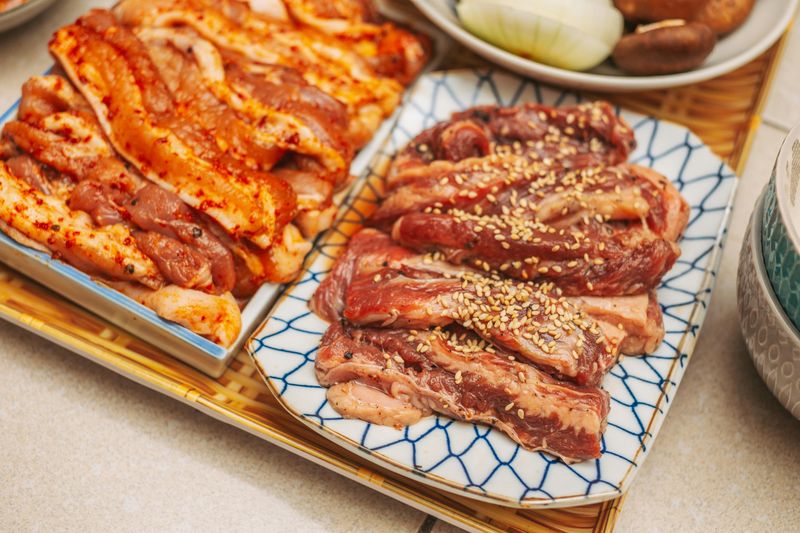
Pre marinated meat charges you for water, sugar, and convenience. Those added solutions inflate the weight while masking average cuts.
Flavors can be too salty or sweet, and you lose control of ingredients and timing.
Buy plain meat on sale and marinate at home with pantry basics. A quick olive oil, citrus, garlic, and spice mix works wonders and costs pennies.
Portion and freeze in bags so the meat marinates as it thaws. You get better texture, balanced flavor, and a real price per pound that respects your budget and taste.
Pre shredded cheese
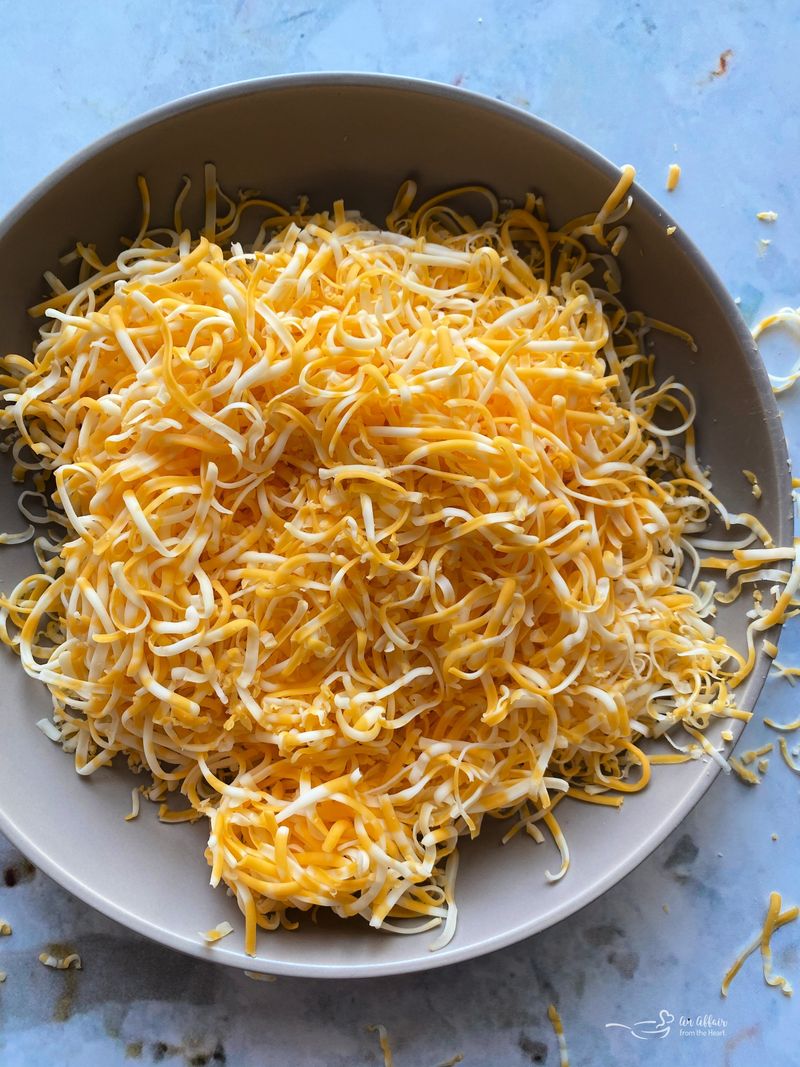
Pre shredded cheese saves a minute, but the anti-caking starch dulls melt and flavor. You pay more per ounce, and bags vanish faster when topping everything.
The texture can clump in the fridge, pushing waste or mediocre meals.
Buy blocks when on sale and grate what you need. Freeze small portions to keep freshness, or use a food processor for a quick batch.
You get better browning, cleaner flavor, and a lower price per ounce. If convenience matters, keep one small bag for emergencies, and rely on blocks for daily cooking and baking.
Flavored water packs

Flavored water packs trade pennies of ingredients for premium pricing and packaging. You get sweetness and color, but you could infuse water with fruit scraps and herbs for nearly free.
The packets also encourage more frequent sipping that empties your stash early.
Try sliced citrus, cucumber, mint, or frozen berries in a pitcher. Brew herbal tea, chill it, and add a splash of juice for balance.
Keep a reusable bottle and refill it through the day. When you still want packets, reserve them for travel or workouts only, and watch the price per serving closely.
Protein snack packs
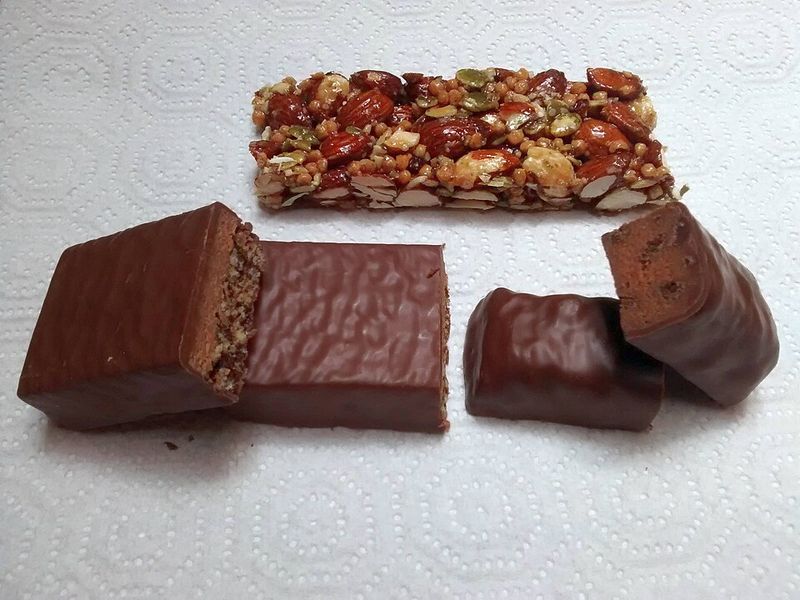
Protein snack packs look tidy, but you pay extra for plastic dividers and tiny portions. Cheese and nuts become premium when pre-arranged.
The salt and preservatives in deli meats can be high compared to fresh slices.
Build your own with bulk nuts, a cheese block, and store deli meat cut thick. Portion into reusable cups on Sunday for grab-and-go ease.
Add fruit or vegetables to round things out without overspending. You will control sodium, get fresher textures, and slash price per serving.
The convenience stays, but the markup quietly disappears from your receipt.
“Value” spice mixes
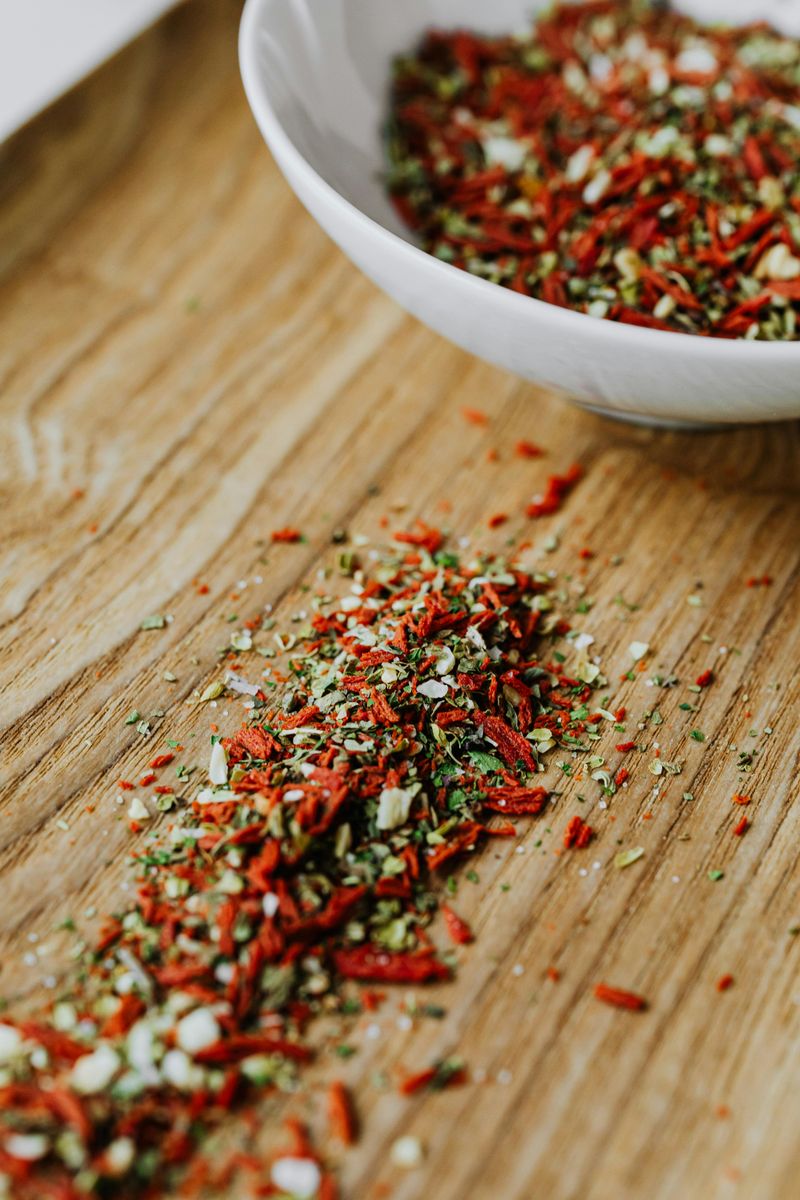
Value spice mixes often stretch flavor with salt, sugar, and starches. You pay for fillers while getting weak, redundant blends that go stale before finishing.
The big bottle seems economical, but the taste barely moves the needle in cooking.
Build simple blends from core spices like cumin, paprika, garlic, onion, and pepper. Buy small amounts, refresh often, and toast whole spices when possible.
You will taste brighter seasoning and spend less over time. If a blend is useful, choose a reputable brand in a modest size.
Check ingredients and unit price before trusting any giant bargain label.
Oversized condiment bottles
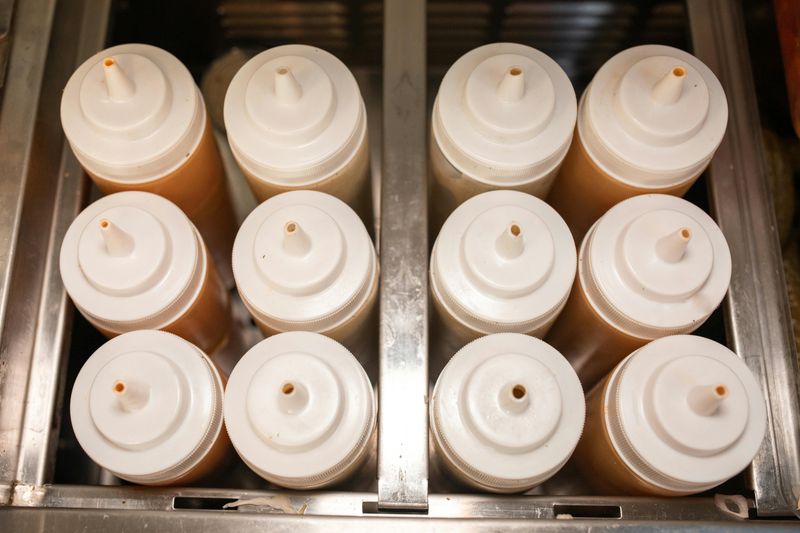
Oversized condiment bottles look frugal until separation, crust, and flavor fade set in. You forget them behind the door, then toss half when the date looms.
Promotions push sizes that do not match real usage, turning savings into waste.
Buy the smallest size that fits your household’s pace. For frequent favorites, track how fast you finish a bottle, then step up one size if justified.
Store upside down for easier dispensing and less air. If you try a new sauce, start tiny.
Real savings come from finishing every drop, not from wrestling a gallon of ketchup.
Snack variety pack
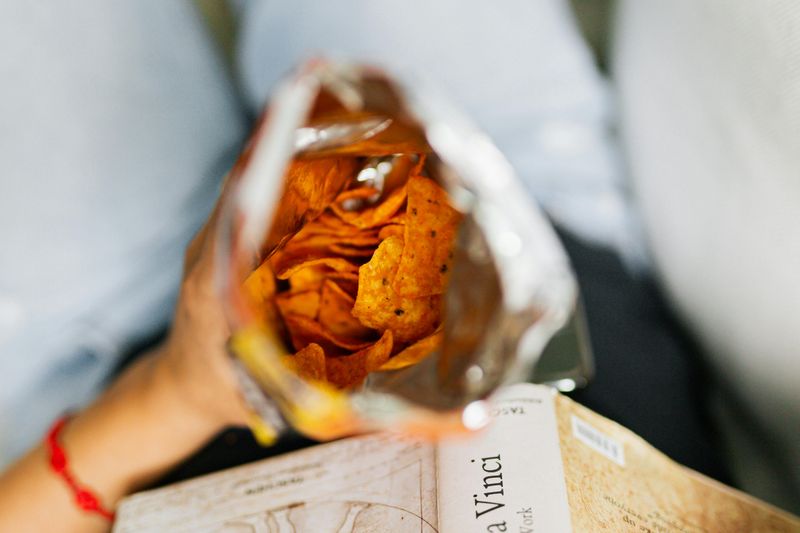
Variety packs promise choice, yet the least popular flavors linger while favorites vanish first. You end up rebuying for the hits, paying extra for convenience and extra packaging.
Unit prices are usually worse than a sale on individual bags.
Buy single-flavor boxes you know everyone eats, or build your own variety with bulk bins and small containers. Rotate options weekly to keep boredom away without paying for dud flavors.
If grab-and-go is essential, pack portions on Sunday night. You get the same speed, less waste, and a better price per ounce, especially with store brands or warehouse snacks.
Enjoyed this story?
Add Fast Food Club as a preferred source to see more of our reporting on Google.