


Arizona is famous for the Grand Canyon, but the state hides so many more breathtaking natural treasures waiting to be explored. From towering rock formations to crystal-clear creeks tucked inside deep canyons, these spots offer experiences you simply cannot find anywhere else.
Whether you love hiking, photography, or just soaking in stunning scenery, Arizona’s lesser-known wonders will leave you speechless. Pack your gear and get ready to explore places that most travelers walk right past.
Chiricahua National Monument – Willcox, Arizona
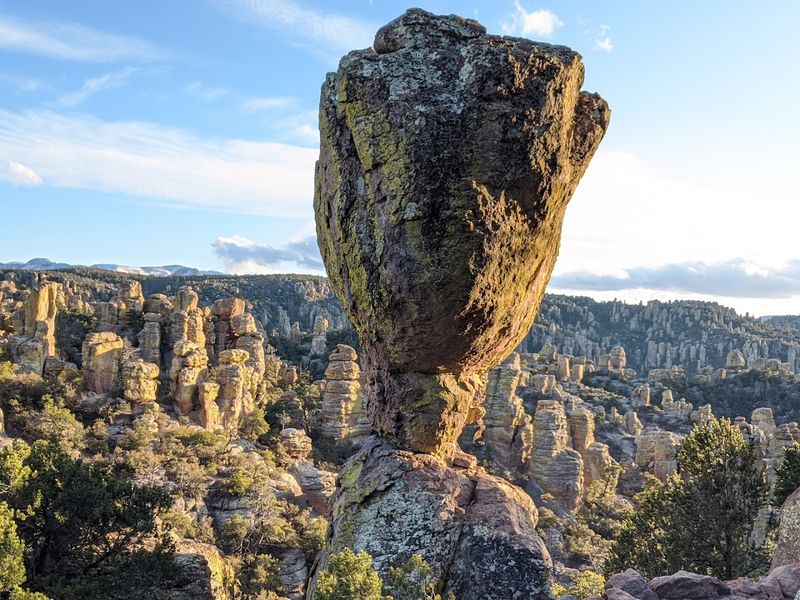
Nicknamed the “Land of Standing-Up Rocks,” Chiricahua National Monument near Willcox looks like something straight out of a fantasy novel. Enormous volcanic rock columns, balanced boulders, and stone spires rise dramatically from the hillsides in shapes that seem almost impossible.
The monument sits in the Dos Cabezas Mountains and covers over 11,000 acres. Trails wind through forests of Apache pine and Douglas fir, giving hikers a cool, shaded adventure.
Early morning visits reward you with golden light painting the rocks in warm amber tones.
Tonto Natural Bridge State Park – Pine, Arizona
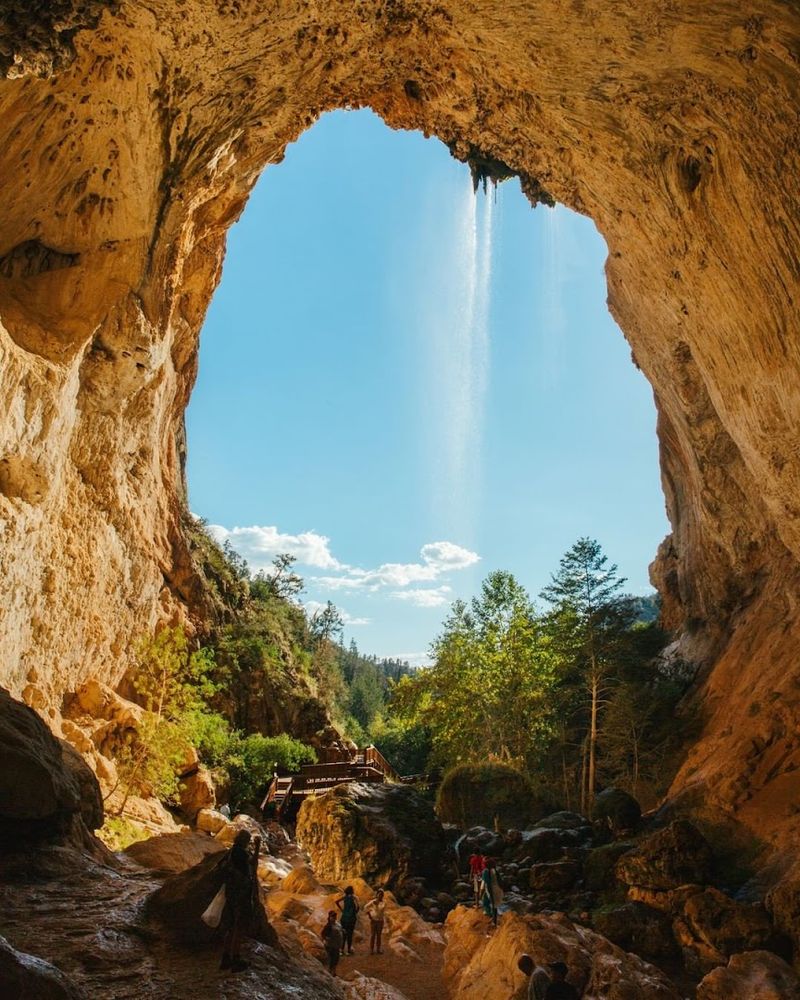
Standing 183 feet high and stretching 400 feet long, Tonto Natural Bridge is believed to be the largest natural travertine bridge on Earth. Watching a waterfall tumble through that massive arch and splash into the pool below feels genuinely surreal.
Located near the small town of Pine, this state park stays refreshingly cool even in summer. Brave visitors can wade through the shallow creek beneath the bridge itself.
The hike down to the base is steep but absolutely worth every step you take.
Sycamore Canyon Wilderness – Williams, Arizona
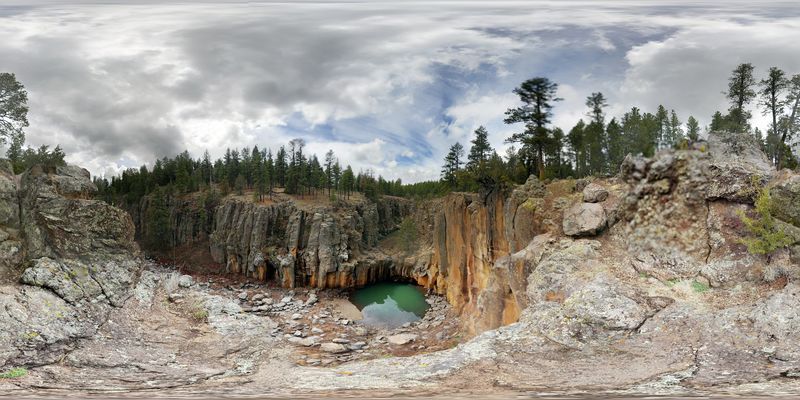
Sycamore Canyon is Arizona’s second-largest canyon, yet somehow it flies completely under the radar while the Grand Canyon gets all the attention. Stretching 21 miles long and up to 7 miles wide, this wilderness area near Williams offers solitude that most visitors to Arizona never find.
The canyon walls glow in rich shades of red, orange, and cream. Sycamore Creek flows through the bottom seasonally, creating small pools perfect for cooling off.
Wildlife like black bears, mountain lions, and bald eagles call this canyon home year-round.
The Painted Desert Project – Cameron, Arizona
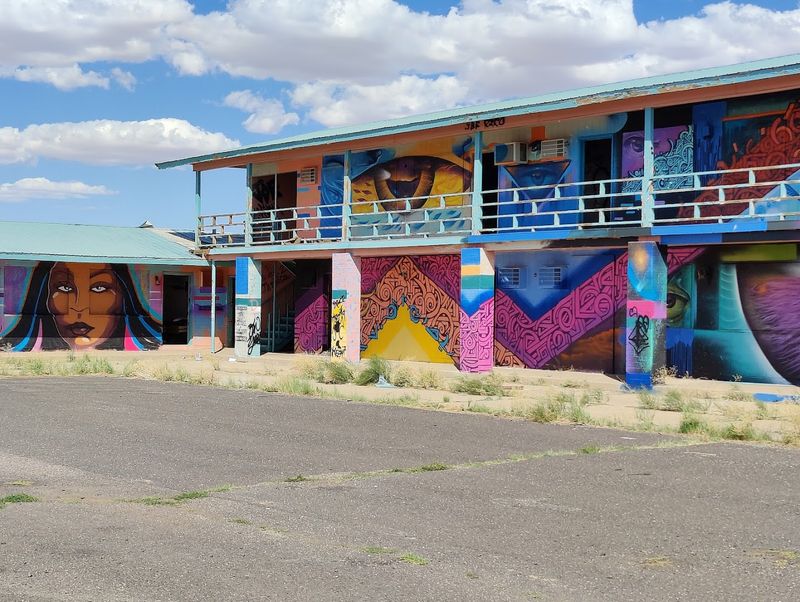
Few landscapes on Earth match the raw, otherworldly color palette of the Painted Desert near Cameron. Bands of purple, crimson, orange, and soft gray streak across the badlands like brushstrokes on an enormous canvas.
The area sits along the edge of the Navajo Nation and stretches into Petrified Forest National Park. Sunset and sunrise visits are especially magical, when the low light makes every ridge pop with vivid color.
Photographers travel from across the world specifically to capture this landscape at its most dramatic.
West Clear Creek Wilderness – Happy Jack, Arizona
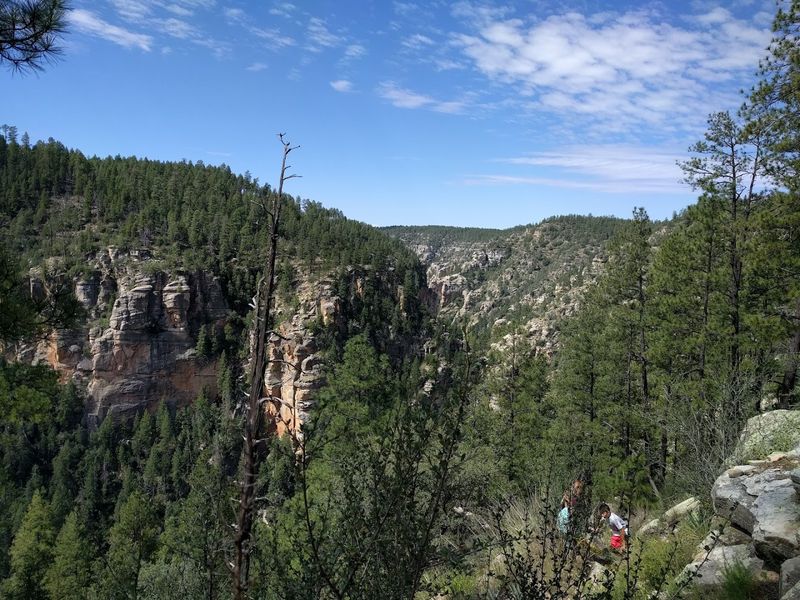
West Clear Creek is one of Arizona’s best-kept secrets, carving a stunning 40-mile canyon through the Mogollon Rim country near Happy Jack. The creek runs year-round, which is rare in the Arizona desert, making it a genuine oasis.
Hikers wade through chest-deep pools, squeeze through narrow slot sections, and scramble over boulders to explore the full route. The canyon walls tower hundreds of feet overhead, keeping the trail cool and shaded.
Beginners can enjoy the lower sections without committing to the full multi-day trek.
Vermilion Cliffs National Monument – Marble Canyon, Arizona
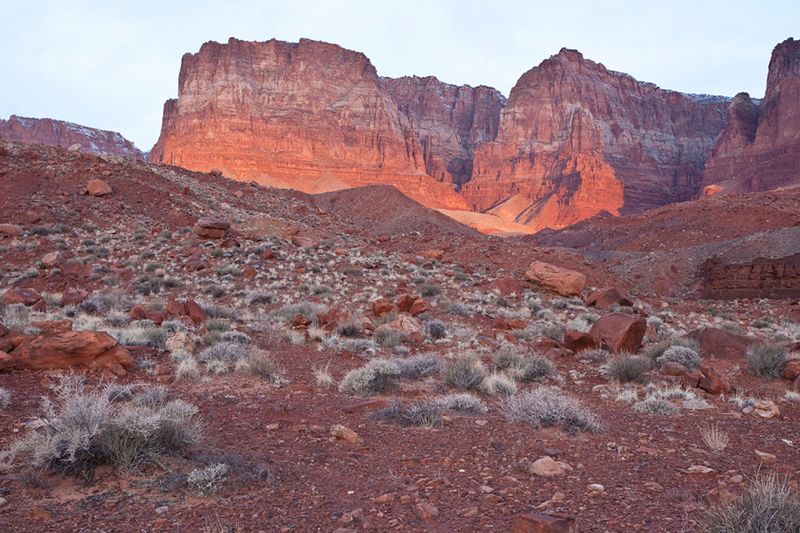
The Vermilion Cliffs near Marble Canyon are so strikingly beautiful that they look digitally enhanced in photographs, yet every color you see is completely real. These ancient sandstone cliffs rise nearly 3,000 feet and stretch for 30 miles along the Arizona-Utah border.
The monument is also famous as a release site for California condors, one of North America’s most endangered birds. Watching a condor soar above those massive red walls is an unforgettable experience.
The Wave, a sandstone formation inside the monument, draws visitors from around the globe with its swirling patterns.
Apache-Sitgreaves National Forests – Springerville, Arizona
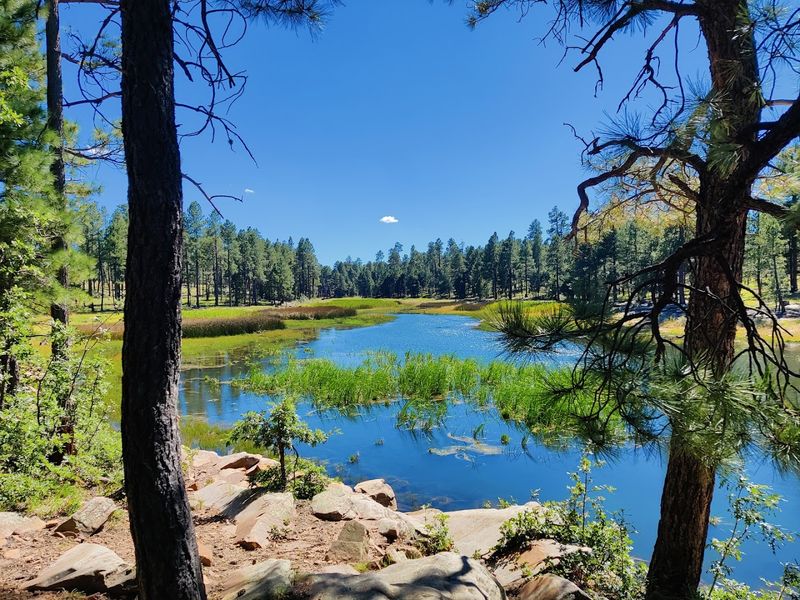
Covering nearly 2 million acres, Apache-Sitgreaves National Forests near Springerville feels like stepping into an entirely different Arizona from the one most people imagine. Towering ponderosa pines, alpine meadows, and glassy mountain lakes replace the cactus and red rock scenery found elsewhere in the state.
The White Mountains within these forests offer excellent fishing, camping, and wildlife watching throughout the year. Elk herds roam freely through the meadows at dawn.
Fall brings spectacular foliage that rivals anything you might see in New England, making autumn the most popular season to visit.
Fossil Creek Wilderness – Strawberry, Arizona
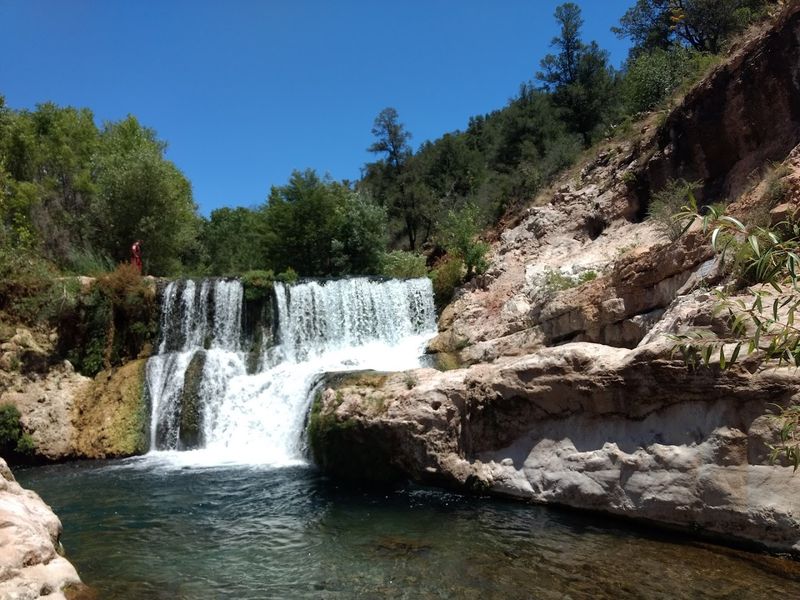
Fossil Creek earns its famous turquoise color from calcium carbonate-rich spring water that flows at a constant 72 degrees year-round, creating pools that look almost tropical. Located near the small community of Strawberry, this wilderness area requires a permit to visit, which helps keep crowds manageable.
The springs release about 43,000 gallons of water per minute, feeding lush riparian habitat filled with cottonwood and ash trees. Travertine formations build up along the streambed, creating natural dams and cascading waterfalls.
Swimming here on a warm afternoon ranks among Arizona’s finest outdoor experiences.
Mount Graham – Safford, Arizona
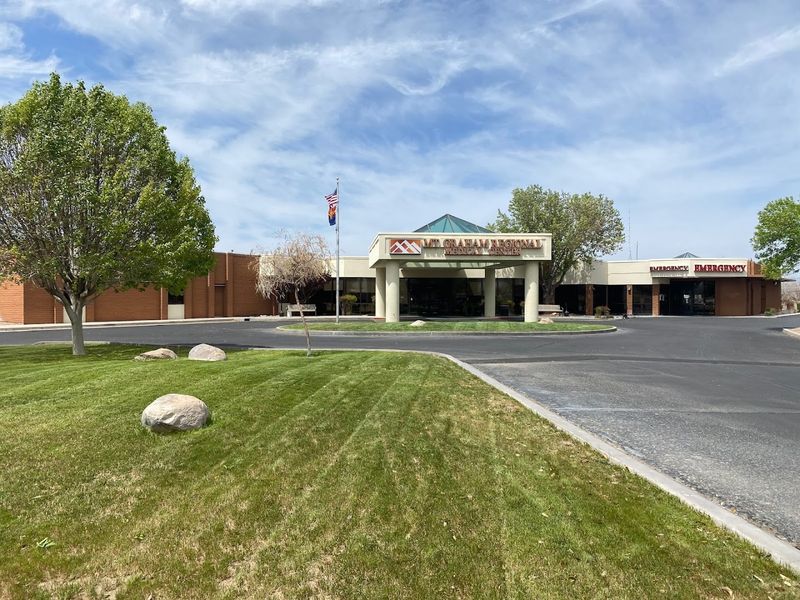
Mount Graham rises dramatically from the Sonoran Desert floor near Safford, climbing from cactus-covered flatlands all the way to cool spruce-fir forests at 10,720 feet elevation. This sky island mountain hosts one of the most dramatic ecological transitions you can experience in a single day hike.
The mountain is home to the endangered Mount Graham red squirrel, found nowhere else on Earth. International observatories crown the summit, taking advantage of the exceptionally clear, dark skies.
Driving the Swift Trail Parkway up the mountain rewards travelers with sweeping views of three different states on clear days.
Grand Falls – Arizona
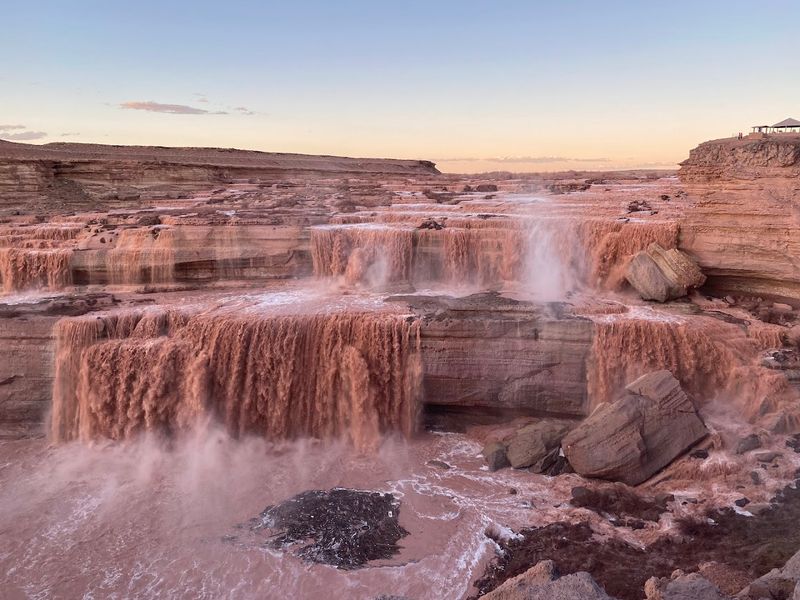
Grand Falls on the Little Colorado River is wider than Niagara Falls, yet most people have never heard of it. The catch?
It only flows with water during spring snowmelt or after heavy monsoon rains, making each visit feel like a lucky discovery.
Locals call it “Chocolate Falls” because the rushing water carries thick, reddish-brown sediment over the basalt ledges. The falls sit on Navajo Nation land northeast of Flagstaff and require a short drive across an unpaved road.
Timing your visit right turns an ordinary road trip into something truly spectacular.
Vermilion Cliffs National Monument – Marble Canyon, Arizona (The Wave)
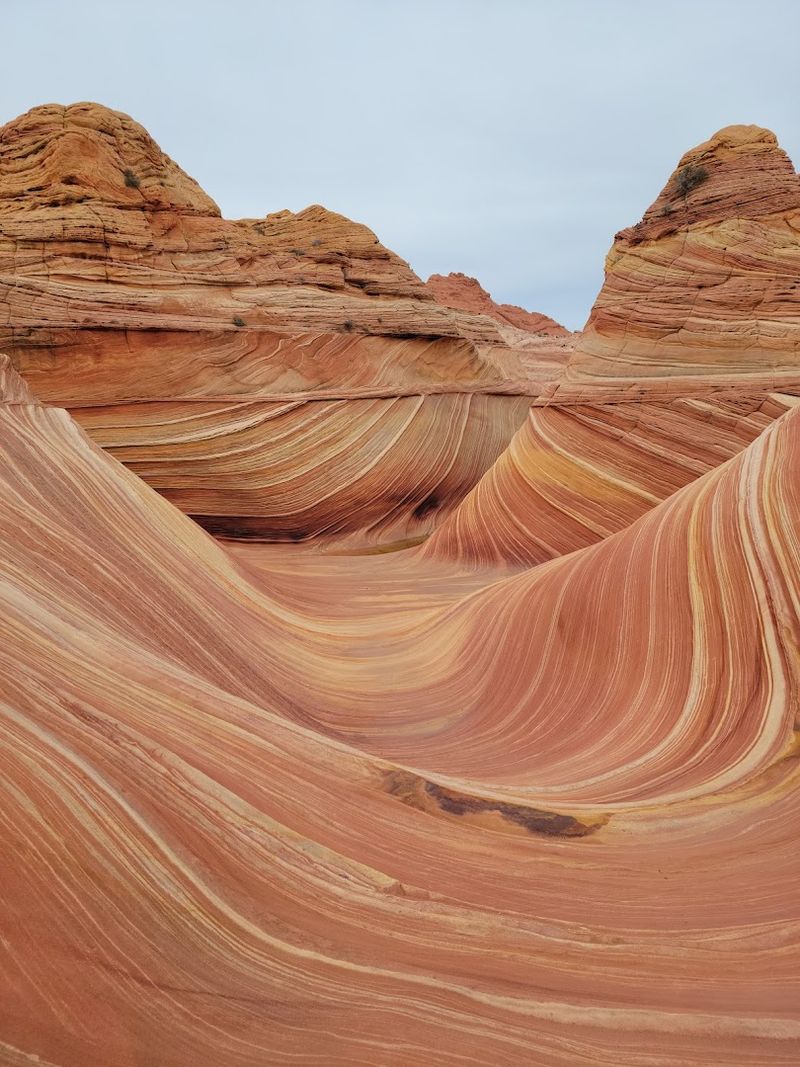
Getting a permit to visit The Wave inside Vermilion Cliffs National Monument is notoriously difficult, with only 64 visitors allowed per day through a competitive lottery system. That exclusivity makes reaching this swirling sandstone formation feel like winning something truly special.
The undulating rock surface looks like frozen ocean waves carved from red and orange stone, with layers of color flowing in smooth, hypnotic curves. No trail markers guide you there, adding a real sense of adventure to the journey.
Early morning light transforms The Wave into one of the most photographed geological features in North America.
Cibecue Creek Trailhead – Reservation, Arizona
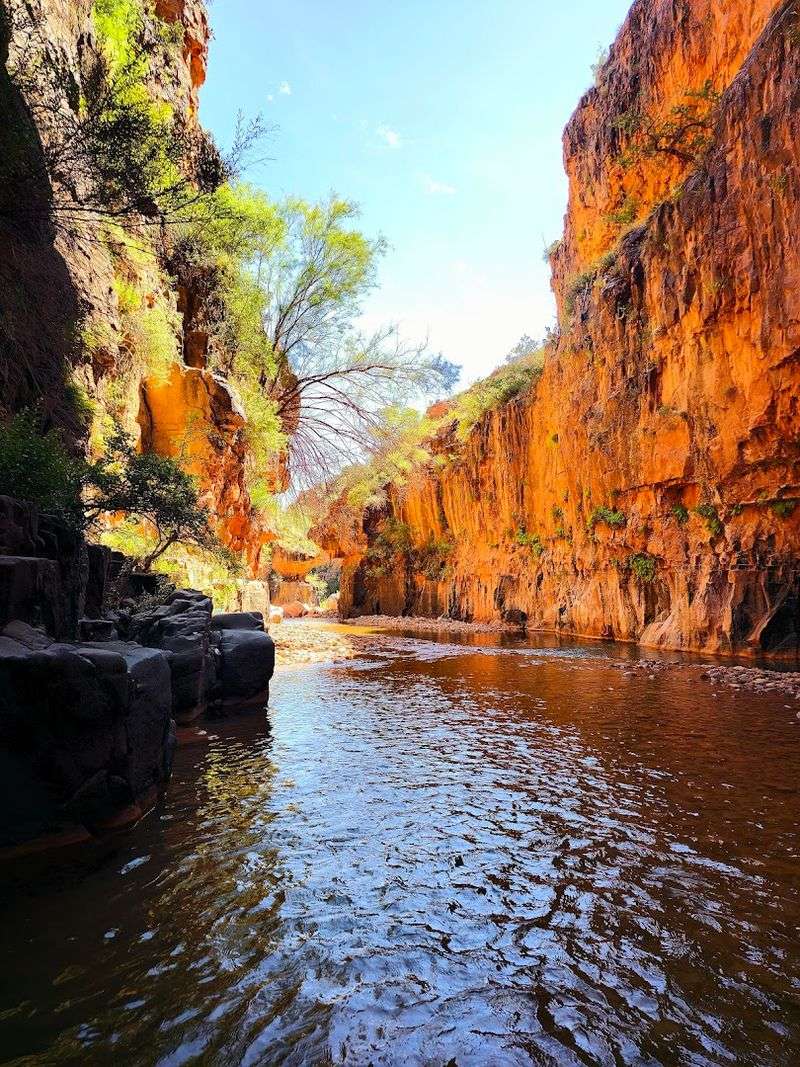
Tucked deep within the White Mountain Apache Reservation, Cibecue Creek offers a canyon experience that combines natural beauty with genuine cultural history. The creek flows through a red rock gorge shaded by towering cottonwood trees, creating a peaceful, almost hidden world.
Access requires a recreation permit from the White Mountain Apache Tribe, which helps protect this sacred and ecologically rich area. Ancient rock art decorates some of the canyon walls, connecting visitors to people who lived here thousands of years ago.
The trail follows the creek closely, meaning you will get your feet wet and love every second of it.
Enjoyed this story?
Add Fast Food Club as a preferred source to see more of our reporting on Google.