



Some foods whisper family history louder than any handwritten card. You taste them and instantly know someone grew up in a kitchen where nothing went to waste and everything had a story.
This list is for the ones who measure with their hearts and swear the secret ingredient is patience. Get ready to feel seen, remembered, and a little hungry.
Meatloaf
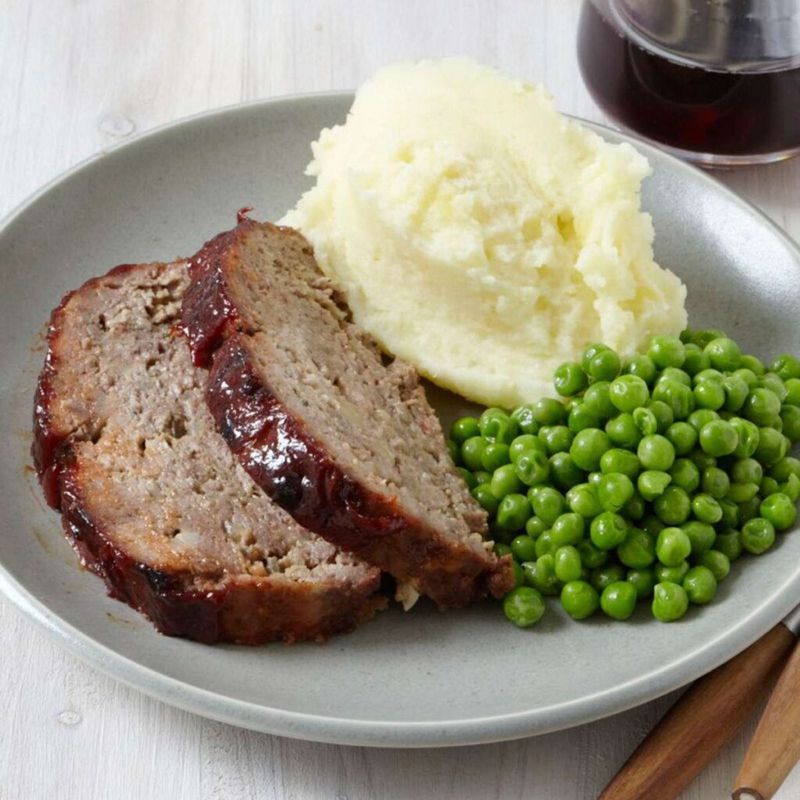
Nothing says you grew up on hand-me-down recipes like a glossy, ketchup-topped meatloaf. You learned to lift it gently from a dented pan so the glaze stayed put, then slice to reveal onion bits and cracker crumbs.
The smell alone could pull everyone to the table before grace was finished.
You probably eyeball the milk, stretch the meat with stale bread, and swear by letting it rest. Leftovers become legendary sandwiches on day two.
If you know the difference between Grandma’s glaze and Aunt June’s, you belong here, passing the know-how without measuring spoons.
Pot roast
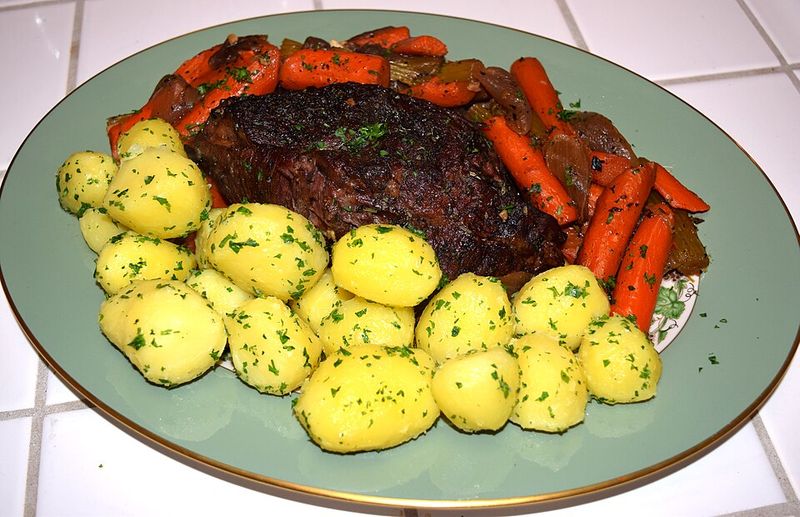
Pot roast taught you slow cooking is an act of love. You watched a cheap cut transform into fork-tender comfort under a low lid, bathed with onions, carrots, and potatoes.
The gravy, always deep and shiny, started with those browned bits you were told never to waste.
Maybe you learned to thicken with a flour slurry or a secret spoon of instant coffee. You knew it was done when a fork slid in like butter.
If you still test doneness by scent wafting down the hallway, you were raised on wisdom that never needed timers.
Chicken soup
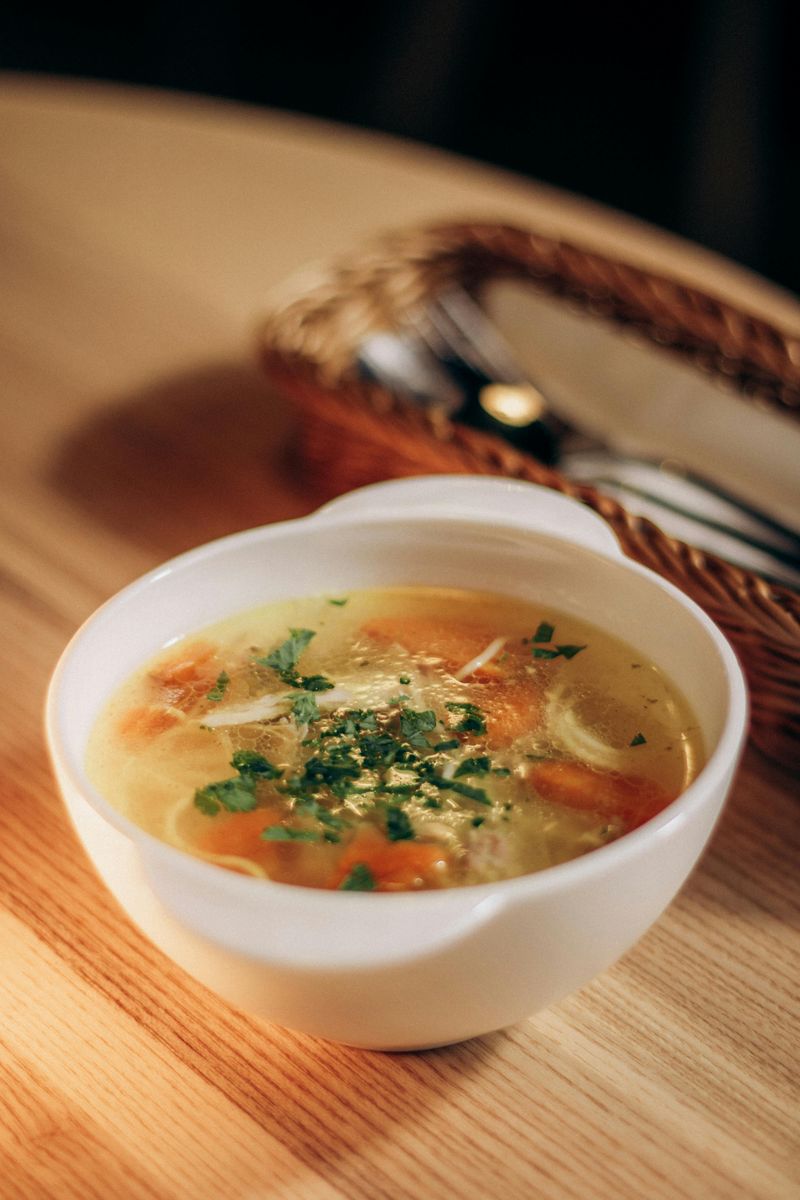
Chicken soup from a passed-down kitchen starts with bones, not bouillon. You skim the pot like a pro, add celery trimmings, carrot peels, and an onion half with the paper still clinging.
The broth turns clear gold, and you swear you can smell healing before the noodles even join.
Maybe dumplings float instead, or rice stretches the pot another night. Parsley or dill depends on which side of the family you favor.
Either way, you taste Sunday, sick days, and snowstorms. You know it cures more than colds because it carries everyone’s quiet care in every ladle.
Beef stew
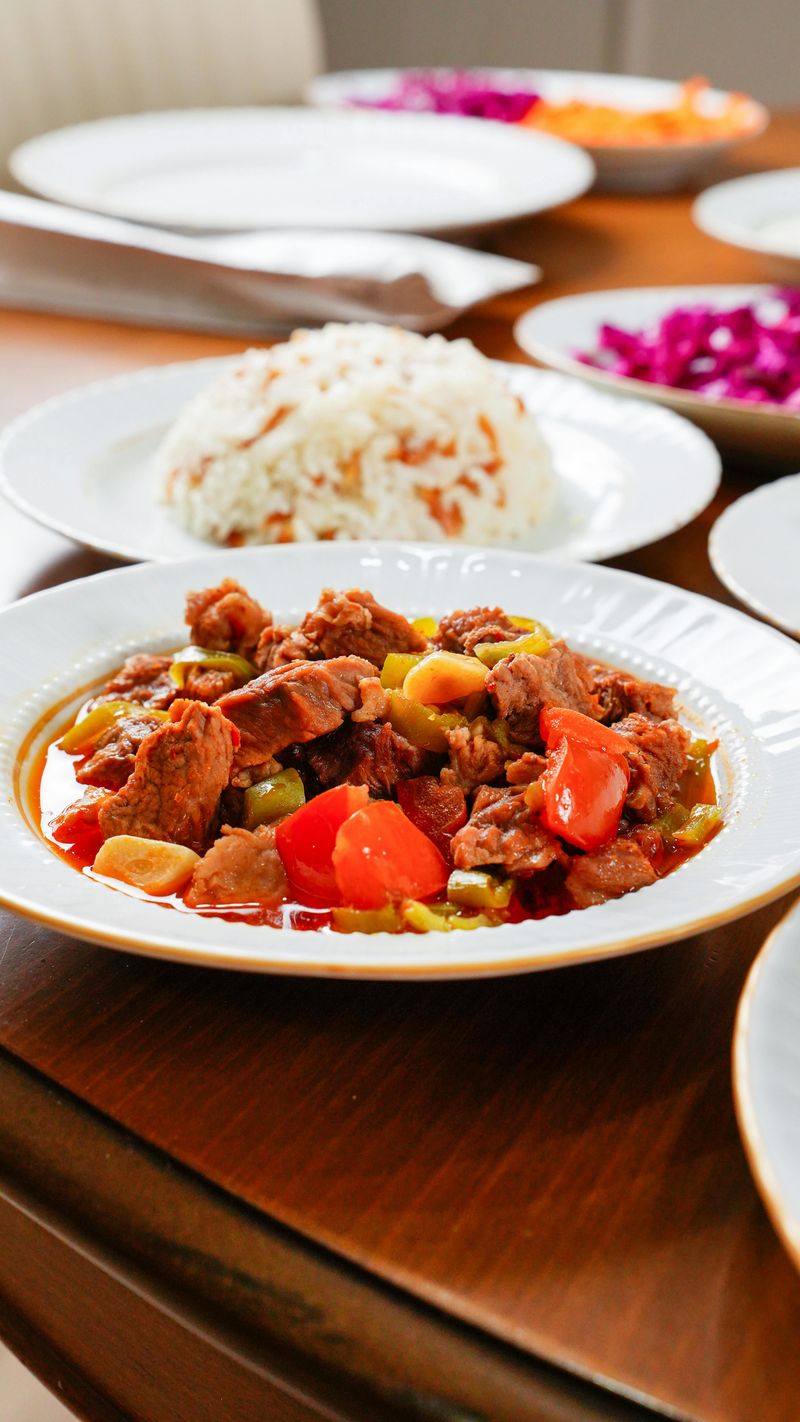
Beef stew was your budget lesson in a bowl. You learned to brown cubes until the pan hissed, then scrape up the fond like treasure.
Potatoes, carrots, maybe a handful of peas arrived late so they stayed bright, while a bay leaf did quiet work nobody noticed.
Sometimes you thickened with mashed potato, other times a little flour and butter paste. You knew the stew was ready when the spoon stood almost upright.
If you can still stretch leftovers with another splash of stock and a prayer, you grew up practical and deliciously resourceful.
Tuna casserole
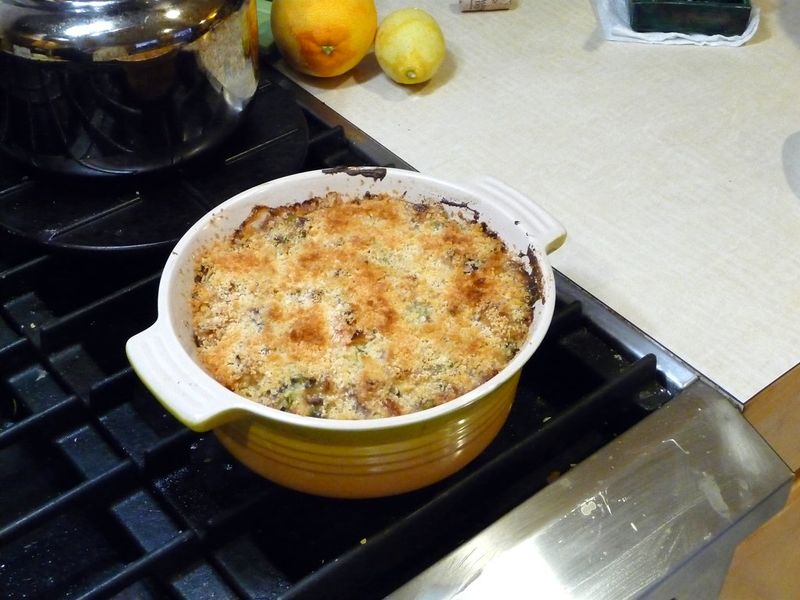
Tuna casserole gave you permission to raid the pantry and call it dinner. Egg noodles swam in cream-of-something, peas dotted the landscape, and a potato chip crown shattered like applause.
You knew to drain the tuna well, fold gently, and never skip the crunchy top even if it meant crumbs.
Some families used breadcrumbs, others cornflakes, but the mission stayed the same: feed many for little. Leftovers reheated into comfort that hugged back.
If you can taste the tin and still smile, you know thrift never dulled flavor, it only sharpened gratitude and creativity.
Cream soup casserole
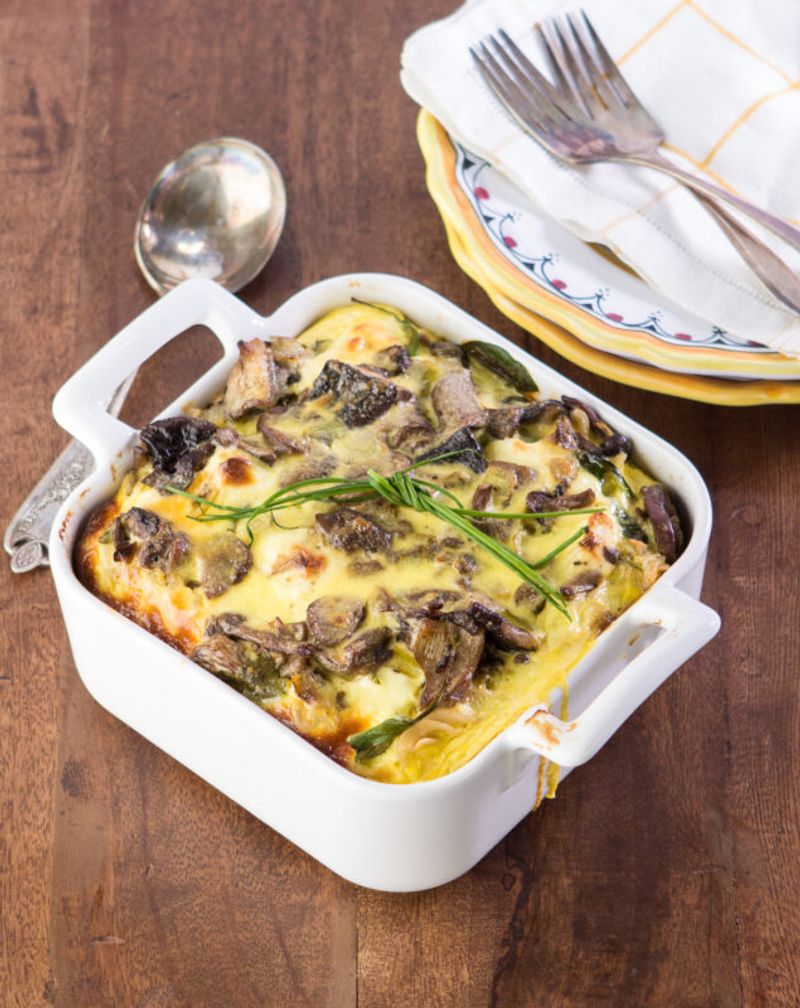
This is the casserole that started with a can and ended with compliments. Cream of mushroom or chicken turned leftovers into something new, binding rice, vegetables, and shreds of whatever meat you had.
You stirred until it looked right, then blanketed it with buttered crumbs and baked until bubbling.
It taught you not every shortcut is a compromise. The trick was seasoning beyond the can, adding black pepper, onion powder, and maybe a splash of milk.
If you instinctively tap the spoon twice on the rim and listen for the sizzle, you learned from masters of stretch.
Ham and beans
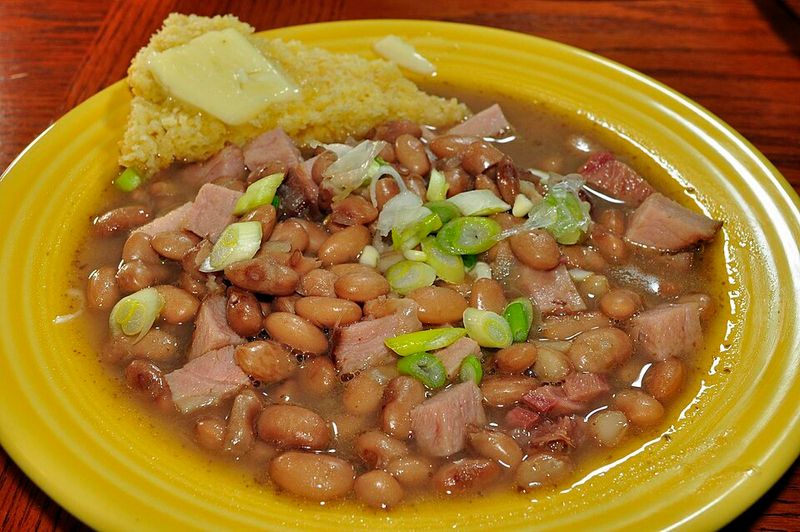
Ham and beans tasted like patience. You soaked the beans overnight, or pretended you did and simmered longer, letting a ham hock whisper smoky secrets.
Onion, bay, maybe a clove of garlic if the budget allowed, turned water into something hearty enough to call supper.
Salt waited until the beans turned creamy, because you learned the hard way once. Cornbread on the side made it a feast.
If you still scrape the pot for the bean crust and call it the cook’s reward, you understand how humble food can feel downright celebratory.
Split pea soup
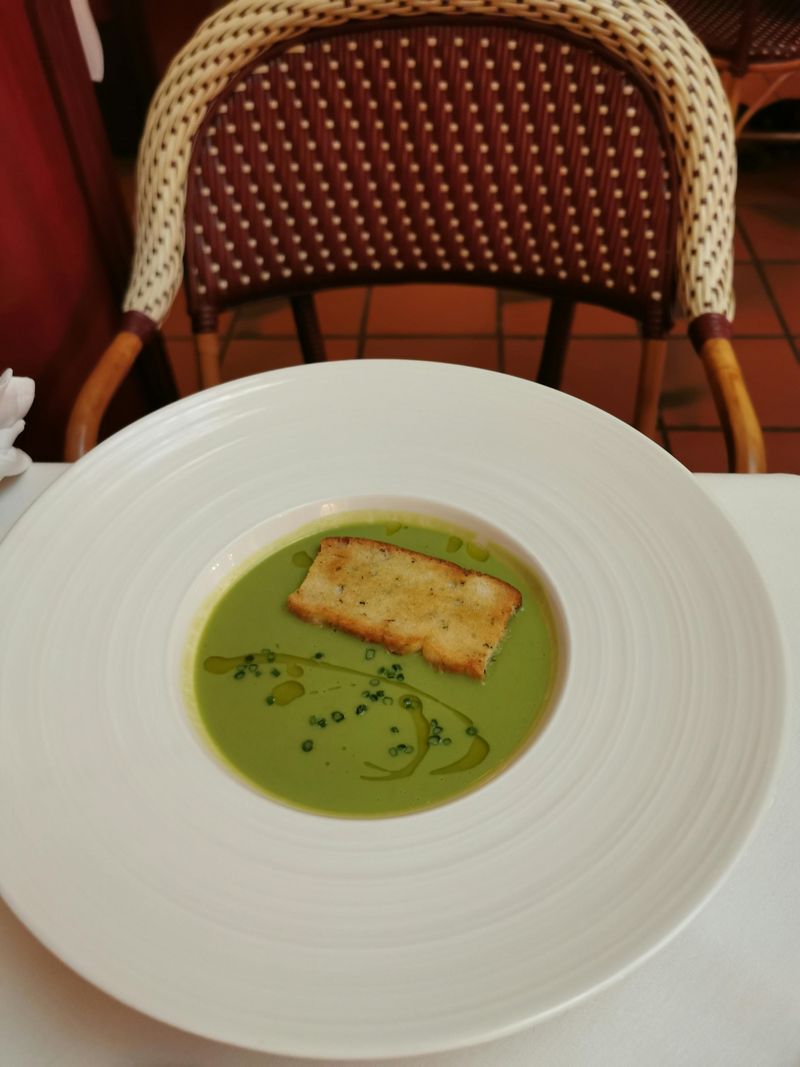
Split pea soup was never pretty, but it was always perfect. You simmered peas until they collapsed into velvet, stirred in ham scraps, and let carrots sweeten the edges.
The color said army green, yet the flavor said home, especially with a crack of pepper and a buttered slice nearby.
It thickened as it cooled, becoming tomorrow’s spread for toast if you were clever. You learned to revive it with water and heat, no problem.
If the sound of a bubbling pot makes you think of snow days, you were taught to savor warmth by the spoonful.
Mashed potatoes
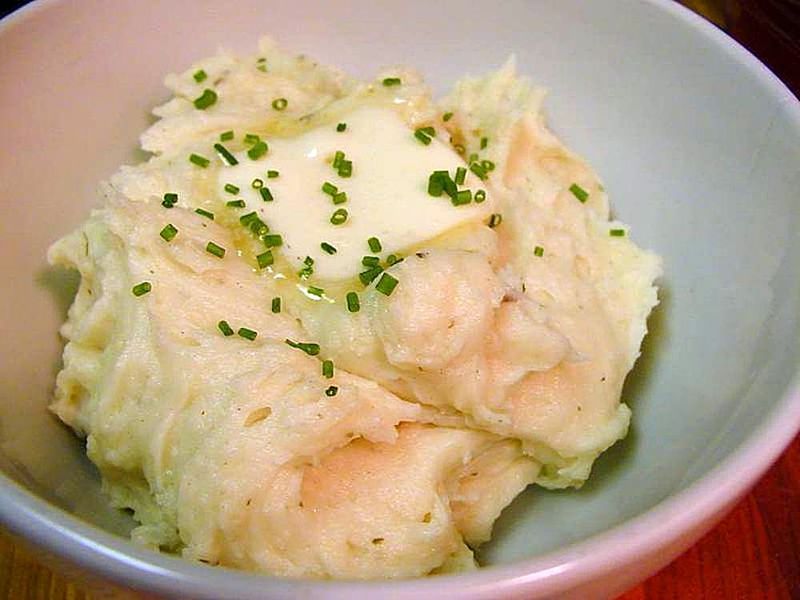
Mashed potatoes revealed who trusted a hand masher over gadgets. You salted the water like the ocean, warmed the milk, and let butter be generous, not shy.
Lumps were either a scandal or a signature, depending on which aunt you asked, and both aunts were usually right.
These were the foundation for everything saucy, and sometimes dinner all by themselves. Reheated in a skillet with a splash of cream, they turned indulgent again.
If your wrist still remembers the rhythm of mashing, you grew up measuring comfort in scoops, not servings, and that tells me plenty.
Gravy
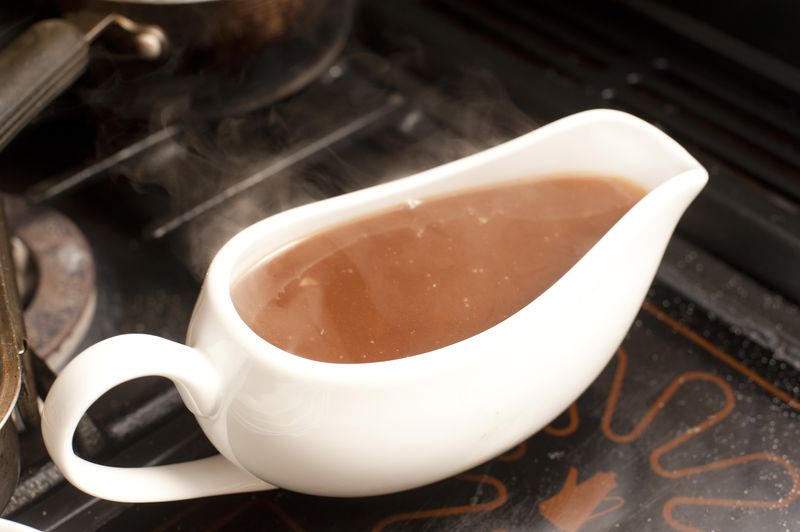
Gravy separated the cooks from the stirrers. You learned to chase drippings with a splash of stock, whisk in flour without fear, and watch for that moment the bubbles go from foamy to shiny.
Salt came last, pepper in pinches, and sometimes a scandalous dash of soy for depth.
There were no lumps because you worked fast and believed. If you can fix a split gravy with more whisking and calm, you carry family magic.
Your gravy never sits in the boat long anyway, because everyone reaches for it like reflex.
Cornbread
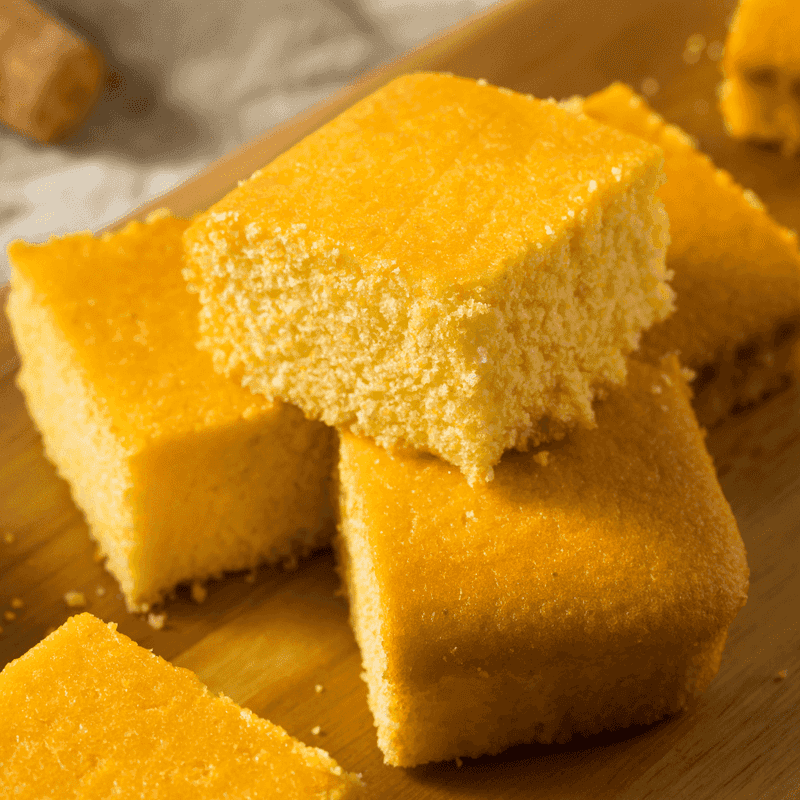
Cornbread drew a line between sugar and no sugar, and you chose a side young. Skillet hot, fat sizzling, batter poured like a promise, you waited for the edges to crisp.
The scent filled the hallway, telling everyone to bring the honey, beans, or just a good appetite.
Maybe you learned to stir only until just combined, leaving tender crumbs. Maybe you swipe the knife around the crust to hear that crack.
If leftover wedges become breakfast with jam, you understand how this simple bread turns every bowl into a meal worth remembering.
Sloppy joes
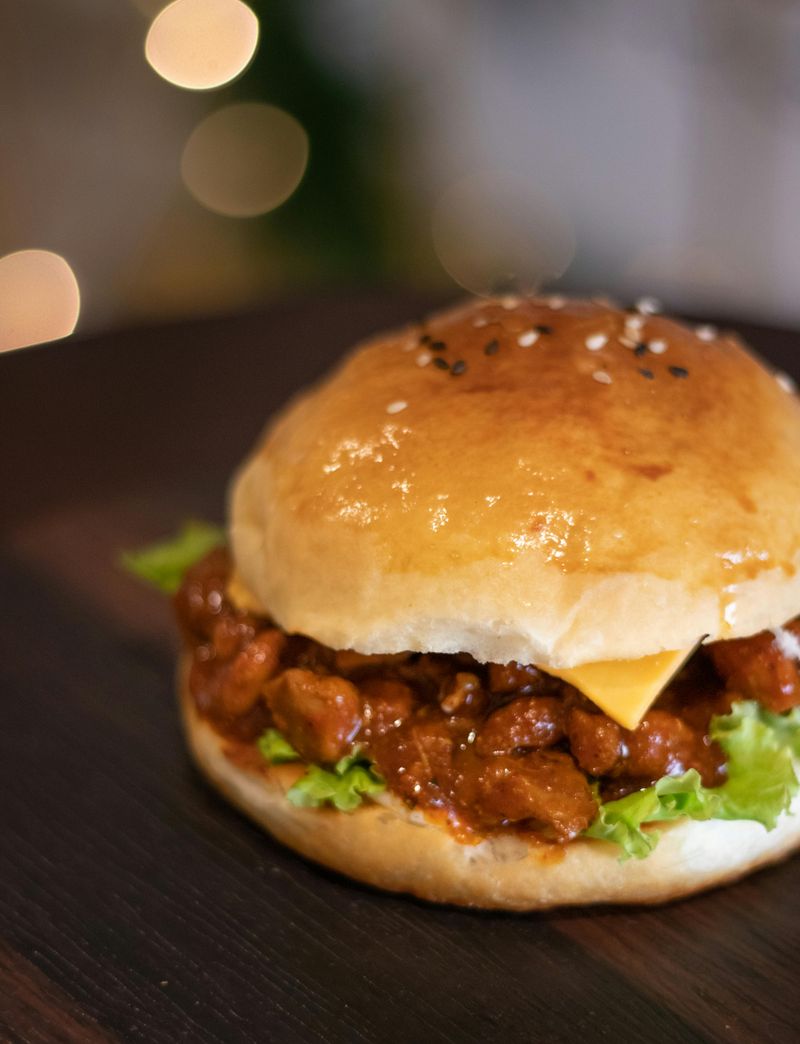
Sloppy joes meant paper plates and zero judgment about mess. Ground beef simmered in a sweet-tangy sauce that you could build with ketchup, mustard, and brown sugar.
Maybe a splash of vinegar or Worcestershire made it sing. You learned to toast the buns so they stood a fighting chance.
Onions might be hidden or loud, depending on your crowd. Leftovers turned into next-day nachos, just because.
If you still lean over the plate without thinking, you mastered the family technique. These sandwiches felt like freedom and second helpings, especially on late nights after ballgames.
Fish sticks
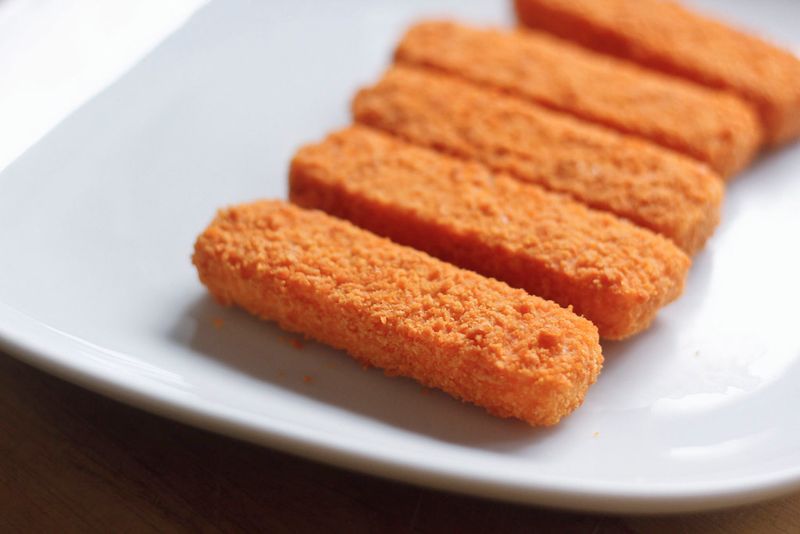
Fish sticks were the weeknight truce. You lined them on a sheet, listened for the sizzle, and flipped once for even crunch.
Tartar sauce might be store-bought or a quick stir of mayo, pickles, and lemon. Peas on the side made it feel like you tried, and honestly, you did.
Sometimes you upgraded with fresh lemon and hot sauce. Other nights, ketchup and a cartoon rerun did the job.
If the smell takes you back to homework at the table, you know convenience can still carry comfort when plated with care.
White bread dinner
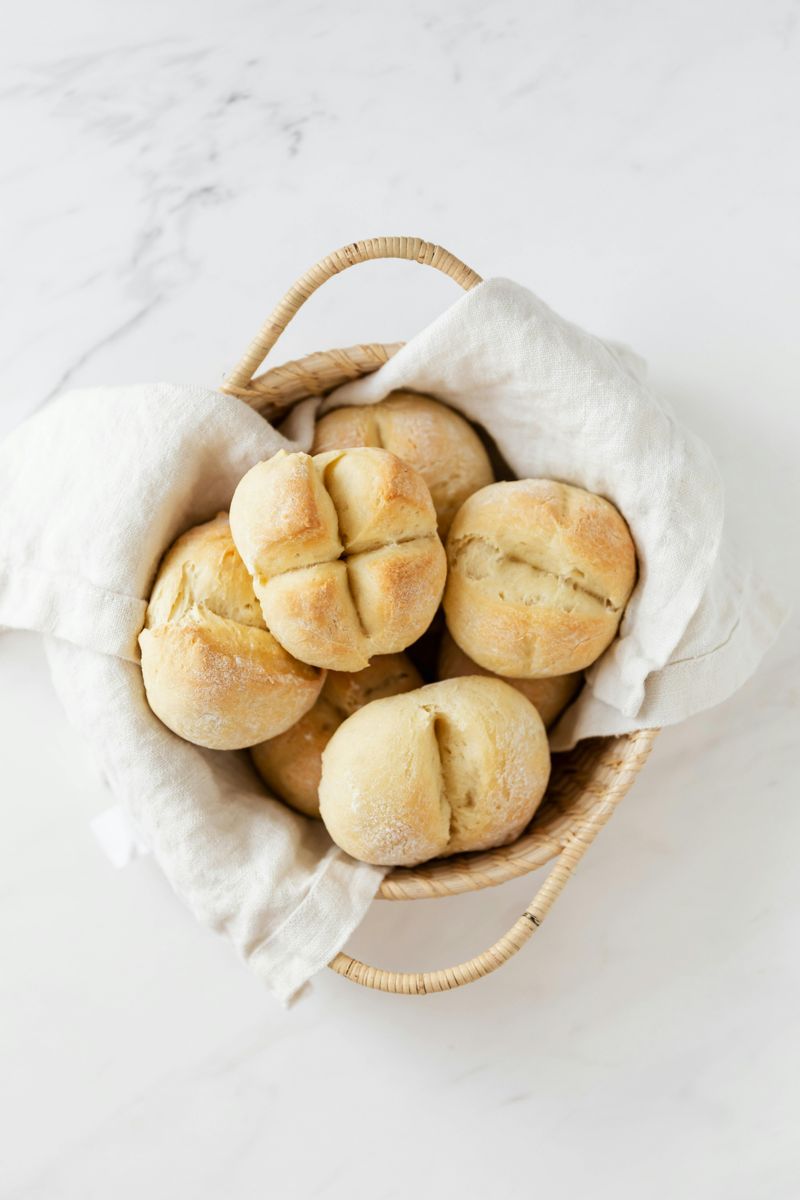
White bread dinner was the emergency plan that somehow felt intentional. Soft slices, buttered to the corners, maybe a fold of bologna or a slice of American on top.
Pickles or apples made it a plate. You didn’t pretend it was fancy, but you never left hungry either.
Some nights meant toast with cinnamon sugar instead, a quiet celebration after a long day. If you still stack the slices just so, you honor the art of making do.
That plate says you grew up where care wasn’t measured in courses, only in making sure everyone ate.
Fried bologna
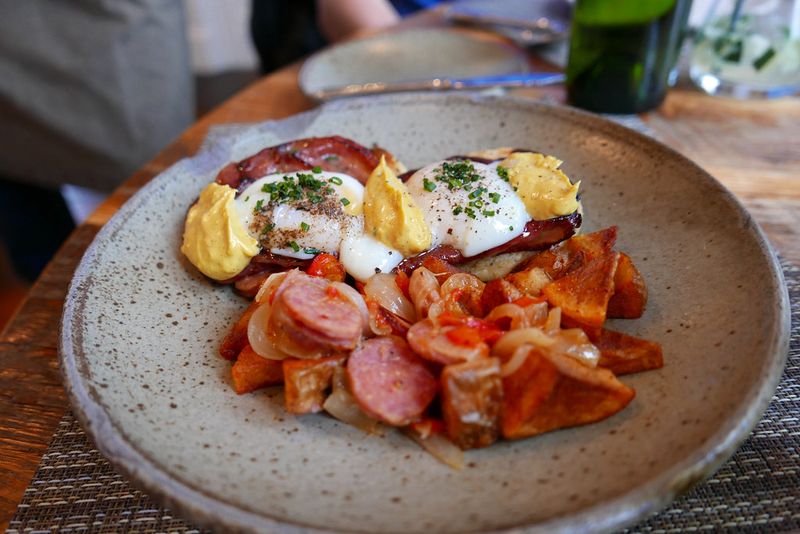
Fried bologna turned humble into unforgettable. You scored the edges so it wouldn’t puff, listened for the sizzle, and waited for the caramelized rings.
Slide it onto soft bread with mustard or Miracle Whip and call it a masterpiece. Add an egg and you suddenly had breakfast-for-dinner bragging rights.
The smell announces itself two rooms away, in the best way. If the pan still wears a badge of browned bits, you know that’s flavor.
This sandwich proves that technique and timing beat price tags every single time when you’re cooking from your family playbook.
Cabbage stew
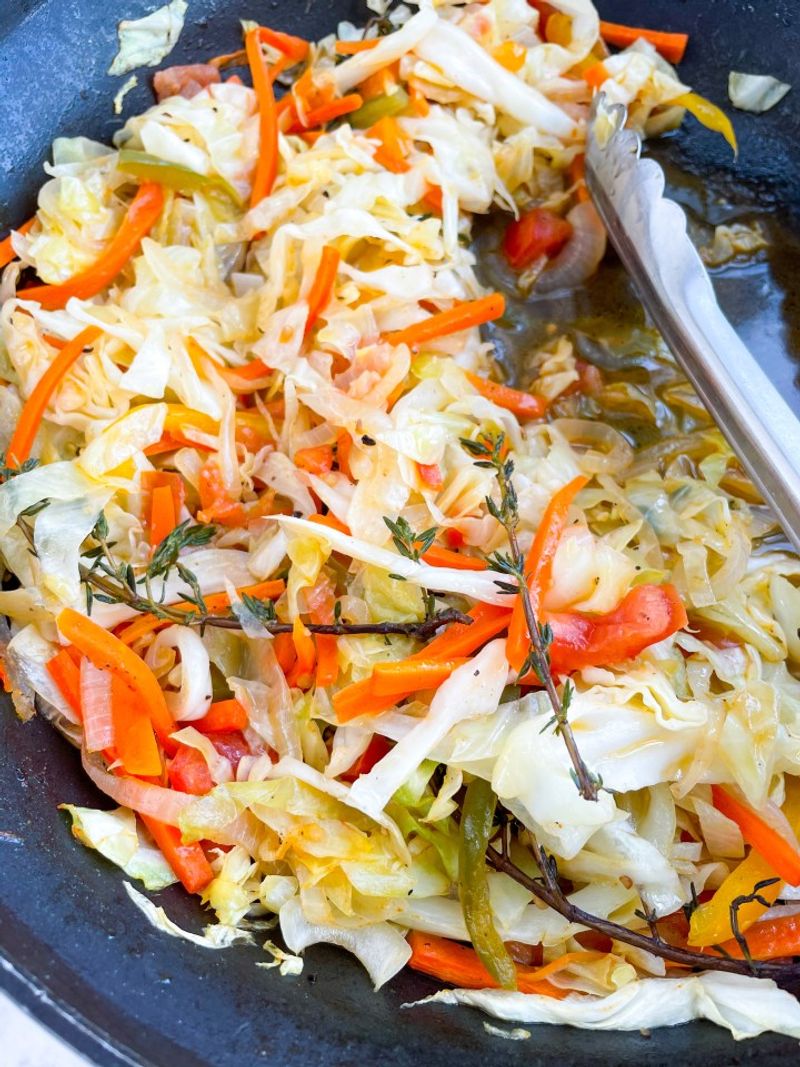
Cabbage stew tasted like thrift turned triumphant. You wilted cabbage into tomatoes, onions, and maybe ground beef or sausage if payday landed right.
Potatoes thickened the pot, turning it into a bowl that hugged back. The aroma was peppery, slightly sweet, and unmistakably home for anyone raised on resourcefulness.
It fed a crowd, froze like a dream, and always tasted better on day two. Vinegar at the end brightened everything, a trick you learned by watching.
If you still judge doneness by how a leaf melts on your tongue, you know this humble classic by heart.
Rice pudding
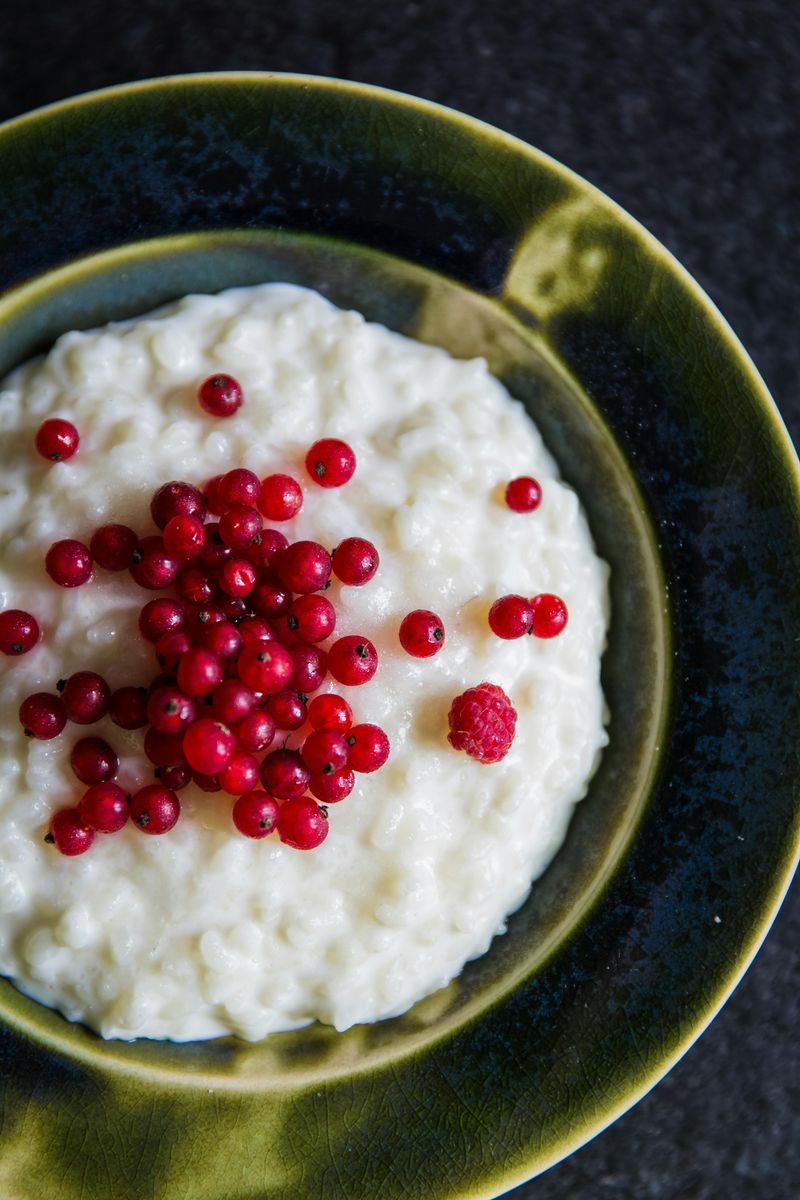
Rice pudding was dessert from nothing. You simmered rice in milk until it surrendered, sweetened carefully, and watched for that glossy wobble.
Raisins divided the family, cinnamon united it again. Served warm or cold, it felt like a lullaby in a bowl, proof that comfort comes from patience, not price.
Stirring kept the bottom safe, and a buttered rim kept boil-overs at bay. If you still scrape the spoon’s trail to check thickness, you learned by feel.
A dusting of nutmeg turned simple into special without trying hard at all.
Bread pudding
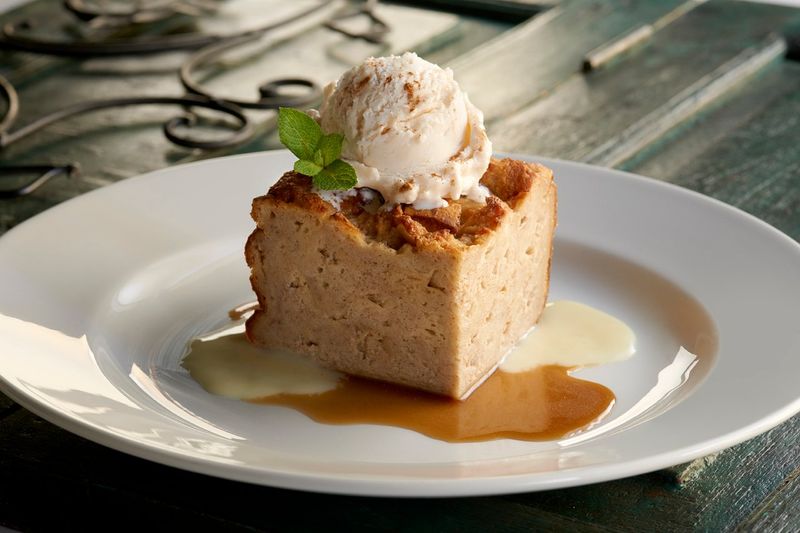
Bread pudding turned stale into spectacular. You soaked torn bread in custard that smelled like vanilla and memory, then baked until the edges crisped and the middle trembled.
Raisins popped like little sweet secrets. A quick sauce of butter, sugar, and cream made everyone forget dessert started as leftovers.
You learned to balance squish and crust with pan choice and timing. If you test doneness by a gentle jiggle instead of a timer, you’re fluent in passed-down wisdom.
This dish proves that frugality can taste like a celebration you look forward to all week.
Roast turkey
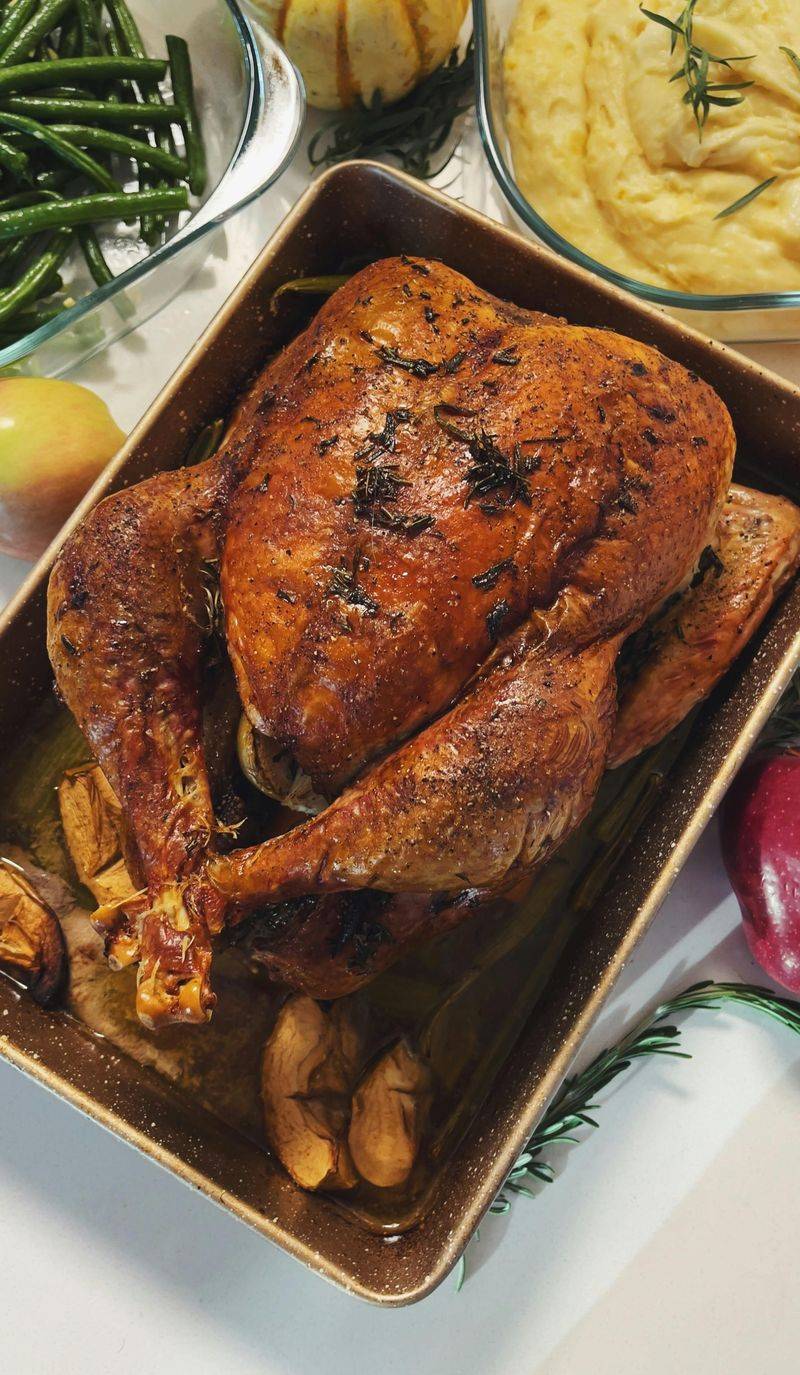
Roast turkey was your culinary final exam every year. You learned to salt early, butter under the skin, and baste only if it actually helped.
Some swore by a low-and-slow method, others by a blast of heat at the end. Either way, the bird told the truth when carved.
Pan drippings became liquid gold, destined for gravy. Resting time felt eternal, but patience paid in juices.
If you still check the thigh for tenderness before thermometers, you were raised by cooks who trusted their senses and taught you to trust yours too.
Sunday dinner
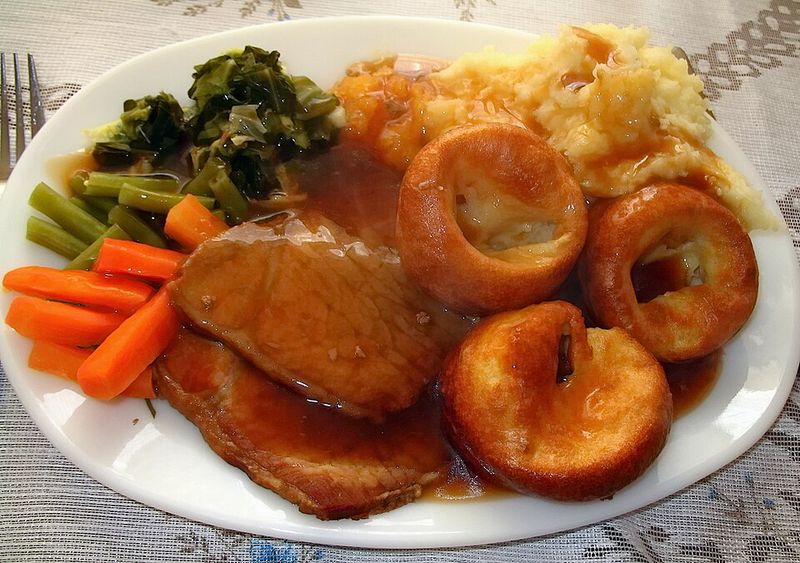
Sunday dinner was not a dish, it was a ritual. You set the table, passed bowls clockwise, and learned to wait until everyone sat.
The menu changed, but the feelings did not: something roasted, something mashed, something green, and a dessert cooling nearby like a promise.
Stories were served between bites, and leftovers became the week’s roadmap. If you still find comfort in clatter and a full sink, you understand how food builds family.
Sunday dinner reveals your roots louder than any recipe card ever could, because it’s about who you share the gravy with.
Hot dog dinner

Hot dog dinner was summer’s shortcut, even in winter. You split the dogs in a cast iron or charred them outside, then tucked them into buns that tried their best.
Mustard, relish, onions if you were fancy, and maybe chili on special nights made the table go quiet.
Chips and beans completed the plate with almost no effort. You learned to turn a pack of franks into a crowd pleaser without ceremony.
If you still score the hot dogs for crispy edges, you were taught that little touches turn simple into satisfying quickly.
Enjoyed this story?
Add Fast Food Club as a preferred source to see more of our reporting on Google.