


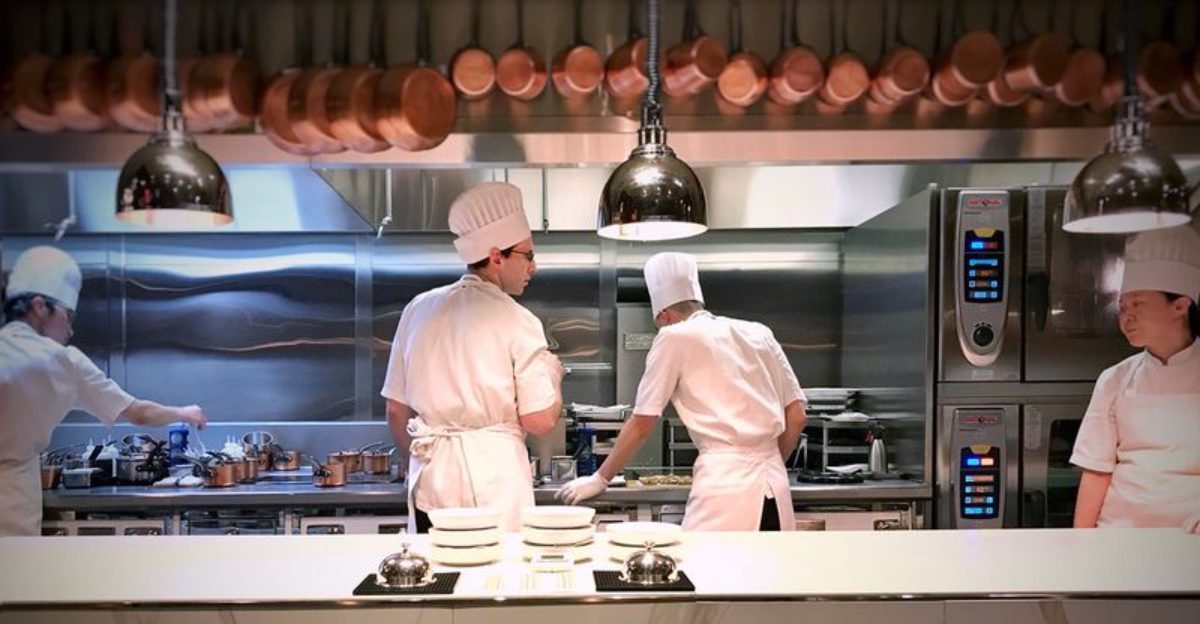
Ever left a restaurant feeling like something was off but couldn’t pinpoint why? Many places bank on that awkward pause where you do not want to challenge a fee or ask a question.
These small moments add up to real money, and they keep working because people would rather avoid a scene. Once you recognize the patterns, it gets much easier to push back with confidence.
Automatic gratuity

You notice an automatic gratuity already included, yet the receipt still shows a blank tip line. That awkward pause invites a double tip because saying something feels confrontational.
Staff may not clarify, hoping you quietly add more without realizing you already paid.
Before signing, ask if the tip is already included and confirm the percentage. Draw a line through the extra tip box if it is redundant.
If service fell short, calmly request an adjustment. You are not being rude by clarifying charges.
You are simply protecting your budget and setting a fair precedent.
Service fee
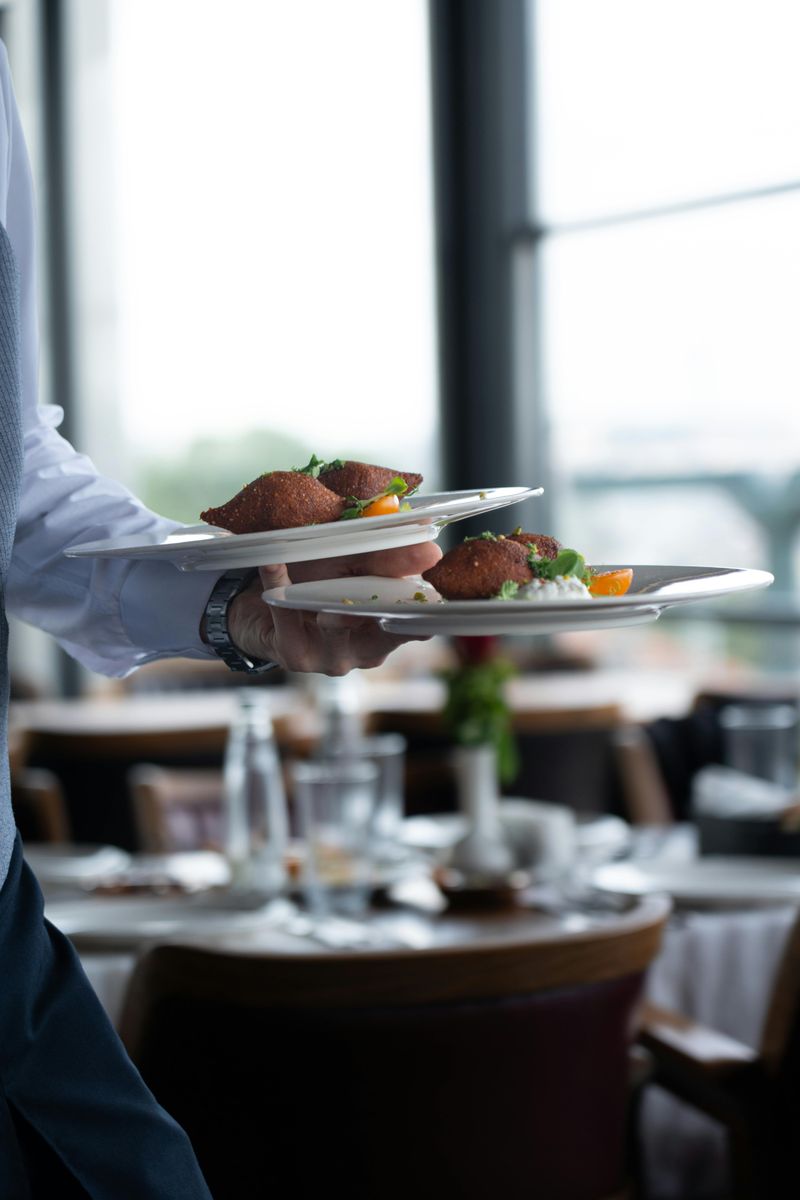
A generic service fee appears below tax, and no one explains what it covers. Maybe it is for kitchen staff or credit processing, or maybe it is just padding.
Because the name sounds official, many guests pay without blinking, even when it quietly replaces a tip.
Ask your server or manager what the fee includes and whether servers still rely on tips. If it replaces tipping, adjust accordingly.
If it is redundant, question it before paying. Clear communication is reasonable, not rude.
When enough diners ask, restaurants either clarify the policy or rethink confusing charges.
Credit card surcharge
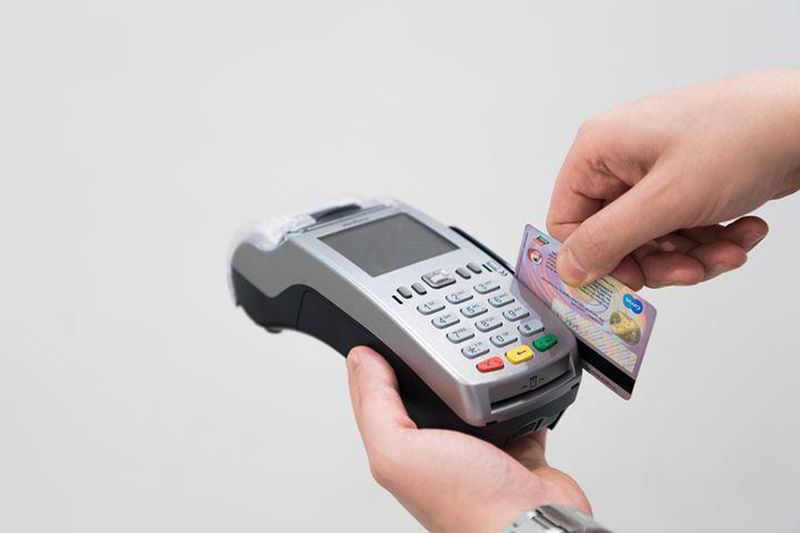
You pay with a card and later notice a small credit surcharge. It is legal in many places when disclosed, but disclosure can be subtle.
Signs hide near the register, menus omit it, and you only discover it after the charge hits your account.
Look for notice on doors, menus, or receipts before ordering. If undisclosed, ask to remove the fee or pay cash to avoid it.
Consider mentioning it early when you sit down. Clear policies help everyone budget honestly.
When enough guests ask, restaurants either advertise the surcharge plainly or stop using it altogether.
Tiny side portions
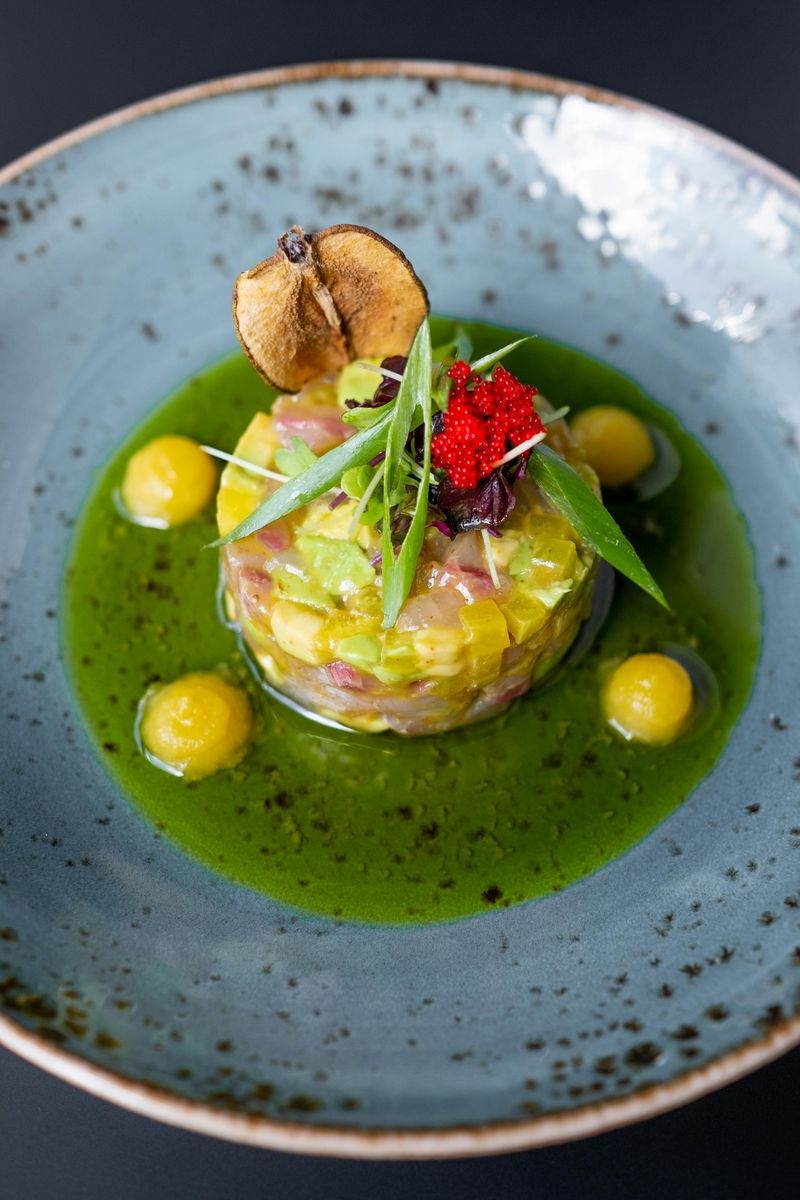
You order a dish that promises a side, and what arrives looks miniature. The menu sounded generous, but the ramekin barely holds a few bites.
Asking for more feels pushy, so you either upgrade or add extra sides that quickly inflate the bill.
Before ordering, ask about portion sizes in a friendly way. If it is tiny, decide whether to add a side upfront or switch dishes.
If it arrives disappointingly small, request a low cost refill and say the menu suggested more. You deserve honest expectations.
Polite, specific questions prevent surprise upsells every time.
Overpriced bottled water

The server asks still or sparkling, skipping the cheaper tap option. You nod politely, and a pricey bottle arrives already opened.
It feels impolite to switch back, so you sip quietly while the total climbs for something you did not truly want.
Say tap is fine at the start. If they bring bottled without consent, send it back immediately.
Ask whether there is a per person charge or by the bottle. You are not being difficult by choosing tap.
Small choices protect your wallet, and most staff appreciate clear preferences before they pour anything.
Market price seafood
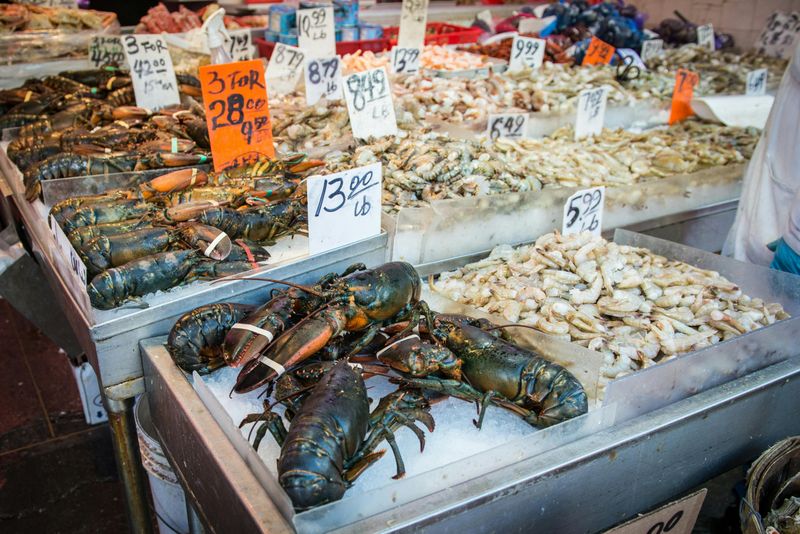
Market price feels mysterious, so you guess quietly and hope it is reasonable. Then the bill reveals a shock for today’s catch.
Asking beforehand seems embarrassing, and some servers gloss over numbers with phrases like competitive or fresh, counting on your hesitation.
Always ask for the exact price before ordering and clarify by weight if relevant. If the answer feels vague, pick another dish.
There is nothing rude about knowing the number. Knowing protects you from surprises and signals you are paying attention.
Transparency should accompany quality, especially when prices fluctuate daily with supply.
Forced add ons
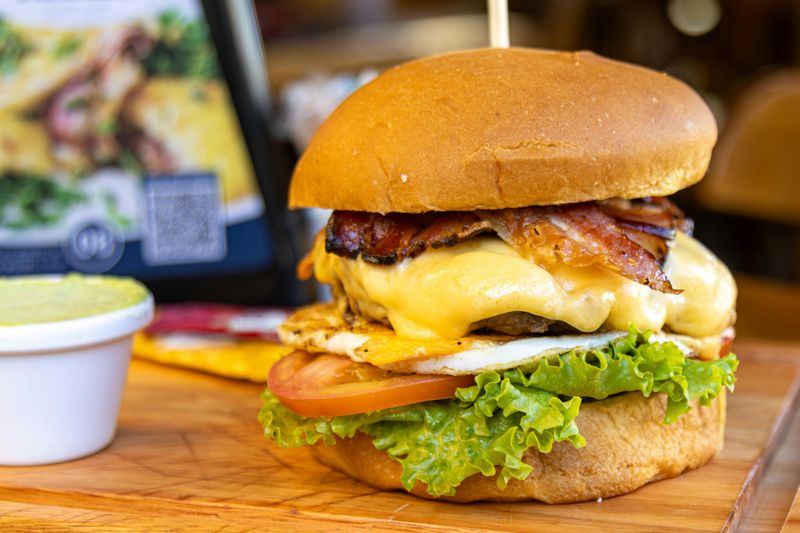
You order a simple item and learn later the default includes premium add ons. The menu lists a base price, but common choices sneak in as extra lines.
Since everyone gets them, staff act surprised if you push back, and you feel awkward challenging the norm.
Ask what the base version includes and decline add ons you do not want. If an upcharge appears you did not approve, request removal.
Be specific and calm, and the conversation stays easy. You are allowed to order the simple version.
Clarity saves money without hurting anyone’s feelings.
Upcharged substitutions
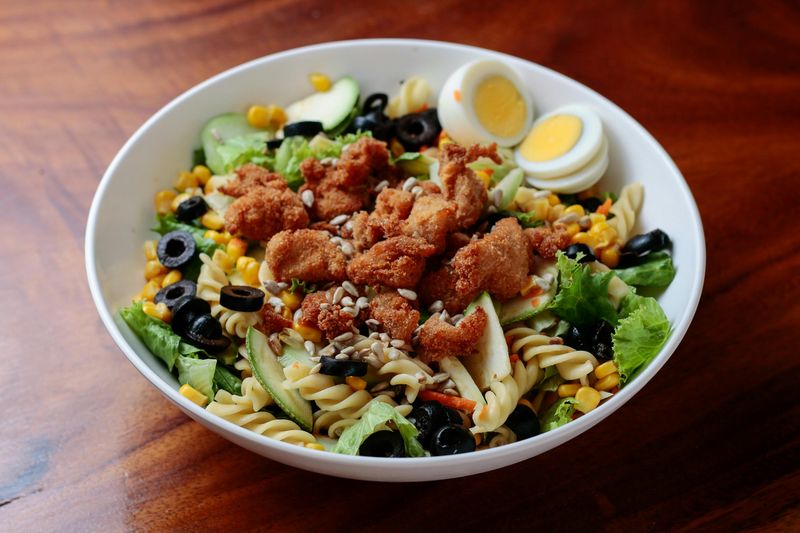
Swapping fries for a salad sounds reasonable until a hidden charge appears. Menus rarely disclose every substitution fee, and servers might not mention it unless asked.
You accept the upcharge because arguing over a few dollars feels exhausting when everyone is watching.
Ask directly whether your specific swap has a fee and how much. If it is steep, consider keeping the original or choosing a different dish.
You can also request a half portion compromise. When you are clear and friendly, staff often find a fair workaround.
Specific questions turn surprise charges into informed choices.
Shrinking happy hour

You arrive for happy hour and discover the window is shorter than advertised. Drinks come in smaller glassware, or discounted items are limited to off brand picks.
The fine print sits in a corner, and you feel silly challenging these technicalities in a crowded bar.
Confirm start and end times and ask whether pours are smaller. Order from the printed list to avoid bait and switch claims.
If the deal is not what you expected, close out and move on. Your time and budget matter.
Good bars appreciate guests who value straight talk and consistency.
Paid bread basket
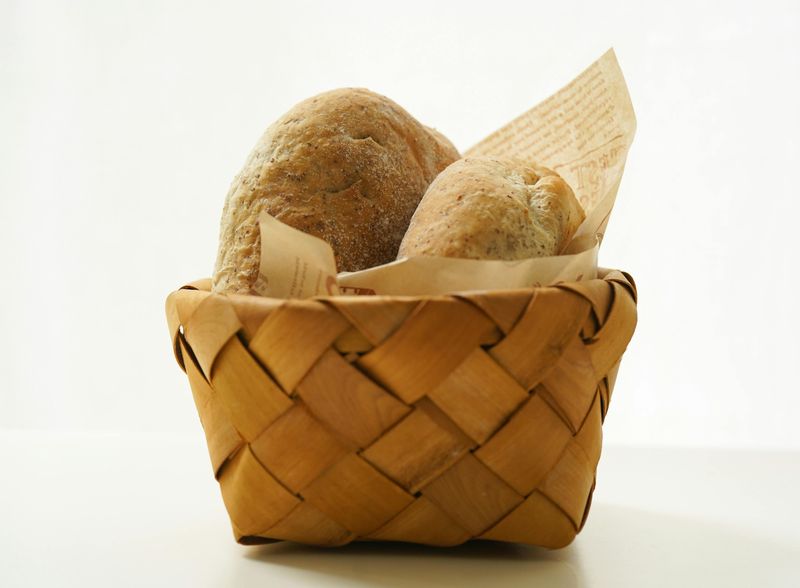
A warm basket lands on the table like a friendly gift. Later the bill shows a charge you never approved.
Because refusing bread feels ungrateful, many people nibble and pay, even when they did not want it or assumed it was complimentary.
When bread arrives, ask whether it is included. If not, send it back right away or accept knowingly.
There is nothing rude about declining politely. If it appears without consent, request removal at the end.
Clear up expectations early and you will avoid awkwardness later, while still keeping the mood pleasant and respectful.
Mandatory valet

You pull up and discover parking requires paid valet, even when a half empty lot sits next door. The sign is tiny, and the fee is higher during peak hours.
Questioning the policy at the curb feels stressful as cars line up behind you.
Call ahead to ask about parking options or look online for nearby garages. If valet is required, confirm the rate and payment method.
Decline extras like wash fees. Tip based on service, not pressure.
You can also arrive by rideshare to avoid surprise charges. Planning removes the urgency that makes pushy fees work.
Extra sauce charge

Asking for extra sauce sounds minor, but some places treat condiments like profit centers. You request two cups and discover a surprising per ounce fee on the bill.
Saying something over condiments feels petty, so you swallow it and promise to remember next time.
Ask upfront whether extra sauce costs more and how much. If it does, decide if you truly need it or request one complimentary refill.
If the fee was undisclosed, ask for a courtesy removal. You are allowed to value transparency on small items.
Small, respectful questions protect your check without souring the mood.
Split plate fee
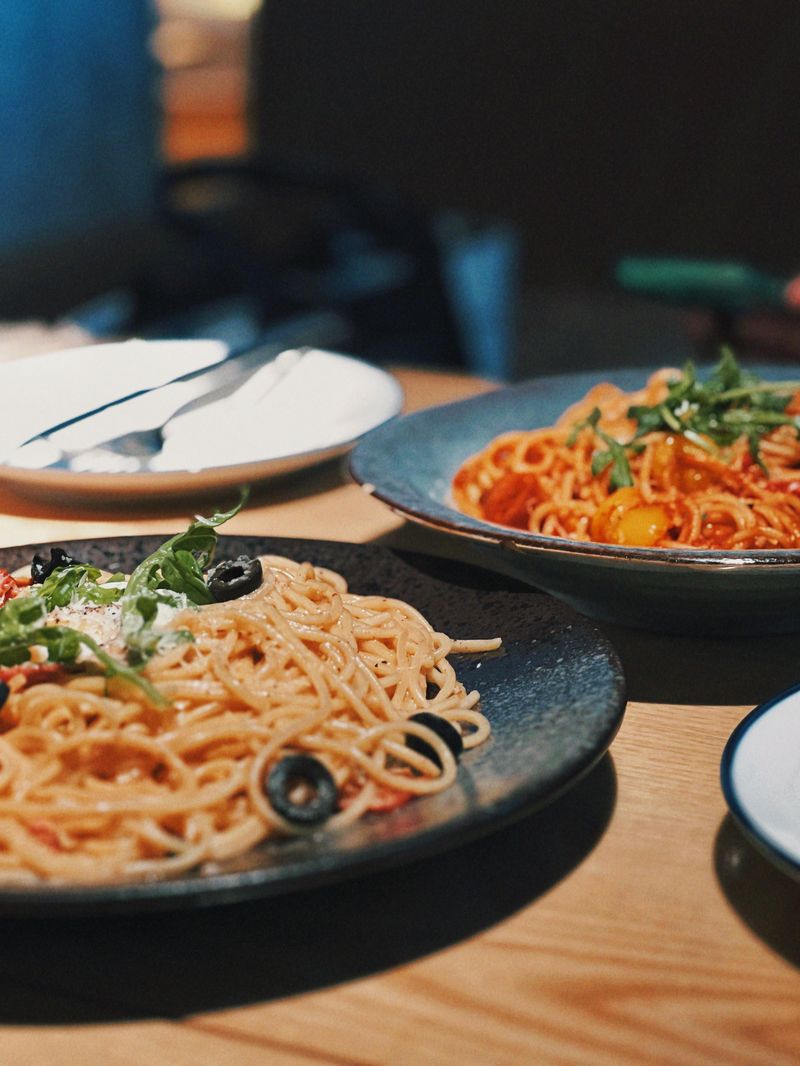
You split an entree to save money or appetite, then see a sharing fee. Sometimes it covers extra sides and plating, sometimes it is just revenue.
Confronting it mid date feels awkward, so you pay and joke about ordering an extra appetizer next time.
Before sharing, ask whether there is a split charge and what it includes. If it only adds a plate, suggest an extra side instead.
Many restaurants waive or reduce the fee when asked kindly. Communicate early, avoid surprises, and keep the experience pleasant.
You control the plan, not the policy.
Refill limits
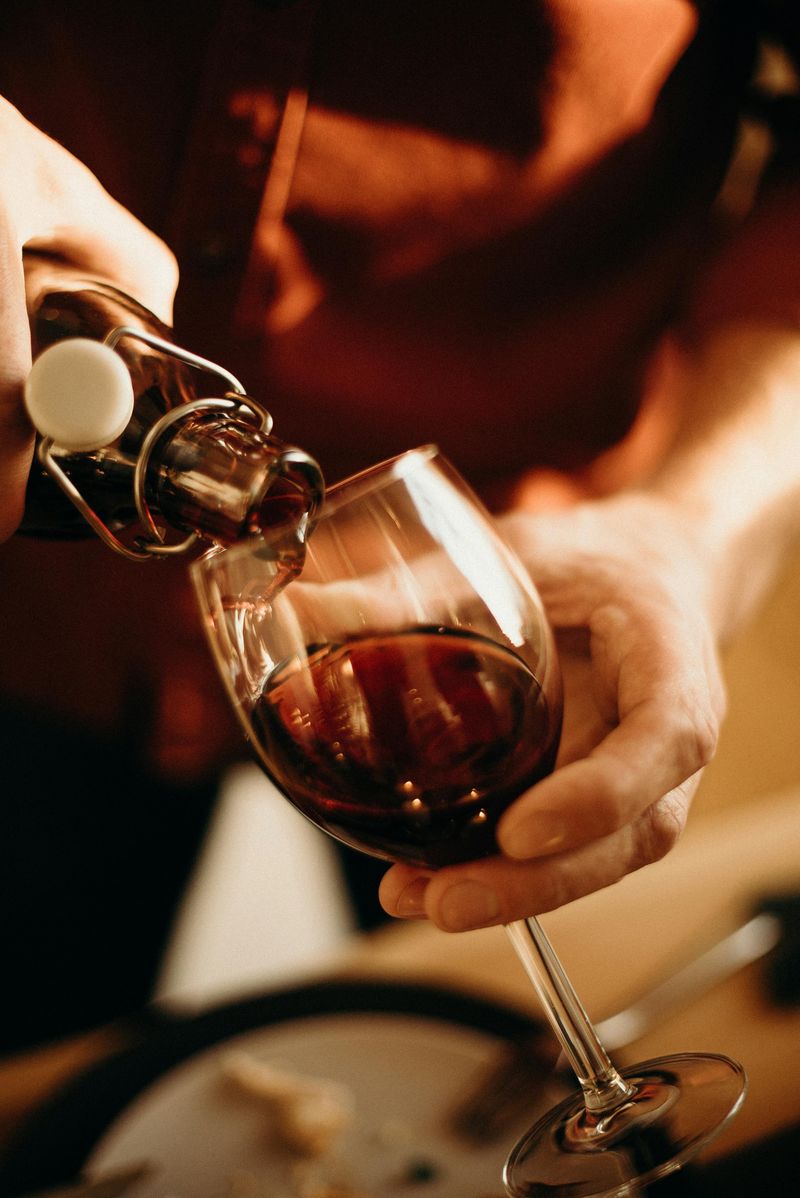
You assume refills are free, but the fine print says one only. Extra pours show up as small charges that add up.
No one mentions it when you order, and asking mid meal can feel petty, so you quietly sip and accept the surprise on the bill.
Ask whether refills are complimentary and how many. If not, switch to water between sips.
Track your glasses and close out before you exceed your plan. It is your right to know the rules.
Friendly, specific questions keep costs predictable and avoid awkward back and forth later.
Premium ice charge

Your cocktail arrives with a flawless clear cube that melts slowly and looks stunning. Later you notice a premium ice fee that was never mentioned.
Because it feels fussy to argue over ice, many guests pay quietly, even when the drink was already priced high.
Ask whether specialty ice carries a surcharge and if you can opt out. If you do not care about the cube, request standard ice and save the fee.
If charged without notice, ask for removal. You are paying for a drink, not a surprise accessory.
Clear choices make luxury optional, not sneaky.
Dessert tray pressure
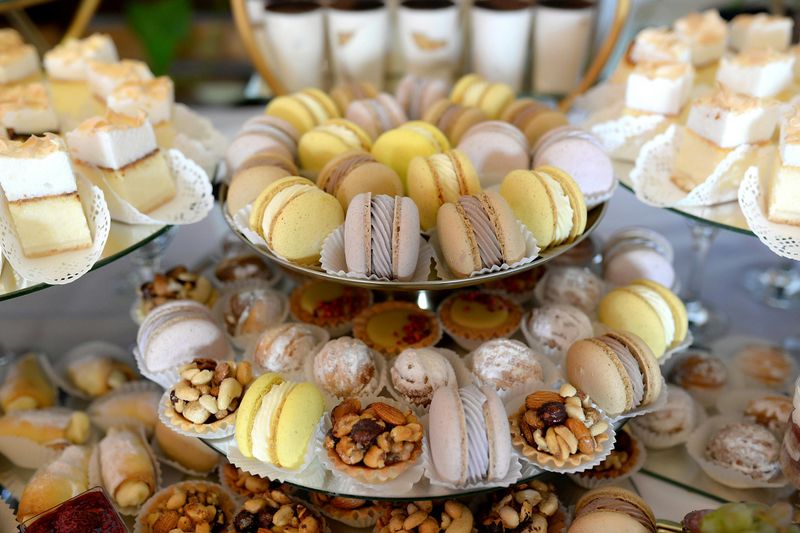
A server rolls up with a dazzling dessert tray, describing each option with flair. Saying no feels like rejecting their performance, so you pick something you barely wanted.
Prices are not listed, and portions can be smaller than the fanfare suggests.
Ask for the dessert menu with prices before deciding. If you are full, say you will share one bite or skip dessert.
Staff respect a clear, friendly decline. Compliment the presentation and hold your boundary.
You can enjoy the show without buying the finale. Your appetite and budget set the stage, not the tray.
Table time limits
You sit down and later discover a strict time limit when the check appears early. The policy might be buried online or mentioned after you order.
Asking for more time feels selfish when a line forms, so you rush dessert or drinks you did not finish.
Clarify the seating limit when you are seated. If you need longer, request it upfront or adjust your order.
If rushed without warning, ask to speak with a manager and request accommodation. Reasonable notice matters.
Your evening should not be squeezed by surprise rules that were never stated clearly.
“Limited” specials
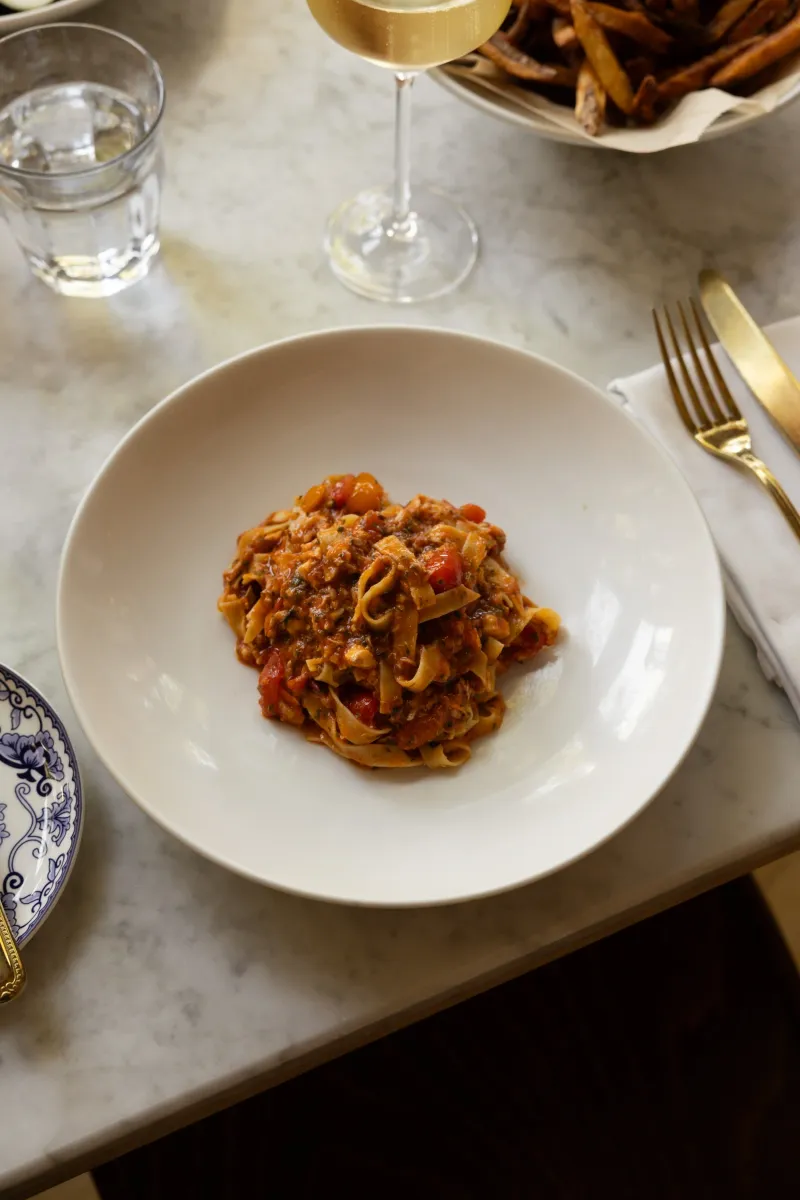
A server frames a dish as limited, nudging you to order fast. Scarcity pressure makes it sound exclusive, even if it is always available.
You choose quickly to avoid missing out, and only later realize the price or portion is not great.
Ask how many portions remain and what makes it limited. Request the price, weight, and key ingredients.
If the pitch feels rehearsed, do not rush. You can always order something else.
Real specials deserve transparency. Scarcity should excite you, not corner you, and an honest restaurant will happily share clear details.
Suggested tip inflation
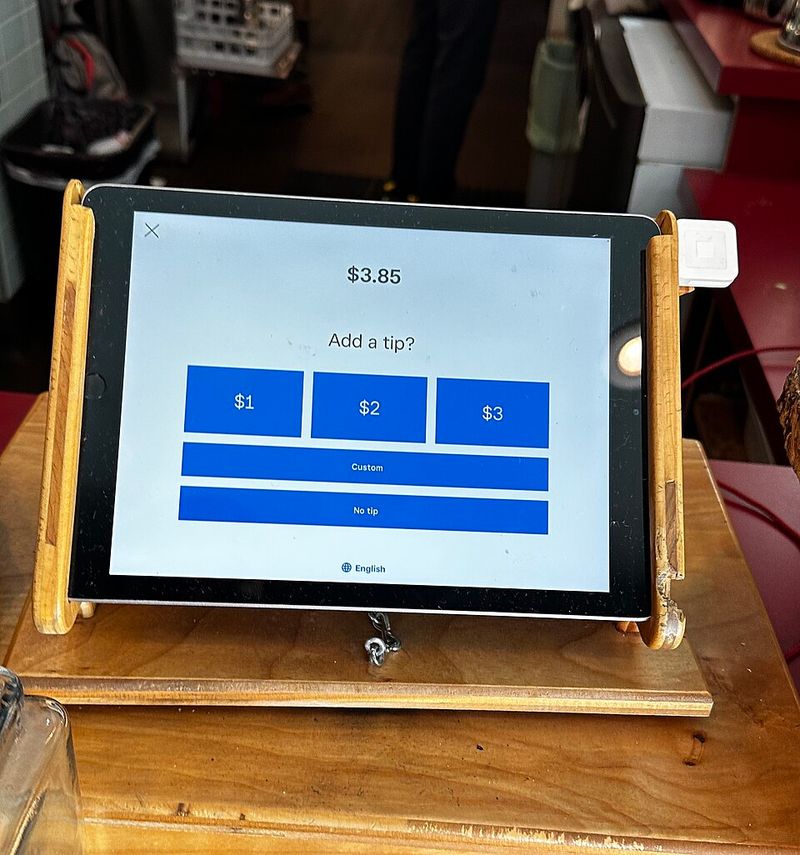
The payment tablet flashes tip options starting high, and the No Tip button hides. With people waiting behind you, pressure escalates.
You tap a bigger percentage than intended because it is the fastest way out. The default anchors expectations, and awkwardness pays dividends.
Take a breath and choose Custom. Tip what fits the service provided, not the prompt.
For counter service, a smaller amount may be fair. If someone hovers, ignore the pressure.
You are paying for your experience, not an audience. Setting your number confidently is respectful to you and the staff.
Kitchen fee
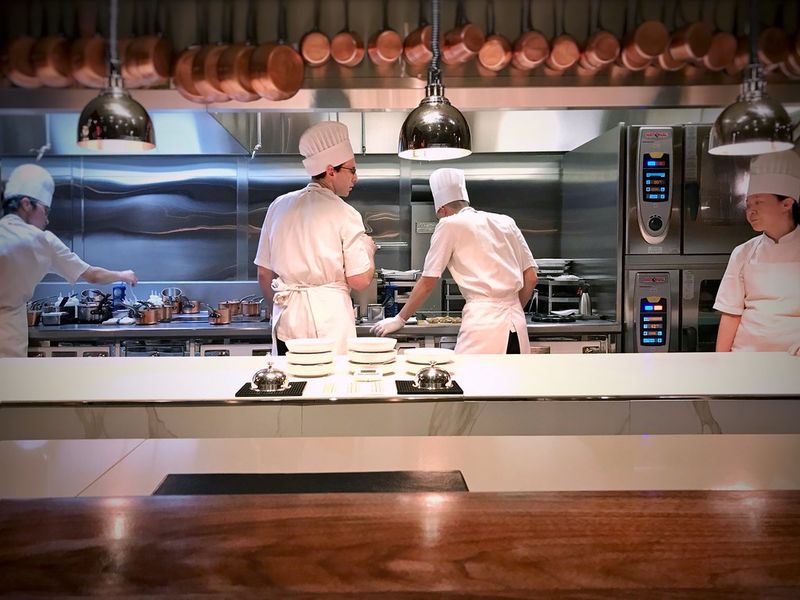
A kitchen fee sounds noble, like it supports hardworking cooks. Sometimes it genuinely does, but sometimes it quietly pads margins while you still tip the server the usual amount.
Because challenging that feels heartless, many guests pay twice, unsure how to adjust fairly.
Politely ask whether the fee supplements wages and whether servers still depend on tips. If so, consider slightly reducing your tip to reflect the additional charge.
If not explained, push for clarity or request removal. You deserve transparent pricing.
Supporting workers is great, but the numbers should be clear and not emotionally manipulative.
Enjoyed this story?
Add Fast Food Club as a preferred source to see more of our reporting on Google.