



Ever notice how a single order can reveal a whole personality? The way someone navigates a menu, talks to a server, or tweaks a dish says more than they realize.
Once you start spotting these patterns, you cannot unsee them. Get ready to recognize yourself and your dinner dates in these surprisingly telling restaurant habits.
Ordering extra sauce
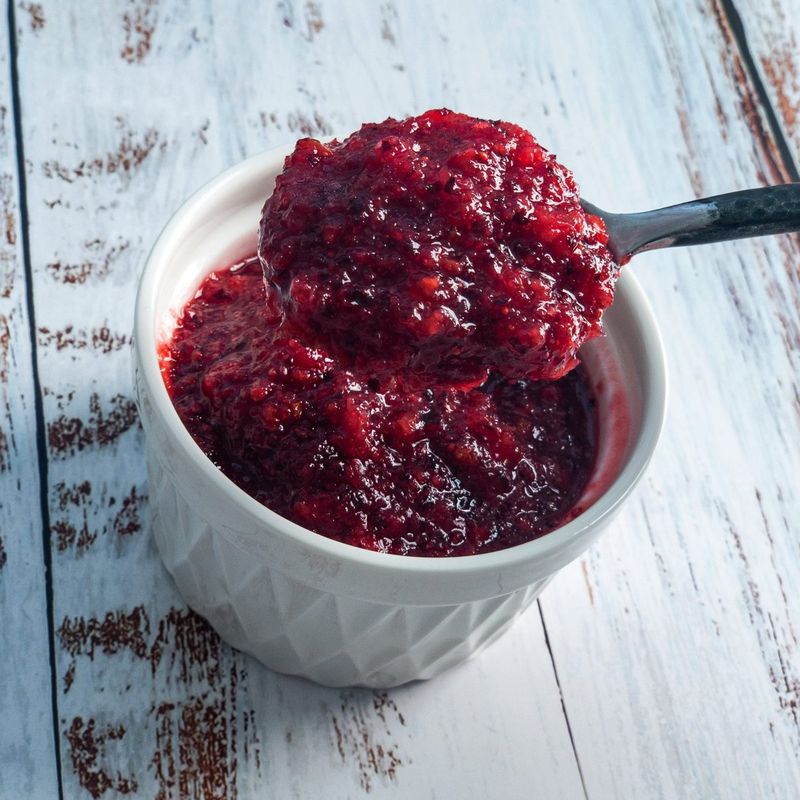
Ordering extra sauce tells you texture and flavor matter as much as the main dish. You like options, control, and a big flavor payoff with every bite.
There is comfort in knowing you will not run dry near the end.
This habit often signals adventurous taste buds and a practical streak. You plan ahead, anticipating that fries, chicken, or veggies deserve proper coverage.
If someone side eyes the request, you smile, because you know a drizzle can transform good into great.
Asking for well done steak
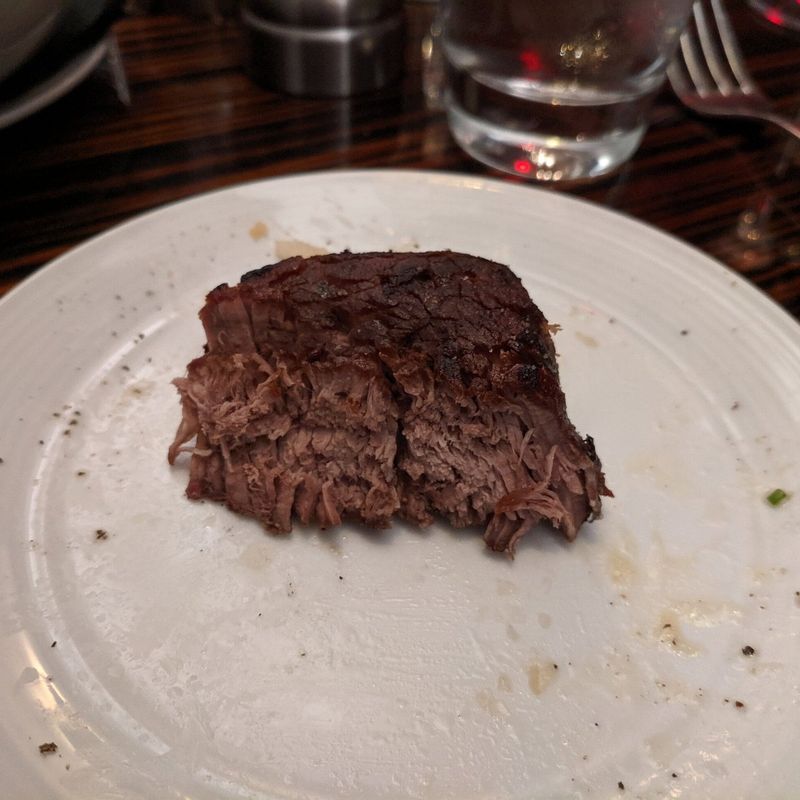
Asking for well done steak signals certainty and comfort over culinary risk. You prefer predictability, appreciating the fully cooked texture and deep char.
To you, food should feel safe, hearty, and familiar more than theatrical.
People might tease, but you know your lane and drive it confidently. It also suggests you value consistency from kitchen to kitchen.
If a place can deliver a juicy well done, you will trust the rest of the menu too.
Sharing appetizers
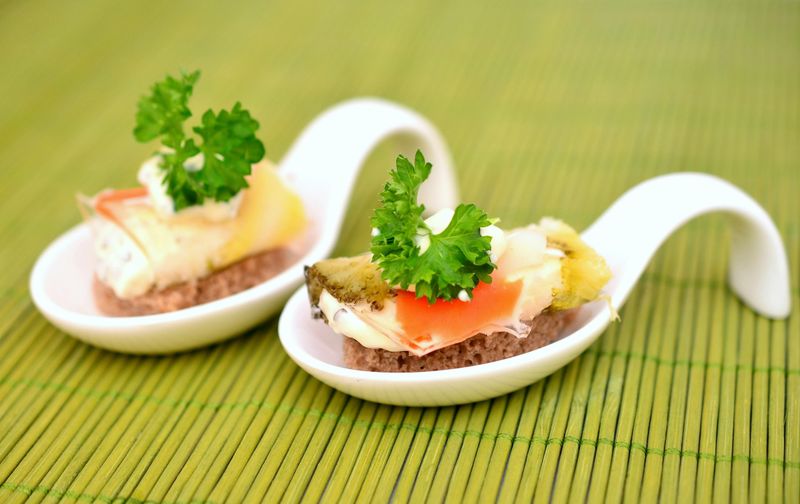
Sharing appetizers says you are here for connection as much as the food. You love conversation pieces, tasting flights, and a little bit of everything.
Passing plates shows generosity, curiosity, and a social-first dining style.
It also hints that you like to hedge your bets. If one dish misses, no big deal, there are four others.
You turn meals into mini adventures, building trust with every offered bite.
Skipping appetizers
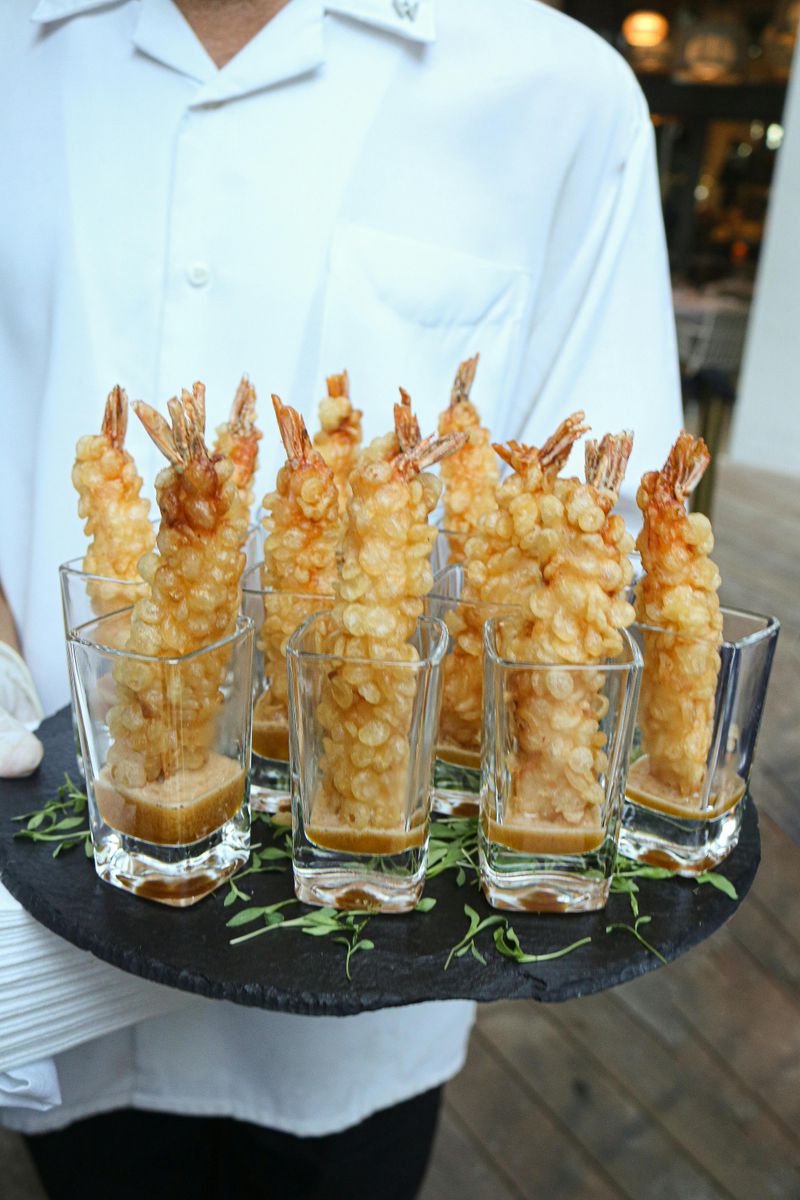
Skipping appetizers signals focus and restraint. You want the main event without distractions, saving room and money for what matters.
That discipline suggests you value efficiency and clarity when dining out.
It can also reflect a health mindset or budget awareness. You enjoy the atmosphere, but you do not need every course to feel satisfied.
People might order calamari, but you quietly pace yourself for the star of the night.
Ordering dessert first
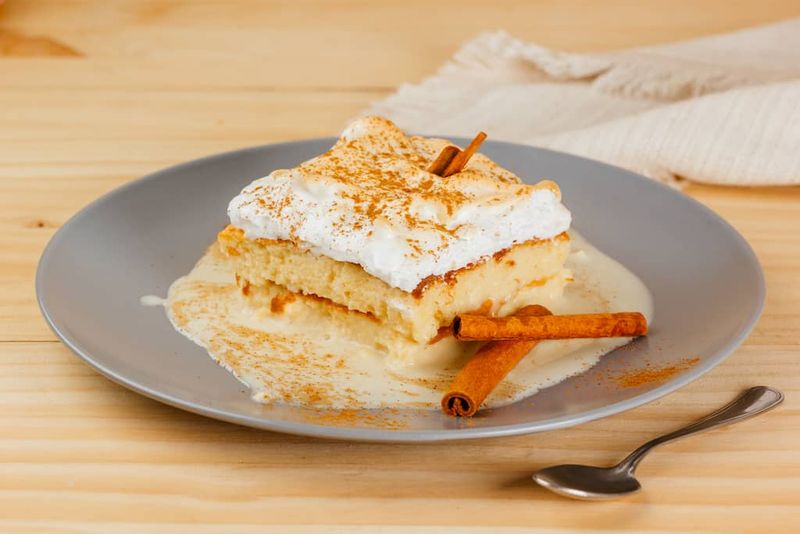
Ordering dessert first is pure joy energy. You chase delight, not rules, and believe priorities should taste good.
It says you trust your cravings and make room for what sparks you.
There is a rebel streak here, but it is thoughtful too. You know many meals end too full for sweets, so you solve it upfront.
People might chuckle, yet they secretly want a bite of your cake.
Adding extra cheese
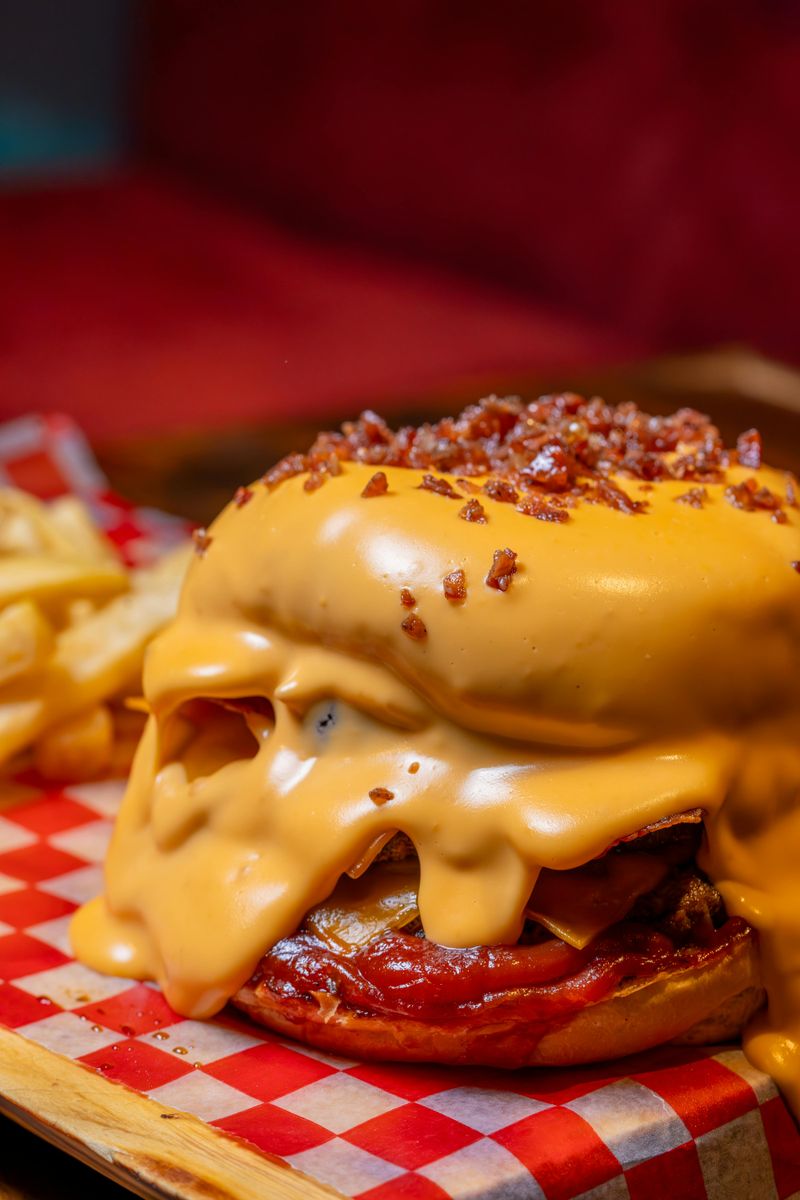
Adding extra cheese says comfort reigns. You want indulgence dialed up, creamy textures, and a savory blanket over everything.
There is a celebratory tone to it, like turning a weekday into a treat.
It can hint at nostalgic tastes and a kitchen table upbringing. You are unafraid to ask for more of what you love, which is a confident move.
When the server asks to say when, you grin and let it snow.
Requesting substitutions
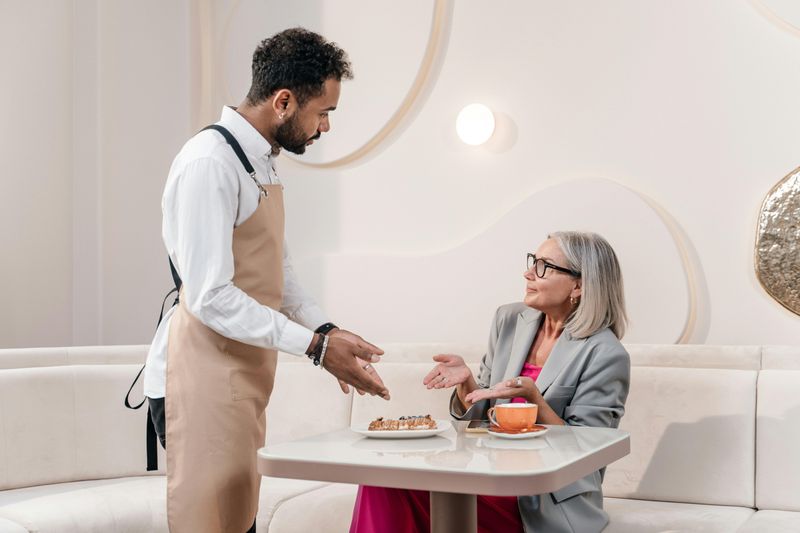
Requesting substitutions points to customization and self advocacy. You know your needs, from allergies to preferences, and speak up clearly.
That makes you practical, resourceful, and respectful of your own body.
Handled kindly, it shows empathy for the kitchen while protecting your experience. You are not picky, you are precise.
People who substitute well often tip well, too, because good service deserves gratitude.
Asking for sauce on the side
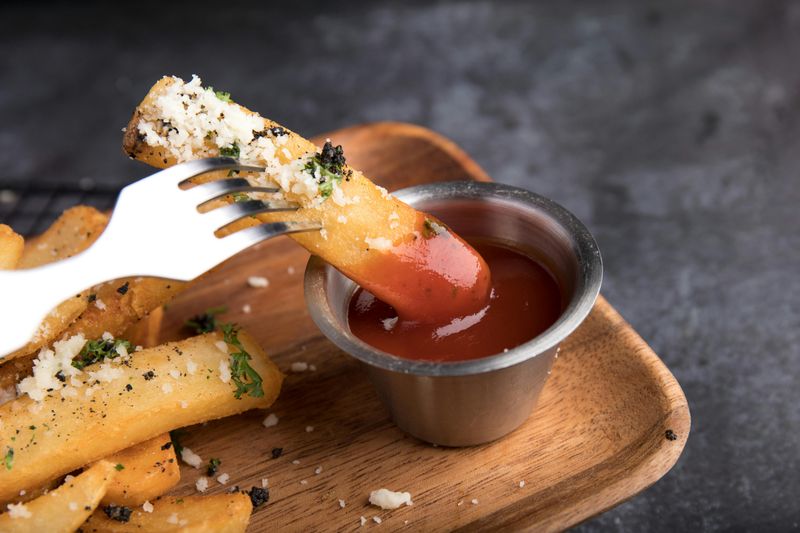
Asking for sauce on the side means you like control over moisture and flavor intensity. You want each bite calibrated, not drowned.
It speaks to balance, health consciousness, or simply texture awareness.
There is nothing fussy about it when done politely. You respect the chef while personalizing the finish.
People who do this tend to be measured decision makers who savor choices.
Ordering water only
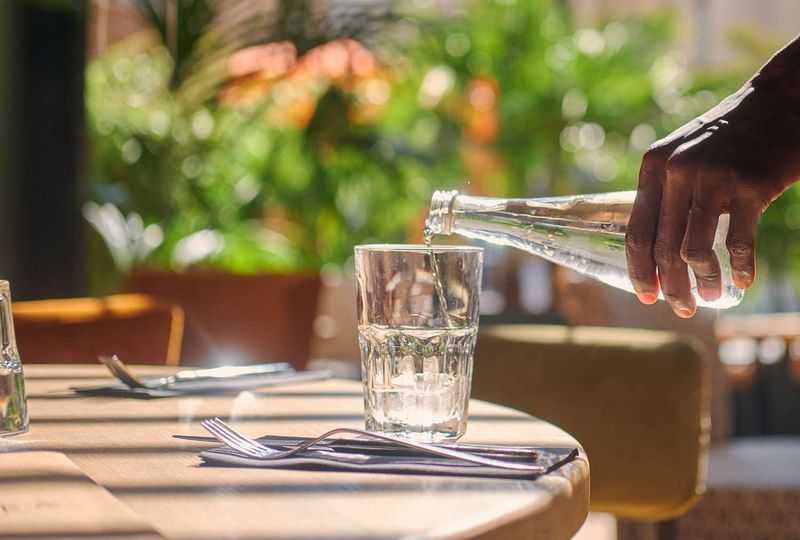
Ordering water only suggests clarity, health goals, or budget savvy. You prioritize hydration and keep the meal centered on food.
It might also reflect a training plan or simply preferring clean flavors.
People sometimes assume frugality, but often it is focus. You know sugary drinks fill you up without adding much.
When the check arrives, you feel good about how intentional the choice was.
Ordering the cheapest item
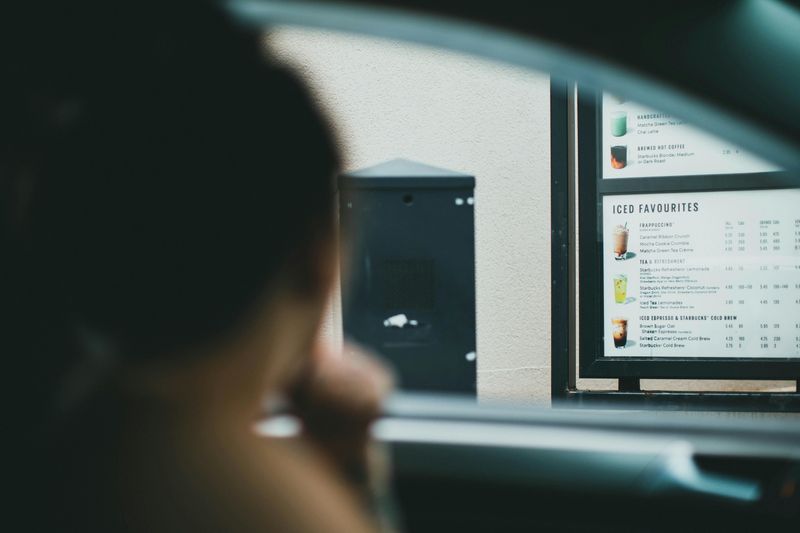
Ordering the cheapest item telegraphs discipline and priorities. You still enjoy dining out, but within firm boundaries.
There is confidence in drawing a financial line and sticking to it.
It can also reveal love for underdog dishes that surprise. You might find the simplest plate shows the kitchen’s skill.
When others overspend, you leave satisfied, proud, and still on budget.
Ordering the most expensive item

Ordering the most expensive item announces celebration and appetite for spectacle. You want the house specialty, the premium cut, the showstopper.
It suggests confidence, curiosity, and a willingness to invest in memorable bites.
Sometimes it is about status, but often it is love for craftsmanship. You enjoy comparing benchmarks across restaurants.
When the plate arrives, you lean in and savor like it is a once in a while event.
Getting extra bread
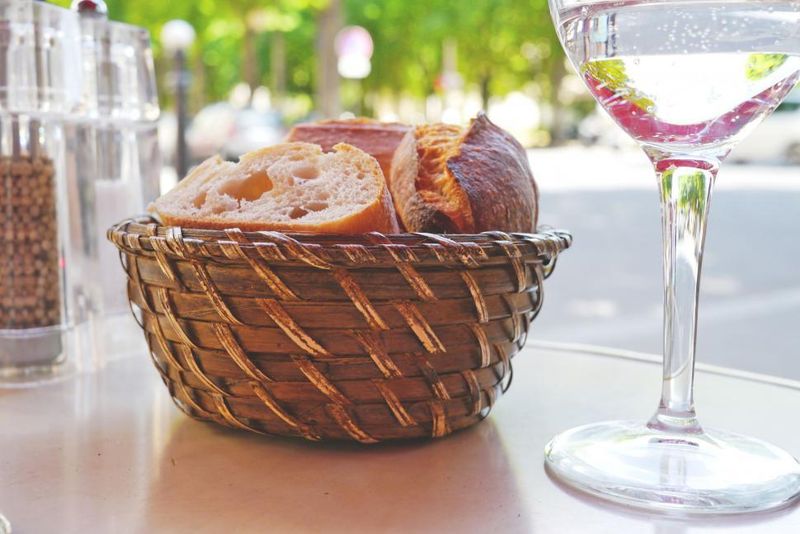
Getting extra bread says you value warmth and generosity at the table. You want to extend the meal, pad the hunger, and keep conversation flowing.
It is a small ritual that turns waiting into enjoying.
There is thrift and comfort in this move. You appreciate the basics done perfectly, crusty outside and tender middle.
When more bread lands, the whole table softens and smiles.
Taking food to go
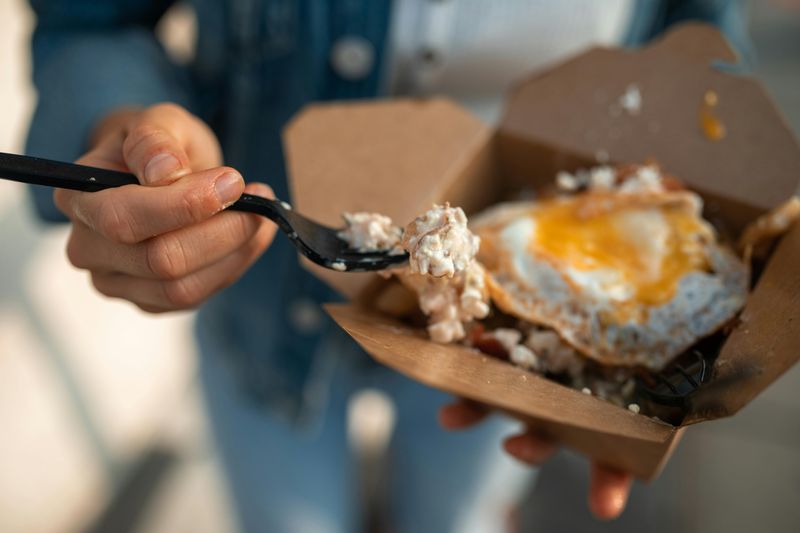
Taking food to go signals respect for value and future cravings. You want the second round tomorrow, the cold pizza moment, or lunch handled.
It shows planning and zero shame about enjoying leftovers.
People who box early hate waste and love pacing. You know satisfaction stretches beyond the table.
When you reheat, you relive the night with one more happy bite.
Ordering off menu
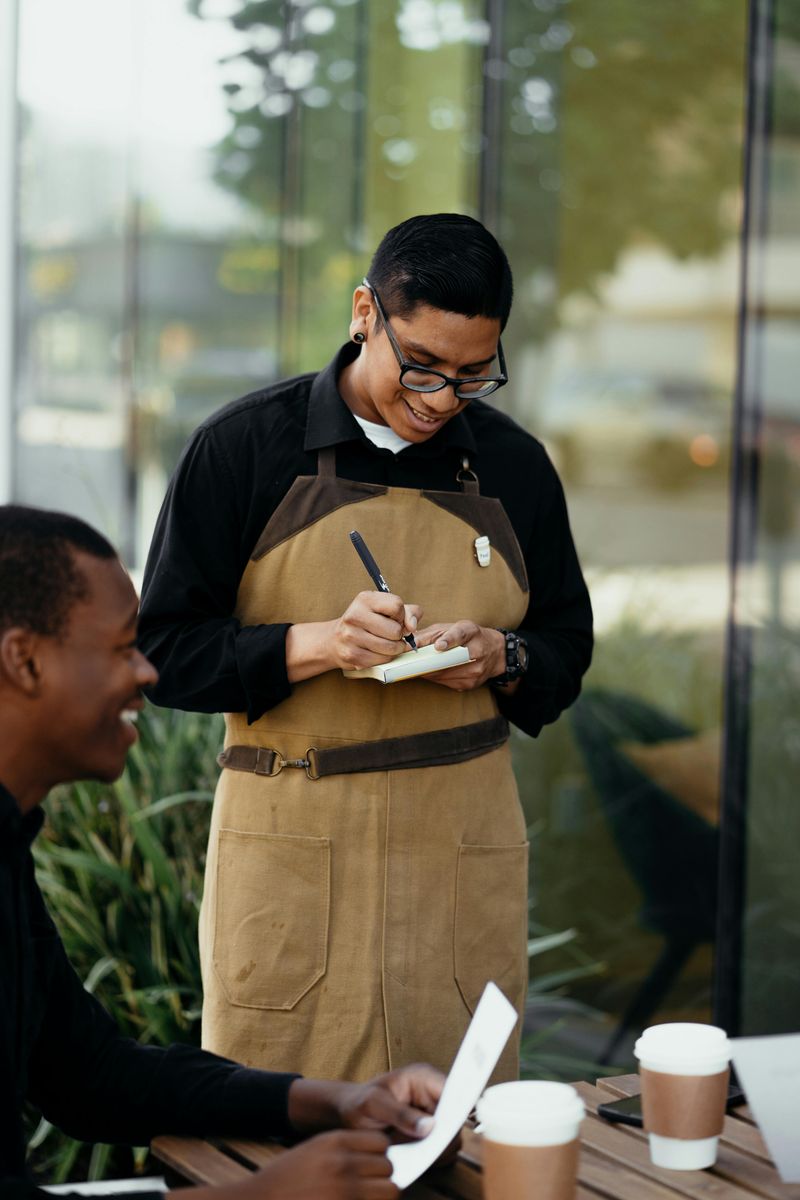
Ordering off menu says you enjoy discovery and rapport with staff. You are curious about seasonal ingredients or chef favorites.
It reveals confidence and a playful streak with food.
There is trust involved, too. You accept the surprise in exchange for something tailored.
When it lands, you feel like part of the inner circle.
Checking portion sizes
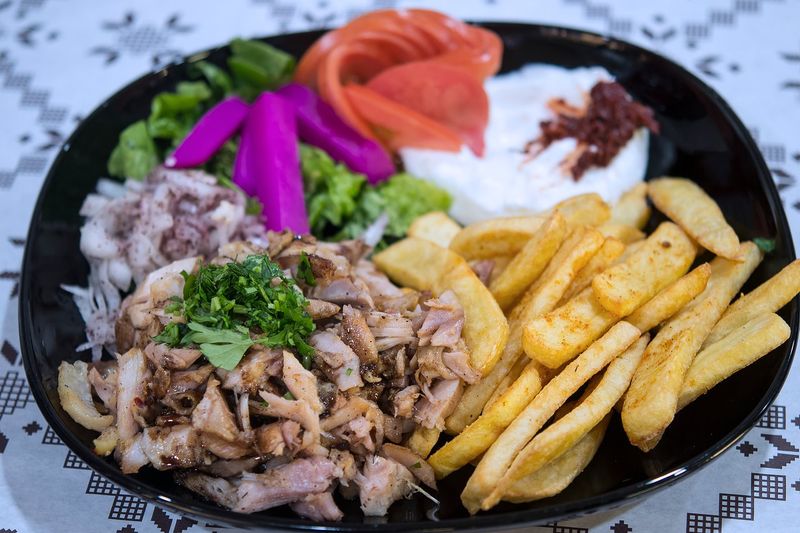
Checking portion sizes shows strategy. You want the right balance for hunger, budget, and potential sharing.
It is a sign of planning rather than impulse.
People who ask this tend to avoid regret and leftovers overload. You calibrate, choose sides wisely, and land where satisfaction meets sense.
When the plate arrives, it feels like a win for logistics and appetite.
Always ordering fries
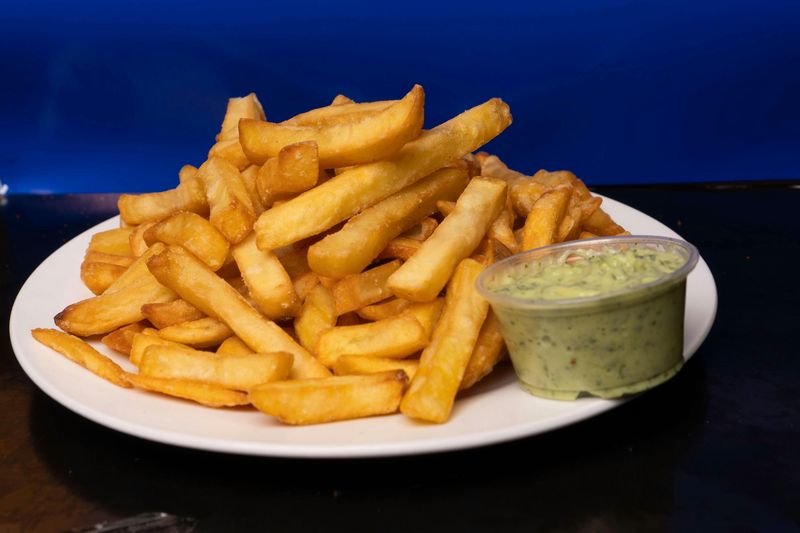
Always ordering fries declares loyalty to simple pleasures. You know what hits the spot and do not apologize.
Crispy, salty, shareable, fries turn any meal into comfort central.
It can also show playful consistency. While the menu changes, that basket anchors your experience.
Friends count on you to ask for extra napkins and the good sauces.
Adding hot sauce

Adding hot sauce signals boldness and a craving for intensity. You want heat to unlock flavor, not hide it.
There is a thrill in that first spicy bite and the endorphin glow after.
It also hints at experimentation. You fine tune drops like a DJ mixing a track.
When others hesitate, you offer them a careful, joyful splash.
Always ordering dessert
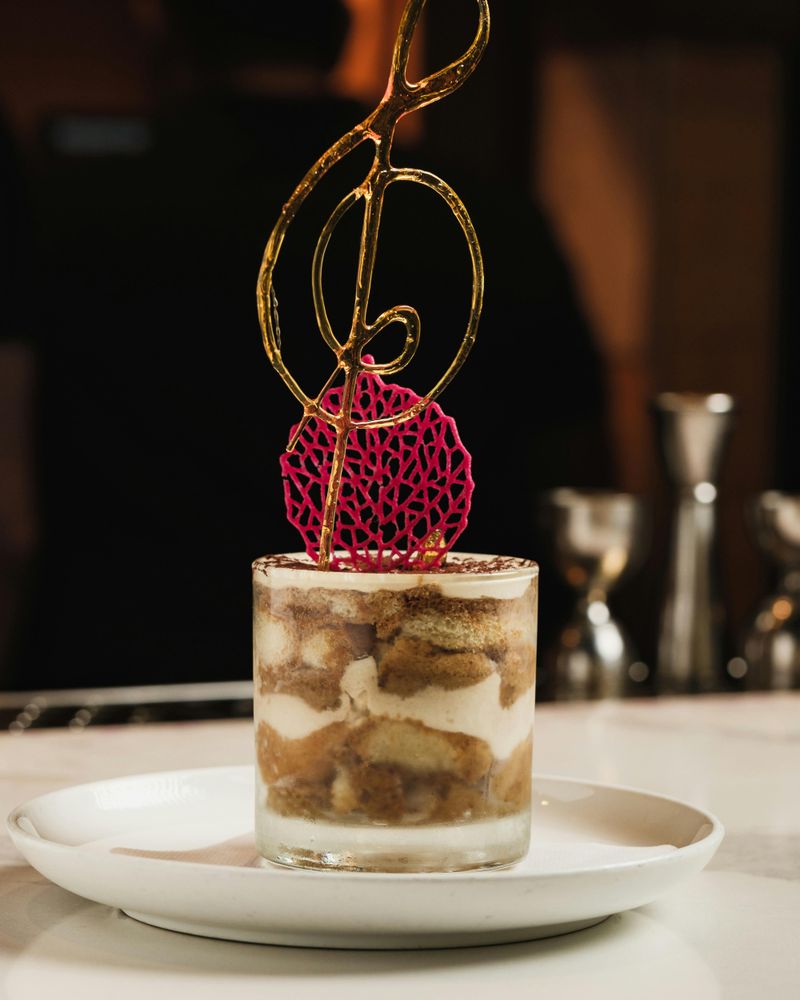
Always ordering dessert says you honor endings. You like a sweet closure, a ritual that seals the evening with delight.
It reflects optimism, patience, and a taste for ceremony.
It is not about excess, it is about punctuation. You know a spoonful of something special can turn good into unforgettable.
When the menu arrives, you already have room saved.
Splitting a meal
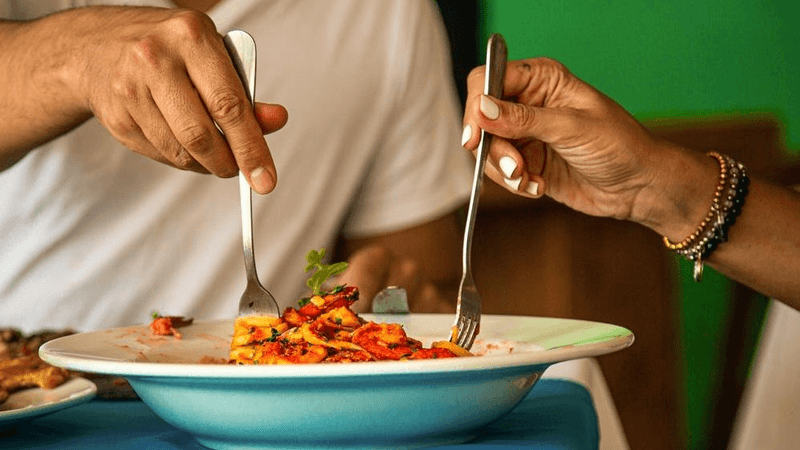
Splitting a meal says practicality meets partnership. You care about waste, wallet, and not rolling out the door stuffed.
It shows trust with your dining companion and an eye for portion balance.
This habit often belongs to planners who scan the table for equilibrium. You still sample everything, just with intention.
When someone suggests sharing, you know they value fairness and flavor in equal measure.
Enjoyed this story?
Add Fast Food Club as a preferred source to see more of our reporting on Google.