


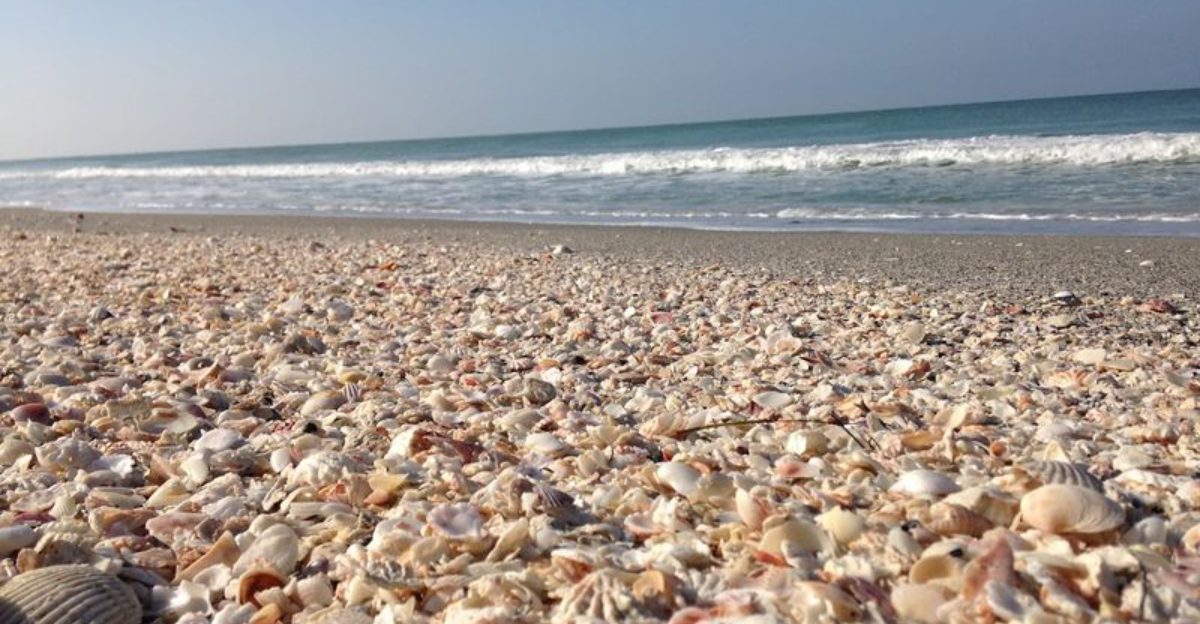
Tucked along Florida’s southwest coast, Captiva Island is one of those rare places that feels like it was made for discovery. Known for its white sandy beaches, warm Gulf waters, and incredible variety of seashells, this small island draws visitors from all over the world.
Whether you are a seasoned shell collector or just starting out, Captiva offers an experience that is hard to match anywhere else in the United States. Pack your bags, grab a bucket, and get ready to explore one of Florida’s most magical coastal treasures.
The Art of the Sanibel Stoop on Captiva’s Shores
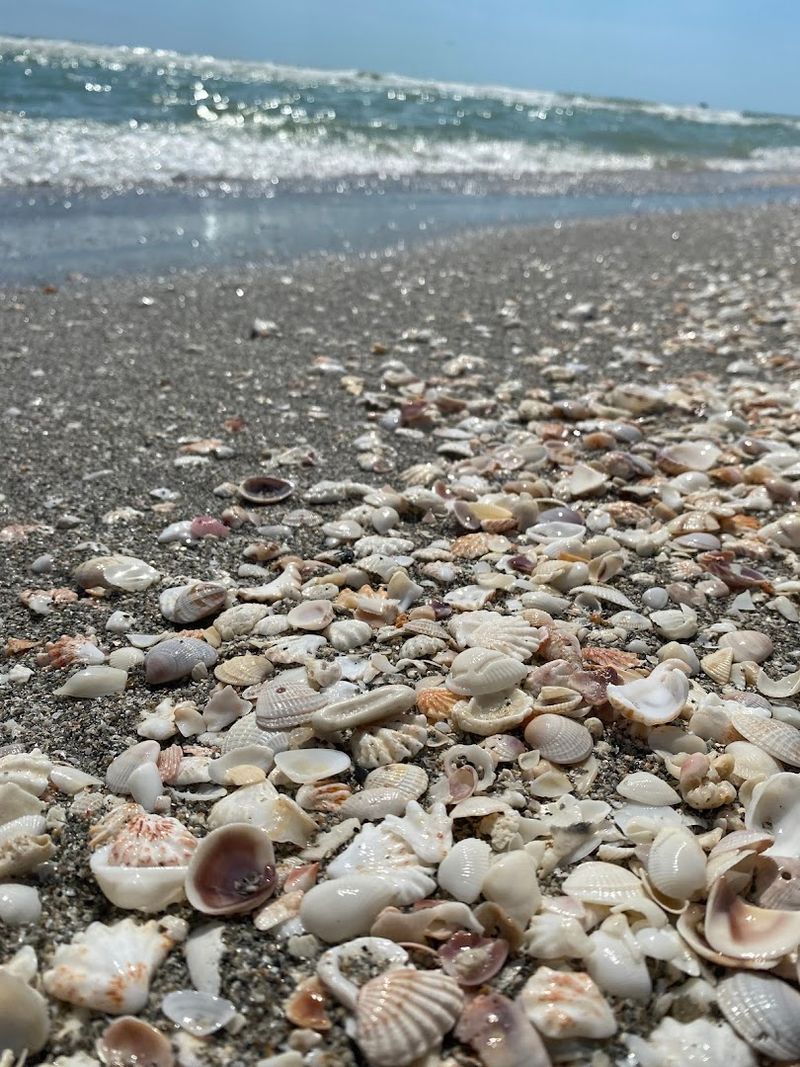
Locals have a nickname for it: the Sanibel Stoop. You will spot it everywhere on Captiva’s beaches — visitors hunched over, eyes scanning the sand for that next perfect shell.
It is practically the island’s unofficial sport.
Captiva sits on the same barrier island chain as Sanibel, and both benefit from a unique east-west orientation that acts like a natural funnel for shells washing in from the Gulf of Mexico. Thousands of shells land on the shore with every tide cycle, making each morning walk feel like opening a gift.
The best time to search is just after low tide or following a storm, when fresh shells are pushed ashore. Bring a mesh bag or a bucket, wear water shoes, and walk slowly.
Patience is the most important tool any shell collector can carry to Captiva’s breathtaking beaches.
Most Common Shells Found at Captiva Island
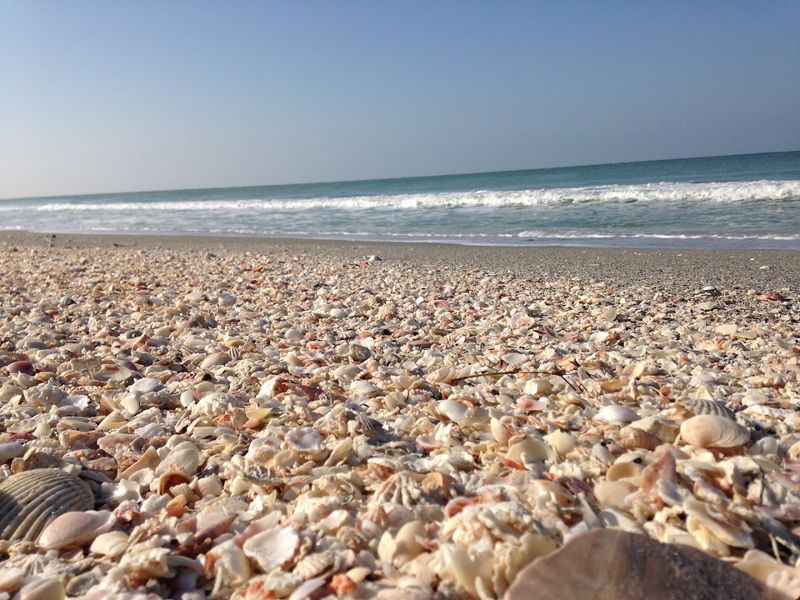
Few beaches in North America can rival the sheer variety of shells that wash up on Captiva’s shores. On a single morning walk, collectors might find lightning whelks, alphabet cones, augers, olives, tulip shells, and fighting conchs — all before breakfast.
The lightning whelk is especially beloved here because it is Florida’s official state shell. Its spiral pattern and creamy yellow color make it easy to spot, and finding a large, unbroken one feels like winning a small lottery.
Junonia shells, spotted and rare, are considered the ultimate Captiva prize.
Alphabet cones are another favorite, featuring tiny brown markings that look like letters and symbols. Collectors often spend years trying to complete a full set of shell varieties found on this island.
Every visit brings something different, which is exactly what keeps people coming back season after season.
Sunrise Shell Walks: Why Early Birds Win Big
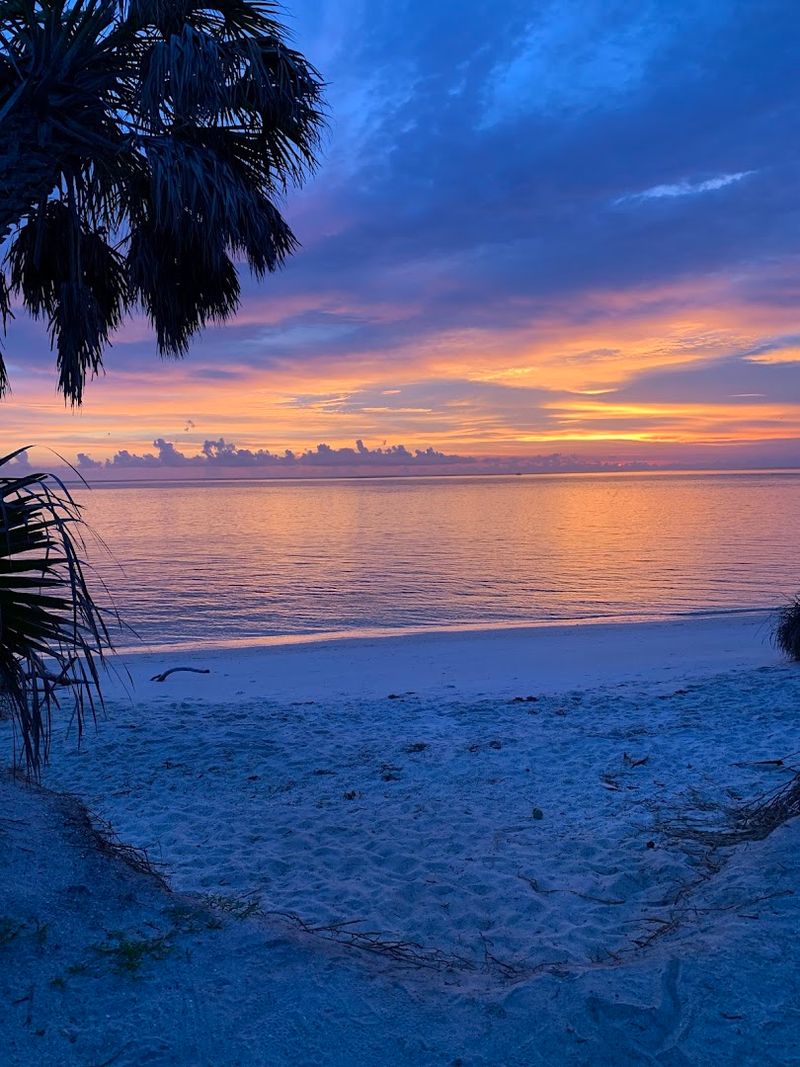
There is something almost magical about Captiva Island at sunrise. The sky turns pink and orange over the Gulf, the air is cool and still, and the beach belongs almost entirely to you and the shells waiting at the waterline.
Arriving at the beach before 7 a.m. gives collectors a major advantage. The overnight tides deposit fresh shells, and fewer people means less competition for the good finds.
Serious collectors treat sunrise walks like a daily ritual, and many say it is the most peaceful part of their entire vacation.
Bring a flashlight if you plan to arrive before dawn, because some of the best shells hide in shallow water just steps from shore. A small headlamp keeps your hands free for picking up shells.
Captiva’s quiet mornings have a way of turning casual beachgoers into lifelong shell-hunting enthusiasts almost overnight.
Shelling After a Storm: Nature’s Best Gift to Collectors
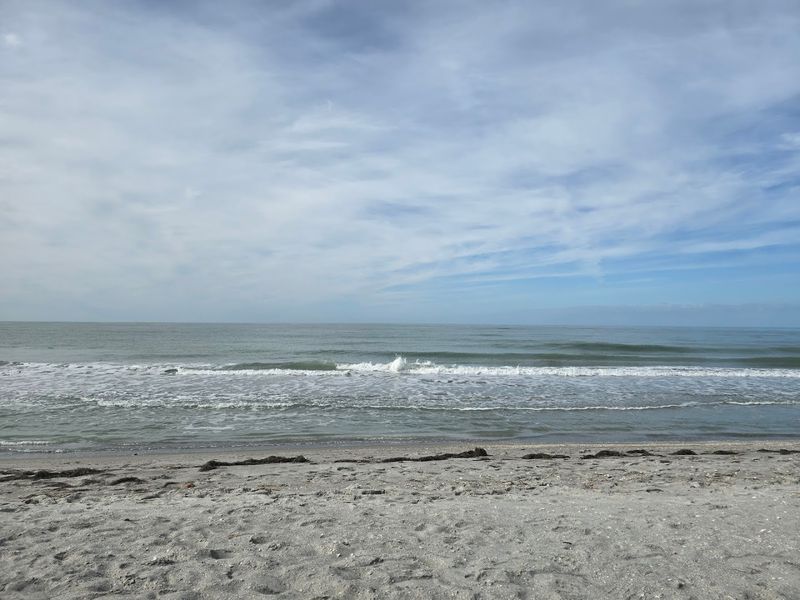
Ask any experienced Captiva shell collector what their favorite condition is, and most will say the same thing: right after a good storm. Heavy winds and rough surf churn up the seafloor and push enormous quantities of shells onto the beach in just a few hours.
Post-storm shelling can feel almost unreal. The beach becomes carpeted with shells of every size and color, including rare finds that might go unseen for months under normal conditions.
Hurricane Ian, which struck the region in 2022, dramatically changed the island’s landscape, and recovery efforts are still ongoing — but the shells have slowly been returning.
Always check weather reports before planning a storm-chasing shell trip, and never go near the water during dangerous conditions. Wait until the storm fully passes, then head out early the next morning.
Captiva rewards patient, safety-conscious collectors with some of the most spectacular shelling in the entire state.
Turner Beach: A Hidden Shelling Hotspot
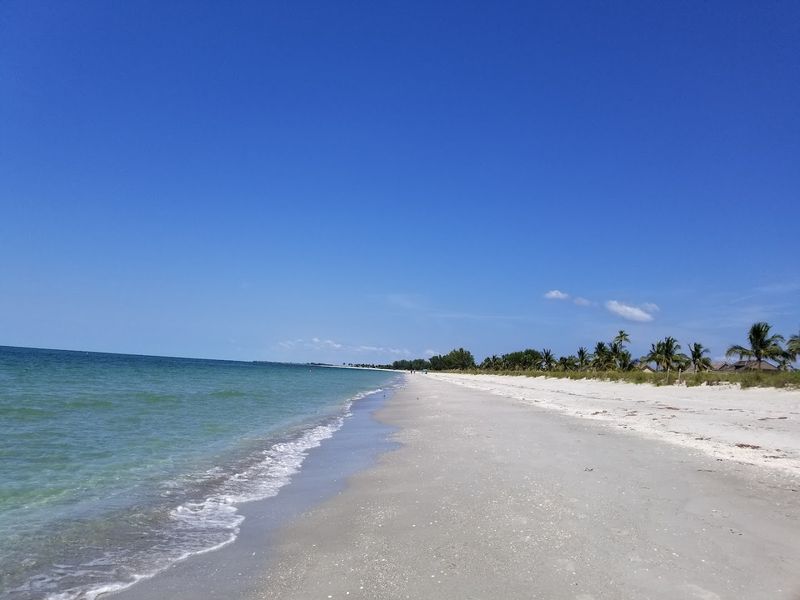
Sitting at the southern tip of Captiva Island, Turner Beach is where serious shell hunters tend to gather. The spot sits right at the pass between Captiva and Sanibel, and the strong tidal currents that run through Blind Pass push an impressive variety of shells directly onto the sand.
Visitors often find larger shells here compared to other parts of the island. Whelks, conchs, and sand dollars show up regularly, especially during lower tides.
The beach is also strikingly beautiful, with clear Gulf water and a wide sandy strip that makes walking feel effortless.
Parking is available nearby, though it fills up quickly during busy seasons. Arriving early not only secures a spot but also gives you the first pick of whatever the tide brought in overnight.
Turner Beach is the kind of place that converts first-time visitors into repeat Captiva fans almost immediately.
Captiva’s Wildlife: More Than Just Shells on the Beach
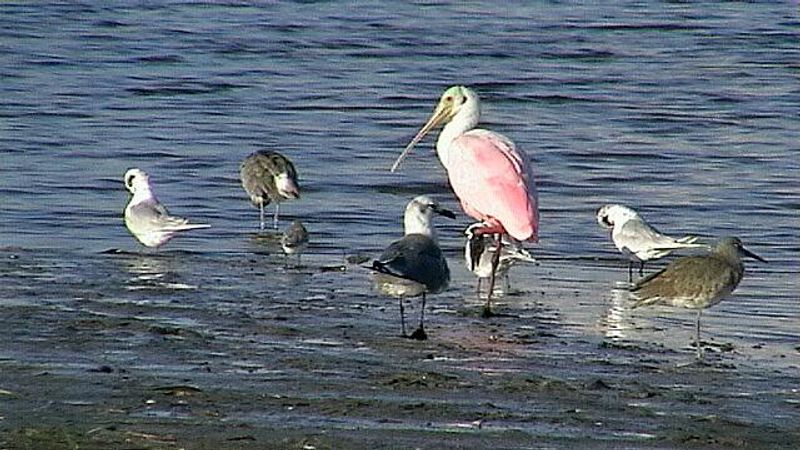
Captiva Island is not just a shelling destination — it is a full-on wildlife experience. Brown pelicans, great blue herons, roseate spoonbills, and osprey are regular sights along the beach, often walking just a few feet away from shell collectors without a care in the world.
Birders love Captiva for its incredible diversity of species, especially during migration season when rare birds stop over on their long journeys north or south. The island’s mangroves, tidal flats, and shallow waters create a rich habitat that supports dozens of species year-round.
Keep an eye out for dolphins in the surf and manatees in the canals near the island’s interior. Sea turtles also nest on Captiva’s beaches from May through October, and protected nests are carefully marked by volunteers.
Watching wildlife while shelling adds a whole new layer of wonder to any Captiva visit.
Exploring Captiva by Bike: The Best Way to See It All
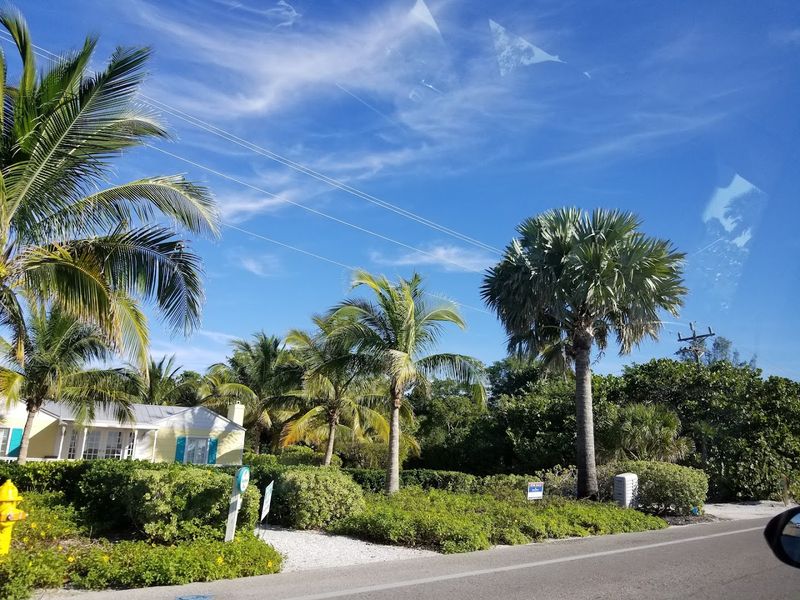
Renting a bike on Captiva Island is one of those decisions you will not regret for a single second. The island is small enough to explore entirely by bicycle, and the flat, scenic roads wind through lush tropical vegetation, past charming beach cottages, and alongside stunning Gulf views.
Multiple rental shops on the island offer bikes by the hour or the day. Cruiser bikes are the most popular choice, and families with young kids will find that the relaxed pace makes cycling here genuinely enjoyable rather than exhausting.
Many cyclists stop frequently to check out shell-covered stretches of beach they spot from the road.
One reviewer described biking around Captiva as “a ton of fun with so many things to see,” and that captures the experience perfectly. Cycling also lets you reach less-crowded beach access points that are easy to miss when driving.
Two wheels are honestly the best way to experience Captiva.
Spectacular Sunsets That Stop You in Your Tracks
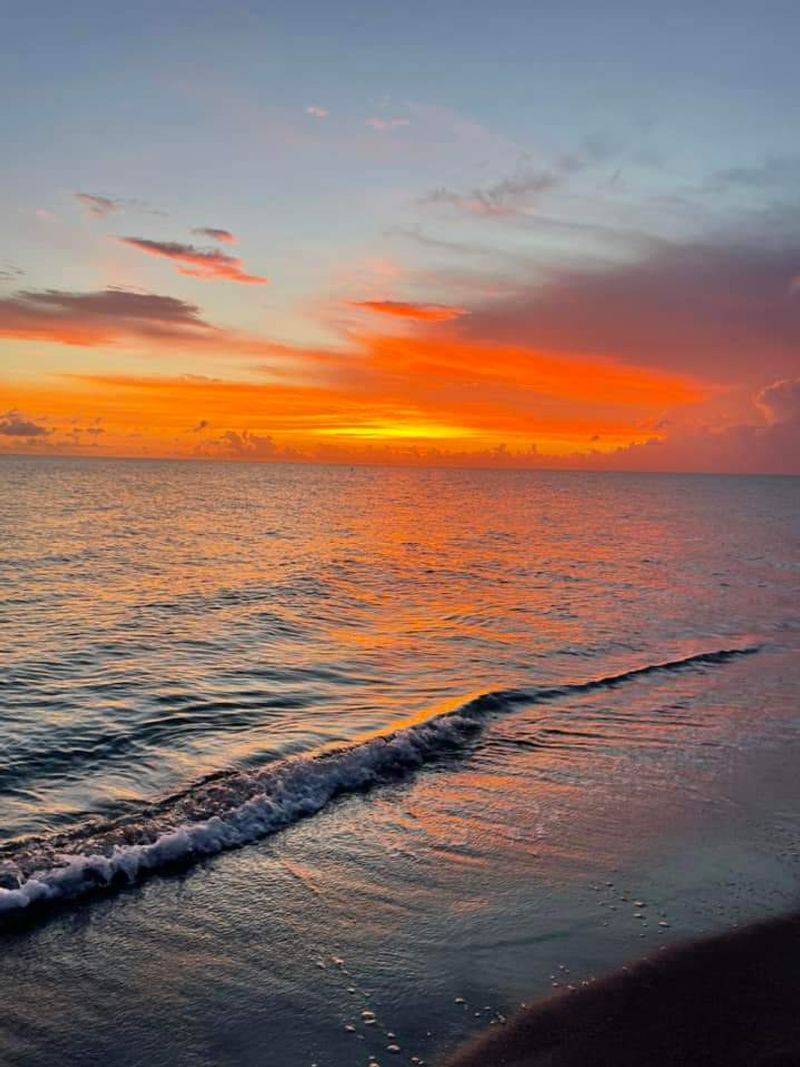
Captiva Island sunsets are the kind that make people stop walking, put down their shell bags, and simply stare. The Gulf of Mexico horizon is unobstructed here, and when the sun drops low, the entire sky transforms into a canvas of deep orange, pink, and purple that seems almost too beautiful to be real.
Locals and visitors alike treat sunset watching as a daily event. Beach chairs get set up early, and small crowds gather near the water’s edge to share the moment together.
There is something quietly communal about watching that enormous sun sink below the horizon with strangers who quickly feel like friends.
Bring insect repellent if you plan to stay past dusk, because no-see-ums and mosquitoes become active quickly after sunset. One reviewer called Captiva’s sunsets “phenomenal nearly every day,” and that is no exaggeration.
Watching a Captiva sunset even once is enough to make you plan your return trip.
Water Sports and Activities for Every Type of Visitor
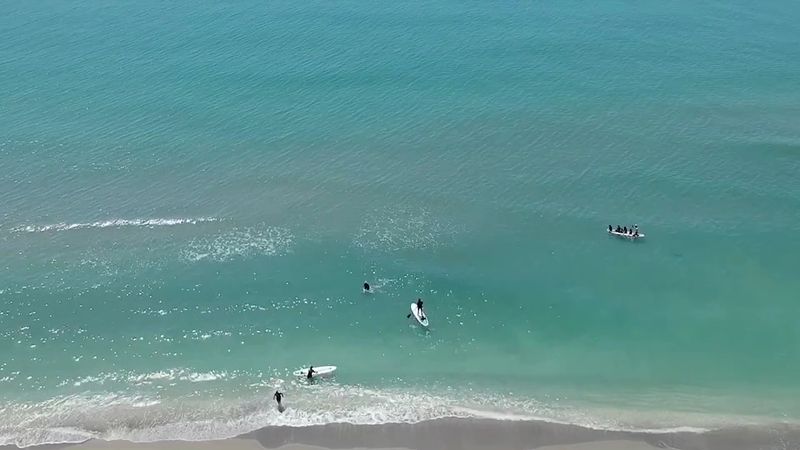
Captiva Island offers far more than shelling and sunsets. The surrounding waters are a playground for kayakers, paddleboarders, boaters, and anglers who come from across Florida to enjoy some of the best Gulf Coast conditions available anywhere in the state.
Kayak and paddleboard rentals are easy to find, and guided tours through the island’s mangrove tunnels are particularly popular. Paddling through those narrow, shaded waterways feels like exploring a secret world hidden just behind the beach.
Fishing charters operate daily and target species like snook, redfish, and tarpon in the surrounding flats and passes.
One reviewer enthusiastically described Captiva as the perfect place to “get your water toys ready,” and the energy on the water absolutely backs that up. Whether you want a calm kayak glide or an action-packed fishing trip, Captiva’s waters deliver.
The island genuinely caters to every kind of outdoor adventurer.
Dining and Local Shops Worth Visiting
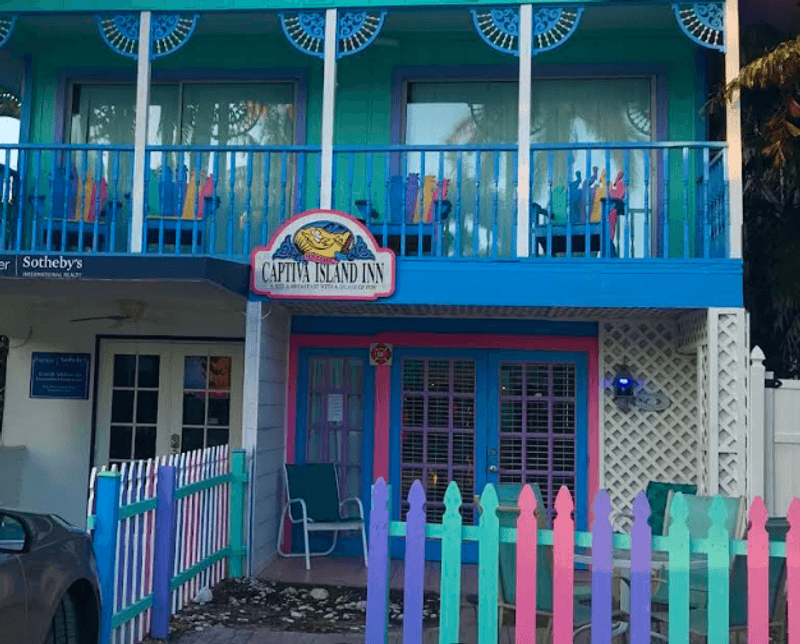
Captiva Island may be small, but its dining scene punches well above its weight. Casual waterfront restaurants serve fresh Gulf seafood, cold drinks, and laid-back island vibes that feel completely authentic rather than touristy.
Many spots have outdoor seating that practically forces you to slow down and enjoy the view.
The island’s shops are equally charming. Boutiques selling handmade jewelry, local artwork, and shell-themed gifts line the main street, and browsing them feels like a relaxed afternoon activity rather than a chore.
Supporting local businesses here carries extra meaning, as many shops are still rebuilding after the devastating impact of recent hurricanes.
One longtime visitor put it simply: the people of Captiva are good, hardworking folks who deserve the support of every visitor who walks through their doors. Eating local, shopping local, and tipping generously are small acts that make a real difference on this resilient little island.
Captiva’s Recovery After Hurricane Ian
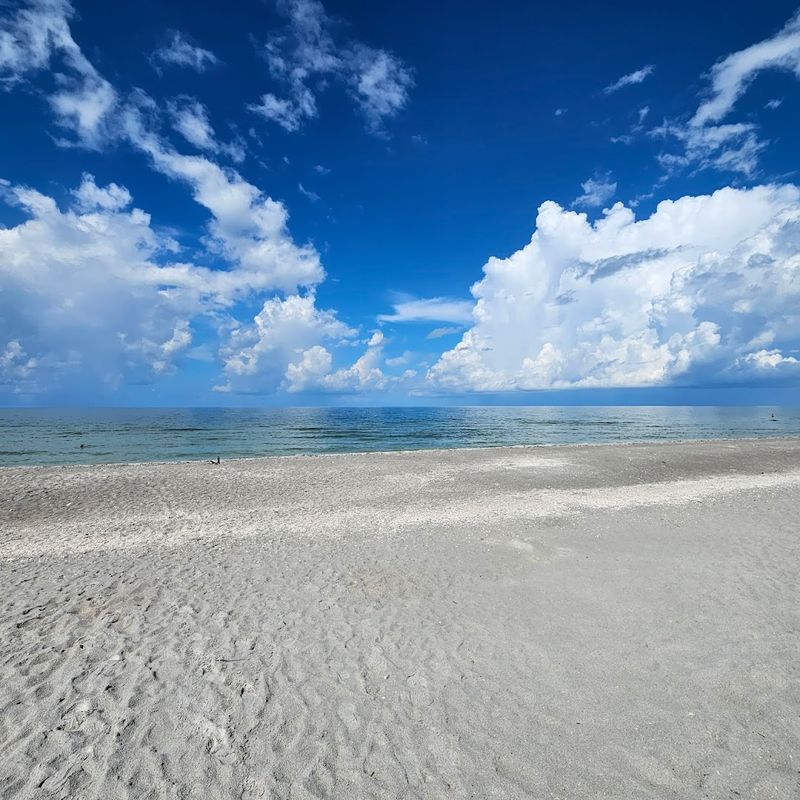
Hurricane Ian made landfall in September 2022 as one of the most powerful storms ever to hit Florida’s southwest coast. Captiva Island took a direct hit, and the damage was severe.
Beaches were reshaped, structures were destroyed, and the island’s beloved shell population was dramatically disrupted almost overnight.
Recovery has been slow but steady. Businesses have reopened, roads have been repaired, and the community has shown remarkable resilience in rebuilding what was lost.
Visitors who return after years away will notice the changes, but they will also find the same warm spirit and natural beauty that made Captiva special in the first place.
One reviewer who returned post-Ian described the island as “still magical and beautiful” despite looking different than before. Choosing to visit Captiva now is an act of support for a community that truly needs it.
The island is healing, and every tourist dollar helps speed that recovery along.
Practical Tips for Your Captiva Island Visit
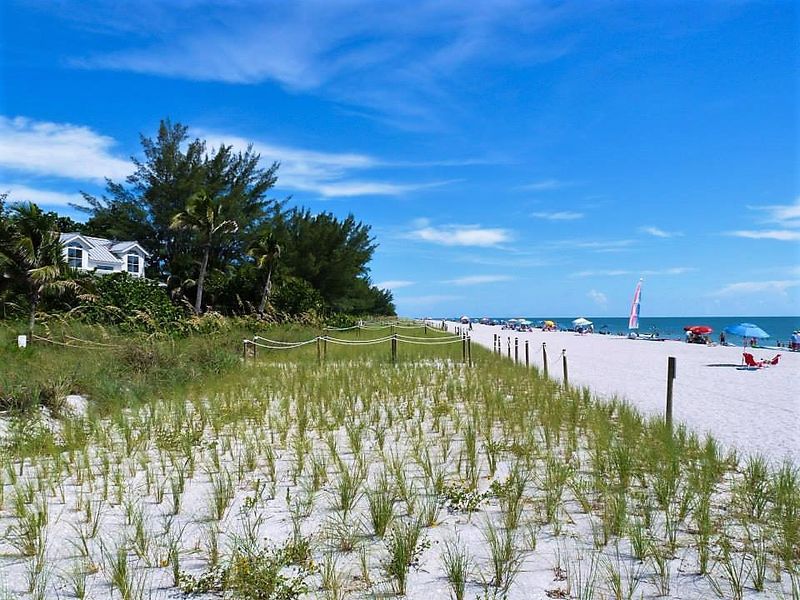
A little planning goes a long way on Captiva Island. Parking is limited and can be expensive, with some lots charging around $25 for just two hours.
Arriving early in the morning almost always solves the parking problem and rewards you with the best shelling conditions of the day.
Pack sunscreen, a reusable water bottle, snacks, and insect repellent — especially if you plan to be out near dusk. No-see-ums are tiny but genuinely annoying, and being unprepared for them can turn a lovely evening into an itchy nightmare.
A mesh bag for shells and water shoes for wading are also smart additions to your beach kit.
Most restaurants close around 9 p.m., so plan dinner on the earlier side. The island has no real nightlife scene, which is honestly part of its charm.
Captiva is about slowing down, breathing in the salt air, and fully unplugging from the noise of everyday life.
Why Captiva Island Keeps Calling People Back
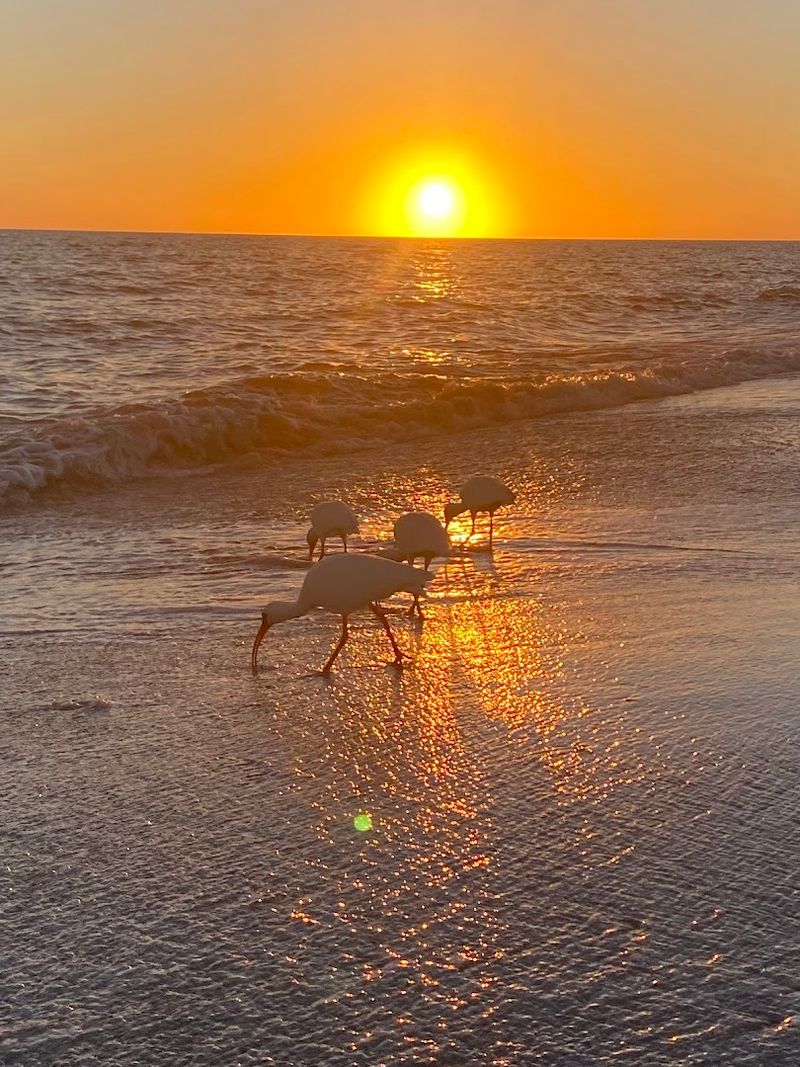
Some places leave a mark on you that no other destination quite erases. Captiva Island is that kind of place.
Visitors who come once tend to return year after year, drawn back by the shells, the sunsets, the wildlife, and an atmosphere that feels genuinely removed from the rush of modern life.
Multiple reviewers mention coming back annually, describing the island as a tradition rather than just a vacation spot. There is a timeless quality to Captiva — the way the Gulf sparkles in the afternoon, the sound of waves pulling shells back into the water, the friendliness of people you meet on the beach.
Even after the challenges brought by recent storms, Captiva has held onto its soul. Restoration is ongoing, but the magic is still very much alive.
If you have never visited, there is truly no better time than now to see what all the wonder is about.
Enjoyed this story?
Add Fast Food Club as a preferred source to see more of our reporting on Google.