


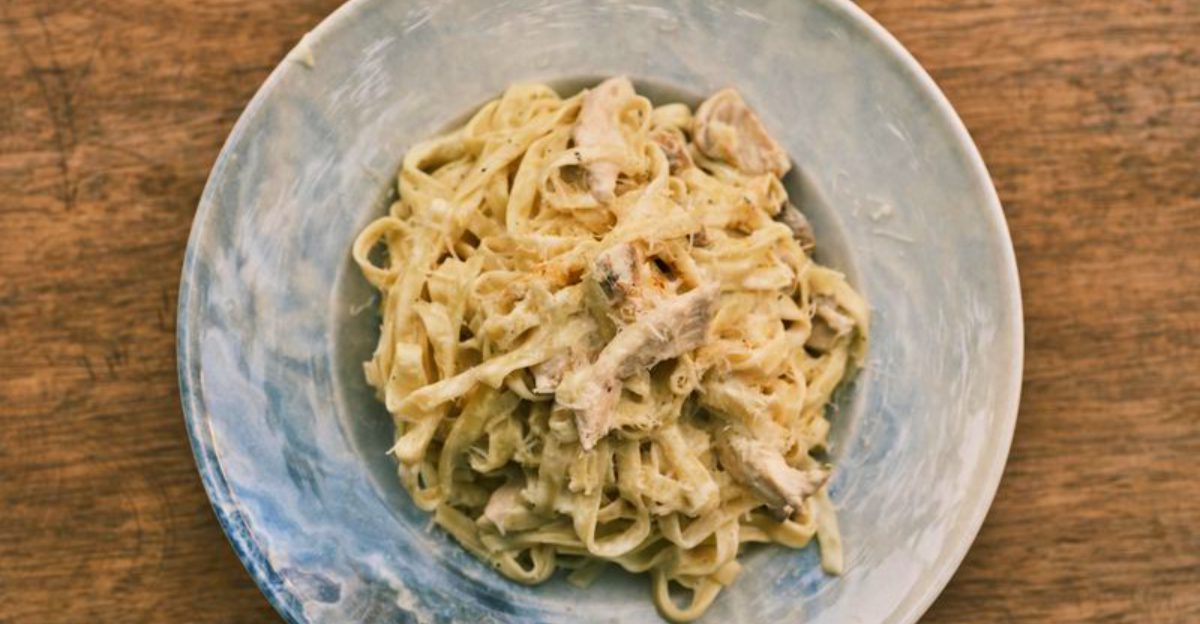
Some dishes show up looking just like the ones you dream about from home, but one bite gives away the ruse. You know that moment when the texture is too perfect, the sweetness too loud, or the flavor just sort of one note.
This guide helps you spot the tells so you can steer toward the real deal. Trust your senses and order like a pro.
Mashed potatoes
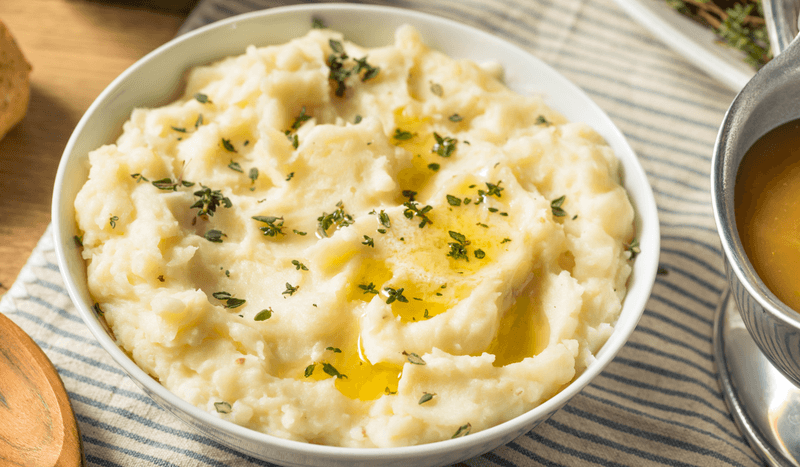
They arrive creamy, cloudlike, and steaming, but the flavor tells a different story. Real mashed potatoes carry soft lumps, buttery aroma, and a whisper of pepper; boxed flakes taste flat and oddly sweet.
If every spoonful is perfectly uniform and suspiciously glossy, you are probably eating reconstituted mix.
Watch for a gluey texture that clings to the spoon and a one note saltiness. Homemade versions separate slightly, showing butter pools and potato fibers.
Ask if they are made from scratch, or scan the menu for the word rustic. Your taste buds deserve the real, imperfect comfort.
Gravy
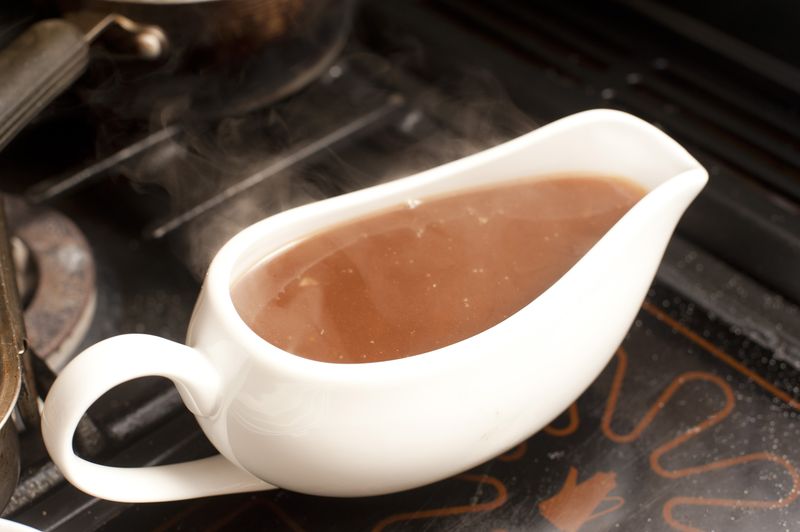
Good gravy tastes like pan drippings and patience, not cornstarch and salt. When it looks thick yet watery on the plate, that is a packet talking.
Real versions have browned bits, silky body, and depth from wine or stock simmered low and slow.
If it shines like plastic and tastes aggressively salty, you found a shortcut. Ask whether they deglaze the roasting pan or make it daily.
Pepper flecks and uneven texture are promising signs. A dull, beige slick usually means shelf stable mix.
You can always request it on the side, sparing your fries from paste.
Soup of the day
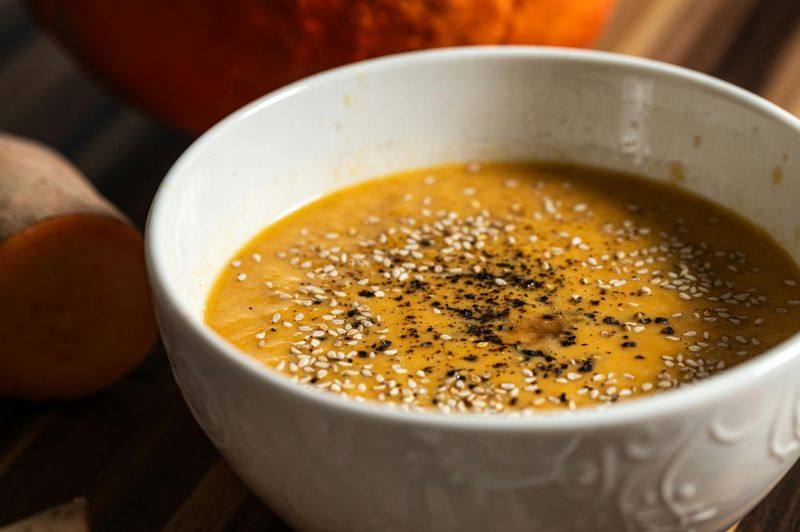
The board promises something cozy, yet the bowl screams commodity. Many kitchens open a bag, add water, and call it chef inspired.
True daily soup tastes seasonal, with vegetables cut in uneven chunks and broth that smells like an actual pot simmered for hours.
Look for sweat beading on the surface and flavor that changes bite to bite. If every ingredient is the same size and the seasoning feels generic, it is likely food service.
Ask what stock they use and when it was made. Curiosity often earns better soup or an honest steer today.
Chili
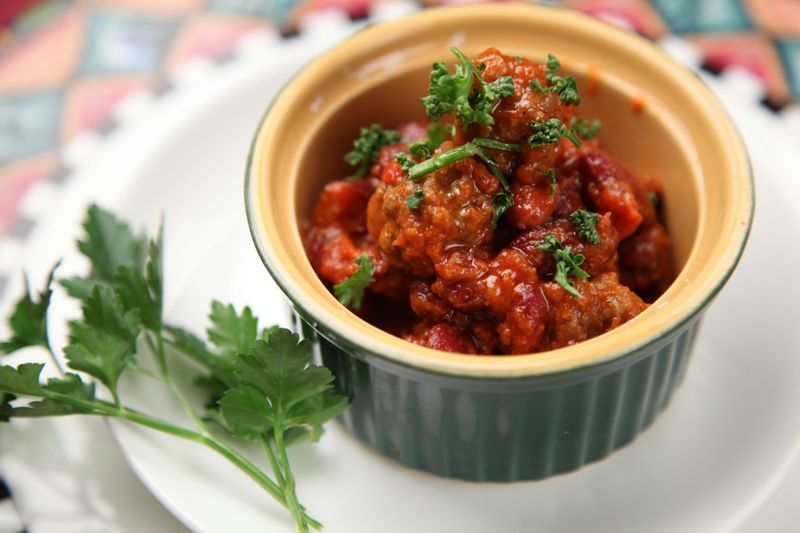
Great chili has personality, not a one flavor wall of heat. When it tastes suspiciously sweet and the meat is pebble sized, there is a good chance it came from a can.
Real batches show chili oils, tender chunks, and a lingering warmth that builds.
Check for beans that are intact yet creamy and spices that announce themselves separately. If it is oddly thick and ketchup forward, you have the shortcut special.
Ask about their peppers, and whether they toast the spices. A thoughtful answer usually signals pride, not powder and sugar in the pot.
Mac and cheese
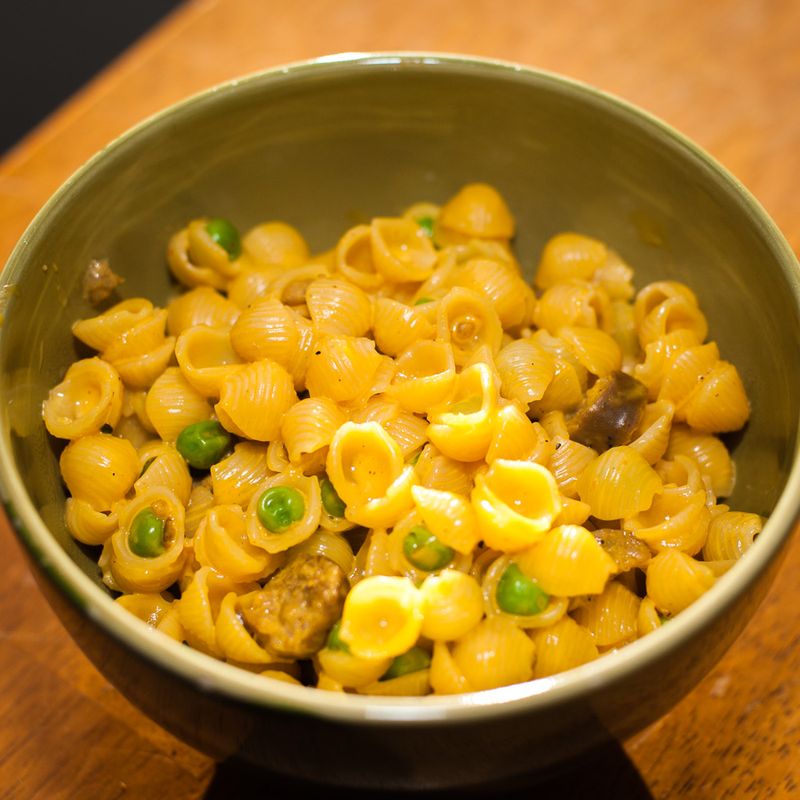
When the sauce coats every elbow with uncanny smoothness, your instincts tingle. Real cheese breaks slightly, smells nutty, and leaves little pools of orange on the plate.
Box sauce or processed blocks create a uniform gloss and a sharp, artificial twang that lingers.
Notice stretchiness versus paste. Genuine cheddar stretches in strands, while mix clumps and separates as it cools.
Ask whether they start with a roux and what cheeses are blended. Names like Gruyere and aged cheddar are promising.
If they dodge specifics, brace for shelf stable shortcuts masquerading as comfort on a rushed line.
Lasagna
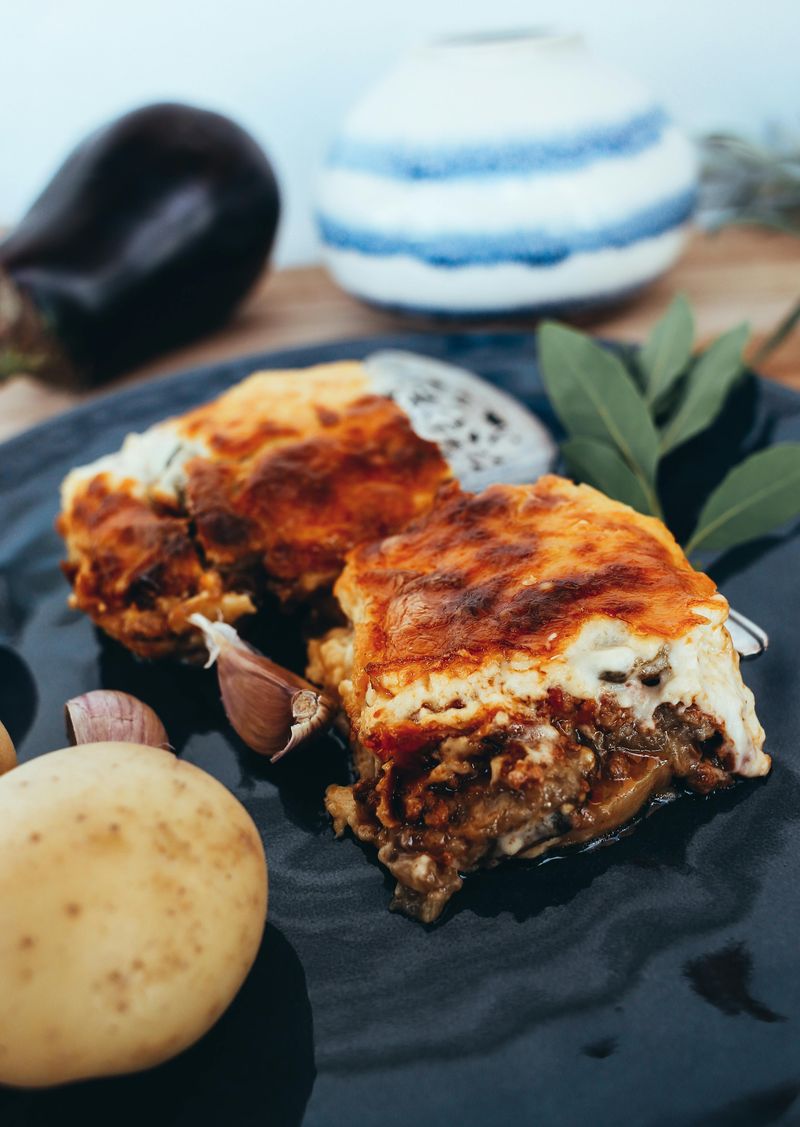
A slice that stands too straight is already telling on itself. Homemade lasagna slumps a little, with saucy edges, ragged pasta, and browned pockets of cheese.
Factory versions cut clean, stack like bricks, and taste like oregano plus sugar with barely any ricotta character.
Feel the noodles. If they bounce instead of tear, they were parboiled and parked.
Ask whether the sauce simmers all day and if there is béchamel or ricotta. Variations are good signs.
When layers feel identical top to bottom, you are eating assembly line comfort. Look for browned corners and saucy spillover.
Meatballs
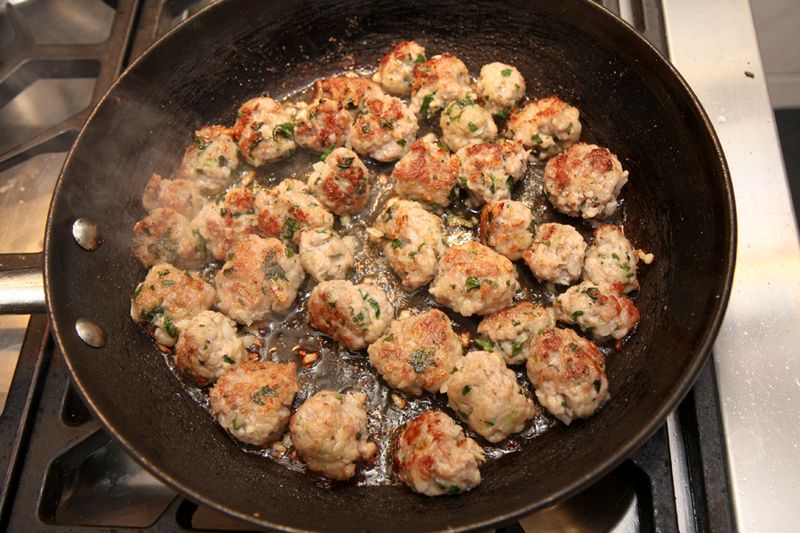
Meatballs should be tender and irregular, like someone rolled them while chatting. When every sphere is identical and tightly packed, a bag probably met a steam table.
Real ones taste of bread soaked in milk, fresh herbs, and pan fond scraped into the sauce.
Cut one open. If it is gray throughout with rubbery bounce, it was likely pre cooked and frozen.
Ask about the grind and whether they simmer in sauce. A confident answer means pride.
Otherwise, you are getting banquet food disguised as nonna’s secret. Look for flecks of parsley and melting cheese.
Chicken parmesan
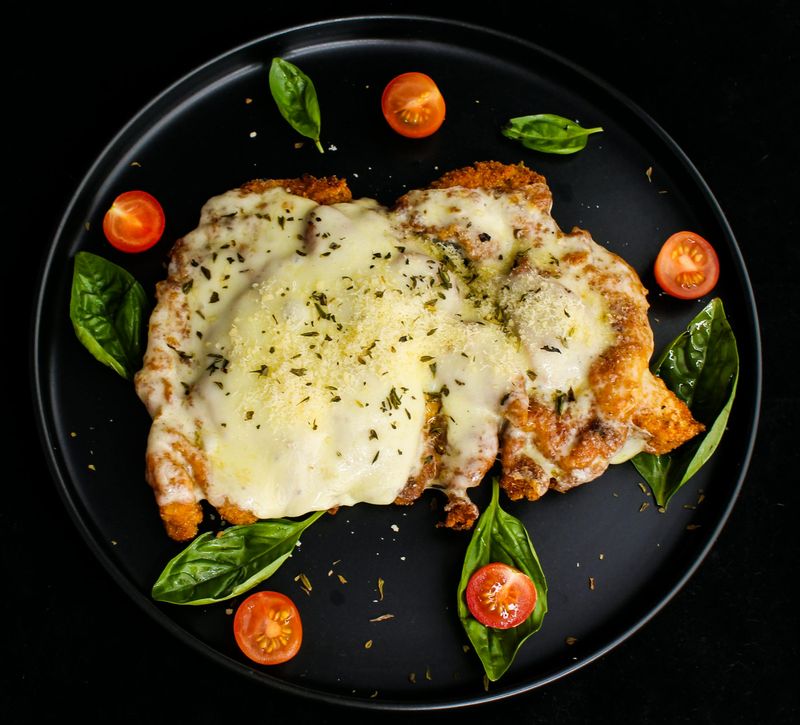
Homestyle chicken parm is juicy under a crisp, breaded shell, not drowned in sugary marinara. When the cutlet crunch tastes like prebreaded nuggets and the cheese slides off in a sheet, you are tasting the freezer aisle.
Fresh versions smell garlicky and fry oil smells clean, not stale.
Check the breading. It should cling, not balloon.
Sauce should taste bright tomato, not candy. Ask whether they pound the chicken daily and finish under a broiler.
You want bubbling cheese with browned freckles, not a rubber blanket over cafeteria cutlets. Fresh basil is a clue too.
Chicken noodle soup
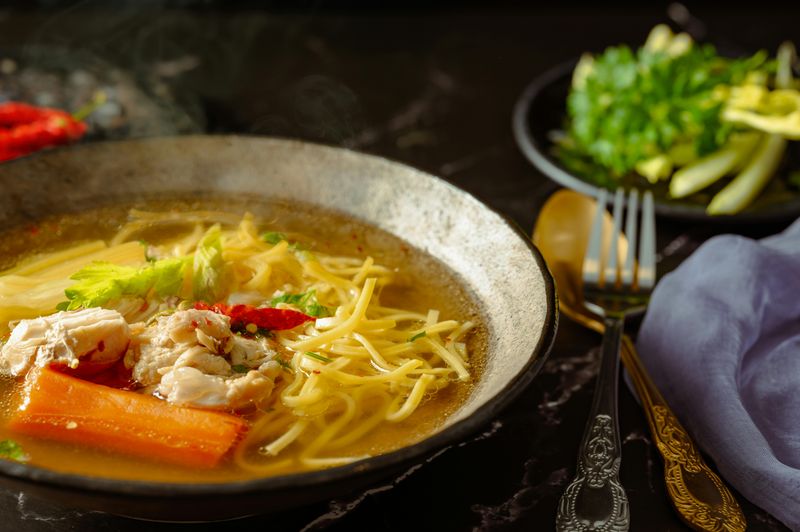
It should smell like grandma’s kitchen, not a factory. Real chicken noodle soup shows a little schmaltz on top, soft carrots, and broth that deepens as you sip.
When everything tastes the same and the noodles are too perfect, you probably met a bag.
Ask if they poach whole birds for stock. That answer separates cooks from reheaters.
Look for shredded chicken with uneven strands and black pepper aroma. If it is overly sweet or lemony without balance, be skeptical.
Honest soup feels restorative, not fluorescent. Request a taste before committing.
It tells you plenty.
Fish fillets
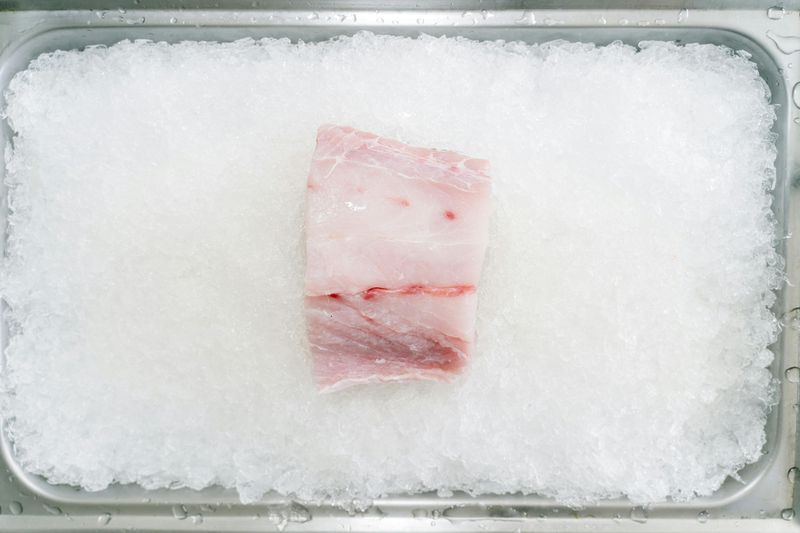
Crispy fish should flake in big, moist petals, not chew like uniform sticks. When the batter tastes like sugar and the fillet is suspiciously rectangular, you are eating processed portions.
Fresh versions smell briny and clean, with steam that smells of the sea, not fryer funk.
Ask what fish it is and where it comes from. Specifics beat vague white fish every time.
The crust should shatter, revealing pearly layers. If it weeps water on the plate, it was frozen hard.
Squeeze lemon and listen for crackle, not squish. Tartar sauce should help, not hide.
Chicken wings
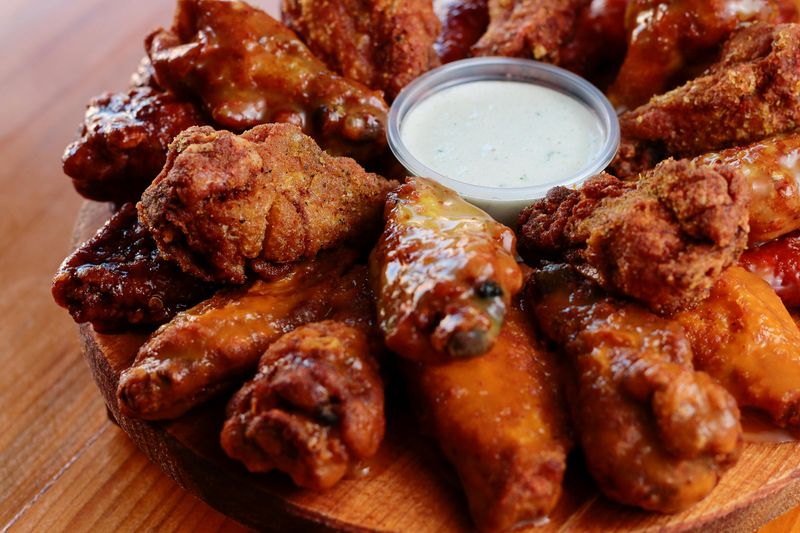
Great wings wear a light, crackly jacket and drip rendered fat, not bottled sweetness. If the meat pulls off in sheets and the bones look dry, they were likely par baked from frozen.
Real wings are juicy inside with sauce that clings in a thin, balanced layer.
Smell for vinegar and pepper, not cotton candy barbecue. Ask if they double fry or smoke then fry.
Texture should be snappy, not soggy. When napkins turn orange from artificial dye, you know.
Order plain with salt first, then sauce if they pass. Your fingers should glisten nicely.
Ribs
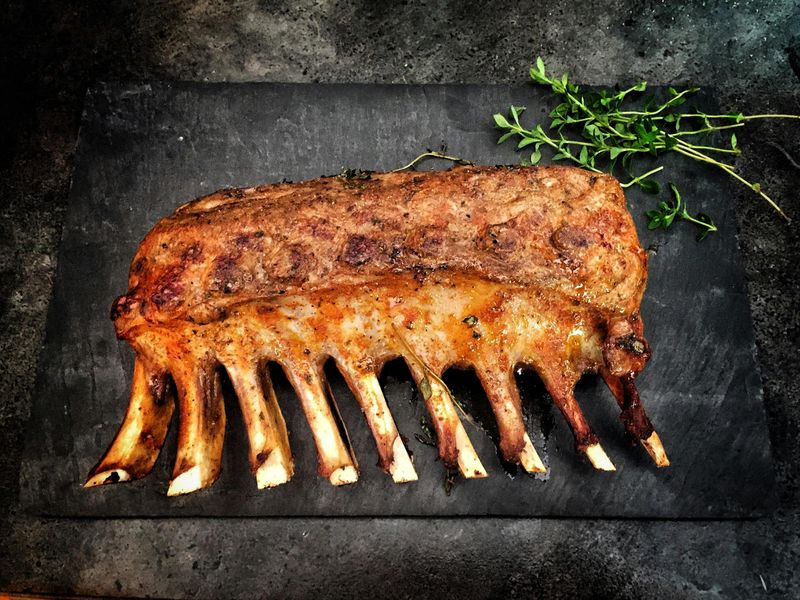
Fall off the bone sounds nice, but real barbecue ribs keep a gentle tug. When they slide apart like pot roast, they were likely braised and lacquered with sweet sauce.
True smoke leaves a rosy ring, pepper bite, and meat that bites clean without shredding.
Ask which wood they use and how long they smoke. Hours matter here.
If they dodge details and everything tastes like sugar, you are not in a pit house. Look for dry rub texture on your fingers.
Sticky glue sheen usually signals shortcuts. Order sauce on the side when unsure.
Pulled pork
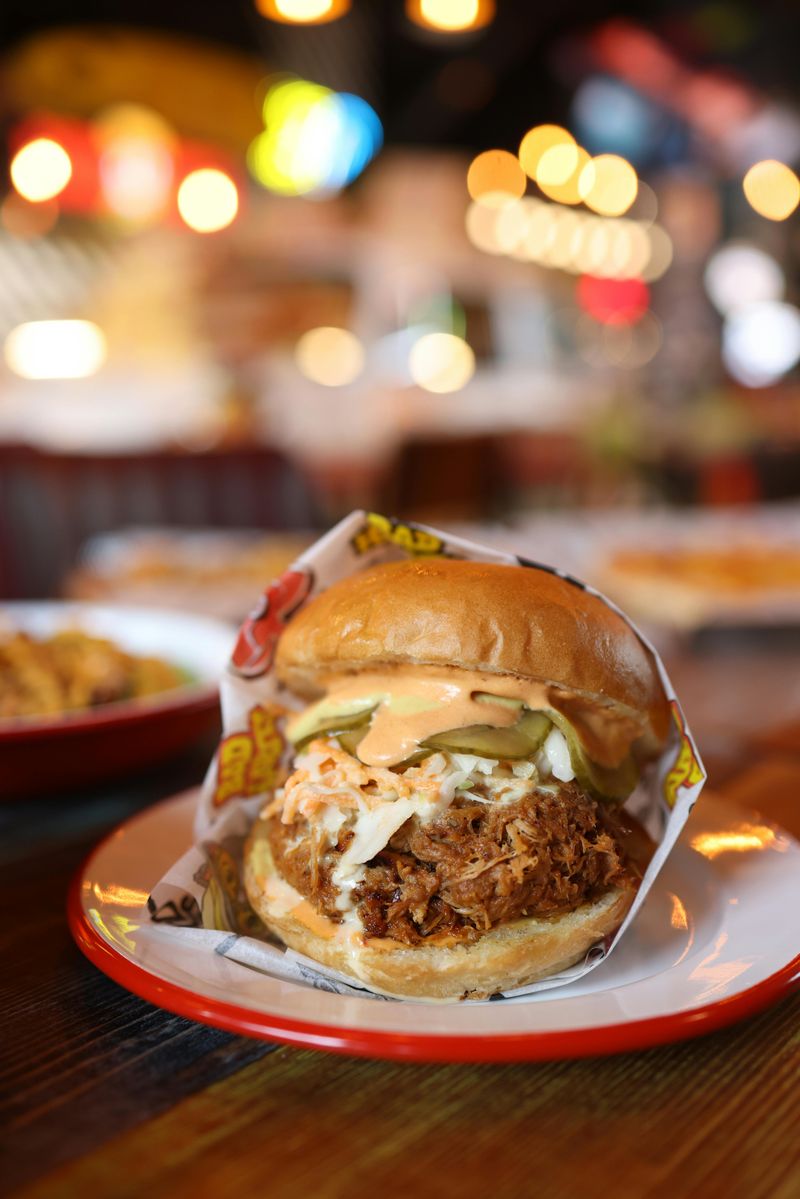
Great pulled pork tastes clean and porky, with balanced smoke and moisture that is not just sauce. When it is stringy, gray, and candy sweet, it likely came from a bag.
Real shoulders show bark, fat nibs, and juices that glisten without drowning the bun.
Ask what cut they use and if it is chopped or pulled to order. Specifics mean care.
If it arrives swimming, push the puddle aside and taste the meat. Vinegar or mustard twang should perk things up, not mask flaws.
Request sauce on the side first so you can judge.
Brisket
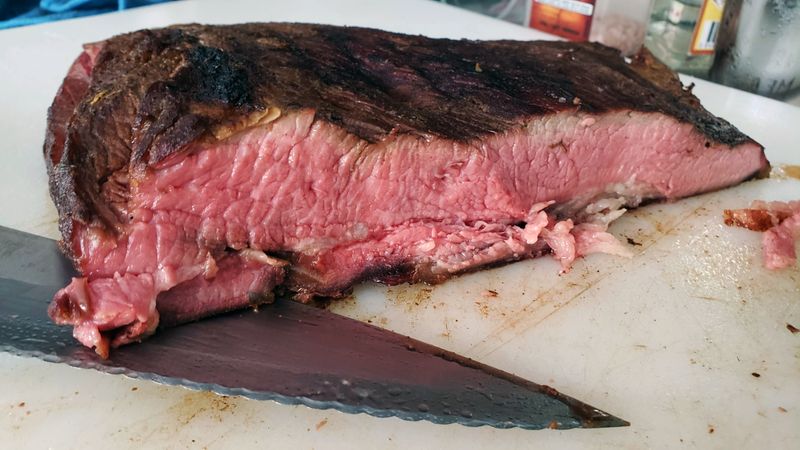
True brisket bends and breaks with a gentle pull, leaving juicy strings and a peppery crust. When slices look wet but chew dry, they were steamed or held too long.
Real smoke shines through fat that melts on the tongue and leaves your fingers glossy.
Ask for a slice from the point or flat and note the difference. If they look confused, it is not a serious joint.
Beware thick, sweet sauce splashed everywhere. You want salt, pepper, oak or post oak, and meat you barely need to chew.
Smoke rings are pretty, not proof.
Caesar salad
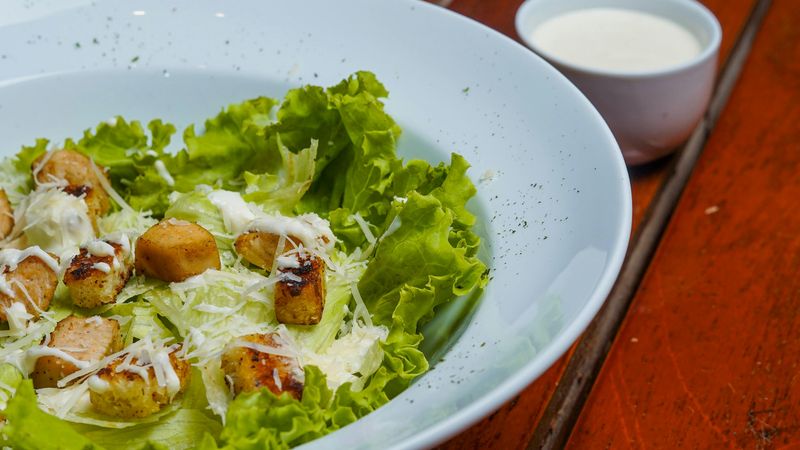
A proper Caesar tastes briny and lemony, with rough chopped romaine that snaps and dressing clinging in specks. If it is sweet, creamy beige, and suspiciously uniform, you are meeting a bottle.
Real versions show anchovy backbone, garlic heat, and grated cheese that melts into the greens.
Croutons should crunch, not crumble like packing peanuts. Ask whether they make dressing in house and use whole anchovies.
Table side preparation is a great sign. When it arrives drenched and perfumed like ranch, pivot.
Your fork deserves bite, not blandness. Fresh cracked pepper seals it for me.
Garden salad
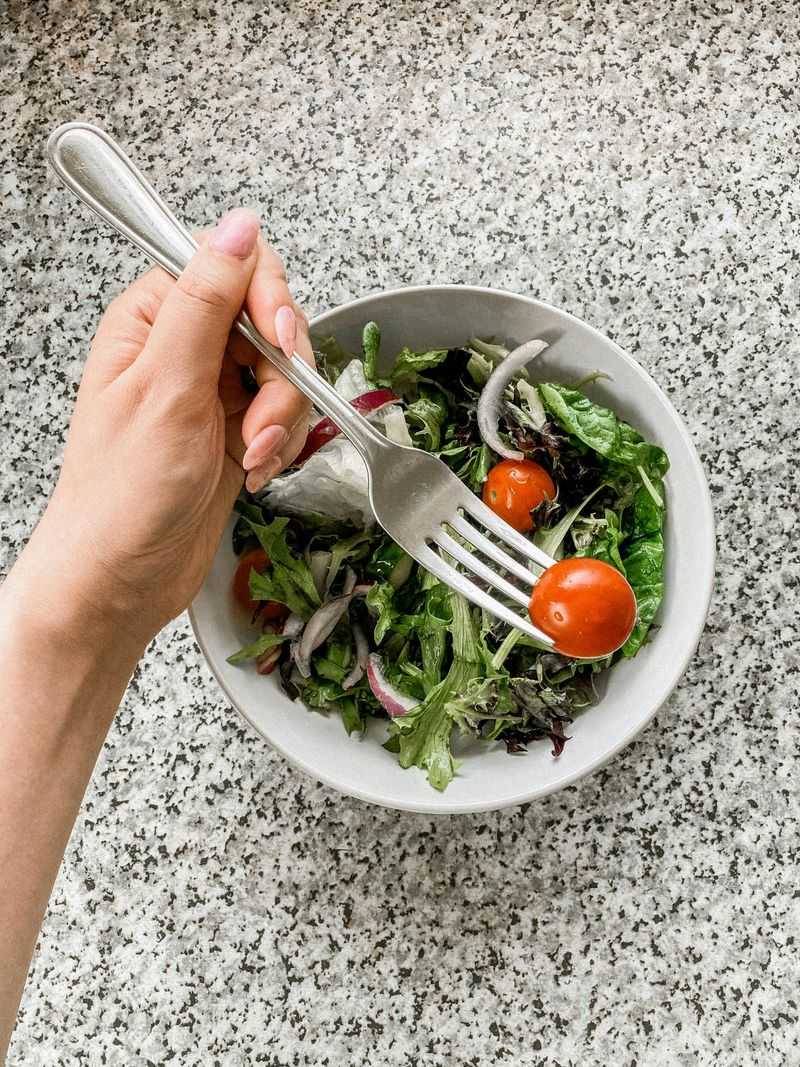
It should feel alive, not cold and watery. Real garden salads have varied greens, torn by hand, with vegetables cut in imperfect shapes.
When everything is uniform cubes and the lettuce edges are pink or translucent, you are eating a bag poured into a bowl.
Look for grit that says it was washed recently and herbs that smell fresh. Ask if they dress it to order with olive oil and acid.
Bottled sweetness drowns flavor. A squeeze of lemon and pinch of salt can save a sad plate.
Crunch should outvote sog every single time.
Cheesecake
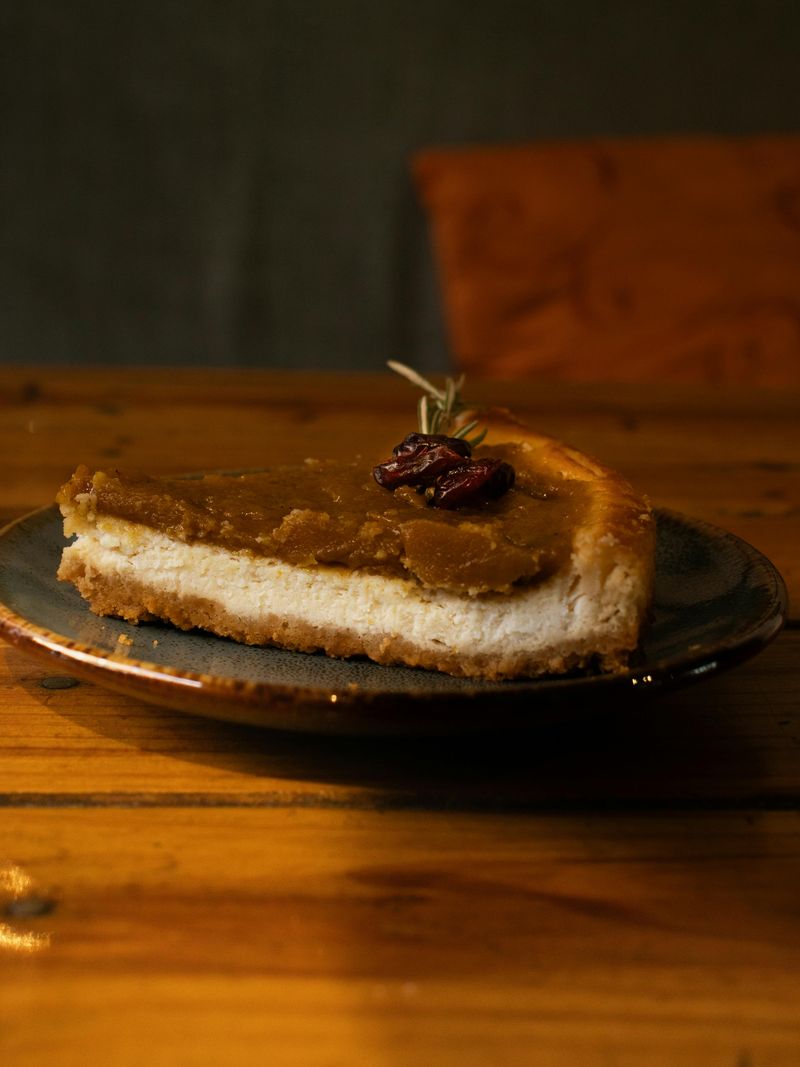
Luxurious cheesecake feels dense yet silky, with tangy calm sweetness. When it tastes chalky and the crust is pale and sandy, it likely came frozen.
Real slices show a slight wobble, clean knife lines, and cream cheese aroma instead of artificial vanilla perfume.
Press your fork and watch for smooth resistance, not squeak. Ask if they bake in house and how long it rests.
Good ones need time. If the topping is neon cherry gel, proceed carefully.
You want ripe fruit or nothing, and a crust that toasts like cookies. Warm plates are a warning.
Bread pudding
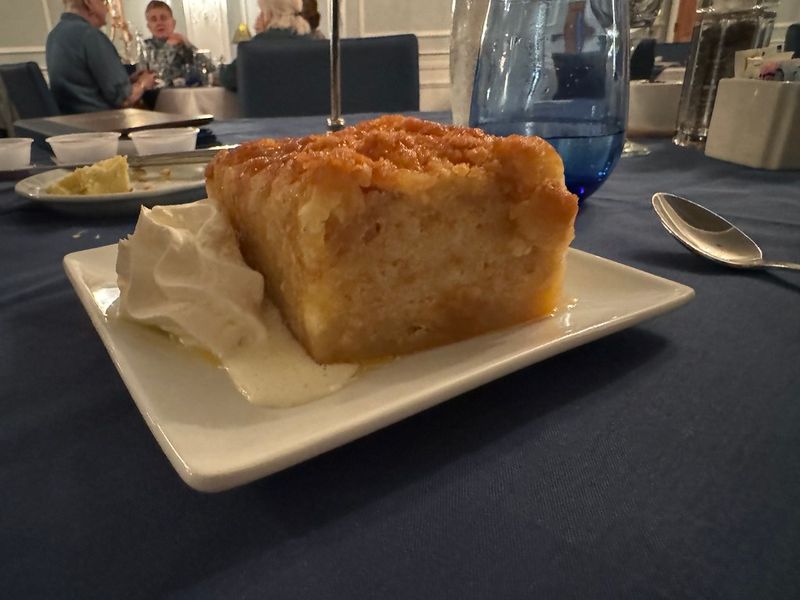
Cozy bread pudding should be custardy at the core, with crisp edges and buttery steam. If it slices like cake and chews dry, they skimped on custard or reheated from frozen.
Real versions taste of rum or vanilla, with raisins plump and bread clearly torn by hand.
Ask how they bake it and whether sauce is cooked separately. A proper pour should soak in, not sit like slime.
Look for toasted corners and a jiggle. If it is tooth achingly sweet, they are hiding shortcuts.
You deserve warm spice, not syrup. Vanilla seeds are a clue.
Brownies
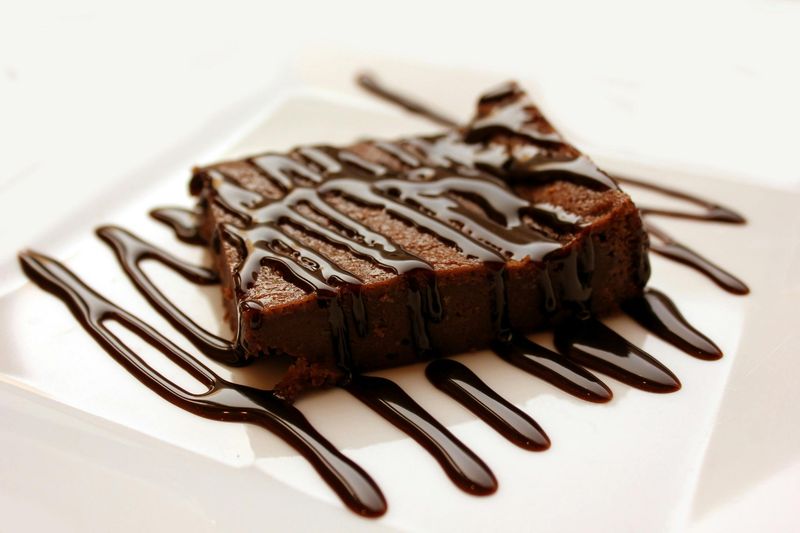
Restaurant brownies often look rich but taste oddly airy, a sign of mix and overwhipping. Real brownies have fudgy centers, shiny crackled tops, and edges that resist before yielding.
When they arrive pre cut and identical, they probably rode in frozen and reheated.
Smell for cocoa, not artificial chocolate. Ask if they use butter or oil.
Butter brings flavor and chew. If toppings are excessive and the crumb feels dry, they are compensating.
Request the corner piece, and see if your fork leaves a dense trail. Warm with ice cream helps on tough nights for dessert.
Chocolate cake
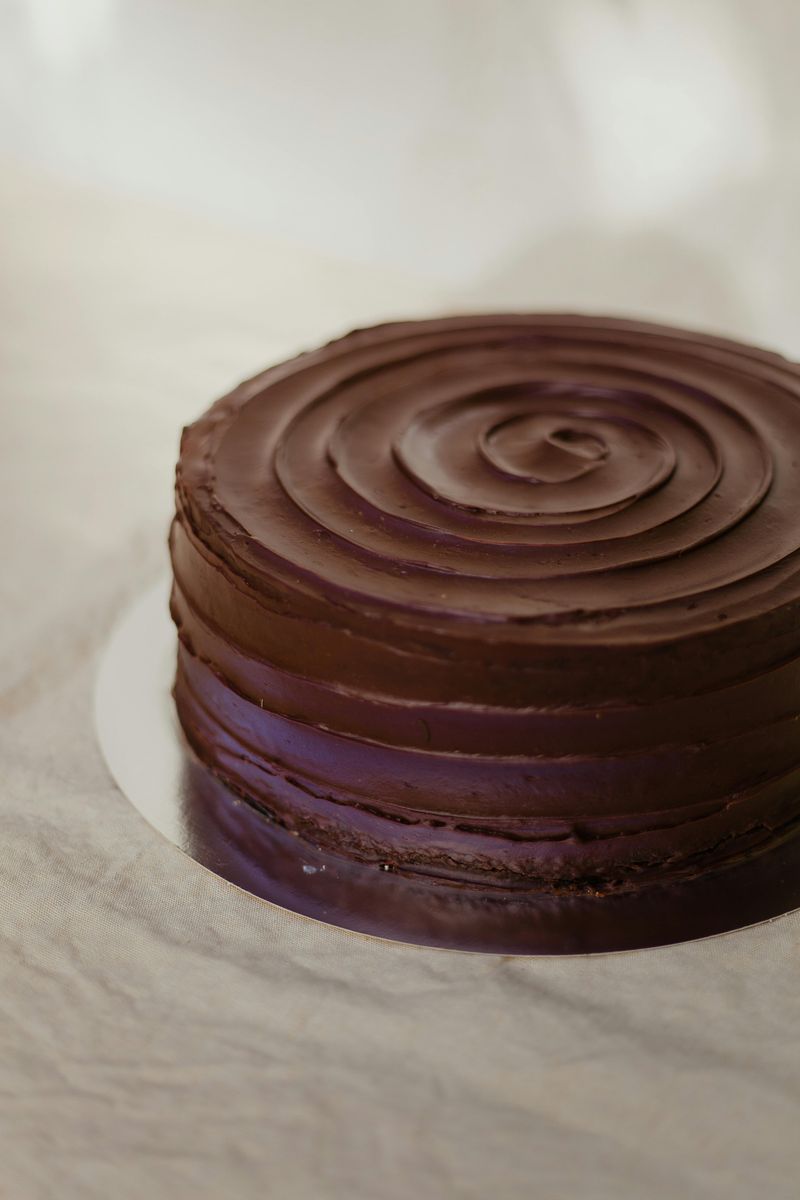
Moist chocolate cake should taste like cocoa first, sugar second. When the crumb is spongy and the frosting leaves a waxy film, there is shortening and mix at work.
Real slices feel heavy for their size and smell like coffee or deep cocoa, not candy.
Ask if they bake in house and what cocoa they use. Dutch process or natural signals care.
If layers look perfectly uniform with razor edges, be cautious. A few crumbs and smears are honest.
You want buttercream, not shelf stable frosting that tastes like candles. Warm plates melt clues fast.
Pancakes
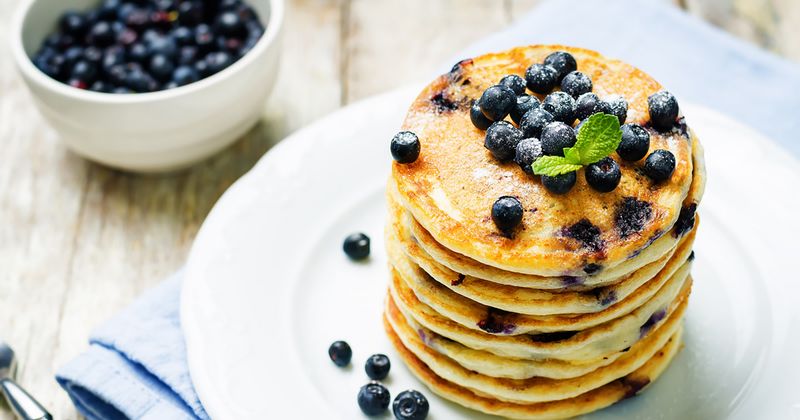
Fluffy pancakes should taste buttery and wheaty, not like vanilla perfume. When they bounce like foam and refuse to absorb syrup, you are eating a mix with stabilizers.
Real stacks show browned edges, tender crumb, and little steam puffs that smell like griddle and butter.
Ask if they make batter daily and rest it. Lumps are good, overmixing is not.
If pancakes arrive identical and pale, check for rubbery chew. Butter should melt into freckles, not skate on top.
Order one plain first to test before committing. Real maple syrup belongs on good cakes always.
Fettuccine Alfredo
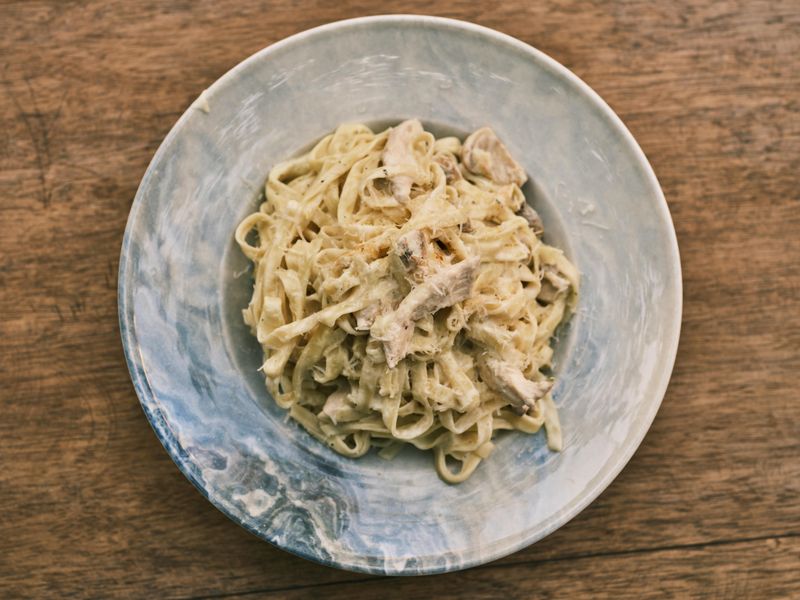
If the sauce tastes sticky and heavy, it probably came from a jar. Real Alfredo is butter, parmesan, and pasta water, tossed until glossy and delicate.
When it coats your tongue like paste and smells garlicky sweet, that is cream plus thickeners doing the work.
Look for noodles moving in a shiny emulsion, not glued together. Ask whether they finish it in the pan, and which cheese they use.
Pecorino adds bite, while blends mute flavor. Tableside tossing is a green flag.
Anything reheated under a heat lamp loses the magic fast in mere minutes.
Enjoyed this story?
Add Fast Food Club as a preferred source to see more of our reporting on Google.