


If your weekly grocery run now feels like a strategic mission, you are not imagining it. The basics that used to live on autopilot suddenly carry second thoughts and mental math.
Between shrinkflation, quality swings, and surprise price spikes, every aisle asks for a plan. Here is how to rethink the staples so you spend smarter without losing the meals you love.
Eggs

Remember when a dozen eggs felt automatic in the cart? Prices jumped, cartons shrank in quality, and suddenly you question every omelet plan.
You might weigh pasture raised flavor against conventional bargains, or consider whether a half dozen covers breakfasts without waste.
Stretch them with fried rice, frittatas, or baking days that use full cartons. Check unit price per egg and local farm stands, because freshness can outlast sticker shock.
If prices spike again, powdered eggs or liquid cartons for recipes can bridge gaps while you wait for sane shelves. Try community bulk buys with neighbors to split costs fairly.
Butter
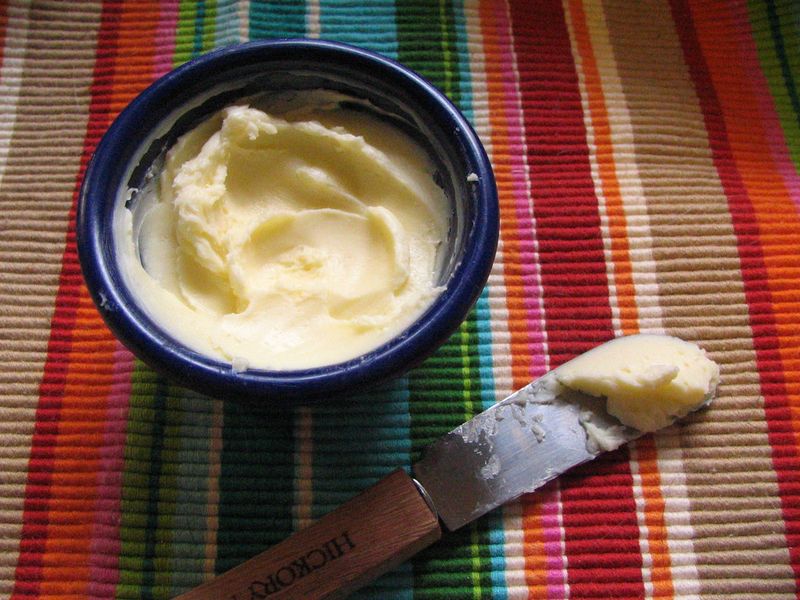
Butter used to be a no brainer, then sales vanished and sticks felt smaller. You wonder if store brand performs like European style for baking or weekend pancakes.
The choice gets trickier when recipes demand precision, and substitution risks flat cookies.
Track price per ounce and freeze extra to avoid emergency markups. Clarify butter for higher heat cooking and richer flavor that stretches farther.
When budgets squeeze, blend half butter with neutral oil for sauces, or reserve the good stuff just for finishing touches. Compare warehouse multipacks during holidays, then ration sticks thoughtfully in labeled freezer bags for long savings.
Olive oil

Olive oil used to be simple, but bottles now vary wildly in price and taste. You debate extra virgin splurges against blended bargains when roasting vegetables or making dressings.
Labels shout cold pressed, harvest dates, and regions, leaving you scanning shelves like a detective.
Check for a dark glass bottle, recent harvest, and a country of origin. Buy smaller sizes to avoid rancid leftovers, then refill for freshness.
For cooking heat, switch to light olive or neutral oils, saving the peppery good stuff strictly for dips and finishing. Taste test side by side, and note which meals truly benefit most.
Coffee
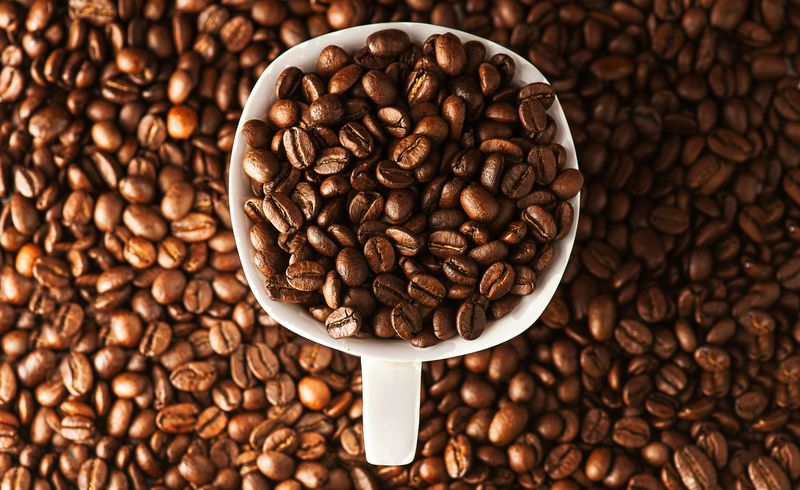
Coffee was a comforting ritual until bags shrank and prices spiked unexpectedly. You weigh whole bean freshness against convenient pods that multiply costs cup by cup.
Roast dates, grind size, and brewing method suddenly matter more than flashy packaging promises.
Buy in larger bags only if you store beans airtight and away from light. Try a reusable pod or pour over cone to slash waste and price.
Subscription roasters with rotating origins can deliver value, especially when you stack first order discounts. Grind just before brewing, measure consistently, and stretch flavor with a smart water ratio to avoid weak cups.
Bread loaf
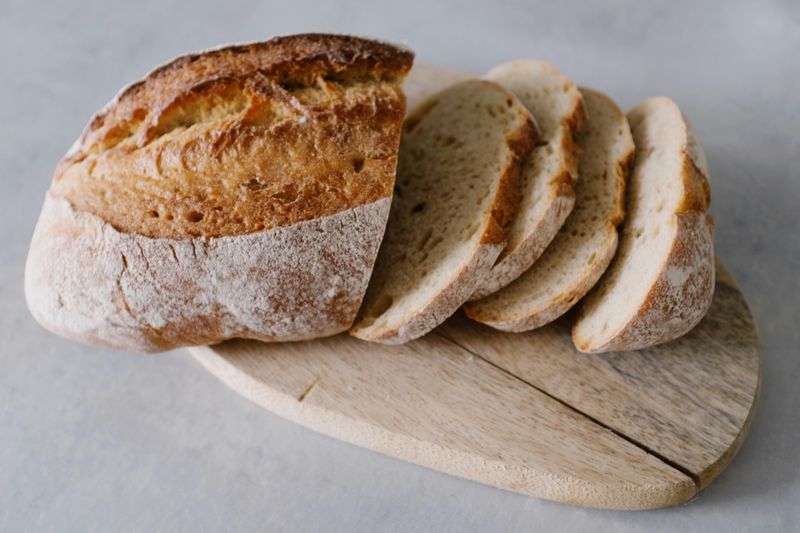
A simple bread loaf went from easy grab to careful calculation at checkout. You consider bakery freshness, sliced convenience, and preservatives that extend shelf life but dull taste.
Crumbs, toasting performance, and sandwich sturdiness suddenly influence every decision.
Freeze half the loaf and revive slices in a skillet for crisp edges. Compare unit price per ounce across bakery racks and store brands.
If quality disappoints, bake no knead bread weekly, or split a two pack with a neighbor for savings. Keep ends for breadcrumbs, croutons, and strata, turning crumbs into golden crunch instead of waste on busy dinner nights easily.
Milk

Milk pricing yo yos, carton sizes change, and suddenly you hesitate before grabbing your usual. You think about fat percentages, lactose free options, and how quickly it spoils in your fridge.
Cereal mornings and coffee habits make the stakes feel oddly high.
Check unit price by volume and consider shelf stable ultra filtered cartons for backups. Buy smaller jugs if waste creeps up, or freeze portions for cooking.
Plant milks can bridge gaps, but compare protein, calcium, and added sugar so your breakfasts still feel satisfying. Rotate purchase days and track spoilage dates to dial in right size for you.
Ground beef
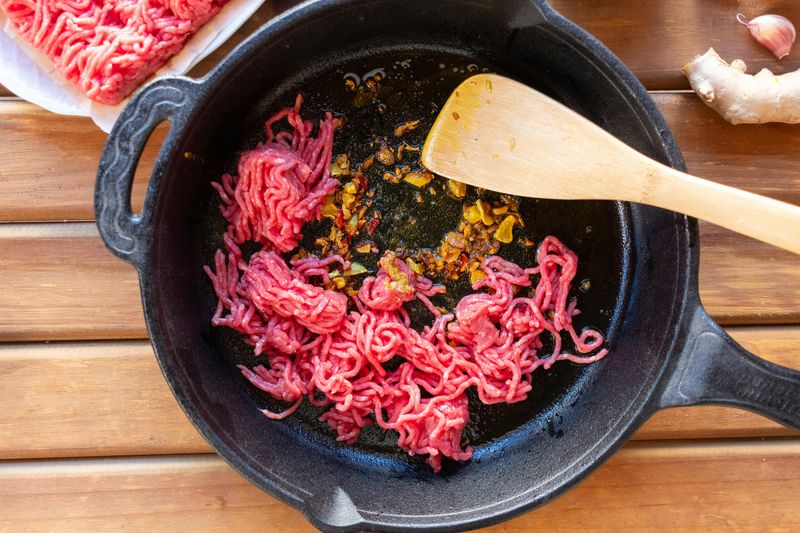
Ground beef used to anchor quick dinners, but sticker shock hits harder lately. You now compare fat percentages, family packs, and grind freshness for burgers, tacos, and sauces.
Lean sounds healthy, yet higher fat can taste better and shrink more in the pan.
Check unit price, then portion and freeze flat for faster thawing and less waste. Stretch with mushrooms, lentils, or grated zucchini without scaring picky eaters.
If deals vanish, try meatloaf mix or ground turkey, and reserve beef strictly for nights when it counts most. Brown bigger batches once, then season differently for multiple dinners across the week.
Chicken breast
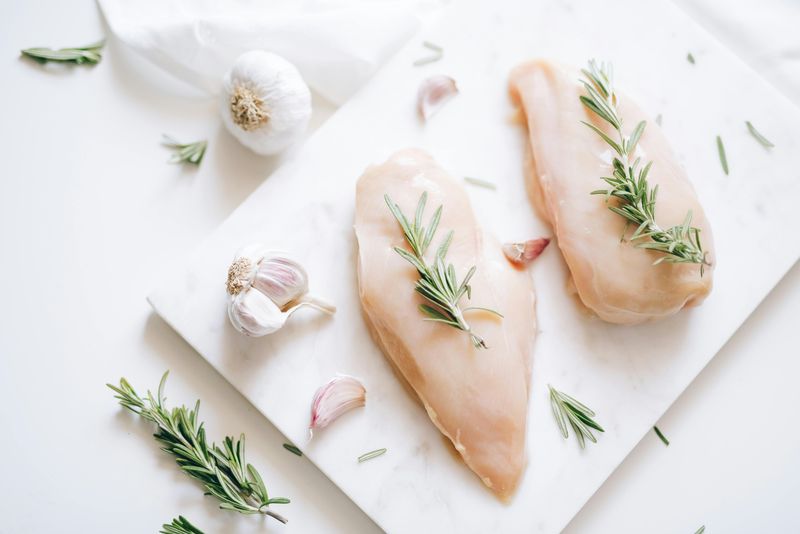
Chicken breast looked safe, until the price per pound started climbing quietly. You debate boneless convenience versus bone in value that actually cooks juicier.
Package sizes vary, and random tenderloins make recipe math feel chaotic on busy nights.
Look for family packs, then butterfly thick pieces to stretch portions evenly. Brine quickly with salted water to rescue texture and reduce overcooking.
When budgets bite, roast whole chickens and repurpose shredded meat for bowls, salads, and sandwiches while simmering bones into golden stock. Freeze flat in marinades to save time and ensure flavor penetrates fast on hectic weeknight grill or skillet.
Bacon
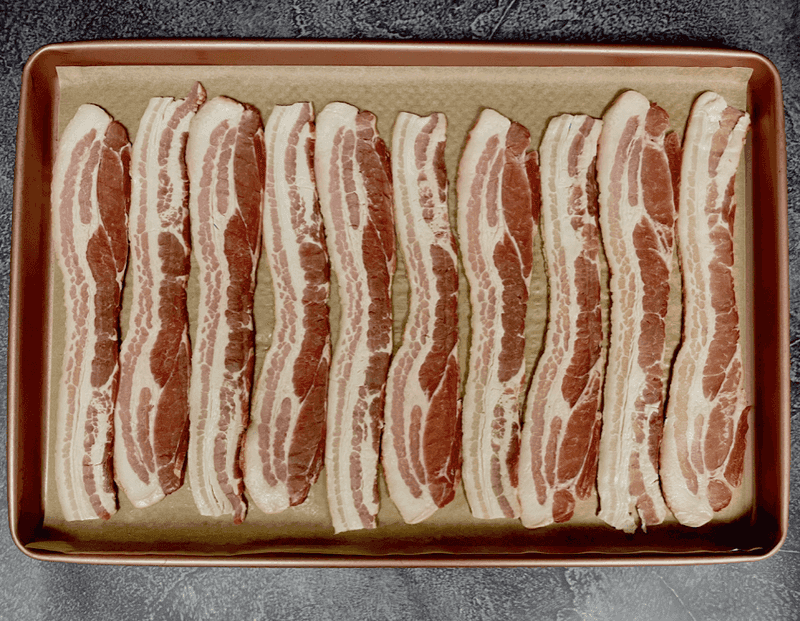
Bacon became a luxury line item, even though it still whispers weekend magic. You notice thinner slices, extra water, and inconsistent crisping that wastes precious strips.
Paying more for smoke and thickness does not always translate to better breakfasts.
Check ounces carefully and consider butcher counter bacon when sales hit. Bake on sheet pans to render fat evenly, then save drippings for greens.
If prices climb again, use pancetta ends, turkey bacon, or simply sprinkle crispy bits as a garnish rather than centerpiece. Portion and freeze between parchment so you cook exactly what you need without waste or impulse refills.
Rice
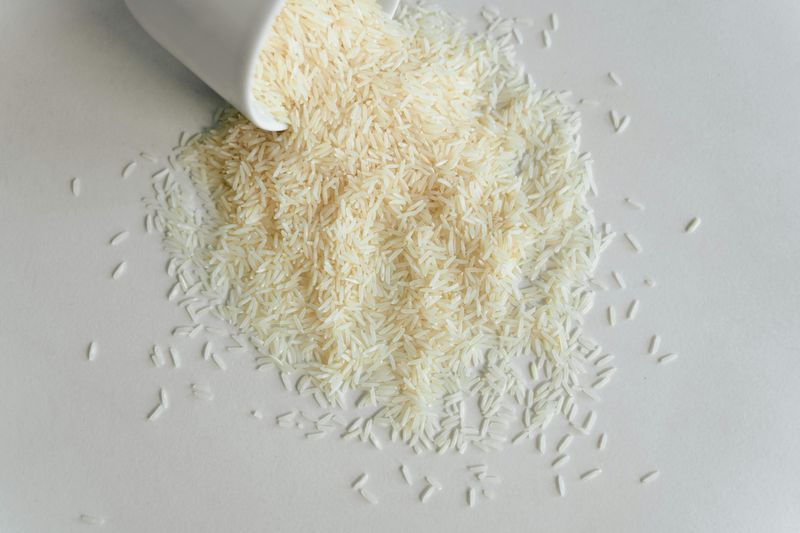
Rice used to scream cheap, but bags and buckets have crept upward. You debate jasmine fragrance, sticky sushi texture, or sturdy long grain for weekly bowls.
Then there is the question of buying huge sacks versus smaller bags that stay fresher.
Check yield per cup, rinse to improve texture, and store airtight away from pests. Pressure cook to save energy and batch for quick weeknights.
When prices spike, mix in barley or quinoa, or use cauliflower rice strategically so meals still feel filling and comforting. Toast grains briefly in oil to boost flavor without adding much cost on any stovetop.
Pasta
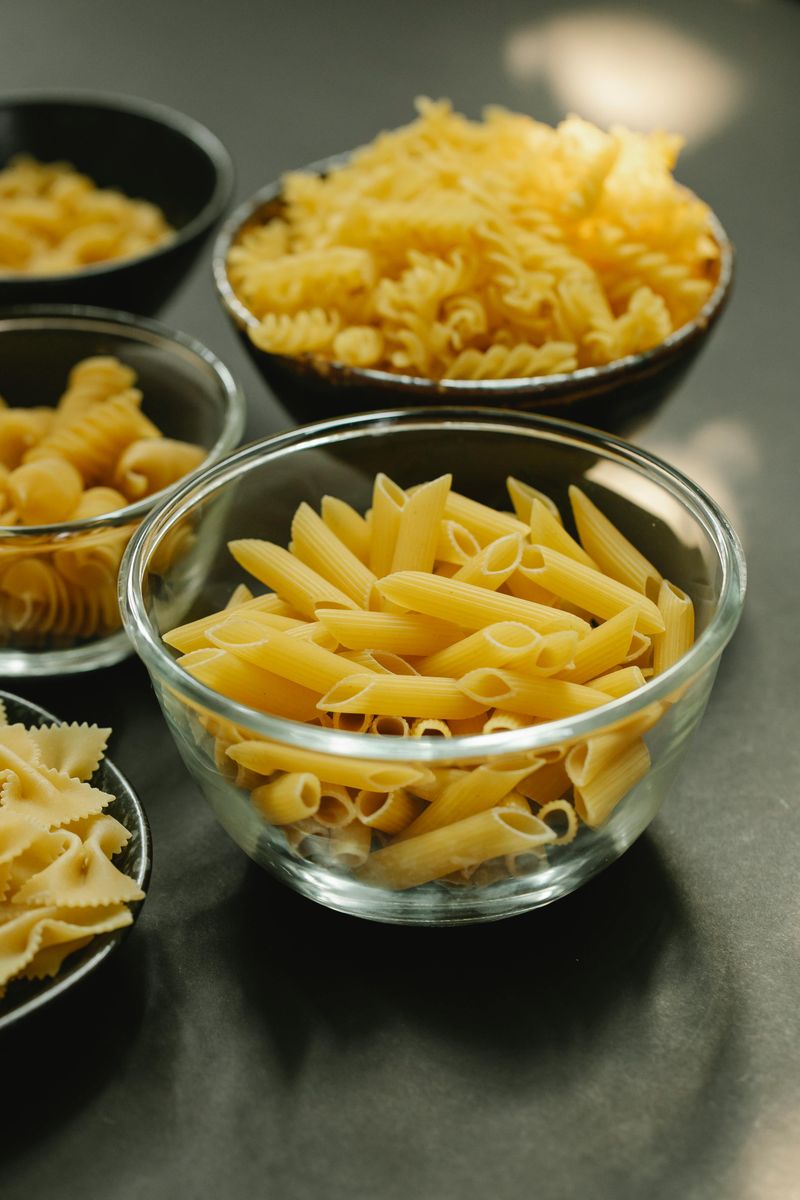
Pasta once felt like the ultimate budget hero, but pricing is wobblier now. You compare shapes, protein enriched options, and store brands that sometimes overcook into mush.
Sauce clings differently, and that changes whether leftovers still taste great tomorrow.
Watch unit prices and stock pantry favorites when seasonal promos stack. Cook one minute less, finish in sauce, and reserve pasta water for silky texture.
If boxes creep up, split bulk packs with friends, or try half portions with extra vegetables so comfort remains without overspending. Keep odd shapes on hand to catch bits of meat, beans, and greens between shops.
Cooking oil

Generic cooking oil used to be throw it in the cart cheap. Now you juggle canola, vegetable, sunflower, and avocado claims while scanning sales.
Frying temperatures, smoke points, and bottle sizes create choice fatigue right when dinner needs speed.
Buy neutral oil for high heat, save specialty oils for finishing and salads. Watch per ounce pricing and avoid enormous jugs that oxidize before you use them.
If budgets pinch, mix small amounts of sesame or chili oil into basics to deliver big flavor cheaply. Store away from light, cap tightly, and label open dates to protect quality for many meals.
Cereal
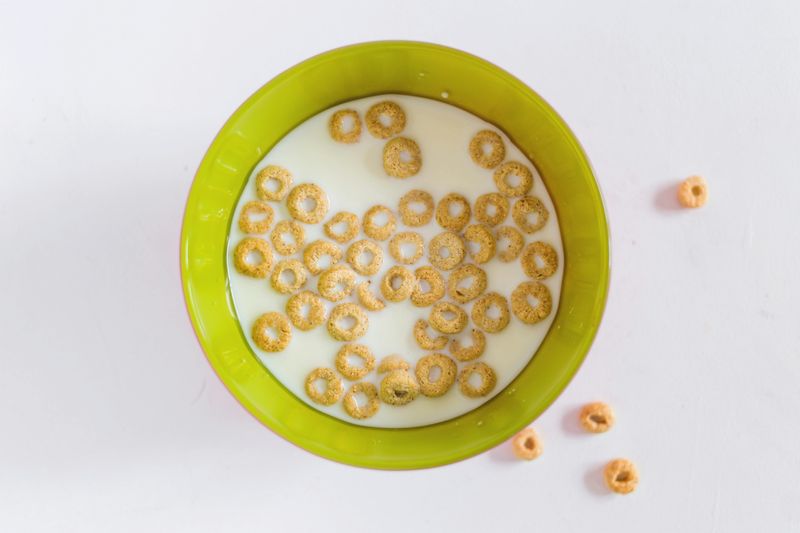
Cereal aisles became sticker shock central with lighter boxes and louder claims. You weigh fiber, sugar, and nostalgia, then notice serving sizes shrinking quietly.
That morning bowl starts to feel like a splurge disguised as convenience.
Check unit price per ounce and compare bagged cereals that skip expensive cardboard. Mix high fiber options with a fun cereal topper to balance cost and joy.
When sales are thin, make overnight oats, granola, or savory breakfast bowls that keep you full longer. Rotate treats on weekends, and let weekday breakfasts follow cheaper, steadier patterns without losing satisfaction or family buy in entirely.
Peanut butter
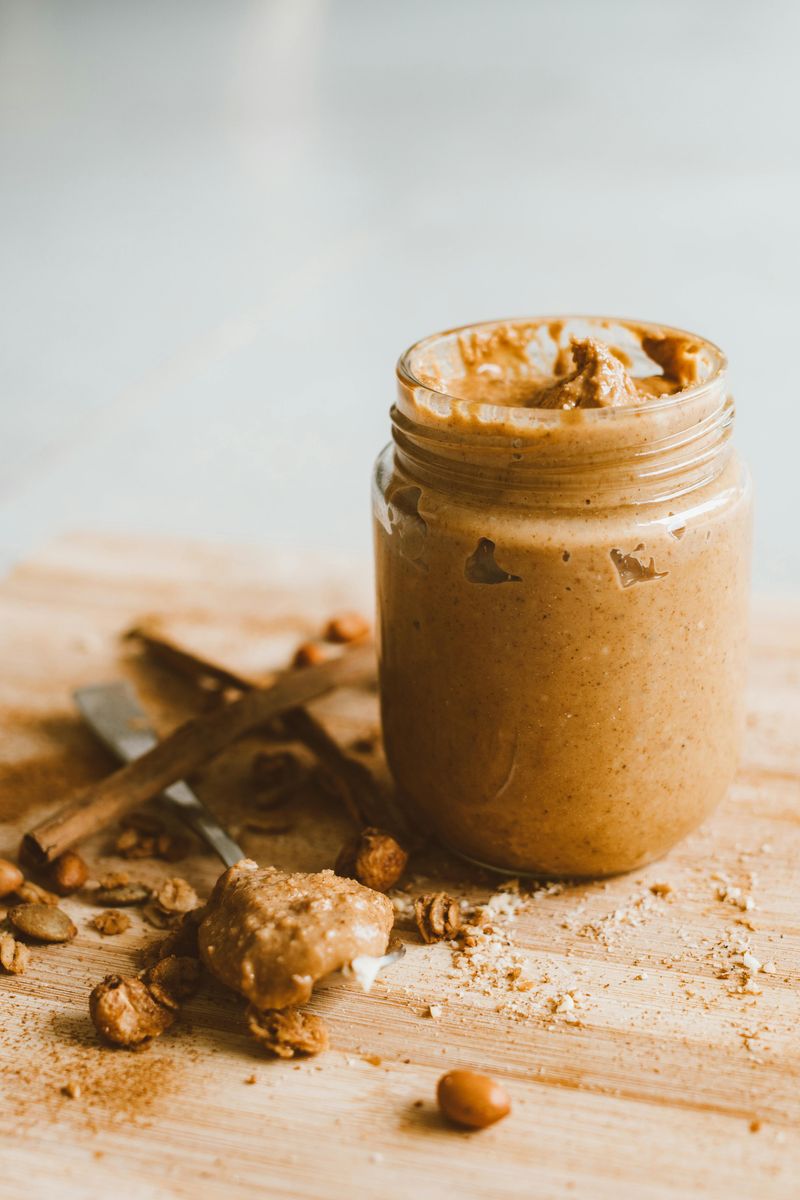
Peanut butter jars keep shrinking while price tags edge higher. You compare natural drippy tubs with stabilized spreads kids can handle alone.
Protein sounds affordable, but palm oil, sugar, and added salt make labels a small project.
Check unit price, then flip for grams of peanuts per serving. Stir and decant into two jars to reduce mess and air exposure.
When sales disappear, buy big and stash backups, or switch sandwiches to hummus sometimes so lunch stays interesting without blowing the budget. Try grinding peanuts at the store grinder to control texture and ingredients precisely while saving a little cash.
Yogurt
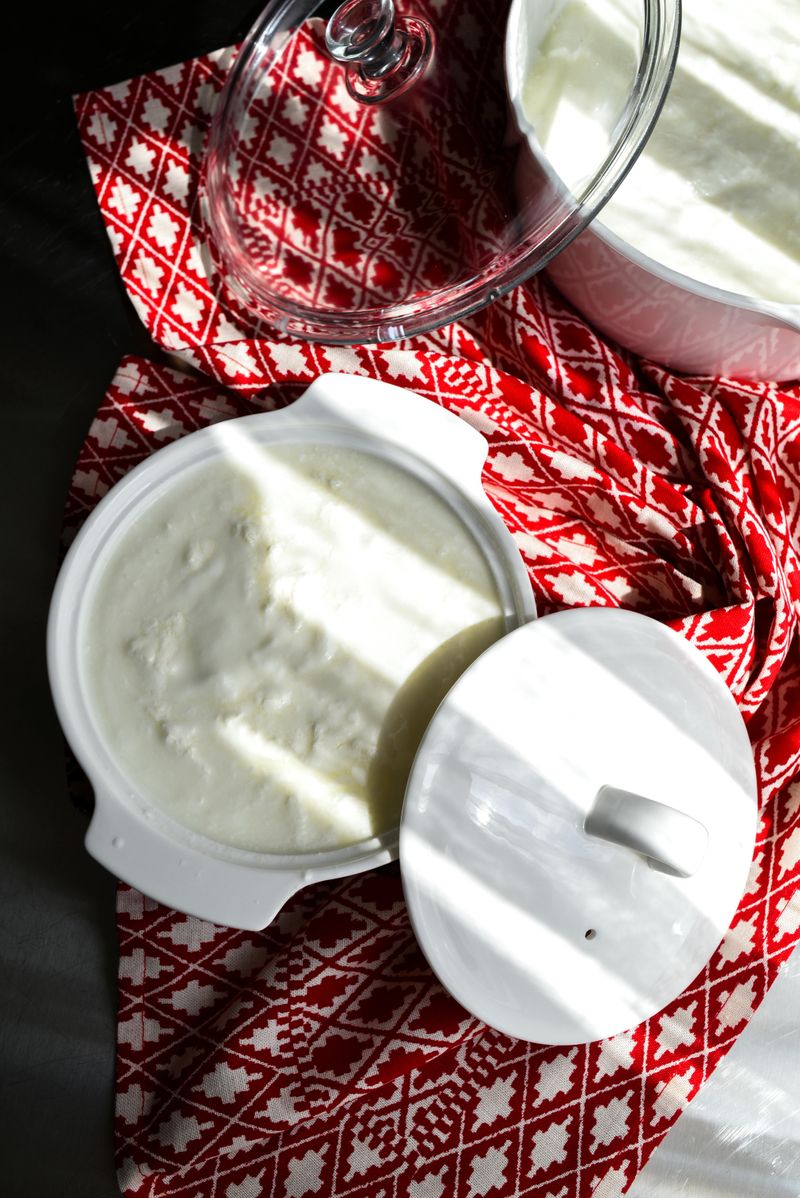
Yogurt singles used to be easy, but multipacks and tubs complicate value. You sort through probiotics, sugar alcohols, and protein claims that sound sciencey.
Flavors rotate constantly, and sometimes the fruit tastes like perfume instead of produce.
Compare per ounce costs and watch for strained options that deliver more protein per spoon. Buy plain and flavor yourself with jam, honey, or roasted fruit.
If waste creeps in, freeze into pops or stir into marinades, pancakes, and overnight oats to finish tubs efficiently. Date lids with a marker, and assign a weekly parfait night to use extras before they drift sour.
Frozen pizza
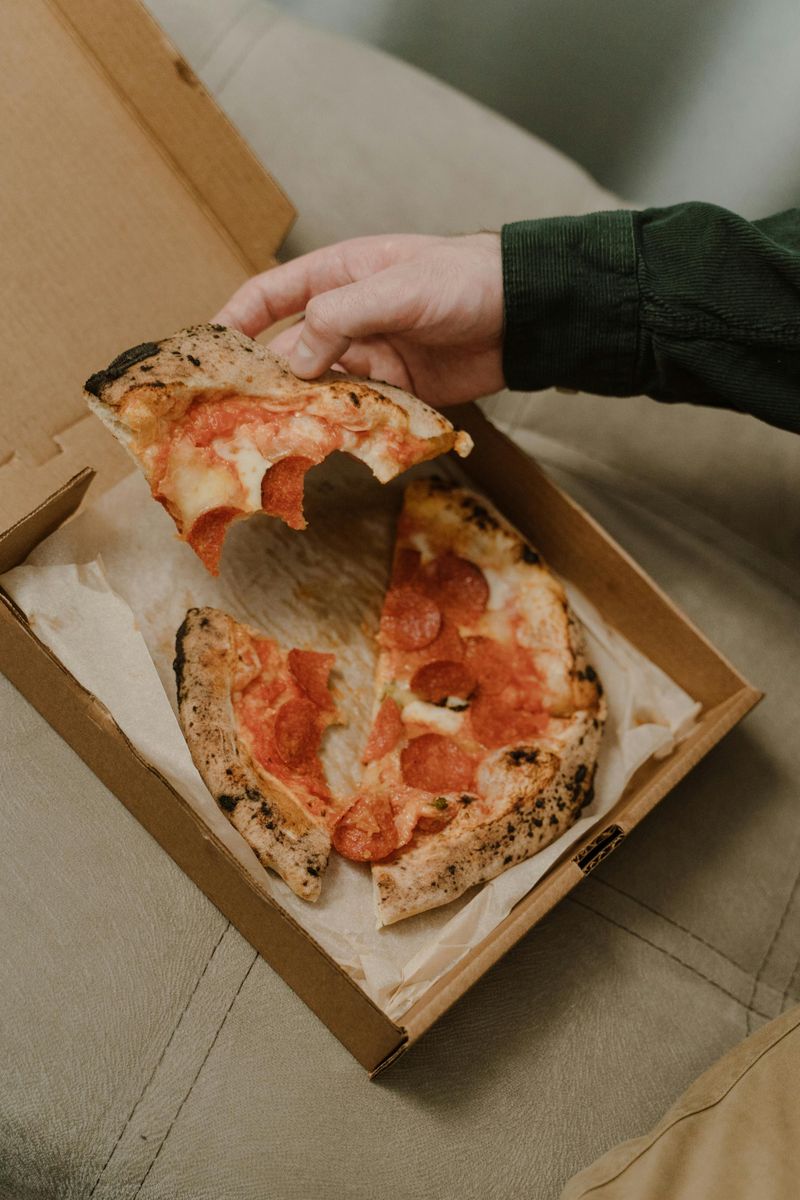
Frozen pizza was the emergency hero, but prices now rival delivery specials. You compare rising crust promises against thin options that crisp faster and waste less energy.
Toppings look generous on boxes, yet sometimes bake into sparse islands of cheese.
Check size and weight, not marketing gloss. Bake on a preheated steel or pan to guarantee crunch and fewer soggy centers.
Stretch value with extra vegetables and leftover meat, or pair with a salad so one pie feeds more people without feeling stingy. Watch freezer burn, and wrap boxes tightly if you open family packs early to maintain texture later.
Orange juice

Orange juice cartons slimmed down while prices climbed, making breakfast math annoying. You consider not from concentrate brightness versus shelf stable convenience.
Pulp levels spark debates at the table, and servings vanish faster than anyone expects.
Check unit price by fluid ounce and freeze cubes for smoothies to stretch value. Buy smaller containers if waste appears, or water it slightly for cocktails.
When sales lag, zest and juice real oranges for weekend pancakes, then pivot to flavored sparkling water on weekdays. Keep a hidden backup in the freezer to dodge last minute convenience runs during school mornings and busy commutes.
Avocados
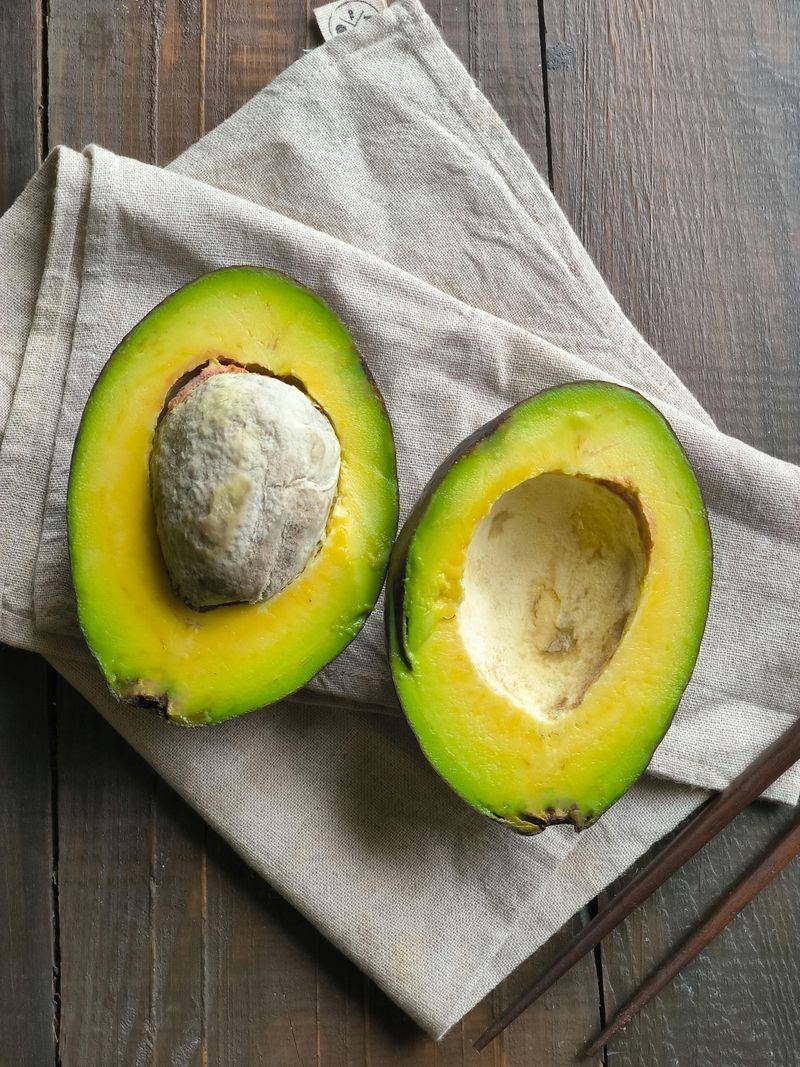
Avocados swing from rock hard to overripe the second you blink, and prices follow. You juggle ripeness windows, bag deals, and sneaky shrinkflation with tiny pits.
Toast dreams remain strong, yet waste risk makes every squeeze a tiny gamble.
Buy at different ripeness levels and store some in the fridge to slow softening. Mash and freeze with lime for backups or spread on burritos as glue.
If prices sting, swap in bright green pea smash for toast, then save avocados for tacos and celebrations. Leave the pit in halves, wrap tightly, and spritz lemon to limit browning for another day.
Berries
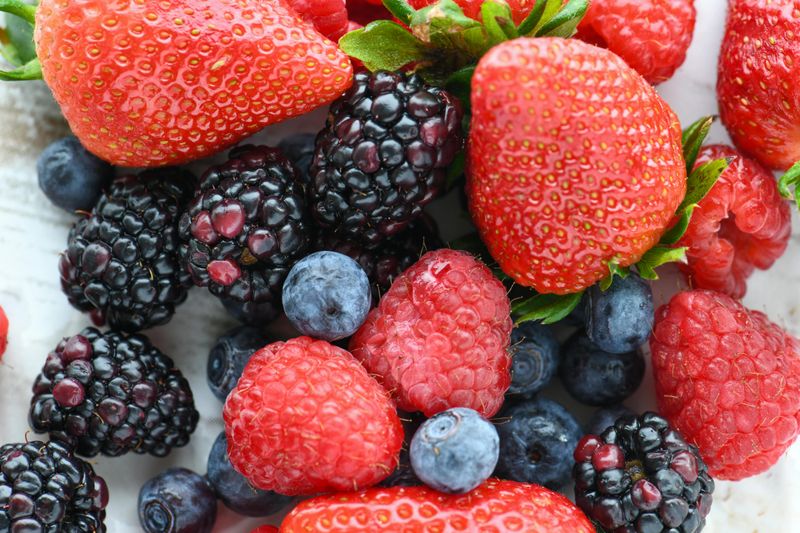
Berries feel like luxury produce now, delicate and pricey for tiny clamshells. You compare organic premiums with conventional sales, then worry about mold before the weekend.
Sweetness varies wildly, and that gamble can sink breakfast plans fast.
Buy smaller amounts more often and inspect bottoms for hidden leaks. Rinse with a vinegar bath, dry thoroughly, and store on paper towels.
When budgets tighten, grab frozen for smoothies and baking, or swap in seasonal fruit that travels fewer miles and lasts longer. Use sad berries in syrups, sauces, and chia jam to rescue flavor quickly for pancakes, yogurt, and sparkling drinks.
Snack chips
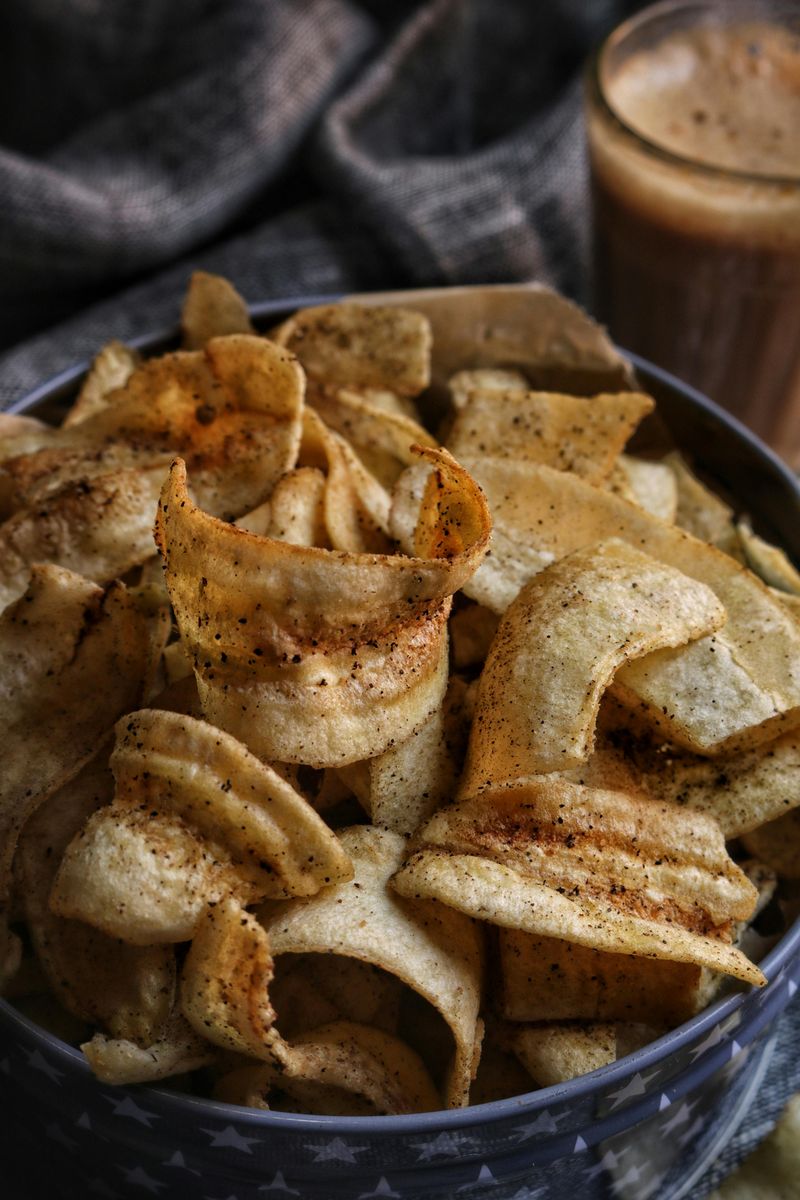
Snack chips once lived on autopilot, until prices rose and bags felt airier. You weigh kettle crunch, baked lightness, or tortilla versatility for dips.
Flavors rotate constantly, and limited editions tempt impulse buys that dent budgets.
Compare price per ounce and skip tiny convenience bags. Buy big only if staleness is under control, using clips and airtight bins.
When deals fade, pop popcorn on the stove, or bake pita triangles so salty, crunchy cravings still hit without draining the grocery fund. Pair with beans, salsa, and lime to turn snacks into filling mini meals during movie nights without extra spending.
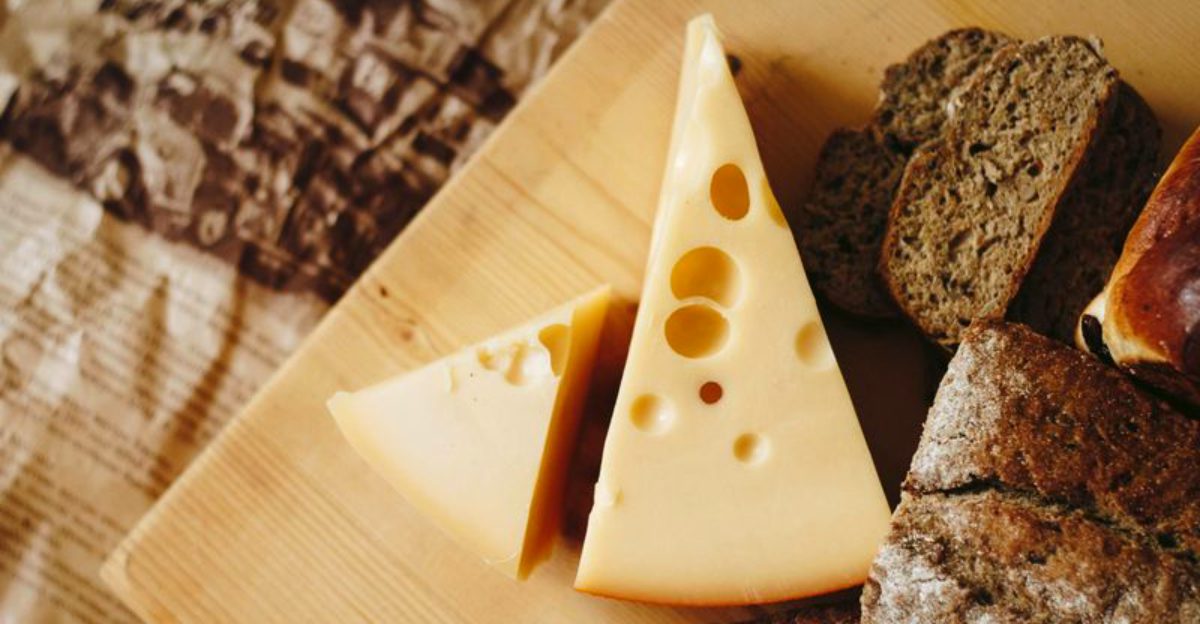
Cheese
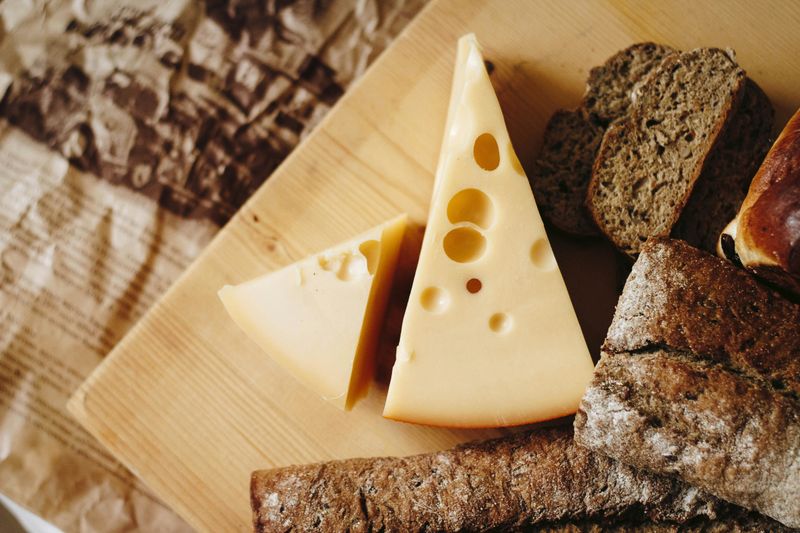
Cheese prices crept up, and shrink wrapped blocks sometimes hide rubbery textures. You weigh pre shredded convenience against blocks that melt smoother and last longer.
Specialty wedges tempt, but weekday pasta sauce does not need cave aged drama.
Check price per pound and hunt manager specials near their best by dates. Grate and freeze portions to avoid moldy corners and emergency runs.
Pick a versatile workhorse like cheddar or mozzarella, then save splurges for a cheeseboard where small amounts really shine. Store wrapped in paper, then bagged loosely, to keep moisture balanced and flavors happy through the entire planned week.
Enjoyed this story?
Add Fast Food Club as a preferred source to see more of our reporting on Google.