


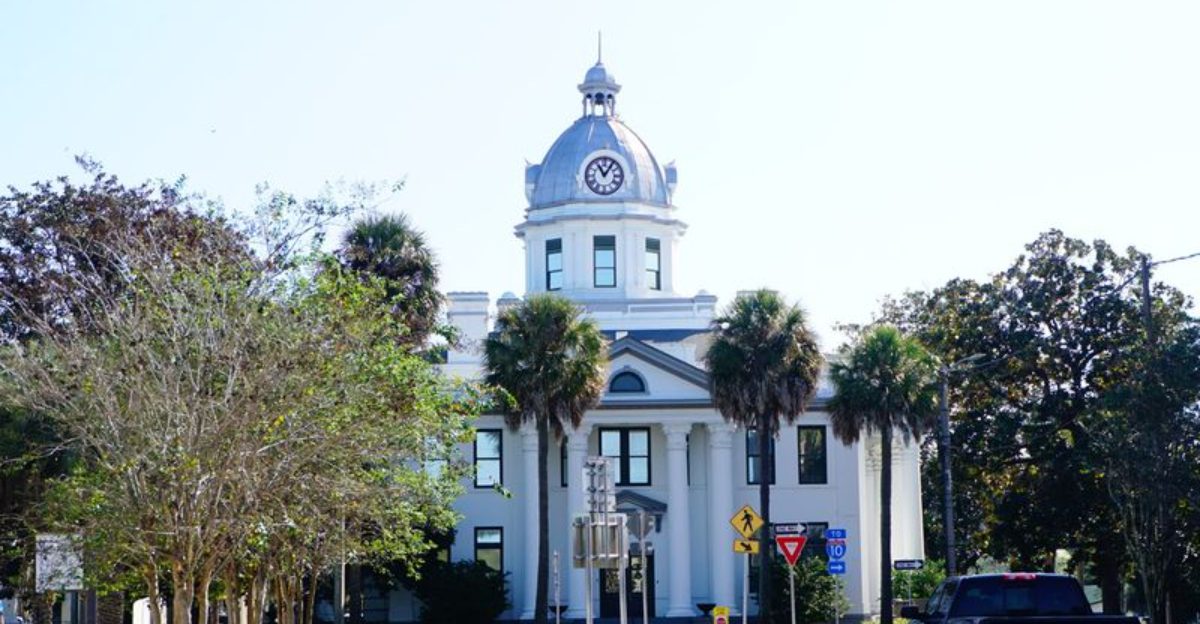
Tucked away in the rolling hills of northern Florida, Monticello is a small town that carries a big piece of history. As the county seat of Jefferson County, it was named after Thomas Jefferson’s famous Virginia estate, and even the courthouse was built to honor that connection.
Walking through its oak-lined streets, you get the feeling that the past and present exist side by side here. Whether you love history, architecture, or simply a slower pace of life, Monticello has something special waiting for you.
The Jefferson County Courthouse
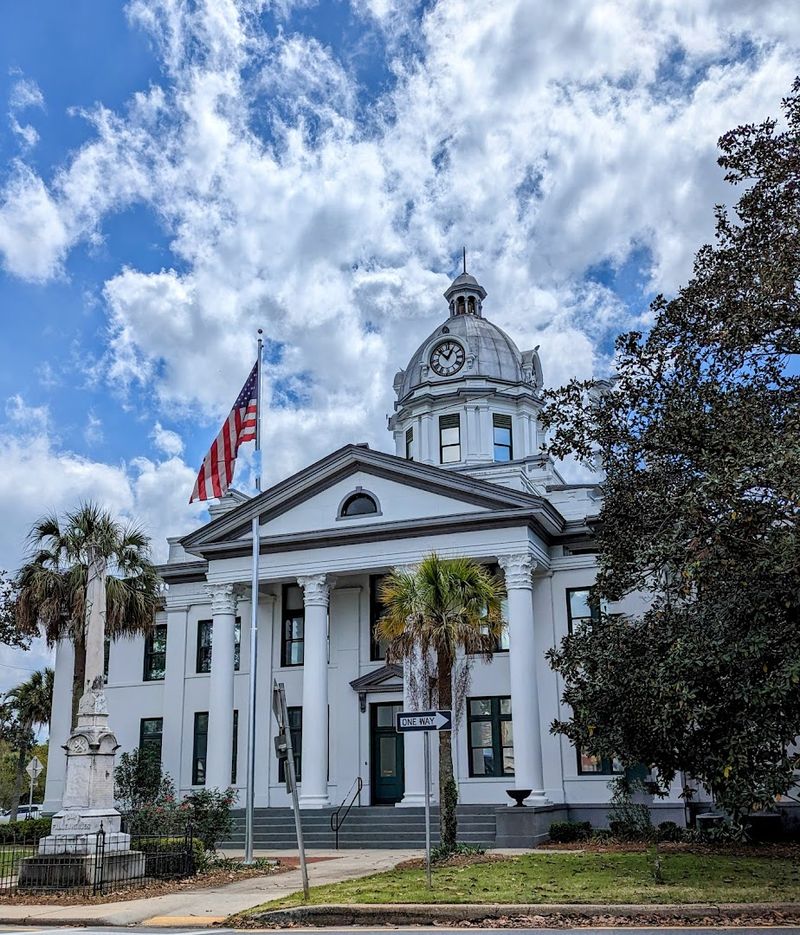
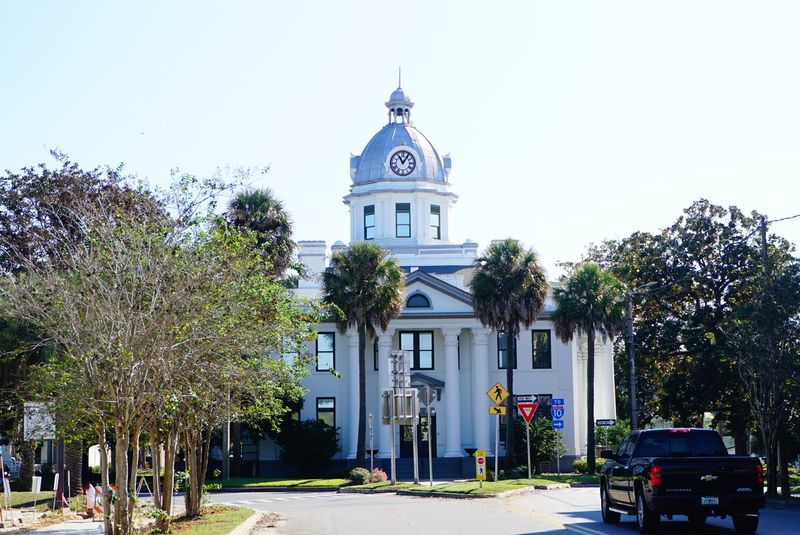
Built to mirror Thomas Jefferson’s beloved Monticello estate in Virginia, the Jefferson County Courthouse stands as the crown jewel of this small Florida town. Completed in 1909, it features a striking dome and classical columns that make it look more like a grand mansion than a government building.
Few courthouses in Florida carry this level of architectural storytelling.
Step back and look at it from across the town square, and you will understand why visitors stop mid-stride just to stare. The building anchors the entire downtown area and gives Monticello its unmistakable sense of place.
It has been carefully maintained over the decades, preserving its original charm.
History lovers will appreciate that the courthouse is listed on the National Register of Historic Places. Guided tours are sometimes available, offering fascinating details about its design and the county’s past.
Downtown Monticello’s Historic District
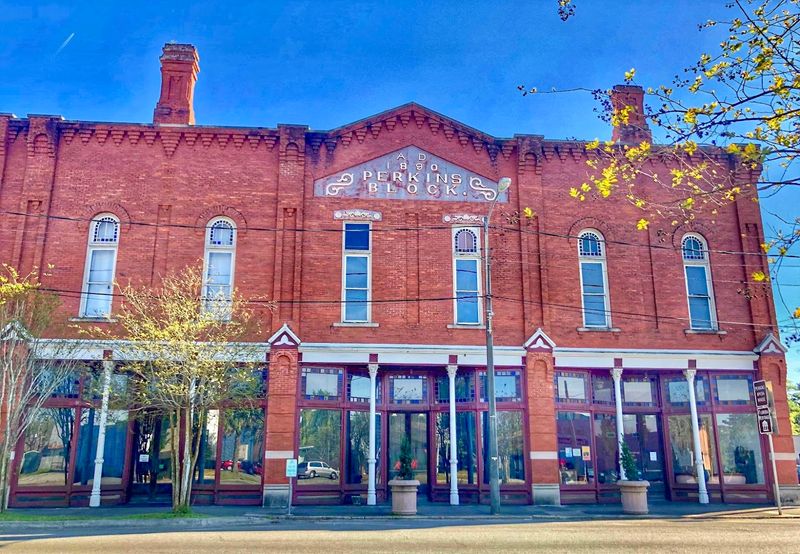
Some towns have a historic district. Monticello basically is one.
The entire downtown area feels like a living museum, with 19th-century storefronts, shaded sidewalks, and architecture that has barely changed in over a hundred years. Walking these streets on a quiet morning feels like stepping into a sepia photograph.
Local shops, antique stores, and small restaurants occupy buildings that have stood for generations. The mix of old and new creates a comfortable atmosphere where locals and visitors mingle without any rush.
Spanish moss drapes over ancient oaks lining the streets, adding to the dreamy, timeless quality of the place.
The district is recognized on the National Register of Historic Places, which means preservation is taken seriously here. Plan to spend at least a couple of hours wandering around, because every block seems to reveal something new and worth noticing.
Perkins Opera House
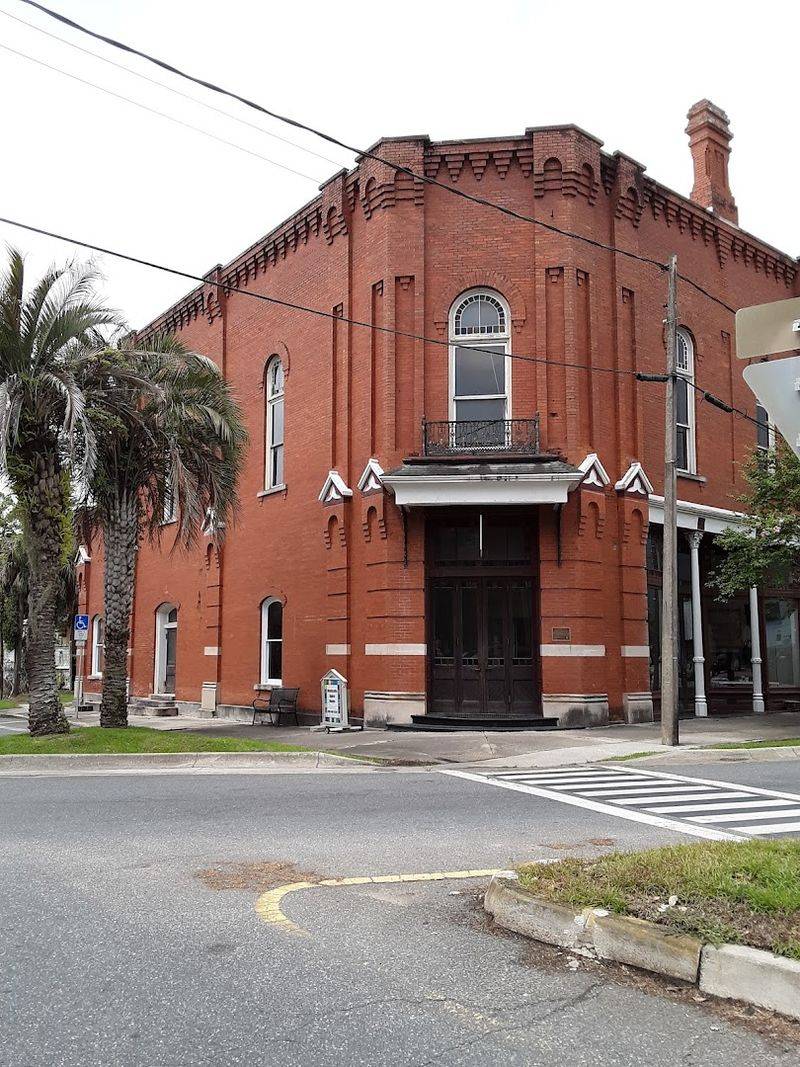
Back in 1890, Monticello had its very own opera house, and remarkably, it still stands today. The Perkins Opera House is one of the oldest surviving performance venues in Florida, and its story is as dramatic as anything ever performed on its stage.
It was built by John Perkins, a local businessman who wanted to bring culture and entertainment to this corner of the South.
Over the years, the building fell into disrepair, but community efforts brought it back to life. Today it hosts live performances, community events, and private gatherings, keeping its original spirit alive.
The restored interior blends historic charm with modern functionality in a way that feels genuinely respectful of its past.
Catching a show here is an experience unlike any ordinary night out. Check the local events calendar before your visit so you do not miss a performance worth remembering.
The Monticello Watermelon Festival
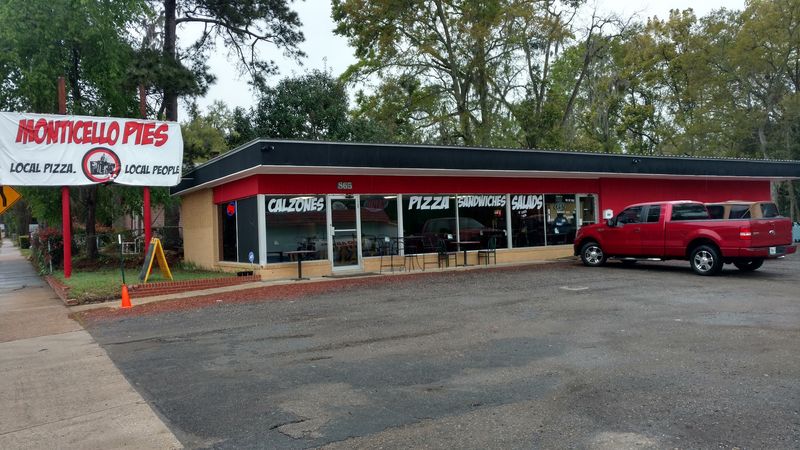
Every June, Monticello transforms into a celebration of one of summer’s greatest pleasures. The Monticello Watermelon Festival has been a beloved community tradition for decades, drawing visitors from across the region who come for the food, fun, and small-town warmth.
Jefferson County has a long history of watermelon farming, making this festival feel deeply rooted in local identity.
Expect seed-spitting contests, watermelon-eating competitions, live music, arts and crafts vendors, and more slices of cold watermelon than you can reasonably consume in one afternoon. Kids absolutely love it, and adults tend to rediscover their inner child pretty quickly too.
The festival also shines a light on local agriculture and the farming families who have kept these traditions alive. If your visit happens to fall in June, clearing your schedule for festival weekend is a decision you will not regret even slightly.
Palmer Mill Pond Park
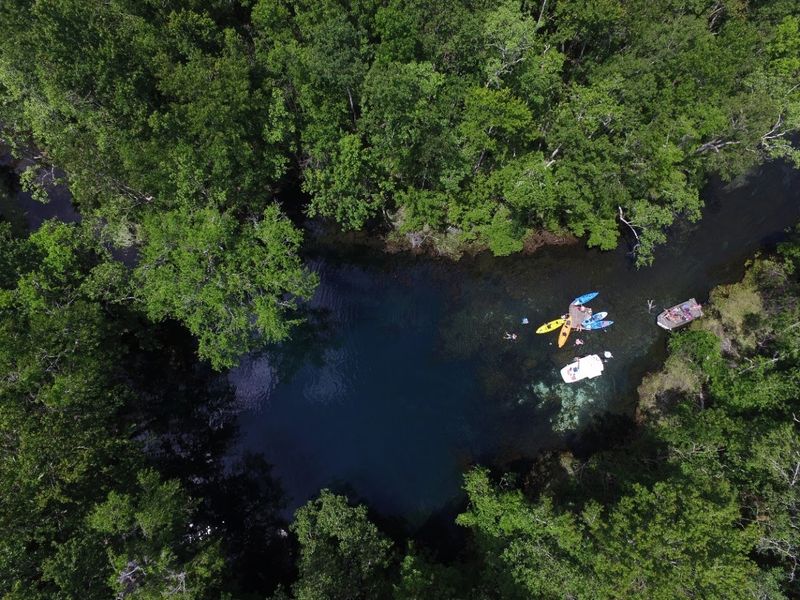
Nature has a quiet way of surprising you in Monticello, and Palmer Mill Pond Park is one of its best-kept secrets. Tucked just outside the busy parts of town, this peaceful park wraps around a scenic pond shaded by towering cypress trees.
It is the kind of place where you can hear birds calling and water lapping and nothing else.
Locals use it for fishing, picnicking, and morning walks along the water’s edge. The natural setting feels refreshingly unhurried, which fits perfectly with Monticello’s overall spirit.
Families bring children here to enjoy the outdoors without the noise of crowded tourist attractions.
Wildlife is plentiful around the pond, so bring a camera or binoculars if you enjoy spotting local birds and other creatures. Visiting during golden hour, when the light filters through the cypress canopy, turns an ordinary afternoon into something genuinely beautiful.
Victorian Architecture Along Washington Street
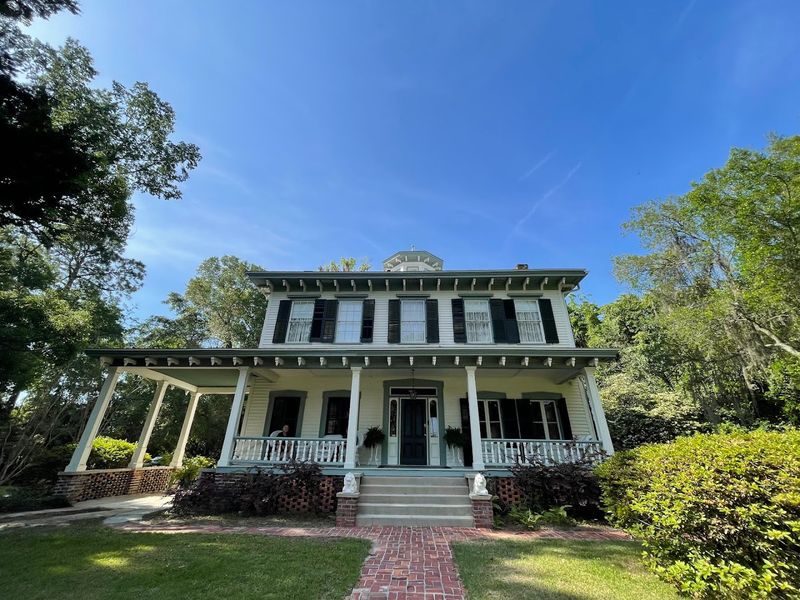
Washington Street in Monticello reads like an open architecture textbook on Victorian design. The homes here were built in the late 1800s and early 1900s by wealthy planters and merchants who wanted their prosperity to be visible.
Wide front porches, decorative woodwork, and towering columns define a streetscape that has remained largely intact for over a century.
What makes this street special is not just the age of the houses but the obvious care that residents still pour into maintaining them. Freshly painted shutters and well-kept gardens signal that pride of ownership runs deep in this community.
Driving or walking this street slowly is the only way to do it justice.
Architecture enthusiasts should bring a sketchbook or a good camera. The variety of Victorian styles on display, from Queen Anne to Italianate, gives every house its own distinct personality worth studying up close.
Jefferson County History
Jefferson County was established in 1827, and its history is both fascinating and complex. Named after President Thomas Jefferson, the county was once home to large cotton plantations that shaped its economy and culture for generations.
Understanding this history gives any visit to Monticello a much richer layer of meaning.
The county played a significant role in Florida’s antebellum period, and the legacy of that era can still be felt in the landscape and architecture of the region. Local historical societies have worked hard to document and preserve records, photographs, and artifacts that tell the full story of the area’s past.
Visitors interested in Southern history will find Jefferson County a compelling place to explore. Stopping by local museums and historical markers around town helps connect the dots between the beautiful old buildings you see and the lives that were lived within them.
Monticello’s Antique Shops
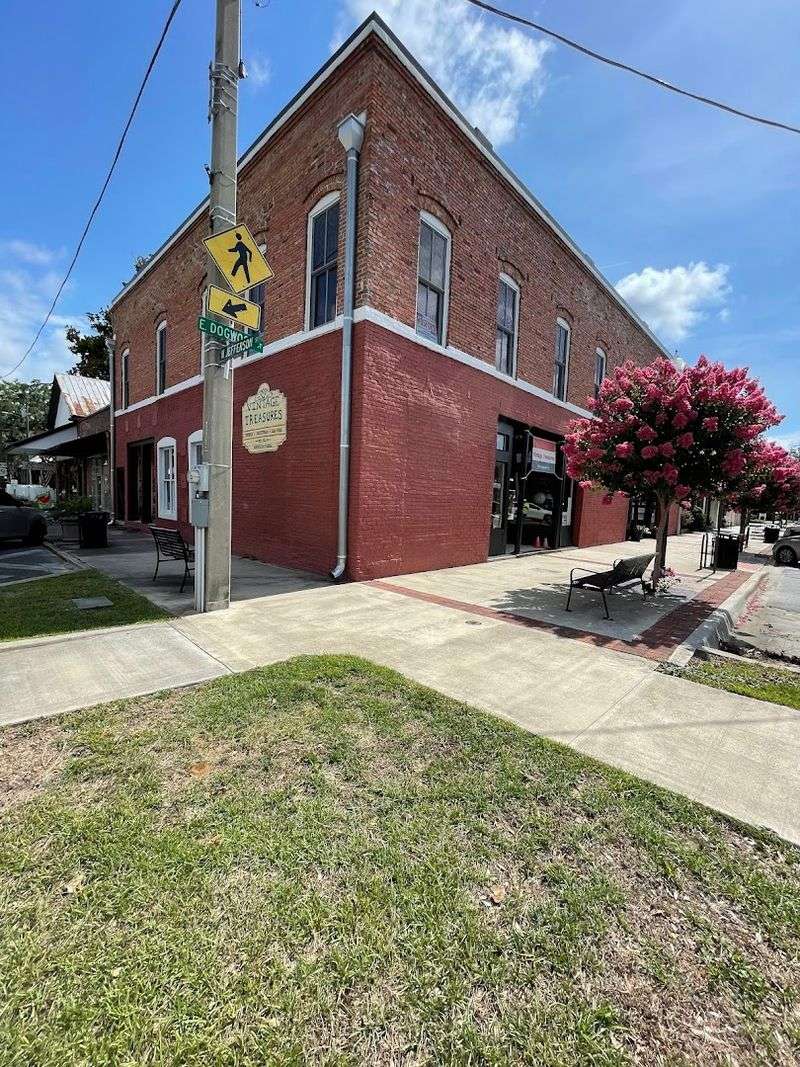
Antique hunters, your next favorite destination has been waiting quietly in northern Florida. Monticello’s downtown area is dotted with antique shops that carry everything from Depression-era glassware to mid-century furniture and vintage Florida memorabilia.
Each store has its own personality, and browsing through them feels like a treasure hunt with no clear ending.
Shop owners here tend to know the history behind their pieces, which makes conversations at the counter as valuable as the items on the shelves. You might walk in looking for a small souvenir and walk out with a story-rich piece of local history tucked under your arm.
Prices are generally reasonable compared to antique markets in larger cities, which makes Monticello a smart stop for collectors on a budget. Go with an open mind and comfortable shoes, because the best finds usually show up when you least expect them.
The Natural Bridge Battlefield Historic State Park Nearby
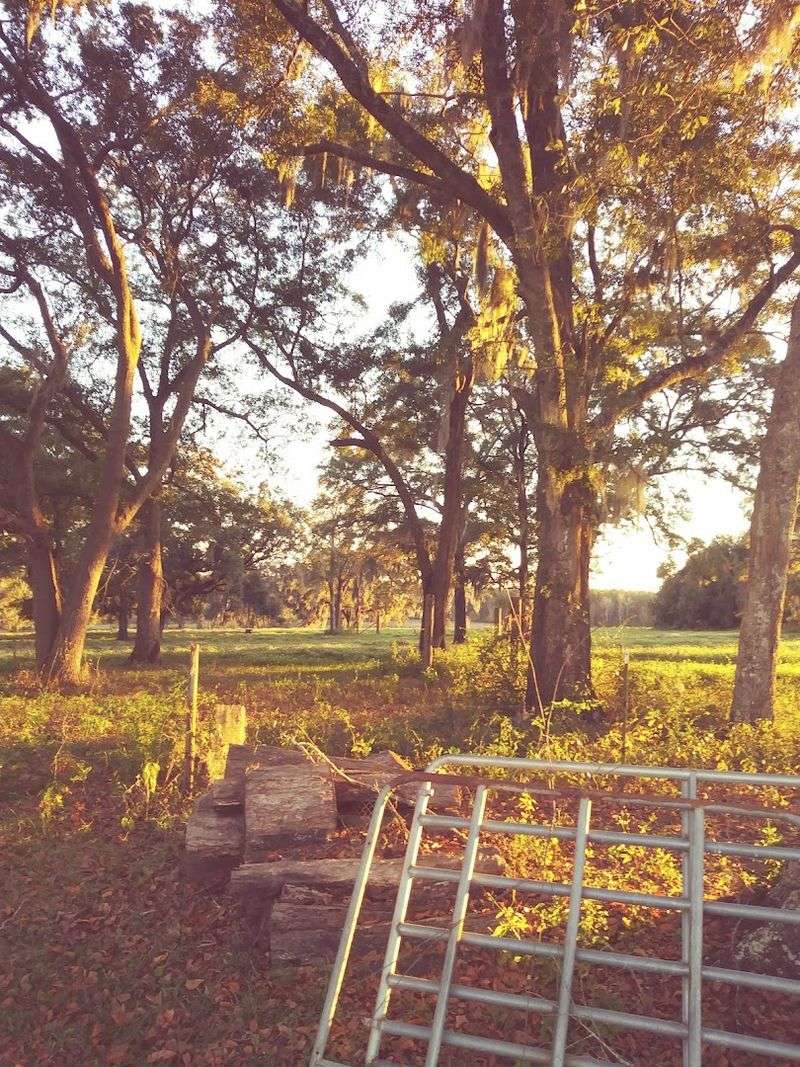
Just a short drive from Monticello sits one of Florida’s most underrated historic sites. Natural Bridge Battlefield Historic State Park marks the location of an 1865 Civil War battle where Confederate forces successfully defended Tallahassee, making it one of the last Confederate capitals east of the Mississippi River to fall.
That single fact alone makes this site remarkable.
The park is peaceful and beautifully maintained, with walking paths, historical markers, and a natural limestone bridge where the St. Marks River dips underground. Each March, a living history reenactment draws crowds who want to experience history in a hands-on way.
Pairing a visit to this park with your Monticello trip creates a fuller picture of the region’s layered past. Bring water, wear comfortable walking shoes, and set aside at least two hours to properly explore everything the park has to offer.
Local Farm Stands and Agriculture
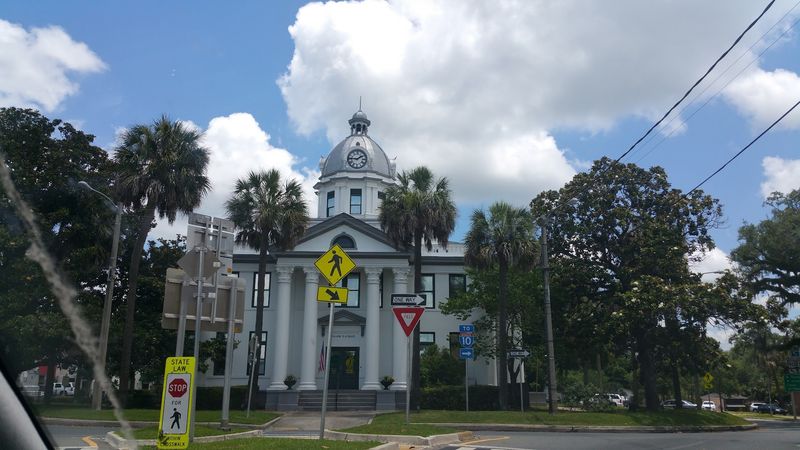
Agriculture is not just part of Monticello’s past. It is very much alive today along the roads surrounding town.
Jefferson County’s fertile land supports farms growing watermelons, tomatoes, corn, and a variety of other crops that end up at roadside stands throughout the warmer months. Stopping at one of these stands is an experience that connects you directly to the land.
Fresh-picked produce tastes noticeably different from grocery store versions, and locals will gladly tell you which farms grow the best of anything. These small farm stands also support families who have been working this land for multiple generations, so every purchase carries a bit of community meaning.
Traveling the back roads around Monticello in summer rewards you with fields of color and the occasional hand-painted sign pointing toward something delicious. Pack a cooler in your car so you can bring some of that freshness home with you.
The Monticello Opera House Ghost Stories
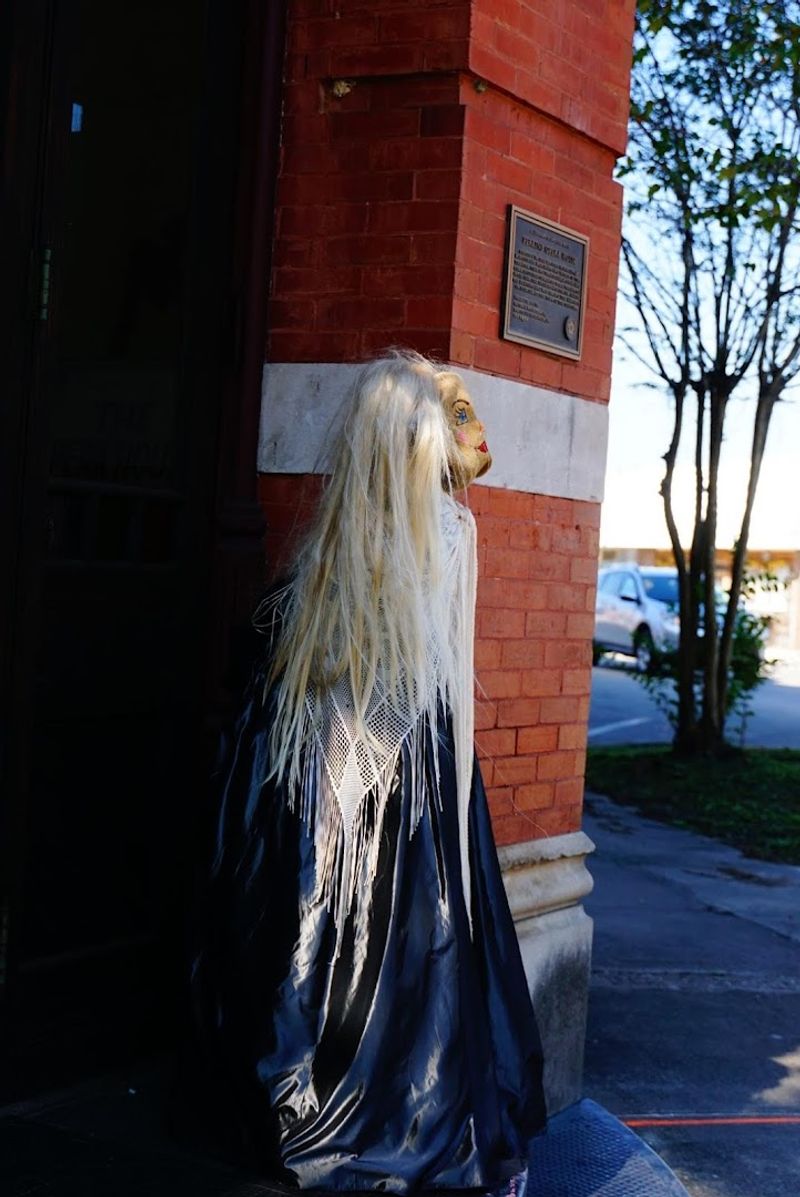
Every great historic building deserves a good ghost story, and Monticello’s Perkins Opera House has more than one. Local legend holds that the spirits of former performers and audience members still linger within its old walls, making it a favorite stop on ghost tours of the town.
Whether you believe in such things or not, the stories add an irresistible layer of mystery to an already atmospheric place.
Ghost tours of Monticello have grown in popularity over the years, especially around Halloween. Tour guides share tales of unexplained sounds, flickering lights, and shadowy figures that have reportedly been witnessed inside the opera house after dark.
The building’s age and history make these stories feel entirely plausible.
Even skeptics tend to enjoy the tours because the storytelling weaves in genuine local history. It is a fun and memorable way to experience the town after the sun goes down.
Nearby Wacissa River Springs
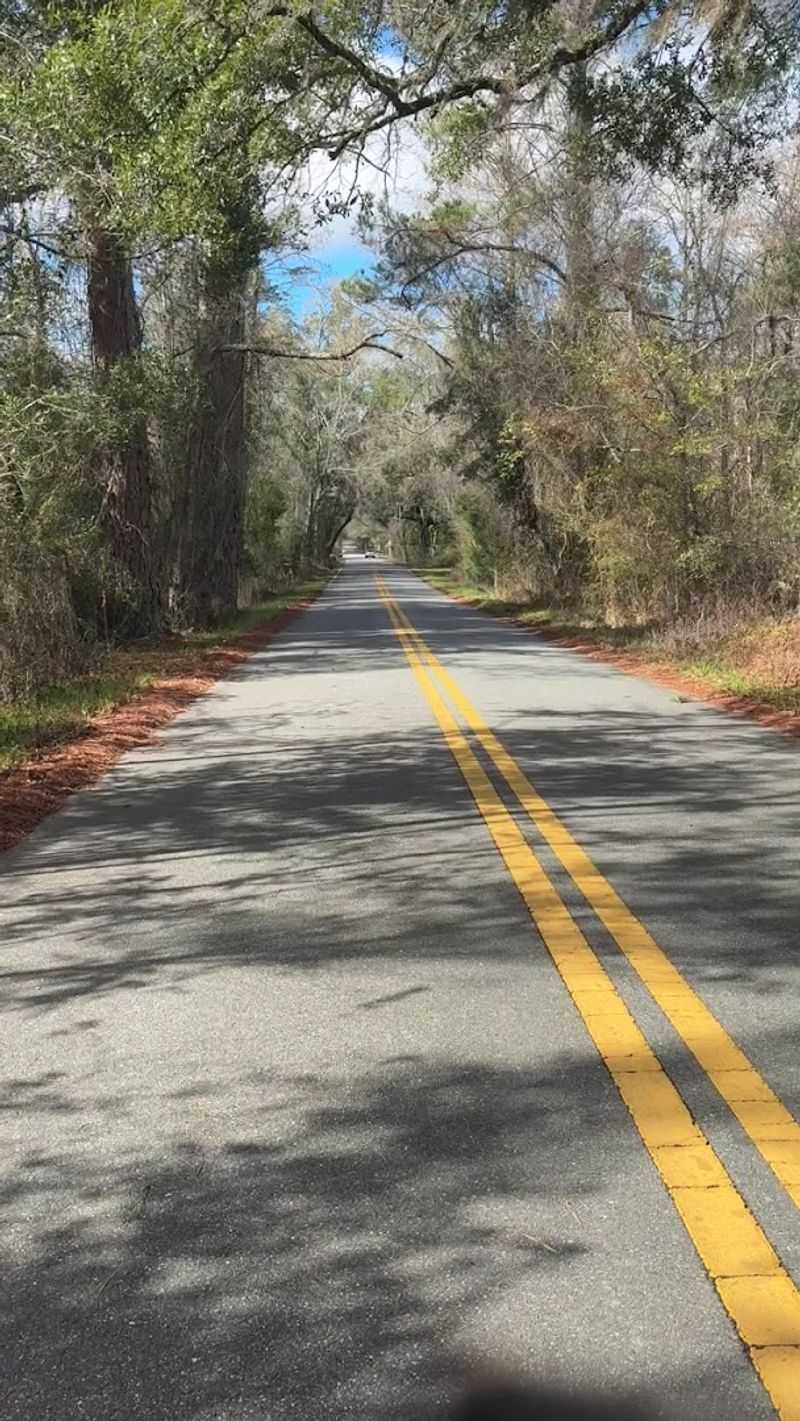
A short drive from Monticello opens up one of Florida’s most spectacular natural treasures. The Wacissa River is fed by a series of natural springs that pump crystal-clear, cool water year-round, creating ideal conditions for swimming, kayaking, and wildlife watching.
On a hot Florida afternoon, few experiences compare to slipping into that refreshing spring water.
The river is lined with cypress trees draped in Spanish moss, and the wildlife along its banks includes otters, turtles, herons, and manatees during cooler months. Paddling downstream quietly gives you a front-row seat to Florida’s wild, unspoiled natural beauty.
Canoe and kayak rentals are available nearby for visitors who come without their own gear.
Wacissa is beloved by locals who treat it as their backyard swimming hole, which means it retains a natural, uncrowded character that more famous springs have long since lost. Arrive early on weekends to secure the best spots.
Small-Town Community Spirit in Monticello
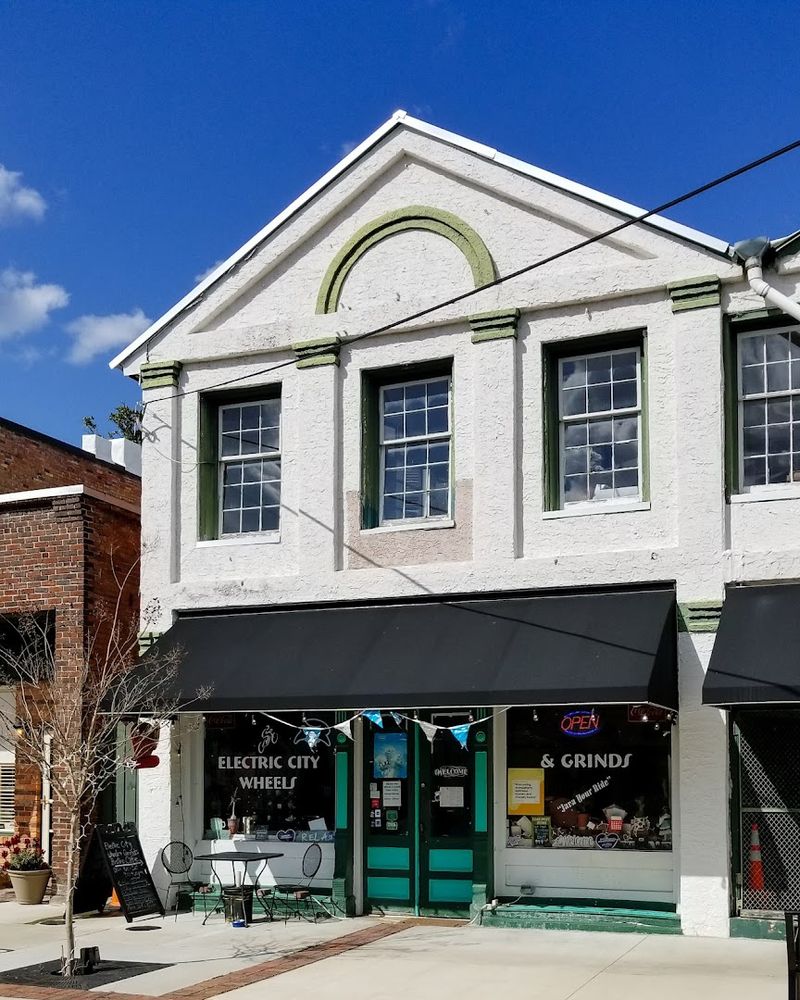
Numbers can tell you a lot about a place. Monticello has a population of just around 2,500 people, and yet it manages to generate a sense of community warmth that many larger cities spend years trying to manufacture.
Neighbors know each other by name here, and strangers tend to get welcomed in the same way.
Local events, from holiday parades to farmers markets, bring the community together regularly throughout the year. These gatherings are not staged for tourists.
They are genuine expressions of how residents choose to live alongside one another. Sitting on a bench near the courthouse square and watching the rhythm of daily life is its own kind of entertainment.
Visitors often leave Monticello talking less about specific attractions and more about how the town made them feel. That slow, connected, human quality is increasingly rare and is perhaps the most compelling reason to make the trip.
Enjoyed this story?
Add Fast Food Club as a preferred source to see more of our reporting on Google.