



Remember when a tight budget still meant a full cart and a little breathing room? Lately, basics that used to stretch meals now feel like mini splurges, and every scanned barcode sounds like a cash register sigh.
You are not imagining it, and you are definitely not alone. Here is a clear, no fluff look at the quiet price creeps turning humble staples into bill-sized line items.
Eggs
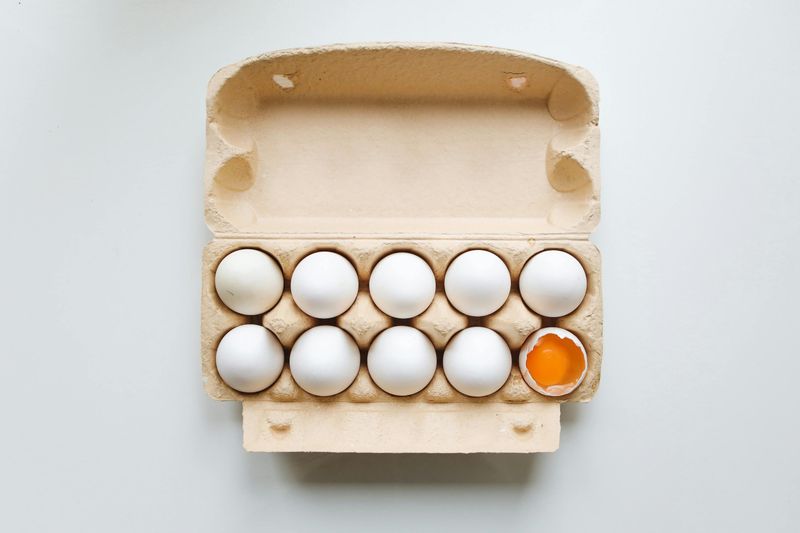
Eggs once felt like a budget cheat code. A dozen could anchor breakfasts, boost dinners, and pad baking without a second thought.
Now you watch unit prices like a hawk, wondering how a simple scramble became a splurge.
Still, they are protein powerhouses that save you when meat is pricey or time is short. Stretch them with veggies, rice, or leftover potatoes to keep value alive.
When you spot a sale, grab two cartons and rotate. You will feel the pinch, but smart timing and flexible recipes keep eggs earning their keep.
Rice
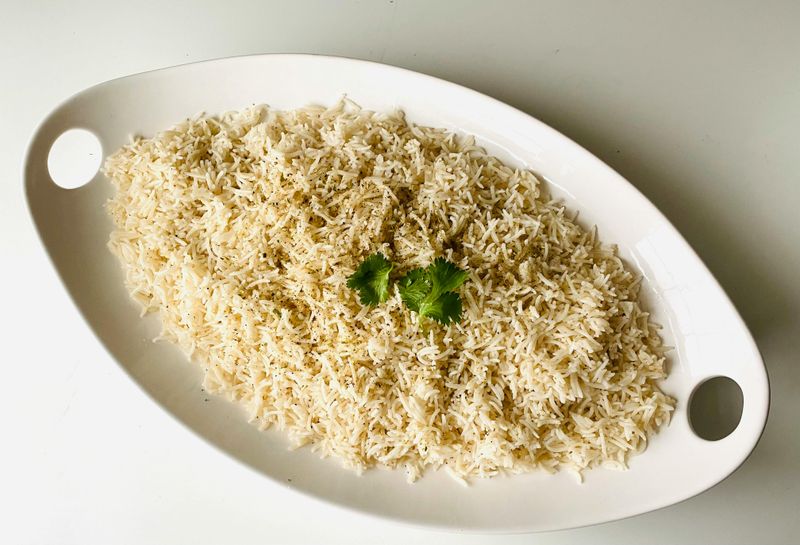
Rice used to be the ultimate filler that made every meal feel complete. A scoop stretched curries, stews, and stir fries without touching the budget.
Lately, even bulk bags ring up higher, turning that humble side into a calculation.
To keep value, rotate varieties and watch unit costs on larger sacks. Rinse thoroughly for better texture, and toast grains in oil for richer flavor so small portions satisfy more.
Batch cook and freeze flat in bags for quick wins. With a little planning, rice still carries dinners, even if the price tag no longer whispers.
Pasta
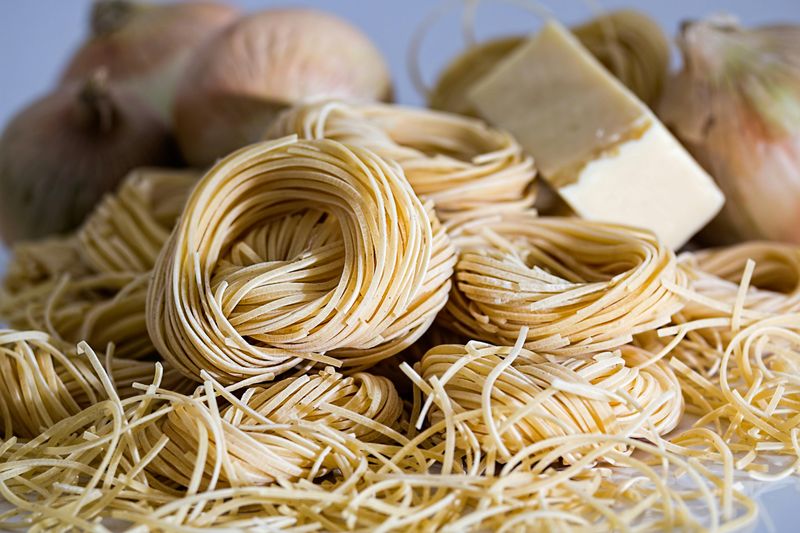
Pasta was the weeknight hero that saved hungry evenings without scaring the wallet. One box turned pantry bits into dinner magic.
Now, multipacks and specialty shapes feel pricier, and even generic spaghetti is not as quiet at checkout.
Lean on hearty sauces that use pantry tomatoes, oil, garlic, and whatever veggies you have. Add beans or a little sausage to make smaller portions feel generous.
Cook al dente, reserve pasta water, and finish in the pan for restaurant-level payoff. Stock up during buy-one-get-one weeks.
Pasta still wins, but the scoreboard reads tighter than it used to.
Potatoes
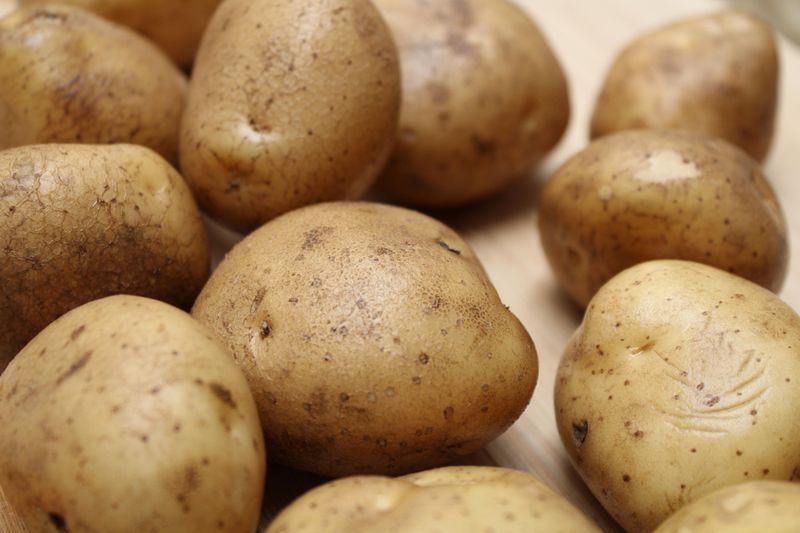
Potatoes once meant guaranteed fullness for pocket change. Mash, roast, fry, repeat, and no one complained.
These days, even a five pound bag makes you double check the total, and the bargain pile does not feel like such a steal.
Use skins for extra fiber and value. Roast big batches and repurpose into hash, tacos, or soup thickeners.
Pair with eggs or beans to stretch protein without stretching your budget further. Store them cool and dry to reduce waste.
When prices spike, switch varieties or look for imperfect produce bins. Potatoes still deliver, just with tighter math.
Onions
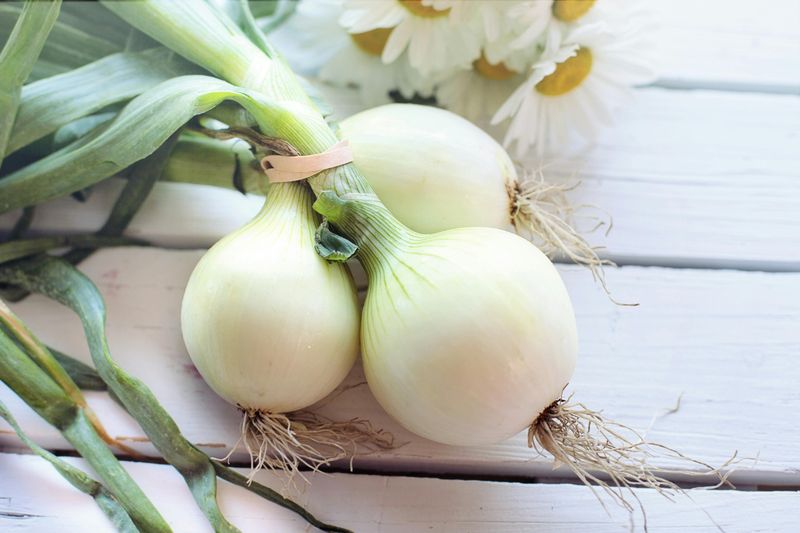
Onions used to be a throw-in, not a line item. You grabbed a bag and built flavor for pennies.
Now, sticker shock shows up in the alliums, and every sauté starts with a tiny wince.
Sweat them low and slow to extract sweetness and make smaller amounts work harder. Caramelize a big batch and freeze in portions for instant depth.
Mix with carrots and celery for budget mirepoix that enhances anything. Choose loose onions by weight instead of pre-bagged when prices jump.
Even with inflation bite, onions remain the flavor engine that rescues bland meals.
Beans
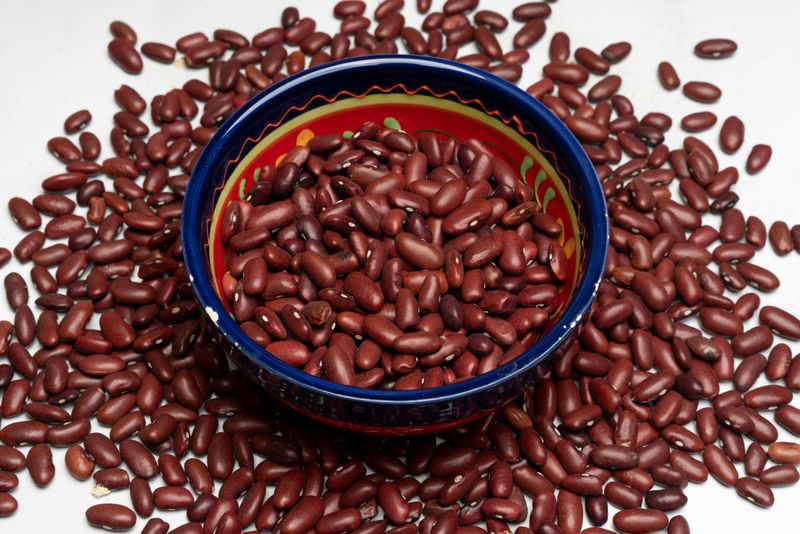
Beans used to feel limitless and cheap. A pot on Sunday meant meals all week without stress.
Canned or dried, they were safe territory. Now, even shelf staples clock in higher, and convenience cans especially sting.
Go dry when possible and cook big batches with salt and aromatics. Freeze in two cup portions to replace pricey cans.
Blend into dips, bulk up tacos, and stretch soups for satisfying protein. Pressure cookers speed things up.
Combine with grains for complete nutrition. Beans still deliver incredible value, but it takes a little strategy to outsmart rising totals.
Lentils
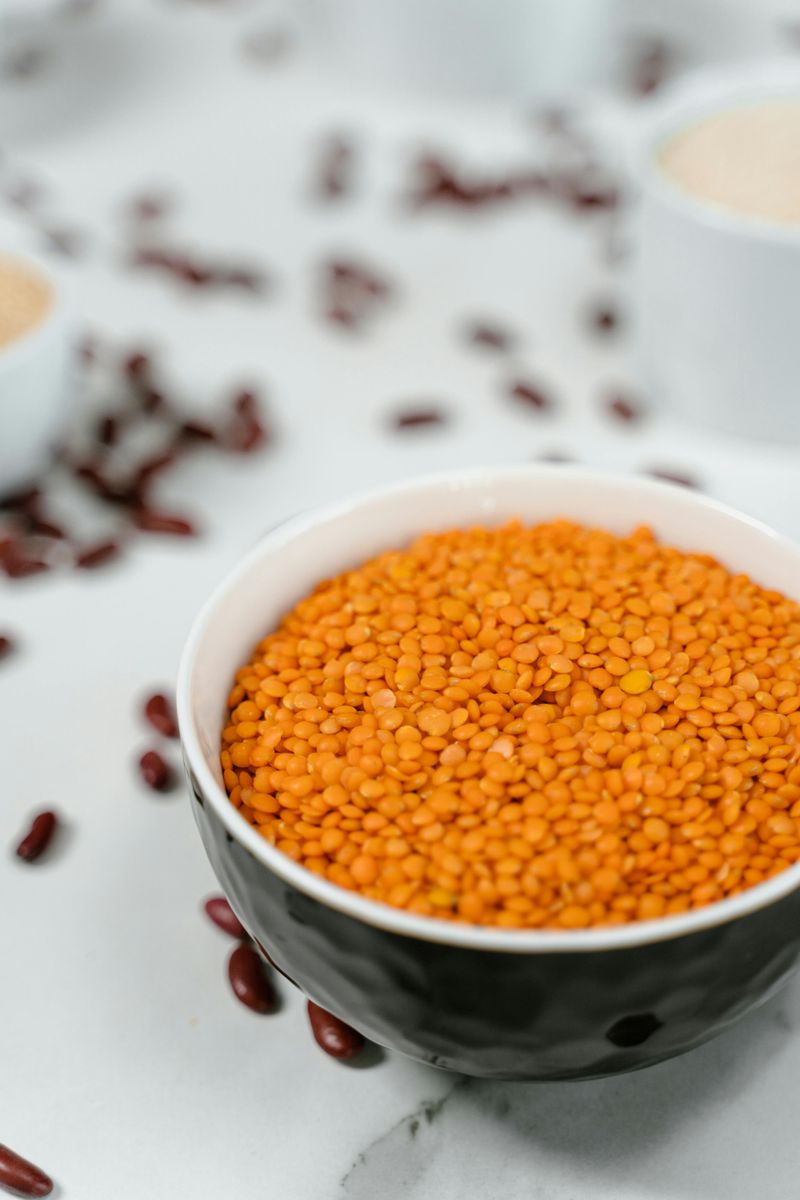
Lentils were the quiet champion of cheap, quick protein. Twenty minutes and dinner appeared, no soak required.
Lately, prices are edging up, and specialty colors hit harder than expected.
Stick to green or brown for best value, and season aggressively with garlic, cumin, vinegar, or lemon. Simmer in broth and finish with olive oil for richness.
Use leftovers for salads or shepherd’s pie style bakes. Buy in bulk bins when available and store airtight.
Lentils still tame grocery bills, even if they no longer feel practically free. Technique and planning keep them winning.
Bread loaf
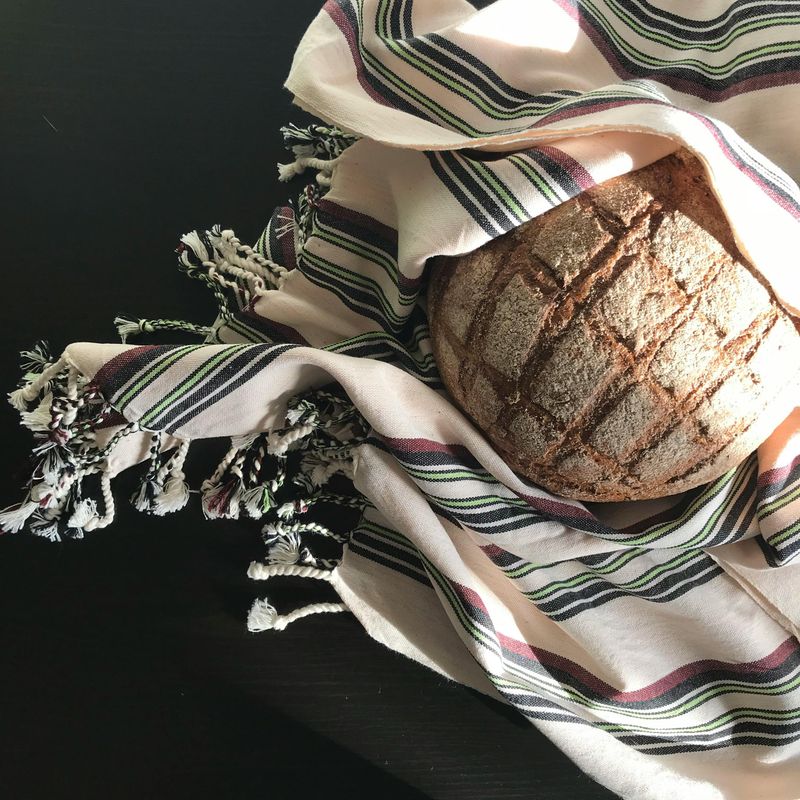
A basic loaf used to be an afterthought, tossed in the cart to make lunches happen. Now, sliced bread reads like a small luxury, especially for whole grain or seed heavy loaves.
Even store brands test patience.
Stretch it by freezing half and toasting from frozen to prevent waste. Turn stale slices into croutons, breadcrumbs, or French toast.
Compare unit prices on bakery clearance racks. When energy costs allow, bake simple no knead loaves for weekend savings.
Bread still anchors meals and snacks, but treating every slice with purpose keeps costs from crumbling your budget.
Milk
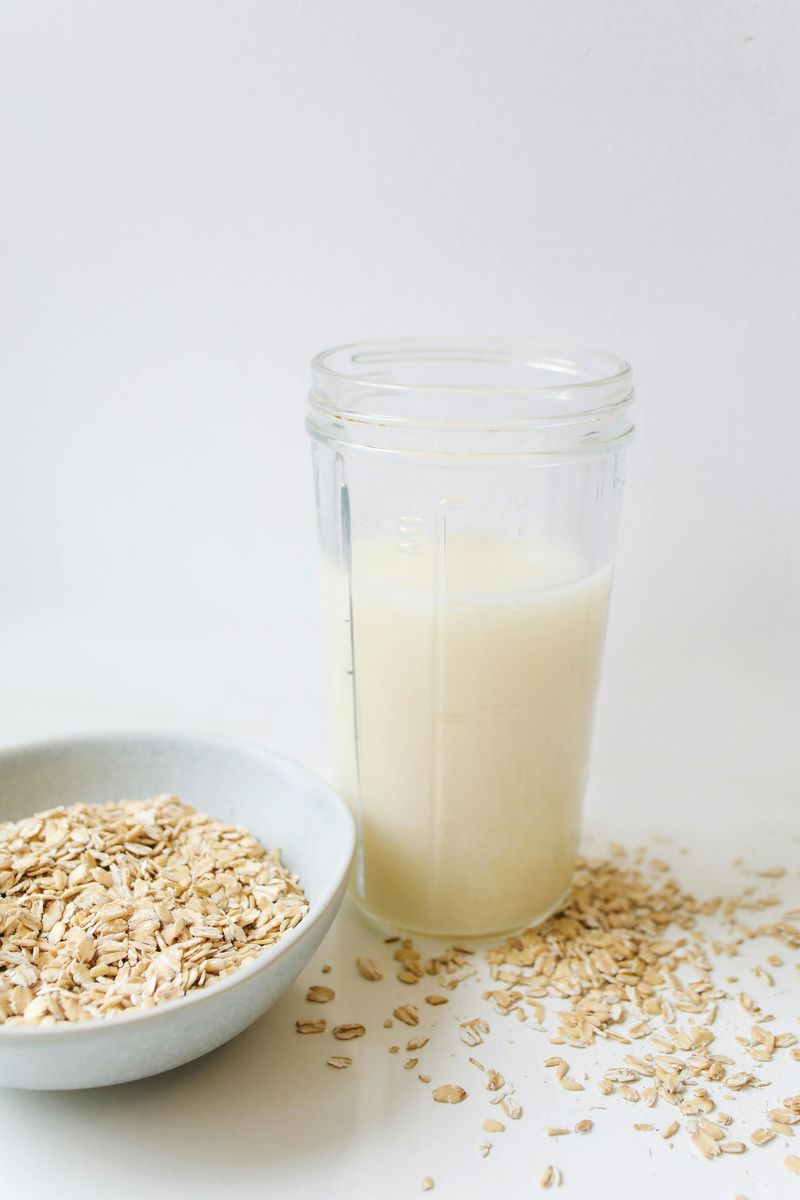
Milk used to slide into the cart as a guaranteed essential. Now, the price swing catches you off guard, and brand loyalty gets tested fast.
Whole, skim, or oat, it all adds up.
Watch unit costs between gallons and half gallons, and consider powdered milk for baking and sauces. Store it cold and tight to avoid waste.
Use small splashes for oatmeal, smoothies, and soups to stretch. If alternatives are cheaper, split usage between dairy and shelf stable options.
Milk still supports breakfasts and bakes, but smart portioning keeps the budget balanced.
Peanut butter
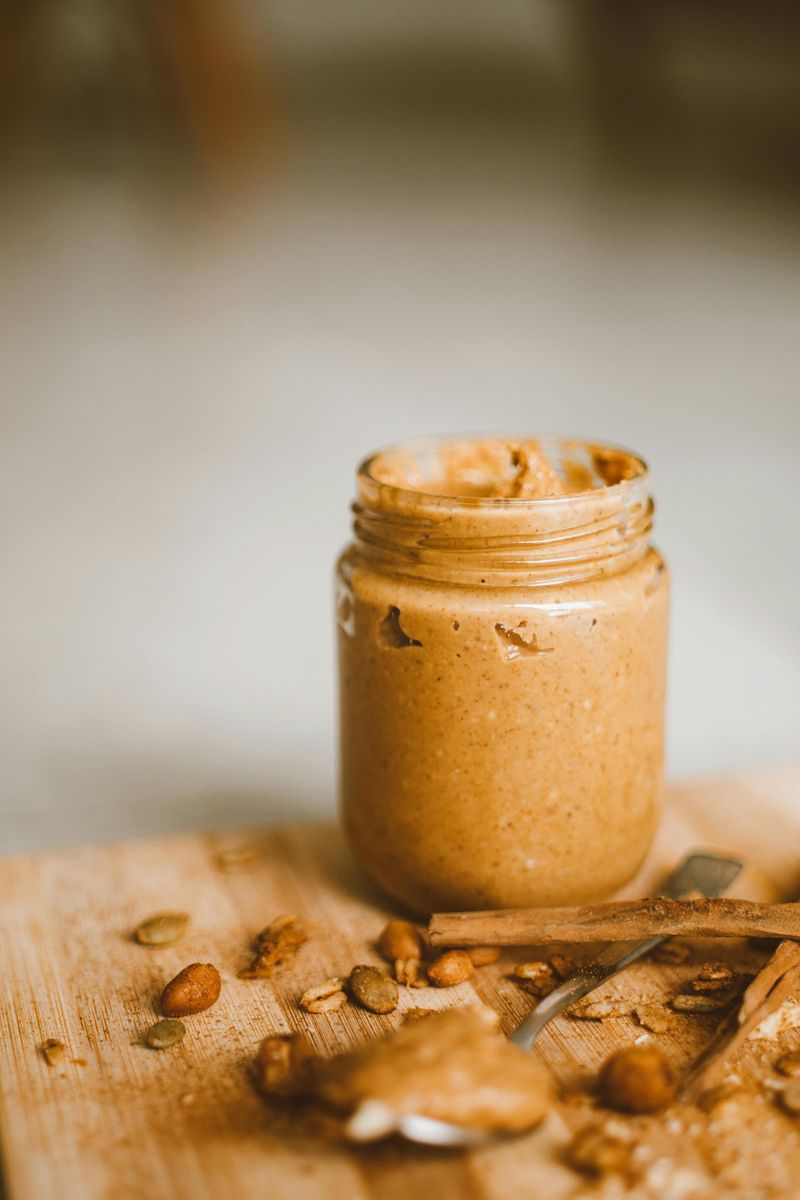
Peanut butter once felt like limitless value in a jar. Sandwiches, cookies, and quick sauces came easy and cheap.
Now you notice shrinkflation and creeping prices, especially on natural varieties.
Compare unit prices and watch for store brands with simple ingredients. Stir and store upside down to keep texture smooth.
Stretch by blending into oatmeal, noodles, and yogurt rather than thick sandwiches every time. Use measuring spoons to keep portions honest.
When sales land, buy two and stash one. It is still versatile protein, just no longer the reckless spoonful from childhood.
Oatmeal
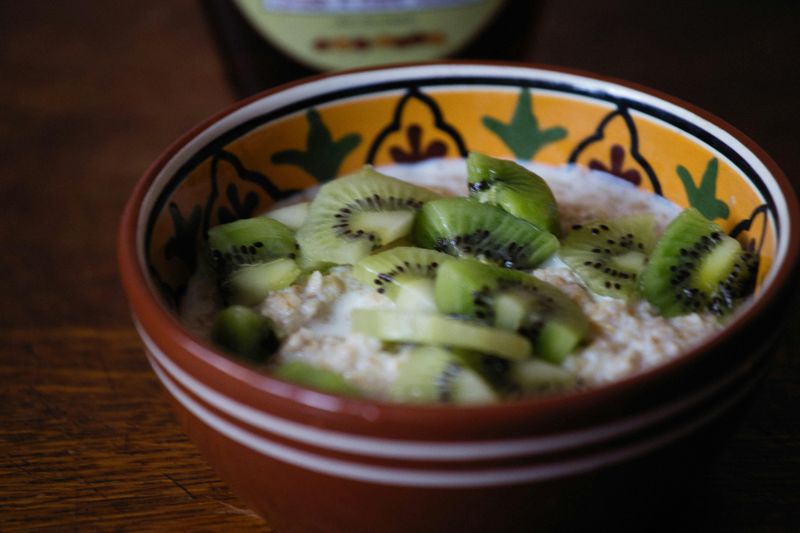
Oatmeal used to be the breakfast that cost nickels and stuck with you till lunch. Lately, even big tubs climb a little, and flavored packets feel steep for what they deliver.
It is still a champion, just not as carefree.
Buy plain rolled oats and flavor them yourself with cinnamon, peanut butter, fruit, or jam. Batch cook overnight oats for grab-and-go mornings.
Grind oats into flour to stretch baking. Compare steel cut, rolled, and quick for the best unit price.
Oatmeal still delivers comfort and fiber, especially when you steer clear of pricey add-ins.
Ground beef
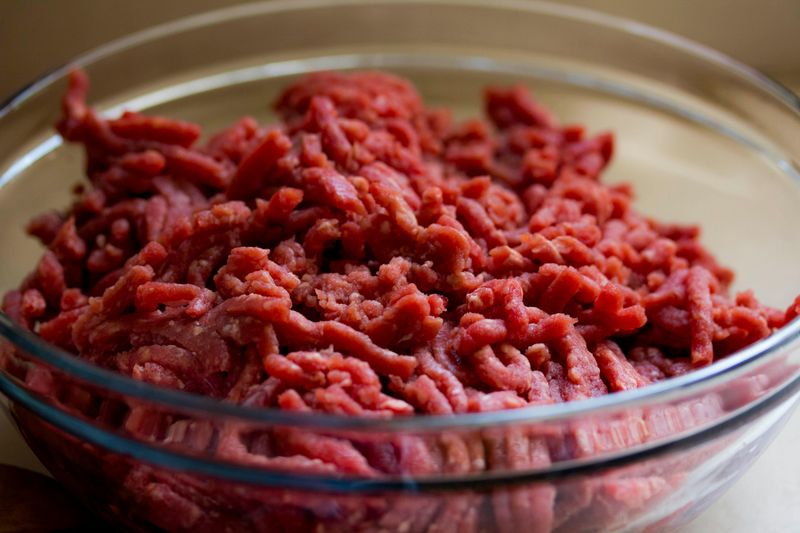
Ground beef used to be the economical route to burgers, tacos, and sauces. Now even lean blends make your eyes widen, and family packs do not feel like steals.
You start strategizing recipes before you even reach checkout.
Buy higher fat blends and drain to save, or stretch with mushrooms, beans, or grated veggies. Brown large batches and freeze portions for quick meals.
Use bold spices so smaller servings satisfy. Look for markdowns close to sell-by dates and cook same day.
Ground beef still brings flavor and comfort, just with smarter math behind every patty.
Chicken thighs
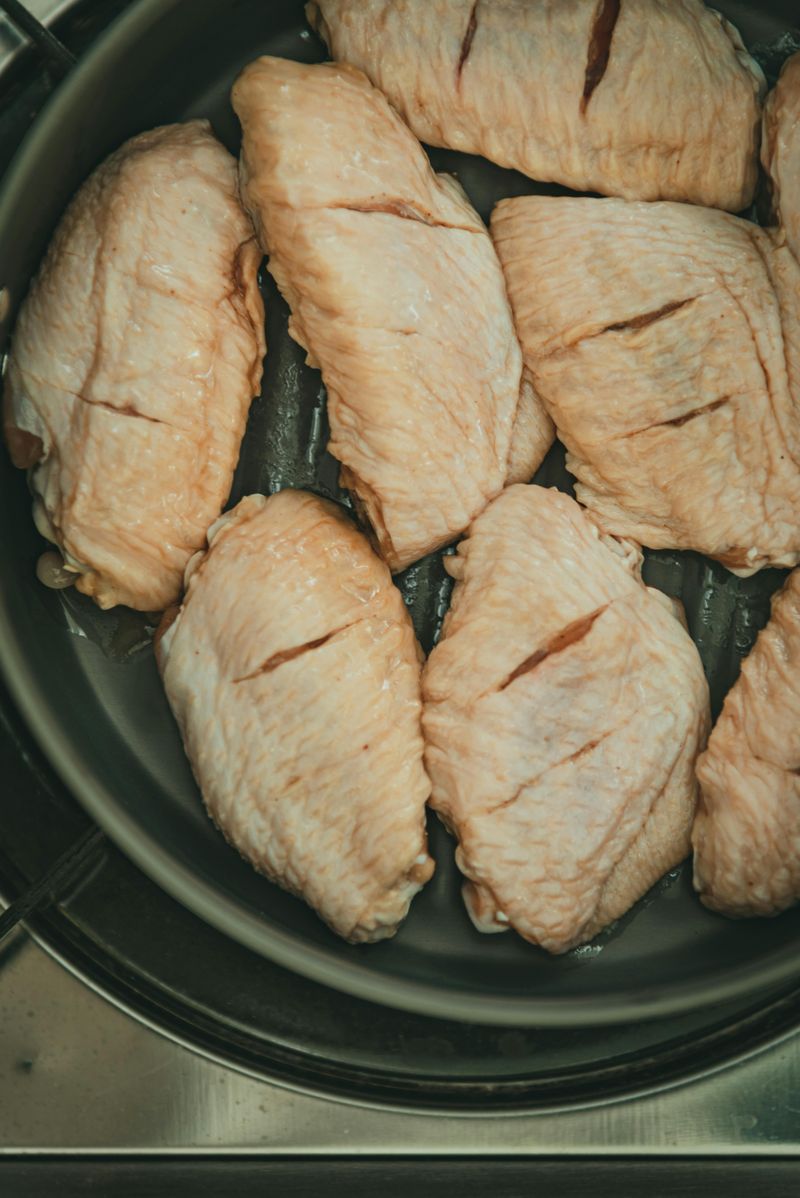
Chicken thighs were the budget cook’s best friend, forgiving and flavorful. Prices have crept up, and bone-in packs are not the slam dunk they once were.
Still, they outperform breasts on value and taste.
Marinate simply with salt, garlic, and citrus to punch above their weight. Roast on a sheet pan with potatoes and carrots for a full dinner.
Shred leftovers into rice bowls, soups, or tacos to stretch further. Buy family packs, portion, and freeze.
When cooked well, small pieces feel generous, helping you dodge the sticker sting.
Hot dogs
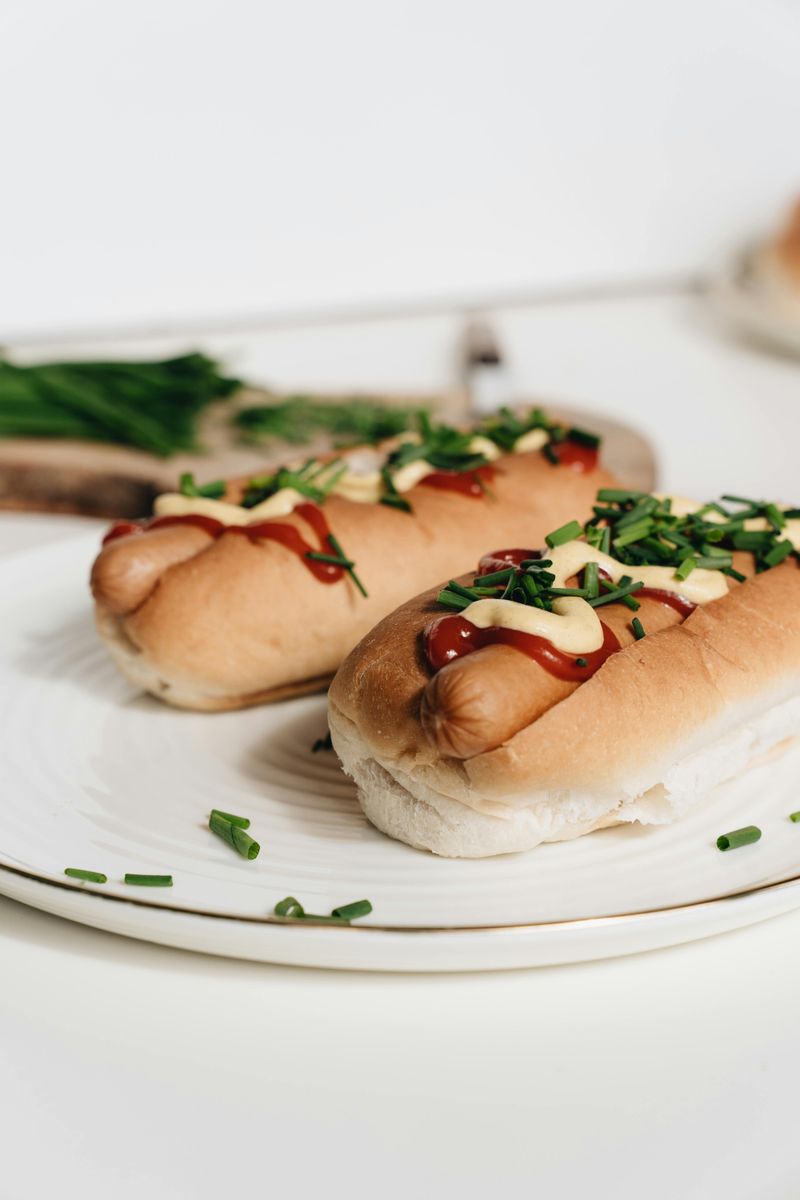
Hot dogs were the ultimate cheap crowd pleaser. Backyard, ballgame, Tuesday night, they solved everything without fuss.
Now, even value packs feel taller at checkout, and bun prices do not help.
Hunt for store brands and holiday sales, then freeze extras. Dress them up with caramelized onions, mustard, or chili to elevate smaller portions.
Pair with slaw or beans to make a meal. Consider turkey or chicken varieties when they are cheaper.
Hot dogs still scratch the comfort itch, just no longer the mindless budget pick they used to be.
Butter
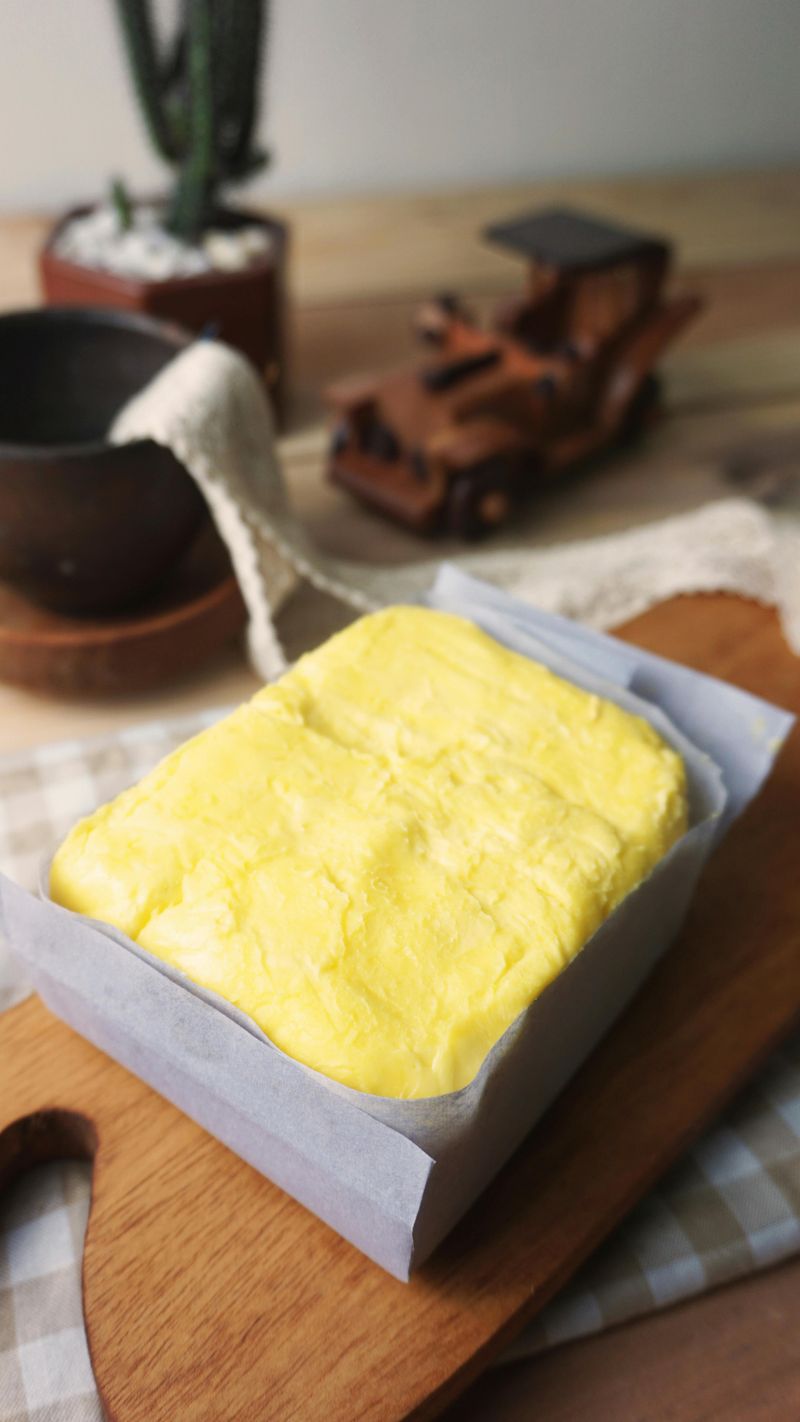
Butter used to be a baking staple you barely tracked. Now, every recipe feels like a math problem, and holiday baking can wallop the budget.
Even store brands come with a pause.
Save butter for finishing and flavor, and use oil in some baking. Brown it to amplify taste so smaller amounts go further.
Freeze sticks and mark open dates to reduce waste. Buy when on deep sale and stock up.
Butter still delivers unmatched richness, but smart swaps and careful timing keep cookies and sauces from costing more than they should.
Cooking oil
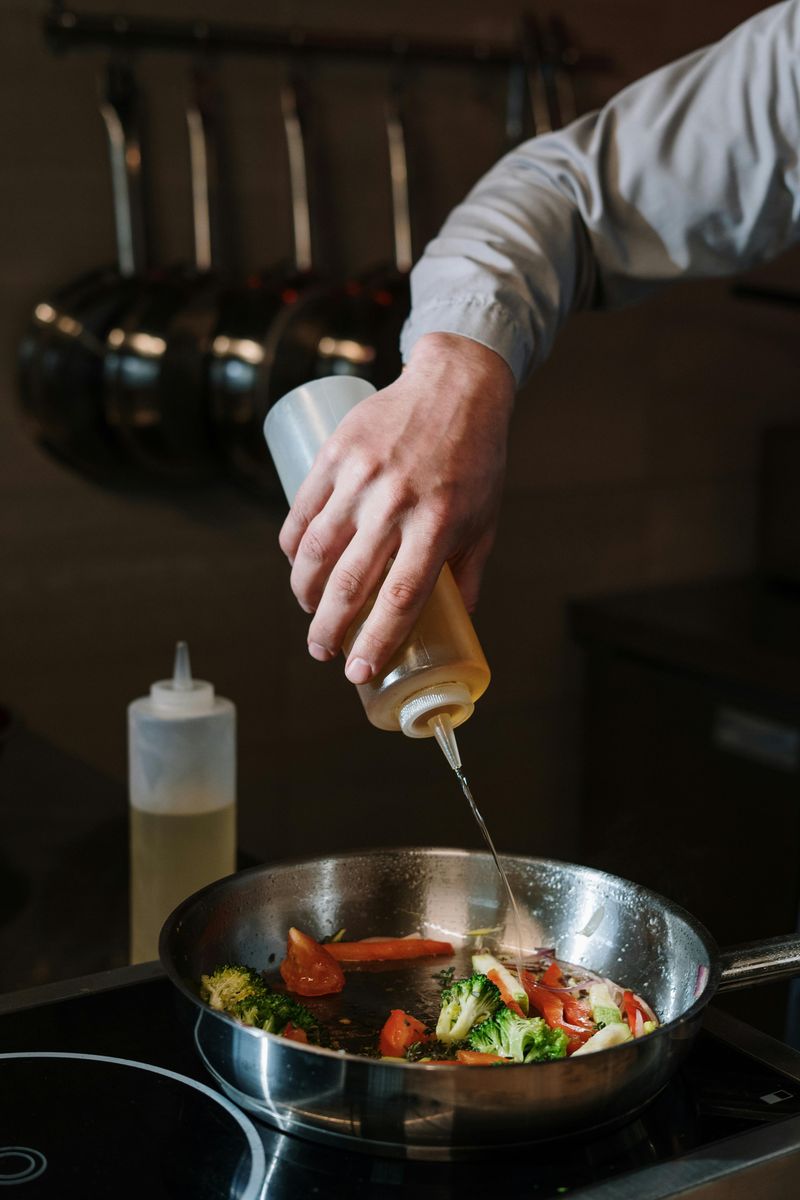
Cooking oil quietly moved from background player to headline expense. One bottle used to last ages and barely registered.
Now, prices swing widely, and preferred brands bite.
Shop by smoke point and unit cost, not label flash. Keep a neutral oil for frying and olive oil for finishing.
Use a spray bottle to control portions, and store away from heat to prevent rancidity. Reuse frying oil safely by straining.
When sales hit, buy two sizes. Oil still carries flavor and texture, but using it intentionally keeps dinner delicious without draining your wallet.
Cereal
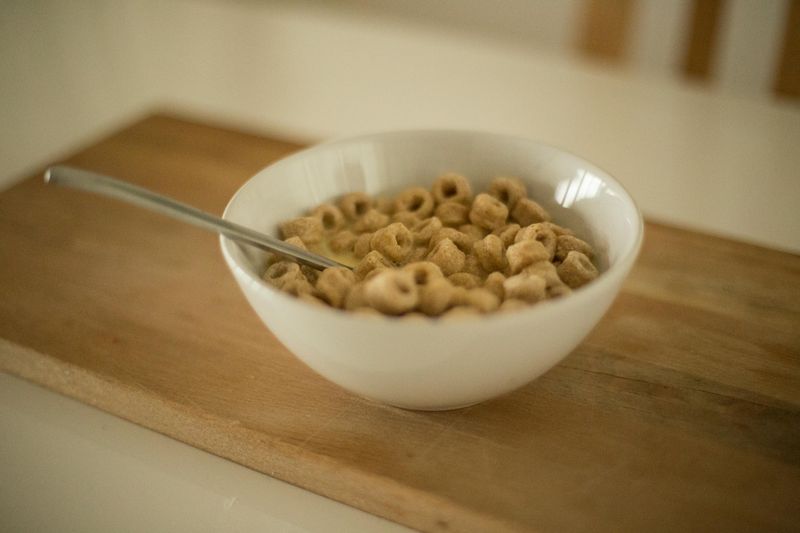
Breakfast cereal once felt like easy calories for little cash. Now boxes shrink while prices climb, and sugar bombs are not doing health or budget any favors.
Family favorites turn into occasional treats.
Compare unit prices ruthlessly and look for plain oats or bran as bases. Mix half sweet cereal with half unsweetened to stretch.
Store in airtight containers so staleness does not steal your money. Coupons and loyalty apps help, but watch minimums.
Cereal can still rescue mornings, as long as you treat it like a planned purchase, not a reflex grab.
Yogurt
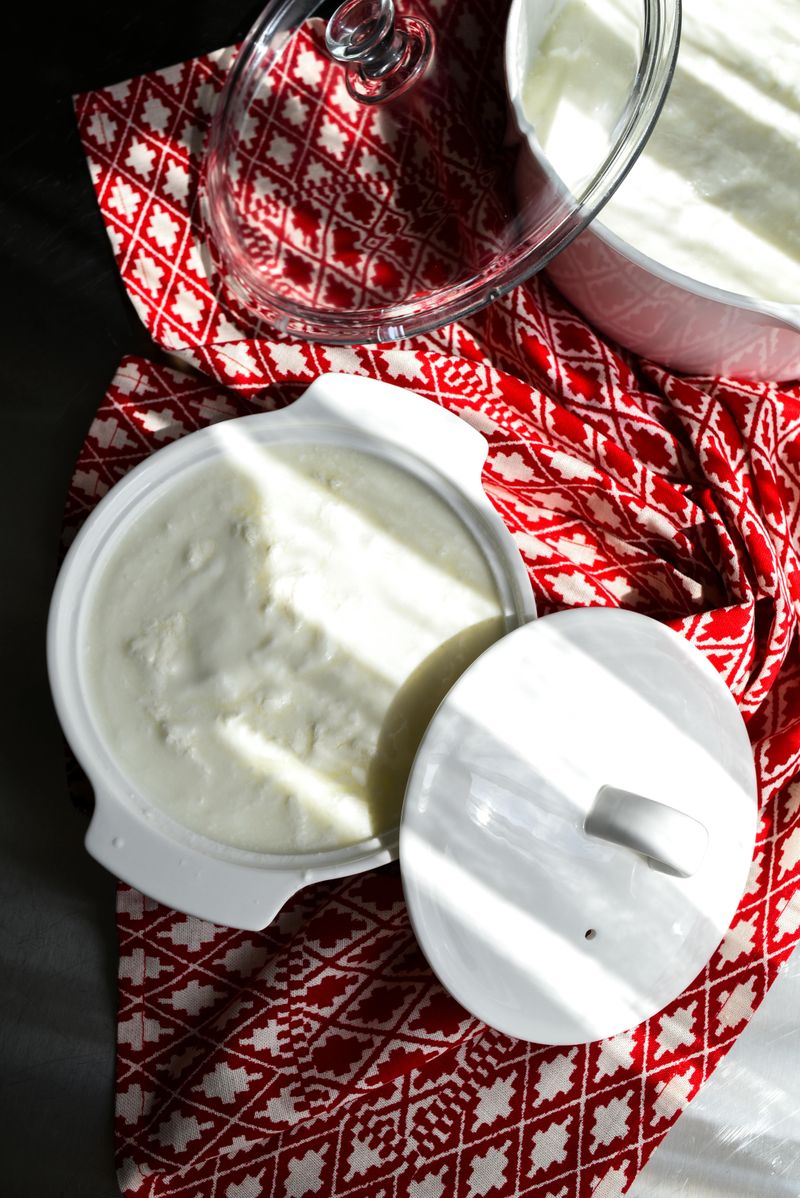
Yogurt used to be a no-brainer snack that felt healthy and cheap. Now, single cups are stealthy budget busters, and flavored varieties add sugar and cost.
Even big tubs do not feel as thrifty.
Buy plain in large containers and flavor with honey, jam, or fruit. Strain for thicker texture that feels premium.
Portion into jars to avoid overbuying singles. Use in marinades, sauces, and baking to replace pricier dairy.
Watch dates and rotate to reduce waste. Yogurt still brings protein and probiotics, but the smart path runs through bulk, not the snack aisle endcap.
Frozen meals
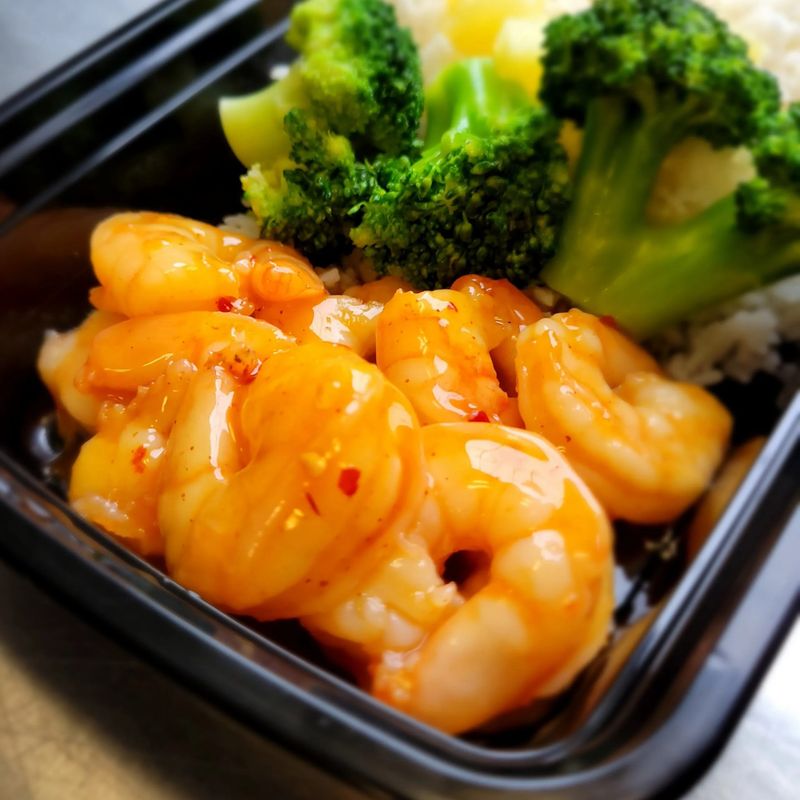
Frozen meals once felt like cheap insurance for chaotic nights. Lately, the convenience tax is loud, and portions can be light for the price.
You pay for time, not just food.
Reserve them for true emergencies and build a freezer lineup of homemade options. Batch cook soups, burritos, and casseroles, then label and date.
Supplement store meals with a side salad or extra veggies to make one box feed two. Buy during deep promotions and skip fancy packaging.
Convenience still matters, but planning turns your freezer into value instead of a money trap.
Chocolate bars
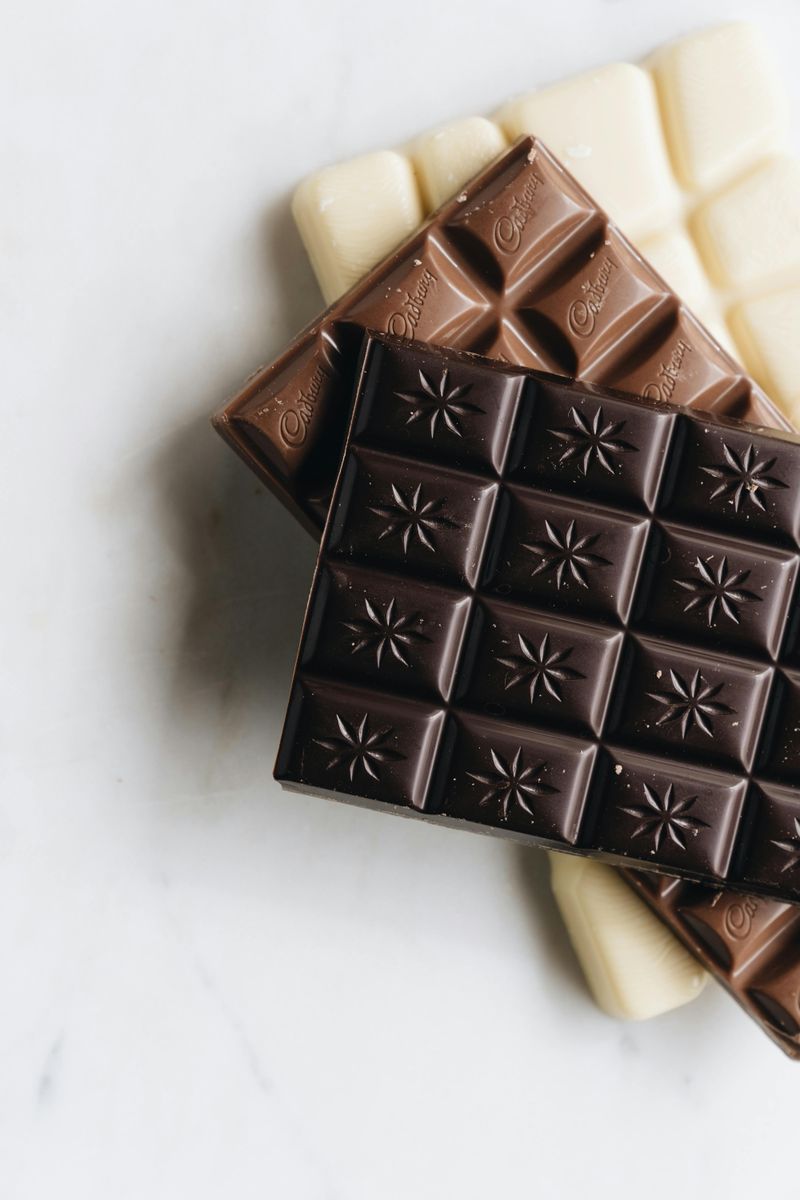
Chocolate bars were the tiny reward that barely moved the receipt. Now cocoa prices ripple through every square, and your favorite bar feels like a splurge.
Treats matter, but they add up fast.
Choose mini sizes or share bars to keep the ritual without the runaway cost. Explore store brands, which often surprise.
Keep a baking bar or chips for home desserts that stretch further. Savor slowly with coffee or fruit so one piece satisfies.
When sales appear, stock a few and hide them well. Joy still fits the budget, with a little strategy.
Canned tuna

Canned tuna once lived in every pantry as a cheap protein ace. Lately, single cans and multipacks both nudge the budget, and oil packed options really add up.
You start rationing tuna salad days.
Choose chunk light for value, and drain well. Brighten with lemon, celery, and pepper to make less feel like more.
Stretch with beans or pasta for hearty salads. Watch for case discounts and rotate stock.
If costs spike, swap in canned salmon or sardines when deals appear. Tuna still rescues lunches, but planning ahead keeps it from biting back.
Enjoyed this story?
Add Fast Food Club as a preferred source to see more of our reporting on Google.