


Some dishes feel homemade until that first bite tells a different story. You taste the shortcut and suddenly the magic is gone.
This list helps you spot the red flags so you can order smarter and avoid disappointment. Once you know what to watch for, you will never fall for a powdered mix or reheated tray again.
Mashed potatoes
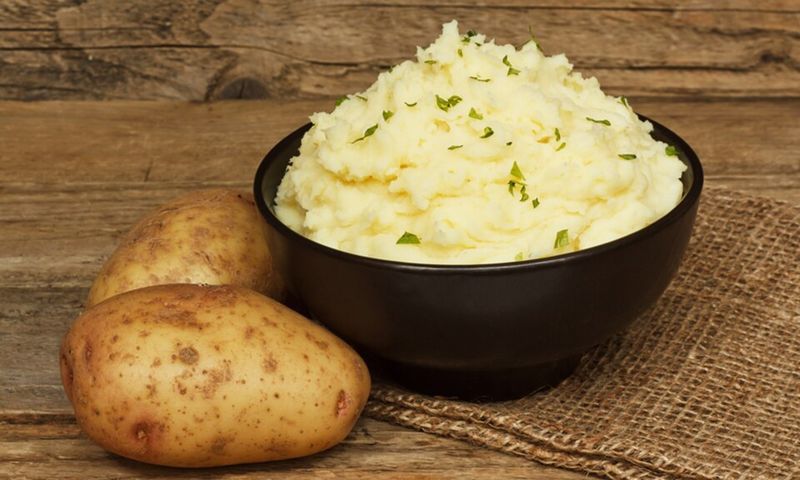
You know real mashed potatoes by their gentle lumps, creamy richness, and steamy aroma. Shortcuts scream instant mix, with suspiciously uniform texture and a paste-like mouthfeel.
If the color is too bright and the flavor leans toward boxed butter, you have your answer.
Look for skins, steam, and uneven swirls that show a hand mash. Ask if they are made to order or from dehydrated flakes.
Fresh potatoes taste earthy and clean, while shortcuts feel gummy and salty. When in doubt, order a baked potato instead and skip the mystery mash.
Gravy
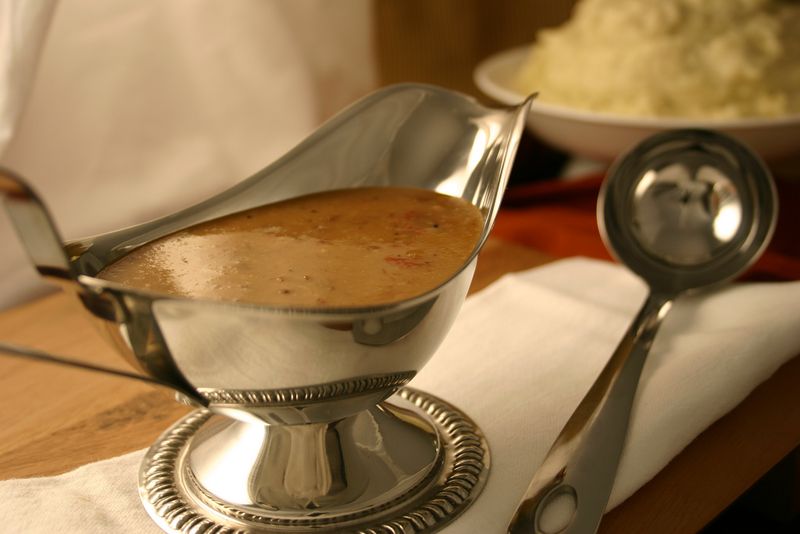
Great gravy tastes like the roast that birthed it, with depth, drippings, and silky body. Shortcut gravy is glossy but hollow, thickened with cornstarch or packet mixes that lean salty and flat.
If it tastes like bouillon and pepper without roast notes, it is probably from a mix.
Ask if they deglaze pans and simmer stock in-house. Real gravy separates slightly and smells like roasted bones.
Powdered versions look uniform, overly brown, and oddly sweet. If it clings like gel and leaves a dry finish, you are tasting shortcut thickener, not slow-simmered flavor.
Soup of the day
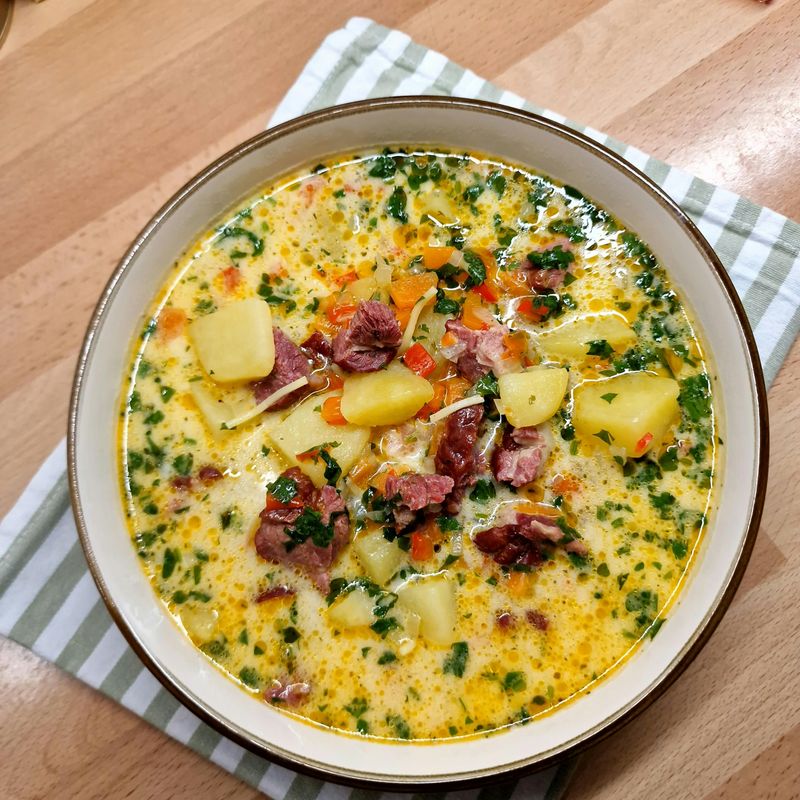
Soup of the day should taste seasonal and lively. Too often, it is yesterday’s odds and ends simmered into something beige.
Canned shortcuts give themselves away with identical cube carrots, mushy pasta, and a salt-forward broth that lacks backbone.
Ask what stock they use and when it was made. Real soup shows uneven cuts, bright herbs, and layered aroma.
If the board always lists “chef’s choice” but it tastes like school cafeteria, assume a bag from the freezer. Trust your nose and the garnish.
Fresh soup rarely needs extra salt to wake up.
Chili
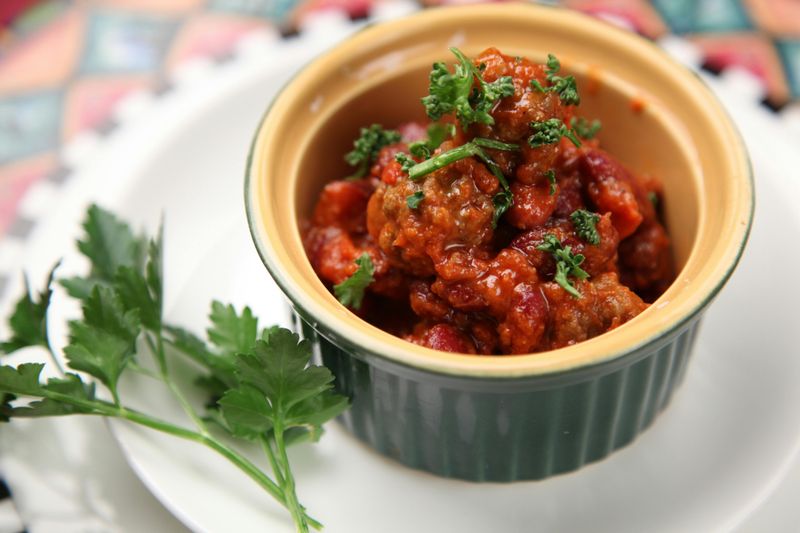
Good chili hits with spice, smoke, and slow-cooked tenderness. Shortcuts lean on canned tomatoes, pre-cooked ground beef, and packet seasoning that all taste the same.
If every spoonful is identical and the beans are perfectly twin-like, you might be eating a foodservice bag reheated.
Fresh chili will have varied textures, soft but distinct beans, and meat that pulls apart. Ask if they toast spices or use a mix.
If the heat is harsh without aroma and the sauce feels thickened with starch, it is probably shortcut chili disguised with toppings.
Mac and cheese
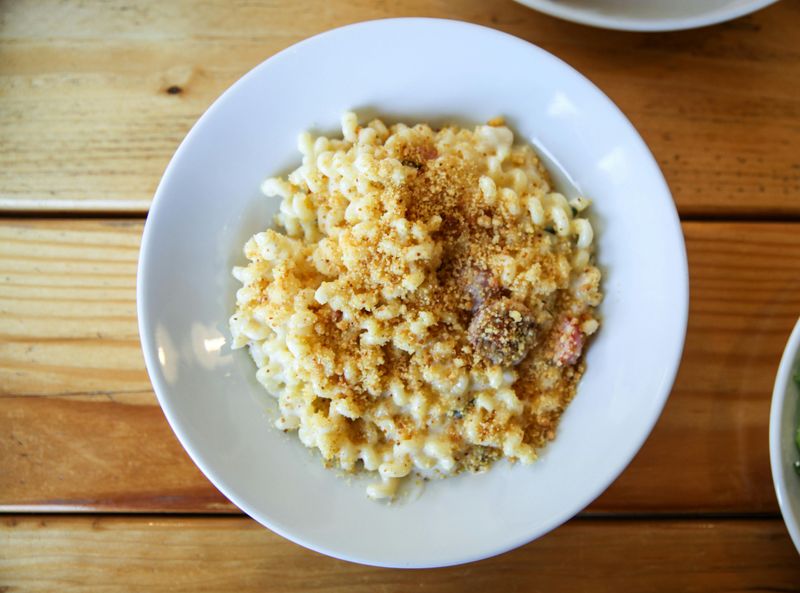
True mac and cheese stretches and sighs with real cheese. Shortcuts rely on powdered sauces or steam-table roux that split into grainy pools.
If the color is neon and the flavor screams processed cheddar, you have found a shortcut.
Look for browned edges, bubbling corners, and a pull when you lift the fork. Ask if they make a béchamel and finish to order.
If noodles are bloated and sauce sits in an oily sheen, it has waited too long. Fresh versions smell like toasted dairy and nutmeg, not like stadium nacho sauce.
Lasagna
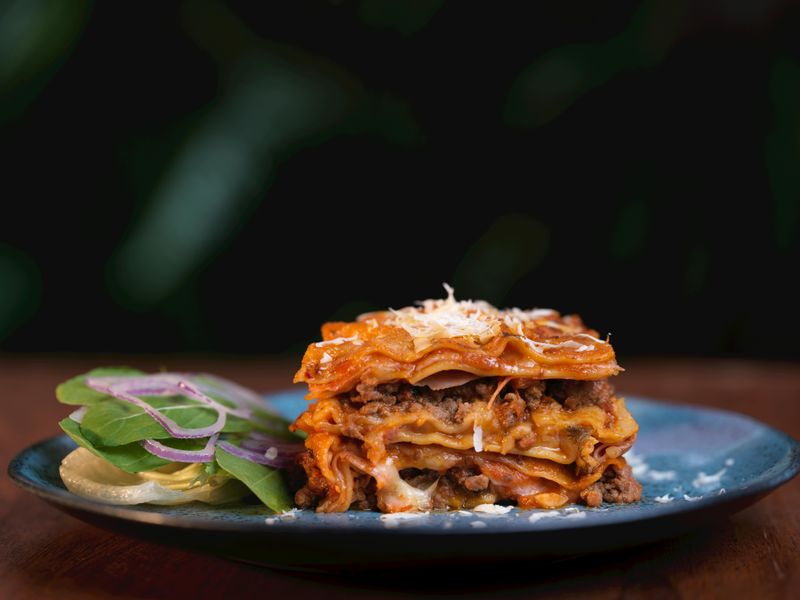
Homemade lasagna feels hefty, with al dente sheets, balanced meat sauce, and creamy ricotta. Shortcut versions arrive watery, sliding apart, with perfectly straight layers that look machine-stacked.
If it tastes like canned tomato and dried herbs, it likely came from a frozen tray.
Ask whether they parboil fresh pasta or use pre-baked noodles. Real lasagna shows browned corners, melted pockets, and varied texture.
If it microwaves to scalding edges but cold center, that is a tell. A proper slice should stand tall without leaking a red puddle across the plate.
Meatballs
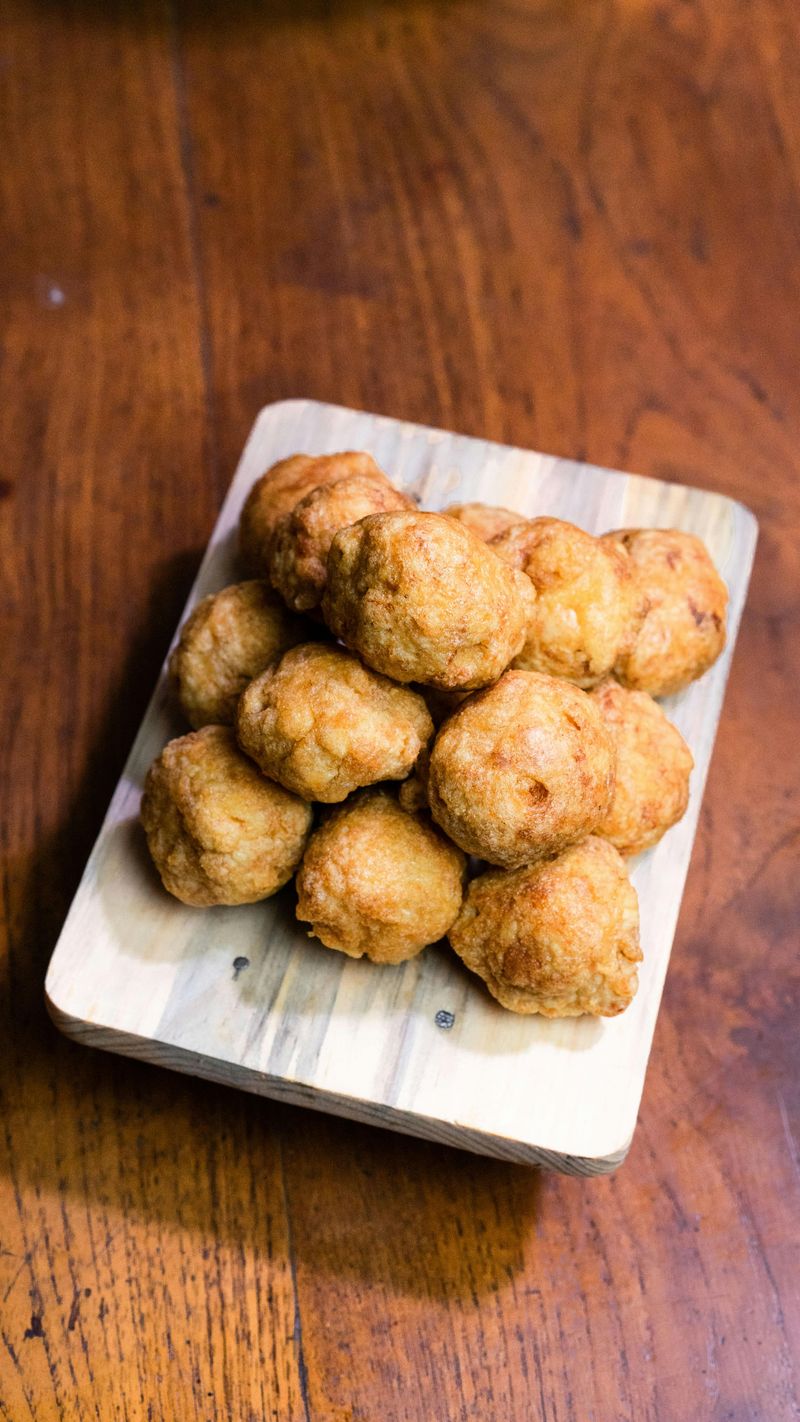
Great meatballs are tender, springy, and juicy with visible herbs and breadcrumb softness. Shortcuts are dense pucks, uniformly gray inside, tasting of pre-mix seasoning and steam-table fatigue.
If they bounce like rubber, they were likely bagged and simmered from frozen.
Look for uneven shapes and browned crusts from pan-searing. Ask what meat blend they use and if they soak breadcrumbs in milk.
If the sauce tastes canned and strangely sweet, assume a shortcut pairing. Real meatballs should cut easily with a fork and leave a savory, meaty finish, not just salt.
Fettuccine Alfredo
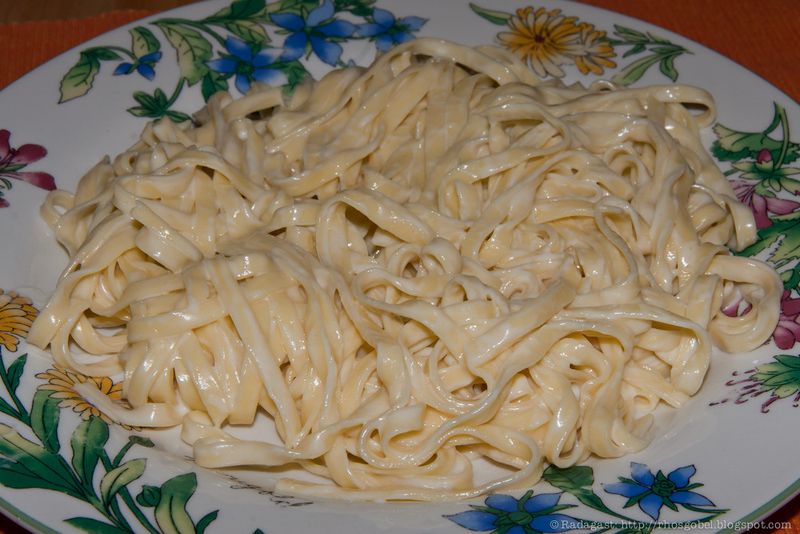
Classic Alfredo is simple: butter, Parmigiano, and pasta water creating glossy emulsion. Shortcuts use heavy cream, thickeners, and jarred sauce that coats like paste.
If it tastes sweet and garlicky without real cheese aroma, you are tasting a shortcut.
Look for silky sheen, not gluey thickness. Ask whether they finish in the pan with real Parmigiano.
If the noodles clump together and sauce congeals fast, it likely came from a bag. Fresh Alfredo finishes light and savory, with pepper and nuttiness, not a one-note cream bomb.
Chicken noodle soup
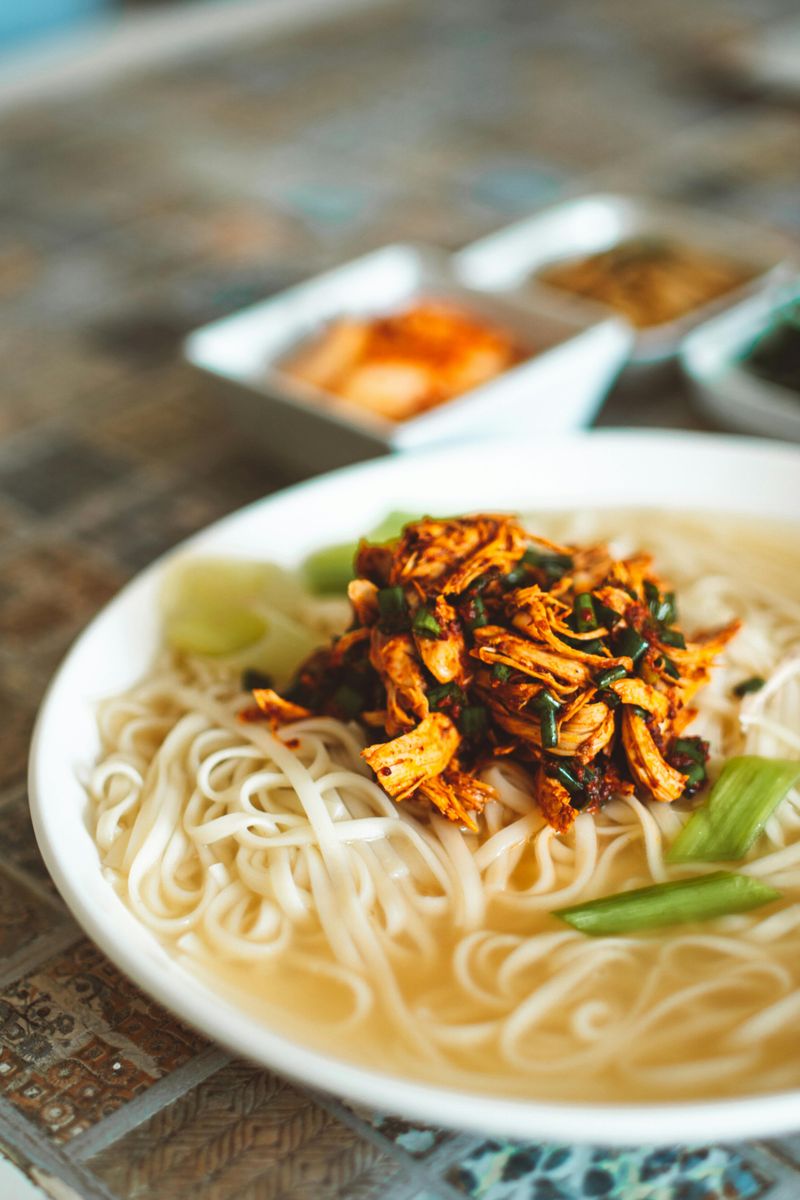
Comforting chicken noodle soup should smell like simmered bones and thyme. Shortcuts taste like bouillon with swollen noodles and pale chicken that shreds oddly.
If the vegetables are perfectly cubed and too soft, it probably came from a bag.
Ask if they use whole chickens for stock. Real broth looks clear with golden fat droplets, not cloudy or artificially yellow.
Noodles should be tender but lively, not mush. When every spoonful is identical and oversalted, you are sipping convenience, not care.
Fresh soup hums with gentle depth and clean finish.
Fish fillets
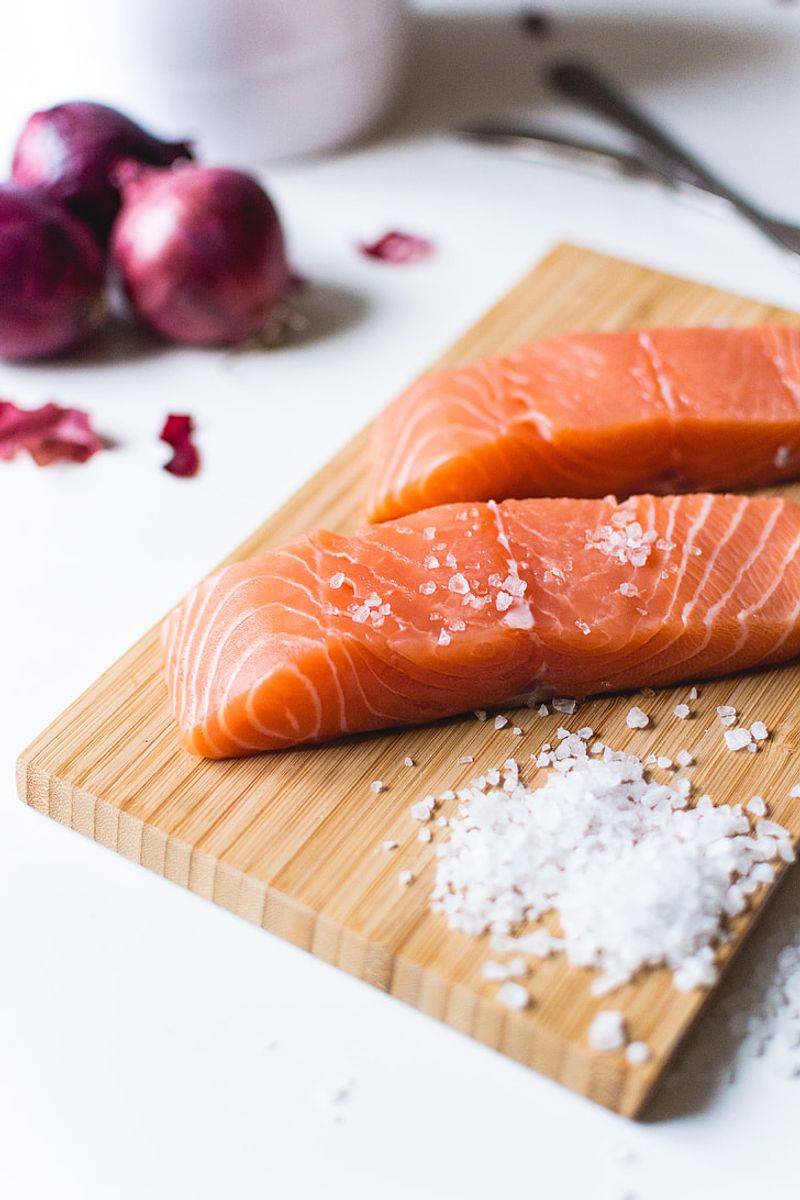
Fresh fish flakes in big, moist petals and smells like the sea, not low tide. Shortcuts arrive as uniform rectangles with thick breading hiding thin, watery flesh.
If it steams instead of crunches and leaks a puddle, you are meeting a freezer fillet.
Ask what species and when it arrived. Real fillets vary in shape and show distinct muscle layers.
If every portion is identical and labeled market fish, be wary. Good fish needs little more than lemon and salt, not a heavy sauce to mask blandness.
Chicken wings
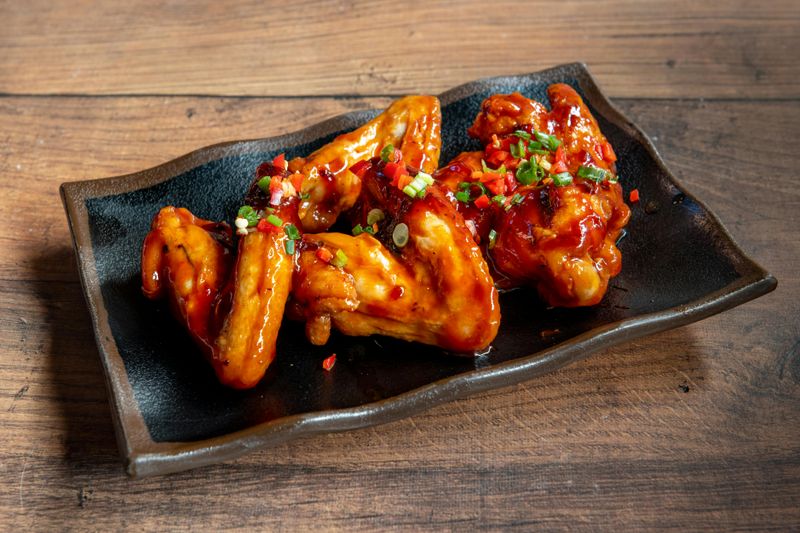
Great wings are rendered, blistered, and crisp with sauce that clings. Shortcut wings are par-cooked, then reheated, leaving rubbery skin and flabby fat.
If the sauce pools and the bite lacks crackle, they were probably pre-baked and tossed to order.
Ask if they fry from raw and double-cook. Look for char, bubbles on the skin, and steam on first tear.
Identical jumbo wings can signal factory-injected birds. Fresh wings need only salt and hot oil, not a sticky glaze to fake texture.
Ribs
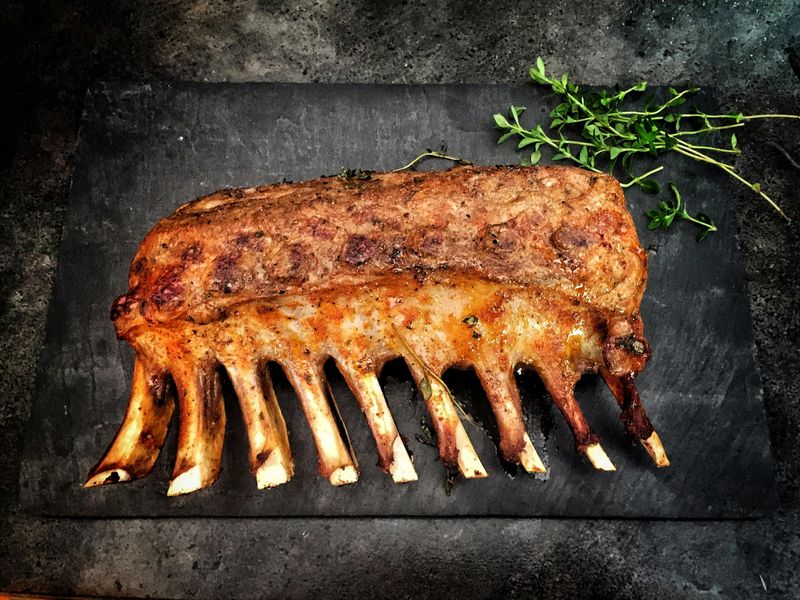
Tender ribs should have gentle tug, smoke ring, and bark. Shortcut ribs are boiled or bagged, then drowned in sauce to hide missing smoke.
If the meat falls off the bone in sheets and tastes steamed, you are tasting shortcuts.
Ask about wood, pit time, and rub. Real ribs mark your fingers with pepper and smoke, not corn-syrup glaze.
Identical racks and microwave-hot interiors are tells. Good ribs whisper of patience, not packets.
Pulled pork
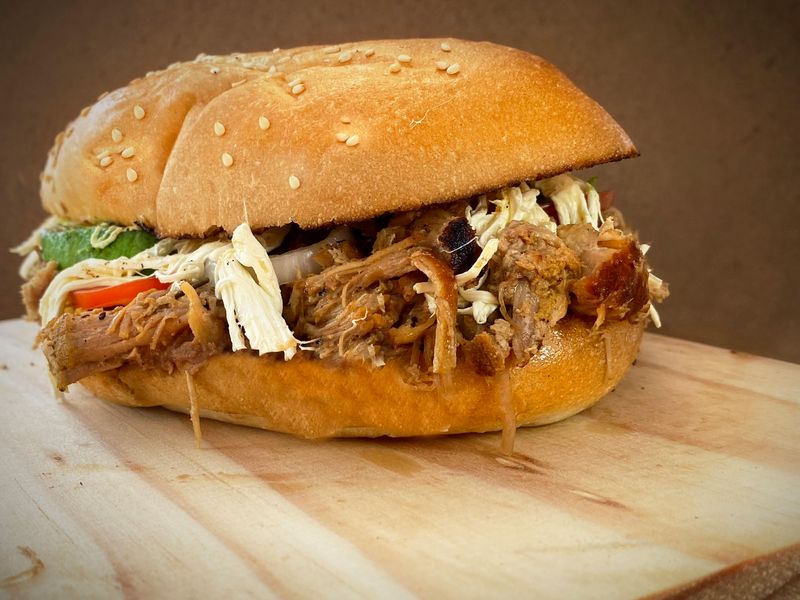
Great pulled pork carries bark, smoke, and juicy strands with pockets of fat. Shortcut versions are braised or bagged, then sauce-drenched to imitate barbecue.
If it is uniformly gray and wet with syrupy sweetness, it is a shortcut.
Ask for bark bits and when it was pulled. Real pork has chew and aroma that lingers.
If the sandwich bleeds orange sauce and tastes like liquid smoke, that is a sign. Good pits do not need to hide meat under coleslaw and sugar.
Brisket
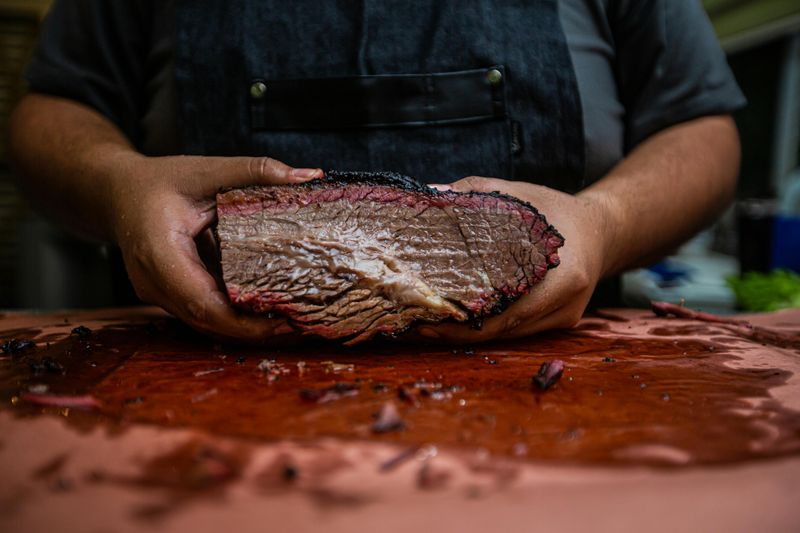
Real brisket shows a pink smoke ring, glistening fat, and slices that bend before breaking. Shortcut brisket is roasted or sous-vide, then sauced to fake barbecue depth.
If it crumbles dry or tastes like pot roast, you have your answer.
Ask about the pit, wood, and rest time. Look for jiggle and clean slice marks.
If the bark tastes bitter and the meat lacks perfume, it was rushed or faked. Great brisket needs salt, pepper, smoke, and patience, not shortcuts.
Caesar salad
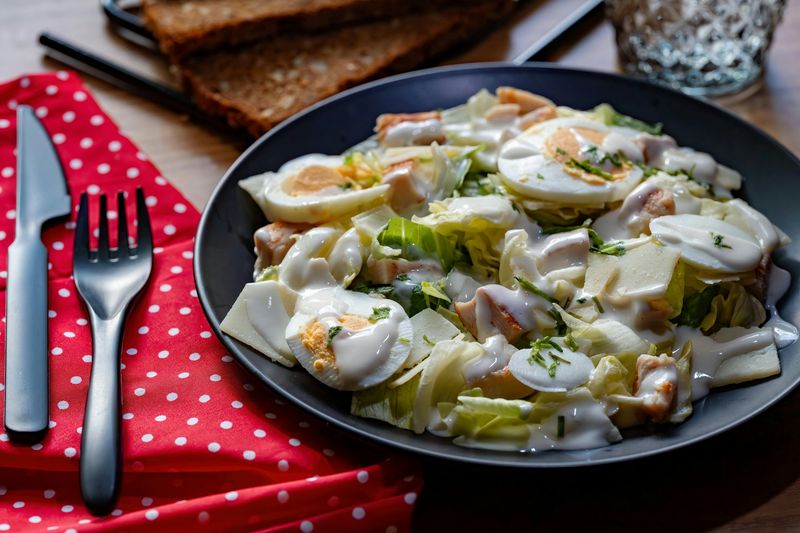
A sharp Caesar should bite with anchovy, lemon, and Parmigiano. Shortcuts use bottled dressing, bagged croutons, and tired romaine.
If it tastes sweet and garlicky without depth, it is likely from a jar.
Ask if they emulsify eggs and anchovies in-house. Look for hand-torn romaine, shaved cheese, and warm, toasty croutons.
If the lettuce is wet and the dressing slides off, it was not made fresh. Real Caesar clings, crunches, and finishes savory, not sugary.
Garden salad
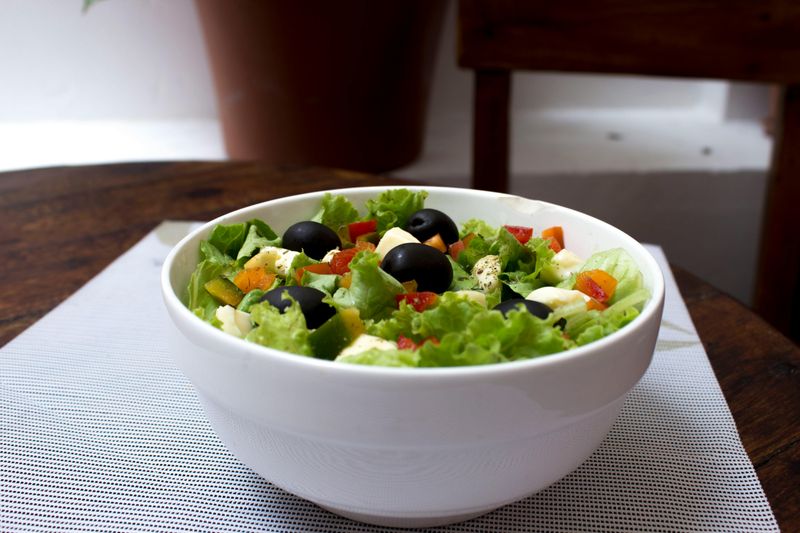
A fresh garden salad should pop with crisp greens, juicy tomatoes, and snappy cucumbers. Shortcuts lean on bagged mixes, pre-shredded carrots, and watery dressings.
If the plate puddles and the produce tastes like fridge, it is not fresh.
Ask when they cut vegetables and whether they source locally. Look for vibrant edges, not browning or pinked lettuce ribs.
A real salad smells grassy and sweet, not chlorinated. Good kitchens dry greens properly so the dressing clings and the bite stays bright.
Cheesecake
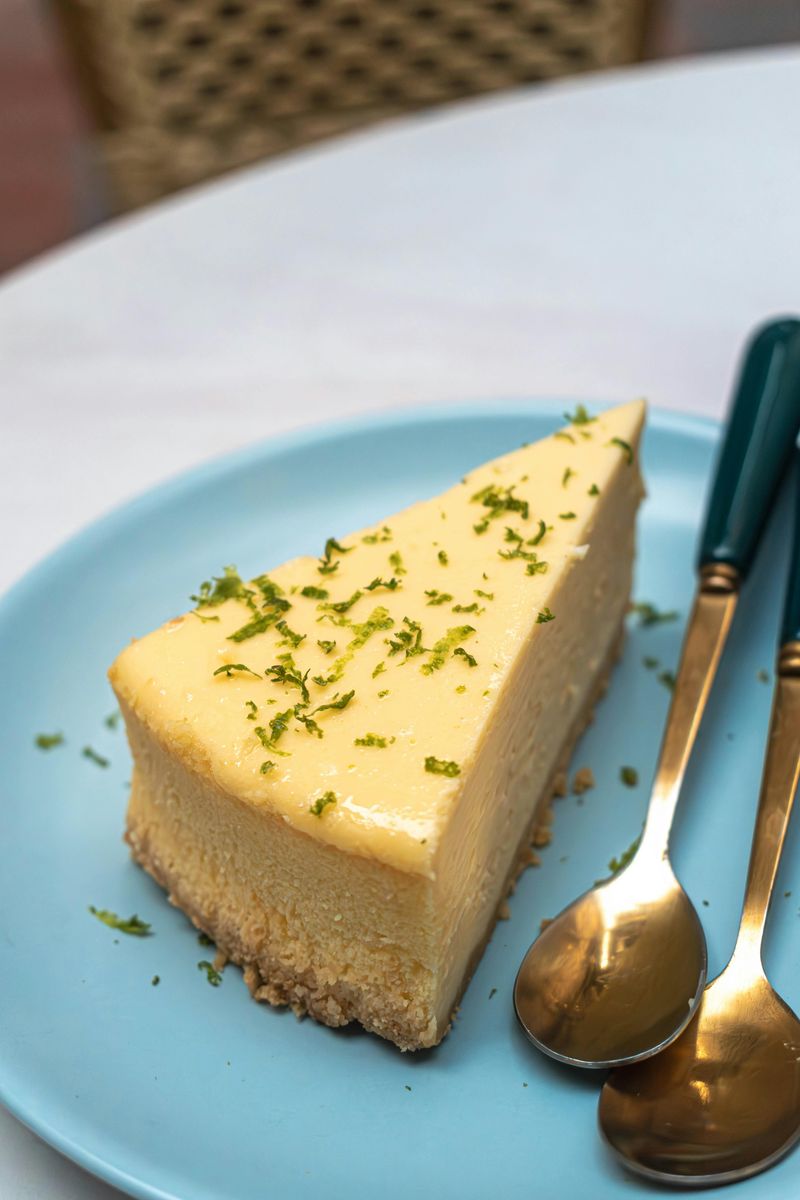
House cheesecake should taste tangy, creamy, and lightly dense with a tender crumb crust. Shortcuts arrive with factory-perfect sides and a gelatinous fruit topping.
If the crust is soggy but the slice stands like a brick, it likely came from a freezer.
Ask if they bake onsite and what cheese they use. Real cheesecake softens at room temperature and smells of vanilla, not artificial lemon.
If it tastes overly sweet and one-note, you are eating convenience. A handmade slice feels lush without gumminess.
Bread pudding
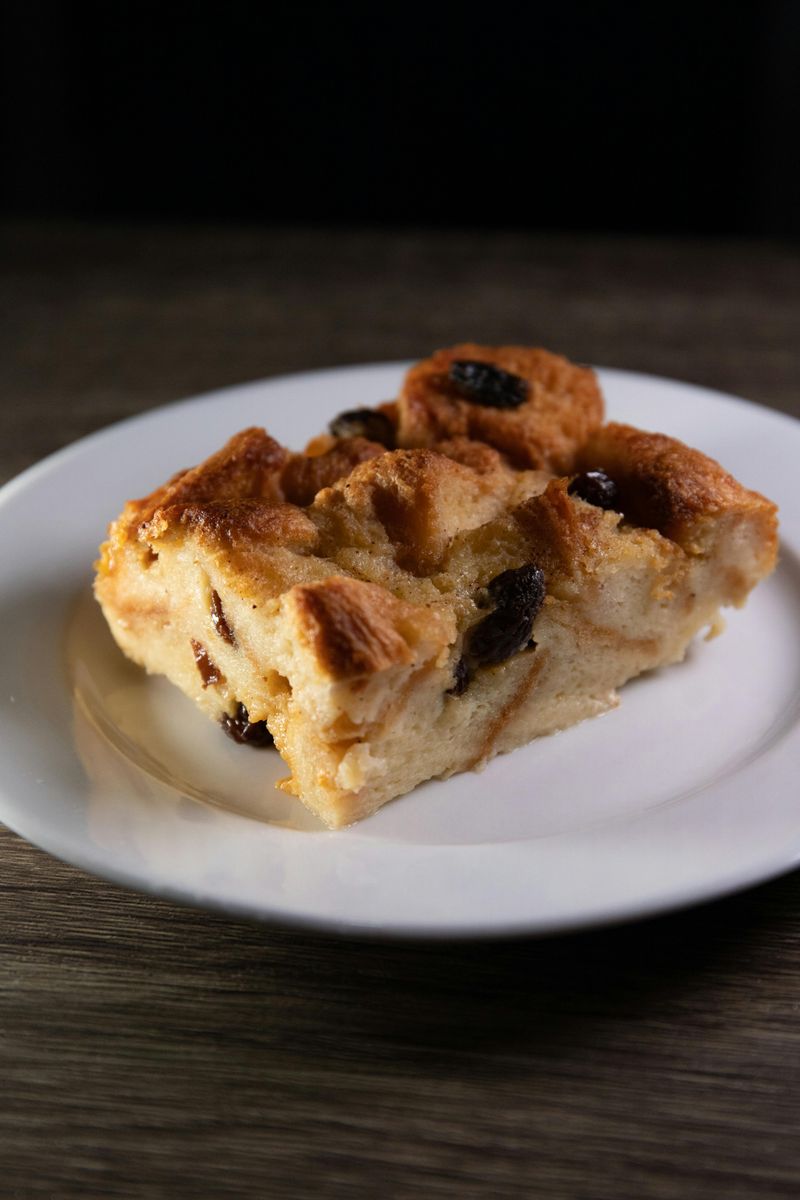
Great bread pudding tastes custardy with caramelized edges and irregular bread chunks. Shortcut pans are uniform cubes, soggy centers, and oversweet sauces masking blandness.
If it tastes like pancake syrup and mush, it is a shortcut dessert.
Ask if they use leftover house bread and bake to order. Look for browned ridges and raisins plumped in custard, not added after.
Real versions smell buttery and warmly spiced. A proper serving jiggles slightly but never weeps a sugary puddle.
Brownies
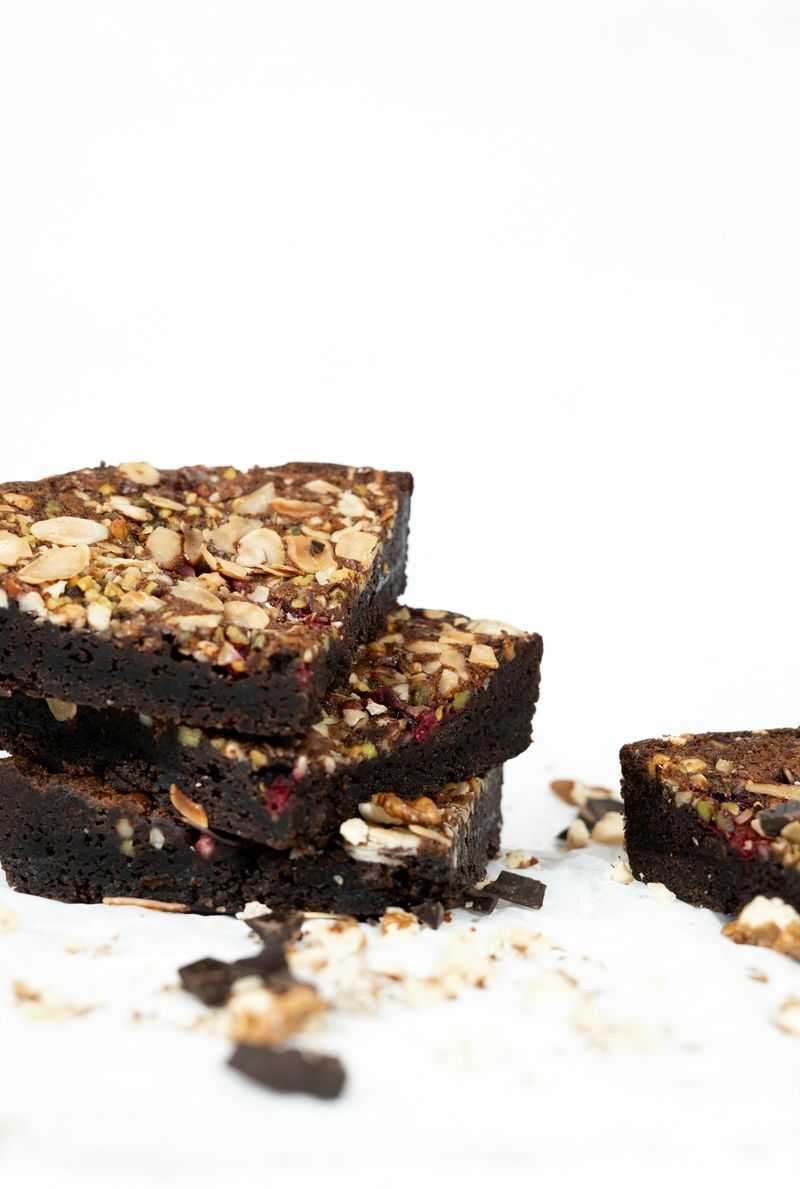
Brownies should be fudgy with a shiny crackled top and deep cocoa aroma. Shortcuts are cake-like, dry, and suspiciously identical squares that taste of oil instead of butter.
If chocolate seems muted and sweetness dominates, it is likely a mix.
Ask if they use melted chocolate or just cocoa powder. Look for uneven edges and dense centers.
Real brownies leave smudges on your fingers and a sigh of richness, not crumbs of disappointment.
Chocolate cake
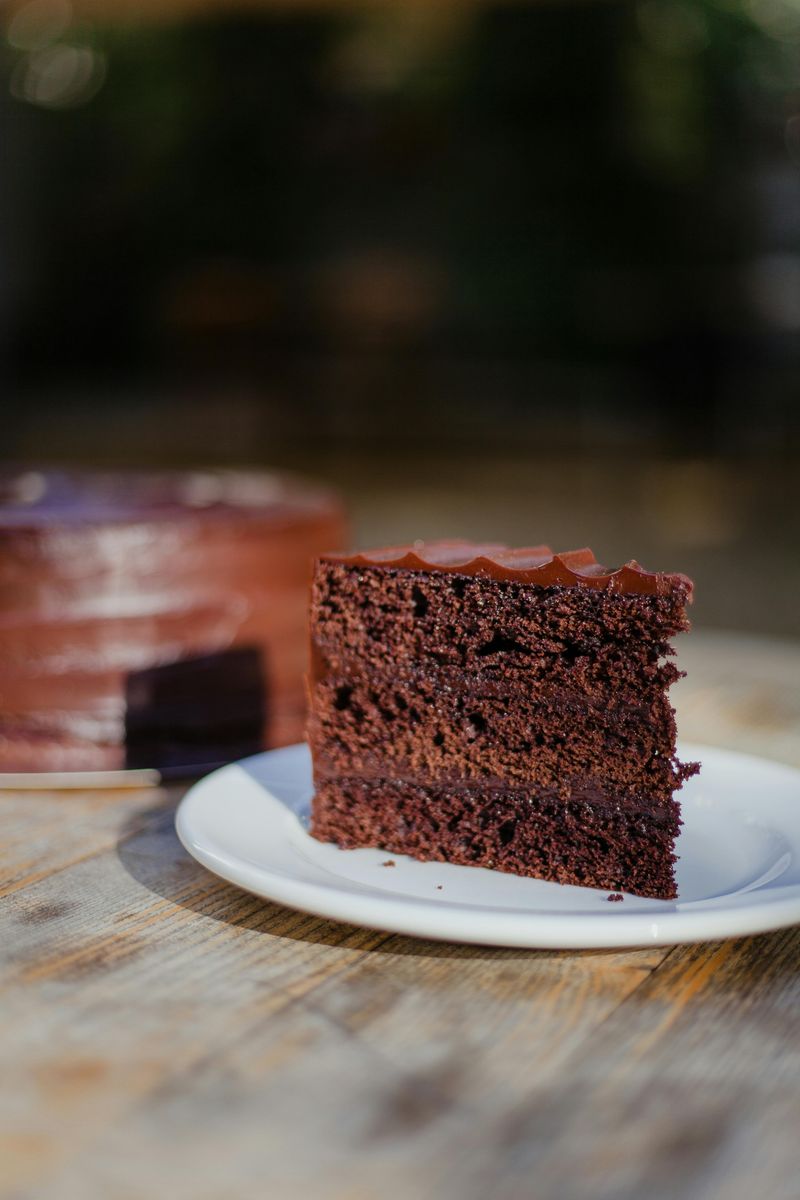
Real chocolate cake tastes moist, with balanced bittersweet notes and tender crumb. Shortcuts come pre-sliced with uniform frosting swirls and a sugary hit that overwhelms cocoa.
If the layers are strangely springy and the frosting leaves a waxy coat, it is likely commercial.
Ask about buttermilk or coffee in the batter. Look for uneven crumbs and frosting that smears softly, not plasticky.
A genuine slice should perfume the table with cocoa before you take a bite.
Pancakes
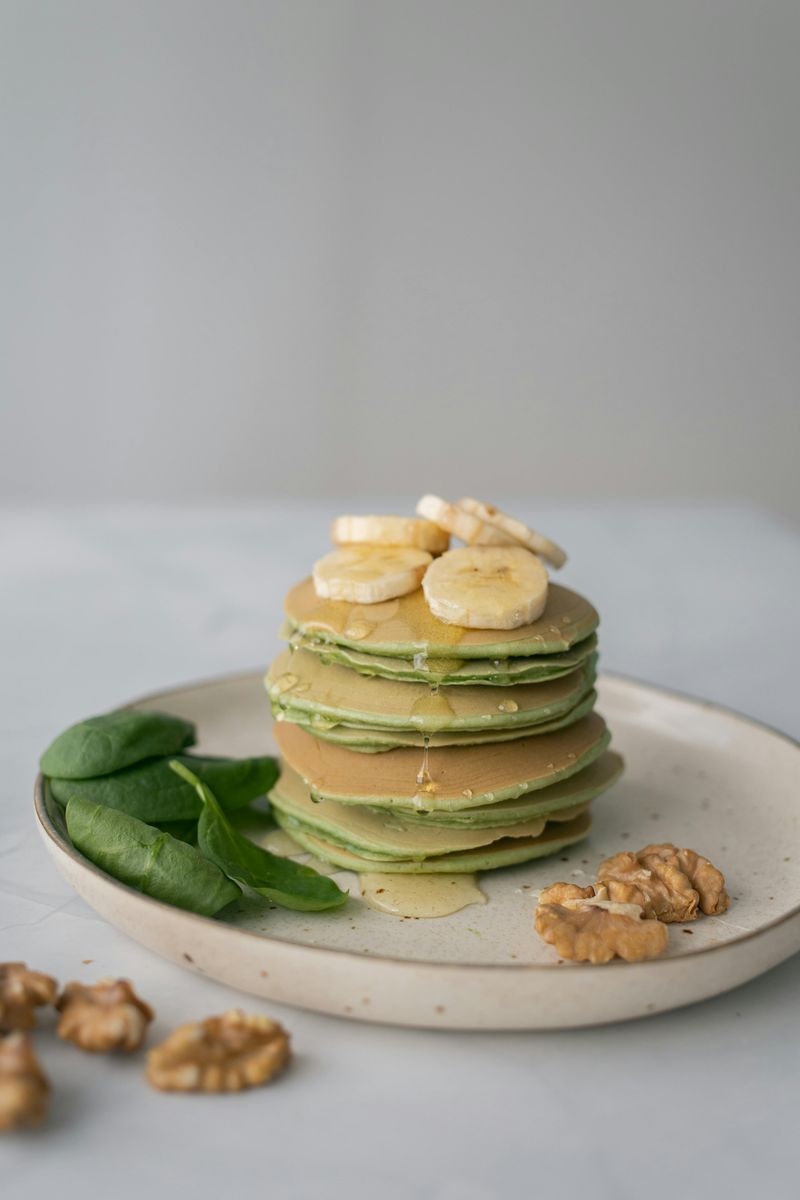
Fluffy pancakes taste buttery with gentle tang and tender crumb. Shortcut stacks are rubbery, ultra-uniform, and oddly sweet, made from just-add-water mix.
If they soak syrup like a sponge and bounce back like foam, you are eating a shortcut.
Ask if they use buttermilk and rest the batter. Look for browned, lacy edges and a vanilla aroma.
Real pancakes tear softly and need little more than butter. If every cake is a perfect circle from a squeeze bottle, it is probably a mix.
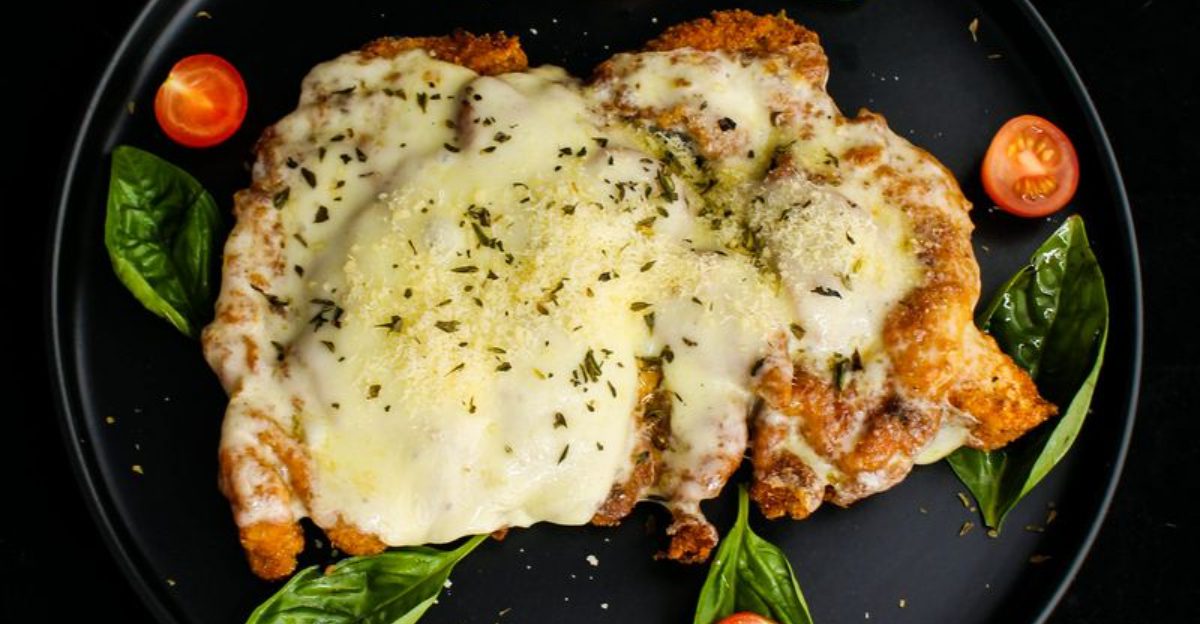
Chicken parmesan
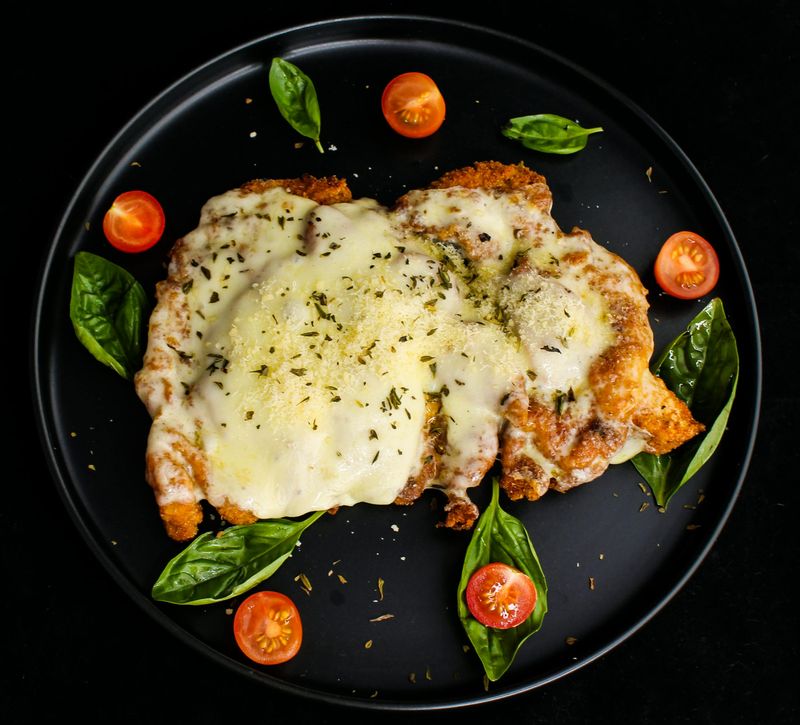
Chicken parm should crackle with crisp cutlet under melty cheese. Shortcut versions arrive with soggy breading, watery sauce, and chicken that tastes like a pre-cooked patty.
If the meat is uniformly thin and oddly tender, it may be processed.
Ask if they bread to order and fry in fresh oil. Look for bubbling cheese and light, crisp edges.
If it sits in a puddle and the crust separates from the meat, that is a warning. Real chicken parm tastes seasoned through, not just salty on the surface.
Enjoyed this story?
Add Fast Food Club as a preferred source to see more of our reporting on Google.