


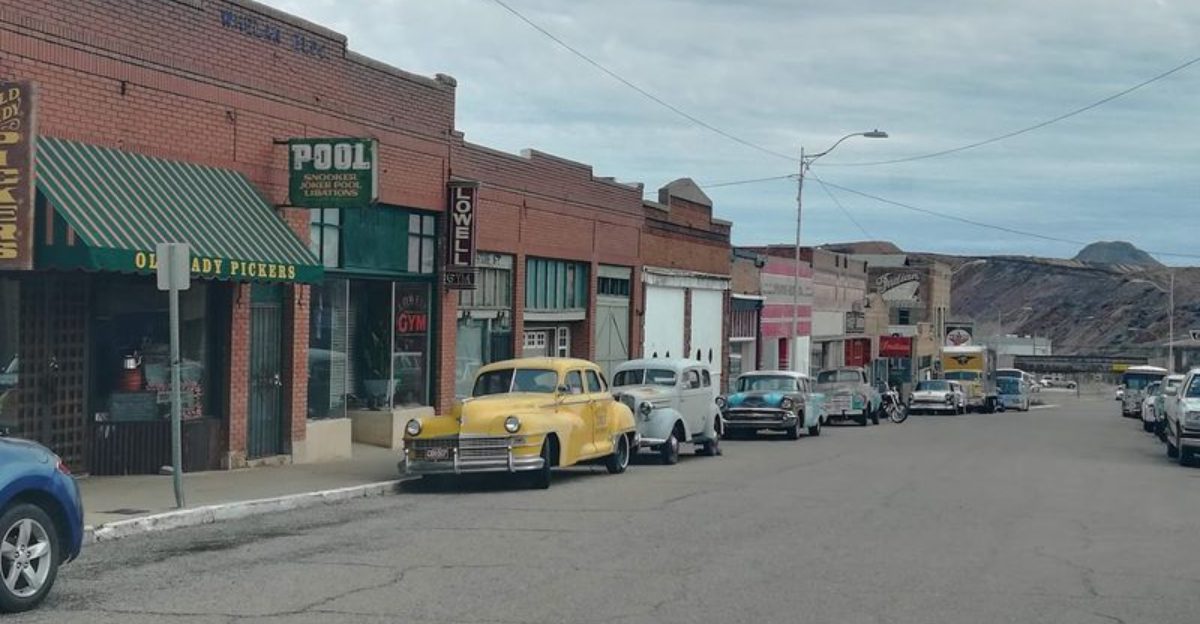
Tucked away in the hills of Bisbee, Arizona, Erie Street is one of the most surprising and fascinating spots you might never have heard of. This quirky road is lined with hundreds of vintage cars that have been sitting in place for decades, creating an outdoor museum unlike anything else in the Southwest.
Bisbee itself was once a booming copper mining town, and when the industry faded, many residents simply left their vehicles behind. Today, Erie Street draws curious visitors from all over who come to witness this open-air collection of automotive history frozen in time.
The Story Behind Erie Street’s Vintage Car Collection
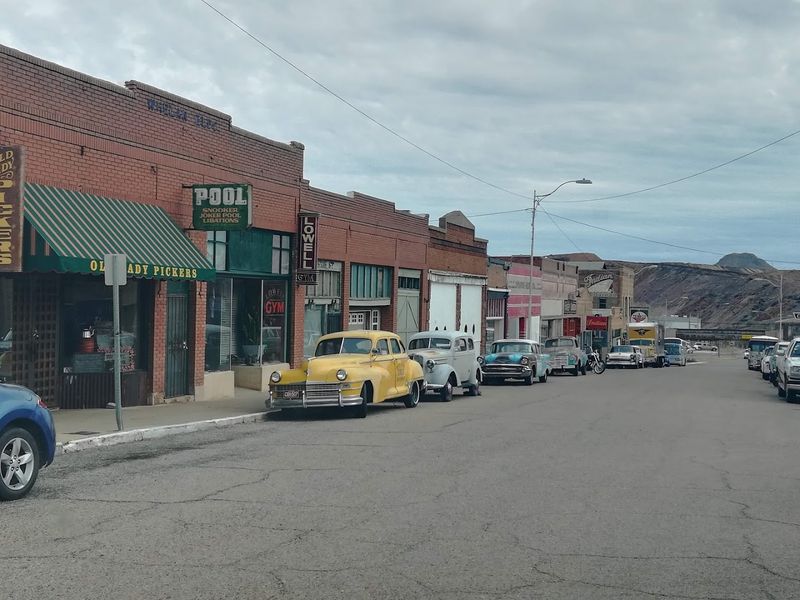
Few roads in America tell a story quite like Erie Street in Bisbee, Arizona. What started as an everyday neighborhood street slowly transformed into an accidental open-air car museum over several decades.
When Bisbee’s copper mining industry collapsed in the mid-20th century, many families packed up and moved away, leaving their vehicles right where they sat.
Over time, those abandoned cars became a defining feature of the street. Local residents and historians began to appreciate the collection as a living snapshot of American automotive history.
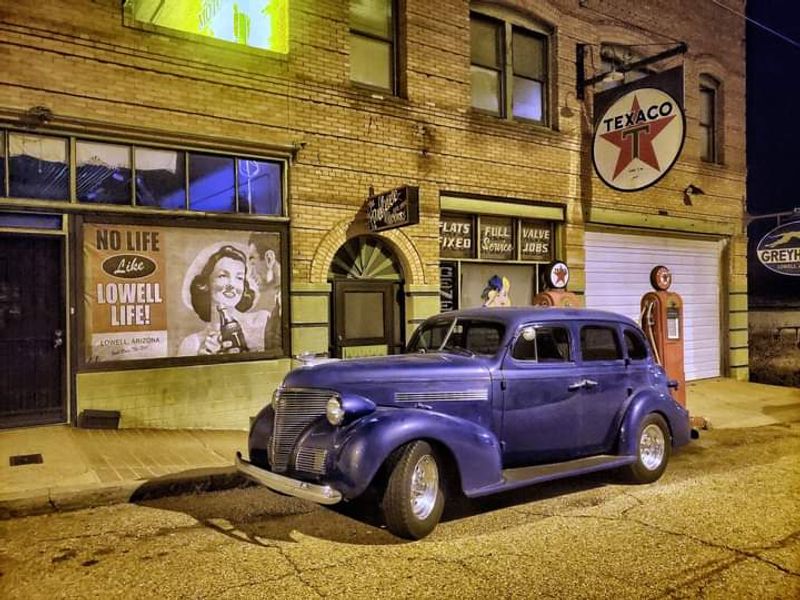
Cars from the 1930s all the way through the 1970s can be spotted along the road.
Today, the collection is considered a beloved part of Bisbee’s identity. It attracts photographers, history buffs, and road-trippers who are eager to see something genuinely one-of-a-kind.
Erie Street is proof that sometimes the most remarkable museums have no walls at all.
Bisbee’s Mining Past and How It Created This Unusual Scene
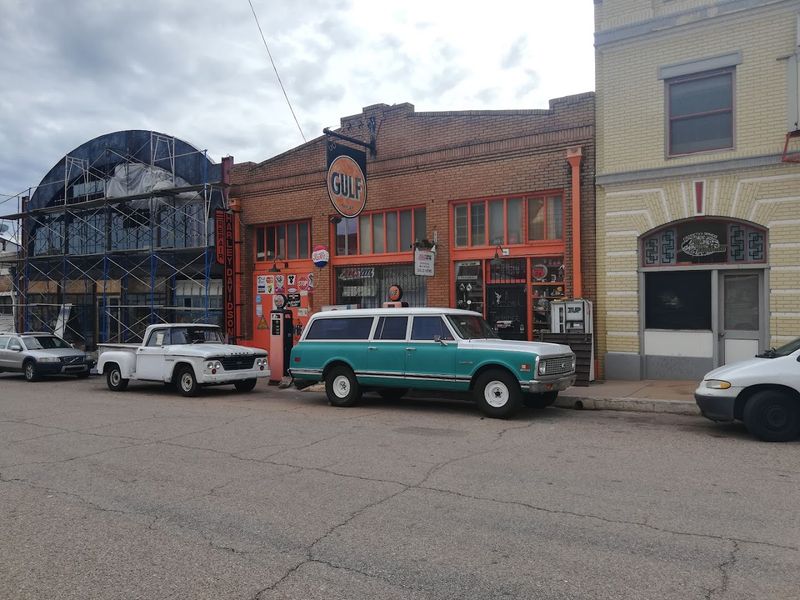
Bisbee, Arizona was once one of the most productive copper mining towns in the entire world. At its peak in the early 1900s, the city was home to more than 20,000 people and was considered the largest city between St. Louis and San Francisco.
That kind of boom brings a lot of cars, machinery, and everyday life rushing into a small space.
When the Phelps Dodge Corporation finally shut down the Lavender Pit mine in 1975, Bisbee’s population dropped dramatically almost overnight. People left in a hurry, and many of their possessions, including their cars, stayed behind on streets like Erie.
That sudden abandonment is exactly what created the unusual scene visitors see today. The cars weren’t placed there as an art project or tourist attraction.
They simply never left, making Erie Street an honest, unplanned monument to a town’s rise and fall.
What Makes These Cars So Well-Preserved
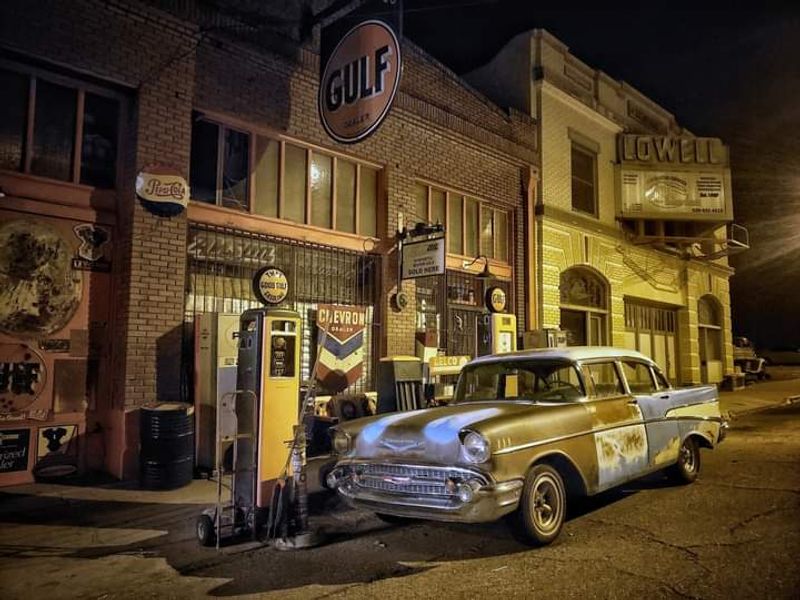
One reason these vintage cars have survived so well comes down to geography. Bisbee sits at an elevation of about 5,300 feet in the Mule Mountains, which means the climate is drier and cooler than most of Arizona.
Low humidity is a car’s best friend when it comes to fighting rust and decay.
Unlike coastal towns where salt air eats through metal quickly, the high desert air of southeastern Arizona acts almost like a natural preservation chamber. Many of the vehicles still have large portions of their original paint, chrome trim, and body panels intact after more than half a century of sitting outside.
Of course, some cars are more weathered than others, but the overall condition of the collection is genuinely impressive. Visitors are often shocked to find vehicles that look almost drivable despite decades of neglect.
The desert, it turns out, is an excellent caretaker of old automobiles.
A Walking Tour You Won’t Forget
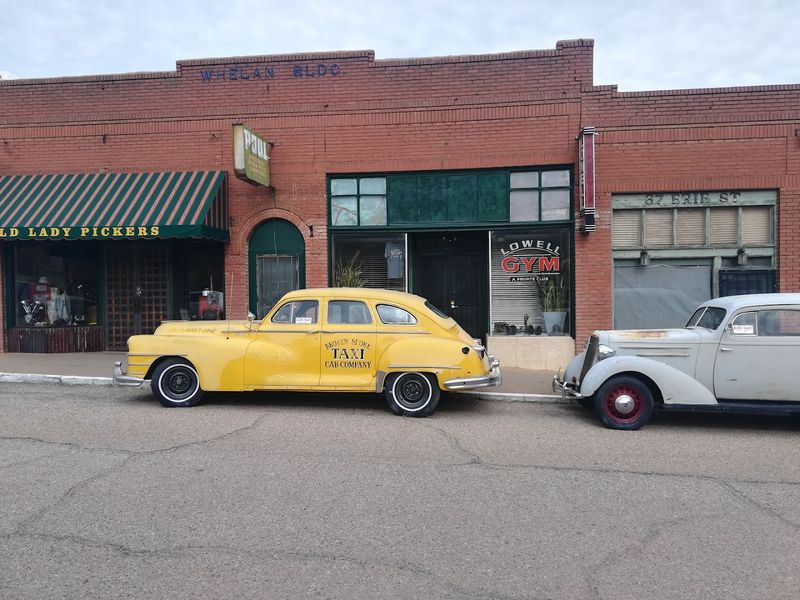
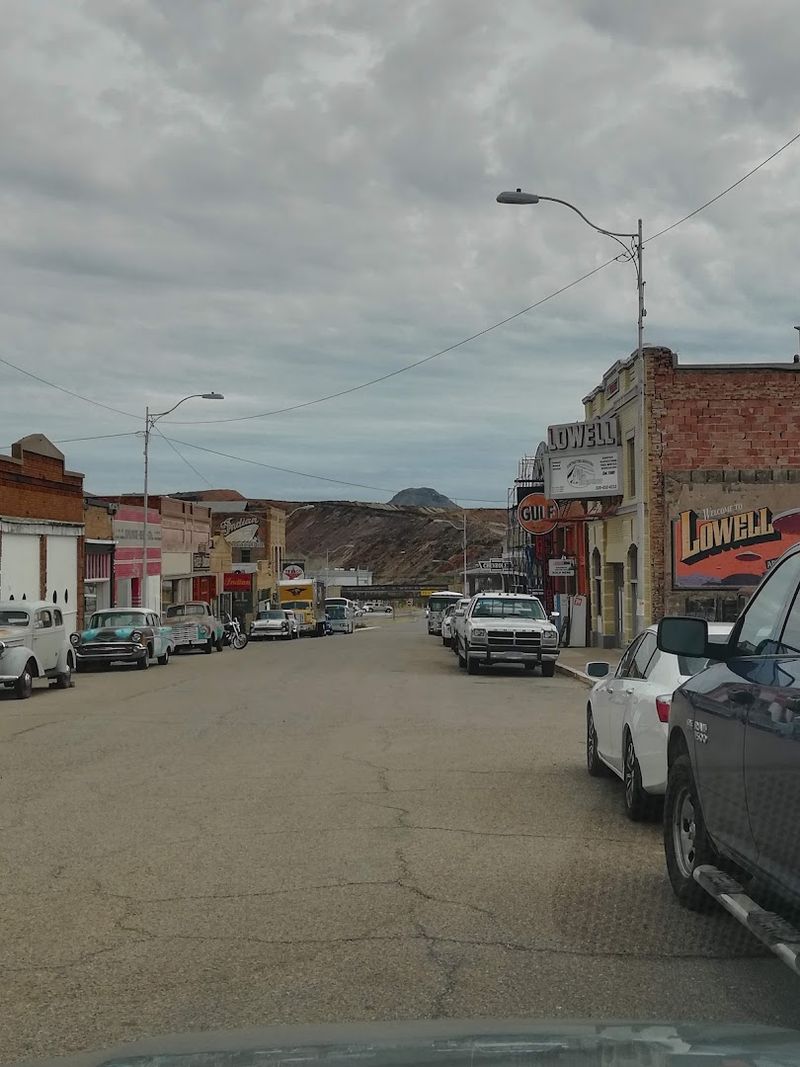
Exploring Erie Street on foot is the best way to soak in every detail of this rolling automotive museum. The street is steep and winding, which actually adds to the charm since each bend reveals a new cluster of old cars tucked against the hillside.
Comfortable shoes are a must because the road climbs sharply through the neighborhood.
Most visitors spend anywhere from 30 minutes to a couple of hours wandering the street, stopping to photograph different vehicles and read any handwritten signs or notes left by locals. The whole experience feels relaxed and unhurried, like flipping through an old photo album.
What makes the walk extra special is that Erie Street is still a real, lived-in neighborhood. You might see a resident tending their garden just a few feet away from a rusted 1940s pickup truck.
That blend of everyday life and history gives the place a warm, authentic energy.
The Most Eye-Catching Vehicles on the Street
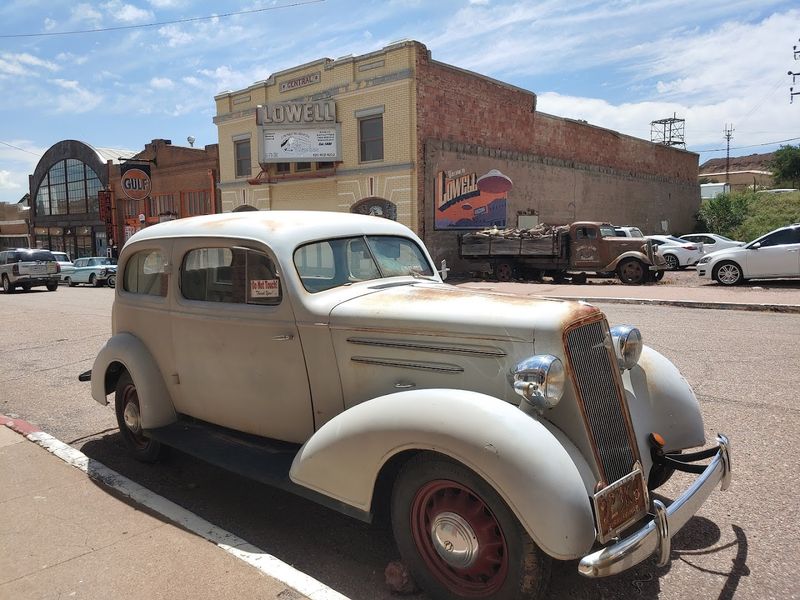
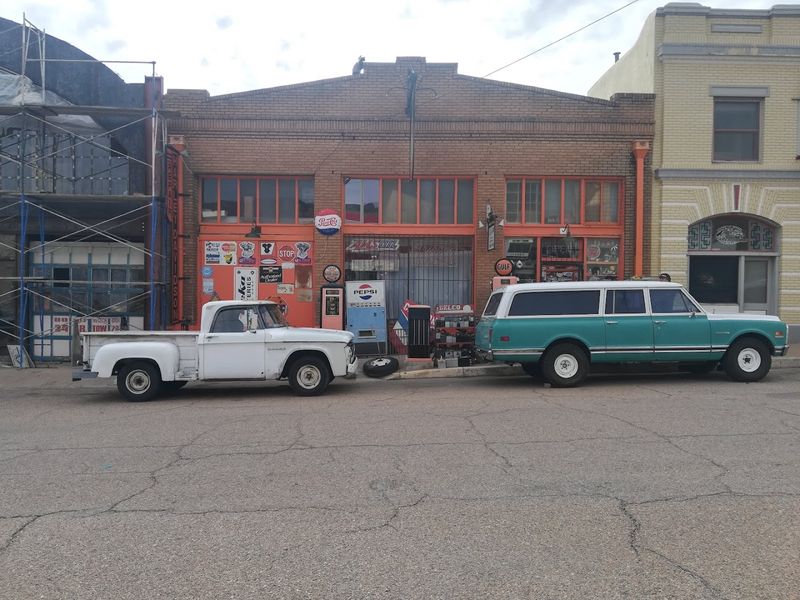
Among the hundreds of vehicles lining Erie Street, a few always seem to stop visitors in their tracks. Classic American muscle cars from the 1960s sit alongside rounded 1940s sedans and boxy early pickup trucks, creating a timeline of American automotive design in one compact stretch of road.
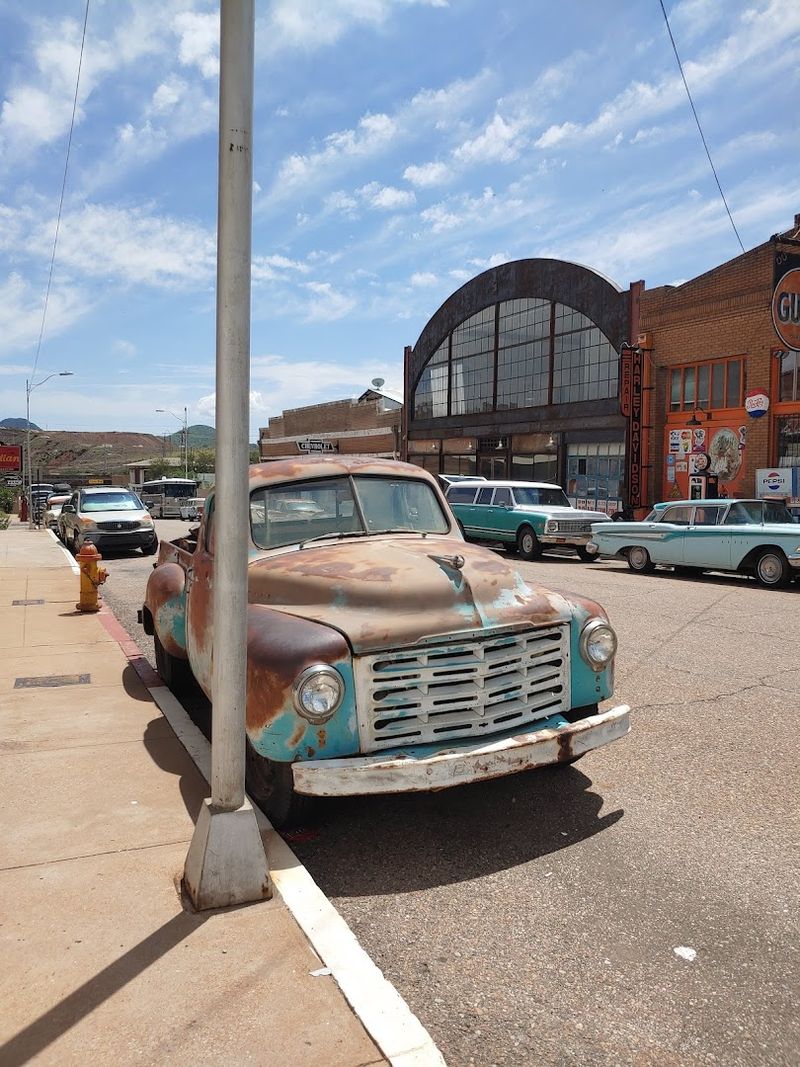
Chevrolets, Fords, Chryslers, and even a few foreign makes can all be spotted if you look closely enough. Some still wear their original factory colors, faded but recognizable, while others have taken on the warm, earthy tones of rust and oxidized metal.
Car enthusiasts often bring identification guides or use phone apps to name every model they spot, turning the walk into a friendly game. Whether you know your cars inside and out or can barely tell a coupe from a sedan, there is something visually exciting around every corner on Erie Street.
Photography Opportunities That Draw Visitors From Everywhere
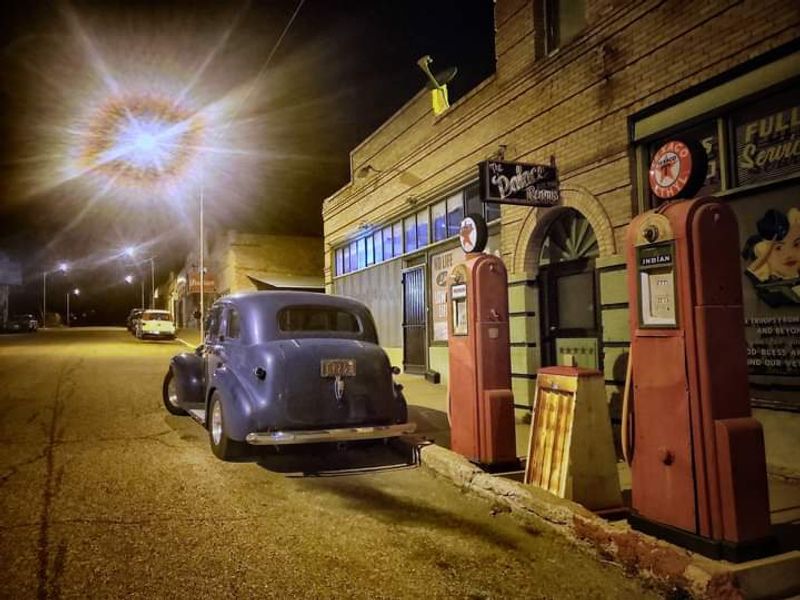
Photographers absolutely love Erie Street, and it is easy to understand why. The combination of weathered vintage cars, steep hillside roads, and the dramatic backdrop of the Mule Mountains creates a visual playground that is hard to replicate anywhere else.
Early morning and late afternoon light are particularly magical, casting long shadows across faded hoods and chrome bumpers.
Instagram feeds and photography blogs are full of stunning shots taken right here on this unassuming Bisbee street. The textures alone, peeling paint, cracked leather, fogged glass, offer endless creative possibilities for both amateur and professional photographers.
No special permits or fees are required to photograph the cars since the street is public. Visitors are simply asked to be respectful of the neighboring residents and their property.
Bring a wide-angle lens for sweeping shots and a macro lens for capturing all those incredible close-up details that make each car unique.
How Erie Street Fits Into Bisbee’s Quirky Culture
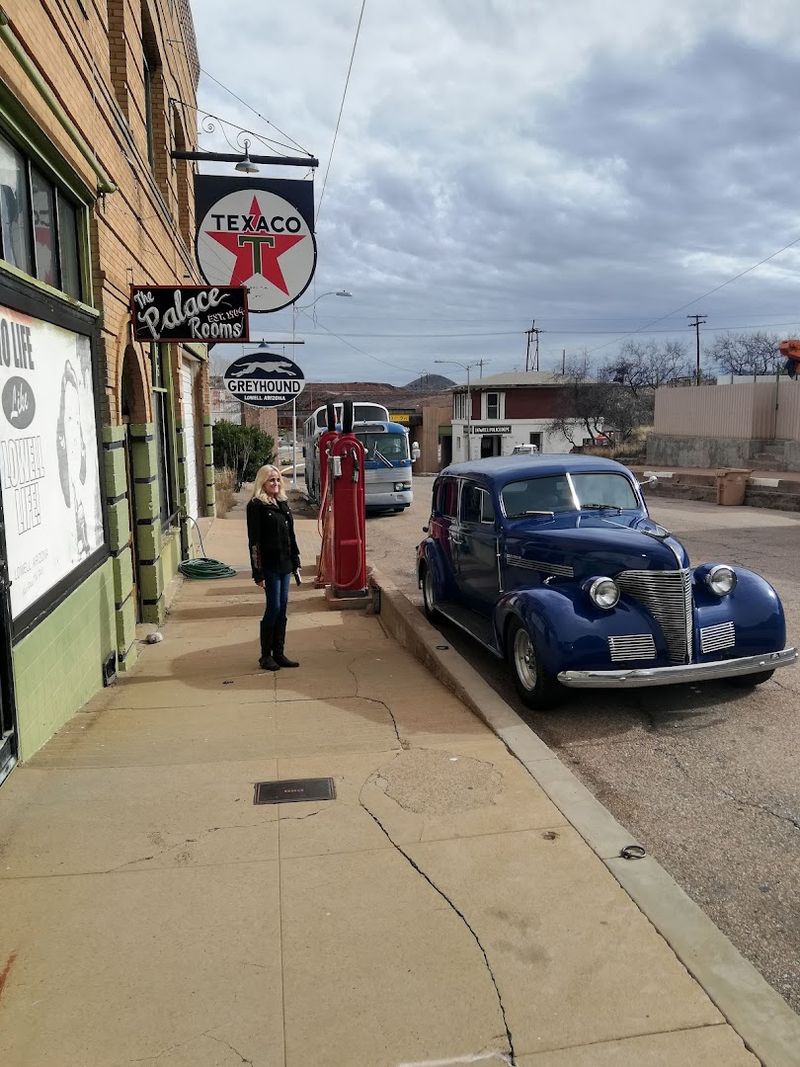
Bisbee has a reputation for being one of Arizona’s most eccentric and artistic small towns, and Erie Street fits that personality perfectly. After the mining industry left, the town was gradually rediscovered by artists, writers, and free spirits who were drawn to its affordable Victorian-era homes and dramatic mountain setting.
That creative community embraced the vintage cars rather than removing them. To many locals, the collection is a form of found art, an organic sculpture garden that grew without any curator’s guidance.
You will find murals, handmade signs, and decorated fences throughout the same neighborhoods, showing how Bisbee turns everyday objects into expressions of character.
Erie Street is not separate from Bisbee’s artistic identity; it is a core part of it. The cars serve as a reminder that history does not have to be locked behind museum glass to be meaningful.
Sometimes it just needs to be left exactly where it landed.
Tips for Planning Your Visit to Erie Street
Getting to Erie Street is part of the adventure. Bisbee sits in Cochise County in southeastern Arizona, roughly 90 miles southeast of Tucson and just a few miles north of the Mexican border.
The drive through the high desert is scenic and relaxing, passing through open grasslands and rolling hills before the Mule Mountains come into view.
Parking near Erie Street can be tricky since the neighborhood roads are narrow and steep. Most visitors park in Old Bisbee’s central area and walk up, which also gives you a chance to explore the charming downtown shops and cafes along the way.
Spring and fall are the most comfortable seasons to visit, with mild temperatures and clear skies. Summer brings monsoon rains that can make the steep streets slippery, so check the weather before heading out.
Weekday visits tend to be quieter, giving you more time to explore without crowds.
The Role of Local Residents in Preserving the Collection
Here is something that surprises a lot of first-time visitors: many of the cars on Erie Street still technically belong to local homeowners or their descendants. Unlike a managed museum, there is no single organization overseeing the collection.
Instead, individual residents have chosen to keep the old vehicles in place, either out of attachment, tradition, or simply because moving them would be a major undertaking.
Some owners have gone out of their way to stabilize their cars, propping up sagging frames or covering interiors to slow deterioration. Others have left theirs completely untouched for decades, creating an unintentional time capsule.
This grassroots preservation is what gives Erie Street its soul. There are no velvet ropes or guided audio tours here.
The collection exists because real people, living real lives, decided that these old machines were worth keeping around. That human connection makes every rusted bumper feel a little more personal.
Comparing Erie Street to Other Famous Car Graveyards
Car lovers familiar with famous spots like Cadillac Ranch in Amarillo, Texas or the Junkyard of New Mexico might wonder how Erie Street stacks up. The big difference is intentionality.
Cadillac Ranch was created as a deliberate art installation, with cars buried nose-first in a straight line. Erie Street, by contrast, happened completely by accident over many decades.
That organic quality makes Bisbee’s collection feel more authentic and emotionally resonant for many visitors. These cars were not placed here to make a statement; they were simply left behind when life moved on.
There is a quiet sadness mixed with beauty in that reality.
Erie Street also wins points for variety. Rather than a single type or era of vehicle, the collection spans multiple decades and dozens of makes and models.
Every visit reveals something new, which is why so many people return more than once to walk the same winding road.
The Nearby Attractions That Make Bisbee Worth the Trip
Erie Street is the kind of attraction that pairs beautifully with everything else Bisbee has to offer. Just a short walk from the vintage car corridor, you will find the famous Queen Mine Tour, where visitors can ride an underground mine train through tunnels that date back over a century.
It is a genuinely thrilling experience that puts the town’s copper mining legacy into vivid perspective.
Old Bisbee’s downtown area is packed with independent galleries, vintage shops, and locally owned restaurants serving everything from green chile burritos to artisan pastries. The Bisbee Mining and Historical Museum is also worth a stop for anyone who wants deeper context about the town’s rise and fall.
Tombstone, the legendary Wild West town, is only about 25 miles away, making it an easy side trip. Together, Bisbee and its neighbors create one of the richest historical road trip routes in the entire Southwest region.
What Car Enthusiasts Say About Erie Street
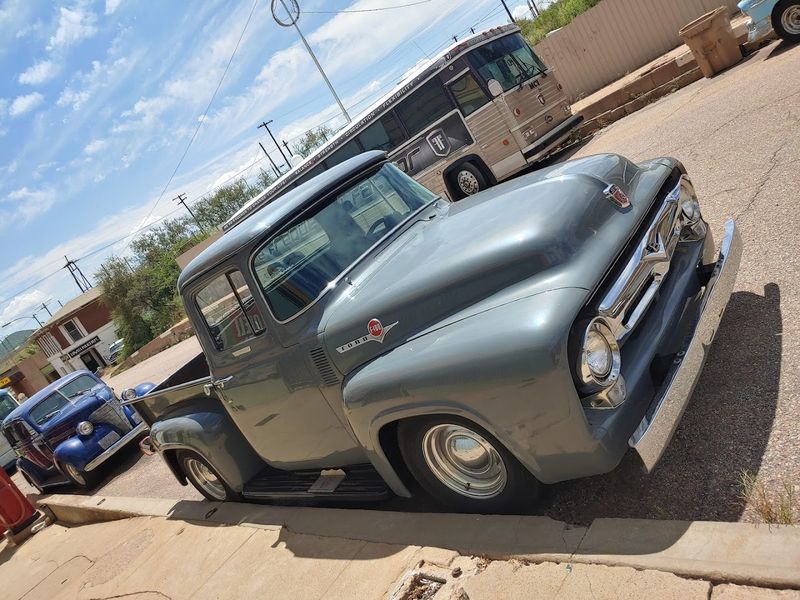
Talk to any serious vintage car enthusiast who has visited Erie Street, and you will hear genuine excitement mixed with a touch of heartache. Seeing so many rare and historically significant vehicles sitting in the open air, slowly returning to the earth, is both thrilling and bittersweet.
Several car blogs and YouTube channels have dedicated full episodes to documenting the collection.
Many enthusiasts point out models that would be considered rare finds at any auction, including early Chevrolet trucks, pre-war sedans, and forgotten American brands that no longer exist. The sheer density of vehicles in one place makes it feel like stumbling onto a treasure chest that nobody fully unlocked.
Some visitors have reportedly approached homeowners about purchasing specific vehicles, though most owners are not interested in selling. The cars have become part of the fabric of the street, and for many residents, they are simply not for sale at any price.
Why Erie Street Deserves a Spot on Every Arizona Bucket List
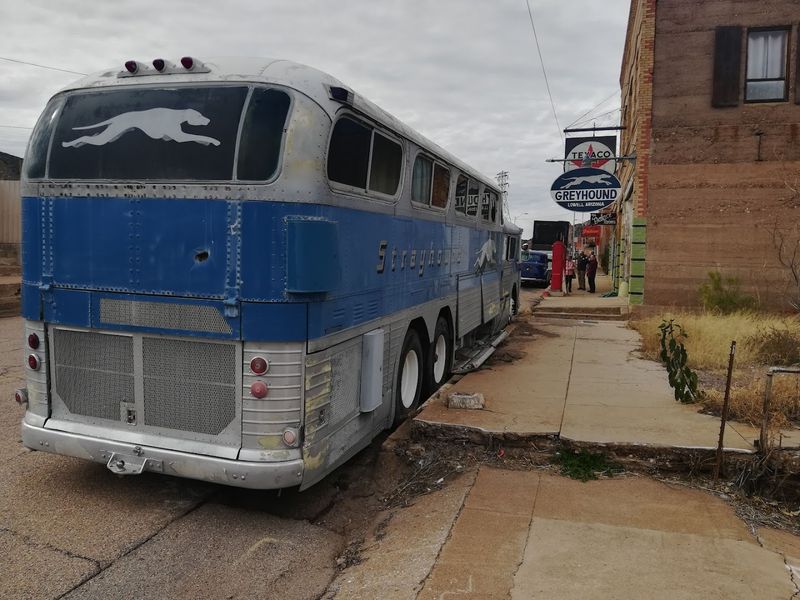
Arizona is famous for the Grand Canyon, Monument Valley, and Sedona’s red rocks, but Erie Street offers something those landmarks cannot: an intimate, human-scale story about a community’s past. Walking among these old cars feels personal in a way that standing at the rim of a canyon simply does not.
Every vehicle represents a family, a job, a life that once unfolded in this small mountain town.
The experience costs nothing, requires no reservations, and rewards curiosity in ways that are hard to predict. You might find yourself spending 20 minutes staring at the peeling dashboard of a 1953 Buick, wondering about the hands that once gripped its steering wheel.
Arizona has no shortage of breathtaking landscapes and historic landmarks, but Erie Street stands apart because it is completely unpolished and unapologetically real. Add it to your list, make the drive to Bisbee, and give yourself enough time to wander slowly.
You will not regret it.
Enjoyed this story?
Add Fast Food Club as a preferred source to see more of our reporting on Google.