


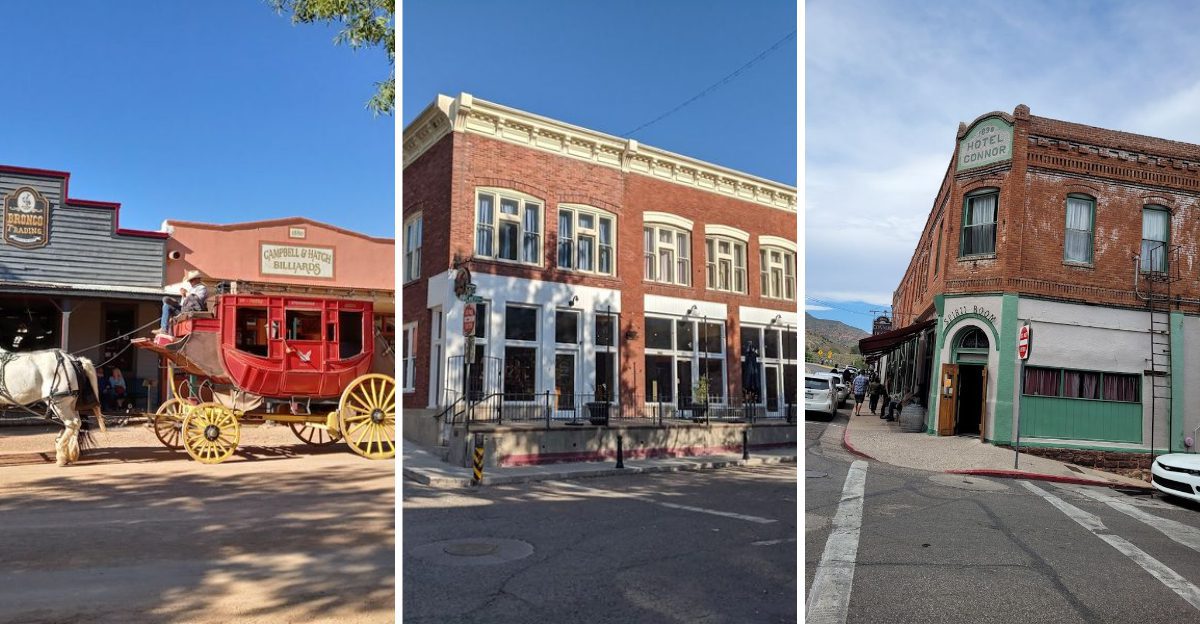
Arizona is home to some of the most legendary towns in American history, where dusty streets and old saloons still whisper stories of cowboys, outlaws, and frontier life. From mining boomtowns to cattle-driving hubs, these places have held onto their Wild West roots in ways that feel almost magical.
Whether you love history, adventure, or just a great road trip, these ten towns are worth every mile. Pack your boots and get ready to step back in time.
Tombstone, Arizona
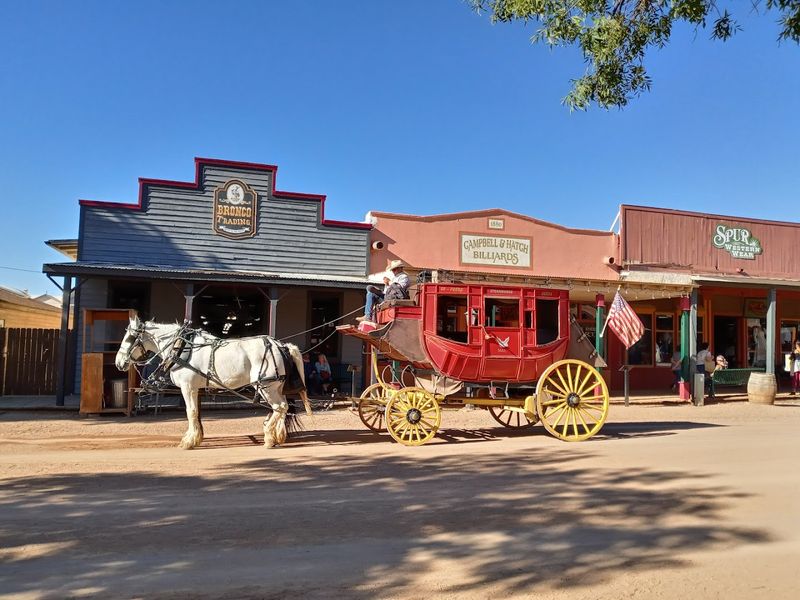
If any town in Arizona owns the title of “most legendary,” it’s Tombstone. Home of the famous Gunfight at the O.K.
Corral in 1881, this town turned a two-minute shootout into a century of storytelling. Wyatt Earp and Doc Holliday walked these very streets.
Today, you can watch live reenactments, tour the Bird Cage Theatre, and stroll down Allen Street just like the old-timers did. Tombstone truly is the town too tough to die.
Bisbee, Arizona
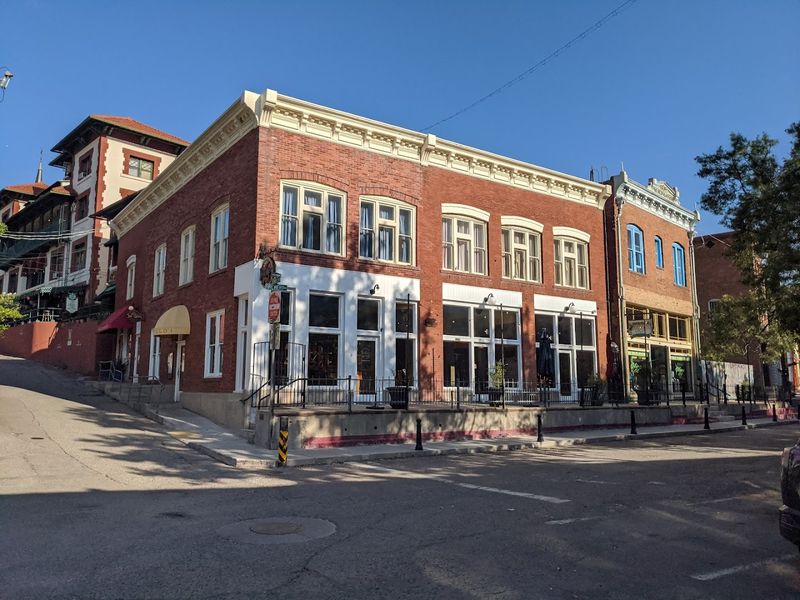
Tucked into the Mule Mountains near the Mexican border, Bisbee is a copper mining town that refused to fade away. Once one of the largest cities in the American Southwest, it boomed in the late 1800s and drew miners from all over the world.
Now it’s an artsy, quirky destination with galleries, vintage shops, and the fascinating Queen Mine Tour underground. Walking its steep, winding streets feels like flipping through a living history book full of color and character.
Jerome, Arizona
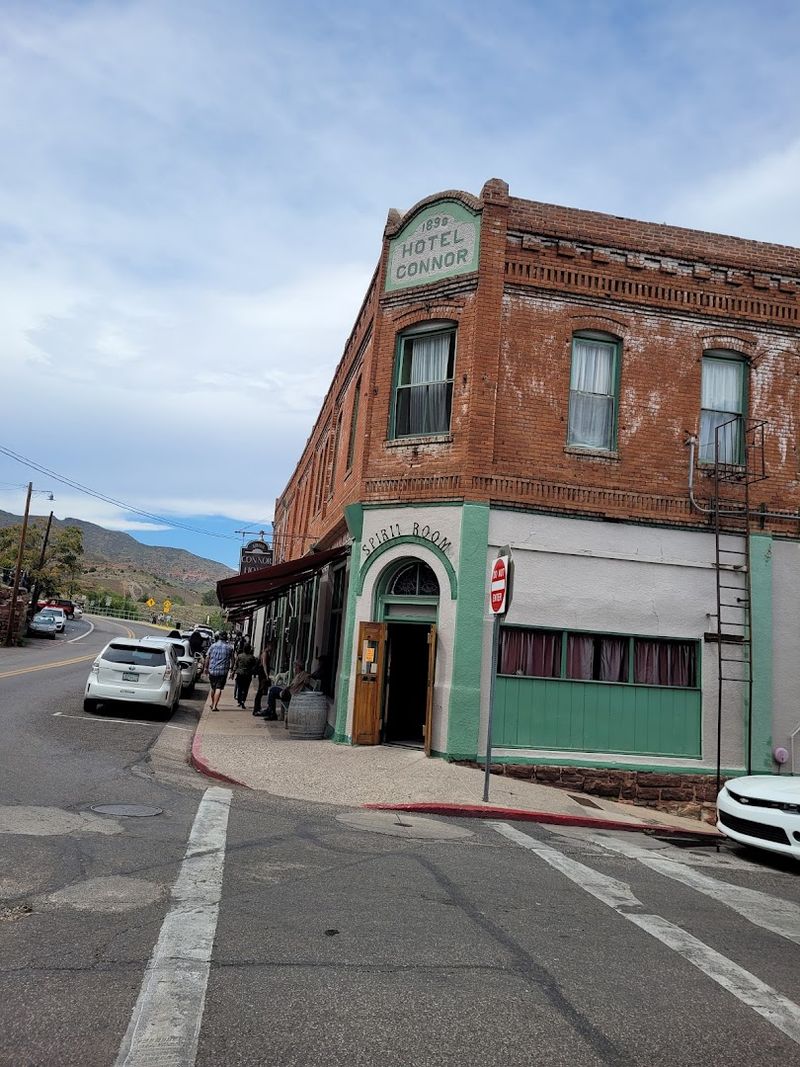
Perched dramatically on the side of Cleopatra Hill, Jerome was once called the “Wickedest Town in the West” during its copper mining heyday. At its peak, nearly 15,000 people lived here.
Then the mines closed, and the population dropped to under 100.
Jerome made a comeback as a haven for artists and history lovers, and today its tilted buildings and breathtaking valley views make it one of Arizona’s most unforgettable stops. Some buildings have literally slid downhill over the decades.
Prescott, Arizona
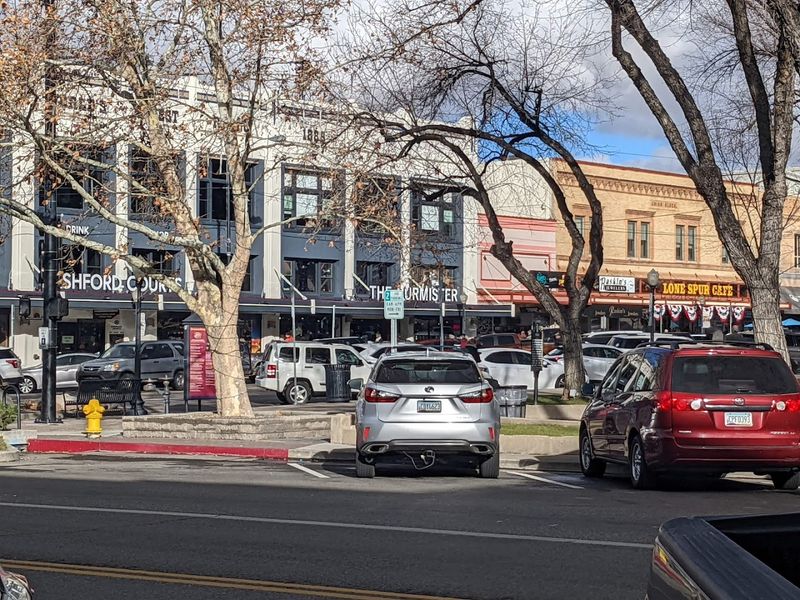
Prescott carries itself with the quiet pride of a town that knows its own worth. Founded in 1864, it served as Arizona’s first territorial capital and became a center of cowboy culture, political power, and frontier commerce all at once.
Whiskey Row, its famous stretch of saloons and shops, is still a lively hub today. Every summer, Prescott hosts the World’s Oldest Rodeo, a tradition dating back to 1888 that keeps the cowboy spirit very much alive and kicking.
Wickenburg, Arizona
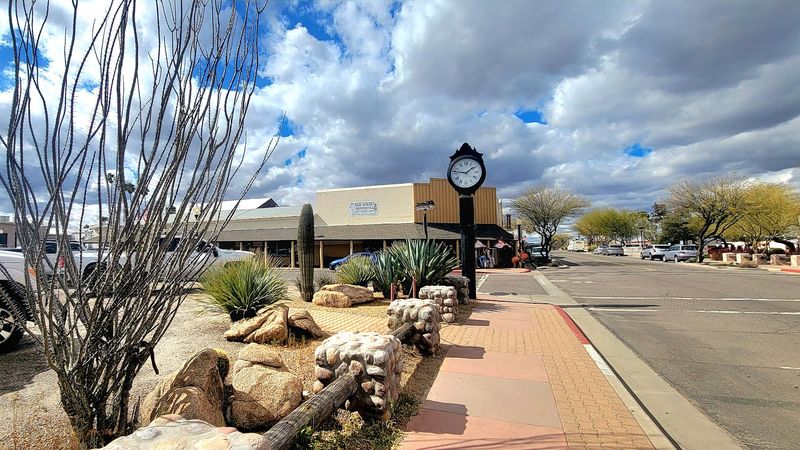
Known as the “Dude Ranch Capital of the World,” Wickenburg has been welcoming cowboys and city slickers alike since the 1800s. Gold was discovered here in 1863, sparking a rush that put this Sonoran Desert town on the map almost overnight.
Visitors can explore the Desert Caballeros Western Museum, pan for gold, or saddle up at one of the historic ranches nearby. There’s a warmth to this town that makes you feel like you’ve been invited to somebody’s campfire.
Williams, Arizona
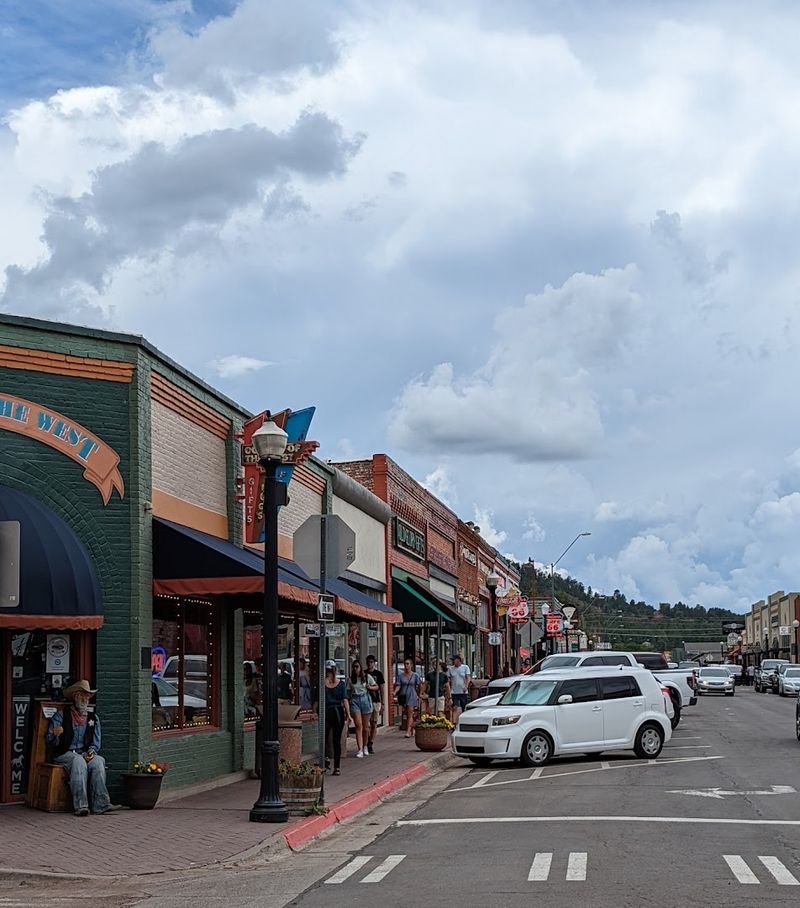
Williams sits at the crossroads of two American legends: Route 66 and the Grand Canyon Railway. Named after trapper Bill Williams in 1901, this mountain town became the last community on Route 66 to be bypassed by the interstate, holding out until 1984 with stubborn frontier pride.
Today, visitors board the historic steam train to the Grand Canyon or cruise the neon-lit main drag like it’s 1955. Williams blends nostalgia and adventure in a way that few towns can pull off so effortlessly.
Globe, Arizona
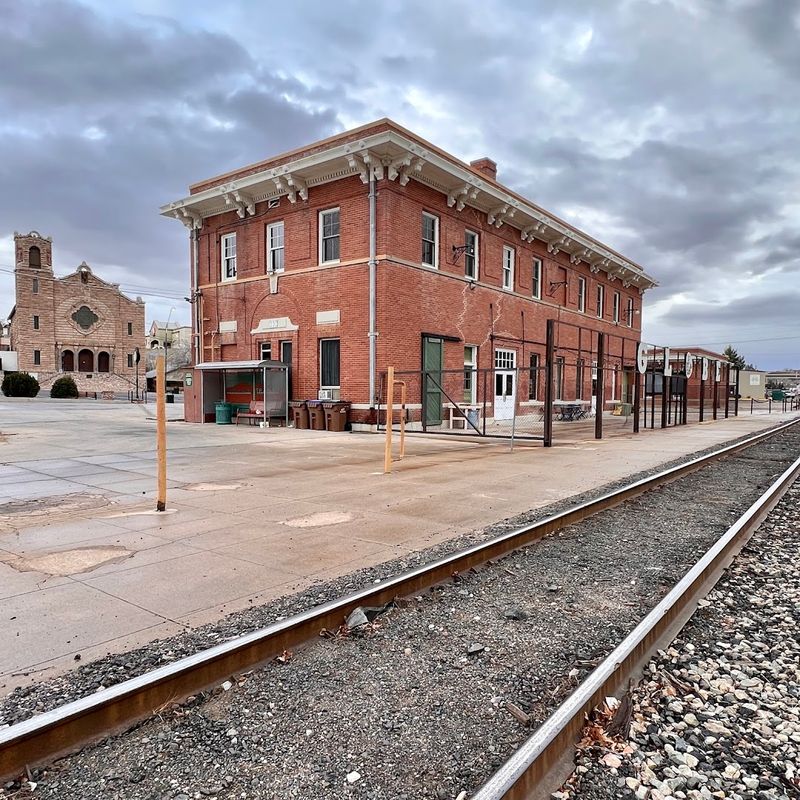
Sitting in the shadows of the Pinal Mountains, Globe earned its name from a silver nugget shaped like a globe discovered by early miners. Later, copper became the town’s lifeblood, and it grew into a rugged, hardworking community with deep roots and stubborn pride.
The Besh-Ba-Gowah Archaeological Park nearby offers a remarkable look at the Salado people who lived here centuries before the miners arrived. Globe rewards curious visitors who look a little deeper than the surface.
Winslow, Arizona
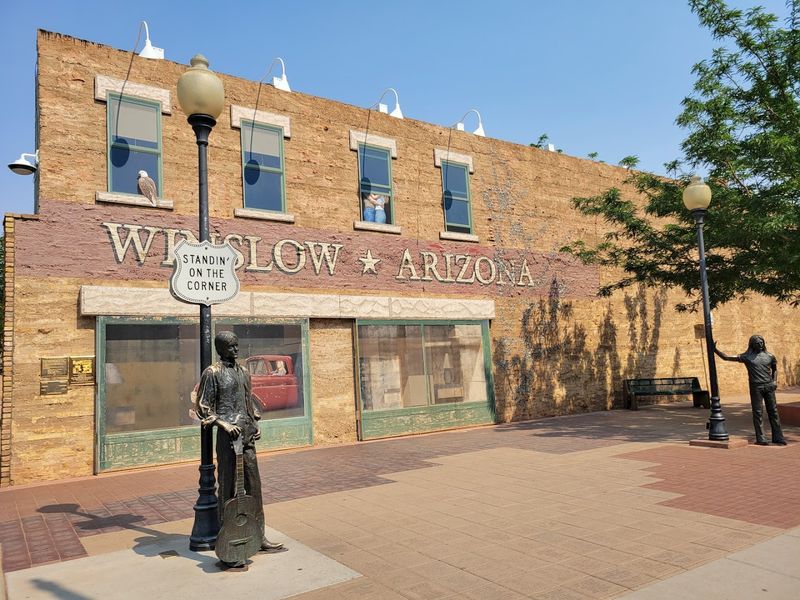
“Well, I’m standin’ on a corner in Winslow, Arizona” – thanks to the Eagles’ 1972 hit “Take It Easy,” this small town became immortalized in rock and roll history. But Winslow’s story goes back much further, rooted in the Santa Fe Railway and Route 66 commerce.
The beautifully restored La Posada Hotel alone is worth the drive out. Built in 1930, it stands as one of the last great Harvey Houses, blending Southwestern art and railroad history into one stunning landmark.
Clarkdale, Arizona
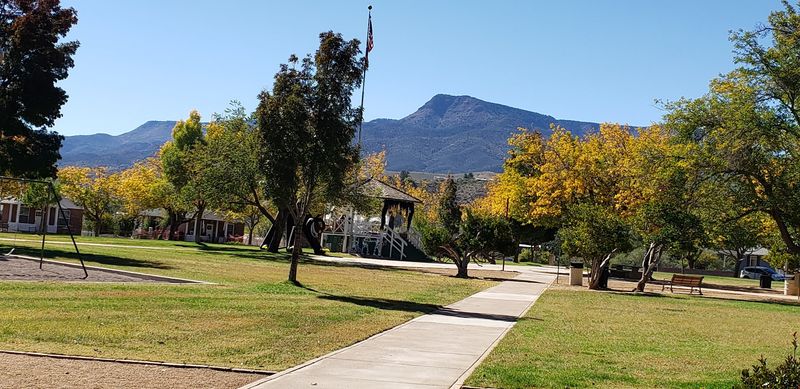
Clarkdale was literally built from scratch in 1912 by copper mining magnate William A. Clark as a company town to support the nearby United Verde smelter.
It holds the distinction of being Arizona’s first planned community, with streets laid out in a tidy, deliberate grid.
Today, the Verde Canyon Railroad departs from Clarkdale on one of Arizona’s most scenic train rides, winding through red rock wilderness inaccessible by road. It’s a hidden gem that blends industrial history with jaw-dropping natural beauty.
Florence, Arizona
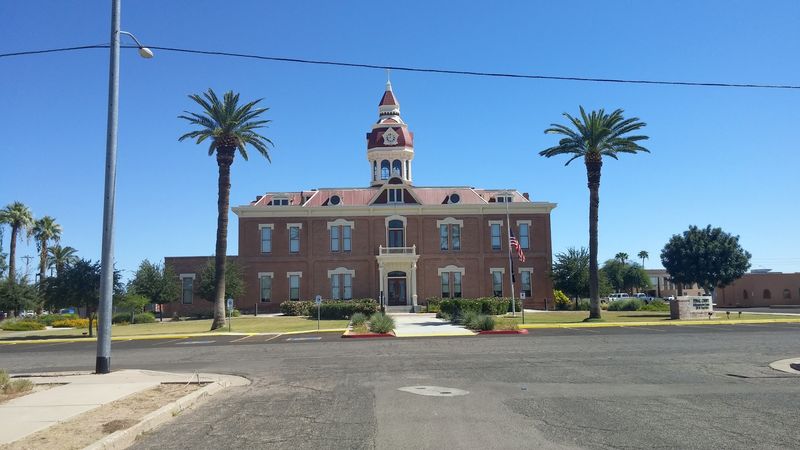
Florence is one of Arizona’s oldest and most overlooked treasures. Established in 1866, it served as the Pinal County seat and grew around agriculture, government, and the harsh realities of territorial law.
The old Pinal County Courthouse, built in 1891, still stands as a proud symbol of that era.
More than 26 buildings in Florence are listed on the National Register of Historic Places. Strolling through town feels like an open-air museum where the stories of early Arizona settlers are waiting around every corner.
Enjoyed this story?
Add Fast Food Club as a preferred source to see more of our reporting on Google.