


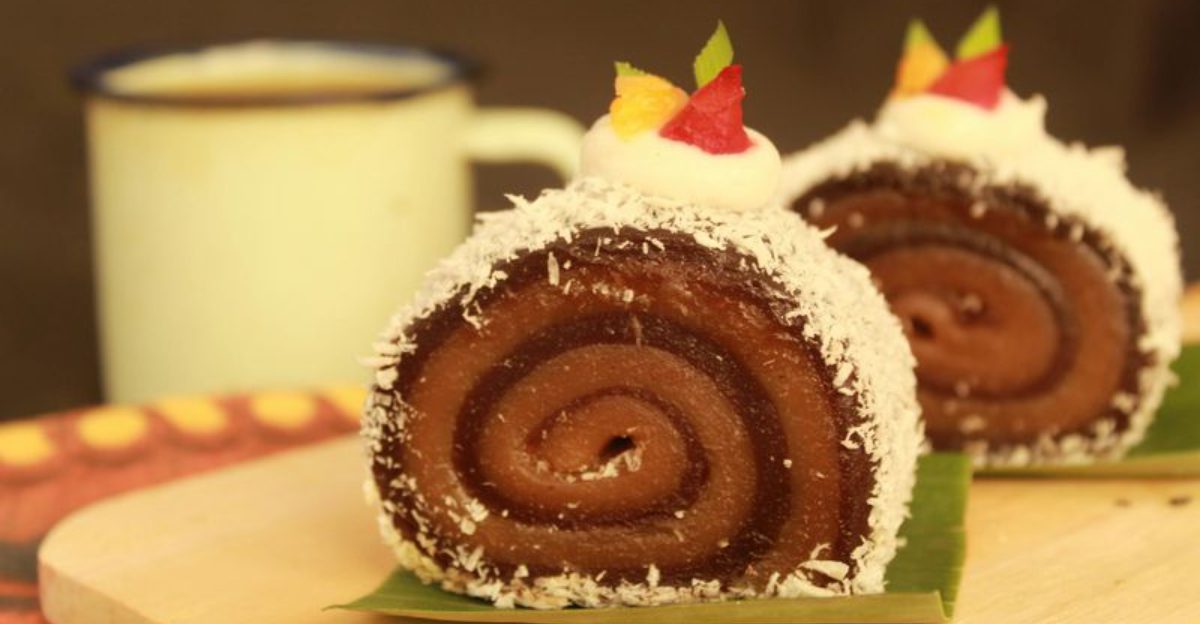
Ever look at a snack and think there is no way this would fly in a modern school cafeteria? Between sugar caps, allergy rules, and wellness checklists, some classics feel like contraband.
You can practically hear the whisper of nostalgia mixed with a guilty laugh. Let’s open the lunchbox and see which old favorites would raise eyebrows today.
Sugary cereal
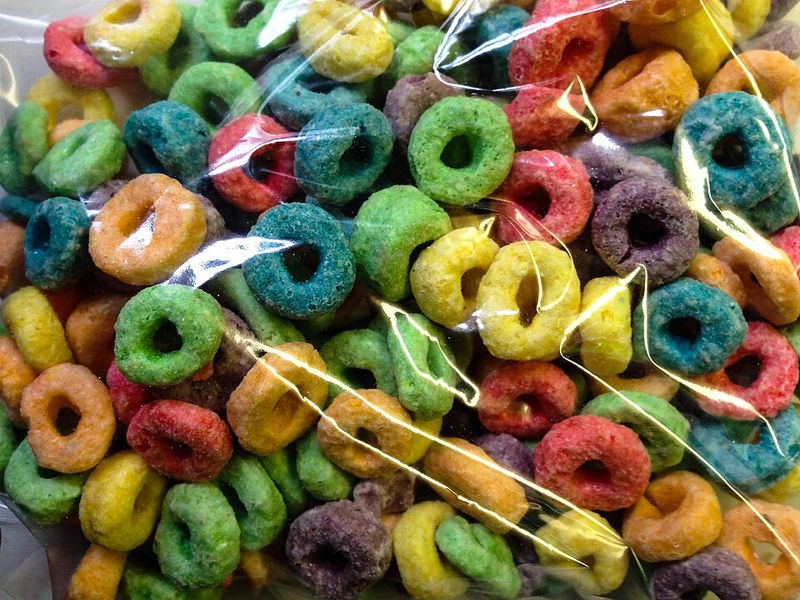
Sugary cereal has that Saturday morning energy thrown into a school day, and it feels almost rebellious. You know the kind with neon marshmallows that dye the milk pastel and the crunch that surrenders too fast.
It is pure buzz-in-a-bowl, and every bite tastes like rule-bending nostalgia.
Modern cafeterias read labels like detectives, and sugar is the main suspect. Whole grains and fiber get invited while frosted pebbles wait outside.
You might still see a “reduced sugar” cousin, but the classics feel like cafeteria folklore now.
Pop tarts
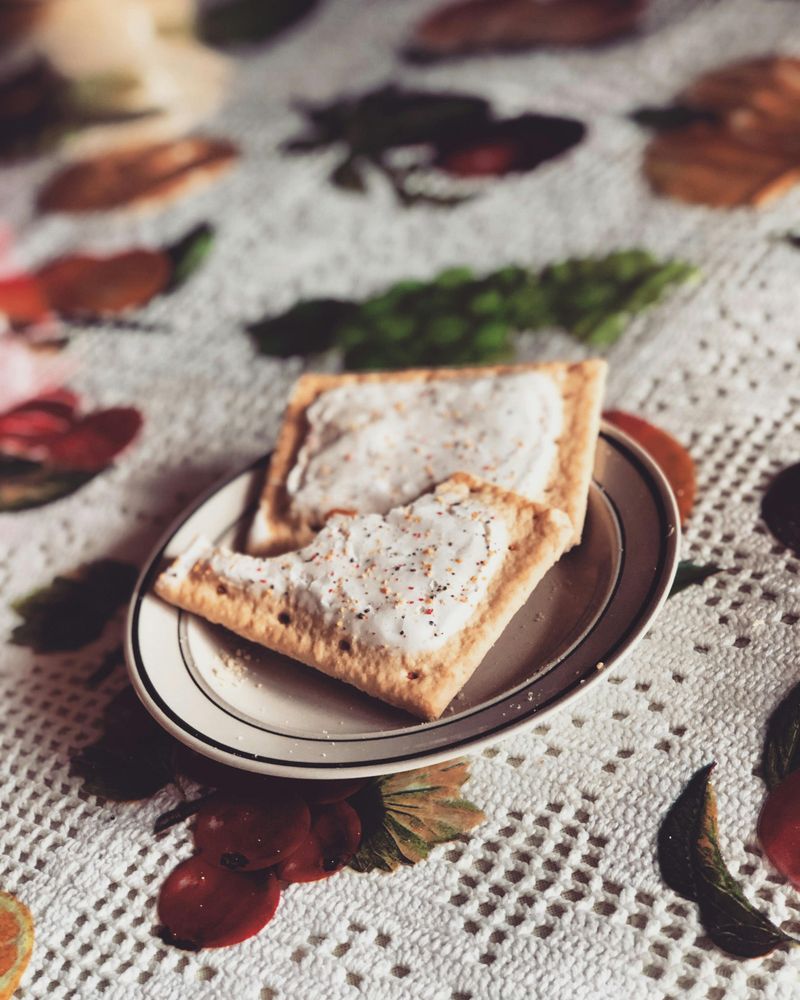
Pop tarts are basically dessert disguised as breakfast, and that frosting winks at every nutrition guideline. Slide one across a tray and you can feel the wellness posters glare.
Even the wildest flavors carry that glazed, flaky crunch that tastes like skipping rules.
Schools now chase whole grains, lower sugar, and less artificial everything. A foil-wrapped pastry with sprinkles is like a time capsule.
You might snag an “approved” version, but the classic toaster-shot pastry still feels like a sweet outlaw.
Candy bars
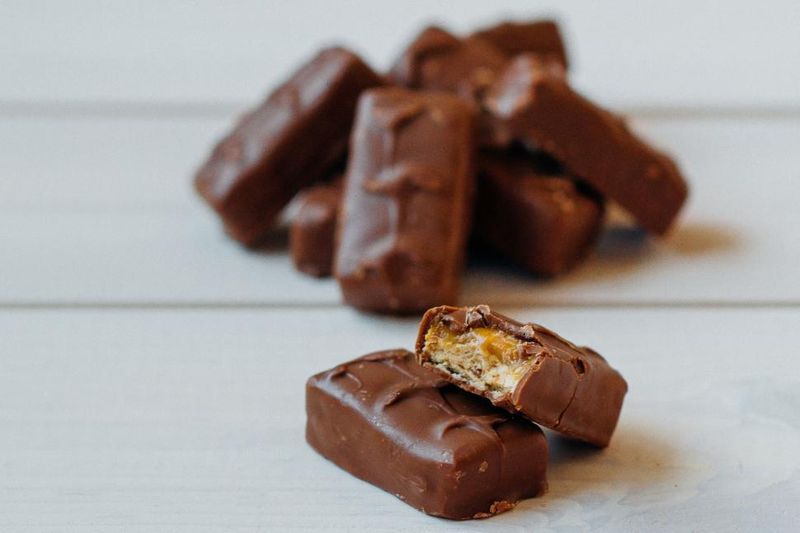
Candy bars have big main-character energy, which is exactly why they rarely show up at school lunch anymore. Caramel, nougat, chocolate, and peanuts make a delicious rebellion against portion control.
You can feel the crunch echo in the hall.
With sugar caps and competitive food rules, candy bars are usually a no-go near meal service. Fundraisers sometimes sneak in, but the everyday line is off-limits.
The memory is sweet, but the modern standards are firmer than a freezer Snickers.
Soda
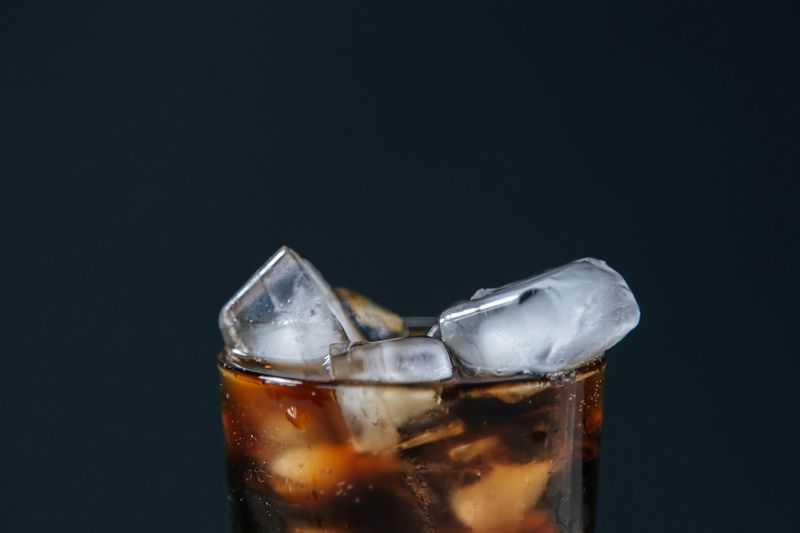
Soda in a cafeteria feels like someone turned the volume up on lunch. The hiss of carbonation, the syrupy sparkle, and that first cold sip are pure theater.
But caffeine plus sugar equals a principal’s headache.
Most schools restrict regular soda during the day, leaning hard into water, milk, and sometimes low-calorie seltzer. Vending machines may lock during mealtimes or switch to approved options.
The fizz lives on after school, but lunchtime bubbles usually burst before the bell.
Chocolate milk
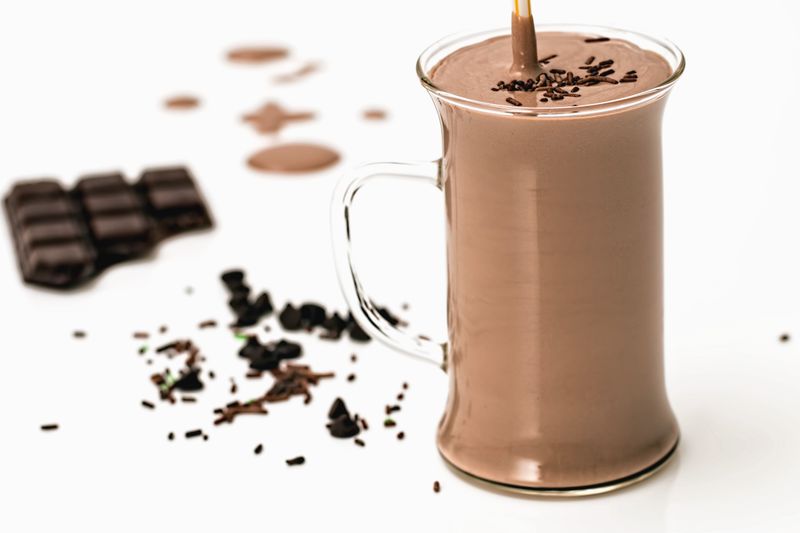
Chocolate milk is the kid favorite that always starts a debate. It brings protein and calcium but sneaks in sugar that critics love to underline.
One sip tastes like recess, and that is the point.
Some districts serve it only on certain days or in reduced-sugar versions. Others cut it entirely, aiming to nudge taste buds toward plain milk.
Either way, grabbing a chocolate carton can feel slightly rebellious, even when it technically passes the rules.
Lunchables
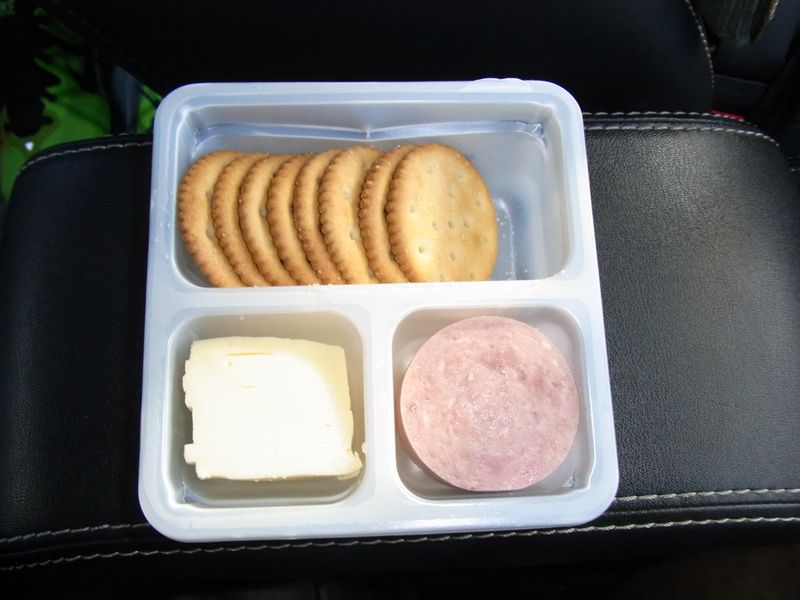
Lunchables are DIY power in a plastic tray, tiny pizzas and cracker stacks promising control over every bite. Kids love the build-it-yourself vibe.
Grownups see sodium and processed parts lining up like a warning label.
Modern cafeterias push fresh fruit, whole grains, and cleaner proteins. Those compartmental snacks look fun but rarely meet the sodium targets.
You might bring one from home, but seeing it sold next to the salad bar would raise eyebrows fast.
Frozen pizza
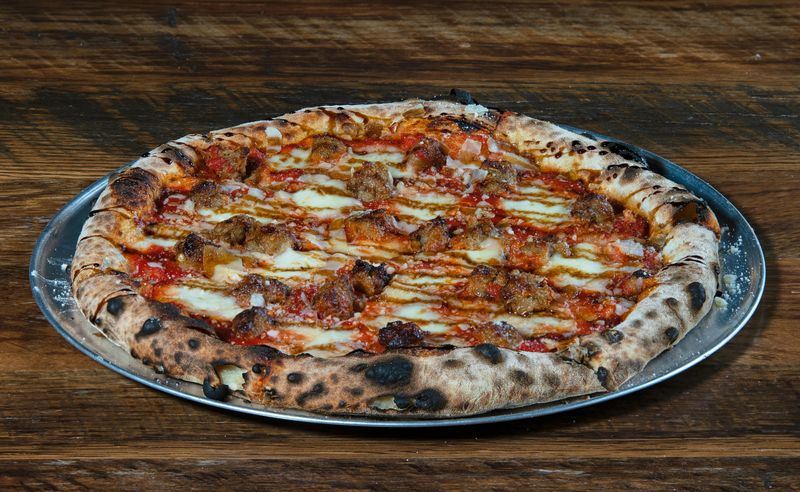
Frozen pizza is the lunchroom legend, square slices with edges that crunch and cheese that barely holds. It is comforting, cheap, and massively popular.
It is also a balancing act between nostalgia and nutrition.
Schools now count whole-grain crusts, sodium ceilings, and smarter toppings. Some versions pass, but the classic pepperoni slab dripping orange oil feels like a relic.
If it shows up, it is usually reformulated and humbler than the pies we remember.
Pizza rolls
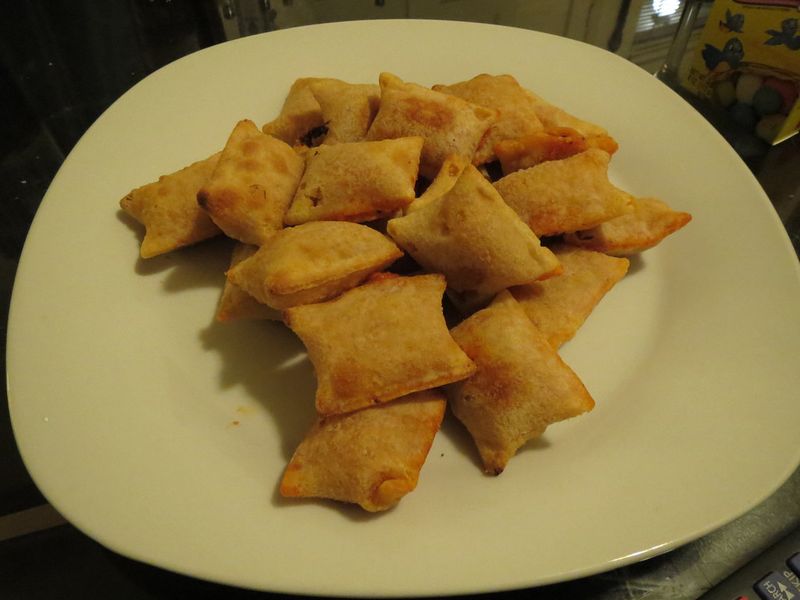
Pizza rolls are tiny lava pockets that test patience and taste buds. Bite too early and you sign a contract with the roof-of-mouth burn club.
They are snacky, salty, and dangerously shareable.
Modern cafeterias tend to avoid deep-fried or highly processed snacks during meals. Air-baked versions might squeak by, but the classic greasy heroes feel out of bounds.
Delicious, yes, but they carry a detention slip for sodium and fat.
Bagel bites
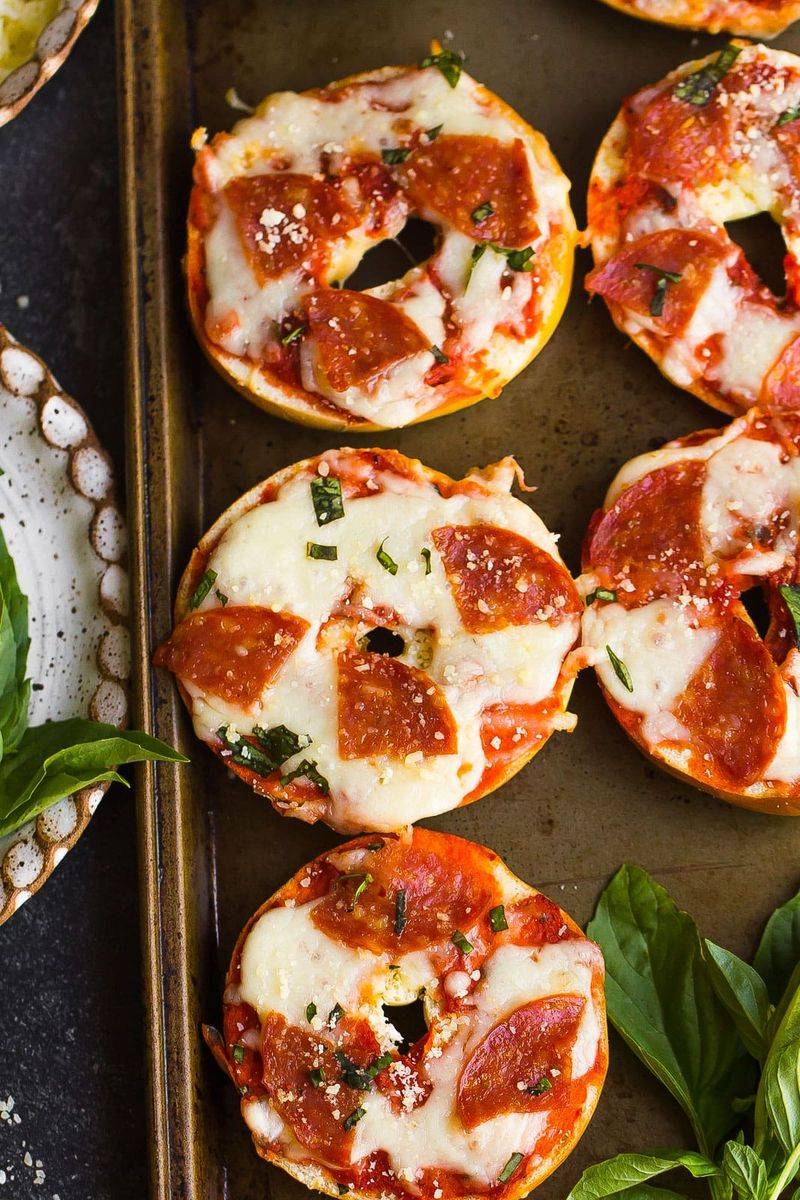
Bagel bites promise pizza anytime, which is exactly why they feel mischievous at lunch. The crispy-chewy base and tiny pepperoni deliver fast comfort.
Pop, chew, grin, repeat.
But whole-grain requirements and sodium caps make classic versions tough to justify. Some districts might try a healthier spin, yet the supermarket originals usually miss the cut.
They belong to sleepovers more than salad bars now.
Chicken nuggets
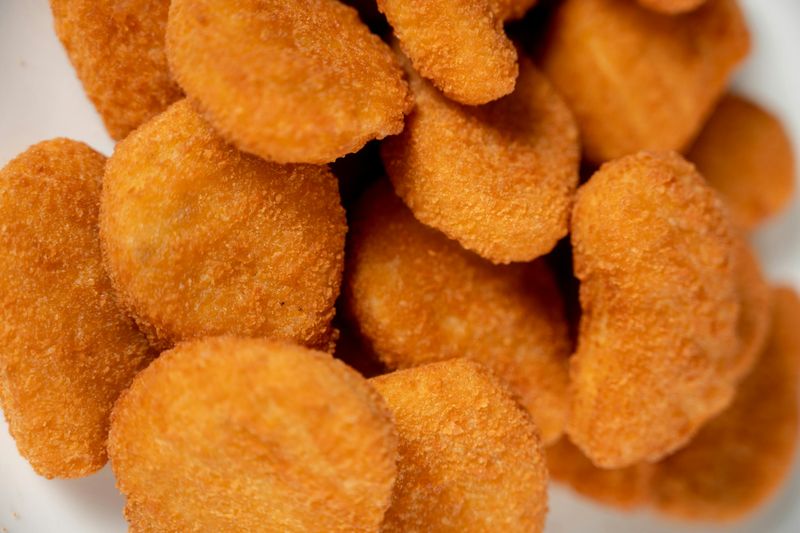
Chicken nuggets are the undefeated champs of kid menus. Crunchy shells, tender centers, and dippable everything make them irresistible.
The question is what is inside the breading and how they are cooked.
Schools that serve them often bake, use whole-grain breading, and control sodium. The old-school mystery-meat nugget feels off-limits now.
When nuggets appear, they are cleaner, quieter cousins of the fast-food icon.
Hot dogs
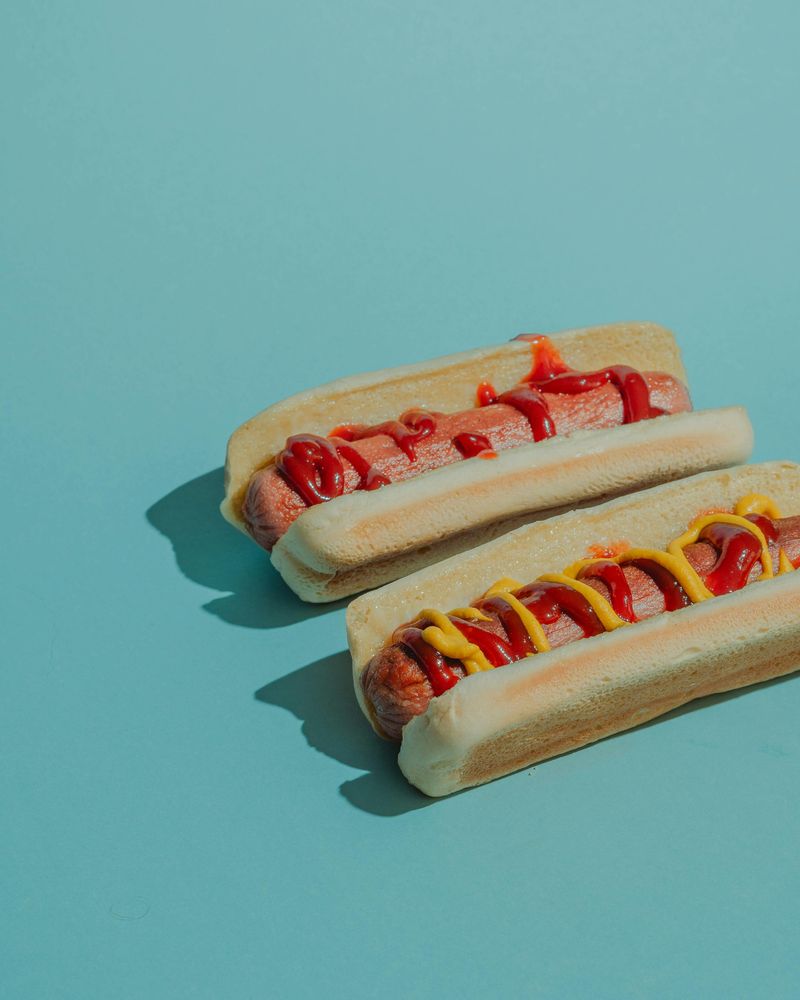
Hot dogs are picnic energy smuggled into school. They are easy to serve, easy to love, and stacked with sodium and additives that modern menus side-eye.
One squeeze of mustard and you can hear the bleachers.
Many cafeterias limit them or serve turkey or reduced-sodium versions on whole-grain buns. The carnival classic still shows up, but far less often.
Old-fashioned franks feel like hall-pass food now.
Bologna sandwich
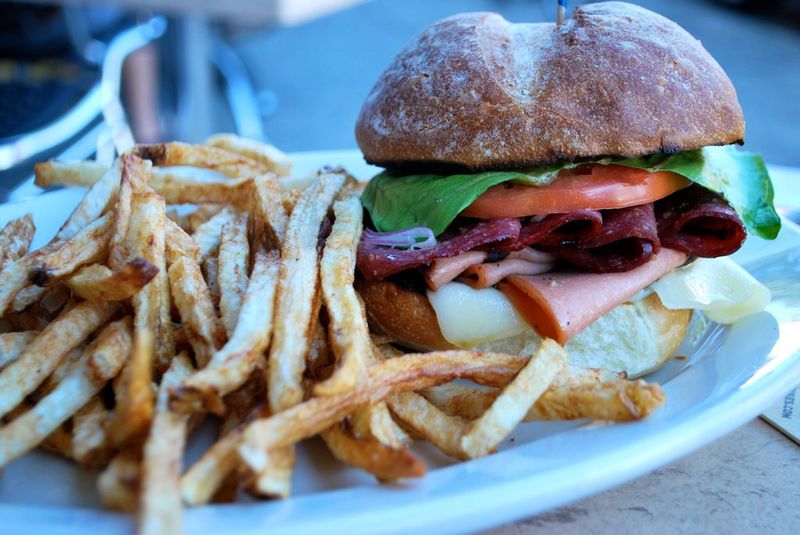
The bologna sandwich is pure throwback, squishy bread hugging a round, pink slice that squeaks against your teeth. It tastes like field trips and folded napkins.
Also, it is the poster child for processed meat.
Today’s cafeterias push turkey, chicken, or beans over mystery bologna. Whole-grain bread and fresh veggies try to balance the scales.
That classic combo still hits, but it reads old rules in a new cafeteria.
Processed cheese
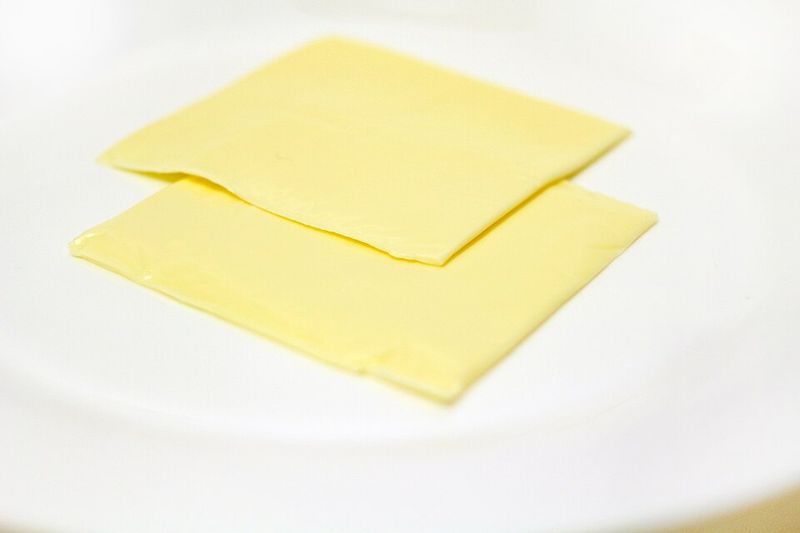
Processed cheese melts like a dream and tastes like grilled-cheese memories. It is also salty, stabilized, and suspiciously consistent in color.
Peel back the plastic and you can smell the nostalgia.
Schools lean toward reduced-fat, lower-sodium options now, sometimes swapping in real cheese or smaller portions. The neon slice still appears, but not as the star.
It is a side character in a stricter script.
Fruit snacks
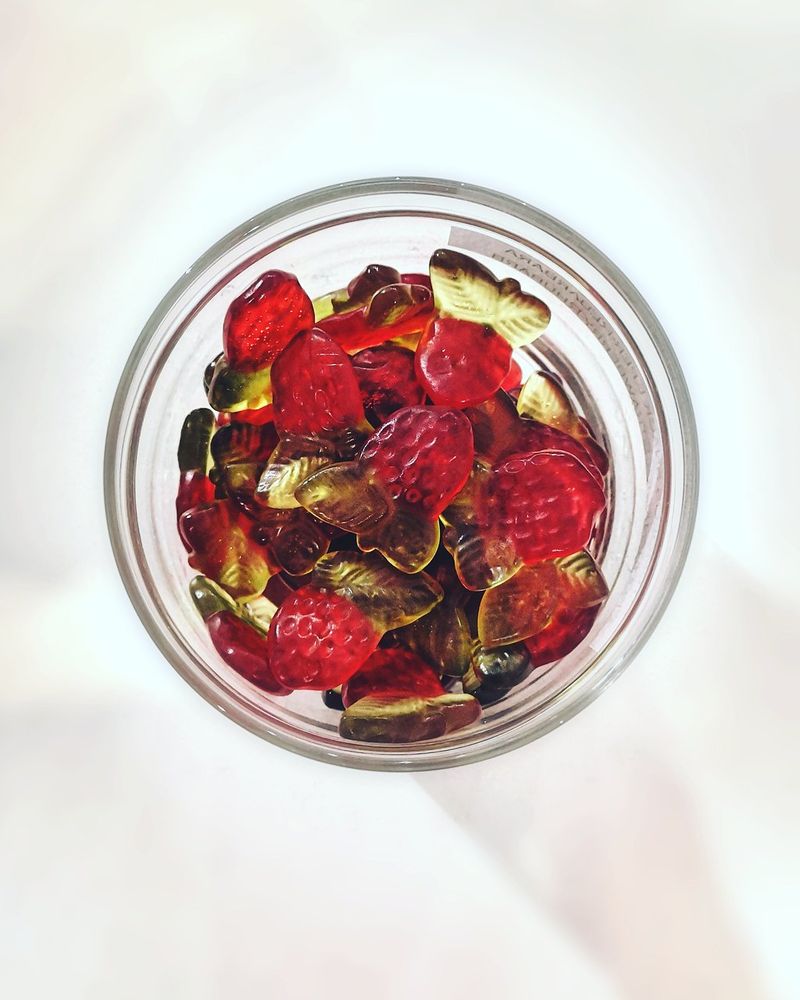
Fruit snacks wear a halo they rarely earn. They sparkle like fruit but chew like candy, and kids know it.
The tiny pouch disappears fast, leaving sticky fingers and a sugar echo.
Modern standards prefer actual fruit over gummy promises. You might see them in vending after hours, but not as a lunch staple.
When apples and oranges clock in, fruit snacks usually clock out.
Pudding cups
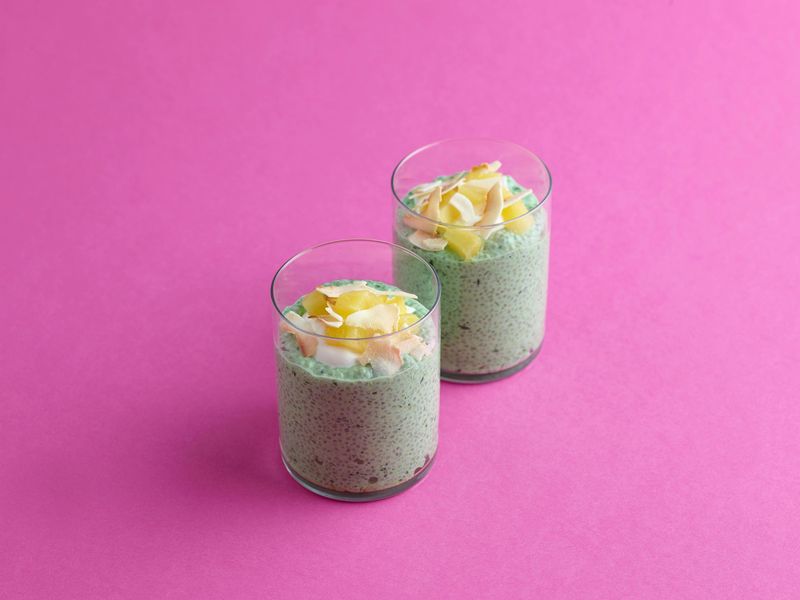
Pudding cups are smooth, sweet, and incredibly sneaky. They slide into a lunch like dessert on tiptoes.
Peel the foil, and the chocolate shine basically dares you not to finish.
Some versions can fit if sugar and portion size behave. But many cafeterias would rather serve fruit or yogurt with less added sugar.
The classic cup still feels like dessert first, rules later.
Microwave popcorn
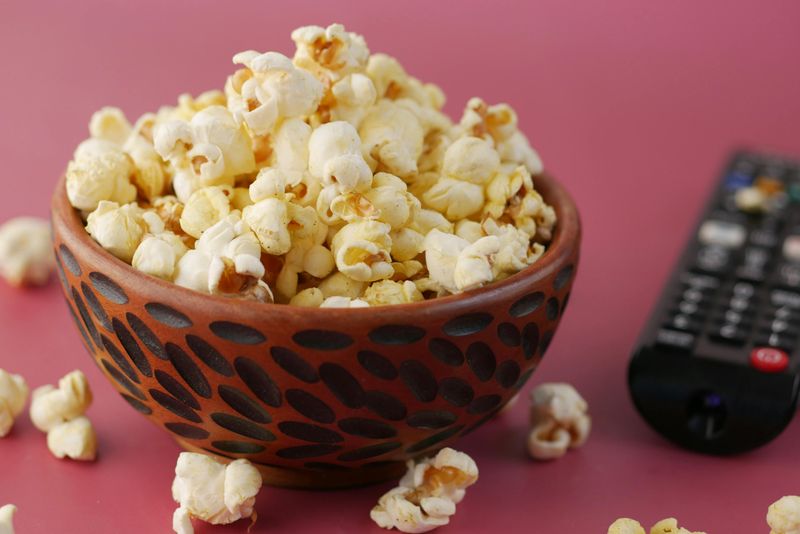
Microwave popcorn smells like a movie theater invaded lunch, announcing itself to the entire hallway. Butter flavor fogs the air and makes every student look up.
It is delicious, chaotic, and very distractingly aromatic.
Schools often avoid it during meal service because of equipment, allergens, and sodium. Individual portions might pass, but the classic bag is more after-school club energy.
It feels exciting and a little unmanageable.
Chips bag
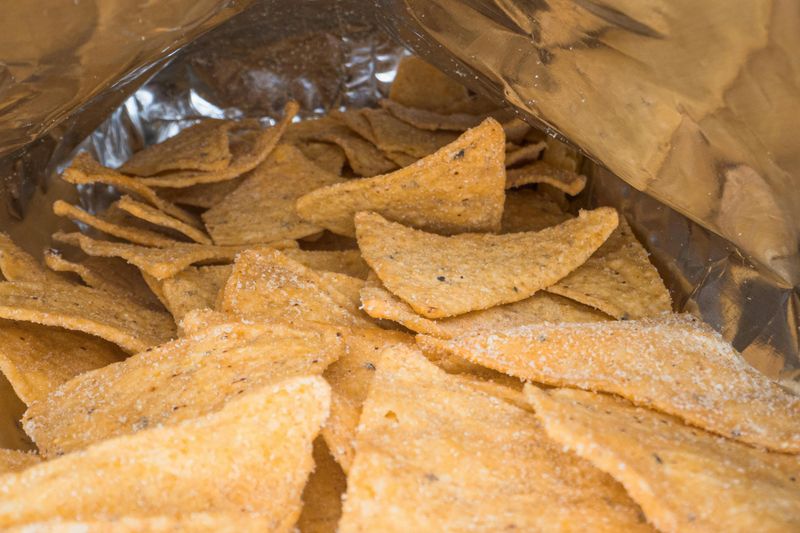
A crinkly chips bag is the lunchroom drumroll: salty, crunchy, and impossible to ignore. Every crackle announces your snack to the next table.
They pair with anything and steal the spotlight from everything.
Modern cafeterias may allow baked or reduced-sodium versions in small sizes. The big greasy classics usually sit out.
When they appear, it is controlled, quiet, and definitely not the jumbo party bag.
Ice cream cup
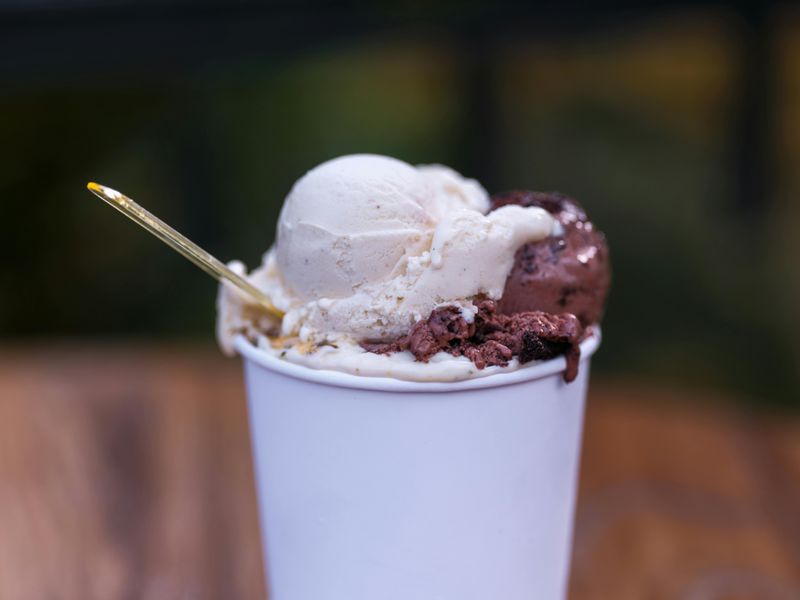
Ice cream cups are field-day magic. Peel the paper lid, carve a crescent with the wooden spoon, and everything feels like summer.
Sweet, cold, and instantly celebratory.
In regular lunches, they are rare because added sugar limits stand firm. Some schools save them for special events, or offer lower-sugar frozen yogurt occasionally.
The classic vanilla cup still shows up, but it is a guest star, not a regular.
White bread
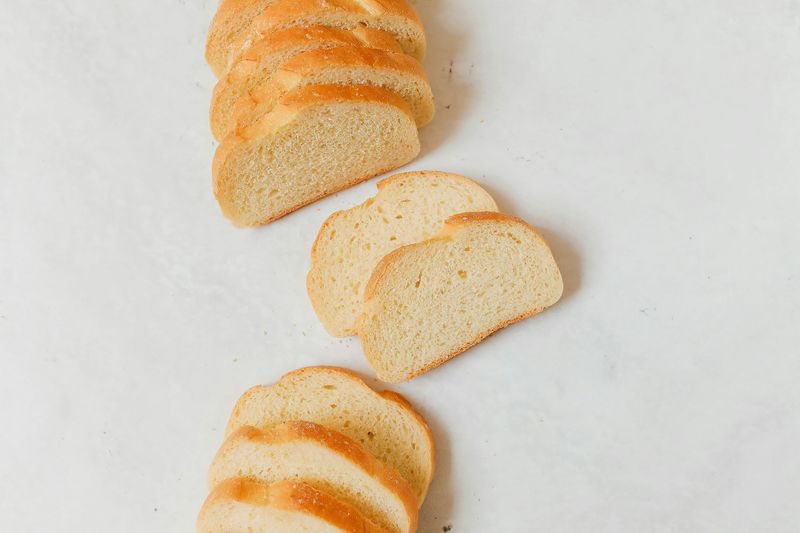
White bread is cloud-soft, squishy, and perfect for folding around childhood. It also brings very little fiber, which is why modern menus lean whole grain.
Bite for bite, it is comfort running on empty.
Most schools now require whole-grain rich breads, nudging out the classic loaf. You might still see it during special menus or legacy recipes.
But as an everyday base, white bread feels like a rule from yesterday.
Snack cakes
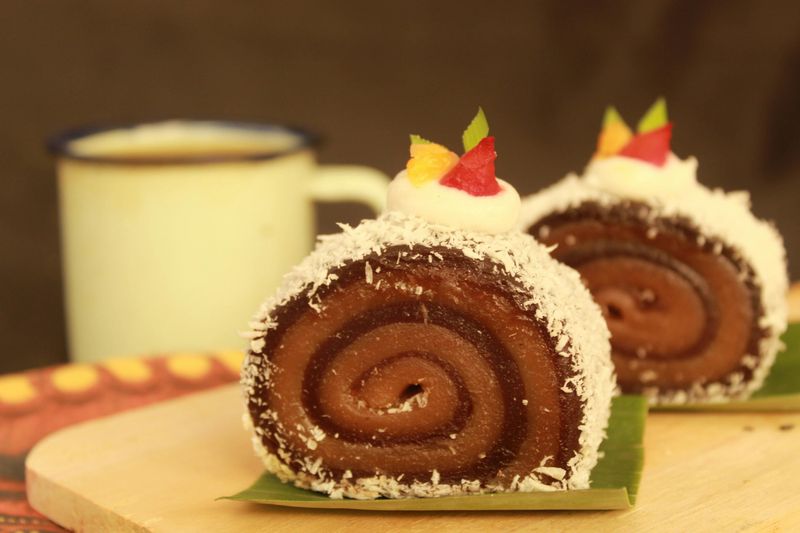
Snack cakes arrive with crinkly wrappers that sound louder than they should, like they know they are trouble. Cream filling, shiny glaze, and sponge that collapses in your fingers create instant playground currency.
One bite and you are five minutes from a sugar spike.
Modern cafeterias focus on nutrient density, not nostalgic indulgence. Those labels read like dessert, not lunch.
You might find a smaller portion or reduced-sugar variant, but classic snack cakes feel like smuggled joy tucked beneath napkins.
Enjoyed this story?
Add Fast Food Club as a preferred source to see more of our reporting on Google.