


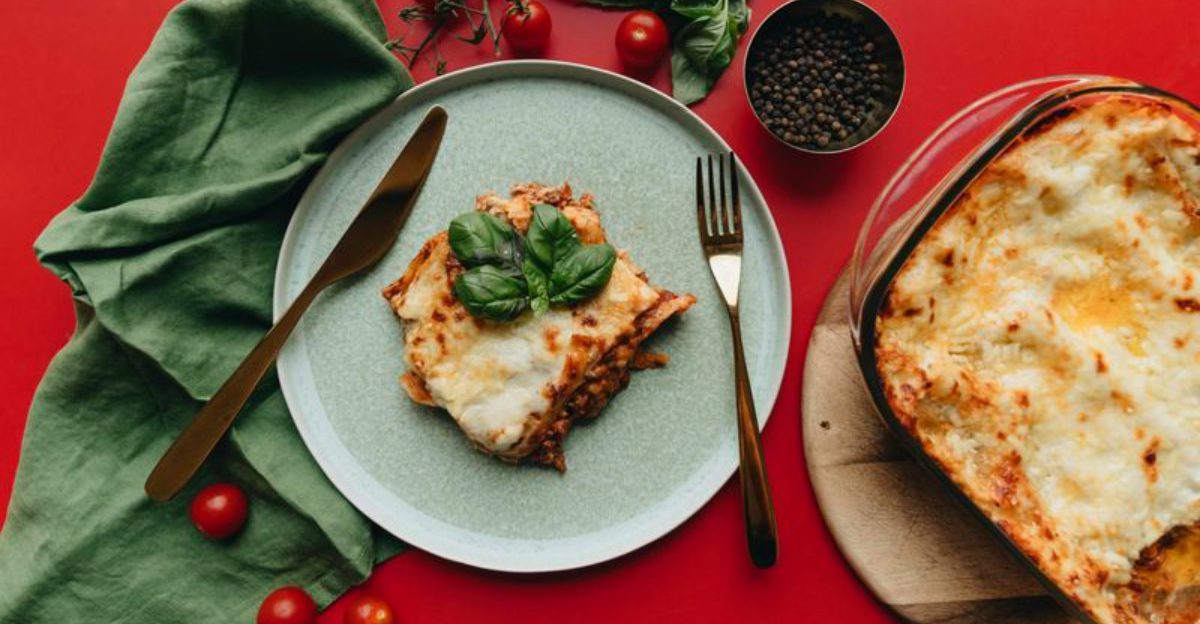
Some meals feel easy until you roll up your sleeves and realize every step matters. The flavors you remember came from time, patience, and tiny choices only a home cook controls.
This list walks you through those deceptively simple comfort favorites that get tricky once you ditch shortcuts. You will nod, laugh, and maybe feel brave enough to try again tonight.
Pot roast
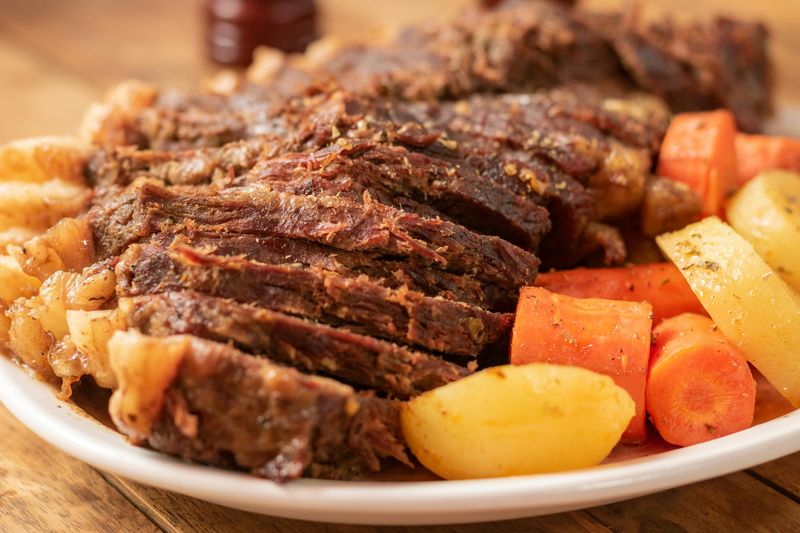
Pot roast sounds like beef plus time, but timing is a maze. Browning builds flavor you cannot fake, and it takes patience.
Deglazing the fond makes the gravy soulful, capturing those browned bits before the vegetables join.
Pick the right cut with connective tissue that melts into tenderness. Low and slow heat coaxes collagen into silk, yet too hot tightens fibers.
You will learn to season assertively, tuck herbs, and let the roast rest in its juices, so every slice feels spoon tender, never stringy.
Beef stew
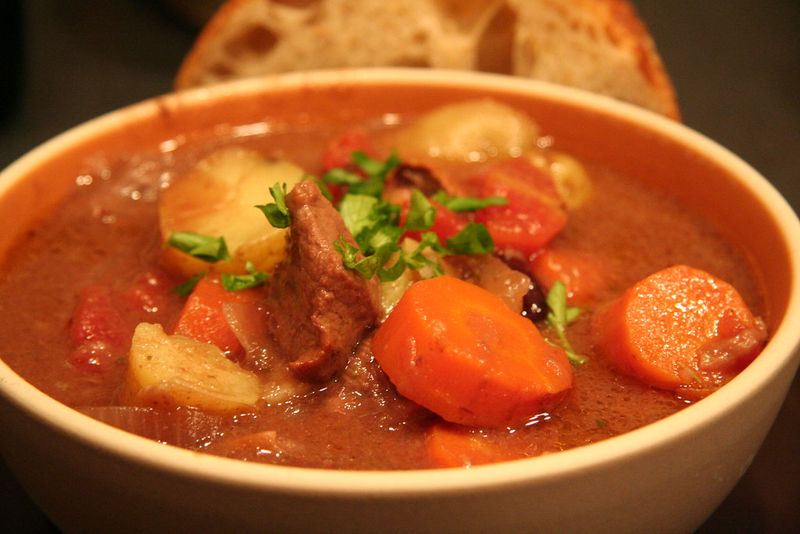
Beef stew tests patience more than any recipe card suggests. Searing in batches prevents steaming, so the pan is not overcrowded.
Deglazing layers the base, then aromatic vegetables soften to build sweetness before broth arrives.
Choosing the right cut means connective tissue that transforms, not dries. Simmering should burble gently, not boil angrily.
You will thicken with reduction or a slurry, tasting salt toward the end as flavors intensify. The finish matters too, with vinegar or lemon brightening richness so the stew tastes alive, not muddy.
Chicken noodle soup
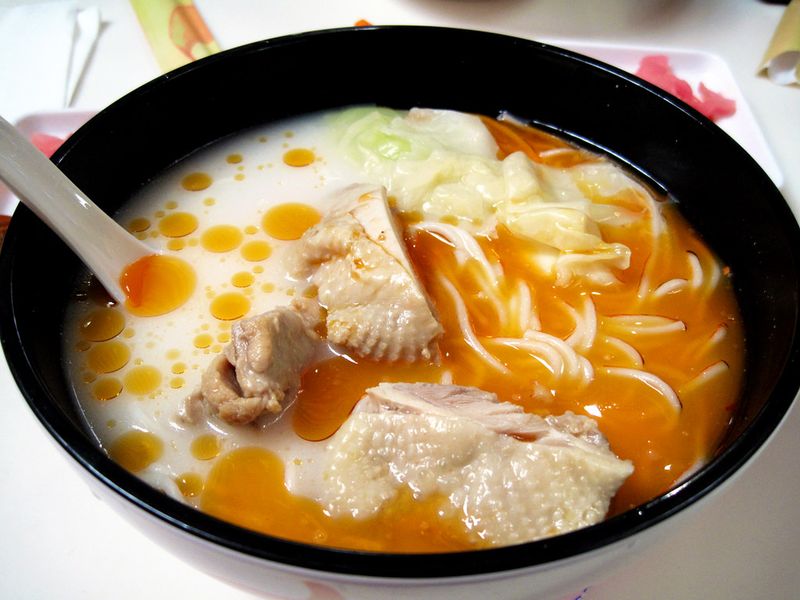
Real chicken noodle soup begins with stock, not water, and that changes everything. Skimming foam gives a clear golden broth, while gentle heat keeps it clean.
Mirepoix needs time to sweeten, not collapse, so the vegetables hold their bite.
Poaching chicken keeps it tender, then resting before shredding. Noodles should cook separately or be added last to avoid cloudiness and soggy leftovers.
You will finish with fresh herbs and a squeeze of lemon for brightness, making the bowl taste comforting and clear, not salty or flat.
Chicken and dumplings
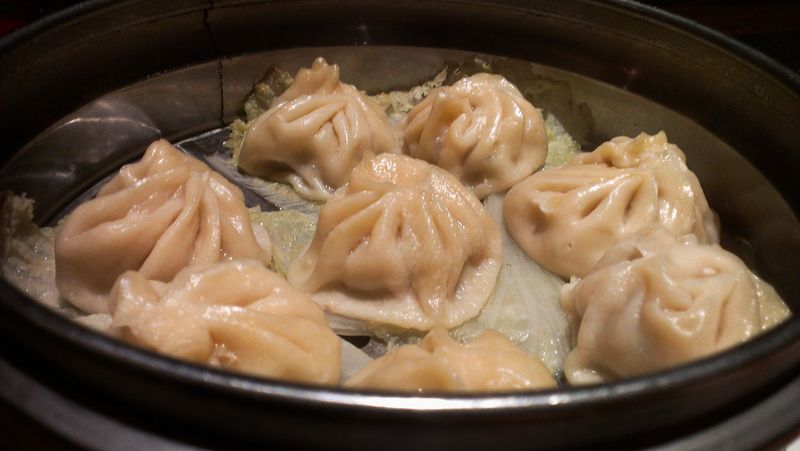
Chicken and dumplings is really two recipes dancing together. The stew must turn silky without breaking, and the dumplings need lift without heaviness.
Overmixing the dough makes chewy pucks, while gentle handling creates clouds.
Simmering is delicate, because rolling boils shred dumplings apart. A splash of cream or roux can thicken, yet seasoning must stay balanced.
You will coax flavor from bones, fold in vegetables at the right moment, and steam the dumplings covered, resisting peeks, so they puff beautifully and taste like memories.
Chicken pot pie
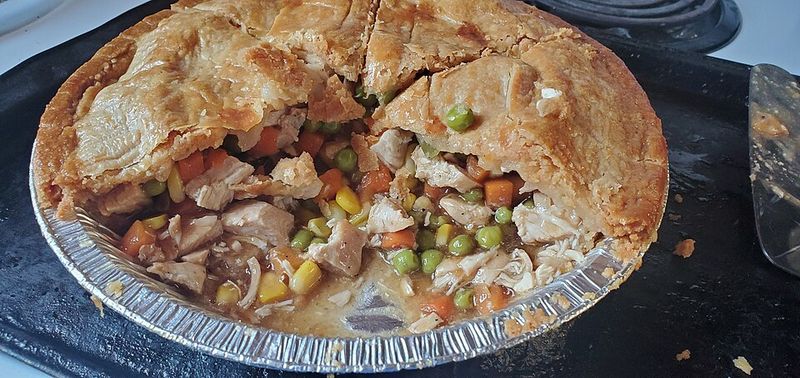
Chicken pot pie looks simple until crust meets sauce. The pastry must be cold, rested, and handled lightly for flake.
The filling should be glossy and thick, not gluey, which means mindful roux and measured stock.
Vegetables need texture, so par cook or stagger their entry. Overfilling can drown the bottom crust, while venting prevents sogginess.
You will season assertively, chill the assembled pie, and bake on a hot sheet to crisp the base. When the knife slides through cleanly, you will understand how patience rewards every slice.
Shepherd’s pie
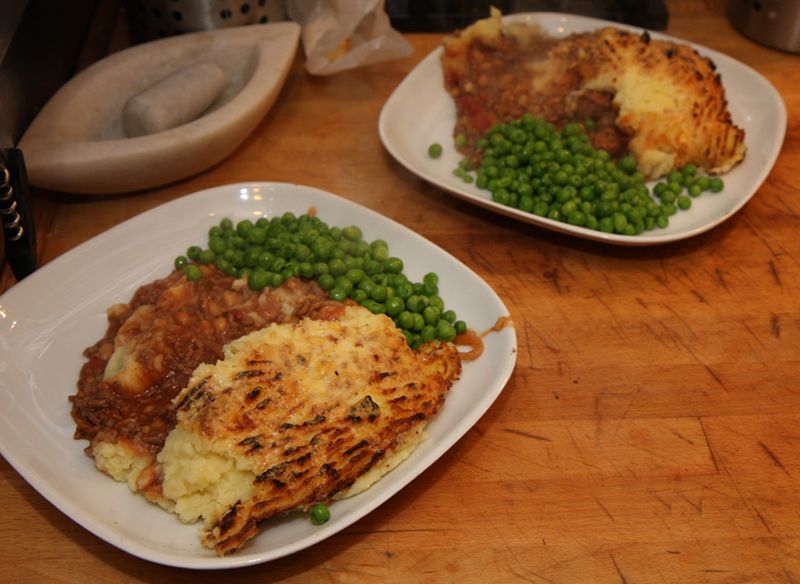
Shepherd’s pie seems easy, yet each layer demands attention. The filling craves browned meat and reduced juices, not a watery stew.
Worcestershire, tomato paste, and herbs add backbone, while peas retain snap if added late.
Mashed potatoes must be rich and smooth, but not loose, so they hold peaks that brown. Spreading them warm prevents tearing the filling.
You will rake ridges for extra crunch, bake until bubbling, then rest to set. One scoop should reveal defined strata, savory and creamy, never soupy.
Stuffed peppers
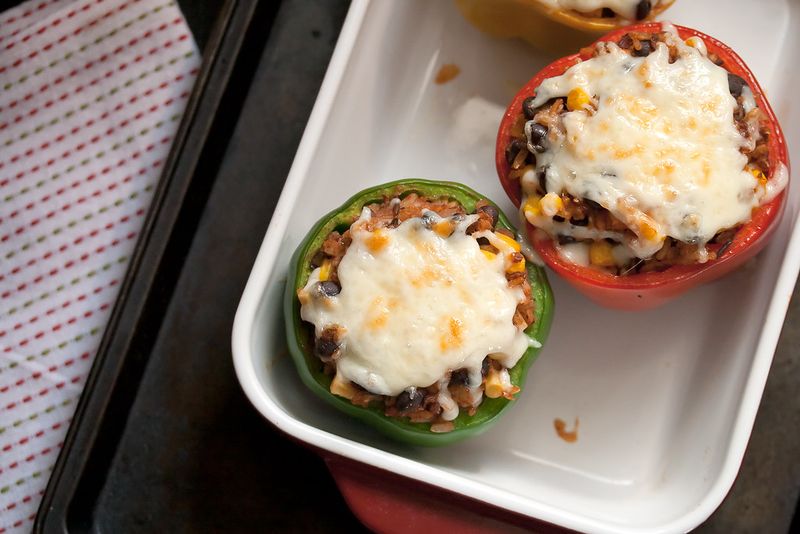
Stuffed peppers fool you with their cheerful look. Par cooking peppers keeps them tender without collapse.
The filling demands balance of rice, aromatics, and meat, with enough sauce to stay moist but not soupy.
Season every component before combining, then pack gently to avoid dense centers. Bake covered first for steaming, then uncover to brown and reduce.
You will rest them so juices redistribute and flavors settle. A final swipe of sauce or herbs lifts everything, turning humble ingredients into dinner that tastes thoughtfully built, not thrown together.
Cabbage rolls
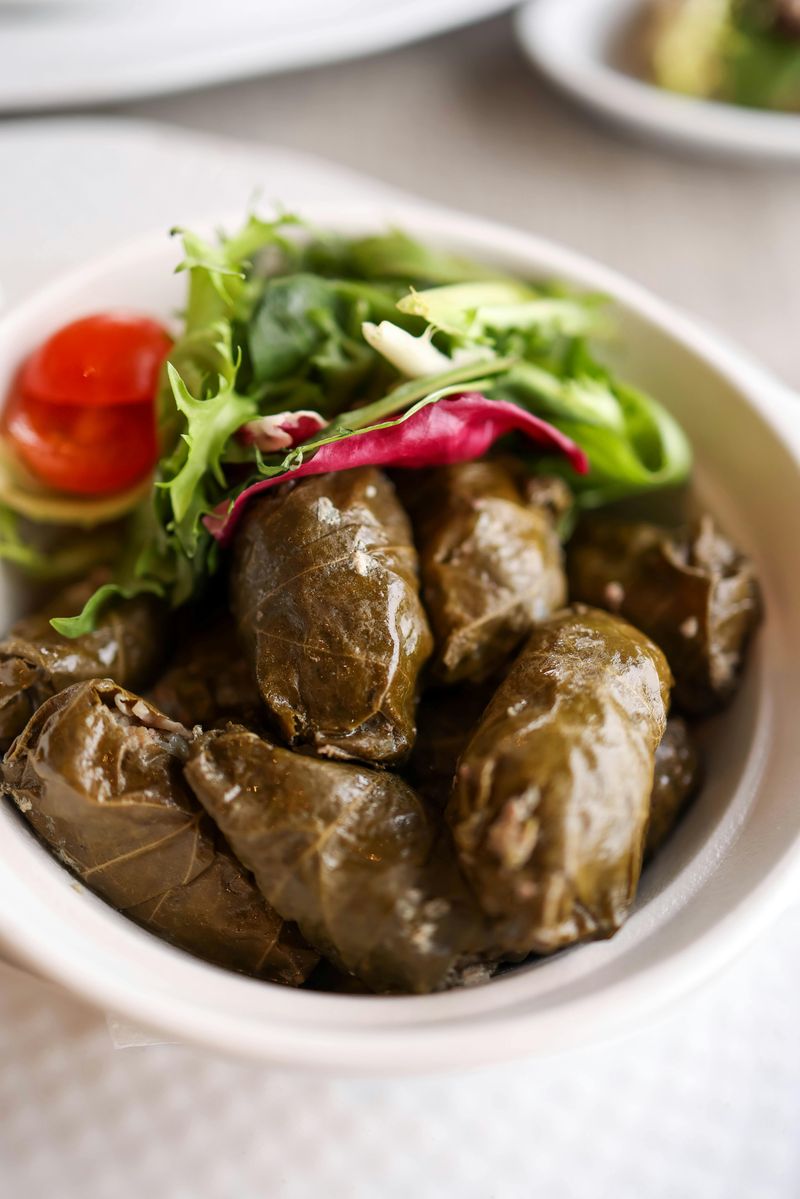
Cabbage rolls look quaint, but the cabbage itself is a project. Blanch leaves just enough to roll without tearing.
The filling wants rice partially cooked, meat seasoned assertively, and onions softened for sweetness before everything tucks inside.
Tomato sauce should be bright and balanced, mellowed with a bit of sugar or carrots. Pack rolls snugly so they steam in their own juices.
You will simmer gently, not boil, and baste to prevent drying. The reward is tender parcels that slice clean, tasting like patience wrapped in comfort.
Roast chicken
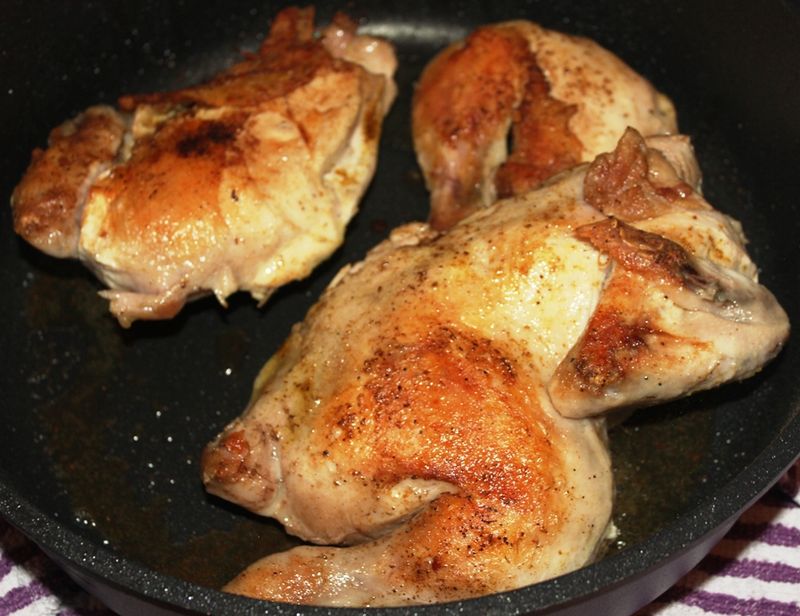
Roast chicken is a rite of passage that humbles many cooks. Dry brining seasons deeply and dries the skin for crackle.
Air circulation and a hot start help render fat, while trussing or not affects doneness between thighs and breasts.
Butter under the skin sounds easy, yet tearing is common. Resting is mandatory so juices stay put.
You will learn to listen for sizzling, tilt for pan juices, and finish with lemon for brightness. When the joints wiggle and the skin shatters, you will know it was worth the wait.
Mashed potatoes and gravy
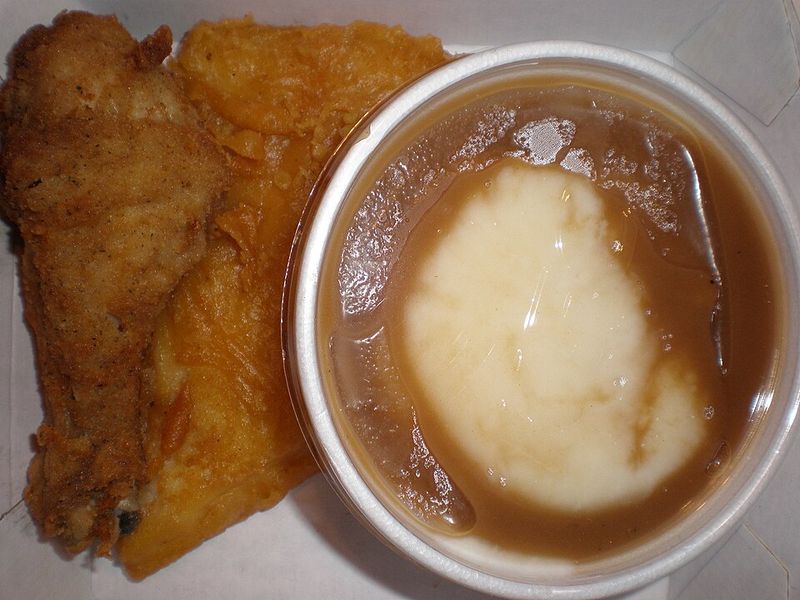
Mashed potatoes are simple until starch turns gluey. Choosing the right potato matters, and ricing while hot keeps them fluffy.
Warm dairy emulsifies better, while overmixing with a machine can ruin texture fast.
Gravy depends on pan drippings, skimmed fat, and a patient roux. Deglazing captures fond so flavor shines.
You will season with restraint, let pepper bloom, and adjust thickness off heat. The goal is a silky pour that hugs the mash, never a paste or a puddle.
Biscuits
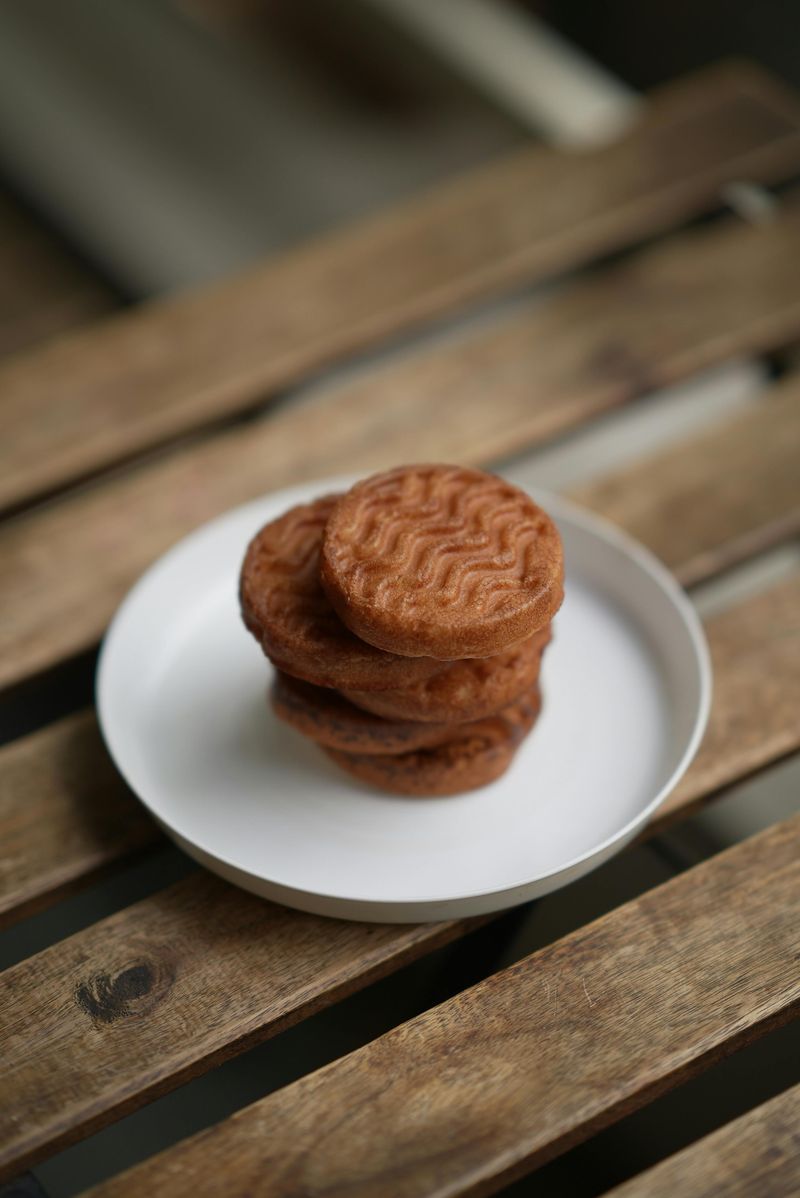
Biscuits demand cold fat, quick hands, and confidence. Cutting butter into flour creates little steam pockets that lift the dough.
Buttermilk brings tang and tenderness, while too much kneading turns layers tough and tight.
Patting, folding, and sharp cutting matter more than gadgets. A hot oven sets rise fast, and nesting biscuits helps them climb.
You will brush with butter, rotate the pan, and resist peeking. When you split one and steam escapes in fragrant curls, you will realize simple never meant easy.
Cornbread
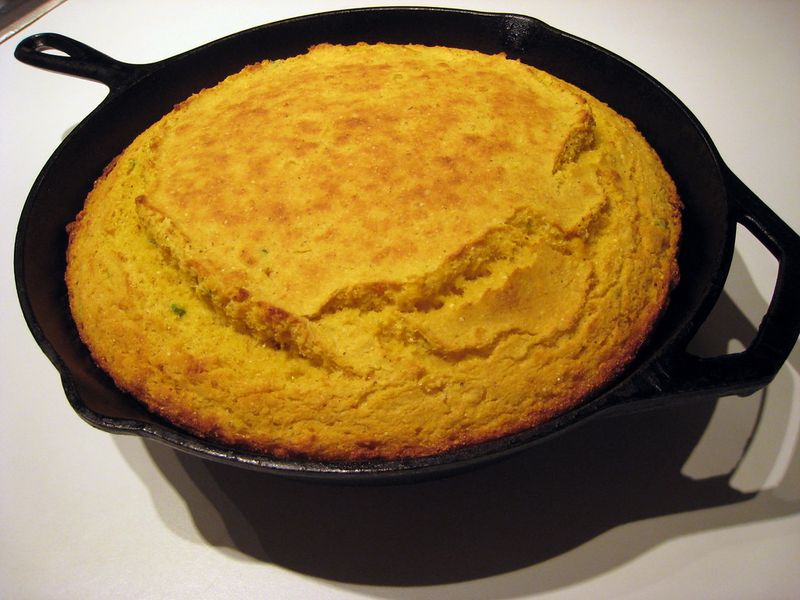
Cornbread splits camps, and technique decides sides. Cast iron gives a crisp edge if preheated with fat.
A balance of cornmeal to flour keeps it tender, while sugar or not is a personal choice that still affects browning and moisture.
Overmixing ruins crumb, so stir just until barely combined. Buttermilk and baking soda need each other, and the batter should hit a hot pan.
You will test for doneness by sound and smell, not only a toothpick. The slice should be plush inside, crackly outside, and deeply corny.
Chili
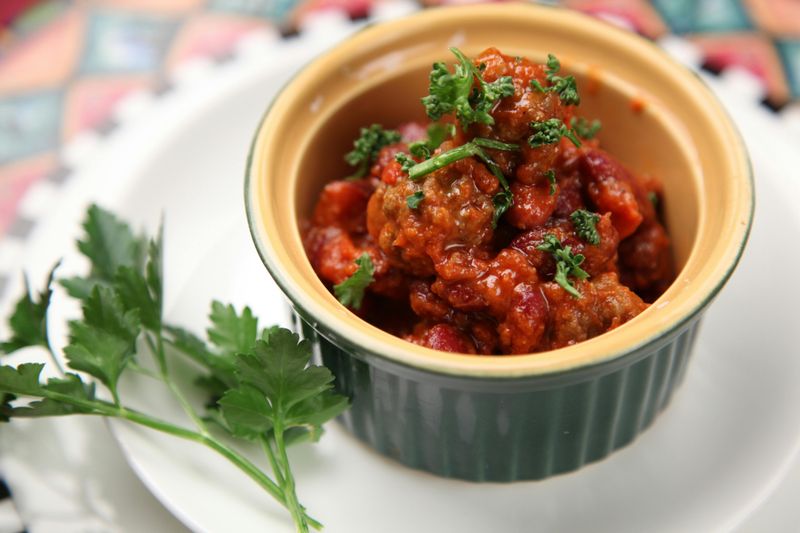
Chili hides complexity behind a simmering pot. Blooming spices in fat unlocks depth you cannot sprinkle in later.
Brown the meat thoroughly, then build layers with onions, garlic, and tomato products that cook until sweet and concentrated.
Beans change texture depending on when they join. Salt early for meat, later for beans, and adjust heat with chilies, not just powder.
You will tweak acidity with vinegar or lime, then rest the pot so flavors marry. The next day usually tastes best, proving patience is an ingredient.
Spaghetti and meatballs
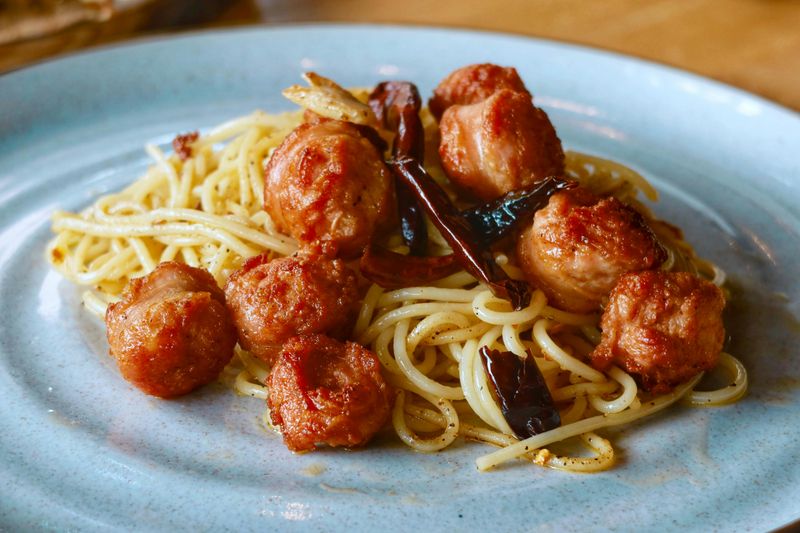
Spaghetti and meatballs look like kid food, but balance is grown up. Meatballs need a tender crumb from soaked bread, not just breadcrumbs.
Browning them gently, then finishing in sauce, keeps them juicy and flavorful.
The sauce should simmer until sweet and bright, with enough emulsified pasta water to cling. Salt the pasta water heavily so the noodles carry flavor.
You will toss, not top, for even coating. When a meatball cuts clean and the sauce hugs every strand, you will taste the work.
Homemade pizza
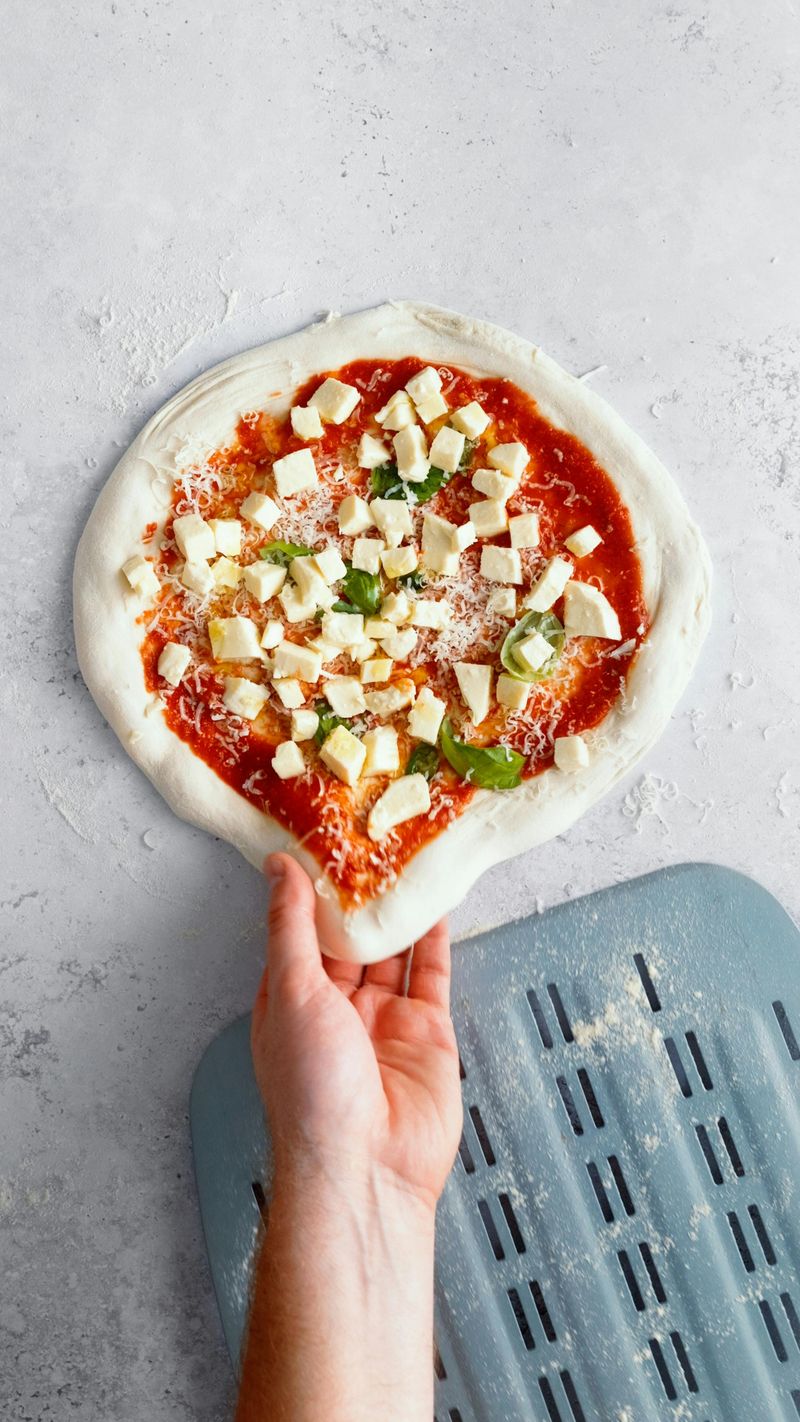
Homemade pizza is dough science wrapped in joy. Hydration, fermentation time, and temperature shape chew and flavor.
Stretching without tearing takes practice, and leaving a rim encourages airy cornicione that blisters in heat.
Sauce should be simple and uncooked, while cheese needs proper moisture control to avoid puddles. A ripping hot stone or steel changes everything.
You will launch with confidence, rotate quickly, and let the crust speak with leopard spots. Slice, inhale, and admit restaurant magic lives in your oven with planning.
Rice pudding
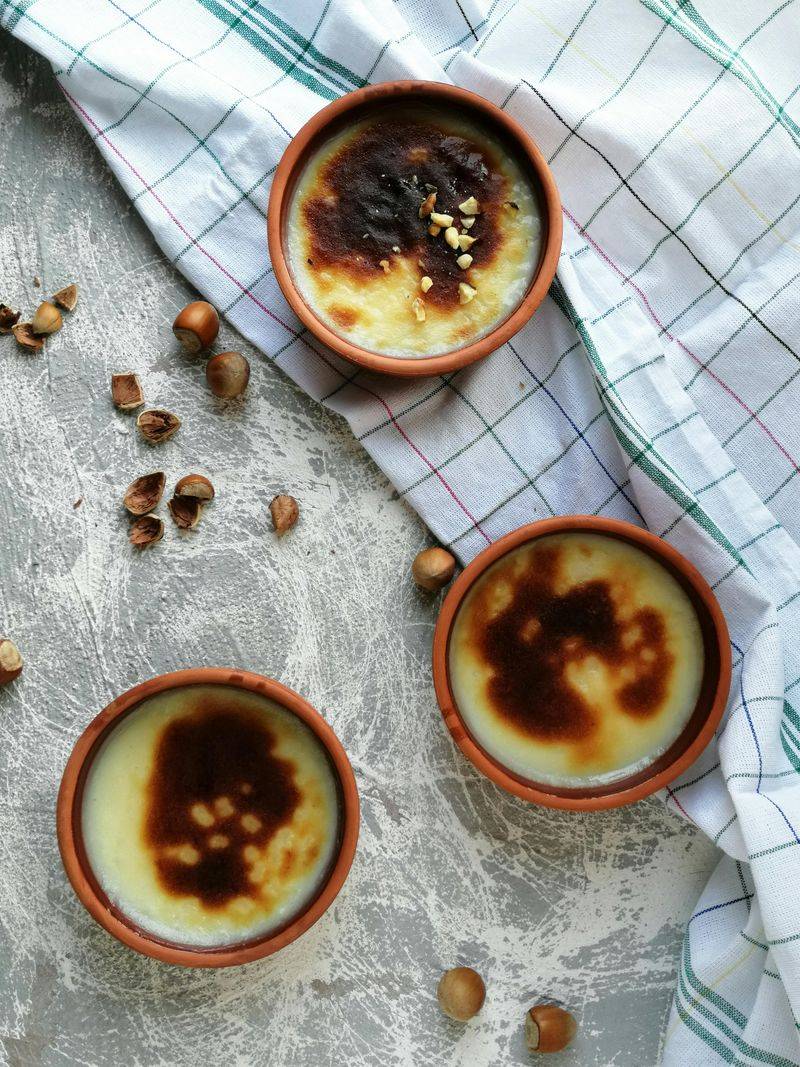
Rice pudding seems like rice plus milk, but texture is everything. Choosing the right rice affects starch release and creaminess.
Slow simmering coaxes softness without scorching, which means constant stirring at the end.
Sweetness should be gentle, with vanilla and a whisper of salt. Eggs or not changes richness and technique.
You will temper carefully if using them, and chill to thicken further. Raisins plump better when soaked, and a cinnamon sprinkle wakes it up.
The spoon should trail slowly, not stand straight.
Bread pudding
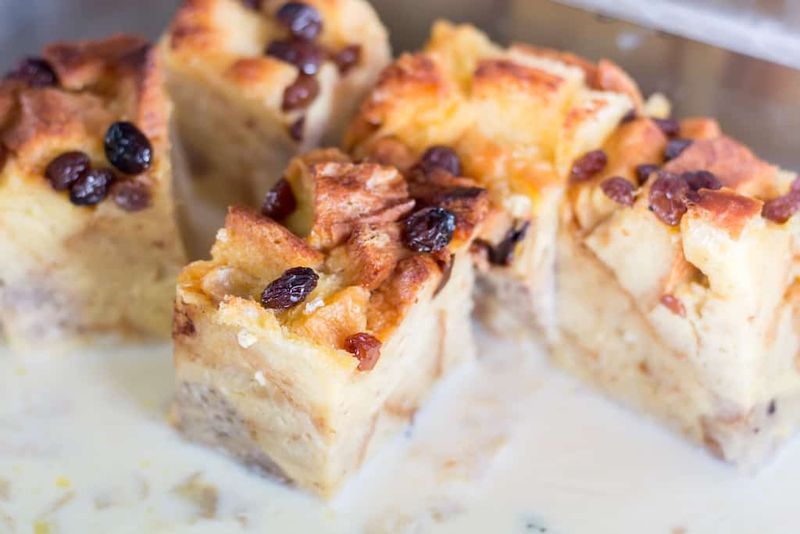
Bread pudding rescues stale bread, but not any loaf will do. Choose something with structure so cubes soak without collapsing.
The custard wants the right egg to dairy ratio, steeped with vanilla and maybe citrus zest for brightness.
Soak time matters, giving the center silky firmness. A water bath can help prevent curdling, while a final high heat browns the top.
You will let it rest so custard sets, then drizzle sauce sparingly. Every bite should balance crispy edges with a creamy middle, never wet or rubbery.
Apple pie
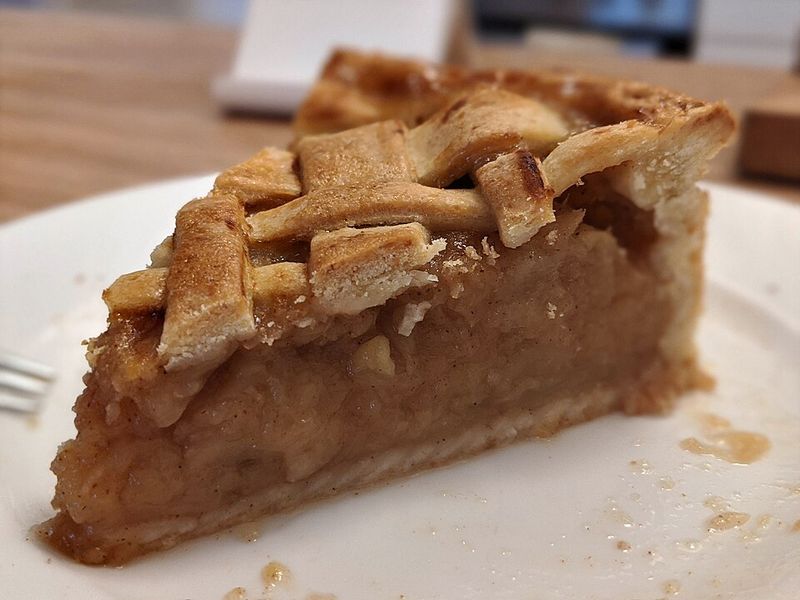
Apple pie owns nostalgia, yet technique rules. Choose a mix of apples for texture and flavor.
Toss slices with sugar, acid, and spices, then rest to draw juices you reduce, not waste, so the filling sets instead of flooding.
The crust needs cold fat, minimal handling, and time to chill. Rolling evenly prevents patches that brown too fast.
You will vent, egg wash, and bake on a hot surface to avoid sogginess. When the bubble thickens and the kitchen smells like fall, you nailed it.
Tuna casserole
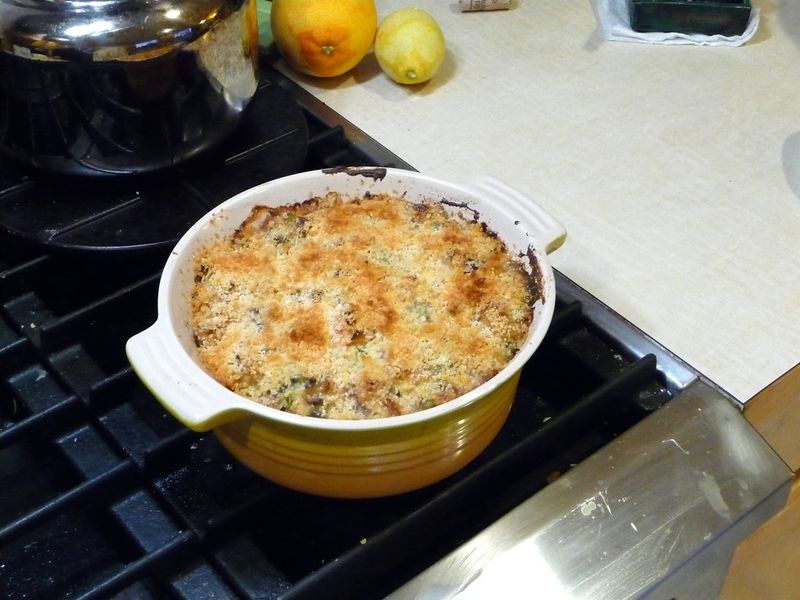
Tuna casserole seems retro simple until you skip cans. Building the sauce from scratch means making a smooth béchamel that does not clump.
Mushrooms should brown first for deep flavor, not steam into grayness.
Al dente noodles keep structure in the oven. Salty elements like tuna and cheese require careful seasoning.
You will fold gently, crown with buttered crumbs, and bake until bubbling at the edges. Let it settle so slices hold.
What tasted like nostalgia becomes proudly modern when every part earns its place.
Meatloaf
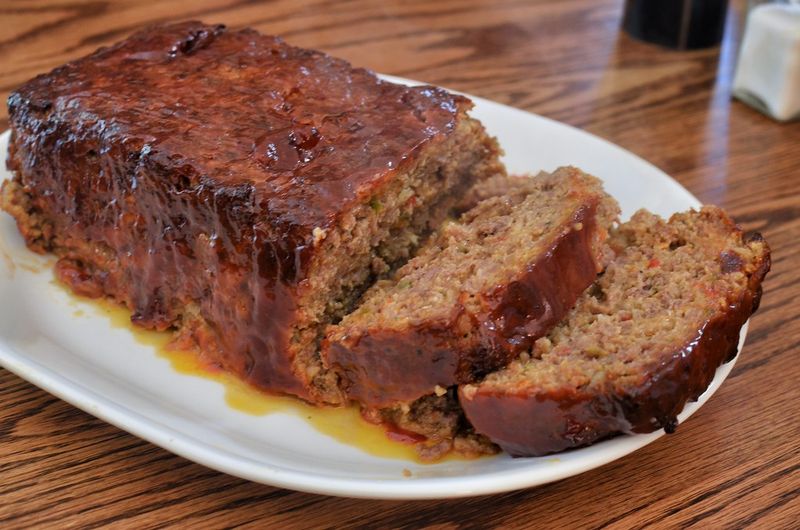
Meatloaf looks easy until seasoning, texture, and moisture collide. Breadcrumbs and eggs glue the dream together, but ratio is everything.
Too many crumbs and it crumbles, too few and it turns dense, sitting heavy instead of tender.
The glaze seems simple, yet balancing tang, sweetness, and shine can be fussy. Sautéed onions add sweetness only when softened right.
You will learn to rest slices, choose the right pan, and avoid pressing the mixture, because gentle hands make a lofted loaf worth remembering.
Lasagna
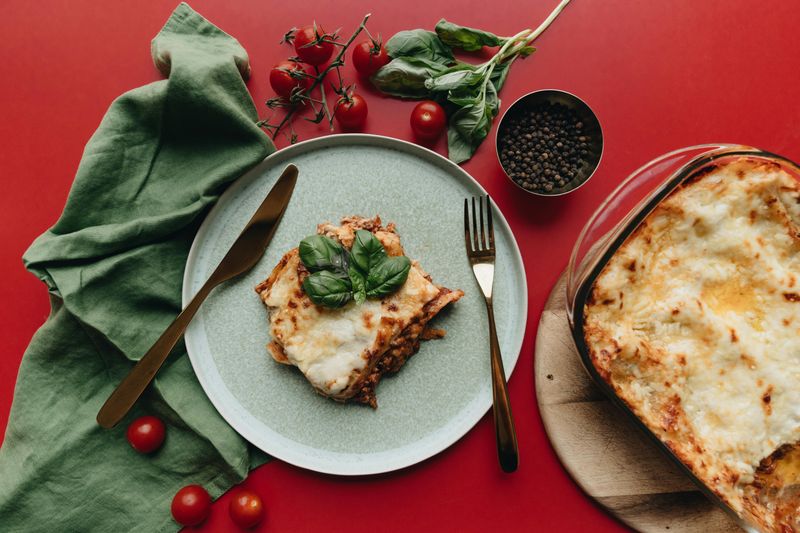
Lasagna is a stacking puzzle with sauces that must taste right alone. The ragu needs time to deepen, while the béchamel or ricotta mixture brings gentle creaminess.
Parboiled or no boil noodles each demand timing so layers cook through without drying.
Salt management matters, since cheeses contribute plenty. Resting after baking feels cruel, yet it sets the structure for clean slices.
You will spread thin, even layers, seal edges with sauce, and finish under broil if needed for caramelized bubbles. Every bite should be balanced, not soggy or stiff.
Enjoyed this story?
Add Fast Food Club as a preferred source to see more of our reporting on Google.