


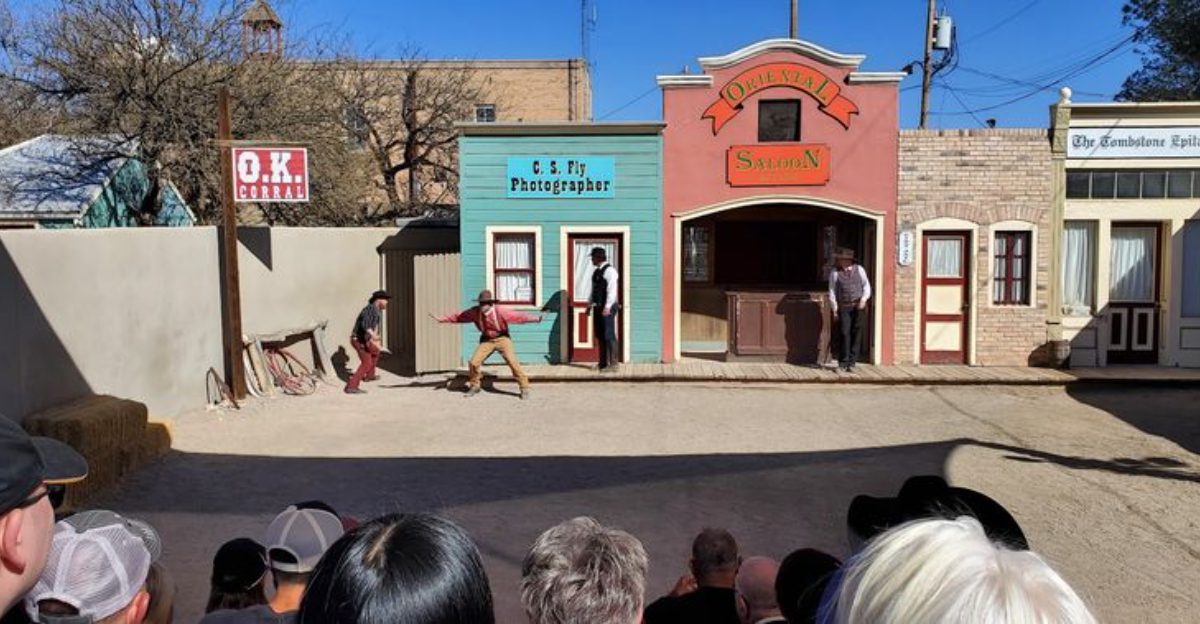
Tucked away in the rugged hills of southeastern Arizona, Tombstone is one of the most legendary towns in American history. Once a booming silver mining settlement in the 1880s, it earned a wild reputation for gunfights, outlaws, and larger-than-life characters.
Today, walking down its dusty streets feels like stepping straight into an old Western movie. If you love history, adventure, and jaw-dropping stories from the past, Tombstone is a place you absolutely need to visit.
The O.K. Corral Gunfight Re-enactment
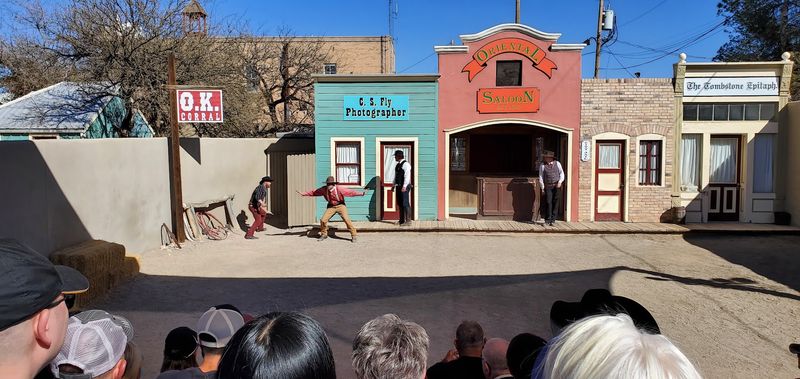
Few moments in American history are as famous as the gunfight at the O.K. Corral, and Tombstone brings it back to life every single day.
On October 26, 1881, lawmen Wyatt Earp and Doc Holliday faced off against a group of outlaws in a showdown that lasted less than 30 seconds but echoed through history forever.
At the O.K. Corral outdoor theater on historic Allen Street, talented actors re-enact this legendary battle with dramatic flair.
The performances are exciting, educational, and surprisingly emotional. You can almost feel the tension in the air as the actors draw their guns.
Visiting this attraction gives you a real sense of what life was like during the Wild West era. It is a must-see experience that both kids and adults absolutely love.
Plan to arrive early to grab a good spot before the show begins.
Boothill Graveyard
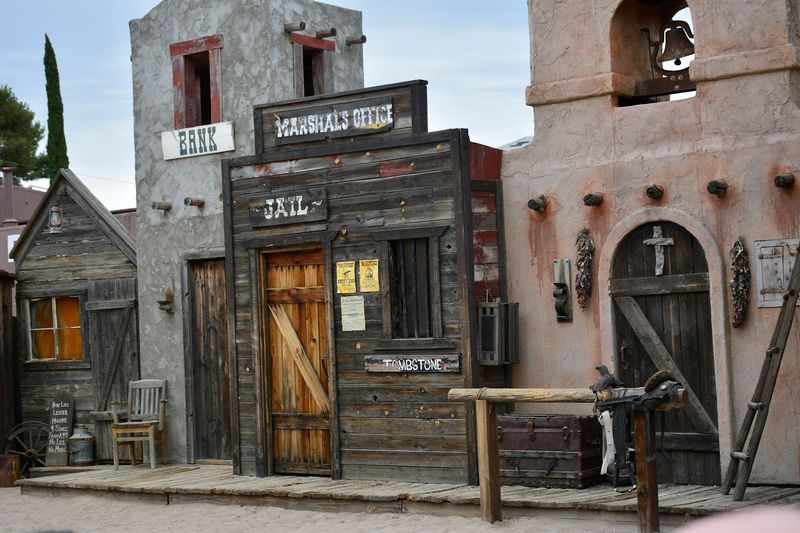
There is something quietly haunting about walking through the Boothill Graveyard, where outlaws, lawmen, and ordinary townspeople were laid to rest beginning in 1878. The hand-carved wooden markers and weathered headstones tell stories that history books often leave out.
Some graves even have darkly humorous epitaphs that reveal the rough humor of the era.
Among those buried here are some of the very outlaws who faced the Earp brothers at the O.K. Corral.
Standing over their graves makes history feel shockingly real. The cemetery sits just outside of town and is free to visit, making it one of the most accessible historical stops in all of Arizona.
Kids especially get a kick out of reading the quirky inscriptions on the headstones. It is a sobering yet fascinating reminder that Tombstone was once one of the most dangerous towns in the American West.
The Bird Cage Theatre
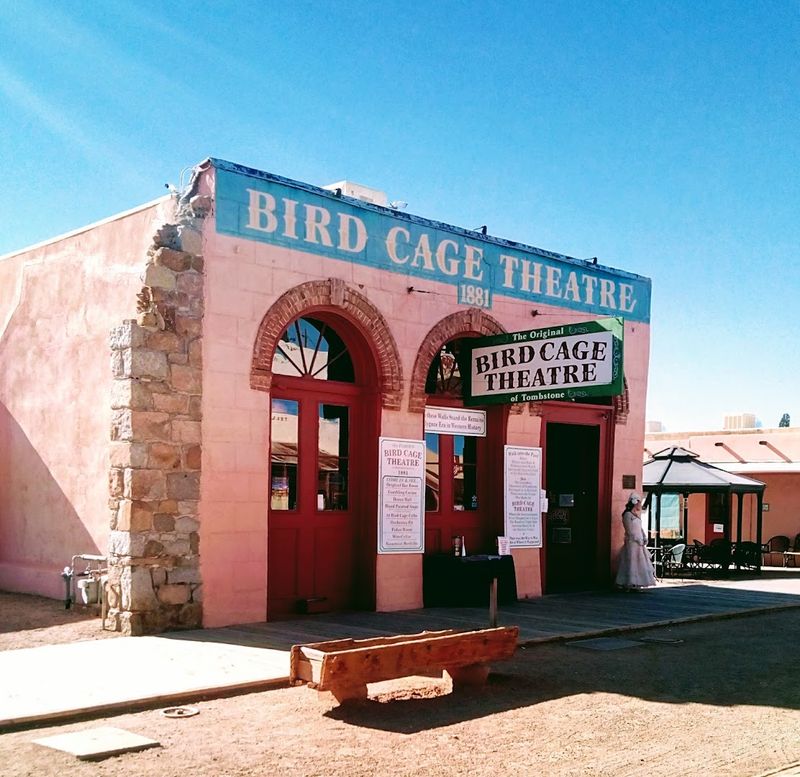
Legend has it that the Bird Cage Theatre never closed its doors for a single night between 1881 and 1889. This notorious entertainment hall served as a saloon, gambling den, dance hall, and theater all rolled into one wild package.
The New York Times once called it the most wicked place in the West, and the building still carries that electric energy today.
Over 140 bullet holes are embedded in the walls and ceiling, silent witnesses to the chaos that once filled this room. Visitors can tour the preserved interior, which looks almost exactly as it did during Tombstone’s rowdy heyday.
Original poker tables, vintage costumes, and old props are still on display.
Ghost enthusiasts claim the Bird Cage is one of the most haunted locations in America. Whether or not you believe in spirits, the atmosphere inside is undeniably eerie and utterly unforgettable.
Come ready for chills.
Tombstone Courthouse State Historic Park
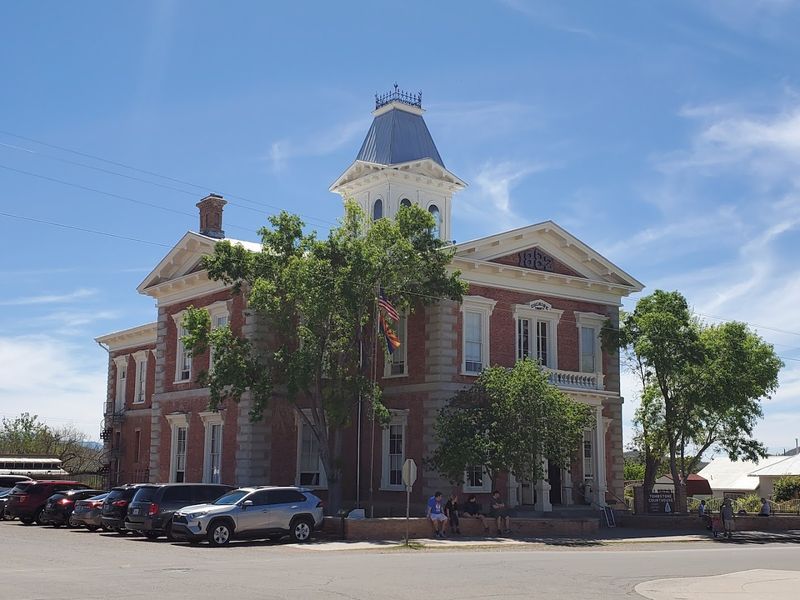
Built in 1882, the Tombstone Courthouse was the center of law and order during one of the most lawless periods in Arizona history. Today, it operates as a state historic park that offers visitors a fascinating window into the legal battles, trials, and punishments that shaped the territory.
A replica gallows stands outside as a stark reminder of frontier justice.
Inside, exhibits showcase original courtroom furniture, historical photographs, and artifacts from the mining boom era. You can learn about the famous trials that followed the O.K.
Corral gunfight and understand why Tombstone became such a flashpoint for conflict. The displays are well-organized and surprisingly engaging even for younger visitors.
Admission is affordable, and the knowledgeable staff are always happy to answer questions. History teachers would have a field day bringing students here.
Few places in Arizona pack this much authentic frontier drama into a single building.
Historic Allen Street
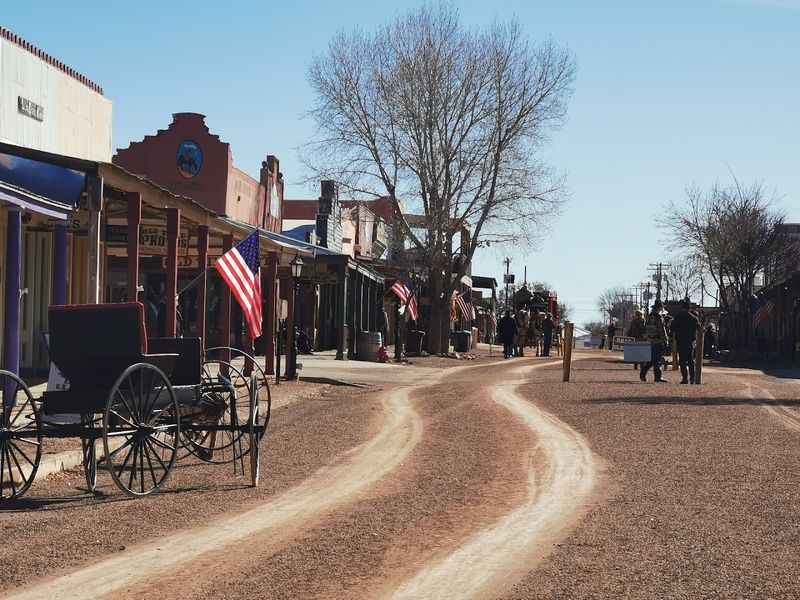
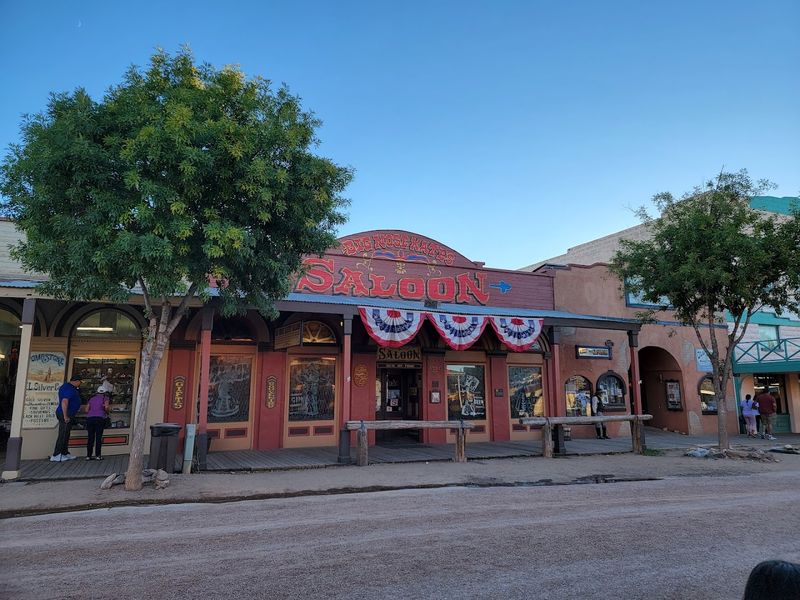
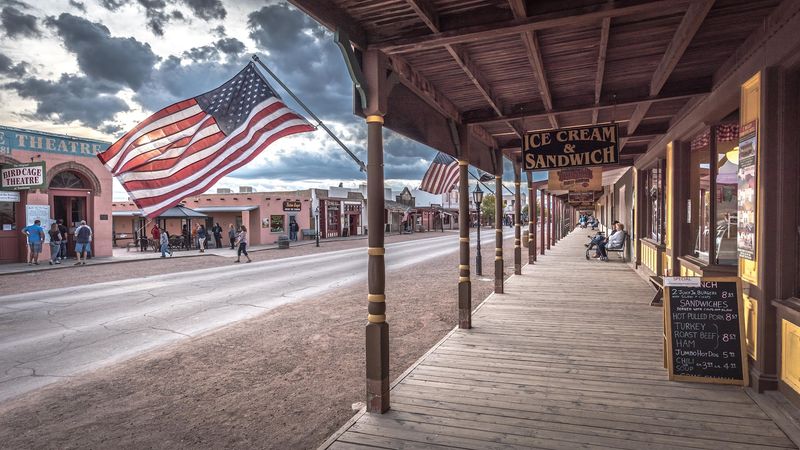
Step onto Allen Street and you might genuinely wonder if a time machine dropped you into 1881. This iconic main street is lined with wooden storefronts, old-fashioned saloons, and shops that look virtually unchanged from the silver mining boom days.
Street performers dressed as cowboys and outlaws roam the boardwalks, adding to the atmosphere.
Allen Street is the heartbeat of Tombstone. On any given day, you can watch gunfight performances, browse Western-themed shops, sample frontier-inspired food, and chat with costumed characters who stay in character all day long.
The energy here is playful, theatrical, and surprisingly immersive.
Many of the buildings along Allen Street are original structures from the 1880s, carefully preserved and restored over the decades. Even the boardwalks underfoot feel authentic.
Whether you are a history buff or just looking for a fun afternoon, Allen Street delivers an experience unlike anything else in Arizona.
Silver Mining History
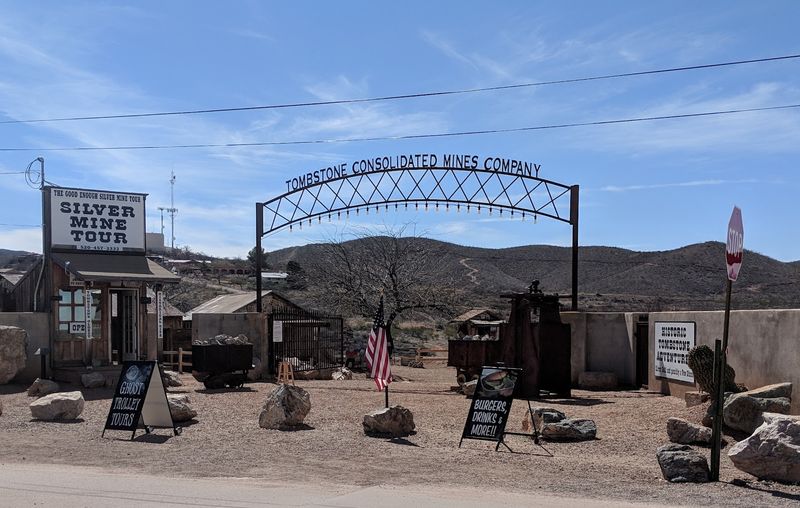
Without silver, there would be no Tombstone. Ed Schieffelin discovered rich silver deposits in the area in 1877, and almost overnight a rough mining camp transformed into a booming town of over 10,000 people.
At its peak, Tombstone was one of the largest and wealthiest cities in the entire American Southwest.
The silver mines produced millions of dollars worth of ore before flooding and falling silver prices eventually brought the boom to an end. Several museums in town display original mining equipment, ore samples, and photographs that capture the incredible energy of those early years.
Learning about this history helps explain why so many rough-and-tumble characters flooded into the region.
Tombstone’s silver story is a classic American tale of fortune, ambition, and eventual decline. It is a reminder that the Wild West was not just about gunfights.
It was about people chasing dreams in a harsh and unforgiving landscape.
Wyatt Earp’s Legacy
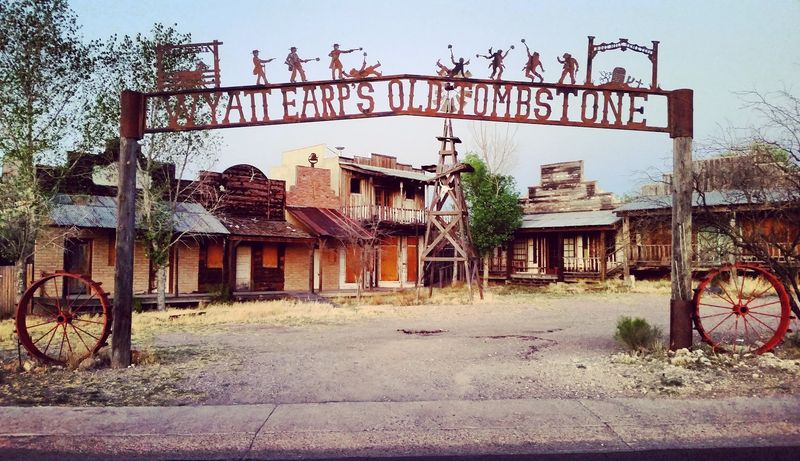
Wyatt Earp is arguably the most famous name connected to Tombstone, and his story is far more complicated than most people realize. He arrived in town in 1879 as a gambler and part-time lawman, and his time in Tombstone would make him one of the most mythologized figures in American history.
The gunfight at the O.K. Corral cemented his legend forever.
After the famous showdown, Earp and his brothers became targets of revenge attacks by outlaw allies, leading to a dramatic period called the Earp Vendetta Ride. Wyatt eventually left Tombstone under a cloud of controversy, and historians still debate whether he was a hero or a villain.
The truth, as usual, lies somewhere in between.
Tombstone honors his memory with historical markers, museum exhibits, and even an annual Wyatt Earp Days festival. Visiting these sites gives you a richer, more nuanced understanding of this endlessly fascinating American character.
Doc Holliday’s Dentist Office
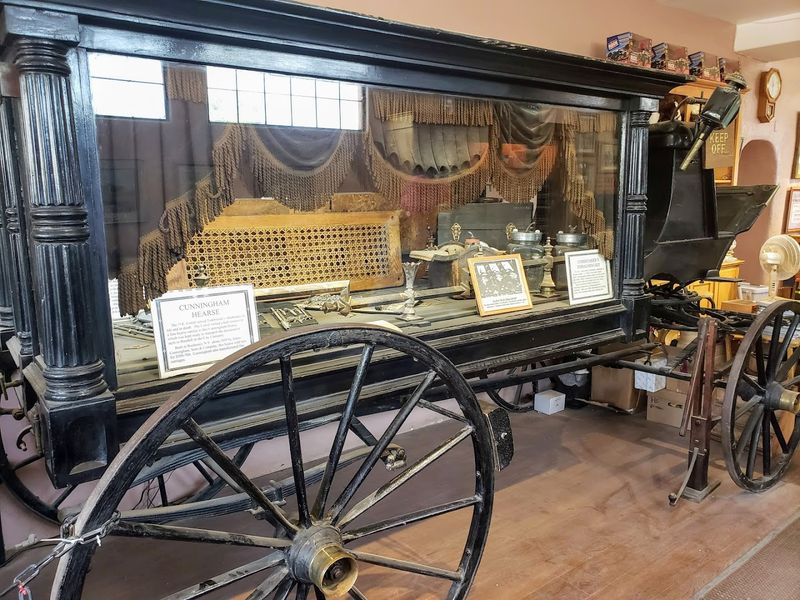
Doc Holliday was a dentist by training and a gunfighter by reputation, and Tombstone was the place where both sides of his personality collided most dramatically. Born John Henry Holliday in Georgia, he moved west after being diagnosed with tuberculosis, hoping the dry desert air might extend his life.
It did, for a while.
In Tombstone, visitors can explore a replica of Doc Holliday’s dentist office, complete with vintage dental equipment that looks absolutely terrifying by modern standards. The exhibit offers a quirky and humanizing look at a man who is often reduced to a single dramatic moment in history.
He was far more than just a gunfighter.
His friendship with Wyatt Earp remains one of the most compelling bromances in American Western lore. Holliday stood by Earp even when it put his own life at risk.
That loyalty is what truly made him legendary in Tombstone.
Tombstone Epitaph Newspaper Museum
Founded in 1880, the Tombstone Epitaph is one of the oldest continuously published newspapers in Arizona, and its name alone tells you everything about the town’s dark sense of humor. The paper covered the O.K.
Corral gunfight in real time, making it one of the most important primary sources for historians studying the Wild West era.
Today, the Tombstone Epitaph operates as both a working newspaper and a museum open to the public. Visitors can see an antique printing press in action, browse framed front pages from the 1880s, and learn how journalism functioned in a frontier town where news traveled slowly and violence happened fast.
The museum is a surprisingly underrated stop on any Tombstone itinerary. It offers a completely different perspective on the town, one focused on words and storytelling rather than gunfights.
History lovers and aspiring journalists alike will find something genuinely inspiring here.
Tombstone’s Annual Helldorado Days Festival
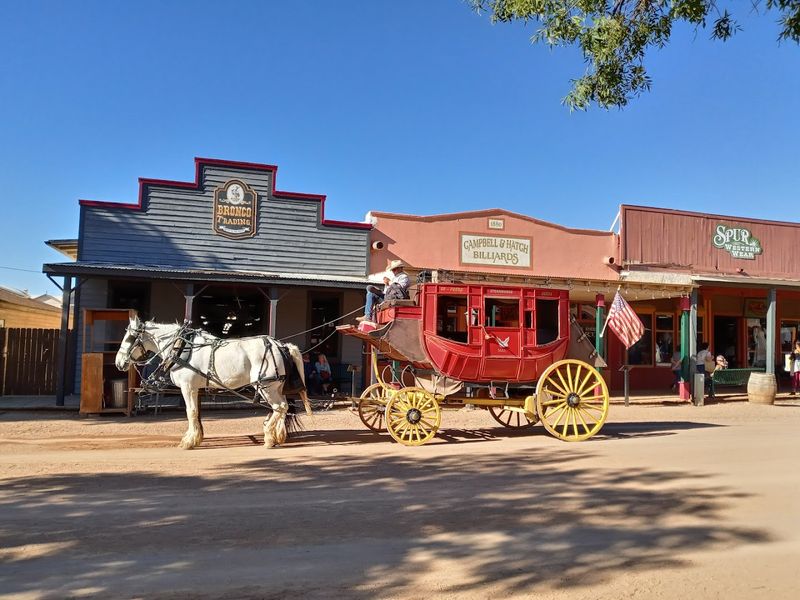
Every October, Tombstone transforms into an even wilder version of itself during the Helldorado Days festival. Started in 1929, this annual celebration honors the town’s rowdy heritage with gunfight re-enactments, period costume contests, live music, parades, and plenty of frontier-inspired food and drink.
It draws thousands of visitors from across the country every year.
The festival atmosphere is infectious. People of all ages show up dressed as cowboys, saloon girls, outlaws, and lawmen.
The streets fill with laughter, cheering crowds, and the smell of campfire cooking. It feels like the entire town has agreed to party like it is 1881 for a whole weekend.
Helldorado Days is the perfect time to visit Tombstone if you want the fullest possible experience of its Wild West culture. Hotels and campgrounds fill up fast, so booking ahead is absolutely essential.
Mark your calendar and start planning early.
The Rose Tree Museum
Believe it or not, Tombstone is home to the world’s largest rosebush, and it lives inside the charming Rose Tree Museum. Planted in 1885 by a homesick Scottish bride who received a cutting as a wedding gift, the Lady Banks rose has grown to cover over 9,000 square feet of trellis.
It blooms beautifully every spring with clusters of tiny white flowers.
The museum surrounding the rosebush is equally delightful, filled with Victorian-era furniture, antique china, and personal artifacts that paint a picture of domestic life in frontier Tombstone. It offers a refreshing contrast to the guns-and-outlaws narrative that dominates most of the town’s attractions.
Visiting the Rose Tree Museum is a quiet, lovely experience that reminds you ordinary families also lived and loved in this extraordinary place. The best time to visit is April, when the rose is in full bloom and the courtyard feels absolutely magical.
Big Nose Kate’s Saloon
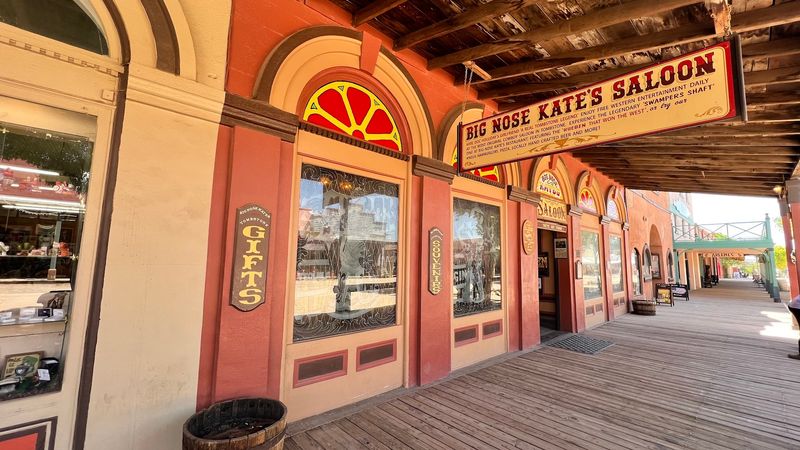
Named after Doc Holliday’s famously fiery girlfriend, Big Nose Kate’s Saloon is one of the most entertaining stops on Allen Street. The building dates back to 1881, when it operated as the Grand Hotel, and it still carries that original frontier energy.
Today it serves as a lively bar and restaurant where history and good food meet under one roof.
Mary Katherine Haroney, known as Big Nose Kate, was one of the most colorful characters of the Tombstone era. She was a Hungarian immigrant who worked as a dance hall girl and had a stormy, passionate relationship with Doc Holliday that lasted for years.
The saloon named in her honor is a fitting tribute to her outsized personality.
Live entertainment, Western-themed cocktails, and walls covered in historic photographs make this spot a fantastic place to relax after a long day of sightseeing. Grab a seat at the bar and soak it all in.
The Tombstone Monument Ranch
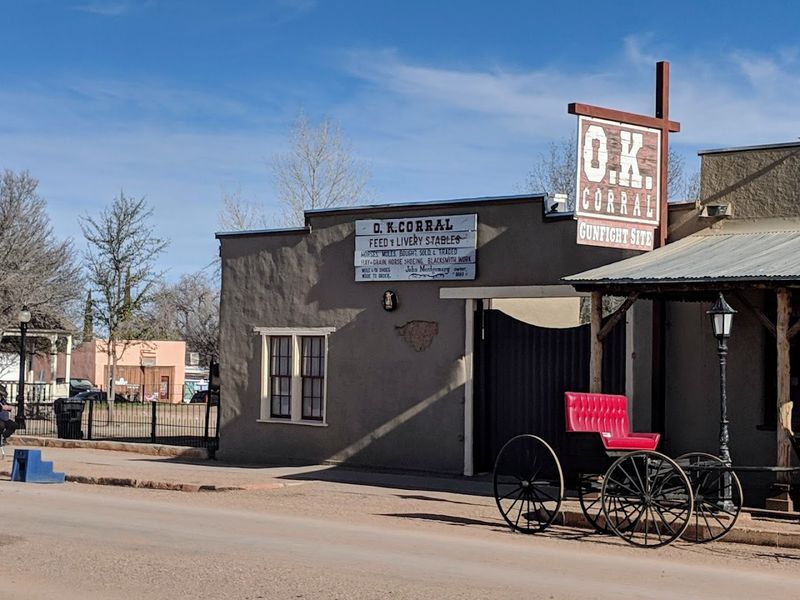
Just outside of town, the Tombstone Monument Ranch offers a completely different kind of Wild West experience. This working guest ranch lets visitors saddle up and ride through the stunning Sonoran Desert landscape, surrounded by saguaro cacti, rugged mountains, and open sky that seems to stretch forever.
It is the closest most people will ever get to living like a real cowboy.
Trail rides are available for all skill levels, from total beginners to experienced riders. The ranch also offers cookouts, roping demonstrations, and overnight stays in rustic but comfortable cabins.
Waking up to a desert sunrise from a ranch porch is genuinely one of life’s great pleasures.
The Monument Ranch provides a perfect balance to Tombstone’s museum-heavy attractions. After a day of reading historical plaques and watching gunfight performances, getting out into the open desert on horseback feels like the most natural thing in the world.
Book your ride in advance.
Enjoyed this story?
Add Fast Food Club as a preferred source to see more of our reporting on Google.