


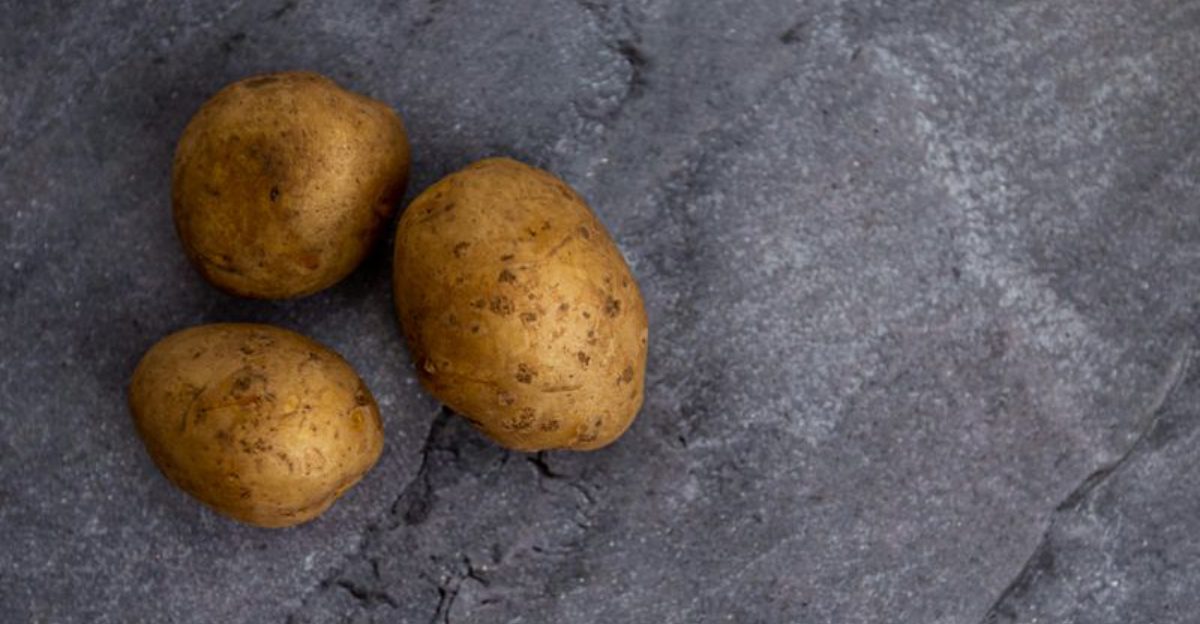
Remember when these basics felt like automatic budget savers? Lately, that quick trip for a few staples rings up like a mini splurge, and it is not your imagination.
Prices have crept up while package sizes quietly shrank, leaving you to juggle trade offs and substitutions. Let’s walk through the classics that used to stretch a dollar and how to shop smarter without feeling shortchanged.
Eggs

Eggs used to feel like the ultimate budget protein, always there when you needed breakfast or a quick dinner. Now the sticker shock hits, and you start counting recipes by the egg.
You still get great nutrition and versatility, but cartons do not feel casual anymore.
To save, watch unit prices and buy larger packs when they truly cut costs. Consider freezing beaten eggs for later, and stretch scrambles with veggies, rice, or tortillas.
Try baking a frittata that uses leftovers smartly. It still feels frugal, just with sharper planning and fewer spontaneous dozen grabs.
Rice
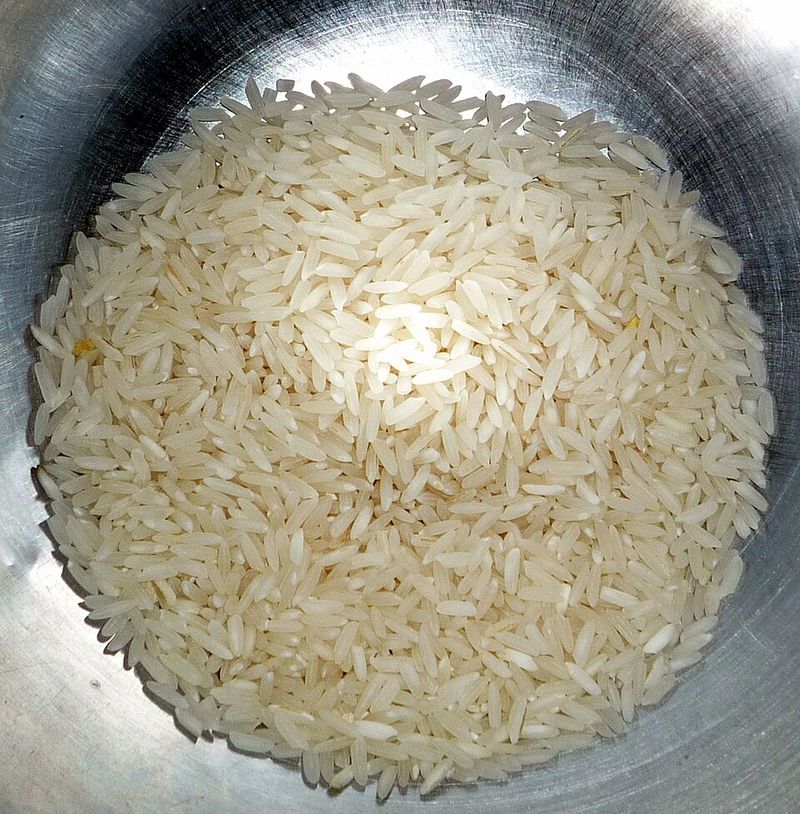
Rice long defined cheap comfort, filling bowls and bulking dinners without fuss. Lately, even big bags are creeping up, and smaller packages hide higher unit costs.
You pour the cup and think about every grain a bit more.
To fight the climb, buy in bulk where storage allows and compare ethnic markets for better deals. Blend varieties to balance price and texture, and toast rice for richer flavor so smaller portions satisfy.
Use leftover rice for fried rice or congee, stretching proteins and vegetables. Budget eating still loves rice, just smarter, fresher, and planned with intention.
Lentils
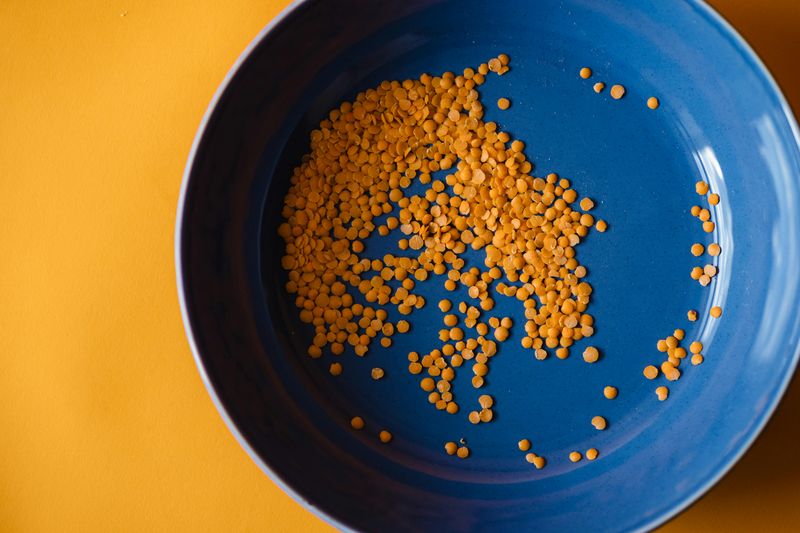
Lentils used to feel like magic pennies turning into dinner. Prices nudged up, and suddenly a simple dal or stew is not quite as cheap.
Still, they cook fast and marry well with spices, so value remains strong.
Buy larger bags when unit costs drop, and try less trendy varieties that stay affordable. Bloom spices in oil to build flavor, then add lentils and water for an easy base.
Stretch with carrots and potatoes, and finish with lemon for brightness. Freeze portions for instant meals.
Your budget appreciates lentils, especially when seasoning does the heavy lifting.
Onions
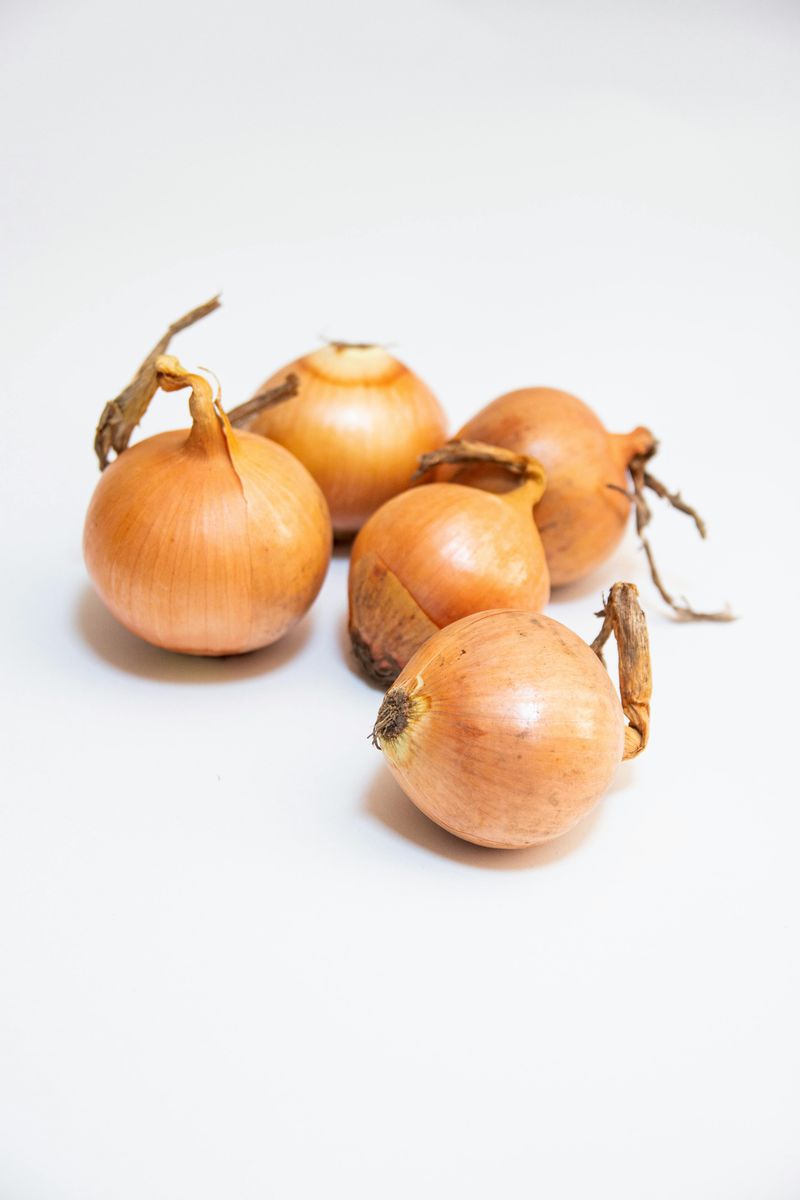
Onions were the flavor base you never budgeted. Now a three pound bag can feel like a splurge when prices spike with weather swings.
You use every layer, saving trimmings for stock and thinking twice before tossing halves.
Buy by the bag when firm and heavy, or grab singles if waste is a risk. Caramelize big batches to freeze, transforming humble dishes into something special.
Quick pickled onions stretch tacos and sandwiches. Store them dry with airflow to avoid rot.
Smart handling protects that small investment, and onions still deliver outsized taste for the cost.
Beans
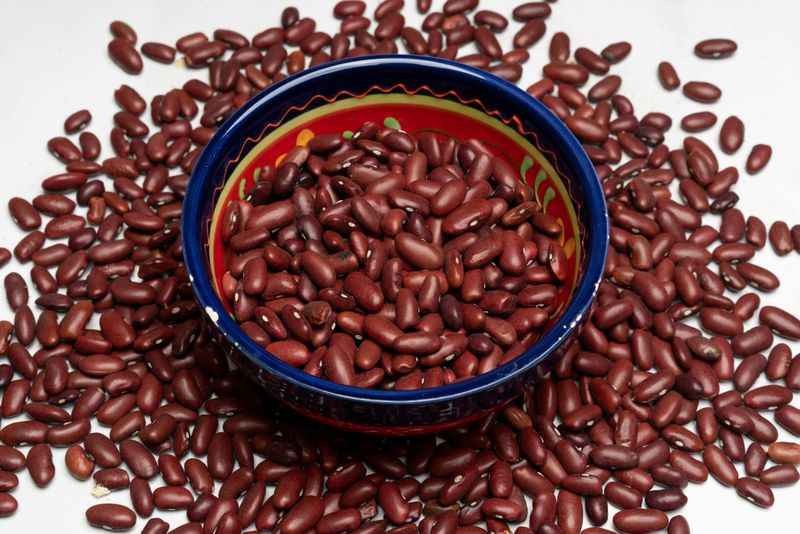
Beans were the classic answer when cash ran thin. Even they feel pricier when canned options jump and dried bags inch upward.
You notice the cost of convenience and the patience dried beans demand.
To save, cook big batches from dried and freeze in portions with their cooking liquid. Pressure cookers slash time without sacrificing texture.
Add aromatic scraps like onion ends and bay leaves for depth, so less meat still tastes generous. Use bean broth as soup stock, and mash leftovers into spreads or tacos.
You still get that dependable protein, just with prep that pays dividends.
Pasta
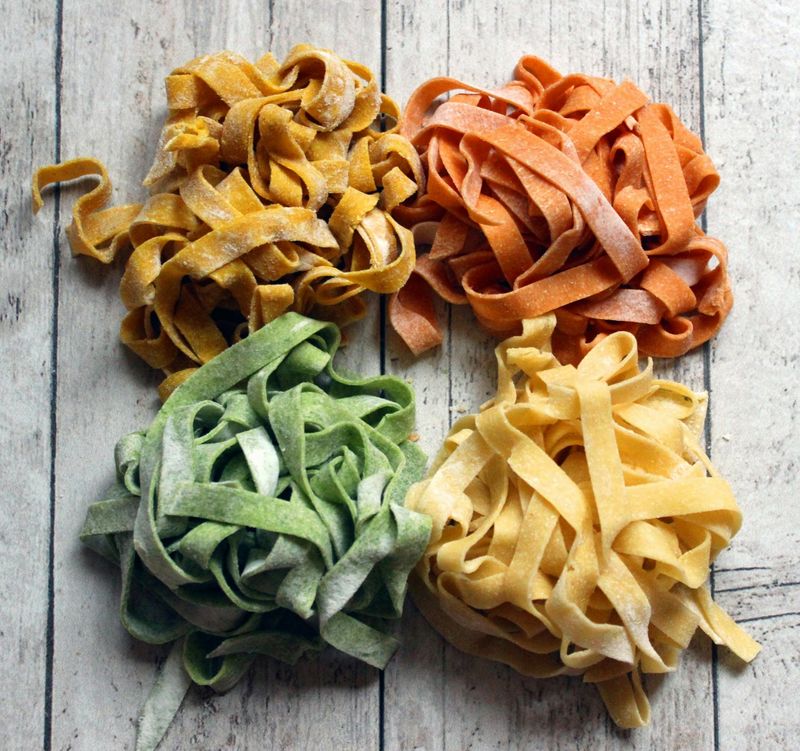
Pasta used to be the go to for a one dollar dinner. Now unit prices creep up, and boxes sometimes weigh less than before.
You still get comfort and versatility, but the deal feels tighter.
To save, watch for BOGO sales and stock pantry friendly shapes. Salt water generously so cheaper sauces still sing.
Add beans or veggies to stretch a half box into two meals. Reserve pasta water for silky sauces that need less cheese.
With a little strategy, pasta keeps delivering value, just without assuming every box is automatically cheap.
Bread
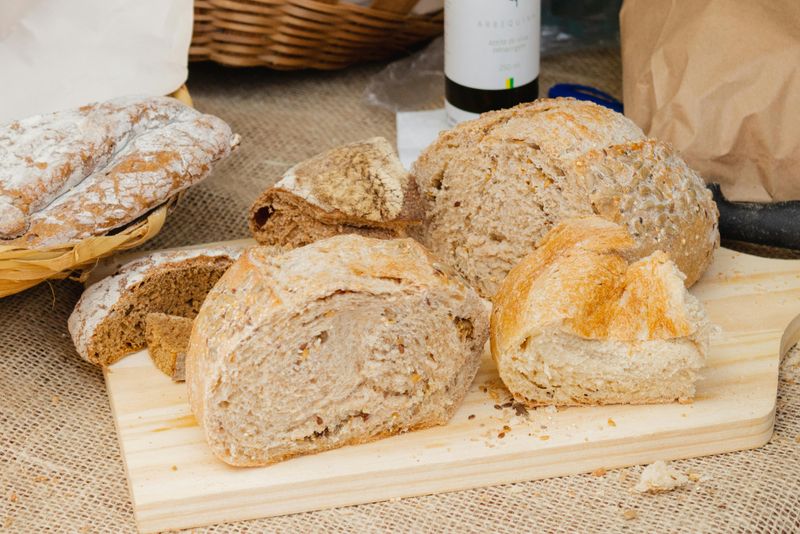
Bread seemed like a steady staple, always dependable and affordable. Suddenly a simple loaf feels premium, especially with fancy slices or smaller packaging.
Throwing away stale ends now hurts a little more.
Stretch your loaf by freezing half and toasting from frozen. Turn day old slices into croutons, breadcrumbs, or savory bread pudding.
Compare bakery markdowns late in the day and consider store brands. If baking, focus on high hydration recipes for better crumb with less yeast.
Bread still holds the week together, it just needs thoughtful storage and creative second lives.
Milk
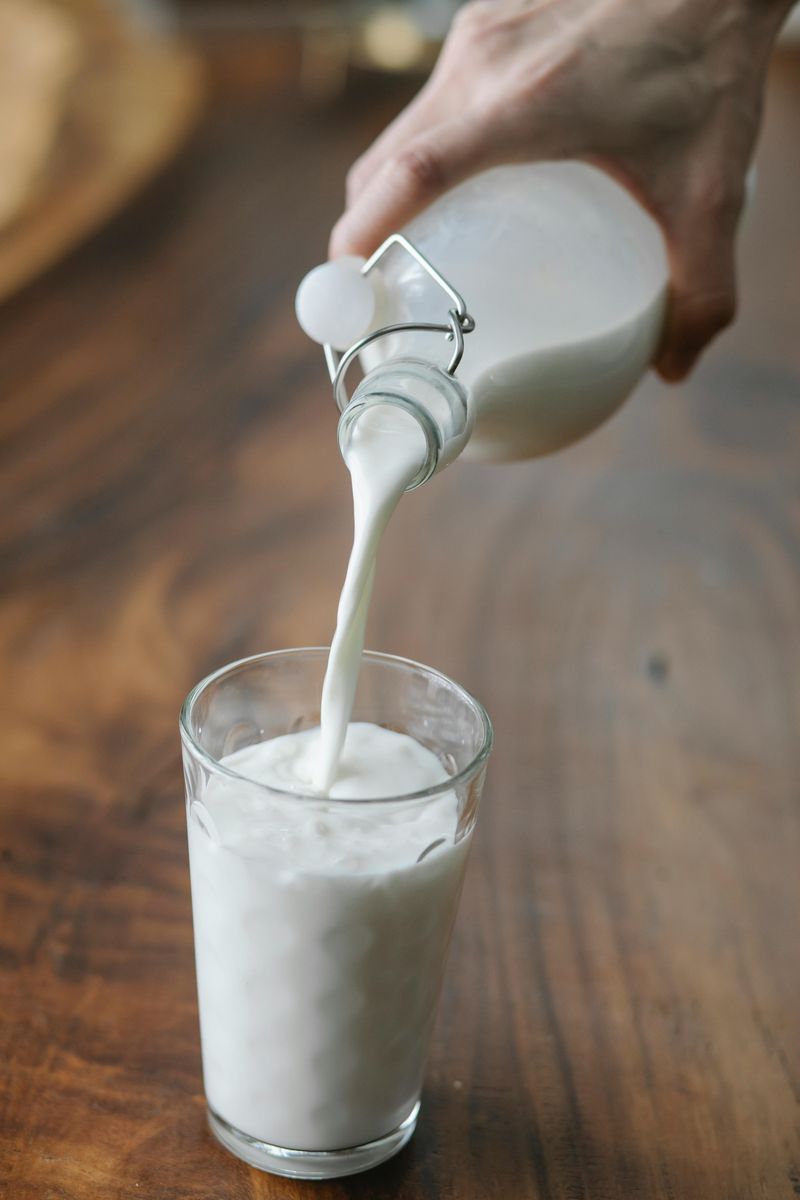
Milk rises a little, and every cereal pour feels pricier. The gallon versus half gallon math gets real when waste sneaks in.
You consider fat percentages, shelf life, and store brands more carefully than before.
Buy sizes you truly finish and freeze small portions for cooking. Compare unit prices across dairy cases and watch for local specials.
Use powdered milk in baking or sauces to stretch fresh milk. Steam leftovers for lattes or hot cocoa night, avoiding tosses.
Milk still offers value, but it rewards planning and honest consumption habits over defaulting to the biggest jug.
Peanut butter
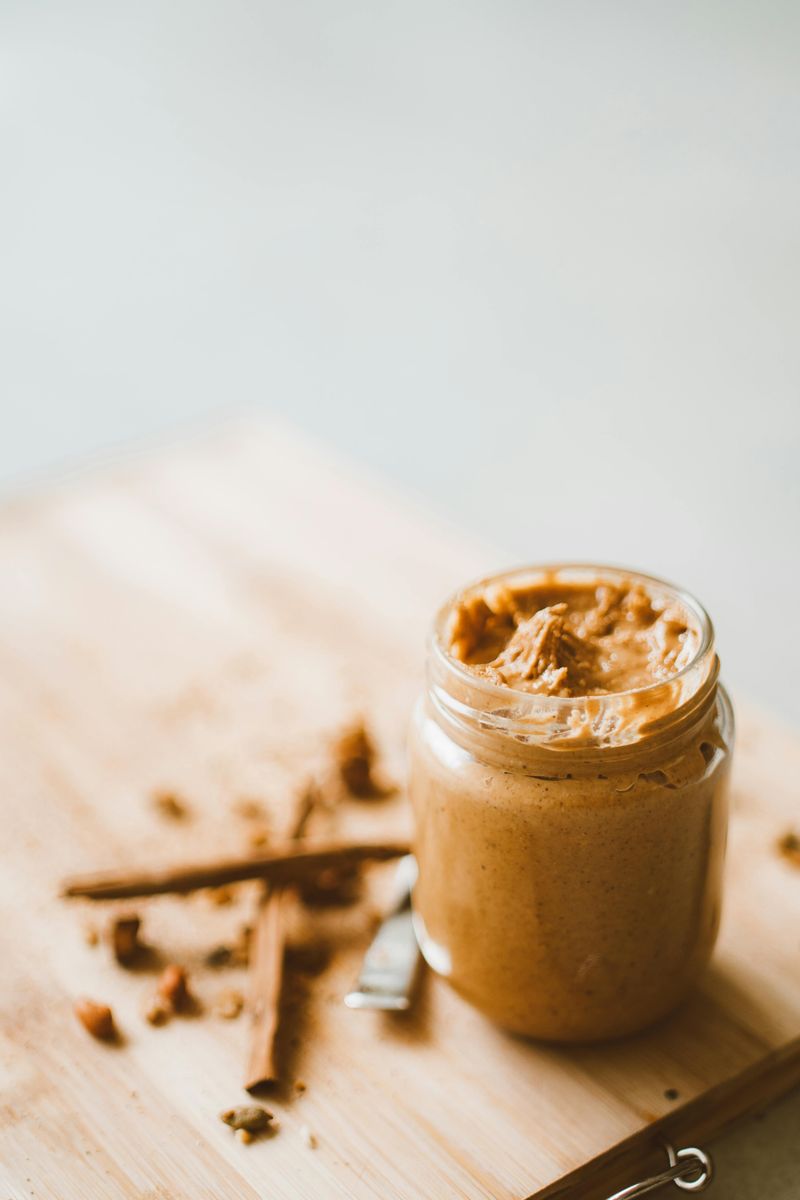
Peanut butter once felt like a thrifty hero on toast and in lunchboxes. Jars now cost more and sometimes shrink, making every scoop count.
Natural options separate, premium blends tempt, and the budget balance shifts.
To save, choose store brands with simple ingredients and watch price per ounce. Flip jars upside down to help mixing and reduce waste.
Whisk with soy sauce and lime for a cheap, bold noodle sauce. Thin the last bits with warm water for smoothies.
Peanut butter still brings comfort and protein, especially when you treat each jar like a little investment.
Oatmeal
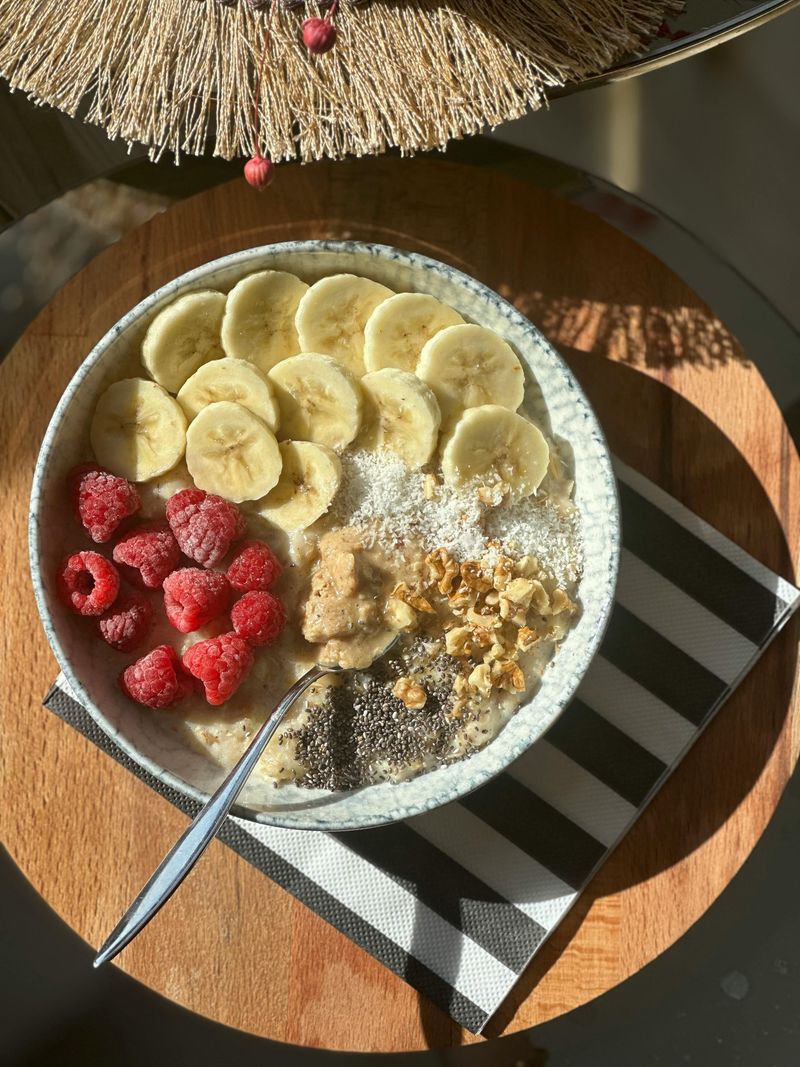
Oatmeal has always been breakfast’s budget backbone. Even so, instant packets and flavored cups push prices up fast.
Plain rolled oats remain affordable, but only if you skip the fancy packaging.
Buy large canisters or bags and blend half into quick oats for faster cooking. Toast oats in a dry pan for nutty flavor and better texture.
Batch cook, portion, and refrigerate for grab and go mornings. Use oats in meatloaf or veggie burgers to stretch proteins.
Dress bowls with seasonal fruit, spices, and a drizzle of honey. Oatmeal stays cheap if you outsmart convenience.
Ground beef
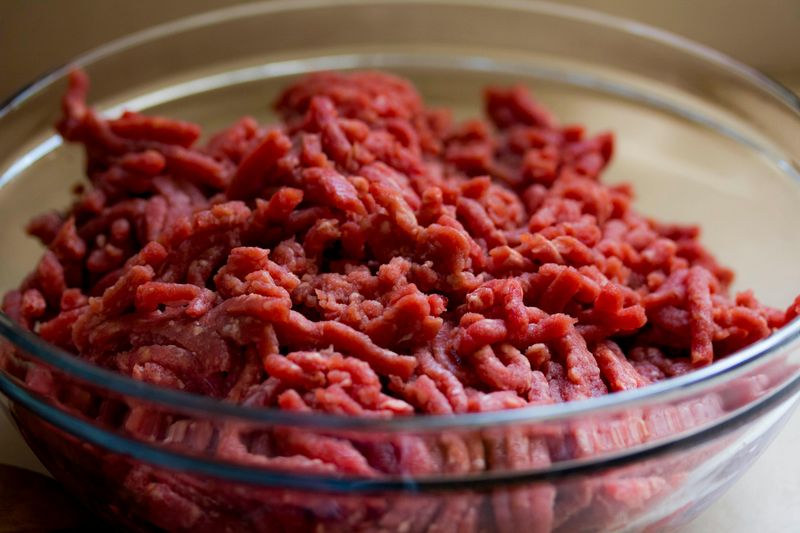
Ground beef used to be the economical meat move. Prices jumped, and fat percentages change the value equation even more.
You suddenly stretch tacos and burgers with beans, breadcrumbs, or mushrooms without feeling deprived.
Shop markdowns and freeze flat in thin bags for quick thawing. Brown big batches to portion for weeknight speed.
Use bold seasonings and umami boosters like soy sauce to make smaller amounts shine. Try half beef, half lentils for sloppy joes.
The goal is satisfaction, not excess, and ground beef still delivers when seasoned smartly and portioned thoughtfully.
Chicken thighs
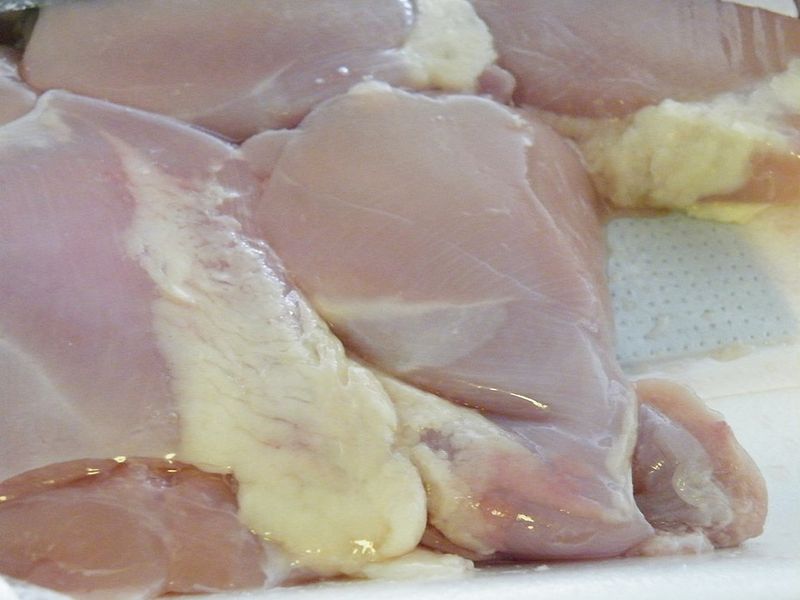
Chicken thighs were the budget cook’s secret weapon: juicy, forgiving, flavorful. Even they climbed, and family packs are not the steal they once were.
Still, thighs handle marinades and long cooking beautifully, giving you room to stretch.
Buy on sale, then portion and freeze with marinades for easy meals. Roast a tray, shred leftovers for tacos, and simmer bones for stock.
Spice pastes and yogurt tenderize, so smaller servings satisfy. Crisp the skin in a hot pan to make weeknight dinners feel special.
You still get value, just with timing, bulk prep, and a plan.
Canned tuna

Canned tuna seemed like endless affordable protein. Now certain brands and larger cans sting, and oil packed options feel luxurious.
You start comparing textures and mercury info while counting dollars.
To save, watch multi can deals and consider light tuna over albacore. Mix with beans, celery, and lemon for a hearty salad.
Stretch sandwiches with grated carrots or chopped pickles. Turn the last bits into pasta with olive oil, garlic, and chili flakes.
Canned tuna still works hard for lunch and quick dinners, especially when you buy smart and dress it up with pantry stars.
Hot dogs

Hot dogs were the definition of cheap eats for crowds. Now even value packs feel less wallet friendly, and bun prices add up.
Still, they deliver quick comfort, especially grilled or seared for extra snap.
Shop warehouse deals before summer weekends and freeze portions. Toast buns in a skillet to elevate budget brands.
Pile on homemade toppings like pickled onions, chili, or slaw to stretch servings. Consider turkey or chicken dogs when beef prices spike.
With a little care, hot dogs remain a fun, occasional saver that feeds everyone without much fuss or cleanup.
Butter
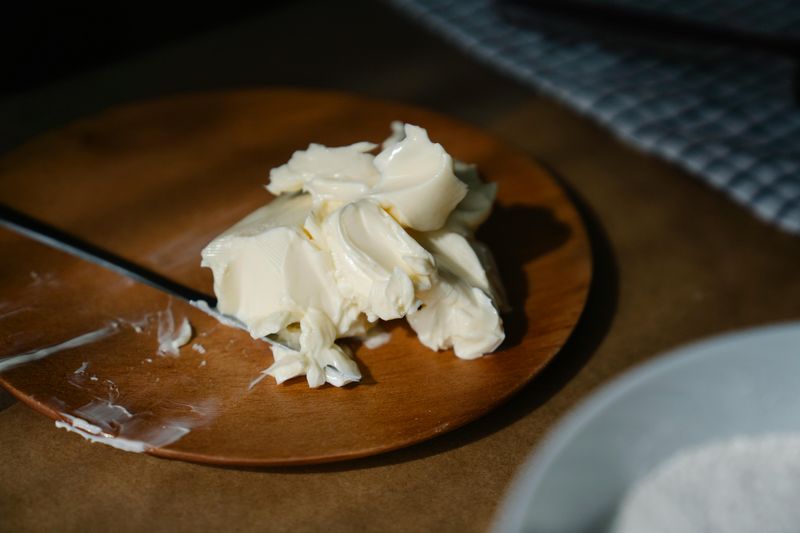
Butter turned from background staple to line item you feel. Prices rose, and recipes suddenly look butter heavy.
You start swapping in oil or saving the good stuff for finishing touches.
To stretch, brown butter for deeper flavor so you use less. Freeze sticks and mark dates to avoid waste.
In baking, mix butter with neutral oil for some recipes, or try applesauce swaps where texture allows. For toast, whip butter with a little water to lighten it.
Butter is still special, just used intentionally where it truly shines.
Cooking oil
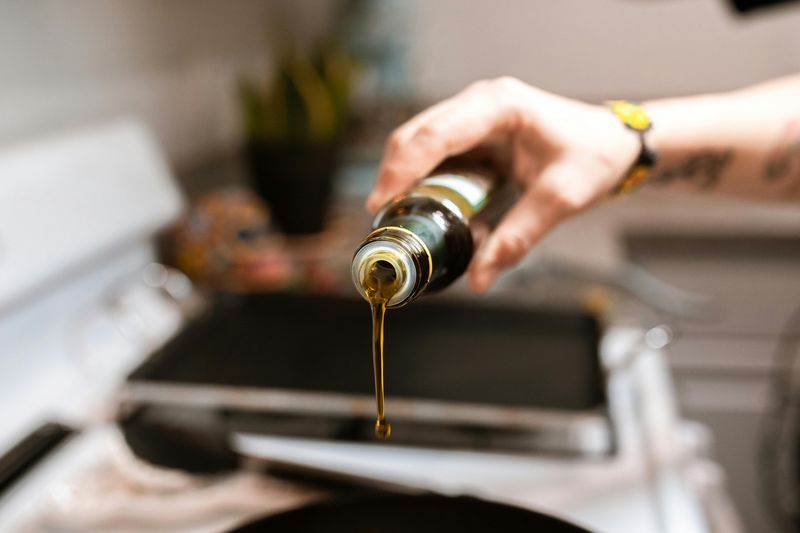
Cooking oil seemed like a quiet, reliable value. Recently, supply shocks and crop issues nudged prices up, and waste suddenly matters.
You feel each splash in the pan more than before.
Use smaller nonstick pans, measure instead of free pouring, and save clean fry oil for reuse. Compare cost per liter and consider blends that balance flavor with price.
Roast vegetables with just enough oil and finish with a drizzle. Keep bottles away from heat and light to extend life.
With small habits, cooking oil stretches further, protecting both your budget and your weeknight meals.
Cereal
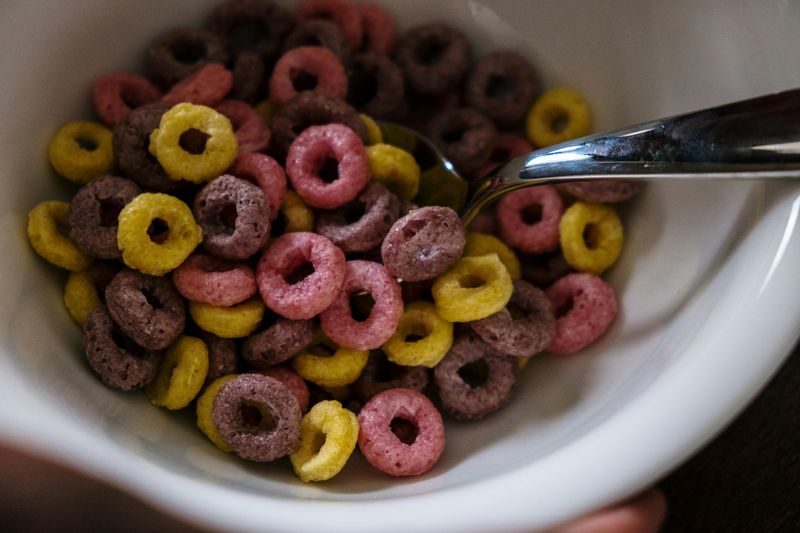
Cereal feels pricier every month, and boxes often hold fewer ounces than you remember. Pouring a second bowl now feels like a decision.
The sugar to cost ratio can sting when milk also costs more.
To save, compare unit prices across sizes and consider bagged store brands. Mix half plain oats with sweet cereal to cut cost and sugar.
Add fruit or yogurt for volume so smaller portions satisfy. Watch for sales cycles and stock up on favorites that keep well.
Cereal can still be convenient, but it is better as part of a plan than a habit.
Yogurt
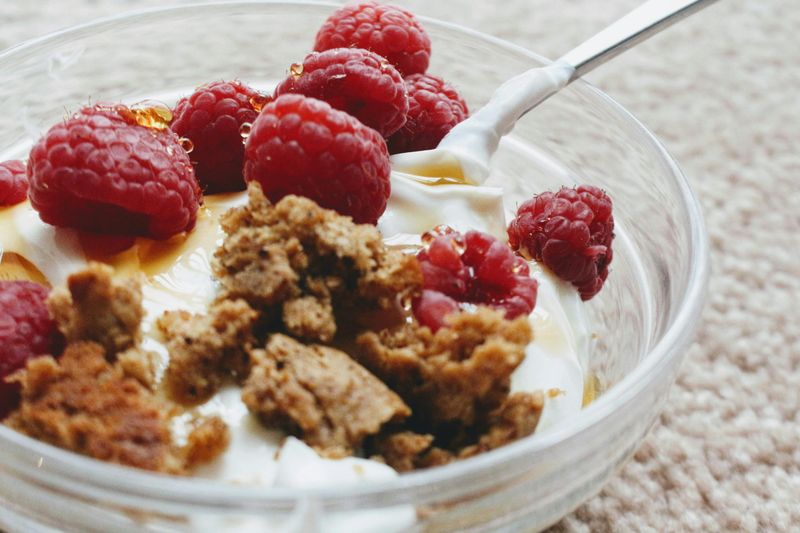
Yogurt cups used to feel like a harmless add on. Now single serves add up fast, and fancy flavors cost like dessert.
Big tubs make more sense, but only if you actually finish them.
Buy plain tubs and flavor at home with jam, honey, or fruit. Portion into jars for grab and go convenience.
Strain for thicker yogurt that feels indulgent. Use leftovers in marinades, smoothies, or baking to reduce waste.
The goal is flexibility and flavor without paying for extra packaging every time.
Cheese
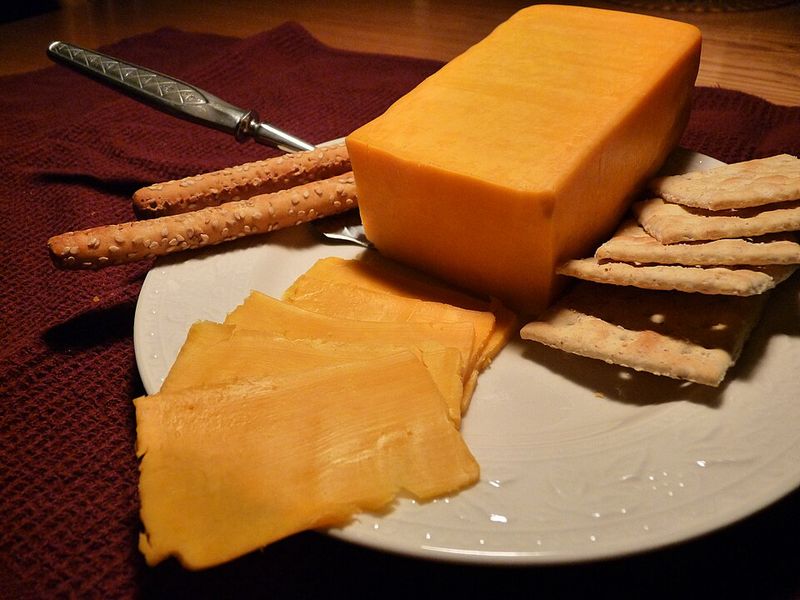
Cheese prices climbed, and pre shredded convenience raises costs even more. Blocks still save money, but only if you store them right.
You start grating what you need and freezing extra portions.
Choose flavorful varieties so a little goes a long way. Wrap blocks in parchment, then bag to prevent drying.
Use microplanes for fine shreds that melt beautifully. Blend cheese with béchamel to stretch flavor across casseroles.
Plan cheese nights thoughtfully, turning small amounts into big treats. Cheese remains a joy, just one to savor rather than scatter with abandon.
Frozen meals
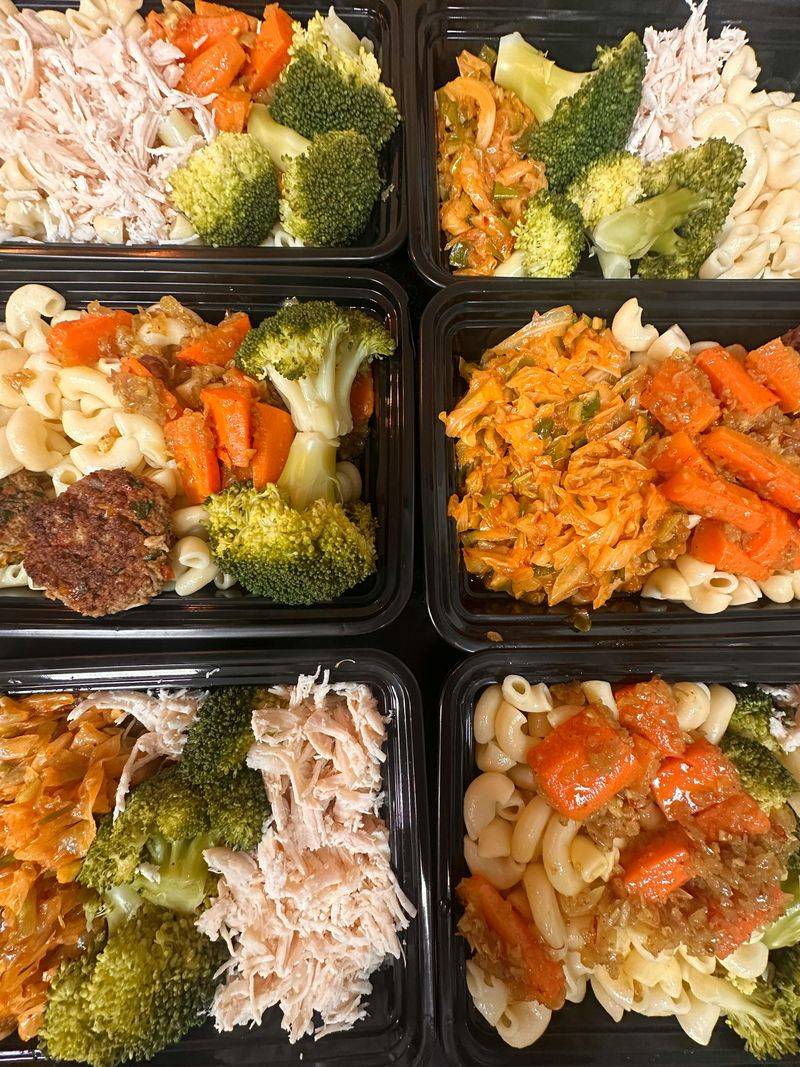
Frozen meals once felt like cheap insurance against busy nights. Now prices inch toward takeout territory, especially for premium brands.
Convenience is real, but so is the cost per serving.
Save by keeping a few staples for emergencies and batch cooking your own freezer favorites. Label portions clearly and add sauces later to keep textures right.
Supplement small frozen entrees with a quick side salad or rice. Watch sales and rotate flavors to avoid burnout.
Frozen can still be friendly to your wallet, just not the default solution every weeknight.
Coffee
Coffee quietly climbed from daily ritual to noticeable expense. Beans, pods, and cafe stops all add up if you do not track them.
You feel it most when the bag looks smaller than last year.
Buy whole beans on sale, grind at home, and store airtight. Brew methods like pour over or French press deliver flavor without pricey pods.
Stretch with half caf blends and savor smaller cups. Make a simple syrup to skip flavored creamers.
With a little attention, coffee stays a comfort instead of a budget leak.
Potatoes
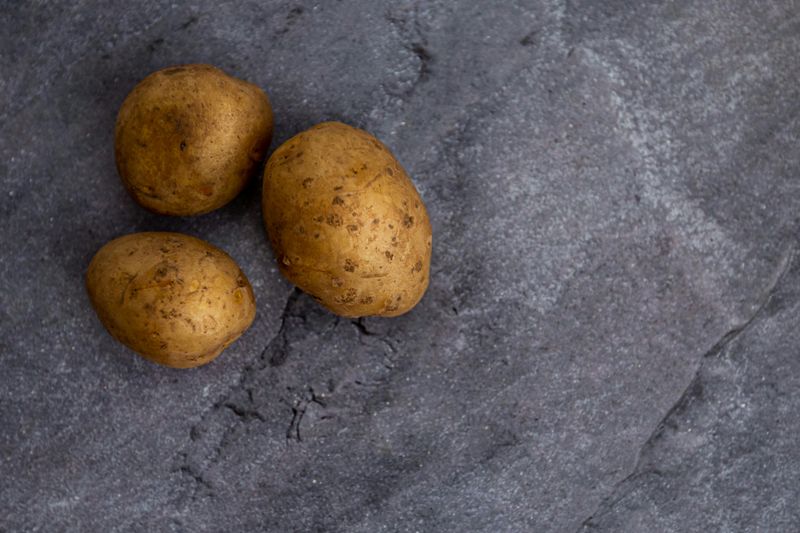
Potatoes once felt like the never ending bargain bag. Lately, sacks are smaller or pricier, and a bad sprout wastes money faster.
Still, nothing stretches a meal like crispy potatoes or creamy mash.
Shop sales by variety and store them dark and cool to reduce spoilage. Roast wedges with oil and spices, then repurpose leftovers into breakfast hash.
Boil, chill, and pan fry for extra crunch and better texture. Keep skins on for nutrition and less waste.
Even with higher prices, potatoes deliver when you plan storage, batch cook, and season boldly.
Enjoyed this story?
Add Fast Food Club as a preferred source to see more of our reporting on Google.