



Open a pantry from decades past and you smell comfort, thrift, and quiet ritual. So many once common foods have slipped from our tables and into memory, replaced by shortcuts that never quite taste the same.
This list dusts off those daily staples and reminds you why they mattered. Get ready to feel inspired, a little nostalgic, and maybe hungry enough to bring them back.
Home baked bread
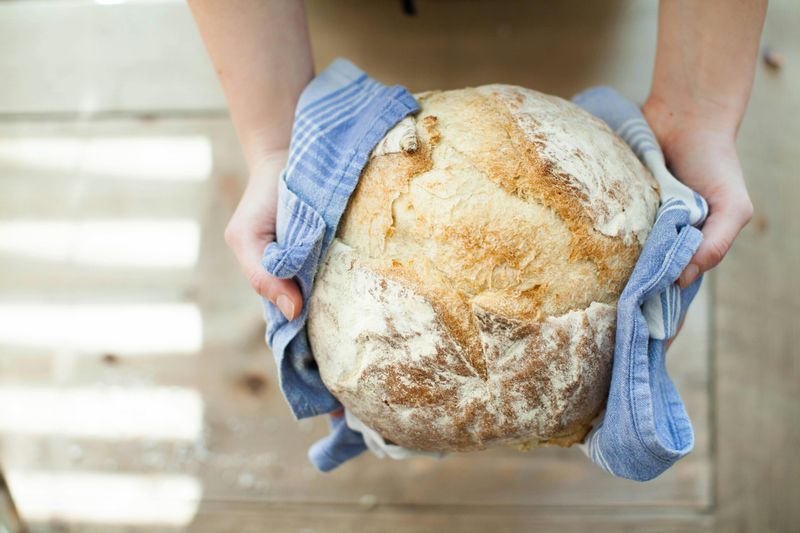
There was a time when a warm loaf on the counter felt like a daily promise. Flour dust in the air, a ticking kitchen timer, and patient kneading were simply part of evenings.
Today, store aisles tempt with sliced convenience, yet that crusty crackle and tender crumb still call you back.
You remember the smell that filled the hallway and the butter that melted instantly. Bread made meals feel complete, even if dinner was just soup.
Maybe it is time to revive the ritual, stretch dough again, and let patience rise, so breakfast tastes like home.
Fresh milk delivery milk
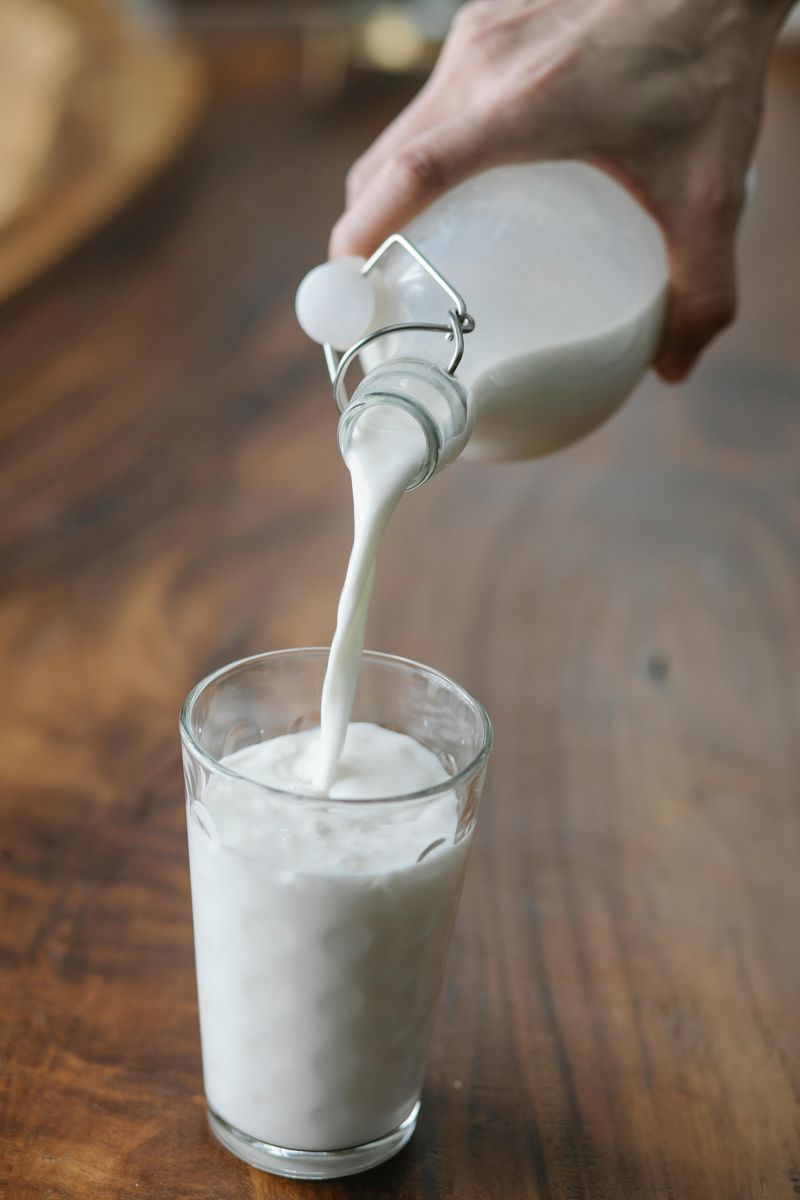
Early mornings used to greet frosty glass bottles clinking softly at the door. You would shake the cream line back into the milk and pour it over cereal like a small ceremony.
Now it is cartons and caps, sterile and uniform, but the memory of cream-rich freshness lingers in your mind.
Milk delivery meant a neighborly rhythm and fewer grocery runs. It tasted like the farm, with subtle sweetness and body.
If you ever find local dairy service again, seize it. Your coffee will bloom fuller, cereal will feel luxurious, and breakfast might slow down just enough.
Lard cooking
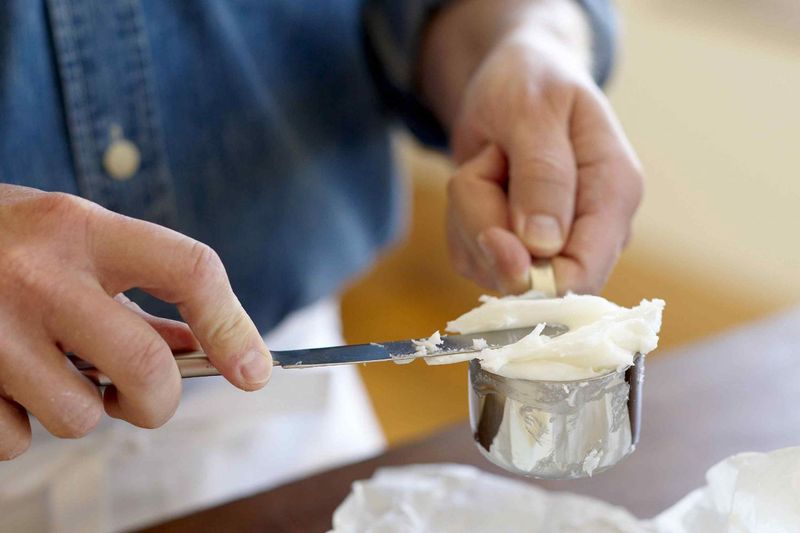
Before shelves filled with spray oils, lard ruled the skillet. It gave pie crusts shattering flake and fried chicken a whispery crisp you could hear.
You might wince at the word, but old cooks knew its purity and high heat stability turned humble ingredients into unforgettable bites without complicated tricks.
Render it carefully, store it well, and you have flavor insurance. Potatoes brown deeper, tortillas puff tender, and greens taste rounded and rich.
Used thoughtfully, it is a cooking ally, not a villain. You will notice how things fry more evenly, and how your kitchen smells satisfyingly savory.
Homemade soup

A pot murmuring on the stove once meant dinner was effortlessly underway. You would toss in bones, onions, and the last of the carrots, then let time do the heavy lifting.
Homemade soup stretched budgets, rescued produce, and filled the house with a promise of warmth you could not fake.
Now we reach for cartons, which are fine, but thin on soul. Build one pot on Sunday and your week softens around it.
Sip a bowl for lunch, freeze a quart for later, and feel proud that scraps became comfort. Simmering quietly teaches patience and rewards generous seasoning.
Canned home preserves
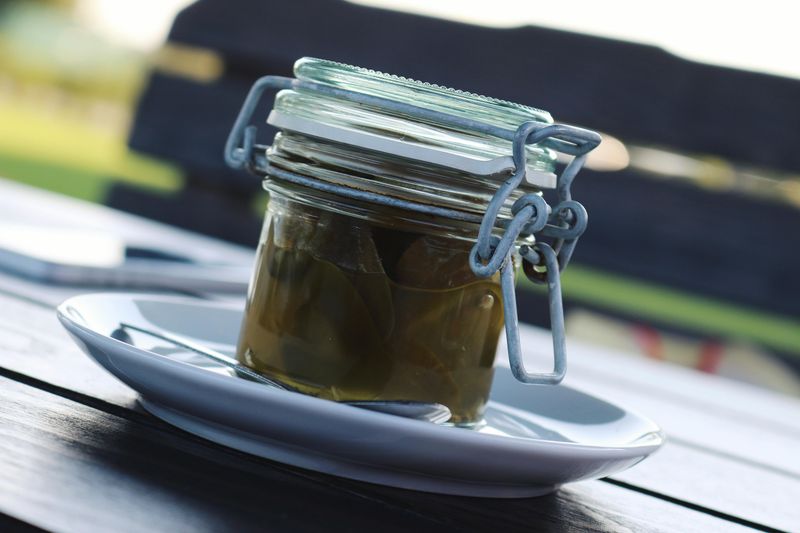
Whole summers used to live in jars. You would set a towel on the table, line up sterilized lids, and listen for that satisfying ping as each seal took hold.
Opening one in January felt like cheating winter, spooning sunshine onto biscuits or stirring bright tomatoes into slow Sunday sauces.
Home canning asked for planning, but it returned abundance. You controlled the sweetness, the salt, and the texture, tailoring jars to your taste.
Bring it back in small batches. A handful of jars turns backyard fruit into gifts, and your pantry into a cheerful, edible archive of seasons.
Seasonal fruit jars
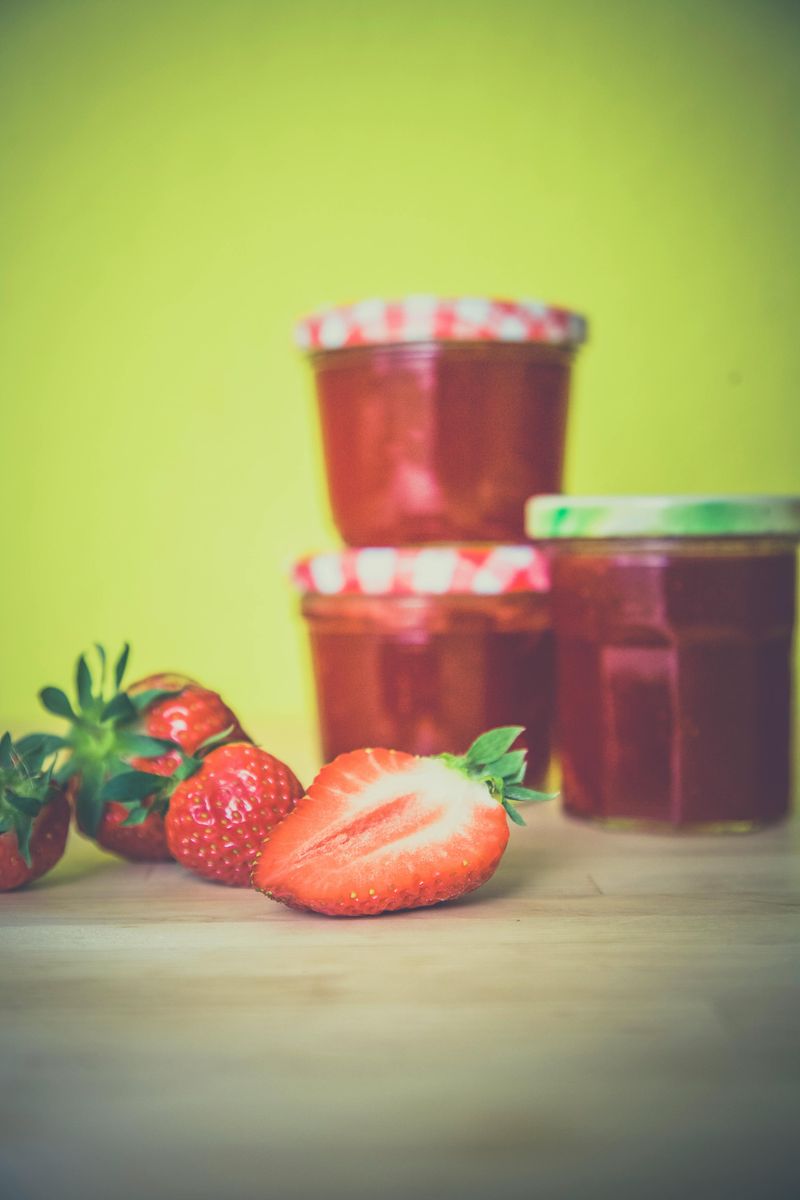
Before strawberries traveled year round, you chased seasons and captured them. Brief raspberry weeks became jewel toned jars, and peaches met sugar and patience to settle into syrupy bliss.
Each lid was a reminder to eat with the calendar, not against it, and to savor the first spoonful like a holiday.
Today, seasonal jars feel like a sweet rebellion. Make a small batch in peak weeks, then stretch their joy through winter breakfasts.
Swirl into yogurt, fold into cakes, or spoon over ice cream. You will learn timing, restraint, and the pleasure of waiting for fruit at its best.
Simple oatmeal
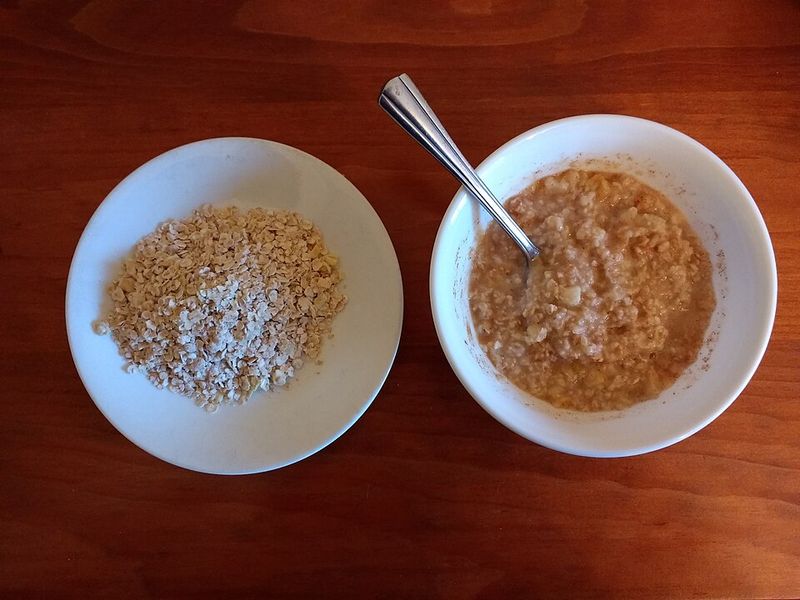
Oatmeal used to anchor mornings with quiet certainty. No packets, just a scoop from the tin, water or milk, and slow bubbles until creamy.
A spoon of brown sugar, a dab of butter, maybe raisins, and you were ready. It kept you full without fuss and cost almost nothing.
Somehow instant options crowded it out. Bring back the pot and a pinch of salt.
Toast the oats first for nuttiness, and finish with sliced banana or jam. You will feel steadier through the morning, spending pennies and gaining comfort.
Simplicity rarely tastes this generous.
Rice pudding

Leftover rice never went to waste when rice pudding waited in the wings. Milk, sugar, and a whisper of vanilla transformed odds and ends into dessert with grandmotherly charm.
Warm or chilled, it soothed fidgety nights and made simple dinners feel complete without a bakery run or fancy ingredients.
Try it again, gently simmered until thick and cozy. Fold in raisins, citrus zest, or a spoon of jam.
It invites improvisation while staying comfortingly familiar. You control the sweetness and the creaminess, and your fridge earns a second life for cooked rice.
Every spoonful tastes like permission to relax.
Bone broth
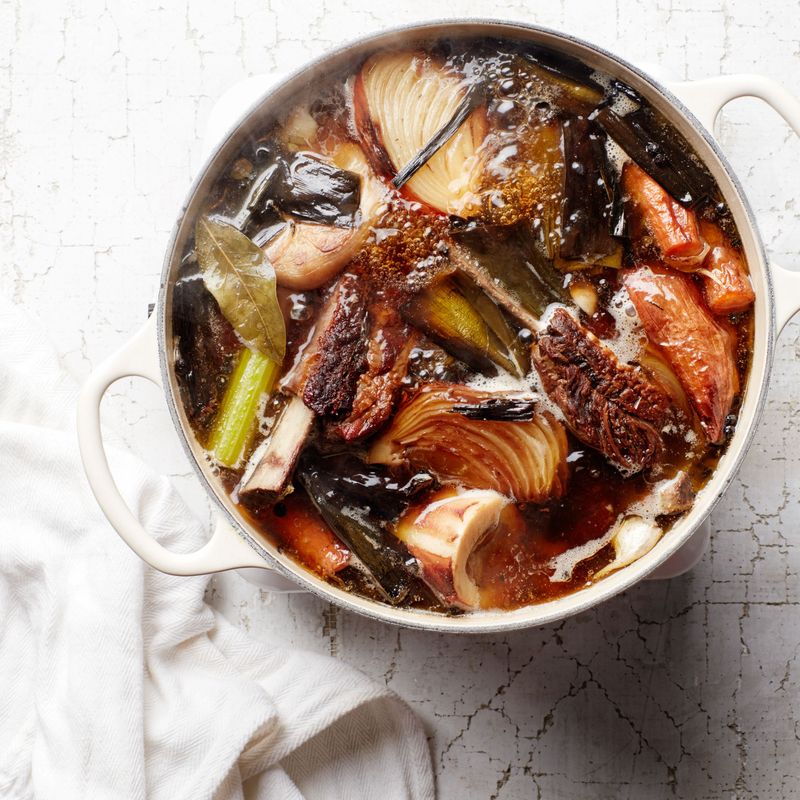
Nothing went further than bones turning water into gold. Long, low simmering coaxed collagen and savor that packaged broth cannot fake.
You would save onion ends and carrot tops, then let hours knit scraps into something restorative. The result felt nourishing, frugal, and quietly luxurious in every cup and stew.
Now pressure cookers speed the process without sacrificing depth. Roast bones first, add vinegar, and resist boiling.
Skim gently and season later. Sip it straight when run down, or stash quarts for sauces and risottos.
Bone broth is culinary patience rewarded, and your future dinners will thank you.
Whole roasted chicken
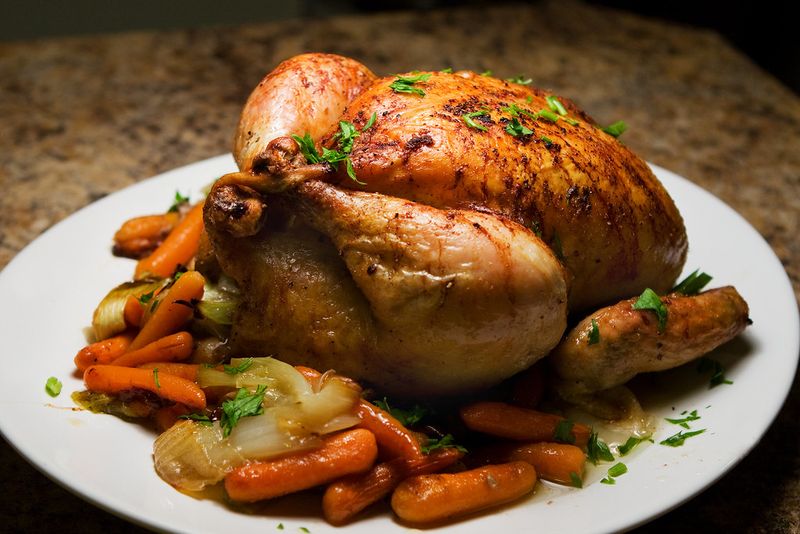
A whole chicken on Sunday set the tone for the week. Crispy skin, herby pan juices, and tender meat gave you dinner now and leftovers later.
It taught resourcefulness, turning one bird into sandwiches, salads, soup, and stock. Few meals feel so thrifty, generous, and celebratory all at once.
Pat it dry, salt ahead, and blast with high heat. Rest it well, then save the bones.
Your kitchen will smell like comfort, and your lunches will handle themselves. This is the roast that anchors busy weeks and makes even Tuesday feel special without complicated steps or expensive cuts.
Cornbread
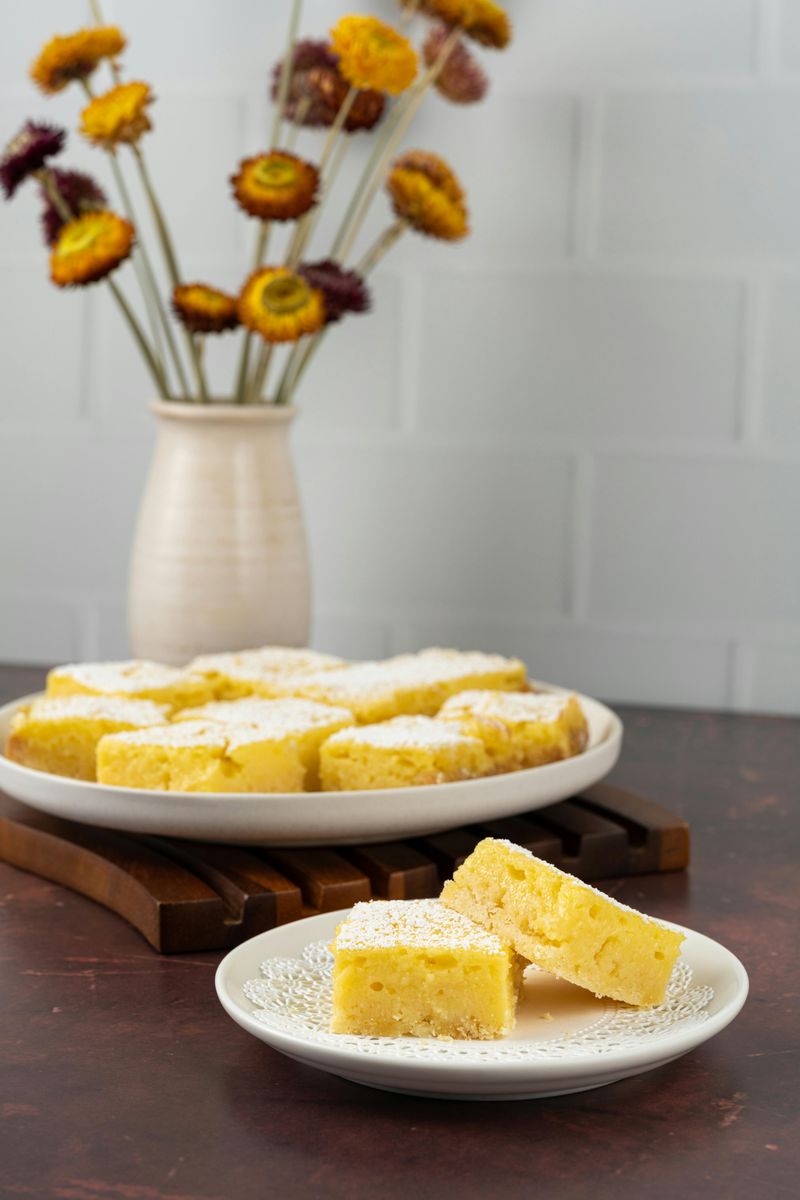
A skillet of cornbread used to arrive at the table like a friendly sun. It paired with beans, chili, and soups, stretching meals with warmth and texture.
You could taste the corn itself, especially when buttermilk and a hot pan worked their magic, creating a crisp edge and tender middle.
It is quick, inexpensive, and endlessly welcoming. Use coarse cornmeal, preheat the skillet, and avoid overmixing.
Serve wedges with butter and a drizzle of honey, or crumble into bowls of greens. When the knife taps that crust, you will remember why this humble bread never needed embellishment.
Homemade jam
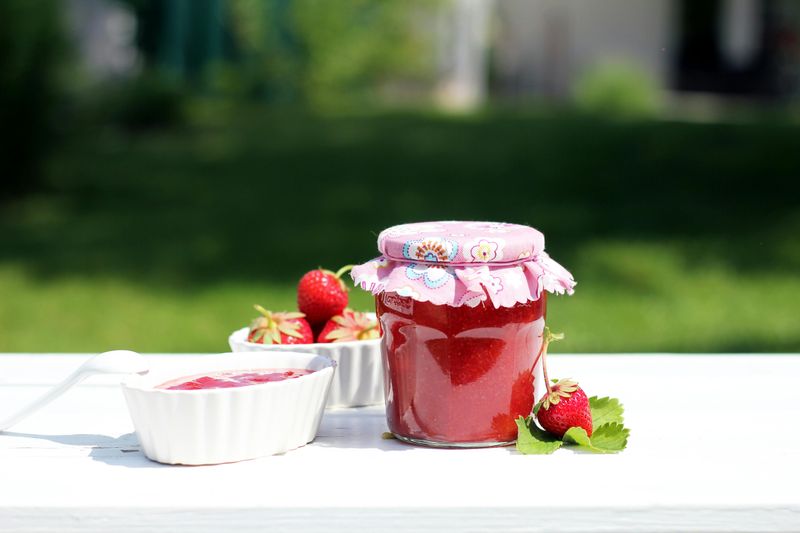
Homemade jam once lived on every breakfast table. It captured fruit at its peak and let you decide the sweetness.
A spoonful spread over toast or stirred into yogurt tasted like care. You could label jars with the summer and stack them like trophies waiting for chilly mornings.
Making jam is friendlier than it looks. Small batches gel quickly, and you can riff with herbs, citrus, or vanilla.
The reward is texture and brightness store jars rarely match. When you pop a lid and that aroma rushes out, you will remember exactly why you bothered.
Pickled vegetables
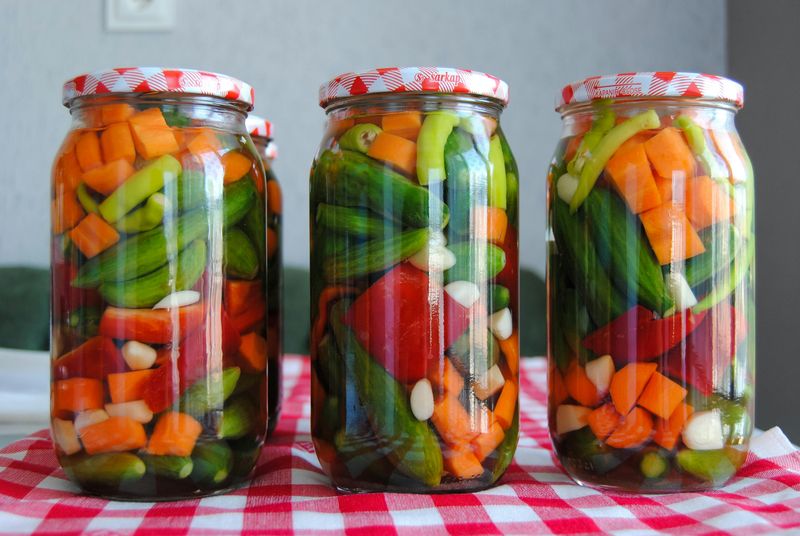
Pickles were once a thrifty reflex. A quick brine rescued odds and ends, adding crunch and tang to heavy meals.
You could count on a jar in the fridge to wake up sandwiches, tacos, or roasted meats. That snap felt like balance, a spark that made simple dinners feel brighter.
Quick pickling takes minutes. Heat vinegar with salt and sugar, pour over sliced vegetables, and wait.
Play with peppercorns, garlic, mustard seeds, and dill. Your fridge becomes a deli case and your meals get interesting fast.
You will never look at leftover onions or carrots the same way again.
Dry beans meals
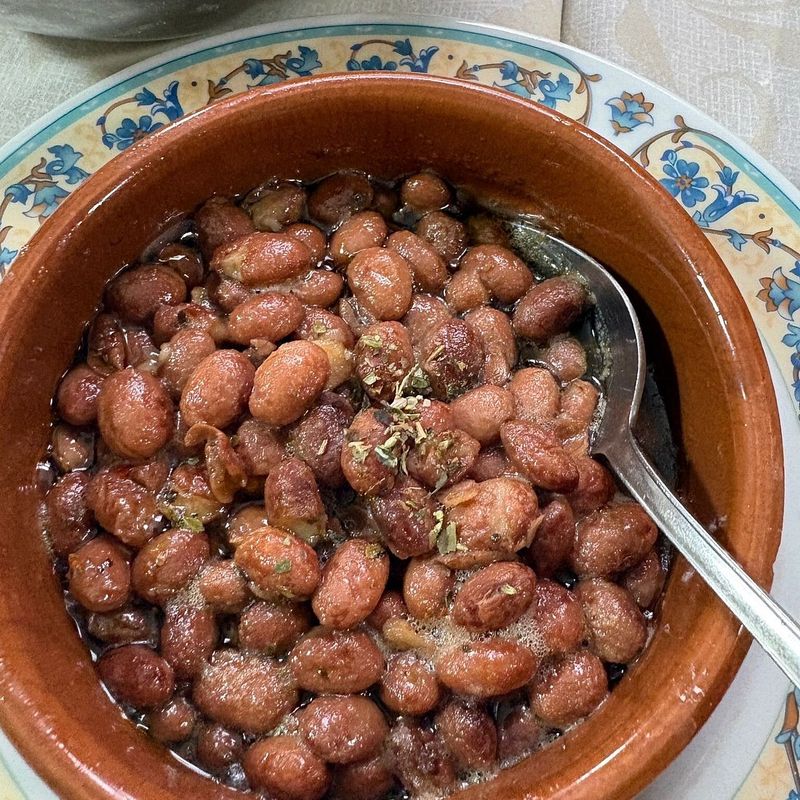
Before canned convenience, a pot of beans quietly solved dinner. Soaked or not, they simmered with onions, bay, and a splash of olive oil until creamy.
You seasoned boldly at the end and ate bowls with bread, greens, or rice. Beans fed crowds cheaply and tasted even better the next day.
Cooking dry beans teaches patience and salt wisdom. Add aromatics, keep the simmer gentle, and save the broth for soups.
Mash some for tacos or blitz into dip. You will discover dozens of meals in one pot, and your wallet will notice the difference immediately.
Simple stews
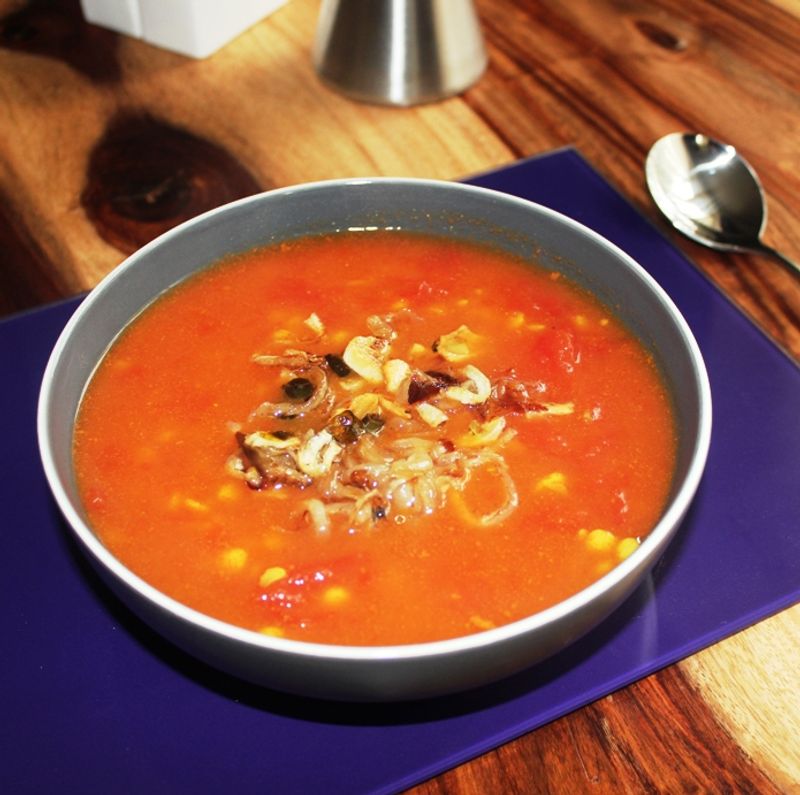
Stew night used to mark the week. Cheaper cuts melted into tenderness while carrots and potatoes absorbed all the goodness.
A low flame and time were the only special equipment. The kitchen smelled like patience, and bowls landed heavy and reassuring, carrying enough leftovers to make tomorrow easy.
Bring it back with a good sear, deglazing, and unhurried simmering. Season in layers, add a splash of acid at the end, and rest the pot before serving.
It is simple craft, not complication. When you lift the lid and see that glossy surface, you will feel proud.
Cold cuts at home
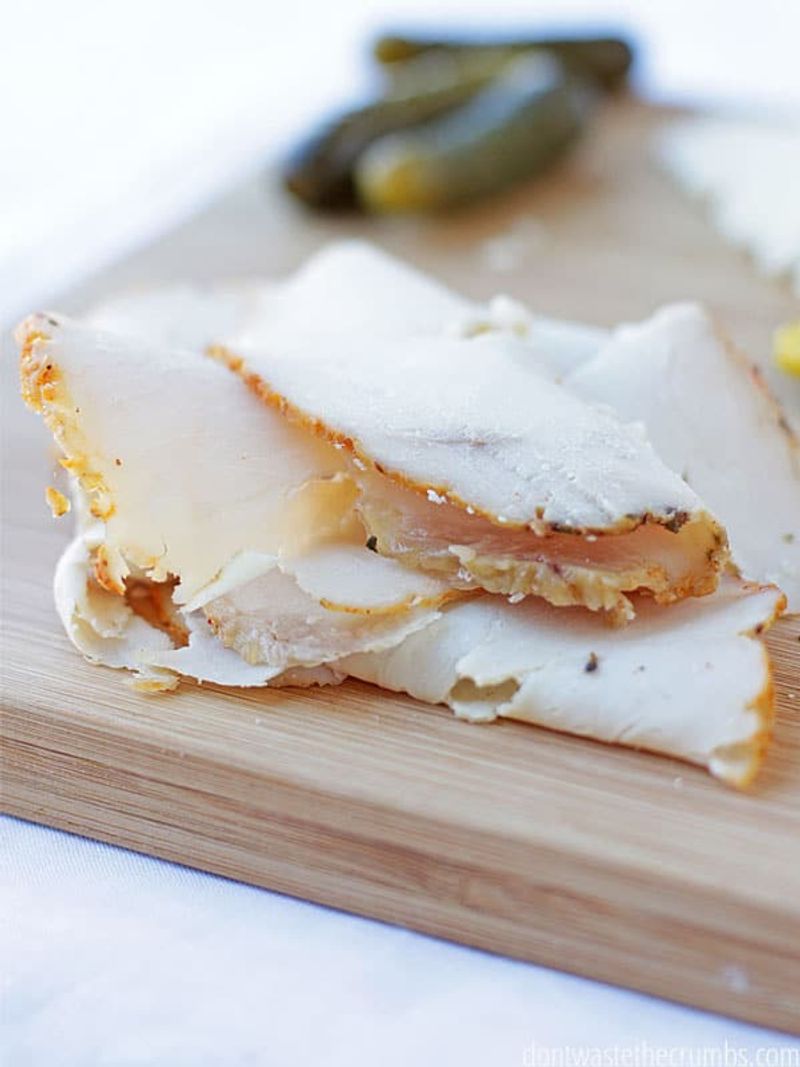
Deli meat used to come from your own oven. You would roast a turkey breast or simmer a spiced pork loin, then slice thin for the week.
The result was juicier, less salty, and far more satisfying than shrink wrapped options. Lunch tasted like care instead of compromise.
Try a simple brine and chill before slicing. Store portions separately to keep things fresh, and save drippings for gravy or soup.
You control spices, thickness, and quality. Sandwiches suddenly feel special without costing more, and you know exactly what went into every bite you pack.
Egg heavy breakfasts
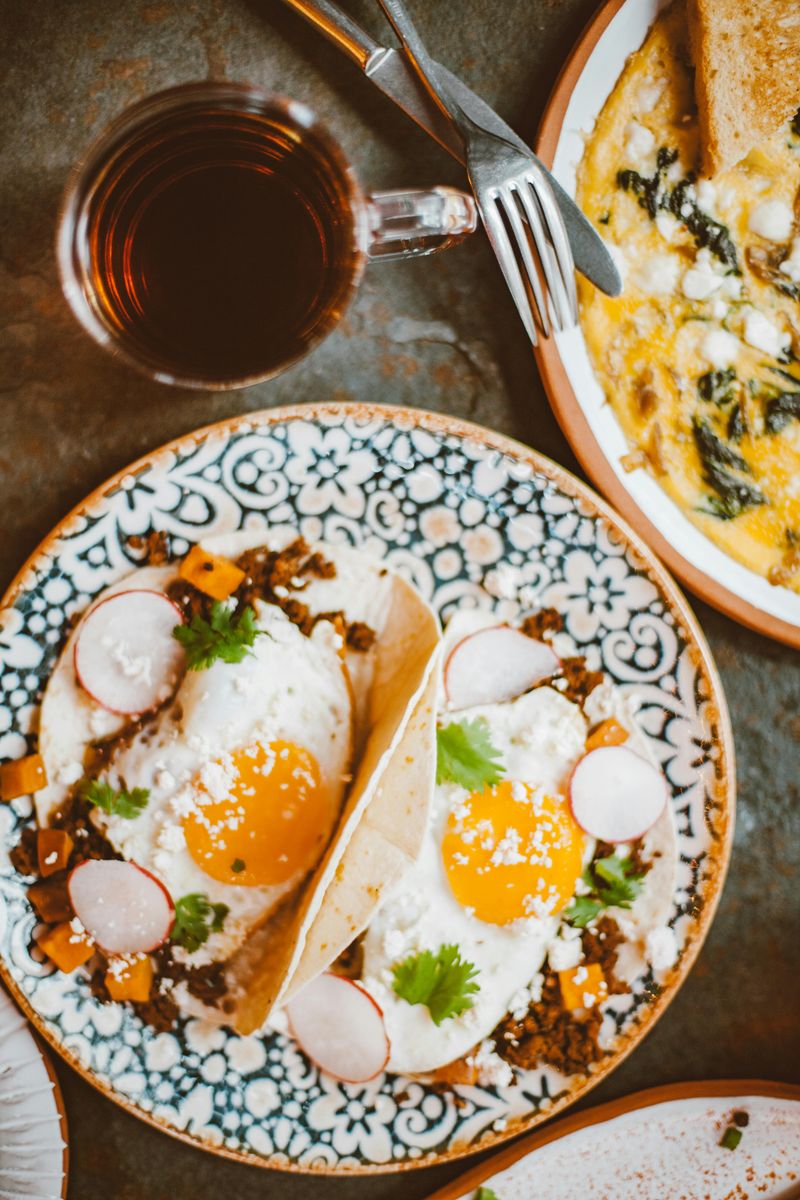
Hearty egg breakfasts once launched long days. A couple of eggs, some potatoes, and toast kept you steady until lunch without snacks.
There was nothing fancy about it, just hot protein and comfort. You could fry, scramble, or poach, then slide everything onto a warm plate with a smile.
Eggs still deliver incredible value. Keep the heat moderate, season simply, and do not overcook.
Add greens or leftover vegetables for color and balance. When the yolk breaks and runs, you will remember why this was the default morning meal for generations of busy, hungry people.
Homemade desserts
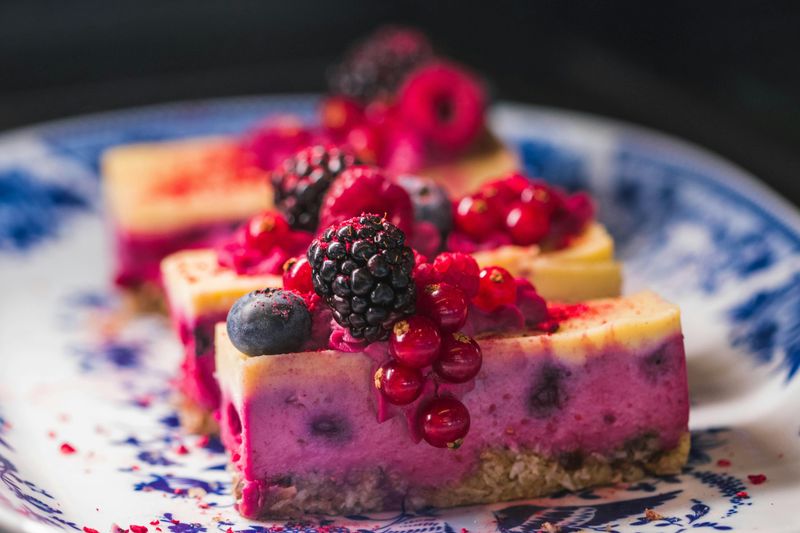
Dessert used to mean something from your own oven, not a plastic box. A simple cake, a pan of brownies, or a fruit crisp made nights feel celebratory without spending much.
The house smelled like vanilla and butter, and slices disappeared from plates faster than store treats ever do.
Choose unfussy recipes you can memorize. Keep butter, flour, sugar, and eggs on hand, and bake while dinner finishes.
Share warm pieces with neighbors or tuck leftovers into lunchboxes. Homemade desserts make ordinary days feel generous, and the ritual of mixing and waiting is its own kind of sweetness.
Simple sandwiches
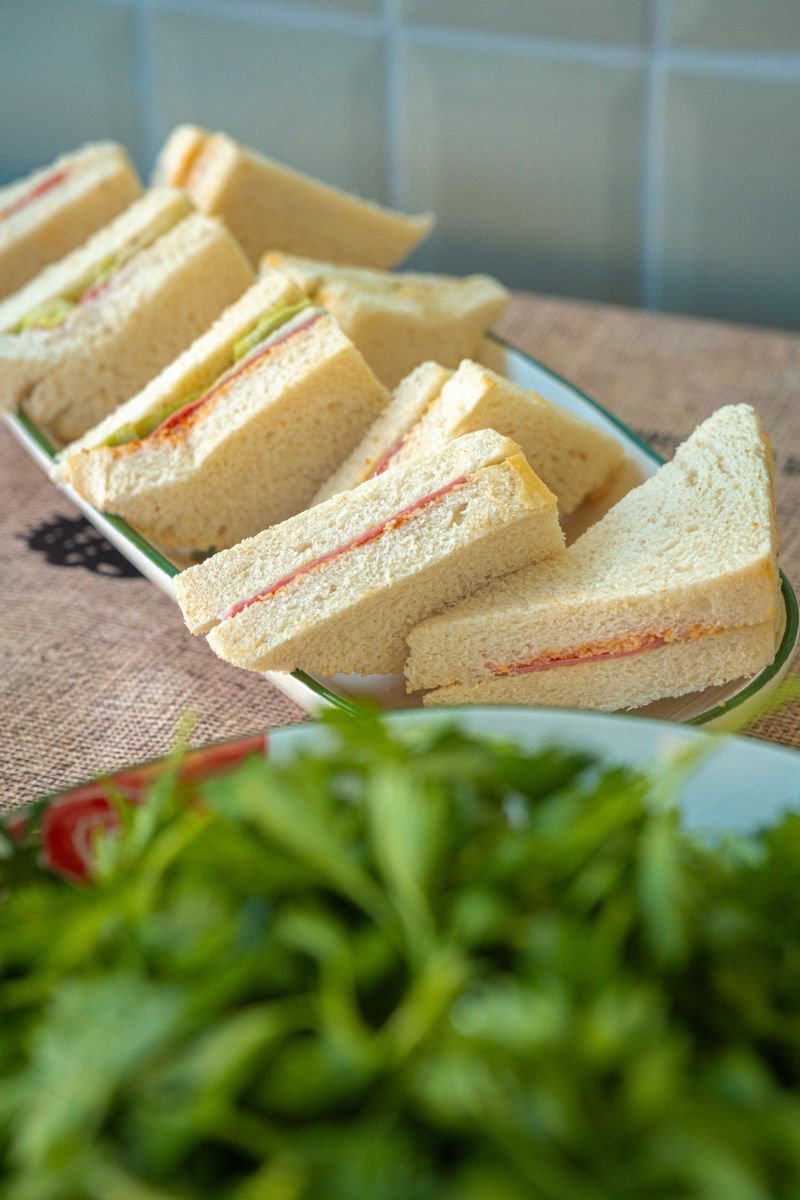
Before towering deli creations, sandwiches were quiet and perfect. Good bread, a sensible layer of meat or cheese, and mustard or mayo did the job.
You packed them for work, picnics, and school, eating with one hand and getting on with life. They were satisfying because they were honest.
Reclaim that simplicity. Focus on texture and balance, not volume.
Toast lightly, salt the tomato, and do not skip a leafy crunch. Wrap snugly and rest a minute so flavors settle.
A humble sandwich proves that care matters more than excess, and lunch can feel calm again.
Pan fried leftovers
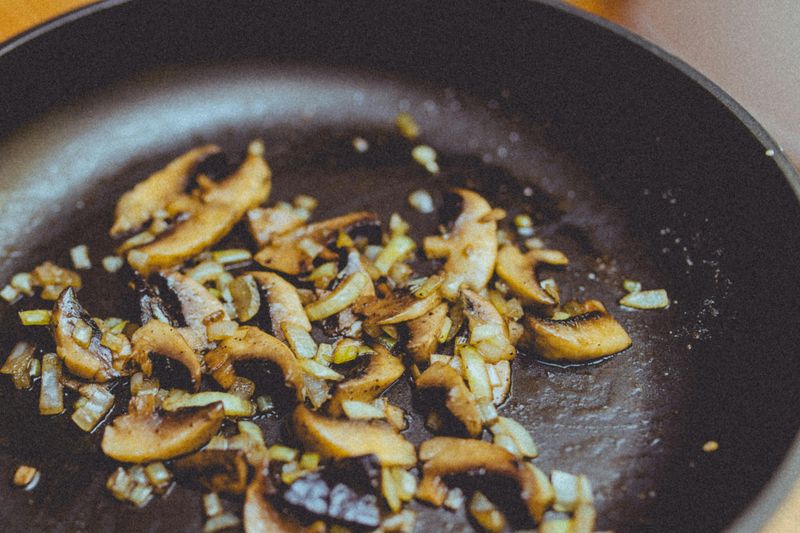
Leftovers once met a hot pan and came back to life. A little oil, some onions, and yesterday’s roast turned into crispy edged magic.
You would hear the sizzle, add a splash of broth, and finish with an egg or herbs. Waste shrank, flavor soared, and dinner felt clever.
This is still the fastest path to satisfaction. Heat the pan properly, cut pieces small, and let them brown undisturbed.
Season at the end. Top with a squeeze of lemon or a spoon of yogurt.
You will start cooking extra on purpose just to earn this second act.
Soup stock cooking
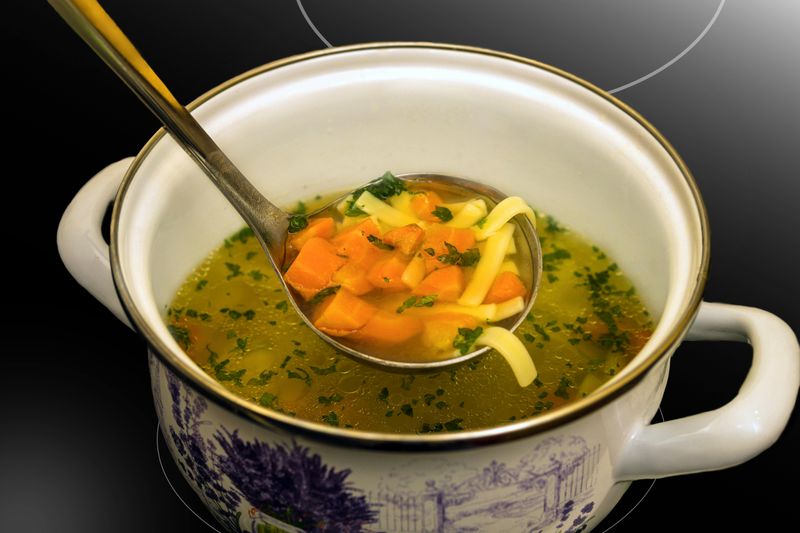
Stock once bubbled regularly, turning peels, bones, and trimmings into liquid backbone. You did not measure much, just trusted time and a gentle simmer.
The payoff appeared in everything afterward, from sauces to grains. Meals tasted cohesive because they shared that same golden thread of savory depth.
Make a habit jar for scraps in the freezer. When it fills, start a pot, keep heat low, and avoid boiling.
Strain carefully and cool quickly. Freeze in small containers so you can add a splash whenever needed.
You will cook more confidently knowing flavor is already built.
Boiled potatoes
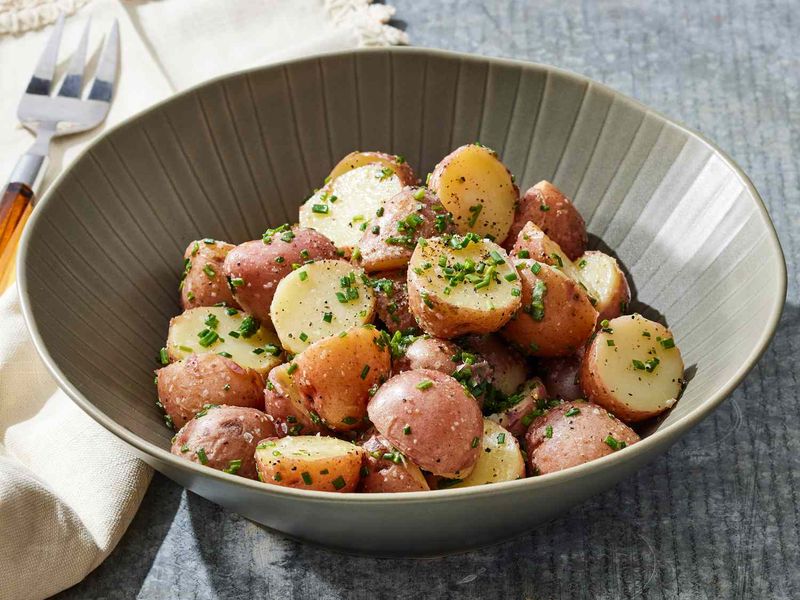
Boiled potatoes once appeared beside nearly everything. Salted water, a bay leaf, and patience created soft, honest bites that welcomed butter and herbs.
There is humility in a bowl of them, glistening and ready to support whatever the garden or fridge offered. They remind you dinner does not need spectacle.
Try them again and finish with good olive oil, chives, and flaky salt. Smash a few and let edges soak up flavor.
They transform into salads, breakfast hash, or quick pan fries the next day. Potatoes reward restraint, and every forkful tastes like the comfort you forgot you missed.
Enjoyed this story?
Add Fast Food Club as a preferred source to see more of our reporting on Google.