



If your grocery bill feels heavier while your cart looks lighter, you are not imagining things. Everyday staples that once felt automatic now demand strategy, timing, and a backup plan.
Shortages pop up, sales vanish faster, and prices seem to climb between trips. Here is a real world look at the foods that quietly got complicated, plus how to keep eating well without losing your mind.
Eggs
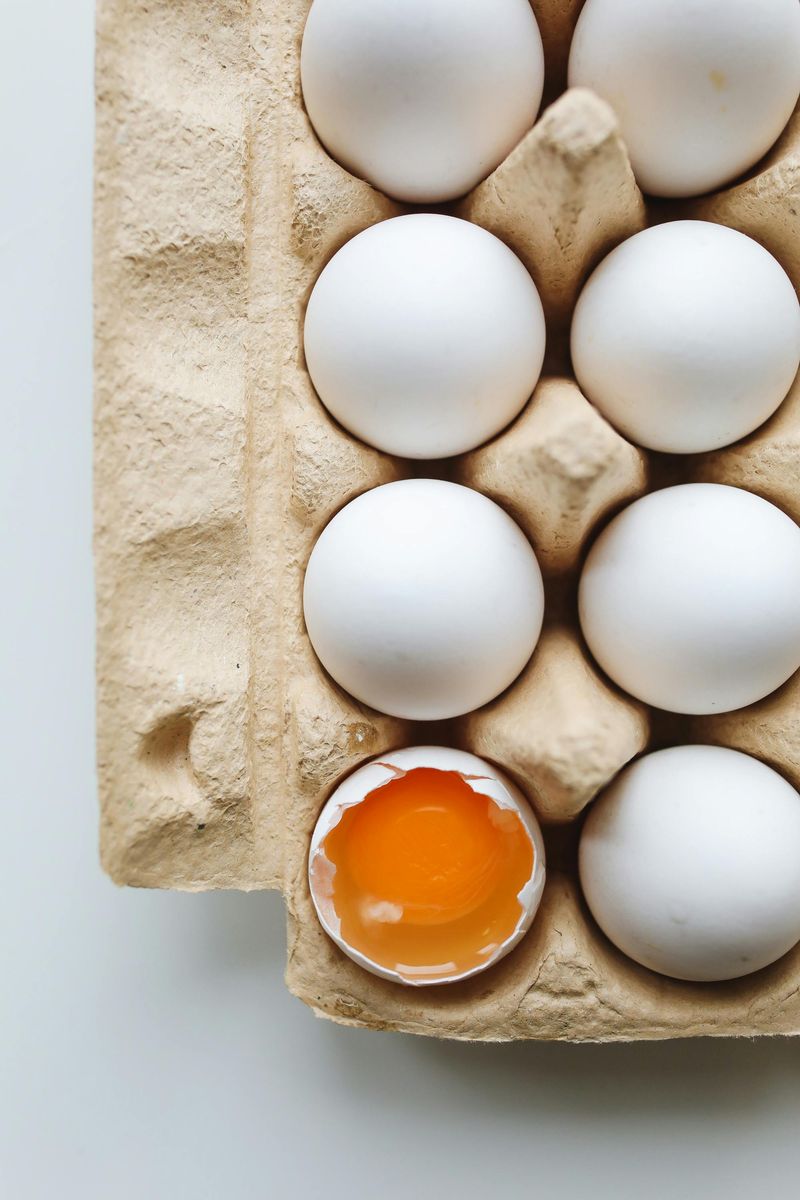
Remember when a dozen eggs felt like an afterthought at checkout? Prices spiked with feed costs, avian flu, and transport hiccups, and many of us started rationing omelets.
What used to be an easy protein now takes planning, store hopping, and the occasional coupon hunt.
Backyard coops sound tempting, but not everyone has space, time, or zoning on their side. So you get strategic by buying in bulk when sales hit, switching to larger cartons, or embracing powdered options for baking.
It is not glamorous, but it keeps breakfast affordable without giving up that satisfying sizzle on busy weekday mornings.
Butter
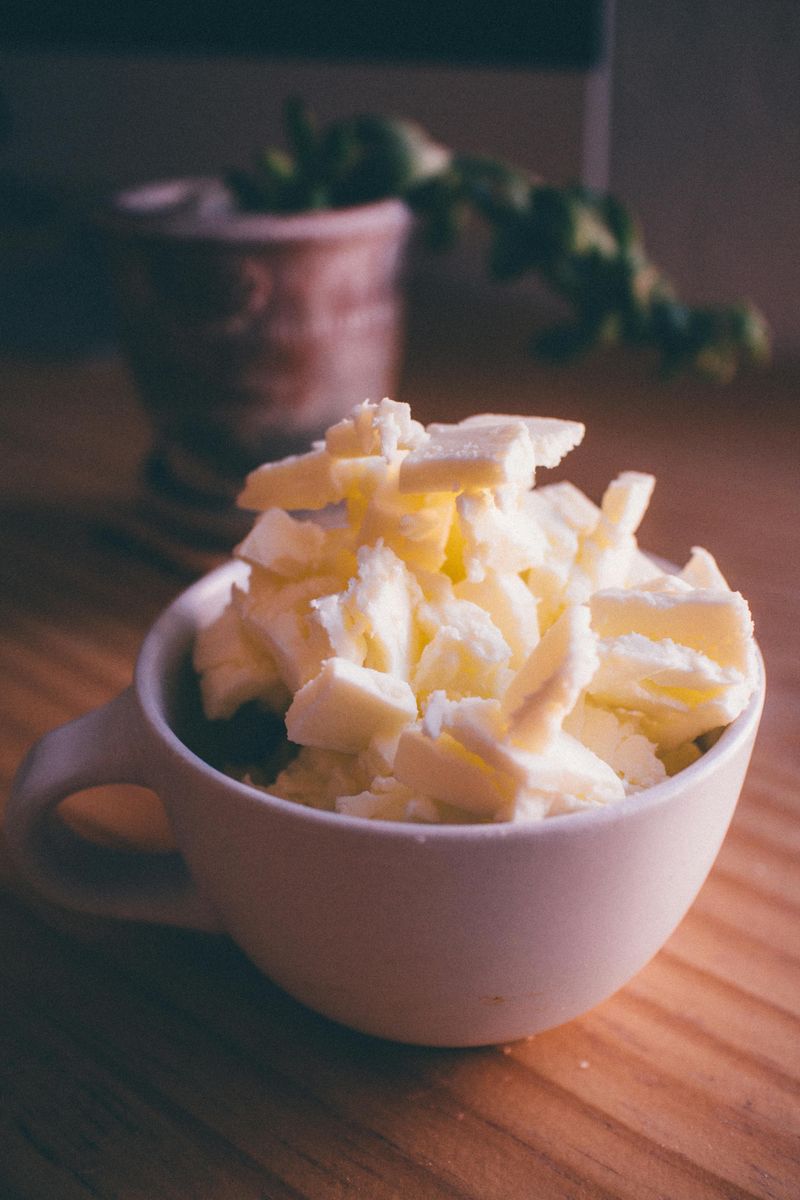
Butter used to be a default grab, tossed in the cart without thinking. Feed, energy, and packaging costs pushed prices up, while holiday baking demand wipes out shelves at the worst moments.
Suddenly, every pie crust and pan sauce feels like a splurge you have to justify.
Smart swaps help. Freeze bulk packs when sales hit, bake with a mix of butter and neutral oil, or choose richer European style butter so you use less.
Clarify it for longer shelf life and better flavor. With a little planning, you keep cookies golden and toast gleaming without melting your budget.
Milk

Milk felt like a staple you could grab anywhere, anytime. Now prices bounce with feed, fuel, and labor, and the cheaper store brand is not always in stock.
If you have kids or coffee habits, those small jumps add up fast, and the dairy case suddenly requires decisions.
To cope, buy by the unit price, not the sticker, and consider shelf stable or powdered milk for baking. Rotate between whole, 2 percent, and lactose free based on sales and needs.
Freeze what you will use soon. With a flexible plan, cereal bowls stay full and lattes still hit right.
Bread
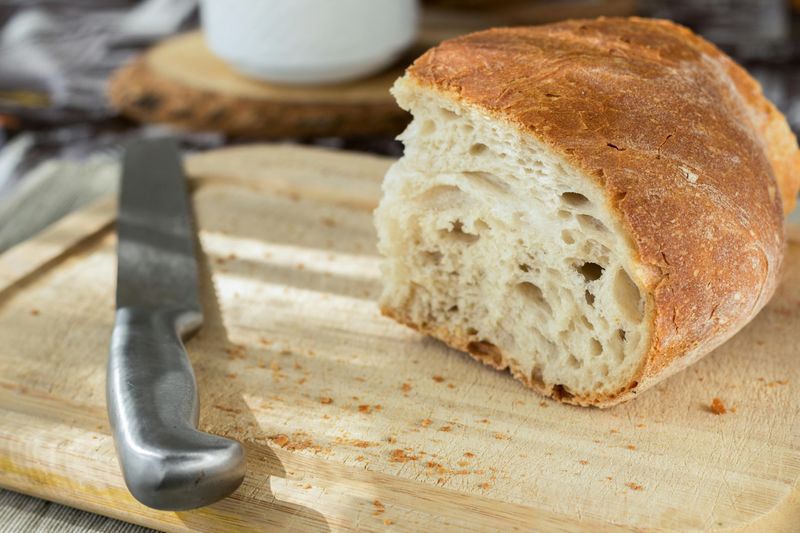
Basic sandwich bread once felt everywhere and cheap. Wheat prices, fuel, and labor costs nudged loaves higher, while popular brands vanish during rush hours.
The choice between airy bargain bread and pricier bakery loaves now feels like a tiny budget referendum each week.
Work the angles. Compare unit prices, grab day old bakery markdowns, or bake no knead loaves on weekends and freeze slices.
If time is tight, stretch store bread by toasting for better texture and flavor. Breadcrumbs, croutons, and grilled cheese nights keep nothing wasted.
Good bread is still possible without overspending or sacrificing your favorite sandwiches.
Ground beef
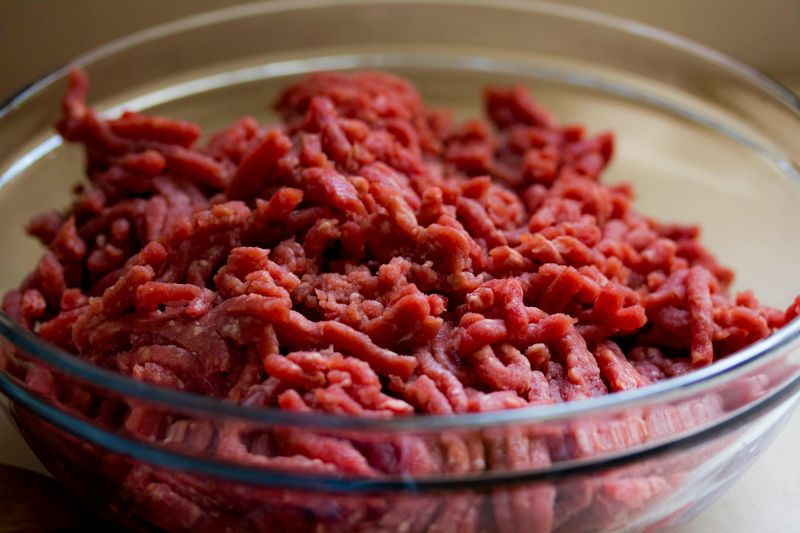
Ground beef used to be the budget hero for tacos, chili, and burgers. Now cattle cycles, feed costs, and drought pushed prices up, and lean blends can feel out of reach.
Even value packs do not hit like they used to, so weeknight meals need a refresh.
Stretch it with beans, mushrooms, or bulgur, and season boldly. Buy larger packs, portion, and freeze flat for quick thawing.
Swap in ground turkey when deals appear, or mix half and half for savings without losing beefy flavor. With a few pantry tricks, the skillet still delivers comfort without crushing the grocery budget.
Chicken wings
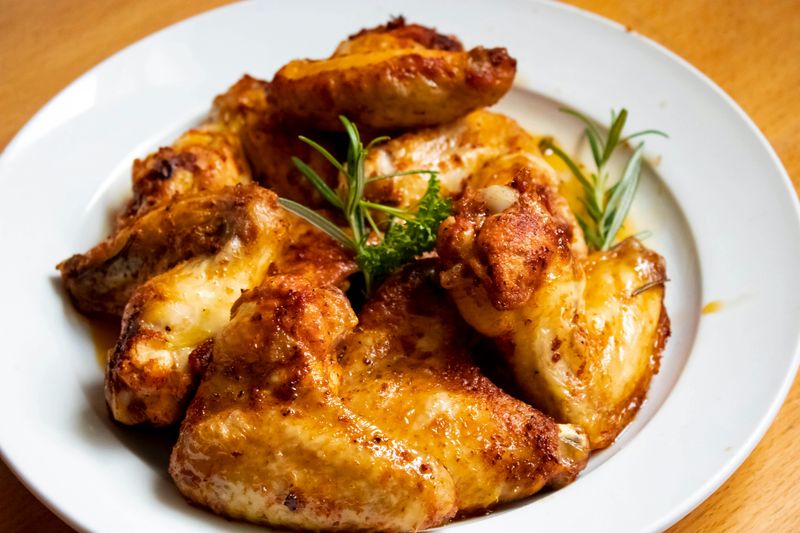
Wings were once the cheapest party food around. Then demand from restaurants soared, supply tightened, and processing costs climbed, turning a snack into a splurge.
You feel it on game day, staring at smaller packs with bigger price tags and debating sauces like they are investments.
Strategies help. Buy whole chickens, break them down, and save wings for gatherings while roasting other parts for meals.
Air fry to get crispy results with less oil. When prices spike, pivot to drumsticks or boneless thighs and keep the same sauces.
The spirit of wing night survives, just with smarter shopping and cooking.
Bacon
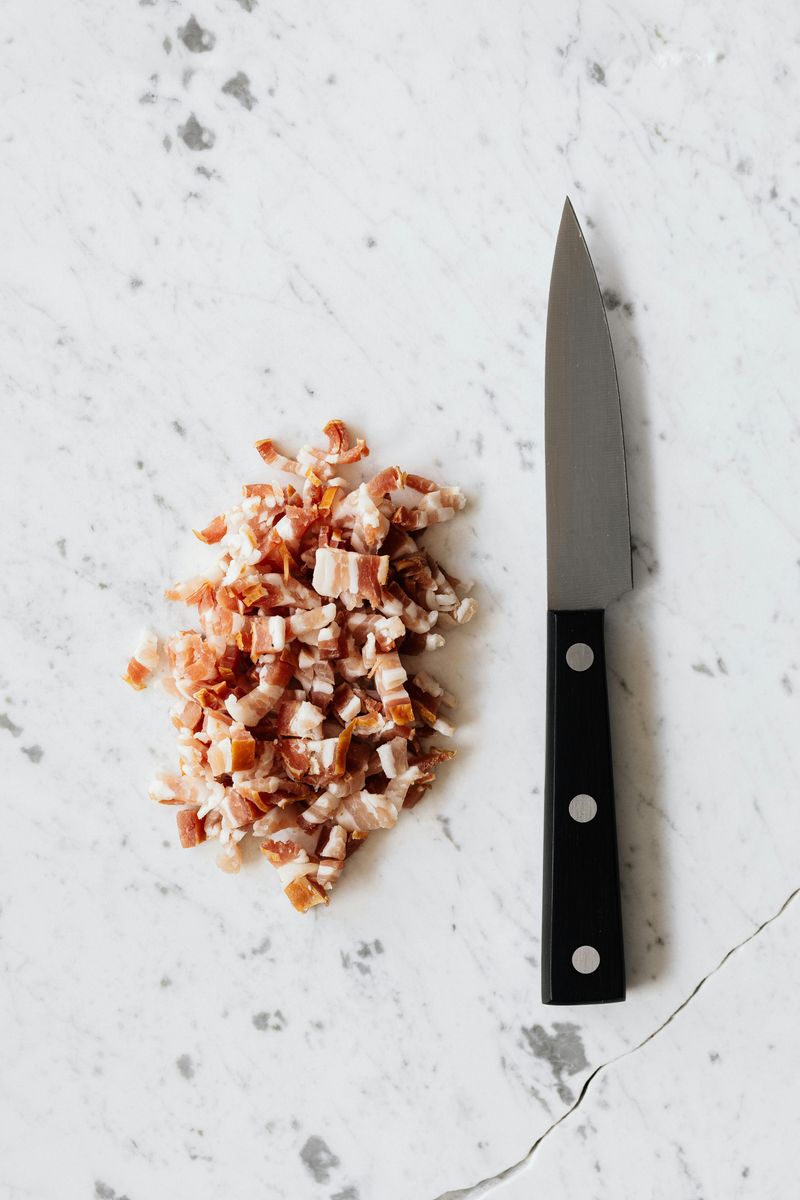
Bacon used to be an indulgence you could still justify. Pork supply swings, processing costs, and packaging waste nudged prices up, and shrinkflation made strips look skimpier.
Weekend breakfasts suddenly feel like a math problem, counting slices and rationing BLTs.
Stretch flavor, not cost. Buy thicker cut packs on sale and freeze portions with parchment between layers.
Render and save fat for greens, beans, and cornbread. For weekday mornings, chop a single slice to season scrambled eggs or pasta.
You keep the smoky payoff while using less, and brunch still feels special without frying your budget alongside the skillet.
Cheese
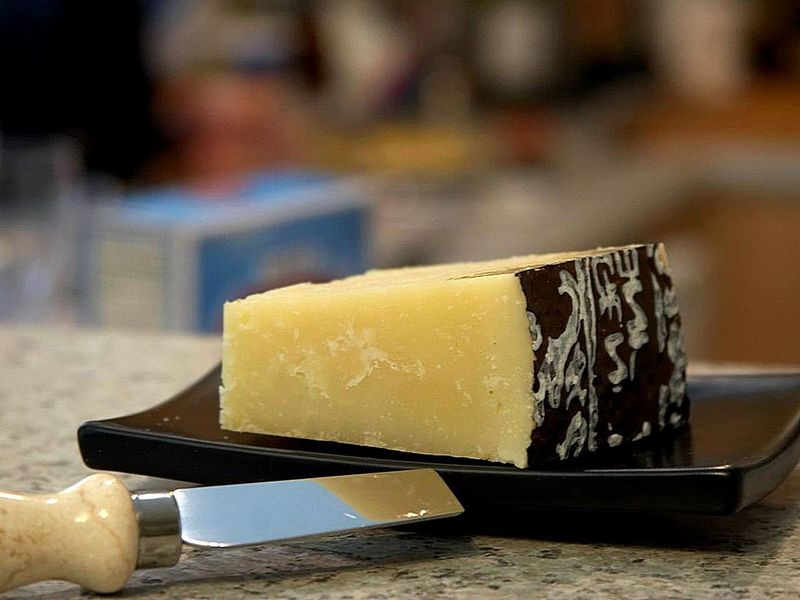
Cheese used to be an easy toss in the cart. Dairy costs, aging time, and import fees lifted prices, and pre shredded bags often hide a higher unit price.
Suddenly, topping pizza or building snack plates feels like a calculation.
Buy blocks, grate at home, and freeze in portions. Hard cheeses last longer, so a small wedge of Parmesan or aged cheddar can power many meals.
Use bolder varieties and use less, then stretch with béchamel, quesadillas, and grilled cheese. With planning, you still get melty pulls and savory hits without indulging in sticker shock every time you open the fridge.
Coffee
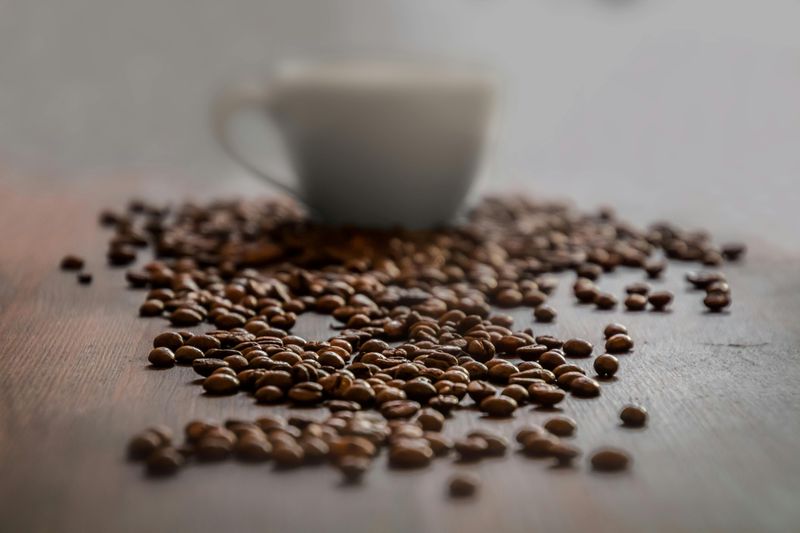
Coffee used to be a comforting constant. Climate impacts, shipping costs, and demand shifts squeezed supply, and the cheap bulk tin does not always taste the same.
Café runs add up fast, so brewing at home becomes the move.
Buy whole beans, weigh by the gram, and grind fresh to stretch flavor. Switch to medium roast blends for versatility, and keep a backup jar of instant for emergencies.
Reusable filters and a scale dial in consistency without waste. With a few tweaks, one bag fuels many mornings, and that first sip still feels like a small luxury you can count on.
Rice
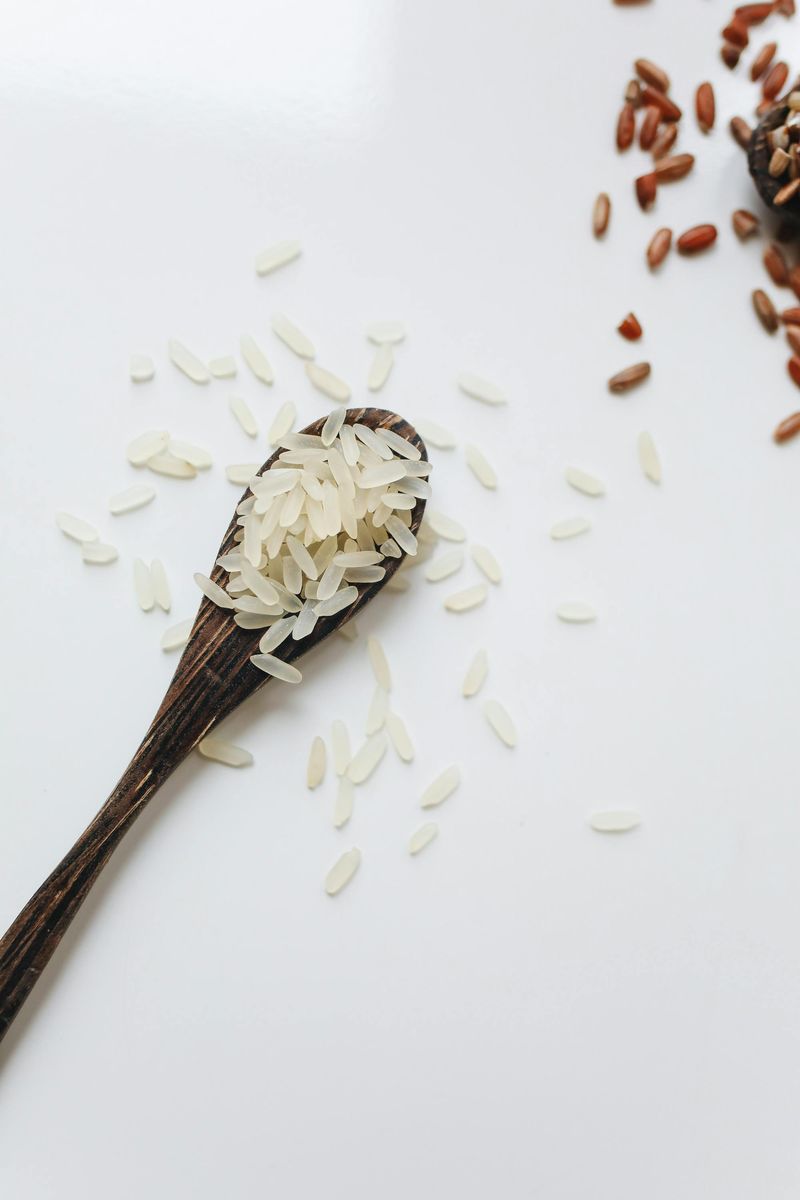
Rice felt endless and affordable, the backbone of weeknight bowls. Weather swings, export restrictions, and freight costs pushed some varieties up, and shelves go patchy when demand spikes.
Your favorite jasmine or basmati is not always there, or not at the price you remember.
Stay flexible. Rotate between long grain, medium, and short grain, and try bulk buys from international markets.
Rinse, toast, and use broth to amplify flavor so a little goes further. Save leftovers for fried rice and congee.
With smart storage in airtight bins, rice remains reliable comfort, even when prices wobble and your usual bag disappears for weeks.
Cooking oil

Cooking oil used to be the silent helper you never thought about. Weather, crop yields, and geopolitical shocks sent prices up for canola, sunflower, and even olive oil.
Frying nights feel heavier on the wallet, and big jugs are not always a bargain.
Strategy matters. Keep one neutral oil and one flavorful oil, buy on sale, and store cool and dark.
Air fry or oven roast for crispy textures with less oil. Reuse frying oil safely by straining and labeling.
Dressings, sautés, and marinades still shine when you measure thoughtfully, so flavor stays big while waste and spending stay small.
Potatoes
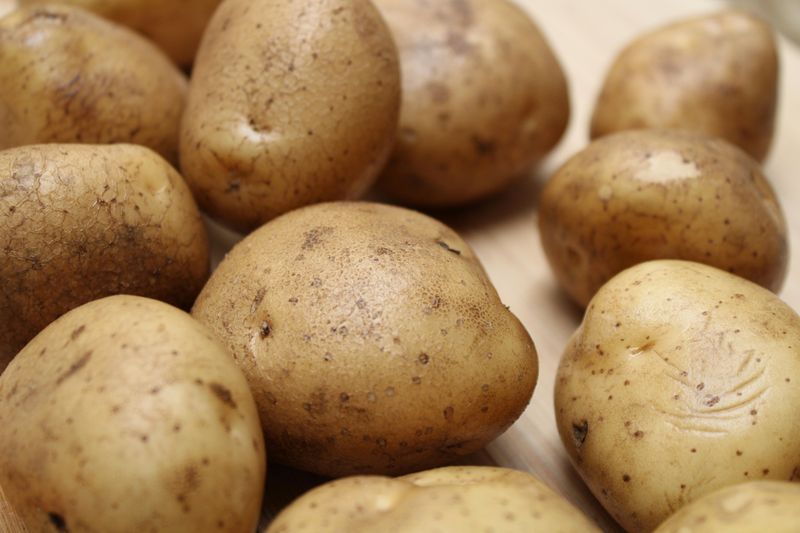
Potatoes were the ultimate cheap filler, perfect for soups, roasts, and fries. Weather swings and storage costs have nudged prices up, and bags sometimes look tired before you even get home.
That dependable sack for hash browns and mash is not the automatic steal it once was.
Pick quality over bulk. Buy loose, choose firm, and store cool with airflow to prevent sprouting.
Roast wedges instead of deep frying, and use skins for extra fiber and flavor. Turn leftovers into hash, gnocchi, or cottage pie.
With a few habits, potatoes keep pulling their weight without dragging your budget along for the ride.
Pasta
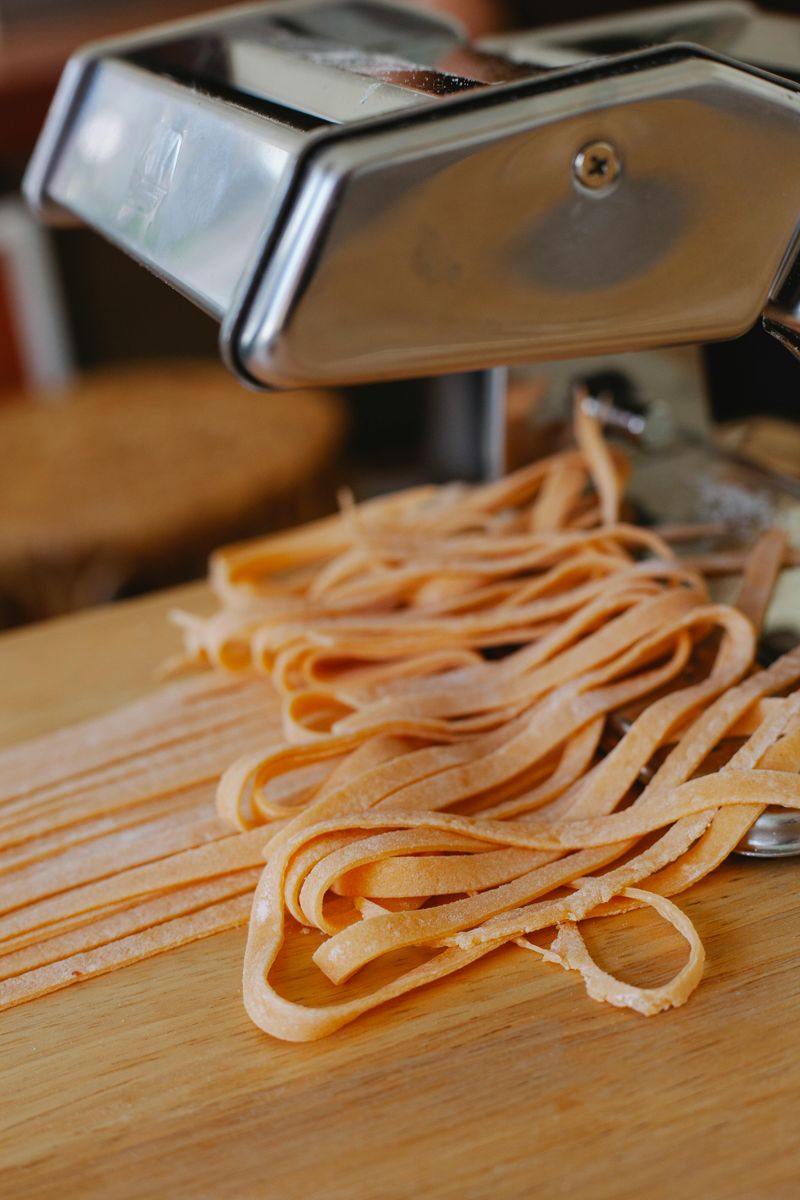
Pasta used to be the slam dunk dinner backup. Durum wheat prices and packaging costs crept up, and the shapes you love vanish right before payday.
Suddenly, that easy marinara night takes planning, and impulse sauce decisions feel expensive.
Work the shelf. Buy by unit price, stash a few versatile shapes, and learn to finish pasta in the sauce with starchy water to stretch flavor.
Add beans, breadcrumbs, and vegetables to bulk it out. A small wedge of cheese or a spoon of chili crisp keeps things exciting.
You still get twirl worthy bowls without draining the wallet.
Cereal
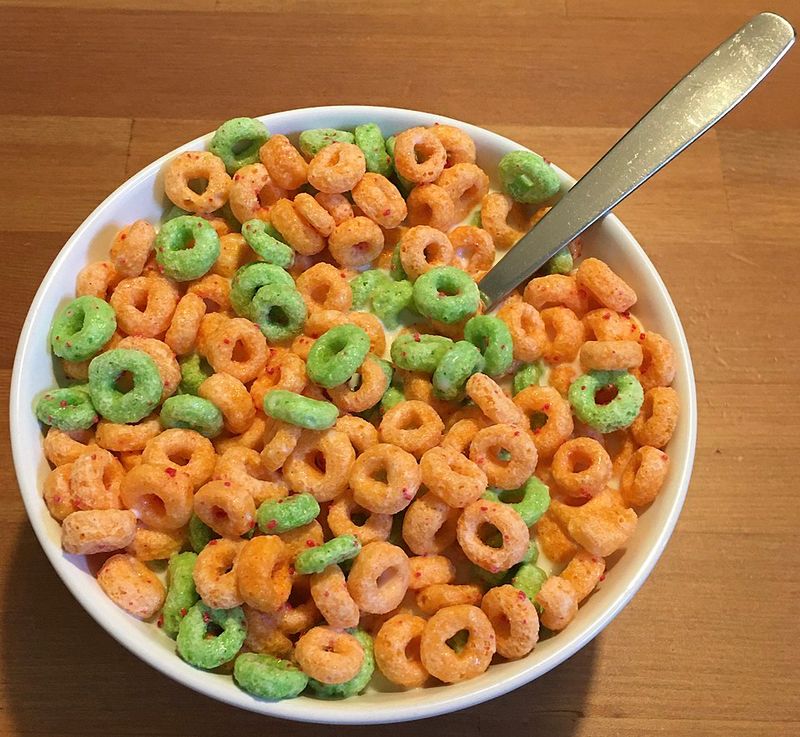
Cereal went from quick bargain breakfast to sticker shock central. Grains, sugar, and marketing do not come cheap, and boxes quietly shrank while mascots kept smiling.
If mornings rely on fast bowls, you feel the hit before the coffee finishes brewing.
Fight back with unit prices and store brands. Mix half plain oats with flavored cereal to stretch sweetness, or pivot to homemade granola when sales hit.
Keep portions honest with a smaller bowl and add fruit or yogurt for volume. Breakfast stays fun and fast, just wiser, so the day starts strong without turning your budget into crumbs.
Yogurt

Yogurt used to be a cheap protein boost with fun flavors. Now cups cost more, multipacks feel lighter, and sugar free options vanish first.
If you pack lunches or build parfaits, those little tubs add up faster than expected.
Go big and simple. Buy plain tubs, strain for thickness, and sweeten with jam or honey.
Portion into reusable cups and top with fruit and granola. Watch for clearance on fancier brands to keep things interesting.
With a spoon and a plan, yogurt still anchors breakfasts and snacks, tasting better and costing less than chasing every new limited edition flavor.
Peanut butter
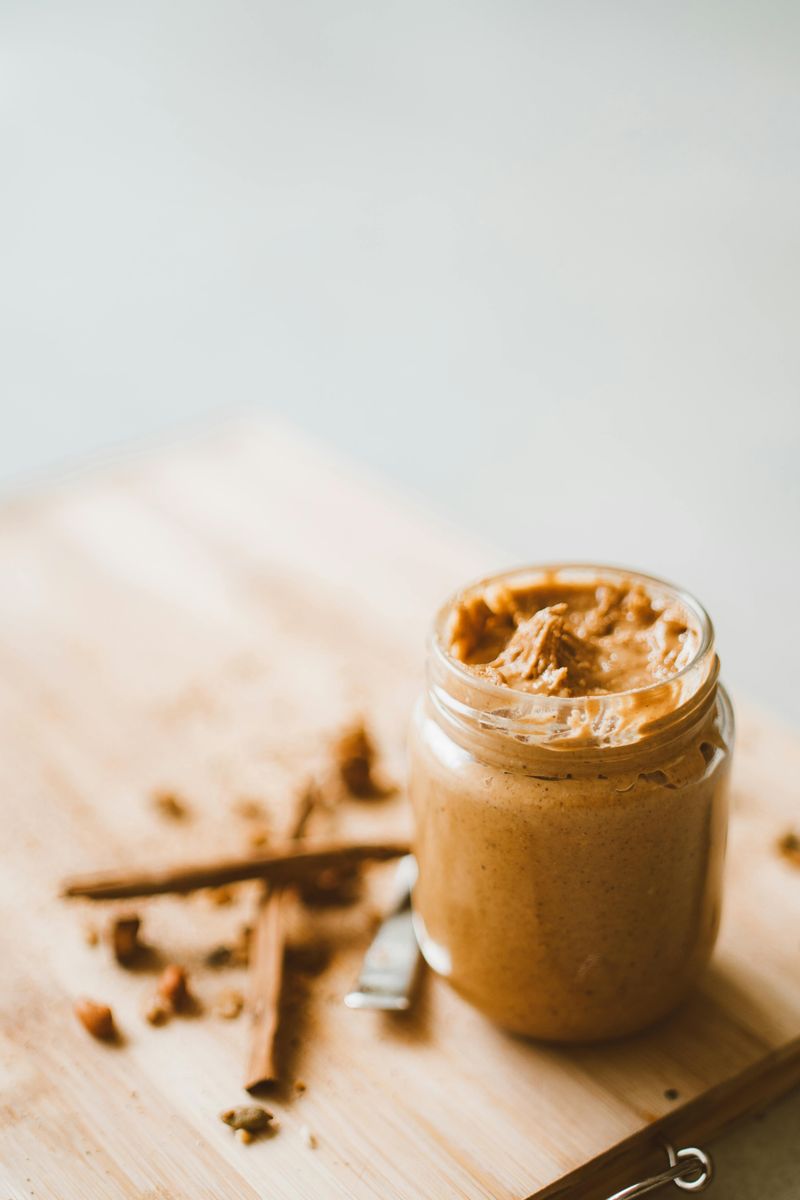
Peanut butter was the reliable sandwich saver. Crop swings and processing costs nudged prices up, and natural jars separate while fancy versions stretch budgets.
Lunches and snacks start to feel complicated for something that used to be automatic.
Keep it simple. Choose store brand 100 percent peanuts when possible, stir once, and store upside down for easier spreading.
Thin with a touch of oil or warm water for sauces. Buy big jars on sale and decant into smaller containers for freshness.
PB and J still hits, and noodles, smoothies, and cookies stay in rotation without turning your pantry into a splurge zone.
Frozen meals
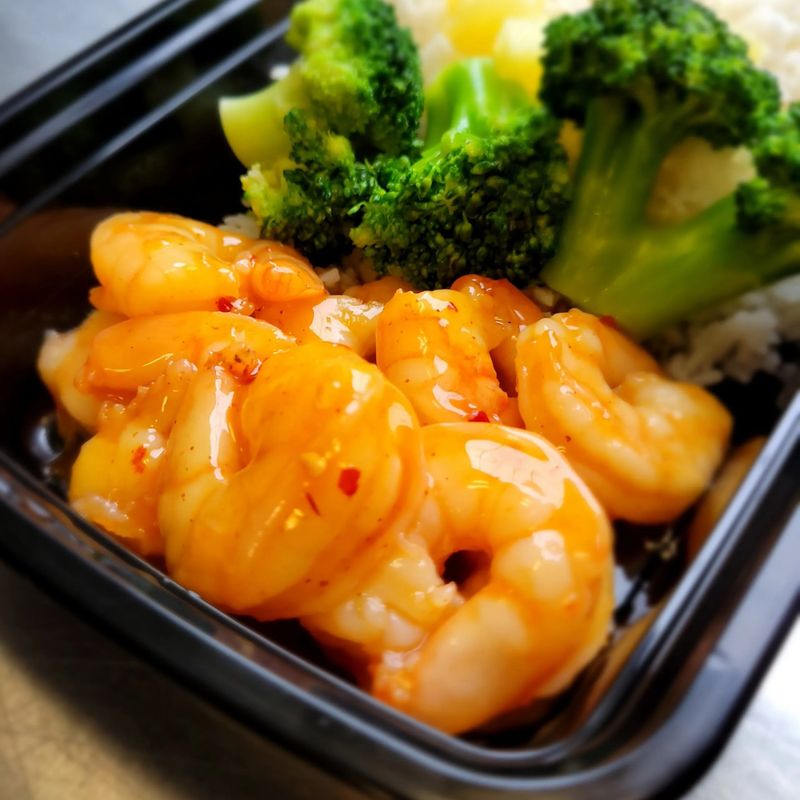
Frozen meals once bridged busy nights for pocket change. Now portions feel smaller, vegetables are sparser, and prices rival takeout specials.
Convenience is great, but the math is rough when two boxes barely feed one hungry person.
Reframe convenience. Keep a few solid options for emergencies, then batch cook chili, pasta bakes, and burrito fillings to freeze.
Add a side salad or quick veg to boost nutrition and volume. Watch for real sales, not flashy tags.
With a stocked freezer of your own making, you still get microwave speed and better flavor without paying restaurant prices for tiny trays.
Chocolate

Chocolate used to be an easy treat after a long day. Cocoa supply issues, climate stress, and global demand lifted prices, and bars quietly shrank.
Baking chips and cocoa powder pinch holiday budgets, turning brownies into a considered choice.
Make it count. Buy fewer, better bars and savor squares, or melt into sauces and mochas where a little goes far.
Watch clearance end caps for damaged boxes. Cocoa nibs add crunch without using much.
When baking, boost flavor with espresso powder and salt so smaller portions satisfy. Dessert stays special, intentional, and surprisingly affordable with thoughtful buying and bold flavors.
Vegetables
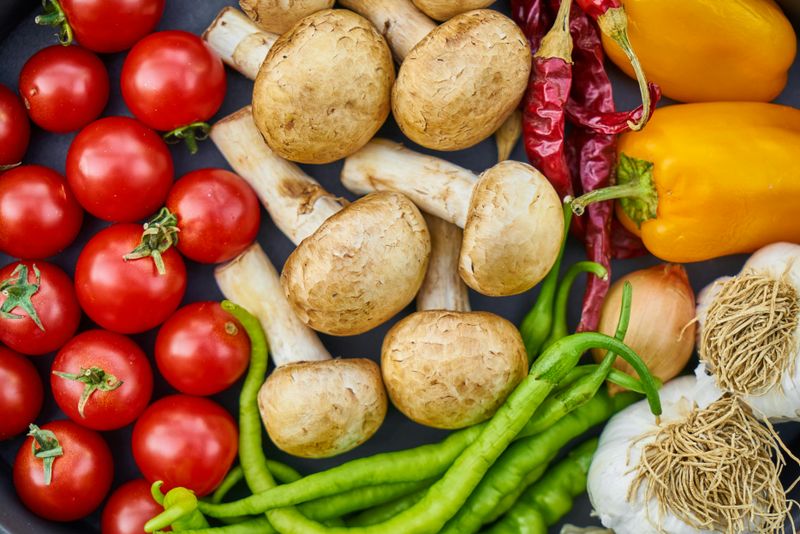
Vegetables were once the cheapest way to fill plates with color. Now greens wilt faster, bunches look smaller, and prices jump with fuel and weather.
Stir fries and salads start feeling pricier than they should.
Lean on seasonality and flexibility. Buy whole heads instead of mixes, pivot between fresh, frozen, and canned, and prep right away to avoid waste.
Roast trays of odds and ends, turn stems into pesto, and freeze soup packs. A splash of vinegar and good salt make humble veggies pop.
You still eat the rainbow without paying a premium for pre cut convenience.
Deli meat
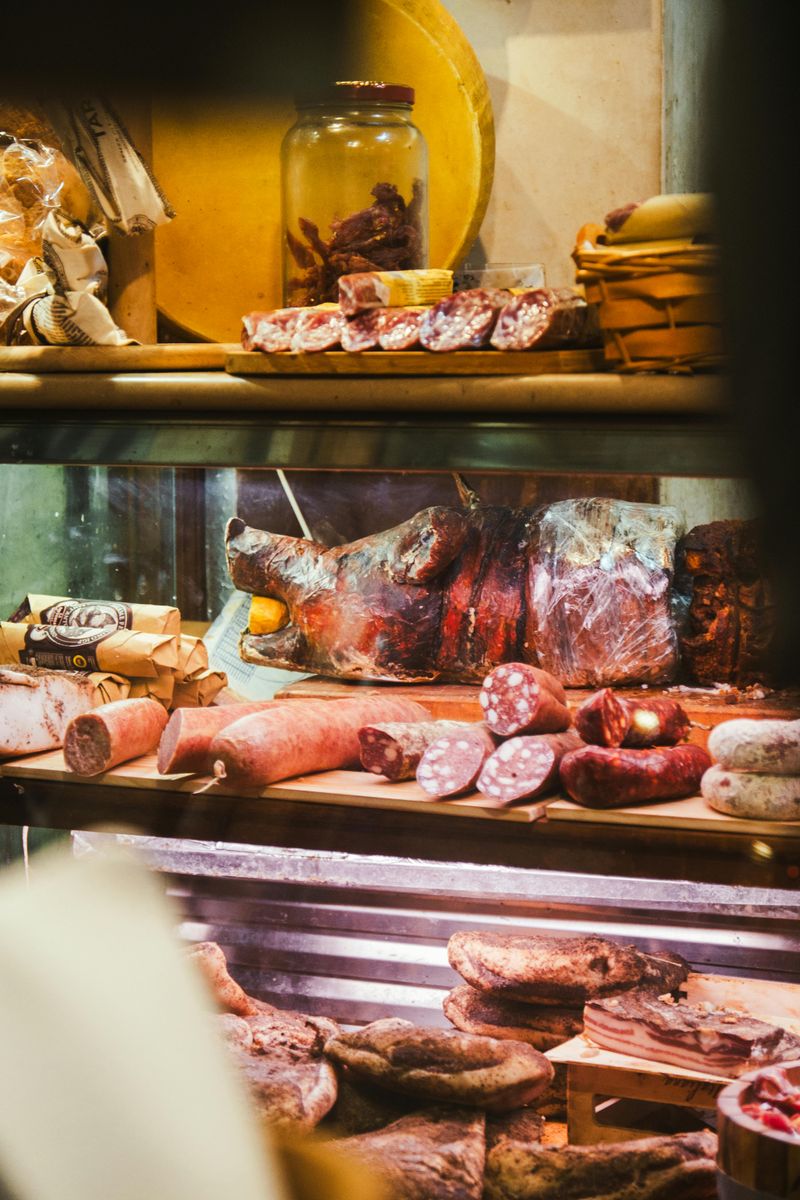
Deli meat used to be an easy shortcut for lunches. Now per pound prices bite, slices are thinner, and sales disappear early in the week.
Sandwiches that once saved money can rival takeout if you are not careful.
Shift the playbook. Buy whole roasts or hams on sale and slice at home, or pivot to chicken salad, egg salad, and bean spreads.
Portion and freeze small packs to avoid slime and waste. Add crunch with pickles and slaw, so less meat still satisfies.
Lunchtime stays quick, tasty, and affordable without living at the deli counter.
Snack packs
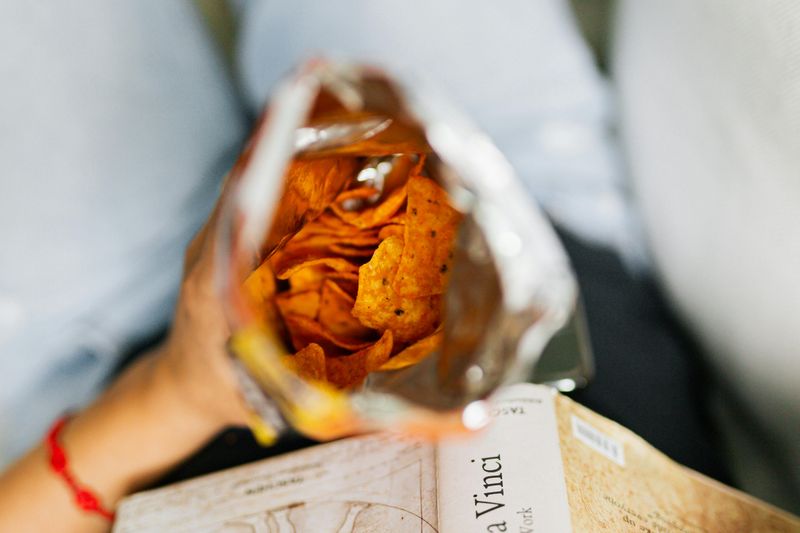
Snack packs used to be the guilt free convenience buy. Now the per ounce price stings, and boxes often hold fewer pouches than last year.
Lunchboxes and road trips drain the budget faster than the kids can finish a granola bar.
Customize your convenience. Buy full size snacks, then portion into reusable containers.
Mix nuts, pretzels, and dried fruit into DIY trail mix. Cut cheese and fruit the night before and add a fun dip.
Unit prices tell the truth, and five minutes of prep buys a week of grab and go ease without paying a premium for pretty packaging.
Fresh fruit

Fresh fruit used to be a carefree toss in the cart. Weather shocks, freight, and labor costs push prices up, while ripe windows mean waste if you overbuy.
Berries especially feel like a gamble between delight and disappointment.
Buy in season and rotate. Choose sturdy fruit for weekdays and delicate splurges for weekends.
Frozen options backfill smoothies and bakes. Store apples and citrus cold, bananas on hooks, and berries dry with a paper towel.
Cut fruit right before eating to reduce waste. With a little timing, you still get juicy hits without the sting every time you pass the produce bins.
Enjoyed this story?
Add Fast Food Club as a preferred source to see more of our reporting on Google.