



Remember when certain staples felt like automatic toss-ins for the cart? Lately, prices and availability have turned simple weeknight choices into mini strategy sessions.
You can still eat well without overspending, but it takes knowing what changed and how to pivot smartly. Here’s a quick, practical guide to help you stretch favorites without sacrificing taste or sanity.
Eggs
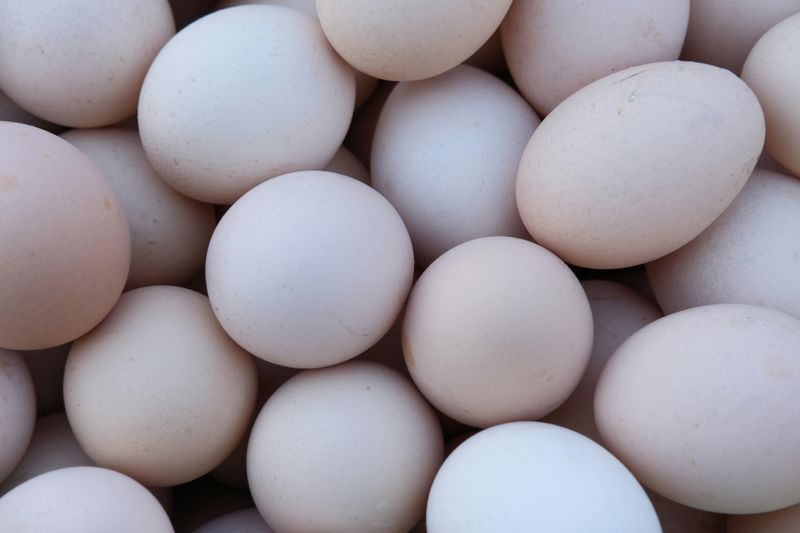
Remember when a dozen eggs felt like a throw-in on your grocery list? Prices cracked upward as feed costs, disease outbreaks, and fuel made every carton pricier.
Suddenly breakfasts, baking, and quick protein got trickier to stretch.
You still find deals if you watch store brands, loyalty promos, and local farm stands. Consider buying in bulk, then meal prepping scrambles, bakes, and egg salads.
When prices spike, pivot to beans or tofu for protein and save eggs for weekend treats. Freezing beaten eggs for later can also smooth out the roller coaster.
When in doubt, split recipes.
Butter
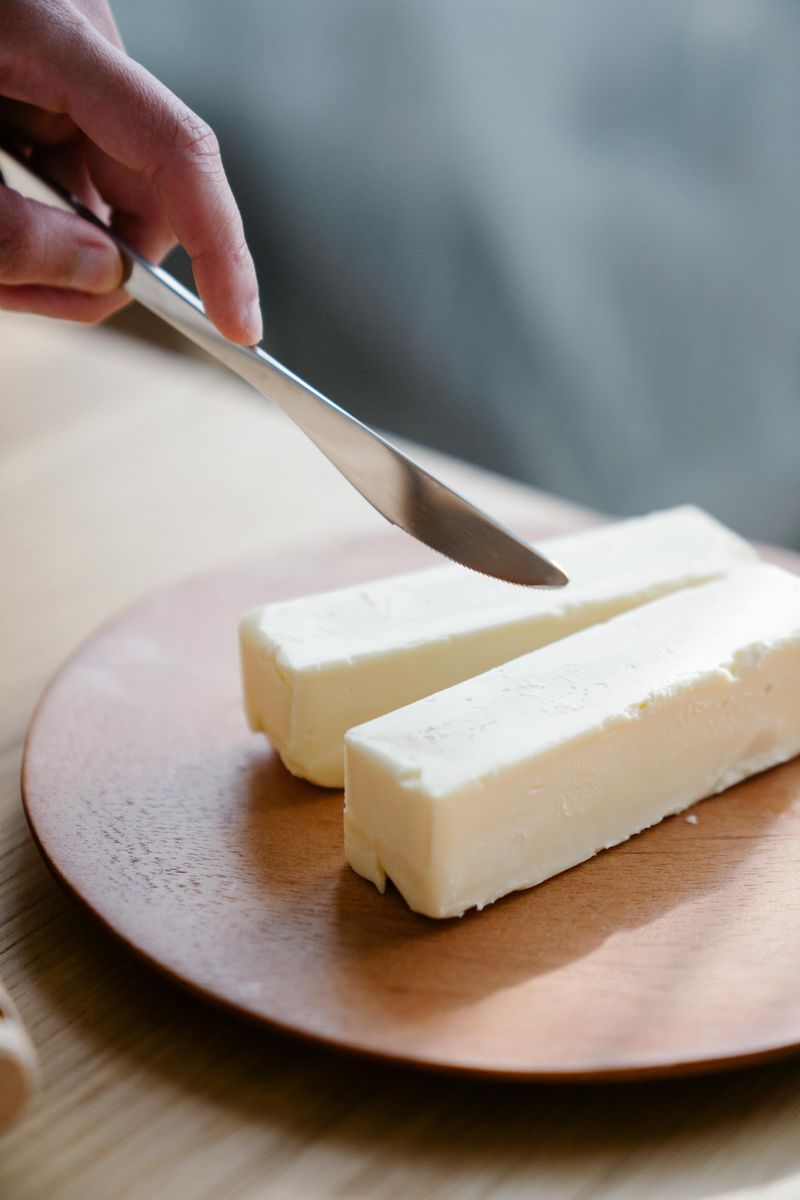
Butter used to be an easy grab for baking and breakfasts. Then dairy feed, labor, packaging, and transport crept up, and suddenly every stick felt premium.
You probably noticed recipes calling for less, or swapping in oil, to make the budget work.
Stretch flavor by browning butter for a deeper punch, using less without losing richness. Freeze portions, shred cold butter into doughs, and combine with olive oil for sautéing.
When prices sting, try yogurt or buttermilk in cakes, and finish vegetables with a pat instead of cooking in it. You still get satisfaction, just with smarter timing.
Bread
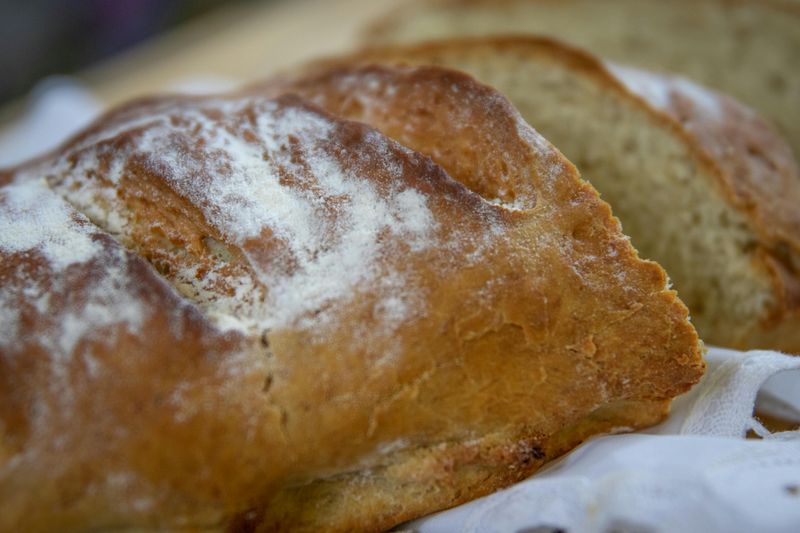
Bread once felt endless and cheap, from bakery racks to corner stores. Then flour, labor, and energy costs pushed loaves higher, while packaging trimmed sizes.
If toast and sandwiches anchor your week, those shifts hit fast.
Consider bakery outlet stores, day-old racks, and freezing sliced loaves for freshness. Baking simple no-knead bread can cut costs, especially when you double batches.
Stretch slices by loading sandwiches with hearty fillings and using stale bread for croutons, breadcrumbs, and strata. When you find a price sweet spot, buy two and freeze one.
Future you will be thrilled.
Milk

Milk used to be the baseline for breakfasts, baking, and quick smoothies. Rising feed, processing, packaging, and shipping squeezed every gallon.
For families, even small jumps add up across a week.
Shop store brands, compare unit prices per ounce, and consider shelf-stable or powdered milk for backups. If you just need a splash for coffee or recipes, buy quarts instead of gallons.
Rotate with yogurt or fortified alternatives when budgets run tight. Freeze small portions for cooking, then thaw as needed.
The trick is matching carton size to your actual habits, so none goes to waste.
Ground beef
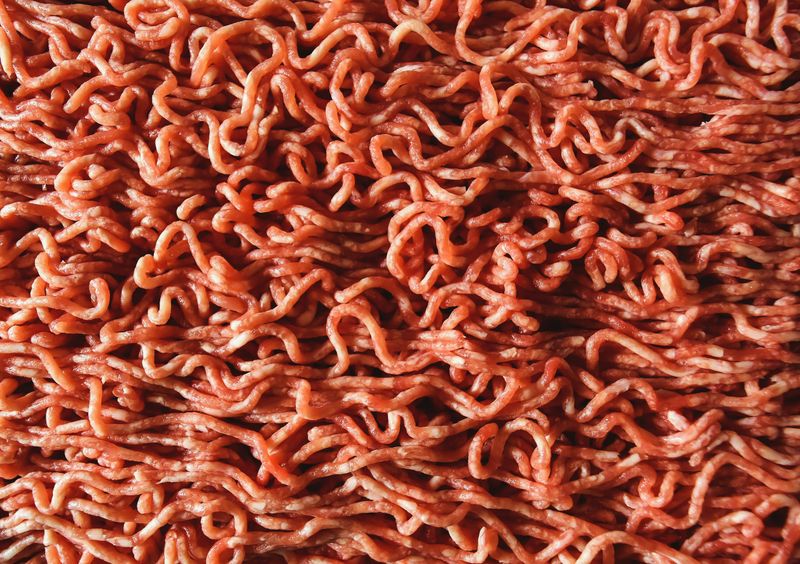
Ground beef once powered budget tacos, pasta, and burgers without a second thought. Lately, feed, drought, and herd reductions tightened supply, nudging prices up.
You probably noticed leaner blends cost even more.
Stretch flavor with mushrooms, lentils, or finely chopped vegetables folded into the mix. Buy family packs on sale, portion, and freeze flat for quick thawing.
Choose 80-85 percent for value, then drain well. When beef spikes, pivot to ground turkey or a half-and-half blend.
Season boldly with garlic, smoked paprika, and Worcestershire. You still get juicy satisfaction without overspending, and leftovers become tomorrow’s chili.
Chicken wings
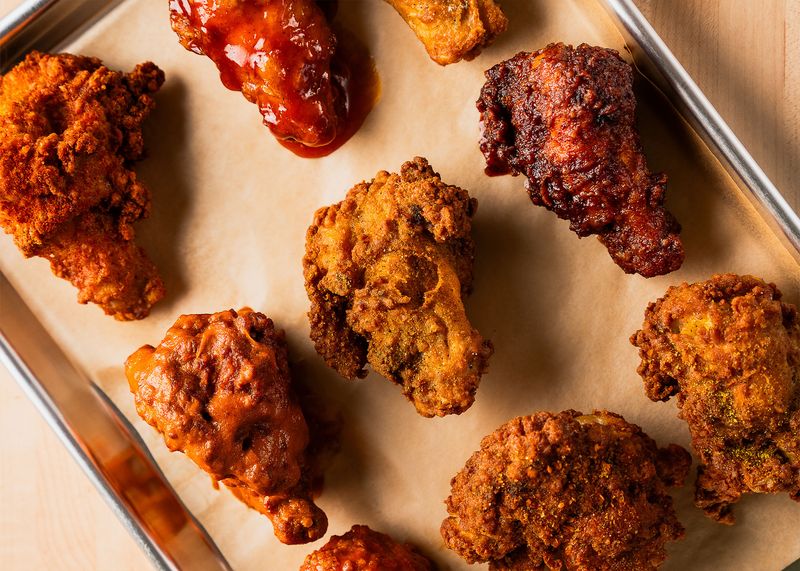
Wings used to be the bargain cut nobody fought over. Then demand skyrocketed with sports nights, and processing costs climbed, pushing prices higher.
Suddenly the party platter was the splurge.
Hunt for whole wings and break them down yourself to save. Bake on racks for crispiness, then toss in homemade sauces.
If prices soar, swap to drumsticks or bone-in thighs for similar flavor at better value. Air fryers help crisp without extra oil.
Buy in bulk, brine, and freeze for later. You still get big flavor, just with smarter cuts and timing.
Bacon
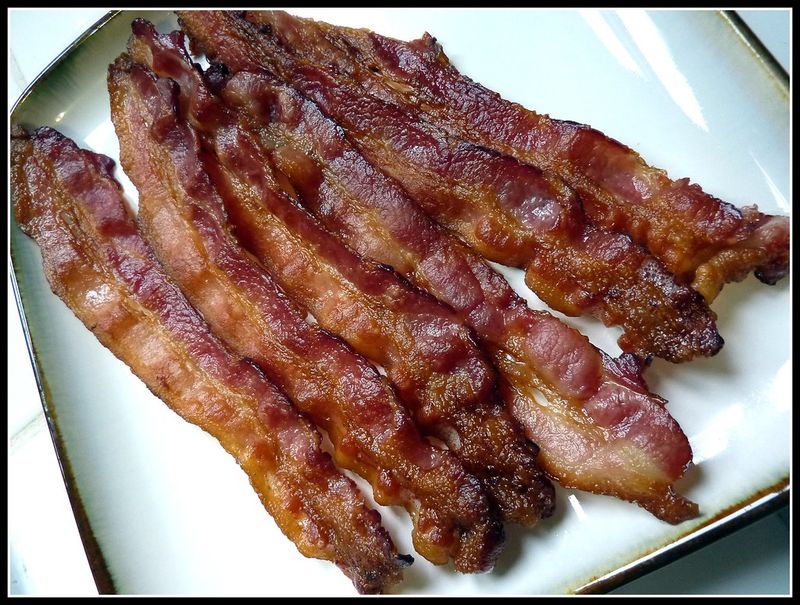
Bacon went from casual weekend treat to calculated purchase. Pork supply shifts, processing, and packaging nudged prices up while packs sometimes shrank.
That BLT suddenly needed a budget line.
Use bacon as a seasoning instead of the main event. Cook once, crumble, and freeze portions to sprinkle on soups, salads, and potatoes.
Render fat for sautéeing greens and cornbread. When prices climb, swap in smoked paprika, liquid smoke, or turkey bacon for similar vibes.
Buy thick-cut during sales and portion carefully. You keep the smoky punch while spending less, and every strip works harder.
Coffee
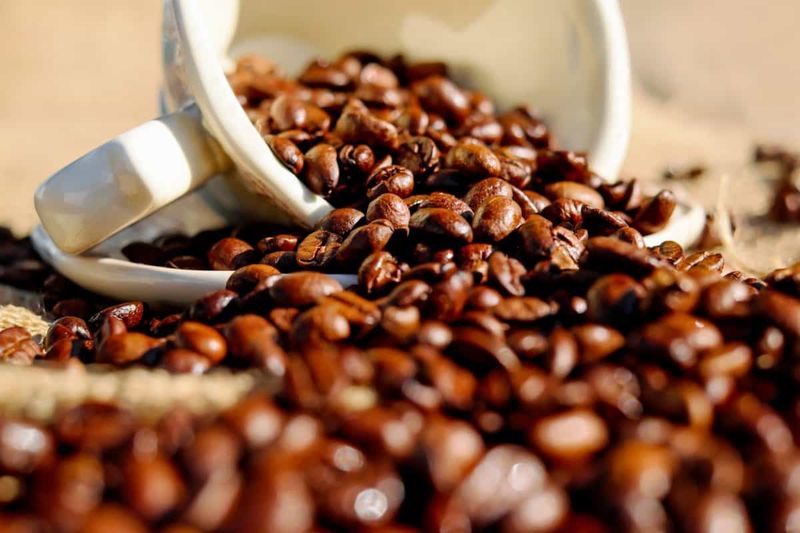
Coffee used to feel like a small luxury that barely dented the budget. Global supply swings, climate issues, and shipping raised bean prices and cafe cups.
Suddenly daily lattes asked for a second thought.
Brew at home with a grinder, scale, and reusable filter to slash costs. Buy whole beans on sale, freeze airtight, and brew smaller, fresher batches.
Try cafe-style drinks with frothed milk and flavored syrups. If you love cafes, shift to smaller sizes or loyalty rewards.
With a plan, you still savor the ritual without the sting, one satisfying mug at a time.
Olive oil

Olive oil used to be a pantry constant that felt fairly steady. Weather shocks and harvest shortfalls tightened supply, and prices jumped fast.
Drizzling generously suddenly felt extravagant instead of easy.
Reserve extra virgin for finishing and salads, and use a neutral oil for high-heat cooking. Buy in tins or dark glass, then decant into smaller bottles to protect freshness.
Compare per-ounce prices at warehouse stores and watch harvest dates. Consider robust flavors so a little goes further.
You still get that peppery bite and gloss, just used thoughtfully where it shines.
Rice
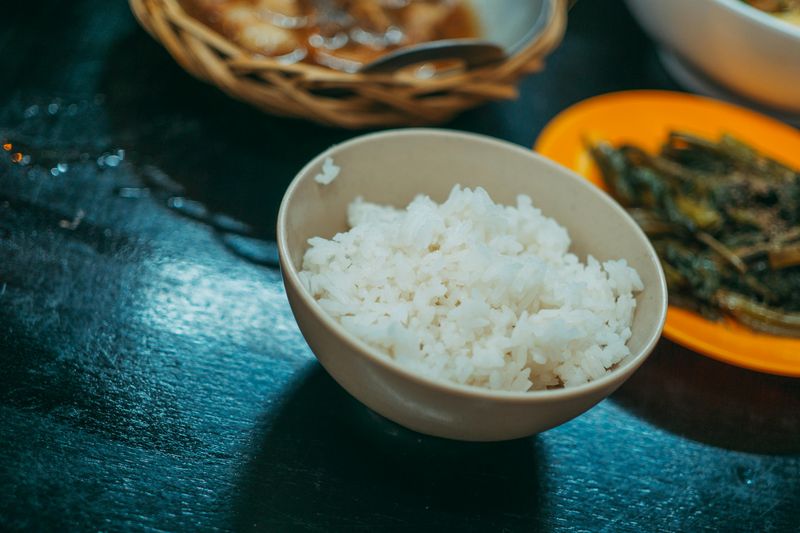
Rice felt like the eternal budget backbone. Weather, shipping, and export restrictions reminded everyone that even staples can tighten.
Prices rose, and certain varieties vanished for stretches.
Buy in bulk when reasonable, then store in airtight containers with bay leaves or oxygen absorbers. Rinse to improve texture and reduce waste from sticky batches.
Batch cook, freeze flat, and reheat with a splash of water. Explore broken rice or medium grain when long grain spikes.
Add aromatics like garlic, ginger, or bouillon so simple bowls feel special. Your stir-fries and curries still land beautifully, affordably.
Pasta
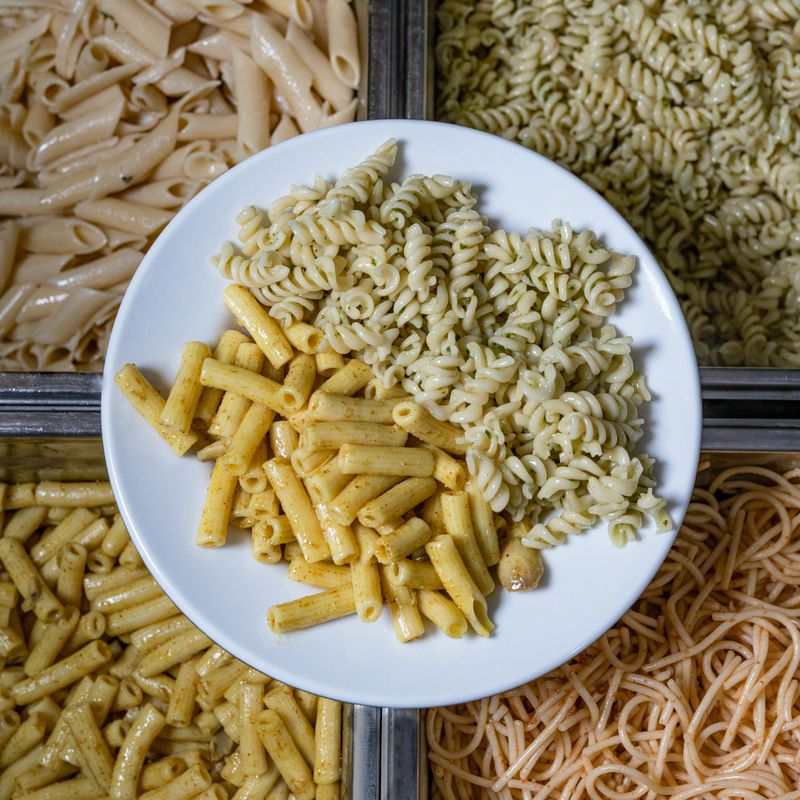
Pasta used to deliver cheap dinners on autopilot. Durum wheat swings and energy costs nudged those familiar boxes upward.
Suddenly two-for-one deals were rarer, and portions mattered more.
Shop store brands and buy during seasonal sales. Cook to al dente, reserve pasta water, and build silky sauces that cling, so you use less cheese and butter.
Add beans, peas, or greens to bulk up bowls without more pasta. Try shapes with texture that make small servings feel satisfying.
With smart sauces and timing, you keep the cozy factor while the budget breathes easier.
Potatoes

Potatoes were the unbeatable budget champion. Droughts, storage costs, and transport hiccups nudged prices and thinned choices.
Even big bags felt like a gamble if sprouting arrived early.
Buy firm, store in a cool dark spot, and keep away from onions. Plan multitaskers like roasted trays that become breakfast hash and tortilla Española.
Choose versatile varieties like Yukon Golds that mash, roast, and fry well. When prices climb, pivot to sweet potatoes or squash for similar comfort.
Use skins for crisps and broth for soup bases. Nothing gets wasted, and every spud does overtime.
Onions
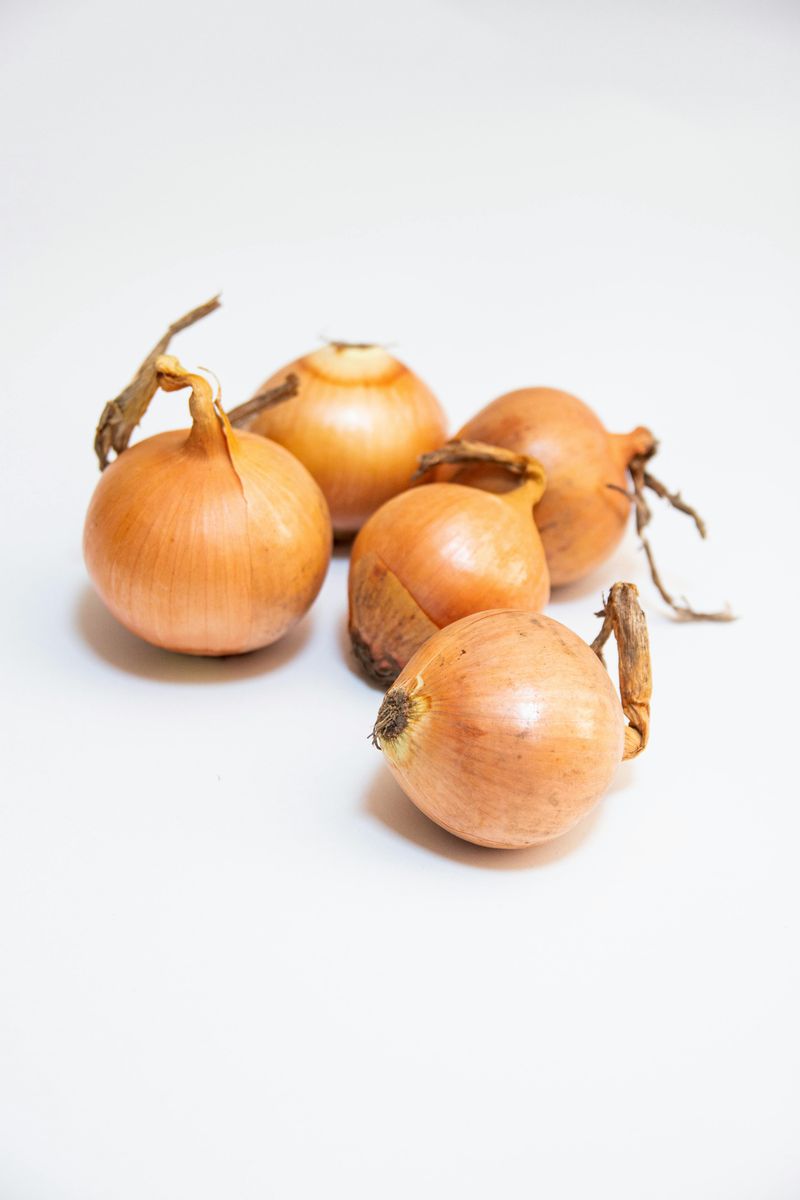
Onions seemed guaranteed cheap flavor. Weather swings and storage issues sometimes narrowed supplies, pushing up prices.
When onions jump, everything from soups to salsas feels pricier.
Buy bags for unit savings, then dice and freeze portions for quick weeknight use. Use scallions or leeks when prices invert.
Caramelize big batches to stretch flavor across sandwiches, burgers, and stews. Save skins for stock or onion oil.
Grow a small pot of chives for fresh bite without big spending. With a few tricks, you keep that savory backbone steady, even when bins look bare.
Peanut butter
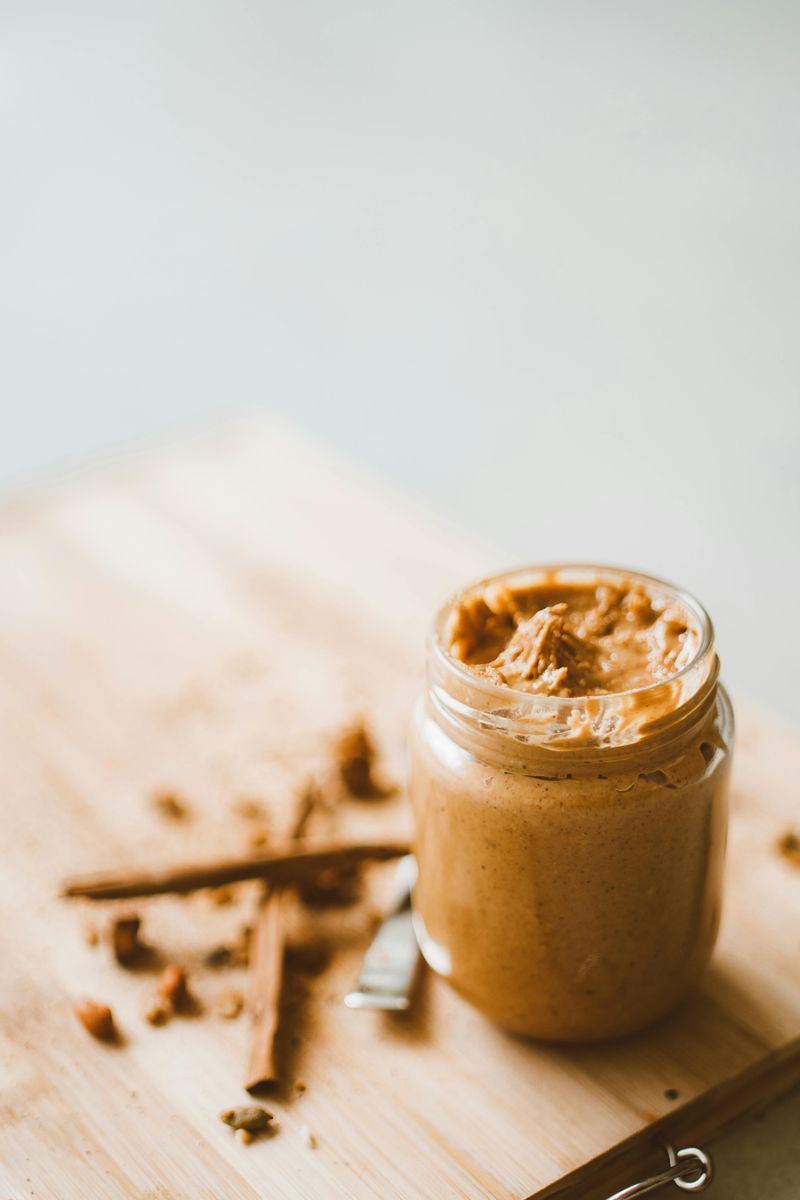
Peanut butter long anchored affordable breakfasts and snacks. Crop variability, shipping, and brand premiums inched jars higher, especially for specialty blends.
Suddenly that spread felt more considered.
Choose store brands, compare unit prices, and watch sales cycles. Stir natural jars, then store upside down for easier spreading.
Stretch snacks by pairing thin layers with sliced apples, celery, or oats. For baking, mix with oil to replace some butter.
If allergies or prices bite, rotate sunflower seed butter or tahini. You still get creamy, salty satisfaction without draining the cart.
Yogurt

Yogurt used to be an easy grab-and-go. Prices rose as dairy costs and packaging added up, especially for single-serve cups.
Those little tubs suddenly looked like splurges.
Buy big tubs of plain, then portion into reusable containers. Sweeten with fruit and honey so you control cost and sugar.
Strain to make quick labneh for spreads that feel fancy. Stir into sauces and marinades to stretch cream and buttermilk.
Watch weekly specials and rotate flavors to avoid burnout. You keep the probiotic punch and creamy comfort while trimming waste and price.
Cereal
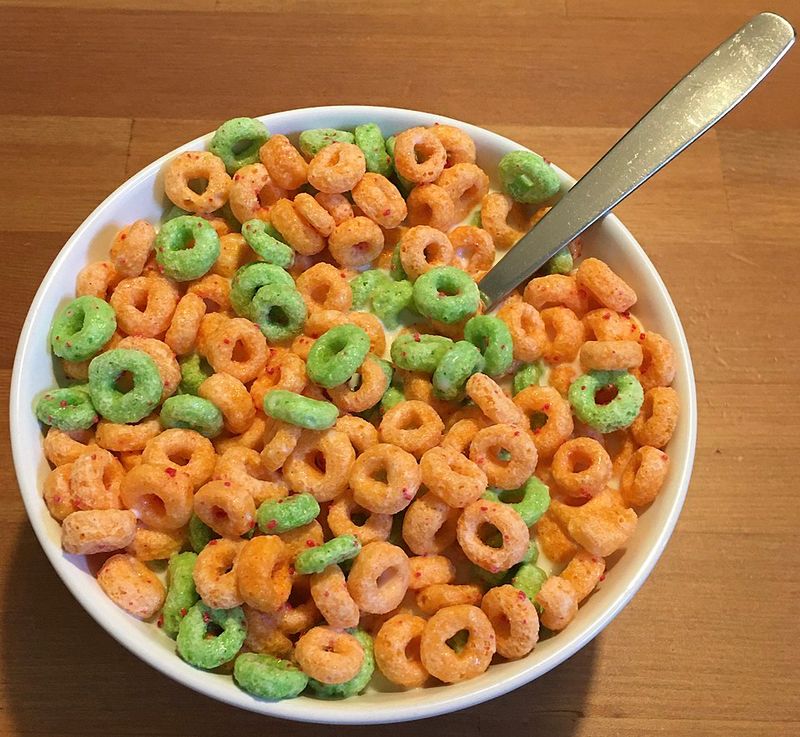
Cereal once anchored quick mornings without much thought. Then boxes got pricier while sometimes shrinking, and sugarier options demanded add-ons.
You felt it at checkout, especially with kids.
Buy big bags, compare unit prices, and use loyalty coupons. Mix sweeter cereals with plain oats or bran flakes for balance.
Consider overnight oats or granola you bake at home. Portion bowls, add fruit for volume, and keep milk splashy, not drowned.
Rotate choices so nobody burns out. You still get convenience, just tuned to value and nutrition.
Cooking oil

Neutral cooking oils used to be inexpensive background players. Crop shifts, export limits, and energy costs sent prices jumping.
Fry nights and sheet-pan dinners suddenly felt heavier on the budget.
Watch unit prices and buy medium bottles to avoid staleness. Reuse frying oil properly by straining and storing cool.
Rotate with air frying or oven roasting to cut consumption. Keep a neutral oil for high heat and a flavorful one for finishing.
When prices rise, cook with broth or water for sauté starts. You still get golden edges and sears without splashing cash.
Frozen pizza

Frozen pizza was the effortless backup dinner. Lately, crust, cheese, and logistics costs nudged prices up while sizes sometimes slimmed.
That quick save can feel less guilt-free at checkout.
Watch for multi-buy specials and keep a couple on hand. Boost value by adding peppers, onions, or leftover chicken.
Bake directly on a steel or preheated pan for a better crust, so cheaper pies taste great. Consider flatbreads with sauce for a DIY version.
Pair with salad to stretch servings. You still get the Friday-night feeling without the delivery bill.
Chocolate bars

Chocolate bars used to be a small, simple treat. Cocoa supply challenges, climate pressure, and shipping costs pushed prices higher, especially for dark and single-origin.
Impulse buys started feeling weightier.
Buy multipacks, compare grams per dollar, and savor smaller portions. Choose intense dark chocolate so a square satisfies.
Store cool and dry to protect flavor. Melt bits into sauces or drizzle over fruit for desserts that stretch.
When sales hit, stock up responsibly. You keep the ritual of a sweet break, only more mindful and measured.
Berries
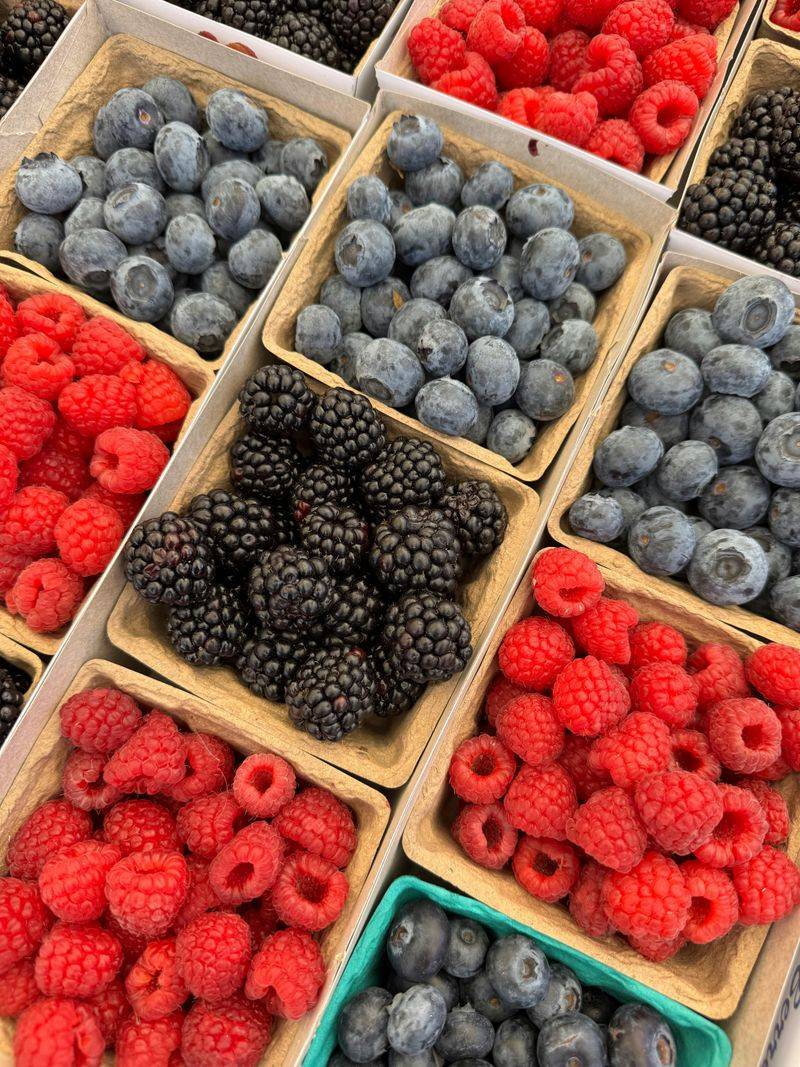
Berries are joyful, but they jumped in price with labor, delicate transport, and weather risks. Off-season pints especially sting.
That smoothie bowl starts to look premium.
Buy in season, freeze extras on trays, and stash in bags for later. Choose frozen for baking and smoothies year-round.
Mix with bananas or apples to stretch sweetness. Rinse gently just before eating to prevent spoilage.
Watch farmers market closeout deals. With timing and a freezer, you enjoy color and brightness without constant sticker shock.
Avocados

Avocados used to feel like effortless luxury for toast and tacos. Weather swings and shipping costs made prices wobble, and ripeness windows stayed unforgiving.
Wasting one hurts doubly now.
Buy at different ripeness stages, store unripe on the counter, and chill once they give slightly. Freeze mashed avocado with lime for quick guacamole.
Stretch servings with tomatoes, beans, or corn. Use thin slices on sandwiches instead of heavy piles.
If prices spike, pivot to hummus or herby yogurt spreads for creaminess. You still get that buttery bite, just timed and portioned right.
Cheese

Cheese once felt like an easy treat to add to carts and boards. Dairy costs, aging time, and transport pushed prices up across blocks and wedges.
Even shredded bags felt pricier for weeknight casseroles.
Buy blocks and shred yourself, then freeze portions to avoid waste. Choose bold cheeses like aged cheddar or parmesan so a little delivers impact.
Save rinds for soups and risotto. Build boards with more pickles, fruit, and nuts to balance.
When budgets pinch, swap in ricotta, cottage cheese, or feta crumbs for creamy salt. You still get indulgence, only smarter and more strategic.
Enjoyed this story?
Add Fast Food Club as a preferred source to see more of our reporting on Google.