


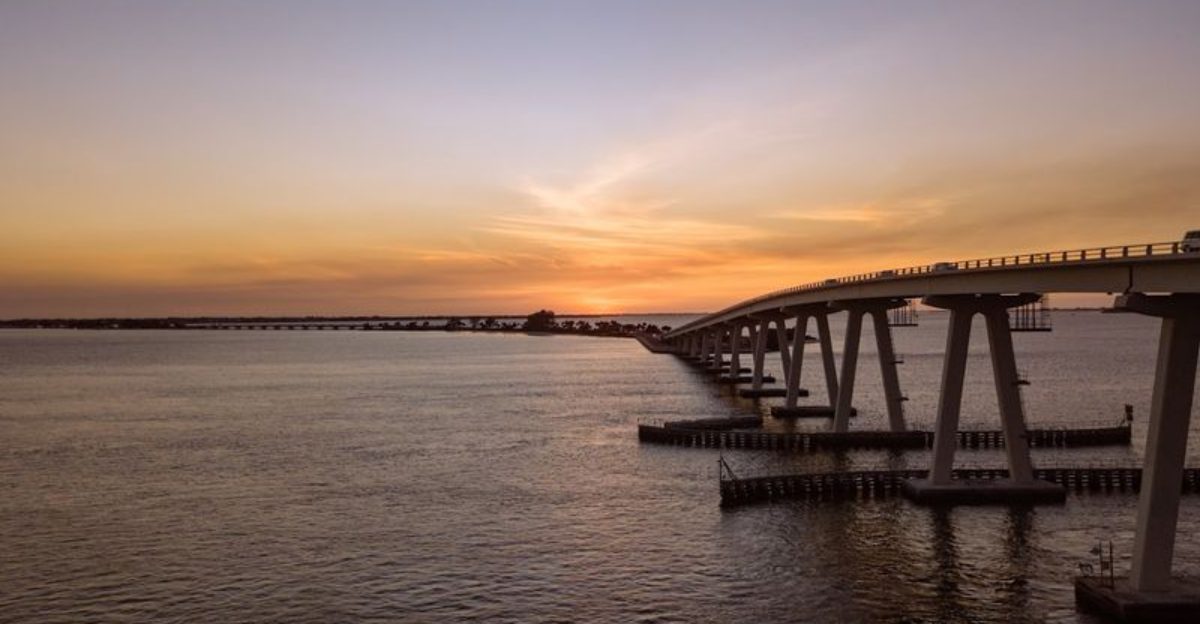
Stretching across the sparkling waters of San Carlos Bay, the Sanibel Causeway is one of Florida’s most breathtaking drives. This 12-mile elevated road connects the mainland to Sanibel Island, offering jaw-dropping views of the Gulf Coast at every turn.
Whether you’re a nature lover, a beach enthusiast, or just someone looking for a memorable road trip, this drive has something special waiting for you. Pack your sunscreen, roll down the windows, and get ready for a Florida experience unlike any other.
The Stunning Views Over San Carlos Bay
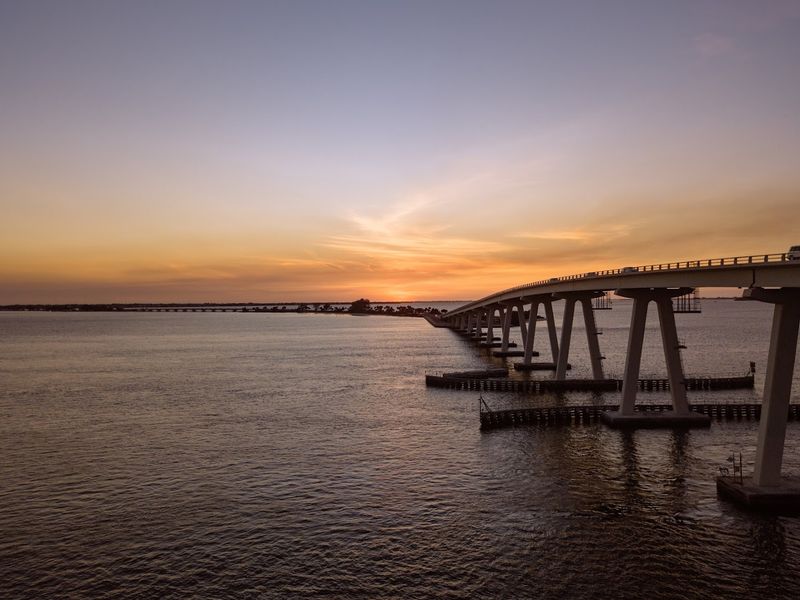
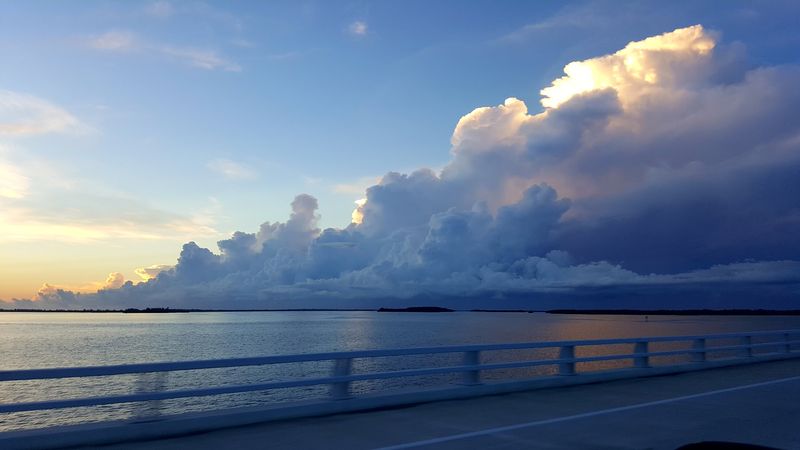
Few drives in Florida can match the sheer beauty of crossing the Sanibel Causeway over San Carlos Bay. From the moment you leave the mainland, the sparkling blue water stretches out in every direction, making you feel like you’re floating above the ocean.
On clear days, you can spot dolphins leaping near the bridge supports, pelicans gliding just above the surface, and even manatees drifting lazily below. The light here is extraordinary, especially in the early morning when the sun turns the bay into a sheet of gold.
Keep your eyes open and your camera ready because these views change every single time you cross. Whether it’s a calm glassy morning or a breezy afternoon with whitecaps, San Carlos Bay never looks the same twice.
This is the kind of scenery that makes you pull over just to soak it all in.
Island Park Beaches Along the Causeway
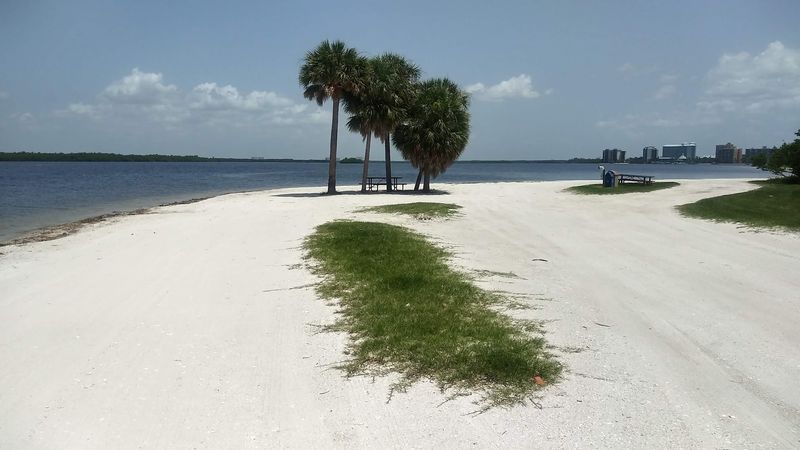
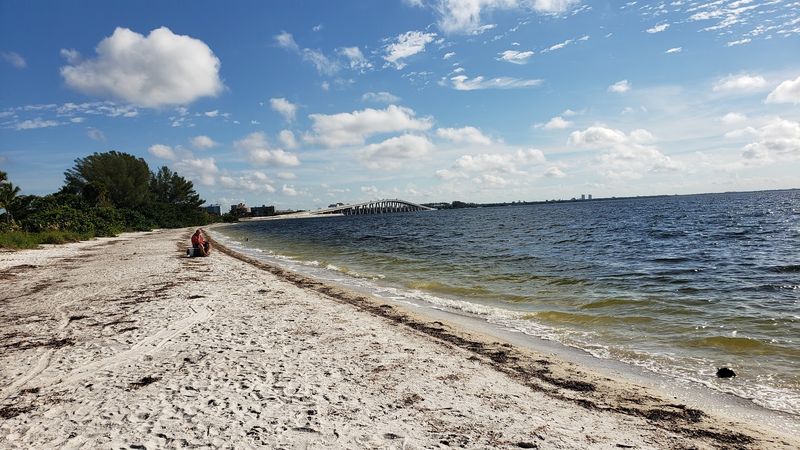
Tucked beneath the elevated road are three small island parks, each with their own sandy beaches perfect for a spontaneous stop. These little stretches of shore sit right in the middle of San Carlos Bay, giving you an almost surreal feeling of being surrounded by water on all sides.
Locals love coming here to launch kayaks, cast fishing lines, or simply spread out a blanket and enjoy the bay breeze. The water is calm and shallow, making it a safe and enjoyable spot for kids to wade around without worry.
Unlike the crowded Gulf-side beaches on Sanibel Island itself, these causeway beaches tend to stay quieter and more relaxed. You might share the space with a few anglers, some kite flyers, and the occasional osprey hunting for lunch.
Bring a packed cooler and plan to stay longer than you originally intended.
World-Class Shell Collecting on Sanibel Island
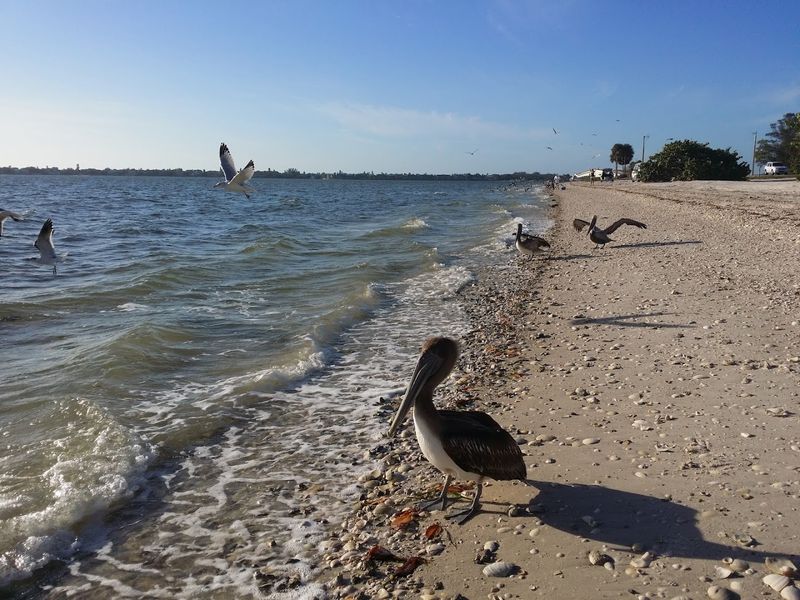
Sanibel Island has earned a global reputation as one of the best shelling destinations on Earth, and crossing the causeway is your ticket to this natural treasure trove. The island’s unique east-west orientation acts like a giant scoop, catching shells carried in by Gulf currents from as far away as South America.
Avid shell hunters even have a name for the crouched-over searching posture they use along the shoreline — the Sanibel Stoop. You’ll spot people of all ages walking slowly along the water’s edge, eyes fixed on the sand with total concentration.
Lightning whelks, junonia shells, and horse conchs are among the prized finds waiting for patient collectors. The best time to search is right after a storm or during low tide at dawn.
Once you start finding shells here, it becomes genuinely hard to stop walking the beach.
Wildlife Watching Right from Your Car Window
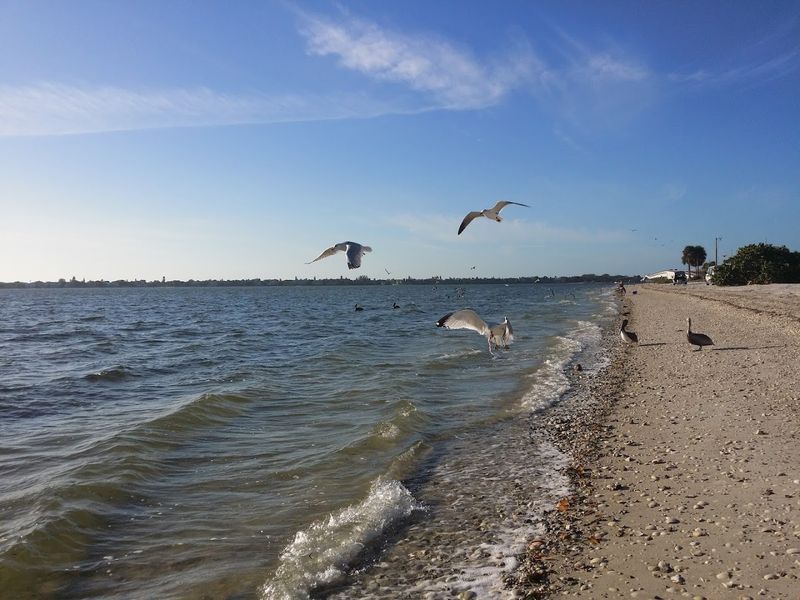
You don’t need to leave your car to experience incredible wildlife along the Sanibel Causeway — nature practically puts on a show right outside your window. The shallow tidal flats on either side of the road attract an astonishing variety of birds that wade, dive, and hunt in full view of passing drivers.
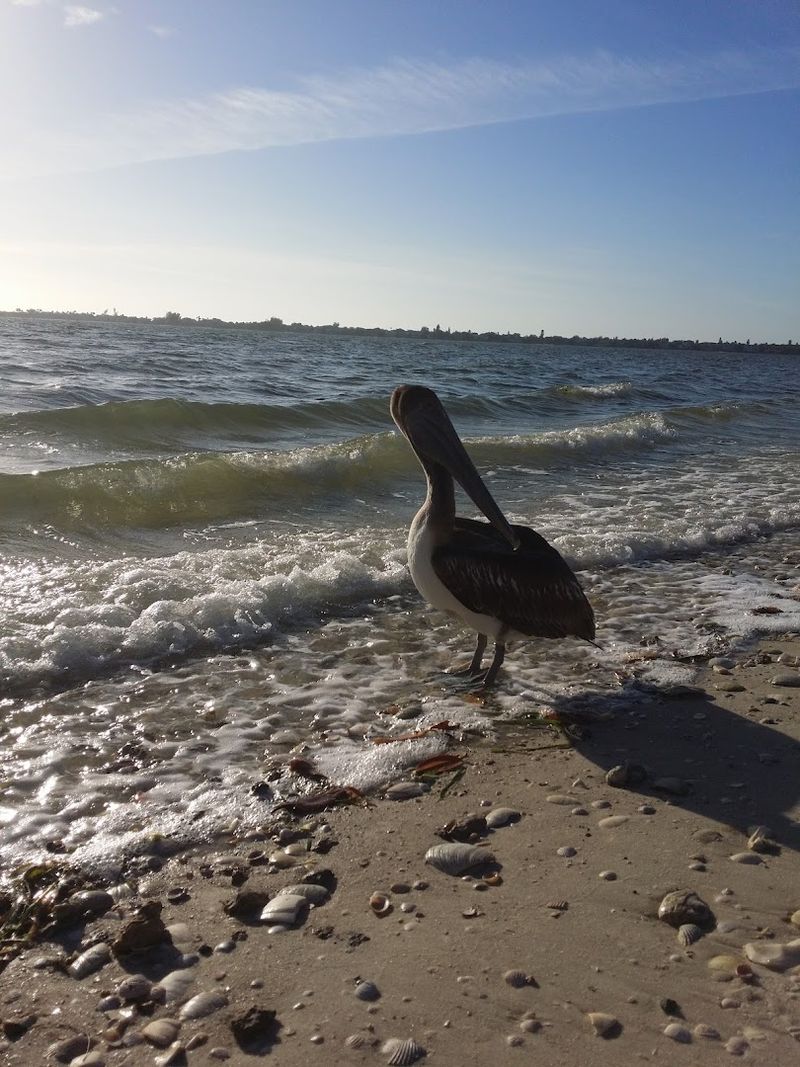
Roseate spoonbills flash their shocking pink feathers, great blue herons stand perfectly still like statues, and brown pelicans cruise low over the water in tight formation. During migration season, the variety of species increases even more dramatically.
Bottlenose dolphins are also frequent visitors to these waters, often swimming alongside the causeway in small playful pods. If you slow down and pay attention, you might also spot rays gliding silently through the shallows below the bridge.
This stretch of road is essentially a free, open-air wildlife documentary playing live just for you.
Kayaking and Paddleboarding in the Bay
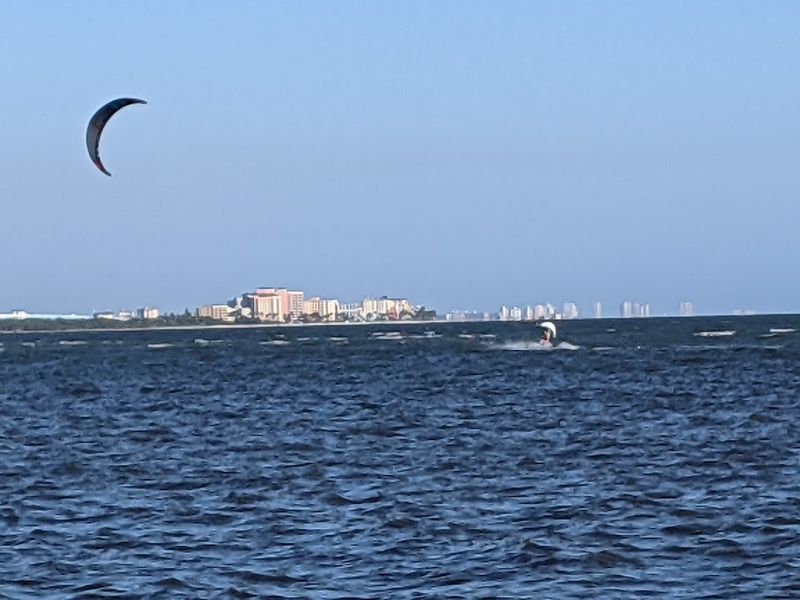
Launching a kayak or paddleboard from one of the causeway’s island parks puts you directly onto some of Southwest Florida’s most rewarding paddling water. San Carlos Bay is dotted with mangrove islands, tidal channels, and seagrass flats that beg to be explored at a slow, peaceful pace.
Paddlers frequently encounter sea turtles surfacing for air, rays flapping through the shallows, and herons that barely flinch as you glide past. The water visibility here can be excellent on calm days, letting you peer straight down to the sandy bottom.
Several outfitters near the causeway rent equipment by the hour, so you don’t need to own gear to enjoy this experience. Morning paddles are especially magical when the bay is glassy and the air is still cool.
Even beginners find the calm bay conditions manageable and deeply satisfying for a first-time adventure on the water.
Fishing from the Causeway Bridges
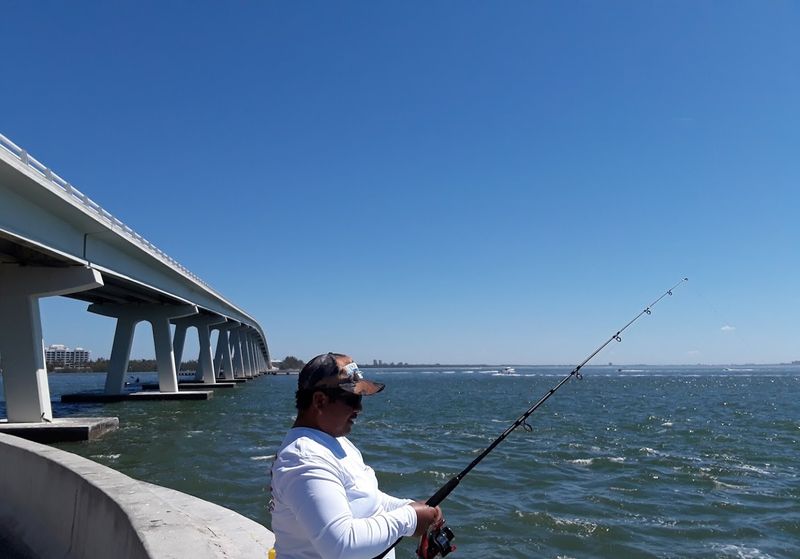
Fishermen have been dropping lines off the Sanibel Causeway for decades, and for good reason — the waters beneath these bridges are loaded with action. The bridge pilings create structure that attracts baitfish, which in turn draw larger predators like snook, redfish, tarpon, and sheepshead throughout the year.
You don’t need a boat to get in on the action here. Anglers simply pull over at designated areas, grab their gear, and walk to the bridge railings to cast.
Seasoned locals know exactly which tides produce the best bites and share that knowledge freely with friendly newcomers.
A Florida saltwater fishing license is required for anyone 16 and older, so pick one up online before your trip. The causeway is accessible around the clock, meaning night fishing under the bridge lights is a popular and productive option.
Few things beat the feeling of landing a big snook with the bay glittering all around you.
Spectacular Sunsets That Stop Traffic
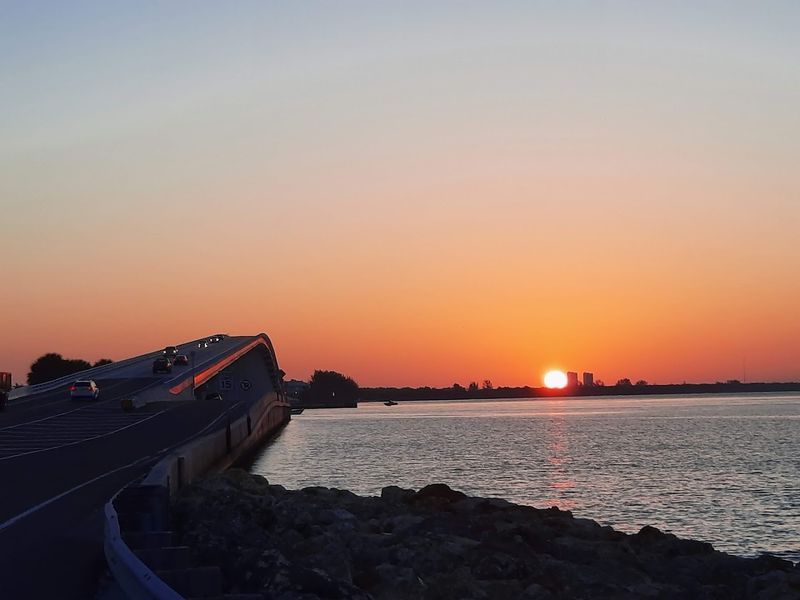
Ask any Sanibel regular what they love most about the causeway, and sunsets will come up almost every time. The western exposure over open water creates conditions for some of the most dramatic evening skies you will ever witness, with colors that range from soft lavender to blazing orange depending on the clouds.
Locals and tourists alike pull over at the island parks just before dusk to watch the sun drop toward the horizon. There’s a communal, almost ceremonial feel to it — strangers standing side by side, phones raised, sharing a moment of pure natural wonder.
The calm bay water reflects the colors perfectly, doubling the visual impact and making every photo look professionally edited without any filters. Arrive at least 20 minutes before sunset to claim a good spot, because this is a popular ritual for everyone on the island.
Bring a light jacket since the bay breeze picks up as evening falls.
Cycling Across the Causeway for a Workout With a View
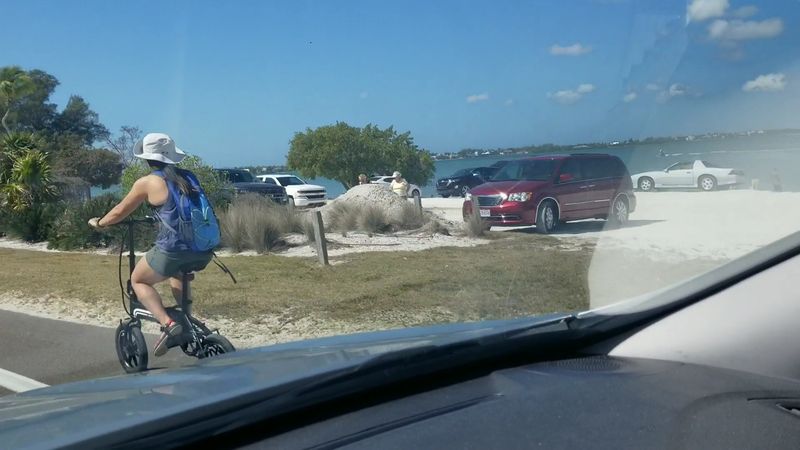
Pedaling across the Sanibel Causeway is one of those experiences that simultaneously challenges your legs and rewards your eyes. The causeway features a dedicated multi-use path that runs alongside the road, giving cyclists, joggers, and walkers a safe route across the bay without mixing with vehicle traffic.
The two arching bridge sections provide the biggest physical challenge, with noticeable elevation gain that gets your heart pumping. Once you crest the top, though, the panoramic view of the bay makes every pedal stroke completely worth it.
The descent on the other side feels like flying.
Bike rentals are easy to find near both ends of the causeway, so you don’t need to bring your own. The round trip covers about 12 miles total, making it a satisfying half-day outing.
Early morning rides are the most comfortable, with cooler temperatures and lighter traffic before the day heats up fully.
The Toll Plaza and What It Costs to Cross
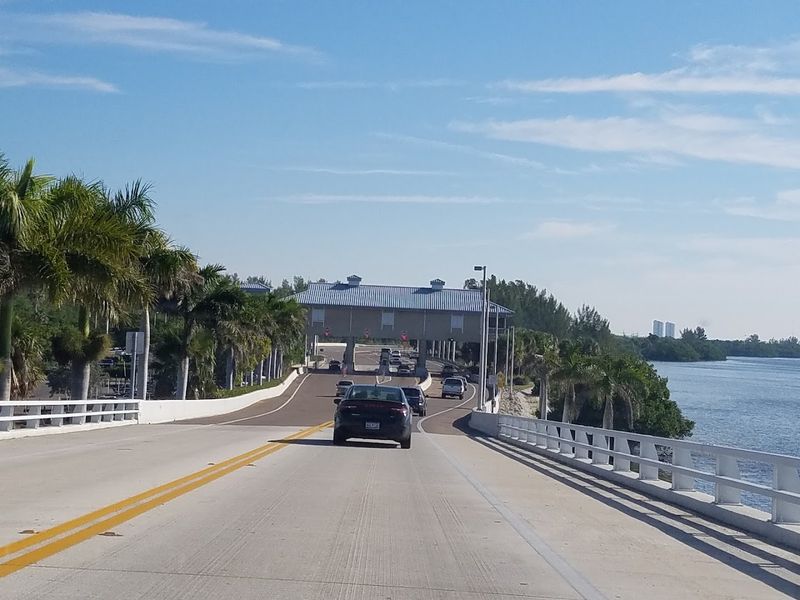
Before you cross the Sanibel Causeway, it helps to know that there is a toll collected at the entrance on the Sanibel Island side. As of recent years, the toll for a standard passenger vehicle is around six dollars each way, paid when leaving the island rather than when entering.
Cash and credit cards are both accepted at the toll booths, so you won’t be caught off guard without exact change. Frequent visitors and residents can purchase a SunPass or a local annual pass that significantly reduces the per-crossing cost over time.
The toll revenue helps fund causeway maintenance and the upkeep of the island parks along the route. Many visitors see it as a small, worthwhile fee for accessing one of Florida’s most beautiful destinations.
Think of it as your admission ticket to an experience that genuinely earns every penny of the cost.
J.N. Ding Darling National Wildlife Refuge Nearby
Just a short drive from the causeway landing on Sanibel Island sits one of the most celebrated national wildlife refuges in the entire United States. J.N.
Ding Darling National Wildlife Refuge covers nearly 7,000 acres of mangroves, tidal flats, and upland habitat that shelter an extraordinary variety of plants and animals.
Named after the famous conservationist Jay Norwood Darling, the refuge draws over one million visitors each year who come to spot alligators, roseate spoonbills, manatees, and hundreds of bird species. The Wildlife Drive, a 4-mile road through the heart of the refuge, is one of the most popular wildlife viewing routes in Florida.
Wednesday is the only day the drive closes to vehicles, so plan accordingly. Tram tours are available for those who prefer a guided experience with expert commentary.
Visiting Ding Darling after crossing the causeway makes for an absolutely unforgettable full day of Florida nature immersion.
Dining and Shopping on Sanibel Island After the Drive
After soaking in the views and stopping at the causeway parks, Sanibel Island itself offers a delightful mix of locally owned restaurants, boutique shops, and laid-back cafes that reward the drive even further. The island has a refreshing absence of chain restaurants, meaning most dining options are genuinely unique to this stretch of Gulf Coast.
Seafood lovers are in heaven here, with fresh grouper, snapper, and shrimp appearing on menus throughout the island. Many restaurants have outdoor seating areas shaded by palms, making a leisurely lunch feel like a mini vacation all by itself.
The shopping scene leans heavily toward art galleries, shell-themed boutiques, and locally crafted goods rather than generic tourist trinkets. Strolling through the small commercial areas on a warm afternoon is genuinely enjoyable, especially when the sea breeze keeps things cool.
Sanibel Island rewards slow exploration far more than a rushed visit ever could.
Best Times of Year to Make the Drive
Timing your trip to the Sanibel Causeway can make a big difference in how enjoyable the experience turns out to be. Florida’s dry season, which runs from November through April, brings lower humidity, cooler temperatures, and reliably clear skies that show off the bay at its most photogenic.
Peak tourist season falls between January and March, when snowbirds from northern states flood the area and traffic across the causeway can back up significantly, especially on weekends. Arriving early in the morning on any day of the week helps you beat the crowds and enjoy the drive in near-solitude.
Summer visits come with intense heat and afternoon thunderstorms, but also fewer crowds and lower accommodation prices on the island. Hurricane season runs June through November, so always check the weather forecast before heading out during those months.
Spring and fall shoulder seasons often offer the best balance of pleasant weather and manageable visitor numbers.
Tips for Getting the Most Out of Your Causeway Visit
A little preparation goes a long way toward making your Sanibel Causeway experience truly memorable. Start by downloading an offline map of the area since cell service can get spotty on the bridge sections, particularly when you want to look up a restaurant or check the tide chart mid-crossing.
Pack a cooler with snacks and drinks because the island park beaches are ideal picnic spots with no concession stands nearby. Sunscreen is absolutely non-negotiable — the reflection off the open water intensifies UV exposure far more than most people expect, even on overcast days.
Binoculars are worth throwing in the bag for wildlife watching, and a reusable bag helps when collecting shells along the causeway beaches. Arriving on a weekday rather than a weekend cuts down on traffic and wait times at the toll plaza considerably.
Most importantly, slow down and resist the urge to rush — this drive is meant to be savored, not completed.
Enjoyed this story?
Add Fast Food Club as a preferred source to see more of our reporting on Google.