


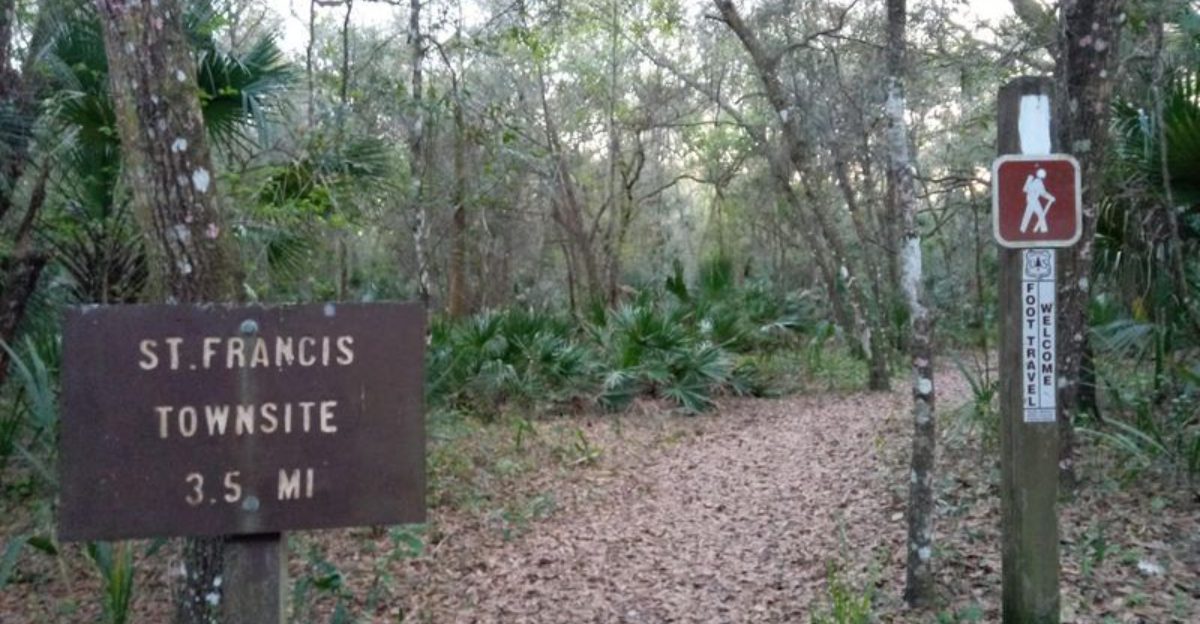
Tucked away in the Ocala National Forest near DeLand, Florida, the St. Francis Yellow Trail is one of the state’s best-kept secrets. This nearly 8-mile loop winds through wild Florida landscapes and leads hikers to the forgotten site of St. Francis, a ghost town that vanished long ago.
Whether you love history, nature, or just a good adventure, this trail has something that will surprise you. Pack your bug spray, lace up your boots, and get ready to explore a piece of Florida history hiding in plain sight.
The Ghost Town of St. Francis
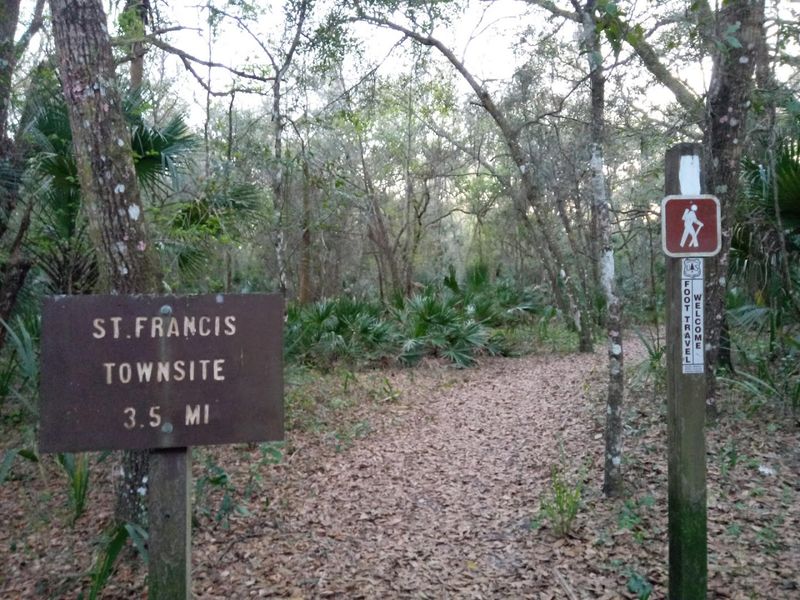
Long before this trail became a hiking destination, St. Francis was a real, living community in Florida. The town eventually disappeared, swallowed by time and wilderness, leaving only its name on trail signs and history books.
Hikers who push about 3.5 miles from the trailhead will reach the old town site. There are no grand ruins or dramatic markers waiting for you, which somehow makes it even more haunting.
The forest has quietly reclaimed everything.
Standing there, surrounded by ancient trees and silence, it is easy to feel the weight of history. Reviewers have noted that there are no clear indicators of where the town actually stood once you arrive, making it feel like a true mystery.
That sense of discovery is exactly what draws curious adventurers back again and again.
Trail Length and Loop Options
One of the best things about the St. Francis Yellow Trail is how flexible it is for different hiking goals. The yellow loop alone covers a solid distance, but when combined with the St. Francis Trail, hikers can rack up close to 8 miles total.
Several reviewers mentioned logging between 7.8 and 8.6 miles when completing both loops together, making it a satisfying full-day outing. If you want a shorter trip, you can always turn around at a comfortable point without missing out entirely.
The trail also connects northward to the Florida National Scenic Trail, which opens up even more mileage for those craving a longer adventure. Just remember that going further out means doubling your return distance, so plan accordingly and bring enough water and snacks to keep your energy up throughout the hike.
Yellow Blazes and Trail Markings
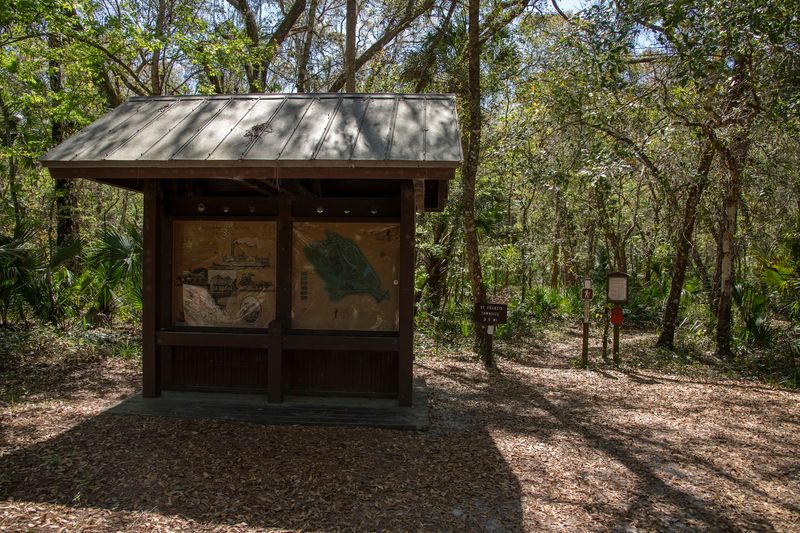
Getting lost in the Florida wilderness is nobody’s idea of a good time, but the St. Francis Yellow Trail does a solid job of keeping you on track. Bright yellow blazes are painted on trees throughout the route, guiding hikers with clear, consistent markers.
One reviewer gave a smart tip: if you stop seeing white blazes at an intersection, you have taken a wrong turn. Paying close attention at trail crossings is crucial, especially in sections where the vegetation grows thick and the path becomes less obvious.
A few hikers have reported wandering off course and ending up on a road about 1.5 miles from the trailhead, which turned into an unplanned but memorable detour. Following the blazes carefully prevents that kind of surprise.
Bring a trail map or download an offline GPS app before heading out, just to be safe.
Boardwalks and Log Bridges
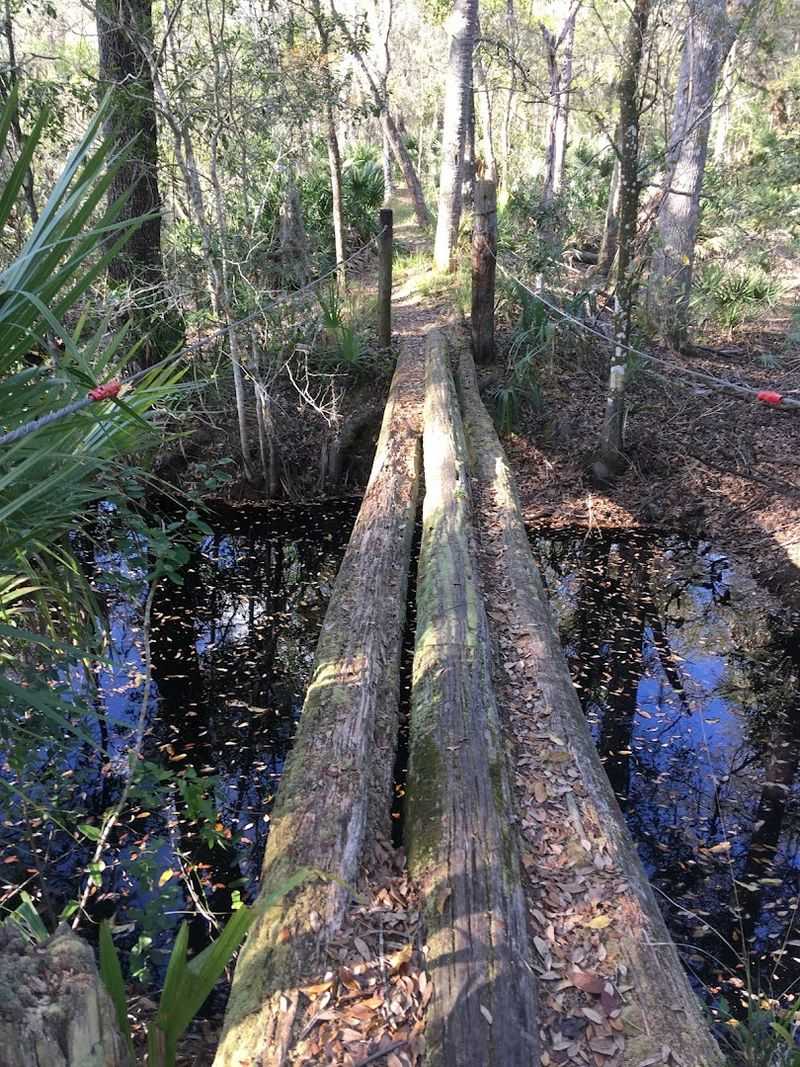
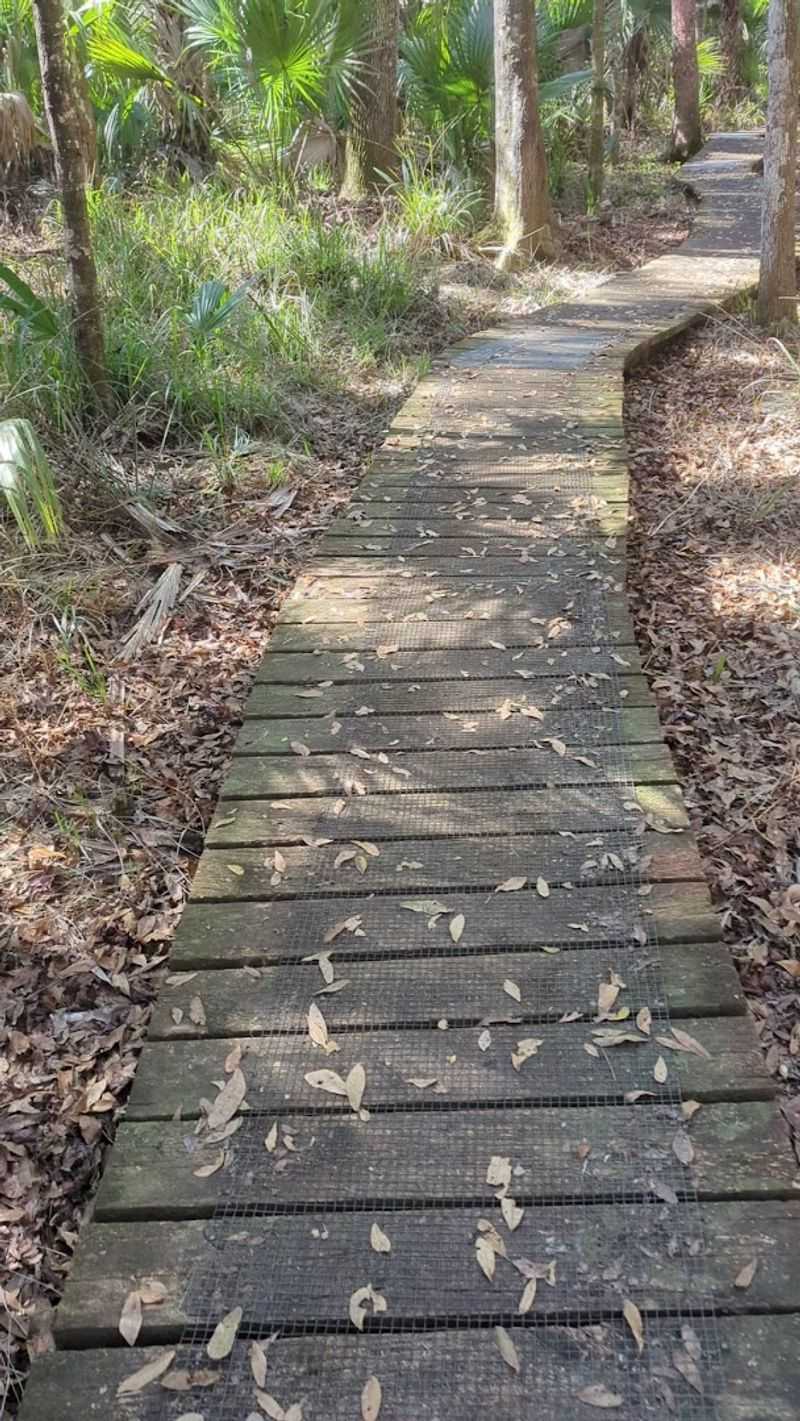
Crossing a log bridge in the middle of a Florida forest feels like stepping into an adventure movie. The St. Francis Yellow Trail features several wooden boardwalks and at least one cool log bridge that hikers consistently mention in their reviews.
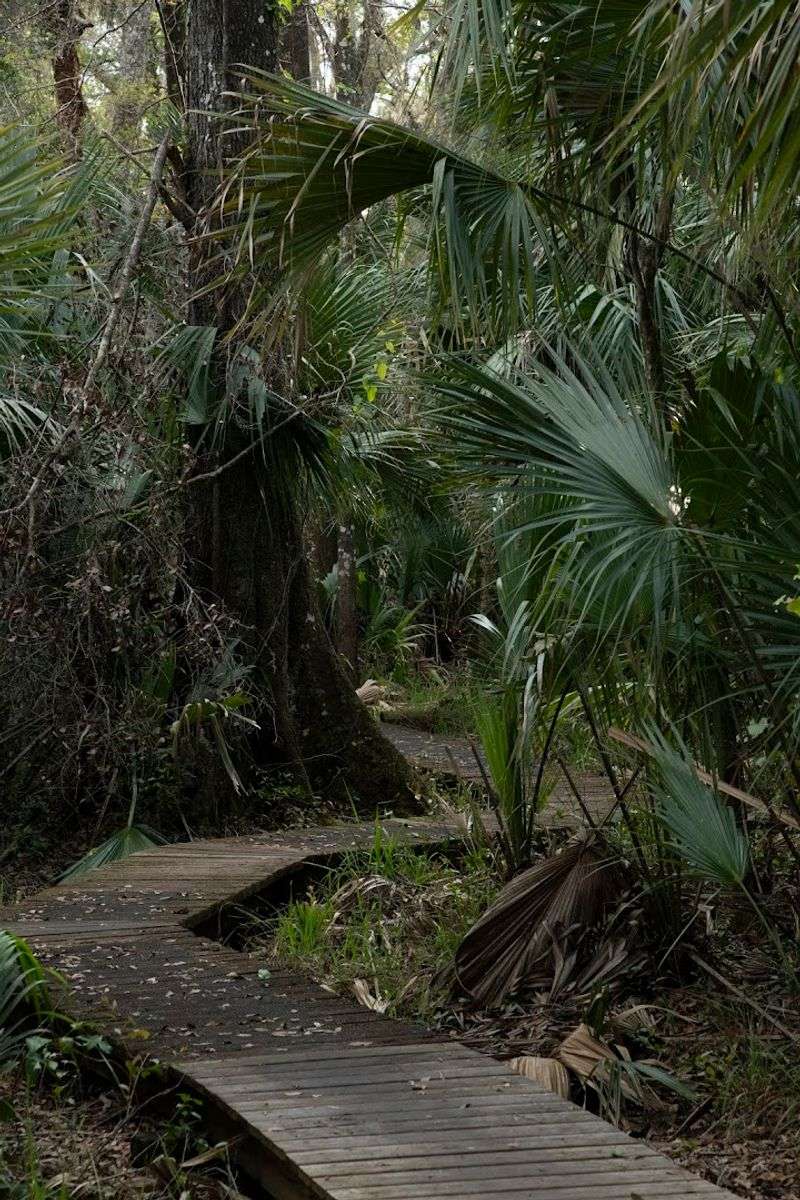
These structures help you cross over creeks and wet, marshy areas without soaking your shoes, though they come with a catch. Some boards are loose and can be slippery, especially after rain, so walking in the middle and stepping carefully is strongly advised.
Even with their quirks, the boardwalks add real character to the hike. There is something satisfying about navigating a trail that still feels raw and unpolished.
The structures are maintained but not overdone, preserving that wild Florida energy that makes this trail feel genuinely different from a manicured park path.
Tick Warning and Bug Prep
Fair warning: the ticks on this trail are no joke. Multiple reviewers described finding dozens of ticks on their legs, shoes, and clothing after just a short distance on the trail.
One hiker counted nearly 100 ticks after completing a single loop.
Wearing long pants tucked into your socks, closed-toe shoes, and applying DEET-based insect repellent before you start is absolutely essential here. Checking yourself and your hiking partners regularly during the hike can help catch them before they latch on.
The tick problem is most intense during warmer months, which is why many experienced hikers recommend visiting during cooler weather, ideally between November and February. Dogs are particularly vulnerable, so think carefully before bringing your pet.
Going prepared rather than skipping the trail entirely is the smarter move, because the scenery and history truly make it worth the effort.
Best Season to Visit
Timing your visit to the St. Francis Yellow Trail can make the difference between a magical hike and a miserable one. Florida winters, roughly November through February, are widely considered the best window for tackling this trail.
Cooler temperatures mean fewer bugs, less humidity, and more comfortable conditions overall. Several reviewers specifically recommended fall and winter visits, noting that the tick population drops significantly and the forest feels fresh and alive without the suffocating summer heat.
Spring and summer hikes are possible but come with higher insect activity, more standing water, and intense heat that can drain your energy fast. The trail receives enough tree canopy to provide shade even on sunny days, which helps year-round.
Still, if you have flexibility in your schedule, aim for a crisp December or January morning when the forest is at its most peaceful and welcoming.
Views of the St. Johns River
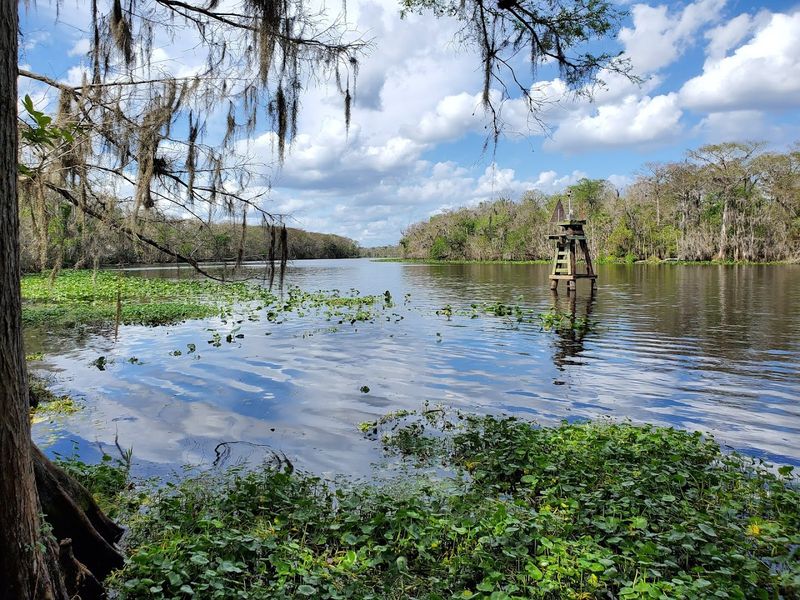
Reaching the St. Johns River at the end of the trail feels like a genuine reward after miles of forest walking. The river view is not accessed directly from the main trail path but along a service road at the northernmost section of the route.
Reviewers who made it all the way described the riverfront as one of the trail’s highlights, with peaceful water views and a sense of real remoteness. One hiker even spotted a group of campers set up along the river, calling it the best possible spot to pitch a tent.
The Dead River, another waterway near the trail, is also worth a short side trip if you have the energy. Both water features add a layer of natural drama to the hike that makes the extra miles feel completely justified.
Bring a camera, because the reflections on the water are stunning.
Dense Tree Canopy and Shade
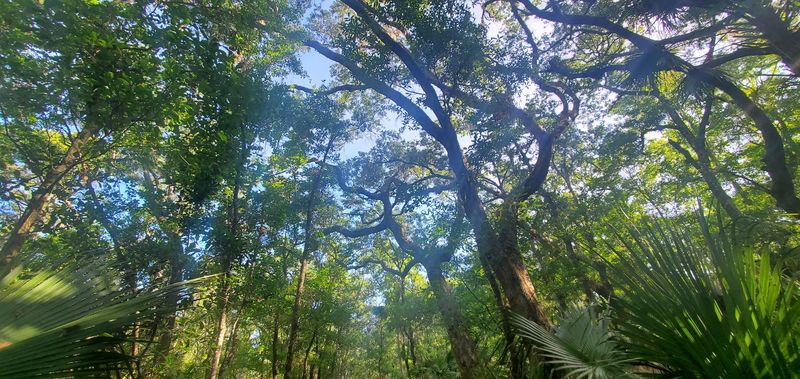
Walking under a full tree canopy on a hot Florida day feels like nature turning on the air conditioning. The St. Francis Yellow Trail is heavily wooded for most of its length, providing generous shade that makes the hike far more comfortable than open-sun routes.
Reviewers consistently praised the canopy, with one hiker saying the trail feels like being somewhere in the jungle. The dense overhead cover creates a cool, atmospheric environment that changes subtly as you move through different ecosystems along the loop.
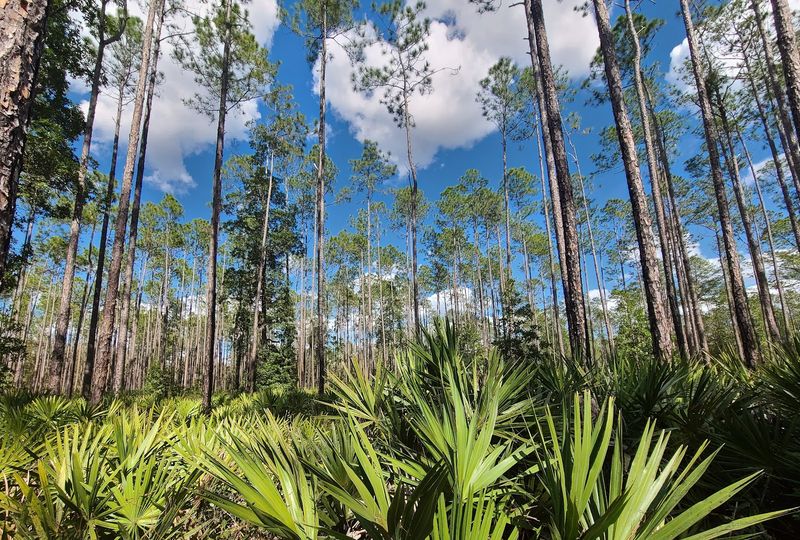
From open pine flatwoods to thick riverside forest, the variety of vegetation keeps the scenery interesting from start to finish. Even on a cloudless sunny day, the shade makes the trail feel manageable.
This is one of those rare Florida hikes where you can actually enjoy being outdoors without feeling completely baked by the sun after the first mile.
Multiple Ecosystems Along the Route
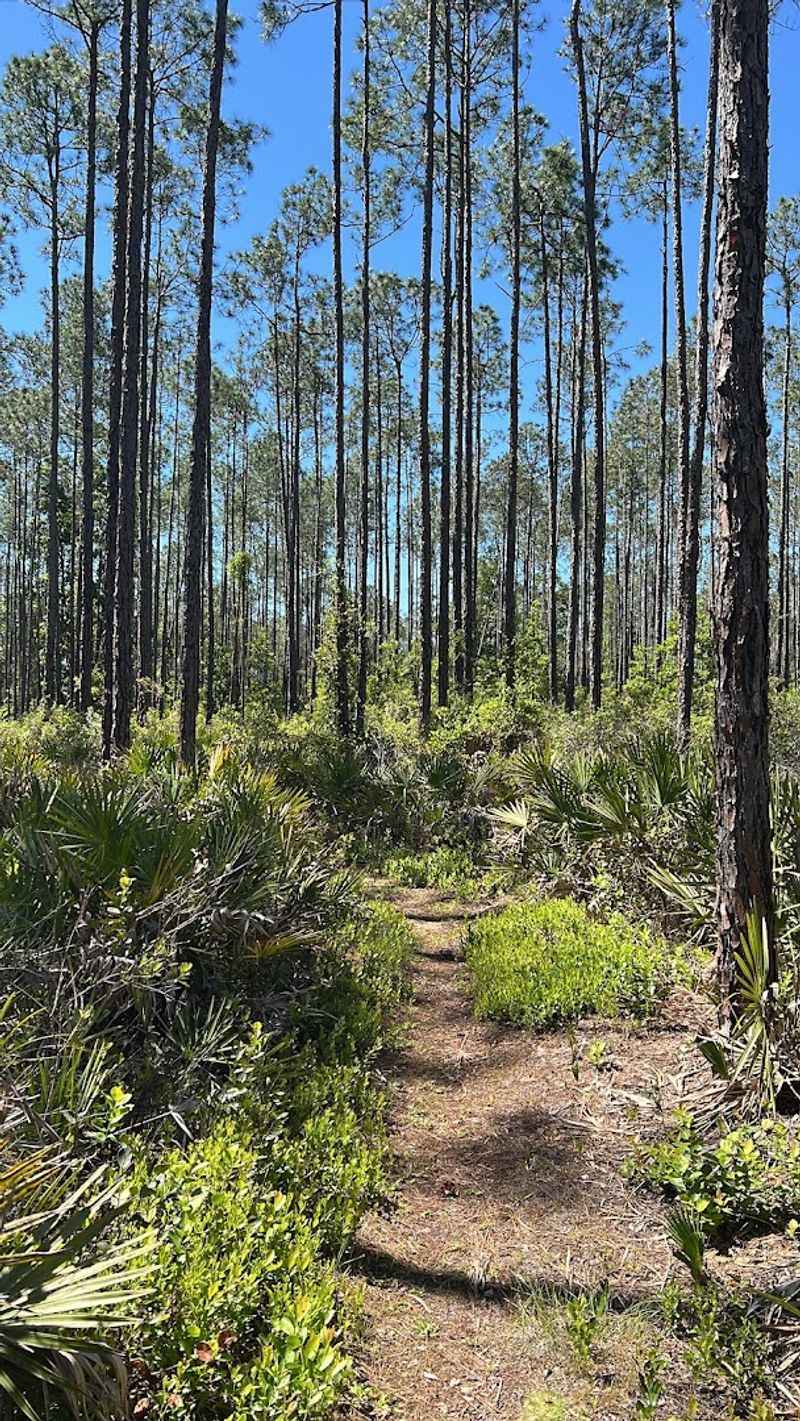
One hike, several completely different worlds. The St. Francis Yellow Trail passes through multiple distinct ecosystems, giving you a surprisingly diverse nature experience packed into a single loop.
You might start in open pine flatwoods, transition into a shadowy hardwood hammock, then find yourself walking alongside a creek or wetland boardwalk before emerging near the river. Each section has its own personality, its own sounds, and its own wildlife potential.
A reviewer who completed the full trail described it as moving through several different ecosystems, which perfectly captures how dynamic this route feels. Even if you have hiked in Florida before, this trail has a way of showing you something you have not quite seen elsewhere in the state.
The shifting scenery keeps your attention sharp and makes the miles pass much faster than you might expect on a long loop hike.
Parking and Trailhead Facilities
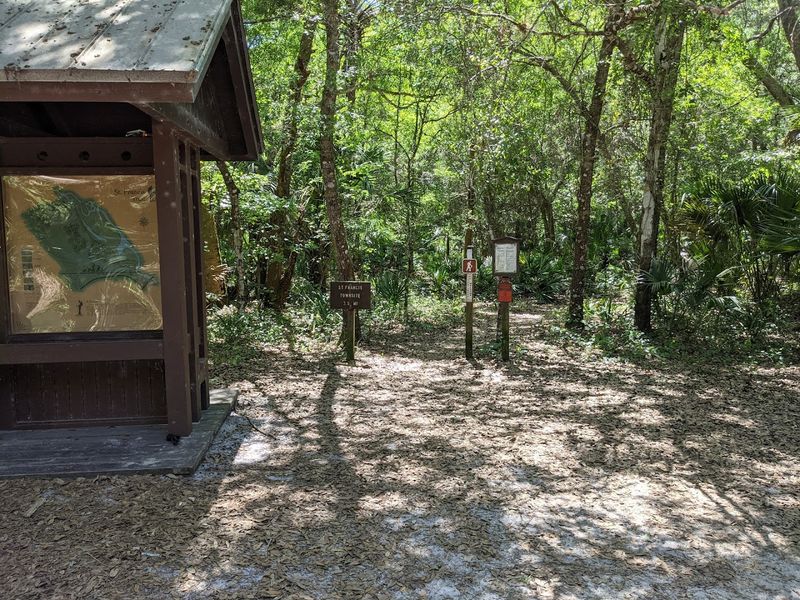
Getting to the St. Francis Yellow Trail is straightforward, and the trailhead at River Forest Blvd in DeLand offers plenty of parking space. One reviewer specifically mentioned that the lot feels safe and comfortable for leaving your car for a full day of hiking.
That said, do not expect much in the way of amenities once you arrive. There are no bathroom facilities and no water sources along the trail, which means you need to plan ahead and bring everything you need before you leave home.
Pack enough water for the full distance, especially during warmer months when hydration becomes critical quickly. Snacks, a first aid kit, and a fully charged phone are smart additions to your pack.
The simplicity of the trailhead is part of what keeps this place feeling wild and uncrowded, but it does put the responsibility of preparation squarely on your shoulders.
Muddy Patches and Wet Terrain
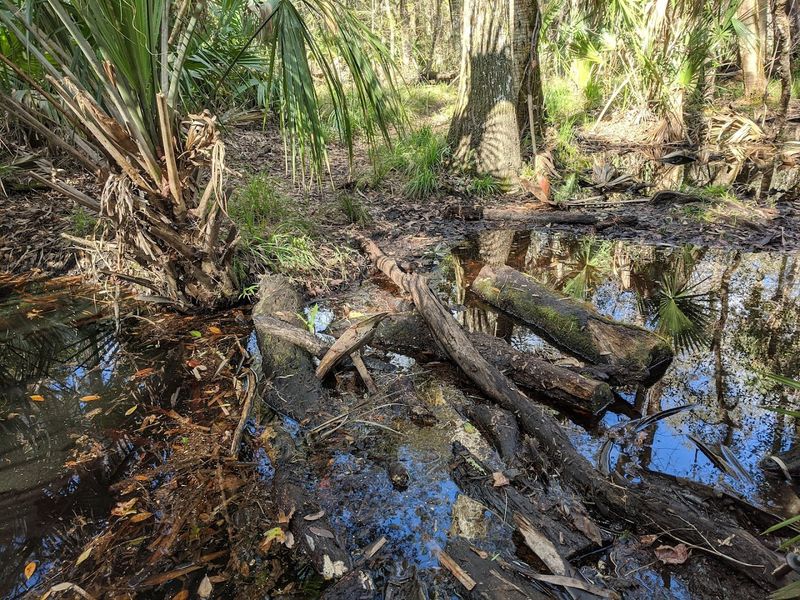
Florida trails and water go hand in hand, and the St. Francis Yellow Trail is no exception. After rain, certain sections of the trail can become genuinely muddy, with standing water in low-lying areas that even the boardwalks do not fully cover.
Reviewers mentioned hiking through puddles despite the wooden pathways, and one hiker noted that muddy patches mixed with drier terrain created an unpredictable surface underfoot. Waterproof boots or trail shoes with good grip are highly recommended for this route.
Interestingly, one reviewer praised the trail for holding up surprisingly well even after rain, with minimal flooding compared to what they expected. The experience really depends on recent weather conditions, so checking forecasts before your visit is a smart habit.
Embrace the messiness as part of the adventure rather than a dealbreaker, because the reward at the end is absolutely worth a little mud on your boots.
Wildlife and Nature Spotting
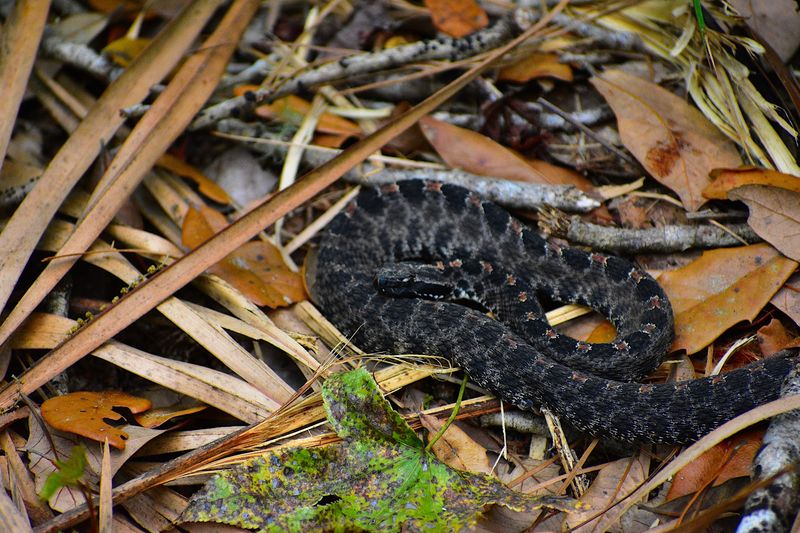
The St. Francis Yellow Trail runs through genuine wild Florida, which means wildlife encounters are always a possibility, even if they are never guaranteed. Deer, birds, and various reptiles have all been spotted by hikers exploring the area.
Some reviewers mentioned not seeing any wildlife during their visits, while others described a quiet, peaceful atmosphere that felt full of natural life just out of sight. The early morning hours tend to offer the best chance of spotting animals before trail activity increases.
Beyond animals, the plant life itself is worth paying attention to. Reviewers have flagged the presence of poison ivy and poison oak along the trail edges, so staying on the marked path is genuinely important for more than just navigation reasons.
The biodiversity here is impressive, and slowing down to notice the smaller details, like birds calling overhead or lizards darting across the path, makes the whole experience richer.
Camping Along the St. Johns River
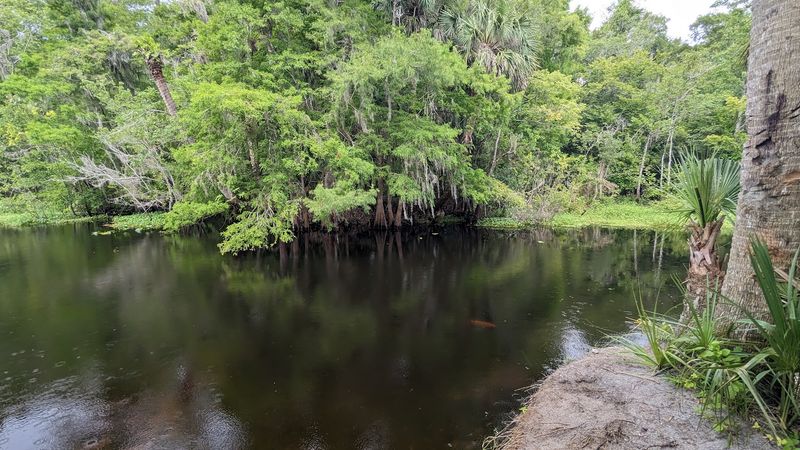
For hikers who want to turn this trail into an overnight experience, the stretch near the St. Johns River offers some genuinely special camping opportunities. One reviewer spotted a group of campers settled in along the riverbank and called it the best possible spot to pitch a tent in the entire area.
Camping here puts you completely off the grid, surrounded by nothing but forest, river sounds, and the kind of night sky that is hard to find near any city. There are no developed campsite facilities, so this is true backcountry camping that requires you to pack in and pack out everything you need.
A lightweight tent, a water filter, and a solid sleeping bag rated for mild Florida nights are the basics for making it work. If you are comfortable with primitive camping, spending a night beside the St. Johns River after a full day on the trail is an experience that is genuinely hard to beat.
Enjoyed this story?
Add Fast Food Club as a preferred source to see more of our reporting on Google.