


Groceries that once filled carts without a thought now make you pause at the shelf. Prices creep, packages shrink, and old standbys suddenly feel like splurges.
If you are trying to keep meals comforting and costs sane, you are not alone. Here are the humble staples that got pricey, plus smart ways to still make them work for you.
Canned tuna
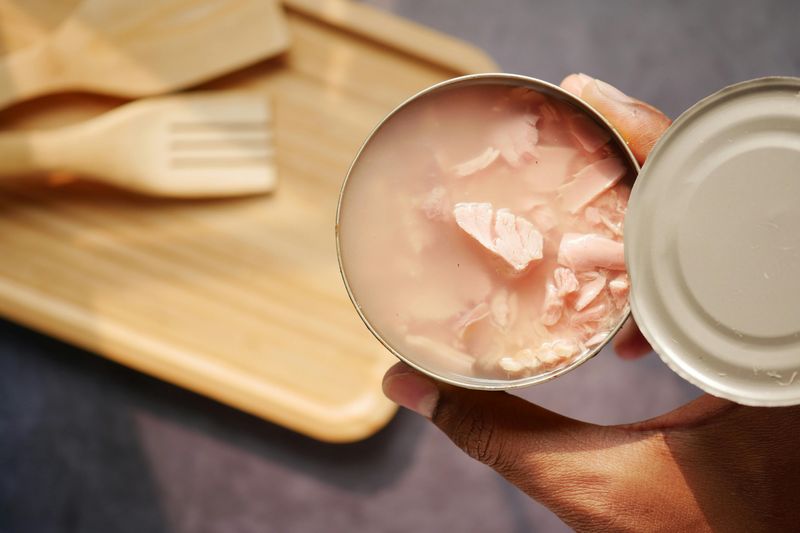
Canned tuna used to be the default cheap protein, perfect for quick lunches and storm-ready pantries. Lately, smaller cans, higher prices, and sustainability labels make you pause before tossing in a few.
You can still score deals, but it takes timing, coupons, and store brands.
When you do buy, stretch it. Add white beans, chopped celery, and lemon to make a brighter salad that feeds more people.
Use tuna with pasta, capers, and breadcrumbs for a speedy dinner. Or mix with eggs and scallions for crisp tuna patties.
Waste nothing by saving the olive oil to flavor cooked rice later.
Chicken thighs
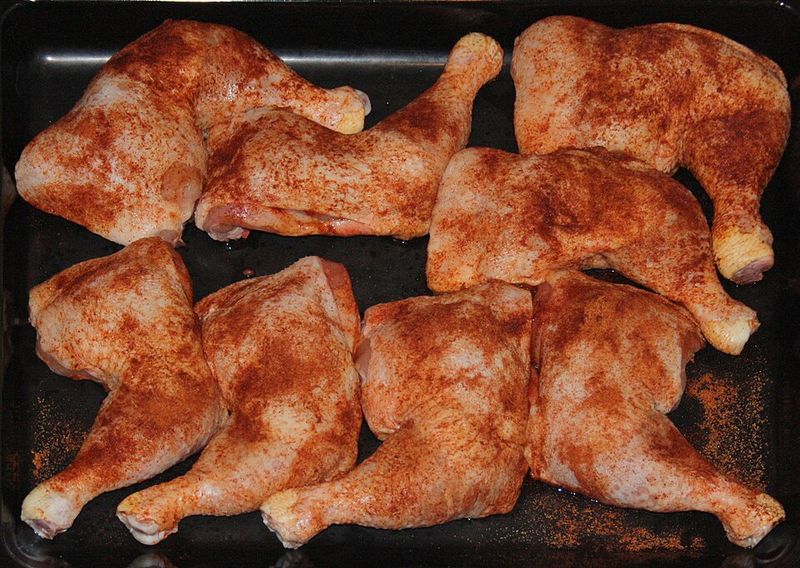
Chicken thighs used to be the budget hero, juicy and forgiving even for beginners. Now family packs feel pricier, and shrinkflation hides under extra-trimmed pieces.
You can still win by buying bone-in, skin-on, then breaking them down yourself. Freeze portions in marinade to lock in value and flavor.
For stretch meals, braise thighs with onions, cumin, and tomatoes, then shred into tacos. Roast a tray over potatoes so drippings baste everything.
Pull the bones for stock and crisp the skins as cook’s treats. When sales hit, buy two packs, pressure-cook one, and stash tender meat for weeknight rice bowls later.
Dry beans
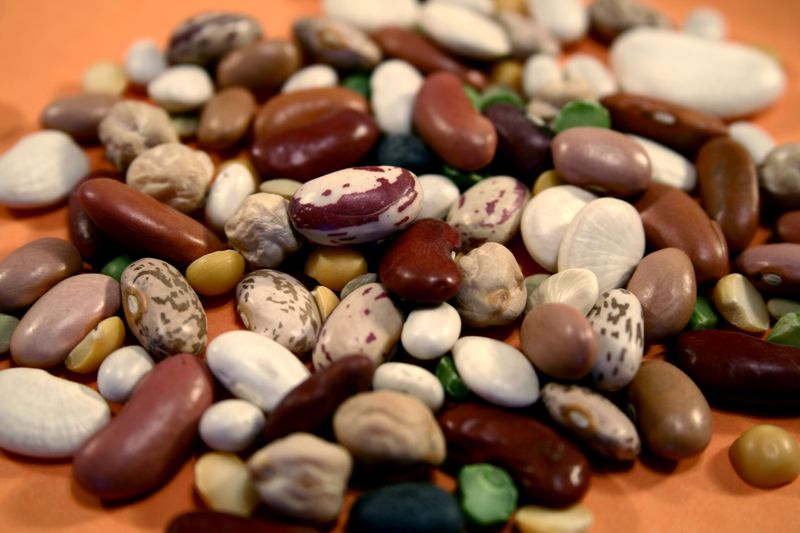
Dry beans used to be a standard for pennies per serving. Lately basic varieties creep up, and older beans cook forever.
Still, soak generously with salt, bake or pressure-cook, and you get tender pots that beat cans on flavor. Save the broth for soups and stews because that liquid is culinary treasure.
To stretch, cook a big batch, then portion and freeze flat. Turn some into refried beans, some into herby salads, and some into creamy dips.
Add a ham bone or kombu for depth. With chilies, citrus, and fresh herbs, humble beans still taste like something you actively chose.
Lentils
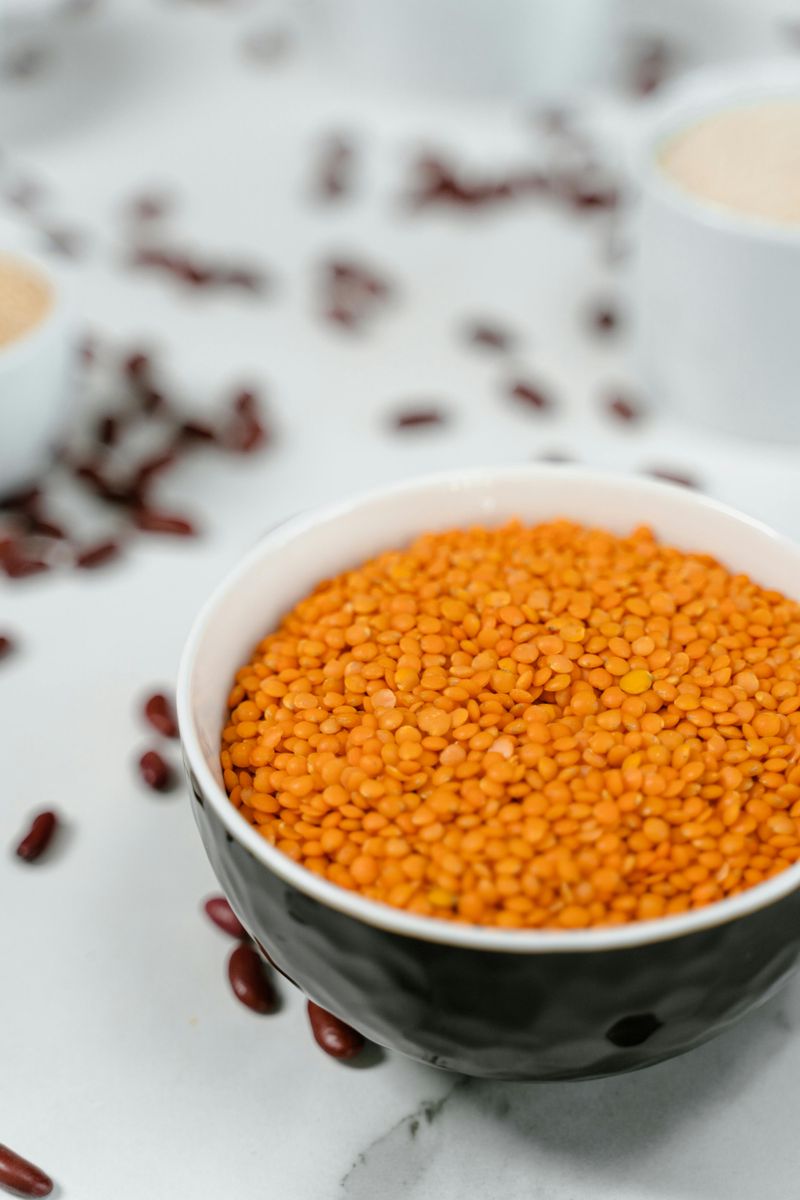
Lentils were the thrifty cook’s cheat code, no soaking and fast results. Prices inch upward, and tiny bags replace once generous pounds.
Still, lentils deliver comfort, protein, and fiber without much fuss. Rinse, simmer gently with aromatics, and salt toward the end so skins stay intact and brothy goodness shines.
Make a pot with onions, carrots, and curry powder, then swirl in yogurt. Fold lentils into salads with feta, herbs, and lemon.
Blend leftovers into soup with a knob of butter. Buy brown or green for versatility, red for speed, and French style when texture matters and splurging feels right.
Cabbage
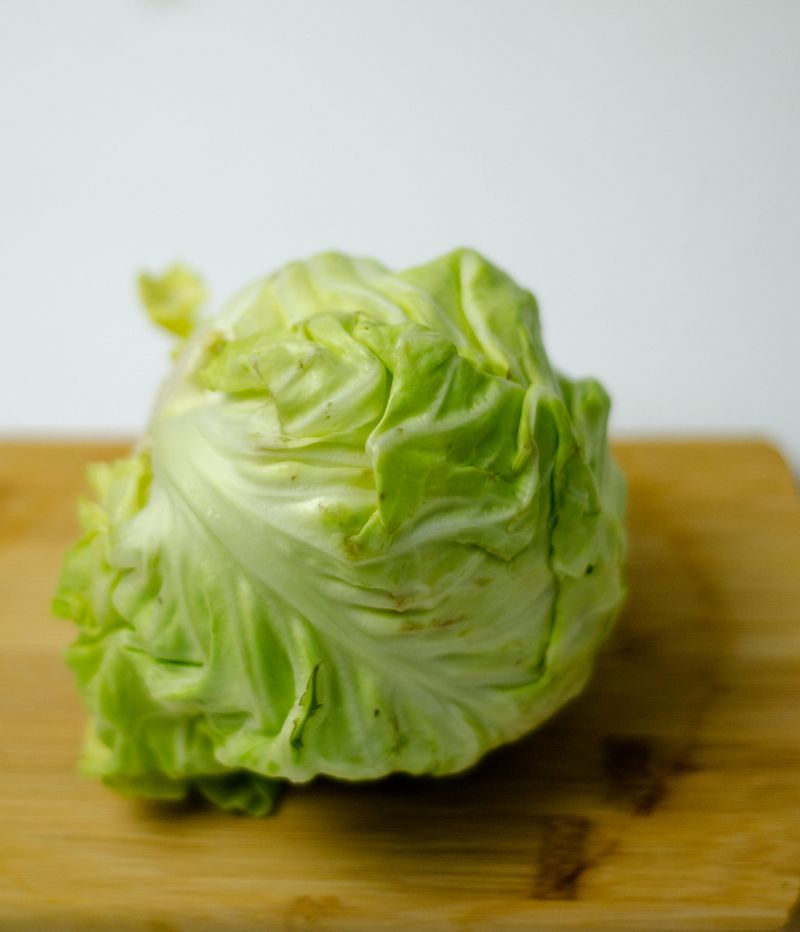
Cabbage used to be the king of cheap crunch, lasting ages in the crisper. Now heads feel smaller and prices jump around, especially off season.
Still, it shines roasted, stir-fried, braised, or salt-cured into kraut. A little heat and vinegar turn humble wedges into something sweet, savory, and surprisingly luxurious.
To stretch, shred half for slaw and save half for soup. Fry cabbage with sausage and potatoes for a one-pan dinner.
Toss with peanut sauce and noodles for takeout vibes. Keep outer leaves for stuffed rolls, stash sliced cores for stock, and you will feel like nothing went to waste.
Carrots
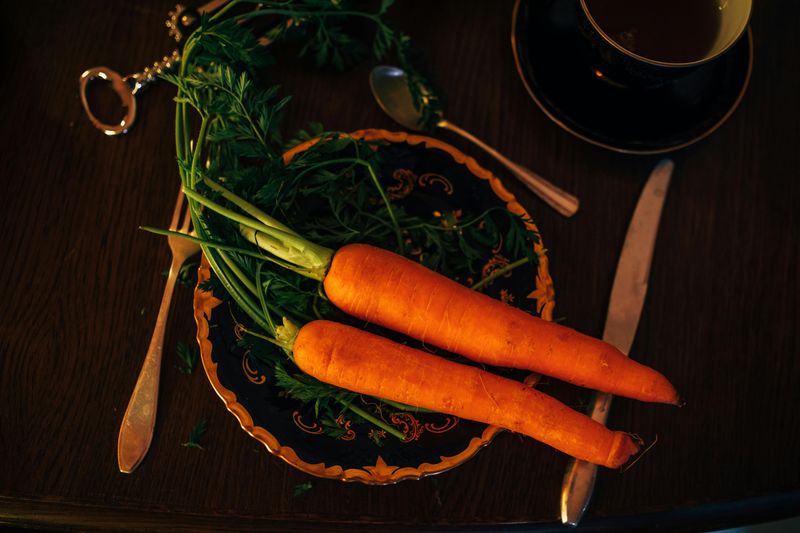
Carrots were a dirt-cheap staple that brightened soups and packed lunches. Lately big bags cost more, and sad, woody ends make waste more likely.
Still, carrots offer crunch, sweetness, and color in almost any cuisine. Buy whole, not baby, and store in water to stay crisp all week.
Roast coins with cumin and honey, then finish with yogurt and herbs. Grate into meatloaf, muffins, or fried rice for stealth moisture.
Simmer peels and tops for stock if they are clean. Quick-pickle ribbons for tacos and bowls, and you will suddenly remember why carrots used to feel magical on tight budgets.
Egg noodles
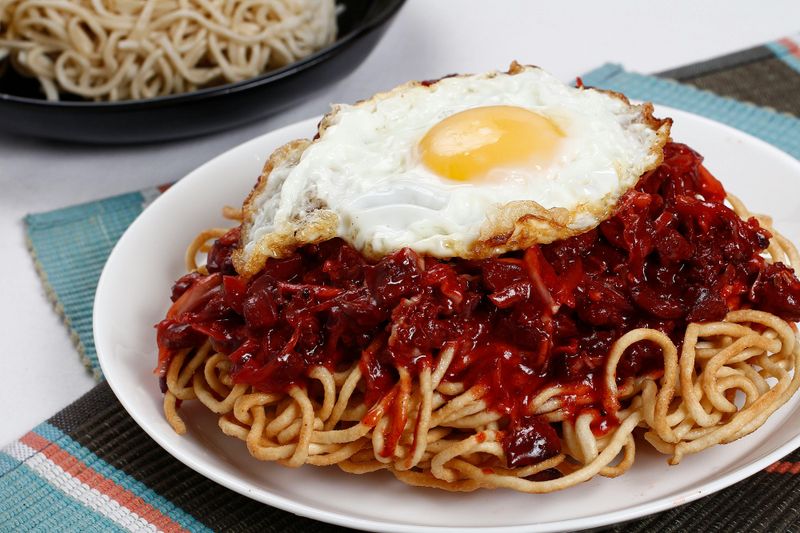
Egg noodles used to be the cozy pantry hero for casseroles and quick soups. Now the cost per bag has climbed, and quality varies wildly.
You feel the pinch when a simple tuna bake suddenly doubles. To keep value, buy during holiday sales and store cool and dry.
Cook just until tender, then finish in sauce so they do not fall apart. Toss with butter, garlic, and crumbs for an easy side.
Stir into stroganoff with extra mushrooms to stretch meat. When splurging, choose thick ribbons for texture, then save broken pieces for chicken soup nights when you need comfort.
Flour
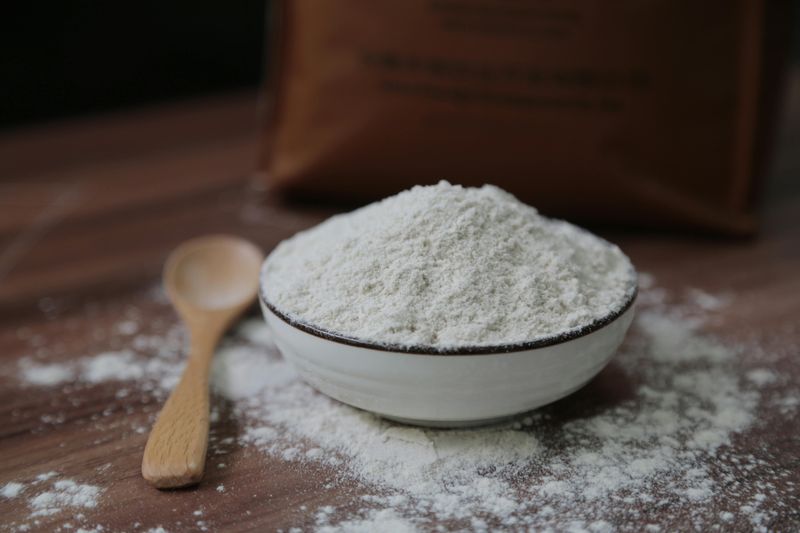
Flour was the bedrock of frugal baking, from biscuits to pizza dough. Now volatility hits hard, and even store brands swing week to week.
Smaller bags parade as deals while price per ounce rises. Still, flour remains power if you plan ahead.
Stock up when sales align and stash in airtight buckets. Blend bread and all-purpose for flexible doughs.
Learn a simple sourdough to sidestep yeast runs. Use preferments for flavor, and weigh ingredients for fewer fails.
Stretch meals with tortillas, dumplings, savory crêpes, and scallion pancakes. A fifty-pound bag still feels like quiet wealth in the pantry at home.
Sugar
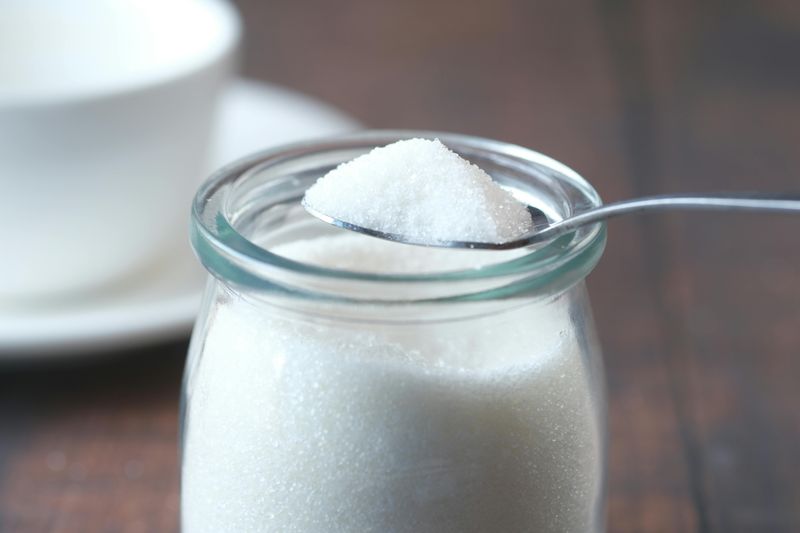
Sugar used to be a low-drama staple for coffee, baking, and canning. Now prices zigzag and bag sizes confuse comparison.
You grab a bag, then put it back, wondering if sweets are worth it. Still, sugar has strategic uses that help simple food taste special.
Keep a small jar for rubbing into citrus zest and spices. Balance sauces, caramelize onions faster, and help bread brown better.
Make quick pickles and jam with frozen fruit. If bulk is cheaper, decant into sealed bins to avoid moisture clumps.
Consider molasses, honey, or dates when sales appear, and stay flexible with your budget.
Cooking fat
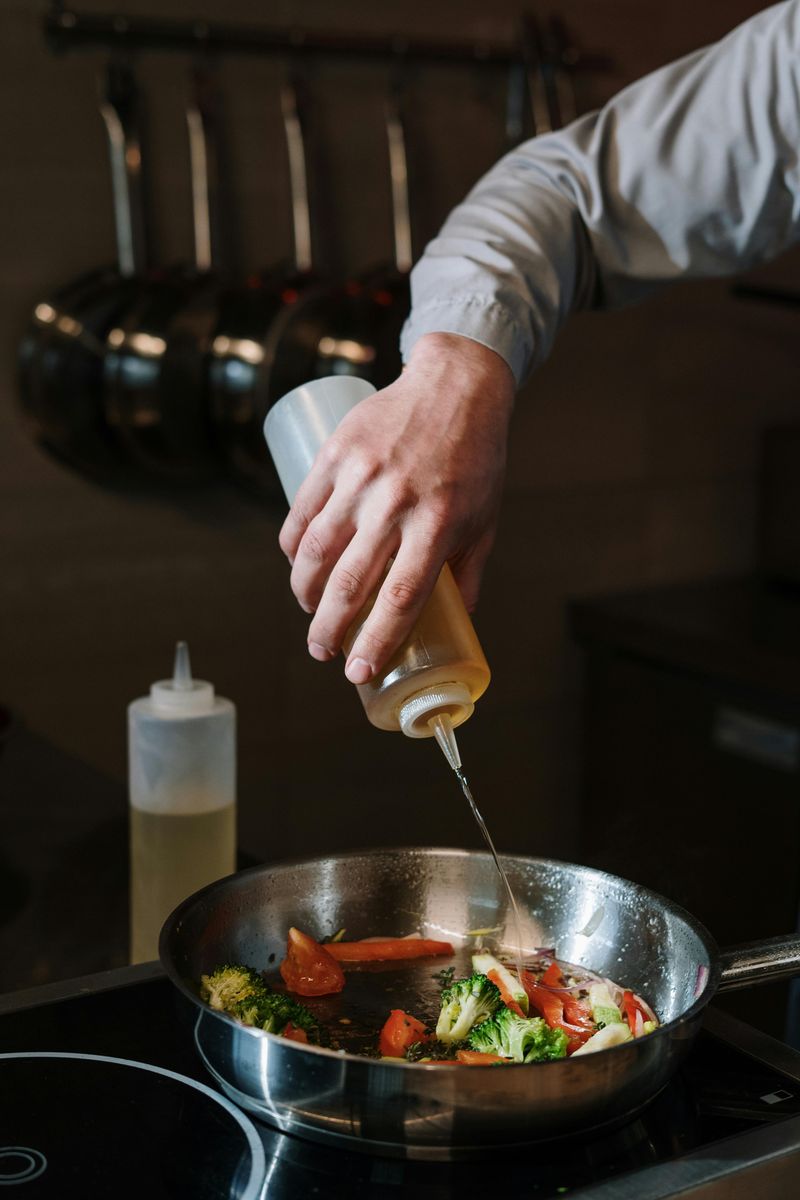
Cooking fat used to be a quiet bargain, from generic oil to rendered drippings. Now prices spike, bottles shrink, and quality can be murky.
You hesitate before deep-frying or roasting big trays of vegetables. Still, a smart mix of oils and saved fats keeps flavor high and costs grounded.
Buy neutral oil for searing, olive for salads, and save bacon grease in a jar. Render chicken skins for schmaltz.
Roast bones or trim, then skim and chill the fat. Use less by brushing instead of glugging.
Season cast iron well, and you will need fewer slicks to get golden consistently.
Cornmeal
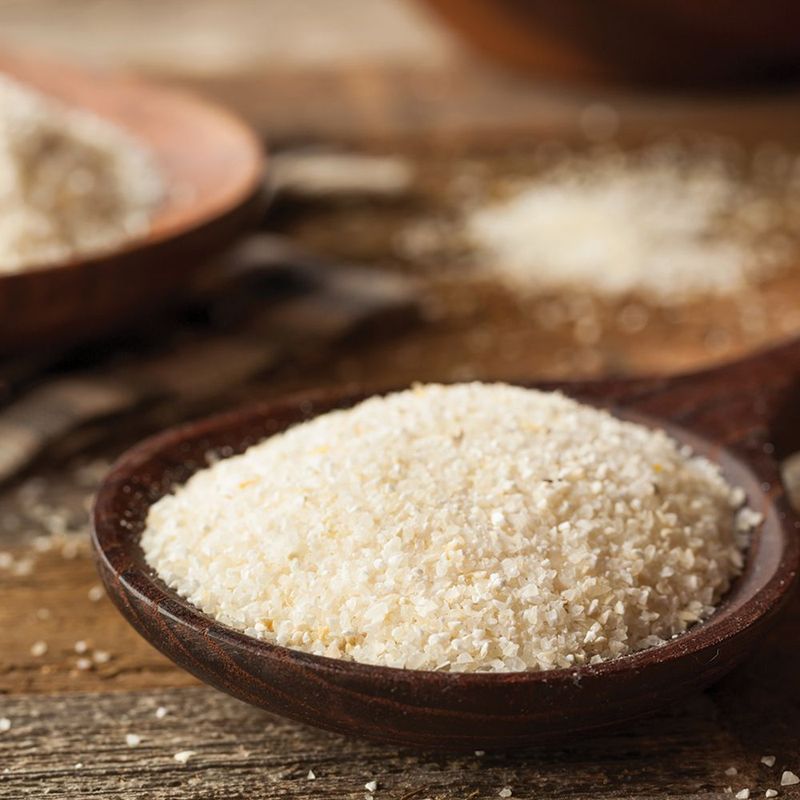
Cornmeal once felt like endless cornbread for pocket change. Prices rose, and suddenly small artisanal bags crowd shelves where tubs used to sit.
You weigh flavor against budget and sometimes walk away. Still, cornmeal remains a powerhouse for crisping, baking, and thickening on the cheap.
Seek medium grind for versatility and store airtight. Make skillet cornbread, dredge fish, coat tofu, or dust pizza peels.
Cook polenta, then chill and pan-fry for breakfast. Save leftover cornbread for stuffing or sweet crumbs.
When grits are on sale, buy extra and freeze. A hot pan and butter make humble meals sing for you.
Oats
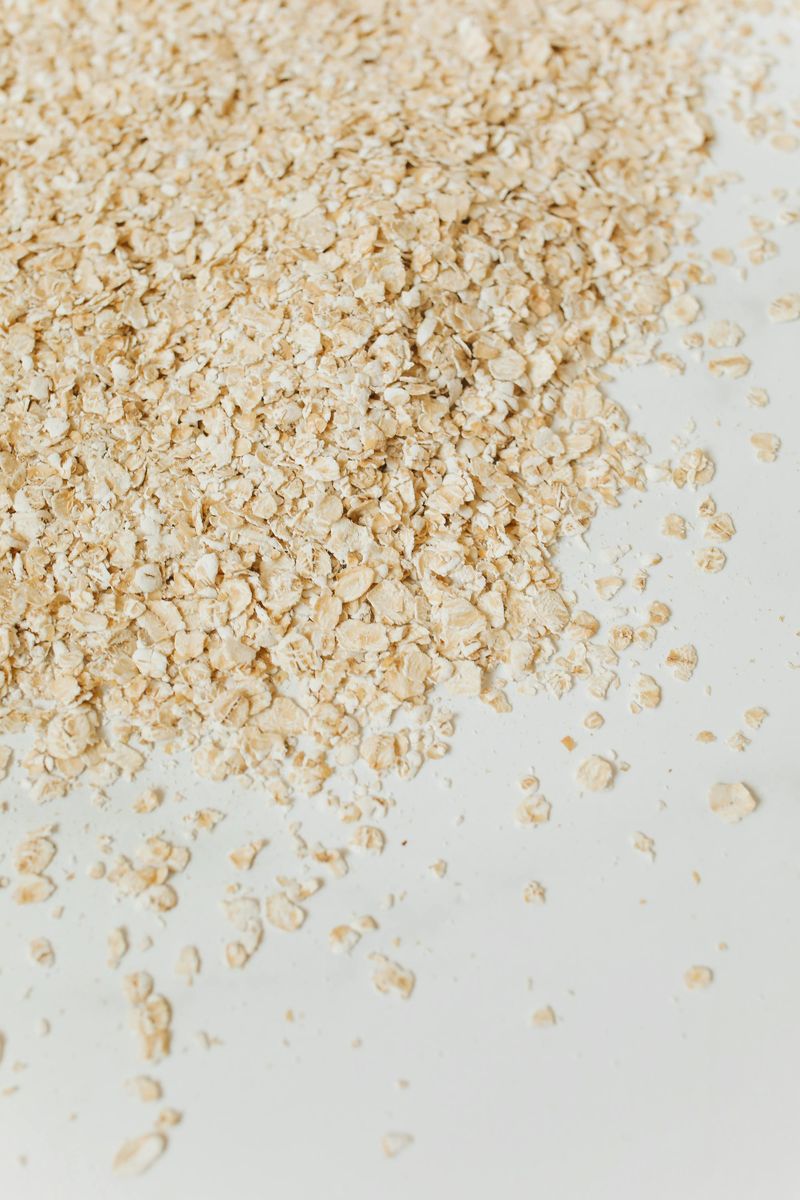
Oats used to be the champion of cheap breakfasts and cookies. Lately the per-pound price creeps, and flavored packs eat budgets.
Still, plain rolled oats deliver comfort, fiber, and steady energy. Buy big canisters when discounted and tuck a scoop in nearly everything.
Toast oats in butter, then simmer with water, milk, or coconut milk. Stir in peanut butter, sliced bananas, and a pinch of salt.
Blitz into flour for pancakes, crumble toppings, and meatball binders. For savory, cook with stock and top with eggs and scallions.
Overnight jars save mornings when life gets hectic without costing you much more.
Peanuts
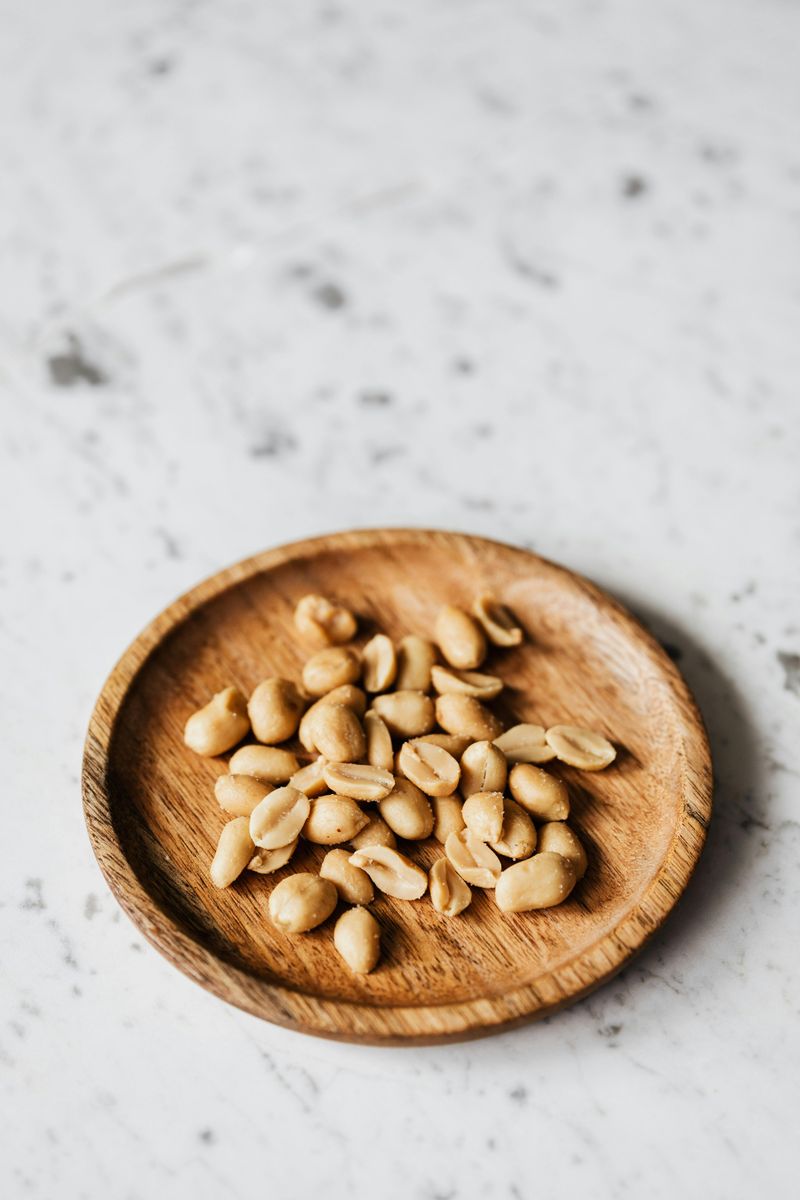
Peanuts once anchored cheap snacks and pantry protein. Now peanut prices wobble, and jars of butter jump fastest.
You debate between creamy comfort and sticker shock. Still, peanuts are versatile, filling, and great for sauces, snacks, and crunchy toppings.
Buy dry-roasted and unsalted to control seasoning. Whiz into peanut butter with oil, salt, and honey.
Crush for noodles, sprinkle over stir-fries, or fold into granola. Simmer with tomatoes and spices for a West African inspired stew.
Keep shells for compost and skins for stock. When prices dip, stock up and freeze for freshness so nothing goes stale on you later.
Frozen vegetables
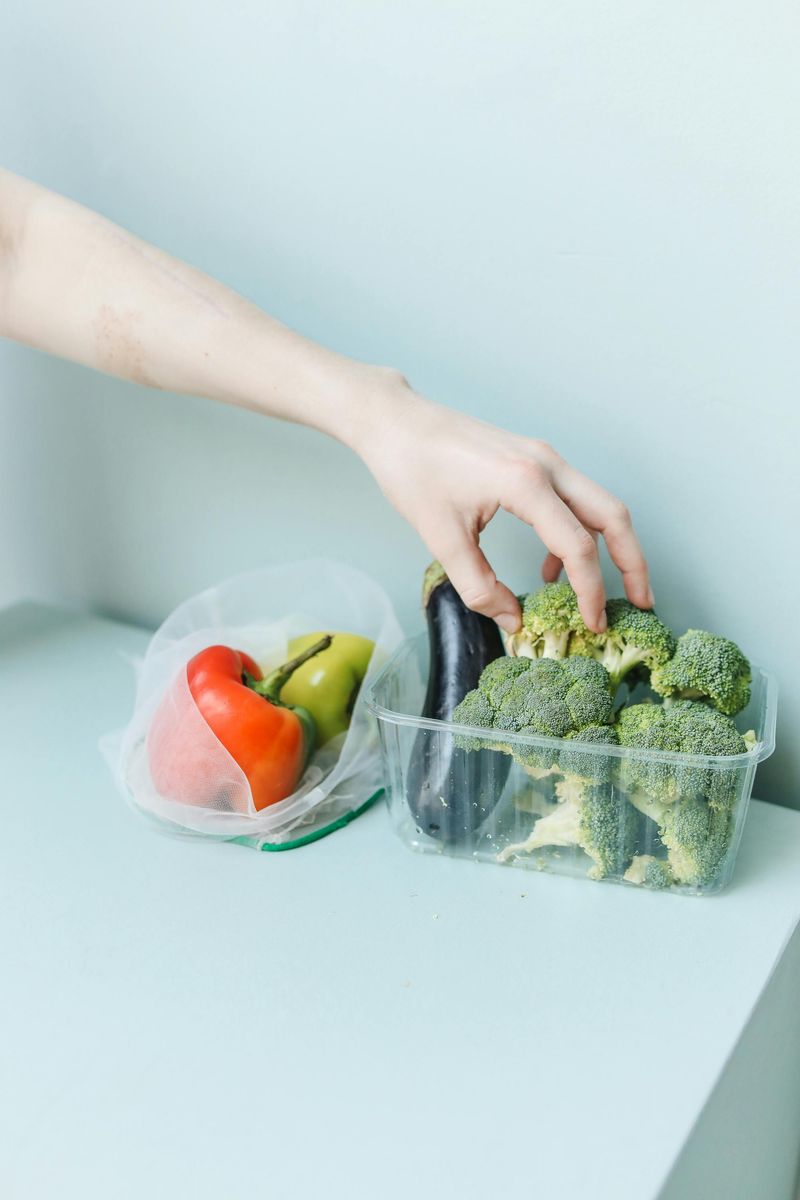
Frozen vegetables used to be the no-brainer bargain that saved dinner. Recently, mixed bags feel lighter and costlier.
Some brands add sauces you did not ask for. Still, plain frozen vegetables remain nutritious, quick, and handy for nights when takeout tempts.
Shop store brands, watch unit prices, and stack coupons. Stir-fry from frozen in hot oil to avoid sog.
Roast on screaming pans for caramelized edges. Fold into eggs, soups, and casseroles to stretch proteins.
Keep a freezer list so you rotate stock. If there is frost, expect soggy results, and use those in pureed soups to save dinner money.
Canned vegetables
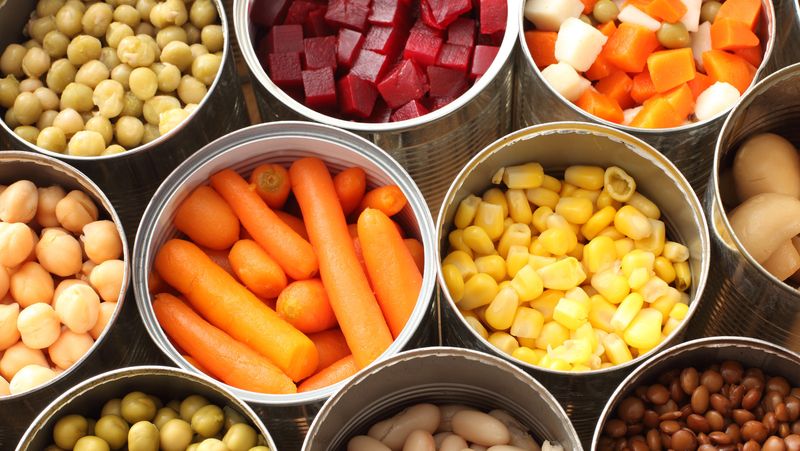
Canned vegetables once lived on every frugal shelf. Today the price gap with frozen narrowed, and textures can disappoint.
You hesitate unless a soup or casserole truly needs them. Still, cans offer shelf stability, quick prep, and storm insurance when fridges are empty.
Rinse to cut sodium and wake up flavors with butter, herbs, and acid. Roast drained corn for char.
Sauté green beans with garlic and chili crisp. Blend tomatoes into creamy soups with bread for body.
Stockpile when case sales appear. Rotate by date, keep a marker handy, and you will actually use what you bought this month.
Soup bones
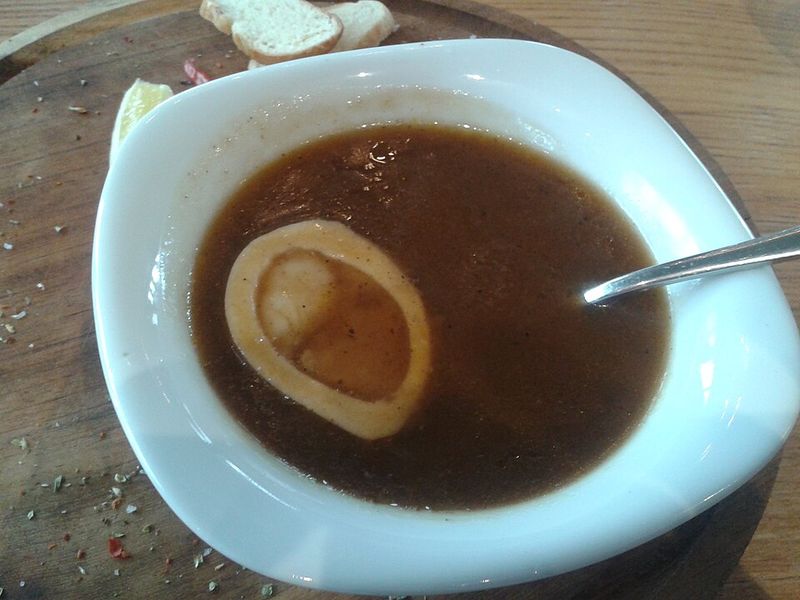
Soup bones used to be free with a wink at the butcher. Now they carry price tags, and marrow bones feel downright fancy.
Still, bones deliver deep flavor and fat you can capture. When comfort calls, a pot quietly turning scraps into broth never feels like a poor choice.
Roast bones hard, then simmer with onions, carrots, and peppercorns. Skim gently, cool fast, and save the fat cap.
Reduce for ramen, barley soup, or gravy. Pressure-cook when short on time.
Freeze in ice cube trays for easy portions. Add vinegar for extraction, and label jars so you remember the date.
Chicken drumsticks
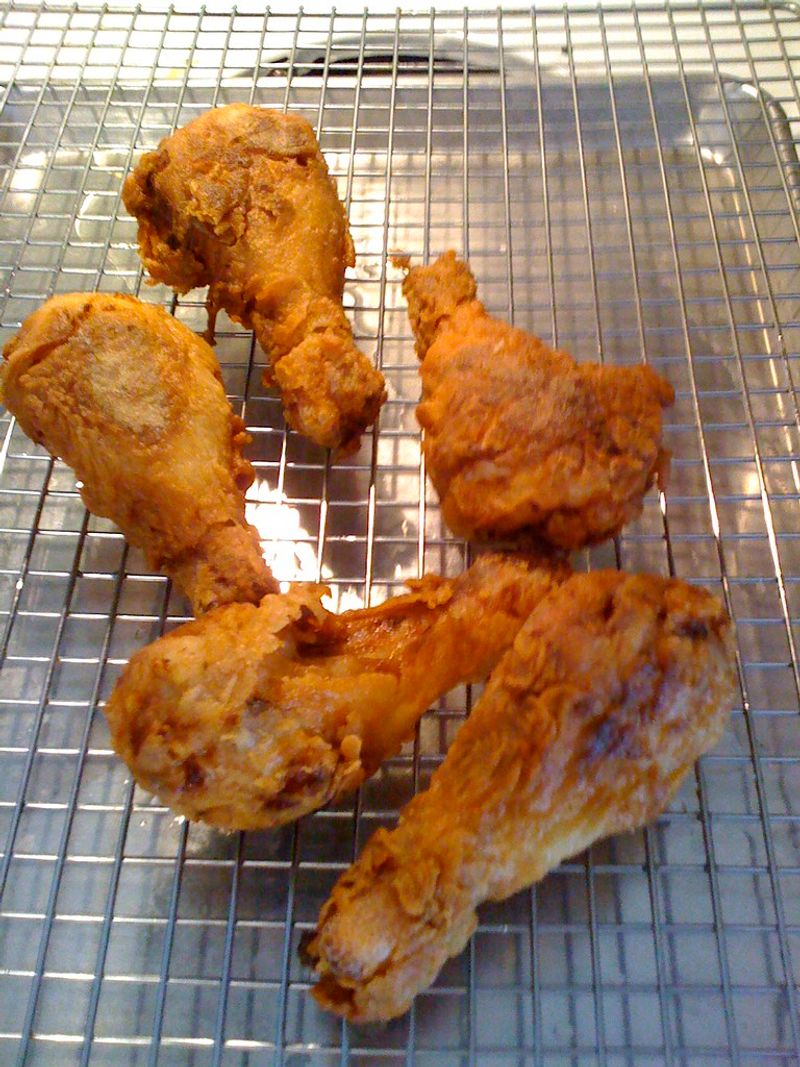
Chicken drumsticks used to be the carefree cook’s secret weapon. Now they flirt upward in price and sometimes come extra trimmed.
You still get flavor, bone broth potential, and kid-friendly portions. Buy family packs, dry brine overnight, and you will forget they were ever considered scraps.
Roast hot with paprika and brown sugar. Glaze with soy, honey, and vinegar for sticky goodness.
Simmer for soup, then shred into pulled chicken sandwiches. Air-fry to crisp the skin, using only a whisper of oil.
Save bones for stock and fat for roasting potatoes. When sales return, stash several packs immediately for later.
Bulk rice
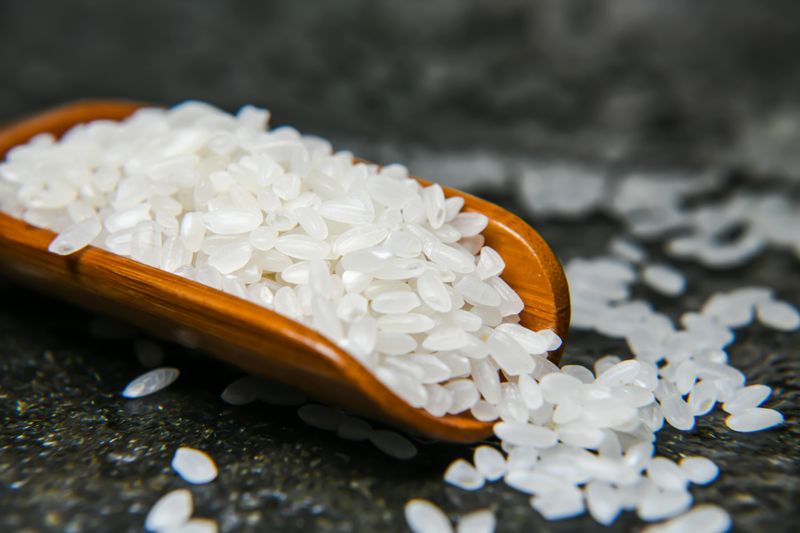
Bulk rice once felt infinite, feeding crowds for pennies. Now sacks compete with convenience cups, and prices have crept up.
Still, rice remains a smart anchor for bowls, curries, and stir-fries. You just need to watch unit prices and store it right so freshness sticks around.
Rinse until water runs clear, then cook by absorption or in a pressure cooker. Toast grains in oil for deeper flavor.
Freeze cooked rice flat for lightning stir-fries. Blend leftover rice into congee, pancakes, or veggie burgers.
Keep a bay leaf in storage to deter pests. Rotate bags and log purchase dates for accountability.
Potato sacks
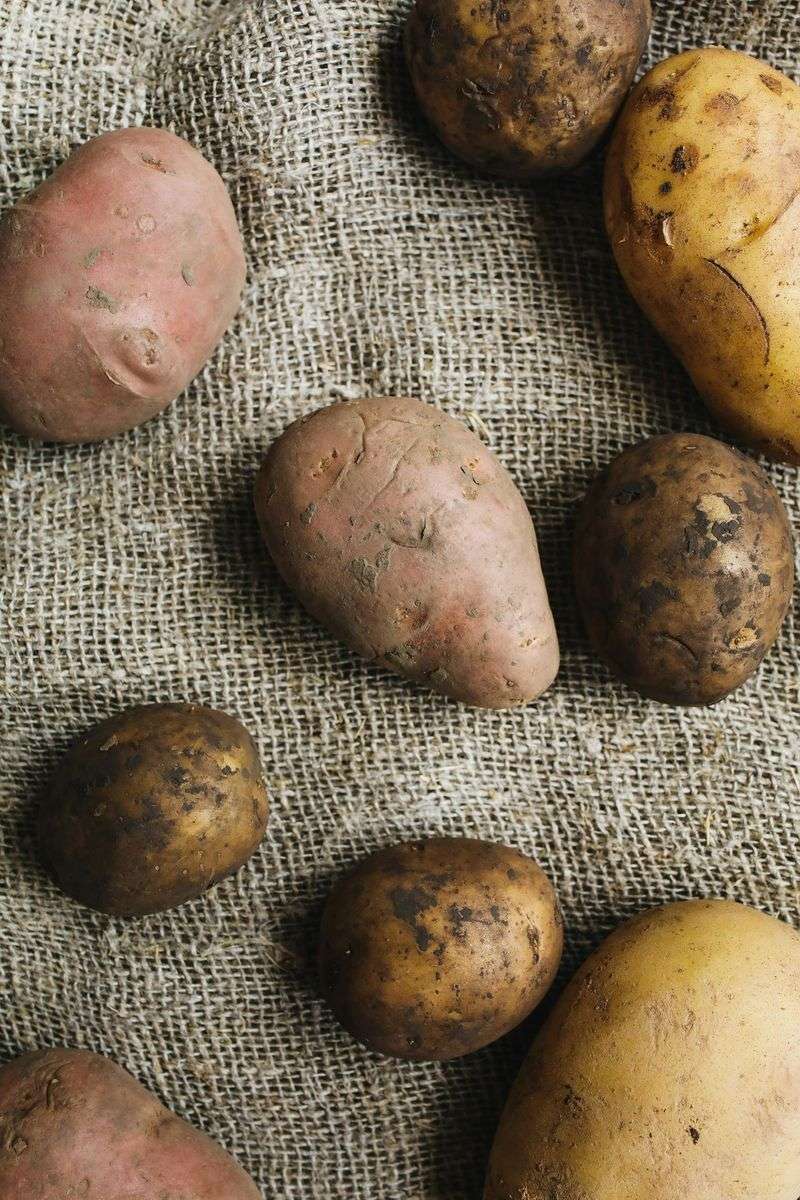
Potato sacks used to be the unbeatable value, heavy with meals. These days, prices swing and sprouting hits sooner.
You hesitate to commit to ten or twenty pounds. Still, potatoes remain workhorses that can become soups, sides, breakfasts, and surprisingly elegant dinners.
Store in a cool, dark spot with airflow, not the fridge. Roast wedges, mash with yogurt, or pan-fry into hash.
Bake whole, then scoop and restuff skins with cheese and greens. Turn peels into crisps.
Boil extra and make salad while still warm. If sprouts appear, trim generously and cook sooner rather than later to save your stash.
Basic spices
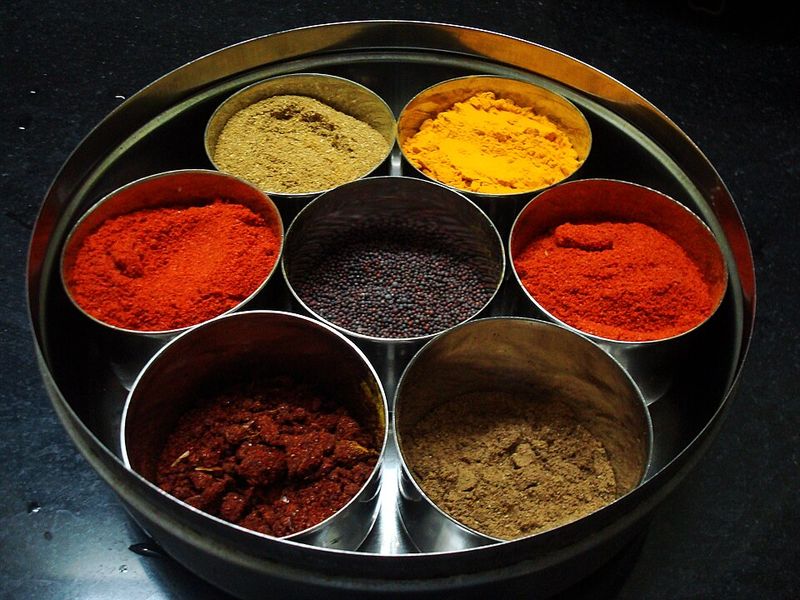
Basic spices used to feel like pocket-change magic. Today, tiny jars cost plenty and blends hide salt as filler.
You compare cumin by ounce like a hawk. Still, with a plan, spices keep food exciting when proteins shrink and vegetables repeat.
Buy whole seeds and grind as needed. Toast spices briefly to wake aromas.
Build a core of cumin, coriander, paprika, chili flakes, garlic powder, onion powder, and pepper. Fill gaps with cinnamon, oregano, and curry powder.
Reuse jars, label dates, and store dark. Taste as you cook, and you will use less while getting bigger flavor for every meal.
Ground pork
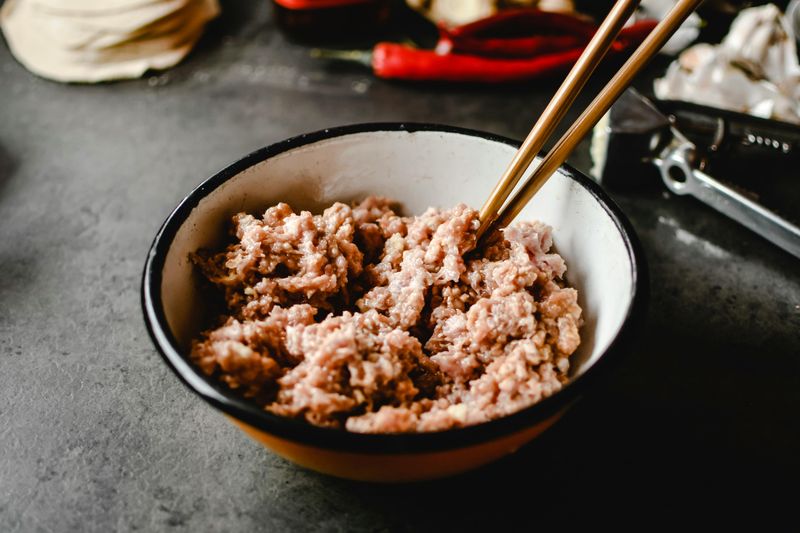
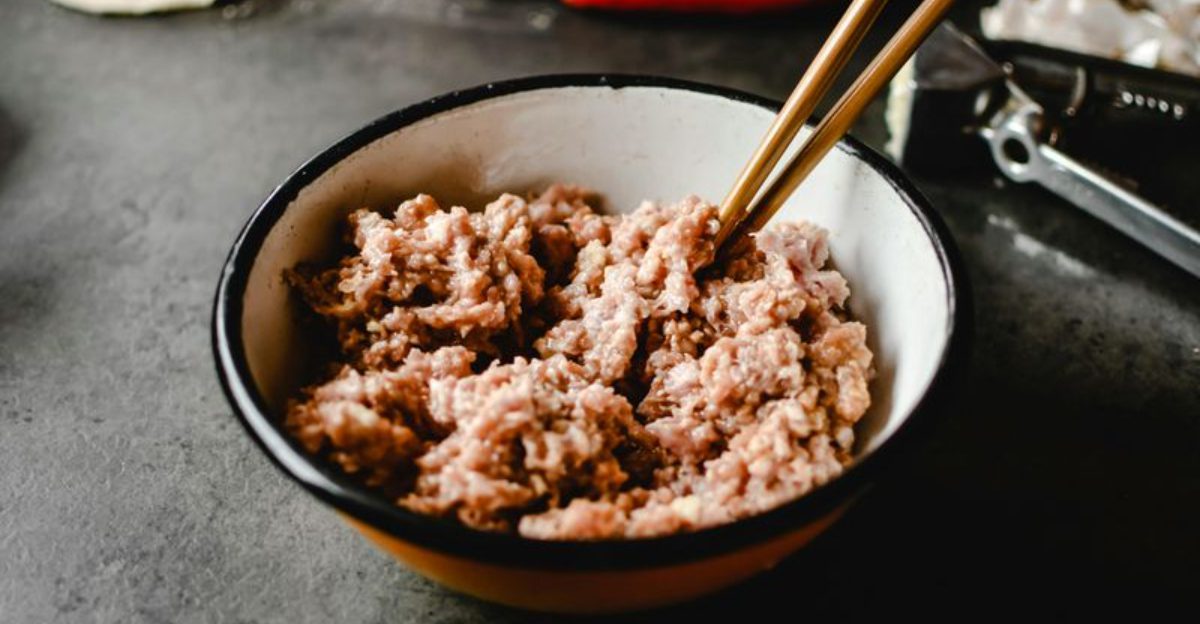
Ground pork used to undercut beef and turkey, turning meatballs and dumplings into cheap comfort. Today it often tracks beef prices, so you think twice.
To stretch it, blend with diced mushrooms, grated zucchini, or cooked rice. Season boldly with ginger, garlic, soy sauce, or smoked paprika to keep flavor big.
Batch-cook crumbles with onions, then split into freezer bags for mapo tofu, tacos, or fried rice. Render extra fat for sauteing greens.
Make savory patties for breakfast sandwiches. If a butcher sells bulk packs, buy once, portion tightly, and freeze flat so you can snap off what you need.
Enjoyed this story?
Add Fast Food Club as a preferred source to see more of our reporting on Google.