


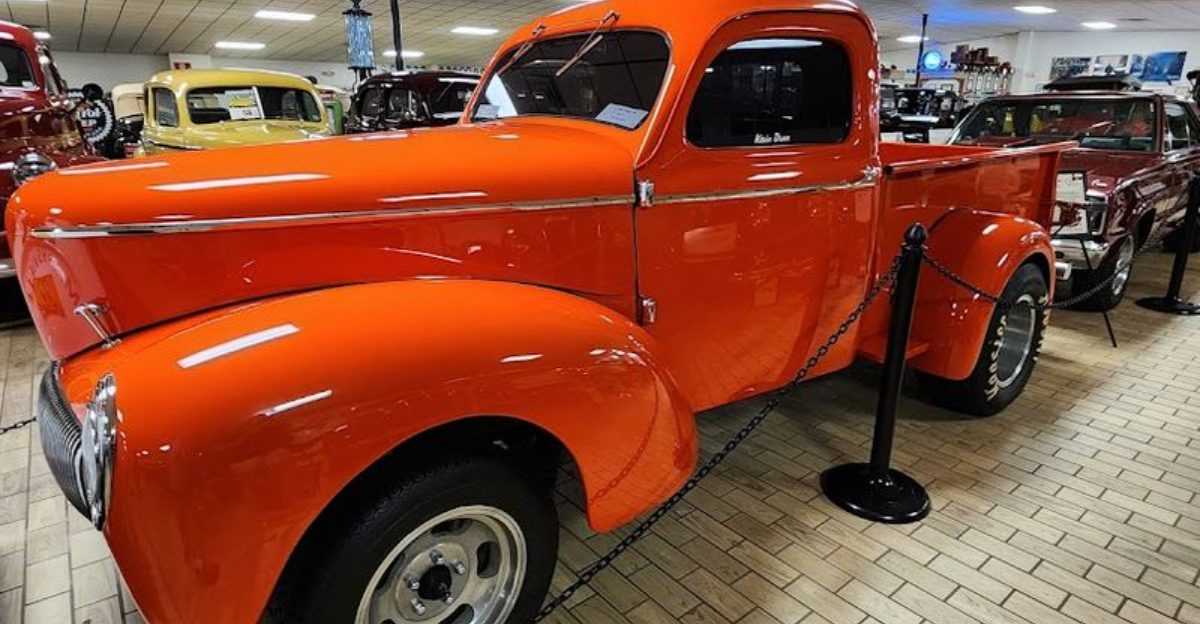
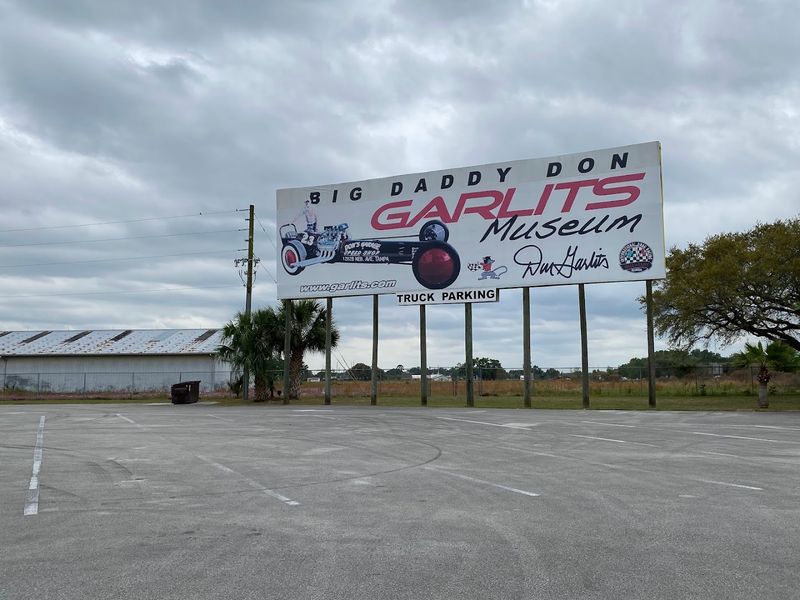
Tucked along the highway in Ocala, Florida, the Don Garlits Museum of Drag Racing is one of the most celebrated automotive museums in the country. Founded by legendary drag racer “Big Daddy” Don Garlits, the museum tells the full story of drag racing from its scrappy early days to its high-tech modern era.
With a near-perfect 4.9-star rating from thousands of visitors, it is clear this place leaves a lasting impression on everyone who walks through its doors. Whether you are a lifelong racing fan or just curious about American motorsport history, this museum has something truly special waiting for you.
The Legacy of Big Daddy Don Garlits
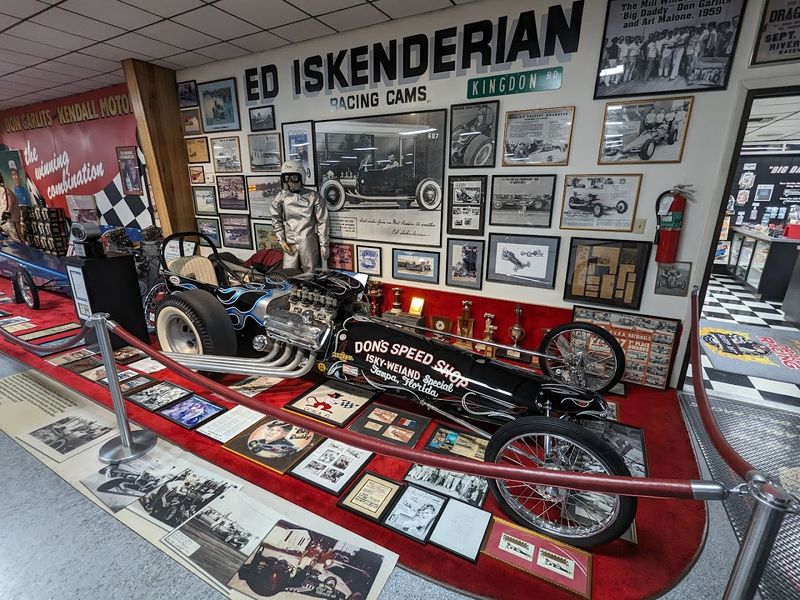
Few names carry more weight in drag racing than “Big Daddy” Don Garlits. Born in 1932, Garlits transformed the sport from a backyard hobby into a professional spectacle watched by millions.
His fearless attitude and mechanical genius pushed the boundaries of what was possible on a quarter-mile strip.
Garlits survived a catastrophic 1970 explosion that blew off part of his right foot, yet he came back stronger than ever. That resilience became the foundation of this entire museum.
Visitors who are lucky enough to visit on the right day may even spot Don himself greeting guests at the front door.
At 92 years old, he still shows up with energy and stories that no exhibit can fully capture. Hearing him speak about his cars firsthand is an experience that turns a great museum visit into an unforgettable one.
Swamp Rat Dragsters on Full Display
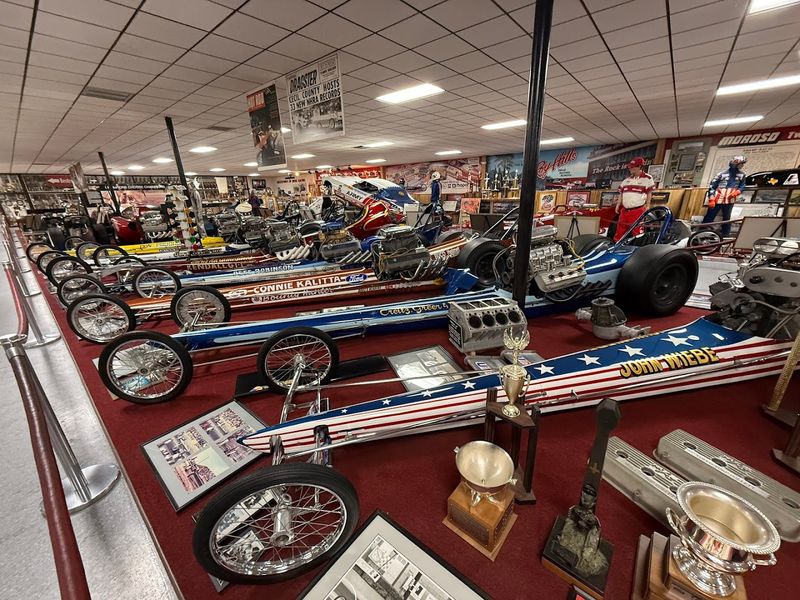
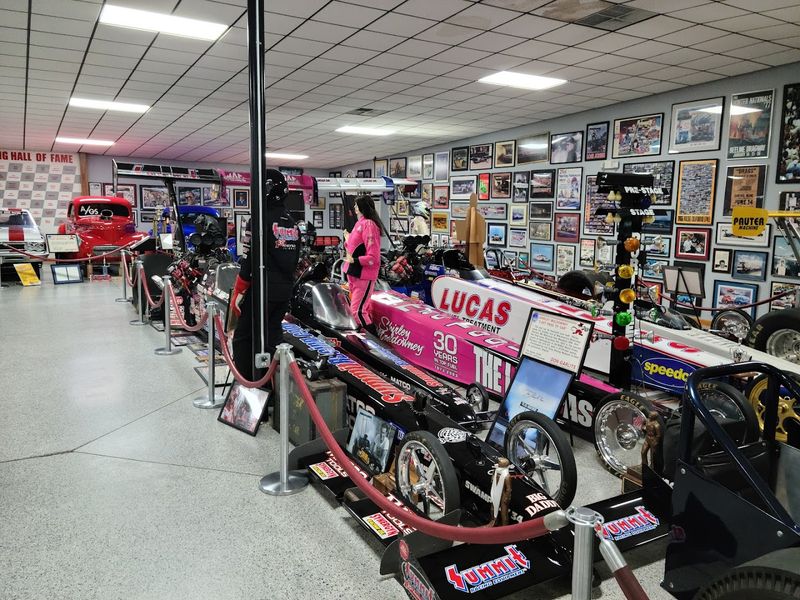
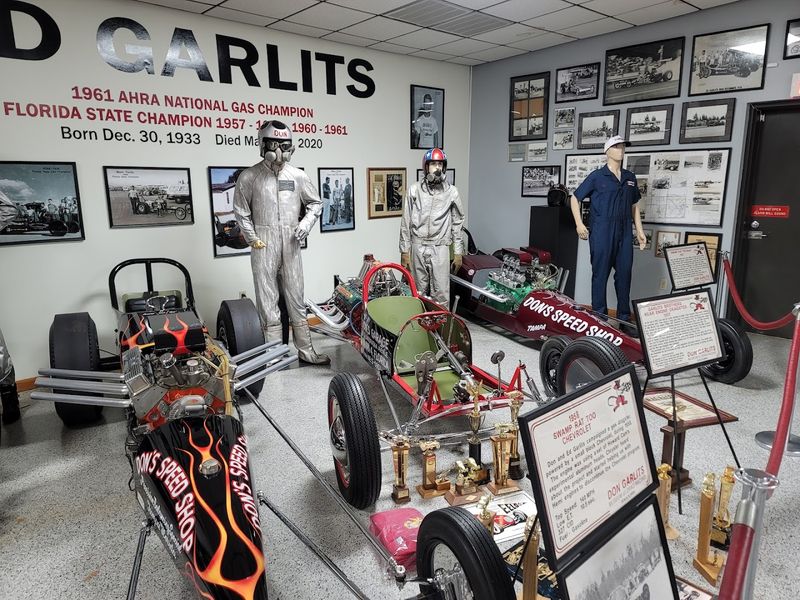
The Swamp Rat series is arguably the most famous lineup of drag racing vehicles ever built. Don Garlits constructed and raced dozens of Swamp Rat cars over his career, each one pushing speed records further than the last.
Seeing them lined up in the museum feels like watching history frozen in place.
Swamp Rat 34 is a crowd favorite, famous for reaching a jaw-dropping 323 miles per hour. The engineering behind these machines is astonishing, especially when you realize Garlits often built and modified them with a small team in a Florida garage.
Each Swamp Rat tells a specific chapter of his career, with placards explaining the records broken and the challenges overcome. Racing fans tend to linger here the longest, soaking in every detail of these legendary machines that helped define what drag racing could become.
Top Fuel Dragster Evolution Through the Decades
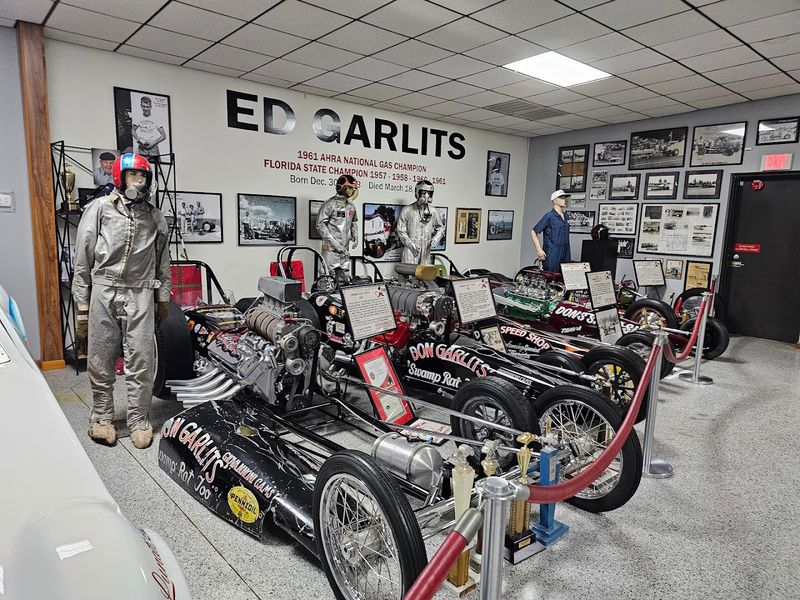
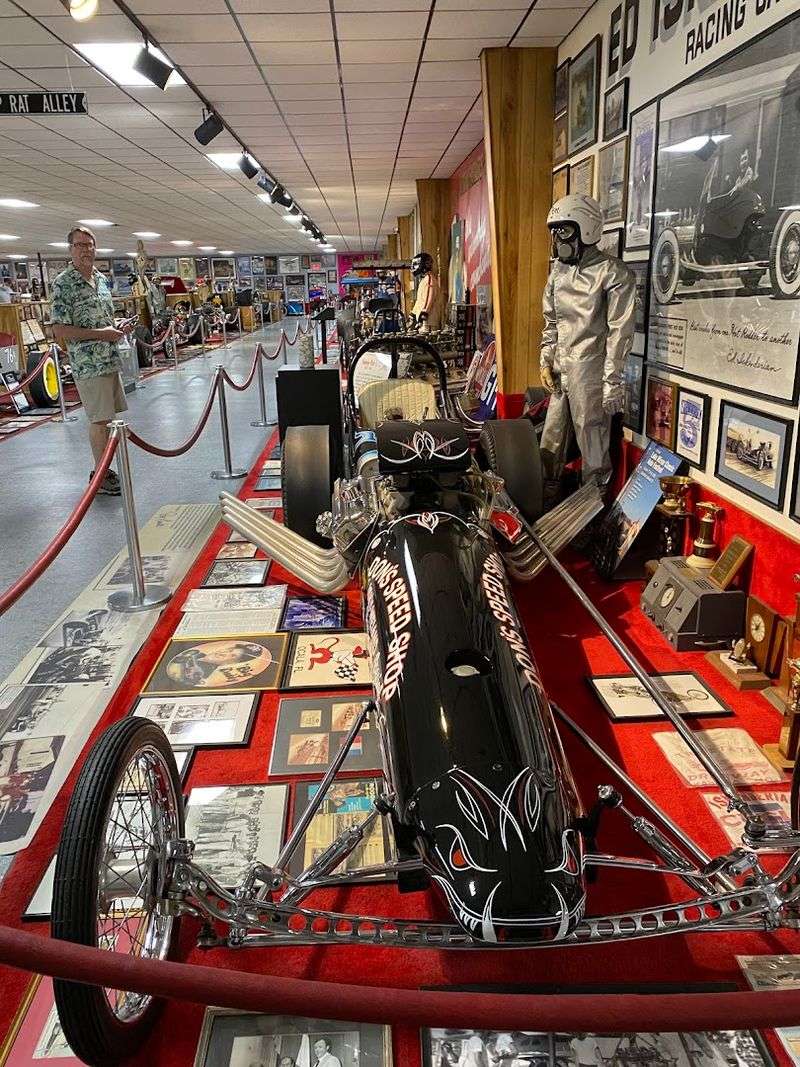
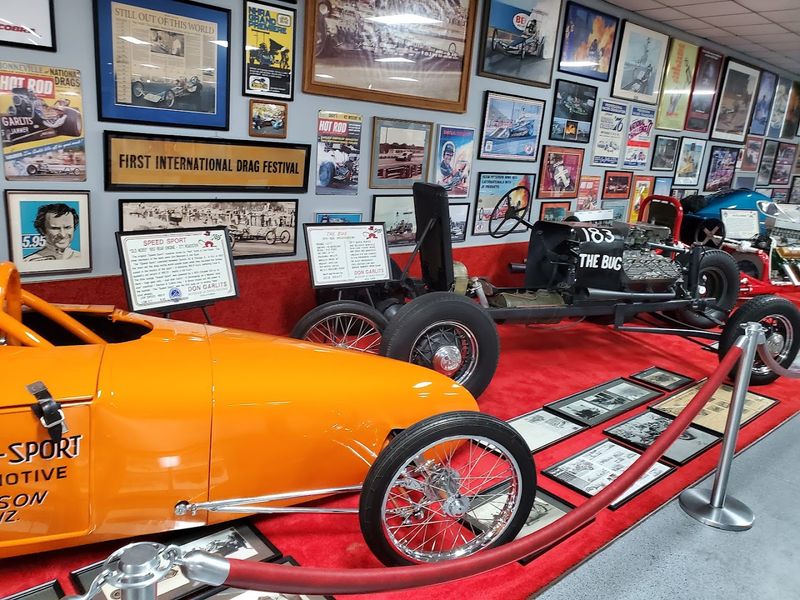
Walk through the museum and you will witness how dramatically top fuel dragsters have changed over the decades. Early cars from the 1950s look almost homemade compared to the sleek carbon-fiber machines of today.
That progression is laid out clearly here, making it easy to understand how the sport grew.
The shift from front-engine to rear-engine designs was a turning point in drag racing safety and performance. Garlits himself pioneered the rear-engine layout after his 1970 accident, and the museum explains that story with both artifacts and video footage.
Engines got bigger, bodies got lighter, and speeds climbed from the low hundreds into the 300s. Seeing that transformation in one building gives visitors a genuine appreciation for the engineering minds who shaped the sport.
Kids especially seem fascinated by how different the old cars look compared to the modern ones.
Vintage Hot Rods That Steal the Show
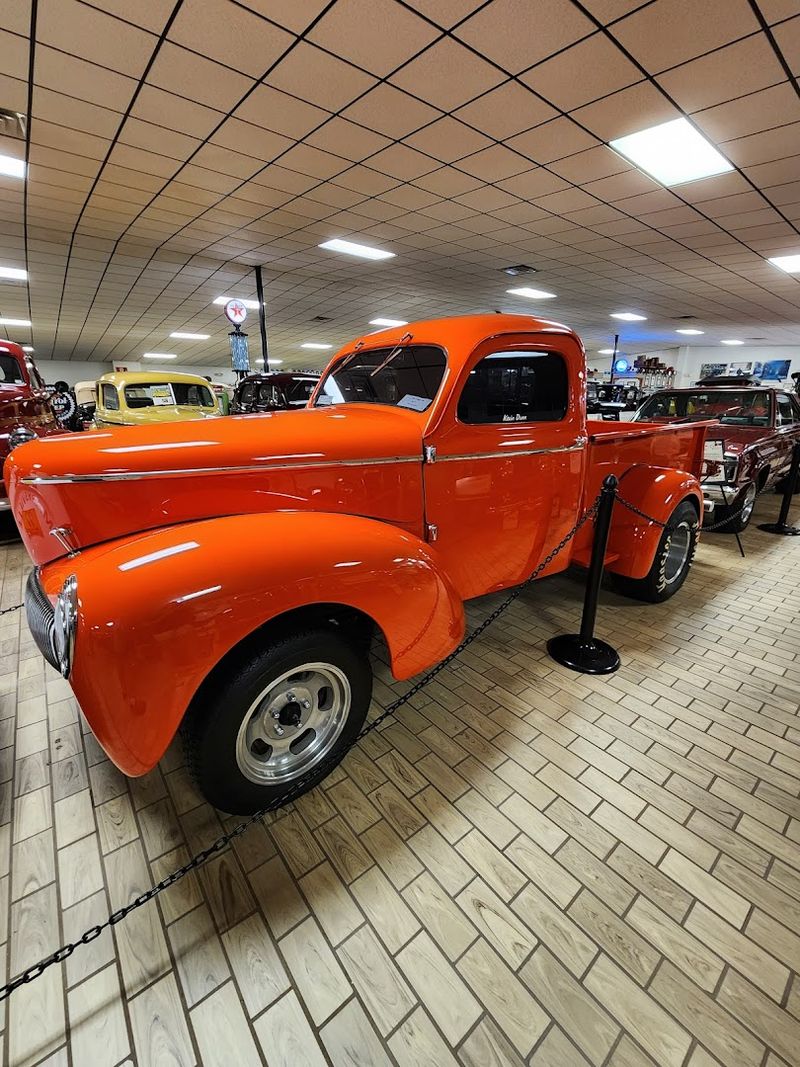
Not everything at this museum is about quarter-mile racing. A second building on the property houses a stunning collection of vintage hot rods and classic American automobiles that could make any car lover weak in the knees.
These machines represent a golden era of automotive creativity and craftsmanship.
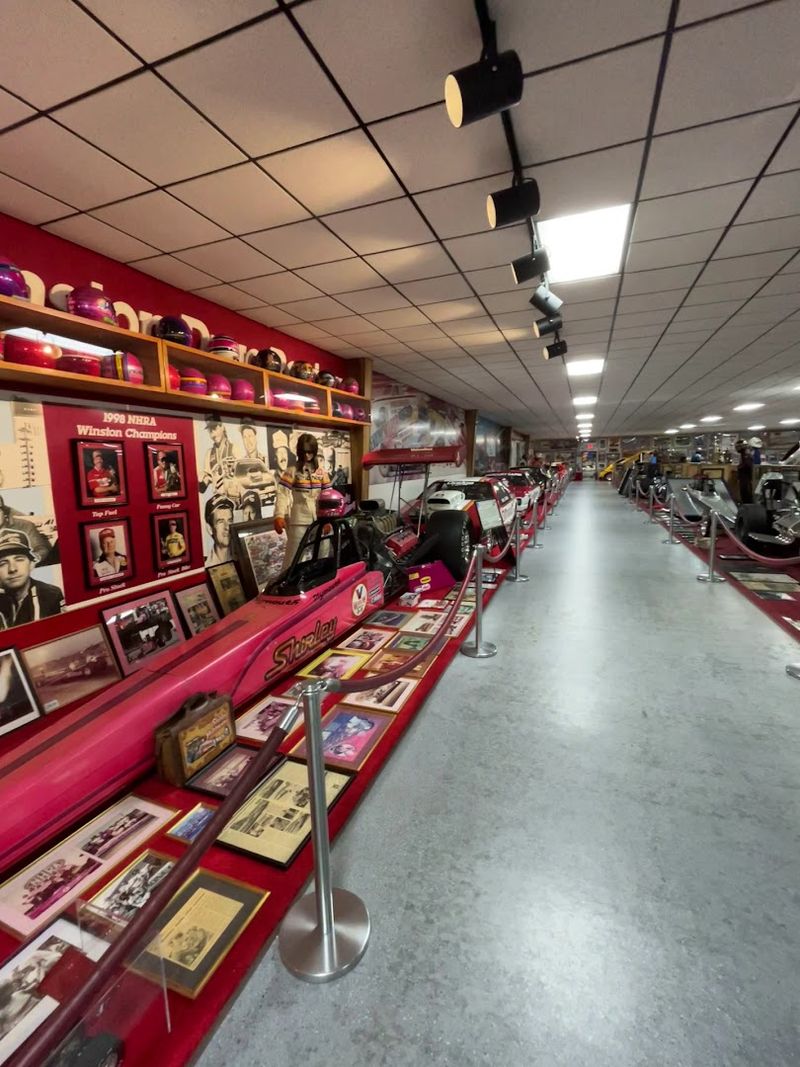
Custom paint jobs, hand-formed body panels, and roaring V8 engines are the hallmarks of these rolling works of art. Many of the cars date back to the 1930s through the 1960s, and they are maintained in pristine condition.
One reviewer marveled that there was not a speck of dust on the black cars, which says everything about how well the collection is cared for.
Even visitors who came purely for drag racing history often find themselves spending just as much time in this building. The hot rod collection adds a warm, nostalgic layer to the overall experience.
The Engine Room That Blows Your Mind
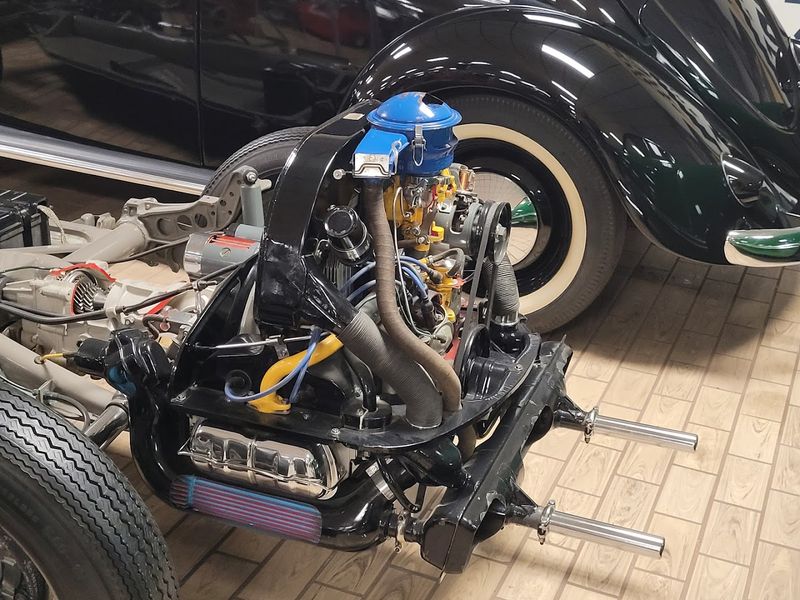
Somewhere between art gallery and science class, the engine display room at this museum is a highlight that surprises nearly every visitor. Rows of drag racing engines sit on pedestals, each one representing a different era or technical breakthrough in the sport.
Superchargers, fuel injectors, and massive displacement motors fill the room with mechanical drama.
Reading the descriptions next to each engine teaches you things most automotive textbooks skip over entirely. You start to understand why certain combinations of fuel, compression, and timing could produce thousands of horsepower from a single block of metal.
It is genuinely impressive engineering presented in an accessible way.
Even people who have never changed their own oil find themselves fascinated by the sheer scale of these powerplants. The room serves as a reminder that drag racing is as much about science and innovation as it is about speed and bravado.
Racing Memorabilia From Across the Eras
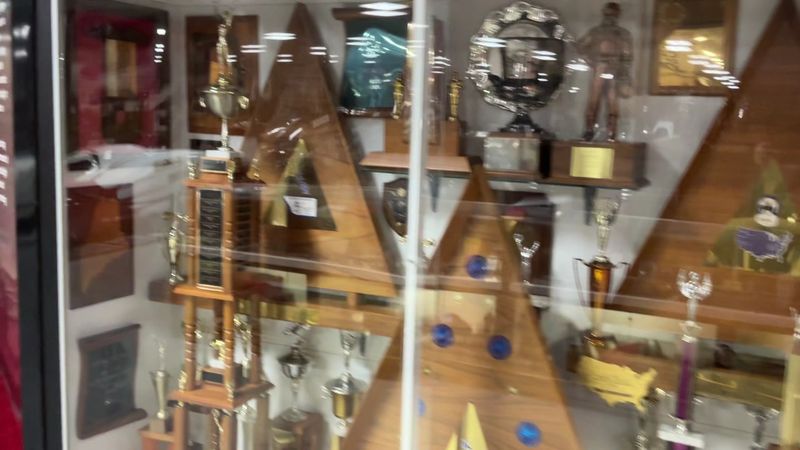
Beyond the cars and engines, the museum holds an incredible archive of racing memorabilia that brings the human side of the sport into focus. Worn fire suits, racing helmets, trophies, and signed photographs fill display cases throughout the building.
Every item was once part of a real race day moment.
There is something deeply personal about seeing the actual gear a driver wore while hurtling down a track at 300 miles per hour. The scuff marks on a helmet or the faded patches on a fire suit tell stories that no placard can fully explain.
These artifacts connect visitors to the drivers in a way that feels genuinely emotional.
Collectors of racing history will want to spend extra time in these sections. The breadth of the memorabilia collection is remarkable, covering not just Garlits but many other legends who shaped the sport alongside him.
Videos and Interactive Exhibits for All Ages
Not every great museum experience comes from staring at a static object behind glass. At Don Garlits Museum, video stations and interactive displays are scattered throughout the space, giving visitors a chance to experience the sport in motion.
Archival race footage from the 1950s through the 1990s plays on screens throughout the building.
Watching Don Garlits blast down a strip in grainy black-and-white footage, then walking five feet to see the actual car he drove, creates a connection that is hard to replicate. The videos add context and energy to everything around them.
Kids who might not fully appreciate a static dragster suddenly light up when they hear the roar of an engine through the speakers.
A few interactive stations let younger visitors engage with drag racing concepts in a hands-on way. Parents have noted that the museum holds childrens attention far longer than expected, which is always a win on a family road trip.
The Museum Gift Shop and Souvenirs
No museum visit feels complete without a stop at the gift shop, and the one at Don Garlits Museum does not disappoint on selection. T-shirts, hats, die-cast model cars, books, and branded racing gear line the shelves.
It is the kind of shop where you walk in for one item and leave with a bag full of things.
One tip worth keeping in mind: if you purchase clothing, double-check your size before leaving the store. A reviewer from Indiana noted that a shirt they picked was swapped for a different size when pulled from the back stock.
A quick check at the register saves any frustration later on.
Supporting the gift shop also helps keep the museum running, so spending a few extra dollars here is genuinely a good thing. Many visitors say the merchandise quality is solid and makes for great gifts for racing fans back home.
Special Events and Hosted Museum Tours
Throughout the year, the Don Garlits Museum hosts special events that take the experience to a completely different level. Car shows, themed exhibitions, and hosted museum tours with Don Garlits himself are among the highlights on the event calendar.
The annual Mopars at the Museum show draws dozens of stunning Mopar vehicles to the property each November.
What makes the hosted tours extraordinary is hearing Don narrate the history of each car in his own words. One visitor described it perfectly: hearing him tell stories about the people who built and drove these machines is simply amazing.
No audio guide or written placard can match that kind of living history.
Checking the museum website at garlits.com before your visit is a smart move to see if any events align with your travel dates. Timing your trip around one of these special occasions can transform a good visit into something truly memorable.
A Walk Through Early Drag Racing History
Long before professional tracks and corporate sponsorships, drag racing was a grassroots movement born on dry lake beds and empty airport runways. The museum dedicates meaningful space to those scrappy early days, when young gearheads built cars in their driveways and raced them on anything flat and straight.
That raw, rebellious energy practically jumps off the walls in this section.
Photographs, newspaper clippings, and early race programs document a time when the rules were still being written and anything seemed possible. You get a real sense of how much courage it took to strap into one of those primitive machines and floor it.
Safety gear was minimal, tracks were rough, and the cars were often one bad weld away from disaster.
Understanding those origins makes everything else in the museum feel more meaningful. The sport did not start glamorous, and that humble beginning is part of what makes it so authentically American.
Pristine Condition Throughout the Museum
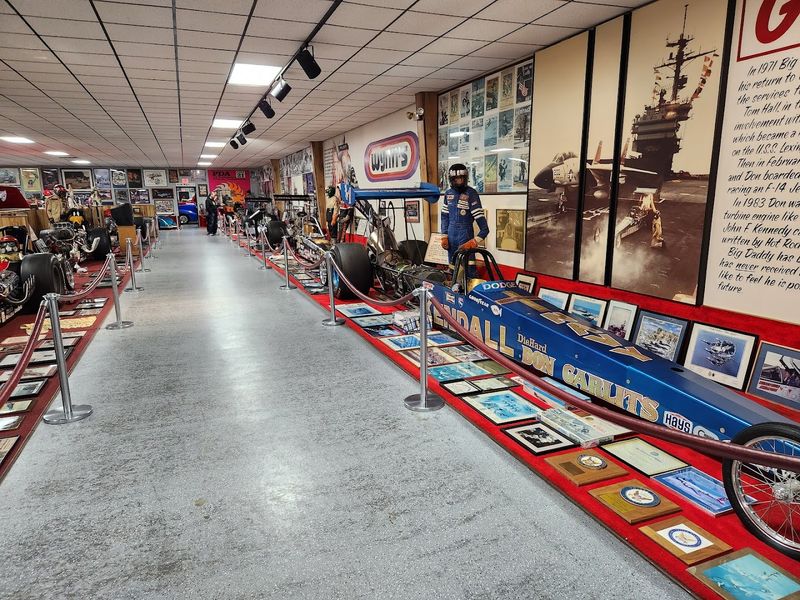
One detail that repeatedly comes up in visitor reviews is how immaculately clean and well-maintained the museum is. One guest specifically mentioned that even the black cars had no dust on them, which is an impressive feat for a facility housing hundreds of vehicles and artifacts.
That level of care speaks volumes about how seriously the staff takes their responsibility.
Clean displays make a real difference in how much you enjoy a museum experience. When cars are polished and exhibits are tidy, it shows respect for both the artifacts and the visitors.
Walking through a spotless space also makes the cars feel more alive, as if they just rolled off the track yesterday.
The layout of the museum is thoughtful and easy to navigate, with wide walkways and clear signage throughout. First-time visitors consistently report that the experience feels organized and comfortable, never cramped or overwhelming despite the sheer volume of items on display.
Plan Your Visit to the Museum in Ocala
Getting to the museum is straightforward, as it sits at 13700 SW 16th Ave in Ocala, Florida, right off Interstate 75. The location is visible from the highway, and many visitors say they spotted it on previous road trips before finally stopping in.
Once you go, you will probably wish you had stopped sooner.
The museum is open every day of the week from 9 AM to 5 PM, making it easy to fit into almost any travel schedule. Plan to spend at least two hours inside, though many visitors happily stay longer.
The phone number is 352-245-8661 if you want to call ahead about special events or group visits.
Admission is reasonably priced for the amount of content packed into the space. Check the official website at garlits.com for current ticket prices and upcoming events.
Families, solo travelers, and groups all consistently leave with a strong recommendation to visit.
Why This Museum Earns Its 4.9-Star Rating
A 4.9-star rating from over 3,000 reviews is not something that happens by accident. Visitors from all walks of life, including people who had zero interest in drag racing before walking in, consistently leave raving about the experience.
That broad appeal is what separates a good museum from a truly great one.
People who grew up in the 1960s and 70s feel a wave of nostalgia wash over them when they see these cars. Younger visitors discover a chapter of American history they never knew existed.
Engineers and mechanics geek out over the technical displays, while casual tourists are simply wowed by the spectacle of it all.
The combination of genuine artifacts, living history in the form of Don Garlits himself, and a well-curated layout creates an experience that is hard to beat anywhere in Florida. If you are anywhere near Ocala, this museum absolutely belongs on your itinerary.
Enjoyed this story?
Add Fast Food Club as a preferred source to see more of our reporting on Google.