


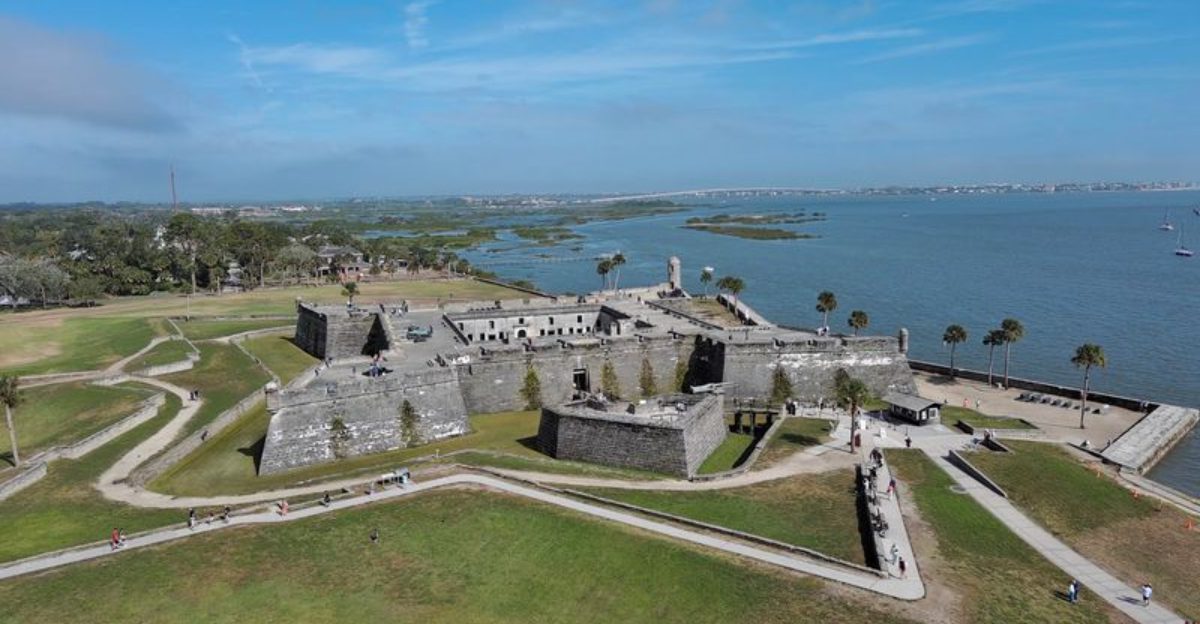
Tucked along the northeast coast of Florida, St. Augustine is a city unlike any other in America. Founded in 1565, it holds the title of the oldest continuously occupied European settlement in the entire United States.
From stunning Spanish colonial architecture to breathtaking Atlantic Ocean beaches, this city has something special for every kind of traveler. Whether you are a history buff, a beach lover, or a foodie looking for your next great meal, St. Augustine delivers every single time.
The Castillo de San Marcos: A Fortress Frozen in Time
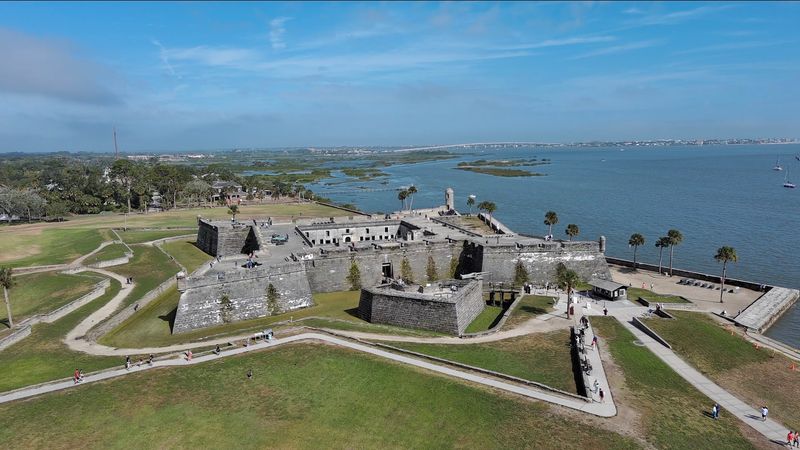
Standing tall since 1695, the Castillo de San Marcos is the oldest masonry fort in the continental United States. Built by the Spanish using a unique shell-based stone called coquina, this fortress has survived cannon fire, sieges, and centuries of Florida weather without crumbling.
That alone makes it one of the most remarkable structures in the entire country.
Walking through its thick walls feels like stepping into a living history book. You can explore the inner rooms, climb the gun deck, and look out over the sparkling St. Augustine Inlet just as soldiers once did.
Rangers in period costumes often bring the stories to life with demonstrations and guided tours.
Families, history lovers, and curious kids all find something here to talk about long after they leave. Admission is affordable, and the views alone are worth every penny of the trip.
St. Augustine Beach: Where the Atlantic Meets Pure Relaxation
Some beaches are pretty. St. Augustine Beach is the kind of place that makes you want to cancel your return flight.
Wide, sandy, and refreshingly uncrowded compared to other Florida hotspots, this stretch of Atlantic coastline offers a laid-back vibe that feels genuinely welcoming from the moment you arrive.
The water is warm for most of the year, making it perfect for swimming, paddleboarding, and building sandcastles with the kids. A lively pier sits at the heart of the beach, giving visitors a great spot to fish, watch surfers, or just soak in the salty breeze.
Nearby restaurants and shops make it easy to grab a bite without wandering far. Sunsets here paint the sky in shades of orange and pink that no camera can fully capture.
Pack your sunscreen and plan to stay longer than you originally intended.
Anastasia State Park: Florida’s Wild and Wonderful Sanctuary
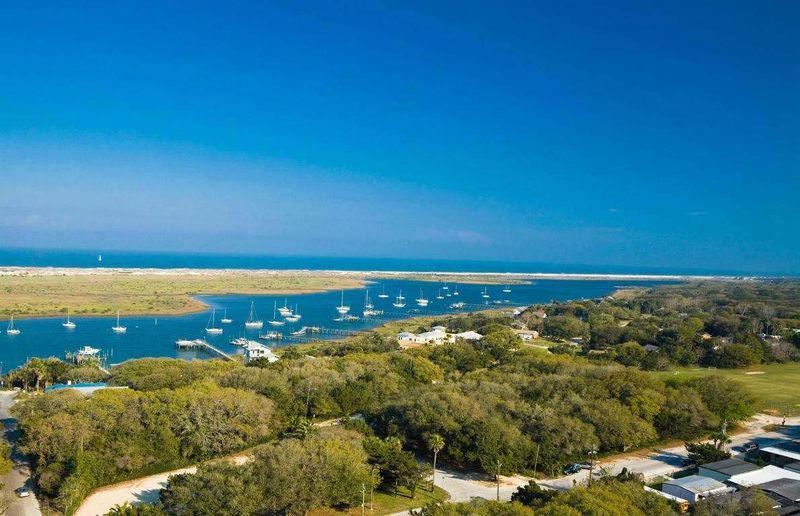
Just across the Bridge of Lions lies one of Florida’s most treasured natural escapes. Anastasia State Park stretches across more than 1,600 acres of pristine barrier island, offering a rare mix of salt marshes, ancient dunes, tidal creeks, and a stunning Atlantic beach all within one protected space.
Bird watchers absolutely love this park. Over 160 species have been spotted here, including herons, ospreys, and roseate spoonbills.
Kayaking through the calm tidal creeks gives you an up-close look at the kind of Florida ecosystem that existed long before theme parks and highways.
Camping here is a genuine treat, with shaded sites just steps from the beach. The park also rents kayaks and bikes, making exploration easy even if you arrive empty-handed.
For anyone who wants to experience natural Florida without the crowds, Anastasia State Park is simply unbeatable.
St. George Street: The Heartbeat of Historic Downtown
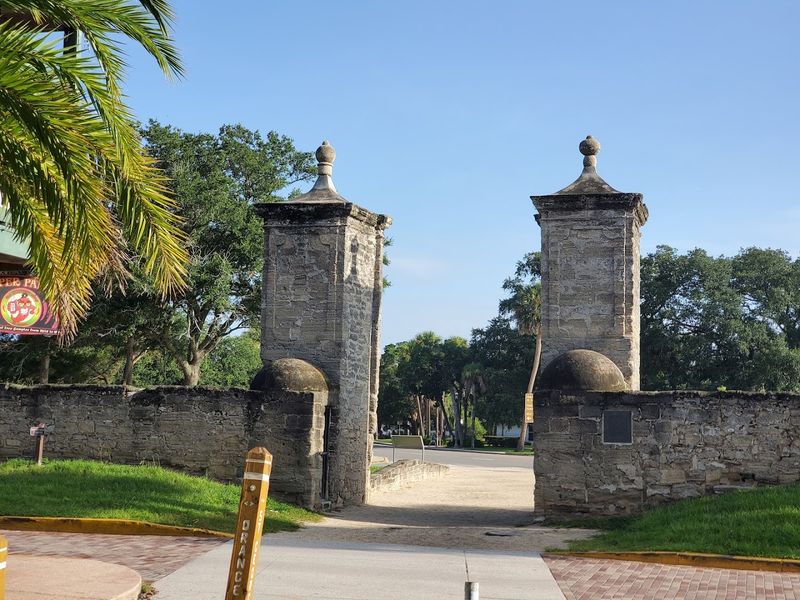
If St. Augustine has a heartbeat, it pulses strongest along St. George Street. This pedestrian-only stretch runs through the heart of the historic district and is lined with colorful Spanish colonial buildings, boutique shops, artisan galleries, and some of the best casual restaurants in the city.
Street performers add a lively energy to the whole scene, and the architecture around every corner reminds you that this is no ordinary shopping district. Buildings here date back hundreds of years, and many have been lovingly restored to preserve their original character.
Kids enjoy the novelty of exploring a street that cars cannot enter, while adults appreciate the unhurried pace and rich visual detail at every turn. Morning visits offer a quieter, more reflective experience.
Evenings bring live music and a festive atmosphere that feels more like a celebration than a simple night out.
Flagler College: Beauty Built Into Every Brick
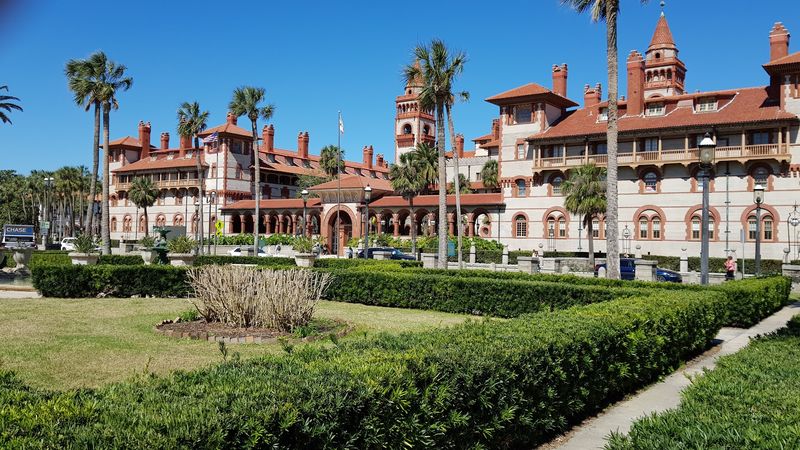
Not every college campus looks like a palace, but Flagler College comes remarkably close. Originally built in 1888 as the luxurious Ponce de Leon Hotel by railroad tycoon Henry Flagler, this stunning Spanish Renaissance building is now a private liberal arts college that welcomes visitors for guided tours year-round.
The grand rotunda, hand-painted murals, and Tiffany stained glass windows inside the dining hall are nothing short of breathtaking. Louis Comfort Tiffany himself designed the windows, making this one of the finest examples of his work anywhere in the country.
Even if you have no connection to the college, walking through its gates feels like a privilege. The campus sits right in the middle of downtown, making it an easy addition to any walking tour of the city.
Architecture enthusiasts and history lovers consistently rank this among their favorite stops in all of St. Augustine.
The Lightner Museum: A Gilded Age Treasure Chest
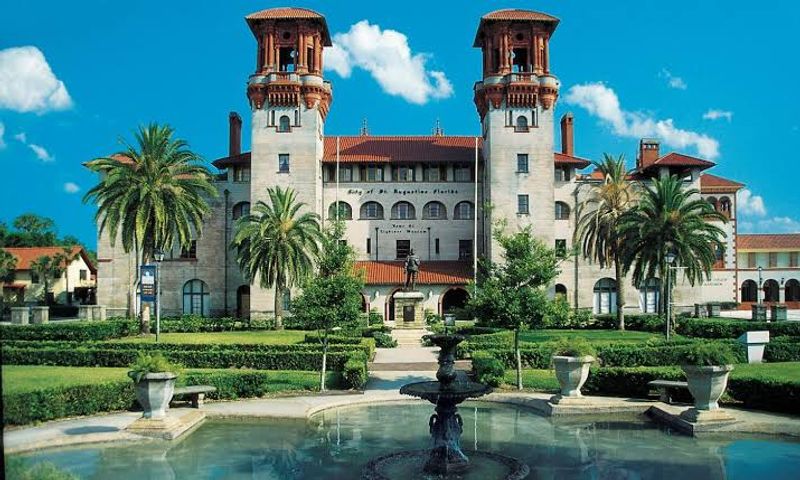
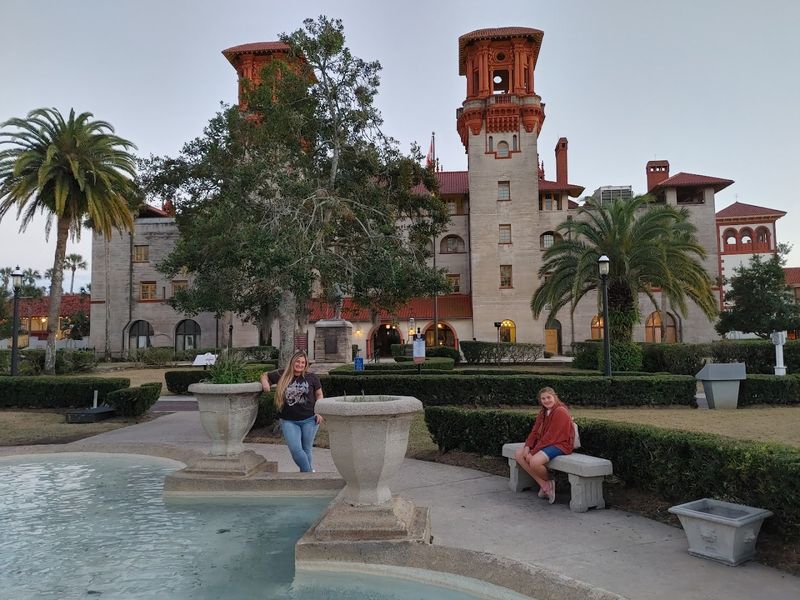
Housed inside the old Hotel Alcazar, which was also built by Henry Flagler in 1889, the Lightner Museum is one of those places that genuinely surprises you. What looks like a gorgeous historic building on the outside turns out to contain one of the most eclectic and fascinating collections of Gilded Age art and antiques in the entire South.
Chicago publisher Otto Lightner filled this space with Victorian-era art glass, mechanical musical instruments, mounted natural specimens, and furniture that once graced the homes of America’s wealthiest families. The former indoor swimming pool has been converted into a stunning cafe and event space that alone is worth a visit.
Admission is budget-friendly, and the museum’s sheer variety keeps visitors engaged for hours. Whether you are drawn to art, history, or architecture, the Lightner Museum rewards curiosity at every turn.
It is a hidden gem hiding in plain sight.
Crescent Beach: The Quiet Side of St. Augustine’s Coastline
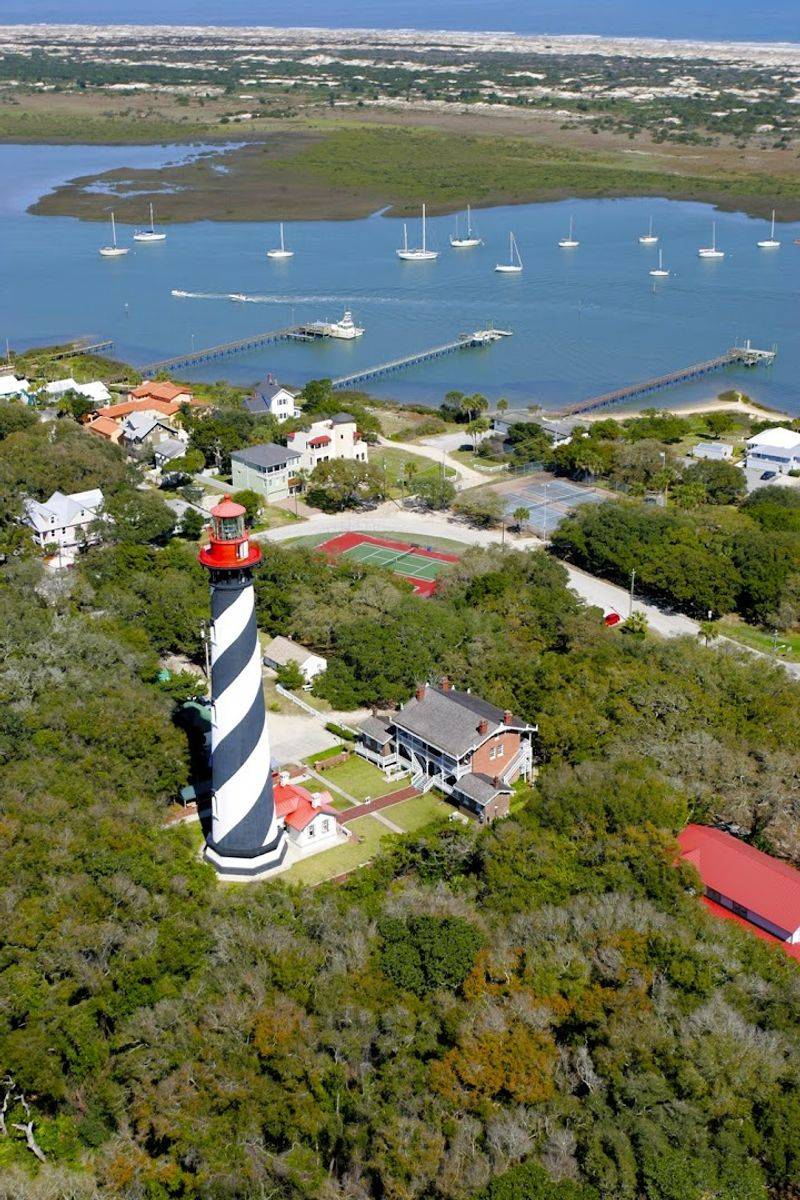
Crescent Beach wears its calm like a badge of honor. Located just south of the main St. Augustine Beach area, this quieter stretch of coastline attracts visitors who prefer the sound of waves over the buzz of a busy boardwalk.
Families with young children especially appreciate how peaceful and unhurried the whole experience feels here.
The beach itself is wide and clean, with gentle surf that makes it great for wading and swimming. Parking is relatively easy to find, which is a welcome contrast to more crowded Florida beaches during peak season.
Local seafood shacks nearby serve fresh catches that taste even better with salty air in the background.
Watching the sunrise from Crescent Beach is one of those simple pleasures that stays with you long after the trip ends. If you want the real Florida beach experience without the circus atmosphere, this is exactly where you belong.
The Oldest Wooden Schoolhouse: Small Building, Big History
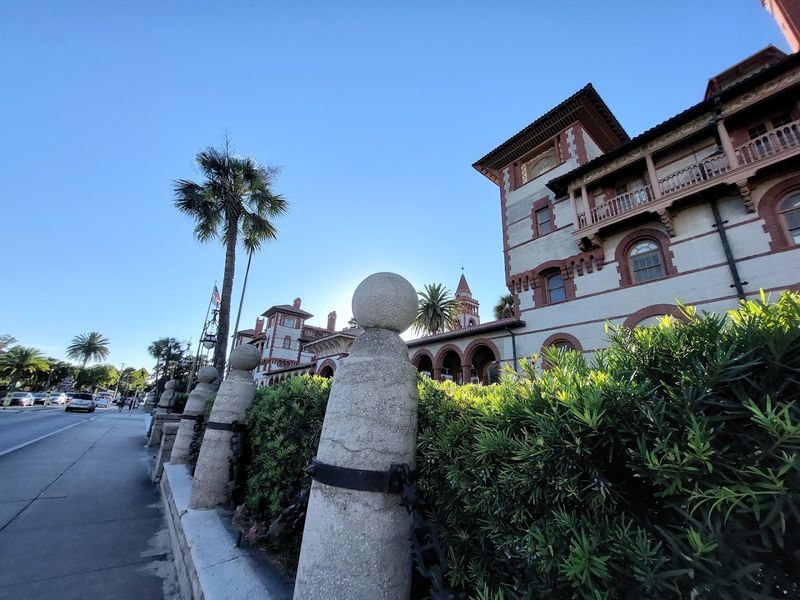
Dating back to the early 1700s, the Oldest Wooden Schoolhouse in the United States sits quietly on St. George Street, looking almost too small to contain the enormous history packed inside it. Built from red cedar and cypress and held together partly with wooden pegs and handmade nails, this tiny structure has outlasted empires.
Back in its teaching days, children of all ages crowded into this single room to learn reading, writing, and arithmetic under one roof. The building was also used as a guardhouse at various points in its long history, adding yet another layer to its already rich story.
Today, life-size animatronic figures inside recreate classroom scenes that give younger visitors a tangible sense of what early colonial education actually looked like. It is one of those quirky, genuinely fascinating stops that reminds you why St. Augustine earns the title of America’s oldest city every single day.
Old Town Trolley Tours: The Smartest Way to See It All
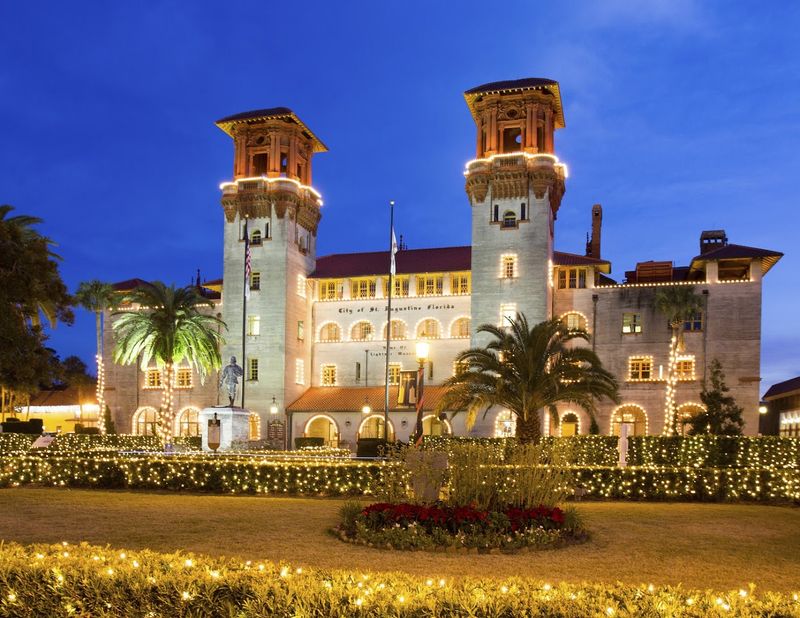
Covering over 100 points of interest across the city, the Old Town Trolley Tour is hands-down one of the most efficient and entertaining ways to experience St. Augustine. The bright orange and green trolleys loop continuously through the historic district, allowing riders to hop on and off at any of the designated stops throughout the day.
Narrated by knowledgeable and often hilariously funny guides, each ride comes loaded with local history, legend, and colorful storytelling that keeps even restless kids engaged. You will hear about pirates, Spanish governors, notorious duels, and the eccentric millionaires who shaped the city into what it is today.
Tickets are valid for multiple days, giving you real flexibility to explore at your own pace. For first-time visitors trying to make the most of limited time, this trolley is not just convenient.
It is genuinely one of the highlights of the entire trip.
St. Augustine’s Food Scene: A Culinary Journey Through History
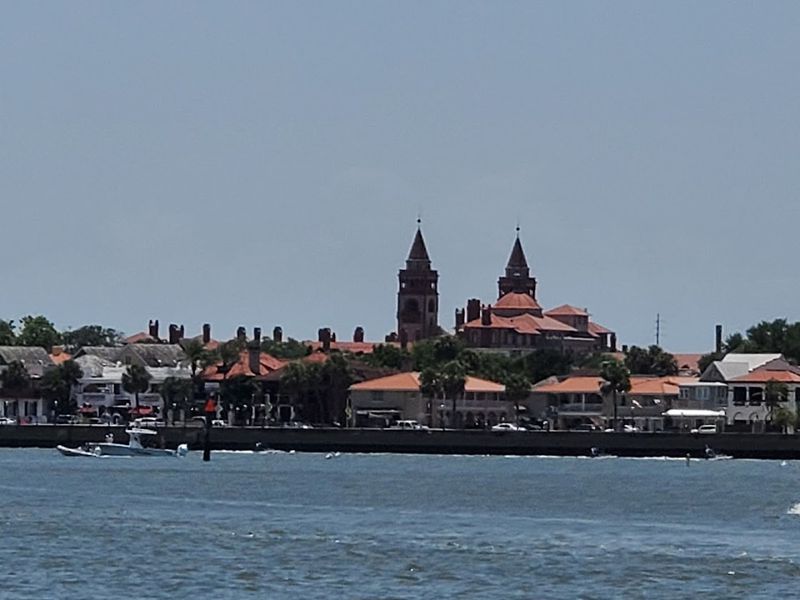
Few people expect a city this old to have a food scene this exciting, but St. Augustine consistently surprises visitors with the quality and variety of its restaurants. From fresh Atlantic seafood served in waterfront settings to creative farm-to-table menus tucked inside centuries-old buildings, eating here is an experience all on its own.
The Spanish and Minorcan culinary influences that shaped the city centuries ago still show up on menus today. Datil pepper sauce, a local staple with roots in the Minorcan community, appears on everything from shrimp dishes to smoked meats and gives St. Augustine cooking a distinctive kick you will not find anywhere else.
Breakfast spots, craft breweries, and artisan bakeries fill the historic district with incredible aromas at all hours. Whether you are hunting for a quick lunch or a long, leisurely dinner, the food in St. Augustine will absolutely leave a lasting impression.
Ghost Tours of St. Augustine: History Has Never Been Scarier
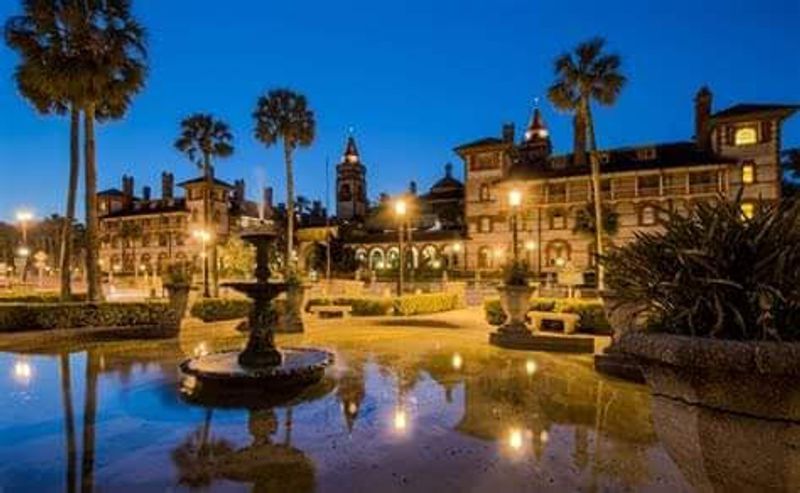
St. Augustine has been called the most haunted city in America, and after spending a night on one of its legendary ghost tours, it is hard to argue with that claim. With over 450 years of history packed into a few square miles, the city has accumulated more than its fair share of dramatic stories, tragic events, and unexplained occurrences.
Tour companies like Ghost Tours of St. Augustine lead small groups through dimly lit streets, sharing chilling accounts of the city’s most famous supernatural legends. The old jail, the Huguenot Cemetery, and several colonial-era buildings all feature prominently in the storytelling, which blends documented history with genuinely eerie local lore.
Even skeptics tend to leave these tours with goosebumps and a deeper appreciation for the city’s layered past. Ghost tours run almost every night of the year, making them a perfect evening activity for groups of all ages and bravery levels.
The Bridge of Lions: An Iconic Gateway to the Island
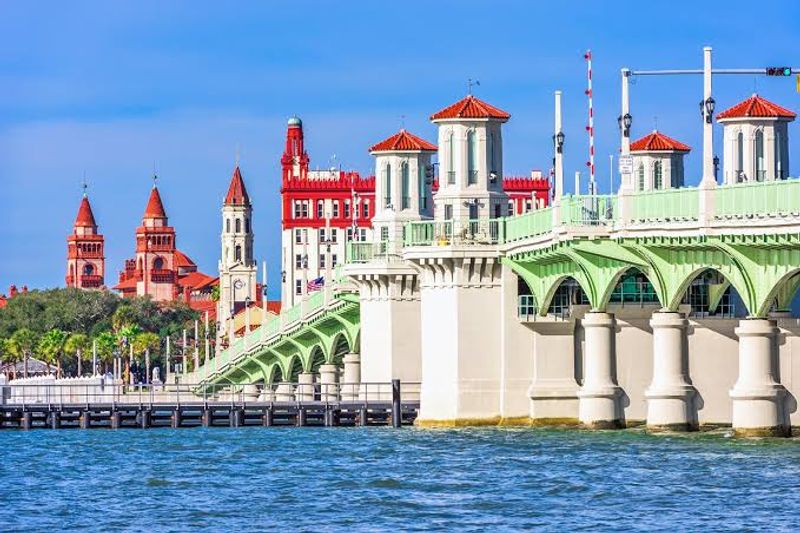
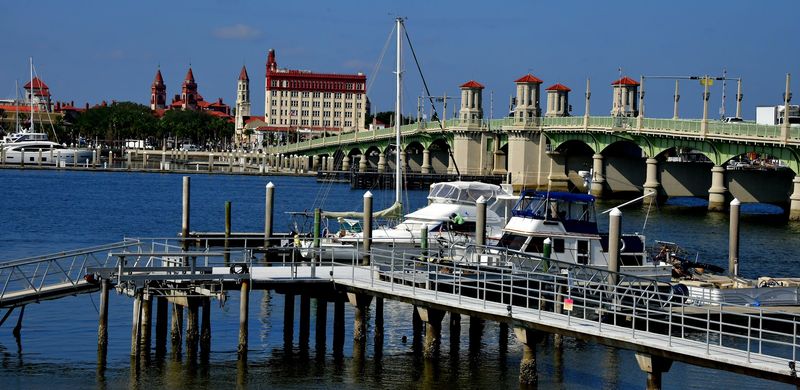
Two marble lions stand guard at the western end of the Bridge of Lions, giving this beloved St. Augustine landmark its unforgettable name. Built in 1927 and beautifully restored in 2010, this double-leaf bascule drawbridge spans the Matanzas River and connects downtown St. Augustine to Anastasia Island with both function and flair.
The lions themselves were donated by a local physician named Dr. Andrew Anderson, who was inspired by the famous lion sculptures outside the Loggia dei Lanzi in Florence, Italy. That detail alone says a lot about the kind of thoughtful civic pride that has shaped this city for generations.
Walking or biking across the bridge at sunset offers some of the most photographed views in all of northeast Florida. The combination of the glittering river, the historic skyline, and those stoic stone lions creates a moment that feels genuinely cinematic.
It is a simple crossing that somehow never gets old.
Fountain of Youth Archaeological Park: Legend Meets Real History
Explorer Juan Ponce de Leon may or may not have actually searched for a magical spring that reversed aging, but the legend lives on with wonderful enthusiasm at the Fountain of Youth Archaeological Park in St. Augustine. Sitting on the very site where Spanish explorers first landed in 1513, this park blends myth, archaeology, and genuine history into one remarkable attraction.
Visitors can drink from the natural spring that supposedly inspired the legend, explore recreated Timucua Indian village structures, and view real archaeological artifacts uncovered on the property. Peacocks roam freely throughout the grounds, adding an unexpectedly charming element to the whole experience.
A planetarium show inside the park tells the story of how Spanish navigators used the stars to cross the Atlantic Ocean, giving younger visitors a vivid sense of just how adventurous those early explorers truly were. For a city that prides itself on being the oldest in America, this park is a fitting place to begin any visit.
Enjoyed this story?
Add Fast Food Club as a preferred source to see more of our reporting on Google.