


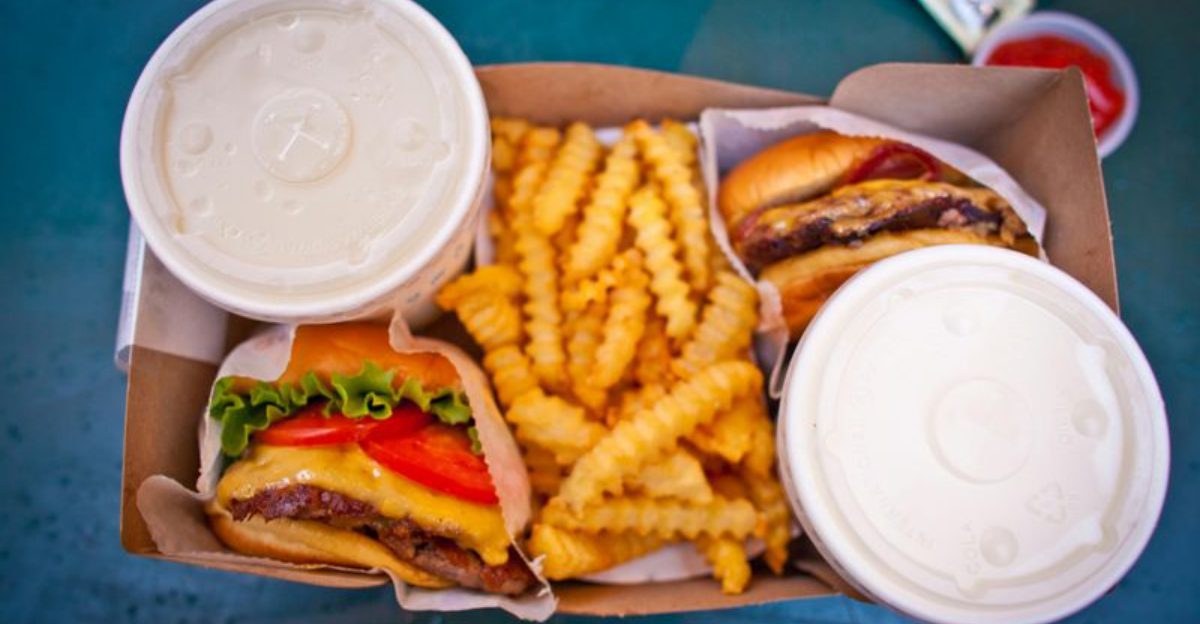
Ever notice how many foods got a shiny makeover that somehow made them taste worse or feel less satisfying? Clever labels promise extra protein, fewer calories, or added convenience, but the tradeoffs often sneak up on you.
Texture changes, odd sweetness, and unpronounceable ingredients quietly replace what you actually wanted. Let’s call out the “upgrades” that did not do us any favors.
Sugary yogurt
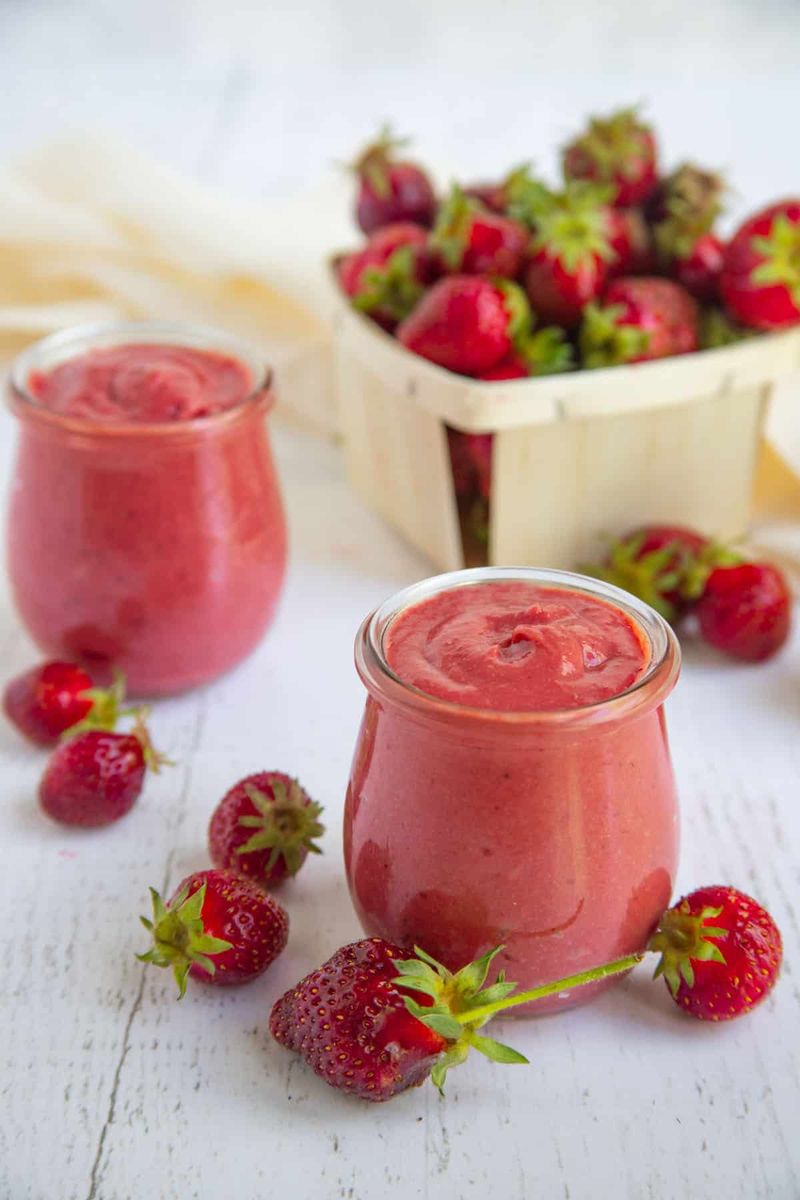
Yogurt used to be simple, tangy, and satisfying. Then came dessert-in-disguise cups with candy mix-ins and syrupy fruit swirls.
You think you are choosing something wholesome, but the sugar spike can rival a soda.
What gets lost is that creamy, cultured character your gut actually likes. Added gums change the texture to something too slick, and artificial flavors numb your tastebuds.
If you want the real deal, go plain and add your own fruit. It tastes cleaner, you control the sweetness, and you will notice how quickly those “improvements” stopped feeling like upgrades.
Flavored milk drinks

Milk with a little cocoa or strawberry used to feel like a fun treat. Now many bottles crank up sweetness, stabilizers, and powdered protein to create a chalky, dessert-like drink.
It smells like nostalgia but tastes like candy syrup blended with vitamins.
You end up craving more instead of feeling satisfied. That heavy sweetness coats your mouth and buries the simple comfort of cold milk.
If you want chocolate milk, make it at home with real cocoa and modest sugar. You get a cleaner flavor, less aftertaste, and the kind of treat that does not leave you thirsty again in twenty minutes.
Protein cookies
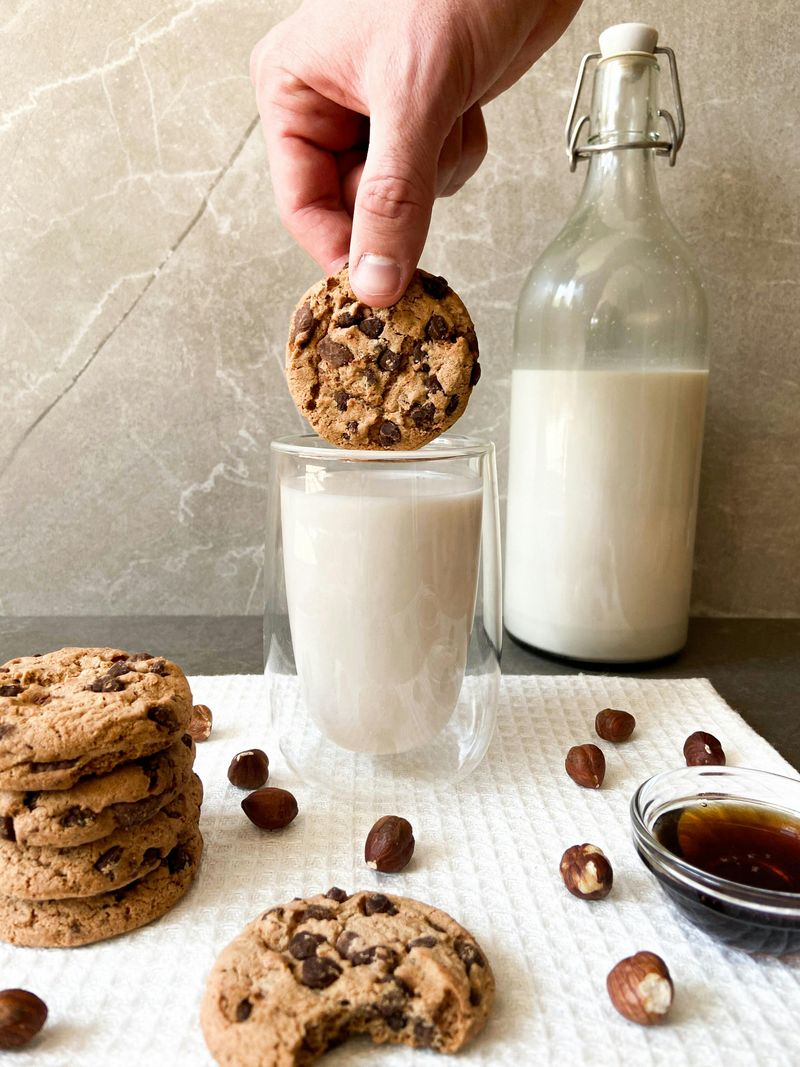
Protein cookies promise dessert and gains in one tidy package. What you actually get is a dense, gummy disc with a sweetener afterburn and a faintly beany or milky note.
The joy of a cookie comes from butter, brown sugar, and crisp edges, not chalky softness.
These snacks try to be everything and end up tasting like compromise. If protein matters, pair a real cookie with yogurt or milk.
You will enjoy it more and probably need fewer bites. The best upgrades honor flavor first.
When food tastes like a lab project, the marketing has eaten the cookie before you do.
Low-fat snacks
Low-fat snacks were supposed to save snacking. Instead, many taste like salted air with a side of starch dust.
To make up for lost richness, companies add sugar, gums, and aggressive flavor powders that fatigue your palate fast.
What you miss is the satisfying crunch followed by a little real fat that tells your brain you ate something. With low-fat versions, you keep reaching back in the bag, still not satisfied.
A small portion of the real thing usually hits better. Snack smart by choosing quality over volume, and you will notice those engineered crisps stop calling your name.
Diet desserts
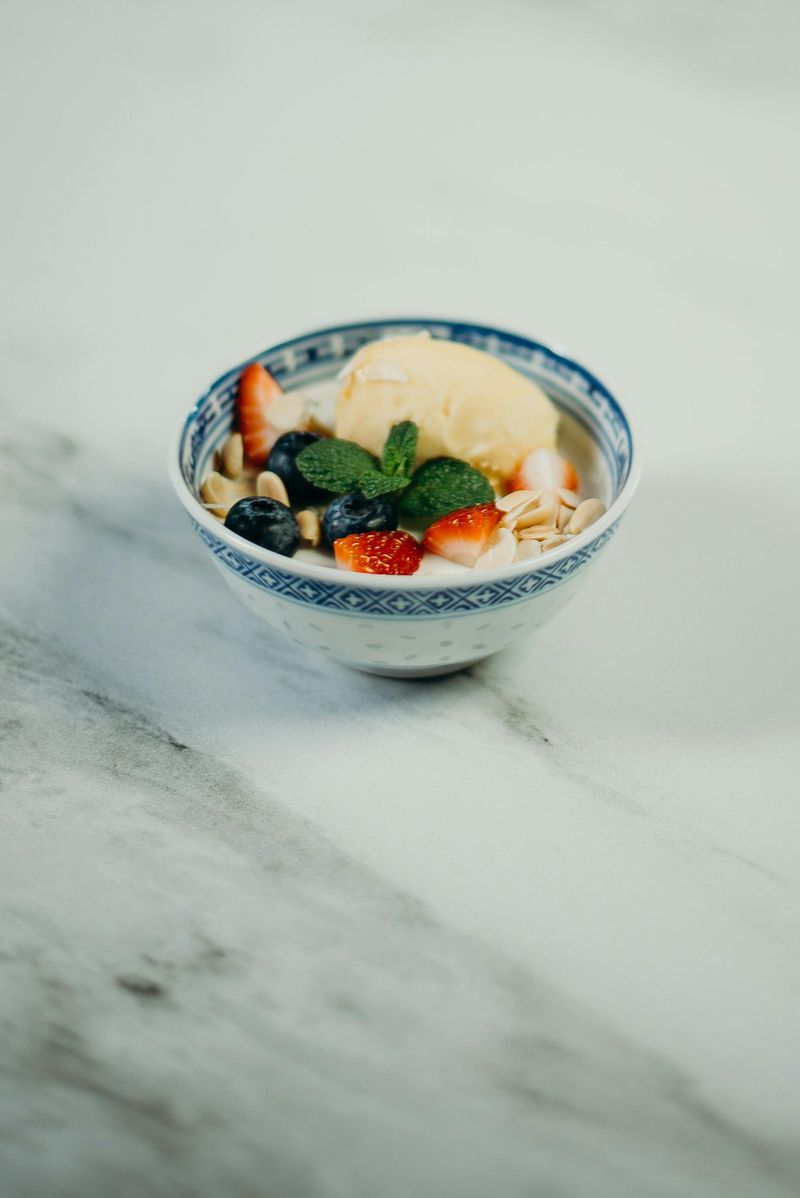
Diet desserts try to sell you indulgence without consequence. You notice the icy texture, the rubbery bite, or that strange sweetness that lingers longer than joy.
The problem is not just taste, it is the way they tease appetite without truly satisfying it.
When every spoonful hints at what is missing, you keep chasing the feeling of dessert. A modest scoop of real ice cream or a small slice of cake can be more grounding.
You get honest flavor, a clean finish, and fewer mind games. Your dessert should whisper pleasure, not math.
Otherwise, it stops being a treat at all.
Pre-packaged salads
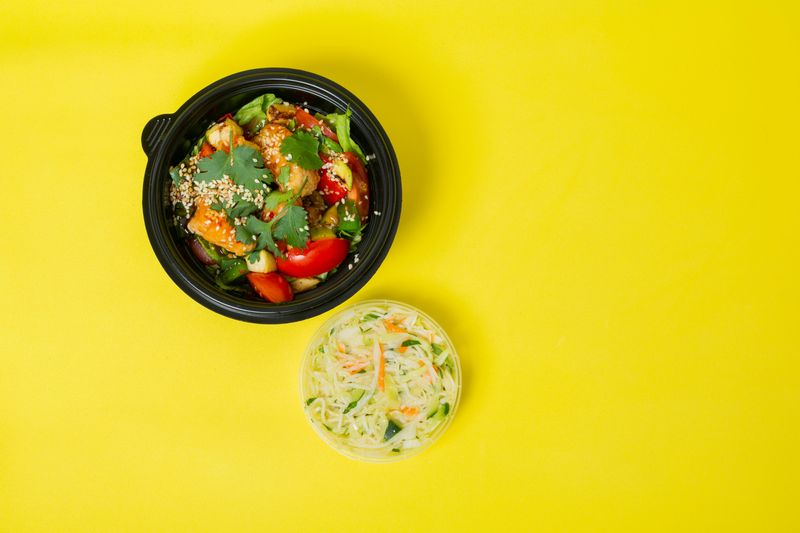
Convenience is great until your salad tastes like fridge air. Pre-packaged mixes often pack limp lettuce, dry chicken, and a dressing that is more sugar than herbs.
You expect fresh crunch but get soggy edges and a honey-glaze aftertaste.
There is also the hidden sodium in croutons and add-ins. By the time you finish, you feel weirdly thirsty rather than refreshed.
If you toss together bagged greens with your own vinaigrette, the difference is wild. A squeeze of lemon, olive oil, salt, and pepper beats the factory blend.
Fresh keeps you coming back. Packaging rarely improves produce.
Frozen breakfast sandwiches
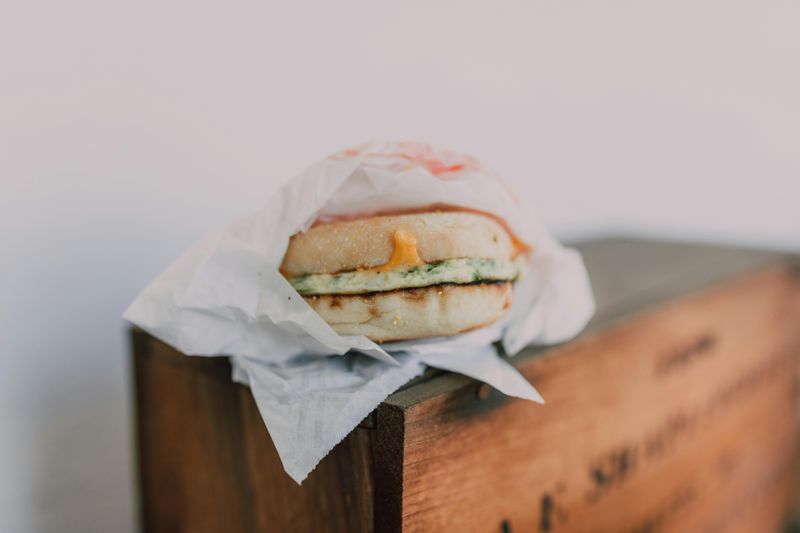
Frozen breakfast sandwiches promise diner comfort in two minutes. The eggs taste fluffy in ads, but real life brings rubbery pucks and bready muffins that steam into sogginess.
The cheese melts into a plastic sheet, more sheen than flavor.
You wanted a handheld hug, not a lab-built puck. A quick skillet scramble and a toasted English muffin take barely longer and deliver better texture.
Add a slice of real cheese and hot sauce, and suddenly breakfast feels like breakfast again. Convenience matters, but not when it delivers disappointment.
Save the freezer space for berries and bread you actually like.
Microwave pasta
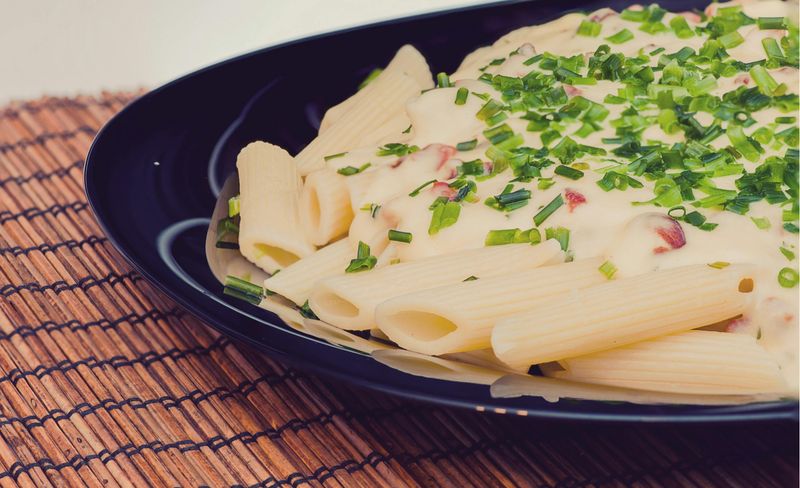
Microwave pasta shouts restaurant flavor in minutes. What you taste is overcooked noodles bathing in a sauce that is either gluey or watery, with sweetness standing in for tomatoes.
Herbs taste dried, never bright, and the cheese is mostly a starch-thickened idea.
You end up shoveling for fuel, not pleasure. Dried pasta cooks fast on the stove, and a can of tomatoes with garlic can beat most microwave trays in under fifteen minutes.
When you control salt and heat, you get bounce and aroma back. Pasta should twirl, not slump.
Convenience that kills texture is not convenience worth keeping.
Bottled sauces
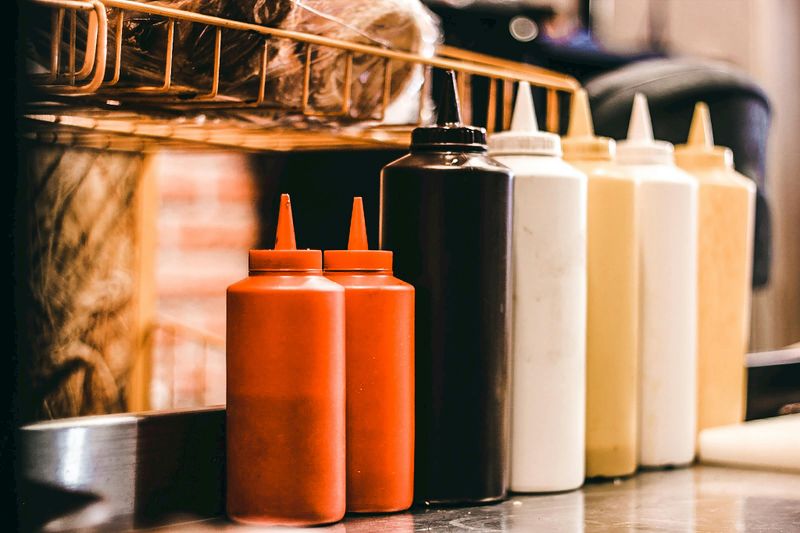
Bottled sauces make weeknights easier, but short cuts often taste like shortcuts. Many lean on sugar, gums, and smoke flavor instead of time and onions browning in a pan.
The result is sweetness first, then salt, then a flat finish.
You can wake them up with a knob of butter, splash of vinegar, or squeeze of lemon. Still, nothing beats a quick pan sauce from drippings and stock.
When you learn how acidity, fat, and heat dance together, bottled shortcuts feel less magical. Keep a few for emergencies, sure.
Just do not expect a squeeze bottle to season your story.
Instant coffee drinks
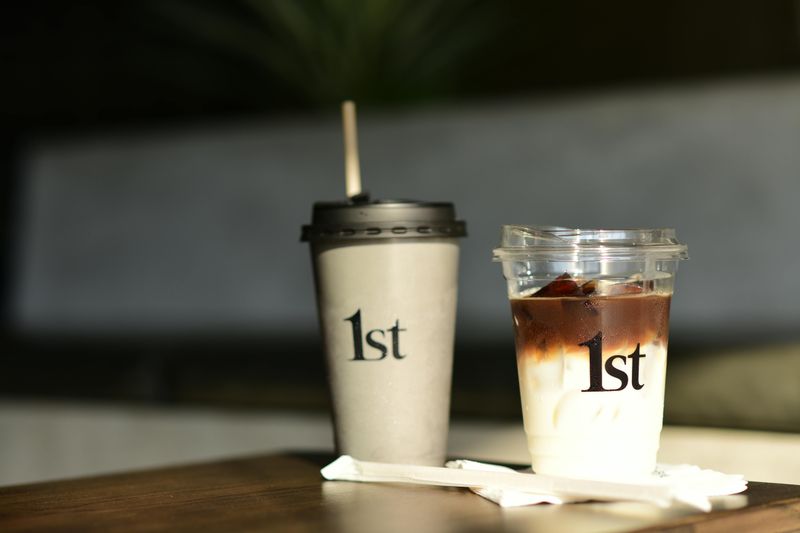
Instant coffee drinks promise cafe vibes without the line. You get sweetness, creaminess, and a caffeine bump, but the coffee itself often tastes thin and bitter.
Syrups and whipped toppings try to distract you from the missing roast character.
They go down fast and leave a sugary aftertaste that outlasts the buzz. Brew a small strong cup, pour over ice, and add milk and a touch of real syrup if you want it sweet.
Suddenly you taste coffee again. Flavor should lead, not ride shotgun to caramel.
Convenience should not erase the reason you wanted coffee in the first place.
Energy bars
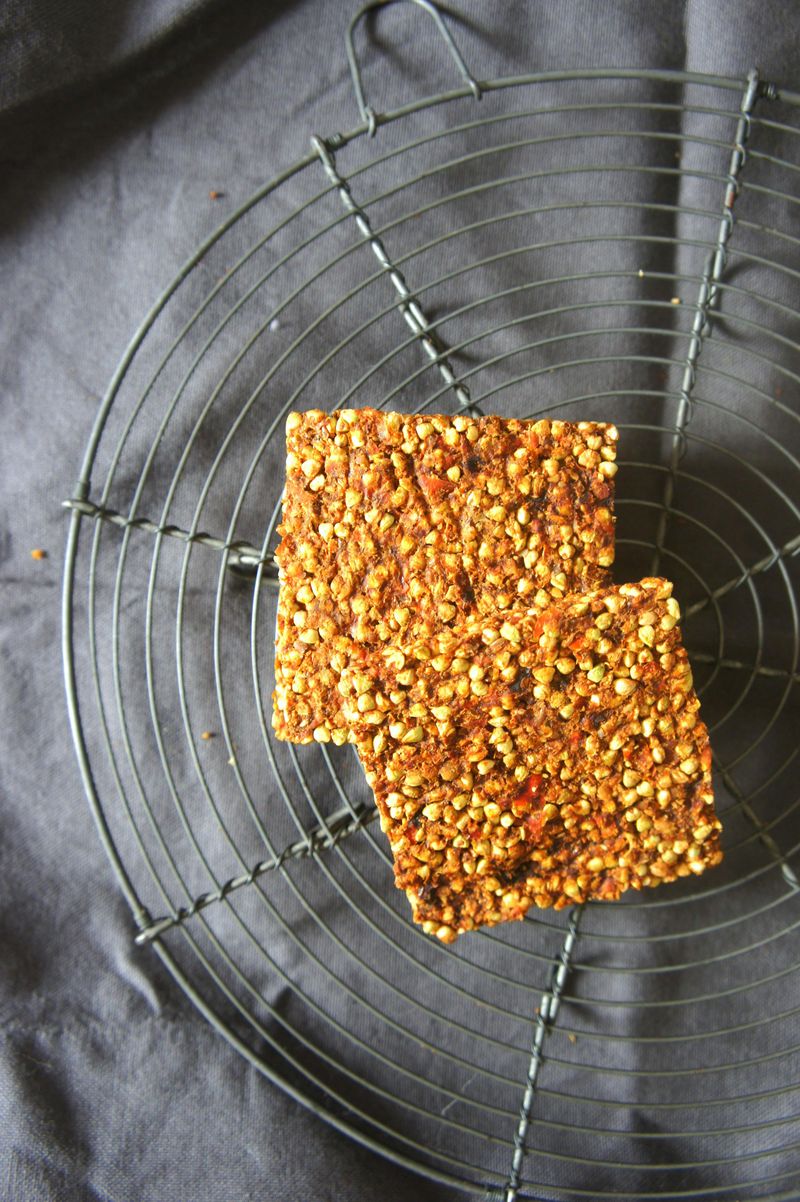
Energy bars began as compact fuel for adventures. Now many read like candy bars with a gym membership.
Sticky syrups, sugar alcohols, and chocolate coatings turn a functional bite into a sweet marathon you chew through.
You keep expecting satisfaction, but the texture swings from crumbly to taffy-like. A handful of nuts, fruit, and cheese often works better and tastes real.
If you still want bars, choose simpler ingredient lists and skip dessert flavors. Your hike, commute, or busy day deserves clean energy.
Not every snack needs to coach you with macros while tasting like a melted vending machine.
Pre-cut vegetables
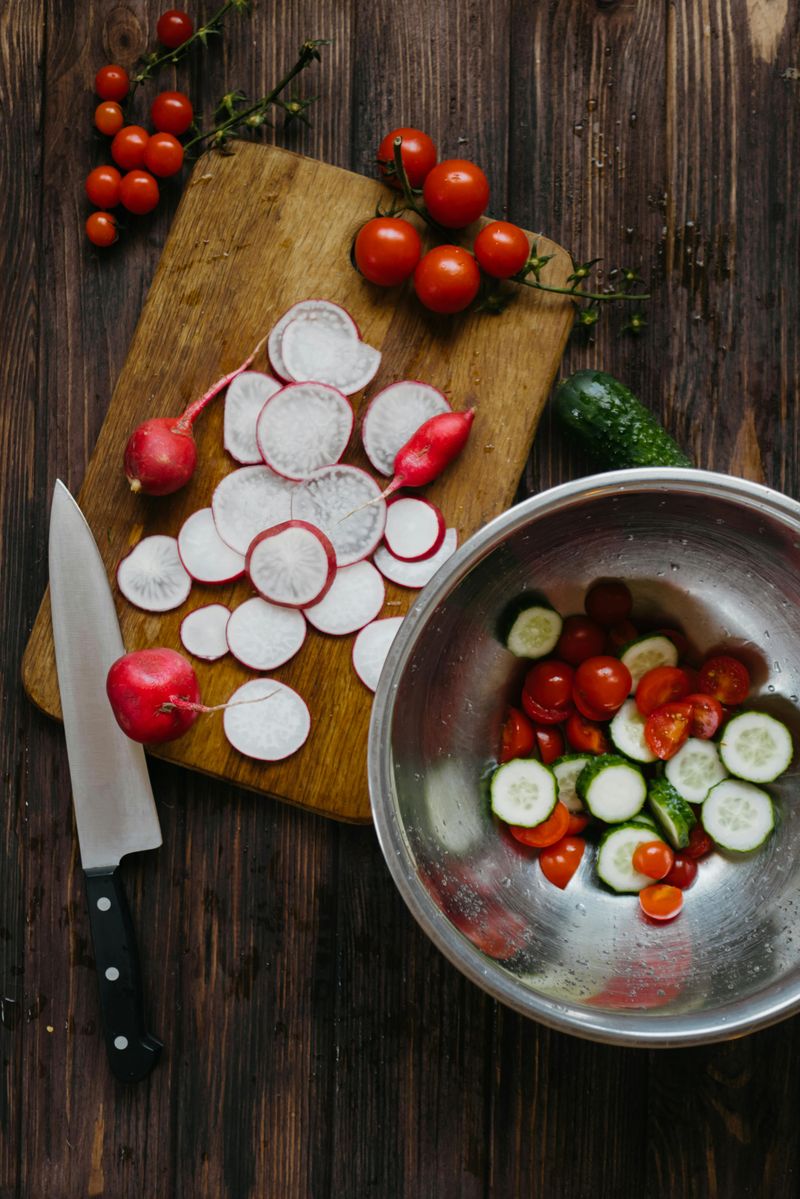
Pre-cut vegetables feel like a grown-up cheat code, until you notice dry edges and faster spoilage. Cut surfaces invite oxidation, flavor loss, and that faint fridge aroma.
You pay extra for less freshness, and often for watery texture once cooked.
Sometimes the convenience still wins, especially for soups or stir-fries. But when crunch matters, whole vegetables shine.
Slice what you need, store the rest properly, and you will taste the difference. A sharp knife is the real time-saver here.
Ten minutes of prep on Sunday beats a week of limp carrot sticks that taste like last night’s leftovers.
Artificial sweet desserts
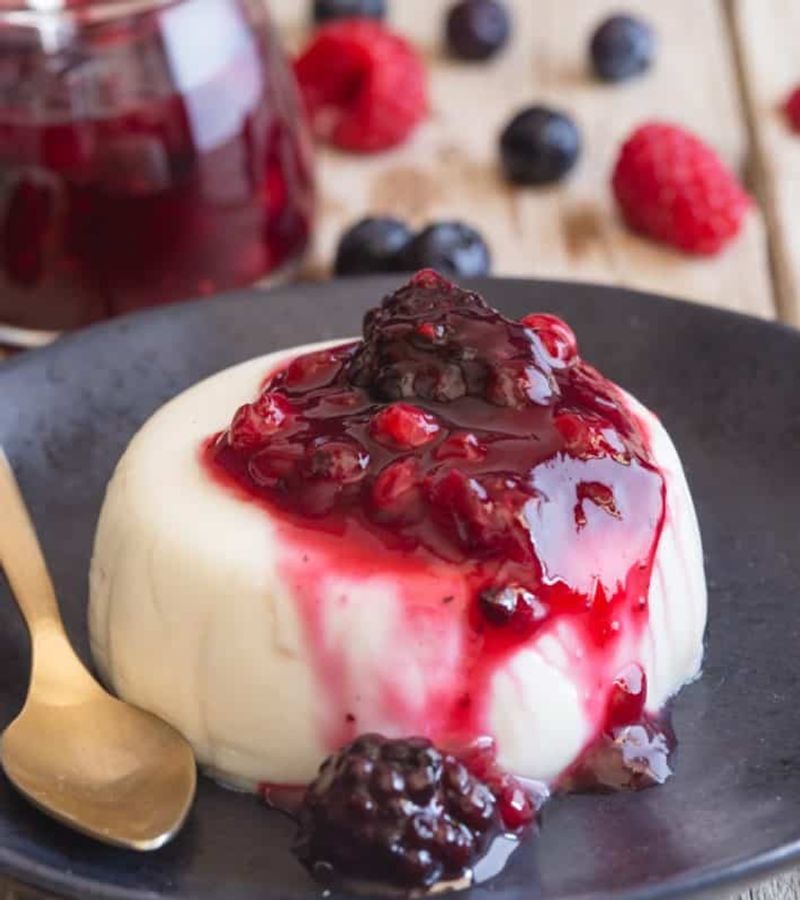
Artificially sweet desserts deliver sweetness without sugar, but the experience is rarely clean. You get a sharp first hit and a long, metallic tail that lingers past the last bite.
Textures lean bouncy or foamy, not lush.
They satisfy a number, not a craving. If sugar needs cutting, try fruit-forward desserts or smaller portions of the real thing.
Roasted strawberries over yogurt, dark chocolate with almonds, or baked apples feel honest. You control how sweet, and your palate stays awake.
When a dessert reads like chemistry homework, it is easy to forget you wanted joy, not just permission.
Frozen smoothies
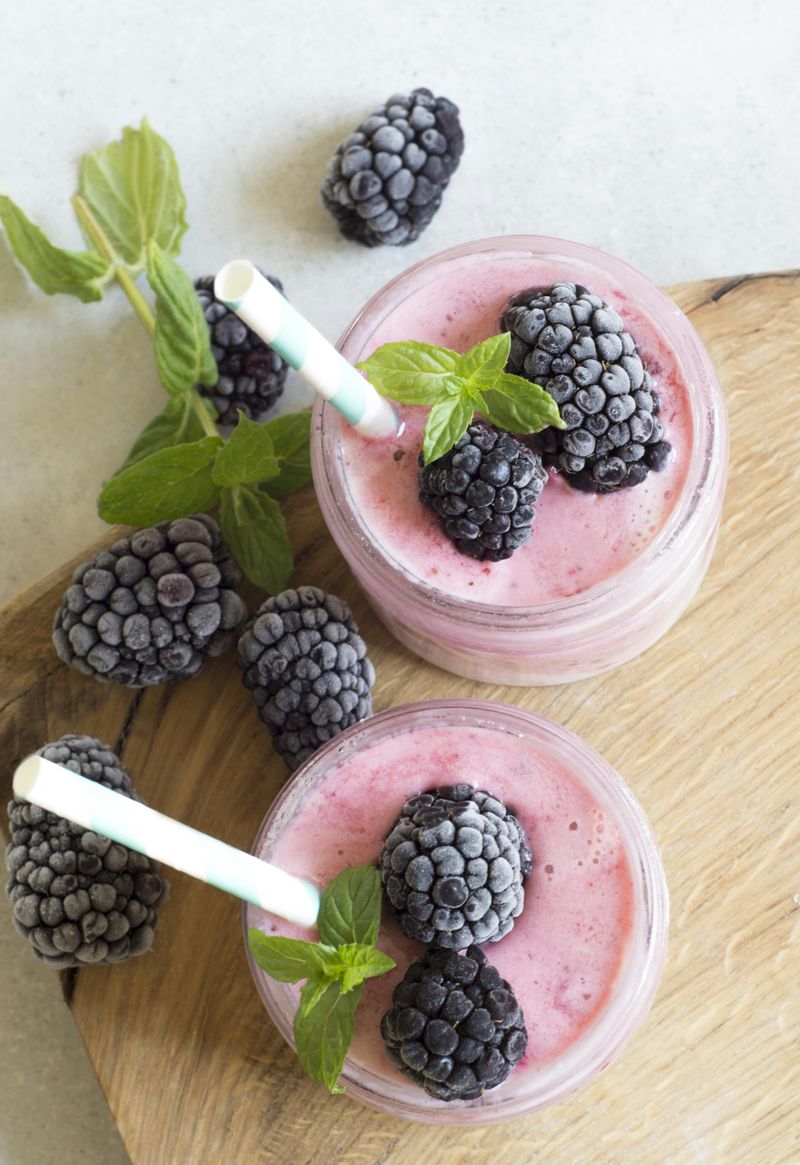
Frozen smoothies promise perfect blends without chopping. Many land somewhere between sorbet and slush, with extra juice concentrates and stabilizers to fake body.
You sip fruit flavor, but the freshness feels distant, like listening through a wall.
Blending fresh or frozen fruit with real yogurt or milk creates better texture and control. Add a pinch of salt and a squeeze of lemon to wake flavors.
When you balance sweetness and tang yourself, the drink becomes breakfast, not just fruit sugar. Convenience matters, but it should not flatten flavor.
Your blender can do more than thaw a plastic bag’s plan.
Packaged soups
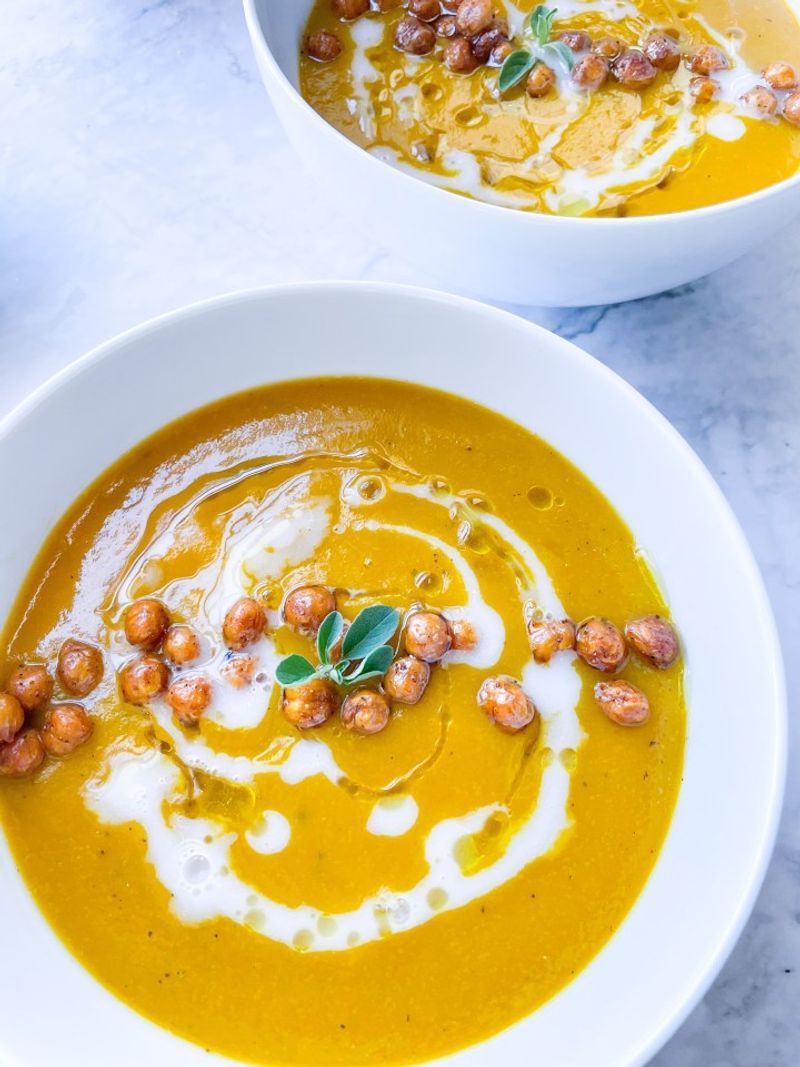
Packaged soups started as pantry heroes. Many still help, but too often you meet salt bombs with vegetables cooked into submission.
The broth tastes loud but shallow, and noodles melt into soft threads that never had a chance.
Rescue moves help: add water to tame salt, toss in fresh greens, squeeze lemon, crack pepper. Still, a quick pot with onion, garlic, stock, and leftover chicken outshines most cartons.
Soup should feel alive, not preserved. When the label shouts hearty yet the spoon says tired, you remember that shortcuts can steer you away from the kitchen’s quiet magic.
Flavored nuts
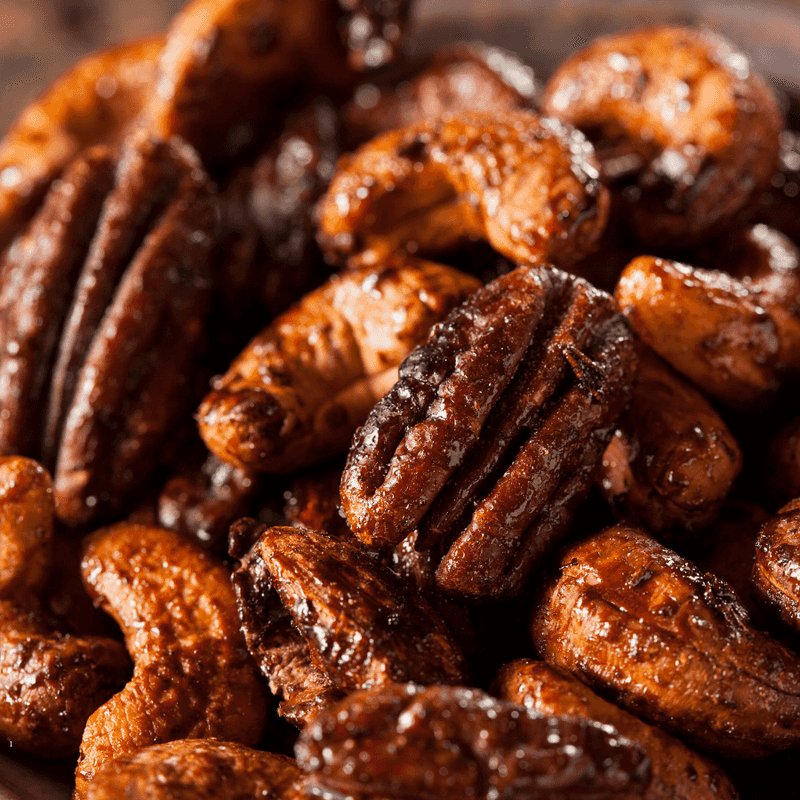
Plain roasted nuts are simple and perfect. Then come flavors that stick like candy or leave neon dust on your fingers.
The sweetness creeps up, the spices shout, and the nut’s warm character gets muffled under a marketing costume.
These mixes turn a wholesome snack into a sneaky dessert. If you crave variety, season your own with olive oil, salt, and a little smoked paprika.
You keep the crunch and control the punch. Your mouth will thank you for the clarity.
Sometimes the upgrade is simply restraint, letting the roasted flavor do the heavy lifting without tricks.
Snack packs
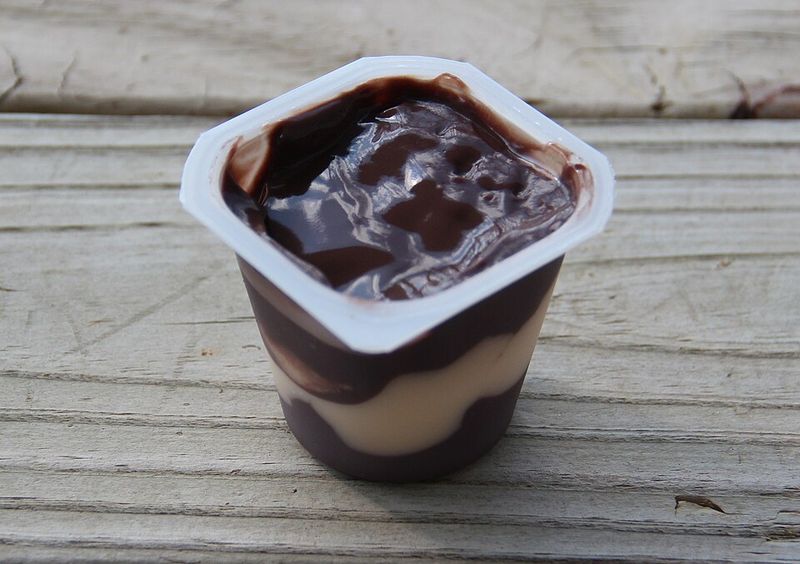
Snack packs promise portion control and balance. What lands in your mouth often tastes like compromise cheese, damp crackers, and very polite turkey.
The salt does the heavy lifting, while freshness and flavor stay home.
They solve the decision problem but not the satisfaction problem. Building your own mini board takes minutes and tastes better.
Real cheddar, crisp crackers, a piece of fruit, maybe a few olives, and you have a snack that feels grown. Convenience should not mean training wheels forever.
You deserve food that tastes like itself, not a tidy little kit of almosts.
Ready dips
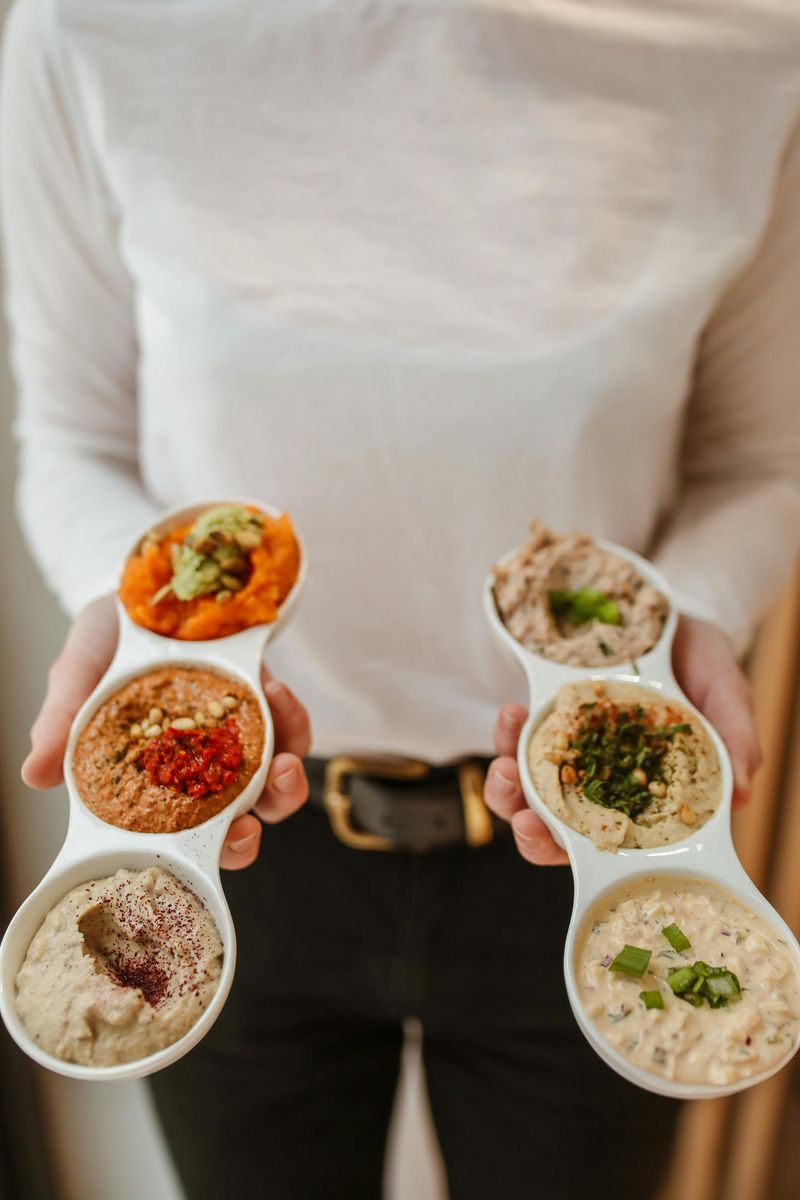
Ready dips jump into carts before parties and weeknights alike. Many carry extra oils, preservatives, and sugary notes that dull herbs and garlic.
Hummus tastes fluffy yet flat, ranch leans sweet, and queso clings without real cheese tang.
Stir in lemon, fresh herbs, or a splash of hot sauce to revive them. Better yet, blitz chickpeas, tahini, and lemon at home for a cleaner hit.
A ripe avocado mashed with lime outshines most tubs in five minutes. When a dip tastes alive, the chips slow down and conversation speeds up.
That is the upgrade you actually wanted.
Packaged sandwiches
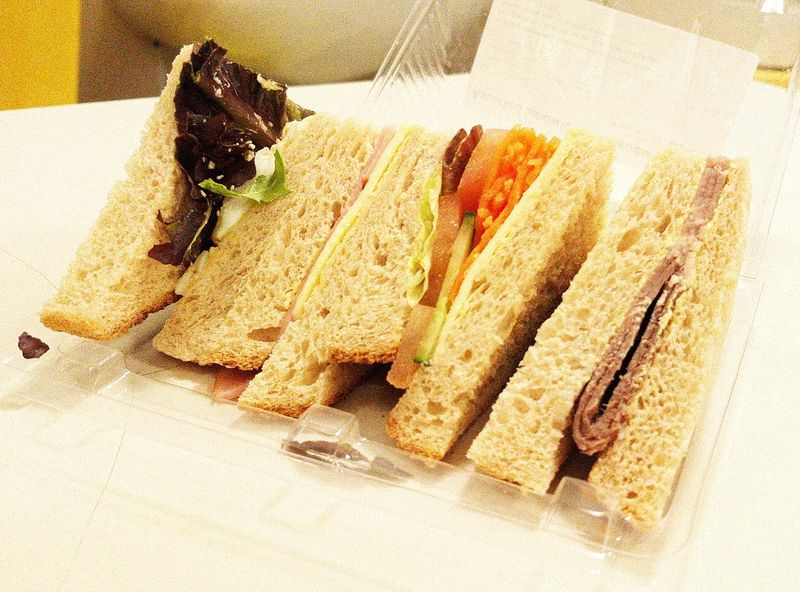
Packaged sandwiches solve hunger when options are thin. But the lettuce wilts, tomatoes weep, and bread turns clammy in plastic.
The first bite tastes like refrigerator, not deli. Condiments try to distract, usually with too much sweetness or mustard heat.
If you must grab one, choose simpler builds and skip the tomato. Better yet, stash sturdy bread, a tin of fish, and a small jar of mayo or mustard for actual flavor.
Even a quick peanut butter sandwich beats a soggy stack that forgot it once had crunch. Convenience should not mean forgetting what makes a sandwich sing.
Frozen rice bowls
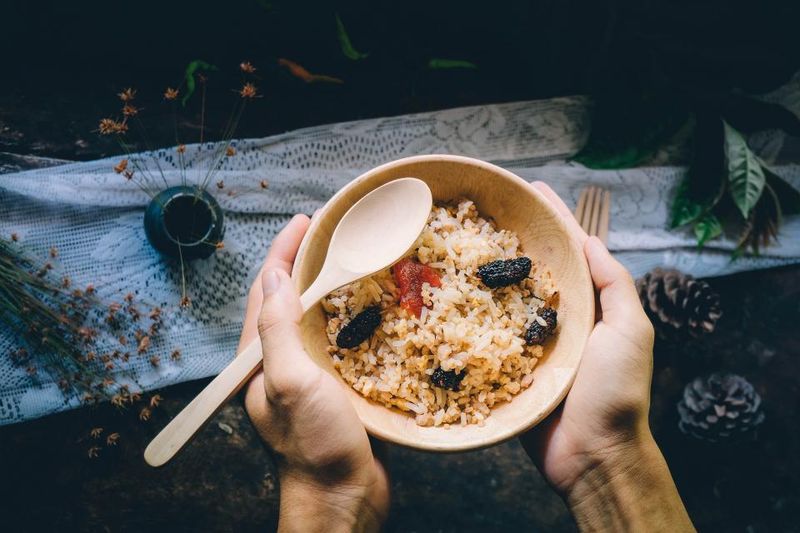
Frozen rice bowls promise balanced meals on autopilot. You get uneven textures: hard vegetables beside mushy grains, with a sauce that tastes mostly sweet.
The protein can be chewy, and steam leaves everything a little wet and weary.
Stovetop fried rice with leftover veggies happens fast and tastes alive. A hot pan, oil, garlic, day-old rice, and a splash of soy turn scraps into dinner.
Add an egg for silk and protein that actually feels tender. The upgrade you want is heat and timing, not a plastic lid.
Bowls should feel like meals, not reheated negotiations.
Fast-food upgrades
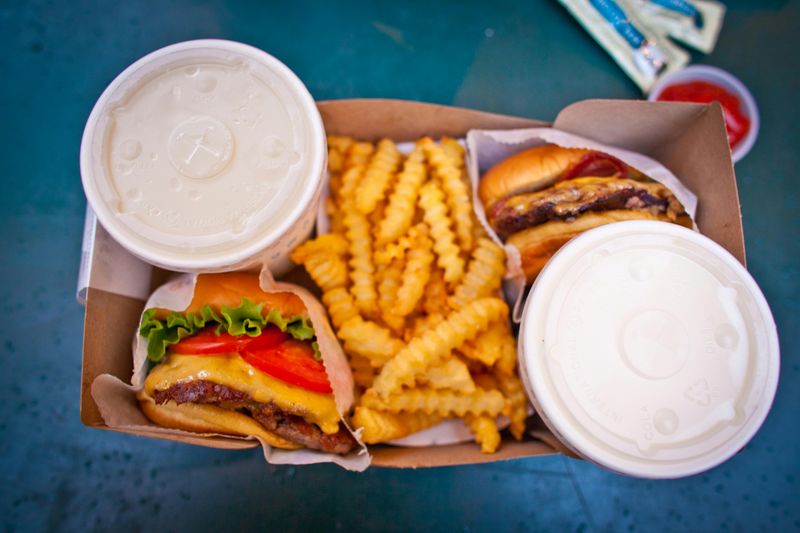
Fast-food upgrades turn a simple burger into a pricier promise. You get pretzel buns that go stale fast, aioli that is mayo with garlic perfume, and bacon that reads smoky but chews like paper.
The photo glows, but the bite blurs.
Keep it simple and ask for fresh-off-the-grill when possible. Skip overbuilt stacks that collapse into sauce.
A standard burger with hot fries often beats the premium tower. You want heat, salt, and decent meat, not buzzwords.
When a menu shouts elevated, remember you are still in a drive-thru. Real upgrades happen when attention, not adjectives, shows up.
Enjoyed this story?
Add Fast Food Club as a preferred source to see more of our reporting on Google.