


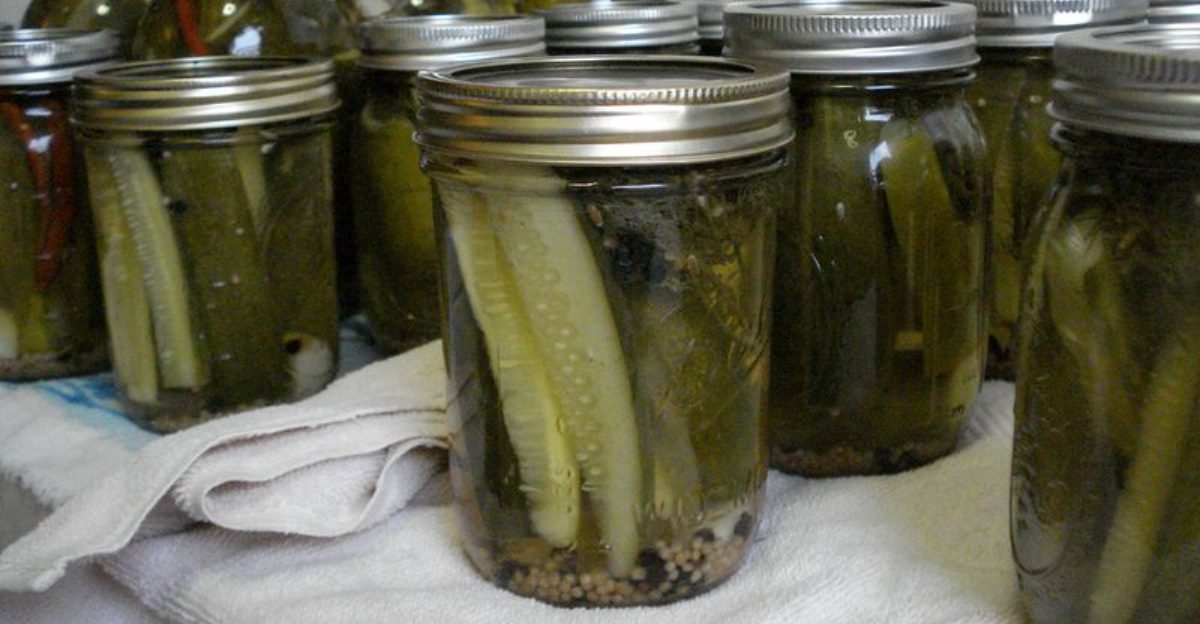
Open almost any old pantry in your memory, and you can smell it before you see it. The warmth of simple staples once kept families fed, frugal, and creative without a second thought.
Somewhere along the way, convenience swept in and these quiet heroes slipped out of sight. Let’s revisit the humble foods and containers that shaped daily life, and why you might want them back.
Flour tins
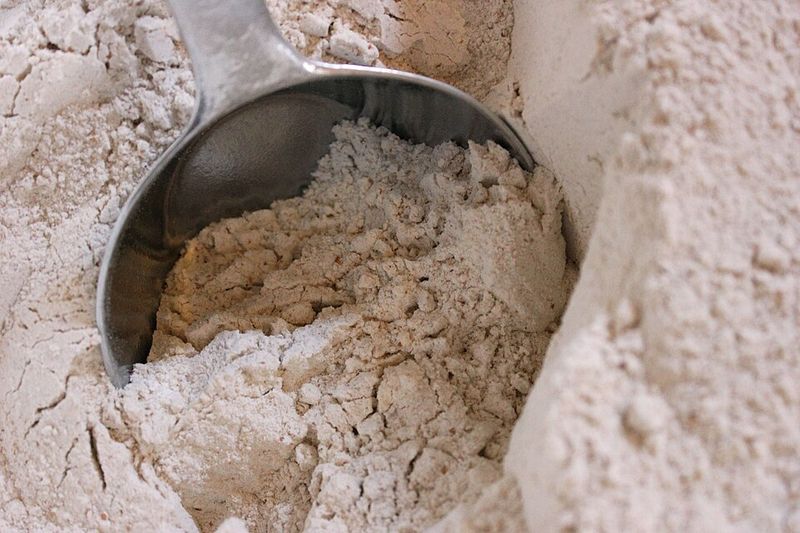
Flour tins once sat within arm’s reach, ready for biscuits, gravy, and pie crusts. You scooped without thinking, trusting the cool metal to keep bugs and moisture out.
Labels were hand written, dents told family stories, and a dusting of white felt like a promise. Convenience bags replaced ritual, and the tin quietly vanished.
Now flour lives zipped or boxed, hidden from sight, and baking feels less everyday. You might still crave that steady presence beside the mixing bowl.
A simple tin meant confidence and comfort, reminding you to bake before bread ran out. Maybe it even sparked conversations on rainy afternoons.
Sugar jars
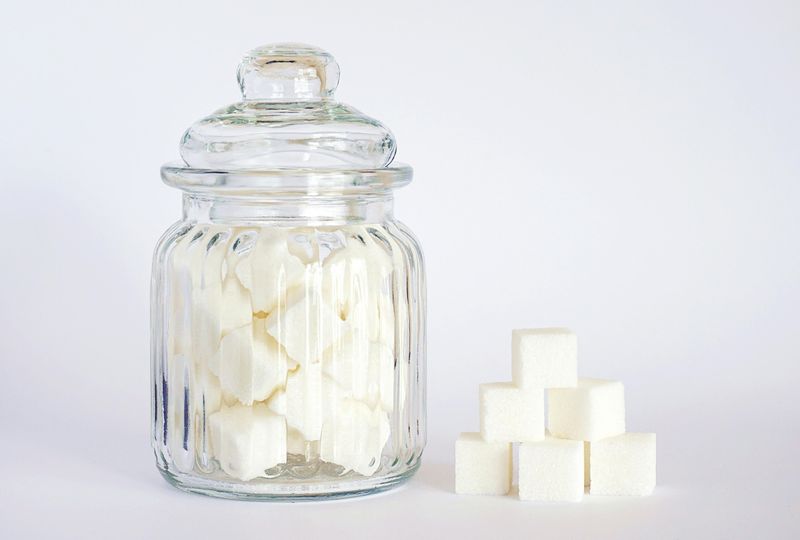
Remember the sugar jar that lived by the kettle, always there when you needed a sweet touch. You could measure by feel, a scoop for coffee, a sprinkle for berries.
The glass caught sunlight, and the lid clicked shut with a sound that felt reassuring. Now packets and resealable bags scatter instead of gathering you close.
Refills used to be a small ceremony, a moment to tidy and prepare. You might still hear that tiny clink when you stir.
A sturdy jar kept ants out, saved waste, and made sweetness visible. Somehow, dessert felt possible any night of the week.
Grease tins
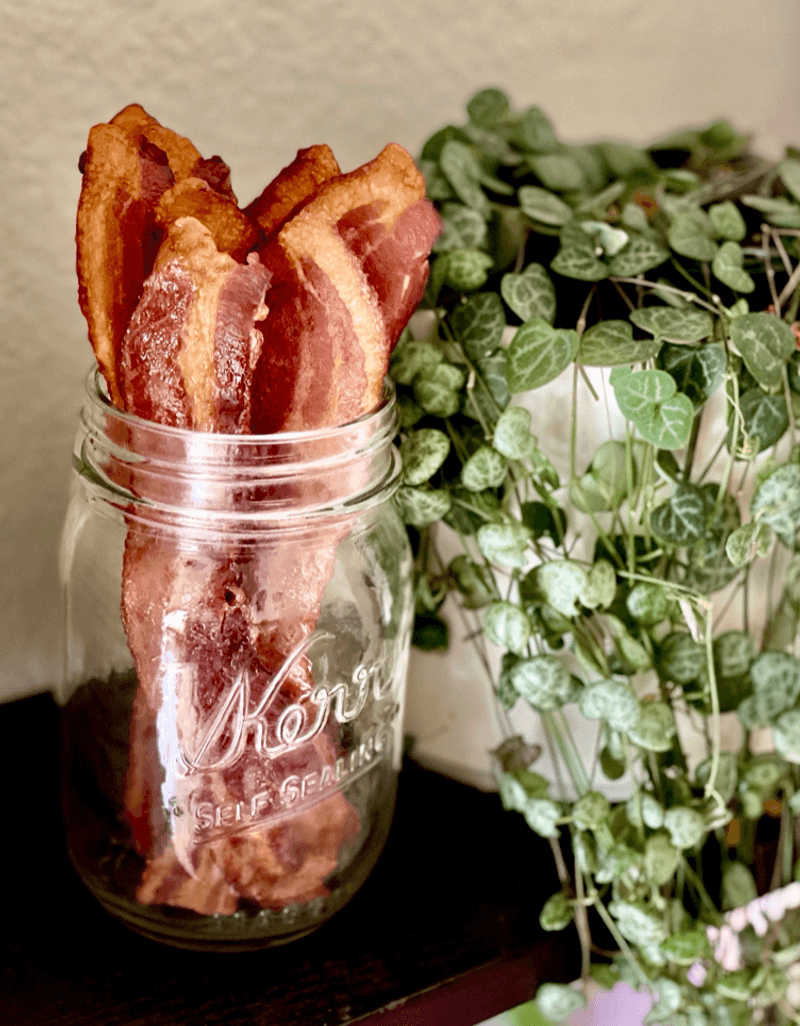
A grease tin sat near the stove, catching flavorful drippings that turned humble dinners into comfort. You strained, saved, and reused, stretching groceries while adding depth to beans, cornbread, and greens.
The lid kept smells contained, and that little tin taught thrift without scolding. Today, many toss what once elevated every skillet sizzle.
Cooking with saved fat gave vegetables personality and made eggs taste like Sunday. You might miss the ritual of pouring warm gold into something practical and proud.
It was a kitchen secret passed down quietly. Nothing fancy, just knowledge that flavor often hides in leftovers.
Canned milk
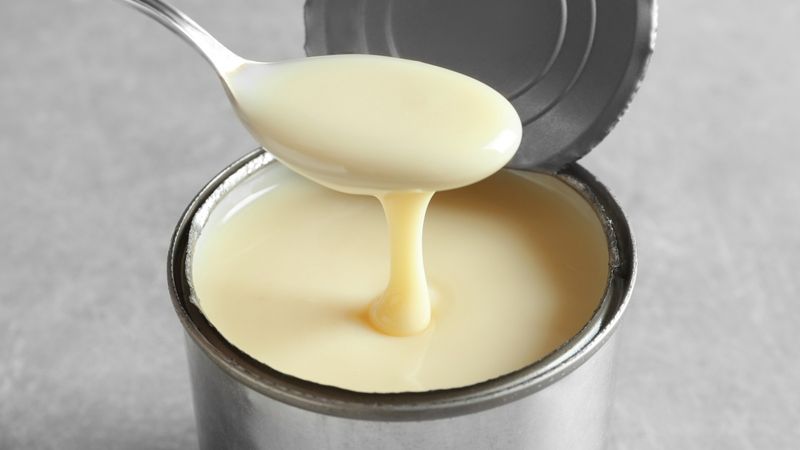
Canned milk waited in the cupboard for custards, casseroles, and quick coffee fixes. You could count on it when fresh milk ran out or spoiled too soon.
Labels changed, but the promise stayed steady, a creamy backup that made recipes forgiving. Now many reach for specialty creams, leaving those sturdy cans behind.
Evaporated or sweetened, it rescued last minute desserts and softened strong tea. You might remember punching holes with a church key and feeling oddly capable.
Shelf stable comfort kept waste low and budgets calm. A small can on standby meant you were never far from whipped dreams.
Salt boxes
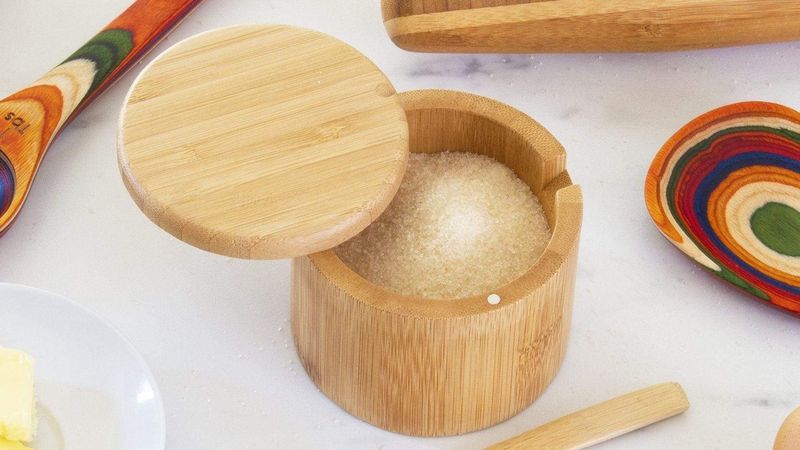
That cardboard salt box with the easy spout lived on every shelf, ready to season courage and soup alike. You learned pinches with fingertips, not a shaker’s hole count.
It poured into boiling pasta, found its way onto tomatoes, and made cucumbers sing. Now grinders and gourmet salts crowd out that faithful blue box.
A simple container taught you moderation by feel. Salt was never precious, only purposeful, and always within reach.
When recipes asked for a teaspoon, your hand already knew. Somehow dinners tasted bolder, not fancier, and the box stood sentry through storms, spills, and late night snacks.
Jam jars
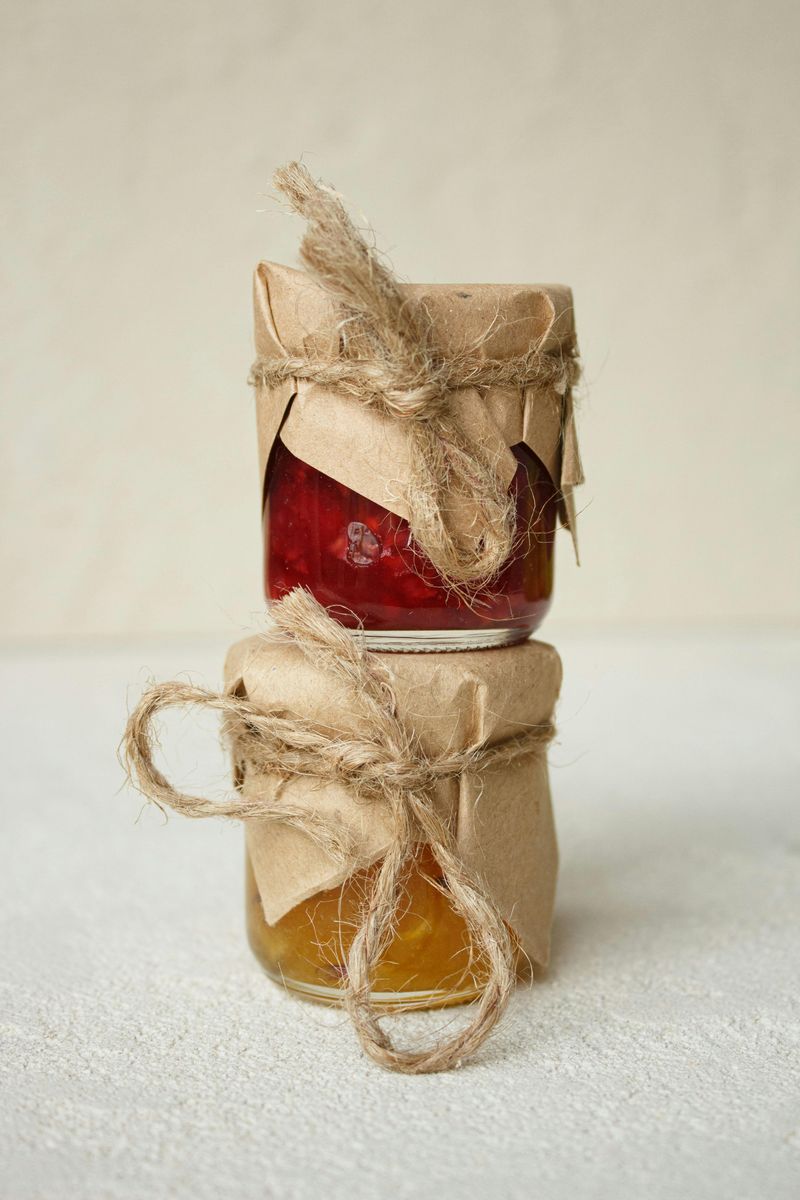
Jam jars lined windowsills like stained glass, catching light in strawberry, peach, and plum. You learned to skim foam, test set on a chilled plate, and label with smudged dates.
Toast felt special on an ordinary Tuesday because summer fruit waited patiently. Now squeezable bottles crowd the fridge and seasons blur on demand.
There was a thrill in hearing lids pop as jars sealed. You might still save jars for buttons and bolts after the sweetness is gone.
Homemade jam meant gifts, trade, and pride. A spoonful tasted like family effort, not just sugar and fruit.
Dry bean sacks
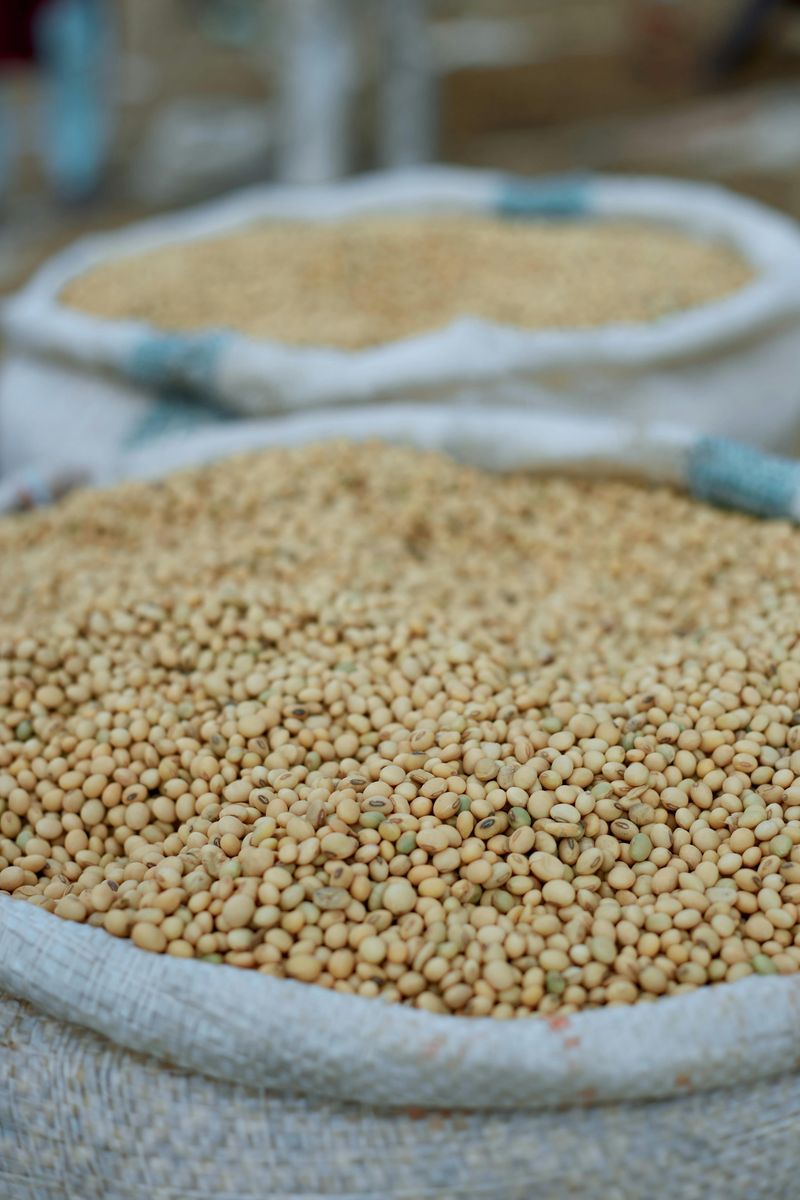
Dry bean sacks sat big and honest, promising dinners that worked hard for little money. You soaked overnight, simmered slow, and seasoned with whatever the week allowed.
Pots bubbled while stories stretched, and leftovers only improved. Cans are quick now, but sacks taught patience, planning, and the comfort of a heavy ladle.
Cooking beans built rhythm in a kitchen. You might remember checking tenderness with a spoon pressed to the pot’s side.
Fragrance filled the house, inviting cornbread to join. A sack by the pantry door meant no one went hungry, even when paydays lagged.
Rice containers
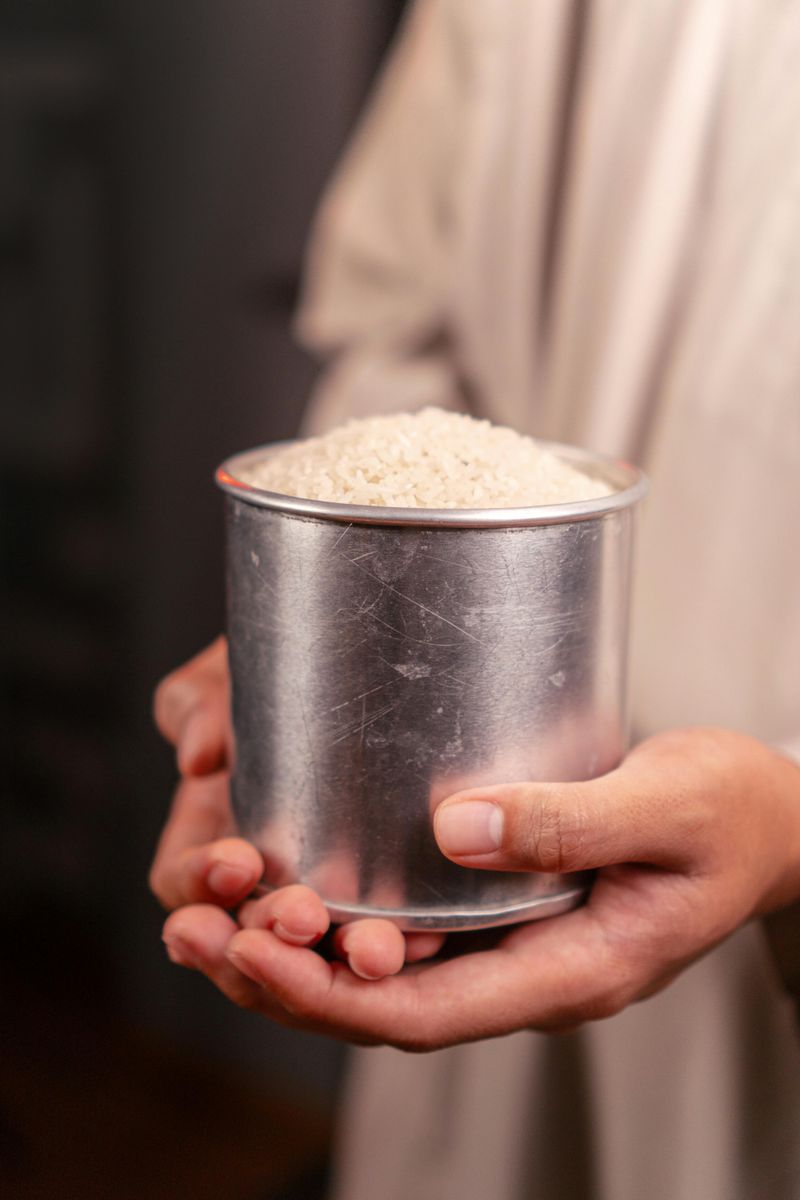
A dedicated rice container kept grains dry, ready, and respected. You measured by knuckle, rinsed until water ran clear, and never worried about pantry moths.
The lid thudded shut like a promise of dinners that stretch gracefully. Today, half used bags slump awkwardly, and serving rice feels less like a staple, more like a side.
Consistency used to be earned with habit. You might still crave that smooth pour and dependable scoop.
A container on the counter said you value simple abundance. Rice waited quietly to anchor stir fries, stews, and soups whenever plans changed.
Cornmeal bags
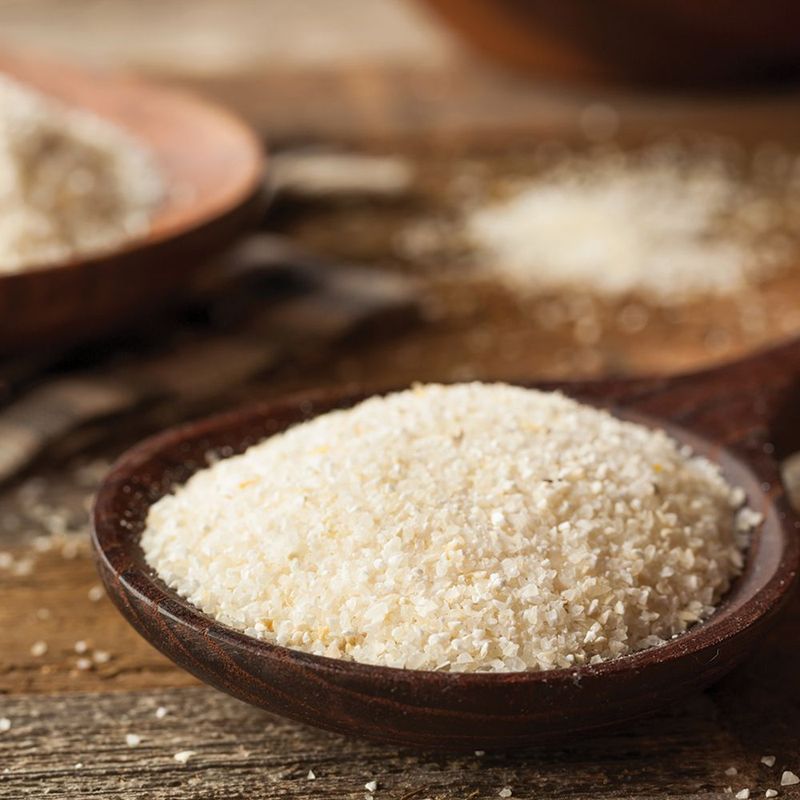
Cornmeal bags leaned in the pantry like old friends, ready for cornbread, fritters, and skillet crusts. You could smell the sweet grain as soon as the bag opened.
A little dust on the counter meant breakfast would be hearty. Now specialty mixes promise shortcuts, but that simple yellow meal made magic with just buttermilk.
Stirring batter was muscle memory. You might remember preheating a pan until it hissed, then pouring sunshine inside.
Every corner crisped into something worth arguing over. The bag crinkled, folded, and lasted, making weeknights feel grounded and generous without ceremony.
Molasses bottles
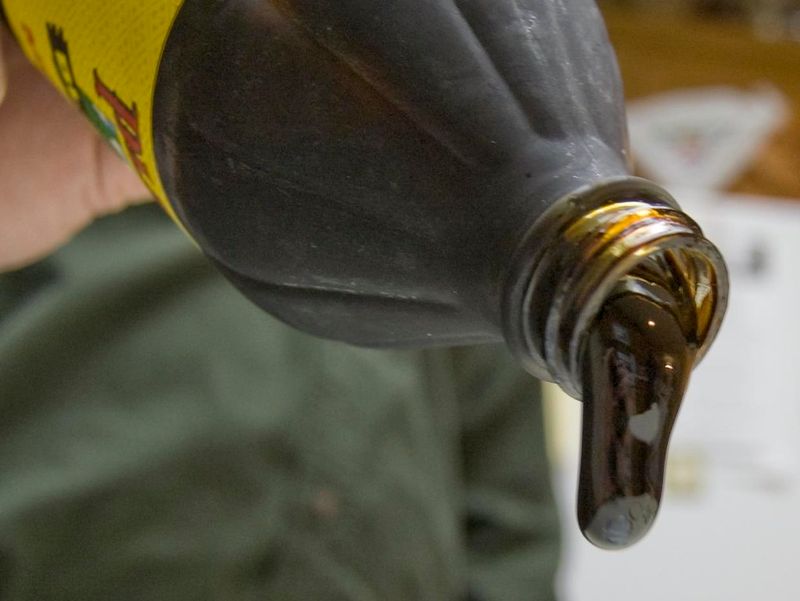
Molasses bottles poured like midnight, slow and certain, turning biscuits, baked beans, and gingerbread into deep comfort. You learned patience watching that ribbon fall.
The bottle stuck a little, lids glued by sweetness, and that felt like charm not hassle. Today, syrups line shelves, but few carry the same old depth.
A spoonful steadied flavors and frugality alike. You might still stir it into warm milk when the house feels cold.
That bitterness balanced sugar, teaching your tongue to appreciate shadows. The bottle lasted ages, waiting to rescue dry bakes and quiet cravings.
Lard buckets
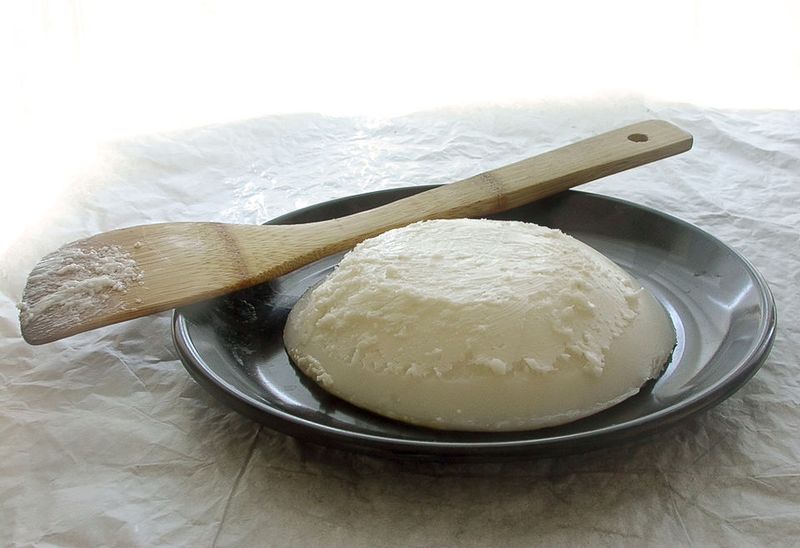
Lard buckets once promised flaky pies and tender biscuits without apology. You scooped pale fat that knew how to behave in heat and make crusts sing.
The bucket traveled from frying to baking, teaching frugality as skill, not sacrifice. Modern fears and labels nudged it out, even as flavor quietly mourned.
Handled right, it kept well and worked wonders. You might remember cutting it into flour with a pastry blender, hopeful and hungry.
Those buckets sat sturdy, ready for winter’s heavy lifting. A kitchen felt capable when lard was close by, steady as a friend.
Soup bones
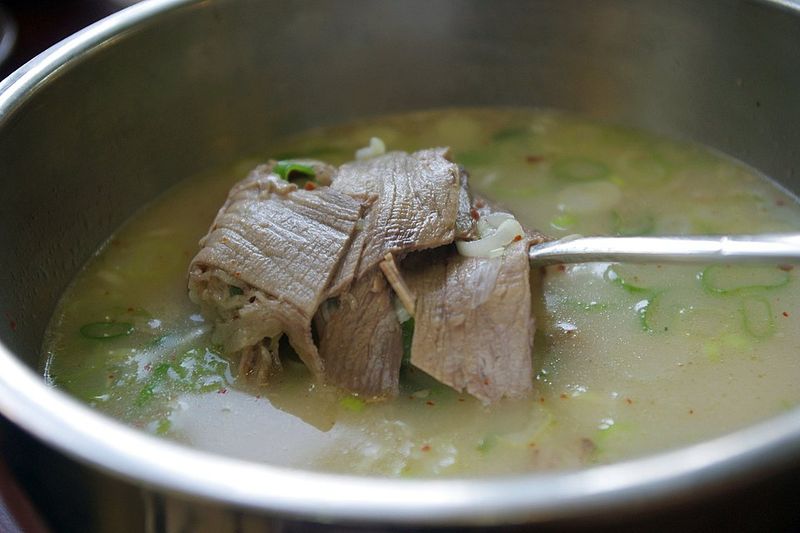
Soup bones were not scraps, they were plans. You roasted them dark, then dropped them into a pot with onions, carrots, and patience.
The house filled with a smell that said you were cared for, even on tight weeks. Now preboxed broth stands in, faster but thinner in spirit.
Bones taught you to pull goodness from what others overlooked. You might still save a few in the freezer, waiting for a rainy day.
The simmer asked for time, not skill. Bowls came generous, and leftovers tasted even kinder tomorrow.
Homemade broth
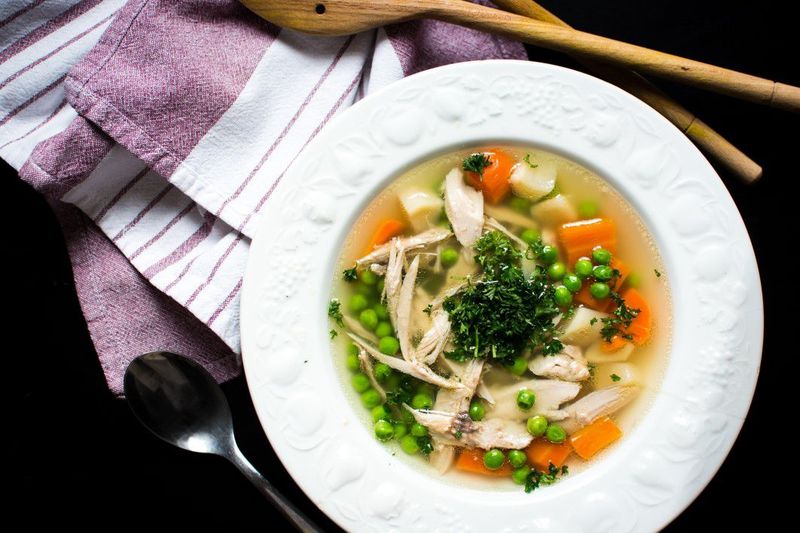
Homemade broth glowed golden in jars, a quiet currency that bought comfort all week. You salted just enough, skimmed foam, and listened to a gentle plop under the lid.
Nothing flashy, only steadiness in a pot. Today, cartons crowd shelves, yet they rarely carry the same backbone.
A spoonful could lift rice, noodles, and leftover vegetables into dinner. You might label jars and feel wonderfully prepared.
Freezer space was worth the trade for flavor. When colds hit, broth arrived like a friend who knew exactly what to say without talking too much.
Canned preserves
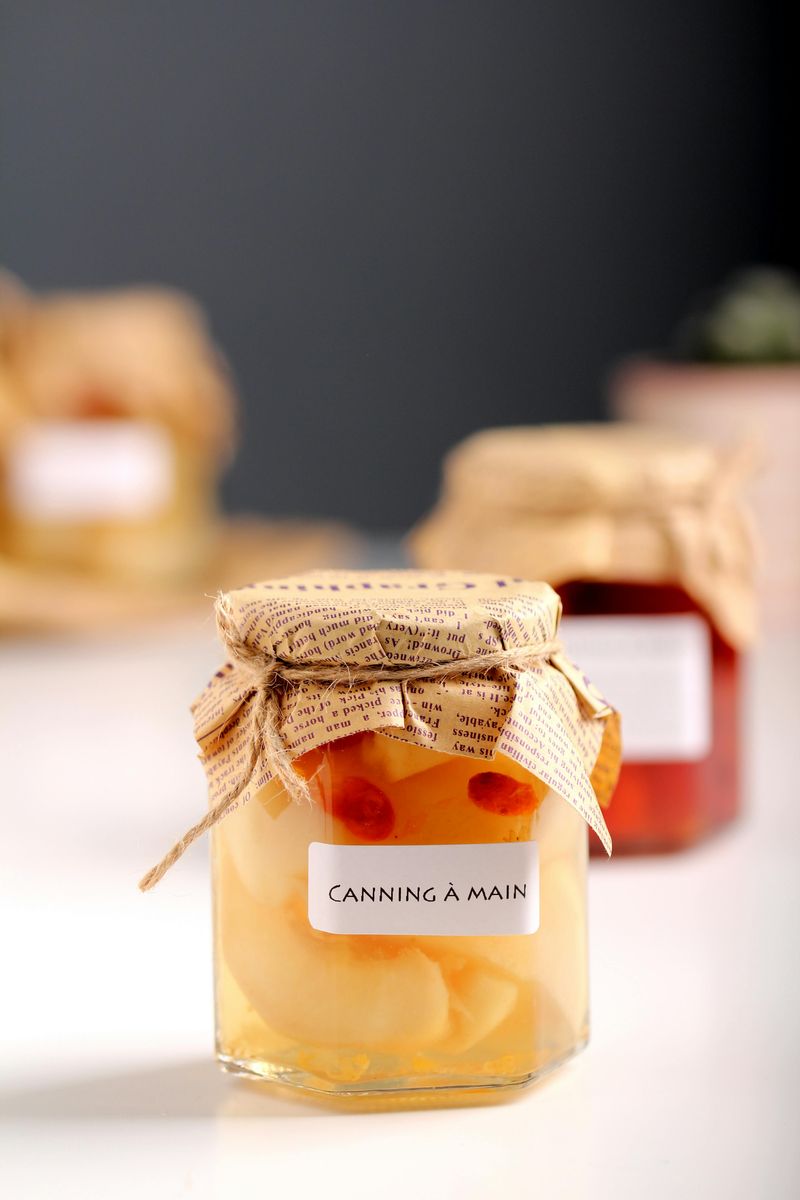
Canned preserves were insurance against dull months, shining like jewels behind glass. You turned windfalls into winter breakfasts, sealing hope with every ring.
Apricots, cherries, pears all waited patiently for pancakes and ice cream. Now freezer jams and store brands fill gaps, but that shelf once felt like wealth.
Preserving asked you to plan and share. You might trade jars with neighbors, comparing set and color proudly.
Each lid pop proved you did something right. A well stocked row reminded you to slow down, appreciate seasons, and make sweetness last long after harvest.
Root vegetables
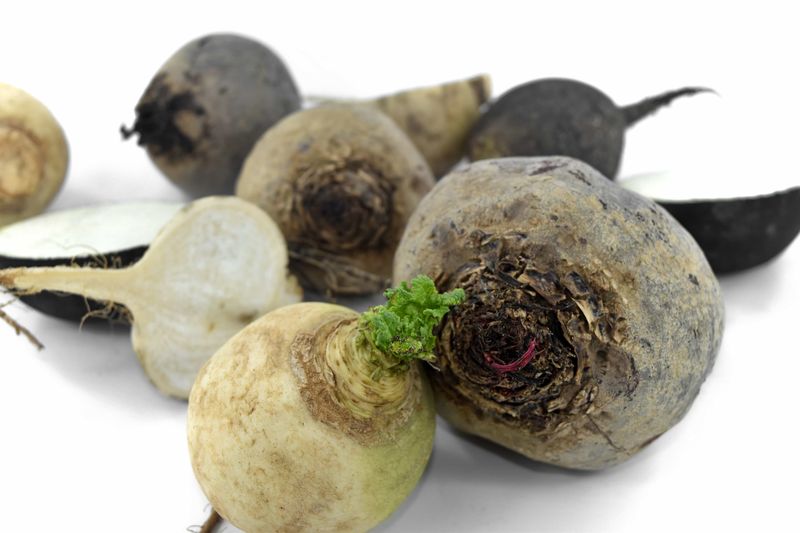
Root vegetables kept quietly in cool corners, unbothered and reliable. You could forget them a bit, then roast, mash, or stew your way to comfort.
Carrots, beets, onions, and turnips carried winters without complaint. Today, delicate greens dominate fridges while hard workers wait less often in baskets.
Scrubbing dirt felt close to the field. You might still toss chunks with oil and salt, trusting the oven to do right.
Their sweetness arrives slow and honest. A cellar basket meant options on rough days, and dinners that felt nourishing without costing much.
Bulk potatoes
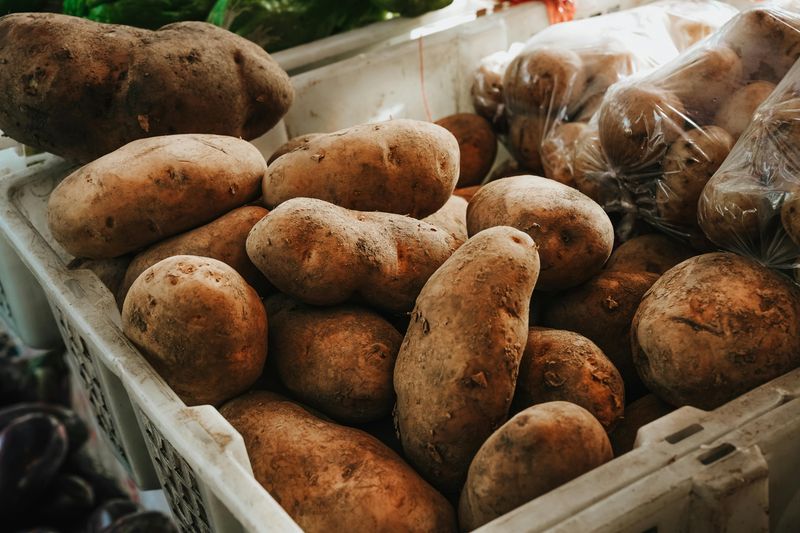
Bulk potatoes anchored meals with effortless generosity. You bought a sack, stored it cool, and reached in whenever dinner needed heft.
Mashed, roasted, fried, or hashed, they adapted kindly to moods and leftovers. Now tiny specialty bags come washed and pricey, shrinking possibilities one recipe at a time.
A potato teaches you that simple can be spectacular. You might still prick and bake them until skins crackle.
A sack nearby promised guests were never a worry. With butter, salt, and heat, you could feed anyone and call it good without apology.
Basic spices
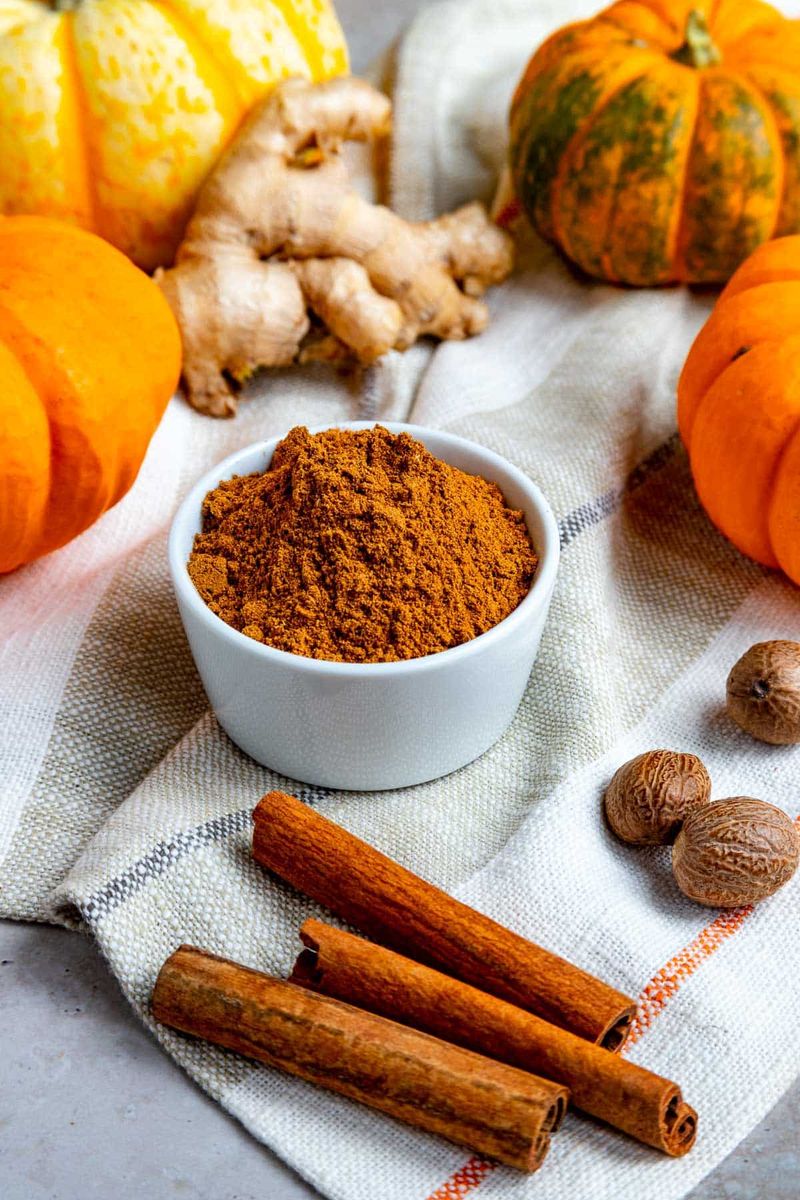
Basic spices once did most of the heavy lifting. Paprika, cumin, cinnamon, black pepper, and salt stood ready, familiar and fearless.
You learned balance by taste, not by chasing trends. Now shelves sag with blends, yet many meals only ask for old standbys used well.
Spices taught you restraint and confidence. You might toast a teaspoon in oil and feel like a magician.
Freshness mattered more than fancy names. A small, well loved set kept cooking nimble, and every jar earned its stay by turning simple groceries into something worth gathering around.
Bread loaves
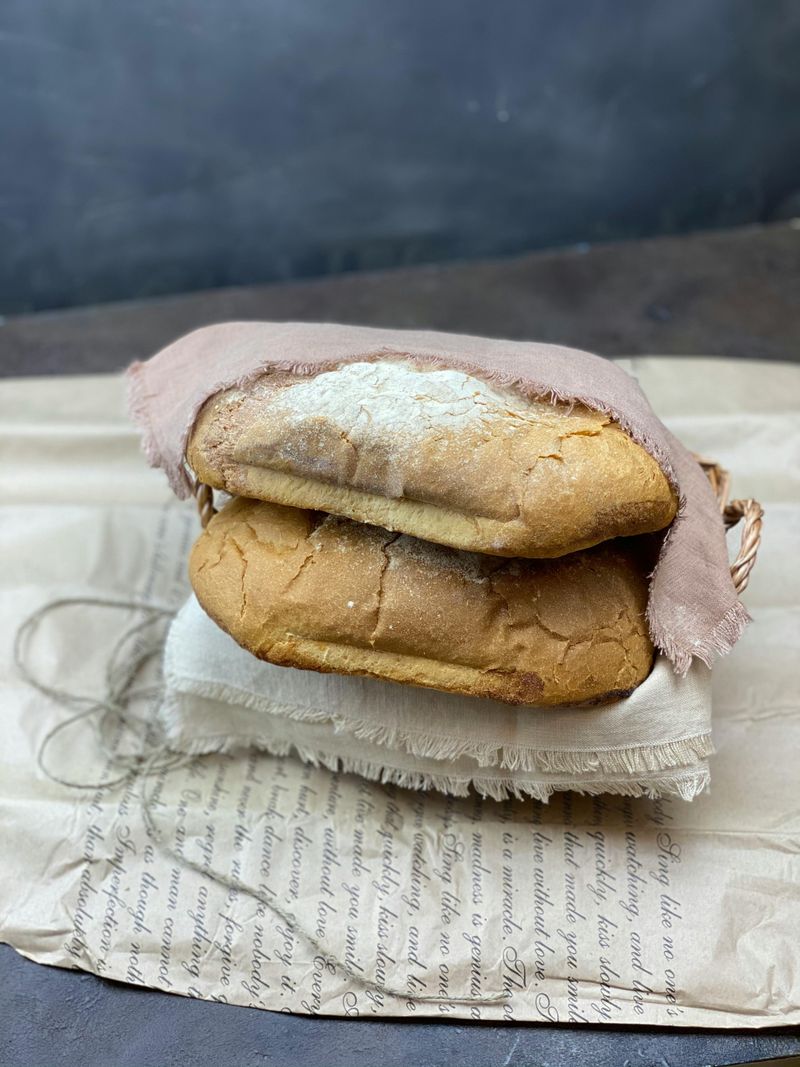
Bread loaves cooled on counters like trophies of ordinary courage. You sliced thick for sandwiches, thin for toast, and tore ends while impatient.
A crust crackled, a crumb sighed, and dinner stretched with little else. Now plastic bags whisper convenience, but the kitchen gets quieter without that smell.
Kneading taught patience and rhythm. You might still dust a board and watch dough rise like a small miracle.
A loaf meant hospitality without planning. With butter and salt, it became a meal, and with soup, it felt like home, no menu required.
Seasonal produce
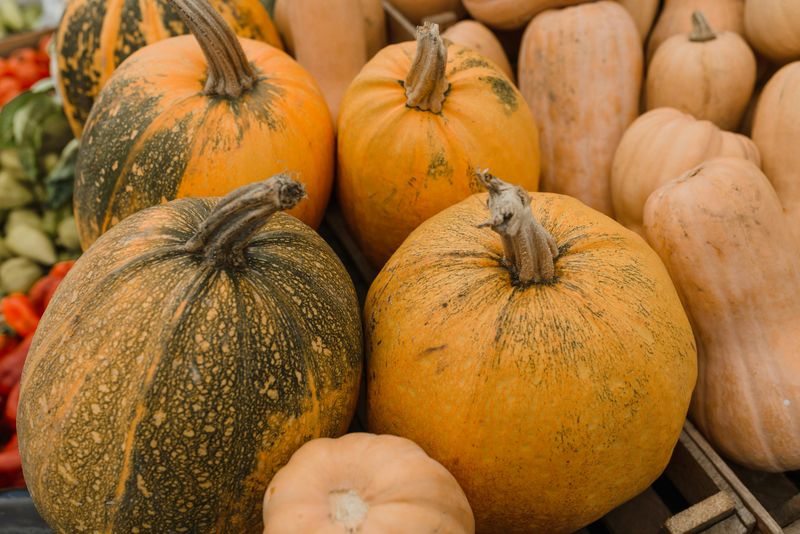
Seasonal produce used to guide menus more than mood. You cooked what arrived ripe, cheap, and abundant, letting flavor lead plans.
Tomatoes tasted like sunshine for a few weeks, then disappeared without drama. Now year round availability flattens excitement, and everything risks tasting the same.
Cooking with the season taught flexibility and gratitude. You might still build dinners from a market bag, letting color dictate direction.
Imperfections feel honest, not flawed. Eating this way turns meals into tiny celebrations, reminding you that scarcity can make pleasure brighter and more memorable.
Homemade pickles
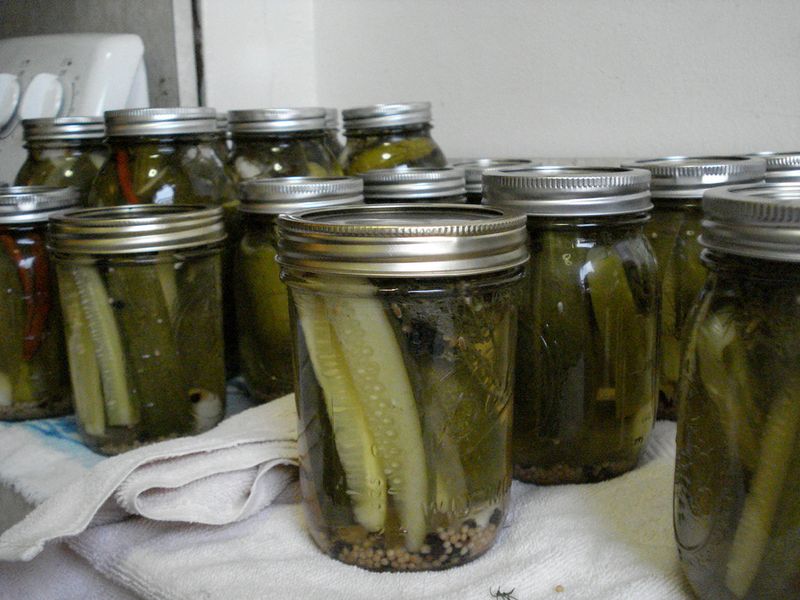
Homemade pickles used to burp quietly on the counter, a sign of living food in a living kitchen. You sliced cucumbers, packed jars, and trusted vinegar, salt, and patience.
The crunch rewarded weekends of work and stretched sandwiches for months. Now store shelves offer twenty styles, but fewer hands pack jars at home.
That briny tang felt like summer captured. You might miss fishing out a spear with cold fingers during late night raids.
Canning days gathered neighbors and stories, teaching timing, sterilizing, and care. A jar carried pride, thrift, and surprise heat that kept leftovers exciting.
Enjoyed this story?
Add Fast Food Club as a preferred source to see more of our reporting on Google.