


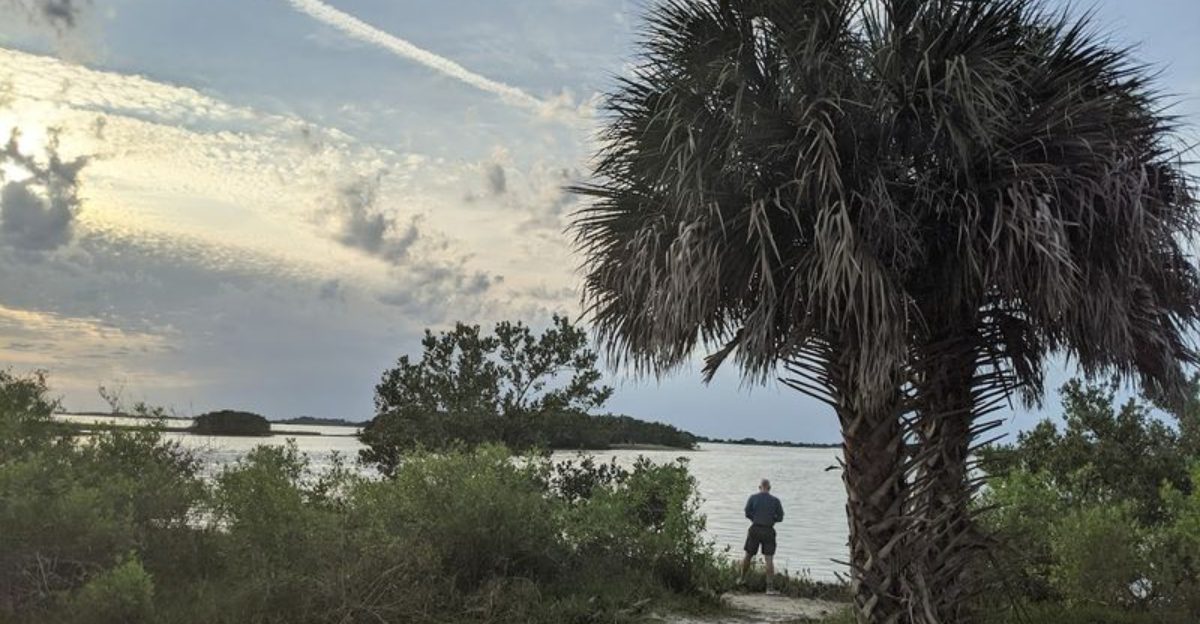
Tucked away on Florida’s Gulf Coast, Cedar Key Museum State Park is one of those rare places that makes you feel like you’ve stepped back in time. Most people don’t even know it exists, and that’s exactly what makes it so special.
From fascinating local history to quiet nature trails and a restored 1920s home, this little park packs a lot of charm into a small space. Whether you’re a first-time visitor or a Florida native, Cedar Key Museum State Park just might be the most surprising stop you’ll make all year.
A $2 Admission That Punches Way Above Its Weight
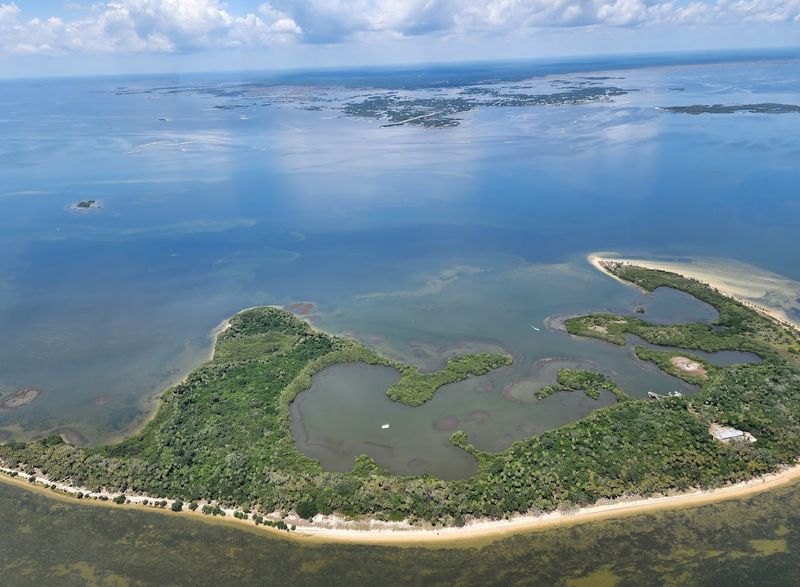
Some of the best experiences in life cost almost nothing, and Cedar Key Museum State Park proves that in the best way possible. At just $2 per person, paid online or through a blue envelope at the entrance post, this park is one of Florida’s most affordable hidden gems.
You get access to the museum, the historic Whitman House, a nature trail, and beautiful estuary views — all for pocket change. Families with kids will especially appreciate how budget-friendly a full afternoon here can be.
If you already have a Florida State Parks pass, you can walk right in for free. Volunteers and park staff are on hand to answer questions and make sure your visit feels personal.
For the price of a gumball machine, you walk away with a genuinely enriching experience that most tourist spots can’t match.
Cedar Key’s Port and Railway History Brought to Life
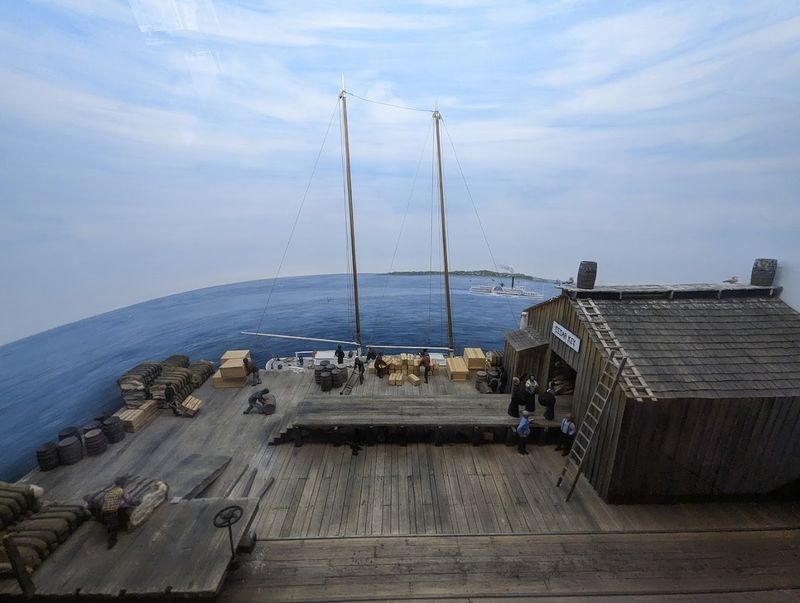
Back in the 1800s, Cedar Key was actually one of Florida’s busiest port towns — hard to believe when you see how quiet it is today. The museum’s exhibits walk you through that entire era, from the booming pencil factories to the railroad that once connected this island to the rest of the country.
Old photographs, detailed maps, and carefully preserved artifacts fill the display cases, making history feel tangible rather than textbook-dry. It’s the kind of place where you find yourself leaning in closer to read every caption.
The story of how Cedar Key went from industrial hub to peaceful backwater is genuinely fascinating. Even visitors who aren’t usually into history tend to leave with a new appreciation for how much this small town shaped early Florida.
Plan to spend at least 30 to 40 minutes just inside the museum building.
Native American Artifacts That Tell an Older Story
Long before railroad tycoons and pencil factories, the Cedar Key area was home to Native American communities whose presence stretched back thousands of years. The museum’s collection of Native American artifacts offers a quiet but powerful reminder of that deep history.
Pottery fragments, tools, and other objects recovered from the region are displayed with context that helps you understand how people lived along this coastline before European contact. It’s a part of Florida’s story that often gets skipped in mainstream tourism.
Younger visitors tend to be especially drawn to these displays — there’s something undeniably cool about holding your gaze on something made by human hands thousands of years ago. The museum staff is happy to share more details if you ask.
Coming here with curiosity and a few good questions will make this section of the museum truly memorable.
Florida Seashell Collection Worth Slowing Down For
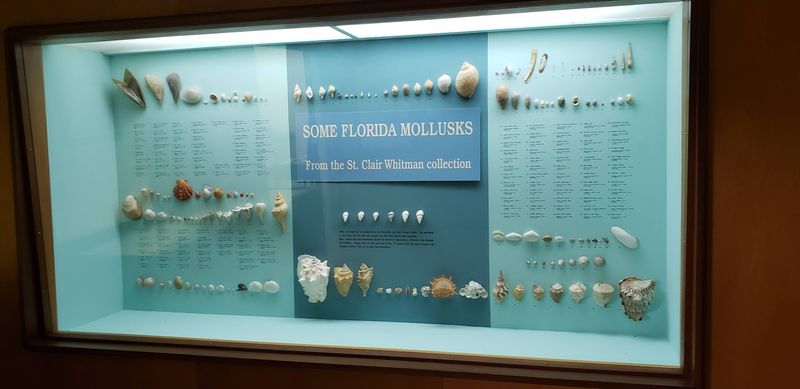
Florida is famous for its shells, but the collection at Cedar Key Museum State Park goes well beyond what you’d find washed up on a beach. The display cases hold a wide variety of shells native to Florida waters, many of them labeled with their species names and habitat details.
Shell collectors will feel right at home, but even casual visitors find themselves lingering longer than expected. There’s something oddly meditative about studying the colors, textures, and spirals up close through clean glass cases.
Kids who love the beach often connect with this exhibit immediately, asking questions about which shells they’ve seen before and where they come from. It becomes a mini science lesson without feeling like one.
Whether you’re a seasoned naturalist or just someone who picks up pretty things on the shore, this collection adds real depth to the Cedar Key experience.
The Historic St. Clair Whitman House, Frozen in the 1920s
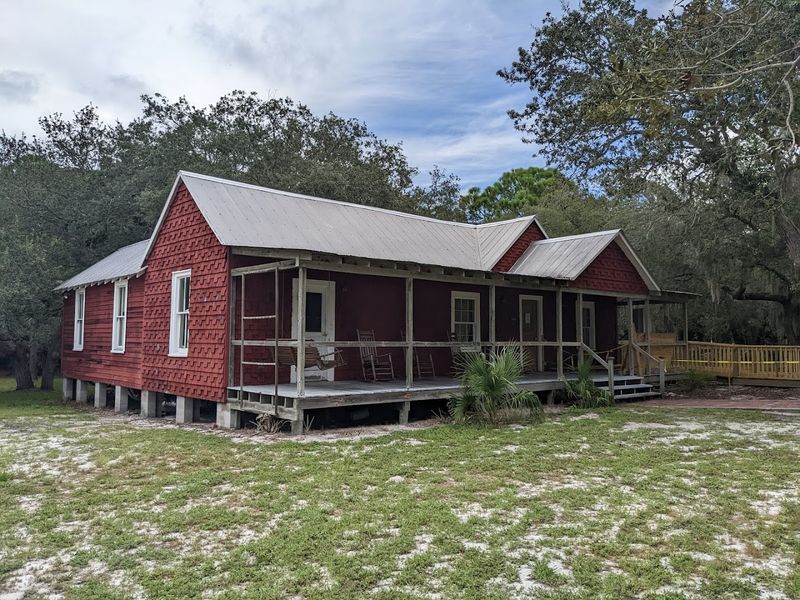
Walking up to the Whitman House feels a little like finding a time capsule someone forgot to seal. Built in the 1920s, this restored cottage sits on the museum grounds and has been maintained with remarkable care by Florida State Parks staff and volunteers.
A park staff member is usually available to walk you through the home and share the story of St. Clair Whitman and how he ended up in Cedar Key. Picking up one of the laminated self-guided tour sheets is highly recommended — the background details make the whole experience richer.
The house itself is modest but full of character, with period-appropriate furnishings and a layout that reflects everyday life in rural Florida a century ago. Visitors consistently call it the highlight of their stop.
It’s the kind of place that sparks real conversation on the drive home about what life used to look like.
A Nature Trail That Leads Straight to the Water’s Edge
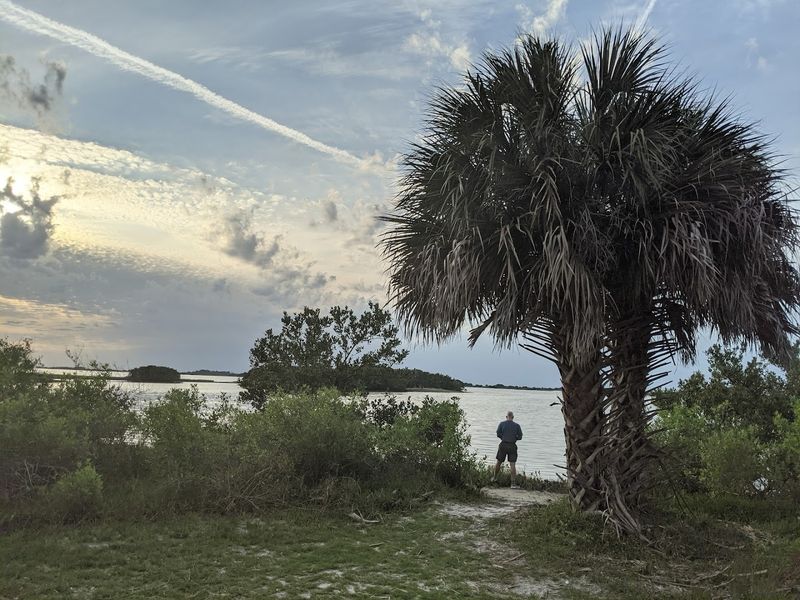
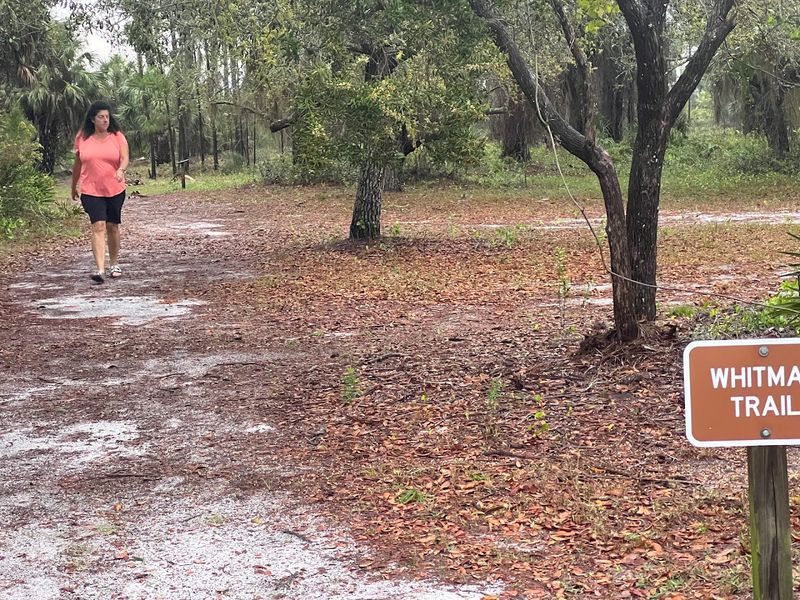
Not every nature trail earns its place, but the one winding through Cedar Key Museum State Park absolutely does. Shaded by a mix of pine and oak trees, the path is short enough for all ages and fitness levels but scenic enough to feel like a real escape.
A couple of wooden walkways extend toward the water, giving you unobstructed views of the adjacent estuary and mangrove habitat. Benches are placed along the route, making it easy to sit, breathe, and just listen to the birds.
Wildlife sightings are common here. Visitors have spotted Great Horned Owls, large hawks nesting nearby, and all kinds of coastal birds along the trail edges.
The air smells clean and salty, and the sounds of the tourist district feel miles away even though you’re just a short drive from Cedar Key proper. Bring your camera — you’ll want it.
Kayak Launch Access Hidden in Plain Sight
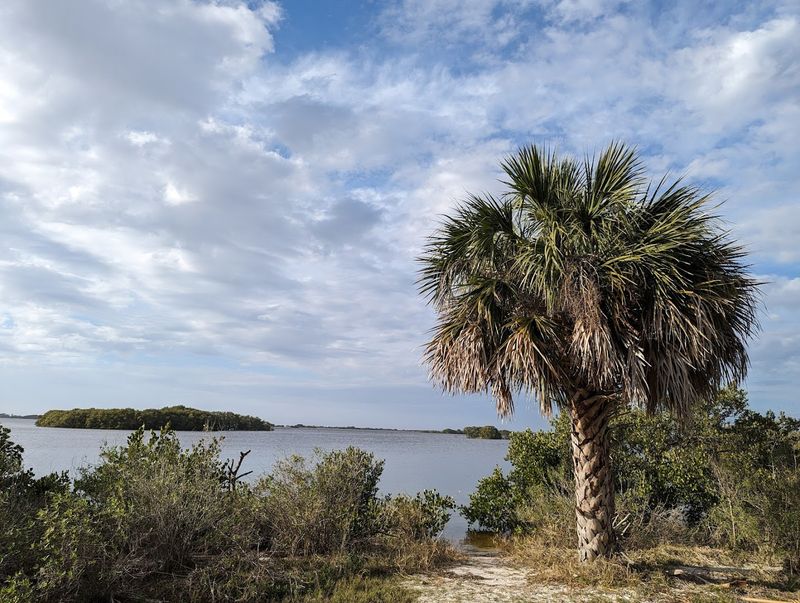
Here’s something even many locals don’t realize: Cedar Key Museum State Park is a fantastic spot to launch a kayak. The grounds provide easy water access to the surrounding estuary, making it a low-key alternative to busier launch points in the area.
Paddlers love the calm, shallow waters near the park, which are ideal for exploring mangrove channels and spotting coastal wildlife up close. You don’t need any special gear or experience — just a kayak, a paddle, and a sense of adventure.
Recent visitors have praised the park’s grounds even while the museum building was being repaired after hurricane damage, noting the water access as a standout feature. Arriving early on a weekend morning gives you the best chance of having the launch area to yourself.
It’s the kind of off-the-beaten-path experience that makes a Cedar Key trip feel genuinely different from any other Florida getaway.
The John Muir Connection You Probably Didn’t Expect
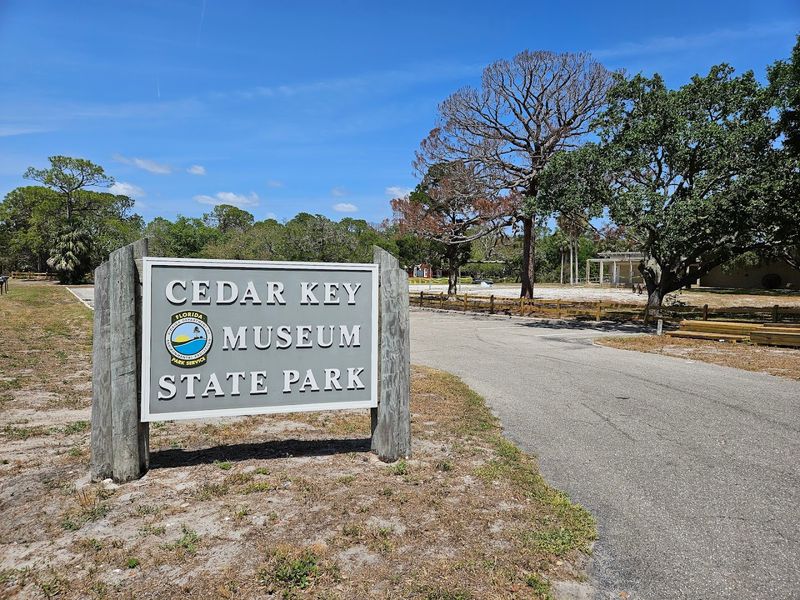
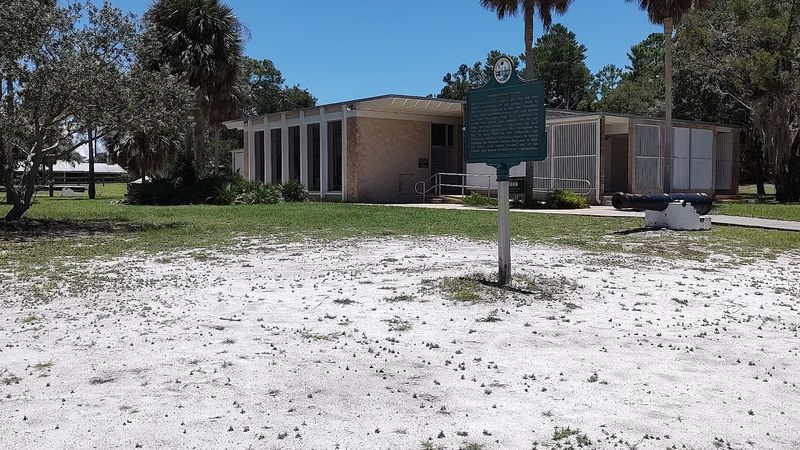
John Muir, the legendary naturalist who inspired the modern conservation movement, actually spent time in Cedar Key during his famous 1,000-mile walk to the Gulf of Mexico in 1867. A sign on the museum grounds marks this connection, and it’s one of those details that makes the whole park feel bigger than it looks.
Muir fell ill during his stay in Cedar Key and spent several months recovering here, writing detailed observations about the local landscape and wildlife. His notes from this period are some of the most vivid early descriptions of Florida’s Gulf Coast.
Seeing that sign and knowing you’re standing in a place that shaped one of America’s greatest environmental thinkers adds a quiet layer of meaning to the visit. It’s worth pausing there for a moment.
Staff members are always happy to share more about Muir’s time in Cedar Key if you ask.
Outdoor Artifacts That Make the Grounds Feel Like a Living Museum
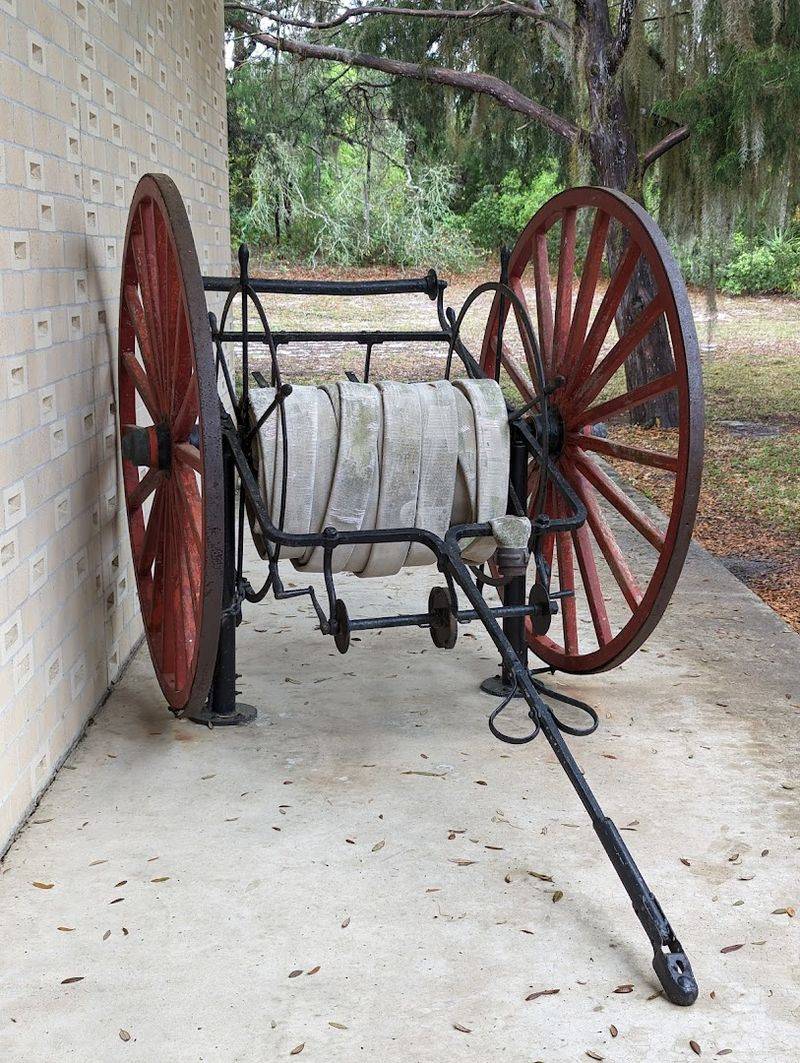
You don’t need to step inside a building to start learning at Cedar Key Museum State Park. The outdoor grounds are dotted with artifacts that catch your eye the moment you arrive, including antique cannons, a weathered wagon, and a vintage fireman’s hose reel that look like they rolled straight out of another century.
These pieces are spread across the shaded lawn in a way that feels organic rather than staged, inviting you to wander and explore at your own pace. Kids especially love being able to get close to the objects without ropes or barriers getting in the way.
The grounds are well-maintained and peaceful, with plenty of mature trees providing shade on warm Florida afternoons. Even if the museum building happens to be closed during your visit, the outdoor experience alone makes the stop worthwhile.
It’s a genuinely relaxed, unhurried way to absorb a bit of Florida history.
Rocking Chairs on the Porch That Invite You to Stay a While
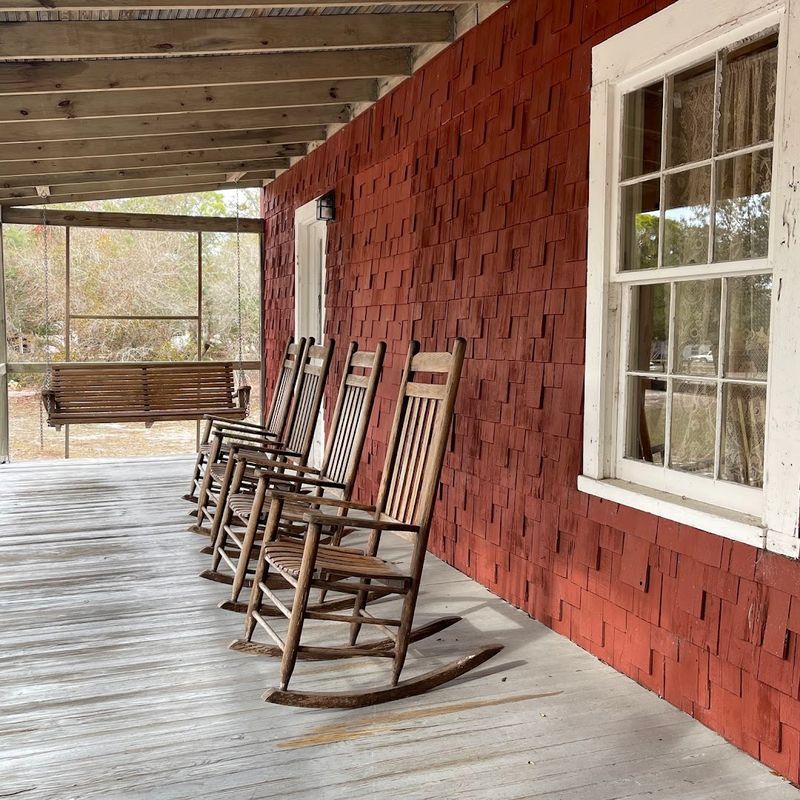
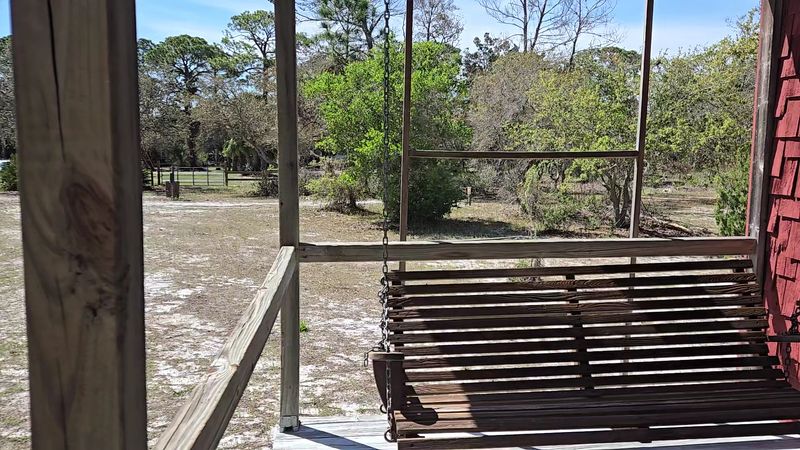
Sometimes the most memorable part of a visit isn’t a display or an artifact — it’s a moment of stillness. The front porch of the museum building has a row of rocking chairs that practically beg you to sit down, slow your breathing, and listen to the birds in the trees overhead.
Multiple visitors have mentioned this porch as an unexpected highlight, describing the experience as genuinely rejuvenating. There’s no phone signal competing for your attention, no crowds jostling past — just the sound of wind through the oaks and the occasional call of a coastal bird.
It sounds simple, and it is. But in a world that moves fast, finding a place that naturally slows you down is rarer than it should be.
Whether you spend five minutes or thirty in those chairs, you’ll leave feeling like you actually rested. That’s harder to find than most people realize.
Friendly Volunteers Who Make History Feel Personal
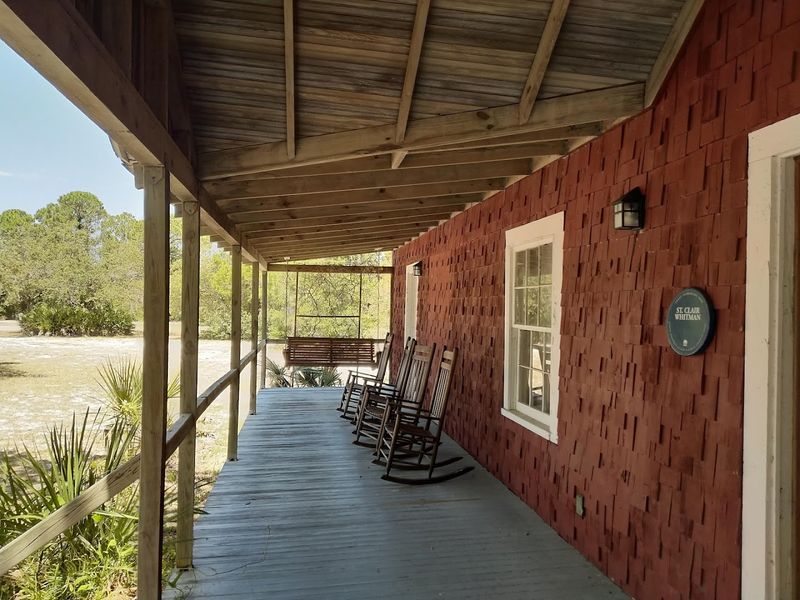
One thing that sets Cedar Key Museum State Park apart from bigger, more polished attractions is the warmth of its people. The volunteers and staff here are genuinely knowledgeable and enthusiastic about the park’s history, and that energy is contagious.
Multiple reviews from visitors mention specific conversations with volunteers as the highlight of their trip — stories about Cedar Key’s past, details about the Whitman House, or tips on where to walk for the best estuary views. It’s the kind of human connection that no app or audio guide can replicate.
Showing up with a few questions is the best way to get the most out of your time here. The staff never makes you feel rushed, and they’re clearly proud of what this small but meaningful park represents.
Good people taking care of a good place — that combination is worth seeking out wherever you travel.
A Peaceful Escape from Cedar Key’s Tourist District
Cedar Key’s downtown area is charming, but it can get busy during peak season. The museum state park sits just far enough away to feel like a completely different world — quieter, shadier, and noticeably more relaxed from the moment you pull into the parking lot.
Families looking for a breather between seafood lunches and souvenir shopping will find the park’s atmosphere genuinely restorative. Dog owners have noted it as a great spot for a calm stroll, and parents with younger kids appreciate the open, unhurried space where children can explore freely.
The park’s location also makes it easy to pair with other Cedar Key activities without needing to backtrack. Spend the morning on the water, stop here for a mid-day wander, and head back to town for sunset.
That kind of flexible, low-pressure visit is exactly what this corner of Florida does best.
Hurricane Resilience and a Park That Keeps Coming Back
Cedar Key Museum State Park has taken some hard hits from recent hurricanes, including significant damage to the main museum building and the historic cottage on the grounds. But the park’s story since then is one of steady, determined recovery that says a lot about the people behind it.
Visitors who arrived during the repair period consistently praised the well-maintained grounds and the staff’s positive attitude, often giving five-star reviews even when the main building was closed. The Whitman House was still accessible, trails were walkable, and the water views were as beautiful as ever.
Florida’s Gulf Coast knows how to rebuild, and Cedar Key Museum State Park is a living example of that resilience. Checking the park’s current hours before visiting is always a good idea, especially on weekdays when it remains closed.
Friday through Sunday, 10 AM to 5 PM, is when the full experience comes alive.
Enjoyed this story?
Add Fast Food Club as a preferred source to see more of our reporting on Google.